
Tulum on a Budget 2026: Costs, Free Beaches & Money-Saving Tips
This comprehensive budget guide breaks down all major expense categories, provides realistic daily cost calculations, and offers proven money-saving strategies for 2026 Tulum visits. Whether traveling solo, as a couple, or with family, these approaches help you experience Tulum’s magic without financial stress or post-trip budget regrets.
- Budget travelers visit Tulum for $50-80 per person daily in 2026 through strategic accommodation choices, free beaches, local transportation, and Mexican restaurant dining
- Free beach access exists at multiple public points along Tulum’s coastline, eliminating expensive beach club minimums while maintaining stunning Caribbean experiences
- Colectivo shared vans cost $2-3 per ride in 2026, providing economical transportation between Tulum town, Hotel Zone beaches, and archaeological zones
- Local Mexican restaurants and street food offer authentic meals for $5-15, compared to $20-45 at tourist-focused establishments in the Hotel Zone
- Shoulder season visits (May-June, September-November) reduce accommodation costs by 40-60% while maintaining excellent weather and beach conditions
- Strategic planning combining free activities, budget accommodations, and smart dining choices creates comprehensive Tulum experiences without luxury-level spending
Introduction to Budget Travel in Tulum 2026
Tulum developed international reputation as luxury beach destination, though budget-conscious travel remains entirely achievable through informed planning and strategic choices. The 2026 season presents opportunities for economical Tulum experiences combining stunning natural beauty, rich Maya heritage, and Caribbean coastlines without breaking personal budgets.
The key to budget Tulum travel involves understanding the destination’s dual nature. The Hotel Zone caters to luxury travelers with beach clubs, upscale restaurants, and premium accommodations commanding high prices. Tulum town (downtown area) maintains authentic Mexican character with budget accommodations, local restaurants, and affordable services. Smart budget travelers base themselves in town while making selective trips to beaches and attractions, minimizing high-cost zone exposure while maximizing authentic experiences.
Free and low-cost activities abound throughout Tulum. Public beaches provide Caribbean access without beach club fees. Archaeological ruins offer world-class Maya heritage exploration for modest admission prices. Cenotes (natural swimming holes) deliver unique experiences at $5-15 entry fees. Bicycle rentals enable independent exploration at $10-15 daily rates. Street food and local markets provide authentic Mexican cuisine at fraction of tourist restaurant costs.
People Also Ask About Budget Travel to Tulum 2026
How much money do you need per day in Tulum in 2026?
Budget travelers need $50-80 per person daily for comfortable Tulum experiences in 2026. This covers hostel dormitory or budget hotel accommodations ($15-30), three meals at local restaurants and street food vendors ($15-25), local transportation via colectivos and bicycles ($5-10), and attraction admission fees ($10-15). Mid-range travelers require $120-180 daily for private hotel rooms, mix of local and tourist restaurants, occasional taxis, and diverse activity participation. Luxury travelers spend $300-500+ daily on beachfront hotels, beach club access, upscale dining, and private transportation.
These estimates exclude international flights and travel insurance but include all on-ground expenses. Solo travelers typically spend 20-30% more daily than couples due to inability to split accommodation and transportation costs. Families achieve economies of scale through shared rooms and meals, often maintaining per-person costs similar to budget travelers despite higher total expenditures.
Actual daily costs vary significantly based on accommodation choices, dining preferences, beach club participation, and activity selections. Visitors utilizing free beaches, eating primarily at local establishments, staying in budget accommodations, and using colectivos consistently maintain $50-70 daily budgets. Those incorporating beach clubs, tourist restaurants, private rooms, and taxis approach $120-160 daily averages even with budget consciousness.
What are the cheapest months to visit Tulum in 2026?
September and October represent Tulum’s cheapest months in 2026, with accommodation costs dropping 50-70% below peak winter rates. Hotel rooms costing $150-250 nightly during December-March fall to $60-100 in September-October. However, these months coincide with hurricane season peak, bringing increased rain probabilities and occasional tropical weather systems.
May and early June offer excellent value-to-weather ratios, with prices 30-40% below winter peaks while maintaining mostly dry conditions and comfortable temperatures. Late June through August sees moderate pricing (20-30% below winter) with hot, humid weather and afternoon rain showers. November presents rising prices as winter season approaches but offers good weather and moderate rates before December surge.
April and early May provide sweet spots for budget travelers willing to handle warm weather, combining relatively low prices with excellent beach conditions. The period between spring break conclusion (late March) and summer beginning (mid-June) sees reduced tourist numbers while maintaining beautiful Caribbean conditions perfect for swimming, snorkeling, and beach activities.
Is Tulum expensive compared to other Mexican destinations in 2026?
Tulum ranks among Mexico’s most expensive beach destinations, with prices comparable to Playa del Carmen and exceeding Puerto Vallarta, Cancun hotel zones, and Pacific coast alternatives. The Hotel Zone particularly commands premium pricing, with restaurant meals costing 50-100% more than equivalent Tulum town establishments. Beach club minimums, upscale accommodations, and tourist-focused services drive overall costs significantly above typical Mexican beach destination levels.
However, budget Tulum travel costs align more closely with average Mexican destinations when focusing on town-based accommodations, local restaurants, and free or low-cost activities. Travelers maintaining local-focused approaches find Tulum prices comparable to Oaxaca, San Miguel de Allende, or Guadalajara. The key involves resisting Hotel Zone temptations and embracing authentic Mexican experiences in town and public beach areas.
Compared to international beach destinations, Tulum remains moderately priced. Caribbean alternatives like Jamaica, Barbados, or Bahamas typically exceed Tulum costs, while Southeast Asian beach destinations like Thailand or Bali offer lower prices. European Mediterranean beaches generally match or exceed Tulum pricing depending on specific locations and seasons.
Can you visit Tulum beaches for free in 2026?
Yes, multiple free public beach access points exist throughout Tulum’s coastline. Mexican federal law guarantees public beach access, though private properties can limit passage through their grounds. Public access points between beach clubs and hotels connect coastal highway to beaches, providing free sand and surf access without facility fees.
Playa Santa Fe near the archaeological zone offers Tulum’s most established free beach access with parking ($3-5) and basic bathrooms. Additional access points scatter throughout the Hotel Zone, though some require local knowledge to locate. The archaeological zone beach requires ruins admission ($80 pesos/$5) but grants access to Tulum’s most scenic beach section with Maya structures overlooking Caribbean waters.
Free beaches lack amenities like restaurants, bars, showers, shade structures, and day beds found at beach clubs. Visitors must bring their own supplies including towels, umbrellas, food, drinks, and entertainment. This trade-off suits budget travelers prioritizing swimming and natural beach experiences over full-service facilities.
Extended multi-day tours – 5+ days
Featured Yucatan Multi-Day Tour Packages
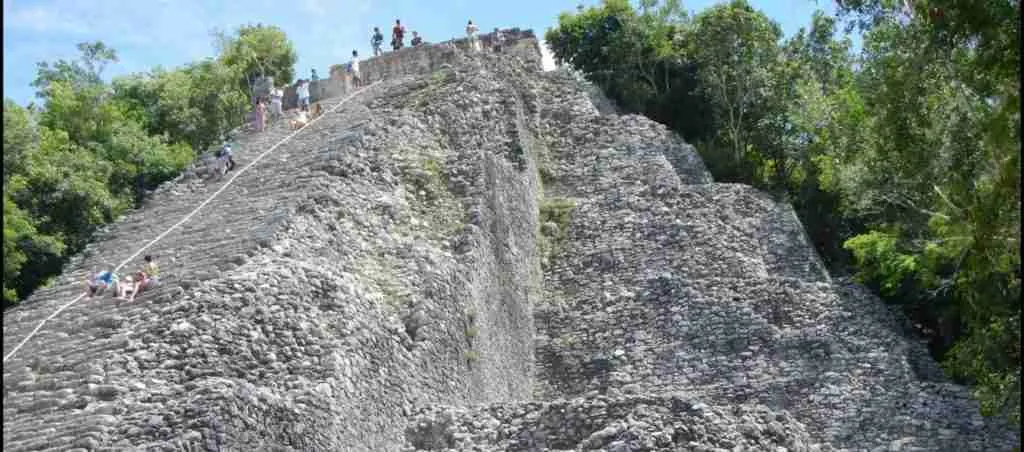
3 days
Yucatan 3-Day Discovery Tour
- ✓ Comprehensive Yucatan experience
- ✓ Expert local guides included
- ✓ All accommodation included
- ✓ Transportation provided
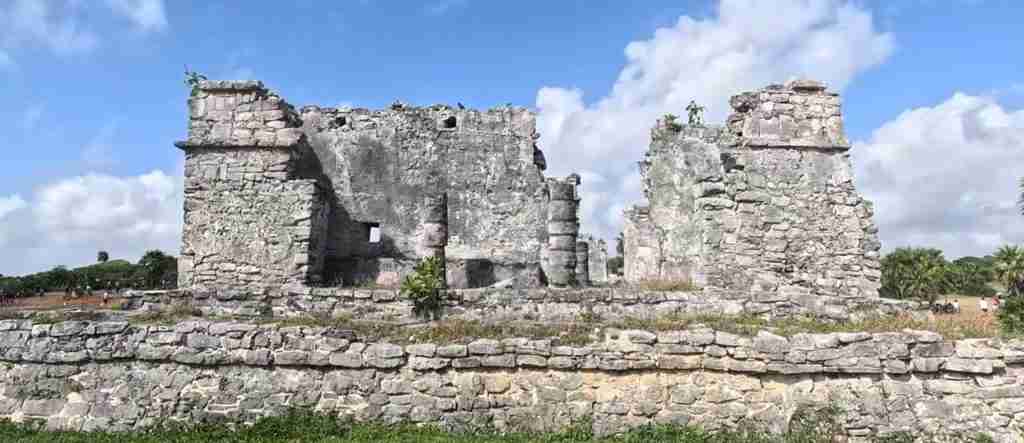
5 days
Yucatan 5-Day Highlights Experience
- ✓ Comprehensive Yucatan experience
- ✓ Expert local guides included
- ✓ All accommodation included
- ✓ Transportation provided

7 days
Yucatan 7-Day Cultural Journey
- ✓ Comprehensive Yucatan experience
- ✓ Expert local guides included
- ✓ All accommodation included
- ✓ Transportation provided

10 days
Yucatan 10-Day Complete Adventure
- ✓ Comprehensive Yucatan experience
- ✓ Expert local guides included
- ✓ All accommodation included
- ✓ Transportation provided
Multi-day tour packages powered by TourRadar. Prices and availability subject to change.
Comprehensive 2026 Tulum Cost Breakdown
Understanding specific cost components enables accurate budget planning and realistic trip expectations.
Accommodation Costs in 2026
Budget accommodations in Tulum town provide comfortable bases for beach exploration. Hostel dormitory beds cost $15-25 per night in 2026, offering basic amenities including WiFi, shared bathrooms, communal kitchens, and social common areas. Quality hostels like Che Tulum, Mayan Monkey, and Casa Pantera provide excellent value for solo travelers and social visitors. Check booking platforms for current rates as pricing may vary by season.
Private rooms in budget hotels and guesthouses range $40-70 nightly for doubles with private bathrooms, air conditioning, and WiFi. These mid-budget options suit couples and travelers prioritizing privacy over hostel social environments. Hotels like Hotel Doralba Inn, Villas Geminis, and Posada Luna del Sur offer solid value in central town locations within walking distance of restaurants, shops, and bus terminals.
Mid-range hotels charge $80-140 nightly for enhanced rooms with better locations, swimming pools, breakfast service, and upgraded amenities. Options like Hotel Bardo, Secret Garden, and Azura Tulum balance comfort with reasonable pricing. Beach-adjacent accommodations start $120-200 nightly in budget categories, though Hotel Zone positions inherently command premiums over equivalent town properties.
Significant savings emerge through shoulder and low season bookings. September-October rates drop 50-70% below winter peaks, with budget rooms falling to $25-45 and mid-range options reaching $50-90. May-June shoulders offer 30-40% discounts. Weekend rates typically add 15-25% premiums over weekday pricing across all categories.
Food and Dining Costs in 2026
Local Mexican restaurants (fondas and cocinas economicas) serve authentic meals for $5-10 in Tulum town. Breakfast includes eggs, beans, tortillas, and coffee for $4-6. Lunch comida corrida (set menus) provide soup, main course, rice, beans, and drink for $6-9. Dinner entrees like tacos, tortas, and quesadillas cost $5-8. These establishments deliver genuine Mexican cuisine at prices locals pay, providing filling meals within tight budgets.
Street food and market vendors offer even greater value. Taco stands charge $1-1.50 per taco (order 3-4 for meals). Fresh fruit cups cost $2-3. Marquesitas (crispy crepes) run $2-4. Tamales sell for $1-2 each. Agua frescas and fresh juices cost $1.50-3. Smart budget travelers eat one daily meal at local restaurants ($6-10) while supplementing with street food ($8-12 daily), maintaining food costs under $20 per person.
Tourist-focused restaurants in town charge $12-25 for entrees, $8-15 for appetizers, $5-10 for cocktails. These establishments offer international menus, English service, and Instagram-worthy presentations at moderate premiums over local spots. Budget-conscious travelers limit tourist restaurant visits to occasional treats rather than daily dining, reserving most meals for authentic local venues.
Hotel Zone restaurants command highest prices at $18-45 per entree, $12-20 for cocktails, $10-18 for appetizers. Beach club restaurant pricing falls in this range, though minimum consumption requirements create additional complexity. Budget travelers avoid Hotel Zone dining except when visiting beach clubs, instead packing picnic supplies or returning to town for meals between beach sessions.
Grocery shopping at Super Aki or local markets enables significant savings. Fresh produce, tortillas, beans, rice, and basic staples cost far less than restaurant dining. Budget travelers with kitchen access prepare breakfasts and occasional dinners, reducing daily food costs to $12-18 through smart shopping and simple meal preparation.
Transportation Costs in 2026
Colectivo shared vans provide economical transportation throughout Tulum at $2-3 per ride. These passenger vans run frequent routes between Tulum town, Hotel Zone beaches, and archaeological zones. Flag colectivos along highways or wait at designated stops. Drivers collect fares during rides, accepting cash pesos. Colectivos operate approximately 6 AM-8 PM, with reduced frequency during mid-day and evening hours.
Bicycle rentals cost $10-15 daily from numerous town shops. This investment enables unlimited transportation between town, beaches, ruins, and nearby cenotes without per-trip charges. The 3-7 kilometer rides to various Hotel Zone beaches take 15-40 minutes depending on location and cycling pace. Flat terrain and dedicated bike lanes along portions of coastal highway make cycling safe and pleasant. Multi-day rentals sometimes offer discounts to $8-12 daily.
Taxis charge fixed rates within zones: town center trips run $3-5, town to Hotel Zone beaches cost $8-15, airport transfers run $45-65. Negotiate prices before entering vehicles, as meters remain uncommon. Uber operates in Tulum though availability varies and prices approximate taxi rates. Budget travelers minimize taxi use except for airport transfers, luggage-heavy trips, or late-night returns when colectivos cease operating.
Walking serves as free transportation within compact Tulum town. Most town hotels, restaurants, and services cluster within 1-2 kilometer radius, making walking practical for local errands and dining. Bring comfortable walking shoes and account for hot, humid conditions requiring slow paces and frequent hydration stops. Evening walks provide pleasant experiences as temperatures cool and street life activates.
Activity and Attraction Costs in 2026
Tulum archaeological zone admission costs 240 pesos ($12-14) for Mexican residents and 304 pesos ($15-18) for international visitors in 2026. Check INAH official website for current rates as pricing may vary. This Maya site ranks among Mexico’s most visited ruins, offering stunning coastal positioning with ancient structures overlooking Caribbean waters. Self-guided visits take 2-3 hours exploring temples, palaces, and defensive walls. Audio guides rent for 100 pesos ($5) providing historical context and architectural information.
Cenote swimming provides unique Tulum experiences at modest costs. Popular cenotes near town including Gran Cenote, Cenote Calavera, and Cenote Carwash charge $8-15 admission. These natural sinkholes offer crystal-clear swimming in underground cave systems, with some featuring diving platforms, snorkeling opportunities, and dramatic rock formations. Bring snorkel gear (rental $5-8 if needed), towels, and biodegradable sunscreen (required at all cenotes).
Dos Ojos and other cenote systems charge $15-20 admission, offering more extensive cave networks and snorkeling opportunities. Guided cenote tours including transportation and multiple sites cost $45-75, though independent visits via bicycle or colectivo reduce costs to admission fees only. Budget travelers visit 2-3 cenotes during week-long trips, allocating $25-45 total for these unique experiences.
Sian Ka’an Biosphere Reserve tours range $65-95 for half-day experiences including transportation, boat rides, wildlife viewing, and snorkeling. This UNESCO World Heritage natural area showcases Mexico Caribbean ecosystems including mangroves, lagoons, and coral reefs. Budget travelers treat Sian Ka’an as splurge activities, justified by comprehensive guided experiences accessing areas unavailable through independent visits.
Free activities include public beach swimming, town plaza people-watching, local market exploration, and scenic bicycle rides. Beach volleyball, morning jogs, sunset viewing, and casual snorkeling at public beaches cost nothing beyond basic equipment. Budget travelers fill days with free activities while strategically incorporating paid attractions, maintaining overall activity costs under $15 daily.
Sample 2026 Budget Itineraries with Daily Costs
These detailed itineraries demonstrate realistic budget travel approaches with verified mathematical calculations.
Ultra-Budget 2026 Tulum Experience: $50-60 Daily
Seven-day ultra-budget itinerary minimizes expenses while maintaining quality experiences. Accommodation at hostel dormitory $20 nightly. Breakfast at local fonda $5 (eggs, beans, coffee), lunch street tacos and agua fresca $8 (4 tacos plus drink), dinner at taqueria $7 (quesadillas and soda), snacks and water $5, colectivo transportation $4 (2 rides), bicycle rental $12 (daily), free beach day. Total day cost: $61 per person (excluding accommodation $20).
Day 1: Arrival and town exploration. Hostel check-in, local restaurant lunch, bicycle rental pickup, town market visit, sunset at free beach access point. Hostel $20, meals $20, bicycle rental $12. Daily total: $52.
Day 2: Archaeological zone and public beach. Early ruins visit $15 admission, packed lunch from market purchases $6, afternoon free beach swimming, street food dinner $7. Bicycle transportation, hostel $20. Daily total: $48 plus accommodation.
Day 3: Cenote exploration and beach time. Gran Cenote visit $12 admission, packed snacks $4, local lunch $8, afternoon free beach, evening market food $6. Bicycle transportation, hostel $20. Daily total: $50 plus accommodation.
Day 4: Full beach day at Playa Santa Fe. Packed breakfast $3, beach picnic lunch $8, afternoon snacks $4, colectivo to beach $2.50, return colectivo $2.50, parking $4, dinner in town $8. Hostel $20. Daily total: $52 including accommodation.
Day 5: Second cenote and local culture. Cenote Calavera $10 admission, local breakfast $5, market lunch $7, street food dinner $7, evening town plaza time (free). Bicycle transportation, hostel $20. Daily total: $49 plus accommodation.
Day 6: Beach club splurge day. Coco Tulum minimum consumption $50 (covers lunch, drinks, day bed), light breakfast $4, dinner in town $8. Colectivo to beach $2.50, return $2.50. Hostel $20. Daily total: $87 including accommodation.
Day 7: Relaxation and departure. Late checkout, local breakfast $5, market shopping for souvenirs $15, beach walk (free), early dinner before airport transfer $8, colectivo to town $2.50. Hostel $20 (previous night). Daily total: $50.50 including accommodation.
Seven-day ultra-budget total: $389 excluding accommodation ($140 total) = $529 complete trip, averaging $75.50 daily including housing or $55.50 excluding accommodation. This demonstrates sustainable ultra-budget Tulum travel maintaining quality experiences through strategic choices and local-focused approaches.
Moderate Budget 2026 Tulum Experience: $80-100 Daily
Seven-day moderate budget balances economy with comfort upgrades. Private budget hotel room $50 nightly for two people ($25 per person). Breakfast at cafe $8, lunch at local restaurant $12, dinner mixing local and tourist spots $15-18, snacks and drinks $8, transportation mix of colectivos and bicycles $8, activities and attractions $12. Total day cost: $63-71 per person (excluding accommodation $25).
Day 1: Arrival and settling. Hotel check-in $50 (couple), welcome lunch at tourist restaurant $25 (couple), afternoon beach exploration, evening local dinner $20 (couple). Transportation $10. Couple daily total: $105 or $52.50 per person.
Day 2: Archaeological zone and beach combination. Early ruins visit $15 each ($30 couple), beach club budget option Ziggy Beach $50 minimum each ($100 couple covers lunch and drinks), light dinner in town $18 (couple). Bicycle rental $12 per person. Couple daily total: $160 plus accommodation ($100) = $260 or $130 per person.
Day 3: Cenote day and local cuisine. Gran Cenote $12 per person, Dos Ojos second cenote $18 per person, local breakfast $12 (couple), market lunch $16 (couple), evening restaurant dinner $28 (couple). Bicycle transportation $12 each. Couple daily total: $108 plus accommodation or $54 per person excluding housing.
Day 4: Free beach and relaxation. Playa Santa Fe free access, parking $4, breakfast cafe $16 (couple), beach picnic lunch $14 (couple), snacks $10, evening nice dinner $40 (couple). Colectivos $8 total. Couple daily total: $92 plus accommodation or $46 per person.
Day 5: Sian Ka’an tour splurge. Guided biosphere tour $75 per person ($150 couple), light breakfast $12 (couple), late dinner $24 (couple). Tour includes lunch and transportation. Couple daily total: $186 plus accommodation or $93 per person.
Day 6: Beach and local culture. Morning free beach, afternoon Cenote Calavera $10 each, breakfast $14 (couple), lunch local restaurant $18 (couple), dinner tourist spot $32 (couple), market shopping $20. Transportation $12 total. Couple daily total: $116 plus accommodation or $58 per person.
Day 7: Relaxed departure. Late checkout, breakfast cafe $16 (couple), final beach visit (free), lunch $20 (couple), early dinner $18 (couple), shopping $15. Local transport $8. Couple daily total: $77 plus accommodation or $38.50 per person.
Seven-day moderate budget total: $844 couple ($422 per person) plus accommodation $350 couple ($175 per person) = $1,194 couple complete trip ($597 per person), averaging $170.50 daily per couple ($85.25 per person) including housing, or $120.50 daily ($60.25 per person) excluding accommodation. This demonstrates comfortable moderate budget travel with activity variety and dining flexibility.
Strategic Budget 2026 Family Itinerary: $180-220 Daily Family of Four
Five-day family budget optimizes costs through shared accommodations and strategic activity selection. Family room with kitchenette $90-110 nightly. Breakfast prepared in room $12, lunch mix of local restaurants and beach picnics $35-45, dinner local restaurants $40-55, snacks and drinks $18-24, transportation colectivos and taxi $15-25, activities for four people $40-60. Total day cost: $160-209 for family of four (excluding accommodation $90-110).
Day 1: Arrival and beach introduction. Hotel check-in $100 (mid-range option), airport taxi transfer $60, late lunch local restaurant $38, beach walk (free), grocery shopping for breakfast supplies $25, simple dinner $35. Family daily total: $258.
Day 2: Archaeological zone and public beach. Ruins admission $60 family (kids often discounted), breakfast in room $12, beach picnic lunch prepared from groceries $18, free beach afternoon swimming, evening restaurant dinner $48, colectivos $12. Family total: $150 plus accommodation.
Day 3: Cenote family adventure. Gran Cenote admission $48 family, breakfast $12, local restaurant lunch $42, afternoon second cenote Cenote Carwash $32 admission, snacks $15, dinner $45, bicycle rentals $40 (4 bikes). Family total: $234 plus accommodation.
Day 4: Beach club family experience. Coco Tulum family day bed with shared minimums $180 (family of four, covers substantial food and drinks), breakfast in room $12, light dinner in town $38, transportation taxi $25. Family total: $255 plus accommodation.
Day 5: Relaxed beach and departure. Free beach morning, breakfast $12, beach picnic lunch $16, afternoon town plaza time (free), early dinner $42, shopping and packing $30, evening colectivos $10. Family total: $110 plus accommodation.
Five-day family total: $1,007 plus accommodation $500 = $1,507 complete trip for family of four, averaging $301 daily including housing ($75 per person) or $201 excluding accommodation ($50 per person). This demonstrates family budget travel maximizing shared costs while incorporating quality experiences suitable for children and adults.
Strategic Money-Saving Approaches for 2026
These proven strategies reduce Tulum costs without sacrificing experience quality or trip satisfaction.
Accommodation Cost Reduction Strategies for 2026
Book accommodations 2-4 months in advance for best shoulder season rates and wider selection. Last-minute bookings often increase prices 20-40% as inventory depletes and properties leverage demand. Early booking enables securing specific properties matching budget requirements while avoiding premium emergency rates.
Consider accommodations slightly outside town center in La Veleta or Aldea Zama neighborhoods. These areas offer newer properties, quieter environments, and often better value than central locations. Bicycle commutes to town center take 5-15 minutes, a reasonable trade-off for 15-30% cost reductions. Many properties include bicycles for guest use, eliminating rental expenses.
Extended stay discounts reduce nightly rates significantly. Week-long bookings commonly receive 10-15% discounts, while month-long stays sometimes achieve 30-40% reductions. Contact properties directly requesting extended stay rates, as online booking platforms may not automatically apply these discounts. This approach particularly benefits digital nomads and remote workers extending Tulum visits.
Hostels with private room options provide middle ground between dormitories and hotels. Private hostel rooms cost $35-55 nightly while including social common areas, communal kitchens, and organized activities. This arrangement suits couples and small groups wanting privacy without full hotel expenses. Social hostel environments facilitate meeting fellow travelers and discovering budget-friendly tips.
Dining Cost Reduction Strategies for 2026
Prioritize local Mexican restaurants over tourist-focused establishments for 50-70% savings on comparable meals. Authentic taquerias, cocinas economicas, and fondas serve generous portions at prices locals pay. Quality equals or exceeds tourist restaurants while providing genuine cultural immersion. Ask hotel staff or taxi drivers for neighborhood restaurant recommendations avoiding tourist zones.
Grocery shopping combined with accommodation kitchen access dramatically reduces food costs. Prepare simple breakfasts (fruit, yogurt, coffee) for $3-4 versus $8-12 at restaurants. Pack beach picnic lunches saving $15-25 compared to beach club or Hotel Zone restaurant meals. Occasional simple dinners (pasta, salads, sandwiches) maintain variety while controlling costs.
Lunch comida corrida set menus provide maximum value at local restaurants. These multi-course midday meals include soup, main course, sides, drink, and sometimes dessert for $6-10. Order comida corrida as primary substantial meal, supplementing with lighter street food breakfast and dinner, maintaining total daily food costs under $20.
Water bottle refilling with purified water from accommodations eliminates constant bottled water purchases. Reusable bottles reduce plastic waste while saving $3-6 daily on packaged drinks. Many restaurants and shops offer free water refills upon request. This simple approach generates $20-40 savings over week-long trips while supporting environmental sustainability.
Transportation Cost Reduction Strategies for 2026
Master colectivo system immediately upon arrival, eliminating expensive taxi dependency. Study major routes connecting town, Hotel Zone, ruins, and cenotes. Colectivos save 70-80% compared to taxis while providing authentic local transportation experiences. Drivers and fellow passengers often help tourists navigating the system, creating friendly interactions alongside cost savings.
Rent bicycles for multi-day periods rather than daily rentals. Weekly bicycle rentals cost $50-70 versus $70-105 for seven daily rentals, saving $20-35. Extended rentals provide ultimate transportation flexibility, enabling spontaneous beach trips, cenote visits, and town exploration without per-trip cost considerations. Maintain bicycles responsibly to avoid damage charges or security deposit losses.
Walk extensively within Tulum town, treating free local transportation as default option. The compact town center places most hotels, restaurants, shops, and services within 1-2 kilometer walking distances. Evening walks provide pleasant experiences observing local life, street art, and neighborhood activities while burning restaurant calories and eliminating transportation costs.
Share taxi costs with other travelers when public transportation proves impractical. Hostels and budget hotels facilitate ride-sharing coordination through common areas and message boards. Four people sharing airport taxi ($60) pay $15 each versus $60 solo. This approach works well for early flights, late arrivals, or group cenote trips requiring private transportation.
Activity Cost Reduction Strategies for 2026
Maximize free and low-cost activities filling trip days with beach swimming, town exploration, sunset viewing, and market visits. These experiences provide authentic Tulum immersion without admission fees or tour costs. Allocate paid activity budget to unique Tulum-specific experiences like cenotes and archaeological ruins, avoiding generic activities available elsewhere.
Visit archaeological zones during early morning opening hours (8-9 AM) avoiding heat, crowds, and optimal lighting for photography. This timing strategy enhances experiences without additional costs while enabling afternoon beach time. Combine ruins visits with nearby free beaches or cenotes, creating full days around single admission fees rather than purchasing multiple separate experiences.
Self-guided cenote visits via bicycle or colectivo eliminate expensive tour markups. Guided cenote tours charge $60-90 per person including transportation and guide services. Independent visits cost $8-15 admission plus $2-6 transportation, saving $45-70 per person. Sacrifice tour guide commentary in exchange for significant savings, supplemented with online research providing historical and geological context.
Book Sian Ka’an tours or other major excursions through local agencies rather than hotel concierges or international platforms. Direct booking with operators like Community Tours Sian Ka’an eliminates commission markups, saving 20-30% on identical tours. Research operators online, contact via WhatsApp, and arrange direct bookings before arrival, confirming prices and pickup details independently.
Free Beach Access Guide for 2026
Understanding free beach access points enables unlimited Caribbean enjoyment without beach club fees.
Primary Public Beach Access Points in 2026
Playa Santa Fe represents Tulum’s most accessible free beach with established infrastructure. Located near archaeological zone’s northern edge, this public beach offers parking ($3-5), basic bathrooms, and wide beach stretch suitable for full-day visits. Vendors sell snacks, drinks, and beach supplies at moderate markups though selection remains limited. Waters provide good swimming conditions with gradual depth increases suitable for families.
Access requires turning toward beach from coastal highway (well-marked signs), following sandy road approximately 800 meters to parking area. Arrive before 10 AM during high season securing parking and prime beach space. Playa Santa Fe becomes crowded noon-4 PM during peak periods, with reduced space and increased noise levels. Morning and late afternoon visits offer more tranquil experiences.
Archaeological zone beach access provides Tulum’s most scenic free beach location. Purchase ruins admission ($15-18), explore Maya structures, then descend stairway to beach below temples. This small beach section offers stunning views of ancient buildings overlooking turquoise waters, creating iconic Tulum photo opportunities. Swimming allowed though waters occasionally turn rough depending on weather and tides.
Archaeological beach works best for brief visits (1-2 hours) rather than full-day lounging. Limited space, sun exposure, and proximity to tourist-heavy ruins area prevent relaxed all-day experiences. Combine ruins exploration with beach time, creating efficient half-day excursions maximizing single admission fees. Morning visits (8-10 AM) precede peak tourist arrivals, offering better beach space availability.
Hidden Public Access Points in 2026
Scattered access points throughout Hotel Zone connect coastal highway to beaches between properties. These passages vary in visibility and accessibility, requiring some exploration and local knowledge. Small signs sometimes indicate “Acceso Publico” marking legal beach access routes. Ask locals, taxi drivers, or hotel staff about nearest public access points to your location.
Access points typically involve short walks through sandy paths, sometimes passing through small jungle sections or alongside property boundaries. Respect private property markers and follow designated public pathways. Once reaching beach, you can walk freely along shoreline in either direction, as Mexican law guarantees beach access below high tide lines.
These hidden access points suit travelers based in Hotel Zone seeking quick beach visits without extensive travel. They generally lack facilities entirely, requiring complete supply preparation including towels, umbrellas, food, drinks, and bathroom alternatives. Benefits include potential solitude, local character, and convenience compared to larger public beaches requiring transportation.
Preparing for Free Beach Days in 2026
Successful free beach visits require thorough preparation addressing all facility absences. Pack large beach towels or lightweight blankets providing adequate sand coverage. Portable beach umbrellas or pop-up sun shelters deliver essential shade for extended stays, as natural shade remains limited at most public access points. These items cost $15-40 at Tulum shops or Mexican department stores, paying for themselves after 2-3 beach days versus beach club fees.
Bring sufficient drinking water in reusable bottles, planning 2-3 liters per person for full-day beach visits in hot conditions. Insulated bags keep drinks cool throughout afternoon heat. Pack complete lunches including sandwiches, fruits, snacks, and treats, eliminating expensive vendor purchases or hungry afternoon departures. Mexican grocery stores offer excellent picnic supply selection at reasonable prices.
Essential beach supplies include reef-safe sunscreen (mandatory in Mexico), biodegradable trash bags for waste removal, waterproof phone cases or bags, basic first aid items, and entertainment like books, cards, or frisbees. Consider snorkel gear if planning ocean exploration, though rental options exist at some public beaches ($5-8) if you prefer not carrying equipment.
Understanding 2026 Tulum Price Variations
Recognizing factors driving price differences enables better planning and appropriate budget expectations.
Location-Based Price Differences in 2026
Hotel Zone prices exceed Tulum town rates by 50-150% for comparable services and products. Restaurants charging $8-12 for entrees in town demand $18-35 in Hotel Zone for similar dishes. Beachfront positioning, tourist demographics, and limited competition enable premium pricing. Budget travelers minimize Hotel Zone spending except when beach club visits or specific beachfront experiences justify premiums.
Distance from beach directly correlates with pricing. Accommodations 3-5 kilometers inland cost 40-60% less than beachfront equivalents. This geographic pricing affects restaurants, shops, and services similarly. Smart budget travelers accept 10-20 minute bicycle commutes in exchange for substantial savings, viewing transport time as worthwhile investment for budget preservation.
Seasonal Price Fluctuations in 2026
High season (December-April) brings peak pricing across all categories. Accommodations increase 40-100% over low season, restaurants raise prices 15-25%, and tour operators charge premium rates. These increases reflect supply-demand dynamics as international tourists flood Tulum during northern hemisphere winters. Book everything possible in advance during high season, as last-minute rates compound premium seasonal pricing.
Shoulder seasons (May-June, September-November) offer best value through moderate pricing, excellent weather, and reduced crowds. Accommodations drop 30-40% below winter peaks while maintaining comfortable availability. This sweet spot enables quality experiences without maximum-tier spending, rewarding flexible travelers optimizing timing over specific date requirements.
Low season (July-August for domestic tourists, September-October for absolute lowest) delivers maximum savings though with weather trade-offs. Accommodations fall 50-70% below winter rates, creating excellent value for rain-tolerant visitors. Brief afternoon showers characterize this period rather than all-day rain, often allowing beach activities during mornings and evenings around midday weather.
Service Category Price Patterns in 2026
Fixed-price services like archaeological zone admission and colectivo fares remain consistent year-round, providing reliable budget planning anchors. These costs don’t fluctuate seasonally, enabling accurate advance budgeting for transportation and major attractions. Build budgets around these fixed elements, allocating flexibility for variable accommodation and dining costs.
Negotiable services including taxis, tours, and some accommodations accept bargaining particularly during low seasons. This cultural practice enables savvy travelers reducing costs through polite negotiation, especially for multi-day commitments or group bookings. Approach negotiations respectfully, recognizing providers’ legitimate business needs while seeking reasonable discounts.
Budget Travel Tips by Traveler Type for 2026
Different traveler categories benefit from specialized budget approaches recognizing unique needs and circumstances.
Solo Budget Traveler Strategies for 2026
Solo travelers face per-person accommodation premiums, as room costs don’t split between multiple occupants. Hostels provide best solo value through dormitory beds ($15-25) or private rooms ($40-70) designed for single occupancy. Social hostel environments facilitate meeting other travelers, creating opportunities for shared taxis, group tours, and meal cost splitting.
Connect with other solo travelers through hostel common areas, organized activities, and social media groups. Facebook groups like “Tulum Digital Nomads” and “Tulum Travelers” enable coordination for shared activities, ride splitting, and restaurant discoveries. Solo travelers combining resources achieve near-couple economics while maintaining independence and flexibility.
Consider extended stays (2-4 weeks) maximizing solo travel value through monthly accommodation discounts and deeper local integration. Digital nomads and remote workers particularly benefit from this approach, spreading fixed costs over longer periods while developing money-saving local knowledge about best restaurants, markets, and activities.
Couple Budget Travel Strategies for 2026
Couples achieve best budget efficiency through shared accommodations, meals, and transportation. Private budget hotel rooms ($40-70) cost only $20-35 per person, comparable to hostel dormitories while providing privacy. Shared meals at local restaurants enable trying diverse dishes while splitting costs, creating variety without multiple full-price entrees.
Balance splurge days with ultra-budget days throughout trips. Allocate one beach club day ($80-120 per person) followed by free beach day (under $20 per person), maintaining overall budget averages. This rhythm provides luxury experiences without constant premium spending, enabling both quality and economy within single trips.
Rent equipment together rather than separately. Single bicycle rental plus tandem bike riding or taking turns costs less than two individual rentals. Share snorkel gear, beach supplies, and other equipment, reducing duplicate purchases. Small coordination efforts generate $20-40 daily savings for minimal convenience trade-offs.
Family Budget Travel Strategies for 2026
Family rooms or suites with kitchenettes provide best family value, enabling in-room breakfast and snack preparation reducing constant restaurant reliance. Properties offering family rooms ($80-120) cost less than booking multiple standard rooms while including kitchen facilities justifying minimal premiums through meal preparation savings.
Many Tulum attractions and restaurants offer children’s discounts or free admission for young kids. Archaeological zones typically provide reduced rates for children under 12, while some cenotes allow free entry for kids under certain ages. Verify child pricing when budgeting activities, as these discounts significantly reduce family total costs compared to assuming adult rates for all members.
Prioritize free and low-cost activities appealing to children. Public beaches provide endless entertainment through swimming, sandcastle building, and shallow water exploration. Town plazas offer playground equipment and open spaces for running. These activities occupy children happily while preserving budgets for special paid experiences like cenote swimming or archaeological explorations offering educational value alongside entertainment.
Advanced 2026 Budget Planning Techniques
Sophisticated planning approaches optimize Tulum budgets beyond basic cost reduction strategies.
Pre-Trip Financial Preparation for 2026
Create detailed daily budgets allocating specific amounts for accommodations, food, transportation, and activities. This planning identifies realistic total trip costs, preventing mid-trip financial stress from unexpected expense levels. Build 15-20% contingency buffers for emergency expenses, souvenir purchases, or spontaneous opportunities enhancing experiences.
Notify banks about Mexico travel preventing fraud alerts blocking cards during trips. International ATM fees ($4-8 per transaction) and foreign transaction fees (1-3%) erode budgets quickly. Obtain credit cards waiving foreign transaction fees and reimburse ATM charges, saving $50-150 on typical week-long trips through eliminated fees. Withdraw larger peso amounts less frequently rather than small amounts daily, minimizing repeated ATM charges.
Research current peso-dollar exchange rates and monitor trends weeks before trips. Favorable exchange rate timing saves 5-15% on total trip costs when dollar strengthens against peso. Consider purchasing pesos from currency exchange services before departure if rates prove particularly favorable, though Mexican ATMs typically offer competitive rates minus transaction fees.
Real-Time Budget Tracking During 2026 Trips
Track daily expenses through smartphone apps or simple notebooks, maintaining awareness of actual spending versus planned budgets. This practice enables mid-trip adjustments when expenses run high or low compared to expectations. Overspending early trip days can trigger cutbacks later, while under-budget tracking reveals opportunities for additional splurge activities.
Review budgets every 2-3 days rather than obsessively tracking every peso. This balanced approach maintains financial awareness without creating stressful vacation experiences. Major spending categories (accommodation, food, activities) matter more than exact individual purchase amounts for overall budget success.
Post-Trip Financial Analysis for Future 2026+ Planning
Analyze actual trip costs after returning, comparing final spending against original budgets. This review identifies categories where estimations proved accurate or inaccurate, informing improved planning for future Tulum visits. Detailed post-trip analysis transforms experiences into valuable budget intelligence for subsequent trips.
Share budget insights with other travelers through online communities, blog posts, or social media. This knowledge sharing helps fellow budget travelers while sometimes creating unexpected opportunities like travel writing collaborations, destination consultations, or tourism partnerships. Budget travel expertise becomes valuable asset connecting you with like-minded communities.
Frequently Asked Questions About Budget Tulum Travel 2026
Is Tulum worth visiting on a tight budget in 2026?
Absolutely. Tulum offers exceptional value for budget travelers through free beaches, affordable local dining, economical transportation, and low-cost activities. The destination’s natural beauty, cultural richness, and Maya heritage deliver remarkable experiences without requiring luxury spending. Budget travelers access identical beaches, archaeological sites, and cenotes as luxury visitors, with primary differences appearing in accommodation comfort and dining venues rather than core experiences.
What should you definitely spend money on in Tulum in 2026?
Prioritize spending on uniquely Tulum experiences unavailable elsewhere. Archaeological zone admission provides access to world-class Maya ruins with stunning coastal positioning. Cenote swimming delivers experiences impossible in most destinations. At least one beach club visit introduces Tulum’s distinctive beach culture. Quality local restaurant meals showcase authentic Yucatan cuisine. These investments create lasting memories while spending on international chain restaurants or generic activities available anywhere wastes limited budget resources.
Can you drink tap water in Tulum in 2026?
No, avoid drinking tap water throughout Mexico including Tulum. All accommodations provide purified water for drinking through large dispensers, individual bottles, or filtration systems. Fill reusable bottles from these sources rather than purchasing bottled water constantly. Restaurants and cafes serve purified water and ice made from purified sources. This precaution prevents waterborne illness while maintaining hydration in tropical climate.
Do you need travel insurance for budget Tulum trips in 2026?
Travel insurance proves valuable even for budget trips, protecting against trip cancellations, medical emergencies, and lost belongings. Budget insurance plans cost $30-60 for week-long trips, reasonable expenses considering potential losses from canceled flights, medical issues, or stolen equipment. Compare policies focusing on medical coverage and trip interruption protection rather than extensive luggage coverage for budget travel where valuable item risks remain minimal.
How much cash should you bring to Tulum in 2026?
Arrive with $100-200 USD or equivalent pesos covering immediate needs like taxi transfers and first meals. Use ATMs for additional peso withdrawals as needed, accessing better exchange rates than airport currency exchanges. Carry daily cash amounts of $40-80 depending on planned activities, as many local restaurants, street food vendors, and small shops operate cash-only. Credit cards work at established restaurants, hotels, and tour operators though budget-focused establishments prefer cash.
What’s the best way to get pesos in Tulum in 2026?
ATMs provide best exchange rates and convenience for obtaining pesos. Machines located in Tulum town center include Santander, BBVA, and Banorte branches offering reliable service. Withdrawal limits vary $200-500 USD equivalent per transaction depending on your bank and specific ATM. Avoid airport ATMs if possible, as exchange rates prove less favorable. Currency exchange houses in town offer competitive rates for cash exchanges though ATMs typically deliver slightly better overall value despite transaction fees.
Are there hidden fees when paying in Tulum in 2026?
Credit card dynamic currency conversion represents common hidden fee, where merchants offer charging in your home currency rather than pesos. Always decline this option, requesting peso charges only, as conversion rates include 3-8% markups. Some restaurants add automatic service charges (10-15%) to bills. Verify whether service charges are included before calculating tips, avoiding accidental double-tipping. No-name ATMs charge higher fees than bank-affiliated machines, so prioritize established bank ATMs for withdrawals.
Can you negotiate prices in Tulum in 2026?
Negotiation works for certain services while remaining inappropriate for others. Taxis accept price negotiations before trips, especially for longer routes or multiple-day arrangements. Tour operators may offer discounts for group bookings or multi-activity packages. Handicraft vendors at markets expect polite bargaining. However, restaurants, established shops, and service providers with posted prices don’t negotiate. Offer respectful counter-proposals rather than aggressive haggling, understanding local economic realities while seeking fair prices.
What are common budget travel mistakes in Tulum in 2026?
Staying exclusively in Hotel Zone represents primary budget error, as area pricing exceeds town rates by 50-150%. Relying entirely on taxis rather than learning colectivo system wastes substantial transportation budget. Eating at tourist restaurants instead of seeking local establishments doubles food costs unnecessarily. Booking last-minute accommodations during high season creates 30-50% premium spending. These avoidable mistakes blow budgets without corresponding experience quality improvements.
How far in advance should you book budget Tulum travel for 2026?
Book accommodations 2-4 months ahead for high season (December-April) securing best budget options and avoiding premium last-minute rates. Shoulder season bookings work well 4-8 weeks in advance, while low season allows 2-4 week planning windows. Popular tours like Sian Ka’an should be reserved 2-4 weeks ahead regardless of season. Restaurants and most activities accept walk-in visitors year-round, though special dining experiences or limited-capacity activities benefit from advance reservations.
Creating Your Perfect 2026 Budget Tulum Experience
Budget travel to Tulum delivers authentic Mexican Caribbean experiences without financial stress through informed planning, strategic choices, and local-focused approaches. The 2026 season presents exceptional opportunities for economical travelers combining stunning natural beauty, rich Maya heritage, and unique cenote swimming at costs far below luxury-marketed perceptions.
Success in budget Tulum travel centers on embracing local culture rather than resisting tourist area temptations. Base yourself in town accommodations, eat at authentic Mexican restaurants, master colectivo transportation, and maximize free activities including public beaches and town exploration. These choices reduce costs 50-70% compared to Hotel Zone-focused approaches while delivering richer cultural immersion and more genuine destination connections.
Strategic splurges enhance budget trips without destroying overall financial discipline. Incorporate one beach club day experiencing Tulum’s distinctive beach culture, invest in Sian Ka’an tours accessing areas unavailable independently, and budget for multiple cenote visits enjoying unique natural wonders. These calculated investments create memorable highlights while maintaining daily average spending within budget constraints through careful balance with ultra-economical days.
Remember that budget travel emphasizes value optimization rather than absolute minimum spending. Saving money enables extended trips, repeat visits, or enhanced experiences within your financial comfort zones. The goal involves experiencing Tulum fully without post-trip budget regrets, achieved through advance planning, informed choices, and strategic resource allocation toward experiences delivering maximum personal satisfaction and lasting memories.