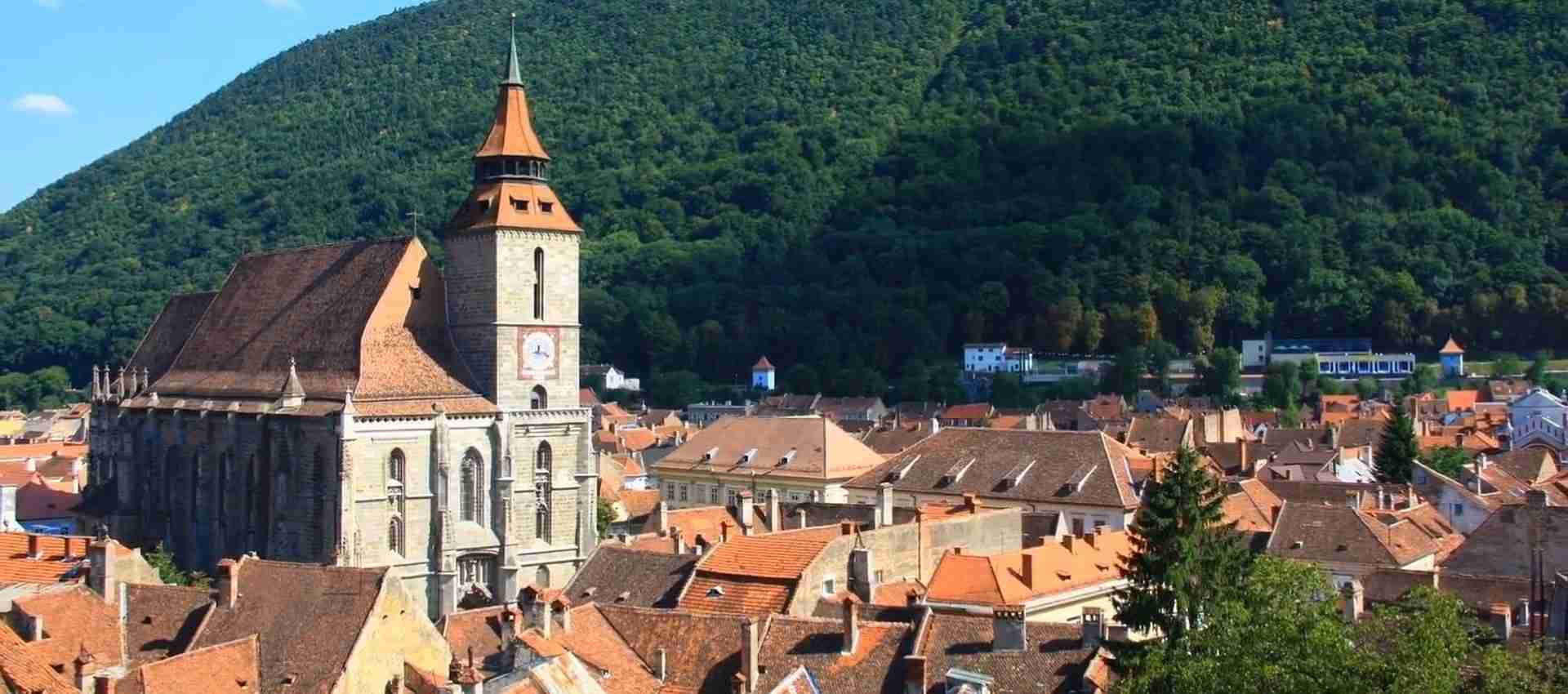
Transylvania Off the Beaten Path 2026: The Ultimate Cultural Road Trip Guide
Most visitors to Transylvania follow the same script: Bran Castle, Brasov’s old town, a night in Sighisoara, done. This guide charts a different course — through Saxon villages where horse-drawn carts still outnumber tourist buses, into fortified churches with centuries-old frescoes nobody queues to see, along mountain roads that appear on no itinerary and forget nothing. Transylvania in 2026 rewards travelers who venture beyond the landmarks with authentic cultural encounters, extraordinary value, and a medieval atmosphere that the famous sites can no longer promise.
Key Takeaways
- Budget road trippers spend $60–90 per person daily (two sharing rural pension with breakfast, split car rental, local restaurants). A seven-day off-the-beaten-path road trip costs approximately $420–630 per person, excluding international flights.
- Mid-range travelers invest $110–175 per person daily (boutique guesthouses, restaurant meals with wine, comfortable rental car). A seven-day trip runs approximately $770–1,225 per person.
- Comfort and luxury travelers budget $205–350 per person daily (heritage manors, fine dining, private drivers, premium cultural experiences). Seven days costs approximately $1,435–2,450 per person.
- A rental car is non-negotiable for genuine off-the-beaten-path exploration. Economy cars start around 130–180 RON ($28–39) per day, and most Saxon villages, mountain monasteries, and fortified churches are unreachable by public transport.
- The Saxon village circuit — Viscri, Biertan, Malancrav, Alma Vii, and Richis — forms the cultural backbone of any serious Transylvania road trip. Several of these villages contain UNESCO World Heritage fortified churches yet receive a fraction of the visitors that Bran Castle sees in a single morning.
- Shoulder season (May–June and September–October) delivers the best combination of good weather, lower accommodation prices, authentic village life, and roads free from summer tour-bus congestion. Expect to save 20–30% on accommodation compared to July–August peak rates.
People Also Ask About Transylvania Road Trips 2026
How much does a Transylvania road trip cost per day in 2026?
Budget travelers sharing a rural pension and splitting a rental car between two people spend $60–90 per person daily in 2026. This covers a basic-but-charming guesthouse room with breakfast, lunch from village markets or simple restaurants, a dinner at a traditional local restaurant, and entrance fees to fortified churches and minor attractions. Mid-range travelers staying at boutique guesthouses and eating at quality restaurants spend $110–175 per person daily. Both figures assume two people sharing accommodation and a single rental car. Solo road trippers add approximately $20–30 to both ends of each range because car rental and accommodation costs are no longer shared.
Do you need a car to explore Transylvania off the beaten path in 2026?
Yes, a rental car is essential for any genuine off-the-beaten-path Transylvania itinerary in 2026. The Saxon villages of Viscri, Malancrav, Alma Vii, Richis, and dozens of other cultural highlights have no train service and extremely limited bus connections — a few minibuses per week at best. Economy car rentals start at 130–180 RON ($28–39) per day from Cluj-Napoca or Sibiu. The Via Transilvanica walking route does allow car-free exploration of some villages, but the full circuit of off-the-beaten-path destinations requires self-driving. Roads are generally in good condition, though some village access roads are unpaved. A standard sedan is sufficient for most routes; only the Transfagarasan Highway and a few alpine passes benefit from higher ground clearance.
Which Transylvania villages are genuinely off the tourist trail in 2026?
The villages that remain largely undiscovered in 2026 include Malancrav (a Saxon settlement with preserved aristocratic manor and frescoed church), Alma Vii (one of the largest Saxon churches in Transylvania with almost no visitor infrastructure), Richis (an intimate fortified church village in unspoiled agricultural countryside), Sibiel (famous for its extraordinary glass icon collection, a 15-minute drive from Sibiu), Rimetea (a Hungarian-heritage village beneath spectacular limestone cliffs in the Apuseni foothills), and Rasinari (where the poet Octavian Goga was born, known for deep Orthodox traditions and traditional crafts). Even Viscri, which receives more visitors than these, sees a fraction of the traffic at Bran Castle and retains an entirely authentic character.
What is the best time to drive the Transylvania off-the-beaten-path circuit in 2026?
May, June, September, and early October are the ideal months for a Transylvania road trip in 2026. Spring brings wildflower meadows and agricultural landscapes at their most vivid green; harvest season in September fills village guesthouses with homemade preserves and local wine. Both periods avoid the July–August peak when accommodation prices rise 20–30%, popular routes see more traffic, and the famous sites lose much of their romantic emptiness. The Transfagarasan Highway opens around June 15 and closes by late October, so this road is a summer-only bonus. Winter (December–February) offers a hauntingly beautiful snowy atmosphere in the Saxon villages and Christmas markets in Sibiu and Sighisoara, though some rural guesthouses close seasonally.
Extended multi-day tours – 5+ days
Featured Transylvania Multi-Day Tour Packages

3 days
Transylvania 3-Day Discovery Tour
- ✓ Comprehensive Transylvania experience
- ✓ Expert local guides included
- ✓ All accommodation included
- ✓ Transportation provided
5 days
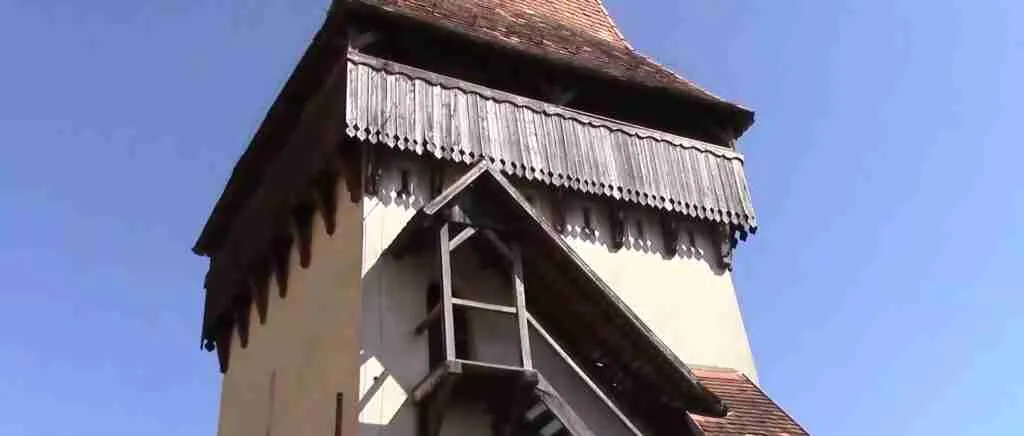
Transylvania 5-Day Highlights Experience
- ✓ Comprehensive Transylvania experience
- ✓ Expert local guides included
- ✓ All accommodation included
- ✓ Transportation provided

7 days
Transylvania 7-Day Cultural Journey
- ✓ Comprehensive Transylvania experience
- ✓ Expert local guides included
- ✓ All accommodation included
- ✓ Transportation provided
10 days
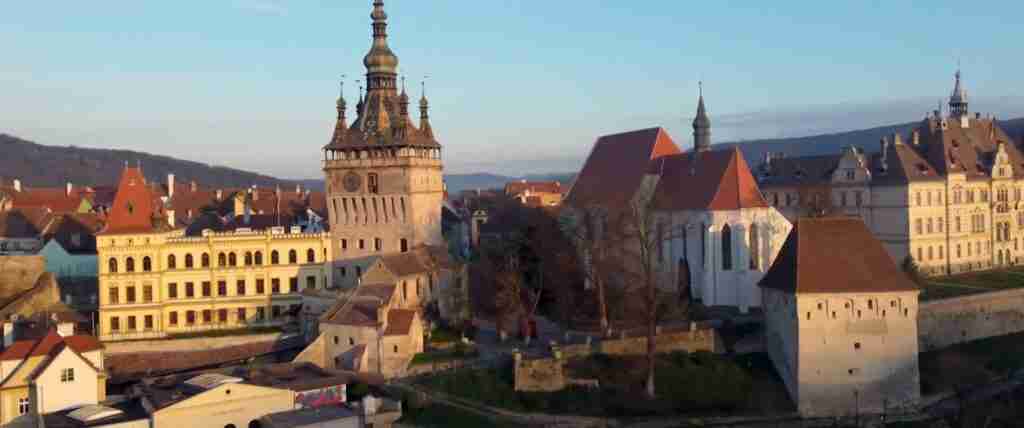
Transylvania 10-Day Complete Adventure
- ✓ Comprehensive Transylvania experience
- ✓ Expert local guides included
- ✓ All accommodation included
- ✓ Transportation provided
Multi-day tour packages powered by TourRadar. Prices and availability subject to change.
Introduction: Why Transylvania’s Hidden Roads Outperform Its Famous Ones
Transylvania has a reputation problem — not because it lacks quality, but because its reputation massively undersells it. The region is advertised globally as the land of Dracula, Bran Castle, and Gothic atmosphere. These things exist, and they deliver. But they represent perhaps five percent of what Transylvania genuinely offers a curious traveler.
The other ninety-five percent is this: a patchwork of multicultural heritage unlike anywhere else in Europe. Transylvania was contested and co-inhabited for centuries by Romanians, Saxons (ethnic Germans who arrived in the 12th century at the invitation of Hungarian kings), Hungarians, Szeklers, and Roma communities. Each group left physical marks on the landscape — fortified churches, manor houses, wooden gate traditions, distinct village architecture, and food cultures that evolved in productive tension with one another. This cultural layering is what makes a Transylvania road trip so intellectually rewarding. Within a single day’s drive, you can move from a Saxon fortified church village to a Szekler Hungarian settlement where people still speak only Hungarian, through Romanian Orthodox countryside where horse-drawn carts are not a tourist attraction but an agricultural tool, and back into a city where Baroque Habsburg architecture and Art Nouveau cafés coexist with medieval citadel walls.
The off-the-beaten-path version of this journey is dramatically richer than the mainstream tourist circuit. The famous sites — Bran Castle, Peles Castle, the Clock Tower in Sighisoara — are genuine and worth seeing. But they are crowded, commercialized at their edges, and visited so uniformly that they have begun to flatten rather than deepen understanding of the region. The village of Viscri, by contrast, where King Charles III bought and restored a traditional Saxon farmhouse, remains a living community of perhaps three hundred people. Its fortified church is UNESCO-listed yet utterly unhurried. Its single-street layout of pastel-walled farmhouses has changed little in three centuries. The contrast with Bran Castle — where the car park is larger than most of the villages on this itinerary — could not be more complete.
This guide covers the practical and cultural architecture of a Transylvania road trip that prioritizes depth over checkboxes. It routes travelers through the Saxon village circuit, the Szekler Székely Land, the hidden valleys of the Apuseni foothills, and the fortress-crowned towns that lie just far enough off the main tourist trail to feel discovered rather than visited. It covers costs, logistics, accommodation options, food, cultural context, seasonal strategy, and day-by-day itinerary frameworks that work whether you have five days or two weeks.
Understanding Transylvania’s Cultural Geography 2026
Navigating Transylvania intelligently requires understanding the region’s layered cultural geography. The territory that tourists call Transylvania roughly corresponds to the historical region enclosed by the Carpathian arc — bounded by the Eastern Carpathians to the north and east, the Southern Carpathians (Fagaras Mountains) to the south, and the Western Carpathians (Apuseni) to the west. Within this broad plateau and foothills zone, distinct cultural sub-regions each offer different road trip experiences.
The Saxon Land: Fortified Churches and Village Architecture
The Saxon villages concentrate in two main clusters: the area around Sibiu (Hermannstadt in Saxon German) in the southwest, and the zone between Sighisoara and Brasov in the center-east. The Saxons arrived from the Rhineland and Moselle regions beginning in the 1140s, invited by the Hungarian Crown to settle and defend the southeastern frontier. They built fortified churches — ordinary parish churches surrounded by defensive walls, towers, and grain-storage chambers — as refuges from Tatar and Ottoman raids. These structures are the defining architectural feature of the Saxon villages and the primary cultural attraction of any off-the-beaten-path itinerary.
Eight of these fortified church villages form a UNESCO World Heritage Site inscribed in 1993 and extended in 1999: Biertan, Viscri, Calnic, Darjiu, Saschiz, Prejmer, Valea Viilor, and Cincsor. But dozens more non-UNESCO fortified churches exist in villages so small they appear on no tourist map. Alma Vii, Richis, Malancrav, Bradeni, Daia, Chirpar — these names mean nothing to most visitors yet shelter extraordinary medieval architecture, completely free of the management protocols and visitor centers that inevitably accompany UNESCO designation.
The Saxon community itself largely emigrated to West Germany after 1945 and especially after 1989, leaving villages with aging Romanian and Roma populations who have inherited the care of these extraordinary structures. Some villages have found new economic life through sustainable tourism, with Romanian and international owners restoring Saxon farmhouses as guesthouses. Others remain in slow decline, which makes them simultaneously melancholy and among the most authentic places in Europe.
Szekler Land: Hungarian Heritage East of the Mountains
East of the main Saxon zone, in the Harghita and Covasna counties, lies Szekler Land (Székelyföld in Hungarian) — a region where the majority of residents are ethnic Hungarians who have lived in Transylvania for over a millennium. The Szeklers arrived as frontier guards, possibly pre-dating the main Magyar settlement of the Carpathian Basin, and maintain a strong distinct identity. Road-trip travelers entering Szekler Land from the Saxon villages find a completely different visual world: Hungarian-language shop signs, distinctive carved wooden gates at farmhouse entrances, Unitarian and Reformed church architecture rather than Lutheran, and a food culture closer to Hungary than Romania.
The town of Miercurea Ciuc (Csíkszereda) serves as the regional hub, but the most rewarding off-the-beaten-path experiences in Szekler Land are in smaller places: the villages of Miklósvar (Miklósvár), site of a restored Kalnoky family castle offering exceptional accommodation; Corund, famous for its pottery and traditional Szekler crafts; and the Olt Valley corridor connecting the Eastern Carpathian foothills.
The Apuseni Foothills: Where Romania’s Ancient Traditions Survive
The western edge of the Transylvanian plateau dissolves into the Apuseni Mountains — a lower, more rounded range than the Carpathians, riddled with caves, gorges, and isolated villages that have maintained Romanian folk traditions with unusual continuity. The village of Rimetea, perched beneath the dramatic Piatra Secuiului (Rock of the Szeklers) limestone ridge, belongs to this zone, along with Turda Gorge and the extraordinary Turda Salt Mine — a former industrial site converted into one of the most visually dramatic underground attractions in Europe.
The Saxon Village Circuit: A Road Trip Framework 2026
The heart of any off-the-beaten-path Transylvania road trip is the Saxon village circuit. The following sequence begins in Sibiu — the most logical base city, with the best airport connections and the most sophisticated hotel and restaurant infrastructure in the region — and loops through the major and minor Saxon villages before concluding in Sighisoara or Brasov depending on your onward travel plans. Total driving distance is approximately 300–350 kilometers for the core circuit, easily managed over five to seven days of relaxed travel.
Sibiu: The Perfect Departure Base
Sibiu is not off the beaten path — it is well-touristed and aware of it. But it is the correct base for the Saxon village circuit and worth at least one full day before the road trip begins. The city’s Piata Mare (Grand Square) and Piata Mica (Small Square) form one of the finest ensembles of Baroque civic architecture in Central Europe. The Brukenthal National Museum, housed in the 18th-century palace of the Habsburg governor Samuel von Brukenthal, holds the most important art collection in Romania. Admission to the museum costs 40 RON ($9) for adults.
Beyond the famous old town, the lower city (Orasul de Jos) contains workshops, Orthodox churches, artisan studios, and the daily market on Piata Cibin where Sibiu residents shop for vegetables, homemade cheese, and smoked meats. This market — not the tourist-oriented craft stalls of the upper town — gives the clearest picture of how the city actually functions. The covered market hall nearby is equally authentic and considerably cheaper than any restaurant in the tourist zone.
Sibiel: The Icon Village Nobody Visits
Twenty kilometers southwest of Sibiu on country roads, the village of Sibiel is home to the Zosim Oancea Museum of Glass Icons — one of the most extraordinary folk art collections in Romania and almost entirely unknown to foreign visitors. The museum holds over 700 glass-painted icons created by Romanian peasant artists from the 18th and 19th centuries. Glass icon painting was a distinctly Transylvanian folk tradition in which religious images were painted on the reverse side of glass, creating a luminous, jewel-like quality entirely distinct from standard Orthodox iconography. The collection spans religious subjects, folk saints, and narrative scenes, all executed in a visual language that is sophisticated in its naivety.
The village priest, who manages the museum, often conducts visits personally. Entrance is by donation, typically 10–20 RON ($2–4). The Orthodox church in the village center dates from the 18th century and retains original interior frescoes. The surrounding landscape of Sibiel Vale (the Sibiel Valley) is exceptionally scenic, with rolling hills and traditional farmsteads unchanged in character from the 19th century. A half-day visit here, combined with a village walk and lunch at one of the two local guesthouses, makes an ideal first stop on the road trip.
Rasinari: Deep Orthodox Traditions Fifteen Minutes from Sibiu
Still closer to Sibiu — just 12 kilometers by a road that follows an old tram line (a narrow-gauge route still operates seasonally between Sibiu and Rasinari, making this one of the few off-the-beaten-path villages accessible without a car) — Rasinari is a large traditional village with an exceptionally strong cultural identity. The birthplace of the poet, politician, and cultural figure Octavian Goga (1881–1938), Rasinari has preserved something that larger villages on the tourist circuit have partly lost: a genuine community relationship with its own traditions.
The village is known for its folk costume traditions, which locals still wear at Orthodox holidays and the annual shepherd’s festival (Targul de Fete, held in May), for its wool-weaving and sheepskin coat craftsmanship, and for the Octavian Goga Memorial Museum in the poet’s family home. The Orthodox church in the village center is the oldest religious building in Sibiu County, with documented origins in the 15th century. Rasinari also serves as the starting point for hiking trails into the Cindrel Mountains — the first real alpine terrain southwest of Sibiu.
Biertan: The Most Impressive Fortified Church in Transylvania
One hour’s drive northeast of Sibiu through rolling Saxon countryside, the village of Biertan is home to what most historians of medieval architecture consider the most impressive fortified church complex in Transylvania. The church itself dates from the late 15th century, a triple-aisled Gothic hall church of considerable scale perched on a hilltop above the village and enclosed by three concentric rings of defensive walls with towers at each corner. The complex functioned as the seat of the Lutheran bishopric for nearly 300 years (1572–1867) and was inscribed as a UNESCO World Heritage Site as part of the Saxon Villages group in 1993.
What distinguishes Biertan from more famous sites is not its scale or its UNESCO status but the extraordinary craftsmanship visible in the details. The main altar, completed in 1483 and transferred here from Sibiu Cathedral, is a late Gothic polyptych of twenty-eight painted panels — one of the finest examples of late medieval painting in Romania. The sacristy door has a locking mechanism with nineteen distinct interlocking bolts operated by a single key, a feat of 16th-century mechanical ingenuity that frequently astonishes visitors. The village divorce room — a small cell within the fortified walls where couples requiring a divorce were locked together for two weeks to reconsider (allegedly reducing the local divorce rate to one in 300 years) — adds an unexpectedly human dimension to the ecclesiastical atmosphere.
Entrance to the fortified church costs 15 RON ($3) for adults. The village itself has a handful of Saxon farmhouse guesthouses operating as pensions, making an overnight stay here entirely feasible and highly recommended for the experience of Biertan after the day-trip groups have departed.
Malancrav: A Saxon Village Frozen in the 18th Century
Malancrav (Malmkrog in Saxon German) is perhaps the single most compelling off-the-beaten-path destination in all of Transylvania — a Saxon village that managed to reach the 21st century with its architectural character, social structure, and even its aristocratic heritage largely intact. The village sits among apple orchards in the Hârtibaciu valley, roughly 30 kilometers north of Biertan on unsurfaced country roads. Horse-drawn carts operate here not as tourism props but as everyday agricultural transport. The village population includes the descendants of both the original Saxon community (much diminished through emigration) and Roma families who have maintained the village’s economic life.
The fortified church of Malancrav is not UNESCO-listed, which keeps visitor numbers negligible and entrance fees essentially voluntary. Its importance lies in the interior: a complete cycle of 14th-century Gothic frescoes covering the chancel walls, in a state of preservation that rivals far more celebrated medieval painting sites in Western Europe. The scenes include a remarkable Last Judgment cycle and portraits of the donors, the Apafi noble family, in period costume. The Apafi connection is key to understanding Malancrav’s second extraordinary feature: the Apafi Manor, a 17th-century neoclassical manor house on the village’s main street, currently operated as a guesthouse by the Mihai Eminescu Trust (the conservation charity co-founded by King Charles III). Staying at the Apafi Manor places guests inside a working example of the kind of architectural conservation that the Saxon villages most urgently need, in surroundings of considerable elegance at surprisingly modest prices by Western European standards.
Alma Vii: The Giant Unvisited Church
Ten kilometers from Malancrav via dirt tracks through agricultural fields, Alma Vii (Almen in Saxon German) contains what many architectural historians consider one of the largest and most architecturally significant fortified church complexes in the entire Saxon zone — completely absent from mainstream tourist itineraries. The church nave measures 43 meters in length, exceptional for a village that currently has fewer than 200 inhabitants. The defensive walls and towers are unusually complete, with the original wooden galleries that allowed defenders to move between towers still partially intact — a feature that has disappeared from most comparable sites. A single caretaker manages the church; visits require finding the key, which is kept in the village and produced with warm hospitality. There is no admission charge. There is also no tourist infrastructure whatsoever. This is one of the last great medieval monuments in Romania that you can have entirely to yourself.
Richis and the Minor Saxon Villages
Between Biertan and Sighisoara, a constellation of minor Saxon villages — Richis (Reichesdorf), Laslea (Nussdorf), Bradeni (Henndorf), Dupus (Tobsdorf) — each contain fortified churches of varying scale and preservation, surrounded by the same rolling agricultural landscape that characterized the entire Saxon cultural zone. Richis is the most rewarding of these smaller stops: its fortified church has been conserved by the Mihai Eminescu Trust, its village guesthouse serves excellent home-cooked meals, and the surrounding vineyard landscape produces the local Feteasca Neagra grape variety that makes one of Romania’s most interesting red wines.
The minor village circuit between Sibiu and Sighisoara is ideally done by self-driving loop, taking half a day to a full day depending on how many villages you stop in. The roads connecting these places are unsurfaced but easily manageable in a standard car. The total absence of signposting, visitor infrastructure, or other tourists is either charming or frustrating depending on temperament; a printed map or offline GPS is essential.
Viscri: The Village That Found the Right Kind of Fame
Viscri (Deutsch-Weisskirch in Saxon German, Szászfehéregyháza in Hungarian) occupies a peculiar position in the Transylvanian off-the-beaten-path landscape: famous enough to have a reputation, remote enough to remain genuinely authentic. The village became known internationally when Prince Charles — now King Charles III — purchased and restored a traditional Saxon farmhouse here in the early 2000s through his charitable foundation. His advocacy for the Saxon villages and the Mihai Eminescu Trust’s conservation work has brought the village to international attention without transforming it into a theme park.
The result is unusual: a village of approximately 450 residents that receives meaningful visitor numbers yet has resisted the commercial homogenization that typically follows tourism development. There are no souvenir shops selling mass-produced Dracula merchandise, no hotel chains, no franchised cafés. What exists instead: three or four family-run guesthouses in restored Saxon farmhouses, a small organic dairy cooperative, a trust-run gift shop selling handmade textiles and preserves made by village residents, and the UNESCO-listed fortified church at the center of the single main street.
The fortified church of Viscri dates from the 12th century — older than most in the Saxon zone — and its whitewashed interior retains the simplicity of early Transylvanian Lutheran worship without the later Baroque embellishment that characterizes churches in wealthier villages. The distinctive white-painted bell tower and the views from the church hilltop across the surrounding landscape of ancient oaks and rolling meadows constitute the defining visual memory of most visits. Church entrance costs 15 RON ($3). An overnight stay at one of the village guesthouses ranges from 150–280 RON ($33–61) per room with breakfast — a price that includes the experience of evening silence, morning birdsong, and a home-cooked breakfast of local eggs, cheese, and homemade jam that no city hotel can replicate at any price.
Sighisoara: The Famous Citadel Worth a Deeper Look 2026
Sighisoara (Schässburg in Saxon German, Segesvár in Hungarian) is the most visited town on the Saxon cultural circuit and cannot honestly be called off the beaten path. But it rewards time beyond the typical three-hour group tour that constitutes most people’s experience of it. The medieval citadel (Cetatea) sits on a hill above the lower town and constitutes one of the best-preserved inhabited medieval citadels in Europe — a status it shares with only a handful of other European sites. UNESCO inscription came in 1999.
The citadel’s Clock Tower (Turnul cu Ceas), built in the 14th century and housing the town’s history museum, provides the iconic panoramic view and costs 25 RON ($5) to climb. The Church on the Hill (Biserica din Deal), reached via a 176-step covered wooden staircase, contains the most significant interior in Sighisoara — a luminous Gothic nave, a 15th-century painted ceiling, and a Lutheran liturgical atmosphere of considerable gravity. Outside summer weekends, this church is often entirely empty.
The house where Vlad III (Vlad the Impaler, inspiration for Dracula) was born in 1431 stands on the main citadel square and is marked with a plaque. It currently operates as a restaurant on its ground floor. The connection to the historical Vlad is genuine — he was born in Sighisoara while his father Vlad Dracul served as military governor — but the Dracula tourist narrative that has grown around it bears little relation to the actual historical figure, a Wallachian prince whose military campaigns against the Ottomans earned him both celebrated status as a defender of Christianity in his own time and his reputation for spectacular violence.
The most rewarding way to experience Sighisoara in 2026 is to arrive late afternoon when the day-trip groups have departed, walk the citadel streets at dusk, eat dinner at one of the better restaurants in the lower town (where prices are lower and quality is higher than the tourist-facing establishments in the citadel), and spend the night inside the citadel walls. Guesthouses within the citadel range from 250–500 RON ($54–109) per room; waking to citadel views before the day-trippers arrive is worth the modest premium over lower-town accommodation.
Rimetea and the Apuseni Foothills 2026
The village of Rimetea (Torockó in Hungarian) lies roughly an hour’s drive northwest of the main Saxon village circuit, at the foot of the spectacular Piatra Secuiului (Rock of the Szeklers) — a sheer limestone ridge that drops dramatically above the village and creates one of the most striking visual backdrops in all of Transylvania. The village is officially listed as a protected monument in its entirety, meaning its architectural character — whitewashed limestone houses with characteristic black-painted wooden details, a grid of narrow streets reflecting its historical function as a Hungarian mining town — has been legally preserved. Rimetea was formerly an iron-mining settlement, and many residents still speak primarily Hungarian; it sits at the eastern edge of the Hungarian-speaking Szekler zone, creating a cultural hybridity that makes even a single-day visit unusually rich.
The hike to the summit of Piatra Secuiului (approximately 2–3 hours round trip) offers panoramic views that rank among the finest in the Transylvanian countryside. The climb is moderately strenuous, with a steep final section on limestone rock, but entirely accessible to reasonably fit walkers in proper footwear. The view from the summit on a clear day extends across the entire Transylvanian plateau to the Fagaras Mountains in the south — a landscape perspective that puts the region’s extraordinary scale into physical context. There is no admission fee to hike the trail. The village ethnographic museum costs 10 RON ($2).
The area around Rimetea connects naturally to other Apuseni foothill destinations: the Turda Salt Mine (Salina Turda), 30 kilometers north, is one of Romania’s most unexpected visitor attractions — a former industrial salt mine whose enormous underground chambers have been converted into a remarkable underground park with a rowing lake, minigolf course, and Ferris wheel, all illuminated by dramatic artificial lighting. Adult entrance costs 65 RON ($14). The nearby Turda Gorge (Cheile Turzii) offers equally dramatic geological scenery above ground, with a hiking route through a limestone gorge featuring 300-meter vertical walls that takes approximately 3–4 hours round trip and is free to enter.
Szekler Land: The Hungarian Transylvania 2026
Continuing east from the Saxon village circuit through the Olt Valley corridor leads into a fundamentally different cultural landscape: Szekler Land (Ținutul Secuiesc in Romanian, Székelyföld in Hungarian), where road signs appear first in Hungarian, traditional carved wooden gates mark farmhouse entrances, and the food on restaurant menus reflects Hungarian culinary tradition. This cultural shift can be disorienting and is one of the most interesting aspects of the Transylvania road trip — the region’s multicultural complexity is not historical abstraction but lived reality, visible in every village sign.
Miklósvar and the Kalnoky Estate
The village of Miklósvar (Micloșoara in Romanian) in Covasna County houses one of the finest heritage accommodation experiences in all of Romania: the Kalnoky Estate, a restored aristocratic estate of the ancient Szekler Kalnoky family, run as a small guesthouse with exceptional hospitality and superb home-cooked meals. Count Tibor Kalnoky, whose family has inhabited the area for centuries, began restoring the estate in the early 2000s after returning to Transylvania following decades of communist confiscation and family exile. The guesthouse accommodates a small number of guests in beautifully furnished traditional rooms and organizes farm walks, horse-drawn cart rides, village visits, and conversations about local history that constitute some of the most authentic cultural experiences available in the region. Rates for the Kalnoky Estate run approximately 450–800 RON ($98–174) per room with breakfast, positioning it firmly in the mid-range to comfort bracket but offering value that far exceeds comparable prices in Western European heritage properties.
Corund: The Pottery Village
The village of Corund (Korond in Hungarian), on the main Tirgu Mures to Miercurea Ciuc road in Harghita County, is Transylvania’s pottery center — a village of approximately 4,000 people where a significant proportion of residents are traditional potters working with the distinctive Szekler earthenware tradition characterized by brown and green glazed stoneware. The roadside of Corund is lined with pottery stalls for several kilometers, creating an extraordinary open-air ceramics market. Prices are reasonable — a hand-thrown decorative plate costs 30–80 RON ($7–17), a complete traditional dinner service 300–600 RON ($65–130) — and the quality ranges from tourist-grade to genuinely exceptional craft work. Identifying the latter requires spending time rather than stopping at the first stall: several ateliers in the village interior, away from the main road commercial strip, produce work of significantly higher quality. Ask guesthouse owners for recommendations to the best workshops.
The Via Transilvanica: Walking the Cultural Landscape 2026
The Via Transilvanica is a 1,400-kilometer long-distance walking route that crosses Romania from north (Putna in Bucovina) to south (Drobeta-Turnu Severin on the Danube), passing through the heart of Transylvania and connecting many of the Saxon villages, medieval towns, and cultural sites described in this guide. The route was completed in 2021 after six years of development by the Tasuleasa Social association and has rapidly become one of Europe’s most celebrated long-distance paths, compared to the Camino de Santiago in terms of its cultural richness and logistical support infrastructure.
The Via Transilvanica is not primarily relevant for road trip travelers, but sections of it — particularly the stretch through the Saxon villages between Sighisoara and Sibiu — are walkable as day excursions or two-to-three-day sections that complement a car-based itinerary. Several guesthouses along the route cater specifically to Via Transilvanica walkers and offer secure parking, luggage transfer between stages, and packed lunches for day walkers. The stretch between Viscri and Biertan (approximately 25 kilometers) is among the most popular day-hike sections, passing through open agricultural landscape and minor Saxon villages unreachable by car on paved roads. Trail markings use the distinctive tisa-wood rhombus symbol and are generally reliable, though offline GPS is recommended as backup.
Accommodation on the Transylvania Road Trip 2026
Accommodation on the off-the-beaten-path Transylvania circuit divides into four main types, each offering a different combination of price, authenticity, and comfort. Choosing the right type for each night — rather than defaulting to a single category throughout — creates the most varied and rewarding experience.
Rural Saxon and Hungarian Guesthouses (Pensions)
The traditional rural guesthouse — called a pensiune in Romanian — is the backbone of off-the-beaten-path accommodation in Transylvania. At their best, these are restored Saxon or Romanian farmhouses with two to eight rooms, run by local families who serve home-cooked meals using ingredients from their own gardens and farms. Breakfast is almost universally included in the room price. Rooms are simply but comfortably furnished, typically with heavy wooden furniture, handmade textiles, and the kind of silence that is no longer available in any hotel anywhere near a major city.
Rural pension prices in 2026 range from 150–300 RON ($33–65) per room for a basic but authentic family pension to 280–500 RON ($61–109) for better-equipped properties with more polished presentation. The best in this category — Mihai Eminescu Trust properties at Malancrav, Richis, and other villages, the Kalnoky Estate at Miklósvar — offer experiences that transcend accommodation category entirely. Booking these properties in advance is essential in May–September; they have very few rooms and fill months ahead.
City Hotels in Sibiu, Sighisoara, and Brasov
Base-city accommodation in Sibiu, Sighisoara, and Brasov covers a much wider price range and is appropriate for the start or end of the road trip rather than during the village circuit itself. In Sibiu, quality three-star hotels in or near the old town cost 300–500 RON ($65–109) per room. Four-star boutique hotels — the Am Ring and Ramada Sibiu both occupy historic buildings with good central locations — run 500–800 RON ($109–174) per room. In Sighisoara, guesthouses within the citadel walls run 250–500 RON ($54–109); outside the walls, comparable quality costs 180–320 RON ($39–70). Brasov’s old town hostels and budget guesthouses start at 150–200 RON ($33–43) per room, while better hotels in the city center run 350–650 RON ($76–141).
Boutique Heritage Properties
A small but growing category of heritage boutique properties occupies the upper end of the Transylvania accommodation market. These include the Apafi Manor at Malancrav (Mihai Eminescu Trust), the Kalnoky Estate at Miklósvar, and several privately restored manor houses in the Olt Valley and around Cluj-Napoca. Prices run 450–1,200 RON ($98–261) per room depending on property and season. These represent exceptional value by Western European standards — a comparable heritage property experience in France, Austria, or the Czech Republic would cost two to three times more — and their contribution to architectural conservation gives stays an additional ethical dimension.
Seasonal Pricing and Advance Booking
Peak season (July–August) adds 20–30% to accommodation costs across all categories and reduces availability at the best village guesthouses dramatically. Shoulder season (May–June and September–October) delivers the same landscape at lower prices and with more warmth from hosts who are less stretched by visitor volume. Several village guesthouses close entirely from November through March; the Mihai Eminescu Trust properties follow seasonal schedules that vary year to year and should be verified directly before booking. Always confirm current opening dates when planning a winter or early-spring road trip.
Food and Dining on the Road 2026
Romanian food is one of the genuine and underrated pleasures of a Transylvania road trip. The region’s cuisine reflects its multicultural heritage: Romanian peasant cooking (simple, seasonal, with heavy use of pork, polenta, sour cream, and fermented vegetables), Saxon German traditions (hearty smoked meats, pickled vegetables, egg-based pastries), and Hungarian Szekler influences (paprika-enriched stews, stuffed cabbages, fresh cheese dumplings). The best food on the circuit is almost always found in guesthouses and rural restaurants rather than in city tourist zones.
What to Eat and Where to Find It
The dishes that define the Transylvanian food experience include: ciorba de burta (tripe soup with sour cream and garlic, the region’s most characteristic starter and an excellent test of a restaurant’s commitment to authentic cooking); sarmale (cabbage rolls stuffed with minced pork, rice, and herbs, served with sour cream and polenta — the universal celebratory dish of Romanian cuisine); mici (grilled minced meat rolls flavored with garlic, coriander, and bicarbonate, Romania’s answer to the kebab, sold at roadside stalls and at every outdoor market); papanasi (fried doughnuts made with fresh cheese, served with sour cream and fruit preserves — the definitive Transylvanian dessert); and bulz (a baked polenta ball filled with smoked cheese and bacon, a shepherd’s dish that rural guesthouses prepare with particular care).
The best version of any of these dishes is found at a rural guesthouse serving home-cooked food rather than at a restaurant optimized for tourist throughput. In the Saxon village circuit, meals at guesthouse pensions typically cost 40–80 RON ($9–17) for a full dinner with local wine or beer. In Sibiu’s tourist-facing restaurants, the same quality costs 80–140 RON ($17–30) for dinner with a glass of wine. Markets and village bakeries provide exceptional-value breakfast and lunch options: a bag of covrigi (ring-shaped bread rolls) costs 5–8 RON ($1–2), fresh cheese from village markets runs 20–35 RON ($4–8) per kilogram, and the local plum brandy (tuica) sells at farmgate prices that bear no relationship to any hospitality-industry markup.
Wine and Spirits of Transylvania
Transylvania sits within Romania’s most interesting wine-producing zones. The Tarnave wine region, centered on the plateau between Sighisoara and Blaj, produces elegant white wines from Feteasca Alba, Feteasca Regala, and Riesling Italico grapes — wines with notable acidity and aromatic complexity that pair excellently with the region’s food. The Dealu Mare region to the south (technically Wallachia rather than Transylvania, but accessible from the Fagaras Mountain approach) produces Romania’s most serious red wines, particularly from Feteasca Neagra and Cabernet Sauvignon. A bottle of decent regional wine at a grocery store costs 25–50 RON ($5–11); at a rural restaurant, expect to pay 50–100 RON ($11–22) for a good bottle of local production.
Transportation Costs and Road Trip Logistics 2026
A Transylvania off-the-beaten-path road trip in 2026 is organized around a rental car as its primary transport tool. The following section covers the full logistics of self-driving the circuit, including car rental costs, fuel, road conditions, vignette requirements, and the situations where public transport is a viable alternative.
Car Rental Costs in Romania 2026
Economy car rental in Romania starts at 130–180 RON ($28–39) per day from major providers at Sibiu International Airport (SBZ) or Cluj-Napoca International Airport (CLJ) — the two most convenient airports for a Saxon village circuit road trip. Standard cars (the category that provides comfortable space for two adults with luggage) run 180–280 RON ($39–61) per day. Booking 4–6 weeks in advance reduces these rates significantly; last-minute bookings at peak season can cost two to three times the advance-purchase price.
Insurance coverage is an important consideration. The basic insurance included in most Romanian rental rates carries a collision damage excess of 1,000–3,000 RON ($217–652). Full-coverage excess waiver insurance, purchased at the counter, adds 60–120 RON ($13–26) per day. For driving on the unsurfaced village access roads, full coverage is worth the additional cost. Verify whether the rental contract prohibits travel on unpaved roads; some budget providers include this restriction, which effectively prohibits access to the most interesting Saxon villages.
The vignette (rovinieta) — Romania’s mandatory electronic road tax sticker for use of national roads — costs 15 RON for seven days and 28 RON for 30 days. Many rental companies include this in the rental price; confirm before driving away from the collection point. Driving on national roads without a valid vignette risks a fine of 400–800 RON ($87–174). The vignette is purchased online at erovinieta.ro or at any petrol station.
Fuel Costs
Fuel in Romania costs approximately 7.5 RON per liter ($1.63 at current exchange rates) for 95-octane petrol. A compact car covering 250–350 kilometers of mixed driving (including unsurfaced village roads, which increase fuel consumption compared to highway driving) uses approximately 20–30 liters per day, costing 150–225 RON ($33–49) in fuel daily. Split between two travelers, this adds 75–113 RON ($16–25) per person to the daily transport budget. Petrol stations are abundant in cities and along main roads but sparse in rural areas; always depart each morning with a full tank when planning a day in the Saxon village countryside.
Public Transport Alternatives
For travelers unwilling or unable to drive, a hybrid strategy — train between major towns, day trips by local taxi or rideshare to nearby villages — covers most of the mainstream circuit without a rental car. CFR Calatori, the Romanian national railway, runs regular services between Sibiu, Sighisoara, and Brasov; the Sibiu–Brasov train journey costs approximately 50–70 RON ($11–15) per person and takes 3–4 hours through mountain scenery. Bucharest to Brasov costs 80–120 RON ($17–26) and takes 2.5–3 hours on the fastest trains.
For villages off the railway network, local minibuses (maxitaxi) provide limited connections to nearby towns, typically running once or twice daily. A Bolt or local taxi from Sibiu to Biertan costs approximately 100–150 RON ($22–33) each way; from Sighisoara to Viscri, 80–130 RON ($17–28) each way. These costs make day-tripping multiple villages by taxi prohibitively expensive over several days, which is why the rental car remains strongly preferred for the full circuit.
Daily Budget Breakdowns for the Transylvania Road Trip 2026
The following daily cost summaries cover three travel styles. All figures are per person per day, assuming two travelers sharing accommodation and a single rental car. Hotel room and car rental costs have been divided by two before inclusion in per-person totals.
Budget Road Tripper: $60–90 Per Person Daily
Budget road trippers in Transylvania in 2026 find the region exceptionally forgiving — the most interesting cultural experiences on the off-the-beaten-path circuit cost almost nothing, rural accommodation is reasonably priced, and the food in village guesthouses and local restaurants is both authentic and inexpensive.
- Accommodation: Basic rural pension (150–220 RON/room) per person share: 75–110 RON ($16–24)
- Meals: Breakfast included, market lunch and local restaurant dinner: 70–100 RON ($15–22)
- Car rental per person share (130–180 RON/day): 65–90 RON ($14–20)
- Fuel per person share: 40–50 RON ($9–11)
- Attractions and church entrance fees: 15–40 RON ($3–9)
- Miscellaneous (coffee, snacks, market purchases): 20–30 RON ($4–7)
Total: approximately 285–420 RON per person daily — $60–90 per person daily (two sharing).
A seven-day budget road trip through the Saxon village circuit and Apuseni foothills costs approximately $420–630 per person, excluding international flights. This is achievable without sacrifice — the budget tier on this particular road trip delivers authentic cultural experiences, home-cooked food, and extraordinary landscapes at prices that make almost any other European cultural destination look expensive by comparison.
Mid-Range Traveler: $110–175 Per Person Daily
The mid-range bracket in Transylvania in 2026 unlocks the best guesthouses — places like the Mihai Eminescu Trust properties in Malancrav and Richis, quality boutique pensions in Biertan and Viscri, and city hotels in Sibiu’s historic center — combined with dinners at well-regarded regional restaurants and occasional guided cultural experiences.
- Accommodation: Boutique guesthouse or quality pension (300–480 RON/room) per person share: 150–240 RON ($33–52)
- Meals: Included breakfast, restaurant lunch and dinner with local wine: 140–200 RON ($30–43)
- Car rental per person share (180–280 RON/day): 90–140 RON ($20–30)
- Fuel per person share: 40–60 RON ($9–13)
- Attractions and guided experiences (occasional village guide, Salina Turda, castle entrances): 50–100 RON ($11–22)
- Miscellaneous (wine, craft purchases, local spirits): 40–70 RON ($9–15)
Total: approximately 510–810 RON per person daily — $110–175 per person daily (two sharing).
A seven-day mid-range road trip costs approximately $770–1,225 per person. At this spending level, the Transylvania road trip delivers a combination of cultural depth, genuine comfort, and exceptional food that costs two to three times more in comparable destinations across Western and Central Europe.
Comfort and Luxury Traveler: $205–350 Per Person Daily
Luxury travel in Transylvania remains dramatically better value than equivalent experiences in France, Italy, or Austria. The Kalnoky Estate at Miklósvar, the best boutique hotels in Sibiu’s citadel, and private-guide cultural experiences create an itinerary of genuine refinement at prices that most Western European premium travelers find astonishing.
- Accommodation: Heritage manor or 4-star boutique (600–1,200 RON/room) per person share: 300–600 RON ($65–130)
- Meals: Upscale regional restaurants, wine pairings, private guesthouse dinners: 250–380 RON ($54–83)
- Private driver or premium car + fuel per person share: 150–225 RON ($33–49)
- Guided cultural experiences and private tours: 150–250 RON ($33–54)
- Miscellaneous (wine, artisan gifts, tastings): 100–150 RON ($22–33)
Total: approximately 950–1,600 RON per person daily — $205–350 per person daily (two sharing).
A seven-day luxury road trip costs approximately $1,435–2,450 per person. This figure includes private driver costs instead of rental car, accommodation at the region’s finest heritage properties, and structured cultural experiences with specialist guides — an itinerary that in comparable cultural destinations in Western Europe would cost $3,000–5,000 per person for the same duration.
Sample 7-Day Road Trip Itinerary 2026
The following seven-day itinerary covers the core Saxon village circuit from Sibiu to Brasov, incorporating the Apuseni foothills detour and a single night in Szekler Land. It works for budget and mid-range travelers; luxury variants substitute the Kalnoky Estate for one or more guesthouse nights and add private guides at key sites.
Day 1: Arrival in Sibiu — Old Town and Lower City
Arrive in Sibiu (fly into SBZ or reach by train from Bucharest, 2.5 hours). Collect rental car from airport. Check into city center accommodation. Afternoon: Piata Mare and Piata Mica walking tour, Brukenthal National Museum (close at 5 PM, tickets 40 RON/$9). Evening: dinner in the lower town rather than the tourist-priced upper old town — the restaurant zone around Piata Cibin offers better food at lower prices. Estimated day costs (excluding accommodation): meals 90–130 RON ($20–28), museum 40 RON ($9), miscellaneous 30–50 RON ($7–11).
Day 2: Rasinari, Sibiel, and the Hîrtibaciu Valley
Morning: drive to Rasinari (12 km), visit the Orthodox church and Octavian Goga Museum. Continue to Sibiel (20 km total from Sibiu) for the glass icon collection. Afternoon: drive into the Hîrtibaciu Valley through minor Saxon villages; stop at Chirpar and Merghindeal if church keys are available (ask at first house near any locked church — keys are invariably produced with goodwill). Night: Biertan guesthouse. Estimated driving: 80 km. Day costs (food, attractions, fuel): 120–180 RON ($26–39) per person.
Day 3: Biertan, Malancrav, and Alma Vii
Morning: Biertan fortified church (open from 9 AM, 15 RON/$3 entrance). Afternoon: drive to Malancrav (35 km on mixed roads), visit the frescoed church, explore the village, check into Apafi Manor if booked. Short detour to Alma Vii (10 km, mostly unsurfaced) for the extraordinary unvisited church complex. Evening: dinner at guesthouse. Estimated driving: 60 km. Day costs (food, attractions, fuel): 100–160 RON ($22–35) per person.
Day 4: Richis, Viscri, and the Via Transilvanica Section
Morning: Richis village and church (30 km from Malancrav). Continue to Viscri (40 km, partly unsurfaced). Afternoon: walk the Via Transilvanica section between Viscri and the nearest minor Saxon village (8 km round trip on marked trail through agricultural landscape). Visit the UNESCO church (15 RON/$3). Check into Viscri guesthouse. Evening: village walk after day-tripper departure; dinner at guesthouse. Estimated driving: 70 km. Day costs: 120–180 RON ($26–39) per person.
Day 5: Sighisoara and the Citadel
Morning: drive to Sighisoara (55 km). Clock Tower and History Museum (25 RON/$5), Church on the Hill (free), citadel walking circuit. Afternoon: lower town market, Piata Hermann Oberth cafe stop. Check into citadel guesthouse for night. Evening: dinner in lower town, explore citadel at dusk when day-trippers have departed. Estimated driving: 55 km. Day costs: 100–170 RON ($22–37) per person.
Day 6: Szekler Land Detour — Miklósvar and Corund
Morning: drive east through the Olt Valley into Szekler Land. Corund pottery village (20 km east of the Szekler cultural boundary) — time at workshops. Afternoon: Miklósvar and Kalnoky Estate visit; overnight if booked (strongly recommended in this slot for the cultural contrast with Saxon villages). Alternatively, continue to Miercurea Ciuc for overnight. Estimated driving: 120 km. Day costs: 140–220 RON ($30–48) per person (excluding heritage estate accommodation if chosen).
Day 7: Return via Brasov — Rasnov and Prejmer
Morning: drive south through the Olt Valley gap in the Carpathians toward Brasov. Stop at Rasnov Fortress (30 RON/$7) — a hilltop medieval fortress with panoramic views that most visitors skip in favor of Bran Castle, 6 kilometers away. Prejmer Fortified Church (UNESCO, 15 RON/$3) — the largest and best-preserved of all Saxon fortified church complexes, with the most complete interior defensive arrangements. Afternoon: arrival in Brasov or Bucharest for onward travel. Estimated driving: 150 km. Day costs: 100–160 RON ($22–35) per person.
Hidden Costs and Practical Money Matters 2026
Several costs specific to the Transylvania road trip are not always factored into initial budget planning and can create surprises if ignored.
Tipping Culture
Tipping is expected in Romanian restaurants at 10–15% of the bill. At village guesthouses serving home-cooked meals, a tip of 20–30 RON ($4–7) per dinner is appropriate and meaningful — these are small family operations where the owner is also the cook, server, and housekeeper. Taxi and rideshare tips are not mandatory but appreciated; rounding up to the nearest 10 RON is standard. Church caretakers who open locked churches and provide access to extraordinary medieval monuments for free deserve a donation of 20–50 RON ($4–11) — the only income supporting the maintenance of some of these buildings is voluntary visitor generosity.
Cash Requirements in Rural Areas
Card payments work reliably in Sibiu, Sighisoara, Brasov, and larger restaurants throughout the region. Outside cities, cash is essential. Village guesthouses, church entrance donations, market stalls, petrol stations in smaller towns, and local minibus fares all require RON cash. Withdraw sufficient cash in Sibiu or before leaving the last major town on any given day. Use ATMs at major banks (BRD, BCR, ING, Raiffeisen) rather than independent ATMs at tourist sites, which apply unfavorable exchange rates. When paying by card, always choose to pay in RON rather than your home currency — dynamic currency conversion adds 3–7% to transactions and benefits no one except the card terminal operator.
Dynamic Currency Conversion
As noted, the most common hidden cost for foreign visitors to Romania is dynamic currency conversion — a charge applied when card terminals offer to process payments in your home currency rather than RON. This convenience comes at a 3–7% fee. Always decline the conversion offer and pay in RON. The same applies to ATM withdrawals: always select RON when offered a choice.
Church Maintenance Funds
Many of the most extraordinary fortified churches in the Saxon village circuit are maintained by small congregations of aging Lutheran parishioners with very limited resources. The official entrance fees (15–25 RON) cover basic operating costs; donations to the church maintenance fund are used for structural conservation. Several of the non-UNESCO churches visited on this itinerary — Alma Vii, Sibiel, Rasinari, minor Saxon village churches — have no entrance fee and survive entirely on voluntary donations. Budget an additional 100–150 RON ($22–33) over a seven-day trip for these contributions; it is one of the most impactful small expenditures possible and directly funds the preservation of irreplaceable medieval heritage.
Money-Saving Strategies for the Transylvania Road Trip 2026
Transylvania’s off-the-beaten-path circuit is already remarkable value compared to most European cultural destinations. The following strategies sharpen that value further without compromising the quality of experience.
Travel in shoulder season. May–June and September–October deliver lower accommodation costs (20–30% below July–August rates), better availability at the best village guesthouses, cooler driving conditions, and the genuine satisfaction of having remarkable landscapes largely to yourself. The Saxon villages in late September — harvest season, with apple orchards laden and village cellars producing wine and tuica — are as atmospheric as any time of year.
Book guesthouses directly. The Mihai Eminescu Trust properties, the Kalnoky Estate, and most village pensions do not charge commission to booking platforms because they manage their own direct bookings. Contacting them directly by email or phone almost always produces the same price as any online platform, frequently with better rooms or meal packages included.
Eat where locals eat, not where tourists stop. The most obvious tourist-facing restaurant in any Saxon village or small town charges two to three times what the family restaurant on the back street charges for comparable or better food. Ask your guesthouse host where they eat; this question invariably produces the best meal recommendation of the trip.
Buy wine and spirits at the source. Several villages on the circuit have vineyards or distilleries that sell direct from the producer at prices unrelated to any retail or hospitality markup. A bottle of local Feteasca Neagra bought at a Tarnave valley vineyard costs 20–35 RON ($4–8); the same wine in a Sibiu restaurant costs 80–120 RON ($17–26).
Use the Via Transilvanica for free hiking days. Several days of the road trip circuit can include Via Transilvanica walking sections at zero additional cost. The marked trail connecting Saxon villages provides free cultural programming — medieval fortified church views, agricultural landscape walking, encounters with working farms — that would cost substantial guide fees in any structured tour format.
Traveling Responsibly in the Saxon Villages 2026
The Saxon village circuit presents an unusual ethical dimension for visitors: these communities are fragile, underpopulated, and economically dependent on the kind of culturally sensitive tourism that has emerged around them. Traveling responsibly here means making deliberate choices that support local economies and conservation efforts rather than merely extracting aesthetic satisfaction from communities that cannot easily defend themselves against the distorting effects of mass tourism.
Book accommodation at locally owned guesthouses and Mihai Eminescu Trust properties rather than at externally owned rentals. Eat at local restaurants and guesthouse kitchens rather than bringing all food from city supermarkets. Buy crafts directly from producers rather than from roadside tourist stalls selling mass-manufactured versions of traditional objects. Hire local guides for village visits when available — caretakers who open churches and share their knowledge of local history are performing cultural services worth paying for properly. Follow access instructions at all fortified churches; the caretakers managing these buildings are typically elderly parishioners with no institutional support, and treating them with respect and patience is both right and practically necessary for continued access.
The broader goal — maintaining these Saxon villages as living communities rather than open-air museums — requires visitors who spend money within the local economy, engage with residents as people rather than as backdrop, and leave things in better condition than they found them. The Transylvania road trip is not a passive cultural consumption experience; it is a participation in the ongoing question of whether extraordinary traditional landscapes can survive the 21st century in any meaningful form.
Frequently Asked Questions: Transylvania Road Trip 2026
How many days do you need for a Transylvania off-the-beaten-path road trip in 2026?
A minimum of five days covers the core Saxon village circuit between Sibiu and Brasov, including Biertan, Malancrav, Viscri, and Sighisoara. Seven days allows the addition of the Apuseni foothills (Rimetea, Turda Salt Mine) and a Szekler Land detour. Ten to fourteen days is sufficient for a comprehensive circuit including northern Transylvania (Cluj-Napoca, the Apuseni Mountains interior) and connections toward Maramures. The quality of the experience improves significantly with more time — these are destinations for slow travel, not rapid checkboxing. One or two nights in each village is generally more rewarding than a single afternoon.
Is Romania safe for road trip travelers in 2026?
Romania is very safe for road trip travelers in 2026. Violent crime affecting tourists is extremely rare. The primary practical risks are road-related: driving standards on main roads can be aggressive, overtaking habits differ from Western European norms, and some rural roads have potholes or unmarked surfaces that require reduced speed. Driving defensively, maintaining extra following distance, and reducing speed significantly on village access roads eliminates most driving risk. Petty theft (bag snatching, pickpocketing) exists in Bucharest and in crowded tourist sites in Brasov and Sighisoara but is uncommon elsewhere on the circuit. Leaving valuables visible in parked rental cars is inadvisable in any Romanian city; in rural villages it presents virtually no risk.
What is the best airport gateway for a Transylvania road trip in 2026?
Sibiu International Airport (SBZ) is the most convenient gateway for a Saxon village circuit road trip beginning in the southwest. Cluj-Napoca International Airport (CLJ) works best for road trips beginning in the north or for itineraries that include the Apuseni Mountains. Brasov does not currently have a commercial airport (Henri Coandă Brașov Airport has been under intermittent development for years; verify current service status before planning around it). Bucharest Henri Coandă (OTP) has the broadest international connection network and is 3–4 hours by car from the Transylvania road trip zone — practical for travelers arriving on transatlantic or long-haul connections who can collect a rental car in Bucharest and drive north.
Do you need to speak Romanian for a Transylvania road trip in 2026?
Romanian is not required for a successful road trip. English is widely spoken in Sibiu, Brasov, Sighisoara, and among hospitality workers throughout the region. In rural villages and among elderly residents, German is often more useful than English — many elderly Saxons or Romanian villagers who grew up in the communist era learned German as a second language rather than English. In Szekler Land, Hungarian is the primary community language and some villages have limited Romanian-language engagement with visitors. A handful of phrases in Romanian (multumesc — thank you, va rog — please, cat costa — how much) is appreciated and demonstrates basic respect; for village church visits, the ability to communicate your interest in seeing the key (cheia) and the church (biserica) is practically helpful. Google Translate’s offline Romanian language pack is worth downloading before departure.
What documents do drivers from outside the EU need in Romania in 2026?
Non-EU drivers require a valid international driving permit (IDP) in addition to their national license. EU license holders drive on their standard national license without additional documentation. All drivers require a valid passport or (for EU citizens) national ID card. Rental car documentation — the rental agreement and insurance certificate — must be kept in the vehicle at all times. Romania’s traffic police conduct random stops; having documentation immediately accessible avoids delays. The vignette (rovinieta) is a separate electronic road tax that must be active for travel on national roads; it is purchased online at erovinieta.ro and does not require a physical document in the vehicle, but travelers should note the license plate number used in the purchase matches the rental car exactly.
Are the Saxon fortified churches open year-round in 2026?
Opening arrangements for Saxon fortified churches vary significantly and are not always predictable. UNESCO-listed churches at Biertan, Viscri, Prejmer, and Calnic maintain regular summer opening hours (typically 9 AM–5 PM or 10 AM–6 PM, April through October) and reduced winter access. Non-listed churches — Alma Vii, Malancrav, Bradeni, and many others — are locked and accessed by finding the key from the village caretaker or a nearby resident. This process is almost always successful if approached with patience and respect; arriving in the afternoon, when caretakers are more likely to be at home, improves success rates. January and February are the most challenging months for church access, as some caretakers spend winters away from their villages. Spring and autumn present no special difficulties.
How does the Transylvania road trip connect to other Romanian destinations?
The Transylvania circuit connects naturally to several other major Romanian travel destinations. Brasov is 2.5–3 hours by car or train from Bucharest, making the Transylvania circuit an extension of any Romania itinerary beginning in the capital. The Bucovina painted monasteries (UNESCO World Heritage Site) lie 3–4 hours northeast of the Saxon village zone — a substantial drive but manageable as a multi-day extension from Sighisoara or Cluj-Napoca. Maramures, the traditional village region in northern Romania often described as the most authentic folk culture destination in Europe, is 3–4 hours from Cluj-Napoca. The Danube Delta, Romania’s other major UNESCO attraction, lies 6–8 hours south and east of Brasov — best reached by a separate dedicated trip rather than as an addition to the Transylvania circuit.
What is the Via Transilvanica and how does it fit into a 2026 road trip?
The Via Transilvanica is a 1,400-kilometer long-distance walking trail crossing Romania from north to south, completed in 2021 and running through the heart of the Saxon village circuit. For road trip travelers, the most relevant sections are the day-hiking segments connecting Saxon villages between Sighisoara and Sibiu — particularly the Viscri to Biertan stretch (approximately 25 km, 6–8 hours walking) and shorter village-to-village sections of 8–15 km suitable for a half-day excursion from a parked car. The trail is well-marked with the distinctive tisa-wood rhombus symbol and passes through agricultural landscapes, forest sections, and village streets inaccessible to vehicles. An offline trail map downloaded from the Via Transilvanica app is the most reliable navigation tool; physical paper maps are available at some tourist offices in Sibiu and Brasov.
What is the best rural food experience on the Transylvania road trip in 2026?
The defining rural food experience on the Transylvania road trip is a home-cooked dinner at a village guesthouse — specifically, the kind of table where the host brings out whatever they made that afternoon using their own produce, and the menu conversation consists of the host explaining what you are about to eat rather than presenting a printed list of options. The best of these meals — sarmale from hand-raised pigs, polenta from local corn, sour cream from their own cows, plum brandy from their own orchard, followed by papanasi with garden preserves — represent a food culture of extraordinary richness that has almost no commercial equivalent. This meal costs approximately 60–90 RON ($13–20) per person with wine at a village guesthouse, making it simultaneously the most authentic and most affordable dining experience on the circuit.
Are there hidden costs that road trip travelers to Transylvania frequently overlook in 2026?
The costs most frequently overlooked include: the vignette (rovinieta road tax, 15 RON/$3 for seven days — small but legally mandatory); dynamic currency conversion on card payments (3–7% fee that disappears when you always select RON at card terminals); cash requirements in rural areas (most village guesthouses and church donations require RON cash; withdraw before leaving any major town); church caretaker tips and conservation fund donations (budget 100–150 RON/$22–33 total over seven days — essential for maintaining access to non-commercial sites); and toll roads on the A1 motorway between Sibiu and Bucharest (collected electronically via the active vignette; verify coverage before driving any motorway section). Together these add approximately 300–500 RON ($65–109) per person over a week-long road trip to the core accommodation and food budget.