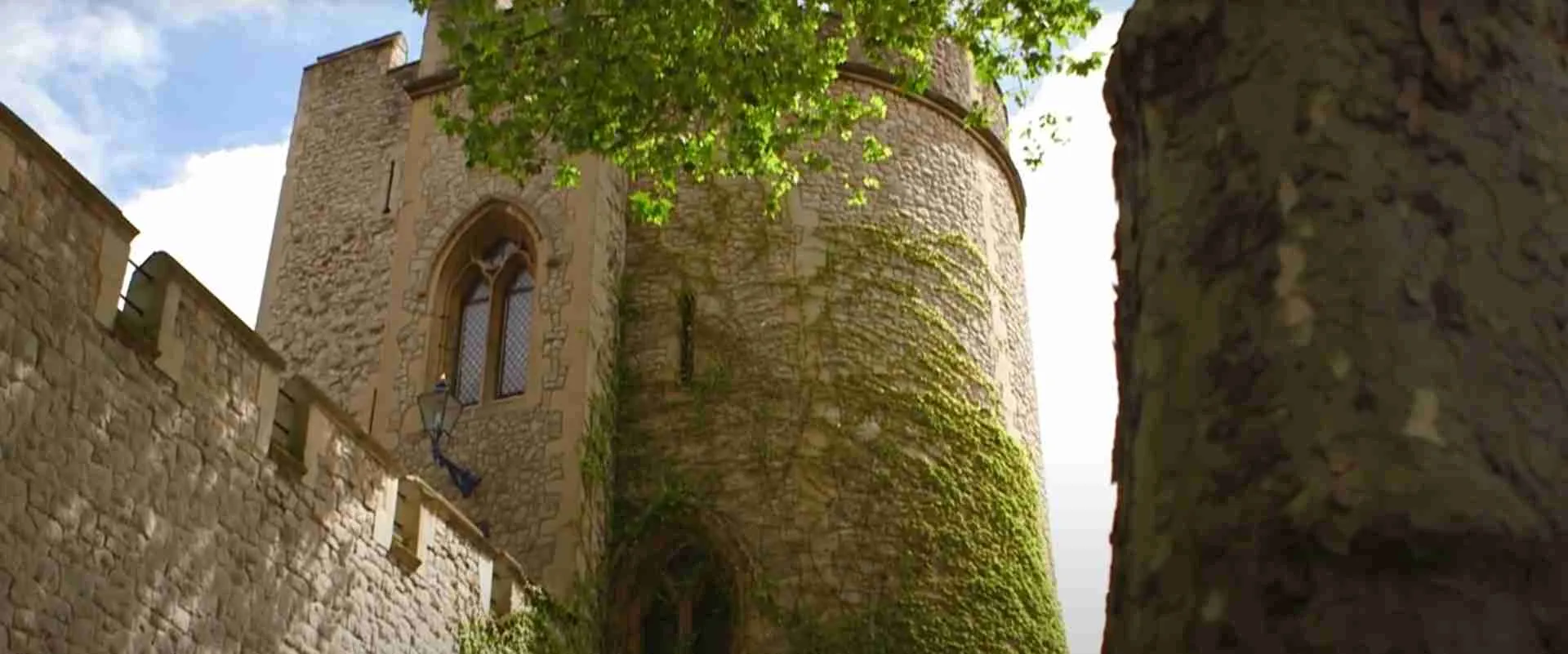
Tower of London Photography Guide: Capturing the Perfect Shots at This UNESCO Site
The Tower of London presents one of the world’s most photogenic UNESCO World Heritage Sites, where **nearly 1,000 years of architectural evolution creates endless opportunities for compelling photography**. From the imposing White Tower that dominates the complex to intimate details of medieval stonework, every corner offers visual stories that capture both historical grandeur and architectural mastery.
Key Takeaways
- Photography Restrictions: No photos allowed in Crown Jewels or St. John’s Chapel; everywhere else is fair game for stunning shots
- Golden Hour Magic: Early morning and late afternoon provide dramatic lighting that transforms the ancient stones
- Best Viewpoints: Battlements offer spectacular Thames views while Tower Green provides intimate historical perspectives
- Equipment Essentials: Wide-angle lens for architecture, telephoto for details, and sturdy tripod for low-light conditions
- Seasonal Advantages: Winter light creates moody atmospheres while summer offers extended golden hour opportunities
- Crowd Management: Early morning arrival ensures people-free shots and optimal positioning for iconic compositions
However, successfully photographing this iconic fortress requires more than simply pointing and shooting. **Understanding lighting conditions, navigating photography restrictions, and knowing the optimal viewpoints transforms casual snapshots into portfolio-worthy images** that truly capture the Tower’s significance as Britain’s most important royal fortress. This comprehensive guide reveals the techniques, locations, and strategies that professional photographers use to create stunning images at this remarkable historical site.
Photography Rules and Restrictions: What You Need to Know
Prohibited Photography Areas
**The Crown Jewels exhibition maintains strict no-photography policies** enforced by security personnel throughout the Jewel House. This restriction protects both the priceless artifacts and visitor flow, as stopping for photos would create dangerous bottlenecks in the heavily trafficked exhibition space.
**St. John’s Chapel within the White Tower prohibits photography** for religious and conservation reasons. This sacred space, representing one of Britain’s finest examples of Norman ecclesiastical architecture, requires respectful observation rather than photographic documentation.
**Certain temporary exhibitions may restrict photography** depending on loan agreements with external institutions. Always check with staff before photographing special displays, as restrictions may not be clearly marked but are strictly enforced when violations occur.
Permitted Photography Guidelines
**Throughout the remaining Tower complex, photography is welcomed and encouraged** for personal use. This includes all outdoor areas, most interior spaces, battlements, courtyards, and the majority of permanent exhibitions that showcase the Tower’s rich history.
**Flash photography is generally discouraged** in indoor spaces to protect artifacts and maintain comfortable viewing conditions for other visitors. Natural lighting and modern camera capabilities make flash unnecessary in most Tower locations.
**Commercial photography requires advance permission** from Historic Royal Palaces, with specific guidelines governing professional equipment use, model releases, and intended publication purposes. Wedding photography is exclusive to couples hiring the Tower for their ceremony.
Essential Photography Equipment for Tower Visits
Camera and Lens Recommendations
**A versatile zoom lens (24-70mm equivalent) covers most Tower photography needs**, providing wide-angle capabilities for architectural shots and medium telephoto reach for details and portraits. This focal range captures everything from sweeping fortress views to intimate stonework details.
**Wide-angle lenses (14-24mm) excel for architectural photography**, capturing the Tower’s imposing scale and dramatic perspectives that emphasize the fortress’s defensive purpose. These lenses prove particularly valuable in confined spaces where backing up for broader compositions isn’t possible.
**Telephoto lenses (70-200mm) isolate architectural details**, compress distant elements like Tower Bridge with the fortress, and provide flattering perspectives for portrait photography with Yeoman Warders. Longer focal lengths also help eliminate crowds from compositions during busy periods.
Support and Accessories
**A lightweight tripod enhances low-light photography** during winter visits or indoor spaces where longer exposures create sharp, noise-free images. Carbon fiber tripods balance stability with portability for extended Tower exploration.
**Polarizing filters reduce reflections** from Thames water and wet stone surfaces while enhancing sky contrast in outdoor compositions. These filters prove particularly valuable during overcast conditions that create dramatic atmospheric effects.
**Extra batteries and memory cards are essential** for extended Tower visits where comprehensive documentation requires hundreds of images. Cold weather depletes battery life faster, making backup power sources crucial for winter photography sessions.
Optimal Lighting Conditions Throughout the Day
Golden Hour Excellence
**Early morning golden hour (first hour after sunrise) provides magical lighting** that transforms the Tower’s ancient stones into glowing architectural sculptures. The low-angle sun creates dramatic shadows that emphasize texture and depth while bathwater Thames reflects warm light back onto the fortress.
**Evening golden hour offers equally spectacular opportunities** with warm lighting that flatters both architecture and portraits. Winter months bring golden hour within normal visiting hours, while summer extends photographing opportunities well into evening hours.
**Side lighting during golden hours reveals architectural details** invisible during harsh midday conditions. Stone textures, carved decorations, and structural elements gain three-dimensional quality that transforms flat documentary shots into compelling artistic compositions.
Blue Hour and Night Photography
**Blue hour (twilight period after sunset) creates dramatic atmospheric conditions** when artificial lighting illuminates the Tower against deep blue skies. This magical timing lasts approximately 30 minutes and requires careful planning to capture optimal color balance.
**Floodlighting transforms the Tower into a dramatic nighttime subject**, though access depends on special evening events like the Ceremony of the Keys. External viewpoints from Tower Bridge or the South Bank provide excellent night photography opportunities when internal access isn’t available.
Overcast Conditions
**Cloudy skies often enhance Tower photography** by providing soft, even lighting that eliminates harsh shadows while creating moody atmospheric conditions. Overcast light particularly flatters stone textures and allows detailed documentation without extreme contrasts.
**Dramatic storm clouds add emotional impact** to Tower compositions, emphasizing the fortress’s defensive purpose and historical significance. These conditions require weather protection for equipment but often produce the most memorable and atmospheric images.
Best Photography Locations Within the Tower
The White Tower: Architectural Masterpiece
**The White Tower offers numerous photographic opportunities** from multiple angles and distances. The iconic southwestern view showcases the tower’s imposing scale and defensive features, while closer perspectives reveal detailed Norman stonework and architectural elements.
**Interior spaces within the White Tower** provide opportunities for dramatic architectural photography, with the Line of Kings exhibition offering historical context and the royal chambers demonstrating medieval living conditions. Natural lighting through narrow windows creates atmospheric indoor compositions.
**Staircase photography captures the Tower’s vertical drama**, with spiral stairs and stone passages creating leading lines and geometric compositions that emphasize the building’s age and purpose. These intimate spaces require careful composition to manage confined dimensions.
Battlements and Defensive Walls
**The Wall Walk provides elevated perspectives** impossible to achieve from ground level, offering sweeping views across the Tower complex, Thames, and modern London skyline. These elevated positions create dramatic compositions that showcase the Tower’s strategic riverside location.
**Crenellated battlements frame compositions** naturally, using medieval defensive features as foreground elements that add depth and historical context to broader views. These architectural details serve as ready-made compositional tools for dynamic photography.
**Thames-side battlements offer spectacular water views** that include Tower Bridge, City of London skyscrapers, and river traffic. These positions provide classic London compositions that demonstrate the Tower’s continued relevance in contemporary urban landscapes.
Tower Green and Execution Site
**Tower Green provides intimate historical photography** focusing on the human stories that unfolded within the fortress walls. The memorial glass installation and surrounding medieval buildings create compelling compositions that blend historical documentation with artistic interpretation.
**Chapel Royal of St. Peter ad Vincula** (exterior photography only) offers Gothic architectural details and provides context for the execution stories that make Tower Green historically significant. The chapel’s modest scale contrasts dramatically with the fortress’s military architecture.
Medieval Palace
**The restored Medieval Palace showcases royal domestic architecture** with colorful wall paintings, period furnishings, and authentic architectural details that bring medieval royal life into focus. These intimate spaces require careful lighting management for effective photography.
**Throne room and royal chambers** demonstrate the Tower’s luxury alongside its military function, providing photographic evidence of medieval royal lifestyle. These spaces benefit from wide-angle lenses that capture complete room compositions while managing confined spaces.
External Photography Viewpoints
Tower Bridge Perspectives
**Tower Bridge walkways provide elevated external views** of the Tower complex that showcase its relationship with Thames and London’s urban development. These perspectives offer classic compositions that include both medieval fortress and Victorian engineering masterpiece.
**Bridge-level photography captures the Tower’s riverside defenses** and demonstrates its strategic position controlling Thames navigation. Early morning and late afternoon lighting from bridge positions creates dramatic compositions with excellent contrast and detail.
South Bank Opportunities
**The South Bank offers multiple viewing positions** for Tower photography that include Thames reflections and London’s evolving skyline. These external perspectives provide context impossible to achieve from within the fortress walls.
**HMS Belfast and surrounding riverside areas** provide foreground elements and varying distances for telephoto compositions that compress the Tower with modern London landmarks. These viewpoints work particularly well during dramatic weather conditions.
Thames River Level
**River cruise photography offers unique low-level perspectives** that emphasize the Tower’s commanding position and defensive purpose. Water-level viewpoints recreate historical approaches that medieval visitors would have experienced.
**Riverside walkways provide changing perspectives** as you move along the Thames, creating opportunities for compositions that include river traffic, bridge elements, and varying architectural relationships between Tower and surrounding development.
Portrait Photography with Yeoman Warders
Approaching the Beefeaters
**Yeoman Warders are generally accommodating for photography** and understand their role as photogenic symbols of the Tower’s living history. Approach politely, explain your photographic intentions, and respect their duties and schedule constraints.
**Group tour periods offer excellent candid opportunities** as Beefeaters interact with visitors and demonstrate their expertise. These natural interactions create more compelling portraits than stiff, posed photographs.
Portrait Techniques and Settings
**Use wide apertures (f/2.8-f/4) to isolate Beefeaters** from busy backgrounds while maintaining sharp focus on their distinctive uniforms and facial expressions. Shallow depth of field emphasizes subjects while managing cluttered tourist environments.
**Position subjects with architectural backgrounds** that provide historical context without overwhelming the portrait. The White Tower, medieval walls, and Tower Bridge offer iconic backdrops that enhance rather than distract from the human subjects.
**Capture both formal portraits and candid interactions** to document different aspects of Yeoman Warder roles. Formal portraits emphasize the ceremonial aspects while candid shots reveal personality and contemporary reality.
Seasonal Photography Strategies
Spring Photography (March-May)
**Spring offers fresh lighting conditions** with longer daylight hours and often dramatic cloud formations that create dynamic skies above the Tower’s ancient architecture. This season provides excellent contrast between new growth and medieval stonework.
**Cherry blossoms and spring flowers** in surrounding areas add color elements to compositions while maintaining focus on the Tower’s historical significance. These seasonal elements provide contemporary context for ancient architecture.
Summer Photography (June-August)
**Extended daylight hours maximize photography opportunities** with golden hour extending well into evening hours when tourist crowds diminish. Summer provides optimal conditions for comprehensive architectural documentation and detailed exploration.
**Intense summer lighting requires careful management** to avoid harsh shadows and overexposed highlights. Early morning and late afternoon sessions provide the best lighting quality while avoiding midday extremes.
Autumn Photography (September-November)
**Autumn colors complement the Tower’s stone architecture** while often dramatic cloud formations create moody atmospheric conditions. This season offers excellent contrast and color relationships that enhance compositional impact.
**Earlier sunsets bring golden hour within normal visiting hours**, making dramatic lighting more accessible for standard day visits. Autumn storms create particularly atmospheric conditions for Tower photography.
Winter Photography (December-February)
**Winter provides the most dramatic atmospheric conditions** with low-angle sun, frost effects, and often spectacular cloud formations that emphasize the Tower’s imposing character. Cold weather creates crisp air quality that enhances distant detail and contrast.
**Reduced daylight requires strategic planning** to maximize optimal lighting periods, but winter conditions often produce the most memorable and atmospheric Tower photographs. Snow, frost, and dramatic skies transform familiar compositions into extraordinary images.
Compositional Techniques for Tower Photography
Leading Lines and Architectural Elements
**Medieval architecture provides natural leading lines** through defensive walls, staircases, and archways that guide viewers through compositions toward focal points. These structural elements create dynamic compositions that enhance visual impact.
**Crenellated battlements create rhythmic patterns** that add visual interest while framing other architectural elements. These repetitive elements work particularly well in horizontal compositions that emphasize the Tower’s defensive character.
Scale and Human Elements
**Including people in compositions demonstrates the Tower’s impressive scale** while adding life and contemporary relevance to historical architecture. Visitors, Yeoman Warders, and tourists provide scale references that enhance architectural photography.
**Silhouettes against dramatic skies** create powerful compositions that emphasize both human presence and architectural monumentality. These techniques work particularly well during golden hour and blue hour conditions.
Framing and Perspective
**Archways and doorways provide natural frames** for compositions that create depth and focus attention on specific architectural elements or distant views. Medieval openings work particularly well for framing Thames views and modern London skyline.
**Varying perspective heights** from ground level to battlements create diverse compositional opportunities that reveal different aspects of the Tower’s complex architecture and strategic positioning.
Technical Camera Settings for Tower Photography
Aperture Considerations
**Architectural photography benefits from smaller apertures (f/8-f/11)** that provide sufficient depth of field to keep foreground and background elements in sharp focus. These settings ensure that architectural details remain crisp throughout the composition.
**Portrait photography requires wider apertures (f/2.8-f/5.6)** to isolate subjects from busy backgrounds while maintaining sharp focus on key facial features and uniform details.
Shutter Speed Management
**Handheld photography requires shutter speeds** faster than focal length reciprocal to avoid camera shake. Image stabilization systems allow slower speeds but shouldn’t be relied upon for critical sharpness in professional work.
**Tripod photography enables creative shutter speeds** for water movement in Thames shots, cloud movement during long exposures, and optimal image quality during low-light conditions common in winter months.
ISO Performance
**Modern cameras handle high ISO performance well** for indoor Tower photography where available light creates atmospheric conditions. ISO 800-3200 often provides excellent results without objectionable noise levels in properly exposed images.
**Base ISO (typically 100-200) provides optimal image quality** for tripod photography and well-lit outdoor conditions. Use lowest possible ISO when shooting conditions allow for optimal dynamic range and detail retention.
Post-Processing Tips for Tower Images
Enhancing Stone Textures
**Clarity and texture adjustments bring out stonework details** that may appear flat in straight-from-camera images. Careful application enhances the Tower’s medieval character without creating unrealistic appearances.
**Local adjustments allow selective enhancement** of architectural elements while maintaining natural lighting relationships throughout the composition. These techniques help emphasize the Tower’s impressive craftsmanship and historical details.
Sky and Atmosphere Enhancement
**Graduated filters darken overexposed skies** while maintaining detail in shadow areas of the Tower’s architecture. These adjustments restore natural contrast relationships that cameras often struggle to capture in single exposures.
**Careful color grading enhances atmospheric conditions** while maintaining realistic color relationships. Subtle adjustments can emphasize the Tower’s dramatic character without sacrificing authenticity.
Conclusion: Mastering Tower of London Photography
Successfully photographing the Tower of London requires **combining technical expertise with historical understanding and strategic planning**. The Tower’s photographic opportunities span from sweeping architectural compositions to intimate historical details, each requiring different approaches and techniques for optimal results.
**The key to exceptional Tower photography lies in understanding how lighting, composition, and timing work together** to reveal the fortress’s extraordinary character and historical significance. Whether capturing the imposing White Tower against dramatic skies or documenting intimate details of medieval craftsmanship, successful photography requires patience, preparation, and respect for this remarkable UNESCO World Heritage Site.
**Remember that the Tower’s greatest photographic asset is its authentic historical atmosphere** – the patina of age, the weight of history, and the continuity of tradition that spans nearly a millennium. Your photography should capture not just visual beauty but the essence of what makes this fortress one of the world’s most significant historical sites.
Plan your photography carefully, respect the restrictions in place, and prepare to capture images that do justice to one of Britain’s most iconic landmarks. **The Tower of London awaits your creative vision** – use these techniques to create photographs that truly capture its majesty, mystery, and enduring significance in British history.
Frequently Asked Questions
Where can’t I take photos at the Tower of London?
Photography is prohibited in the Crown Jewels exhibition (Jewel House) and St. John’s Chapel within the White Tower. Some temporary exhibitions may also restrict photography depending on loan agreements. Everywhere else welcomes photography for personal use.
What’s the best time of day for Tower of London photography?
Early morning golden hour (first hour after sunrise) provides the most dramatic lighting with warm tones and long shadows. Late afternoon golden hour offers similar conditions. Overcast days provide excellent even lighting for architectural details.
Do I need special permission for photography at the Tower?
Personal photography requires no special permission except in restricted areas. Commercial photography, professional equipment, and model shoots require advance permission from Historic Royal Palaces with specific guidelines and potential fees.
What camera equipment is best for Tower photography?
A versatile zoom lens (24-70mm) covers most needs, with wide-angle (14-24mm) for architecture and telephoto (70-200mm) for details. A lightweight tripod helps with low-light conditions, and extra batteries are essential for extended sessions.
Can I photograph the Yeoman Warders (Beefeaters)?
Yes, Yeoman Warders are generally accommodating for photography and understand their role as photogenic symbols. Approach politely, respect their duties, and ask permission for formal portraits. Candid shots during tours are usually fine.
What are the best external viewpoints for Tower photography?
Tower Bridge walkways, South Bank positions near HMS Belfast, and Thames riverside areas provide excellent external perspectives. These viewpoints offer compositions that include the Tower with London’s skyline and Thames reflections.
How do weather conditions affect Tower photography?
Overcast conditions often enhance Tower photography with even lighting and moody atmospheres. Dramatic storms create compelling skies. Winter provides low-angle sun and crisp conditions, while summer offers extended golden hour opportunities.
Can I use a tripod at the Tower of London?
Small, lightweight tripods are generally permitted for personal photography, though avoid blocking pathways or creating hazards. Professional tripods may require permission. Staff may ask you to move or adjust setup if causing congestion.
What’s the best season for Tower of London photography?
Each season offers unique advantages: winter provides dramatic lighting and moody conditions, spring offers fresh light and longer days, summer maximizes daylight hours, and autumn provides excellent colors and atmospheric conditions.
Are there any photography workshops or tours at the Tower?
Professional photography workshops occasionally operate at the Tower, often including early access for optimal lighting conditions. Check with authorized tour operators and Historic Royal Palaces for specialized photography experiences and educational programs.