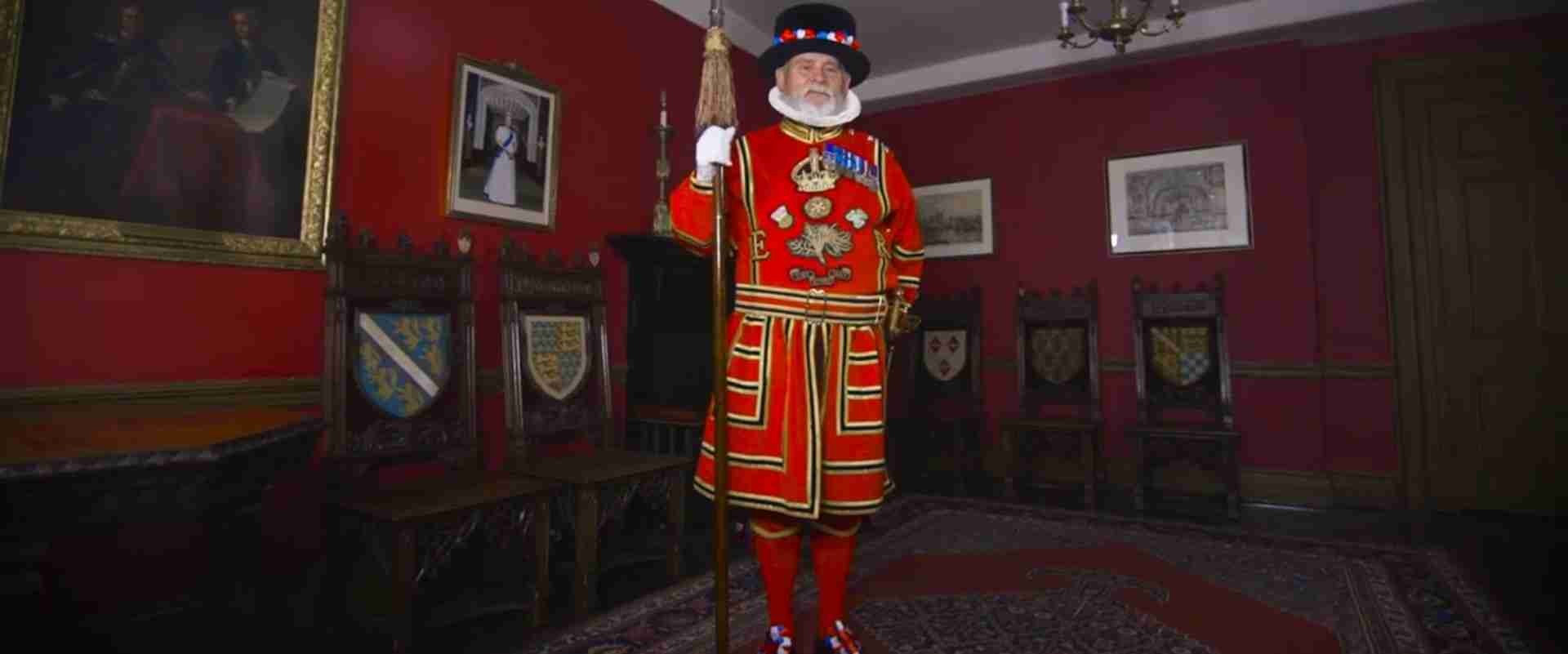
Yeoman Warders (Beefeaters) at Tower of London: Meeting the Guardians of British History
Among the many remarkable sights at the Tower of London, few capture visitors’ imaginations quite like the **legendary Yeoman Warders, better known as Beefeaters**, whose distinctive scarlet and gold uniforms have become symbols of British tradition recognized worldwide. These aren’t simply costumed performers – they represent an authentic continuation of royal service dating back over 500 years, with each Warder having earned their position through distinguished military careers.
Key Takeaways
- Elite Military Veterans: All Yeoman Warders must have 22+ years military service with exemplary conduct records
- Living Community: Warders and their families live within the Tower walls, creating Britain’s most exclusive residential address
- Free Tours Included: Entertaining guided tours by Beefeaters are complimentary with Tower admission and highly recommended
- Historical Nickname: “Beefeaters” allegedly derives from their privilege to eat unlimited beef from the royal table
- Modern Veterans: Current Warders include veterans from Falklands, Iraq, Afghanistan, and other contemporary conflicts
- Photo-Friendly: Beefeaters are generally happy to pose for photos and answer questions about Tower history
**Today’s Yeoman Warders are highly trained military veterans who bring contemporary experience from conflicts spanning Northern Ireland to Afghanistan**, while maintaining centuries-old traditions that connect visitors directly with living British history. Their role extends far beyond tourist entertainment to encompass serious responsibilities as guardians of royal treasures, protectors of ancient traditions, and interpreters of complex historical narratives that shaped modern Britain.
The Origins and Evolution of Yeoman Warders
Tudor Foundation and Royal Bodyguard Heritage
**The Yeoman Warders trace their origins to the reign of Edward IV (1461-1483)**, when royal bodyguards were first formally organized to protect the monarch and royal residences. However, their definitive establishment came under Henry VII, who created the “Yeomen of the Guard” in 1485 following his victory at the Battle of Bosworth Field.
**Henry VIII formalized the Tower’s garrison in 1509**, establishing the Yeoman Warders as a distinct detachment of the Yeomen of the Guard specifically responsible for Tower security, prisoner custody, and maintenance of royal treasures housed within the fortress walls. This specialization created unique traditions and responsibilities that continue today.
**The dual role of royal protection and prisoner custody** created complex responsibilities that required individuals of exceptional trustworthiness and military capability. Yeoman Warders became responsible for guarding state prisoners including royalty, nobles, and political figures whose security required absolute reliability and discretion.
The “Beefeater” Nickname and Royal Privileges
**The famous “Beefeater” nickname allegedly derives from the Warders’ historical privilege** to consume unlimited quantities of beef from the royal table – a substantial benefit during periods when meat remained expensive and often unavailable to ordinary citizens. This privilege reflected their elite status within the royal household hierarchy.
**Alternative theories suggest the nickname originated from French “buffetier”** (one who attends the buffet), which became corrupted through common usage into the more colorful “Beefeater” designation that captured public imagination and became permanently associated with these distinctive guardians.
**Regardless of etymological origins, the nickname emphasizes the Warders’ elevated status** within royal service, with access to quality provisions and living standards that distinguished them from ordinary soldiers and demonstrated royal appreciation for their essential services.
Modern Selection Process and Requirements
Military Service Prerequisites
**Becoming a Yeoman Warder requires exceptional military credentials**, with candidates needing minimum 22 years of distinguished service in the British Armed Forces. This requirement ensures that all Warders bring extensive military experience, leadership capabilities, and understanding of ceremonial traditions to their Tower duties.
**Candidates must have achieved specific rank levels** – typically Warrant Officer or Senior Non-Commissioned Officer positions that demonstrate leadership capability and exemplary service records. These requirements ensure Warders possess the gravitas and authority necessary for their public-facing responsibilities.
**The Long Service and Good Conduct Medal is mandatory**, demonstrating sustained exemplary behavior throughout military careers. This requirement reflects the trust placed in Warders as guardians of priceless royal treasures and interpreters of sensitive historical narratives.
Selection Process and Assessment
**The application process includes rigorous interviews, background checks, and assessment of communication skills** essential for public tours and visitor interaction. Candidates must demonstrate ability to engage diverse audiences while maintaining historical accuracy and appropriate dignity.
**Physical fitness standards ensure Warders can perform extensive walking, climbing, and standing** required for Tower duties including tours, ceremonial functions, and emergency responses. The role demands sustained physical capability despite the ceremonial nature of many duties.
**Residency requirements mean successful candidates must commit to living within the Tower complex**, creating unique lifestyle considerations that affect family arrangements, privacy, and daily routines. This commitment ensures 24-hour security presence and maintenance of Tower traditions.
Daily Life Within the Tower Walls
The Most Exclusive Address in London
**Approximately 150 people live permanently within the Tower of London**, including Yeoman Warders, their families, and essential support staff who maintain the complex’s operations. This residential community creates one of London’s most unique neighborhoods with residents spanning multiple generations.
**Tower residences range from historic apartments within medieval buildings** to more modern accommodations that balance contemporary comfort with heritage preservation requirements. All residents share responsibility for maintaining the Tower’s special character and supporting its multifaceted operations.
**Community amenities include the Tower’s own pub (The Keys), village green space, medical facilities, and church services** that create genuine neighborhood atmosphere within the ancient fortress walls. Children grow up in this extraordinary environment, attending local schools while calling a UNESCO World Heritage Site home.
Professional Responsibilities and Duties
**Security duties remain paramount**, with Warders responsible for protecting royal treasures, monitoring visitor safety, and maintaining overall Tower security through both traditional methods and modern technology integration. Their military backgrounds provide essential expertise for these responsibilities.
**Ceremonial functions include the nightly Ceremony of the Keys**, where Warders lock the Tower gates in a tradition dating back over 700 years. This ceremony represents one of Britain’s oldest military traditions and requires precise timing and coordination among multiple Warders.
**Educational responsibilities encompass conducting tours, answering historical questions, and serving as living links** to British military and royal traditions. Warders undergo extensive historical training to ensure accuracy and depth in their public presentations.
The Famous Yeoman Warder Tours
Tour Structure and Entertainment Value
**Free guided tours operate every 45 minutes throughout the day**, starting at 10:00 AM Tuesday-Saturday and 10:30 AM Sunday-Monday, with final tours departing at 3:15 PM. These tours are included with Tower admission and provide exceptional value for comprehensive historical introduction.
**Each tour lasts approximately 45-60 minutes** and covers major Tower highlights including Traitors’ Gate, Tower Green execution site, the White Tower exterior, and historical anecdotes that bring nearly 1,000 years of history to life through engaging storytelling.
**Tour content balances historical accuracy with entertainment value**, as Warders use theatrical skills developed through years of public presentation to make complex historical narratives accessible and memorable for diverse international audiences.
Individual Warder Personalities and Styles
**Each Yeoman Warder brings unique personality and military background** to their tours, creating experiences that range from scholarly historical analysis to theatrical entertainment depending on individual style and audience engagement preferences.
**Military specializations influence tour content**, with former Royal Navy Warders emphasizing maritime connections, Army veterans focusing on military architecture, and RAF personnel highlighting the Tower’s role in aerial defense during both World Wars.
**Audience interaction varies by Warder and group size**, with smaller groups often receiving more personalized attention and opportunities for detailed questions about specific historical periods or Tower functions that interest individual visitors.
Contemporary Military Backgrounds and Experience
Modern Conflict Veterans
**Current Yeoman Warders include veterans from recent British military operations** spanning the Falklands War (1982), Northern Ireland service, Bosnia peacekeeping, Iraq conflicts, and Afghanistan operations. This contemporary military experience creates unique perspective on historical military service.
**Their modern combat experience provides authentic context** for discussing historical military architecture, siege warfare, and defensive strategies that shaped the Tower’s development across centuries of military innovation and changing warfare technologies.
**Veterans’ perspectives on military service, sacrifice, and duty** add emotional depth to historical narratives about Tower prisoners, executions, and military functions that academic historians cannot provide. These personal insights enhance visitor understanding of military traditions’ human dimensions.
Bridging Historical and Contemporary Military Service
**Warders serve as living links between medieval military traditions** and contemporary British Armed Forces, demonstrating continuity in military values, dedication, and service across centuries of changing technology and warfare methods.
**Their uniforms combine historical elements with modern military bearing**, creating visual representations of tradition’s persistence within contemporary military culture while maintaining ceremonial dignity and historical authenticity.
**Professional military experience enables authentic interpretation** of historical military equipment, tactics, and living conditions that shaped Tower history from medieval siege warfare through 20th-century conflicts that saw the Tower serving active military functions.
The Distinctive Uniform and Ceremonial Dress
Scarlet and Gold State Dress
**The iconic scarlet and gold State Dress uniform worn during ceremonies** represents one of Britain’s most recognizable ceremonial costumes, with Tudor-style design elements that connect contemporary Warders with their 16th-century origins and royal household traditions.
**Elaborate embroidery features royal ciphers, crown motifs, and decorative elements** that required specialist craftsmen to create and maintain. Each uniform represents significant investment in preserving traditional craftsmanship while ensuring appropriate dignity for formal occasions.
**The distinctive Tudor bonnet completes the ceremonial ensemble**, creating instantly recognizable silhouettes that have become synonymous with British pageantry and royal tradition throughout international media coverage of royal events.
Daily Working Uniform
**Blue undress uniforms serve for daily duties including tours, routine security work, and administrative responsibilities** while maintaining distinctive appearance that identifies Warders to visitors while providing practical comfort for extended walking and standing.
**Military-style elements reflect Warders’ professional backgrounds** while ceremonial touches maintain connection to royal household traditions and historical continuity that distinguishes Yeoman Warders from ordinary security personnel.
**Seasonal variations accommodate weather conditions** while preserving uniform integrity and professional appearance essential for representing royal household standards to international visitors and dignitaries.
Interacting with Yeoman Warders: Visitor Guidelines
Photography and Social Engagement
**Yeoman Warders generally welcome photography requests** and understand their role as photogenic symbols of British tradition. Polite requests for photos are usually accommodated, particularly when visitors demonstrate genuine interest in Tower history and respectful appreciation for Warder traditions.
**Group photos during tours often provide optimal opportunities** for visitor interaction, as Warders expect photography during these formal presentations and typically allocate time for photo opportunities that enhance visitor experiences and memories.
**Individual approaches should respect Warders’ duties and schedules**, recognizing that they maintain serious security and administrative responsibilities beyond tourist entertainment. Timing requests appropriately ensures positive interactions without interfering with essential Tower operations.
Question Etiquette and Historical Inquiry
**Warders appreciate thoughtful historical questions** that demonstrate genuine interest in Tower history, British military traditions, or royal customs. Their extensive training and personal research enable detailed responses that often exceed standard guidebook information.
**Military background questions about their service experience** are generally welcomed, though Warders may decline to discuss specific operational details or sensitive military information while being happy to share general service experiences and career highlights.
**Respect for their professional dignity** ensures positive interactions, with visitors who approach Warders as knowledgeable professionals rather than entertainment performers typically receiving more detailed and engaging responses to historical and contemporary questions.
Behind the Scenes: Warder Training and Preparation
Historical Education and Ongoing Learning
**New Yeoman Warders undergo intensive historical training** covering nearly 1,000 years of Tower history, royal biography, architectural development, and ceremonial protocols necessary for accurate public presentation and tour leadership responsibilities.
**Continuing education includes regular seminars, guest lectures, and research opportunities** that ensure Warders maintain current historical knowledge and incorporate new archaeological discoveries or historical research into their public presentations and visitor interactions.
**Collaboration with professional historians and curators** from Historic Royal Palaces provides ongoing support for Warders’ educational responsibilities while ensuring accuracy and depth in historical interpretation that meets academic standards.
Public Speaking and Presentation Skills
**Communication training develops presentation skills** necessary for engaging diverse international audiences with varying levels of English proficiency, historical knowledge, and cultural backgrounds while maintaining tour quality and visitor satisfaction.
**Theatrical skills workshops help Warders develop engaging delivery styles** that balance entertainment value with historical accuracy, creating memorable experiences that encourage deeper interest in British history and Tower significance.
**Crisis management training prepares Warders for emergency situations**, crowd control challenges, and medical emergencies that can occur during large group tours or busy visitor periods requiring professional response and visitor safety prioritization.
Special Ceremonies and Traditions
The Ceremony of the Keys
**The nightly Ceremony of the Keys represents the Tower’s most famous tradition**, performed by Yeoman Warders every evening for over 700 years in an unbroken sequence that demonstrates remarkable consistency in British military traditions and ceremonial practices.
**The 10-minute ceremony begins at 9:53 PM precisely** and involves specific ritual elements including traditional challenges, responses, and the formal locking of Tower gates that symbolically secures royal treasures and maintains historical continuity with medieval security practices.
**Limited public access requires advance booking** through Historic Royal Palaces, with free tickets allocated via annual ballot system that makes witnessing this ceremony a special privilege for visitors fortunate enough to secure reservations.
Special Events and Royal Occasions
**Royal visits and state occasions** require enhanced Yeoman Warder participation in ceremonial protocols, formal presentations, and security arrangements that demonstrate their continuing role in contemporary royal household functions and constitutional monarchy operations.
**Commemorative events including Remembrance ceremonies** highlight Warders’ dual role as both historical interpreters and active military veterans who maintain connections between historical military service and contemporary Armed Forces traditions.
**International diplomatic visits** often include Tower tours led by senior Yeoman Warders who represent British military tradition and royal heritage to foreign dignitaries, demonstrating soft power diplomacy through cultural and historical presentation.
The Future of Yeoman Warder Traditions
Modernization and Tradition Balance
**Contemporary challenges include adapting ancient traditions** to modern security requirements, visitor expectations, and operational needs while preserving historical authenticity and ceremonial dignity that define Yeoman Warder identity and public appeal.
**Technology integration supports traditional functions** through modern communication systems, security equipment, and visitor management tools that enhance Warder effectiveness while maintaining historical character and ceremonial traditions.
**Recruitment adaptations reflect changing Armed Forces demographics** while maintaining rigorous standards that ensure Yeoman Warders continue representing the highest levels of military professionalism and dedication to royal service.
Cultural Legacy and International Recognition
**Global recognition of Yeoman Warders as British cultural symbols** extends their influence beyond Tower tourism to encompass diplomatic soft power, cultural exchange, and international understanding of British traditions and values.
**Educational outreach programs** share Warder expertise with schools, military organizations, and cultural institutions that seek authentic connections to British military heritage and royal traditions for educational and commemorative purposes.
**Media appearances and cultural representation** ensure Yeoman Warder traditions remain relevant and accessible to contemporary audiences while preserving historical accuracy and maintaining appropriate dignity for these ancient offices.
Conclusion: Living Guardians of Heritage
**The Yeoman Warders represent far more than colorful tourist attractions** – they embody authentic connections between Britain’s military heritage and contemporary service, linking medieval royal traditions with modern constitutional monarchy through their daily presence and professional dedication.
**Their unique combination of military professionalism and historical interpretation** creates unparalleled access to living British traditions that continue evolving while maintaining essential characteristics that have defined royal service for over 500 years.
**For visitors to the Tower of London, encounters with Yeoman Warders provide irreplaceable opportunities** to engage with authentic British heritage through individuals who represent the finest traditions of military service while dedicating their post-service careers to preserving and sharing national history.
**Whether participating in guided tours, witnessing ceremonial functions, or simply observing these remarkable individuals** going about their daily duties, visitors gain insights into British culture, military tradition, and royal heritage that no other experience can provide.
**The Yeoman Warders of the Tower of London stand as testament** to the enduring power of tradition, the value of military service, and the importance of preserving cultural heritage through living traditions that connect past achievements with contemporary values and future aspirations.
Frequently Asked Questions
How do you become a Yeoman Warder at the Tower of London?
Candidates must have 22+ years of distinguished military service in British Armed Forces, achieve Warrant Officer or Senior NCO rank, hold the Long Service and Good Conduct Medal, pass rigorous interviews and background checks, and commit to living within the Tower complex.
Why are Yeoman Warders called Beefeaters?
The nickname allegedly derives from their historical privilege to eat unlimited beef from the royal table, reflecting their elite status within the royal household. Alternative theories suggest corruption of French “buffetier” (one who attends the buffet).
Do Yeoman Warders really live at the Tower of London?
Yes, approximately 150 people including Yeoman Warders and their families live permanently within the Tower walls, creating one of London’s most exclusive residential communities with their own pub, medical facilities, and village green.
Are the Yeoman Warder tours free?
Yes, guided tours by Yeoman Warders are included with Tower admission. Tours run every 45 minutes from 10:00 AM (10:30 AM Sundays/Mondays) with the last tour at 3:15 PM. No advance booking required – just join the group at tour starting points.
Can I take photos with the Beefeaters?
Generally yes, Yeoman Warders are accommodating for photos and understand their role as British cultural symbols. Approach politely and respect their duties – they’re happy to pose during tours or when not busy with security responsibilities.
What military backgrounds do current Yeoman Warders have?
Current Warders include veterans from Falklands War, Northern Ireland, Bosnia, Iraq, Afghanistan, and other operations across Army, Navy, and RAF. Their diverse military experience spans several decades of British Armed Forces service.
How many Yeoman Warders work at the Tower?
There are typically 35-40 Yeoman Warders at any time, with positions filled as retirements create vacancies. The number varies slightly based on operational requirements and family circumstances affecting Tower residence.
What is the Ceremony of the Keys?
A 700-year-old nightly tradition where Yeoman Warders lock the Tower gates at 9:53 PM precisely. This 10-minute ceremony includes traditional challenges and responses. Free tickets are available through annual ballot – very limited availability.
Do Yeoman Warders have other jobs besides giving tours?
Yes, their primary responsibilities include Tower security, protecting Crown Jewels, performing ceremonial duties, administrative tasks, and emergency response. Tours are just one aspect of their comprehensive Tower duties and royal household service.
What’s the difference between Yeoman Warders and Yeomen of the Guard?
Yeoman Warders are a special detachment of the Yeomen of the Guard assigned specifically to Tower duties. Yeomen of the Guard serve as the monarch’s bodyguard at royal events, while Yeoman Warders focus on Tower operations and reside permanently there.