
Torres del Paine vs Perito Moreno 2026: Which Patagonia Park?
Key Takeaways
- Torres del Paine requires multi-day visits ($300-600 per person) for comprehensive experiences, while Perito Moreno delivers impact in single day trips ($120-180 per person) from El Calafate
- Perito Moreno Glacier provides guaranteed dramatic glacial experiences accessible to all fitness levels via walkways and boat tours, while Torres del Paine demands hiking for optimal viewpoints
- Torres del Paine access from Puerto Natales involves 2-hour transfers and higher logistical complexity, compared to Perito Moreno’s 90-minute straightforward drive from El Calafate
- December through February offers peak conditions for both destinations in 2026, with Torres del Paine requiring 3-5 days for worthwhile visits versus Perito Moreno’s single-day sufficiency
- Combining both parks in 2026 Patagonia itineraries requires 7-10 days minimum including transit between Chilean and Argentine sides via El Calafate hub
- Budget travelers favor Perito Moreno ($120-180 total day costs) over Torres del Paine’s minimum $300-400 multi-day requirements for meaningful park experiences
Comparing Patagonia’s Icons in 2026
Patagonia’s protected landscapes divide between Chilean Torres del Paine National Park and Argentine Los Glaciares National Park containing Perito Moreno Glacier, creating the region’s most consequential travel decision for visitors allocating limited vacation days. Both destinations deliver world-class natural spectacles with dramatically different characters, access requirements, time commitments, and budget implications.
Torres del Paine spreads across 227,298 hectares of Chilean Patagonia, showcasing granite towers, turquoise lakes, glaciers, and diverse wildlife across landscapes requiring multiple days for proper appreciation. The park sits 112 kilometers north of Puerto Natales, demanding significant time investment even for abbreviated visits. Day trips access only peripheral viewpoints along main roads, while the park’s famous trekking circuits (W Trek and O Circuit) require 4-9 days of backcountry travel.
Perito Moreno Glacier dominates Los Glaciares National Park’s southern sector as one of Earth’s most accessible advancing glaciers. The massive ice wall—5 kilometers wide and 60 meters tall—flows from the Southern Patagonian Ice Field directly to Lake Argentino, creating spectacular calving events where house-sized ice blocks crash into turquoise waters. Located 80 kilometers west of El Calafate, the glacier accommodates single-day visits via extensive walkway systems providing face-to-face encounters with active ice.
The fundamental distinction lies in experience density versus landscape diversity. Perito Moreno concentrates glacial drama into compact geography accessible within 4-6 hours including transportation, while Torres del Paine distributes attractions across vast wilderness requiring days of exploration for comprehensive experiences. This difference dictates strategic choices for travelers balancing Patagonian ambitions against practical constraints of time, budget, and physical capability.
Both destinations operate year-round with summer (December-February) delivering optimal conditions. Winter access continues at reduced service levels, though weather severity and shortened daylight hours challenge all but most determined visitors. The seasonal overlap means travelers must choose based on personal priorities rather than timing advantages favoring one destination over another.
People Also Ask About Torres del Paine vs Perito Moreno 2026
Which is better, Torres del Paine or Perito Moreno in 2026?
The comparison depends entirely on available time and travel priorities rather than objective superiority. Perito Moreno excels for travelers with 1-2 days seeking guaranteed impact through accessible glacial spectacle, while Torres del Paine rewards visitors allocating 3-5+ days for diverse landscapes including mountains, glaciers, lakes, and wildlife across extensive hiking networks.
Perito Moreno delivers immediate gratification—arriving at walkway viewpoints reveals the glacier’s full majesty within minutes, with ice calving events occurring throughout days providing dynamic entertainment. The experience requires minimal physical effort beyond walking paved pathways, making it universally accessible regardless of age or fitness level. Visitors witness active glacial processes: thunderous calving, brilliant blue ice formations, and the glacier’s inexorable advance creating pressure against opposing shoreline.
Torres del Paine offers landscape diversity impossible to match in single locations. Granite towers pierce skies above turquoise lakes, Grey Glacier flows from distant ice fields, Salto Grande waterfall thunders through gorges, and guanaco herds graze vast pampas. However, accessing these highlights demands time investment—day trips scratch surfaces while multi-day treks or comprehensive driving tours require 3-5 days minimum. The park rewards extended visits with experiences building upon each other, creating cumulative impact exceeding single viewpoint visits.
Budget-conscious travelers favor Perito Moreno’s single-day costs ($120-180 per person total) over Torres del Paine’s multi-day requirements ($300-600+ per person). Photographers often choose Torres del Paine for compositional diversity and backcountry opportunities, while families appreciate Perito Moreno’s straightforward access and guaranteed results without extensive hiking or camping commitments.
How much does it cost to visit Torres del Paine vs Perito Moreno in 2026?
Perito Moreno day trips cost $120-180 per person including transportation from El Calafate, park entrance, walkway access, and guided interpretation in 2026. Park entrance fees are $34 for international visitors ($17 for Argentine residents). Check the official Parques Nacionales website for current rates as pricing may vary. The single-day format means total costs remain predictable and contained—adding optional boat tours ($55-75) or ice trekking experiences ($140-180) brings comprehensive visits to $175-360 per person.
Torres del Paine requires minimum $300-600 per person for meaningful 3-5 day visits including transportation from Puerto Natales, park entrance ($35 international visitors during high season), accommodation at refugios or campsites ($25-150 per night), meals ($40-80 daily), and guide services if desired ($400-800 for multi-day programs). Day trips cost less at $100-180 per person but access only roadside viewpoints, missing the park’s signature experiences requiring backcountry trekking.
Transportation costs differ substantially. El Calafate to Perito Moreno involves straightforward 80-kilometer drive on paved highway with bus services at $25-35 round-trip or guided tours at $90-120 including entrance. Puerto Natales to Torres del Paine covers 112 kilometers of paved and gravel roads with bus services at $30-40 round-trip or tours at $120-180 daily, but multi-day stays compound transportation expenses.
Accommodation amplifies cost differences. El Calafate visitors return to town nightly, maintaining single lodging expense ($60-150 per night for mid-range hotels). Torres del Paine multi-day visitors pay both Puerto Natales accommodation before/after park visits AND in-park lodging ($25-150 nightly for camping to refugio bunks), doubling accommodation budgets. The cumulative effect means comprehensive Torres del Paine experiences cost 2-4 times Perito Moreno visits even before accounting for additional activity days.
Can you visit both Torres del Paine and Perito Moreno on the same trip in 2026?
Yes, combining both destinations requires 7-10 days minimum including transit time between Chilean and Argentine Patagonia via El Calafate transportation hub. The two parks sit on opposite sides of the Andes, separated by international border and 5-6 hours overland travel between Puerto Natales (Torres del Paine gateway) and El Calafate (Perito Moreno gateway).
Efficient dual-park itineraries allocate 1-2 days for Perito Moreno (including arrival/departure El Calafate) and 4-5 days for Torres del Paine (including Puerto Natales positioning and park exploration). Transit days between destinations consume another 1-2 days depending on routing choices—direct buses run Puerto Natales to El Calafate in 5-6 hours, while some travelers route through Punta Arenas and Rio Gallegos for flight connections.
Sample 9-day combined itinerary: Days 1-2 El Calafate and Perito Moreno, Day 3 transit to Puerto Natales, Days 4-7 Torres del Paine (W Trek abbreviated version or driving circuit), Day 8 Puerto Natales rest, Day 9 departure. This compressed schedule delivers both destinations but rushes Torres del Paine compared to recommended 5-7 day allocations for complete W Trek or comprehensive park touring.
Extended 12-14 day itineraries allow optimal experiences at both locations: 3-4 days around El Calafate (Perito Moreno plus additional Los Glaciares attractions like Upsala Glacier or El Chaltén), transit day, 6-8 days Torres del Paine (full W Trek or O Circuit), 1-2 days Puerto Natales with potential excursions. This pacing prevents exhaustion while maximizing each destination’s unique offerings.
Budget implications for combined trips range $800-2,000 per person depending on accommodation levels, trekking ambitions, and included activities. The investment reflects Patagonia’s remote geography and premium pricing, though rewards include Earth’s most spectacular glacial and mountain landscapes within single journey.
Which requires better physical fitness, Torres del Paine or Perito Moreno in 2026?
Perito Moreno accommodates all fitness levels through its extensive walkway system along the glacier face. The metal walkways feature gentle grades, stairs with handrails, and viewing platforms at multiple elevations, allowing wheelchair users and elderly visitors to experience the glacier alongside serious trekkers. Walking circuits range 1-3 kilometers with minimal elevation change, completed comfortably within 1-2 hours. Optional ice trekking requires moderate fitness but remains accessible to average health—guides lead groups across glacier surfaces with provided equipment.
Torres del Paine demands vary dramatically by chosen experience. Roadside viewpoints along main park roads require minimal fitness—short walks of 100-500 meters on level ground access locations like Lake Pehoé and Laguna Amarga. However, the park’s signature experiences require substantial physical capability. Base Las Torres trek involves 18-20 kilometers round-trip with 800 meters elevation gain over rocky terrain, taking 8-10 hours for average hikers. The W Trek covers 80 kilometers over 4-5 days with daily distances of 15-20 kilometers and cumulative elevation gains exceeding 2,000 meters.
Weather compounds physical demands at Torres del Paine. Patagonian winds reach 60-100 km/h regularly, creating additional exertion when hiking exposed terrain. Variable weather means carrying comprehensive gear (shelter, extra layers, food, water) adding pack weight affecting energy expenditure. Perito Moreno visitors experience similar wind but from secured walkway positions without endurance hiking requirements.
Visitors with limited mobility, elderly travelers, or families with young children find Perito Moreno far more accommodating. Torres del Paine offers accessible viewpoints but reserves its most spectacular landscapes for those capable of multi-hour hiking with significant elevation gain and exposure to harsh weather conditions.
Extended multi-day tours – 5+ days
Featured Park Torres Del Paine National Park Multi-Day Tour Packages
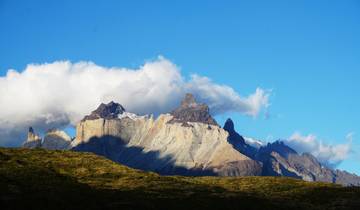
4 days
4-Days Discovery Puerto Natales & Torres del Paine
- ✓ Comprehensive Park Torres Del Paine National Park tour
- ✓ Expert local guides included
- ✓ All accommodation arranged
- ✓ Transportation provided
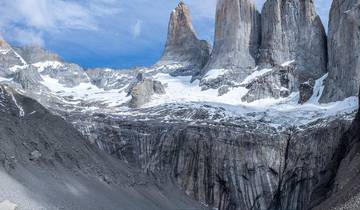
8 days
8 – Days Experience in San Pedro de Atacama & Torres del Paine National Park
- ✓ Comprehensive Park Torres Del Paine National Park tour
- ✓ Expert local guides included
- ✓ All accommodation arranged
- ✓ Transportation provided
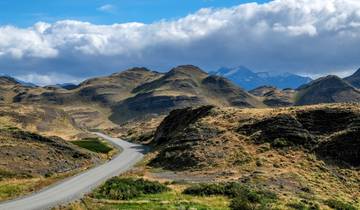
6 days
Torres del Paine – The W Trek
- ✓ Comprehensive Park Torres Del Paine National Park tour
- ✓ Expert local guides included
- ✓ All accommodation arranged
- ✓ Transportation provided

10 days
Full Circuit Patagonia
- ✓ Comprehensive Park Torres Del Paine National Park tour
- ✓ Expert local guides included
- ✓ All accommodation arranged
- ✓ Transportation provided
Multi-day tour packages powered by TourRadar. Prices and availability subject to change.
Essential Planning Information 2026
Geographic and Logistical Context
Torres del Paine and Perito Moreno occupy distinct geographic positions within greater Patagonia, dictating different approach strategies and gateway cities. Understanding these positions informs realistic itinerary planning and prevents underestimating transit requirements between destinations.
Torres del Paine sits in Chilean Patagonia’s Magallanes Region, accessed primarily via Puerto Natales (112 kilometers south). Puerto Natales itself lies 250 kilometers north of Punta Arenas, the regional hub with commercial airport receiving flights from Santiago (3.5 hours). Alternative access routes from Argentina involve overland travel from El Calafate (5-6 hours) or Rio Gallegos (5 hours), though most international visitors route through Chilean gateways.
Perito Moreno Glacier forms part of Los Glaciares National Park in Argentine Patagonia’s Santa Cruz Province. El Calafate serves as the exclusive gateway, positioned 80 kilometers east of the glacier on paved Ruta 11. El Calafate maintains commercial airport with direct flights from Buenos Aires (3 hours), plus seasonal international connections to São Paulo and other South American cities. The town’s infrastructure specifically supports glacier tourism with extensive accommodation, restaurant, and tour operator networks.
Transit between the two regions crosses international borders requiring passport control and customs processes. Direct buses run Puerto Natales-El Calafate in 5-6 hours via Chilean Ruta 9 and Argentine Ruta 40, crossing at Cerro Castillo-Cancha Carrera border post. Flights between Puerto Natales and El Calafate don’t exist—air connections require routing through Punta Arenas and either Buenos Aires or Rio Gallegos, consuming full travel days and costing $400-700 per person.
The geographic separation means visitors choose sequential exploration (one then the other) rather than day-trip shuttling between parks. Strategic planning determines which destination receives priority in limited itineraries, or whether extended timelines allow both locations with appropriate transit days allocated.
Entry Requirements and Documentation 2026
Both destinations sit within their respective national park systems requiring entrance fees paid at access gates. Torres del Paine charges $35 for international visitors during high season (November 1-March 31) and $18 low season (April 1-October 31), while Chilean nationals pay $6 high season and $3 low season. Payment accepts Chilean pesos or US dollars with change provided in pesos. Credit cards work at some entrance stations though cash remains reliable backup.
Perito Moreno entrance fees run $34 for international visitors and $17 for Argentine residents year-round in 2026. The park accepts Argentine pesos, US dollars, and credit cards at entrance booths with electronic payment infrastructure more developed than Torres del Paine’s remote stations. All visitors receive entrance tickets required for presentation if park rangers request verification.
International border crossing between Chile and Argentina requires valid passports for all nationalities. Most Western citizens (USA, Canada, EU, Australia, New Zealand) enter both countries visa-free for tourism purposes up to 90 days. The Cerro Castillo border crossing operates daily 8:00 AM-10:00 PM with processing taking 30-60 minutes during peak summer season when bus traffic concentrates.
Chilean customs prohibits fresh fruits, vegetables, dairy, and meat products from entering, while Argentine restrictions mirror these prohibitions. Travelers should consume or dispose of perishable foods before border approaches to avoid delays or fines. The agricultural restrictions protect biosecurity in both countries given Patagonia’s agricultural significance and fragile ecosystems.
Travel insurance coverage extending to both Chile and Argentina provides medical evacuation protection and trip interruption coverage relevant for remote Patagonian destinations. Many insurers offer specific adventure sports riders covering trekking activities in Torres del Paine, though standard policies typically include hiking up to certain elevations and difficulty levels.
Torres del Paine Overview 2026
Park Characteristics and Signature Experiences
Torres del Paine earns its reputation through landscape diversity concentrated within single protected area. The park encompasses 227,298 hectares where granite massifs, glaciers, lakes, rivers, forests, and pampas create environments ranging from Andean alpine to Patagonian steppe within 50-kilometer spans.
The Torres themselves—three granite spires reaching 2,500-2,800 meters elevation—provide the park’s namesake and most iconic image. These towers formed millions of years ago as magma intruded into sedimentary layers, with subsequent erosion removing softer rock and exposing the resistant granite cores. The Base Las Torres trek delivers direct views after 8-10 hours hiking, though distant perspectives from Laguna Amarga or eastern viewpoints reveal their dramatic profiles without extensive hiking.
Glaciers descend from the Southern Patagonian Ice Field along the park’s western boundary. Grey Glacier—the largest at 270 square kilometers and 28 kilometers length—flows into Lake Grey where icebergs calve from the glacier face and float through turquoise waters. Boat tours approach within 200 meters of the ice wall, revealing crevasses, ice caves, and brilliant blue ice formations. Additional glaciers including Pingo, Tyndall, and Dickson remain more remote, accessed via extended trekking routes.
The park’s lake system creates Patagonia’s most striking water colors. Glacial flour—microscopic rock particles ground by glacier movement—suspends in lake waters, scattering sunlight to produce impossible turquoise and azure hues. Lake Pehoé, Nordenskjöld, and Paine display these colors most dramatically when sunlight penetrates clear waters, creating compositions photographers travel globally to capture.
Wildlife populations thrive across park ecosystems. Guanaco herds numbering hundreds graze open pampas, while pumas hunt these wild camelids across the park despite their elusive nature making sightings rare (5-10% probability during typical visits). Darwin’s rheas, Andean condors, black-necked swans, Chilean flamingos, and over 100 bird species occupy diverse habitats from lakes to alpine zones.
The park’s trekking circuit system includes the world-famous W Trek (80 kilometers, 4-5 days) and more demanding O Circuit (130 kilometers, 8-9 days). These routes connect refugios and campsites providing accommodation infrastructure allowing multi-day backcountry travel without full camping equipment. Day visitors access roadside viewpoints along the main circuit road, sampling landscapes without committing to multi-day treks.
Access and Transportation from Puerto Natales 2026
Puerto Natales serves as Torres del Paine’s primary gateway, positioned 112 kilometers south of Laguna Amarga park entrance along Ruta 9. The town evolved specifically to support park tourism, offering extensive accommodation, restaurants, gear shops, and tour operator services catering to trekkers and day visitors.
Bus services operate daily during summer season (November-March) with multiple departures between Puerto Natales and park entrances. Bus Sur runs morning departures at 7:30 AM and 8:00 AM, reaching park gates within 90-120 minutes depending on road conditions. Return buses depart the park at 4:00 PM and 6:00 PM, completing round trips for day visitors. Tickets cost $15-20 one-way ($30-40 round-trip), purchased at Puerto Natales bus terminal or through accommodation providers.
Guided tour operators provide all-inclusive day trips at $120-180 per person including transportation, park entrance, bilingual guides, and often meals. These services use comfortable minibuses carrying 8-15 passengers, following structured itineraries visiting 4-6 major viewpoints with guide interpretation throughout journeys. Popular operators include Erratic Rock, Whales Travel, and Big Foot Patagonia running daily summer departures.
Private transfers accommodate groups of 4-6 passengers seeking flexible schedules and customized routing. Local operators charge $150-250 for full-day private vehicles with drivers, allowing extended stops at preferred locations or early morning photography sessions. This option particularly suits families with varying paces or photographers requiring specific lighting conditions.
Rental cars provide independent exploration capability though driving Patagonian roads requires comfort with gravel surfaces and variable weather. Puerto Natales rental agencies charge $60-90 daily for vehicles suitable for park roads, plus fuel ($30-40 round-trip) and mandatory insurance ($15-25 daily). The flexibility allows spontaneous stops and personal schedule control, though drivers accept responsibility for navigation and vehicle operation in challenging conditions.
Multi-day trekkers arrange specialized transportation to trailheads with return pickups coordinated to match trek durations. These transfer services cost $25-40 per person one-way, operating scheduled departures timed for standard trek starts (morning arrivals at Laguna Amarga for W Trek, afternoon arrivals at Laguna Azul for O Circuit). Most accommodation providers in Puerto Natales coordinate these transfers as part of trek package bookings.
Accommodation Options 2026
Torres del Paine accommodation divides between Puerto Natales lodging for day visitors and in-park refugios/campsites for multi-day trekkers. Puerto Natales offers 80+ accommodation options ranging from budget hostels ($20-35 per bed in dorms) to mid-range hotels ($80-150 double rooms) to luxury lodges ($250-500 per night).
Budget hostels like Erratic Rock and Natalino concentrate along Baquedano and surrounding streets, providing dormitory beds, shared bathrooms, communal kitchens, and social atmospheres attracting backpackers and budget trekkers. These properties cost $20-35 per bed with private rooms at $60-90 when available. Many hostels offer trek planning services, gear rental, and package coordination.
Mid-range hotels including Amerindia, Costaustralis, and Simple Patagonia provide private rooms with ensuite bathrooms, breakfast, and comfortable common areas at $80-150 per night double occupancy. These properties balance comfort and value, appealing to travelers seeking rest and amenities without luxury pricing. Most include central heating—essential for Patagonian comfort during cold months.
In-park refugios operated by companies like Vertice Patagonia and Fantástico Sur provide bunk beds in shared dormitories ($60-90 per person with meals, $25-40 bed-only) along W Trek and O Circuit routes. These mountain huts offer sheltered accommodation, hot meals, and social interaction with fellow trekkers. Booking refugios requires 3-6 months advance for summer season as bed availability limits trekker numbers on circuits.
Campsites dot park trekking routes at $10-18 per person providing flat tent platforms, bathrooms, and sometimes cooking shelters. Free camping exists at designated backcountry sites for experienced trekkers carrying full camping equipment and waste disposal systems. The camping option dramatically reduces costs but demands carrying tents, sleeping bags, and cooking gear across multi-day routes.
Luxury lodges including Explora Patagonia, Tierra Patagonia, and Awasi operate inside or adjacent to park boundaries at $800-1,500+ per person nightly all-inclusive. These properties provide guided excursions, gourmet dining, spa services, and premium comfort for travelers prioritizing luxury over budget considerations. The all-inclusive format means visitors pay upfront for accommodation, meals, activities, and often domestic flights from Santiago.
Perito Moreno Overview 2026
Glacier Characteristics and Viewing Experiences
Perito Moreno Glacier extends 30 kilometers from the Southern Patagonian Ice Field, flowing between mountains to reach Lake Argentino at 80-kilometer position west of El Calafate. The glacier’s southern face creates a 5-kilometer-wide ice wall rising 60 meters above lake surface, with an additional 100-120 meters of ice below waterline. The spectacular blue coloration results from ice density compressing air bubbles, allowing light to penetrate and reflect blue wavelengths while absorbing other colors.
The glacier’s unique characteristic involves its periodic advance against Peninsula Magallanes, the rocky outcrop opposite the ice face. Every 4-5 years the glacier extends far enough to contact the peninsula, blocking a lake channel and creating an ice dam. Water accumulates behind this dam until pressure eventually ruptures the ice, creating dramatic breakage events witnessed by thousands when timing aligns. The most recent major rupture occurred 2018, with the glacier rebuilding toward next potential dam formation during 2020s.
Ice calving occurs continuously throughout days as the glacier’s 2-meter daily advance rate shears chunks ranging from refrigerator-size to building-size blocks into the lake. The calving creates thunderous cracks followed by explosive splashes as ice impacts water, generating waves radiating across the lake. Visitors witness 10-30 significant calving events during typical 3-4 hour visits, with patience sometimes rewarded by massive collapses involving hundreds of tons of ice.
The walkway system along the glacier face provides world-class access to this dynamic ice. Metal platforms and stairs descend multiple levels from upper overlooks to lake-level positions, offering perspectives from directly opposite the ice face to elevated panoramic viewpoints. The walkways total approximately 4 kilometers of paths with numerous observation platforms spacing along the route, allowing visitors to choose optimal positions for photography or extended glacier watching.
Boat tours approach within 200-300 meters of the ice face, providing water-level perspectives revealing crevasses, ice caves, and seracs (ice towers) impossible to appreciate from walkways. The boats—converted catamarans carrying 80-100 passengers—navigate safely outside the calving danger zone while delivering face-level views of the glacier’s scale and textures. The tours last 60 minutes with near-continuous narration about glaciology, regional ecology, and glacier dynamics.
Ice trekking experiences allow visitors to actually walk on Perito Moreno’s surface under guide supervision. These tours require moderate fitness for the approach hike and glacier walking, but technical climbing skills aren’t necessary. Guides provide crampons, helmets, and instruction, leading groups across blue ice formations, through crevasse fields (safely navigable zones), and to dramatic viewpoints atop the glacier. The experience lasts 3-4 hours total including approach and ice time.
Access and Transportation from El Calafate 2026
El Calafate functions as Perito Moreno’s exclusive gateway, positioned 80 kilometers east on paved Ruta 11. The town built entirely around glacier tourism offers 120+ accommodation options, 60+ restaurants, and dozens of tour operators specializing in glacier visits and regional excursions.
Public bus services operate daily year-round between El Calafate bus terminal and Perito Moreno park entrance. Buses depart El Calafate at 8:00 AM and 9:00 AM during summer (additional 10:00 AM departure peak season), reaching the glacier in 90 minutes via straightforward highway driving. Return buses depart the park at 3:00 PM, 5:00 PM, and 6:30 PM, allowing 4-6 hours glacier time depending on chosen departure. Tickets cost $25-35 round-trip, purchased at the terminal or through accommodation providers.
Guided day tours provide comprehensive experiences at $90-140 per person including transportation, bilingual guides, park entrance coordination, and often hotel pickup/dropoff. These tours follow the same route as public buses but add interpretation during the 90-minute transit, guide assistance at walkways, and guaranteed return transportation. Premium tours at $120-140 include box lunches or stops at estancias (ranches) for asado (barbecue) meals.
Combined tours integrating boat rides cost $140-180 per person covering transportation, park entrance, walkway access, and 60-minute boat approach to ice face. This package delivers Perito Moreno’s complete experience in single bookings—land viewpoints plus water perspectives. The boats depart from Puerto Bajo de las Sombras, reached via short transfer from main walkway parking areas.
Ice trekking packages run $180-240 per person including all elements above plus glacier surface walking with crampons and guide instruction. These extended tours operate morning and afternoon sessions, requiring 6-8 hours total from El Calafate departure to return. The premium reflects specialized guiding, equipment provision, and smaller group sizes (maximum 10-12 participants) necessary for safe glacier travel.
Rental cars allow independent scheduling and photography flexibility, though add minimal benefit for standard glacier visits where parking occurs at designated walkway lots. El Calafate agencies charge $45-70 daily for compact vehicles adequate for paved highway driving, plus fuel ($15-20 round-trip) and insurance ($12-18 daily). The rental option makes more sense when combining Perito Moreno with other Los Glaciares destinations like Upsala Glacier or El Chaltén, spreading costs across multiple days.
Accommodation and Services in El Calafate 2026
El Calafate’s accommodation infrastructure serves 100,000+ annual visitors through range spanning budget hostels to luxury properties. The town’s compact size concentrates options along Avenida Libertador and surrounding blocks within easy walking distance of restaurants, shops, and service providers.
Budget hostels including América del Sur, Calafate Hostel, and I Keu Ken provide dormitory beds at $18-30 per person and private rooms at $50-80 double occupancy. These properties offer communal kitchens allowing self-catering meal preparation, social common areas connecting travelers, and tour booking services coordinating glacier visits and regional excursions. Most hostels include basic breakfast (coffee, bread, jam) in rates.
Mid-range hotels like Rochester, Kau Yatun, and Esplendor El Calafate charge $90-160 per night double occupancy, delivering private bathrooms, heating, WiFi, breakfast buffets, and helpful staff coordinating tour arrangements. These properties balance comfort and value, appealing to travelers seeking quality rest without premium pricing. Many feature common areas with glacier views, fireplaces, and comfortable seating for evening relaxation.
Upscale options including Design Suites, Xelena Hotel, and Eolo Patagonia’s Spirit provide superior amenities at $200-400 nightly, featuring spacious rooms, gourmet restaurants, spa facilities, and often stunning lake views. These hotels cater to travelers prioritizing comfort and service, though El Calafate’s tourism infrastructure means even budget properties maintain reasonable standards given competitive marketplace.
El Calafate’s restaurant scene offers 60+ dining options from budget pizzerias and empanada shops to upscale parrillas (steakhouses) showcasing Patagonian lamb and Argentine beef. Budget meals cost $12-20 per person at casual spots, while mid-range dining runs $25-45 for quality preparations with local wines. The town’s supermarkets (Carrefour, La Anónima) allow self-catering for budget-conscious travelers, though most visitors enjoy dining out given reasonable prices and quality offerings.
Banking services include multiple ATMs along Avenida Libertador dispensing Argentine pesos at current exchange rates. Currency exchange offices operate daily offering competitive rates for US dollars and euros, though ATM withdrawals typically provide better value. Credit cards work at most hotels, restaurants, and tour operators, though carrying cash ensures payment capability at smaller establishments or emergency situations.
Access and Transportation Comparison 2026
Getting to Each Destination
Reaching Torres del Paine involves multi-step journeys starting with flights to Punta Arenas—the nearest commercial airport located 250 kilometers south of Puerto Natales. Daily flights from Santiago take 3.5 hours costing $150-350 one-way depending on booking timing and carrier (LATAM, Sky Airline). From Punta Arenas airport, buses to Puerto Natales depart regularly at $12-18 per person for the 3-hour journey along coastal Route 9.
Alternative routing through El Calafate to Puerto Natales suits travelers combining both destinations, utilizing the 5-6 hour bus connection at $35-50 per person. This approach requires Argentine arrival documentation but eliminates Punta Arenas intermediate stop. However, flight schedules between Santiago and El Calafate often prove more convenient and competitively priced than Santiago-Punta Arenas for international visitors routing through Chilean capital.
El Calafate receives direct flights from Buenos Aires (3 hours, $200-450 one-way) with multiple daily frequencies on Aerolíneas Argentinas, LATAM, and Flybondi. Seasonal connections from Ushuaia, Trelew, and international cities São Paulo and Santiago provide additional access options, though Buenos Aires remains the primary hub for international travelers entering Argentina. El Calafate airport sits just 20 kilometers from town with taxi transfers at $10-15 or shuttle buses at $5-8 per person.
The access comparison clearly favors Perito Moreno through El Calafate’s superior flight connectivity and proximity to gateway city. Torres del Paine requires either the Punta Arenas intermediate bus connection or extended overland travel from Argentine cities, adding 3-6 hours transit time compared to Perito Moreno’s simple flight arrival and 90-minute glacier transfer.
Local Transportation and Infrastructure
Puerto Natales operates as dedicated Torres del Paine service town with infrastructure specifically supporting park visitors. The compact downtown allows walking to most hotels, restaurants, gear shops, and tour operators. Outdoor retailers along Baquedano and Bulnes streets rent trekking equipment, sell provisions, and coordinate trek logistics. The bus terminal serves as central departure point for all park-bound transportation.
Torres del Paine’s internal road network consists of one main circuit road (mostly gravel) connecting major viewpoints and trailheads. The road conditions vary by season and weather—summer months maintain reasonable surfaces though washboard sections create rough riding, while spring and autumn introduce muddy stretches requiring careful driving. The park’s size means driving between major stops (Laguna Amarga to Grey Glacier) consumes 90-120 minutes, limiting how much ground day visitors can cover.
El Calafate’s Avenida Libertador functions as main thoroughfare with most services concentrated within 10-block stretch. The town built specifically for tourism maintains excellent infrastructure including paved streets, numerous ATMs, medical clinic, pharmacy, and tourism information office. Everything operates with visitor convenience in mind, from restaurant hours extending late into evening to tour operators offering flexible booking options.
Perito Moreno access via Ruta 11 consists of entirely paved 80-kilometer highway in excellent condition. The straightforward route requires no navigation decisions or road condition concerns—visitors simply follow the highway west to park entrance. The walkway infrastructure at the glacier represents some of South America’s finest park development, with maintained metal platforms, clear signage, bathroom facilities, and cafeteria service at parking areas.
The infrastructure comparison heavily favors Perito Moreno for ease and simplicity. Torres del Paine’s remote location, gravel roads, and vast scale create logistical complexity, while Perito Moreno’s accessible highway approach and developed facilities eliminate navigation and condition concerns.
Costs Comparison 2026
Single-Day Visit Cost Breakdown
Perito Moreno single-day visits cost $120-180 per person total for comprehensive experiences including round-trip transportation from El Calafate, park entrance, walkway access, and guided interpretation. Budget bus option ($25-35 transport + $34 entrance) totals $59-69 before meals, while guided tours at $90-140 include entrance and interpretation. Adding boat tour brings comprehensive visits to $145-215 per person.
Sample Perito Moreno day costs: Guided tour $120, park entrance included, lunch $15-20, beverages $8-10, snacks $5-8. Total day cost: $148-158 per person (excluding accommodation).
Torres del Paine day trips range $100-180 per person for transportation and entrance, though single days access only roadside viewpoints missing signature park experiences. Budget bus option ($30-40 transport + $35 entrance summer) costs $65-75 before meals, while guided tours at $120-180 include entrance. However, day visitors consistently report disappointment at superficial park exposure compared to multi-day trekkers’ experiences.
Sample Torres del Paine day costs: Guided tour $150, park entrance included, packed lunch $10-12, beverages $8-10. Total day cost: $168-172 per person (excluding accommodation).
The comparable single-day costs ($120-180 range both destinations) disguise vastly different value propositions. Perito Moreno delivers complete, satisfying experiences within one day, while Torres del Paine single days scratch surfaces of parks requiring multiple days for meaningful appreciation. Day visitors to Torres del Paine sacrifice the W Trek, Base Las Torres hike, Valle del Francés, and backcountry wilderness that define the park’s character.
Multi-Day Visit Investment Comparison
Perito Moreno multi-day scenarios add supplementary Los Glaciares attractions without dramatically increasing base costs. Three-day El Calafate itineraries combining Perito Moreno day ($140-180), Upsala Glacier boat tour ($120-160), and local exploration ($40-80) total $300-420 per person before accommodation and meals. Adding 2 nights accommodation ($180-300 total mid-range) and 6 meals ($120-180) brings comprehensive 3-day costs to $600-900 per person.
Torres del Paine meaningful visits require minimum 4 days including travel days and 2-3 days park exploration. Four-day minimum scenario: Day 1 Puerto Natales arrival, Day 2 day trip ($150-180), Day 3 second day trip or alternative route ($150-180), Day 4 departure. This abbreviated approach costs $300-360 for park activities plus 3 nights Puerto Natales accommodation ($240-450 mid-range) and 9 meals ($180-360), totaling $720-1,170 per person—still without accessing signature trekking experiences.
Full W Trek experiences demand 6-7 days: 1 day Puerto Natales preparation, 4-5 days trekking, 1 day return and rest. W Trek costs include refugio accommodation $240-360 (4 nights bunks), meals $160-240 (refugio dining or packed provisions), transfers $50-80 (trailhead transportation), entrance $35, and guides if desired $400-800 (private groups). Total W Trek investment runs $885-1,515 per person before adding Puerto Natales accommodation at beginning/end ($160-300 for 2 nights) and international flights.
The multi-day comparison reveals dramatically different investment requirements. Perito Moreno allows comprehensive experiences at $600-900 per person for 3 days, while Torres del Paine demands minimum $900-1,500 for abbreviated visits and $1,200-2,200 for proper W Trek experiences including all logistical elements.
Budget Travel Strategies
Budget-conscious Patagonian travelers strongly favor Perito Moreno through its single-day sufficiency and lower absolute costs. Minimum viable Perito Moreno experience costs $59-69 (bus transport + entrance) plus accommodation ($18-30 hostel) and self-catered meals ($15-25 daily provisions from supermarkets), totaling $92-124 per day. Two-day El Calafate visits encompassing arrival, glacier day, and departure run $184-248 per person before flights.
Torres del Paine budget strategies require careful planning and acceptance of abbreviated experiences. Absolute minimum single day trip costs $65-75 (bus + entrance summer) plus accommodation ($20-35 hostel) and packed meals ($10-15), totaling $95-125 daily. However, the single day provides minimal park exposure. Budget multi-day approaches using camping and self-catering reach $45-65 daily while trekking (camping $10-18, food $25-35, entrance amortized, transport amortized), but require carrying full camping equipment and accepting primitive conditions.
The budget comparison definitively favors Perito Moreno. Travelers can experience the glacier thoroughly within $200-300 total budgets including accommodation and meals, while Torres del Paine budget visits either provide superficial single-day exposure or demand multi-day commitments exceeding $400-600 minimum for meaningful experiences even with strict budget camping approaches.
Best Time to Visit Each Park 2026
Summer Season (December-February 2026)
Summer delivers optimal conditions for both destinations with December through February representing peak visitation periods. Torres del Paine summer temperatures range 8-18°C (46-64°F) with 15-17 hours daily sunlight, while Perito Moreno experiences similar ranges at 10-20°C (50-68°F) with equivalent daylight hours. The extended light allows early starts and late finishes maximizing time at viewpoints and trails.
Torres del Paine summer means full refugio capacity, crowded trails on W Trek, and premium pricing across accommodation and services. The W Trek sees 150-200 daily trekkers during January peak, creating bottlenecks at popular campsites and refugios. However, the park’s scale prevents severe crowding except at handful of locations like Base Las Torres viewpoint and Grey Glacier lookout. Advance booking 3-6 months ahead secures preferred dates and accommodations.
Perito Moreno summer brings daily visitor counts reaching 2,000-3,000 during January peak, though the extensive walkway system distributes crowds across multiple viewing platforms. Ice calving frequency increases during summer warmth as daily advance rates and ice instability peak, creating more dramatic calving events. Morning visits (arriving 9:00-10:00 AM) avoid afternoon tour bus concentrations while capturing optimal lighting on ice face.
Weather reliability improves during summer at both locations compared to shoulder seasons, though Patagonian variability persists year-round. Torres del Paine sees 6-8 rainy days monthly versus 10-12 during shoulder periods, while Perito Moreno experiences 5-7 precipitation days compared to 8-10 other months. Wind remains constant—expect 40-80 km/h sustained velocities daily regardless of season, with gusts exceeding 100 km/h several times weekly.
Shoulder Season Considerations (November & March 2026)
November marks spring’s arrival with warming temperatures (5-15°C / 41-59°F both locations), lengthening days (13-15 hours sunlight), and emerging vegetation at lower elevations. Early November retains winter pricing at Torres del Paine with entrance dropping to $18 until November 15 when summer rates ($35) begin. Perito Moreno maintains year-round pricing ($34) regardless of season.
Torres del Paine November sees dramatically reduced trekker numbers on W Trek and O Circuit as international visitors haven’t yet arrived in force. Refugio availability improves with last-minute bookings often possible, though weather reliability decreases compared to summer. Spring storms bring more frequent precipitation and stronger winds, while higher elevations retain snow affecting some trail sections.
Perito Moreno November offers excellent value through reduced El Calafate accommodation rates (20-30% below summer pricing) and fewer tour bus crowds at walkways. Ice calving continues actively as glaciers respond to spring warming, maintaining dramatic viewing experiences. The trade-off involves accepting cooler temperatures and variable weather requiring comprehensive cold/wet weather gear.
March provides autumn transformation as deciduous vegetation shifts to yellows and oranges. Torres del Paine temperatures moderate to 5-14°C (41-57°F) with daylight decreasing to 12-13 hours by month’s end. Visitor numbers drop substantially after March 15 when international summer tourists depart, creating quieter trail experiences and easier last-minute accommodation booking. Autumn colors enhance landscape photography though weather becomes increasingly unsettled.
Perito Moreno March sees similar visitation decreases and autumn color displays at lower elevations around El Calafate. The glacier continues calving actively through autumn months as summer heat transfer effects persist into early fall. Accommodation and tour pricing decreases 15-25% compared to January peak, delivering value for flexible travelers.
Winter Realities (June-August 2026)
Winter transforms both destinations into specialized experiences suitable primarily for dedicated photographers or extreme weather enthusiasts. Torres del Paine winter restricts daylight to 8-10 hours with temperatures dropping to -2 to 6°C (28-43°F). Snow closes higher elevation trails including Base Las Torres and Valle del Francés, while refugios along W Trek suspend operations entirely. The few winter visitors focus on accessible roadside viewpoints and wildlife photography at lower elevations where animals concentrate.
Transportation to Torres del Paine reduces dramatically with Bus Sur operating 3-4 weekly departures instead of daily summer schedules. Many tour operators suspend services completely June-August, requiring extensive research to identify active providers. The limited infrastructure means winter visits demand significant flexibility accepting itinerary disruptions from weather and service availability.
Perito Moreno winter brings similar temperature ranges (0-8°C / 32-46°F) but maintains full access via consistently plowed Ruta 11. The glacier continues calving year-round, though reduced warmth decreases calving frequency compared to summer. Daily tour buses continue operating with reduced schedules (1-2 daily departures versus 4-6 summer), while ice trekking tours suspend due to more dangerous winter glacier conditions.
El Calafate infrastructure operates year-round unlike Puerto Natales which sees many restaurants, hotels, and shops close April-September. This winter serviceability gives Perito Moreno substantial advantage for travelers willing to accept cold conditions in exchange for dramatic winter lighting, snow-covered landscapes, and absence of crowds. Winter visits cost 30-40% less than summer for accommodation and tours, creating budget opportunities for hardy travelers.
Deciding Between Torres del Paine and Perito Moreno 2026
Choose Torres del Paine When
Extended time availability allows 4-7+ days allocation including travel and park exploration. Torres del Paine rewards investment with landscape diversity impossible to appreciate in abbreviated visits. The W Trek delivers Patagonia’s definitive trekking experience while comprehensive driving tours showcase multiple ecosystems from alpine peaks to Patagonian steppe across days of exploration.
Hiking passion and physical capability support multi-day trekking with sustained daily distances (15-20 kilometers) and elevation gain (500-800 meters). The park’s signature experiences lie beyond roadside viewpoints—Base Las Torres, Valle del Francés, and backcountry wilderness require commitment to trail travel carrying daypacks or full camping gear.
Photography priorities emphasize compositional diversity and varied subjects from mountains to wildlife to glaciers. Torres del Paine provides unlimited photographic scenarios across changing weather, seasons, and lighting conditions. Photographers return repeatedly discovering new perspectives and subjects impossible to exhaust in single visits.
Wildlife interests focus on variety over guaranteed sightings. The park supports guanacos, pumas, condors, rheas, foxes, and 100+ bird species across diverse habitats, though sightings require patience and flexibility. Wildlife photographers accept lower encounter probability in exchange for potential dramatic images impossible at more accessible locations.
Budget flexibility accommodates $900-2,200 per person multi-day experiences including accommodation, meals, transfers, and activities. Torres del Paine operates at premium pricing reflecting remote location, limited infrastructure capacity, and high demand during short summer season. The investment delivers world-class wilderness but demands significant financial commitment.
Choose Perito Moreno When
Limited time constrains Patagonian allocation to 1-3 days. Perito Moreno delivers maximum impact within compressed schedules through concentrated glacial spectacle accessible in 4-6 hours from El Calafate. Single days provide complete, satisfying experiences without feeling rushed or incomplete.
Physical limitations restrict hiking capability but appreciation for natural wonders remains high. The walkway system accommodates all mobility levels from wheelchair users to elderly visitors, delivering face-to-face glacier encounters without physical demands. Even ice trekking requires only moderate fitness rather than extended endurance.
Guaranteed impact matters more than variety. Perito Moreno virtually guarantees dramatic experiences through constant ice calving, brilliant blue ice formations, and massive scale. Weather affects viewing quality but the glacier’s power impresses regardless of conditions. Visitors don’t risk disappointment from weather-cancelled activities or missed viewpoints.
Budget consciousness limits per-person investment to $200-400 for complete destination experiences. Perito Moreno allows thorough exploration within modest budgets through single-day sufficiency and lower absolute costs. Budget travelers experience the glacier thoroughly without feeling they’ve missed signature experiences due to cost constraints.
Photography interests prioritize single dramatic subject over varied compositions. The glacier provides endless photographic opportunities within concentrated geography—ice textures, calving dynamics, blue color variations, and scale perspectives occupy serious photographers for hours without requiring repositioning to distant locations.
Combining Both Destinations
Travelers with 10-14 days available can experience both destinations thoroughly through strategic routing and time allocation. Recommended approach dedicates 3-4 days around El Calafate/Perito Moreno, 1-2 transit days, and 5-7 days Puerto Natales/Torres del Paine, allowing comprehensive engagement with each location’s signature offerings.
Efficient combined itinerary: Days 1-3 El Calafate base with Perito Moreno full day, Upsala Glacier boat tour, and local exploration. Day 4 bus Puerto Natales (depart El Calafate 8:00 AM, arrive Puerto Natales 2:00-3:00 PM). Days 5-9 Torres del Paine abbreviated W Trek (4 days) or comprehensive driving tour visiting multiple park sectors. Day 10 Puerto Natales rest and provision. Days 11-12 departure buffer or additional regional excursions.
Budget implications for combined trips range $1,200-2,400 per person including all transportation between destinations, accommodation across both locations, park entrances, activities, and meals. The investment reflects Patagonia’s remote geography and premium pricing but delivers Earth’s most spectacular glacial and mountain landscapes within single journey.
The combined approach makes most sense for travelers making rare Patagonian visits unlikely to return, or those with sufficient time and budget to engage both destinations properly rather than rushing abbreviated experiences. The alternative of choosing one destination and experiencing it thoroughly often provides more satisfying outcomes than superficial sampling of both locations.
FAQ: Torres del Paine vs Perito Moreno 2026
Is Perito Moreno Glacier worth visiting if I’m already going to Torres del Paine?
Yes, Perito Moreno provides distinctly different experience from Torres del Paine despite both featuring glaciers. Torres del Paine’s glaciers (primarily Grey Glacier) appear as distant ice walls across large lakes, viewed from boats or remote shoreline positions. Perito Moreno delivers intimate glacier encounter through walkways positioning visitors face-to-face with active ice, witnessing continuous calving events impossible to experience at Torres del Paine. The destinations complement rather than duplicate each other—Torres del Paine offers wilderness diversity while Perito Moreno concentrates glacial drama into accessible single location. Travelers with adequate time (10+ days) benefit from experiencing both, though those choosing one based on time constraints should select according to priorities outlined in decision framework sections above.
Which destination has better weather reliability in 2026?
Neither destination offers reliable weather in traditional sense—Patagonian climate creates dramatic variability year-round at both locations. However, Perito Moreno provides slightly better visitor satisfaction regardless of weather due to concentrated viewing at single location. Rain or clouds at the glacier still allow walkway access and calving observation, while similar conditions at Torres del Paine obscure distant peaks and limit photography across vast park geography. Summer months (December-February) deliver statistically better conditions both places with 6-8 rainy days monthly versus 10-12 shoulder season, though any given day proves unpredictable. Both destinations demand comprehensive weather preparation including waterproof layers, warm clothing, and wind protection regardless of forecast or season.
Can I see Torres del Paine and Perito Moreno in one week?
One week allows visiting both destinations but with significant compromises limiting experiences at each location. Realistic 7-day split: 2 days El Calafate/Perito Moreno, 1 transit day, 3 days Puerto Natales/Torres del Paine, 1 return day. This schedule permits single comprehensive day at Perito Moreno plus either 2 Torres del Paine day trips OR abbreviated 2-day W Trek section, but sacrifices the multi-day trekking that defines Torres del Paine or supplementary Los Glaciares attractions around El Calafate. The rushed approach often leaves travelers feeling they’ve checked boxes rather than engaged destinations meaningfully. Better strategy allocates 10-14 days allowing 3-4 days each location plus comfortable transit, or chooses single destination for thorough 6-7 day exploration creating more satisfying experience than superficial dual sampling.
Which is better for families with children?
Perito Moreno significantly better accommodates families with children of all ages through accessible walkways, guaranteed impact within short timeframes, and straightforward logistics from El Calafate base. Children maintain interest watching dramatic ice calving events, while walkway bathrooms and cafeteria facilities address practical family needs. The single-day format prevents exhaustion or boredom affecting multi-day adventures, and El Calafate offers family-friendly restaurants, accommodations, and services supporting comfortable family travel.
Torres del Paine challenges families unless children are teenagers comfortable with sustained hiking and primitive camping conditions. Roadside day trips work for families with young children accessing viewpoints without extensive walking, but miss the signature park experiences requiring multi-day trekking. Family logistics grow complex managing camping gear, cooking, and children’s energy across 4-5 day treks. Families succeed at Torres del Paine when staying refugios providing meals and beds (reducing gear burden) and children demonstrate enthusiasm for hiking and outdoor adventure.
Which destination offers better wildlife viewing?
Torres del Paine provides superior wildlife diversity and encounter probability through varied habitats supporting guanacos (nearly 100% sighting rate), Darwin’s rheas (70-80%), Andean condors (40-50%), and occasional puma sightings (5-10%). The park’s scale and ecosystem variety create wildlife opportunities throughout visits from lake shores to pampas to mountain zones. Birdwatchers particularly favor Torres del Paine’s 100+ species including Chilean flamingos, black-necked swans, and various waterfowl concentrated at lakes.
Perito Moreno concentrates wildlife around the glacier and lake with more limited diversity. Black-chested buzzard eagles soar near ice faces hunting for opportunities, while occasional Andean condors appear at distance. The glacier itself attracts naturalist interest for its geological and glaciological significance rather than fauna. Travelers prioritizing wildlife encounters should choose Torres del Paine, while those focused on geological wonders favor Perito Moreno’s glacial supremacy.
How do accommodation costs compare between Puerto Natales and El Calafate?
El Calafate maintains slightly higher accommodation costs than Puerto Natales due to larger tourism infrastructure and year-round operations. El Calafate budget hostel beds run $18-30 nightly versus Puerto Natales $20-35, while mid-range hotels cost $90-160 El Calafate versus $80-150 Puerto Natales. However, Torres del Paine multi-day visitors pay BOTH Puerto Natales accommodation AND in-park refugios/camping ($25-90 per night), doubling total accommodation expenses compared to El Calafate visitors returning nightly to single hotel.
The cumulative effect means comprehensive Torres del Paine experiences (4-5 nights total accommodation including Puerto Natales and refugios) cost $200-500 per person accommodation alone, while Perito Moreno visitors spending 2-3 nights El Calafate pay $108-270 total. This 2-3x accommodation cost differential contributes to Torres del Paine’s higher overall budget requirements for meaningful park experiences.
Can I do ice trekking at both glaciers?
Perito Moreno offers well-developed ice trekking at $180-240 per person including equipment, guides, and training. Multiple operators run daily tours with morning and afternoon sessions, providing crampons and leading groups across safe glacier sections. The experience requires moderate fitness but no technical climbing skills—guides handle route selection avoiding dangerous crevasses while delivering intimate ice encounters.
Torres del Paine ice trekking remains far more limited and expensive. Grey Glacier ice hiking requires specialty operators ($300-500 per person) using boats to reach glacier access points, then ascending ice wearing crampons under guide supervision. Availability concentrates in summer months with irregular scheduling depending on ice conditions and demand. Most Torres del Paine visitors experience glaciers from boat tours or distant viewpoints rather than walking ice surfaces, making Perito Moreno decisively superior for ice trekking desires.
Which park is more photogenic for professional photography?
Professional photographers generally favor Torres del Paine through its compositional diversity, changing light across vast landscapes, and photographic challenges requiring technical and creative skill. The park provides unlimited subjects from iconic granite towers to turquoise lakes to wildlife across weather conditions ranging from storms to perfect clarity. Photographers return repeatedly capturing different seasons, weather patterns, and atmospheric effects impossible to exhaust.
Perito Moreno excels for specific glacial photography including ice textures, calving action sequences, and dramatic blue ice coloration. The concentrated subject allows deeper exploration of single theme—ice—through varying light, perspectives, and calving dynamics. Wildlife and landscape photographers choose Torres del Paine, while specialists in glaciers, ice formations, or those seeking dramatic single-subject portfolios favor Perito Moreno’s focused opportunity.
How does altitude affect each destination?
Neither destination involves significant altitude challenges affecting most visitors. Torres del Paine park elevations range 50-600 meters at commonly visited locations along roads and lower trekking routes, with higher passes on O Circuit reaching 1,200 meters—well below altitudes triggering altitude sickness (typically 2,400+ meters). El Calafate sits at 220 meters elevation while Perito Moreno walkways occur at 180-200 meters above sea level.
The low elevations mean altitude concerns don’t factor into destination decisions for healthy travelers. The physical challenges at Torres del Paine stem from hiking distance and weather exposure rather than elevation, while Perito Moreno poses minimal physical demands regardless of visitor conditioning. Travelers with serious cardiovascular or respiratory conditions should consult physicians before committing to multi-day Torres del Paine treks, though altitude itself doesn’t represent concerning factor at either destination.
Which destination offers better value for money?
Value assessment depends on measuring experience quality against investment rather than absolute costs. Perito Moreno delivers exceptional value through guaranteed dramatic glacial encounters within $150-250 per person daily costs including all elements. The concentrated experience means every invested dollar contributes to core attraction viewing, with minimal wasted time on transit or logistics.
Torres del Paine demands higher absolute investment ($900-2,200 per person for proper multi-day visits) but provides unmatched landscape diversity and wilderness immersion impossible elsewhere. The value proposition works for travelers prioritizing comprehensive natural environments and willing to invest time and money for world-class trekking. Budget-focused travelers find better value at Perito Moreno, while wilderness enthusiasts with adequate resources consider Torres del Paine investment justified by unique offerings.