
Toronto with Kids 2026: Complete Family Guide
Toronto transforms family travel into effortless adventure with Canada’s largest zoo, world-class aquarium steps from an iconic tower, museums designed for curious minds, and a transit system where children ride free. Canada’s most diverse city combines educational attractions with genuine thrills, outdoor spaces perfect for active kids, and neighborhoods where families discover everything from castle exploration to waterfront play—all connected by straightforward public transit and packed with experiences that engage travelers from toddlers through teens.
Key Takeaways
- Budget Planning 2026: Expect $205-280 CAD ($150-210 USD) per person daily for mid-range family comfort, assuming two adults sharing hotel accommodation. Budget-conscious families manage $110-150 CAD ($80-110 USD) per person daily with hostels or budget hotels, while luxury seekers invest $350-550 CAD ($260-410 USD) per person daily.
- CityPASS Maximum Value: Toronto CityPASS costs $135 CAD ($100 USD) for adults and $100 CAD ($71 USD) for children ages 4-12, covering five major attractions including CN Tower and Ripley’s Aquarium plus three selections from Royal Ontario Museum, Casa Loma, Toronto Zoo, City Cruises Toronto, or Art Gallery of Ontario. The pass saves 36-38% versus individual admission and remains valid for nine consecutive days from first use.
- Free Transit for Kids: Children 12 and under ride completely free on all Toronto Transit Commission (TTC) services including subway, streetcar, and bus networks. Adults pay $3.35 CAD per ride or purchase day passes for $13.50 CAD offering unlimited travel, making family transportation remarkably affordable across Canada’s largest city.
- Optimal Visit Timing 2026: May through September delivers warm weather perfect for outdoor attractions, zoo visits, and waterfront activities, though summer weekends bring largest crowds. March Break (mid-March), Canadian holidays, and summer vacation create peak periods with extended attraction hours but require advance booking. October offers spectacular fall colors with moderate crowds and comfortable temperatures ideal for museum exploration.
- Downtown Concentration Advantage: Major family attractions cluster within walkable or short transit distances in downtown Toronto. CN Tower, Ripley’s Aquarium, Rogers Centre, and Harbourfront Centre occupy the same waterfront district connected by indoor PATH walkways, while Royal Ontario Museum sits 15 minutes north via subway. This geographic concentration allows families to visit multiple attractions daily without exhausting young travelers.
- Accommodation Strategy: Family-focused hotels like Chelsea Hotel Toronto offer dedicated kids’ check-in, indoor pools with slides, gaming lounges, and family suites with kitchenettes starting from $180-250 CAD ($135-190 USD) nightly. Downtown locations near Yonge-Dundas Square provide walking access to Eaton Centre shopping and Nathan Phillips Square while connecting easily to subway lines reaching all major attractions.
People Also Ask About Toronto with Kids 2026
What Are the Best Family Attractions in Toronto for Kids in 2026?
Toronto’s premier family attractions in 2026 include Ripley’s Aquarium of Canada featuring North America’s longest underwater viewing tunnel with 20,000 marine animals, the CN Tower offering glass floor experiences 342 meters above ground, and Toronto Zoo spanning 287 hectares with over 3,000 animals representing 300+ species. The Royal Ontario Museum captivates children with dinosaur galleries and hands-on discovery zones, while Ontario Science Centre’s KidSpark at Harbourfront Centre provides interactive STEM exhibits for children 10 and under. Casa Loma delivers castle exploration with secret passages and knight exhibits, and High Park combines playgrounds, small zoo, and seasonal splash pads completely free.
How Much Does a Family Trip to Toronto Cost in 2026?
A five-day Toronto family trip for two adults and two children (ages 6-12) costs approximately $3,200-5,400 CAD ($2,400-4,000 USD) including accommodation, meals, attractions, and local transportation. Accommodation represents the largest expense at $900-1,400 CAD ($675-1,050 USD) for five nights in mid-range family hotels. Toronto CityPASS reduces attraction costs significantly at $470 CAD ($350 USD) for a family of four versus $750+ CAD ($560+ USD) for individual tickets. Food costs run $300-500 CAD ($225-375 USD) total for casual family dining, while TTC transit remains minimal with children riding free and adults spending approximately $40-70 CAD ($30-50 USD) for day passes across five days.
Is Toronto Safe for Families with Young Children in 2026?
Toronto ranks among North America’s safest major cities for family travel, with well-maintained infrastructure, professional emergency services, and family-friendly public spaces throughout downtown and residential neighborhoods. The TTC transit system operates with security personnel, well-lit stations, and dedicated accessibility features perfect for strollers and young children. Downtown attractions maintain strict safety protocols, elevator access, and family facilities including nursing rooms and changing stations. Neighborhoods like Distillery District, Harbourfront, and Entertainment District feature pedestrian-friendly streetscapes with minimal vehicle traffic, while Toronto’s multicultural character ensures families encounter welcoming, diverse communities wherever they explore.
What’s the Best Way to Get Around Toronto with Kids in 2026?
The Toronto Transit Commission (TTC) provides the most efficient family transportation with children 12 and under riding completely free on all subway, streetcar, and bus services. Adults purchase PRESTO cards for $3.30 CAD per ride with automatic two-hour transfer windows, or day passes for $13.50 CAD offering unlimited travel. Subway Line 1 connects major attractions including Royal Ontario Museum, CN Tower (Union Station), and provides direct access to entertainment districts, while Line 2 reaches High Park and connects to Toronto Zoo bus routes. The downtown PATH network offers 30 kilometers of underground walkways linking hotels, attractions, and transit stations—invaluable during winter months or rainy days with strollers.
Extended multi-day tours – 5+ days
Featured Toronto Multi-Day Tour Packages
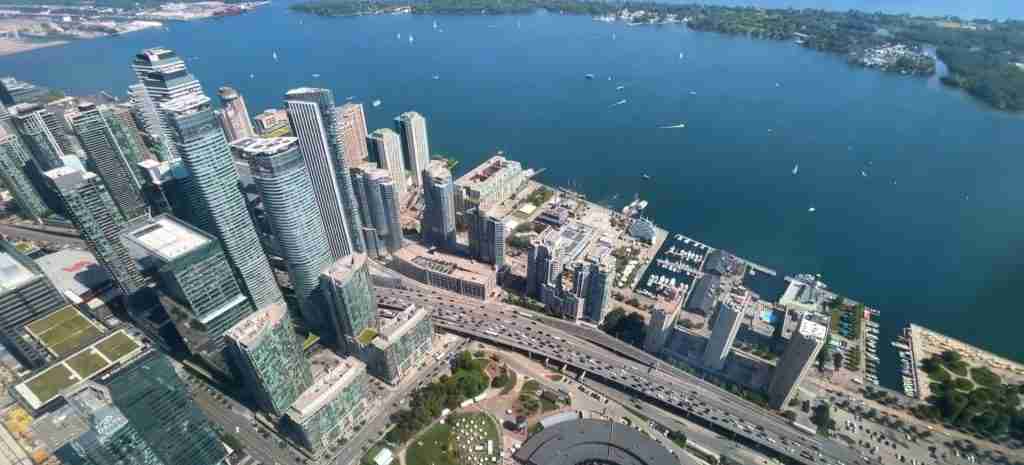
3 days
Toronto 3-Day Discovery Tour
- ✓ Comprehensive Toronto experience
- ✓ Expert local guides included
- ✓ All accommodation included
- ✓ Transportation provided

5 days
Toronto 5-Day Highlights Experience
- ✓ Comprehensive Toronto experience
- ✓ Expert local guides included
- ✓ All accommodation included
- ✓ Transportation provided
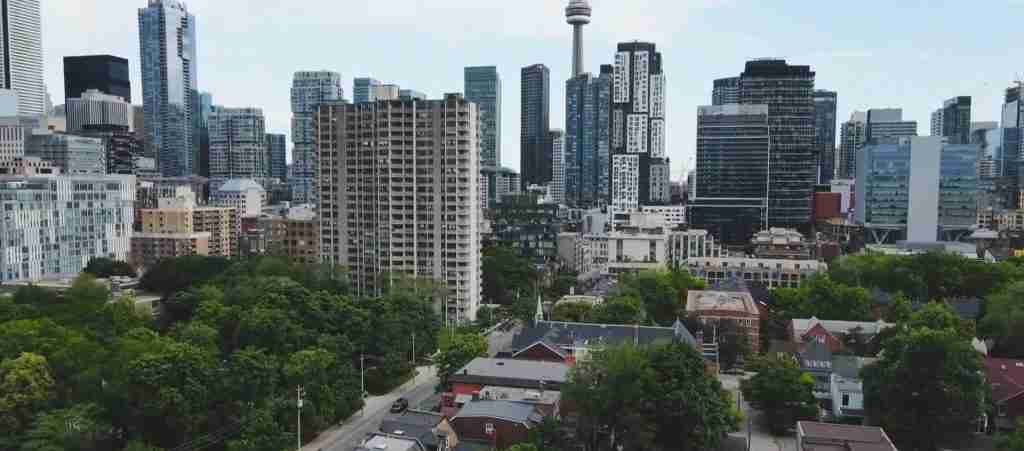
7 days
Toronto 7-Day Cultural Journey
- ✓ Comprehensive Toronto experience
- ✓ Expert local guides included
- ✓ All accommodation included
- ✓ Transportation provided

10 days
Toronto 10-Day Complete Adventure
- ✓ Comprehensive Toronto experience
- ✓ Expert local guides included
- ✓ All accommodation included
- ✓ Transportation provided
Multi-day tour packages powered by TourRadar. Prices and availability subject to change.
Introduction: Why Toronto Excels for Family Travel in 2026
Toronto positions families for discovery without the planning complexity that burdens other major city destinations. Canada’s largest metropolis concentrates world-class attractions within compact geography—aquarium meets tower meets museum within walking distance, all connected by transit where children ride free. The city operates with Canadian courtesy and efficiency: attractions open precisely on schedule, transit runs reliably, and staff engage children with genuine enthusiasm rather than tourist-industry performance.
Unlike cities where family travel demands constant navigation challenges, Toronto’s grid system and numbered transit lines eliminate confusion. The CN Tower serves as perpetual orientation landmark visible from virtually anywhere downtown, while the waterfront provides natural southern boundary. Families discover attractions designed for genuine educational engagement rather than mere entertainment—the Royal Ontario Museum deploys actual paleontologists to explain dinosaur discoveries, Ripley’s Aquarium employs marine biologists for daily presentations, and Ontario Science Centre builds programming around hands-on experimentation that teaches scientific method alongside facts.
The 2026 season brings particular advantages: Ontario Science Centre expands its KidSpark experience at Harbourfront Centre before moving to permanent Ontario Place location, Toronto Zoo continues acclaimed conservation programming with expanded interactive exhibits, and the city’s multicultural restaurant scene offers authentic cuisine from 200+ cultures—educational dining where children experience Ethiopian injera, Vietnamese pho, or Portuguese custard tarts prepared by immigrant families maintaining homeland traditions. Toronto weather cooperates from May through September with warm days perfect for outdoor exploration, while indoor attractions like PATH walkways and massive museums provide all-weather alternatives that keep families comfortable regardless of forecast.
The city scales perfectly for different family configurations and budgets. Families seeking luxury discover refined hotels with kids’ programs and gourmet dining, budget-conscious travelers find hostels, affordable Airbnb options, and free attractions like High Park’s playgrounds and beaches, while mid-range families enjoy comfortable hotels, CityPASS savings, and neighborhood restaurants serving generous portions at reasonable prices. Toronto delivers complete infrastructure for strollers including elevator access throughout transit system, family washrooms at all major attractions, and rental services for everything from strollers to bike trailers. This practical foundation allows families to focus on exploration rather than logistics, creating trips where parents relax alongside children rather than managing constant operational challenges.
Major Family Attractions Toronto 2026
Ripley’s Aquarium of Canada Downtown Location
Ripley’s Aquarium of Canada anchors Toronto’s waterfront entertainment district at the CN Tower’s base, housing 20,000 marine animals across 5.7 million liters of water in meticulously designed galleries. The Dangerous Lagoon underwater tunnel extends 96 meters as North America’s longest moving walkway surrounded by sharks, rays, and sea turtles circling overhead and alongside—an immersive experience that transforms children into temporary ocean floor observers. Touch exhibits feature stingrays, horseshoe crabs, and cleaner shrimp that children handle under staff supervision, while the jellyfish gallery mesmerizes with ethereal creatures illuminated against dark backgrounds creating almost psychedelic visual effects.
Admission costs $51 CAD ($38 USD) for adults and $44 CAD ($33 USD) for children ages 6-13 in 2026, with timed entry tickets recommended through the official website to guarantee entry during preferred time slots. Check the aquarium’s website for current rates as pricing may vary. The facility opens daily from 9:00 AM to 9:00 PM with last entry at 8:00 PM, though weekday mornings between 9:00-10:00 AM offer quietest experiences before tour groups and school field trips arrive. Families planning multiple attractions should consider the aquarium’s inclusion in Toronto CityPASS, which bundles admission with CN Tower access plus three additional major attractions for substantial savings.
The Rainbow Reef gallery showcases tropical species in brilliant colors that captivate younger children, while Canadian Waters focuses on Great Lakes and Pacific Coast ecosystems including massive Pacific octopus specimens demonstrating remarkable intelligence through puzzle-solving demonstrations during daily feeding shows. Staff present educational talks throughout the day explaining shark biology, ray anatomy, and conservation challenges facing ocean ecosystems—programming that transforms entertainment into genuine learning opportunities. The facility maintains excellent stroller accessibility with elevators connecting all levels and spacious galleries allowing easy navigation even during busy periods. Family washrooms include changing stations, and the gift shop offers reasonably priced marine-themed toys and books that extend educational experiences beyond the visit.
CN Tower Iconic Toronto Landmark Experience
The CN Tower soars 553 meters above Toronto’s skyline as Canada’s most recognizable landmark and Western Hemisphere’s tallest freestanding structure, delivering panoramic views extending to Niagara Falls on clear days alongside thrilling glass floor experiences that test courage. General admission tickets cost $48 CAD ($36 USD) for adults, $45 CAD ($34 USD) for children ages 6-13, and $24 CAD ($18 USD) for children ages 3-5, with pedestal access and crown access available as premium upgrades. The main observation level at 346 meters provides indoor and outdoor viewing platforms where families identify landmarks using interpretive displays, while glass floor panels allow brave visitors to stand 342 meters above ground looking straight down to street level—an experience that simultaneously terrifies and thrills children old enough to understand the height.
High-speed elevators ascend to observation decks in just 58 seconds, an engineering marvel that fascinates children interested in mechanics and physics. The tower operates daily with hours varying seasonally, typically 9:00 AM to 10:00 PM during summer months and 9:00 AM to 9:00 PM in winter. Booking timed tickets online through the official CN Tower website ensures entry at preferred times and avoids lengthy queue lines that form during peak afternoon hours on weekends and holidays. The tower’s location at Union Station makes access incredibly convenient via TTC subway, while the indoor PATH walkway connecting Union Station to the tower entrance allows families to reach the attraction without outdoor exposure during inclement weather.
The 360 Restaurant rotates at the observation level, completing full revolutions every 72 minutes while serving elevated Canadian cuisine—an option for families celebrating special occasions though reservations require advance booking and meals command premium prices. For most families, the observation deck experience provides sufficient engagement without dining upgrades. Children particularly enjoy the outdoor SkyTerrace during warm weather, where metal floor grating and safety barriers allow them to feel wind currents while observing the city from unprecedented heights. Educational displays explain tower construction, engineering challenges, and meteorological monitoring conducted from the facility, while interactive exhibits demonstrate how lightning rods protect the structure from approximately 75 lightning strikes annually.
Toronto Zoo Canada’s Largest Wildlife Collection
Toronto Zoo sprawls across 287 hectares in Rouge National Urban Park, housing over 3,000 animals representing more than 300 species organized into seven zoogeographic regions mirroring natural habitats from Indo-Malaya through Tundra Trek. Admission operates on dynamic pricing varying by date, with peak summer days (May-September) charging $30 CAD ($23 USD) for adults and $19 CAD ($14 USD) for children ages 3-12. Children under 3 enter free. The zoo opens year-round with seasonal hours: 9:30 AM to 6:00 PM weekdays and 9:30 AM to 7:00 PM weekends during May through September peak season, shortened to 9:30 AM to 4:30 PM during October through April with some outdoor exhibits closing during harsh winter weather.
The African Rainforest Pavilion houses western lowland gorillas in the world’s largest indoor gorilla habitat, while Tundra Trek’s 10-acre outdoor exhibit features polar bears, Arctic wolves, snowy owls, and caribou in environments replicating northern Canadian landscapes. Children gravitate toward the Discovery Zone with its 2-acre water play area operational during summer months, carousel rides, and Zoomobile tours providing narrated journeys through exhibit areas—particularly valuable for families with young children who tire walking the zoo’s 10 kilometers of trails. The KidsZoo section allows hands-on animal encounters with domestic species, feeding opportunities, and interactive educational programs led by zoo educators.
Toronto Zoo emphasizes conservation education, with staff explaining breeding programs for endangered species including Sumatran tigers, Komodo dragons, and snow leopards. Animal keeper talks occur throughout the day at various exhibits, providing behind-the-scenes insights into animal care, dietary requirements, and behavioral enrichment strategies. The zoo maintains excellent facilities including multiple food venues, stroller rental services, and family washrooms distributed throughout the property. Reaching the zoo requires TTC transit involving subway to Kennedy Station followed by bus route connections, or families can drive with ample free parking available. Allow a full day for comprehensive exploration, as the zoo’s vast size and exhibit diversity rewards extended visits.
Royal Ontario Museum Cultural and Natural History
The Royal Ontario Museum (ROM) ranks among North America’s largest museums with collections spanning natural history, world cultures, and art across 40 galleries housed in distinctive architecture combining heritage building with modern crystal extension. Admission pricing varies by visit date with peak periods commanding higher rates, generally ranging $25-31 CAD ($19-23 USD) for adults and $15-22 CAD ($11-17 USD) for children ages 4-14 through 2026. The museum opens Tuesday through Sunday from 10:00 AM to 5:30 PM with extended hours until 8:30 PM on Fridays, closed Mondays except during holiday periods and summer season when daily operations accommodate peak visitor demand.
The Dinosaur Gallery captivates children with massive skeletal mounts including Albertosaurus and Barosaurus specimens, while the Bat Cave recreates 4,000 bat colony complete with realistic cave environment and nocturnal lighting effects that demonstrate bat behaviors. The Hands-On Biodiversity Gallery encourages tactile learning where children handle artifacts, examine specimens through microscopes, and participate in discovery activities guided by museum educators. Cultural galleries showcase Egyptian mummies with elaborate sarcophagi, Chinese temple art, and Canadian First Nations heritage—collections that introduce global diversity through authentic artifacts rather than replicas.
Special exhibitions rotate regularly with separate admission fees supplementing general entry, and 2026 programming includes family-oriented exhibitions specifically designed for children’s engagement. The museum’s location on Bloor Street provides direct subway access via Museum or St. George stations on Line 1, making the ROM easily reachable from downtown hotels. The ROM offers family memberships providing unlimited annual access plus discounts on special exhibitions and programming—valuable for Toronto residents or visitors planning extended stays. Museum facilities include coat check, family washrooms, cafeteria with children’s menu options, and extensive gift shop featuring educational toys and books alongside traditional souvenirs.
Ontario Science Centre KidSpark Interactive STEM Learning
Ontario Science Centre currently operates KidSpark pop-up experiences at Harbourfront Centre following closure of its original Don Mills Road location, with plans for expanded permanent facilities at Ontario Place opening in future years. The current KidSpark experience at Harbourfront Centre charges $15 CAD ($11 USD) per person including taxes for children and adults, with children ages 2 and under entering free. The facility opens Tuesday through Sunday from 10:00 AM to 5:00 PM, utilizing timed entry tickets that manage capacity and ensure comfortable exploration without overcrowding. Tickets purchased online guarantee admission at selected time slots, while walk-up availability remains limited during peak periods.
KidSpark focuses on children ages 10 and under with three distinct zones: Town & Country features pretend grocery store, sushi food truck, and pizza oven for imaginative play; The Health Hub includes veterinary clinic with stuffed animals, doctor’s office with x-rays and skeleton models, and first responder equipment teaching emergency services; The Pond creates nature-focused environment with forest balance logs, fishing simulation, and cozy Book Nook. All exhibits emphasize hands-on interaction where children learn through active engagement rather than passive observation, with staff facilitating exploration and answering questions about scientific concepts underlying each activity.
The Harbourfront Centre location provides convenient downtown access via 509 Harbourfront streetcar stopping directly outside the building or short walk from Union Station. Parking exists in underground garage at Simcoe Street or Queens Quay and Rees Street intersection, though transit access eliminates parking costs and downtown traffic navigation. The Science Centre maintains commitment to accessibility with complimentary admission for Indigenous peoples and support persons accompanying visitors with disabilities. Families visiting during March Break encounter special programming including animal meet-and-greet sessions and extended activities beyond standard exhibits.
Casa Loma Castle Exploration and Gothic Architecture
Casa Loma rises as North America’s only full-scale castle, built 1911-1914 by financier Sir Henry Pellatt before financial reversal forced castle abandonment. The Gothic Revival mansion sprawls across 98 rooms including towers, tunnels, stables, and five acres of estate gardens combining European architectural ambition with early 20th century Canadian history. Admission costs $42 CAD ($32 USD) for adults and $32 CAD ($24 USD) for children ages 4-13 in 2026, with self-guided audio tours included in entry price providing historical context and architectural details. The castle opens daily from 9:30 AM to 5:00 PM with last admission at 4:00 PM, though hours extend during summer months and special event periods.
Children delight in exploring secret passages connecting rooms, climbing Norman Tower for panoramic city views, and investigating tunnels leading from castle to carriage house and stables. The castle’s grand halls, conservatory with stained glass dome, and library lined with carved oak paneling demonstrate Edwardian-era luxury that fascinates older children interested in history. Audio tours adapt content for different age groups, with children’s versions highlighting architectural curiosities and mysterious elements rather than dense historical details. Seasonal programming includes holiday decorations transforming castle interiors, special exhibitions focusing on castle residents and staff, and occasional living history demonstrations with costumed interpreters.
Casa Loma’s location on Davenport Road in midtown Toronto requires TTC access via streetcar route 512 St. Clair to Spadina or Dupont Station subway followed by short walk up hill. The castle’s elevated position overlooking downtown rewards the climb with spectacular views during tower visits. The estate includes outdoor gardens particularly beautiful during spring tulip blooms and summer perennial displays, though winter access may close garden areas during harsh weather. Families should allow 2-3 hours for thorough exploration including tower climbs, tunnel walks, and garden strolls. The castle offers limited food service via café with basic sandwich and beverage options, though many families pack snacks or plan nearby restaurant stops.
Budget Planning Toronto Family Travel 2026
Daily Cost Breakdown by Travel Style 2026
Budget-conscious families visiting Toronto achieve comfortable experiences spending $110-150 CAD ($80-110 USD) per person daily assuming two sharing hotel accommodation. Hostel dormitory beds cost $35-55 CAD ($25-40 USD) per person, budget hotels $90-130 CAD ($65-95 USD) per room with two sharing paying $45-65 CAD ($33-48 USD) each. Meals run $35-55 CAD ($25-40 USD) per person daily combining grocery store breakfast items, food court or casual restaurant lunches, and affordable ethnic restaurant dinners showcasing Toronto’s diverse culinary landscape. Major attraction admission averages $25-40 CAD ($19-30 USD) per person when visiting one paid site daily, offset by free attractions like High Park, beaches, and neighborhood exploration. TTC transit costs adults $13.50 CAD ($10 USD) for unlimited day pass use while children ride free, and incidental expenses for snacks and small souvenirs add $10-15 CAD ($7-11 USD) per person.
Mid-range family travelers invest $205-280 CAD ($150-210 USD) per person daily for enhanced comfort and convenience. Mid-range hotel accommodation costs $180-280 CAD ($135-210 USD) per night with two sharing paying $90-140 CAD ($68-105 USD) per person, securing spacious family rooms with amenities like mini-fridges, microwaves, and sometimes kitchenettes reducing meal costs. Restaurant dining budgets $60-85 CAD ($45-65 USD) per person daily including sit-down restaurant breakfasts, casual lunch venues, and mid-range dinner establishments. Attraction spending rises to $35-55 CAD ($25-40 USD) per person daily accessing premium experiences like CN Tower crown access or IMAX films at Ontario Science Centre, with Toronto CityPASS providing value for multi-attraction itineraries. Transit remains minimal at $13.50 CAD for adult day passes, while comfort spending including taxis for tired children, attraction food purchases, and quality souvenirs adds $15-25 CAD ($11-19 USD) per person.
Luxury families seeking premium Toronto experiences allocate $350-550 CAD ($260-410 USD) per person daily minimum. Upscale hotels command $350-600 CAD ($260-450 USD) nightly with two sharing paying $175-300 CAD ($130-225 USD) each for properties offering concierge services, premium locations, and resort-style amenities. Fine dining budgets $120-180 CAD ($90-135 USD) per person across three restaurant meals featuring elevated cuisine, craft cocktails for adults, and Toronto’s acclaimed farm-to-table establishments. Attraction access includes all premium upgrades such as EdgeWalk at CN Tower, VIP tours, and special programming, budgeting $60-90 CAD ($45-70 USD) per person daily. Transportation upgrades to private car services for convenience with young children, and shopping, high-end souvenirs, plus spontaneous experiences raise daily incidentals to $50-80 CAD ($38-60 USD) per person.
Toronto CityPASS Value Analysis 2026
Toronto CityPASS provides significant savings for families planning comprehensive attraction itineraries, priced at $135 CAD ($100 USD) for adults and $100 CAD ($71 USD) for children ages 4-12 in 2026. The pass includes guaranteed admission to CN Tower and Ripley’s Aquarium of Canada plus choice of three additional attractions from Royal Ontario Museum, City Cruises Toronto (seasonal April-October operation), Casa Loma, Toronto Zoo, or Art Gallery of Ontario. Purchasing individual tickets for CN Tower ($48 CAD adult), Ripley’s Aquarium ($51 CAD adult), ROM ($25-31 CAD adult), Casa Loma ($42 CAD adult), and Toronto Zoo ($30 CAD adult) totals $196-202 CAD versus $135 CAD CityPASS—savings reaching 31-33% for full adult admission even at minimum individual pricing.
For a family of four (two adults, two children ages 6-12), CityPASS costs $470 CAD ($350 USD) total versus individual tickets approaching $750-800 CAD ($560-600 USD) for the same five attractions, generating savings of $280-330 CAD ($210-245 USD) representing 36-38% discount. Calculation: two adult passes at $135 each plus two child passes at $100 each equals $470, compared with buying individual attraction tickets that would total approximately $750-800 depending on ROM pricing and specific attraction selection. The pass remains valid for nine consecutive days from first use, allowing families to pace attraction visits comfortably without rushing through multiple sites daily.
CityPASS delivers maximum value when families plan to visit at least four of the included attractions during Toronto stay. Three attraction visits create borderline value proposition depending on specific selections, while two attraction visits actually cost more than individual ticket purchases. The pass includes practical benefits beyond financial savings: mobile ticket delivery eliminates need for physical booklet exchanges, some attractions offer priority entry lanes for CityPASS holders during peak periods, and the My CityPASS mobile app provides reservation management, attraction details, maps, and partner discount offers for dining and shopping. Families should note that City Cruises Toronto operates seasonally (April-October), making this selection unavailable during winter visits when ROM, Casa Loma, or Art Gallery of Ontario substitute as third-fourth-fifth choices.
Money-Saving Strategies Toronto Family Travel
Toronto’s free transit for children under 13 represents the single largest budget advantage for family travel, eliminating transportation costs that burden families in cities charging per-child fares. A family of four (two adults, two children) spends only $27 CAD ($20 USD) for two adult TTC day passes providing unlimited system access versus $50-80 CAD ($38-60 USD) daily if children required paid fares. Families staying multiple days should load PRESTO cards with funds for pay-per-ride flexibility at $3.30 CAD per adult trip, which costs less than day passes for itineraries involving fewer than five transit trips daily.
Strategic meal planning reduces food expenses significantly in expensive downtown tourist districts. Purchasing breakfast items from grocery stores (Metro, Loblaws, No Frills) cuts morning meal costs from $40-60 CAD ($30-45 USD) restaurant breakfast for family of four to $10-15 CAD ($7-11 USD) for yogurt, fruit, bagels, and juice consumed in hotel rooms. Toronto’s exceptional food court culture at locations like Eaton Centre, PATH underground mall network, and Kensington Market provides authentic ethnic cuisine for $10-15 CAD ($7-11 USD) per person including generous portions from Chinese, Korean, Japanese, Middle Eastern, and Indian vendors. Dinner splurges at mid-range restaurants balanced by budget breakfast and lunch meals maintain food quality without exceeding daily budgets.
Free attractions deliver exceptional value throughout Toronto’s 2026 season. High Park’s 161 hectares include playgrounds, off-leash dog areas where children watch dogs play, Grenadier Pond for duck feeding, hillside toboggan runs (winter), and small zoo housing bison, llamas, peacocks, and other animals completely free. Toronto Islands accessed via short ferry ride ($8.70 CAD adult, children 14 and under free) offer beaches, Gibraltar Point Lighthouse, Centreville Amusement Park (separate admission), and bike/kayak rentals across car-free island environment perfect for active families. St. Lawrence Market operates Tuesday-Saturday with free entry to browse 120 vendors selling fresh produce, artisanal foods, and international specialties—educational cultural experience where children sample foods and interact with vendors. Harbourfront Centre presents free concerts, art exhibitions, and outdoor programming during summer months, while neighborhood explorations of Kensington Market, Distillery District, or Queen Street West cost nothing beyond transit access.
Visiting Toronto during shoulder seasons (April-May, September-October) reduces accommodation costs 20-35% compared to peak July-August pricing while maintaining pleasant weather and full attraction operations. Hotels compete for October visitors after summer rushes with package deals, extended-stay discounts, and kids-stay-free promotions that dramatically reduce per-night rates. Toronto accommodation providers frequently offer “Kids Stay Free” policies where children under 12 or 18 occupy existing bedding in parents’ rooms without additional charges—always confirm specific hotel age limits and terms when booking. Booking accommodations outside immediate downtown core in neighborhoods like North York, Etobicoke, or Scarborough accessed easily via subway reduces hotel costs while maintaining attraction access, with savings reaching $50-100 CAD ($38-75 USD) nightly compared to Entertainment District or Harbourfront premium locations.
Family Accommodation Toronto 2026
Best Family Hotels Downtown Toronto
Chelsea Hotel Toronto dominates family accommodation discussions for good reason, offering dedicated children’s check-in desk, indoor pool featuring corkscrew waterslide, resident bunnies children visit and pet, gaming lounge with age-appropriate activities, and Family Fun Suites including toys, two bedrooms, living room with kitchenette, and pull-out couch accommodating larger families. Located near Yonge-Dundas Square, the hotel provides walking access to Eaton Centre shopping, Nathan Phillips Square, and direct subway connections reaching all major attractions. Room rates range $180-250 CAD ($135-190 USD) nightly for family suites during standard seasons, rising to $220-320 CAD ($165-240 USD) during peak summer and holiday periods.
Hotel X Toronto positions families in waterfront Exhibition Place area with 10XTO Play Centre offering climbing structures, slides, and exploration zones, Games Room featuring arcade classics and modern gaming, Sport Simulator with virtual reality experiences, and complimentary 1.5-hour access per night booked to these facilities. The property includes outdoor pools, multiple restaurants with children’s menus, and CYBEX stroller rentals for city exploration. Family Fun Package adds welcome treats for children, in-room robes and slippers, and $200 CYBEX product promo code for families with children under 5. Rates start $250-380 CAD ($190-285 USD) nightly for standard family rooms, positioning the hotel in mid-to-upper range but delivering resort-style amenities justifying premium.
Cambridge Suites Toronto earns consistent 9.2 guest ratings for family travel with free cribs, room microwaves for meal preparation, sofa beds providing additional sleeping space, and downtown location on Richmond Street near financial district and Entertainment District attractions. The all-suite hotel offers one-bedroom configurations with separate living areas giving parents retreat space after children sleep, kitchenettes reducing dining costs, and reasonable rates averaging $160-220 CAD ($120-165 USD) nightly. The property’s central location places families within 10-minute walks of Eaton Centre, Nathan Phillips Square, and subway access while avoiding waterfront tourist district’s highest accommodation pricing.
One King West Hotel & Residence combines luxury and practicality with daily housekeeping, microwaves and dishwashers in many rooms, available strollers for children, hot tub for evening relaxation, and prime Financial District location 5 minutes walking to Union Station transit hub. The property converts historic bank building into modern accommodations featuring kitchenettes, mini-refrigerators, and spacious layouts ideal for families requiring room to spread out after full attraction days. Rates span $200-320 CAD ($150-240 USD) nightly depending on season and room configuration, with frequent package deals bundling parking, breakfast credits, or attraction tickets.
Budget-Friendly Family Accommodation Options
Holiday Inn Toronto Downtown Centre delivers value for budget-conscious families at $140-195 CAD ($105-145 USD) nightly including suite options with separate bedroom areas, convenient location within walking distance of Eaton Centre and Nathan Phillips Square, and Kids Eat Free policy allowing up to two children 11 and under to order from adult portions when dining at hotel restaurant. The property features indoor pool, family washroom facilities, and standard Holiday Inn reliability ensuring consistent experience without luxury-tier pricing. Subway access at Dundas or Queen stations connects the hotel to all major attractions within 10-20 minute rides.
Toronto Don Valley Hotel and Suites positions families in east-end location near Aga Khan Museum and DVP highway access with indoor and outdoor pools, family suites with private balconies overlooking lush gardens, and budget-friendly rates averaging $130-180 CAD ($98-135 USD) nightly. While removed from downtown core, the hotel sits near DVP providing quick highway access to Toronto Zoo, while TTC bus connections reach Pape subway station for downtown attraction visits. The property works well for families prioritizing pool amenities and room space over immediate downtown location, particularly those with rental cars providing transportation flexibility.
Airbnb and vacation rental alternatives deliver excellent value for families spending five or more nights, with two-bedroom apartments in neighborhoods like Leslieville, Junction, or Beaches areas renting $140-220 CAD ($105-165 USD) nightly. Full kitchens eliminate dining out for every meal, washing machines handle children’s laundry mid-trip, and living room spaces prevent cabin fever that afflicts families cramped in single hotel rooms. These accommodations require careful review of TTC transit access—apartments within 10-minute walks of subway stations maintain convenience while saving $300-500 CAD ($225-375 USD) across week-long stays compared to downtown hotels.
Luxury Family Hotels and Resorts
Four Seasons Hotel Toronto pampers families with welcome gifts for young guests, freshly baked cookies and milk service, complimentary baby and children’s toiletries, plush child-size bathrobes, and movie night packages with snacks and popcorn. Located near Royal Ontario Museum, Bata Shoe Museum, and Gardiner Museum, the hotel delivers Yorkville luxury in Toronto’s upscale cultural district. Room rates begin $380-550 CAD ($285-410 USD) nightly for standard accommodations, rising substantially for suites and penthouses, but delivering impeccable service, refined dining, and attention to details that justify premium for special occasion family travel.
Fairmont Royal York combines historic grandeur with modern family amenities including children’s pool, complimentary breakfast for kids, cribs available at no charge, and connecting rooms accommodating larger families traveling together. The hotel’s Union Station location provides unmatched transit convenience with direct access to subway, GO Transit regional rail, UP Express airport connection, and VIA Rail intercity service. Rates average $280-420 CAD ($210-315 USD) nightly positioning the Fairmont in luxury category while offering periodic package deals bundling attraction tickets, dining credits, or spa services for parents.
The Ritz-Carlton Toronto elevates family luxury with custom children’s amenities, dedicated concierge services arranging tickets and reservations, prime Entertainment District location near Rogers Centre and CN Tower, and refined accommodations featuring marble bathrooms, premium bedding, and skyline views. The property caters to families seeking five-star service with children’s programming during peak seasons, babysitting referrals, and dining venues accommodating young guests without compromising adult atmosphere. Nightly rates start $450-650 CAD ($340-490 USD) representing Toronto’s upper accommodation tier but delivering experiences that create special memories for milestone family celebrations.
Getting Around Toronto with Children 2026
Toronto Transit Commission (TTC) Family Advantages
The Toronto Transit Commission operates North America’s third-largest transit system with four subway lines, streetcar network, and comprehensive bus routes—all offering free rides for children 12 and under creating extraordinary family value. A family of four (two adults, two children under 13) travels Toronto’s complete transit system for just two adult fares: $6.70 CAD ($5 USD) for two single rides or $27 CAD ($20 USD) for two day passes providing unlimited travel. Adult PRESTO card fares cost $3.30 CAD per ride with automatic two-hour transfer windows allowing multiple vehicles, while day passes at $13.50 CAD deliver best value for itineraries involving four or more trips.
Subway Line 1 (Yonge-University-Spadina) forms the primary corridor for family travel, connecting Union Station (CN Tower, Ripley’s Aquarium, waterfront) northward through King Station (Entertainment District), Queen Station (Eaton Centre shopping), Dundas Station (Yonge-Dundas Square), College Station (Little Italy), Wellesley Station (Church-Wellesley Village), Bloor-Yonge interchange (connects Line 2), Museum or St. George stations (Royal Ontario Museum), and continuing north through midtown. Line 2 (Bloor-Danforth) runs east-west connecting High Park (western terminus), Christie Station (Little Italy), Spadina Station (Chinatown, Kensington Market), Bloor-Yonge interchange, and extending east through Danforth Village and Beach neighborhoods.
Toronto’s streetcar network augments subway coverage with frequent service along major corridors including Queen Street, King Street, Dundas Street, and College-Carlton routes. The 509 Harbourfront streetcar connects Union Station to Queens Quay waterfront district serving Harbourfront Centre, Ontario Science Centre KidSpark location, and island ferry terminals. All TTC vehicles accommodate strollers with dedicated priority seating areas and wheelchair/stroller spaces, and newer Flexity Outlook streetcars offer low-floor designs eliminating step boarding that challenges families managing strollers plus young children. Subway stations feature elevators connecting street level to platforms, though older stations may require navigating to specific entrances for elevator access rather than every entrance providing barrier-free routes.
The PATH underground walkway system spans 30 kilometers connecting subway stations, shopping centers, hotels, office buildings, and major attractions entirely indoors—invaluable during winter months or rainy weather with strollers. The network links Union Station north through Financial District to Eaton Centre, providing climate-controlled walking routes that bypass outdoor exposure while maintaining direct access to hundreds of shops and restaurants. PATH maps appear somewhat confusing initially with color-coded directional markers, but signs displaying “To Union Station” or “To Eaton Centre” guide navigation effectively. The system operates during business hours (approximately 6:00 AM to midnight weekdays, reduced weekend hours) with some sections closing overnight and Sundays.
Alternative Transportation Options for Families
Taxis and ride-sharing services (Uber, Lyft) provide convenient transportation for families with tired children, luggage, or multiple destinations requiring efficient routing. Typical downtown rides cost $15-30 CAD ($11-22 USD) depending on distance and traffic conditions, with airport transfers from Pearson International Airport averaging $55-75 CAD ($41-56 USD) plus gratuity. Ride-sharing apps allow families to request vehicles accommodating child car seats where required, though availability varies and advance booking increases reliability. These services work well for evening returns to hotels after full attraction days when children’s energy fades, or morning departures with strollers and gear making transit more challenging.
The UP Express train connects Union Station to Toronto Pearson International Airport in just 25 minutes with trains departing every 15 minutes throughout the day. Adult fares cost $12.35 CAD ($9 USD) with PRESTO card or $13.75 CAD ($10 USD) cash, while children 12 and under ride free accompanying adults—remarkable value compared to taxi/ride-sharing airport transfers. The service operates from 5:30 AM to 1:00 AM daily with spacious luggage storage, WiFi, power outlets, and comfortable seating ideal for families arriving or departing Toronto. Union Station’s integration with TTC subway, GO Transit regional rail, and downtown PATH walkways makes the UP Express particularly convenient for families staying in downtown or midtown locations.
Bike rentals and the Bike Share Toronto system offer alternative transportation during warm weather months (April-November) for families with children old enough to ride safely. Bike Share stations throughout downtown provide 24-hour access to 7,000+ bicycles at 680+ stations, with rentals starting $3.25 CAD ($2.50 USD) for 30-minute rides or $15 CAD ($11 USD) for 24-hour access. The city maintains extensive bike lane network along major streets including Queens Quay waterfront trail, Martin Goodman Trail circling Lake Ontario shore, and protected lanes on Bloor Street, Harbord Street, and Richmond-Adelaide corridors. Families with young children can rent bike trailers or tag-along attachments from specialty shops like Sweet Pete’s or Urbane Cyclist, though managing bike-trailer combinations through city traffic requires confidence and attention to safety.
Seasonal Considerations Toronto with Kids 2026
Summer Travel Peak Season June-August
Toronto’s summer months deliver ideal weather for family travel with average daily temperatures reaching 25-28°C (77-82°F), extended daylight lasting until 9:00 PM, and full operations at all outdoor attractions including Toronto Islands, High Park splash pads, and waterfront activities. Schools dismiss for summer vacation creating peak crowds at major attractions during July-August, particularly weekends when visitor volumes double compared to weekday attendance. Families visiting during summer should book accommodation well in advance as June-August represents Toronto’s highest-demand period, and major attractions require online ticket purchases days or weeks ahead to guarantee entry during preferred time slots.
Outdoor programming flourishes during summer with Harbourfront Centre presenting free concerts, cultural festivals celebrating Toronto’s diverse communities, outdoor movies, and art exhibitions throughout June-September. High Park becomes particularly popular with its hillside playgrounds, off-leash dog areas, Grenadier Pond pedal boat rentals, and weekend Shakespeare performances in Dream in High Park outdoor theater. Toronto Islands experience highest traffic during summer weekends when ferry capacity reaches limits, with families queuing 45-90 minutes for island access during peak afternoon periods—arrive before 10:00 AM or after 4:00 PM for shorter wait times.
Summer heat occasionally reaches uncomfortable levels for young children, with July-August afternoons hitting 30-32°C (86-90°F) combined with high humidity creating feels-like temperatures approaching 35-38°C (95-100°F). Indoor attractions like Ripley’s Aquarium, ROM, and air-conditioned shopping centers provide welcome relief during heat waves, while early morning attraction visits followed by afternoon pool time at hotels maintains children’s comfort. Toronto experiences occasional summer thunderstorms bringing brief but intense rainfall—PATH underground walkways allow families to navigate downtown entirely indoors during inclement weather without disrupting itineraries.
Spring and Fall Shoulder Seasons Best Value
April-May and September-October deliver excellent Toronto family travel conditions combining pleasant weather, reduced crowds, lower accommodation rates, and full attraction operations. Spring temperatures range 10-20°C (50-68°F) gradually warming through May, with cherry blossoms and tulips blooming in High Park during late April creating spectacular displays that rival any summer scenery. Fall presents comfortable 15-22°C (59-72°F) September temperatures declining into 8-15°C (46-59°F) October ranges as autumn foliage transforms city parks and ravines into vibrant orange, red, and yellow tapestries particularly dramatic in High Park and Toronto Island woodlands.
Shoulder season hotel rates drop 20-35% compared to peak summer pricing, with mid-range family hotels available $140-200 CAD ($105-150 USD) nightly versus $180-280 CAD ($135-210 USD) during July-August. Airlines similarly reduce Toronto flights during April-May and September-October as business and leisure travel volumes decline from summer peaks. Attractions operate normal hours through mid-October though outdoor seasonal exhibits like Toronto Zoo’s splash zones close after Labour Day weekend in early September, and Toronto Islands amusement park reduces operations or closes entirely by October.
May and September represent optimal shoulder season months balancing weather reliability, full attraction availability, and value pricing. April weather remains unpredictable with occasional cold snaps and rain, while late October introduces genuine cold with temperatures dropping near freezing and first snow possibilities emerging. Families visiting during shoulder seasons should pack layered clothing accommodating 15-20°C temperature swings between cool mornings and warm afternoons, plus rain gear for spring showers or fall precipitation events that arrive unexpectedly despite forecast predictions.
Winter Travel Challenges and Indoor Opportunities
Toronto winters from December through March present legitimate challenges for family travel with temperatures averaging -5 to -1°C (23-30°F) but frequently plunging to -15°C (-5°F) or colder during Arctic air outbreaks, combined with wind chill factors that make outdoor exposure uncomfortable or dangerous for young children. Lake-effect snow squalls off Lake Ontario can dump 15-30 centimeters (6-12 inches) rapidly, creating transportation disruptions and making sidewalk navigation with strollers nearly impossible. Winter travel rewards hardy families with rock-bottom hotel rates, virtually no attraction lines, and unique cold-weather experiences unavailable during warm months.
Indoor attractions deliver complete winter itineraries without outdoor exposure: Ripley’s Aquarium, ROM, Casa Loma, Ontario Science Centre KidSpark, and indoor shopping at Eaton Centre provide full-day activities in climate-controlled environments. The PATH underground network allows families to walk from hotels to restaurants, attractions, and shopping completely indoors across 30 kilometers of connected walkways—Union Station connects north through Financial District to Eaton Centre creating continuous indoor route spanning 2+ kilometers. Winter brings special programming including holiday decorations at Casa Loma, seasonal exhibitions at ROM, and festive markets at Distillery District creating memorable cold-weather experiences.
Outdoor winter activities appeal to families embracing cold weather: Nathan Phillips Square operates Toronto’s signature outdoor skating rink from November through March with free admission and skate rentals $14 CAD ($10 USD) for adults, $10 CAD ($7 USD) for children. High Park’s hillside toboggan runs provide free sledding when snow conditions permit, while Toronto Islands remain accessible via winter ferry service offering unique car-free exploration without summer crowds. Families visiting during winter must prepare for extreme cold with appropriate clothing including insulated jackets, hats covering ears, gloves, waterproof boots, and snow pants for children—Toronto retailers like Mountain Equipment Co-op or Sporting Life sell quality winter gear if packing limitations prevent bringing sufficient warm clothing.
Dining with Kids Toronto 2026
Family-Friendly Restaurant Districts and Options
Toronto’s extraordinary multicultural diversity translates into 200+ cultural communities representing every world region through authentic restaurants, markets, and food vendors creating educational dining where children experience Ethiopian injera, Vietnamese pho, Portuguese custard tarts, Korean bibimbap, and Indian dosas prepared by immigrant families maintaining homeland recipes. Kensington Market concentrates casual international eateries within compact pedestrian-friendly blocks including Caribbean roti shops, Mexican taquerías, Middle Eastern shawarma vendors, and Asian bakeries—meals cost $10-18 CAD ($7-13 USD) per person for generous portions served quickly in casual atmospheres perfect for families with active children.
St. Lawrence Market operates Tuesday-Saturday as Toronto’s premier food market with 120 vendors selling fresh produce, artisanal cheeses, baked goods, and prepared foods creating browse-and-sample experiences that engage children while introducing diverse ingredients and cuisines. The market’s peameal bacon sandwiches from Carousel Bakery rank as Toronto icons, while international vendors serve authentic Middle Eastern, Asian, and European specialties for $8-15 CAD ($6-11 USD) per meal. Families can assemble picnic combinations trying multiple vendor specialties, then carry purchases to nearby parks or waterfront areas for outdoor dining during pleasant weather.
Chain restaurants familiar to children appear throughout downtown including Swiss Chalet (rotisserie chicken), Boston Pizza (family-style Italian-American), The Keg (steakhouse with children’s menu), and Sunset Grill (breakfast all-day)—reliable options when children resist unfamiliar cuisines or families need predictable experiences after long attraction days. These establishments typically charge $15-25 CAD ($11-19 USD) per adult entrée and $8-12 CAD ($6-9 USD) children’s portions, with lunch visits reducing costs compared to dinner pricing. Yorkville Village and Distillery District concentrate upscale dining including farm-to-table restaurants showcasing Ontario ingredients, international cuisine prepared by celebrity chefs, and refined atmospheres suitable for special occasion family celebrations when children demonstrate appropriate restaurant behavior.
Budget Meal Strategies and Food Courts
Food courts throughout downtown deliver exceptional value combining international variety with budget-friendly pricing ideal for families managing dining expenses. Eaton Centre’s Urban Eatery spans entire fourth floor with 60+ vendors serving Chinese, Japanese, Korean, Thai, Middle Eastern, Greek, Italian, and North American cuisines for $10-15 CAD ($7-11 USD) per person including generous portions. The food court accommodates 1,600 diners providing abundant seating even during peak lunch periods, and diverse vendor selection ensures every family member finds appealing options regardless of individual preferences or dietary restrictions.
PATH underground network contains multiple food courts including First Canadian Place, Brookfield Place, and Commerce Court concentrations with similar vendor diversity and pricing targeting downtown office workers rather than tourist traffic—slightly lower prices and larger portions reflecting local customer base. These venues open Monday-Friday for breakfast and lunch service but close evenings and weekends when office towers empty, creating excellent weekday lunch value but unavailable for weekend or evening family dining.
Grocery stores including Metro, Loblaws, and No Frills distributed throughout downtown allow families to purchase breakfast items, sandwich components, snacks, and beverages dramatically reducing meal costs compared to constant restaurant dining. A family of four assembles complete breakfast with yogurt, fruit, bagels, cream cheese, and juice for $15-20 CAD ($11-15 USD) versus $50-70 CAD ($38-53 USD) for restaurant breakfast. Hotel rooms with mini-fridges or kitchenettes make grocery purchases particularly practical, storing perishables and allowing simple meal preparation that reserves restaurant budgets for special dinners highlighting Toronto’s culinary excellence rather than obligatory thrice-daily dining out.
Day Trips and Excursions from Toronto 2026
Niagara Falls Family Visit from Toronto
Niagara Falls sits 130 kilometers (80 miles) south of Toronto accessible via 90-minute drive or organized tour packages including transportation, creating popular day trip combining natural wonder with family-friendly attractions. The falls themselves deliver spectacular viewing from Canadian side with Horseshoe Falls, American Falls, and Bridal Veil Falls visible from Table Rock Welcome Centre observation platforms and Niagara Parkway walking paths. Journey Behind the Falls attraction descends 46 meters through tunnels to observation portals behind falling water—thrilling experience that captivates children costing $28 CAD ($21 USD) for adults and $18 CAD ($13 USD) for children ages 6-12.
Clifton Hill tourist district concentrates family entertainment including wax museums, haunted houses, mini-golf courses, arcade centers, and restaurants creating Las Vegas-style atmosphere that simultaneously entertains and overwhelms children with sensory stimulation. Quality attractions include Niagara SkyWheel observation wheel offering 53-meter-high views across falls and surrounding region, Bird Kingdom featuring free-flight aviary with 400 tropical birds, and Butterfly Conservancy housing 2,000 butterflies in climate-controlled rainforest environment. These attractions charge separate admission $15-25 CAD ($11-19 USD) per person adding significantly to day trip costs when combined with transportation and dining.
Organized tours from Toronto eliminate driving navigation and parking challenges while providing narrated information and efficient routing across multiple Niagara attractions. Tour operators including Gray Line, Niagara Tours, and Viator offer packages $85-140 CAD ($64-105 USD) per adult and $65-100 CAD ($49-75 USD) per child including round-trip coach transportation, Hornblower Niagara Cruises boat experience beneath falls, and sometimes Niagara-on-the-Lake winery district visits or additional attraction admissions. Tours depart Toronto early morning returning late afternoon or evening, creating full-day excursions suitable for families with children ages 8+ but potentially exhausting for younger travelers requiring more flexible pacing.
Canada’s Wonderland Theme Park Adventure
Canada’s Wonderland operates as Canada’s largest theme park 30 kilometers (20 miles) north of downtown Toronto in Vaughan, featuring 200 acres of roller coasters, family rides, children’s areas, and Splash Works waterpark. The park operates May through October with daily operations during peak summer season and weekend-only operations during spring and fall shoulder periods. Admission pricing varies by visit date with peak summer weekend tickets reaching $80-90 CAD ($60-68 USD) per person, midweek summer visits discounting to $65-75 CAD ($49-56 USD), and spring/fall shoulder season tickets dropping to $55-65 CAD ($41-49 USD). Advance online purchases reduce costs 10-20% compared to gate pricing, and season passes cost $120-160 CAD ($90-120 USD) providing unlimited visits across full operating season—excellent value for Toronto-area residents or visitors planning multiple park days.
The park divides into themed areas including Medieval Faire featuring Leviathan and Behemoth mega-coasters (height restrictions apply), Planet Snoopy children’s zone with age-appropriate rides for young visitors, and International Street main entrance boulevard lined with shops and dining venues. Splash Works waterpark includes wave pool, lazy river, water slides, and interactive play structures—particularly popular during hot July-August periods when combining dry park rides with water attractions maximizes summer enjoyment. Fast Lane passes ($65-95 CAD per person depending on date) allow priority boarding on major attractions, valuable during peak summer weekends when popular rides accumulate 60-90 minute wait times but unnecessary during quieter weekdays when standard lines move quickly.
Reaching Canada’s Wonderland from downtown Toronto requires personal vehicle or organized transportation as direct public transit connections don’t exist. The park offers ample parking at $25-30 CAD ($19-22 USD) daily creating straightforward access for families with rental cars. Tour operators provide shuttle services from downtown hotels averaging $40-55 CAD ($30-41 USD) round-trip per person including park transportation but not admission. Families should plan full-day visits from 10:00 AM park opening through 8:00-10:00 PM closing (summer hours), packing sunscreen, hats, and reusable water bottles as in-park food and beverage pricing commands theme park premiums ($15-25 CAD per meal). The park prohibits outside food though bottled water and small snacks typically pass security screening without issue.
Practical Tips Toronto Family Travel 2026
Weather Preparation and Seasonal Packing
Toronto weather demonstrates remarkable variability across seasons requiring careful packing aligned with visit timing. Summer visitors (June-August) pack lightweight clothing including shorts, t-shirts, sundresses, and single light jacket for air-conditioned indoor attractions, plus sunscreen, sunglasses, hats, and comfortable walking shoes capable of 8-12 kilometer daily exploration. Toronto summers occasionally deliver heat waves exceeding 30°C (86°F) with high humidity creating uncomfortable conditions for extended outdoor exposure—plan indoor attraction visits during peak afternoon heat and schedule outdoor activities for cooler morning or evening periods.
Spring and fall shoulder seasons (April-May, September-October) demand layered clothing accommodating temperature swings from 8°C (46°F) mornings to 20°C (68°F) afternoons. Pack combination of long pants, long-sleeve shirts, sweaters or fleece jackets, light rain jacket, and both closed-toe walking shoes and sandals providing flexibility as weather shifts. Toronto spring features frequent rain showers requiring waterproof outerwear and possibly umbrella, while fall brings crisp mornings ideal for light layers removed as afternoon temperatures rise. Evening temperatures drop significantly during shoulder seasons particularly October, necessitating warm jacket or sweater for outdoor dining or waterfront walks after sunset.
Winter visitors (December-March) require serious cold-weather preparation with insulated winter jacket, warm hat covering ears, gloves or mittens, scarf, waterproof winter boots, and thermal underlayers beneath regular clothing. Toronto winters reach -10 to -20°C (14 to -4°F) during cold snaps, and lake-effect winds create wind chill factors making perceived temperatures feel 10-15 degrees colder than actual readings. Children need particular attention to cold-weather dressing as they lose body heat more rapidly than adults—layered clothing, proper gloves preventing frostbite on fingers, and boots with insulation and good traction on icy sidewalks prove essential for safe, comfortable winter exploration.
Health, Safety, and Emergency Information
Toronto operates comprehensive healthcare system accessible to visitors requiring medical attention, though costs for non-Canadian residents can reach substantial amounts without travel insurance coverage. SickKids Hospital (Hospital for Sick Children) at 555 University Avenue provides specialized pediatric emergency services 24/7 ranking among North America’s top children’s hospitals, while numerous walk-in clinics throughout downtown offer non-emergency medical care for minor illnesses or injuries without emergency room wait times. Pharmacies including Shoppers Drug Mart locations operate extended hours or 24/7 service dispensing over-the-counter medications and filling prescriptions, with pharmacists providing consultation for minor ailments and directing visitors to appropriate care when conditions require physician evaluation.
Travel insurance providing medical coverage, trip cancellation protection, and emergency evacuation proves essential for international visitors as Canadian healthcare costs can exceed tens of thousands of dollars for serious medical situations. Even minor emergency room visits command $500-1,500 CAD ($375-1,125 USD) charges for non-residents, while hospital admissions reach $2,000-5,000+ CAD ($1,500-3,750+ USD) daily before any specialized treatments or procedures. Review insurance policy details carefully ensuring pediatric coverage, pre-existing condition clauses, and emergency contact procedures that connect families with insurance providers when medical situations arise requiring immediate decisions about care locations and coverage authorization.
Toronto Police Service non-emergency line (416-808-2222) handles minor incidents, lost property reports, and general inquiries, while 911 emergency service responds to genuine emergencies requiring police, fire, or ambulance response. The city maintains excellent public safety record with low violent crime rates and professional emergency services, though visitors should observe standard urban precautions including monitoring belongings in crowded areas, avoiding isolated locations late evening, and staying aware of surroundings when using transit or exploring unfamiliar neighborhoods. Toronto demonstrates welcoming, helpful character where locals readily provide directions, recommendations, and assistance to visitors—families experiencing difficulties navigating transit, locating attractions, or managing challenges typically receive generous support from residents proud of their city and eager to ensure positive visitor experiences.
Technology and Connectivity for Families
Toronto provides extensive public WiFi coverage through TConnect network offering free internet access at Nathan Phillips Square, Yonge-Dundas Square, and numerous public spaces, while most hotels, restaurants, and shopping centers operate WiFi networks for customer use. The TTC deploys WiFi service throughout subway system and at major stations allowing families to access maps, attraction information, and communication apps while traveling without consuming mobile data. Transit WiFi connects automatically when enabled, though connection quality varies by location and passenger volume during peak periods when networks experience heavy usage.
International visitors requiring mobile data should consider purchasing Canadian SIM cards from providers including Rogers, Bell, or Telus available at airport kiosks, shopping mall stores, or dedicated mobile shops. Prepaid options provide data, voice, and text services without long-term contracts, with typical plans offering 5-10 GB data plus unlimited Canadian calling for $40-60 CAD ($30-45 USD) monthly. Alternative options include eSIM services from providers like Airalo or Holafly delivering data-only packages activated through apps without physical SIM card purchases, though these plans exclude voice calling capabilities requiring WiFi-based applications like WhatsApp or Skype for voice communication.
Transit navigation apps including Google Maps, Transit App, and Rocketman provide real-time TTC schedules, route planning, and service disruption alerts essential for efficient family navigation across Toronto’s transit network. Download offline map data before travel allowing navigation functionality even when WiFi or data connectivity drops. Attraction booking apps including Toronto CityPASS, CN Tower, and Ripley’s Aquarium official applications provide mobile ticketing, reservation management, and attraction details accessible without internet connectivity after initial downloads. Many restaurants and services operate reservation systems through OpenTable or Resy apps simplifying dining reservations without phone calls or language barriers potentially challenging for international visitors.
Frequently Asked Questions Toronto Family Travel 2026
What age children find Toronto most enjoyable?
Toronto accommodates families with children across all age ranges from toddlers through teenagers, with specific attractions targeting different developmental stages. Toddlers ages 2-5 thrive at Ontario Science Centre’s KidSpark with hands-on exploration zones, High Park playgrounds and splash pads, Toronto Islands beaches and Centreville Amusement Park gentle rides, and Ripley’s Aquarium’s mesmerizing marine life displays. Elementary-age children 6-12 engage deeply with Royal Ontario Museum’s interactive galleries, CN Tower’s thrilling glass floor experiences, Toronto Zoo’s extensive animal collection, and Casa Loma’s secret passages and castle exploration. Teenagers appreciate Toronto’s urban culture including Distillery District art galleries, Kensington Market alternative shopping, food tours sampling international cuisines, and Ontario Science Centre’s advanced STEM exhibits demonstrating complex scientific principles through hands-on experimentation.
How many days should families spend in Toronto?
Five to seven days allows comprehensive Toronto exploration covering major attractions, day trips, and spontaneous discoveries without exhausting schedules that fatigue young children. A three-day minimum itinerary includes CN Tower and Ripley’s Aquarium (day one), Toronto Zoo or Royal Ontario Museum (day two), and Ontario Science Centre plus neighborhood exploration (day three). Five-day visits add Casa Loma, Toronto Islands excursion, and Niagara Falls day trip while maintaining comfortable pacing with afternoon breaks for hotel pool time or rest periods that recharge children’s energy. Seven-day stays incorporate Canada’s Wonderland theme park, multiple museum visits allowing deeper engagement with exhibitions, extended neighborhood exploration discovering Toronto’s diverse communities, and flexible days accommodating weather changes or children’s evolving interests without rushing through predetermined itineraries.
Does Toronto require rental car for family travel?
Toronto family travel operates successfully without rental car given excellent TTC public transit coverage, free children’s fares, and downtown attraction concentration within subway/streetcar/bus access. Families staying downtown near subway lines reach all major attractions via public transit while avoiding parking costs ($20-40 CAD daily at hotels, $15-30 CAD at attraction lots) and downtown traffic navigation challenges. Rental cars provide value for specific situations: families visiting from United States driving across border, extended stays at suburban hotels requiring frequent downtown commutes, planned day trips to Niagara Falls or Canada’s Wonderland without organized tour participation, or travelers uncomfortable navigating public transit with young children and strollers. Most Toronto visitors manage transit successfully after initial orientation period learning subway map and PRESTO card systems.
What hidden costs surprise Toronto family travelers?
Restaurant gratuity expectations catch unprepared visitors as Toronto dining customs anticipate 15-20% tips on pre-tax meal totals—family of four spending $80 CAD for dinner adds $12-16 CAD gratuity bringing total to $92-96 CAD versus expected $80 CAD. Hotel resort fees or parking charges sometimes appear as separate line items beyond quoted room rates, adding $15-30 CAD daily to accommodation costs. Attraction food and beverage pricing commands significant premiums with bottled water costing $4-5 CAD ($3-4 USD) at venues versus $1-2 CAD at grocery stores, while theme park meals reach $15-25 CAD ($11-19 USD) per person for basic cafeteria-quality food. Currency exchange fees and foreign transaction charges on credit cards add 2.5-3% to all purchases for international visitors unless cards specifically waive foreign transaction fees. Toronto applies 13% Harmonized Sales Tax (HST) on most purchases including restaurant meals, hotel rooms, and retail goods—prices displayed exclude tax calculated at checkout creating final totals 13% higher than shelf pricing.
Can families visit Toronto during March Break?
Ontario’s March Break typically occurs mid-March creating peak visitor period for Toronto attractions as local families flood museums, zoos, and entertainment venues during school vacation week. Major attractions extend operating hours, present special programming designed for March Break audiences, and experience significantly higher attendance requiring advance ticket booking and early arrival for popular sites. Accommodation rates increase 15-25% above standard March pricing as demand spikes from both local Ontario families taking staycations and visitors from other provinces traveling during their own spring break periods. Families visiting during March Break encounter energetic atmosphere with child-focused programming and full facility operations, but must accept larger crowds, longer attraction wait times, and premium pricing as tradeoff for spring break travel timing aligning with school vacation schedules.
Are Toronto attractions wheelchair and stroller accessible?
Toronto maintains excellent accessibility standards with all major attractions providing wheelchair access via elevators, ramps, and barrier-free routes alongside spacious galleries accommodating stroller navigation. The TTC operates elevators at all subway stations though vintage stations may require navigating to specific entrances for elevator access rather than every entrance providing barrier-free routes. Modern streetcars feature low-floor designs allowing wheelchair and stroller boarding without steps, while newer buses deploy accessibility ramps. Ripley’s Aquarium, ROM, CN Tower, Casa Loma, and Toronto Zoo all provide comprehensive accessibility including dedicated parking, barrier-free washrooms with changing stations, elevator access to all levels, and wheelchair rental services. Families traveling with infants should note stroller-unfriendly situations: TTC subway escalators during rush hour create congestion requiring elevator use, crowded weekend attraction visits make stroller maneuvering challenging, and winter weather renders sidewalk stroller navigation difficult or impossible during heavy snow periods.
What free attractions work well for budget-conscious families?
High Park delivers exceptional free family experiences across 161 hectares including multiple playgrounds with modern equipment, off-leash dog areas where children watch dogs play and interact with friendly owners, Grenadier Pond perfect for duck feeding and nature observation, small zoo housing bison, llamas, peacocks, deer, and other animals, plus hillside toboggan runs during winter when snow conditions permit. Toronto’s beaches along Lake Ontario including Woodbine Beach, Kew Beach, and Cherry Beach offer swimming, sand play, beach volleyball courts, and waterfront walking trails completely free during May-September season. St. Lawrence Market (Tuesday-Saturday) provides free entry to browse 120 vendors selling international foods, artisanal products, and fresh ingredients creating cultural education through market exploration and vendor conversations. Distillery District historic pedestrian area features Victorian-era architecture, public art installations, and free outdoor programming during summer including concerts, craft markets, and cultural festivals, plus window shopping at boutiques and galleries without purchase obligations.
How do families handle Toronto’s multicultural dining scene?
Toronto’s extraordinary cultural diversity delivers authentic cuisine from 200+ communities creating opportunity for adventurous family dining and educational experiences introducing children to global food traditions. Start conservatively with familiar-adjacent options: Korean bibimbap resembles customizable rice bowls children understand, Japanese ramen provides noodle soup comfort food, Ethiopian injera functions as edible plate and utensil creating interactive eating experience, and Portuguese custard tarts deliver sweet dessert appeal. Food courts at Eaton Centre or Kensington Market allow families to order different cuisines letting children sample various options before committing to full restaurant meals. Many Toronto restaurants accommodate children’s preferences serving plain rice, noodles, or bread alongside spiced dishes, and staff generally welcome questions about ingredients, spice levels, and preparation methods when families request guidance navigating unfamiliar menu items. The multicultural exposure benefits children’s cultural education, broadens culinary horizons, and demonstrates Toronto’s remarkable diversity transforming dining from mere sustenance into experiential learning.
What makes Toronto different from other North American family destinations?
Toronto combines world-class urban infrastructure with Canadian civility creating family travel environment prioritizing accessibility, safety, and genuine educational value over pure entertainment spectacle. The city operates with organizational efficiency and public service excellence—transit runs reliably, attractions open precisely on schedule, museum educators engage children with authentic enthusiasm, and Canadian cultural politeness manifests through helpful residents readily assisting families with directions, recommendations, and support. Toronto’s multicultural character distinguishes it from culturally homogeneous North American cities, with 200+ ethnic communities creating authentic international experiences within single metropolitan area: families sample Ethiopian cuisine in Little Ethiopia, explore Chinatown’s traditional markets, discover Little India’s vibrant shops and restaurants, and encounter Caribbean culture in neighborhoods maintaining island traditions. The city’s commitment to public space creates remarkable free resources: 1,500+ parks, extensive waterfront trails, beaches, and community programming that wealthy and budget-conscious families access equally. Toronto delivers sophisticated urban culture without overwhelming scale that exhausts children, maintains excellent public safety allowing families to explore confidently, and combines indoor-outdoor attractions providing weather flexibility across all seasons.
Should families pre-book Toronto attraction tickets?
Pre-booking through official websites guarantees entry during preferred time slots and eliminates queue waiting at ticket counters, particularly valuable for high-demand attractions during peak summer weekends and holiday periods. CN Tower, Ripley’s Aquarium, and Ontario Science Centre KidSpark utilize timed entry systems managing capacity and ensuring comfortable experiences without overcrowding—purchasing advance tickets with selected time slots proves essential during July-August peak season when walk-up availability may not exist. Toronto CityPASS purchased online delivers mobile tickets accessible through smartphone app eliminating physical booklet collection requirements. Royal Ontario Museum, Casa Loma, and Toronto Zoo accept both advance online purchases and day-of ticket counter sales, though online buyers typically save 5-10% versus gate pricing and avoid waiting in ticket lines during busy periods. Spring and fall shoulder seasons offer more booking flexibility with walk-up availability at most attractions on typical weekdays, though advance purchases still recommended for weekend visits when local family traffic increases substantially.