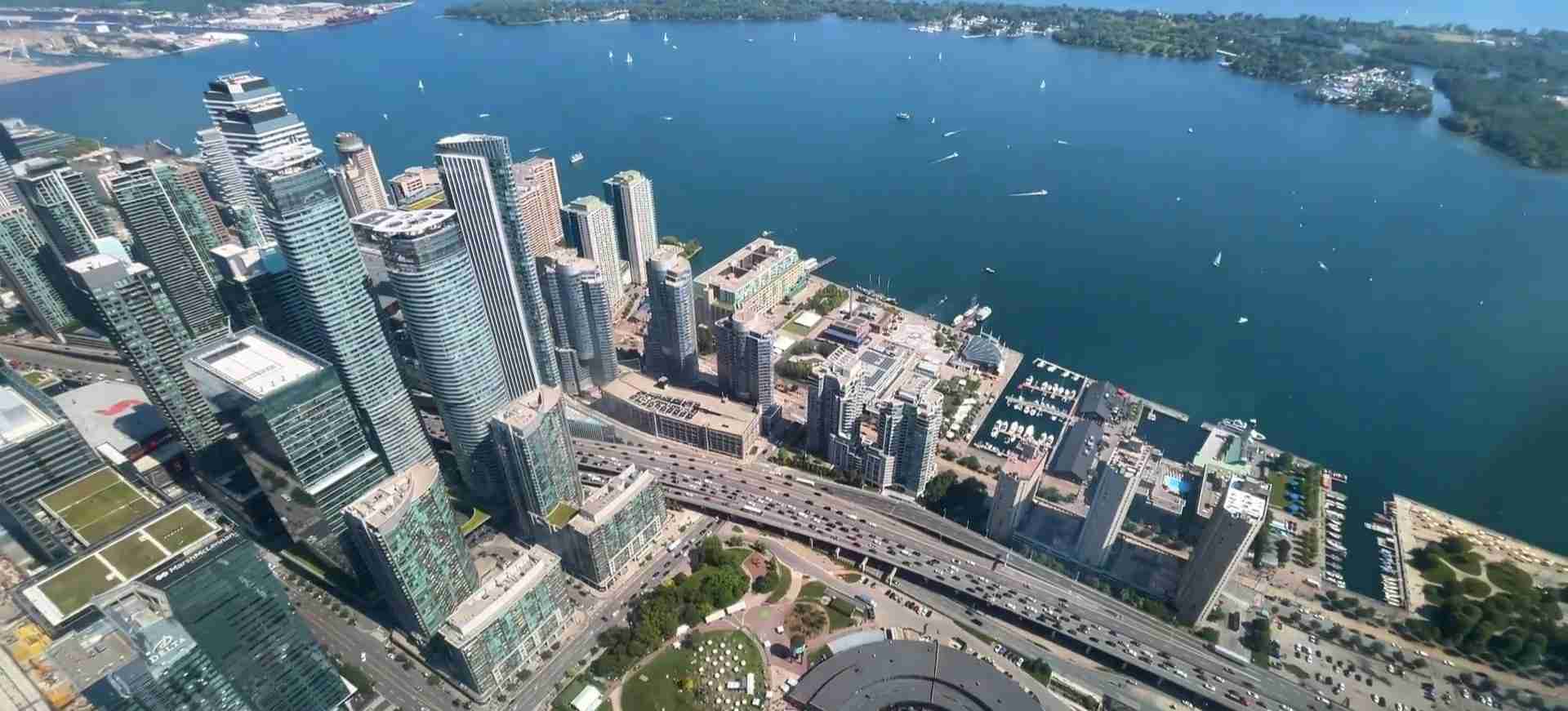
Toronto Travel Guide 2026: Complete Planning Guide
Canada’s largest city transforms into a global stage in 2026, hosting FIFA World Cup matches while maintaining its reputation as one of North America’s most culturally diverse and accessible urban destinations. With frozen transit fares, innovative fare capping arriving in September, and world-class attractions spanning from the iconic CN Tower to the Royal Ontario Museum’s 18 million artifacts, Toronto delivers exceptional value across every budget tier from backpacker hostels to luxury waterfront properties.
Key Takeaways
- Transit Value 2026: TTC fares remain frozen at CAD $3.30 for adults, with revolutionary fare capping launching September 2026 providing free rides after 47 trips monthly, saving frequent travelers up to CAD $60 per month compared to traditional monthly passes
- FIFA World Cup Impact: Six matches from June 12 to July 2, 2026 drive hotel prices from typical CAD $150-280 to CAD $750-1,275 nightly during tournament dates, requiring advance booking nine months ahead for reasonable rates outside the FIFA period
- Attraction Savings Strategy: Toronto CityPASS delivers 38% savings (approximately CAD $90) covering CN Tower, Royal Ontario Museum, Ripley’s Aquarium, and two additional attractions from Casa Loma, Toronto Zoo, or Art Gallery of Ontario
- Neighborhood Budget Advantage: Accommodations along the Bloor-Danforth subway line in North York or East York cost CAD $100-180 versus downtown CAD $200-350, with identical 20-30 minute transit access to major attractions
- Seasonal Pricing Windows: January-February and November offer 35-45% lower hotel rates (CAD $100-180 versus summer CAD $180-320) with full attraction access except seasonal harbor cruises, while shoulder seasons March-April and September-October balance moderate crowds with 20% lower costs
- Cultural Access 2026: Free admission opportunities include ROM third Tuesday evenings 4:00-8:30 PM monthly, Art Gallery of Ontario Wednesday evenings 6:00-9:00 PM, and year-round free festivals including Pride June, Caribana July-August, and TIFF September
People Also Ask About Toronto 2026
How much does a trip to Toronto cost in 2026?
Budget travelers manage CAD $115-165 daily including hostel accommodation (CAD $30-50), TTC transit (CAD $7-10 for 2-3 trips before September fare capping), supermarket meals (CAD $25-40), and selective free attractions. Mid-range travelers budget CAD $200-300 daily covering moderate hotels (CAD $150-220), restaurant dining (CAD $60-90), transit passes, and attraction tickets. Luxury experiences require CAD $400-650 daily for premium downtown hotels (CAD $280-450), fine dining (CAD $120-180), and private tours. A typical four-day mid-range Toronto trip totals CAD $800-1,200 per person excluding flights.
Is Toronto expensive compared to other North American cities in 2026?
Toronto costs approximately 15-25% less than New York City, San Francisco, or Boston across accommodation, dining, and attractions when factoring exchange rates. TTC transit at CAD $3.30 undercuts NYC subway ($2.90 USD ≈ CAD $4.10), while mid-range hotel rates CAD $150-220 compare favorably to comparable US cities at USD $180-280 (CAD $250-385). Restaurant meals run 10-20% higher than US averages outside coastal cities but 30-40% below London or Paris. Toronto’s cultural diversity delivers international cuisine quality at Canadian pricing rather than premium international rates.
What are the best times to visit Toronto in 2026 to avoid crowds and save money?
January-February offers lowest hotel rates (CAD $100-180 versus peak CAD $250-350) with winter festivals including Winterlicious dining promotions and Icefest, though temperatures range -5°C to -15°C requiring appropriate clothing. March-April and September-October provide shoulder season advantages with 20-25% lower accommodation costs, moderate temperatures 8-18°C, and reduced attraction lines while maintaining full operational schedules. Avoid FIFA World Cup dates June 12 to July 2, 2026 when hotel prices increase 300-500% and downtown areas experience maximum crowding.
How do I get around Toronto efficiently in 2026?
TTC subway, streetcar, and bus network operates 5:00 AM to 2:00 AM with two-hour transfer windows on PRESTO card, debit, or credit payments allowing multiple trips within that period. Purchase PRESTO card (CAD $4 refundable deposit) at subway stations, load funds through mobile app, and benefit from September 2026 fare capping providing free rides after 47 monthly trips. Downtown attractions cluster within subway stations Museum (ROM), Union (CN Tower, Harbourfront), St. Andrew (Entertainment District), and Dundas (Eaton Centre) enabling car-free exploration. UP Express train connects Pearson Airport to Union Station in 25 minutes for CAD $12.50, operating every 15 minutes 5:30 AM to 1:00 AM.
Extended multi-day tours – 5+ days
Featured Toronto Multi-Day Tour Packages
3 days
Toronto 3-Day Discovery Tour
- ✓ Comprehensive Toronto experience
- ✓ Expert local guides included
- ✓ All accommodation included
- ✓ Transportation provided

5 days
Toronto 5-Day Highlights Experience
- ✓ Comprehensive Toronto experience
- ✓ Expert local guides included
- ✓ All accommodation included
- ✓ Transportation provided
7 days
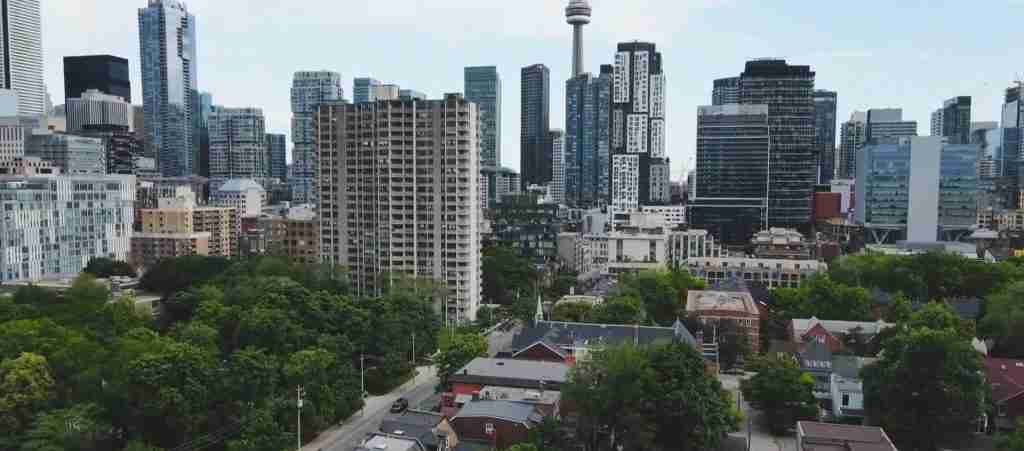
Toronto 7-Day Cultural Journey
- ✓ Comprehensive Toronto experience
- ✓ Expert local guides included
- ✓ All accommodation included
- ✓ Transportation provided
10 days
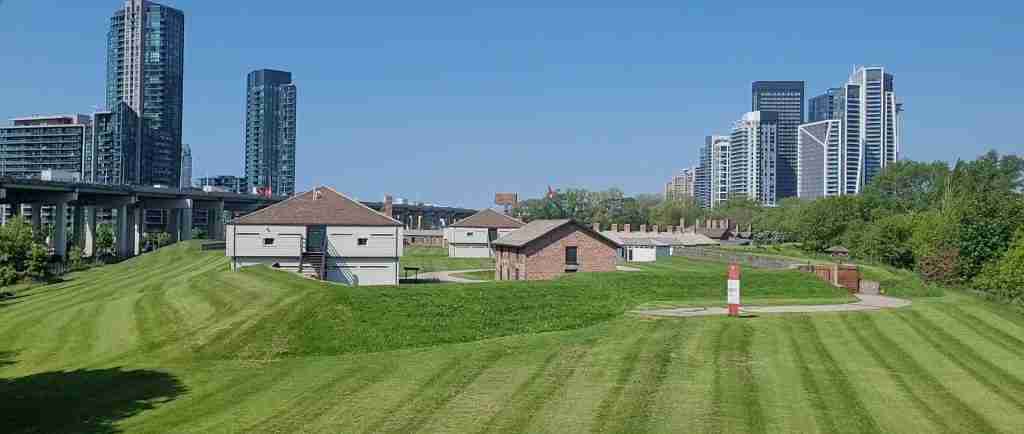
Toronto 10-Day Complete Adventure
- ✓ Comprehensive Toronto experience
- ✓ Expert local guides included
- ✓ All accommodation included
- ✓ Transportation provided
Multi-day tour packages powered by TourRadar. Prices and availability subject to change.
Introduction: Understanding Toronto in 2026
Toronto enters 2026 positioned at the intersection of global sporting spectacle and everyday urban excellence. While FIFA World Cup matches from June 12 to July 2 transform BMO Field into Toronto Stadium and draw international attention, the city’s fundamental appeal remains rooted in its multicultural neighborhoods, accessible transit network, and concentration of world-class museums, performing arts venues, and dining experiences representing 200+ ethnic communities.
The city’s 2026 budget freezes TTC fares for a third consecutive year, maintaining adult rides at CAD $3.30 while introducing transformative fare capping in September that automatically stops charging riders after their 47th trip each month. This innovation removes the upfront barrier of CAD $156 monthly passes while delivering equivalent value to regular commuters, representing Toronto’s commitment to affordable urban mobility even as other North American cities raise transit costs.
Toronto’s geographic structure divides into clearly defined zones, each accessible via the TTC’s four subway lines forming a grid overlaid on the city’s 140+ neighborhoods. Downtown and Harbourfront anchor the southern core with concentration of hotels, attractions, and business districts. The Bloor-Danforth Line running east-west connects diverse neighborhoods from Portuguese-influenced Dundas West through multicultural East York. Yonge-University Line north-south axis links downtown through midtown’s Yorkville luxury district to North York’s suburban neighborhoods offering lower accommodation costs. Scarborough to the east and Etobicoke to the west provide residential character with ethnic enclaves, markets, and authentic dining away from tourist concentrations.
The 2026 landscape differs from previous years through several key changes beyond FIFA preparations. Royal Ontario Museum implements dynamic pricing with advance purchase discounts ranging CAD $23-35 depending on date and booking timing, rewarding planning over spontaneous visits. CN Tower maintains CAD $43-53 general admission with timed entry requirements managing crowd flow. The Toronto CityPASS remains the city’s premier attraction value, bundling five admissions at 38% savings compared to individual tickets while allowing nine days to visit attractions in any order.
Toronto’s cultural calendar extends well beyond the June-July FIFA window. Pride Toronto in June celebrates LGBTQ+ culture with North America’s largest parade and week-long festivities across Church-Wellesley Village. Caribana’s Caribbean carnival through July-August brings mas bands, steel pan performances, and cultural showcases. Toronto International Film Festival in September transforms downtown into celebrity central with hundreds of premiere screenings and industry events. Winter months counter cold temperatures with Winterlicious restaurant promotions offering prix-fixe menus at 30-50% discounts and TIFF Bell Lightbox providing year-round cinematheque programming.
Understanding Toronto’s scale prevents common planning mistakes. The city spans 630 square kilometers with major attractions distributed across 15-20 kilometer east-west downtown corridor. Walking from CN Tower to Distillery District requires 45 minutes; CN Tower to Casa Loma involves 6 kilometers better covered by transit. First-time visitors often underestimate distances and overestimate walking viability, particularly during winter months when temperatures below -10°C make extended outdoor movement uncomfortable. Strategic accommodation placement near subway stations enables efficient movement while avoiding expensive downtown-core hotels.
Major Toronto Attractions and Admission Costs in 2026
Toronto’s attraction landscape concentrates world-class museums, observation towers, and cultural institutions within compact downtown geography accessible via TTC subway. Admission pricing reflects dynamic models rewarding advance booking, with strategic use of multi-attraction passes delivering 30-40% savings for visitors planning three or more ticketed experiences.
CN Tower: Canada’s Iconic Landmark
The 553-meter communications tower dominating Toronto’s skyline offers three observation levels with general admission at CAD $53 for adults in 2026, CAD $49 for seniors (65+), and CAD $43 for children (4-12). Check the official CN Tower website for current rates as pricing varies seasonally. General admission includes the Main Observation Level at 346 meters and Lower Observation Level at 342 meters featuring glass floor panels, outdoor terrace, and Artmosphere interactive exhibits. Adding SkyPod access to the 447-meter level, the Western Hemisphere’s highest public observation platform, costs additional CAD $15-20.
EdgeWalk extreme experience allows participants to walk hands-free on a 1.5-meter-wide ledge circling the tower’s main pod at 356 meters height, secured by overhead safety rail and harness system. This 30-minute adrenaline activity costs CAD $225 plus tax (check official site for current pricing), requires minimum age 13 and weight 34-136 kg, and operates seasonally May through October weather permitting. Advanced booking essential as slots fill weeks ahead during summer peak.
Timing visits strategically minimizes wait times and maximizes experience quality. Early morning slots 9:00-10:30 AM or late evening entries after 7:00 PM encounter shortest elevator queues, with wait times under 15 minutes versus 60-90 minute peak afternoon delays. Weather clarity matters more than time of day for photography, with post-storm conditions often delivering exceptional visibility up to 160 kilometers on clear days. Sunset timing around 8:30 PM June-July creates golden hour light followed by city illumination, though crowds peak during this window.
360 Restaurant on the tower’s main level offers fine dining with complete rotation every 72 minutes, requiring separate reservations through 416-362-5411. Dinner guests receive complimentary general admission to observation levels, offsetting the CAD $85-140 per person prix-fixe menu costs. Lunch service provides identical rotation views at CAD $55-85 pricing with same admission benefit.
Royal Ontario Museum (ROM): Cultural and Natural History
Canada’s largest museum houses 18 million artifacts and specimens across 40 galleries spanning ancient Egypt, dinosaur fossils, Chinese architecture, Indigenous cultures, and contemporary art. ROM implements Plan Ahead Pricing with admission varying CAD $23-35 for adults depending on purchase timing and visit date. Check the ROM website for current calendar pricing as rates change based on demand. Tickets purchased weeks in advance cost CAD $23-26, same-day purchases reach CAD $30-35, and peak holiday periods may exceed standard pricing.
Special exhibitions require additional surcharges beyond general admission. Sharks exhibition running through March 22, 2026 adds CAD $9 per adult, as does the Wildlife Photographer of the Year exhibition November 21, 2026 through April 4, 2027. Shokkan: Japanese Art Through Touch exhibition opening May 2026 and Bees: A Story of Survival May 16 to October 18, 2026 include no surcharge with general admission. Planning visits around free surcharge exhibitions maximizes value when coordinating with multi-day Toronto itineraries.
Third Tuesday evening access provides free general admission 4:00-8:30 PM monthly, excluding special exhibitions requiring surcharges. This program suits budget travelers comfortable with higher crowd density and limited evening hours, though permanent collections including dinosaur galleries, Egyptian mummies, and minerals remain fully accessible. ROM membership at CAD $125 annually for adults provides unlimited admission including special exhibitions, gallery preview events, and 10% ROM Boutique shopping discount, breaking even after five full-price visits.
Museum layout spans four floors with Michael Lee-Chin Crystal architectural addition creating distinctive angled galleries. Recommended routing begins third floor dinosaur and fossil galleries when visiting with children, descends to second floor world cultures collections including Chinese Architecture and Egypt galleries, then explores first floor rotating exhibitions and Earth’s Treasures mineral collection. Complete thorough visit requires 3-4 hours; focused 90-minute express visit concentrates on dinosaurs, Egyptian galleries, and one special exhibition.
Ripley’s Aquarium of Canada
Harbourfront aquarium adjacent to CN Tower showcases 20,000 marine animals across nine galleries including dangerous lagoon featuring sharks, sawfish, and sea turtles viewed through underwater tunnel, and rainbow reef highlighting tropical species. Admission costs CAD $44 adults, CAD $32 children (6-13), and CAD $15 toddlers (3-5) when purchased online in advance (check official website for current rates). Tickets purchased at door cost CAD $3-5 more per person.
Timed entry system manages capacity with 30-minute arrival windows, essential during peak summer and holiday periods when same-day availability becomes limited. Morning slots 9:00-10:30 AM provide smallest crowds enabling unobstructed viewing through the 96-meter-long underwater tunnel, while late afternoon 4:00-5:30 PM entries offer reduced crowding as early visitors depart. Avoid Saturday afternoons year-round when families create maximum density through narrow galleries.
Annual pass at CAD $115 adults, CAD $80 children breaks even after three visits, appealing to Toronto-area residents but rarely valuable for single-trip tourists. Aquarium visit duration averages 2-2.5 hours for complete circuit through all galleries with some interactive touchpool time, though enthusiasts spending extended periods observing feeding demonstrations and ranger talks may extend to 3+ hours.
Casa Loma: Gothic Revival Castle
Sir Henry Pellatt’s 98-room castle constructed 1911-1914 offers rare North American castle architecture with secret passages, 800-foot tunnels, towers, stables, and five-acre gardens. General admission costs CAD $32 adults, CAD $23 youth (14-17), and CAD $21 children (4-13) including self-guided audio tour in 8 languages (check official site for current pricing). Escape room experiences and murder mystery dinners available at additional cost require advance booking.
Visit duration averages 2 hours for complete exploration including gardens (seasonal May-October), underground tunnel to stables, and tower climbs. Winter months November-April offer discounted rates and smaller crowds but eliminate garden access, reducing experience appeal by approximately 20%. Casa Loma’s distance from downtown requires 15-minute subway ride to Dupont Station followed by 10-minute uphill walk, or $2.75 TTC bus connection from station.
Toronto CityPASS: Multi-Attraction Value Analysis
Toronto CityPASS bundles five attraction admissions at CAD $96 adults, CAD $66 children (4-12) representing 38% discount versus individual ticket purchases. Package includes CN Tower general admission and Ripley’s Aquarium as fixed inclusions, plus choice of three from Royal Ontario Museum, Casa Loma, Toronto Zoo, or Art Gallery of Ontario. Nine-day validity from first use allows flexible scheduling across week-long visits.
Individual ticket comparison demonstrates savings: CN Tower CAD $53 plus Ripley’s CAD $44 plus ROM CAD $30 plus Casa Loma CAD $32 plus AGO CAD $25 totals CAD $184 versus CityPASS CAD $96, saving CAD $88 representing 48% savings — calculation: (184−96)÷184 = 47.8%, rounded to 48%. Minimum break-even requires three attractions; choosing CN Tower, Ripley’s, and one additional admission costs CAD $122-129 individually versus CAD $96 CityPASS, saving CAD $26-33.
CityPASS limitations include fixed attraction list excluding Toronto Island ferries, Sports Hall of Fame, and Distillery District experiences. Travelers focusing on neighborhoods, dining, and free cultural activities may not justify multi-attraction pass costs. Families with young children gain maximum value as child pricing delivers identical percentage savings, though children under 3 enter most attractions free without requiring CityPASS.
Toronto Neighborhoods and Districts in 2026
Toronto’s 140+ neighborhoods cluster into districts distinguished by cultural character, price points, and visitor appeal. Understanding geographic relationships and transit connections enables strategic accommodation placement and efficient daily routings.
Downtown Core and Financial District
The intersection of Yonge Street and Queen Street anchors Toronto’s commercial heart with skyscraper concentration, PATH underground shopping network spanning 30 kilometers, and subway convergence at King, Queen, and Union Stations. Entertainment District along King Street West concentrates theaters, sports venues including Scotiabank Arena, and TIFF Bell Lightbox cinema. Harbourfront stretches south to Lake Ontario waterfront with Queens Quay promenade, seasonal harbor cruises, and Toronto Island ferry terminal.
Accommodation in this zone costs CAD $200-450 per night mid-range to luxury, justified by walking access to CN Tower, Ripley’s Aquarium, Rogers Centre, and financial district restaurants. Budget travelers save CAD $80-150 nightly by choosing peripheral neighborhoods connected by 10-15 minute subway rides. Downtown hotel advantages include PATH winter access to attractions and restaurants without outdoor exposure, and concentration of international brand properties familiar to business travelers.
Free attractions within downtown core include Harbourfront Centre with year-round cultural programming, Nathan Phillips Square hosting skating rink December-March and civic events summer months, and St. Lawrence Market operating Tuesdays-Saturdays with 120+ vendors selling fresh produce, prepared foods, and artisanal products. Market tours Saturday mornings 9:00-11:00 AM showcase vendor diversity and sampling opportunities.
Yorkville: Luxury Shopping and Dining
Bloor Street corridor from Avenue Road to Yonge Street defines Toronto’s luxury district with flagship boutiques including Hermès, Gucci, Louis Vuitton, and Canadian retailers Holt Renfrew and Harry Rosen. Former hippie enclave transformed 1980s-1990s into upscale neighborhood retaining Victorian architecture integrated with modern mixed-use developments. Museum subway station provides direct access.
Dining landscape emphasizes celebrity chef restaurants, fine dining establishments with CAD $80-180 tasting menus, and upscale casual options. Yorkville’s Michelin-quality restaurants including Alo, Enigma, and Don Alfonso 1890 require reservations weeks or months ahead for weekend dinner slots. Four Seasons Hotel Toronto and other luxury properties in district drive accommodation costs CAD $350-650 nightly, justified primarily by luxury shopping access and quiet residential character versus downtown density.
Kensington Market and Chinatown: Cultural Diversity
Pedestrian-scale Victorian streets west of Spadina Avenue between College and Dundas contain vintage shops, international grocers, cheese specialists, and independent restaurants representing Latin American, Caribbean, Middle Eastern, and Asian cuisines. Sunday Pedestrian Sundays May-September close streets to vehicles creating street festival atmosphere with live music and outdoor dining.
Chinatown along Dundas Street West and Spadina Avenue features Chinese, Vietnamese, Thai, and Malaysian restaurants with authentic preparations at CAD $12-25 per person versus downtown CAD $25-45 for comparable Asian dining. Chinese bakeries, herbalists, and supermarkets provide cultural immersion without admission fees. Spadina subway station grants direct access; walking from downtown requires 25 minutes westbound.
Budget accommodation in adjacent areas costs CAD $90-160 nightly, positioning visitors for Kensington Market breakfast, Art Gallery of Ontario visits, and evening returns to authentic neighborhood dining. Safety considerations include standard urban awareness; Kensington Market remains family-friendly daytime through early evening, while late-night bar areas along Nassau Street require typical downtown precautions.
Distillery District: Historic Pedestrian Quarter
Victorian-era Gooderham and Worts distillery converted to pedestrian-only arts district features galleries, boutiques, restaurants, and event venues within restored 19th-century industrial architecture. Admission free with costs limited to dining, shopping, and special events. Christmas Market November-December charges CAD $7-10 entry with craft vendors, light displays, and seasonal programming.
Dining options emphasize mid-range to upscale with CAD $25-50 per person dinner pricing, outdoor patios May-September, and weekend brunch crowds requiring 30-60 minute waits at popular venues. Distillery location 2 kilometers east of Union Station allows 25-minute walk along harbourfront, 8-minute streetcar ride, or 15-minute Uber/taxi at CAD $10-15. Dedicated TTC bus routes do not serve Distillery directly, making it less accessible than subway-connected neighborhoods.
Queen West and West Queen West: Arts and Independent Retail
Queen Street West from University Avenue to Bathurst Street evolved from 1990s alternative scene to current mix of international retailers, independent boutiques, and galleries. West Queen West continuing to Gladstone Avenue maintains edgier character with artist studios, vintage shops, and independent restaurants. Streetcar service along Queen Street provides continuous access; Osgoode and St. Patrick subway stations anchor eastern portions.
Evening music venues including Horseshoe Tavern, Cameron House, and Drake Hotel host local and touring acts with CAD $15-35 cover charges and standing-room shows. Weekend afternoons attract window shoppers and cafe culture, while weekday mornings offer quieter gallery browsing. Hotel options in this zone remain limited with most visitors staying downtown or Kensington Market periphery, traveling 10-15 minutes via streetcar to access Queen West.
The Beaches: Lakefront Residential
Queen Street East beyond Woodbine Avenue transitions to beach community with boardwalk, swimming beaches, volleyball courts, and casual dining strip. Summer weekends draw crowds to beaches particularly July-August when water temperatures reach 18-21°C. Winter months transform boardwalk into walking and cycling route with dramatically reduced commercial activity.
Reaching Beaches requires 35-minute streetcar ride from downtown or 25-minute subway to Woodbine Station followed by 15-minute bus, making it marginal day-trip rather than practical daily base for first-time Toronto visitors. Summer day trips combine beach afternoon with Queen East dining, requiring 4-5 hours round trip from downtown accommodations.
Transportation in Toronto 2026: TTC and Beyond
Toronto’s integrated transit network combining subway, streetcar, and bus service operates under Toronto Transit Commission, supplemented by UP Express airport rail, GO Transit regional rail, and ride-sharing options. Understanding payment systems, timing, and route planning prevents common tourist frustrations while maximizing mobility value.
TTC Fare Structure and Payment Systems 2026
Adult single ride costs CAD $3.30 cash or when paid via PRESTO card, debit, or credit tap payment. Youth ages 13-19 pay CAD $2.35, seniors 65+ pay CAD $2.25, and children 12 and under ride free system-wide. Cash payment at subway station entrance requires exact change with fareboxes not providing change; surface vehicles accept cash but provide only paper transfer rather than extended time-based transfer.
PRESTO card provides optimal payment method through two-hour transfer window allowing multiple entries and exits across subway, streetcar, and bus network within 120 minutes of initial tap. Purchase PRESTO card at subway station customer service counters for CAD $4 refundable deposit, load minimum CAD $10, and reload via mobile app, website, or station machines. Alternatively, contactless credit or debit cards tapped directly on readers provide identical two-hour transfer benefits and pricing without separate card purchase.
Fare capping revolutionary change arrives September 2026, automatically providing free rides after 47 taps in any calendar month for users paying via PRESTO card or registered contactless payment methods. This eliminates upfront CAD $156 monthly pass cost while delivering equivalent value to regular commuters. Visitors staying multiple weeks in Toronto benefit significantly; someone making 3-4 trips daily reaches 47 taps by day 12-16, riding free remainder of month. Fair Pass low-income discount users reach cap at 47 trips equaling CAD $99 versus current CAD $123 monthly pass, delivering 20% savings — calculation: (123−99)÷123 = 19.5%, rounded to 20%.
TTC Subway System Navigation
Four subway lines form Toronto’s rapid transit backbone. Line 1 Yonge-University runs north-south U-shape from Vaughan Metropolitan Centre through downtown Union Station to Finch Station, serving Yorkville (Museum Station), downtown core (Queen, King, Union), and North York. Line 2 Bloor-Danforth runs east-west from Kipling to Kennedy Stations, intersecting Line 1 at St. George and Yonge-Bloor transfer points. Line 3 Scarborough light rail serves eastern suburbs. Line 4 Sheppard provides north York east-west connection.
Service operates approximately 6:00 AM to 1:30 AM weekdays, 8:00 AM to 1:30 AM Sundays, with extended late-night service to 2:00 AM Saturdays. After-hours travelers rely on Blue Night bus network operating 1:30-5:00 AM along major routes, though frequency drops to 20-30 minute intervals requiring schedule planning. Union Station serves as system hub with connections to GO Transit regional rail, UP Express airport service, and intercity VIA Rail trains.
Peak hour crowding 7:30-9:30 AM and 4:30-6:30 PM weekdays creates standing-room conditions on downtown-bound trains. Tourists traveling mid-day or weekends avoid crowding entirely, finding seats readily available. Elevators serve all stations for accessibility, though some older stations require using alternate entrances to access elevator banks not visible from main entry.
Streetcar and Bus Service Integration
Streetcar routes along major corridors including King, Queen, Dundas, and Spadina supplement subway with frequent surface service, operating 5:00 AM to 2:00 AM. Boarding at any door on modern Flexity streetcars requires tapping PRESTO reader or payment terminal near each entrance. Older streetcars require front-door boarding for cash payment or ticket validation.
Bus routes fill gaps between subway lines and serve neighborhoods without rail access. Google Maps and Transit mobile app provide real-time arrival predictions integrating GPS tracking. TTC displays next-vehicle arrival times at major stops and stations. Weekend construction often affects specific routes; checking service alerts at ttc.ca before Saturday-Sunday travel prevents routing surprises.
UP Express Airport Service
Dedicated rail service connects Toronto Pearson International Airport to Union Station downtown in 25 minutes, operating every 15 minutes from 5:30 AM to 1:00 AM. Adult fare costs CAD $12.50 one-way, seniors CAD $6.50, children 12 and under ride free with paying adult. Payment via PRESTO card, credit/debit tap, or pre-purchased tickets at station kiosks.
UP Express provides fastest airport connection versus alternatives: TTC bus route 900 to Kipling Station then subway requires 60-75 minutes at CAD $3.30 fare, while taxi or Uber costs CAD $55-75 and takes 30-60 minutes depending on traffic. Airport hotels offer shuttle services for guests; confirm availability when booking. Pearson Airport serves as major international gateway with three terminals connected by Link Train; UP Express departs Terminal 1 with Link Train access from Terminals 2 and 3.
Walking and Cycling Navigation
Downtown core attractions cluster within 2-3 kilometer radius enabling walking between CN Tower, Harbourfront, St. Lawrence Market, and Entertainment District. PATH underground network connects Union Station to attractions, hotels, and shopping across 30 kilometers of climate-controlled walkways, particularly valuable December-March when temperatures drop below -10°C and wind chill factors create uncomfortable outdoor conditions.
Bike Share Toronto operates 700+ stations with 7,000+ bicycles across downtown and inner neighborhoods. Casual pass costs CAD $7 for single 30-minute trip, CAD $15 for 24-hour unlimited 30-minute trips (check official website for current rates). Trips exceeding 30 minutes incur additional CAD $4 per 30-minute increment. Martin Goodman Trail provides 56-kilometer waterfront cycling route from Etobicoke to Scarborough with dedicated bike lanes separated from vehicle traffic, ideal for recreational cycling rather than transportation.
Where to Stay in Toronto 2026: Accommodation Strategies
Toronto accommodation market spans hostel dormitories at CAD $30-50 nightly through luxury waterfront properties exceeding CAD $400, with strategic neighborhood selection and booking timing significantly affecting total trip costs. Understanding pricing patterns and transit accessibility prevents overpaying for convenience available via 10-minute subway rides.
Budget Accommodation Options and Locations
Hostel dormitories cost CAD $30-55 per bed in 4-12 bed rooms, with private hostel rooms CAD $75-110. Samesun Toronto on King West and Planet Traveler near Kensington Market offer central locations with shared kitchens, common areas, and organized social activities. HI Toronto Hostel near Niagara and Bathurst provides Hostelling International membership benefits and family rooms accommodating 4-6 people at CAD $140-180.
Budget hotels and motels outside downtown core but near subway lines range CAD $90-140 nightly. North York along Yonge Street north of Sheppard Station, East York along Danforth Avenue, and Etobicoke near Kipling Station offer chain properties with reliable standards at 30-40% below downtown equivalents. Transit time to downtown attractions remains 20-30 minutes via subway, adding minimal inconvenience while delivering substantial nightly savings.
Airbnb and vacation rentals provide CAD $100-200 options for entire apartments in residential neighborhoods, though cleaning fees CAD $75-150 and service charges 14-16% significantly affect pricing for stays under 4-5 nights. Breaking even versus hotels requires minimum 3-night stays; weekly rentals deliver best value at CAD $700-1,400 (CAD $100-200 nightly) for one-bedroom units.
Mid-Range Hotel Selection and Value Analysis
Three-star properties in downtown periphery cost CAD $150-220 nightly with chains including Holiday Inn, Best Western, and Hilton Garden Inn providing reliable standards. Chelsea Hotel Toronto offers family-friendly amenities including supervised kids programs, indoor pool, and all-suite layouts at CAD $180-250. Cambridge Suites Toronto provides apartment-style accommodations with kitchenettes at CAD $160-230, valuable for longer stays utilizing local markets and breakfast preparation.
Four-star downtown properties range CAD $200-320 with brands including Delta, Sheraton, and DoubleTree providing central locations within walking distance to major attractions. Fairmont Royal York across from Union Station costs CAD $250-400 but delivers direct PATH access, historic property character, and premium Union Station proximity valuable for airport connections and regional rail departures.
Booking timing significantly affects mid-range rates. Advance bookings 60-90 days ahead secure lowest published rates, particularly for summer June-August and holiday periods. Last-minute bookings within 7 days rarely produce better pricing unless during extreme low season January-February. Hotel websites sometimes match third-party rates while adding benefits like late checkout, WiFi, or breakfast; comparing direct versus Booking.com, Expedia, and Hotels.com captures available rate variations.
Luxury Properties and Premium Positioning
Five-star hotels including Four Seasons, Shangri-La, Ritz-Carlton, and St. Regis deliver CAD $400-700 nightly rates with refined service, spa facilities, and prime locations. Four Seasons Yorkville provides luxury shopping district access, while Shangri-La on University Avenue positions near Entertainment District theaters and restaurants. These properties target business travelers expensing accommodations and luxury tourists prioritizing service quality over budget efficiency.
Boutique properties including Anndore House, Drake Hotel, and Kimpton Saint George offer design-focused environments at CAD $250-450, appealing to travelers valuing character over chain standardization. Boutique locations often integrate neighborhood dining and cultural scenes, functioning as social hubs beyond sleeping accommodation.
FIFA World Cup 2026 Hotel Impact and Alternatives
FIFA World Cup match dates June 12, 17, 19, 23, 26, and July 2, 2026 transform Toronto hotel market with rates increasing 200-400% versus typical June pricing. Downtown properties normally CAD $200-300 reach CAD $750-1,275 with minimum stay requirements of 2-4 nights and checkout/checkin restrictions on match days. Secondary cities including Mississauga, Markham, and Vaughan offer alternatives at CAD $300-500 during FIFA dates, though these require 35-50 minute transit connections to downtown.
Visitors planning Toronto trips June-July 2026 should either book accommodations 9-12 months in advance at pre-surge rates or avoid FIFA match windows entirely. Week preceding June 12 and week following July 2 provide normal pricing and availability while maintaining summer weather advantages. Alternatively, scheduling Toronto visits May or August eliminates FIFA premium entirely while preserving warm season benefits.
Dining and Food Experiences in Toronto 2026
Toronto’s 8,000+ restaurants represent over 200 ethnic cuisines reflecting immigration patterns from Italy, China, India, Portugal, Greece, Caribbean nations, Middle East, and Latin America. Understanding neighborhood dining concentrations, price tiers, and cultural authenticity guides budget allocation while maximizing culinary exploration.
Budget Dining Strategies and Options
Food courts in Eaton Centre, PATH network, and ethnic neighborhoods provide CAD $10-18 meals with Chinese, Japanese, Korean, Thai, Indian, and Middle Eastern options. Chinatown along Spadina Avenue features authentic dim sum CAD $15-25 per person, Vietnamese pho CAD $12-16, and Malaysian hawker-style meals CAD $13-19. Kensington Market concentrates Latin American arepas and empanadas CAD $8-14, Caribbean roti CAD $10-15, and Middle Eastern shawarma and falafel CAD $11-16.
Grocery store prepared foods and picnic strategies reduce dining costs significantly. Loblaws, Metro, and Sobeys supermarkets offer salad bars CAD $8-12 per pound, ready-made sandwiches CAD $7-10, and hot food counters with rotisserie chicken CAD $9-12. St. Lawrence Market Saturday morning browsing provides sampling opportunities with prepared foods, fresh fruit, and artisanal breads enabling CAD $15-25 market lunch assemblage. Parks including Trinity Bellwoods, High Park, and waterfront Harbourfront Centre accommodate picnicking with seating and public washroom access.
Breakfast optimization lowers daily food costs through hotel breakfast inclusion versus CAD $15-25 cafe breakfasts. Many mid-range hotels include continental breakfast buffets; when choosing between hotels with identical nightly rates, breakfast inclusion saves CAD $90-175 on week-long stays for two people.
Mid-Range and Ethnic Neighborhood Restaurants
Casual dining establishments charge CAD $18-35 per person for entrees with portion sizes typically accommodating leftover potential. Italian trattorias in Little Italy along College Street, Portuguese restaurants in Little Portugal Dundas West, and Greek tavernas on Danforth Avenue Greektown provide authentic preparations at neighborhood pricing versus downtown tourist premiums. Korean restaurants in North York’s Koreatown along Yonge Street north of Finch Station offer Korean BBQ all-you-can-eat CAD $25-35 per person or à la carte selections CAD $15-28.
Toronto’s Indian dining scene along Gerrard Street Little India concentrates authentic regional cuisines with thali platters CAD $16-24 providing varied selection, tandoori preparations CAD $18-26, and vegetarian specialties CAD $13-20. Caribbean restaurants across Scarborough and Eglinton West serve jerk chicken CAD $14-19, oxtail CAD $17-23, and curry goat CAD $16-21 with generous portions.
Reservations become essential for popular mid-range restaurants Friday-Saturday evenings when 60-90 minute waits occur without advance booking. Weekday lunch service provides identical menus at 15-25% lower pricing; business lunch specials CAD $15-22 often include appetizer or dessert excluded from dinner pricing.
Fine Dining and Splurge Options
Toronto’s Michelin-level restaurants including Alo, Enigma, Don Alfonso 1890, and Edulis offer tasting menus CAD $140-280 per person before wine pairings adding CAD $80-180. Reservations require booking 4-8 weeks ahead for weekend dinner slots, with some restaurants releasing tables via online systems at exact monthly intervals. Alternative dates midweek or lunch service increase availability while sometimes reducing pricing 20-30%.
Celebrity chef restaurants from international names including David Chang’s Momofuku in Yorkville and local stars including Susur Lee’s establishments charge CAD $60-120 per person for à la carte dining. Dress codes enforce smart casual minimum; extremely casual athletic wear faces refusal at high-end properties.
Winterlicious and Summerlicious promotion programs during January-February and July offer prix-fixe menus at participating fine dining restaurants, delivering CAD $33-58 three-course dinners at establishments normally charging CAD $55-95 à la carte. These promotional periods provide accessible fine dining introduction, though participating restaurants limit menu selections and available reservation times.
Best Times to Visit Toronto in 2026: Seasonal Analysis
Toronto experiences distinct seasonal patterns affecting hotel pricing, weather conditions, crowd levels, and available activities. Strategic timing balances competing priorities of weather quality, cost savings, and event calendars.
Winter Season: January-March Value and Challenges
January-February delivers lowest hotel rates with 3-star properties CAD $100-160 and 4-star hotels CAD $150-240, representing 35-45% discounts versus summer peaks. Attractions operate normal hours with smaller crowds enabling immediate CN Tower access and comfortable ROM exploration without lineups. Winter festival programming includes Icefest at Harbourfront Centre, Winterlicious restaurant promotion with prix-fixe dining discounts, and New Year celebrations.
Temperature realities require appropriate clothing preparation with January averages -5°C to -1°C and frequent periods below -10°C when factoring wind chill. Snowfall averages 35-45 centimeters monthly December-February, affecting walking conditions and creating slush accumulation on sidewalks. PATH underground network becomes essential for comfortable downtown movement between attractions, hotels, and restaurants without repeated outdoor exposure.
March transitions toward spring with temperatures rising to 0-5°C range and reduced snowfall, though unpredictable weather produces occasional winter storm conditions through mid-month. Hotel rates remain 20-30% below summer pricing while avoiding most severe winter weather impacts.
Spring Season: April-May Shoulder Benefits
April-May provides moderate weather 8-16°C with increasing sunshine hours and blooming gardens at High Park, Toronto Islands, and Edwards Gardens. Hotel prices remain 15-25% below summer peaks while avoiding January-February cold extremes. Cherry blossoms at High Park typically peak late April to early May, drawing crowds to sakura viewing but otherwise maintaining manageable visitor levels.
Toronto Maple Leafs NHL playoff games April-May create downtown animation and bar atmosphere, though Scotiabank Arena ticket costs escalate to CAD $150-400+ versus regular season CAD $60-180. Spring restaurant patios open weather-permitting late April onward, expanding dining capacity and creating seasonal al fresco appeal.
Rain frequency increases April-May with 60-70mm monthly precipitation versus January-February 40-50mm, requiring flexible indoor/outdoor activity planning and rain jacket inclusion. Major summer events including Pride and Caribana remain months away, focusing spring visits on attractions, museums, and dining rather than festival attendance.
Summer Peak: June-August Crowds and FIFA Impact
June-August represents peak tourism season with 20-26°C temperatures, extended daylight until 9:00 PM, and full calendar of festivals and outdoor events. Hotel pricing reaches annual maximums CAD $220-350 mid-range and CAD $350-550 luxury, justified by weather quality and event concentration.
FIFA World Cup matches June 12 to July 2, 2026 create exceptional circumstances with downtown hotel rates CAD $750-1,275 on match dates and surrounding areas experiencing spillover demand. Visitors without FIFA tickets or interest should avoid this three-week window entirely or plan stays outside Greater Toronto Area with day-trip access. Post-FIFA period July 3 onward returns to normal summer patterns with Pride Toronto late June overlapping into early July.
Caribana Caribbean festival late July through early August brings mas bands, steel pan performances, and Grand Parade drawing 1+ million participants. Toronto Islands beaches reach peak swimming conditions July-August with water temperatures 18-22°C, though summer weekends create ferry lineups 45-90 minutes and beach crowding reducing appeal.
Fall Shoulder: September-November Optimal Windows
September-October delivers Toronto’s finest weather-cost balance with 12-20°C temperatures, autumn foliage coloring parks and ravines, and 20-25% lower hotel costs versus summer peaks. Toronto International Film Festival early September brings celebrity presence and premiere screenings, creating downtown energy without FIFA-level disruption. TIFF ticket costs vary CAD $25-45 for public screenings, with advance purchase essential for popular titles.
Fall food festivals including Taste of Toronto September and wine events at Harbourfront Centre celebrate harvest season and culinary excellence. Restaurant patios remain open through September and into early October weather-permitting, extending summer outdoor dining advantages while avoiding peak crowding.
November transitions toward winter with temperatures dropping to 2-8°C range and increasing precipitation. Hotel rates decrease further to 30-40% below summer levels as low season approaches, appealing to extreme budget travelers comfortable with grey skies and occasional snow. Attractions maintain full operations; crowd levels drop significantly enabling comfortable museum visits and minimal attraction waits.
Toronto Travel Budgets and Sample Itineraries 2026
Understanding realistic daily costs across budget tiers enables accurate trip planning and prevents overspending. Sample itineraries demonstrate how different spending approaches translate into actual experiences and tradeoffs.
Budget Traveler Daily Costs
Budget travelers manage on CAD $115-165 daily through strategic choices minimizing accommodation, dining, and entertainment expenses. Hostel dormitory accommodation costs CAD $35-50 per night. TTC transit for 3-4 daily trips totals CAD $10-13 before September fare capping, CAD $7-10 utilizing two-hour transfers limiting to two separate paid trips. Meals combining grocery store breakfast CAD $6-9, lunch from food courts or ethnic neighborhoods CAD $12-16, and dinner CAD $16-24 total CAD $34-49 daily.
Free activities including ROM third Tuesday evenings, Art Gallery of Ontario Wednesday evenings 6:00-9:00 PM, Harbourfront Centre programming, High Park exploration, and neighborhood walking tours eliminate daily attraction costs. Selective paid attractions using Toronto CityPASS averaging CAD $19 daily across five-day trip (CAD $96 total ÷ 5 days) adds major attractions without individual full-price purchases.
Sample budget day: Hostel accommodation CAD $42, grocery breakfast CAD $7, TTC transit CAD $10, Chinatown lunch CAD $14, afternoon ROM third Tuesday free admission, Kensington Market dinner CAD $19, evening Trinity Bellwoods Park walk CAD $0. Total: approximately CAD $50 (excluding accommodation), accommodation CAD $42, combined CAD $92.
Mid-Range Traveler Daily Budgets
Mid-range travelers budget CAD $200-300 daily covering comfortable hotels CAD $170-240, full restaurant dining CAD $60-95, attraction tickets, and occasional taxis or Ubers supplementing TTC transit. This tier enables mix of major attractions, quality dining across various ethnic cuisines, and comfortable rather than sacrificial choices.
Accommodation in 3-4 star properties downtown periphery or popular neighborhoods provides private rooms with amenities, daily housekeeping, and convenient locations. Dining includes breakfast CAD $12-18 at cafes, lunch CAD $18-28 at casual restaurants, and dinner CAD $30-45 at mid-range establishments. Attraction budget allows CN Tower, ROM, Ripley’s Aquarium, and additional tickets spreading costs across multi-day stays.
Sample mid-range day: Hotel CAD $195, breakfast cafe CAD $15, TTC day pass CAD $13, CN Tower admission CAD $53, lunch Entertainment District CAD $24, afternoon Distillery District browsing CAD $0, Uber to dinner CAD $14, Greektown dinner CAD $38, streetcar return CAD $0 (within transfer window). Total: approximately CAD $157 (excluding accommodation), accommodation CAD $195, combined CAD $352.
Luxury Traveler Daily Spending
Luxury experiences require CAD $450-700 daily through premium hotel properties CAD $380-550, fine dining CAD $140-220, private tours and exclusive activities, and convenience services including taxis, room service, and premium attraction packages. This tier eliminates budget constraints prioritizing comfort, exclusive access, and premium experiences.
Five-star hotel accommodation includes spa facilities, concierge services, and prime locations. Dining emphasizes Michelin-quality tasting menus, celebrity chef establishments, and premium wine selections. Private tours, EdgeWalk experiences, and evening entertainment add premium activity costs beyond standard admission pricing.
Sample luxury day: Shangri-La hotel CAD $465, room service breakfast CAD $42, private CN Tower tour and EdgeWalk CAD $280, Yorkville lunch CAD $55, afternoon ROM with private guide CAD $150, spa treatment CAD $180, Alo tasting menu dinner CAD $240, taxi transportation throughout day CAD $65. Total daily spending: approximately CAD $1,012 excluding accommodation, accommodation CAD $465, combined CAD $1,477.
Four-Day Toronto Itinerary Example (Mid-Range)
Day 1 arrival and downtown orientation begins Union Station arrival, hotel check-in, PATH underground walking tour exploring connections to Eaton Centre, Nathan Phillips Square, and Financial District. Afternoon CN Tower observation deck visit CAD $53 with sunset timing around 8:30 PM June-July. Dinner Entertainment District CAD $35-48. Accommodation CAD $195, transit CAD $10, attraction CAD $53, meals CAD $58. Total day cost: approximately CAD $121 (excluding accommodation).
Day 2 museum and cultural district features morning Royal Ontario Museum CAD $30, lunch Yorkville area CAD $26, afternoon Art Gallery of Ontario CAD $25, evening Queen West gallery strolling and independent boutique browsing free, dinner Queen West CAD $38. Accommodation CAD $195, transit CAD $7, attractions CAD $55, meals CAD $76. Total day cost: approximately CAD $138 (excluding accommodation).
Day 3 neighborhoods and markets starts St. Lawrence Market Saturday morning browsing and sampling, Distillery District afternoon with lunch CAD $32, Harbourfront Centre late afternoon free programming, Toronto Island ferry round-trip CAD $9 with beach and park exploration, harbor views returning sunset. Accommodation CAD $195, transit and ferry CAD $16, meals CAD $47. Total day cost: approximately CAD $63 (excluding accommodation).
Day 4 final attractions and departure includes morning Ripley’s Aquarium CAD $44, lunch Chinatown CAD $18, afternoon Kensington Market wandering, early evening departure. Transit CAD $13 including UP Express airport connection CAD $12.50, meals CAD $30, attraction CAD $44. Total day cost: approximately CAD $87 (excluding accommodation, partial day).
Four-day trip summary: Accommodation CAD $780 (CAD $195 × 4 nights), attractions CAD $152, meals CAD $211, transit CAD $46. Total approximately CAD $1,190 per person excluding flights.
Practical Toronto Travel Information 2026
Operational details including electricity standards, communication access, safety considerations, and essential services enable smooth trip execution without common frustrations affecting unprepared visitors.
Currency, Payment, and Tipping Standards
Canadian dollar (CAD) operates as local currency with exchange rates fluctuating against US dollar, Euro, and other currencies. ATMs throughout downtown and neighborhoods dispense Canadian dollars with typical withdrawal fees CAD $3-5 plus home bank foreign transaction fees. Credit cards widely accepted at hotels, restaurants, and attractions, though small vendors and food carts may require cash. Visa and Mastercard acceptance near-universal; American Express less consistent; Discover rarely accepted.
Tipping expectations follow North American standards with 15-20% restaurant service gratuity on pre-tax total, 15% taxi fares, CAD $2-3 per bag hotel porters, and CAD $3-5 daily housekeeping. Many restaurants automatically add 18% gratuity for groups 6+ people; reviewing bills prevents double-tipping. Quick service restaurants and coffee shops increasingly present electronic payment terminals with tip prompts starting 15%; customary tipping for counter service remains optional rather than expected.
Electricity, Phone Service, and Internet Access
Canada uses 120-volt electrical system with Type A/B outlets identical to United States standards. International visitors from Europe, Asia, and other regions require voltage converters and plug adapters for electronics not dual-voltage rated. Most modern phone chargers and laptop power supplies operate 100-240 volts automatically requiring only plug adapter.
Mobile phone service requires either international roaming enabled through home carrier or local SIM card purchase. Rogers, Bell, and Telus operate Canada’s major networks with coverage throughout Toronto and surrounding regions. Tourist SIM cards with data packages available at Pearson Airport and downtown electronics retailers cost CAD $40-60 for 3-10GB data plus calling. T-Mobile US customers often include Canada in standard plans; Verizon and AT&T charge international roaming rates without specific Canada packages.
WiFi access widespread through hotel inclusions, cafe provision for paying customers, and Toronto public library system providing free access at 100+ branch locations. TTC subway stations increasingly offer WiFi connectivity underground, though coverage remains incomplete across older stations. Downloading offline maps through Google Maps before arrival prevents navigation difficulties in areas without consistent data connectivity.
Safety, Security, and Emergency Services
Toronto maintains reputation as safe major city with violent crime rates low by North American urban standards. Standard awareness applies: securing valuables in hotel safes, maintaining attention in crowded areas particularly transit during peak hours, and avoiding isolated areas late evening. Downtown core, Entertainment District, and major neighborhoods remain populated and well-lit through evening hours.
Emergency services access via 911 provides police, fire, and ambulance dispatch. Toronto Police Service non-emergency line 416-808-2222 handles reports and inquiries not requiring immediate response. Hospitals including Toronto General Hospital, Mount Sinai Hospital, and St. Michael’s Hospital provide emergency departments for medical situations; Canadian healthcare system does not cover international visitors requiring comprehensive travel insurance for medical emergencies.
Pickpocketing occurs occasionally on crowded TTC vehicles and tourist areas including Eaton Centre and CN Tower, though remains less prevalent than European tourist centers. Crossbody bags worn front, internal jacket pockets for wallets, and hotel safe storage for passports and excess cash prevent most theft opportunities. Car break-ins affect vehicles with visible valuables; removing all items from sight or utilizing hotel parking prevents losses.
Weather Preparation and Seasonal Clothing
Toronto’s continental climate produces significant seasonal variation requiring appropriate preparation. Summer June-August demands lightweight clothing, sun protection with SPF 30+ sunscreen, and rain jacket for occasional thunderstorms. Comfortable walking shoes essential as full-day explorations commonly involve 8-12 kilometers walking between attractions, neighborhoods, and transit connections.
Winter December-March necessitates layered clothing with insulated coat rated -20°C or colder, warm hat covering ears, gloves, and waterproof boots with non-slip treads for icy sidewalks. Temperature extremes occasionally reach -20°C to -25°C with wind chill factors creating dangerous exposure conditions; limiting outdoor walking to 10-15 minute intervals between indoor destinations prevents frostbite risk. PATH underground network provides 30-kilometer climate-controlled alternative to surface walking downtown.
Spring and fall shoulder seasons require adaptable layering combining light jacket or sweater for 10-15°C daytime temperatures with warmer coat for evening drop to 5-8°C. Rain remains common April-May and September-October necessitating compact umbrella or waterproof jacket inclusion.
Language and Communication Considerations
English dominates Toronto communication with French signage reflecting federal bilingual requirements but limited French speaking outside government offices and services. Major tourist attractions, hotels, and restaurants operate primarily in English with staff language skills varying by establishment ownership and neighborhood character. Ethnic neighborhoods including Chinatown, Little Italy, Greektown, and Little India feature signage and spoken languages reflecting their communities, though English remains widely understood for basic transactions.
Translation apps assist visitors with limited English, particularly when exploring ethnic restaurants or markets with non-English menus. Restaurant staff in ethnic neighborhoods often help explaining dishes and making recommendations despite language barriers, appreciating visitor interest in authentic cuisines.
Beyond Toronto: Day Trip Opportunities 2026
Toronto’s location positions visitors for exceptional day trips combining natural wonders, historic sites, and wine regions within 90-150 minute travel distances. These excursions supplement urban exploration with Ontario landscape and cultural diversity.
Niagara Falls: Natural Wonder Access
Niagara Falls stands 130 kilometers south of Toronto accessible via 90-minute drive or 2-hour GO Transit train plus connecting bus. Megabus and other coach services operate direct routes CAD $20-35 round-trip versus train CAD $25-35 plus local transit. Falls experience focuses on Horseshoe Falls viewing from Table Rock, Journey Behind the Falls tunnels CAD $28, and Hornblower boat tours CAD $33 operating May-October bringing visitors within spray zone of waterfalls.
Niagara-on-the-Lake historic town 20 kilometers north provides wine region access with 20+ wineries offering tastings CAD $10-25, cycling routes through vineyards, and Shaw Festival theater presentations May-October. Combined Niagara Falls and wine region day trip requires rental car for flexibility versus limiting to Falls-only coach tour. Full-day organized tours from Toronto cost CAD $90-150 including transportation, admission tickets, and wine tastings.
Stratford Festival Theatre
Stratford Ontario 150 kilometers west operates renowned theater festival April-October presenting Shakespeare plays, musicals, and contemporary works across four theater venues. VIA Rail train service from Toronto Union Station reaches Stratford in 2 hours CAD $35-55 round-trip, coordinating with matinee performance schedules. Festival tickets CAD $50-140 depending on performance, seating, and date selected.
Town exploration includes Avon River walking paths, independent boutiques and galleries, and restaurant scene emphasizing farm-to-table preparations. Day trip timing allows afternoon matinee performance with lunch before or dinner afterward, though evening performances require overnight accommodation or late train return to Toronto. Combined theater ticket and rail transport costs CAD $85-195 per person.
Blue Mountain Ski Resort and Collingwood
Blue Mountain 160 kilometers north provides winter skiing December-March and summer hiking, mountain biking, and scenic gondola rides. GO Transit operates seasonal bus service weekends and holidays CAD $35-45 round-trip with 2.5-hour travel time. Ski lift tickets cost CAD $80-120 depending on date and advance purchase versus window rates; equipment rental adds CAD $55-75 for skis or snowboard package.
Summer gondola rides CAD $25 access hiking trails and summit views over Georgian Bay. Collingwood town offers craft breweries, local restaurants, and waterfront parks. Full-day ski excursion requires early departure 6:30-7:00 AM train for maximum slope time before 4:00-5:00 PM return transit. Equipment-owning skiers save substantially versus rental requirements.
Frequently Asked Questions About Toronto Travel 2026
Do I need a visa to visit Toronto, Canada in 2026?
United States citizens require valid passport but no visa for tourist visits up to six months. Citizens of visa-exempt countries including United Kingdom, European Union nations, Australia, New Zealand, Japan, South Korea, and others require Electronic Travel Authorization (eTA) obtained online before departure costing CAD $7 valid five years. Visitors from countries not on visa-exempt list require Temporary Resident Visa (TRV) applied through Canadian embassy or consulate in home country. Check Immigration, Refugees and Citizenship Canada website for specific requirements based on citizenship. Ensure passport validity extends minimum six months beyond planned departure date.
Is Toronto safe for solo travelers and families in 2026?
Toronto maintains strong safety record for solo travelers and families with violent crime concentrated in specific neighborhoods away from tourist areas. Downtown core, Entertainment District, Harbourfront, major museums, and popular neighborhoods remain safe day and evening with active street presence and well-lit public spaces. Solo travelers report comfortable exploring independently using public transit, walking between attractions, and dining alone. Families find Toronto welcoming with dedicated children’s attractions including Toronto Zoo, Science Centre, and seasonal Toronto Island amusement park. Standard urban awareness applies: securing valuables, avoiding isolated areas late night, and maintaining attention on crowded transit. Women traveling alone report minimal harassment; LGBTQ+ travelers find Toronto among North America’s most welcoming cities with significant Pride celebrations and inclusive atmosphere in Church-Wellesley Village and throughout downtown.
How many days should I spend in Toronto?
First-time visitors benefit from four to five days allowing comprehensive attraction coverage without rushed schedule. Day one focuses downtown core including CN Tower and Harbourfront exploration. Day two emphasizes museums with Royal Ontario Museum and Art Gallery of Ontario. Day three explores neighborhoods including Distillery District, Kensington Market, and Chinatown with market visits and ethnic dining. Day four adds Ripley’s Aquarium and Toronto Islands or alternative attraction. Optional fifth day enables Casa Loma, additional neighborhood exploration, or Niagara Falls day trip. Weekend visitors managing three days prioritize core attractions and selective neighborhood sampling, accepting that comprehensive coverage requires longer stays. Week-long visits enable relaxed pace, day trips to Niagara Falls or Stratford, and deeper neighborhood immersion beyond tourist highlights.
What is the best way to get from Pearson Airport to downtown Toronto?
UP Express train provides fastest connection reaching Union Station downtown in 25 minutes operating every 15 minutes 5:30 AM to 1:00 AM for CAD $12.50 adult one-way. Purchase tickets at airport station kiosks using credit card or tap PRESTO card if purchased in advance. From Union Station, TTC subway connects to hotels throughout downtown and surrounding neighborhoods. Alternative TTC bus route 900 to Kipling subway station then Line 2 Bloor-Danforth subway requires 60-75 minutes total at CAD $3.30 fare, saving CAD $9 at cost of extended travel time and luggage handling through multiple transfers. Taxis from airport to downtown cost CAD $55-70 fixed rate depending on destination, while Uber and Lyft charge CAD $45-65 varying by time and demand. Hotel shuttle services operate for guests of specific properties; confirm availability when booking. Rental car unnecessary for downtown-focused Toronto visits given TTC coverage, though valuable for day trips and regional exploration beyond Greater Toronto Area.
Can I use US dollars in Toronto?
Most Toronto businesses decline US dollar payment or accept at unfavorable exchange rates significantly below market rates, making Canadian dollar use essential. Major hotels sometimes accept US dollars at front desk for room charges, applying internal exchange rate typically 5-10% below bank rates. Restaurants and attractions universally require Canadian dollars or credit card payment. Exchange money before departure through home bank or at Pearson Airport currency exchange, though airport rates include 3-5% margin above market rates. Best exchange rates available through ATM withdrawals accessing interbank rates minus CAD $3-5 withdrawal fee plus potential home bank foreign transaction charges. Credit cards provide competitive exchange rates when selecting “charge in local currency” option rather than dynamic currency conversion at point of sale. Bringing small amount CAD $100-200 Canadian dollars from home bank ensures immediate funds upon arrival before locating optimal ATM or exchange services.
Does Toronto require restaurant reservations?
Popular restaurants require advance reservations particularly Friday and Saturday evenings when walk-in availability becomes extremely limited. Mid-range and upscale establishments recommend booking 3-7 days ahead for weekend dinner service; highly regarded restaurants including Alo, Enigma, and other destination dining require 3-6 week advance reservations. Weekday dinner service provides more walk-in availability, while lunch service across all days maintains higher table availability. Casual restaurants, food courts, and ethnic neighborhood establishments along Chinatown, Little Italy, and Gerrard Street operate primarily first-come basis with wait times 20-45 minutes during peak lunch 12:00-1:30 PM and dinner 6:00-8:00 PM periods. OpenTable and Resy reservation platforms cover many Toronto restaurants allowing online booking. If arriving without reservations, consider early dinner timing 5:00-5:30 PM or late seating after 9:00 PM when table availability improves significantly.
What should I pack for Toronto in different seasons?
Summer June-August packing includes lightweight breathable clothing, comfortable walking shoes, sun hat, sunglasses, SPF 30+ sunscreen, and compact rain jacket for thunderstorm potential. Evening temperatures occasionally drop to 15-18°C suggesting light sweater or long-sleeve shirt for post-sunset activities. Winter December-March necessitates heavy insulated coat rated -20°C or lower, warm hat covering ears, insulated gloves, scarf, and waterproof boots with slip-resistant treads for icy sidewalk conditions. Layering system with thermal base layer, mid-layer fleece or sweater, and waterproof outer shell manages temperature variation between outdoor exposure and heated indoor spaces. Spring March-May and fall September-October require adaptable layering combining light jacket, sweater, long pants, and rain protection for unpredictable weather ranging 5-20°C with frequent precipitation. All seasons benefit from comfortable broken-in walking shoes as daily Toronto exploration commonly involves 8-15 kilometers walking between attractions and neighborhoods. Electrical adapters unnecessary for US visitors; international travelers require Type A/B plug adapters for 120-volt outlets.
Are Toronto attractions wheelchair accessible?
Major Toronto attractions including CN Tower, Royal Ontario Museum, Ripley’s Aquarium, Art Gallery of Ontario, and Casa Loma provide wheelchair accessibility with elevators, ramps, and accessible washrooms. TTC subway system equips all stations with elevators though some require using alternate entrances to access elevator banks not visible from main station entry. Streetcars operate low-floor vehicles with deployable ramps for boarding, while buses feature kneeling function and wheelchair securement areas. Older streetcar routes still utilize high-floor vehicles requiring advance planning to identify accessible routes. Restaurants must provide accessible entry and washroom facilities under Ontario accessibility standards, though historic buildings sometimes operate within grandfather exemptions. Toronto Islands ferries accommodate wheelchairs with accessible loading and onboard washroom facilities. Sidewalk conditions vary with winter ice and snow creating obstacles; PATH underground network provides accessible downtown routing avoiding outdoor barriers. Contact specific attractions in advance regarding specialized mobility needs including service animal policies and assisted listening devices for hearing impairments.
What free activities are available in Toronto 2026?
Royal Ontario Museum offers free admission third Tuesday evenings 4:00-8:30 PM monthly, excluding special exhibition surcharges. Art Gallery of Ontario provides free admission Wednesday evenings 6:00-9:00 PM. Harbourfront Centre presents year-round free programming including concerts, cultural performances, art exhibitions, and seasonal festivals. High Park encompasses 161 hectares with gardens, playgrounds, zoo featuring bison and peacocks, walking trails, and spring cherry blossoms requiring no admission. Toronto Islands ferry costs CAD $9 round-trip but island exploration, beaches, parks, and skyline views free after arrival. St. Lawrence Market browsing and vendor sampling Saturday mornings provides cultural immersion without purchase requirements. Walking tours through neighborhoods including Distillery District, Kensington Market, Chinatown, and Graffiti Alley offer architectural interest and cultural exposure without costs. Nathan Phillips Square presents free ice skating December-March with skate rentals CAD $12 plus helmet, or bring own skates for zero-cost skating. Festival calendar includes Pride Toronto June, Caribana late July-early August, TIFF public events September, and numerous neighborhood street festivals providing free entertainment, music, and cultural programming throughout summer months.
How does Toronto’s September 2026 fare capping work?
TTC implements fare capping starting September 1, 2026 automatically providing free rides after 47 paid trips within calendar month for users paying via PRESTO card or registered contactless debit/credit cards. System counts each tap-in on subway, streetcar, or bus as one trip toward 47-trip monthly threshold. After reaching 47 trips, all subsequent trips through month-end are free regardless of number. Monthly counter resets first day of each new month beginning accumulation toward next 47-trip cap. Two-hour transfer window continues allowing multiple trips on single fare within 120-minute period; fare capping counts this as one trip not multiple trips. Visitors staying extended periods three weeks or longer potentially reach 47-trip threshold through daily 3-4 trip usage pattern: two weeks at 3 trips daily equals 42 trips, achieving free rides final week. Cash payments do not qualify for fare capping; users must utilize PRESTO card or tap contactless payment card to access benefit. Fair Pass discount program users reach cap at 47 trips equaling CAD $99 versus current CAD $123 monthly pass, delivering 20% savings for low-income riders — calculation: (123−99)÷123 = 19.5%, rounded to 20%.