
Toronto Best Tours & Walking Routes 2026: Complete Travel Guide
Toronto’s tours and walking routes unlock Canada’s largest metropolis through guided experiences led by passionate local experts who reveal hidden neighborhoods, culinary treasures, and architectural marvels invisible to independent explorers. From free tip-based walking tours through downtown’s evolving skyline to specialized food journeys through Kensington Market’s global flavors and scenic bike rides across car-free Toronto Islands, the city’s tour landscape offers exceptional value with most experiences ranging CA$35-110 ($25-79) per person.
Key Takeaways About Toronto Tours 2026
- Tour Budget Planning 2026: Expect CA$35-50 ($25-36) for walking tours, CA$89-103 ($65-74) for food tours, and CA$105-110 ($76-79) for bike tours including equipment. Free tip-based walking tours accept CA$20-30 ($14-22) donations per person for quality experiences.
- Best Tour Value 2026: Small-group walking tours (maximum 12-15 participants) deliver superior engagement compared to larger bus tours, with knowledgeable local guides providing insider perspectives unavailable through self-guided exploration while maintaining personal interaction throughout 2-3.5 hour experiences.
- Seasonal Tour Availability 2026: Heritage Toronto’s volunteer-led tours operate late May through November, while commercial operators run year-round with guides adapting winter tours to utilize the PATH underground network during harsh weather, ensuring comfortable exploration in all seasons.
- Food Tour Excellence 2026: Kensington Market food tours from established operators like Tasty Tours (Toronto’s first food tour company, operating since 2014) provide 6-8 tastings equivalent to lunch, with VIP skip-the-line access to popular eateries and deep cultural narratives about Toronto’s immigrant communities.
- Bike Tour Accessibility 2026: Toronto’s flat terrain and expanding bike infrastructure make cycling tours accessible to all fitness levels, with Toronto Islands routes offering completely car-free environments, tandem bike options for couples, and trail-a-bikes or child seats accommodating families with young children.
- Booking Strategy 2026: Reserve popular tours (especially bike and food experiences) 3-7 days in advance during peak summer months (June-August) when weekend slots fill quickly. Most operators offer free cancellation 24 hours prior, enabling flexible planning without financial risk.
People Also Ask About Toronto Tours 2026
What are the best free walking tours in Toronto for 2026?
GuruWalk and Tour Guys operate Toronto’s highest-rated free walking tours on a pay-what-you-feel model, with guides working for tips typically CA$20-30 ($15-22) per person. The Downtown Toronto Walking Tour covers Yonge-Dundas Square, Old City Hall, St. Lawrence Market, and the PATH underground system in 2-3 hours. Heritage Toronto offers completely free volunteer-led tours (no tipping required) from late May through November 2026, presenting over 60 specialized experiences from Indigenous public art installations to neighborhood architecture walks. Reviews consistently praise guides who run tours even for single participants, creating personalized experiences impossible with larger commercial operations.
How much do Toronto bike tours cost in 2026?
Toronto bike tours cost CA$105-110 ($76-79) per adult for 3-3.5 hour experiences including bicycle, helmet, water, and snacks. Downtown tours exploring Chinatown, Kensington Market, and the waterfront run CA$105 ($76), while Toronto Islands tours cost CA$107 ($77) for adults, CA$85 ($61) for children 8-11, and CA$62 ($45) for children 5-7. Private e-bike tours command similar pricing at CA$105 ($76) per person. All major operators (Toronto Bicycle Tours, Pedal Toronto) provide custom-fitted bikes with free equipment if bringing your own bicycle reduces costs by CA$5 ($4) per person.
Which Kensington Market food tour offers the best value in 2026?
Tasty Tours’ “Taste the World” Kensington Market food tour at CA$89 ($65) delivers exceptional value as Toronto’s first and oldest food tour operator in the neighborhood. The 2.5-hour experience includes 6-8 substantial tastings from Tibetan momos to Jamaican patties totaling lunch-equivalent portions, VIP skip-the-line access to popular venues, and maximum 12-participant groups ensuring intimate interaction. Local Food Tours offers a comparable experience at CA$77 ($56) plus tax, while Secret Food Tours charges CA$84-94 ($60-68). Tasty Tours’ decade-plus relationship with Kensington vendors provides access and insights newer operators cannot match.
Can Toronto tours accommodate families with young children in 2026?
Toronto tours extensively accommodate families, with bike tours providing trail-a-bikes for children 7 and under, regular bikes for ages 8+, and mandatory helmets for all participants. Walking tours welcome children with stroller-accessible routes and guides who engage young participants with age-appropriate storytelling. Food tours at Kensington Market work well for children who enjoy diverse cuisines, though most operators note that allergen accommodations (gluten, nuts, dairy) remain limited. Toronto Islands bike tours particularly suit families, offering car-free environments where children cycle safely while learning about the largest car-free community in North America. Heritage Toronto’s themed tours include family-friendly options focusing on natural heritage and local history.
Extended multi-day tours – 5+ days
Featured Toronto Multi-Day Tour Packages
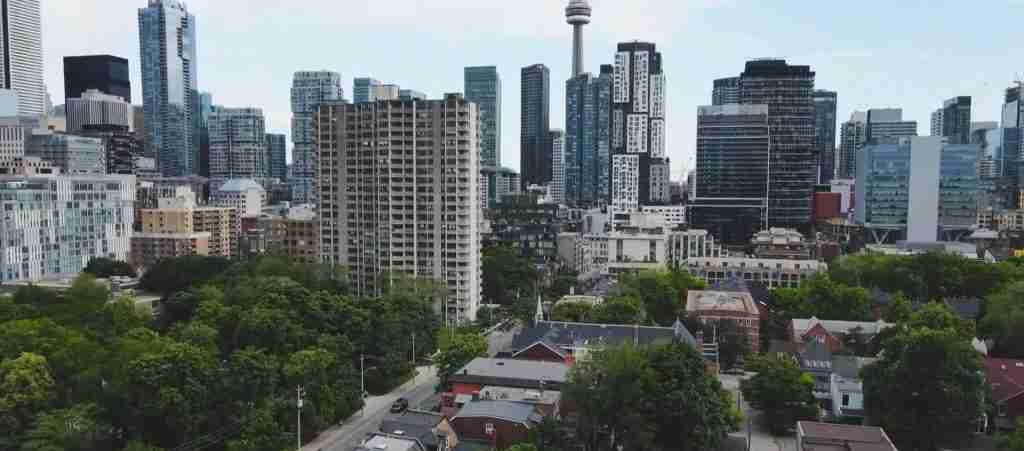
3 days
Toronto 3-Day Discovery Tour
- ✓ Comprehensive Toronto experience
- ✓ Expert local guides included
- ✓ All accommodation included
- ✓ Transportation provided

5 days
Toronto 5-Day Highlights Experience
- ✓ Comprehensive Toronto experience
- ✓ Expert local guides included
- ✓ All accommodation included
- ✓ Transportation provided
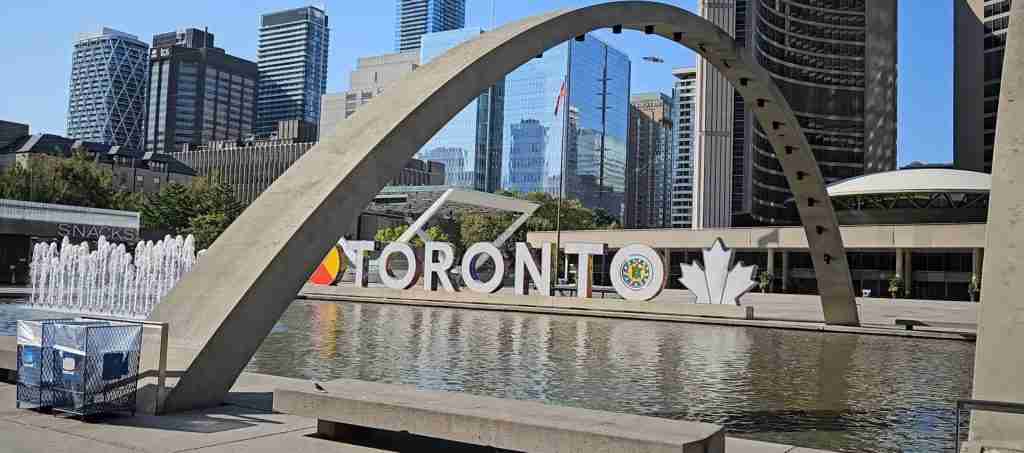
7 days
Toronto 7-Day Cultural Journey
- ✓ Comprehensive Toronto experience
- ✓ Expert local guides included
- ✓ All accommodation included
- ✓ Transportation provided

10 days
Toronto 10-Day Complete Adventure
- ✓ Comprehensive Toronto experience
- ✓ Expert local guides included
- ✓ All accommodation included
- ✓ Transportation provided
Multi-day tour packages powered by TourRadar. Prices and availability subject to change.
Introduction to Toronto’s Tour Landscape 2026
Toronto’s guided tour industry has matured into a sophisticated network of specialized operators who transform casual sightseeing into deep cultural immersion. The city’s remarkable diversity—more than 230 nationalities speaking over 180 languages—creates an impossibly complex cultural landscape that independent travelers struggle to navigate effectively. Local guides bridge this gap, providing curated access to ethnic neighborhoods, hidden food venues, and architectural narratives that require insider knowledge to appreciate fully.
The tour market divides into distinct categories serving different interests. Walking tours focus on downtown architecture, history, and neighborhood character, typically covering 2-4 kilometers in 2-3 hours with frequent stops for detailed explanations. Bike tours leverage Toronto’s expanding cycling infrastructure to cover greater distances, connecting waterfront paths to island parks and urban neighborhoods in 3-3.5 hour journeys. Food tours concentrate on Toronto’s culinary diversity, particularly in Kensington Market and St. Lawrence Market, where immigrant communities created North America’s most multicultural food scenes. Specialized tours explore graffiti art, PATH underground passages, Indigenous heritage, and seasonal experiences from autumn leaves to winter festivals.
Tour quality varies significantly between operators. Established companies like Buzz Tours (operating since 2009), Tasty Tours (since 2014), and Toronto Bicycle Tours maintain consistent excellence through experienced guide teams, while free tip-based tours through GuruWalk and Tour Guys attract passionate guides working for gratuities. Heritage Toronto’s volunteer-led program, running since 1994, offers unmatched historical expertise through retired professionals who donate their time. The Royal Ontario Museum’s ROMWalks program (launched 1980) extends museum scholarship into neighborhood exploration, connecting architecture and urban development to broader cultural themes.
Booking patterns in 2026 reflect post-pandemic normalization, with summer weekends (June-August) requiring advance reservations while shoulder seasons (April-May, September-October) offer greater spontaneity. Most operators implement 24-hour free cancellation policies, acknowledging Toronto’s unpredictable weather and travelers’ evolving plans. Small-group maximums (typically 12-15 participants) ensure guides maintain personal interaction, distinguishing Toronto’s intimate tour culture from mass-market bus operations common in other major cities.
The following sections provide comprehensive planning information for each tour category, detailing specific operators, routes, pricing structures, and strategic booking advice to maximize value and experience quality throughout your 2026 Toronto visit.
Downtown Walking Tours 2026: Operators and Routes
Downtown walking tours represent Toronto’s most accessible tour category, requiring no special equipment beyond comfortable footwear and weather-appropriate clothing. These experiences concentrate on the core downtown district bounded by Harbourfront to the south, Bloor Street to the north, Spadina Avenue to the west, and Parliament Street to the east. Most tours operate year-round, with winter guides creatively utilizing the PATH underground network—a 30-kilometer climate-controlled pedestrian system connecting office towers, hotels, and subway stations—to maintain comfortable touring conditions during harsh weather.
Free and Tip-Based Walking Tours 2026
GuruWalk and Tour Guys operate Toronto’s premier free walking tours, functioning on a pay-what-you-feel model where guides work exclusively for tips. The standard 2-3 hour Downtown Toronto Walking Tour covers Yonge-Dundas Square, Nathan Phillips Square and City Hall, Old City Hall’s Romanesque architecture, St. Lawrence Market, and the Hockey Hall of Fame, with PATH segments during inclement weather. Guides provide historical context from Toronto’s 1793 founding through contemporary development, explaining how the city evolved from colonial outpost to North America’s fourth-largest metropolis.
Tipping etiquette on free tours typically ranges CA$20-30 ($15-22) per person for quality experiences, with exceptional guides occasionally receiving up to CA$50 ($36) for extended routes or personalized recommendations. Reviews consistently note that guides run tours even for single participants—a service level impossible with fixed-price commercial operations. Tour Guys’ multilingual capacity (English, Spanish, French, Portuguese, Russian) serves Toronto’s international visitor base unusually well for a North American city.
Heritage Toronto operates completely free volunteer-led tours from late May through November 2026, with no tipping expected. Over 100 volunteers deliver 60+ specialized experiences ranging from Indigenous public art installations to architectural treasures in specific neighborhoods. These tours leverage retired professionals’ deep expertise, often featuring former architects, historians, and urban planners who share decades of specialized knowledge. The 2026 season launches late May with the full schedule published on Heritage Toronto’s website by April.
Commercial Walking Tours 2026
Buzz Tours operates the “Show Me the City” walking tour, consistently rated among North America’s best urban walking experiences. The 3+ hour downtown exploration costs approximately CA$35-50 ($25-36) per person and covers Rogers Centre, Harbourfront, PATH underground passages, and major landmarks with guides who remember participants’ names and encourage interaction throughout. Small group sizes (typically 8-12 participants) enable guides to adapt pace and content to group interests, creating semi-customized experiences within the established route framework.
Viator and GetYourGuide list multiple commercial operators offering 2-3 hour downtown walking tours at CA$35-47 ($25-34) per person. These fixed-price tours guarantee departure regardless of participant numbers, eliminating the uncertainty of minimum-participant requirements common with some operators. Routes typically include CN Tower exterior, St. Lawrence Market, Distillery District, and Harbourfront, with guides providing cultural context about Toronto’s evolution from British colonial outpost to contemporary multicultural metropolis.
Private walking tours cost CA$105-200 ($76-144) for groups of 2-8 participants, offering customized routes focusing on specific interests like architecture, food, or photography. Tour Guys and local operators provide private experiences on weekdays with one week’s notice, adapting content to match group preferences while maintaining the 2-3 hour duration framework that balances comprehensive coverage with attention-span limitations.
Specialized Walking Tours 2026
Graffiti and street art tours explore Toronto’s vibrant urban art scene, particularly in Kensington Market’s Graffiti Alley and the Distillery District’s curated installations. Tour Guys operates free tip-based graffiti tours emphasizing street art’s cultural anthropology—how public art reflects neighborhood identity, gentrification pressures, and artistic resistance to corporate homogenization. Reviews describe these tours as permanently changing how participants perceive urban surfaces, transforming casual observation into critical engagement with public space politics.
The PATH Underground Tour represents Toronto’s unique contribution to urban tourism, exploring the world’s largest underground shopping complex as both architectural achievement and climate adaptation strategy. Tours explain how the system evolved from practical necessity (connecting buildings during harsh winters) to thriving underground city supporting 200,000 daily users. The 2-3 hour experience navigates key sections while explaining Toronto’s innovative approach to winter urbanism, relevant for cities worldwide facing extreme weather challenges.
Distillery District walking tours focus on Toronto’s Victorian Industrial architecture within North America’s best-preserved collection of Victorian-era industrial buildings. The car-free pedestrian district features cobblestone streets, red-brick buildings, and contemporary galleries, restaurants, and boutiques occupying former distillery facilities. Tours typically last 1.5-2 hours, explaining the site’s transformation from Canada’s largest distillery to contemporary cultural precinct while maintaining architectural integrity.
Bike Tours Toronto 2026: Island and Downtown Routes
Bike tours leverage Toronto’s expanding cycling infrastructure to cover significantly more territory than walking tours while maintaining intimate small-group experiences. The city’s relatively flat terrain makes cycling accessible to all fitness levels, with tours operating at leisurely paces prioritizing sightseeing over athletic achievement. Toronto’s cycling renaissance—driven by 525 kilometers of bike lanes and trails added since 2010—creates safer, more connected networks enabling guides to route tours through scenic paths rather than traffic-heavy streets.
Downtown Toronto Bike Tours 2026
Downtown bike tours cover Chinatown, Kensington Market, Harbourfront, and major landmarks in 3.5-hour experiences costing CA$105 ($76) per person including bicycle, helmet, granola bars, and water. Toronto Bicycle Tours and similar operators maintain fleets of well-maintained hybrid bikes fitted to individual riders, with tandem options for couples and trail-a-bikes for children 7 and under. Routes prioritize dedicated bike paths and quiet streets, minimizing vehicle interaction while maximizing scenic value.
The typical downtown route begins at operators’ central locations (usually near Dundas Street West), proceeding south to Harbourfront along dedicated waterfront trails. Guides explain Toronto’s dramatic waterfront transformation from industrial shipping zone to recreational parkland, highlighting architectural landmarks like the CN Tower and Rogers Centre. Routes then navigate north through the Entertainment District to Chinatown and Kensington Market, where frequent stops enable cultural immersion and photo opportunities. The return leg often utilizes PATH connections during weather challenges, demonstrating Toronto’s integrated active transportation network.
Winter bike tours operate with reduced frequency and specialized equipment. Some operators provide fat-tire bikes for snow conditions, though most recommend spring through autumn (April-October) as optimal cycling seasons. Toronto’s moderate climate enables comfortable cycling from mid-April through late October, with summer months (June-August) offering warmest conditions but also higher humidity. September and early October deliver ideal cycling weather—comfortable temperatures, lower humidity, and autumn foliage color—making shoulder seasons strategically attractive for bike tour planning.
Toronto Islands Bike Tours 2026
Toronto Islands bike tours represent Toronto’s signature cycling experience, exploring the largest car-free community in North America across three interconnected islands (Centre Island, Ward’s Island, Algonquin Island). The 3.5-hour tour costs CA$107 ($77) for adults, CA$85 ($61) for children 8-11, CA$62 ($45) for children 5-7, and CA$28 ($20) for children 1-4, including ferry tickets, bicycle rental, helmet, snacks, and guide services.
Tours begin with the ferry crossing from Jack Layton Ferry Terminal at Harbourfront, providing spectacular skyline views and photography opportunities. The crossing itself becomes educational content as guides explain Toronto’s island formation—a natural sand spit transformed by 19th-century storms into disconnected islands now home to 650 permanent residents living in a unique car-free community. The 13-minute ferry ride delivers anticipation building and skyline perspectives impossible from mainland vantage points.
Island routes traverse paved paths through dense forest, waterfront trails offering Lake Ontario vistas, and the residential community on Ward’s Island. Guides stop at Gibraltar Point Lighthouse (Toronto’s oldest surviving structure, built 1808), explaining the island’s evolution from amusement park destination to contemporary residential and recreational space. The car-free environment creates uniquely safe cycling for families, with children riding independently without vehicle concerns. Bike paths accommodate all abilities, with flat terrain and smooth pavement enabling even novice cyclists to complete routes comfortably.
Evening bike tours showcase Toronto’s skyline transformation as buildings illuminate, creating dramatic photography opportunities across the water. The 3-hour after-dinner tour (starting 7:00-7:30 PM depending on season) costs CA$107 ($77) and includes dessert instead of lunch snacks. Summer sunset tours (June-August) time routes to capture golden hour light on the skyline, while spring and fall departures showcase dusk transformations. Winter suspends island tours due to ferry schedule reductions and challenging cycling conditions.
E-Bike Tours 2026
Electric bike tours expand accessibility for riders concerned about fitness requirements or Toronto’s occasional hills. E-bike tours cost CA$105 ($76) per person for 3-3.5 hour experiences exploring downtown neighborhoods at faster paces than conventional bikes, covering greater territory including outer neighborhoods like The Beaches, Leslieville, or Liberty Village. Electric assistance enables guides to include more challenging routes while maintaining comfortable exertion levels for all participants.
Toronto Bicycle Tours and Pedal Toronto offer e-bike options for standard routes or specialized itineraries focusing on dynamic neighborhoods, craft breweries, or architectural tours of residential districts. E-bikes particularly suit older adults or those with physical limitations who want cycling experiences without cardiovascular demands. The electric assist creates level playing fields for mixed-ability groups, preventing faster cyclists from leaving slower riders behind.
E-bike tour participants must meet age requirements (typically 16+ for independent e-bikes, though younger riders can use trail-a-bikes or child seats) and height minimums (usually 152 cm/5 feet). Operators provide brief training sessions covering electric assist controls, braking with additional bike weight, and battery management. Most tours use pedal-assist models requiring riders to pedal (motor augments rather than replaces effort), maintaining exercise benefits while reducing difficulty.
Food Tours Toronto 2026: Kensington Market and St. Lawrence Market
Food tours concentrate Toronto’s culinary diversity into guided tastings that function simultaneously as cultural education and satisfying meals. The city’s extraordinary multiculturalism—where more than half the population was born outside Canada—creates food landscapes reflecting global cuisines within concentrated neighborhoods. Expert guides provide access to authentic venues and cultural context impossible to achieve through independent exploration, while skip-the-line privileges eliminate the notorious waits at popular eateries.
Kensington Market Food Tours 2026
Kensington Market food tours explore Toronto’s most eclectic neighborhood, a National Historic Site preserving immigrant working-class character against gentrification pressures. Tasty Tours operates “Taste the World,” Toronto’s first and oldest Kensington Market food tour (since 2014), at CA$89 ($65) per person for 2.5-hour experiences including 6-8 substantial tastings. The tour visits establishments representing Chinese, Mexican, Caribbean, Tibetan, Middle Eastern, and Portuguese cuisines, with guides explaining how successive immigrant waves shaped the neighborhood’s food culture.
Typical Kensington Market food tour tastings include Nu Bagel’s smoked trout sandwich on house-made bagels (rated among Toronto’s best sandwiches), Golden Patty’s Jamaican patties in coco bread, Jumbo Empanadas’ South American humita, and Pow Wow Café’s Indigenous frybread and bannock. Tours conclude with exclusive “Toronto Toffee” dessert created by Tasty Tours—a signature finish unavailable elsewhere. Total food quantity equals hearty lunch, with guides recommending light breakfasts before tours to maximize tasting enjoyment.
Local Food Tours offers Kensington Market International Food Tour at CA$77 ($56) plus tax, providing similar 6-stop experiences with VIP skip-the-line access. Secret Food Tours charges CA$84-94 ($60-68) for combined Kensington Market and Chinatown experiences. Chopsticks+Forks operates 2.5-hour tours emphasizing fusion cuisine—Jamaican Italian dishes, Turkish Canadian Mexican fare—reflecting Toronto’s talent for combining disparate culinary traditions into unique hybrid creations.
All Kensington Market food tours face allergen limitations. Gluten, nut, egg, and dairy intolerances cannot be accommodated due to tour structure requiring specific vendor participation. Vegetarian modifications are sometimes possible with advance notice, though options vary by operator. Participants with severe allergies should contact operators directly to discuss alternatives, potentially including private tours with customized routes.
Small group sizes (typically 8-12 participants maximum) ensure guides maintain conversation with all participants while navigating busy market streets. Guides share vendor relationships cultivated over years, explaining family histories behind restaurants, the evolution of recipes across generations, and how Kensington Market residents fight to exclude corporate chains, preserving local business culture. This insider knowledge transforms food tours from simple tastings into cultural anthropology lessons about immigration, identity, and community resistance to homogenization.
St. Lawrence Market Food Tours 2026
St. Lawrence Market food tours explore one of National Geographic’s “World’s Best Food Markets,” a historic market operating since 1803 in Toronto’s Old Town. Tours cost CA$84-99 ($60-72) per person for 2.5-3 hour experiences featuring Canadian specialties like butter tarts, Montreal-style bagels, peameal bacon sandwiches, and maple products alongside international offerings from the market’s diverse vendor base.
Tour Guys operates the “Canadian Food Discovery” tour at CA$89 ($65) for adults and CA$79 ($57) for children, focusing on distinctly Canadian foods that define national culinary identity. Tastings include peameal bacon sandwiches (Toronto’s signature sandwich created at St. Lawrence Market), butter tarts (Canadian pastry unknown outside the country), and artisan cheese from Ontario producers. Guides explain which products played crucial roles in immigrant lives, how seasonal availability shaped Canadian cuisine, and what makes authentic Canadian maple syrup distinct from imitations.
Secret Food Tours offers combined St. Lawrence Market and Distillery District experiences at CA$84-99 ($60-72), extending tours to include Toronto’s Victorian Industrial district’s contemporary food scene. These longer formats (3-3.5 hours) provide comprehensive old-and-new Toronto culinary narratives, connecting 19th-century market traditions to 21st-century culinary innovation in repurposed industrial spaces.
St. Lawrence Market food tours operate Tuesday-Saturday (the market’s operating days), with Saturday providing the fullest vendor representation and most vibrant atmosphere as the South Market’s farmer’s market joins the permanent North Market vendors. Tuesday-Friday tours access permanent vendors but miss the farmer’s market energy that defines Saturday’s experience. Tours typically start late morning (10:00-11:00 AM), positioning tastings as lunch while avoiding peak weekend crowds that make navigation difficult.
Specialty Food Tours 2026
Dessert and sweets tours target specific culinary niches. The Kensington Market and Chinatown Dessert Tour explores bakeries sampling fresh donuts, Asian pastries, and sweet specialties, appealing to participants with strong sweet preferences or children who struggle with savory-focused general food tours. The Underground Donut Tour focuses exclusively on Toronto’s thriving donut scene, visiting specialty shops creating artisan variations on traditional formats.
Beer and brewery tours combine food with craft beverage experiences. Tour Guys’ “Beer Makes History Better” tour explores Distillery District pubs while explaining Toronto’s brewing heritage and contemporary craft beer renaissance. Tours cost CA$89-99 ($65-72) and include 3-4 beer tastings paired with pub snacks, appealing to participants interested in Toronto’s alcohol culture alongside food experiences.
Private food tours accommodate groups seeking customized experiences. Most operators offer private tours for 4-8 participants at CA$95-120 ($68-87) per person, enabling groups to select specific cuisine focuses, dietary accommodations, or extended routes. Private tours particularly suit corporate groups, family celebrations, or friend groups with shared interests that standard tours don’t address. Operators typically require one week’s notice for private tour arrangements, with flexibility on timing and route customization within operator expertise areas.
Heritage and Architecture Tours 2026
Heritage and architecture tours examine Toronto’s built environment through expert-guided exploration of neighborhoods, individual buildings, and urban development patterns. These tours appeal to participants interested in Toronto’s evolution from colonial outpost to contemporary metropolis, with guides explaining how architecture reflects social, economic, and cultural forces shaping the city.
Heritage Toronto Tours 2026
Heritage Toronto operates Canada’s largest volunteer-led walking tour program, presenting 60+ free tours from late May through November 2026. More than 100 volunteers deliver specialized experiences ranging from Indigenous public art installations to specific neighborhood architectural explorations, with subject matter expertise often exceeding commercial tour guides due to volunteers’ professional backgrounds. Retired architects lead architecture-focused tours, former urban planners explain development patterns, and local historians share decades of research on specific neighborhoods.
The 2025 season (June-November) offered tours exploring the Canary District’s movement and migration stories, waterfront bike rides, and architectural treasures in residential neighborhoods. The 2026 season launches late spring with full schedules published by April on Heritage Toronto’s website. Tours operate rain or shine with no registration required for free walks—participants simply arrive at announced starting points and look for Heritage Toronto’s identifying signage.
Plus Tours cost CA$15 ($11) per person and offer enhanced experiences with specialized access or extended content. Private group tours are available at CA$15 ($11) per person with CA$150 ($108) minimum, suitable for school groups, corporate outings, or organizations seeking customized heritage education. Heritage Toronto also provides presentation services bringing heritage content to external venues, expanding accessibility beyond physical walking tours.
Royal Ontario Museum (ROM) Walks 2026
ROM Walks extend Royal Ontario Museum scholarship into Toronto’s neighborhoods through guided walking tours connecting urban development to broader cultural and natural history themes. Operating May-October since 1980, ROM Walks represent Canada’s longest-running museum-affiliated walking tour program, distinguished by volunteer guides’ deep subject expertise drawn from ROM’s educational mission.
Free ROM Walks require no registration—participants meet at announced starting points and identify guides by ROM Walks umbrellas. These walks explore diverse Toronto neighborhoods, each with distinct stories spanning history, architecture, arts, and culture. Past tours have examined waterfront development, ethnic neighborhood evolution, architectural style transitions, and natural features within urban environments.
Member Exclusive ROM Walks are free to ROM Members, require registration, and operate on Saturdays. ROM Members receive email notifications about upcoming walks with registration details. Plus ROM Walks cost CA$15 ($11) per person and provide specialized content or extended experiences beyond free walk scope. Private Group ROM Walks cost CA$15 ($11) per person with CA$150 ($108) minimum, accommodating clubs, corporate groups, out-of-town visitors, or large family gatherings seeking customized experiences.
ROM Bus trips extend the ROM Walks concept to destinations beyond Toronto, offering organized day trips to historic sites, natural wonders, and cultural landmarks throughout southern Ontario. Luxury coaches provide travel comfort while expert guides and experienced ROM volunteers lead on-site exploration. These trips suit participants wanting comprehensive Toronto-region cultural experiences without independent planning demands.
Seasonal and Specialty Tours 2026
Seasonal tours adapt to Toronto’s dramatic climate variations, with operators creating winter-specific experiences that embrace cold weather rather than simply enduring it. Specialty tours focus on niche interests from Indigenous heritage to photography, serving participants seeking deep dives into specific subjects beyond general orientation tours.
Winter Tours 2026
Winter walking tours operate year-round with guides strategically utilizing the PATH underground network during extreme cold or heavy snowfall. The PATH’s 30-kilometer climate-controlled system enables comfortable exploration when surface conditions prove prohibitive, with guides explaining how Toronto’s underground city functions as winter urbanism innovation. Reviews praise guides who check participants’ comfort repeatedly, adapt pacing to harsh weather, and provide warming breaks at PATH cafes or indoor attractions.
Winter bike tours reduce frequency during December-February when ice and snow create challenging cycling conditions. Some operators offer fat-tire bike tours on packed snow trails, appealing to adventurous cyclists seeking unique winter experiences. However, most bike tour operators recommend April-October as optimal seasons, when comfortable temperatures, clear paths, and predictable weather enable safe cycling experiences. March and November represent transitional months with weather-dependent tour availability requiring flexible booking.
Toronto Islands winter access becomes limited when ferry schedules reduce to weekends only, eliminating weekday island tour options. Centre Island ferry operates year-round on reduced winter schedules, while Ward’s Island maintains year-round service for island residents. Winter island visits offer dramatic frozen Lake Ontario vistas and peaceful solitude contrasting sharply with summer crowds, though reduced vendor operations and harsh weather challenge casual visitors.
Indigenous Heritage Tours 2026
Indigenous heritage tours examine Toronto’s original peoples’ history and contemporary presence through guided walks focusing on Indigenous public art, historical sites, and cultural centers. Heritage Toronto’s seasonal program includes Indigenous-focused tours exploring how Anishinaabe, Haudenosaunee, and Wendat peoples shaped pre-colonial Toronto and how contemporary Indigenous artists assert presence through public installations.
Specific operators like Tour Guys occasionally offer Indigenous cultural tours partnering with Indigenous guides who provide first-person perspectives on treaty relationships, land acknowledgment practices, and urban Indigenous experiences. These tours connect historical displacement narratives to contemporary reconciliation efforts, explaining Toronto’s complex relationship with Indigenous heritage both commemorated and obscured through urban development.
Photography Tours 2026
Photography tours combine sightseeing with technical instruction, guiding participants to optimal shooting locations while explaining composition, lighting, and timing strategies. Tours typically operate during golden hour (early morning or late afternoon) when light quality maximizes photographic potential. Routes focus on architecturally significant buildings, street art installations, waterfront vistas, and neighborhood character shots that capture Toronto’s visual diversity.
Private photography tours cost CA$120-200 ($87-144) for 2-4 hour experiences customized to participant skill levels and equipment. Guides with professional photography backgrounds provide technical instruction alongside location guidance, appealing to serious photographers seeking both iconic shots and hidden perspectives. Group photography tours at CA$50-75 ($36-54) per person operate at scheduled times, usually coinciding with optimal light conditions for specific locations.
Night and Evening Tours 2026
Night tours showcase Toronto’s after-dark personality, from illuminated skyline views to vibrant nightlife districts. Pub crawls through the Entertainment District cost CA$35-50 ($25-36) and include exclusive drink specials at participating venues, appealing to young adults seeking social experiences alongside sightseeing. Evening walking tours at CA$40-60 ($29-43) explore lit buildings, late-night markets, and neighborhoods transformed by darkness, providing different perspectives on daytime tour locations.
Toronto Islands evening bike tours capitalize on skyline illumination, with guides timing routes to capture buildings lighting up across the water. The 3-hour after-dinner tour costs CA$107 ($77) and includes dessert tasting, creating romantic experiences popular with couples. Photography opportunities during blue hour (just after sunset) when sky color contrasts with building lights produce dramatic results unavailable during daytime visits.
Self-Guided Walking Routes 2026
Self-guided walking routes provide alternatives to guided tours for independent explorers preferring flexible pacing and personal discovery. The City of Toronto publishes 49 free self-guided walking tours covering neighborhoods beyond the downtown core, with downloadable maps and descriptions available through the city’s tourism website. Routes range from 2-8 kilometers and focus on architectural heritage, natural features, cultural districts, and historical narratives.
Waterfront Trail
The Toronto Waterfront Trail extends along Lake Ontario shoreline for 46 kilometers within city limits, connecting parks, beaches, and cultural attractions. The trail’s flat, paved surface accommodates walking, cycling, and rollerblading, with frequent access points enabling custom route lengths. Key segments include Harbourfront Centre to Sugar Beach (2 km), offering public art installations and lakefront cafes; The Beaches boardwalk (2.5 km), Toronto’s classic beach promenade; and Humber Bay Shores (3 km), featuring butterfly habitat and waterfront parks.
Self-guided waterfront exploration works well for early morning or sunset walks when guided tours don’t operate. Downloadable maps from Waterfront Toronto identify public art installations, historical markers, and amenity locations (washrooms, cafes, bike rentals). The trail’s accessibility and safety (well-lit, heavily used, separated from vehicle traffic) make it Toronto’s premier self-guided walking experience.
Distillery Historic District
The Distillery Historic District’s car-free pedestrian environment enables easy self-guided exploration through 13 acres of Victorian Industrial architecture. Free walking maps available at district entrances identify key buildings, explain whiskey production history, and locate galleries, shops, and restaurants within the complex. The compact layout (easily covered in 1-2 hours) and comprehensive signage make guides optional, though guided tours provide deeper historical context about the Gooderham and Worts families who built Canada’s largest distillery.
Neighborhood Exploration Routes
The City of Toronto’s 49 self-guided tours cover neighborhoods from Rosedale’s mansions to Chinatown’s cultural institutions. Each route includes historical background, architectural highlights, and suggested stopping points. The Annex walk explores Victorian homes and University of Toronto architecture, the Queen West route examines street art and independent shops, and the Yorkville tour explains how the neighborhood transformed from hippie enclave to luxury district.
Smartphone audio tours from providers like VoiceMap offer narrated self-guided experiences at CA$8-15 ($6-11) per download with lifetime access. Audio tours provide professional narration and curated content while maintaining self-paced flexibility, appealing to independent travelers wanting expert knowledge without group tour constraints. The Kensington Market and Chinatown audio tour and Toronto’s Waterfront tour receive strong reviews for content quality and route design.
Booking Strategy and Planning Tips 2026
Strategic booking maximizes tour value while maintaining schedule flexibility. Understanding operator policies, seasonal patterns, and pricing structures enables informed decisions aligned with individual preferences and budget constraints.
Advance Reservation Timing 2026
Book popular tours 3-7 days in advance during peak summer months (June-August) when weekend slots fill quickly. Bike tours and food tours sell out more readily than walking tours due to equipment limitations (bike fleets) and small group caps (12 participants maximum for quality food tours). Weekday availability typically exceeds weekend demand, with Tuesday-Thursday offering greatest selection across all tour categories.
Shoulder seasons (April-May, September-October) provide more spontaneous booking opportunities, with tours often available 24-48 hours in advance or even same-day during midweek periods. September particularly delivers excellent tour conditions—comfortable temperatures, lower humidity than summer, autumn foliage color—combined with reduced crowds as families return to school schedules. Early October maintains these advantages while adding harvest themes to food tours and crisp weather ideal for cycling.
Winter months (December-February) see reduced tour frequency and smaller group sizes, with some operators offering discounted rates or private tour pricing for small groups. Heritage Toronto suspends volunteer tours during winter, resuming in late May, while commercial operators maintain year-round schedules adapted to weather conditions through increased PATH utilization and shortened routes.
Cancellation Policies and Flexibility 2026
Most operators offer free cancellation 24 hours prior to tour departure, enabling flexible planning without financial risk. This policy accommodates Toronto’s unpredictable weather, particularly during spring and autumn when conditions shift rapidly between comfortable and challenging. Book with confidence knowing that forecast changes or schedule conflicts enable full refund if cancelling with required notice.
Operator-initiated cancellations due to weather, minimum participant requirements, or guide unavailability typically offer alternative date rebooking or full refunds. Minimum participant requirements vary by operator—some run tours with single participants while others require 4-6 minimum. Free tip-based tours through GuruWalk and Tour Guys operate regardless of participant numbers, eliminating cancellation risk from low enrollment.
Travel insurance covering pre-paid tour costs provides additional protection for international visitors concerned about trip cancellations or medical emergencies preventing tour participation. Standard travel insurance policies include tour and activity coverage, though reviewing specific policy terms ensures adequate protection for purchased tour commitments.
Money-Saving Strategies 2026
Free tip-based walking tours deliver exceptional value for budget-conscious travelers, with quality matching or exceeding commercial tours at significantly lower cost. CA$20-30 ($15-22) tips per person for excellent free tours cost 35-60% less than fixed-price commercial walking tours at CA$35-50 ($25-35). Heritage Toronto’s completely free volunteer-led tours (no tipping) provide unparalleled value for specialized heritage and architecture content.
Combination tour packages occasionally offer discounts when booking multiple experiences with single operators. Toronto Bicycle Tours and Pedal Toronto provide multi-tour discounts (typically 10-15% off) when booking 2+ tours, appealing to visitors planning extended Toronto stays. Some operators offer early booking discounts (book 14+ days in advance) or last-minute deals (book within 48 hours) to fill remaining spots.
Bring your own bicycle to bike tours and receive CA$5 ($4) per person discount off tour prices, though operators caution that they cannot provide repair support for personal bikes experiencing mechanical issues during tours. Most participants find included bike rentals more convenient given operators’ well-maintained fleets fitted specifically to individual riders.
Group rates apply to private tour bookings, with per-person costs decreasing as group size increases. Groups of 8-12 typically achieve 15-25% savings per person compared to individual bookings on standard tours. Corporate groups, family reunions, or friend groups traveling together should inquire about group rates when contacting operators for private tour arrangements.
What to Bring and Wear 2026
Comfortable walking shoes represent the single most important preparation for any Toronto tour. Downtown walking tours cover 2-4 kilometers, bike tours extend to 15-20 kilometers, and food tours involve 1.5-3 hours standing and walking between venues. Supportive footwear prevents discomfort that diminishes tour enjoyment, with broken-in shoes preferred over new footwear that may cause blisters during extended wear.
Weather-appropriate layering accommodates Toronto’s temperature fluctuations and seasonal variability. Spring and autumn tours benefit from light jackets easily removed as activity warms participants. Summer tours require sun protection (hats, sunscreen) and water bottles (most operators provide water on bike tours, walking tour participants should bring their own). Winter tours demand serious cold weather gear—insulated jackets, warm hats, gloves—even with PATH utilization, as surface segments require exposure to sub-zero temperatures.
Cameras and smartphones capture tour highlights, though participants should balance photography with present-moment engagement. Guides often pause at optimal photo locations and offer to photograph groups, eliminating couples’ common challenge of lacking photos together. Bike tour participants should secure cameras and phones in bags or pockets during cycling segments, retrieving them during stops to avoid equipment damage from cycling vibrations or potential drops.
Small backpacks or crossbody bags accommodate personal items, water bottles, and purchased souvenirs from food tour vendors or market visits. Hands-free bag designs work best for bike tours where handlebar baskets may not accommodate all belongings securely. Avoid large backpacks or luggage that burden tours with unnecessary bulk or create storage challenges at bike tour starting points.
Tour Operator Contact and Booking Information 2026
Direct booking through operator websites typically provides best rates compared to third-party aggregators, though comparison shopping across Viator, GetYourGuide, and TripAdvisor sometimes reveals promotional pricing. Check multiple platforms before booking to identify best available rates, particularly during shoulder seasons when operators may offer discounts through specific channels.
Major Operator Websites
Tasty Tours Toronto operates Kensington Market and St. Lawrence Market food tours, with online booking at tastytourstoronto.com providing CA$89 ($65) “website special” rates. The site offers free neighborhood e-guides with bookings, adding value beyond tour experiences. Book directly for guaranteed best pricing and immediate confirmation.
Tour Guys (tourguys.ca) operates free tip-based walking tours and specialty experiences throughout Toronto. The site provides current schedules for public tours and quote request forms for private tour arrangements. Tour Guys’ FAQ section answers common questions about tipping etiquette, tour lengths, and weather policies, reducing pre-booking uncertainty.
Toronto Bicycle Tours maintains comprehensive tour listings at torontobicycletours.com, with detailed route descriptions, pricing, and availability calendars. The site’s photo galleries illustrate route highlights, helping participants select tours matching their interests. Online booking provides instant confirmation and 24-hour cancellation flexibility.
Heritage Toronto publishes seasonal tour schedules at heritagetoronto.org/programs/tours, typically releasing full summer-autumn schedules by late April. Free tours require no registration—participants simply arrive at published start times and locations. The site’s tour descriptions identify difficulty levels, accessibility information, and specific focus areas enabling informed tour selection.
Royal Ontario Museum Walks information appears at rom.on.ca/whats-on/special-programs/romwalks, with seasonal schedules, registration links for Member Exclusive walks, and private group booking contacts. ROM Members should check this page for exclusive walk announcements and registration dates.
Booking Through Aggregator Platforms
Viator, GetYourGuide, and TripAdvisor Experiences aggregate tours from multiple operators with standardized booking interfaces, customer reviews, and “lowest price guarantee” policies. These platforms offer convenience through single-account booking for multiple tours and activities, appealing to travelers planning comprehensive Toronto itineraries. However, aggregator fees sometimes inflate prices compared to direct operator booking, making price comparison essential.
Viator’s “Reserve Now, Pay Later” option enables securing popular tour slots without immediate payment, useful when finalizing Toronto itineraries with uncertain timing. Free cancellation policies (typically 24 hours) combined with pay-later options provide maximum flexibility for evolving travel plans. Review specific cancellation terms before booking, as policies vary by operator and tour type.
TripAdvisor’s extensive review database helps evaluate tour quality through thousands of participant assessments. Read recent reviews (posted within past 6 months) for current operator performance indicators, as tour quality fluctuates with guide turnover and operational changes. Pay particular attention to reviews mentioning specific guides by name—consistently praised guides indicate operator excellence, while frequently criticized guides suggest quality control issues.
Accessibility Considerations 2026
Toronto tour accessibility varies significantly by tour type and operator. Walking tours generally accommodate wheelchair users and participants with mobility limitations through route modifications and slower pacing, though Toronto’s hilly terrain and historic cobblestone districts create challenges for some accessibility equipment. Contact operators directly regarding specific accessibility needs to discuss route adaptations and equipment compatibility.
Wheelchair Accessibility
Distillery District tours work well for wheelchair users due to the pedestrian district’s flat, paved surfaces and car-free environment. PATH Underground tours provide fully accessible routes through climate-controlled spaces with elevators connecting multiple levels. However, Kensington Market’s narrow sidewalks, uneven pavement, and frequent curb crossings challenge wheelchair navigation, making this neighborhood Toronto’s most difficult for accessible tours.
Heritage Toronto and ROM Walks include accessibility information in tour descriptions, identifying routes suitable for mobility devices. Operators sometimes offer modified routes eliminating stairs or steep grades when participants contact them in advance regarding accessibility requirements. However, some heritage and architecture tours specifically examine buildings with stairs or historic features incompatible with full accessibility.
Bike Tour Accessibility
Standard bike tours require physical ability to balance and pedal conventional bicycles, limiting participation for individuals with mobility impairments. However, some operators provide adaptive cycling equipment including handcycles, recumbent trikes, or wheelchair-attachable cycle units enabling broader participation. Contact bike tour operators directly regarding adaptive equipment availability—most maintain limited adaptive fleets requiring advance reservation to ensure availability.
Tandem bikes accommodate vision-impaired participants riding as stokers (rear position) while sighted guides or companions navigate from captain position (front). Toronto Bicycle Tours and other operators maintain tandem fleets specifically for couples but also accommodate participants requiring tandem configurations for accessibility reasons. Advance notification ensures appropriate equipment allocation.
Sensory Accommodations
Food tours face challenges accommodating severe allergies or dietary restrictions, as tour structures require participation at specific venues serving predetermined menu items. Gluten, nut, dairy, and egg allergies typically cannot be accommodated on standard food tours. Vegetarian modifications sometimes work with advance operator notification, though options vary by specific route and vendor partnerships.
Hearing-impaired participants benefit from small group sizes common in Toronto tours (typically 8-15 participants), enabling close proximity to guides for lip reading. Some operators provide written tour notes or itineraries to supplement verbal content. Contact operators regarding specific hearing accommodations needed—many guides willingly adapt presentation styles for hearing-impaired participants when notified in advance.
Combining Tours with Other Toronto Activities
Tours integrate effectively into comprehensive Toronto itineraries, providing orientation on arrival days and deeper dives into specific interests throughout visits. Strategic tour timing maximizes overall trip value by positioning guided experiences when expertise adds greatest value.
First-Day Orientation Strategy
Schedule walking tours on Toronto arrival days to orient geography, identify neighborhoods for future exploration, and obtain insider recommendations from guides. The 2-3 hour downtown walking tour provides mental maps of key districts while guides share restaurant suggestions, attraction advice, and neighborhood safety information. Many reviews note tours shaped subsequent visit plans by revealing neighborhoods and venues travelers wouldn’t have discovered independently.
Morning tours leave afternoons free for independent exploration of highlighted locations, while afternoon tours enable morning hotel check-in and initial settling before beginning sightseeing. First-day tours reduce decision fatigue by providing curated experiences when travelers feel overwhelmed by unfamiliar surroundings and abundant options.
Deep-Dive Specialty Tours
Schedule specialty tours (food, architecture, Indigenous heritage) after general orientation establishes basic Toronto geography. Understanding downtown layout from walking tours enables appreciation of how specialty tours connect to broader urban patterns. For example, Kensington Market food tours make more sense after understanding the neighborhood’s relationship to downtown, Chinatown, and University of Toronto.
Food tours function well as lunch experiences replacing restaurant meals while providing entertainment and education. The substantial tastings on Kensington Market tours (equivalent to hearty lunch) eliminate separate lunch expenses, making the CA$89 ($65) tour cost partially offset by avoided meal spending. Schedule food tours on days with lighter dinner plans, as substantial lunch portions reduce evening appetite.
Bike Tours and Outdoor Activities
Pair bike tours with other outdoor activities to maximize limited good-weather days. Combine Toronto Islands bike tours with beach time or picnicking on the islands after tours conclude, utilizing ferry access already included in tour costs. Morning bike tours leave afternoons available for kayaking, paddleboarding, or waterfront walks that complement cycling experiences.
Check weather forecasts before scheduling bike tours, reserving these experiences for optimal conditions while planning indoor activities (museums, galleries, PATH exploration) for rain or extreme heat days. Toronto’s unpredictable spring and autumn weather makes flexible scheduling valuable—book bike tours with free cancellation policies enabling weather-driven rescheduling.
Sample Toronto Tour Itineraries 2026
Sample itineraries demonstrate effective tour integration into multi-day Toronto visits, balancing guided experiences with independent exploration and budget considerations across different trip lengths.
Weekend Tour Itinerary (2-3 Days)
Day 1 – Arrival and Orientation: Morning arrival, hotel check-in. Afternoon: Free downtown walking tour (2.5 hours, CA$25 tip, ~$18 USD). Evening: Independent dinner in Entertainment District based on guide recommendations.
Day 2 – Cycling and Islands: Morning: Toronto Islands bike tour (3.5 hours, CA$107/~$77 USD). Afternoon: Beach time and picnic on Centre Island. Evening: Distillery District self-guided walk and dinner.
Day 3 – Food and Culture: Morning: Kensington Market food tour (2.5 hours, CA$89/~$65 USD, functions as lunch). Afternoon: Independent exploration of Chinatown and University of Toronto. Evening: Departure or additional independent time.
Weekend total tour costs: CA$221 ($160) per person covering comprehensive introduction to Toronto’s culture, neighborhoods, and culinary scene across three distinct experiences.
Extended Visit Tour Itinerary (5-7 Days)
Days 1-3: Follow weekend itinerary above. Day 4: ROM Walks neighborhood exploration (free) plus Royal Ontario Museum visit. Day 5: Distillery District walking tour (CA$35/~$25 USD) plus brewery experiences. Day 6: Downtown bike tour (CA$105/~$76 USD) exploring different routes than islands tour. Day 7: St. Lawrence Market food tour (CA$89/~$65 USD) plus independent time at market.
Extended visit tour costs: CA$450 ($325) per person across six tour experiences (one free), providing deep Toronto immersion through varied neighborhoods, activities, and expertise.
Budget-Conscious Tour Strategy
Maximize free and low-cost tour options: Free GuruWalk downtown walking tour (CA$20 tip/~$15 USD), Heritage Toronto volunteer tours (free, multiple experiences), ROM Walks free tours (multiple neighborhood options), self-guided routes using City of Toronto’s 49 published walks (free), audio walking tours (CA$8-15/~$6-11 USD for lifetime access).
This strategy provides 5+ quality guided or semi-guided experiences for CA$28-50 ($20-36) total per person, enabling comprehensive Toronto exploration on minimal tour budgets while accessing expert knowledge.
Photography Opportunities on Toronto Tours 2026
Tours position participants at optimal photography locations with guides who understand composition, timing, and perspective strategies. Leveraging guide expertise produces superior photographs compared to independent shooting, particularly for visitors unfamiliar with Toronto’s photographic highlights.
Skyline Photography from Toronto Islands
Toronto Islands bike tours deliver Toronto’s premier skyline photography, positioning cyclists across the Inner Harbour with unobstructed views of downtown towers including CN Tower, Rogers Centre, and financial district skyscrapers. Guides identify optimal shooting locations along Algonquin Island’s south shore and Ward’s Island waterfront, explaining how different times affect light quality and dramatic impact.
Morning tours (9:00-9:30 AM starts) provide easterly light illuminating building facades, creating dimensional modeling superior to harsh midday sun. Evening tours capture blue hour (just after sunset) when sky color contrasts with illuminated buildings, producing dramatic results popular for Instagram and portfolio work. Summer sunset tours time routes to golden hour light, though precise timing varies across the May-September season requiring guide knowledge to optimize schedules.
Architecture Photography on Walking Tours
Downtown walking tours pause at architecturally significant buildings including Old City Hall’s Romanesque Richardson design, New City Hall’s modernist twin towers, and Toronto-Dominion Centre’s Mies van der Rohe minimalism. Guides explain architectural styles and historical context while identifying optimal shooting angles that capture structures’ defining characteristics. Understanding architectural significance before photographing produces more intentional, meaningful images than casual snapping.
Distillery District tours offer Victorian Industrial architecture photography in controlled pedestrian environments eliminating vehicle interference. Red brick buildings, cobblestone streets, and heritage preservation create Instagram-ready compositions at every turn. Morning light (9:00-11:00 AM) or late afternoon golden hour (4:00-6:00 PM depending on season) deliver warm tones enhancing the district’s nostalgic character.
Street Photography and Cultural Captures
Kensington Market food tours provide street photography and cultural documentation opportunities as guides navigate crowded market streets, visit vendor stalls, and explain neighborhood character. The market’s vibrant street art, diverse population, and authentic immigrant culture create compelling documentary subjects. Guides familiar with vendors can facilitate permission for portrait photography, though candid street shooting remains challenging given privacy concerns.
Graffiti and street art tours explicitly focus on photographing urban art installations, with guides explaining artistic techniques, political messages, and artist backgrounds enhancing image meaning beyond pure aesthetic documentation. These specialized tours suit photographers building street art portfolios or social documentary projects examining urban culture through public art.
Frequently Asked Questions About Toronto Tours 2026
Are Toronto tours worth the cost compared to independent exploration?
Toronto tours deliver value through local expertise, skip-the-line access, and cultural context impossible to achieve independently. Food tours at CA$89 ($65) provide lunch-equivalent portions plus vendor relationships that eliminate long waits at popular eateries, effectively offsetting tour costs through included food and saved time. Walking tours costing CA$35-50 ($25-36) compress hours of research into guided experiences revealing hidden gems and historical narratives that independent explorers miss. Tours prove most valuable during short Toronto visits (2-4 days) when time constraints make efficiency critical, though longer visits benefit from combining tours for expertise with independent exploration for flexibility.
Can I take Toronto tours in winter or do operators suspend services?
Commercial walking tour operators maintain year-round schedules, adapting winter tours to utilize the PATH underground network during extreme cold or heavy snowfall. Guides check participant comfort repeatedly and provide warming breaks, with reviews praising operators who run tours even during challenging weather. Bike tours reduce winter frequency (December-February) due to ice and snow safety concerns, with most operators recommending April-October as optimal cycling seasons. Heritage Toronto suspends volunteer-led tours during winter, resuming late May when weather improves. Toronto Islands tours face winter access limitations when ferry schedules reduce to weekends only, though Centre Island ferry maintains year-round weekend service enabling limited winter island visits.
How physically demanding are Toronto walking and bike tours?
Walking tours cover 2-4 kilometers over 2-3 hours at leisurely paces with frequent stops for explanations and photos, suitable for all fitness levels. Participants with mobility limitations should contact operators regarding route modifications and slower pacing. Bike tours maintain relaxed speeds prioritizing sightseeing over athletic performance, with Toronto’s relatively flat terrain (particularly Toronto Islands) making cycling accessible to novice riders. The 15-20 kilometer routes over 3-3.5 hours include multiple stops reducing continuous cycling time. E-bike tours provide electric assist for participants concerned about fitness requirements, though standard bike tours don’t demand high cardiovascular fitness. Children age 8+ handle regular bikes comfortably, while younger children ride trail-a-bikes or child seats with parents.
What happens if I have food allergies on Toronto food tours?
Severe food allergies (gluten, nuts, dairy, eggs) typically cannot be accommodated on standard food tours due to predetermined vendor partnerships and fixed menu selections. Tour structures require all participants to sample specific dishes at scheduled stops, limiting substitution flexibility. Contact operators directly before booking if allergies concern you—some offer private tour options with customized routes avoiding allergen sources, though these cost significantly more than standard tours. Vegetarian modifications sometimes work with advance notice, particularly on Kensington Market tours where diverse vendors enable plant-based substitutions. Participants with severe allergies should seriously evaluate whether food tours suit their dietary constraints or whether independent restaurant visits provide safer alternatives.
Do Toronto bike tours operate in rain and what is the cancellation policy?
Bike tour operators typically proceed in light rain but cancel for heavy downpours, lightning, or severe weather endangering participant safety. Most maintain 24-hour free cancellation policies enabling participants to reschedule if forecasts predict poor conditions. Tours canceled by operators due to weather offer alternative date rebooking or full refunds. Toronto’s spring and autumn weather variability makes checking forecasts before bike tour days essential, with flexible booking enabling weather-driven rescheduling. Summer months (June-August) provide most reliable cycling weather, though afternoon thunderstorms occasionally disrupt schedules. Morning tours face fewer weather interruptions than afternoon departures during summer thunderstorm season.
Are private Toronto tours available and what do they cost?
Private tours cost CA$105-200 ($76-144) per person for walking experiences, CA$120-250 ($87-180) for bike tours, and CA$95-120 ($68-87) for food tours, with pricing varying by group size, customization level, and tour duration. Groups of 4-8 typically achieve per-person costs competitive with standard tours while gaining customization benefits including flexible timing, personalized content, and adapted pacing. Private tours suit corporate groups, family celebrations, or friend groups with shared interests that standard tours don’t address. Most operators require one week’s notice for private arrangements, with flexibility on route customization within their expertise areas. Heritage Toronto and ROM Walks offer private group tours at CA$15 ($11) per person with CA$150 ($108) minimum, providing exceptional value for heritage and architecture content.
What is the best time of year for Toronto tours in 2026?
September and early October deliver optimal tour conditions with comfortable temperatures (15-22°C/59-72°F), lower humidity than summer, autumn foliage color, and reduced crowds as families return to school schedules. Late spring (May) and early summer (June) provide pleasant weather before July-August heat and humidity peak, though May weather proves more variable requiring flexible booking. Heritage Toronto tours operate late May through November, making autumn the final opportunity for volunteer-led specialized experiences before winter suspension. Winter tours (December-February) offer unique perspectives and smaller groups but demand serious cold weather preparation and acceptance of reduced bike tour availability. April and late October represent transitional months with weather-dependent tour availability requiring flexible planning.
How do I tip on free walking tours and what amount is appropriate?
Free walking tours operate on pay-what-you-feel models where guides work exclusively for tips, with CA$20-30 ($15-22) per person representing standard gratuities for quality 2-3 hour experiences. Exceptional guides who extend routes, provide personalized recommendations, or create particularly engaging experiences merit tips up to CA$50 ($36). Base tip amounts on tour quality, guide expertise, and your satisfaction level—if you would have paid CA$35-50 ($25-36) for the commercial tour equivalent and the free tour matched that quality, tip accordingly. Cash tips (Canadian dollars) work best as many guides lack card processing capability, though some accept digital payments through apps. Heritage Toronto’s volunteer tours expect no tipping as volunteers donate their time—the program operates as public service rather than income-generating activity.
Can I bring children on Toronto food tours and are they appropriate for families?
Children who enjoy diverse cuisines handle Kensington Market food tours well, with operators offering child pricing (typically CA$65-75/~$47-54 USD) for ages 7-12. Tours accommodate strollers through neighborhood streets, though crowded market sidewalks sometimes challenge navigation. Food portions prove substantial—equivalent to hearty adult lunch—so parents should consider whether children will appreciate the international dishes featured. St. Lawrence Market tours work better for picky eaters given more familiar Canadian foods (peameal bacon sandwiches, butter tarts, bagels) compared to Kensington’s Tibetan momos, Jamaican patties, and Middle Eastern specialties. Some operators specify minimum age requirements (typically 7+) reflecting tour content’s cultural and historical depth that may not engage very young children. Private food tours enable family customization with route adjustments for children’s dietary preferences.
How far in advance should I book popular Toronto tours during summer 2026?
Book bike tours and food tours 5-7 days in advance during peak summer months (July-August) when weekend slots fill quickly, particularly for Toronto Islands bike tours and Kensington Market food experiences. Weekday availability exceeds weekend demand, with Tuesday-Thursday often available 2-3 days in advance even during high season. Walking tours provide more booking flexibility given lower equipment constraints and larger participant capacities, though popular operators like Buzz Tours benefit from 3-4 day advance reservations during peak periods. Heritage Toronto’s free volunteer tours require no advance booking—simply arrive at published start times. Last-minute availability sometimes occurs when other participants cancel within the 24-hour free cancellation window, so checking day-before or morning-of availability occasionally yields unexpected openings during otherwise sold-out periods.