Top 10 Free Things to Do in Venice 2026: Ultimate Budget Guide
This comprehensive guide identifies Venice’s top 10 free experiences for 2026, covering everything from hidden neighborhood churches with Baroque masterpieces to panoramic viewpoints offering lagoon photography opportunities. Budget travelers can structure entire days around free attractions, limiting expenses to meals and occasional vaporetto rides for outer island access. The strategies outlined here enable thorough exploration of Venice’s historic center while maintaining daily costs between €12-20 per person for food and minimal transportation.
Key Takeaways
- Free Church Art Access: Venice offers free entry to 40+ historic churches containing masterpieces by Titian, Tintoretto, Veronese, and Bellini during worship hours, with no admission charges for religious spaces throughout 2026
- Iconic Bridge Walking Without Cost: Rialto Bridge, Accademia Bridge, and Scalzi Bridge provide free canal crossing and photography opportunities 24/7, eliminating need for paid gondola experiences
- Strategic Island Exploration: Vaporetto passes aren’t required for Venetian exploration – walking routes through 6 sestieri cover 90% of major free attractions within 5 kilometers total distance
- Budget-Friendly Daily Costs: Complete Venice experience achievable for €12-20 per day covering only meals when maximizing free churches, bridges, campi, and market visits throughout 2026
- First Sunday Museum Access: State museums including Doge’s Palace, Correr Museum, and Ca’ Rezzonico offer free entry first Sunday monthly in 2026, requiring advance booking but no admission fees
- Hidden Campi Culture: Venice’s 100+ neighborhood squares beyond San Marco provide authentic local atmosphere, historic wellheads, and architectural photography without tourist crowds or charges
Experience Venice’s UNESCO Heritage on Zero-Euro Budget in 2026
Venice rewards budget-conscious travelers with extraordinary free access to Renaissance and Byzantine art, Gothic architecture, and authentic Venetian culture across its 118 island archipelago. The city’s historic churches contain some of Europe’s greatest artworks completely free during worship hours, while public bridges, campi, and canals provide 24-hour access to the world’s most unique urban landscape. Strategic planning transforms Venice from Europe’s most expensive city into one of its most rewarding budget destinations for 2026.
The Venetian tradition of public art accessibility continues today through 40+ churches maintaining free worship-hour entry, plus countless bridges, squares, and canal-side fondamenta offering perpetual pedestrian access. Visitors view works by Titian, Tintoretto, Veronese, and the Bellini family without spending a euro by focusing on ecclesiastical spaces rather than museums. The first Sunday of each month extends this accessibility to state museums including Doge’s Palace and Gallerie dell’Accademia, though advance reservations remain essential even for free entry days throughout 2026.
Understanding Venice’s geographic layout maximizes free attraction efficiency throughout 2026. The six sestieri (districts) – San Marco, Castello, Cannaregio, San Polo, Santa Croce, and Dorsoduro – connect through 435 footbridges spanning 150 canals, with walking routes covering central attractions within 2-3 kilometer circuits. Churches open for morning masses (7-9 AM) and evening vespers (5-7 PM), markets operate on specific morning schedules (7 AM-1 PM), and public spaces transform during sunset hours when locals emerge for their evening promenade along canals and major campi.
People Also Ask About Free Venice Activities 2026
What are the completely free museums in Venice in 2026?
No Venice museums offer permanent free admission in 2026, but the first Sunday of each month grants free entry to all civic museums including Doge’s Palace, Correr Museum, Ca’ Rezzonico, Ca’ Pesaro, Glass Museum (Murano), and Lace Museum (Burano). Advance reservations remain mandatory even for free Sundays due to capacity limits of 800-1,200 visitors per venue, with bookings opening 30 days prior at 9 AM on the official Venice civic museums website. Venice’s 40+ historic churches provide year-round free access to Renaissance and Byzantine art during worship hours, offering masterpieces by Titian, Tintoretto, Veronese, Bellini, and Tiepolo without any admission charges. The Scuola Grande di San Rocco and Gallerie dell’Accademia charge admission year-round including first Sundays, as they operate under different administrative structures than civic museums.
Can you see the Grand Canal for free in Venice in 2026?
The Grand Canal offers completely free viewing from multiple vantage points throughout 2026 without requiring vaporetto rides. The Rialto Bridge provides the Grand Canal’s premier free viewpoint with elevated perspectives showing canal traffic, historic palaces, and gondola passages from 8 meters above water level. The Accademia Bridge (Ponte dell’Accademia) offers alternative elevated Grand Canal views looking toward Santa Maria della Salute basilica, creating classic Venetian photography compositions. Canal-side fondamenta (walkways) along San Marco, Dorsoduro, and San Polo sestieri provide ground-level Grand Canal access across 2 kilometers of public waterfront promenades. The Pescheria (fish market) area in San Polo includes Grand Canal viewing platforms where locals observe morning vaporetto traffic from 7-11 AM during market hours. These combined viewpoints enable comprehensive Grand Canal experience without the €9.50 vaporetto ticket cost, though boat rides provide mid-canal perspectives impossible from shore positions.
Are all Venice churches really free to enter in 2026?
Most Venice churches maintain free entry during worship hours as active religious sites, with 40+ major churches accessible without admission charges throughout 2026. The Basilica di Santa Maria Gloriosa dei Frari, Madonna dell’Orto, San Giacomo dall’Orio, San Sebastiano, and dozens of parish churches welcome visitors free during morning hours (7-9 AM) and evening services (5-7 PM). However, three major basilicas charge admission: St. Mark’s Basilica requires €3 for basic entry (free for Mass attendees), while the Chorus Church Pass covers 16 participating churches for €12 combined admission. Free worship spaces contain original Renaissance and Byzantine art including Titian’s Assumption at the Frari, Tintoretto cycles at Madonna dell’Orto, and Veronese frescoes at San Sebastiano. Appropriate dress codes apply to all churches: covered shoulders and knees required, with enforcement maintained year-round during 2026 tourism season.
What is the best free viewpoint in Venice for 2026?
The Fondamenta delle Zattere promenade provides Venice’s premier free panoramic viewpoint, offering unobstructed 180-degree views across the Giudecca Canal toward Giudecca Island and San Giorgio Maggiore church throughout 2026. The 1.5-kilometer waterfront walkway remains accessible 24 hours daily without charges, with optimal photography light occurring during sunset from April through September when the sun sets over the lagoon between 7:30-8:30 PM. The promenade extends from Punta della Dogana to San Basilio, providing continuous benches for resting and observation. Alternative free viewpoints include the Accademia Bridge for elevated Grand Canal perspectives, the Riva degli Schiavoni waterfront for lagoon and island views, and the Fondamenta Nuove promenade facing northern lagoon islands including cemetery island San Michele. These combined viewpoints offer comprehensive Venetian water landscapes without climbing fees charged at San Marco Campanile (€10) or requiring boat transportation to outer islands.
Extended multi-day tours – 5+ days
Featured Venice Multi-Day Tour Packages

3 days
Venice 3-Day Discovery Tour
- ✓ Comprehensive Venice experience
- ✓ Expert local guides included
- ✓ All accommodation included
- ✓ Transportation provided

5 days
Venice 5-Day Highlights Experience
- ✓ Comprehensive Venice experience
- ✓ Expert local guides included
- ✓ All accommodation included
- ✓ Transportation provided
7 days
Venice 7-Day Cultural Journey
- ✓ Comprehensive Venice experience
- ✓ Expert local guides included
- ✓ All accommodation included
- ✓ Transportation provided

10 days
Venice 10-Day Complete Adventure
- ✓ Comprehensive Venice experience
- ✓ Expert local guides included
- ✓ All accommodation included
- ✓ Transportation provided
Multi-day tour packages powered by TourRadar. Prices and availability subject to change.
Essential Planning Information for Free Venice in 2026
Free Access Timing and Church Schedules
Venice’s free church attractions operate on distinct schedules requiring strategic timing for optimal access in 2026. Churches open for worship services from 7-9 AM and 5-7 PM, with midday closures from 12-3 PM common across most parishes. Major basilicas including the Frari maintain extended hours Monday-Saturday from 9 AM to 6 PM with €3 admission charges, but free entry remains available during early morning masses and evening vespers. Public spaces including bridges, campi, and fondamenta remain accessible 24 hours daily without restrictions or lighting limitations.
The first Sunday of each month in 2026 represents premium museum access days with Doge’s Palace, Correr Museum, and other civic museums offering complimentary entry. January 5, February 2, March 2, April 6, May 4, June 1, July 6, August 3, September 7, October 5, November 2, and December 7 mark these free museum Sundays for 2026 planning. Reservations open 30 days prior at 9 AM on the Venice civic museums website, with slots filling within 1-2 hours for Doge’s Palace during peak season (April-October). Museums limit free Sunday attendance to 800-1,200 visitors per venue based on capacity, making advance booking mandatory rather than optional.
Walking Venice Without Vaporetto Costs
Venice’s compact historic center enables complete free attraction coverage through walking routes spanning 3-5 kilometers daily, eliminating vaporetto transportation costs. The walk from Santa Lucia train station to San Marco Square covers 2.2 kilometers through San Polo and San Marco sestieri, taking 30-35 minutes at moderate pace. All major free churches, bridges, and campi cluster within 1.5 kilometers of Rialto Bridge, the geographic center of Venetian pedestrian circulation. The city’s 435 bridges facilitate crossing of all canal barriers without detours, maintaining direct routes between attractions.
Vaporetto transportation becomes necessary only for outer island visits to Murano, Burano, and Torcello, with single tickets costing €9.50 and 24-hour passes €25 in 2026 (check ACTV official website for current rates). Budget-conscious travelers focusing on main island exploration avoid all vaporetto costs by walking between churches, bridges, and campi. The exception involves visitors staying in Mestre or airport areas who require initial vaporetto access (€9.50 from airport, €1.50 from Mestre) to reach the historic center. Once in central Venice, walking covers 95% of free attractions without additional transportation expenses.
Meal Planning for Zero-Attraction-Cost Days in Venice 2026
Days focused exclusively on free attractions shift entire budgets to meals, with strategic food planning keeping total daily costs at €12-20 per person throughout 2026. The Rialto Market’s produce and fish vendors sell fresh ingredients from 7 AM to 1 PM Tuesday-Saturday, enabling picnic assembly with bread (€1-2), cheese (€3-5 per serving), fruit (€2-3), and cured meats (€4-6) totaling €10-16 for full day’s provisions. Neighborhood bakeries throughout Cannaregio and Castello offer focaccia and pizza slices for €2-3.50, providing substantial midday meals at minimal cost.
Bacari (wine bars) throughout Venice serve cicchetti (small plates) for €1.50-3 per piece during lunch hours (11 AM-3 PM) and evening aperitivo (6-8 PM), with 3-4 pieces plus house wine (€2.50-4 per glass) creating €8-15 meals. Bacari concentrate in San Polo near Rialto Market and along Strada Nova in Cannaregio, offering authentic Venetian dining at fraction of sit-down restaurant costs (€25-45 per person). Budget travelers substitute formal restaurant dinners with bacari hopping 4-5 evenings per week, reducing daily food costs from €50-70 to €25-35 while experiencing traditional Venetian food culture.
Top 10 Free Attractions and Activities in Venice 2026
1. Rialto Bridge and Market Area
The Rialto Bridge serves as Venice’s most iconic free attraction, providing 24-hour access to elevated Grand Canal viewpoints without admission charges throughout 2026. The single-span stone arch, completed in 1591 by Antonio da Ponte, rises 8 meters above canal water level, offering upstream and downstream perspectives showing gondolas, vaporetti, and historic palaces lining Europe’s most famous waterway. The bridge’s central arcade creates framed compositions popular for photography from sunrise (5:30 AM summer, 7:30 AM winter) through sunset hours. The two bridge ramps support small shops selling jewelry, leather goods, and souvenirs, though browsing without purchasing remains acceptable practice.
The Rialto Market area adjacent to the bridge operates Tuesday-Saturday from 7 AM to 1 PM, offering Venice’s most authentic neighborhood atmosphere. The Pescheria (fish market) displays Mediterranean catches including lagoon species unique to Venetian waters, with vendors arranging colorful presentations of squid, sardines, sole, and crustaceans on ice beds. The produce market across the market plaza features seasonal fruits, vegetables, and specialty items including radicchio di Treviso and white asparagus during spring months. The market visit combines free cultural observation with optional budget meal assembly when purchasing market ingredients totaling €8-15 for full day provisions. Early morning visits from 7-9 AM coincide with peak vendor activity before tourist crowds arrive after 10 AM.
2. Basilica di Santa Maria Gloriosa dei Frari
The Frari basilica houses Titian’s Assumption of the Virgin, one of Italian Renaissance painting’s supreme achievements, plus Giovanni Bellini’s triptych and Donatello’s wooden St. John the Baptist sculpture. The church operates €3 admission charges Monday-Saturday from 9 AM to 6 PM, but maintains free entry during early morning masses (7-8 AM) and evening vespers (6-7 PM) throughout 2026. The Gothic interior spans 102 meters length with 28-meter-high nave creating Venice’s largest religious space after St. Mark’s Basilica. The church’s artistic significance rivals major museums, with the free worship hour access providing exceptional value for budget-conscious art enthusiasts.
The Frari location in San Polo sestiere positions it 600 meters west of Rialto Bridge, accessible via direct walking routes through Campo San Polo. The church dominates its surrounding campo (square), with the campanile rising 70 meters as San Polo’s tallest structure visible from multiple approach directions. Free access periods avoid the Chorus Church Pass requirement, though appropriate dress codes (covered shoulders and knees) receive strict enforcement. Visitors arriving during paid hours but attending worship services receive free entry by remaining for the full mass duration, creating opportunities for extended art viewing without admission charges. The combination of supreme artistic quality and free access potential makes the Frari Venice’s premier budget-conscious attraction for Renaissance art appreciation.
3. Accademia Bridge and Dorsoduro Views
The Ponte dell’Accademia provides Venice’s premier elevated Grand Canal viewpoint looking southeast toward Santa Maria della Salute basilica’s distinctive dome dominating the canal entrance. The wooden bridge, rebuilt in 1985 replicating its 1854 design, rises 6 meters above canal level with central platforms enabling 360-degree photography without pedestrian interference. The upstream view captures multiple palace facades receding toward Rialto Bridge 800 meters distant, while downstream perspectives frame the Salute basilica against sky and lagoon backgrounds. Sunset photography from April through September creates dramatic backlighting on palace facades from 7-8:30 PM.
The bridge connects San Marco and Dorsoduro sestieri, serving as primary pedestrian crossing for visitors moving between St. Mark’s Square and Gallerie dell’Accademia museum area. The Dorsoduro fondamenta (waterfront walkway) extending west from the bridge offers continuous Grand Canal views across 400 meters to Ca’ Rezzonico palace, creating extended promenade combining bridge photography with canal-level perspectives. Early morning visits from 6:30-8 AM offer virtually empty bridge conditions for unobstructed composition work, while afternoon crowds from 2-5 PM create the busiest conditions during peak season (May-September). The bridge includes no shops or commercial elements, maintaining pure pedestrian and photography functions without purchase pressures.
4. Madonna dell’Orto Church (Tintoretto’s Parish)
Madonna dell’Orto served as Tintoretto’s parish church and contains the artist’s greatest religious painting cycles, all visible free during worship hours throughout 2026. The church’s choir walls feature Tintoretto’s massive Last Judgment and Making of the Golden Calf, each measuring 7 by 14 meters, representing Venetian Mannerism’s most ambitious compositional achievements. The chapel of St. Mauro contains Tintoretto’s Presentation of Mary in the Temple, while additional works by Cima da Conegliano, Palma il Giovane, and Titian add to the artistic wealth. The Gothic brick facade and canal-side location in remote Cannaregio create atmospheric approach through authentic residential neighborhoods.
The church operates free entry during morning worship (7:30-9 AM) and evening vespers (6-7 PM), with midday paid admission of €3 from 10 AM to 5 PM Monday-Saturday. The remote northern Cannaregio location 1.5 kilometers from Rialto Bridge eliminates tourist crowds present at central churches, creating contemplative viewing conditions even during summer peak season. The walk from San Marco Square takes 35-40 minutes through residential streets and across campo after campo, revealing authentic Venetian neighborhood life unavailable in tourist-concentrated areas. Tintoretto’s tomb lies in the church’s right chapel, with the artist choosing this parish church over more prestigious San Marco burial despite his artistic stature, demonstrating his neighborhood loyalty and creating pilgrimage destination for art historians.
5. Fondamenta delle Zattere Promenade
The Zattere waterfront promenade extends 1.5 kilometers along Dorsoduro’s southern edge, providing Venice’s longest continuous lagoon viewpoint accessible 24 hours daily without charges throughout 2026. The broad fondamenta faces south across the Giudecca Canal toward Giudecca Island and the Redentore church, with panoramic perspectives encompassing water traffic, sailboats, cruise ships, and distant lagoon islands. The promenade includes continuous stone benches every 20-30 meters enabling extended observation sessions, plus scattered trees providing summer shade during afternoon heat periods. The walking route from Punta della Dogana to San Basilio passes the Gesuati church, Incurabili complex, and numerous smaller churches accessible during worship hours.
Sunset viewing from April through September creates optimal photography conditions when western light illuminates Giudecca Island architecture and the Redentore’s Palladian facade from 7:30-8:30 PM. The promenade develops vibrant local atmosphere during evening hours as Venetians emerge for their traditional passeggiata from 6-9 PM, particularly during summer weekends when the waterfront becomes primary social gathering space. Gelato shops and bars line the promenade’s inland side, with outdoor seating positions providing lagoon views while consuming €2.50-4 gelato or €1.50-3 espresso. The promenade connects major Dorsoduro attractions including Gallerie dell’Accademia, Guggenheim Collection, and Salute basilica, serving as primary east-west circulation route through southern Venice while offering superior free viewing compared to vaporetto lagoon crossings.
6. Campo Santa Margherita (Authentic Neighborhood Life)
Campo Santa Margherita represents Venice’s most vibrant neighborhood square, operating as local social center with minimal tourist presence despite central Dorsoduro location. The elongated campo (120 by 40 meters) hosts morning produce market Monday-Saturday from 7 AM to 1 PM, with vendors selling fruits, vegetables, fish, and flowers to neighborhood residents. The square includes cafes, wine bars, gelaterie, and small restaurants catering to local university students and residents rather than tourists, maintaining authentic pricing (€1.20-1.80 espresso, €3-5 cicchetti) and genuine Venetian atmosphere. Two churches flank the campo’s ends, with the former church of Santa Margherita now serving as university auditorium maintaining historic facade.
Evening hours from 6-11 PM transform the campo into outdoor social space as university students, local families, and young Venetians gather on church steps and cafe tables, creating authentic Italian piazza culture observable from perimeter positions. Children play football and chase games in the open square center while adults socialize at bar tables, replicating traditional Italian public space usage patterns increasingly rare in tourism-dominated Venice areas. The campo location in western Dorsoduro positions it 700 meters from Accademia Bridge and 500 meters from San Pantalon church, integrating naturally into walking routes connecting Dorsoduro’s major free attractions. The square’s authenticity and consistent local character throughout 2026 provides rare glimpses of functioning Venetian neighborhood life beyond tourist-commercial dynamics dominating San Marco and Rialto areas.
7. Riva degli Schiavoni Waterfront
The Riva degli Schiavoni waterfront promenade stretches 700 meters from Doge’s Palace to the Arsenale naval complex, providing Venice’s premier lagoon and island viewpoints accessible 24 hours daily throughout 2026. The broad stone fondamenta offers unobstructed views across San Marco Basin toward San Giorgio Maggiore island, Giudecca Island, and distant lagoon shipping channels. The promenade includes continuous benches, historic bridge crossings of multiple minor canals, and scattered monuments including the Victor Emmanuel II equestrian statue. Morning light from 7-10 AM creates optimal photography conditions with eastern sun illuminating San Giorgio Maggiore’s Palladian facade, while sunset hours from 7-8:30 PM silhouette the island churches against western sky.
The waterfront hosts major events including Festa del Redentore fireworks in mid-July and Regata Storica boat races in early September, with viewing positions along the Riva providing free access to Venice’s premier annual celebrations. The promenade connects major paid attractions including Doge’s Palace and Bridge of Sighs, but the waterfront itself remains perpetually free for walking and observation. Street vendors sell roasted chestnuts (€4-5 per bag) during winter months and souvenir items year-round, though browsing without purchasing represents normal practice. The combination of central location, continuous lagoon access, and historical significance makes the Riva degli Schiavoni Venice’s most democratic public space, welcoming locals and visitors equally for free lagoon viewing and urban promenade experiences throughout all 2026 seasons.
8. San Giacomo dall’Orio Church
San Giacomo dall’Orio preserves Venice’s most complete medieval church interior, with Byzantine-Romanesque architecture predating Gothic and Renaissance developments dominating other major Venetian churches. The wooden ship-keel ceiling, Byzantine columns with Veneto-Byzantine capitals, and 13th-century floor create rare architectural unity spanning the church’s 900-year history. The church contains Palma il Giovane altarpiece, Lorenzo Lotto’s Madonna and Child, plus Veronese’s St. Jerome paintings in the old and new sacristies. The remote Santa Croce sestiere location eliminates tourist crowds while maintaining free worship hour access during morning masses (7:30-9 AM) and evening vespers (6-7 PM) throughout 2026.
The church dominates its surrounding campo in western Venice, positioned 800 meters northwest of Rialto Bridge through residential streets following complex calle (alley) networks requiring map navigation. The campo includes authentic neighborhood bars and restaurants serving locals rather than tourists, with prices 20-30% below San Marco area establishments. The church operates €3 Chorus Pass admission Monday-Saturday from 10 AM to 5 PM, but free worship hour access provides identical art and architecture viewing opportunities. The medieval character, artistic significance, and authentic neighborhood integration create compelling combination for visitors seeking Venice beyond mainstream tourist circuits while maintaining zero admission costs through strategic timing of morning or evening visits.
9. Fondamenta Nuove and Northern Lagoon Views
The Fondamenta Nuove waterfront extends 400 meters along Cannaregio’s northern edge, offering Venice’s most expansive lagoon perspectives toward cemetery island San Michele, Murano glass island, and distant Alps visible on clear winter days. The broad fondamenta serves as primary vaporetto terminal for northern island services, creating vibrant water traffic viewing without requiring actual boat transportation. The waterfront faces north-northeast across open lagoon waters, eliminating intervening islands or structures blocking horizons, with sunset light from western angles creating dramatic northern lagoon illumination during summer months from 8-9 PM. The promenade includes continuous benches and minimal commercial development, maintaining pure viewing and walking functions.
The location in northern Cannaregio positions the fondamenta 1.2 kilometers north of Rialto Bridge, accessible via Strada Nova (New Street) – Venice’s primary commercial thoroughfare through Cannaregio sestiere. The walk from San Marco Square takes 30-35 minutes through progressively less touristed neighborhoods, with the fondamenta representing transition point between Venice proper and outer island systems. The waterfront provides alternative perspectives to southern lagoon views from Zattere and Riva degli Schiavoni, completing comprehensive understanding of Venice’s island position within surrounding lagoon geography. Early morning visits from 6:30-8 AM capture vaporetto departure sequences as morning services begin transporting workers to Murano and Burano, revealing Venice’s functioning transportation systems rather than purely tourism-focused activities.
10. Hidden Campi Circuit (Neighborhood Squares)
Venice’s 100+ neighborhood campi (squares) provide free access to authentic Venetian public space culture, historic wellheads, and architectural photography opportunities throughout 2026. Each sestiere contains 15-20 significant campi beyond tourist-concentrated areas, with Campo San Polo (San Polo sestiere), Campo San Barnaba (Dorsoduro), Campo dei Mori (Cannaregio), and Campo Santa Maria Formosa (Castello) representing prime examples. These squares function as neighborhood social centers with local bars, produce vendors during morning market hours, children’s play areas, and evening gathering spaces for residents. The wellheads centering most campi date from 12th-16th centuries, representing Venice’s sophisticated cistern system collecting rainwater for domestic use before modern aqueduct construction.
Hidden campi discovery requires abandoning mapped routes and following intuitive wandering through calle networks connecting square to square, with each campo revealing distinct character through surrounding palace facades, church architecture, and local commercial activities. Campo San Polo hosts outdoor cinema screenings during July-August as part of Venice Cinema Outdoor festival, offering free or low-cost (€5-8) evening film presentations in open-air settings. Campo Santa Maria Formosa includes architectural masterpieces by Mauro Codussi plus the church of Santa Maria Formosa (free worship hour access) containing Palma il Vecchio’s altarpiece. The cumulative experience of 8-10 campi visits creates comprehensive understanding of Venice’s residential character and social patterns beyond tourist-commercial zones, all accessible without admission charges or structured tour requirements throughout 2026.
Free Church Art Treasures in Venice 2026
Major Basilicas with Free Worship Hour Access
Venice’s artistic churches rival major museums in quality while maintaining free worship-hour access throughout 2026. San Sebastiano church in Dorsoduro contains Veronese’s most complete fresco cycle, covering ceiling, walls, and organ shutters with narrative scenes from the saint’s life plus allegories of Christian virtues. The church operates free entry during morning masses (7:30-9 AM) and evening vespers (6-7 PM), with midday €3 Chorus admission. San Zaccaria near San Marco Square houses Giovanni Bellini’s Sacra Conversazione altarpiece plus flooded Byzantine crypt accessible during worship hours, creating exceptional artistic value within 300 meters of St. Mark’s Basilica. Sant’Alvise in northern Cannaregio features Giambattista Tiepolo ceiling frescoes and Carpaccio’s Calvary painting, all visible free during worship services.
The church of San Pantalon near Campo Santa Margherita contains Fumiani’s ceiling fresco covering 443 square meters of continuous narrative surface, representing Baroque illusionistic painting’s most ambitious single-artist achievement in Venice. Free access operates during morning worship (7:30-9 AM) and evening vespers (5:30-7 PM). San Giovanni in Bragora in Castello sestiere houses works by Cima da Conegliano, Alvise Vivarini, and Paris Bordone, maintaining free entry during similar worship schedules. These churches collectively provide comprehensive survey of Venetian painting from Byzantine origins through Baroque culmination, all accessible without Chorus Church Pass or individual admission charges when timing visits to coincide with worship services scheduled 7-9 AM and 5-7 PM daily.
Church Visiting Etiquette and Photography Policies
All Venice churches enforce strict dress codes requiring covered shoulders and knees regardless of weather conditions or tourist status throughout 2026. Tank tops, shorts above mid-thigh, short skirts, and bare shoulders result in entry refusal, with some churches providing cover-up shawls for loan though availability varies. Lightweight scarves or cover-up garments solve most dress code issues, with experienced travelers carrying these items throughout daily sightseeing for church access opportunities. Enforcement increases during peak tourist season (May-September) when church monitors station themselves at entrances to prevent inappropriate attire entering religious spaces.
Photography policies vary by church, with flash photography universally prohibited but non-flash interior photography generally permitted except during active masses. San Sebastiano and Madonna dell’Orto maintain relatively relaxed photography policies, while others including San Zaccaria post explicit no-photography signage. Active worship services take precedence over cultural visits, with tourists expected to remain silent, observe from rear pews, and avoid photography during masses scheduled at 7-8 AM, 12 PM, and 6 PM. Donation boxes appear at church entrances with suggested contributions of €1-2 per person supporting building maintenance and parish activities, though contributions remain voluntary for worship space access. Extended viewing during worship hours requires remaining for full mass duration, creating 45-60 minute time commitments but enabling thorough art examination without admission charges.
Venice’s Iconic Free Bridges for 2026 Exploration
Grand Canal Crossing Points Beyond Rialto
The Ponte degli Scalzi (Barefoot Bridge) near Santa Lucia train station provides free Grand Canal crossing with elevated viewpoints showing canal entrance from lagoon plus upstream perspectives toward Rialto Bridge 1.2 kilometers distant. The single-span stone bridge, completed in 1934 replacing an 1858 iron bridge, rises 6 meters above canal level with central observation platforms. The bridge serves as primary pedestrian crossing for travelers arriving by train, connecting Santa Croce sestiere with Cannaregio’s Strada Nova thoroughfare. Early morning hours from 6:30-8 AM offer minimal pedestrian traffic enabling extended photography sessions without crowding.
The Ponte della Costituzione (Constitution Bridge) connects Santa Lucia station with Piazzale Roma bus terminal, representing Venice’s newest Grand Canal crossing completed in 2008. The controversial Santiago Calatrava design features glass and steel construction contrasting sharply with historic stone bridges elsewhere, creating modern architectural statement dividing local opinion. The bridge provides unique Grand Canal perspectives showing canal’s western terminus near lagoon junction, with views encompassing both historic palace facades and modern transportation infrastructure. The wheelchair-accessible ramps enable mobility-impaired access unlike historic bridges requiring step climbing, democratizing Grand Canal viewing for all visitor capabilities. These secondary Grand Canal crossings complement Rialto and Accademia bridges, creating comprehensive network of free elevated viewing positions along Europe’s most famous urban waterway.
Minor Canal Bridges with Photography Potential
Venice’s 435 bridges include dozens of minor canal crossings offering intimate neighborhood perspectives and architectural photography opportunities throughout 2026. The Ponte dei Sospiri (Bridge of Sighs) connecting Doge’s Palace to prisons presents Venice’s most photographed bridge despite lacking public access to its enclosed interior passage. The optimal free viewpoint occurs from Ponte della Paglia beside Doge’s Palace, with early morning hours (6:30-8 AM) offering minimal tourist crowds for unobstructed compositions. The Ponte delle Tette (Bridge of the Breasts) in San Polo preserves colorful naming heritage referencing the area’s Renaissance-era red-light district, now located in quiet residential area 300 meters west of Rialto Market.
The Ponte Chiodo represents Venice’s final bridge without protective railings, maintaining original medieval construction with simple stone steps ascending and descending canal crossing. The bridge location in northern Cannaregio creates atmospheric photography setting with minimal tourist presence even during peak season. The Ponte dei Tre Archi (Bridge of Three Arches) spans Cannaregio Canal as Venice’s only triple-arch bridge, positioned near Fondamenta Nuove and visible during northern lagoon viewpoint visits. These minor bridges collectively provide neighborhood character understanding impossible from major tourist attractions, with free 24-hour access enabling flexible exploration patterns based on lighting conditions, tide levels affecting canal water height, and personal discovery preferences rather than structured tour requirements.
Money-Saving Strategies for Maximizing Free Venice in 2026
Combining Free Churches with First Sunday Museum Access
Strategic first Sunday planning multiplies Venice’s accessible artistic offerings without additional costs beyond advance reservation effort. A typical first Sunday itinerary combines morning Doge’s Palace free entry (8:30 AM reservation) with afternoon free church circuit visiting the Frari, San Sebastiano, Madonna dell’Orto during worship hours, creating comprehensive Venetian art exposure from Byzantine origins through Renaissance culmination. The Doge’s Palace provides access to Tintoretto and Veronese’s political paintings, while church visits add Titian, Bellini, and additional Tintoretto cycles, completing full survey of Venetian Renaissance masters.
First Sunday reservations require booking exactly when slots open 30 days prior at 9 AM on the Venice civic museums website, with Doge’s Palace allocations filling within 1 hour during peak season (May-September). January through March and November offer easiest first Sunday booking due to lower tourism volumes compared to summer months. The museum-church combination enables thorough Venice cultural exploration for €12-20 daily costs covering only meals, with transportation eliminated through walking between clustered attractions spanning 2-3 kilometers across Venetian sestieri. Multi-day visits timed to include first Sunday create optimal value, dedicating other days to free outdoor attractions including bridges, campi, and waterfront promenades.
Accommodation Location Impact on Daily Costs
Accommodation location directly determines daily transportation expenses, with properties in Santa Croce, Cannaregio, or Castello sestieri enabling walking access to all free attractions without vaporetto costs. Hostels near Santa Lucia station (€28-40 per night dorm beds, €90-140 private rooms) position travelers within 15-20 minute walks of Rialto Bridge, Frari basilica, and western Dorsoduro churches, eliminating vaporetto expenses. Accommodations in Mestre mainland (€50-80 per night) require daily vaporetto commuting (€9.50 each way or €25 for 24-hour pass), offsetting lower room rates unless stays extend beyond 3-4 days when multi-day passes provide value.
Apartment rentals in Cannaregio or Dorsoduro (€80-150 per night) provide kitchen facilities enabling Rialto Market grocery shopping, reducing meal costs from €40-50 daily to €20-30 when preparing breakfast and occasional dinners. The combination of walking-accessible location eliminating transportation plus kitchen facilities enabling market-based meals creates lowest-cost accommodation strategy for extended Venice stays focused on free attraction exploration. Properties on Giudecca, Murano, or Burano islands require vaporetto transportation for main island access, adding €9.50-19 daily expenses unless travelers specifically prioritize outer island atmosphere over convenience and cost optimization.
Timing Free Attractions Around Tide Patterns
Venice’s acqua alta (high tide) flooding affects low-lying areas including St. Mark’s Square and portions of Cannaregio sestiere during autumn and winter months, requiring strategic timing of free attraction visits throughout 2026. Tide predictions appear on official Venice city website 48 hours in advance, with flooding occurring when tides exceed 110 centimeters above standard levels. The Frari basilica, Madonna dell’Orto, San Giacomo dall’Orio, and most churches occupy elevated positions unaffected by typical flooding, maintaining accessibility during all tide conditions. Waterfront promenades including Zattere and Riva degli Schiavoni become inaccessible during extreme floods (140+ centimeters) but function normally during moderate conditions.
Flood-flexible planning prioritizes elevated free attractions during predicted high tide periods, shifting low-lying churches and waterfront walks to confirmed low-tide windows. Rubber boots (€10-15 purchase at tourist shops) or disposable plastic boot covers (€5-8) enable St. Mark’s area navigation during moderate flooding, though many travelers simply avoid affected areas for 2-4 hours surrounding peak tide times. Autumn months (October-November) experience most frequent acqua alta events, with winter (December-February) maintaining elevated risk compared to spring-summer-early fall periods when flooding becomes rare. Weather-responsive planning maintains consistent free attraction access regardless of tide patterns by identifying elevated alternatives available during flood periods affecting Venice’s lower topographic areas.
Sample Free Day Itinerary Venice 2026
Complete Free Experience: Morning Through Evening
This sample itinerary demonstrates comprehensive Venice exploration using exclusively free attractions, with daily costs limited to meals and zero transportation expenses. The route covers 7 kilometers walking distance over 11-12 hours, visiting major artistic sites, bridges, and neighborhood spaces without admission charges.
7:00-8:30 AM: Begin at Rialto Market immediately upon opening. Purchase fresh fruit (€2-3) and bakery bread (€1.50) for breakfast while observing fishmongers arranging morning displays at Pescheria. Walk through produce market vendors, photographing seasonal vegetables and encountering local shoppers rather than tourists. Cross Rialto Bridge for elevated Grand Canal photography in morning light with minimal crowds.
8:45-10:00 AM: Walk 600 meters west to Basilica dei Frari, arriving for 8:30 AM morning mass. Remain through entire service for free viewing of Titian’s Assumption, Bellini’s triptych, and Gothic nave architecture. Exit by 9:30 AM, walk 300 meters south through San Polo residential streets to Campo Santa Margherita. Observe morning market vendors and neighborhood coffee bar culture.
10:15-11:45 AM: Continue 400 meters south to Zattere promenade. Walk 1.5 kilometers east along waterfront from San Basilio to Punta della Dogana, viewing Giudecca Island, lagoon water traffic, and Redentore church across canal. Photograph from multiple benches and viewpoint positions along continuous promenade. Conclude at Salute basilica exterior.
12:00-1:00 PM: Walk 300 meters to Accademia Bridge for midday Grand Canal photography from elevated position. Purchase lunch supplies at neighborhood bakery: focaccia sandwich (€3.50), mineral water (€1), fruit (€2). Picnic on campo steps near Accademia, observing neighborhood foot traffic and canal-side activity.
1:15-3:00 PM: Walk 800 meters northeast through Dorsoduro and San Marco sestieri to Riva degli Schiavoni waterfront. Walk 700 meters east from Doge’s Palace exterior to Arsenale area, viewing San Giorgio Maggiore island, lagoon shipping, and waterfront monuments. Rest on benches observing afternoon vaporetto traffic and sailboat movements.
3:15-4:45 PM: Walk 1 kilometer north through Castello residential neighborhoods to Madonna dell’Orto church in remote Cannaregio. Arrive for afternoon viewing (church sometimes maintains extended afternoon hours; alternatively plan for 6 PM evening vespers). Walk through authentic residential streets passing small campi with neighborhood bars and shops, experiencing Venice beyond tourist circuits.
5:00-6:30 PM: Continue 600 meters east to Fondamenta Nuove waterfront. Walk promenade viewing northern lagoon, cemetery island San Michele, and distant Murano. Watch evening vaporetto traffic without riding boats. Walk 500 meters south through Cannaregio to San Giacomo dall’Orio church, arriving by 6 PM for evening vespers enabling free viewing of medieval architecture and Palma il Giovane altarpiece.
7:00-8:30 PM: Walk 500 meters east to Campo Santa Margherita for evening atmosphere observation. Select bacaro (wine bar) for cicchetti dinner: 4 pieces cicchetti (€8-12) plus glass house wine (€3-4), creating substantial meal at fraction of restaurant costs. Observe neighborhood social dynamics as university students and locals gather in campo for traditional evening passeggiata.
8:45-10:00 PM: Walk 800 meters southeast through Dorsoduro to Accademia Bridge for evening Grand Canal viewing under twilight lighting. Continue to Zattere promenade for sunset reflection on lagoon waters (summer months) or evening atmosphere observation (winter months). Conclude at Punta della Dogana viewing Salute basilica illuminated against night sky.
Total Day Cost Breakdown
Breakfast items €3.50, lunch supplies €6.50, cicchetti dinner €11-16. Total day cost: €21-26 per person. No transportation costs required as entire itinerary accessible by walking through Venice’s sestieri. This represents 65-75% savings compared to typical Venice daily budgets of €70-90 per person including paid museums, traditional restaurant meals, and vaporetto passes.
Planning Your Free Venice Experience in 2026
Multi-Day Strategies for Comprehensive Coverage
Extended Venice stays enable thorough free attraction exploration through sestiere-focused daily itineraries rather than exhausting single-day coverage attempts. A four-day free-focused visit divides logically into: Day 1 – San Marco and Castello eastern churches plus Riva degli Schiavoni; Day 2 – San Polo and Santa Croce including Rialto, Frari, and San Giacomo dall’Orio; Day 3 – Dorsoduro waterfront circuit including Zattere, Accademia Bridge, Campo Santa Margherita; Day 4 – Cannaregio northern route including Madonna dell’Orto, Fondamenta Nuove, and hidden campi. This pacing allows 3-4 hours per sestiere cluster, maintaining quality viewing without physical exhaustion from excessive daily walking distances.
First Sunday museum integration creates five-day optimal itinerary combining four free-attraction days plus one museum-focused Sunday visiting Doge’s Palace, Correr Museum, or Ca’ Rezzonico with advance reservations. Total costs for five days range €60-100 per person covering only meals without accommodation, representing exceptional value compared to museum passes (€40-50) plus daily expenses totaling €200-300 for traditional approach including paid attractions and restaurant dining. Budget-conscious travelers prioritizing authentic experiences over packaged tourism find Venice particularly rewarding when focusing on free churches, neighborhoods, and public spaces rather than commercial museum circuits.
Seasonal Considerations for Free Attraction Quality
Venice’s free attractions operate year-round with dramatically different seasonal characteristics affecting experience quality throughout 2026. Summer months (June-September) bring extended daylight enabling evening waterfront walks at 8-9 PM, but also create overwhelming crowds at Rialto Bridge and St. Mark’s area from 10 AM-6 PM. Spring (April-May) and fall (October-November) offer optimal conditions combining moderate temperatures, manageable crowds, and excellent photography light, making these seasons preferable for free-attraction focused visits. Acqua alta flooding risk during October-December requires flexible daily planning but affects only low-lying areas rather than elevated churches and most residential neighborhoods.
Winter months (December-February) present distinct advantages including minimal tourist crowds at all free attractions, atmospheric fog creating romantic lagoon conditions, and easiest first Sunday museum reservation availability. Disadvantages include shorter daylight limiting outdoor exploration to 8 AM-5 PM windows, occasional multi-day rain periods necessitating church-focused backup plans, and significantly colder temperatures affecting extended outdoor waterfront walking comfort. Church heating varies substantially, with major basilicas maintaining adequate warmth while smaller parish churches operate minimal heating requiring layered clothing during winter worship-hour visits. Carnival period (late January-early February 2026) transforms Venice’s campi and bridges into costume-viewing venues, creating free cultural spectacle though also increasing crowds and accommodation costs 200-300% above normal winter levels.
Photography Preparation for Free Venice Viewpoints
Venice’s free attractions offer exceptional photography opportunities requiring specific equipment preparation and timing strategies throughout 2026. Wide-angle lenses (24-35mm equivalent) capture canal perspectives from bridge elevations and campo expanse compositions, while standard zoom lenses (24-70mm) provide versatility for church interiors and architectural details. Tripods face restrictions on bridges and crowded areas during peak hours, making handheld capabilities with image stabilization essential for low-light church photography during worship hours. Early morning hours from 6:30-8 AM provide optimal light on eastern-facing churches and lagoon views, plus minimal pedestrian interference on bridges and waterfront promenades.
Sunset photography from April through September creates dramatic backlighting on Grand Canal palaces from Accademia Bridge, with optimal shooting windows occurring 30-45 minutes before actual sunset when ambient light remains sufficient for foreground detail. Tide patterns affect composition options at water-level positions along fondamenta, with low tides exposing green algae on canal walls while high tides create cleaner water-to-building transitions. Weather applications showing hourly forecasts enable strategic timing of outdoor viewpoint visits during sunshine windows between rain periods, particularly important during unstable spring and fall conditions when conditions change rapidly throughout single days. The combination of free 24-hour access to bridges and waterfront areas plus strategic equipment preparation and timing knowledge maximizes photography value without requiring expensive guided photo tours charging €80-150 per person for similar viewpoint access.
Frequently Asked Questions About Free Venice 2026
Can you visit St. Mark’s Basilica completely free in 2026?
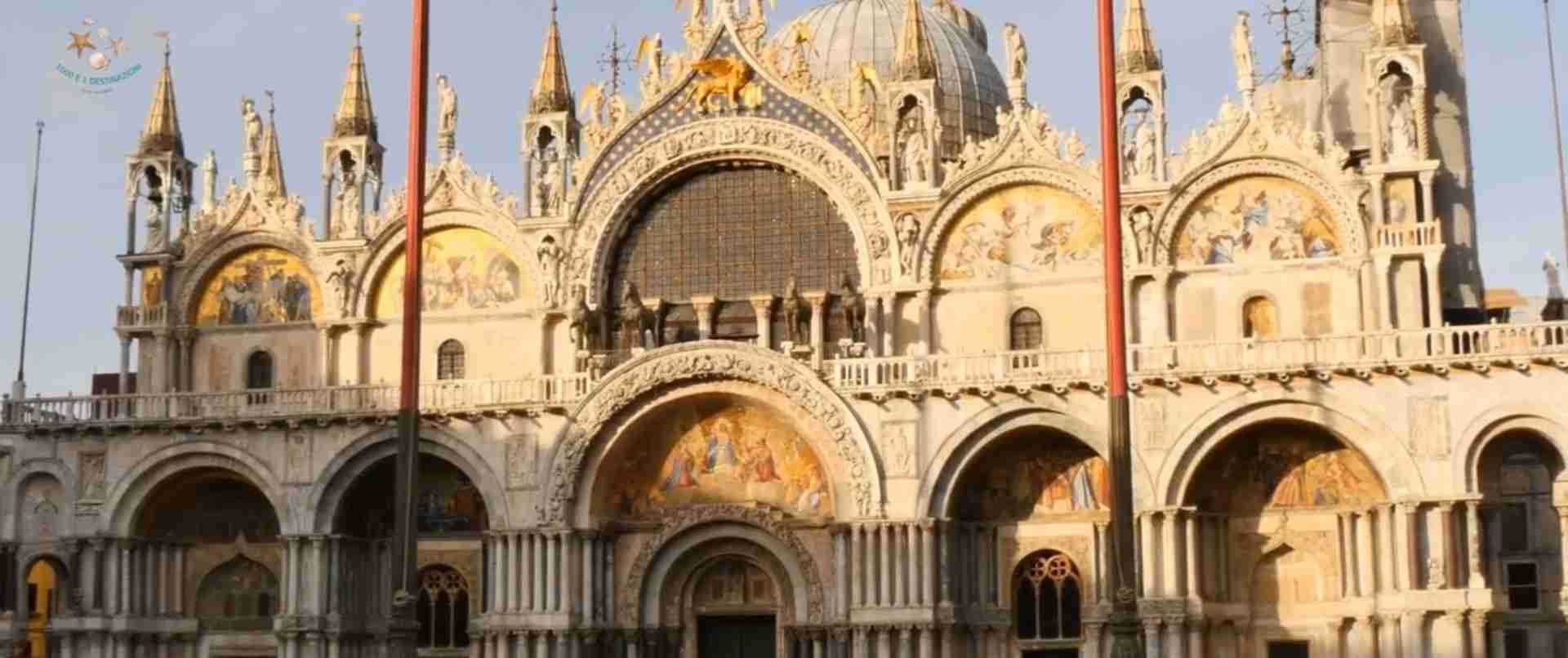
St. Mark’s Basilica charges €3 for basic nave entry during tourist visiting hours (9:30 AM-5 PM Monday-Saturday, 2-5 PM Sunday) throughout 2026, making it Venice’s only major church requiring admission for general access. However, free entry remains available when attending worship services scheduled at 7 AM, 12 PM, and 6:45 PM daily, with Sunday masses at 8:30 AM, 10:30 AM, 12 PM, and 6:45 PM. Visitors attending full mass services receive free access to the basilica’s Byzantine mosaics, though Pala d’Oro altarpiece, Treasury, and museum sections require additional fees totaling €12-14 regardless of entry method. The compromise involves 45-60 minute mass attendance for free basic access versus €3 admission fee for flexible timing during tourist hours, with most budget travelers finding the €3 charge reasonable given the basilica’s supreme Byzantine artistic significance.
Are there hidden costs when visiting free Venice attractions?
Venice’s genuinely free attractions including churches, bridges, campi, and waterfront promenades involve no hidden mandatory costs throughout 2026, though optional expenses include church donation boxes (suggested €1-2), cafe stops at campo locations (€1.50-4 for beverages), and market purchases at Rialto (entirely optional). The primary hidden cost involves vaporetto transportation if staying outside main island walking-accessible areas, with €9.50 single tickets or €25-65 multi-day passes required for hotel access in Mestre, Giudecca, or outer islands. Restroom access costs €1.50 at public facilities near Rialto Bridge and train station, though cafe purchases include complimentary restroom use. Photography in churches remains free when policies permit, requiring no fees beyond respecting flash photography prohibitions and active worship service restrictions. The overall free attraction experience genuinely maintains zero mandatory costs when focusing on main island walking routes between churches, bridges, and public spaces.
How much walking is required for Venice free attractions?
Comprehensive free attraction coverage requires 5-8 kilometers daily walking across uneven surfaces including 435 bridge staircases, narrow calle passageways, and broad campo spaces throughout 2026. A typical full day visiting Frari basilica, Rialto Market, Accademia Bridge, Zattere promenade, and Madonna dell’Orto church totals 7 kilometers with 40-50 bridge crossings involving step climbing. Venice’s bridge steps include no handrails on many historic crossings, requiring balance and stability on worn stone surfaces particularly hazardous when wet during rain or acqua alta conditions. Comfortable walking shoes with non-slip soles represent essential equipment, as smooth-soled footwear creates dangerous conditions on polished bridge steps and slippery fondamenta surfaces.
Physical fitness requirements include ability to walk continuously for 2-3 hours between rest stops, plus capability for repeated stair climbing throughout daily bridge crossing sequences. Visitors with mobility limitations can reduce walking demands by focusing on single sestiere per day (3-4 kilometers maximum) rather than cross-city routes, plus utilizing strategic vaporetto transportation (€9.50 per ride) to connect distant areas like Cannaregio to Dorsoduro without 2-kilometer walking connections. The complete elimination of vehicular traffic throughout central Venice creates safe pedestrian conditions compensating for substantial daily walking distances, with the car-free environment enabling flexible route modifications and spontaneous directional changes impossible in conventional urban settings.
What free activities work during Venice rain days in 2026?
Rainy day free activities in Venice focus on covered church interiors and brief outdoor transitions between attractions rather than extended waterfront promenades or bridge photography throughout 2026. A comprehensive church circuit visiting Frari, Madonna dell’Orto, San Sebastiano, San Giacomo dall’Orio, and San Zaccaria provides 4-5 hours of sheltered Renaissance and Byzantine art viewing without weather exposure beyond 10-15 minute walking transitions between churches. The arcaded streets including Calle Larga XXII Marzo near St. Mark’s Square and covered passageways through palazzo courtyards enable some protected walking routes, though Venice lacks extensive covered pedestrian networks available in cities with shopping arcade systems.
The Rialto Market’s fish section operates under permanent roof cover enabling dry market observation even during rain, with the produce section featuring individual vendor canopies providing partial protection. Campo Santa Margherita’s surrounding arcades include cafes with covered outdoor seating maintaining campo views while sheltering from precipitation, though €2-4 beverage purchases represent minimal expenditure for 30-60 minute dry seating periods. Church visits naturally extend during rainy days when outdoor alternatives diminish, with worship service attendance for free access creating 45-60 minute dry periods enabling rain passing between attractions. Truly torrential conditions warrant abandoning free outdoor attraction plans entirely, instead utilizing indoor paid museums (€12-20 admission) or returning to accommodation for rest before evening weather improvements typical of Venetian rain patterns involving brief intense showers rather than sustained all-day precipitation.
Can you see Venice’s famous islands free without vaporetto costs?
Murano, Burano, and Torcello islands require vaporetto transportation costing €9.50 each way or €25 for 24-hour unlimited pass in 2026, preventing truly free access from main island Venice. However, views of these islands appear from Fondamenta Nuove waterfront without transportation costs, with Murano visible 800 meters offshore and San Michele cemetery island occupying mid-distance positions. Giudecca Island visible from Zattere promenade and Riva degli Schiavoni represents Venice’s most observable outer island from free main-island viewpoints, though landing on Giudecca itself requires vaporetto crossing (€9.50). Lido Island beach access similarly requires vaporetto transportation despite being Venice’s closest substantial island beyond the main historic center.
Budget travelers choosing to visit outer islands maximize value through 24-hour vaporetto passes (€25) enabling unlimited trips to Murano, Burano, and Torcello within single day, spreading per-island costs to €8.33 versus €19 for individual round-trip tickets to each destination. Once reaching these islands, attractions including Murano glass furnace demonstrations (some free), Burano colorful house photography, and Torcello’s remote atmosphere remain accessible without admission charges beyond the transportation investment. The alternative involves dedicating Venice stay entirely to main island exploration, accepting the Fondamenta Nuove distant views of outer islands without actual visits, maintaining zero transportation costs throughout multi-day free-attraction focused itineraries totaling €12-20 daily for meals only.
Are Venice’s famous gondola viewpoints really enough without riding?
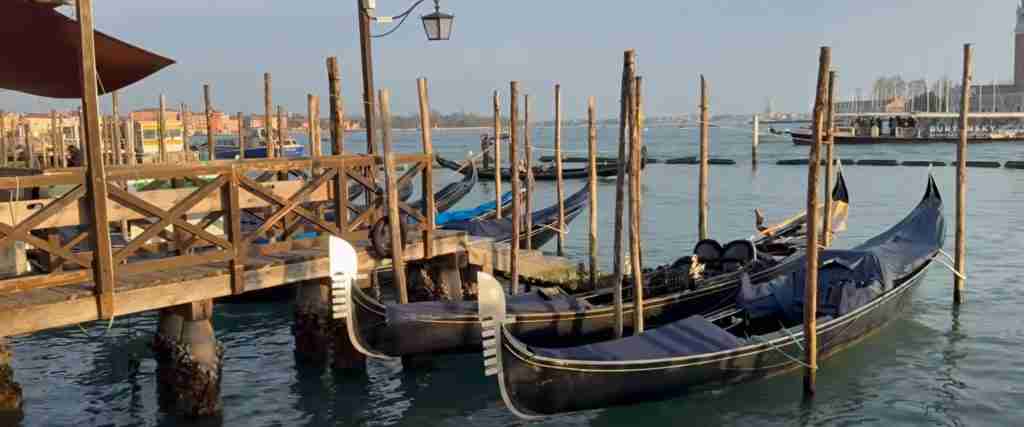
Venice’s free gondola viewing from bridges and waterfront fondamenta provides comprehensive understanding of gondola aesthetics, rowing techniques, and cultural significance without the €80-100 per 30-minute ride costs in 2026. Rialto Bridge offers elevated gondola observation showing steering techniques and passenger interactions from 8-meter elevation, while the Riva degli Schiavoni waterfront includes gondola stations where boats tie up between rides enabling close examination of construction details, decorative elements, and forcola (rowlock) designs. The Traghetto gondola ferry services crossing the Grand Canal at seven points charge only €2 per standing passenger, providing authentic gondola riding experience for 3-minute crossings versus tourist gondola’s €80-100 luxury pricing.
Photography opportunities from free viewpoints match or exceed gondola ride perspectives, as photographers capture gondolas framed by bridges, palaces, and canal intersections impossible from gondola interior positions. The Bridge of Sighs viewpoint from Ponte della Paglia shows gondolas passing beneath the enclosed bridge, creating Venice’s most iconic gondola composition available free 24 hours daily. The combination of free observation, traghetto budget riding (€2), and comprehensive photography from elevated and canal-level positions creates satisfactory gondola understanding without premium ride costs. However, gondola rides provide unique rocking motion sensation and water-level palace perspectives unavailable from shore positions, making the experience valuable for travelers prioritizing complete immersion over budget optimization. The free alternatives serve budget-focused visitors accepting visual understanding as sufficient substitute for actual riding experiences.
What’s the single best free experience in Venice for 2026?
The Zattere promenade at sunset represents Venice’s premier free experience, combining panoramic lagoon views, authentic local atmosphere, and magical light conditions throughout April-September 2026. The 1.5-kilometer waterfront walk from San Basilio to Punta della Dogana offers continuously changing perspectives as sun sets over Giudecca Island from 7:30-8:30 PM, creating dramatic backlighting on Redentore church dome and illuminating lagoon waters with golden-hour reflections. The promenade fills with Venetian families, students, and couples during evening passeggiata hours (6-9 PM), creating authentic Italian social atmosphere observable from benches positioned every 20-30 meters along the fondamenta.
The experience combines multiple free values: panoramic photography without climbing fees, authentic cultural observation without tour mediation, romantic atmosphere without commercial requirements, and physical activity without gym costs through extended waterfront walking. The addition of optional affordable gelato (€2.50-4) or aperitivo (€5-8) enhances rather than defines the experience, with the fundamental sunset viewing and social observation remaining completely free. Alternative single-best experiences include early morning Rialto Market (7-9 AM) for authentic Venetian commercial culture, or Madonna dell’Orto church at evening vespers (6-7 PM) for Tintoretto masterpieces in atmospheric worship setting. However, the Zattere sunset combination of natural beauty, urban landscape, cultural authenticity, and romantic atmosphere creates Venice’s most complete free experience representing the city’s essence without requiring admission fees, reservations, or structured tour frameworks.
How do free Venice attractions compare to paid museums in 2026?
Venice’s free church art rivals or exceeds paid museum quality in specific artistic categories throughout 2026, particularly for in-situ Renaissance painting viewable in original architectural contexts. The Frari’s Titian Assumption, Madonna dell’Orto’s Tintoretto cycles, San Sebastiano’s Veronese frescoes, and San Zaccaria’s Bellini altarpiece represent supreme Venetian Renaissance achievements equaling Accademia Gallery’s finest works. The free church advantage includes viewing art in intended religious settings with natural light and architectural integration, versus museum galleries’ artificial lighting and decontextualized display formats. However, museums including Doge’s Palace and Accademia offer concentration advantages presenting dozens of masterworks in single locations versus distributed church geography requiring 5-8 kilometer walking circuits between free sites.
Paid museums provide systematic chronological surveys impossible through church visits, plus superior didactic materials, climate control protecting fragile works, and guaranteed access regardless of worship service schedules. Free churches offer superior authenticity viewing art in active religious contexts maintaining spiritual purposes beyond tourism, creating contemplative atmospheres versus museum crowds and commercial dynamics. The optimal Venice experience combines both approaches: first Sunday free museum access capturing concentrated masterwork surveys, supplemented by ongoing free church visits throughout remaining days for in-depth artistic engagement and spiritual atmosphere. Total costs approach €15-25 daily covering meals only when maximizing free churches plus single first-Sunday museum visit, versus €50-70 daily for paid museum pass programs plus restaurant dining throughout conventional tourism approaches.