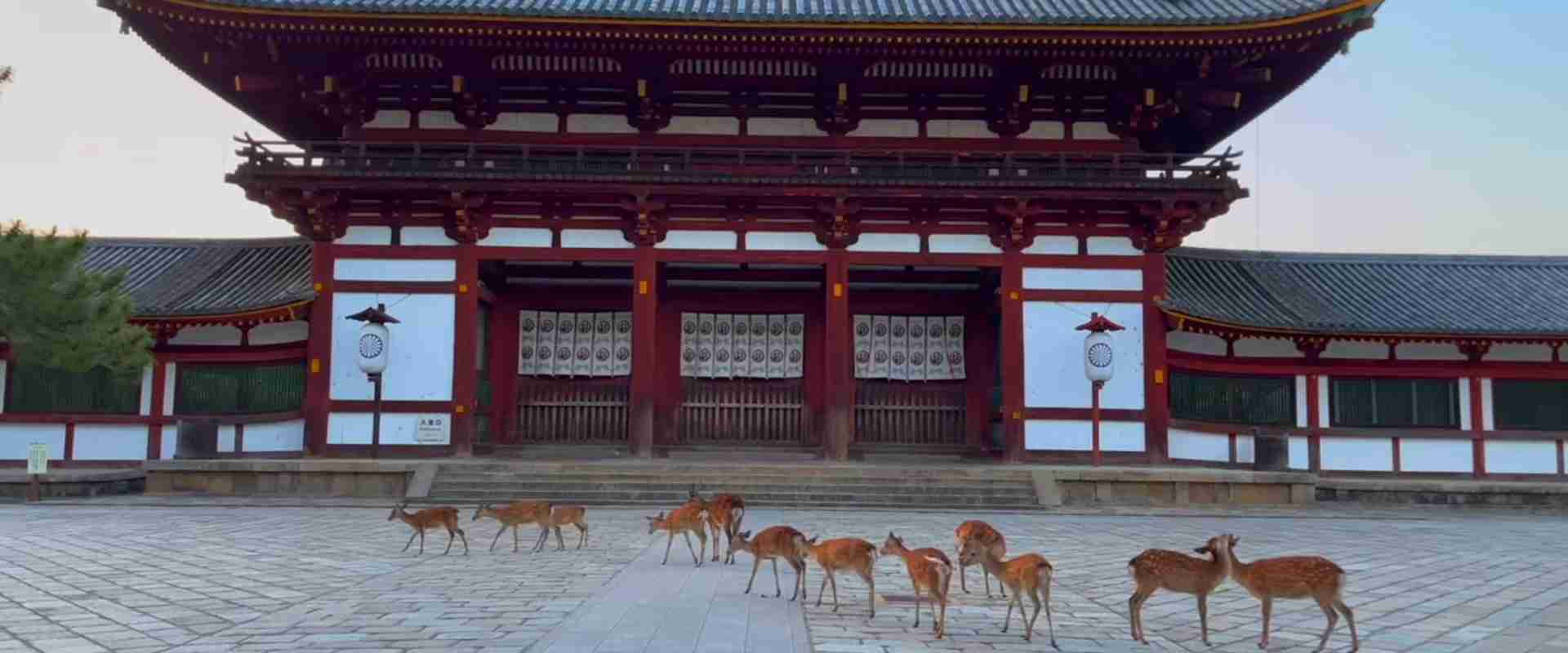
Tokyo Travel Guide 2026: Ultimate Planning Resource
Key Takeaways
- Tokyo offers world-class UNESCO heritage access with efficient metro system connecting major sites in 30-45 minutes
- Budget ¥15,000-25,000 ($100-165) daily for mid-range travelers including accommodation, meals, and transportation in 2026
- Spring (March-May) and autumn (September-November) provide optimal weather with cherry blossoms and fall foliage as natural highlights
- Advance booking 2-3 months ahead secures best accommodation rates and guarantees entry to popular museums and experiences
- JR Pass costs ¥50,000 ($330) for 7-day unlimited travel, essential for day trips to Nikko, Mt. Fuji, and Kamakura UNESCO sites
- Digital payment widely accepted, though cash remains necessary for traditional markets, small temples, and local restaurants
Planning Your Tokyo UNESCO Heritage Experience in 2026
Tokyo stands as the gateway to Japan’s most significant UNESCO World Heritage sites while offering its own remarkable blend of ancient temples, imperial gardens, and cutting-edge urban culture. As Japan’s capital and the world’s most populous metropolitan area, Tokyo provides unparalleled access to cultural treasures spanning 1,000 years of history, from the serene gardens of the Imperial Palace to day trip destinations including Nikko’s shrine complex, Mount Fuji’s sacred slopes, and the historic monuments of Kamakura.
Planning a Tokyo-based UNESCO heritage journey in 2026 requires understanding the city’s efficient transportation networks, seasonal weather patterns, accommodation strategies, and booking requirements for major attractions. The city operates one of the world’s most reliable metro systems, with 13 subway lines and 285 stations connecting every significant cultural site, museum, and neighborhood. English signage appears throughout the system, station staff speak functional English at major hubs, and IC cards like Suica or Pasmo provide seamless payment across all public transport.
Tokyo serves as the ideal base for exploring five distinct UNESCO World Heritage sites within day-trip distance: Nikko’s Shrines and Temples (140 km north), the Fuji-san Cultural Sites (100 km southwest), the National Museum of Western Art designed by Le Corbusier (in Tokyo proper), Ogasawara Islands (1,000 km south, requiring 24-hour ferry), and the nearby Historic Monuments of Ancient Kamakura (50 km south). Each site offers different experiences, from mountain pilgrimage routes to architectural masterpieces, creating opportunities for diverse cultural exploration throughout your stay.
People Also Ask About Tokyo 2026
How much does it cost to visit Tokyo in 2026?
Tokyo costs ¥15,000-25,000 ($100-165) per day for mid-range travelers in 2026, including accommodation, meals, local transportation, and attraction entries. Budget travelers manage on ¥8,000-12,000 ($53-80) daily by staying in hostels, eating at convenience stores and casual restaurants, and limiting paid attractions. Luxury travelers spend ¥40,000-80,000 ($265-530) daily on premium hotels, fine dining, and private experiences. A week-long Tokyo stay costs ¥105,000-175,000 ($700-1,165) for mid-range travelers, excluding international flights. Check current exchange rates and official tourism sites for updated pricing as costs may vary seasonally and with JPY exchange rate fluctuations.
What is the best time to visit Tokyo in 2026?
Spring (late March to May) and autumn (September to November) offer optimal Tokyo weather in 2026, with comfortable temperatures of 15-25°C (59-77°F), lower humidity, and spectacular cherry blossoms or fall foliage. Cherry blossom season peaks late March to early April, creating the year’s most popular but crowded period. Autumn foliage reaches peak beauty mid-November to early December, offering similarly pleasant conditions with smaller crowds. Summer (June-August) brings intense heat exceeding 30°C (86°F) with high humidity, while winter (December-February) provides clear skies and temperatures of 5-12°C (41-54°F), ideal for those avoiding crowds and seeking lower accommodation rates.
Do you need advance bookings for Tokyo attractions in 2026?
Major Tokyo museums and experiences require advance booking 1-4 weeks ahead in 2026, particularly during peak seasons. The teamLab Borderless digital art museum sells out 2-3 weeks in advance during spring and autumn. Tsukiji Outer Market food tours book 2-4 weeks ahead for weekend slots. Studio Ghibli Museum in Mitaka requires tickets purchased exactly one month before visit date through lottery system. Sumo tournament tickets (held in January, May, September) sell out 3-4 weeks ahead for premium seats. Imperial Palace East Gardens offer free entry without reservations, while inner palace tours require advance online booking through Imperial Household Agency.
What is the best way to get around Tokyo in 2026?
Tokyo Metro and Toei Subway provide the fastest transportation across the city in 2026, with trains running every 3-5 minutes during peak hours and 5-10 minutes off-peak. IC cards (Suica or Pasmo) cost ¥2,000 ($13) including ¥1,500 usable credit plus ¥500 refundable deposit, working seamlessly across all metro lines, JR trains, buses, and even convenience stores. Single metro rides cost ¥170-320 ($1.10-2.10) depending on distance. Unlimited day passes cost ¥900 ($6) for Tokyo Metro only or ¥1,600 ($10.50) for combined Metro and Toei lines, worthwhile when making 4+ trips daily. Taxis cost ¥420 ($2.80) base fare plus ¥80 per 237 meters, practical for late-night returns or short distances with luggage but expensive for cross-city travel.
Extended multi-day tours – 5+ days
Featured Tokyo Multi-Day Tour Packages
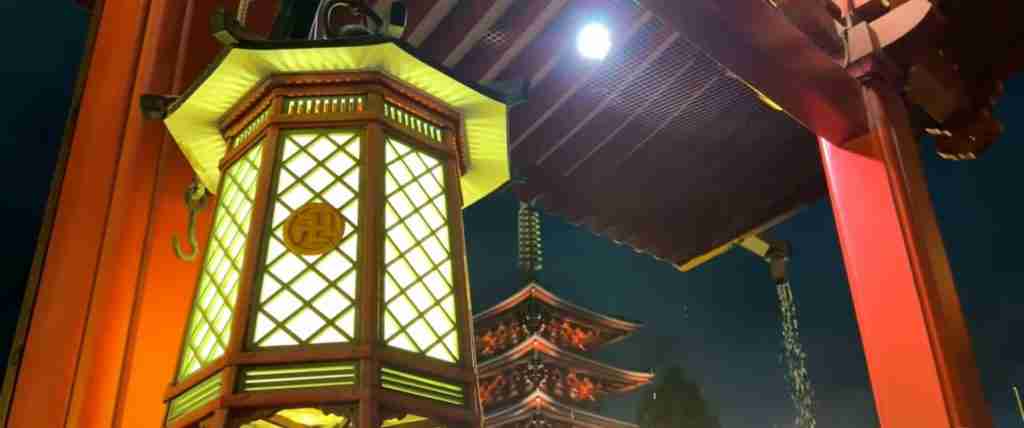
3 days
Tokyo 3-Day Discovery Tour
- ✓ Comprehensive Tokyo experience
- ✓ Expert local guides included
- ✓ All accommodation included
- ✓ Transportation provided
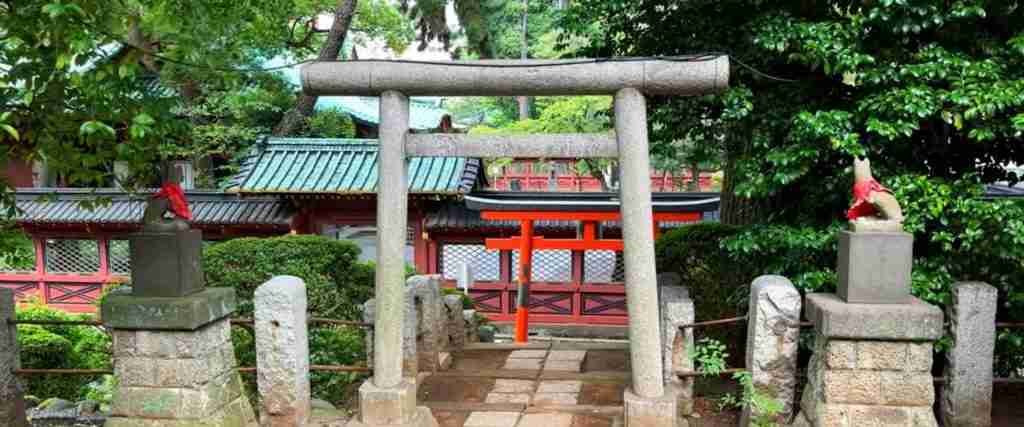
5 days
Tokyo 5-Day Highlights Experience
- ✓ Comprehensive Tokyo experience
- ✓ Expert local guides included
- ✓ All accommodation included
- ✓ Transportation provided
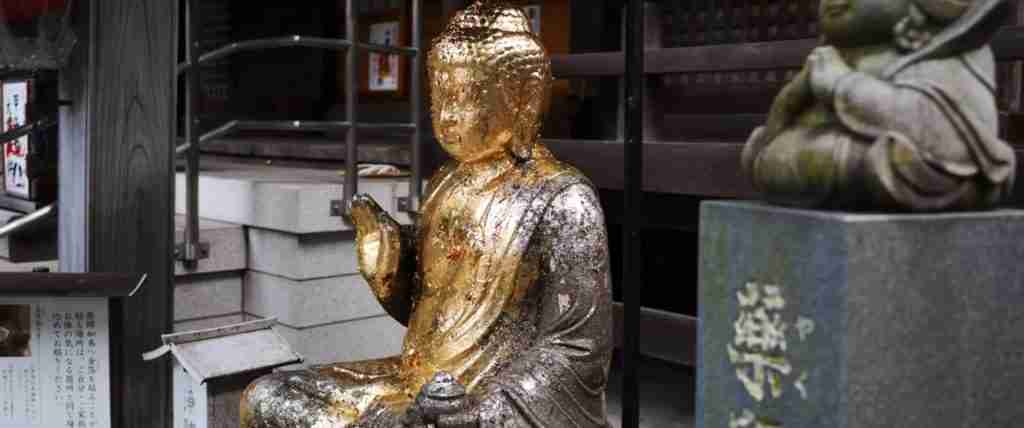
7 days
Tokyo 7-Day Cultural Journey
- ✓ Comprehensive Tokyo experience
- ✓ Expert local guides included
- ✓ All accommodation included
- ✓ Transportation provided
10 days
Tokyo 10-Day Complete Adventure
- ✓ Comprehensive Tokyo experience
- ✓ Expert local guides included
- ✓ All accommodation included
- ✓ Transportation provided
Multi-day tour packages powered by TourRadar. Prices and availability subject to change.
Essential Planning Information 2026
Current Costs and Pricing Breakdown for 2026
Understanding Tokyo’s 2026 pricing structure enables effective budget planning across accommodation, dining, transportation, and attractions. Accommodation costs vary dramatically by location and season, with midrange hotels in Shinjuku, Shibuya, or Asakusa charging ¥12,000-18,000 ($80-120) per night for double occupancy during regular season, rising to ¥18,000-28,000 ($120-185) during cherry blossom peak in late March to early April. Budget capsule hotels and hostels charge ¥3,000-5,000 ($20-33) per person nightly, while luxury properties in Ginza or Marunouchi command ¥35,000-70,000 ($230-465) per night.
Dining costs reflect Tokyo’s culinary diversity, from affordable convenience store meals to Michelin-starred experiences. Convenience store breakfast costs ¥400-700 ($2.65-4.65) for onigiri, sandwiches, and coffee. Lunch at casual restaurants costs ¥800-1,500 ($5.30-10) for ramen, curry rice, or set meals, while dinner at mid-range izakayas or restaurants costs ¥2,000-4,000 ($13.30-26.50) per person including drinks. High-end dining experiences cost ¥10,000-30,000 ($66-200) per person, with some exclusive kaiseki or sushi restaurants exceeding ¥50,000 ($330). Street food and market snacks cost ¥300-800 ($2-5.30) per item.
Major attraction entries in 2026 include Tokyo National Museum at ¥1,000 ($6.65), Senso-ji Temple free entry with voluntary donations, Meiji Shrine free grounds access, Tokyo Skytree observation decks ¥2,100-3,100 ($14-20.50), teamLab Borderless ¥3,800 ($25), and Imperial Palace East Gardens free entry. Check official websites for current rates as pricing may vary. UNESCO day trip destinations cost ¥1,300 ($8.65) for Nikko shrine complex admission, ¥2,200 ($14.60) for Mt. Fuji 5th Station bus access, and ¥300-500 ($2-3.30) for individual Kamakura temple entries. Multi-day JR Pass costs ¥50,000 ($330) for 7 days or ¥80,000 ($530) for 14 days, essential for frequent day trips beyond Tokyo.
Transportation Systems and Access in 2026
Tokyo’s transportation network integrates multiple operators into a seamless system covering the entire metropolitan region and connecting to UNESCO sites throughout Kanto. The Tokyo Metro operates 9 lines with 180 stations focused on central Tokyo, while Toei Subway runs 4 lines with 106 stations serving outer areas. JR East operates the Yamanote loop line circling central Tokyo every 30-35 minutes, plus express lines to Narita Airport (60 minutes, ¥3,070/$20.30), Haneda Airport (30 minutes, ¥500/$3.30), Nikko (2 hours, ¥2,740/$18.15 one-way with transfers), and Kamakura (60 minutes, ¥920/$6.10).
IC transportation cards revolutionize Tokyo travel with tap-and-go convenience across all public transport, eliminating ticket purchasing stress. Purchase Suica cards at any JR station or Pasmo cards at metro stations for ¥2,000 total (¥1,500 usable credit plus ¥500 refundable deposit). Cards automatically calculate optimal fares between any two stations, typically ¥170-320 ($1.10-2.10) per trip depending on distance. Recharge at any ticket machine or convenience stores in ¥1,000 increments. Cards work on all metro lines, JR trains, most buses, and even for purchases at convenience stores and vending machines.
Day passes offer value for intensive sightseeing itineraries with 4+ metro trips daily. Tokyo Metro 24-hour pass costs ¥600 ($4), covering only Tokyo Metro lines but sufficient for most central sightseeing. Combined Tokyo Metro and Toei 24-hour pass costs ¥900 ($6), adding Toei subway access for outer destinations like Roppongi and Daimon. Tokyo Subway Ticket for tourists offers 24-hour (¥800/$5.30), 48-hour (¥1,200/$8), or 72-hour (¥1,500/$10) unlimited travel on both Metro and Toei lines, purchasable at major stations and airports with passport presentation. JR Tokyo Wide Pass costs ¥10,180 ($67) for 3 consecutive days of unlimited JR travel in Kanto region, including trips to Nikko, Mt. Fuji area, and beyond.
Best Time to Visit Tokyo 2026
Seasonal Analysis and Weather Patterns for 2026
Spring emerges as Tokyo’s most celebrated season in 2026, with cherry blossom season transforming the city into a pink paradise from late March through mid-April. Average temperatures range 10-18°C (50-64°F) in March, warming to 13-22°C (55-72°F) in April and 17-26°C (63-79°F) in May. Rainfall remains moderate at 100-150mm monthly, with occasional spring showers clearing quickly. Cherry blossom forecast for 2026 predicts peak bloom March 25-April 5 for central Tokyo, though dates shift based on winter temperatures. This period sees maximum tourist crowds, hotel prices increasing 40-60% above regular rates, and advance bookings essential 3-4 months ahead. Golden Week (April 29-May 5) creates domestic travel peak with crowded trains and attractions.
Summer in Tokyo brings intense heat and humidity from June through August 2026, with temperatures reaching 26-32°C (79-90°F) and humidity exceeding 70-80%. Rainy season runs early June through mid-July, delivering 20-25 days of intermittent rain and overcast skies. Late July and August transition to hot, sunny weather perfect for summer festivals but challenging for extended outdoor sightseeing. This period offers lowest hotel rates (30-40% below spring peaks) and smallest international crowds, though domestic tourism remains active during Obon holiday week (August 10-16). Air-conditioned museums, indoor attractions, and evening activities become primary focus during summer heat.
Autumn rivals spring as Tokyo’s finest season in 2026, with comfortable temperatures of 20-27°C (68-81°F) in September, 14-22°C (57-72°F) in October, and 8-17°C (46-63°F) in November. Typhoon season affects September with 2-3 storms potentially disrupting travel plans. October delivers near-perfect weather with clear skies, moderate temperatures, and minimal rainfall. Autumn foliage peaks mid-November through early December, particularly spectacular in traditional gardens, temple grounds, and day trip destinations like Nikko. Crowds remain manageable compared to cherry blossom season, with hotel prices 20-30% above regular rates during foliage peak but negotiable outside those 2-3 weeks. This season provides ideal conditions for both urban exploration and UNESCO site day trips.
Crowd Patterns and Peak Season Strategies for 2026
Cherry blossom season creates Tokyo’s highest concentration of international visitors from late March through mid-April 2026, with major viewing spots like Ueno Park, Chidorigafuchi, and Shinjuku Gyoen reaching capacity by mid-morning on weekends. Plan blossom viewing for weekday early mornings (7-9 AM) or late afternoons (4-6 PM) to avoid peak crowds. Popular restaurants and attractions extend wait times to 60-90 minutes during this period. Advance reservations become essential for all table-service restaurants, with booking platforms like Tabelog requiring reservations 2-3 weeks ahead for sought-after establishments.
Golden Week (April 29-May 5) transforms Tokyo into a domestic tourism hub as Japanese families travel during this extended holiday period. Shinkansen trains to Kyoto, Osaka, and other destinations sell out 4-6 weeks in advance. Tokyo’s own attractions see moderate increases in Japanese visitors but fewer international tourists compared to cherry blossom peak. Museums and cultural sites maintain normal operations, while some restaurants and shops in business districts close for the holiday week. Book accommodations 6-8 weeks ahead during this period and expect 30-50% rate increases.
Summer (June-August) and winter (January-February) offer most accessible Tokyo experiences in 2026, with minimal crowds, readily available accommodation, and normal restaurant wait times. Winter provides crystal-clear skies ideal for Mt. Fuji viewing, with the mountain visible from Tokyo 15-20 days monthly compared to 5-10 days during cloudy summer months. New Year period (December 28-January 4) creates exception, with many restaurants, shops, and attractions closed January 1-3 and temples seeing massive crowds for hatsumode (first shrine visit). Plan around these dates for most convenient winter travel, or embrace the unique New Year atmosphere with temple visits and traditional celebrations.
Accommodation Strategies for 2026
Budget Accommodation Options and Booking Strategies
Tokyo’s budget accommodation scene in 2026 spans capsule hotels, hostels, and budget business hotels offering comfortable lodging at ¥3,000-7,000 ($20-46) per person nightly. Capsule hotels provide quintessentially Japanese micro-room experiences with individual sleeping pods measuring 1m x 2m x 1m, shared bathrooms and lounges, and locations near major stations in Shinjuku, Shibuya, and Asakusa. First Cabin chains offer upscale capsule experiences at ¥4,500-6,000 ($30-40) nightly with airplane-inspired “business class” and “first class” cabin sizes, designer interiors, and quality amenities. Nine Hours capsule hotels emphasize minimalist design at ¥5,000-6,500 ($33-43) nightly in prime locations.
Hostels serve budget travelers seeking social atmosphere and communal spaces, with dormitory beds costing ¥2,800-4,500 ($18.50-30) and private rooms ¥6,000-9,000 ($40-60) for doubles. Recommended hostels include Nui Hostel in Kuramae with craft cocktail bar and artisan neighborhood location, Wise Owl Hostels with multiple Tokyo locations offering traditional Japanese design, and Book and Bed Tokyo where guests sleep in bookshelves surrounded by 5,000 English and Japanese titles. Most hostels include basic breakfast, communal kitchens for self-catering, and common areas facilitating traveler interaction.
Budget business hotels like Toyoko Inn, Super Hotel, and APA Hotels charge ¥6,000-9,000 ($40-60) for compact single rooms or ¥8,000-12,000 ($53-80) for doubles, including basic breakfast, free WiFi, and locations near metro stations throughout Tokyo. These properties offer more space and privacy than capsules with proper bathrooms, small desks, and functional amenities. Book 4-6 weeks ahead during regular season or 2-3 months ahead for cherry blossom season. Booking platforms like Booking.com, Agoda, and Rakuten Travel offer competitive rates, while direct booking occasionally provides 10-15% discounts or room upgrades.
Mid-Range and Luxury Accommodation Selection
Mid-range hotels in Tokyo charge ¥12,000-20,000 ($80-133) for double rooms in 2026, offering 20-25 square meter rooms with proper bathrooms, comfortable beds, and quality amenities in convenient locations. Hotel chains like Mitsui Garden, Richmond, and Sotetsu Fresa Inn provide reliable service in neighborhoods like Shinjuku, Shibuya, Ginza, and Asakusa. Shinjuku locations offer direct access to transportation hubs and entertainment districts. Asakusa properties provide traditional neighborhood atmosphere near Senso-ji Temple. Ginza hotels place guests in Tokyo’s premier shopping and dining district.
Ryokan traditional inns offer authentic Japanese hospitality at ¥18,000-35,000 ($120-230) per person including elaborate kaiseki dinners and traditional breakfast, featuring tatami mat rooms, futon bedding, communal or private onsen baths, and kimono robes. Recommended Tokyo ryokan include Sadachiyo in Asakusa with 170-year history, Homeikan in Hongō with designated cultural property status, and Ryokan Sawanoya offering affordable ryokan experience at ¥12,000-16,000 ($80-106) per person. Book 2-3 months ahead for cherry blossom or autumn foliage seasons, 4-6 weeks for regular periods.
Luxury hotels command ¥35,000-100,000 ($230-665) nightly in 2026, delivering spacious rooms exceeding 40 square meters, exceptional service, multiple dining options, and prime locations. Park Hyatt Tokyo (Shinjuku) offers stunning city views from 39th-52nd floors, made famous by “Lost in Translation” film. Aman Tokyo provides serene Japanese aesthetics in Otemachi financial district. The Peninsula Tokyo overlooks Imperial Palace gardens in Marunouchi. Conrad Tokyo in Shiodome features bay views and contemporary art collection. Palace Hotel Tokyo offers Imperial Palace garden views and traditional Japanese design elements. Reserve 3-4 months ahead for peak seasons, noting that luxury properties maintain more stable pricing year-round compared to mid-range hotels.
Transportation Guide 2026
Airport Transfers and Arrival Strategies
Tokyo serves two major international airports: Haneda Airport (HND) located 15 km from central Tokyo, and Narita International Airport (NRT) positioned 60 km northeast in Chiba Prefecture. Haneda handles most domestic flights and increasing international routes, offering fastest city access via Tokyo Monorail (18 minutes to Hamamatsucho Station, ¥500/$3.30) or Keikyu Line (20 minutes to Shinagawa Station, ¥300/$2). Both connect to metro and JR networks for onward travel. Limousine buses serve major hotels directly at ¥1,300 ($8.65) and run every 20-30 minutes from 6 AM-midnight. Taxis cost ¥6,000-8,000 ($40-53) to central Tokyo, practical for late arrivals or groups of 3-4 travelers.
Narita Airport requires longer transfer times but offers multiple transportation options. Narita Express (N’EX) train provides fastest service to Tokyo Station (60 minutes, ¥3,070/$20.30), Shinjuku (80 minutes, ¥3,250/$21.50), or Shibuya (75 minutes, ¥3,250/$21.50) with reserved seating, luggage storage, and English announcements every 30-60 minutes from 7 AM-10 PM. Keisei Skyliner serves Ueno and Nippori Stations in 40 minutes at ¥2,520 ($16.70) with departures every 20-40 minutes. Budget Keisei Main Line takes 75 minutes to Ueno at ¥1,050 ($7) for travelers prioritizing cost over speed. Limousine buses cost ¥3,200 ($21.20) to major hotel areas with 90-120 minute travel time depending on traffic. Pre-book airport transfers online for 5-10% discounts and guaranteed seating during peak periods.
Local Transportation and Day Trip Connections
Master Tokyo’s metro system by understanding the distinction between Tokyo Metro (9 lines, silver “M” logo) and Toei Subway (4 lines, leaf logo), both accepting IC cards and day passes. Key lines for tourists include Ginza Line (orange) connecting Asakusa-Shibuya via Ueno and Ginza, Marunouchi Line (red) circling inner Tokyo from Ikebukuro through Tokyo Station to Shinjuku, Hibiya Line (gray) linking Roppongi to Ginza and Tsukiji, and Toei Asakusa Line (pink) connecting Asakusa to Shinagawa for Haneda Airport access. Download Tokyo Metro app for real-time service information, route planning, and English navigation through the 285-station network.
JR lines supplement metro coverage with rapid express service and day trip connections. Yamanote Line loops central Tokyo every 30-35 minutes, stopping at major hubs including Tokyo, Shinjuku, Shibuya, Harajuku, Ueno, and Ikebukuro. Chuo Line crosses Tokyo east-west from Tokyo Station through Shinjuku to Nakano and Kichijoji, offering local and rapid service every 3-10 minutes. Keihin-Tohoku Line runs north-south parallel to Yamanote on eastern side, serving Tokyo, Ueno, and connecting to Yokohama. These three lines handle most city movement, costing ¥140-240 ($0.90-1.60) per trip with IC cards.
Day trips to UNESCO sites utilize JR East’s extensive network radiating from Tokyo. Nikko requires 2 hours via JR Nikko Line from Shinjuku (¥2,740/$18.15 one-way plus ¥1,370/$9.10 for limited express), running hourly from 7 AM-5 PM. Mt. Fuji area accesses via JR Chuo Line to Otsuki (70 minutes, ¥1,340/$8.90), transferring to Fujikyu Railway for Kawaguchiko (60 minutes, ¥1,170/$7.75), or direct Fuji Excursion limited express from Shinjuku (2 hours, ¥4,130/$27.40). Kamakura reaches via JR Yokosuka Line from Tokyo Station (60 minutes, ¥920/$6.10), departing every 10-20 minutes throughout the day. JR Pass coverage includes all these routes, making the 7-day ¥50,000 ($330) pass worthwhile for 3+ day trips plus airport transfers.
Money-Saving Strategies for 2026
Advance Booking Benefits and Early Planning
Book Tokyo accommodation 8-12 weeks ahead for regular season rates, extending to 3-4 months for cherry blossom or autumn foliage peaks. Early booking secures 15-25% lower rates compared to last-minute prices, particularly for mid-range hotels in popular neighborhoods. Booking platforms like Booking.com, Agoda, and Rakuten Travel offer “Early Bird” rates requiring full prepayment but delivering significant savings. Compare rates across multiple platforms as prices vary by ¥2,000-4,000 ($13-26) per night for identical rooms. Direct hotel websites occasionally beat booking platforms with exclusive member rates or package deals including breakfast or late checkout.
Purchase JR Pass before arriving in Japan as international pricing runs ¥50,000 ($330) for 7 days while domestic purchase would cost more due to individual ticket prices. Order 2-6 weeks ahead through authorized sales agents, receiving exchange order voucher exchangeable at Japanese airports or major stations upon arrival. Calculate break-even point: 7-day pass pays for itself with Tokyo-Kyoto round trip (¥27,920/$185) plus 2-3 day trips to Nikko, Mt. Fuji, or Hakone. Tourist-exclusive pass saves ¥30,000-50,000 ($200-330) compared to purchasing individual tickets over one week of intensive travel.
Reserve popular restaurants 2-4 weeks ahead through Tabelog, Gurunavi, or hotel concierge services to secure prime dining times at reasonable prices. Last-minute walk-ins at sought-after establishments face 60-90 minute waits or full bookings, while advance reservations guarantee seating at desired times. Lunch sets at high-end restaurants cost 40-60% less than dinner service, offering identical ingredients and preparation at ¥3,000-6,000 ($20-40) versus ¥10,000-20,000 ($66-133) for evening meals. Target lunch reservations at Michelin-starred or famous establishments for premium experiences at moderate costs.
Seasonal Optimization and Budget Strategies
Travel during shoulder seasons (late May-June or late November-December) in 2026 to access 20-30% lower accommodation rates compared to peak cherry blossom or autumn foliage periods. These periods offer pleasant weather without intense heat or crowds, readily available restaurant reservations, and normal attraction wait times. June’s rainy season brings frequent precipitation but also delivers lowest hotel rates of the year and empty tourist sites. December pre-holiday period (before December 20) provides clear winter skies ideal for Mt. Fuji viewing, festive illuminations throughout the city, and moderate pricing before New Year peak.
Eat like locals by prioritizing convenience stores, chain restaurants, and standing sushi bars over tourist-oriented establishments. Family Mart, Lawson, and 7-Eleven offer quality prepared meals at ¥400-800 ($2.65-5.30), including onigiri rice balls, sandwiches, salads, hot foods, and desserts. Standing sushi chains like Uogashi Nihon-Ichi serve fresh nigiri at ¥120-300 ($0.80-2) per plate with no cover charge or service fees. Ramen shops charge ¥800-1,200 ($5.30-8) for filling bowls with high-quality ingredients. Casual izakaya chains like Torikizoku offer grilled skewers at ¥320 ($2.10) each plus drinks, creating satisfying dinners at ¥2,000-3,000 ($13-20) per person.
Maximize free attractions throughout Tokyo including Senso-ji Temple and Nakamise shopping street in Asakusa, Meiji Shrine and Yoyogi Park in Harajuku, Imperial Palace East Gardens near Tokyo Station, Tsukiji Outer Market food stalls, and Takeshita Street youth fashion in Harajuku. Major shrines and temples charge no entry fees, though interior hall access or special exhibitions add ¥300-500 ($2-3.30). Public observation decks at Tokyo Metropolitan Government Building in Shinjuku offer free 45th-floor views, while paid observation decks at Tokyo Skytree or Tokyo Tower cost ¥2,100-3,100 ($14-20.50). Prioritize free attractions for first 2-3 days, adding paid experiences strategically based on interests.
Sample 2026 Itineraries
3-Day Central Tokyo Heritage Circuit
Day 1: Traditional Eastern Tokyo
Morning: Begin at Senso-ji Temple in Asakusa (free entry) at 8 AM for peaceful exploration before crowds arrive at 10 AM. Walk through Thunder Gate and Nakamise shopping street. Continue to nearby Asakusa Culture Tourist Information Center for free 8th-floor observation deck with Tokyo Skytree views. Mid-morning: Cross Sumida River via water bus to Hama-rikyu Gardens (¥300/$2) for traditional landscape garden with tidal pond and tea house. Noon: Lunch at Tsukiji Outer Market selecting fresh seafood chirashi bowls at ¥1,500-2,500 ($10-16.50) from numerous vendors. Afternoon: Walk to Ginza for window shopping along Chuo-dori, visiting Uniqlo flagship, Dover Street Market, or department store food halls. Late afternoon: Metro to Tokyo Station to visit Imperial Palace East Gardens (free entry, closes 4 PM). Evening: Dinner in Yurakucho yakitori alley at ¥2,500-3,500 ($16.50-23) for grilled skewers under railway tracks.
Free attractions and parks, Senso-ji Temple free, Asakusa observation deck free, Hama-rikyu Gardens ¥300, Imperial Palace East Gardens free, lunch ¥1,500-2,500, dinner ¥2,500-3,500, snacks ¥600-1,000, metro travel ¥400-600. Total day cost: ¥5,300-8,900 ($35-59) per person (excluding accommodation).
Day 2: Modern Western Tokyo
Morning: Visit Meiji Shrine (free entry) in Harajuku at 8 AM for serene forest shrine experience before crowds. Walk through torii gate, observe wedding ceremonies if lucky. Mid-morning: Explore Harajuku’s Takeshita Street youth fashion scene and Omotesando’s luxury boutiques, free browsing with optional shopping. Noon: Lunch at Shibuya standing sushi bar ¥2,000-3,000 ($13-20) for quality nigiri. Early afternoon: Experience Shibuya Crossing, visit Shibuya Sky observation deck (¥2,000/$13.30) for 229-meter rooftop views. Late afternoon: Metro to Shinjuku, explore Tokyo Metropolitan Government Building free observation deck (45th floor, closes 5:30 PM). Evening: Dinner at Omoide Yokocho or Kabukicho izakaya at ¥3,000-4,500 ($20-30), followed by evening walk through neon entertainment districts.
Meiji Shrine free, Shibuya Sky ¥2,000, Tokyo Metropolitan Government observation free, lunch ¥2,000-3,000, dinner ¥3,000-4,500, snacks ¥600-1,000, metro ¥400-600. Total day cost: ¥8,000-11,100 ($53-74) per person (excluding accommodation).
Day 3: Cultural Depth and Art
Morning: Tokyo National Museum in Ueno Park (¥1,000/$6.65) opening at 9:30 AM, allowing 2-3 hours to explore Japanese art and archaeological collections. Continue through Ueno Park for free park walking, Shinobazu Pond, and multiple shrine/temple visits. Noon: Lunch at Ameyoko market street with diverse food stalls at ¥800-1,500 ($5.30-10). Afternoon: Option A – teamLab Borderless digital art museum (¥3,800/$25, pre-book 2-3 weeks ahead) for immersive art experience. Option B – Visit Roppongi Art Triangle with Mori Art Museum (¥1,800/$12) or National Art Center free exhibitions. Evening: Return to accommodation area for final dinner at favorite neighborhood restaurant ¥2,500-4,000 ($16.50-26.50).
Tokyo National Museum ¥1,000, teamLab Borderless ¥3,800 OR Mori Art Museum ¥1,800, lunch ¥800-1,500, dinner ¥2,500-4,000, snacks ¥600-1,000, metro ¥400-600. Total day cost: ¥8,300-11,900 ($55-79) with teamLab or ¥6,300-9,900 ($42-66) with Mori Museum per person (excluding accommodation).
5-Day Tokyo Plus UNESCO Day Trips
Days 1-2: Follow 3-day itinerary Days 1-2 above for central Tokyo introduction.
Day 3: Nikko UNESCO Heritage Day Trip
Depart Shinjuku Station 7:00 AM via JR Nikko Line limited express arriving Nikko Station 9:00 AM (covered by JR Pass, or ¥4,110/$27.20 round trip). Take local bus to Nikko Toshogu Shrine complex (¥500/$3.30 round trip). Visit Toshogu Shrine, Futarasan Shrine, and Rinno-ji Temple with combined ticket ¥1,300 ($8.65). Explore ornate Yomei Gate, sacred stables with Three Wise Monkeys carving, and surrounding forested mountain setting. Lunch at yuba (tofu skin) restaurant ¥1,500-2,500 ($10-16.50). Optional afternoon visit to Kegon Falls (¥570/$3.80 bus plus ¥570 elevator) or Lake Chuzenji. Return to Tokyo arriving 7-8 PM. Late dinner near hotel ¥1,500-2,500 ($10-16.50).
Transport ¥4,110 (if no JR Pass) or ¥500 local bus only, shrine combination ticket ¥1,300, lunch ¥1,500-2,500, Kegon Falls optional ¥1,140, dinner ¥1,500-2,500, snacks ¥400-800. Total day cost: ¥4,700-7,200 ($31-48) per person (excluding accommodation and JR Pass).
Day 4: Mt. Fuji Region Cultural Heritage
Depart Shinjuku 8:00 AM via JR Chuo Line to Otsuki transferring to Fujikyu Railway to Kawaguchiko (covered by JR Pass to Otsuki, additional ¥2,340/$15.50 round trip Otsuki-Kawaguchiko). Alternatively, take direct Fuji Excursion limited express (¥4,130/$27.40 one-way, not covered by standard JR Pass). From Kawaguchiko, take sightseeing bus to Chureito Pagoda with iconic Mt. Fuji views (¥1,500/$10 for loop bus day pass), Mt. Fuji 5th Station if weather permits (¥2,200/$14.60 round trip bus), or Oshino Hakkai traditional village (loop bus covered). Visit Kubota Itchiku Art Museum (¥1,300/$8.65) showcasing kimono artistry. Lunch at Hoto noodle restaurant ¥1,000-1,800 ($6.65-12). Return to Tokyo arriving 7-8 PM.
Transport ¥4,680-8,260 (varies by route, minus JR Pass coverage), Kawaguchiko loop bus ¥1,500, 5th Station bus ¥2,200, Kubota Itchiku Museum ¥1,300, lunch ¥1,000-1,800, dinner ¥1,500-2,500, snacks ¥400-800. Total day cost: ¥8,580-16,060 ($57-107) per person (excluding accommodation and partial JR Pass coverage).
Day 5: Kamakura Buddhist Heritage
Depart Tokyo Station 8:30 AM via JR Yokosuka Line arriving Kamakura 9:30 AM (¥920/$6.10 one-way covered by JR Pass). Purchase Kamakura Free Pass at ¥700 ($4.65) for unlimited local bus and Enoden railway. Visit Great Buddha (Kotoku-in) at ¥300 ($2), Hasedera Temple with Kannon statue and hillside views ¥400 ($2.65), Tsurugaoka Hachimangu Shrine (free), and Zen temples in Kita-Kamakura including Engaku-ji ¥500 ($3.30) or Kencho-ji ¥500. Lunch at shirasu (whitebait) restaurant near Enoshima ¥1,200-2,000 ($8-13.30). Late afternoon Enoshima Island exploration (free) with optional observatory tower ¥500 ($3.30). Return to Tokyo arriving 7 PM. Final evening celebration dinner at yakitori or izakaya ¥3,500-5,000 ($23-33).
Transport ¥1,840 round trip (JR Pass coverage) plus Kamakura Free Pass ¥700, temple entries ¥1,700 total, lunch ¥1,200-2,000, Enoshima tower optional ¥500, dinner ¥3,500-5,000, snacks ¥600-1,000. Total day cost: ¥7,700-11,200 ($51-74) per person (excluding accommodation and JR Pass).
Booking and Reservations for 2026
Official Booking Channels and Platforms
Book Tokyo accommodation through major international platforms including Booking.com, Agoda, Hotels.com, and Expedia offering competitive rates, English interface, and flexible cancellation policies. Japanese platforms Rakuten Travel and Jalan provide access to more local properties including ryokan and business hotels, requiring basic Japanese navigation skills but delivering 10-15% better rates for identical rooms. Compare rates across 3-4 platforms before booking as price variations of ¥2,000-4,000 ($13-26) per night occur commonly. Read recent reviews (within 6 months) to verify current property conditions, noting that hotels undergo renovations affecting room quality and noise levels.
Reserve JR Pass through authorized sales agents including Klook, KKday, or JR East official website 2-6 weeks before travel, receiving exchange order voucher via email or mail. Present voucher with passport at JR ticket offices (Midori-no-Madoguchi) at Narita Airport, Haneda Airport, Tokyo Station, Shinjuku Station, or Ueno Station to exchange for actual pass and reserve seats on Shinkansen or limited express trains. Activation occurs on date of first use, not exchange date, allowing flexible planning. Reserve specific trains and seats immediately upon activation for popular routes to Kyoto, Osaka, or day trip destinations, as unreserved seats fill quickly during peak travel times.
Tour Operator Recommendations and Services
Book specialized Tokyo experiences through reputable operators including Viator, GetYourGuide, Klook, and KKday offering English-guided tours, transportation inclusion, and skip-the-line access to popular attractions. Food tours led by Arigato Travel, Tokyo Localized, or Magical Trip cost ¥8,000-15,000 ($53-100) for 3-4 hour experiences exploring Tsukiji Outer Market, Asakusa street food, or Shibuya izakaya hopping with local English-speaking guides explaining food culture and restaurant etiquette. Photography tours through EYExplore or Tokyo Photography Workshops charge ¥12,000-18,000 ($80-120) for 4-5 hours covering cherry blossom spots, neon nightscapes, or traditional neighborhood backstreets with professional guidance.
Day trip tours to UNESCO sites offer convenient alternative to independent travel, including transportation, guide services, and entrance fees. Nikko day tours cost ¥12,000-16,000 ($80-106) for 10-11 hours covering Toshogu Shrine complex, Lake Chuzenji, and Kegon Falls with hotel pickup and drop-off. Mt. Fuji tours range ¥10,000-18,000 ($66-120) depending on inclusions, typically visiting 5th Station, Kawaguchiko lakeside, and Oshino Hakkai traditional village. Compare tour itineraries carefully as some focus on shopping stops rather than cultural exploration. Book 1-2 weeks ahead during regular season or 3-4 weeks during cherry blossom and autumn foliage peaks for guaranteed availability.
2026 Updates and Current Information
Recent Changes and New Developments
Tokyo tourism infrastructure continues evolving in 2026 with improved English signage, expanded multilingual support, and enhanced digital payment acceptance throughout the city. Major museums including Tokyo National Museum and National Museum of Western Art now offer comprehensive English audio guides via smartphone apps, eliminating need for rented devices. IC transportation cards now work seamlessly with smartphone payment systems through Apple Pay and Google Pay, allowing visitors to use Suica or Pasmo without purchasing physical cards. Register existing cards to phone apps before departure to streamline Tokyo arrival.
COVID-19 pandemic effects continue diminishing throughout 2026, with most mask-wearing now optional except in medical settings and during cold/flu season when Japanese custom maintains protective measures. Restaurant capacity restrictions removed completely, though advance reservations remain recommended for popular establishments due to sustained high demand. Some temples and shrines maintain hand sanitizer stations and encourage physical distancing during major festivals or New Year periods, though enforcement stays relaxed and voluntary.
Digital Resources and Planning Tools
Download essential Tokyo apps before arrival including Hyperdia or Google Maps for train navigation, Tokyo Metro official app for subway real-time updates, Google Translate with offline Japanese pack for restaurant menus and signs, and Tabelog for restaurant research with user reviews and photos. Create offline Google Maps downloads covering Tokyo neighborhoods, allowing navigation without data connection. Load Suica or Pasmo cards into Apple Wallet or Google Pay enabling smartphone-based transportation payment throughout the metro system.
Monitor official tourism websites including Tokyo Convention & Visitors Bureau (TCVB) for event calendars, seasonal festivals, and current attraction information. Japan National Tourism Organization (JNTO) provides comprehensive planning resources including sample itineraries, transportation guides, and cultural etiquette explanations in multiple languages. Individual attraction websites including Tokyo Skytree, teamLab Borderless, and major museums offer online ticket booking with QR codes eliminating physical ticket collection. Purchase tickets 1-2 weeks ahead for popular attractions during peak seasons to guarantee entry at desired times.
Frequently Asked Questions About Tokyo 2026
Is Tokyo expensive to visit in 2026?
Tokyo costs ¥15,000-25,000 ($100-165) daily for mid-range travelers including accommodation, meals, transportation, and attractions, positioning it as moderately expensive compared to other major global cities. Budget travelers manage on ¥8,000-12,000 ($53-80) by staying in hostels, eating at convenience stores and chain restaurants, using metro passes, and prioritizing free attractions. Luxury travelers spend ¥40,000-80,000 ($265-530) daily on premium hotels, fine dining, and exclusive experiences. Costs vary significantly by season, with cherry blossom and autumn foliage periods increasing accommodation prices 30-60% above regular rates. Strategic planning with advance bookings, shoulder season travel, and local dining strategies reduces expenses substantially.
How many days do you need in Tokyo?
Tokyo requires minimum 3-4 days to experience major highlights including traditional temples, modern districts, museums, and food culture without rushing. Five to seven days allows comfortable exploration of diverse neighborhoods, deeper cultural immersion, and day trips to UNESCO sites like Nikko, Mt. Fuji region, or Kamakura. First-time visitors typically spend 4-5 days covering essential attractions, leaving 1-2 days for day trips. Return visitors or slow travelers extend stays to 7-10 days exploring specialized interests including art galleries, niche neighborhoods, seasonal festivals, or culinary deep dives. Tokyo serves as excellent base for exploring broader Kanto region with day trips to multiple UNESCO World Heritage sites within 1-2 hour train rides.
Do you need to speak Japanese to visit Tokyo?
English suffices for Tokyo travel in 2026, though basic Japanese phrases enhance experiences and demonstrate cultural respect. Major tourist areas including Shinjuku, Shibuya, Asakusa, and Ginza feature English signage, multilingual staff at hotels and tourist information centers, and English menus at many restaurants. Tokyo Metro provides complete English signage, announcements, and smartphone navigation apps. Hotel staff speak functional English for check-in, directions, and restaurant reservations. Download Google Translate with offline Japanese pack for restaurant menus, convenience store products, and basic communication. Learn essential phrases including “sumimasen” (excuse me), “arigato gozaimasu” (thank you), and “eigo o hanasemasu ka” (do you speak English) to navigate situations smoothly.
What is the best neighborhood to stay in Tokyo?
Shinjuku offers optimal Tokyo base for first-time visitors in 2026, providing direct access to multiple metro lines, JR connections for day trips, abundant accommodation options across all budgets, diverse dining from budget to luxury, and proximity to major attractions. West Shinjuku features business hotels and skyscrapers, East Shinjuku delivers entertainment and nightlife, and South Shinjuku connects to express trains for Mt. Fuji and Nagano. Alternative excellent neighborhoods include Asakusa for traditional atmosphere near Senso-ji Temple with budget accommodation, Shibuya for modern youth culture and shopping with strong metro connectivity, Ginza for luxury shopping and fine dining with Imperial Palace proximity, and Ueno for museum access, park views, and value accommodation near Ameyoko market.
Is the JR Pass worth it for Tokyo?
JR Pass delivers value for travelers making 3+ day trips from Tokyo to UNESCO sites including Nikko, Mt. Fuji region, Kamakura, or extending to Kyoto/Osaka within 7-14 day period. Seven-day pass costs ¥50,000 ($330) covering unlimited JR trains including airport transfers (¥3,070 Narita Express), Nikko day trip (¥5,480 round trip with limited express), Mt. Fuji area access (¥4,130 one-way), and potential Kyoto round trip (¥27,920). Pass breaks even with Tokyo-Kyoto round trip plus 2 day trips, or 4-5 major day trips from Tokyo. Skip the pass for Tokyo-only itineraries without day trips, as metro system serves city attractions and daily metro pass (¥900/$6) or IC cards prove more economical than JR Pass for local travel.
What UNESCO sites can you visit from Tokyo?
Tokyo provides day trip access to five UNESCO World Heritage sites in 2026: Nikko Shrines and Temples (140 km north, 2 hours by train) featuring elaborate Toshogu Shrine complex in forested mountain setting, Mt. Fuji Sacred Sites and Pilgrimage Routes (100 km southwest, 2-3 hours) including Fuji Five Lakes cultural landscape and traditional villages, National Museum of Western Art (located in Tokyo’s Ueno Park) designed by Le Corbusier as part of architectural works inscription, Historic Monuments of Ancient Kamakura (50 km south, 1 hour) with Great Buddha and Zen temple complexes, and Ogasawara Islands (1,000 km south, 24-hour ferry) as remote natural heritage site. Nikko, Mt. Fuji region, and Kamakura work as comfortable day trips returning to Tokyo same day, while Ogasawara requires multi-day commitment with infrequent ferry service.
When do cherry blossoms bloom in Tokyo in 2026?
Tokyo cherry blossoms forecast for 2026 predicts blooming late March with peak viewing April 1-8, though exact dates depend on winter and early spring temperatures. Opening bloom typically occurs March 23-28, with full bloom following 5-7 days later. Peak viewing window lasts 7-10 days when 80-100% of blossoms open, followed by gradual petal fall over subsequent week. Late blooming varieties extend season through mid-April. Best viewing locations include Chidorigafuchi near Imperial Palace, Ueno Park with 800+ trees, Shinjuku Gyoen with diverse varieties providing extended season, Meguro River with 4 km of overhanging blooms, and Sumida Park along riverside paths. Visit weekday mornings 7-9 AM or late afternoons 4-6 PM to avoid peak crowds at popular hanami spots. Monitor Japan Meteorological Corporation forecasts starting early March for updated bloom predictions.
Is Tokyo safe for tourists?
Tokyo ranks among the world’s safest major cities in 2026, with extremely low violent crime rates, negligible theft risks, and strong rule-following culture creating secure environment for travelers. Tourists walk freely throughout the city day and night without safety concerns. Metro trains remain safe past midnight, residential neighborhoods pose zero threat, and pickpocketing occurs rarely compared to European cities. Women travel solo comfortably across all Tokyo neighborhoods at all hours. Primary risks include natural disasters (earthquakes occur regularly but cause minimal damage due to strict building codes), getting lost in metro system (solved with smartphone apps), and train crowding during rush hours 7:30-9:30 AM and 5:30-7:30 PM. Scams targeting tourists remain virtually nonexistent. Emergency services respond quickly with English translation support through visitor centers.
What should I pack for Tokyo in 2026?
Pack clothing appropriate for season: spring (March-May) requires layers with light jacket for cool mornings and warm afternoons, summer (June-August) needs light breathable clothing with umbrella for rain season and sun protection, autumn (September-November) mirrors spring with light jacket and layers, winter (December-February) demands warm coat and layers for cold outdoor exploration with heated indoor spaces. Comfortable walking shoes prove essential as Tokyo exploration involves 15,000-25,000 steps daily. Bring universal power adapter for North American-style plugs (Type A, 100V), though most hotels provide adapters. Carry small cash reserve as some restaurants and shops remain cash-only despite increasing digital payment acceptance. Download essential apps including Google Maps, Google Translate, Hyperdia, and Tokyo Metro before arrival. Pack modest clothing for temple visits, though strict dress codes rarely enforce except at imperial sites.
Can you use credit cards in Tokyo?
Credit cards gain increasing acceptance throughout Tokyo in 2026, with major hotels, department stores, chain restaurants, and tourist attractions accepting Visa, Mastercard, and American Express. Contactless payment through Apple Pay, Google Pay, and IC cards works at convenience stores, metro stations, and growing number of retail locations. However, cash remains necessary for small restaurants, local markets, temple donations, street food vendors, and neighborhood shops particularly in traditional areas like Asakusa or residential districts. Withdraw ¥20,000-30,000 ($130-200) upon arrival at 7-Eleven ATMs (available 24/7, English interface, reasonable fees) or post office ATMs for week-long stays. Carry ¥10,000-15,000 daily in mixed denominations for restaurants, shops, and transportation backup despite having IC cards. Japan remains more cash-dependent than Western countries despite modernization efforts.