Tokyo Hidden Gems Guide: Secret Spots & Off-the-Beaten-Path
Key Takeaways
- Tokyo conceals thousands of undiscovered spots within the mass-tourism circuit, from temple complexes in residential neighborhoods to hidden rooftop gardens atop office buildings
- Traditional artisan workshops throughout shitamachi (downtown) districts preserve crafts including indigo dyeing, handmade knives, and wooden tool making through multi-generational family businesses
- Underground bar culture thrives in unmarked basement spaces, building lobbies, and converted warehouses accessible only through insider knowledge or careful exploration
- Lesser-known museums showcase specialized collections including parasol history, kite making, paper manufacturing, and police equipment that major guidebooks overlook
- Secret gardens attached to private residences, corporate buildings, and neighborhood temples provide peaceful escapes hidden behind ordinary street frontages
- Local food markets, narrow alley kissaten (coffee shops), and neighborhood sento (public baths) offer authentic Tokyo life experiences away from tourist concentrations
Introduction: Beyond Tourist Tokyo
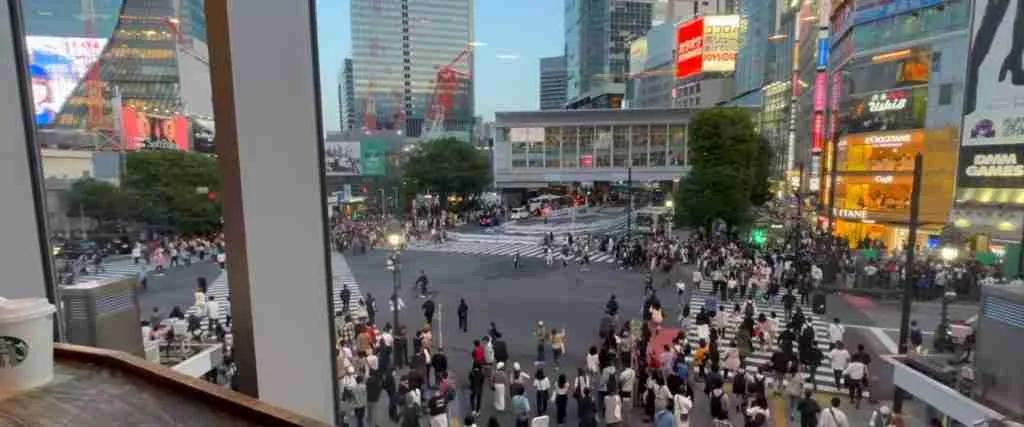
Tokyo’s scale creates infinite opportunities for discovery beyond standard tourist circuits. While millions visit Sensō-ji and Shibuya Crossing, countless equally remarkable places remain unknown to most visitors and even many residents. These hidden gems preserve authentic Tokyo character free from tourism’s homogenizing effects. Understanding where and how to find these places transforms superficial city visits into genuine urban exploration revealing Tokyo’s layered complexity.
Hidden gems exist not in remote locations but concealed within plain sight through cultural factors including understated entrances, residential contexts, and lack of English signage. Japanese cultural preference for subtlety over promotion means remarkable places receive minimal advertising, relying instead on word-of-mouth transmission through knowing communities. This guide reveals these overlooked treasures across traditional neighborhoods, cultural institutions, dining scenes, and natural spaces that reward explorers venturing beyond guidebook recommendations.
People Also Ask About Tokyo Hidden Gems
Where can visitors find authentic Tokyo neighborhoods away from tourists?
Authentic neighborhood experiences concentrate in shitamachi (downtown) districts including Yanaka, Kagurazaka, Koenji, and Shimokitazawa where residential communities maintain local character distinct from commercial tourist zones. These areas feature narrow streets, independent shops, traditional architecture, and local dining establishments serving neighborhood regulars rather than visitors. Walking these neighborhoods reveals daily Tokyo life including elderly residents tending small gardens, craftspeople operating workshops, and community participation in local festivals and temple activities.
Mid-town and suburban neighborhoods including Nakano, Kichijoji, and Jiyugaoka offer distinct local atmospheres with shopping arcades, parks, and dining scenes catering to residents. These areas lack major tourist attractions making them overlooked by visitors, yet they provide authentic glimpses into how Tokyo residents actually live. Local markets, neighborhood sento, small shrines, and family-run businesses create community fabrics absent in heavily touristed central districts. Exploring these residential areas requires patience and wandering willingness but rewards visitors with genuine cultural insights.
How do you find hidden restaurants and bars without English signage?
Finding hidden dining establishments requires combining research, local recommendations, and exploratory wandering. Online resources including Tabelog (Japanese restaurant review site) and Instagram location tags reveal neighborhood favorites with photos overcoming language barriers. Hotel concierges and hostel staff provide insider recommendations based on your preferences. Walking neighborhoods and observing where local business people eat reveals quality establishments without tourist trappings.
Many best restaurants and bars occupy building upper floors or basements with only small signs or no signage at all. Building directories in lobbies list tenant businesses, though Japanese-only listings require translation apps or asking nearby workers for assistance. Some establishments require introductions from existing customers, maintaining exclusivity through social networks rather than public access. These barriers protect intimate atmospheres but reward persistent explorers with exceptional experiences unavailable through standard tourism channels. Don’t hesitate to enter unpromising-looking doorways and climb narrow stairs to discover remarkable spaces hidden from street view.
What makes certain Tokyo places remain hidden from tourists?
Multiple factors keep remarkable places undiscovered despite Tokyo’s massive visitor numbers. Cultural modesty discourages self-promotion, with exceptional businesses relying on reputation rather than marketing. Language barriers exclude non-Japanese speakers from information circulating in domestic media and social networks. Small capacities at temples, gardens, and dining establishments mean owners don’t seek tourist business that would overwhelm facilities. Lack of English information creates practical access barriers even when places welcome foreign visitors.
Location factors also preserve hidden status for places in residential neighborhoods, building upper floors, or suburban districts beyond typical tourist routes. The effort required to reach these places naturally limits visitor numbers. Some hidden gems deliberately maintain low profiles preferring local clientele to tourist business. This isn’t unfriendliness but recognition that certain experiences work best at smaller scales with visitors who appreciate subtle qualities rather than seeking spectacular showpieces for social media posting.
Are there secret gardens and green spaces in central Tokyo?
Central Tokyo conceals numerous gardens and green spaces hidden behind walls, inside building complexes, or attached to temples and private estates. The Institute for Nature Study in Meguro preserves 20 hectares of natural forest and wetlands within the city, accessible for small admission fees but overlooked by most visitors. Hotel gardens including the New Otani’s Japanese garden and the Imperial Hotel’s garden provide tranquil spaces open to non-guests. Corporate headquarters often feature rooftop or ground-level gardens fulfilling green space requirements in building codes.
Temple and shrine grounds throughout residential neighborhoods contain gardens designed by master landscape architects yet rarely visited by tourists focused on major temples. Nezu Shrine’s azalea garden, Koishikawa Kōrakuen’s Edo Period landscape, and Rikugien’s pond garden represent different historical garden styles in relatively quiet locations. Small neighborhood parks often contain mature trees, water features, and local character absent from larger famous parks. These green spaces require local knowledge or exploratory walking to discover but reward visitors with peaceful experiences in unexpectedly natural settings.
Extended multi-day tours – 5+ days
Featured Tokyo Multi-Day Tour Packages
3 days
Tokyo 3-Day Discovery Tour
- ✓ Comprehensive Tokyo experience
- ✓ Expert local guides included
- ✓ All accommodation included
- ✓ Transportation provided
5 days
Tokyo 5-Day Highlights Experience
- ✓ Comprehensive Tokyo experience
- ✓ Expert local guides included
- ✓ All accommodation included
- ✓ Transportation provided
7 days
Tokyo 7-Day Cultural Journey
- ✓ Comprehensive Tokyo experience
- ✓ Expert local guides included
- ✓ All accommodation included
- ✓ Transportation provided
10 days
Tokyo 10-Day Complete Adventure
- ✓ Comprehensive Tokyo experience
- ✓ Expert local guides included
- ✓ All accommodation included
- ✓ Transportation provided
Multi-day tour packages powered by TourRadar. Prices and availability subject to change.
Traditional Craft Workshops and Artisan Studios
Tokyo’s artisan heritage survives through small workshops scattered across shitamachi neighborhoods where craftspeople maintain techniques passed through family generations. Asakusa concentrates traditional crafts including knife making, lantern production, fan crafting, and indigo dyeing within walking distance. The Kappabashi district supplying restaurant equipment includes shops hand-crafting wax food models, bamboo kitchen implements, and traditional ceramics. These workshops often welcome visitors observing work processes, with some offering hands-on experiences or selling directly to customers avoiding retail markup.
Yanaka and Sendagi neighborhoods preserve craft traditions including kimono tailoring, traditional confectionery making, wooden toy production, and brass metal casting. Walking narrow streets reveals workshops through window glimpses of artisans working at benches or kilns. Many craftspeople maintain storefronts connected to rear production spaces, allowing customers direct interaction with makers. This maker-customer relationship preserves knowledge transmission while supporting independent artisans competing against industrial mass production. Purchasing directly supports cultural preservation while acquiring objects impossible to find in department stores.
Leather working, printmaking, and textile studios operate throughout Kuramae and Okachimachi where wholesale commercial districts provide materials and customer bases. Contemporary craftspeople establish studios in these areas attracted by affordable rents and artisan communities. Some studios open shop-fronts selling finished products while offering workshops teaching traditional techniques. The concentration of makers creates craft districts where skills and knowledge circulate through informal networks, maintaining technical excellence and innovation within traditional forms.
Knife making represents Tokyo craft heritage at its finest, with Kiya knife shop in Nihonbashi operating continuously since 1792. Master blacksmiths forge kitchen knives using traditional techniques refined over centuries. Customers consult with staff selecting knives matched to specific cutting tasks and hand sizes. This specialized expertise embedded in longstanding businesses demonstrates how craft knowledge survives through dedicated transmission even in contemporary commercial contexts. Similar specialized shops throughout the city preserve expertise in fields from tea ceremony implements to calligraphy brushes.
Underground Bar Scene and Hidden Izakaya
Tokyo’s bar culture extends far beyond visible street-level establishments into building basements, upper floors, and unmarked locations accessible only through insider knowledge. Golden Gai in Shinjuku epitomizes this hidden bar culture with over 200 tiny bars occupying two-story buildings in narrow alleys. Each bar seats 4-10 customers, creating intimate environments where bartenders and regulars form tight communities. Many bars enforce cover charges or require introductions, protecting regular customers from tourist crowds. Theme bars focus on specific music genres, movies, or subcultures, attracting enthusiasts creating conversation communities around shared interests.
Noge in Yokohama and Harmonica Yokocho in Kichijoji represent other notable hidden drinking districts where narrow alleys concentrate tiny bars and standing izakaya. These areas evolved from black market districts following World War II, with wooden structures and intimate scales creating atmospheric environments distinct from modern commercial zones. Exploration requires wandering narrow passages, climbing rickety stairs, and taking chances on unmarked doors. The discovery process itself becomes memorable experience beyond any individual bar, with wrong turns and unexpected encounters creating authentic urban adventure.
Basement bars in commercial buildings house remarkable cocktail specialists, jazz listening rooms, and neighborhood izakaya invisible from street level. Building directories sometimes list tenants, though many bars lack any signage. Following well-dressed locals descending basement stairs late evening often leads to quality establishments. Some buildings contain multiple bars on different floors, creating vertical entertainment districts within single structures. This spatial layering allows Tokyo to pack extraordinary nightlife density into limited geography.
Kissaten (old-style coffee shops) function as daytime equivalents to hidden bars, with intimate atmospheres, particular character, and regular customer bases. These establishments serve hand-dripped coffee in ceramic cups alongside simple food items. Owners curate music collections playing on vintage audio systems, creating sanctuary spaces for reading, conversation, or solitary contemplation. Kissaten culture peaked in the 1970s-80s with thousands operating citywide; survivors maintain devoted followings appreciating their anachronistic charms. Finding these spaces requires wandering residential neighborhoods and following elderly customers into unpromising doorways.
Lesser-Known Museums and Specialized Collections
Tokyo’s museum landscape extends far beyond major institutions to include hundreds of specialized collections focused on narrow topics. The Meguro Parasitological Museum houses 300 parasite specimens in jarred displays with detailed scientific explanations. This free museum attracts curious visitors seeking unusual experiences while serving serious educational purposes. The Japanese Sword Museum in Ryogoku displays blade collections demonstrating metallurgical and artistic achievements, with explanatory materials contextualizing swords within samurai culture and craft traditions.
The Tokyo Metropolitan Teien Art Museum occupies a 1933 Art Deco mansion built for Prince Asaka, with period architecture as significant as rotating art exhibitions. The building demonstrates Japanese adoption of European modernist aesthetics during the interwar period. Surrounding gardens designed by landscape architect Ogawa Jihei complement the building’s refined aesthetics. This museum receives far fewer visitors than major institutions despite exceptional architecture and quality exhibitions, making visits peaceful and contemplative.
The Sumo Museum at Ryōgoku Kokugikan displays ukiyo-e prints, ceremonial garments, and historical artifacts documenting sumo’s cultural significance beyond mere sport. Free admission and location within the sumo stadium keep the museum overlooked by most visitors focused on matches. Similar sport-specific museums including the Baseball Hall of Fame and Bicycle Culture Center preserve specialized histories with passionate curatorial attention rarely found in general museums. These institutions serve dedicated enthusiast communities while welcoming curious generalists.
Neighborhood museums operated by wards (ku) document local history through photographs, artifacts, and reconstructed historical environments. The Shitamachi Museum in Ueno recreates Edo Period merchant quarter interiors with authentic furnishings and household implements. Local history museums in Setagaya, Meguro, and other wards preserve memories of pre-war Tokyo destroyed by bombing and redevelopment. These institutions receive minimal tourism promotion but offer valuable historical perspectives on neighborhoods and daily life absent from narrative national histories emphasizing political and military events.
Secret Temple Complexes and Quiet Shrines
Major temples including Sensō-ji and Meiji Jingu receive millions of annual visitors while equally significant temples in residential neighborhoods remain peaceful sanctuaries. Gōtokuji Temple in Setagaya displays thousands of maneki-neko (beckoning cat) figurines offered by visitors seeking good fortune. The temple claims origination of this iconic Japanese symbol, with cats covering temple grounds in remarkable visual displays. Despite this uniqueness, the temple receives relatively few visitors compared to central tourist temples.
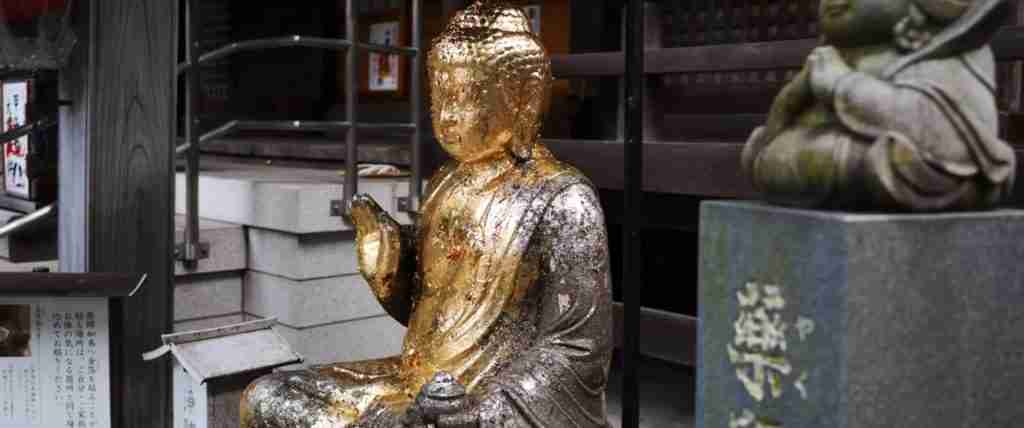
Tennō-ji Temple in Yanaka features a bronze Buddha statue and atmospheric grounds with ancient trees and moss-covered stone monuments. The temple complex occupies a hilltop site providing elevated views across low-rise Yanaka neighborhoods. Nearby cemetery paths wind through cherry trees and memorial stones marking graves of notable Edo Period figures. This temple represents typical neighborhood religious institutions that functioned as community centers throughout Tokyo’s history, maintaining quiet dignity while major temples adapt to mass tourism demands.
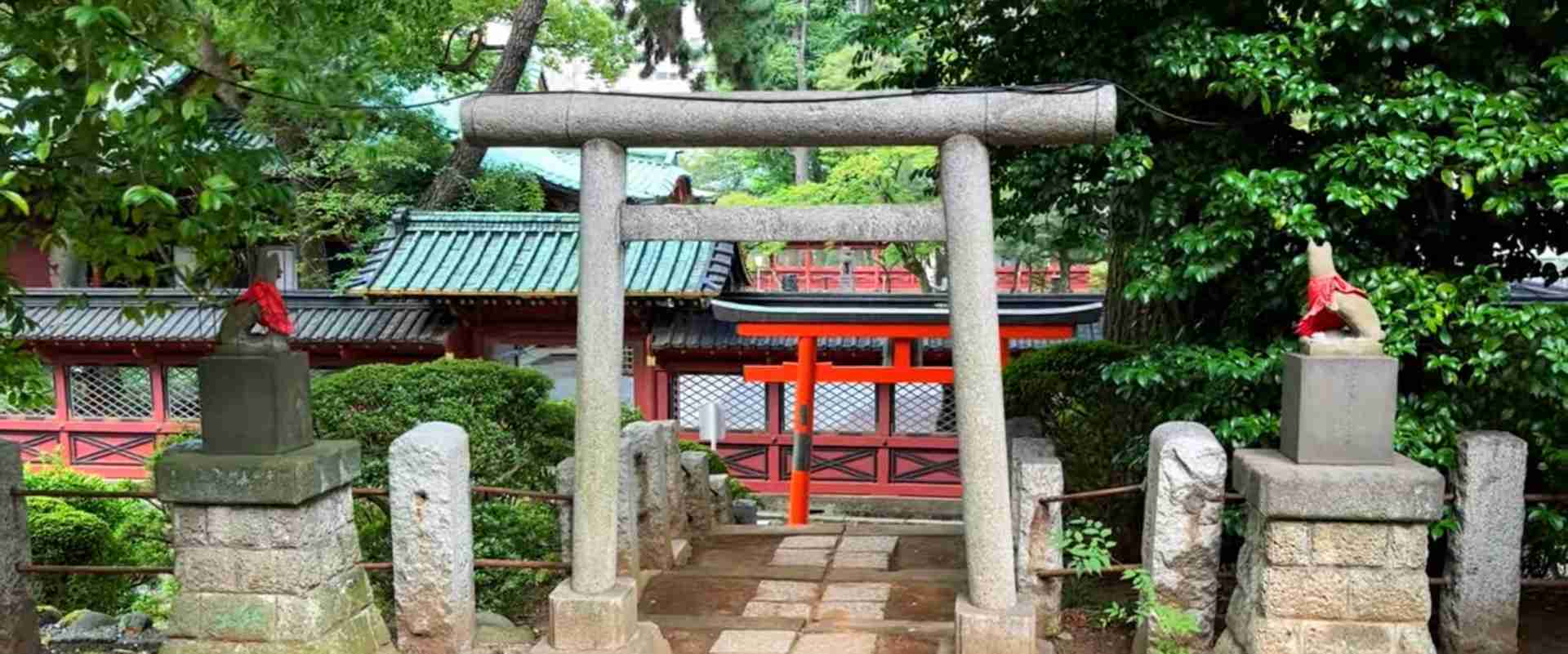
Nezu Shrine in Hongo preserves an architecturally significant shrine complex designated Important Cultural Property, with vermilion buildings, azalea gardens, and hillside torii gate tunnel. The shrine receives local worshippers and seasonal visitors for azalea bloom but remains unknown to most tourists. Spring azalea festivals attract modest crowds compared to cherry blossom hordes elsewhere, creating pleasant viewing conditions. The shrine demonstrates how major architectural and horticultural sites survive without tourist infrastructure simply through lack of guidebook promotion.
Tōdai-ji Temple (not to be confused with Nara’s famous temple) in Meguro contains a wooden seated Buddha carved by master sculptor Enku. The small temple opens only on specific days, creating exclusivity that enhances visitor experiences. Hundreds of similar neighborhood temples throughout Tokyo maintain limited opening hours or require appointments for interior viewing. This access limitation preserves intimate scales while protecting vulnerable artifacts from mass tourism impacts. Researching opening times and visiting policies rewards patient visitors with privileged access to remarkable spaces.
Hidden Gardens and Natural Retreats
Kyu-Furukawa Gardens in Kita ward combine Western rose gardens with traditional Japanese landscape architecture in former aristocratic estate grounds. The property includes a Western-style mansion designed by British architect Josiah Conder complementing the diverse garden styles. Entry fees keep visitor numbers manageable while maintaining garden quality. Spring and autumn seasons feature spectacular displays with roses blooming against carefully composed background plantings. The garden’s relative obscurity compared to Koishikawa Kōrakuen or Rikugien allows peaceful appreciation of horticultural artistry.
Happōen Garden in Shirokane functions primarily as wedding and event venue with traditional garden open to visitors willing to pay admission fees. The six-hectare landscape features pond, tea houses, mature trees, and seasonal plantings maintained to exceptional standards for event photography. Commercial function keeps the garden off tourist circuits despite central location and outstanding quality. Similar private gardens including Chinzan-sō and hotel gardens provide alternatives to crowded public parks for visitors seeking tranquil green spaces.
Roof gardens atop department stores and office buildings create unexpected urban oases. Mitsukoshi Ginza’s rooftop garden features small shrine and greenery providing respite during shopping excursions. Several office buildings including Tokyo Midtown and Roppongi Hills incorporate accessible roof gardens with seating, plantings, and city views. These commercial spaces fulfill green space building requirements while providing public amenities. Discovering these gardens requires building directory research or following local office workers seeking lunch breaks in outdoor spaces.
The Nature Study Institute in Meguro preserves natural forest ecosystems including wetlands, groves, and meadows demonstrating Tokyo’s pre-development landscapes. Wooden walkways guide visitors through habitats supporting native plants and wildlife rarely visible in urban contexts. Educational displays explain ecological relationships and conservation efforts. This scientific preserve operates differently from landscaped gardens, valuing natural processes over aesthetic management. Quiet weekday visits provide immersive nature experiences impossible in larger urban parks hosting sports facilities and crowds.
Traditional Market Halls and Shopping Arcades
Tsukiji Outer Market survived the wholesale fish market’s relocation to Toyosu, maintaining restaurant and retail businesses serving seafood enthusiasts. The dense network of shops sells fresh fish, dried goods, kitchen implements, and prepared foods at wholesale and retail scales. Walking narrow aisles reveals professional cooking equipment rarely seen in consumer stores. Early morning visits allow observation of restaurant procurement and wholesale trading. The market represents working commercial districts serving food industry professionals rather than tourist-focused attractions.
Ameya Yokocho Market stretches along Yamanote Line tracks between Ueno and Okachimachi stations, with hundreds of vendors selling fresh produce, dried goods, clothing, and miscellaneous merchandise. The market originated as black market following World War II, maintaining energetic unpolished character distinct from sanitized modern retail. Loud vendors hawk merchandise, customers negotiate prices, and shopping requires navigating crowded aisles. This authentic market experience reveals Tokyo’s scrappy commercial traditions surviving alongside luxury department stores.
Nakano Broadway represents otaku culture ground zero with multiple floors housing shops selling anime collectibles, vintage toys, manga, and subculture merchandise. The building functions as vertical shopping district with narrow aisles packed with merchandise displayed in glass cases. Serious collectors hunt rare items while casual visitors browse overwhelming assortments. The building’s labyrinthine organization rewards extended exploration revealing progressively more specialized shops in deeper recesses. This represents hidden gems accessible to anyone yet unknown to most visitors focusing on Akihabara’s more tourist-friendly otaku district.
Local shōtengai (covered shopping arcades) throughout residential neighborhoods preserve small-scale retail serving community needs. Togoshi Ginza, Musashi-Koyama, and dozens of similar arcades feature butchers, fishmongers, vegetable shops, bakeries, and general merchants. These walkable shopping streets create community gathering spaces where residents encounter neighbors and maintain local relationships. Evening grocery shopping reveals authentic Tokyo residential life with mothers purchasing dinner ingredients and elderly residents stopping for conversation. Supporting these local businesses helps preserve neighborhood character against chain store homogenization.
Underground Music Venues and Live Houses
Tokyo’s underground music scene thrives in small live houses hosting emerging bands and established acts playing intimate shows. Koenji and Shimokitazawa concentrate music venues within walking distance, creating neighborhood music districts. Venues including Shelter, Club Que, and numerous basement spaces host indie rock, punk, experimental, and alternative music performances. Cover charges remain modest compared to large venue concerts, providing accessible live music experiences. These venues maintain egalitarian atmospheres where musicians and audiences interact directly without corporate entertainment industry intermediaries.
Jazz kissa (jazz listening bars) preserve specialized listening culture where proprietors play vinyl records through high-quality audio systems for dedicated customers. These establishments discourage conversation, creating focused listening environments treating recorded music with concert-like reverence. Some jazz kissa operate for decades, with owners amassing extensive record collections reflecting deep musical knowledge. Visiting these spaces provides musical education through curated programming impossible with personal playlist streaming. The contemplative atmosphere appeals to serious music enthusiasts while introducing newcomers to jazz history and appreciation.
Basement clubs in Shibuya and Roppongi host underground dance music including techno, house, and experimental electronic performances. Venues including Contact, ageHa, and WOMB attract dedicated dance music communities. These clubs maintain later hours than mainstream entertainment districts, with peak activity from midnight to dawn. International DJs include Tokyo in Asian touring circuits, bringing global underground sounds to local audiences. Club culture represents countercultural spaces within otherwise conformist society, allowing expression and behavior transgressing normal Japanese social norms.
Classical music venues including small concert halls and church spaces host chamber music and solo recitals in intimate settings. Suntory Hall operates a smaller Blue Rose space for chamber performances complementing the main concert hall. Church venues including St. Ignatius in Yotsuya and Tokyo Cathedral host organ recitals and choral performances in acoustically exceptional spaces. These classical music opportunities remain overlooked by visitors focused on traditional Japanese culture, missing opportunities to experience Tokyo’s cosmopolitan artistic life beyond stereotypical “Japanese” cultural forms.
Neighborhood Sento and Onsen Culture
Public bath houses (sento) survive in residential neighborhoods providing communal bathing experiences and community gathering spaces. Approximately 500 traditional sento continue operating in Tokyo, though numbers decline as home bathing becomes universal. Visiting sento reveals authentic local social environments where neighborhood residents relax and converse. Bathing etiquette requires washing thoroughly before entering shared baths, with some sento maintaining separate areas for traditional Japanese baths and modern amenities including saunas and jet baths.
Thermae-Yu Roppongi and similar modern urban onsen facilities bring natural hot spring water to central Tokyo through deep drilling. These facilities operate as hybrid sento-spa-restaurant complexes providing extended relaxation experiences beyond simple bathing. Roof-top outdoor baths with city views, multiple temperature pools, and elaborate amenities attract both local residents and tourists seeking onsen experiences without leaving the city. These commercial operations help preserve public bathing culture by modernizing facilities and expanding service offerings.
Traditional sento architecture features distinctive tall chimneys, tiled entrances, and murals of Mount Fuji decorating bath hall walls. Remaining buildings represent important cultural heritage as developers replace bathhouses with more profitable apartments. Some sento collaborate with architects and artists creating contemporary bathing spaces while preserving communal bathing traditions. Koganeyu in Minami-Senju features artistic renovations attracting younger customers while maintaining neighborhood regular base. These innovative approaches demonstrate how traditional institutions adapt to changing demographics and customer expectations.
Sento etiquette and facilities may intimidate first-time visitors unfamiliar with naked communal bathing. Staff demonstrate washing procedures and explain bath types for uncertain customers. Gender-separated facilities ensure privacy, though initial discomfort fades quickly once bathing begins. The experience provides insight into Japanese attitudes toward body, cleanliness, and communal relaxation different from Western spa culture. Overcoming initial shyness rewards visitors with memorable cultural experiences and genuine interactions with local residents in informal settings.
Retro Showa Era Spaces and Nostalgic Streets
Showa Period (1926-1989) nostalgia preserves mid-century aesthetics through retro bars, coffee shops, and entertainment districts maintaining vintage atmospheres. Shinjuku’s Golden Gai and Shibuya’s Nonbei Yokocho represent surviving postwar drinking alleys with two-story wooden buildings housing tiny bars. These districts evoke 1960s Tokyo despite contemporary operation, with narrow passageways, steep stairs, and intimate spaces creating atmospheric environments valued by regulars and curious visitors alike. Preservation efforts recognize these districts’ cultural significance as living museums of mid-century urban life.
Movie theaters including Waseda Shochiku and other single-screen cinemas maintain analog projection and vintage architectural features from cinema’s golden age. These venues screen repertory programming including classic Japanese films rarely shown in multiplexes. Visiting these spaces provides historical perspective on film viewing before digital distribution and home entertainment. Comfortable worn seats, tobacco-stained walls, and elderly projectionist operations transport visitors to earlier entertainment eras. Film enthusiast communities support these venues recognizing their cultural value beyond mere nostalgia.
Department store basements and upper floors sometimes preserve mid-century restaurant floors with unchanged decor, menu formats, and service styles. These time-capsule spaces feature vinyl booths, waitresses in period uniforms, and dishes photographed on plastic display models. Western-style yoshoku cuisine including hambagu (hamburg steak), omurice (omelet rice), and curry rice represents Japanese adaptations of Western food popular during postwar Americanization. Eating in these restaurants provides culinary and architectural nostalgia simultaneously, sampling comfort foods while experiencing mid-century design aesthetics.
Retro game arcades preserve classic coin-operated games including mechanical pachislot, pinball variants, and early video games. Super Potato in Akihabara specializes in vintage gaming consoles and software, while floors upstairs feature playable classic arcade cabinets. These spaces appeal to gaming enthusiasts seeking historical experiences beyond modern gaming centers’ focus on contemporary entertainment. Playing physical machines with joysticks and buttons provides tactile experiences lost in touchscreen and controller gaming, demonstrating how technological changes transform entertainment experiences fundamentally.
Warehouse Districts and Converted Industrial Spaces
Warehouse conversions throughout former industrial areas create contemporary cultural spaces from abandoned commercial buildings. Terada Warehouse in Tennōzu Isle operates a climbing gym in massive industrial facility maintaining raw concrete aesthetics. The cavernous space with minimal intervention demonstrates adaptive reuse preserving architectural character while introducing new functions. Surrounding waterfront district combines art galleries, cafes, and creative businesses in converted warehouses creating neighborhood atmosphere distinct from traditional Tokyo districts.
Arts Chiyoda 3331 occupies a former junior high school building converted to art center housing galleries, studios, and event spaces. The institutional architecture remains largely unmodified, with classroom-sized galleries and hallway exhibitions creating unique display contexts. Artist studios open periodically allowing public observation of creative processes. This conversion model preserves architecturally significant buildings while introducing arts programming to residential neighborhoods, benefiting both arts communities and local residents.
Shimokitazawa and Nakameguro feature converted warehouses and small factories housing live music venues, craft beer bars, and independent shops. These adaptive reuse projects maintain neighborhood scale while introducing new activities to previously industrial sites. Raw industrial aesthetics including exposed beams, concrete floors, and minimal intervention attract creative businesses seeking distinctive spaces and affordable rents. The cumulative effect creates neighborhood character blending residential, commercial, and cultural functions distinct from single-use districts.
Photography galleries and artist-run spaces occupy converted apartments and commercial spaces throughout Tokyo. Gallery complexes including Ebisu’s Yebisu Garden Place and Nihonbashi’s YUGEN Gallery concentrate multiple exhibition spaces facilitating gallery-hopping. These commercial spaces support emerging artists while providing accessible contemporary art experiences free from major museum formality. Opening receptions create social events connecting artists, collectors, and enthusiasts within Tokyo’s contemporary art community.
Culinary Hidden Gems and Specialist Food Shops
Specialist food shops throughout Tokyo preserve traditional preparation techniques and ingredient knowledge within narrow categories. Ningyōchō’s Amazake Yokocho concentrates confectionery makers, pickle shops, and traditional food merchants along atmospheric street. These shops maintain family businesses spanning generations, with current owners inheriting recipes and techniques from parents and grandparents. Purchasing from these specialists provides access to exceptional quality unavailable in supermarkets while supporting cultural heritage preservation through commercial viability.
Standing sushi bars in Tsukiji Outer Market and Nihonbashi provide exceptional quality at modest prices compared to seated sushi restaurants. Counter seating allows observation of chef technique while maintaining informal atmosphere. These establishments serve local fish industry workers and knowledgeable customers demanding freshness and skill. Visitors willing to wait in short lines and order using pointing or simple Japanese access remarkable sushi experiences without high-end pricing or formal reservation requirements.
Ramen shops in residential neighborhoods often outperform tourist-district establishments through dedication to specific regional styles or original creations. Shops with lines of local customers during lunch hours indicate quality worthy of wait times. Tsukemen (dipping noodles) specialists, regional ramen varieties including Hakata tonkotsu and Sapporo miso, and experimental fusion ramen demonstrate Tokyo’s position as ramen innovation center. Exploring neighborhood ramen scenes through walking and tasting provides delicious education in noodle culture diversity.
Wagashi (traditional sweets) shops create beautiful confections for tea ceremony and seasonal celebrations using techniques unchanged across centuries. Toraya in Akasaka and numerous neighborhood confectioners maintain aesthetic standards and ingredient quality defining wagashi culture. Shops change offerings seasonally, creating limited-time specialties reflecting natural phenomena and cultural observances. Purchasing and tasting these sweets provides edible art experiences demonstrating how Japanese aesthetics permeate even everyday foods. The shops’ understated presentations contrast with Western bakery marketing, reflecting cultural values of humility and craft over commercial promotion.
Finding Hidden Gems: Practical Strategies
Successful hidden gem discovery requires combining research, local interactions, and exploratory wandering. Instagram location tags reveal photogenic spots including cafes, gardens, and viewpoints unknown to guidebooks. Japanese social media including Tabelog and Retty provide domestic recommendations with translation apps overcoming language barriers. Local tourism office staff offer neighborhood suggestions based on specific interests beyond standard tourist information. These digital and human resources provide starting points for exploration beyond obvious destinations.
Walking residential neighborhoods without specific destinations allows organic discovery through observation and curiosity. Notice building entries with interesting signs, follow intriguing smells from restaurant basements, observe where locals queue or gather, and don’t fear entering unmarked doors to discover what’s upstairs. This exploratory approach requires time flexibility and comfort with uncertainty but rewards wanderers with authentic discoveries impossible to plan. Getting lost in Tokyo’s complex geography often leads to the most memorable experiences.
Temporal strategies including weekday visits, early morning timing, and off-season periods help avoid crowds at known locations while increasing local resident interactions. Neighborhoods reveal different characters across time periods, with morning market shopping, afternoon tea times, and evening izakaya hours each offering distinct atmospheres. Seasonal variations affect everything from garden displays to festival schedules to food availability. Repeat visits at different times layer understanding of places and neighborhoods beyond single visits.
Language learning basics including reading hiragana and katakana opens access to signage, menus, and information resources invisible to non-readers. Translation apps photograph signs providing instant interpretation. Don’t hesitate asking for help through gesture, smartphone translation, or broken Japanese attempts. Most Tokyo residents happily assist foreign visitors despite language barriers, particularly when visitors demonstrate genuine interest beyond superficial tourism consumption. Cultural respect and humble curiosity open doors that entitlement and impatience close.
FAQ: Tokyo Hidden Gems
How can visitors find hidden gems without speaking Japanese?
Visual research through Instagram, Google Maps photos, and YouTube videos provides information beyond language barriers. Translation apps photograph signs and menus for real-time interpretation. Hotel staff and tourist information centers offer recommendations based on your interests. Observation and following local customers to restaurants and shops works effectively. Many hidden gems have simple entry procedures requiring minimal communication. Gesture, patience, and friendly demeanor overcome most language obstacles.
Are hidden bars and restaurants welcoming to foreign visitors?
Most establishments welcome foreign customers, though some tiny bars with regular-only policies may decline first-time visitors regardless of nationality. Respectful behavior, modest drinking, and sincere interest in the venue’s character usually receive warm reception. Some owners speak English or have English menus, while others communicate through gesture and goodwill. Cover charges at some bars apply equally to all customers. Unwelcoming experiences remain rare compared to positive interactions with curious proprietors happy to share their spaces with appreciative visitors.
What neighborhoods best represent authentic Tokyo life?
Yanaka, Kagurazaka, Nakameguro, and Shimokitazawa balance accessibility with authentic neighborhood character. These areas feature local shops, residential streets, and community gathering places without heavy tourist presence. Each neighborhood has distinct personality from traditional Yanaka to trendy Nakameguro, allowing visitors to choose atmospheres matching their interests. Wandering these neighborhoods during weekday mornings or late afternoons reveals daily Tokyo life including shopping routines, school commutes, and local socializing.
How much exploring time should visitors allocate for hidden gems?
Full-day neighborhood explorations allow adequate time for wandering, discoveries, and spontaneous detours. Rushing limits opportunities for organic discoveries and chance encounters. Building exploration days into itineraries rather than cramming maximum attractions produces more memorable experiences. Quality over quantity applies strongly to hidden gem seeking, with single meaningful discoveries worth more than superficial coverage of numerous locations. Balance structured sightseeing with unstructured exploration time for optimal experiences.
What safety considerations apply to exploring unfamiliar areas?
Tokyo maintains exceptionally low crime rates making neighborhood exploration safe at all hours. Standard urban awareness about surroundings applies but paranoia isn’t necessary. Unmarked venues in basements or upper floors rarely pose safety concerns despite mysterious appearances. Avoid excessively intoxicated behavior and maintain respectful conduct. Communication issues present more common challenges than safety threats. Trust instincts if any situation feels uncomfortable, though actual danger remains extremely rare in Tokyo’s urban environment.
How do seasonal changes affect hidden gem accessibility?
Gardens feature seasonal plantings with spring cherry blossoms, summer greenery, autumn foliage, and winter dormancy each offering distinct beauty. Some temples and museums close during renovation periods or restrict access during ceremonies. Festival seasons bring neighborhood celebrations revealing community dynamics usually hidden. Food specialties change seasonally affecting restaurant menus and market offerings. Winter reduces daylight limiting afternoon exploration while summer heat encourages morning and evening activities. Research seasonal factors when planning specific venues.
Can visitors access corporate building gardens and rooftop spaces?
Many corporate gardens and rooftop spaces remain open to public during business hours, though some require building entry passes or have restricted access. Building lobbies usually indicate public space availability through signage or directory information. Security guards can confirm public access policies though language barriers may require translation assistance. Some spaces welcome public use while others serve primarily employee needs with tolerance for occasional visitors. Polite inquiry and respectful behavior usually grant access to these semi-public spaces.
What etiquette applies to visiting neighborhood temples and shrines?
Basic respect including quiet behavior, proper worship procedures, and dress modesty suffices for most visits. Remove hats before worship halls, avoid eating or drinking on grounds, and refrain from photographing worshippers without permission. Small donation boxes accept offerings when visiting, though donations remain voluntary. Some temples charge admission for special garden or building access. Following observed behaviors of Japanese visitors provides guidance for appropriate conduct. Temple staff rarely enforce rules strictly on visitors but appreciate demonstrated respect for sacred spaces.
How can visitors support preservation of traditional shops and venues?
Making purchases at traditional shops, paying entrance fees at small museums, and visiting craftspeople support commercial viability enabling cultural preservation. Respectful behavior including following photographing guidelines, maintaining quiet in appropriate spaces, and expressing appreciation helps venues maintain quality standards despite tourism pressures. Writing positive reviews and sharing recommendations through appropriate channels helps hidden gems maintain customer bases without overwhelming them. Understanding that some venues prefer limited visitors respects their choices about scale and atmosphere.
What makes a place a “hidden gem” versus simply unknown?
Hidden gems offer exceptional quality, authentic character, or unique experiences despite limited recognition. Simply unknown places may lack distinction beyond obscurity. Hidden gems reward discovery through meaningful experiences whether aesthetic, culinary, cultural, or atmospheric. They demonstrate Tokyo’s depth and diversity beyond obvious attractions. The discovery process adds value through exploration satisfaction and insider knowledge acquisition. Hidden gems often inspire return visits and recommendations to others, demonstrating lasting value beyond novelty.