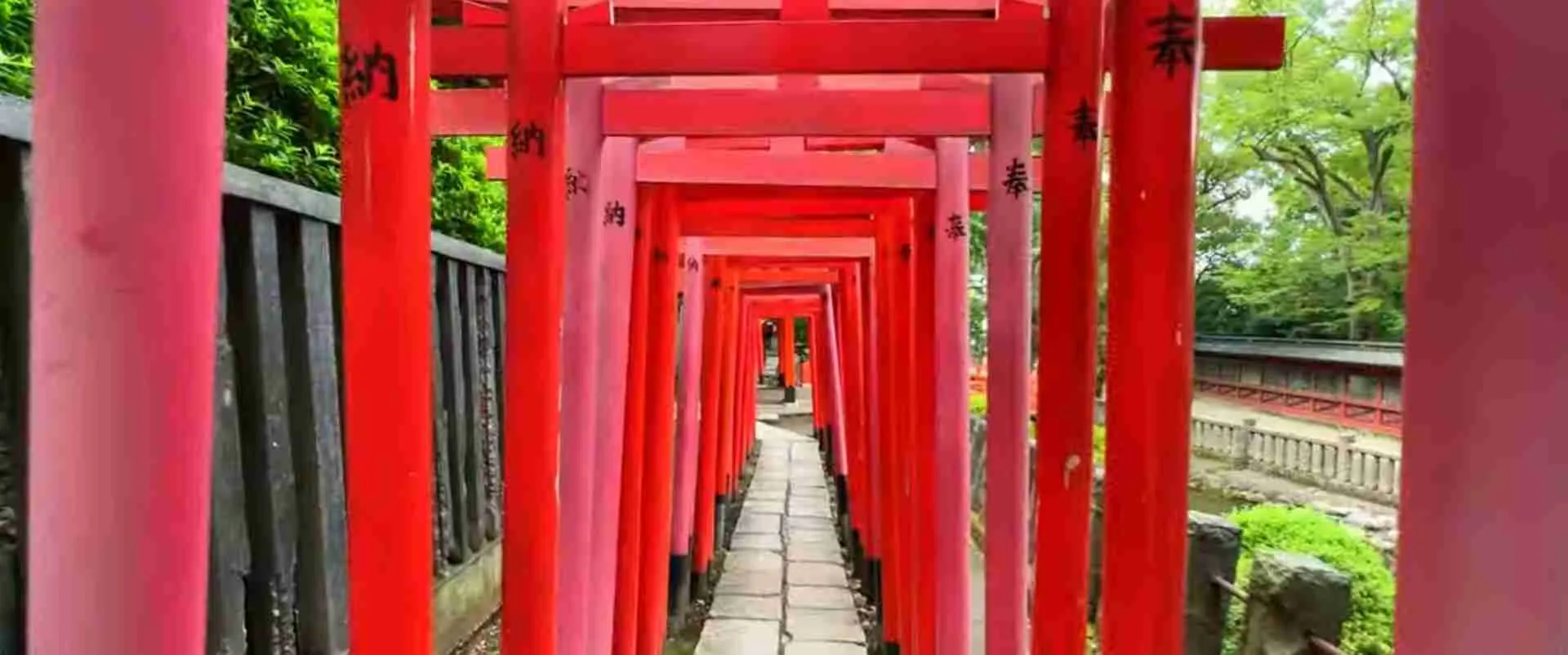
Tokyo Free Things to Do 2026: 10 Budget Activities & Attractions
Key Takeaways
- Tokyo offers exceptional free experiences across temples, shrines, parks, and observation decks worth exploring in 2026
- Strategic timing enables access to free museum days and seasonal festivals throughout the year
- Transportation constitutes the primary expense, with daily metro passes at ¥600-800 providing unlimited access to free attractions
- Early morning visits to Tsukiji Outer Market and evening walks through Shibuya deliver authentic experiences without admission fees
- Combining free attractions with budget dining creates comprehensive Tokyo experiences under ¥3,000 daily excluding accommodation
- Free walking routes through neighborhoods like Harajuku, Yanaka, and Asakusa reveal Tokyo’s cultural diversity and architectural heritage
Introduction to Free Tokyo Experiences in 2026
Tokyo ranks among the world’s most expensive cities, yet travelers discover remarkable free experiences throughout Japan’s capital in 2026. The metropolis provides access to ancient temples, contemporary architecture, world-class parks, and cultural neighborhoods without admission charges. Strategic planning transforms Tokyo visits into budget-friendly adventures while maintaining rich cultural immersion and authentic local experiences.
Free attractions span Tokyo’s diverse districts from traditional Asakusa to modern Shibuya, offering comprehensive city exploration without significant costs. Transportation expenses represent the primary budget consideration, with metro fares starting at ¥180 per journey or unlimited day passes at ¥600-800. Travelers combining free attractions with budget meals create full-day experiences under ¥3,000 per person excluding accommodation.
The 2026 travel season brings enhanced accessibility to free attractions through improved English signage, expanded free WiFi networks, and digital tourism resources. Tokyo Metropolitan Government maintains numerous parks, observation decks, and cultural spaces accessible without charge, while religious sites welcome visitors for contemplative experiences and architectural appreciation throughout the year.
People Also Ask About Tokyo Free Activities 2026
What are the best completely free things to do in Tokyo in 2026?
The best completely free Tokyo experiences in 2026 include Senso-ji Temple in Asakusa, Meiji Shrine in Harajuku, Tokyo Metropolitan Government Building observation deck, Imperial Palace East Gardens, Yoyogi Park, Tsukiji Outer Market exploration, Shibuya Crossing observation, and seasonal cherry blossom viewing. These attractions require zero admission fees and provide authentic cultural experiences. Transportation costs ¥180-240 per journey via metro, or travelers purchase unlimited day passes at ¥600-800 for comprehensive city exploration.
How much money do you need per day in Tokyo if you visit free attractions in 2026?
Daily Tokyo costs when prioritizing free attractions range ¥2,500-3,500 per person in 2026 excluding accommodation. Transportation via unlimited metro day pass costs ¥800, breakfast from convenience stores ¥400-600, lunch at budget restaurants ¥800-1,000, dinner ¥1,000-1,500, plus ¥500-600 for snacks and drinks. Travelers visiting exclusively free attractions eliminate admission costs typically ¥2,000-4,000 daily, creating significant savings. Budget accommodation adds ¥3,500-5,000 nightly for hostels or capsule hotels.
Are Tokyo temples and shrines really free to visit in 2026?
Major Tokyo temples and shrines remain free to visit in 2026, including Senso-ji Temple, Meiji Shrine, Yasukuni Shrine, and Nezu Shrine. These religious sites welcome visitors without admission charges for temple grounds, prayer halls, and gardens. Some temples charge ¥300-500 for special treasure halls or inner garden access, but primary worship areas and architectural viewing stay completely free. Visitors show respect through quiet observation, proper shrine etiquette, and optional donations at offering boxes.
What free Tokyo observation decks offer the best views in 2026?
Tokyo Metropolitan Government Building in Shinjuku provides the best free observation deck access in 2026, with twin towers offering 360-degree views from 202 meters elevation. Opens daily 9:30 AM – 10 PM with extended hours during peak seasons. Bunkyo Civic Center observation deck on 25th floor delivers free views of Tokyo Dome and surrounding districts. Caretta Shiodome 46th-floor observation area provides bay views and Rainbow Bridge perspectives without admission fees. These free decks match paid observation experiences at Tokyo Tower and Tokyo Skytree.
Extended multi-day tours – 5+ days
Featured Tokyo Multi-Day Tour Packages

3 days
Tokyo 3-Day Discovery Tour
- ✓ Comprehensive Tokyo experience
- ✓ Expert local guides included
- ✓ All accommodation included
- ✓ Transportation provided
5 days
Tokyo 5-Day Highlights Experience
- ✓ Comprehensive Tokyo experience
- ✓ Expert local guides included
- ✓ All accommodation included
- ✓ Transportation provided
7 days
Tokyo 7-Day Cultural Journey
- ✓ Comprehensive Tokyo experience
- ✓ Expert local guides included
- ✓ All accommodation included
- ✓ Transportation provided
10 days
Tokyo 10-Day Complete Adventure
- ✓ Comprehensive Tokyo experience
- ✓ Expert local guides included
- ✓ All accommodation included
- ✓ Transportation provided
Multi-day tour packages powered by TourRadar. Prices and availability subject to change.
Essential Budget Planning for Tokyo 2026
Understanding Tokyo Free Attraction Costs in 2026
Tokyo’s free attractions eliminate admission charges while requiring strategic budget planning for transportation, meals, and incidental expenses. Metro transportation constitutes the primary cost factor, with single journeys at ¥180-240 depending on distance. The 24-hour Tokyo Metro Pass costs ¥600 in 2026, providing unlimited subway access across the city. Check current fares at tokyometro.jp as prices remain stable for public transportation.
Travelers visiting multiple free attractions daily benefit from unlimited metro passes versus individual tickets. Six metro journeys exceed pass costs, making full-day exploration economically advantageous. IC cards like Pasmo or Suica offer tap-and-go convenience with ¥500 refundable deposit plus initial charge, providing flexibility across all Tokyo transportation networks including buses and trains.
Budget considerations beyond transportation include meals at ¥800-1,500 per meal for budget to mid-range options, convenience store supplies at ¥400-600 daily, and vending machine drinks at ¥130-160. Travelers combining free attractions with budget dining maintain daily costs under ¥3,000 excluding accommodation, delivering exceptional value compared to admission-heavy itineraries costing ¥8,000-12,000 daily.
Timing Strategies for Free Experiences in 2026
Optimal timing maximizes free attraction experiences while avoiding peak crowds that diminish enjoyment. Early morning visits to Senso-ji Temple and Meiji Shrine occur before tour group arrivals at 10 AM, providing peaceful contemplation and superior photography conditions. Tsukiji Outer Market operates 5 AM – 2 PM with peak activity 7-9 AM when vendors display fresh seafood and produce.
Tokyo Metropolitan Government Building observation decks open 9:30 AM – 10 PM, with sunset hours 4-6 PM creating extended wait times. Morning visits 9:30-11 AM or late evening 8-10 PM offer immediate elevator access and clearer atmospheric conditions. Weather patterns affect visibility, with autumn and winter months delivering sharper views than humid summer conditions.
Seasonal timing influences free experiences throughout 2026, with cherry blossom season late March to early April bringing festival atmospheres to Ueno Park and Yoyogi Park. Autumn foliage peaks mid-November to early December in temple gardens and Imperial Palace grounds. Summer festivals July-August feature free neighborhood celebrations with traditional performances and food stalls.
Top 10 Completely Free Tokyo Attractions for 2026
1. Senso-ji Temple Complex – Asakusa’s Ancient Buddhist Center
Senso-ji Temple stands as Tokyo’s oldest Buddhist temple, founded in 628 AD and completely free to explore in 2026. The temple complex spans multiple structures including the iconic Thunder Gate with massive paper lantern, Nakamise shopping street with 250-meter approach lined with traditional vendors, main temple hall, five-story pagoda, and surrounding gardens. Visitors experience authentic Buddhist worship, architectural grandeur, and traditional Japanese atmosphere without admission charges.
The temple grounds open 24 hours daily, with main hall access 6 AM – 5 PM. Early morning visits 6-8 AM provide serene experiences before crowds arrive, while evening illumination after sunset creates atmospheric photography opportunities. Nakamise shopping street operates 10 AM – 6 PM with traditional crafts, snacks, and souvenirs at budget prices ¥300-800. Free experiences include incense purification rituals, fortune-telling paper draws for ¥100, and architectural observation from multiple vantage points.
Transportation to Asakusa Station via Tokyo Metro Ginza Line costs ¥180-240 from central Tokyo areas. The temple district supports extended exploration including Sumida River walks, traditional neighborhood streets, and views toward Tokyo Skytree. Combine Senso-ji visits with free Sumida Park access along the riverside, creating comprehensive half-day experiences without admission costs beyond transportation.
2. Meiji Shrine – Harajuku’s Sacred Forest Sanctuary
Meiji Shrine provides Tokyo’s most impressive Shinto shrine experience within 175-acre forest grounds in central Harajuku, completely free to visit throughout 2026. The shrine complex features massive torii gates constructed from 1,500-year-old cypress trees, gravel approach paths through dense forest, traditional shrine architecture, and peaceful garden spaces. Visitors experience authentic Shinto traditions including purification rituals, prayer ceremonies, and seasonal festivals without any admission charges.
Shrine grounds open sunrise to sunset year-round, with precise times varying seasonally from 5 AM – 6:20 PM in summer to 6:40 AM – 4:20 PM in winter. Main shrine visits require 15-30 minutes for basic observation, extending to 1-2 hours for comprehensive forest walks and meditation. The Inner Garden charges ¥500 admission for iris gardens and traditional well viewing, but primary shrine areas remain completely free.
Access via JR Yamanote Line to Harajuku Station or Tokyo Metro Chiyoda/Fukutoshin Lines to Meiji-jingumae Station costs ¥180-240. The shrine’s central location enables combination visits with free Yoyogi Park adjacent to shrine grounds, Harajuku neighborhood exploration, and Omotesando architecture viewing. Early morning visits 6-8 AM offer peaceful forest atmosphere and potential shrine ceremony observation during traditional wedding seasons spring and autumn.
3. Tokyo Metropolitan Government Building – Shinjuku’s Free Observatory
Tokyo Metropolitan Government Building delivers the city’s premier free observation experience from twin 202-meter towers in Shinjuku, offering 360-degree panoramic views across Tokyo metropolitan area. The observation decks showcase Mount Fuji on clear days, Tokyo Skytree, Rainbow Bridge, and endless urban sprawl extending to horizon. North and South towers provide slightly different perspectives, with both delivering world-class city views without admission charges throughout 2026.
Observatory hours run 9:30 AM – 10 PM daily except second and fourth Mondays when South tower closes for maintenance, then North tower closes first and third Tuesdays. Last admission occurs 9:30 PM with visitors required to descend by 10 PM. Peak crowding occurs sunset hours 4-6 PM and weekends, while morning visits 9:30-11 AM and evening sessions 8-10 PM offer immediate elevator access and superior photography conditions.
The observation decks include small cafes serving coffee ¥400-500 and light refreshments, plus souvenir shops with Tokyo merchandise. Free tourist information centers on observation floors provide English maps, travel advice, and multilingual guidance. Access to Tocho-mae Station via Toei Oedo Line or 10-minute walk from Shinjuku Station’s West Exit creates convenient integration with Shinjuku exploration and evening entertainment district visits.
4. Imperial Palace East Gardens – Historic Imperial Grounds
Imperial Palace East Gardens provide the only public access to historic Imperial Palace grounds, offering free exploration of former Edo Castle foundations, traditional Japanese gardens, and preserved defensive structures. The gardens span 21 hectares with seasonal plantings, ancient stone walls, guard towers, and expansive lawns for relaxation. Visitors experience Japanese landscape design, historical architecture, and peaceful urban oasis without admission charges throughout 2026.
Gardens open 9 AM – 4:30 PM March-October and 9 AM – 4 PM November-February, closed Mondays and Fridays plus New Year period December 28 – January 3. Entry through Otemon, Hirakawamon, or Kitahanebashimon gates requires security check but no admission fee. Comprehensive garden exploration takes 1-2 hours covering main lawn areas, Ninomaru Garden, museum building exterior, and castle foundation viewpoints.
Transportation to Otemachi Station via multiple metro lines or Tokyo Station Marunouchi exit provides access within 5-10 minute walk. The gardens integrate with free Imperial Palace outer grounds circumnavigation, a 5-kilometer walk around palace moats offering architectural views, park spaces, and Tokyo cityscape perspectives. Spring cherry blossoms and autumn colors create peak visitation periods, while winter visits deliver peaceful contemplation with minimal crowding.
5. Yoyogi Park – Tokyo’s Central Green Space
Yoyogi Park serves as Tokyo’s largest central park space with 134 acres of forests, lawns, ponds, and recreational areas completely free to access year-round. The park supports diverse activities including picnicking, walking, jogging, cycling, and people-watching, particularly weekend gatherings of musicians, performers, and cultural groups. Cherry blossom season late March-early April transforms the park into festival grounds with thousands gathering for hanami celebrations under flowering trees.
Park access remains unrestricted 24 hours daily, with facilities including restrooms, vending machines, and designated picnic areas throughout grounds. Weekend visits feature spontaneous street performances, dance groups practicing routines, and cultural festivals depending on season. The park adjoins Meiji Shrine creating combined free experiences, while nearby Harajuku and Omotesando provide shopping and dining options after park visits.
Transportation via JR Yamanote Line to Harajuku Station or Tokyo Metro lines to Meiji-jingumae or Yoyogi-koen stations costs ¥180-240 from central areas. Free park experiences include sports field observation, fountain area relaxation, forest path walking, and bridge viewpoints over park pond. Visitors bring convenience store supplies for budget picnics, with nearby Lawson and FamilyMart offering bento boxes ¥400-600 and drinks ¥100-160.
6. Tsukiji Outer Market – Traditional Fish Market District
Tsukiji Outer Market continues operating as Tokyo’s traditional seafood and produce marketplace following inner wholesale market relocation to Toyosu in 2018. The outer market maintains over 400 vendors across narrow lanes selling fresh fish, dried goods, kitchen supplies, and prepared foods in authentic market atmosphere. Free exploration includes vendor observation, architectural photography, and cultural immersion in working market environment without entry fees.
Market operates 5 AM – 2 PM Tuesday-Saturday with Monday closures, peak activity 7-9 AM when vendors arrange displays and early shoppers inspect produce. Visitors walk freely through market lanes observing tuna cutting demonstrations, seafood displays, and traditional commerce practices. While market specializes in seafood sales, prepared food vendors offer budget breakfast options ¥500-1,000 including grilled fish, rice bowls, and fresh sashimi.
Access via Tokyo Metro Hibiya Line to Tsukiji Station or Toei Oedo Line to Tsukiji-shijo Station costs ¥180-240. The market district supports 1-2 hour exploration combining vendor observation with budget dining experiences. Early morning visits 6-8 AM capture authentic market atmosphere before tourist crowds arrive mid-morning. Free market exploration integrates with nearby Hamarikyu Gardens if combining with paid attraction visits, or continues to free Ginza district for shopping and architecture observation.
7. Shibuya Crossing – Iconic Urban Intersection Experience
Shibuya Crossing stands as Tokyo’s most photographed intersection, with synchronized pedestrian scrambles sending thousands across intersecting streets every light cycle. Free observation includes ground-level crossing participation, elevated viewpoints from surrounding buildings, and people-watching from Starbucks second-floor windows overlooking the intersection. The crossing operates 24 hours daily with peak activity 6-9 PM weekday evenings and weekend afternoons creating maximum pedestrian flow.
Optimal free viewing positions include Shibuya Station Hachiko exit plaza for ground-level immersion, crossing center for 360-degree photography during green lights, and various building observation points around intersection perimeter. Magnet by Shibuya 109 rooftop offers free viewing platform, while Shibuya Scramble Square paid observation deck at ¥2,000 provides premium perspectives. Free street-level experiences deliver authentic crossing participation and urban energy observation throughout 2026.
Transportation to Shibuya Station via JR Yamanote Line or multiple metro lines costs ¥180-240 from central Tokyo areas. The crossing serves as free attraction base for extended Shibuya exploration including Center Gai shopping street, Nonbei Yokocho alley bars, and Hachiko statue photography. Evening visits combine crossing observation with neon-lit district atmosphere and entertainment quarter exploration extending late into night.
8. Yanaka District – Traditional Neighborhood Preservation
Yanaka District preserves Tokyo’s traditional merchant quarter atmosphere with narrow streets, wooden houses, small temples, and local shops operating since pre-war periods. Free neighborhood exploration reveals authentic Tokyo residential life, traditional architecture, cemetery walks through Yanaka Cemetery’s cherry tree lanes, and glimpses into disappearing old Tokyo before modern development. The district maintains relaxed pace and human scale contrasting sharply with contemporary Tokyo districts.
Yanaka Ginza shopping street forms the district’s commercial center with 170 meters of traditional vendors selling food, crafts, and daily goods. Street operates 10 AM – 6 PM with peak activity afternoons when locals shop for dinner ingredients. Free experiences include temple visits across dozens of small Buddhist temples scattered through neighborhood, traditional house observation, street cat spotting in cat-friendly district, and sunset stair viewing from Yuyake Dandan steps overlooking shopping street.
Access via JR Yamanote Line to Nippori Station or Tokyo Metro Chiyoda Line to Sendagi Station costs ¥180-240. The district supports 2-3 hour walking exploration with recommended route including Yanaka Cemetery northern entrance, multiple small temples, Yanaka Ginza shopping, and residential street wandering. Budget food options include street vendor croquettes ¥200, traditional sweets ¥300-500, and small restaurant meals ¥800-1,200 complementing free neighborhood exploration.
9. Sumida River Walk – Riverside Path and Bridge Views
Sumida River walking paths extend along both riverbanks through central Tokyo, offering free riverside strolls, bridge architecture observation, and Tokyo Skytree views from multiple vantage points. The walk connects Asakusa to Tokyo Bay across 7 kilometers of maintained paths with designated walking and cycling lanes. Free experiences include bridge crossings on 12 distinctive bridges each with unique architectural design, waterfront parks, and seasonal cherry blossom viewing along riverbanks.
Recommended free walking route starts Asakusa’s Sumida Park near Senso-ji Temple, proceeds south along river toward Ryogoku district, crosses Eitai Bridge, and continues to Tokyo Bay area. Complete route takes 2-3 hours depending on pace and stops, with multiple exit points to metro stations throughout. Cherry blossom season late March-early April transforms riverbanks into festival grounds with illuminated trees and temporary food stalls.
Access to river walk via multiple metro stations including Asakusa, Kuramae, Ryogoku, or Morishita depending on starting point costs ¥180-240. Free riverside experiences combine with Sumida area attractions including Edo-Tokyo Museum exterior observation, Ryogoku sumo stadium photography, and traditional neighborhood exploration. Early morning walks 6-8 AM and evening strolls after sunset provide optimal photography light and peaceful atmosphere without daytime crowds.
10. Free Museum Days and Cultural Events in 2026
Tokyo museums offer designated free admission days throughout 2026, creating opportunities for world-class cultural experiences without costs. National museums including Tokyo National Museum, National Museum of Nature and Science, and National Museum of Western Art provide free entry on specific dates including Respect for the Aged Day in September and Culture Day November 3. Metropolitan museums offer free admission for Tokyo residents and occasional free days for all visitors.
Major free museum days in 2026 include International Museum Day May 18 with participating institutions across Tokyo, Tokyo Metropolitan Government’s Tomin no Hi October 1, and various institution-specific free days announced quarterly. Travelers check museum websites for current free admission schedules, as policies vary by institution and special exhibition access may require fees even on free days.
Cultural events throughout 2026 provide free entertainment including neighborhood festivals with traditional performances, temple ceremonies open to public observation, and seasonal celebrations in parks and public spaces. Summer fireworks festivals along Sumida River in late July attract millions for free viewing from riverbanks and parks. New Year shrine visits hatsumode from January 1-3 deliver festive atmosphere and traditional customs observation without admission charges.
Strategic Planning for Free Tokyo Exploration in 2026
Multi-Day Free Attraction Itineraries for 2026
Strategic itinerary planning maximizes free attraction experiences while minimizing transportation costs through geographic clustering. Day one focuses on central Tokyo free sites including Imperial Palace East Gardens morning visit, Tokyo Station architecture observation, Ginza district walking tour, and Tsukiji Outer Market lunch exploration. Transportation via unlimited metro day pass at ¥800 enables comprehensive area coverage without per-journey cost concerns.
Day two concentrates on Shibuya-Harajuku corridor with Meiji Shrine morning visit, Yoyogi Park relaxation, Harajuku neighborhood exploration, Omotesando architecture walking, and evening Shibuya Crossing observation. This geographic cluster minimizes transportation to 2-3 metro journeys totaling ¥360-480 if not using day pass. Third day explores eastern Tokyo including Asakusa Senso-ji Temple, Sumida River walk, Yanaka neighborhood afternoon exploration, and Ueno Park sunset viewing.
Four-day itineraries add Shinjuku Government Building observation, Kabukicho entertainment district evening walks, Akihabara electronics district exploration, and Odaiba waterfront area free experiences. Five-day visits incorporate free museum days, neighborhood festivals if timing aligns, and deeper exploration of residential districts. Each daily itinerary maintains costs under ¥3,000 per person through free attraction focus, budget dining at ¥800-1,500 per meal, and strategic transportation planning.
Combining Free Attractions with Budget Dining in 2026
Budget dining strategies complement free attraction visits creating comprehensive Tokyo experiences at minimal cost. Convenience stores including 7-Eleven, FamilyMart, and Lawson provide breakfast options ¥400-600 with onigiri rice balls ¥110-150, sandwiches ¥200-300, and hot coffee ¥100. Lunch at standing soba shops costs ¥400-600, chain restaurants like Yoshinoya offer beef bowls ¥400-500, and department store basement food halls provide bento boxes ¥600-900.
Dinner strategies include conveyor belt sushi chains at ¥110-350 per plate totaling ¥1,000-1,500 for satisfying meals, ramen shops at ¥800-1,200, and casual izakaya pubs at ¥2,000-3,000 including drinks. Supermarkets discount prepared foods 30-50% after 7 PM, with bento boxes reducing to ¥300-500 and sushi platters to ¥400-700. Strategic meal timing and location selection maintains daily food costs ¥2,200-3,500 when combined with free attraction schedules.
Neighborhood food streets near free attractions provide budget options including Tsukiji Outer Market prepared foods ¥500-1,000, Yanaka Ginza street snacks ¥200-400, Asakusa traditional vendors at ¥300-800, and Shibuya standing bars at ¥500-800 per item. Vending machines throughout Tokyo offer drinks ¥130-160 versus convenience store prices ¥150-200, creating modest savings accumulating across multi-day visits. Budget travelers maintain comprehensive daily costs under ¥3,000 excluding accommodation through strategic dining integrated with free attraction exploration.
Seasonal Considerations for Free Experiences in 2026
Seasonal timing dramatically affects free attraction experiences throughout 2026, with spring cherry blossom season late March to mid-April creating peak tourism periods and enhanced park experiences. Ueno Park, Yoyogi Park, Sumida Park, and Imperial Palace East Gardens transform with blooming cherry trees attracting massive crowds for hanami picnic celebrations. Free cherry blossom viewing requires no admission fees, but popular spots fill early morning weekends necessitating arrival before 9 AM for optimal positioning.
Summer months June-August bring humidity and temperatures exceeding 30°C, making indoor free attractions like museum free days and Tokyo Metropolitan Government Building observation deck more comfortable than outdoor temple visits during midday heat. Summer festivals proliferate July-August with neighborhood celebrations, temple grounds events, and fireworks displays providing free entertainment and cultural immersion. Evening outdoor exploration becomes preferable, with Sumida River walks and park visits scheduled after 5 PM for tolerable temperatures.
Autumn season September-November delivers ideal weather for outdoor free attractions with comfortable temperatures, lower humidity, and autumn foliage peaking mid-November. Temple gardens and Imperial Palace grounds showcase red maple leaves and golden ginkgo trees without admission charges. Winter months December-February bring cold temperatures but clear skies improving Tokyo Metropolitan Government Building visibility for Mount Fuji viewing. New Year period January 1-3 features free shrine visits with millions participating in hatsumode first shrine visits, creating festive atmosphere despite facility closures December 29-January 3.
Transportation Strategies for Free Attraction Access in 2026
Metro Pass Options and Cost Analysis for 2026
Tokyo’s public transportation system enables efficient free attraction access through metro, rail, and bus networks. The 24-hour Tokyo Metro Pass costs ¥800 in 2026, providing unlimited rides across Tokyo Metro and Toei Subway lines. Single journey fares range ¥180-240 depending on distance, making day passes economical for visitors making 5+ journeys daily when exploring multiple districts. Three-day passes are not available, but consecutive day passes can be purchased for extended Tokyo stays.
IC cards including Pasmo and Suica offer pay-as-you-go convenience with ¥500 refundable deposit plus initial charge starting ¥1,000. Cards work across all Tokyo transportation including JR trains, private railways, buses, and some vending machines and convenience stores. Automatic fare calculation ensures correct pricing, and cards reload at machines throughout metro stations. For free attraction focused itineraries, IC cards prove economical for 3-4 daily journeys totaling ¥540-720, below day pass cost.
JR Tokyo Wide Pass covers greater Tokyo area at ¥10,180 for three consecutive days, enabling day trips to Nikko, Hakone, and other destinations beyond central Tokyo free attractions. This pass suits travelers combining Tokyo free experiences with regional exploration. Calculate transportation needs daily, purchasing day passes for intensive exploration days with 5+ journeys and using IC cards for lighter itinerary days visiting concentrated geographic areas requiring minimal transit.
Walking Routes Between Free Attractions in 2026
Strategic walking routes connect free attractions while eliminating transportation costs and revealing neighborhood character between major sites. The Harajuku-Shibuya walk covers 2 kilometers from Meiji Shrine through Omotesando shopping street to Shibuya Crossing, taking 30-40 minutes and showcasing architectural progression from shrine forest to urban density. This free walking route passes design boutiques, contemporary architecture, and neighborhood cafes without metro expenses.
Asakusa-Ueno walking route extends 3 kilometers along Sumida River from Senso-ji Temple through Sumida Park to Ueno Park, requiring 45-60 minutes and revealing riverside atmosphere, local neighborhoods, and waterfront views. This route eliminates ¥180 metro fare while providing cherry blossom viewing opportunities spring season and pleasant riverside ambiance year-round. Extended walk continues through Yanaka District adding 2 kilometers and 30 minutes to create comprehensive eastern Tokyo exploration.
Imperial Palace circumnavigation forms 5-kilometer loop around palace moats taking 1-1.5 hours, connecting Tokyo Station area with East Gardens access and providing architectural observation, park spaces, and running paths popular with locals. This free walking experience eliminates transportation entirely while delivering comprehensive palace area exploration. Walking routes prove economical and culturally enriching, reducing daily transportation costs from ¥800 day pass to zero while maintaining access to premier free attractions throughout Tokyo.
Money-Saving Tips for Tokyo 2026 Free Experiences
Accommodation Strategies for Budget Travelers in 2026
Budget accommodation selection significantly impacts overall Tokyo costs when visiting free attractions. Hostels in Asakusa, Ueno, and Shinjuku districts cost ¥3,500-5,000 nightly for dormitory beds with shared facilities, providing clean, safe, social accommodation near metro stations and free attractions. Capsule hotels range ¥4,500-6,500 nightly offering private sleeping pods, shared bathrooms, and convenient central locations ideal for solo travelers prioritizing free attraction access over accommodation comfort.
Budget business hotels cost ¥7,000-10,000 nightly for small private rooms with basic amenities, functioning as economical options for couples and travelers valuing privacy. These hotels concentrate around Shinjuku, Ikebukuro, and Ueno stations with easy metro access to free attractions. Airbnb apartments in residential neighborhoods range ¥8,000-15,000 nightly for entire units sleeping 2-4 people, proving economical for small groups splitting costs while gaining kitchen access for meal preparation reducing dining expenses.
Location selection prioritizes proximity to metro stations serving multiple lines, enabling efficient free attraction access without lengthy walks or bus transfers. Neighborhoods like Asakusa provide walking access to Senso-ji Temple and Sumida River while maintaining budget accommodation availability. Ueno location offers nearby park access, Tokyo National Museum on free days, and central positioning for Tokyo exploration. Strategic accommodation placement reduces daily transportation costs while maximizing time at free attractions rather than commuting.
Free WiFi and Digital Resources for 2026
Free WiFi availability throughout Tokyo enables map navigation, translation apps, and tourist information access without international roaming charges or pocket WiFi rental costs ¥700-1,200 daily. Major metro stations, convenience stores, cafes, and public facilities provide free WiFi networks through Japan Connected-free Wi-Fi service requiring one-time registration. Tokyo Metropolitan Government buildings, tourist information centers, and many free attractions offer complimentary internet access supporting digital navigation and research.
Digital tourism resources include official Tokyo Metropolitan Government tourism apps providing offline maps, attraction information, and current event listings. Google Maps offline download functionality enables navigation without data connectivity, while translation apps including Google Translate support restaurant menu interpretation and communication assistance. Free WiFi at accommodation enables evening planning, attraction research, and next-day itinerary organization without mobile data costs.
Tourist information centers at major stations including Tokyo Station, Shinjuku Station, and Haneda Airport provide free printed maps, English attraction guides, and staff assistance for navigation questions. Digital signage throughout metro stations offers current travel information, weather updates, and event announcements in multiple languages. These free resources eliminate need for expensive guidebooks, paid navigation apps, and tour guide services, supporting independent exploration of Tokyo’s free attractions throughout 2026.
Timing Free Museum Days and Cultural Events in 2026
Strategic visit timing coordinates with free museum days and cultural events maximizing attraction access without admission costs. Major national museums offer free entry on International Museum Day May 18, Respect for the Aged Day third Monday September, and Culture Day November 3. Tokyo Metropolitan Art Museum provides free collection access with special exhibitions requiring separate admission, while National Museum of Nature and Science offers free entry for high school students and younger daily.
Cultural event calendars reveal free festivals throughout 2026 including summer matsuri neighborhood celebrations July-August, autumn shrine festivals September-October, and seasonal events in parks and public spaces. Sumida River Fireworks Festival late July attracts over one million spectators for free viewing from riverbanks, parks, and bridge walkways. New Year celebrations January 1-3 feature hatsumode shrine visits with traditional ceremonies, fortune-telling, and festive atmosphere at Meiji Shrine, Senso-ji Temple, and numerous neighborhood shrines.
Spring cherry blossom season late March-mid April brings hanami celebrations with free park access, though popular spots fill early requiring morning arrival for optimal positioning. Autumn foliage viewing November peaks at temple gardens and Imperial Palace grounds without admission charges. Check japan-guide.com and official Tokyo tourism websites for current event schedules, museum free days, and seasonal celebration dates when planning 2026 Tokyo visits focused on free experiences.
Practical Tips for Maximizing Free Tokyo Experiences in 2026
Cultural Etiquette at Free Temples and Shrines in 2026
Respectful behavior at Tokyo’s free temples and shrines enhances visitor experiences while honoring religious significance. Temple etiquette includes bow before entering temple gates, purification at water basin by rinsing hands and mouth using provided ladles, quiet observation inside prayer halls, and photography restrictions in certain sacred areas. Remove shoes before entering temple buildings with tatami mat floors, typically indicated by shoe racks at entrances.
Shrine visiting protocols include torii gate bow before entering grounds, purification basin ritual identical to temple practice, and specific prayer sequence at main shrine: bow twice, clap twice, bow once. Optional offering involves tossing coins ¥5-100 into offering box before prayer. Photography permitted in shrine grounds but not inside certain sacred structures or during private ceremonies. Dress modestly with covered shoulders and knees, though enforcement varies by location.
General considerations include speaking quietly throughout temple and shrine grounds respecting contemplative atmosphere, staying on designated paths avoiding roped-off areas, and refraining from touching religious objects or structures. Free temples and shrines welcome respectful visitors regardless of religious affiliation, with observation permitted during worship ceremonies if conducted discreetly from designated visitor areas. These cultural practices ensure positive experiences while honoring Japan’s religious traditions and supporting continued free access to sacred sites.
Photography Opportunities at Free Attractions in 2026
Tokyo’s free attractions provide exceptional photography opportunities from temple architecture to urban landscapes throughout 2026. Senso-ji Temple delivers iconic shots including Thunder Gate front view early morning without crowds, Nakamise shopping street perspective toward temple, five-story pagoda framing, and evening illumination photography after sunset. Golden hour lighting 30 minutes after sunrise and before sunset creates optimal conditions for architectural photography with warm tones and dramatic shadows.
Meiji Shrine photography focuses on massive torii gates, forest path perspectives with dappled light filtering through trees, shrine architecture details, and traditional wedding processions if timing coincides with ceremonies typically held Saturday-Sunday mornings. Tokyo Metropolitan Government Building observation deck enables city panorama photography including Mount Fuji on clear days, Tokyo Skytree prominence, and urban sprawl extending to horizon. Sunset golden hour and blue hour twilight create superior cityscape photography with city lights illuminating towers.
Shibuya Crossing photography succeeds from elevated viewpoints capturing pedestrian scrambles, street-level wide-angle shots encompassing surrounding buildings and crowds, and long exposure nighttime images showing light trails and neon signs. Equipment considerations include wide-angle lenses for architecture and cityscapes, standard zooms for temple detail shots, and tripods for low-light photography though restricted in some locations during crowded periods. Free attraction photography creates lasting memories while requiring no costs beyond transportation to locations.
Sample Budget Itinerary Using Free Tokyo Attractions 2026
Full-Day Free Experience Itinerary with Costs
Sample full-day itinerary demonstrates comprehensive Tokyo exploration using exclusively free attractions while maintaining minimal costs. Morning begins 6:30 AM at Senso-ji Temple for peaceful pre-crowd exploration, followed by 7:30 AM Tsukiji Outer Market breakfast at standing sushi counter ¥800-1,000. Transportation to Harajuku via Tokyo Metro costs ¥240, arriving 9 AM for Meiji Shrine visit during quiet morning hours before tourist groups.
Late morning 10:30 AM Yoyogi Park exploration includes walking paths and people-watching, transitioning to noon Harajuku neighborhood walk observing street fashion and window shopping without purchase requirements. Lunch at budget ramen shop costs ¥900-1,200, followed by 1:30 PM walk to Shibuya via Omotesando covering 2 kilometers in 30 minutes eliminating transportation cost while viewing contemporary architecture and design boutiques.
Afternoon 2:30 PM Shibuya Crossing observation from multiple viewpoints, followed by 3:30 PM metro to Shinjuku ¥180 for Tokyo Metropolitan Government Building observation deck sunset viewing 4:30-5:30 PM. Evening continues Shinjuku neighborhood exploration, dinner at standing izakaya ¥1,500-2,000, and night walking through Kabukicho entertainment district. Total daily costs: Transportation ¥420 (or ¥800 unlimited pass if making additional journeys), meals ¥3,200-4,200, admission ¥0. Complete day total ¥3,620-4,620 per person excluding accommodation, demonstrating exceptional Tokyo experiences at budget-conscious prices.
FAQ: Tokyo Free Activities and Budget Travel 2026
Can you really experience Tokyo well without paying for major attractions?
Yes, Tokyo offers comprehensive experiences through free attractions including major temples, shrines, parks, observation decks, and cultural neighborhoods. Travelers visiting Senso-ji Temple, Meiji Shrine, Imperial Palace East Gardens, Tokyo Metropolitan Government Building observatory, and exploring districts like Shibuya, Harajuku, and Asakusa access authentic Tokyo culture, architecture, and atmosphere without admission charges. Free experiences match or exceed paid attractions in cultural value, with costs limited to transportation ¥600-800 daily via metro pass and meals ¥2,200-3,500.
What is the best free viewpoint in Tokyo in 2026?
Tokyo Metropolitan Government Building in Shinjuku provides the best free viewpoint from 202-meter observation decks offering 360-degree city panoramas including Mount Fuji on clear days. Opens 9:30 AM – 10 PM daily with occasional maintenance closures. Alternative free views include Bunkyo Civic Center 25th floor and Caretta Shiodome 46th floor, though Government Building delivers superior elevation and comprehensive perspectives. Visit morning 9:30-11 AM or evening 8-10 PM avoiding sunset crowd peaks for immediate elevator access.
Are there free activities in Tokyo during rainy weather in 2026?
Rainy weather free activities include Tokyo Metropolitan Government Building observation deck with covered viewing areas, covered shopping arcades in Nakamise Street at Senso-ji Temple, Tokyo Station underground shopping areas, department store browsing including Mitsukoshi and Isetan, and covered walkways connecting Shinjuku Station to surrounding buildings. Museum free days provide indoor cultural experiences, while covered temple and shrine worship halls offer shelter during rain. Tokyo’s extensive underground metro system enables mostly-covered movement between stations and buildings.
How much should I budget daily if focusing on free Tokyo attractions in 2026?
Daily budget focusing on free attractions ranges ¥2,500-3,500 per person excluding accommodation. Transportation via unlimited metro day pass costs ¥800, breakfast ¥400-600 from convenience stores, lunch ¥800-1,000 at budget restaurants, dinner ¥1,000-1,500, plus ¥500-600 snacks and drinks. Zero admission costs when visiting exclusively free temples, shrines, parks, and observation decks creates significant savings versus itineraries including paid attractions at ¥2,000-4,000 daily. Budget accommodation adds ¥3,500-7,000 nightly for hostels or capsule hotels.
Is Tokyo safe for solo travelers visiting free attractions in 2026?
Tokyo ranks among the world’s safest major cities for solo travelers, with extremely low crime rates and respectful public behavior. Free attractions including temples, parks, and observation decks maintain safe environments day and night. Metro stations feature clear signage, security presence, and women-only cars during rush hours. Solo travelers freely explore neighborhoods, visit attractions independently, and navigate transportation without safety concerns. Standard precautions include monitoring belongings in crowded areas, avoiding excessive alcohol consumption, and maintaining awareness in entertainment districts late evening.
Can families with children enjoy Tokyo’s free attractions in 2026?
Families find excellent free experiences including Ueno Park with large playground areas, Yoyogi Park for running and picnicking, Imperial Palace East Gardens with expansive lawns, and Sumida Park riverside paths for cycling. Senso-ji Temple fascinates children with traditional architecture, fortune-telling, and vendor snacks, while Shibuya Crossing provides urban excitement. Tokyo Metropolitan Government Building observation deck captivates with city views and interactive displays. Family daily costs increase for child meals ¥600-1,000 each, but children often receive free temple and shrine access without age restrictions.
What free Tokyo experiences are best for photography in 2026?
Best free photography locations include Senso-ji Temple for traditional architecture and Thunder Gate shots, Meiji Shrine for forest paths and massive torii gates, Tokyo Metropolitan Government Building for cityscape panoramas, Shibuya Crossing for urban energy and night scenes, and Sumida River walks for Tokyo Skytree views and bridge architecture. Golden hour lighting early morning and late afternoon creates optimal conditions. Cherry blossom season late March-April and autumn foliage November provide seasonal photography opportunities in parks and temple gardens without admission charges.
Are Tokyo’s free attractions wheelchair accessible in 2026?
Major free attractions provide varying wheelchair accessibility levels. Tokyo Metropolitan Government Building offers full elevator access to observation decks with barrier-free facilities. Imperial Palace East Gardens provide paved paths but include some stairs limiting comprehensive access. Yoyogi Park and major temple grounds offer mostly flat pathways though gravel surfaces and slight inclines present challenges. Metro stations increasingly feature elevators, though older stations require stairs. Check individual attraction websites for accessibility details, and Tokyo tourism office provides barrier-free travel maps and assistance resources.
Can I visit Tokyo’s free attractions during New Year period in 2026?
Most free temples and shrines remain open during New Year period December 31 – January 3, experiencing peak visitation for hatsumode first shrine visits. Meiji Shrine and Senso-ji Temple attract millions of visitors January 1-3 creating extremely crowded conditions but festive atmosphere with traditional ceremonies, fortune-telling, and food vendors. Imperial Palace East Gardens close December 28 – January 3. Tokyo Metropolitan Government Building maintains reduced hours during New Year period. Plan for significant crowds but unique cultural experiences if visiting free attractions during this peak period.
What should I know about Tokyo etiquette at free attractions in 2026?
Essential etiquette includes speaking quietly in temples, shrines, and gardens respecting contemplative atmosphere; removing shoes before entering buildings with tatami mats; proper purification at temple and shrine water basins; bowing before torii gates; avoiding eating while walking in traditional areas; and respecting photography restrictions in sacred spaces. Queue in orderly lines, avoid blocking pathways for photos, and follow instructions at observation decks and public facilities. Modest dress with covered shoulders and knees shows respect at religious sites. These courteous behaviors ensure positive experiences while honoring Japanese cultural norms.