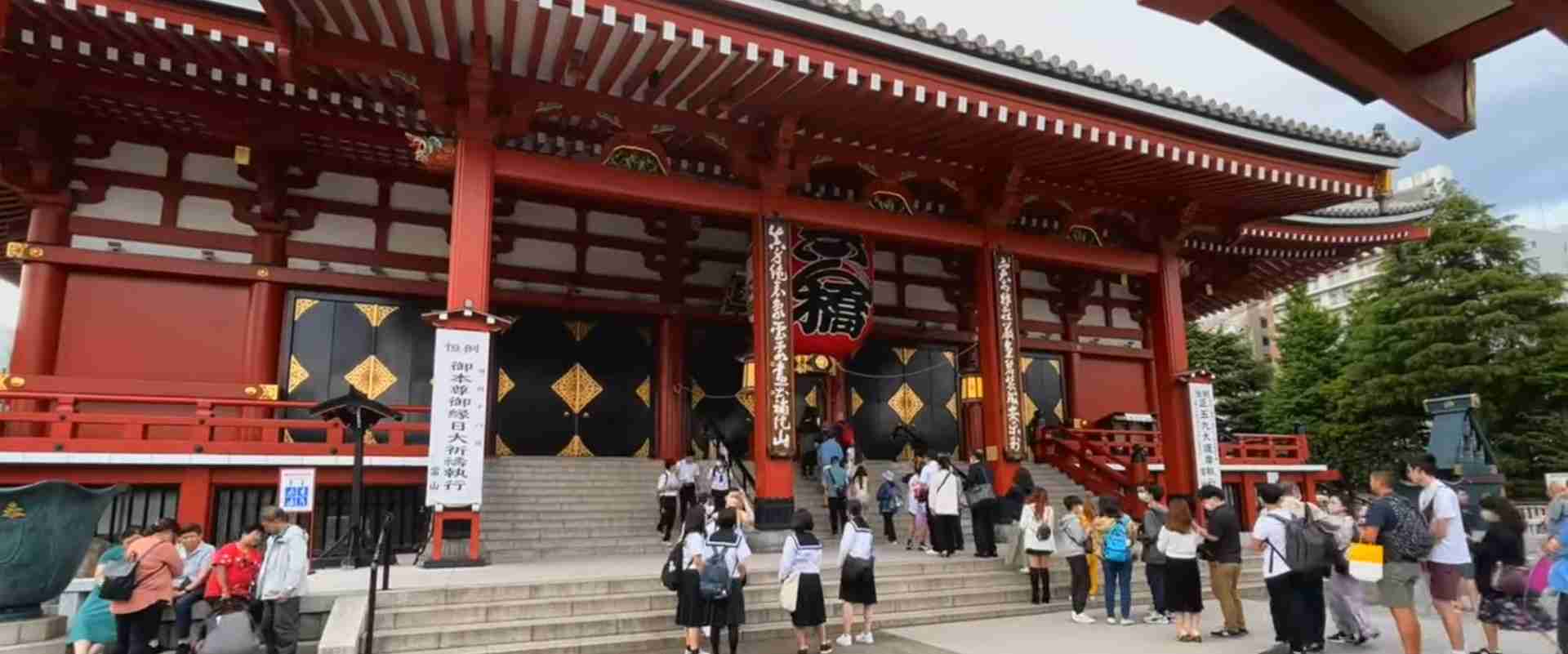
Tokyo Day Trips 2026: Best Excursions & UNESCO Sites
Key Takeaways
- Nikko offers Japan’s most spectacular UNESCO shrines and natural beauty, 2 hours from Tokyo with temple admission at ¥1,300 in 2026
- Kamakura provides ancient temples, the Great Buddha, and coastal scenery just 1 hour away with combined ticket options at ¥500-700
- Mount Fuji viewing from Hakone or Kawaguchiko delivers iconic Japanese landscapes with round-trip transportation at ¥4,000-6,500 in 2026
- JR Pass holders access most destinations for free, making multi-day trips exceptionally cost-effective for 2026 travelers
- Early morning departures maximize sightseeing time and avoid afternoon crowds at popular UNESCO heritage sites
- Seasonal timing dramatically affects visibility and experience—cherry blossom season (late March-April) and autumn colors (November) require advance booking
Planning Your Tokyo Day Trip Adventures in 2026
Tokyo’s strategic location in the Kanto region positions travelers within reach of Japan’s most celebrated cultural treasures, UNESCO World Heritage sites, and natural wonders. The Japanese rail system transforms ambitious day trips into comfortable journeys, with destinations ranging from ancient temple complexes to volcanic mountain landscapes accessible within 1-3 hours from central Tokyo. The 2026 travel season brings enhanced transportation options, updated admission policies, and improved multilingual services at major cultural sites.
The five premier day trip destinations from Tokyo—Nikko, Kamakura, Mount Fuji, Hakone, and Yokohama—offer distinct experiences that complement Tokyo’s urban intensity. Nikko showcases Edo-period architectural mastery through its UNESCO-designated shrine and temple complex. Kamakura preserves Japan’s medieval capital heritage with dozens of temples and the iconic Great Buddha. Mount Fuji dominates the skyline from multiple viewpoints, while Hakone combines volcanic landscapes with traditional hot springs. Yokohama presents modern waterfront development alongside historic Chinatown and international port heritage.
Strategic planning determines day trip success in 2026. Transportation timing, admission ticket coordination, seasonal weather patterns, and crowd management all influence the experience quality. JR Pass holders enjoy significant financial advantages, accessing premium destinations without additional rail costs. Non-pass travelers benefit from understanding regional rail passes, combination tickets, and advance booking strategies. The following comprehensive guide details every aspect of planning perfect Tokyo day trips throughout 2026.
People Also Ask About Tokyo Day Trips 2026
What is the best day trip from Tokyo in 2026?
Nikko stands as Tokyo’s premier day trip destination in 2026, combining UNESCO World Heritage shrines, spectacular natural scenery, and excellent accessibility. The Toshogu Shrine complex represents Japan’s most ornate Edo-period architecture, surrounded by ancient cedar forests and sacred waterfalls. Round-trip transportation costs ¥2,800-5,600 depending on train selection, with shrine admission at ¥1,300 in 2026 (check nikko-jp.org for current rates as pricing may vary). The journey takes 2 hours each way via limited express trains, allowing 5-6 hours of sightseeing time. JR Pass holders travel free on JR Nikko Line trains, making this destination exceptionally cost-effective for multi-day Japan trips.
How much does a day trip from Tokyo cost in 2026?
Budget day trips from Tokyo range ¥3,000-5,000 per person in 2026, covering transportation and basic admission fees. Kamakura represents the most economical option at ¥3,000-4,000 total, with JR train tickets at ¥920 round-trip and temple admissions at ¥500-700 combined. Mid-range excursions to Nikko or Hakone cost ¥5,000-8,000 including limited express trains and multiple site admissions. Premium Mount Fuji tours with guided services range ¥8,000-15,000 per person. JR Pass holders eliminate transportation costs entirely, reducing day trip expenses to admission fees and meals only.
Can you visit Mount Fuji as a day trip from Tokyo in 2026?
Mount Fuji viewing day trips from Tokyo work perfectly in 2026, though reaching the summit requires overnight planning due to climbing season restrictions (July-September). Hakone and Kawaguchiko Lake offer outstanding Fuji viewing opportunities within day trip timeframes, with round-trip train and bus combinations costing ¥4,000-6,500. The Hakone Free Pass at ¥6,100 for two days provides exceptional value, including unlimited transportation on eight different vehicle types plus discounted attraction admission. Clear visibility occurs most frequently during winter months (December-February), while summer brings frequent cloud cover. Early morning departures maximize clear viewing chances before afternoon clouds develop.
Do I need advance bookings for Tokyo day trips in 2026?
Limited express train reservations require advance booking during peak seasons (cherry blossom season late March-April, Golden Week early May, autumn foliage November), with seats selling out 1-2 weeks ahead. Regular JR trains operate without reservations, though seats fill quickly on weekend mornings. UNESCO sites in Nikko accept walk-in visitors year-round, while some Hakone attractions benefit from online ticket purchases to skip queues. Mount Fuji climbing permits (required July-September) sell out months in advance. Book accommodations 2-3 months ahead for popular destinations during peak seasons, while off-peak periods allow flexible walk-in options.
Extended multi-day tours – 5+ days
Featured Tokyo Multi-Day Tour Packages

3 days
Tokyo 3-Day Discovery Tour
- ✓ Comprehensive Tokyo experience
- ✓ Expert local guides included
- ✓ All accommodation included
- ✓ Transportation provided

5 days
Tokyo 5-Day Highlights Experience
- ✓ Comprehensive Tokyo experience
- ✓ Expert local guides included
- ✓ All accommodation included
- ✓ Transportation provided
7 days
Tokyo 7-Day Cultural Journey
- ✓ Comprehensive Tokyo experience
- ✓ Expert local guides included
- ✓ All accommodation included
- ✓ Transportation provided
10 days
Tokyo 10-Day Complete Adventure
- ✓ Comprehensive Tokyo experience
- ✓ Expert local guides included
- ✓ All accommodation included
- ✓ Transportation provided
Multi-day tour packages powered by TourRadar. Prices and availability subject to change.
Essential Planning Information for 2026 Day Trips
Understanding Tokyo’s Day Trip Geography
Tokyo’s day trip destinations cluster in three geographic zones, each offering distinct experiences and transportation requirements. The northern zone includes Nikko (130 km) and requires 2 hours travel time via Tobu or JR railways. The western zone encompasses Hakone (80 km) and Mount Fuji viewing areas (100-120 km), accessible in 1.5-2.5 hours via multiple rail and bus combinations. The southern coastal zone features Kamakura (50 km) and Yokohama (30 km), reached within 30-60 minutes on frequent JR Yokosuka and Tokaido lines.
Transportation infrastructure determines practical day trip parameters. Destinations beyond 3 hours one-way (180 km+) challenge day trip feasibility, better suited for overnight excursions. The sweet spot ranges 50-150 km from Tokyo, providing 5-7 hours on-site time with reasonable morning departures and evening returns. JR Pass coverage extends throughout the northern and southern zones, while western mountain areas require supplemental private railway tickets.
Seasonal accessibility varies significantly across destinations. Nikko’s mountain roads experience winter closures November-April, limiting access to certain waterfalls and hiking trails. Mount Fuji climbing season restricts to July-September, with shoulder seasons offering viewpoint access only. Kamakura and Yokohama remain accessible year-round with minimal seasonal restrictions. Summer typhoon season (August-September) occasionally disrupts transportation, requiring flexible backup planning.
Current Costs and Pricing Breakdown for 2026
Transportation represents the largest day trip expense, with costs varying dramatically based on train selection and pass utilization. Standard JR train fares range ¥920-2,800 one-way depending on destination distance, while limited express surcharges add ¥1,000-2,200 per journey. Round-trip costs therefore span ¥1,840-10,000 for basic to premium train combinations. The JR Pass (¥50,000 for 7 days in 2026, check japanrailpass.net for current rates as pricing may vary) eliminates per-trip costs for frequent travelers, breaking even after 2-3 day trips.
Admission fees at UNESCO and cultural sites range ¥300-1,300 per location in 2026. Nikko’s combination ticket covering major shrines costs ¥1,300, while individual Kamakura temples charge ¥300-500 each. Museum admissions range ¥500-1,500 depending on exhibition scope. Combination tickets and regional passes often provide 10-20% savings versus individual admissions. Many gardens and parks charge no admission fees, offering budget-friendly sightseeing alternatives.
Meal costs during day trips mirror Tokyo pricing in tourist areas, with lunch ranging ¥1,200-2,500 and snacks/drinks at ¥500-800. Local restaurants away from main tourist zones reduce costs by 20-30%. Budget travelers minimize expenses through convenient store meals (¥500-700) or packed lunches from Tokyo accommodations. Premium kaiseki dining experiences at historic inns range ¥3,000-8,000 per person.
Top Day Trip Destinations from Tokyo in 2026
Nikko: UNESCO Shrines and Mountain Scenery
Nikko combines Japan’s most ornate shrine architecture with pristine mountain landscapes, earning UNESCO World Heritage designation for its Shrines and Temples complex. The Toshogu Shrine, built in 1617 as Tokugawa Ieyasu’s mausoleum, showcases over 5,000 intricate carvings including the famous “see no evil, hear no evil, speak no evil” monkeys and sleeping cat. The surrounding shrine complex includes Futarasan Shrine and Rinnoji Temple, connected through ancient cedar-lined pathways that transport visitors to Edo-period Japan.
Transportation from Tokyo operates via two main routes in 2026. The Tobu Railway Limited Express reaches Tobu-Nikko Station in 1 hour 50 minutes at ¥2,800 one-way (¥4,000 round-trip with advance purchase discounts). JR Pass holders travel free on JR trains via Utsunomiya with one transfer, requiring 2 hours 20 minutes total journey time. Both stations position within 15 minutes walk of the shrine district, with local buses providing alternative connections for ¥190-320 per ride.
The shrine area requires 3-4 hours for comprehensive exploration, with an additional 2-3 hours for natural attractions like Kegon Falls and Lake Chuzenji. The combination shrine ticket at ¥1,300 covers Toshogu, Futarasan, and Taiyuin Temple admissions. Peak viewing seasons include spring cherry blossoms (mid-April), summer fresh green (June-July), and spectacular autumn colors (October-early November). Winter visits offer snow-covered temple beauty with minimal crowds. Arrive before 10 AM to explore major sites before tour groups and secure optimal photography conditions.
Kamakura: Ancient Capital and Great Buddha
Kamakura served as Japan’s political capital from 1185-1333, leaving a legacy of 65 Buddhist temples and 19 Shinto shrines concentrated within walkable distances. The Great Buddha (Daibutsu) at Kotokuin Temple stands 13.35 meters tall, cast in bronze in 1252 and remarkably preserved through centuries of earthquakes and tsunamis. The temple district clusters around Kamakura Station, with additional attractions along the Enoden coastal railway connecting to Enoshima Island’s beaches and shrines.
JR Yokosuka Line trains depart Tokyo Station every 10-15 minutes throughout the day, reaching Kamakura Station in 56 minutes at ¥920 one-way. The Kamakura-Enoshima Pass (¥700 for one day) includes JR connections from Shinjuku or Tokyo plus unlimited Enoden line rides, providing excellent value for multiple temple visits. Station coin lockers (¥300-600) secure luggage during exploration, essential for comfortable temple walking.
Priority temples include Kotokuin (Great Buddha, ¥300 admission), Hasedera (11-headed Kannon statue and hillside gardens, ¥400), and Tsurugaoka Hachimangu Shrine (free admission). The Zeniarai Benzaiten Shrine offers the unique tradition of washing money in sacred spring water to multiply wealth. Komachi-dori shopping street provides lunch options ranging from traditional soba noodles (¥800-1,500) to modern cafes with matcha desserts (¥600-1,200). Beach access at Yuigahama and Kamakura Koen adds coastal atmosphere during summer months. A full day covers 4-5 major temples plus lunch and shopping, or combine with Enoshima Island for extended exploration.
Mount Fuji and Hakone: Iconic Mountain Views
Mount Fuji viewing from Hakone or Kawaguchiko Lake delivers Japan’s most iconic landscape photography, with the sacred 3,776-meter peak dominating the western horizon. Hakone provides the closest and most accessible Fuji viewing platform from Tokyo, combining volcanic hot springs, mountain scenery, and art museums within a compact tourism circuit. The Hakone region spreads across volcanic calderas, offering cable cars, ropeway rides, pirate ships across Lake Ashi, and numerous onsen bathing facilities.
The Odakyu Hakone Free Pass (¥6,100 for two days in 2026) provides exceptional value, including round-trip Odakyu Railway tickets from Shinjuku plus unlimited use of eight Hakone transportation modes: mountain train, cable car, ropeway, cruise ship, three bus routes, and local trains. The journey begins with an 85-minute Odakyu Romance Car ride (reserved seating recommended, add ¥1,320 surcharge) to Hakone-Yumoto Station. From there, the mountain railway climbs through switchbacks to Gora Station, connecting to cable car and ropeway systems reaching Lake Ashi’s shore.
Hakone’s circular sightseeing route requires 6-8 hours for complete traversal: Hakone-Yumoto to Gora via mountain train (40 minutes), Gora to Sounzan via cable car (10 minutes), Sounzan to Owakudani volcanic valley via ropeway (10 minutes), continuing to Lake Ashi’s Togendai port (15 minutes), pirate ship cruise to Hakone-machi or Moto-Hakone (30 minutes), and return bus to Hakone-Yumoto (40 minutes). Key attractions include Owakudani’s volcanic vents and black eggs (¥500 for 5 eggs), Lake Ashi cruises with Fuji backdrop (included in Free Pass), and Hakone Shrine’s photogenic red torii gate on the lake.
Mount Fuji visibility depends heavily on weather conditions and season. Winter months (December-February) provide 50-60% clear viewing probability with crisp air and minimal cloud cover. Summer months (June-August) reduce visibility to 20-30% probability due to frequent clouds and haze. Early morning hours before 10 AM offer best viewing chances before afternoon cloud development. The official climbing season runs July 10 – September 10, requiring overnight stays at mountain huts for summit attempts. Day trippers focus on viewpoint appreciation from Hakone, Kawaguchiko, or Mt. Fuji 5th Station (2,300m elevation, accessible by bus April-November).
Yokohama: Modern Port City Heritage
Yokohama, Japan’s second-largest city, developed as the country’s international gateway during the Meiji era (1868-1912), creating unique cultural fusion visible in architecture, cuisine, and urban design. The waterfront Minato Mirai district showcases contemporary urban development, while Chinatown preserves the largest Chinese community in Japan. Historical attractions include the Sankeien Garden, showcasing transplanted historic buildings in traditional landscape design, and the Cup Noodles Museum celebrating instant ramen invention.
Transportation from Tokyo operates via multiple JR lines, with the Yokosuka Line providing fastest connections (30 minutes Tokyo to Yokohama Station, ¥460 one-way). The Minatomirai Line extends service directly to waterfront attractions for additional ¥200. Yokohama’s compact tourist zone allows exploration on foot, with Minato Mirai, Chinatown, and Yamashita Park all within 20-30 minutes walking distance. The Yokohama Bay Area Pass (¥500 for one day) provides unlimited bus rides between major attractions.
Priority destinations include Yokohama Landmark Tower’s Sky Garden observation deck (¥1,000 admission, 69th floor at 273m height providing Tokyo and Mt. Fuji views), Chinatown’s hundreds of restaurants and shops (free exploration, meals ¥1,500-3,000), and Sankeien Garden (¥700 admission, 175,000 square meters of landscape design with historic tea houses and pagodas). The Cupnoodles Museum (¥500 admission) offers interactive exhibits and custom ramen creation workshops (additional ¥500). Waterfront parks and promenades provide free scenic walking along Tokyo Bay. Yokohama’s relaxed day trip pace suits travelers seeking less intensive sightseeing compared to temple-focused destinations.
Transportation Strategies for 2026 Day Trips
JR Pass Optimization and Regional Alternatives
The Japan Rail Pass transforms day trip economics for multi-day visitors, eliminating per-journey costs on JR network trains. The 7-day pass at ¥50,000 in 2026 breaks even after approximately three Tokyo day trips or one round-trip shinkansen journey to Kyoto/Osaka. JR Pass coverage includes all destinations in this guide via JR lines: Nikko via JR Nikko Line, Kamakura via JR Yokosuka Line, Hakone partially via JR Tokaido Line to Odawara, and Yokohama via multiple JR lines. The pass excludes Tobu Railway to Nikko (though JR alternative exists) and private Odakyu Railway to Hakone (requiring separate tickets or Hakone Free Pass).
Regional passes provide alternatives for travelers without nationwide JR Pass coverage. The JR Tokyo Wide Pass (¥10,180 for 3 days) covers all destinations within 150km of Tokyo, including Nikko via JR lines, Kamakura, and limited express trains to Izu and Nagano regions. The Hakone Free Pass from Odakyu Railway (¥6,100 for two days) remains essential for Hakone exploration regardless of JR Pass status, as private railways, cable cars, and ropeway systems operate independently of JR coverage.
Train reservation strategies vary by season and route in 2026. Limited express trains (Romance Car to Hakone, Spacia to Nikko) require seat reservations during peak seasons, bookable online or at station ticket counters 1 month in advance. Regular JR trains operate without reservations on first-come first-served basis, though seat availability tightens weekend mornings and holiday periods. Reserved seats add comfort and certainty to travel plans at modest ¥1,000-2,000 surcharges. IC cards (Suica/Pasmo) streamline ticket purchases and transfers for non-pass travelers, preloaded at any station ticket machine.
Timing Optimization and Crowd Management
Departure timing dramatically influences day trip quality, with early morning starts maximizing sightseeing hours and minimizing crowds. Optimal departure windows fall between 7:00-8:30 AM for destinations 2+ hours away, arriving at major attractions before 10 AM when tour groups concentrate. Nikko’s shrines experience lowest crowds before 10 AM and after 3 PM, while midday (11 AM-2 PM) brings peak congestion from Tokyo tour buses. Kamakura temples open 8:00-8:30 AM, rewarding early arrivals with peaceful exploration before afternoon crowds.
Return timing requires strategic planning to avoid rush hour train congestion (5:00-7:00 PM). Departing destinations between 4:00-4:30 PM provides comfortable return journeys with seat availability, arriving Tokyo stations by 6:30-7:00 PM. Later departures (after 6:00 PM) risk standing-room-only conditions on popular routes, particularly weekends and holidays. Buffer time for unexpected delays or extended sightseeing allows flexible schedule adjustments without transportation stress.
Seasonal crowd patterns follow predictable cycles in 2026. Cherry blossom season (late March-April) brings maximum crowds to all destinations, requiring advance reservations and patience with queues. Golden Week (April 29-May 5) creates similar congestion plus accommodation scarcity. Summer weekends (July-August) see moderate crowds despite heat and humidity. Autumn foliage season (November) rivals spring for visitor density, particularly Nikko’s spectacular color displays. Winter months (January-February) offer minimal crowds and discounted accommodation, though some mountain areas face weather-related closures.
Sample 2026 Itineraries with Complete Costs
Nikko UNESCO Heritage Day Trip
This itinerary maximizes Nikko’s shrine complex exploration with efficient transportation timing, designed for comprehensive cultural experience within single-day parameters. The schedule balances major UNESCO sites with natural beauty, allowing photography opportunities and relaxed temple appreciation without rushed transitions.
7:30 AM: Depart Asakusa Station via Tobu Limited Express Spacia train to Tobu-Nikko Station (1 hour 50 minutes, reserved seating). Alternative: JR trains from Tokyo Station via Utsunomiya (2 hours 20 minutes, free with JR Pass).
9:20 AM: Arrive Tobu-Nikko Station, 15-minute walk or local bus (¥190) to shrine district. Store luggage at station coin lockers (¥400-600) for comfortable temple walking.
9:45 AM: Begin shrine exploration at Rinnoji Temple (¥400 admission), featuring three massive golden Buddha statues and beautifully painted interior chambers. Continue to Toshogu Shrine (¥1,300 admission, includes Futarasan and Taiyuin temples), spending 2-3 hours examining ornate carvings, gold-leaf decorations, and sacred architecture. Priority viewing includes Yomeimon Gate, Sacred Stable with carved monkeys, and Tokugawa Ieyasu’s mausoleum.
12:30 PM: Lunch break at local restaurants near shrine district. Yuba (tofu skin) represents Nikko’s specialty cuisine, served in set meals at ¥1,500-2,500. Budget alternative: convenience store meals at ¥600-800.
1:30 PM: Optional natural sites visit if time permits. Shinkyo Sacred Bridge (¥300 admission to walk across, free exterior viewing), or bus to Kegon Falls (¥550 bus fare, ¥570 elevator to viewing platform, 30 minutes each way). Alternatively, extend shrine area exploration to Taiyuin Temple’s detailed examination.
3:30 PM: Return walk to Tobu-Nikko Station, browse souvenir shops selling local crafts and food products.
4:15 PM: Depart Tobu-Nikko Station via Limited Express, arriving Asakusa 6:05 PM. Return journey options include regular Tobu trains (2 hours 15 minutes) at reduced cost versus limited express convenience.
Day Cost Breakdown: Tobu Limited Express round-trip ¥5,600, shrine combination ticket ¥1,300, lunch ¥1,800-2,500, local bus/transport ¥400-800, snacks/drinks ¥500-800. Total day cost: ¥9,600-10,000 per person (excluding accommodation). JR Pass alternative: shrine admission ¥1,300, lunch ¥1,800-2,500, local transport ¥400-800, snacks ¥500-800, total ¥4,000-5,400 (transportation free with JR Pass).
Kamakura Temples and Beach Day Trip
This itinerary combines Kamakura’s major temples with coastal scenery and Enoshima Island exploration, providing cultural depth plus relaxing beach atmosphere. The route follows efficient temple-to-temple walking with Enoden railway connections to oceanfront destinations.
8:00 AM: Depart Tokyo Station via JR Yokosuka Line rapid train to Kamakura Station (56 minutes, ¥920 one-way). Purchase Kamakura-Enoshima Pass if planning multiple temple visits and Enoshima extension (¥700 adds unlimited Enoden line rides).
9:00 AM: Arrive Kamakura Station, begin walking east toward Tsurugaoka Hachimangu Shrine (10-minute walk). Free admission to grounds, explore main hall, lotus ponds, and hillside museum (¥200 admission). Continue through historic shopping street Komachi-dori if time allows.
10:00 AM: Walk 20 minutes to Hasedera Temple (¥400 admission), featuring 11-headed Kannon statue, hillside gardens with seasonal flowers, and coastal views. Photography opportunities include temple halls, hydrangea gardens (peak June), and observation deck overlooking Kamakura Bay.
11:15 AM: 7-minute walk to Kotokuin Temple housing the Great Buddha (¥300 admission). Interior climbing available for additional ¥50, accessing hollow bronze interior. Allow 45 minutes for photos and exploration of surprisingly compact temple grounds.
12:00 PM: Lunch at nearby restaurants or return to Kamakura Station area. Local specialties include shirasu (whitebait) served on rice bowls (¥1,200-1,800) and traditional soba noodles (¥800-1,500).
1:00 PM: Enoden line train from Hase Station to Enoshima Station (23 minutes, ¥310 or free with pass). Cross bridge to Enoshima Island, climb or escalator (¥360) to Samuel Cocking Garden and Sea Candle observation tower (¥500 combined admission). Island exploration includes multiple shrines, caves (¥500 admission), and coastal walking trails requiring 2-3 hours for comprehensive coverage.
4:00 PM: Depart Enoshima Station via Enoden to Kamakura Station (25 minutes), transfer to JR Yokosuka Line return to Tokyo. Alternative: extend to Yuigahama Beach for sunset viewing and beachfront cafes (April-October season).
5:00 PM: Arrive Tokyo Station after 56-minute return journey.
Day Cost Breakdown: JR round-trip ¥1,840, Enoden day pass ¥700, Hasedera Temple ¥400, Great Buddha ¥300, Enoshima combination ticket ¥500, escalator ¥360, lunch ¥1,200-1,800, snacks/drinks ¥500-800. Total day cost: ¥5,800-6,700 per person (excluding accommodation). JR Pass alternative: Enoden pass ¥700, temple admissions ¥1,200, lunch ¥1,200-1,800, snacks ¥500-800, total ¥3,600-4,500.
Hakone Circuit with Mount Fuji Viewing
This comprehensive Hakone circuit covers the region’s major attractions via the famous round-trip sightseeing loop, combining multiple transportation modes with volcanic landscapes and lake scenery. The itinerary optimizes morning Mount Fuji viewing opportunities before afternoon clouds develop.
7:00 AM: Depart Shinjuku Station via Odakyu Romance Car to Hakone-Yumoto Station (85 minutes with reserved seating, ¥2,330 base fare plus ¥1,320 limited express surcharge). Hakone Free Pass (¥6,100 for two days) purchased at Odakyu station windows covers all subsequent transportation.
8:30 AM: Arrive Hakone-Yumoto, immediate transfer to Hakone Tozan mountain railway toward Gora Station (40 minutes). This section provides scenic mountain slopes and early autumn colors (November peak season).
9:15 AM: Transfer at Gora to cable car climbing to Sounzan Station (10 minutes), then ropeway to Owakudani volcanic valley station (10 minutes). Owakudani features active volcanic vents releasing sulfurous steam, with famous black eggs boiled in sulfur springs (¥500 for 5 eggs, claimed to add 7 years to life). Clear morning conditions provide excellent Mount Fuji viewing from upper ropeway stations. Spend 45-60 minutes exploring volcanic terrain and observation platforms.
10:45 AM: Continue ropeway to Togendai Station on Lake Ashi shore (15 minutes). Board pirate ship cruise to Hakone-machi Port (30 minutes), featuring replica sailing ships and Mt. Fuji backdrop views across the lake. Interior and deck seating both included in Free Pass coverage.
12:00 PM: Arrive Hakone-machi Port, walk 10 minutes to Hakone Shrine featuring red torii gate standing in Lake Ashi waters. Free admission to shrine grounds, photography opportunities at waterfront torii (iconic Mt. Fuji framing when visible). Lunch options at nearby restaurants (¥1,500-2,500) or proceed to Old Tokaido Highway preserved cedar avenue sections.
2:00 PM: Hakone Shrine bus from Moto-Hakone to Hakone-Yumoto Station (40 minutes, multiple departures hourly). Alternative: extend sightseeing with Hakone Checkpoint Museum (¥500) examining Edo-period travel controls, or onsen bathing experience at various facilities (¥1,000-1,500 day-use admission).
3:00 PM: Free time at Hakone-Yumoto Station area, browsing craft shops and local products. Return Romance Car reservations recommended for comfortable seating, or regular Odakyu trains operate every 30 minutes (2 hours journey time versus 85 minutes limited express).
4:15 PM: Depart Hakone-Yumoto via reserved Romance Car, arriving Shinjuku 5:40 PM.
Day Cost Breakdown: Hakone Free Pass ¥6,100 (covers all listed transportation), black eggs ¥500, lunch ¥1,500-2,500, optional museum ¥500, snacks/drinks ¥500-800. Total day cost: ¥9,100-10,400 per person (excluding accommodation). Without Free Pass: individual transportation segments total approximately ¥4,000-5,000, making Free Pass highly cost-effective even for single-day visits.
Budget Planning for 2026 Day Trips
Transportation Cost Optimization
Transportation represents 50-70% of day trip costs for non-JR Pass travelers, creating significant optimization opportunities through strategic pass purchases and route selection. The fundamental decision involves JR Pass versus individual ticket purchases, determined by total trip duration and destination variety. Travelers spending 7+ days in Japan with multiple day trips save ¥15,000-25,000 through JR Pass utilization, while shorter stays benefit from regional passes or individual tickets.
Regional pass strategies provide middle-ground solutions between full JR Pass investment and per-journey ticket purchases. The JR Tokyo Wide Pass (¥10,180 for 3 days) suits travelers concentrating on Kanto region day trips, covering Nikko, Kamakura, and access to Izu Peninsula and Karuizawa resort areas. The pass includes unlimited ordinary and limited express trains within coverage zone, breaking even after approximately 1.5 round-trip journeys. Validity period begins first usage day, allowing flexible 3-day window within longer Tokyo stays.
Destination-specific passes optimize costs for concentrated exploration. The Hakone Free Pass two-day coverage exceeds most travelers’ single-day visit duration, but the pass structure requires two-day purchase even for one-day trips (no one-day option available). Smart travelers maximize value by planning overnight Hakone stays or returning within 48 hours for second day exploration. The Kamakura-Enoshima Pass similarly extends multi-site value through unlimited Enoden line rides plus temple admission discounts.
Non-pass budget strategies focus on regular train selection over limited express comfort. Kamakura’s JR Yokosuka Line regular trains match limited express timing (both 56 minutes Tokyo-Kamakura) without premium surcharges. Nikko’s JR alternative (2 hours 20 minutes) extends travel time 30 minutes versus Tobu Limited Express but eliminates ¥2,800 one-way costs for pass holders. Hakone’s regular Odakyu trains (110 minutes) add 25 minutes versus Romance Car while saving ¥1,320 per journey. Time-rich budget travelers trade comfort and speed for substantial savings.
Admission and Activity Budget Strategies
Cultural site admissions accumulate quickly during temple-heavy itineraries, requiring strategic selection and combination ticket utilization. Nikko’s shrine combination ticket (¥1,300) provides exceptional value, covering three major temple complexes that cost ¥500-600 individually. Kamakura’s temples charge individually (¥300-500 each), adding to ¥2,000+ for comprehensive temple touring without discount passes. Priority ranking helps budget travelers focus on must-see sites while skipping secondary temples offering similar experiences.
Free attractions reduce admission expenses while maintaining experience quality. Tsurugaoka Hachimangu Shrine in Kamakura, Hakone Shrine, and many Tokyo shrine grounds charge no admission for basic access (inner hall or museum areas may charge separately). Coastal areas including Enoshima Island’s lower sections, Yuigahama Beach, and lake/river walks provide free scenic exploration. Urban parks and observation areas in Yokohama offer impressive views without ticket costs.
Museum and attraction passes suit dedicated culture enthusiasts visiting multiple paid sites. The Grutto Pass (¥2,500 for 2 months) covers free or discounted admission to 100+ Tokyo area museums and attractions, though most day trip destinations fall outside coverage. Individual site annual passes benefit repeat visitors, with major museums offering unlimited entry at 2-3 times single admission cost. Photography enthusiasts investing in comprehensive temple documentation justify higher admission expenses through image collection value.
Meal and Incidental Expense Management
Dining costs during day trips mirror Tokyo pricing in tourist-concentrated areas, with tourist district restaurants charging 20-30% premiums over local neighborhood equivalents. Strategic meal timing and location selection minimize expenses without sacrificing quality or authenticity. Lunch periods (11:30 AM-1:30 PM) feature set meals (teishoku) at ¥900-1,500, providing better value than dinner equivalents at ¥1,500-3,000 for similar dishes. Tourist areas near shrine gates and main stations charge premium rates, while restaurants 5-10 minutes walking distance reduce prices 15-25%.
Convenience store strategies offer reliable budget alternatives throughout Japan’s extensive Family Mart, 7-Eleven, and Lawson networks. Prepared bento boxes (¥500-700) provide complete meals with rice, protein, and vegetables suitable for lunch or dinner replacement. Onigiri rice balls (¥120-180 each) serve as portable snacks or light meals. Drinks from convenience stores (¥100-150) cost half of tourist area vending machine rates (¥160-200). Many travelers adopt hybrid strategies, eating one restaurant meal daily while covering other meals through convenience purchases.
Packed lunch preparation from Tokyo accommodation kitchens achieves maximum budget optimization, particularly for multi-day excursions where repeated restaurant meals accumulate significant costs. Supermarket shopping the evening before day trips stocks bread, sandwich ingredients, fruit, and snacks at 30-40% below convenience store equivalents. Japanese breakfast at accommodation (typically included with hotel stays) fuels morning travel without additional dining expenses. This strategy requires accommodation with food preparation access but saves ¥2,000-3,000 per person daily.
Incidental expenses including coin locker rental (¥300-600), public restroom usage (free in Japan), souvenir purchases, and photography location entrance fees add ¥1,000-2,000 to daily totals. Budget buffers of ¥2,000-3,000 beyond calculated transportation and admission costs accommodate unexpected purchases, premium food choices, or additional attraction visits without financial stress.
Seasonal Timing and Weather Considerations for 2026
Spring Cherry Blossom Season (Late March – Early April)
Cherry blossom season transforms day trip destinations into peak tourist periods, combining spectacular natural beauty with maximum crowds and premium pricing. Tokyo area cherry blossoms reach full bloom around March 28-April 5 in typical years, with mountain destinations like Nikko blooming 1-2 weeks later (mid-April). Kamakura’s temples feature cherry trees alongside temple architecture, while Hakone’s lakeshore displays complement mountain backdrops.
Crowd management becomes critical during cherry blossom weeks, with popular spots experiencing 2-3x normal visitor volumes. Transportation fills early, particularly limited express trains and reserved seating, requiring bookings 2-3 weeks advance. Temple grounds and photography viewpoints develop queues and congestion that slow movement and limit photography positioning. Successful spring visitors arrive at opening hours (8:00-9:00 AM), prioritize must-see locations first, and maintain flexible attitudes toward changed conditions.
Accommodation pricing rises 30-50% during peak cherry blossom weekends, with popular areas like Hakone selling out 2-3 months ahead. Day trip strategies avoid overnight costs while accessing seasonal beauty, though early morning departures mean missing optimal cherry blossom viewing hours (early morning and evening golden light). Photography enthusiasts debate whether spring crowds justify visual rewards, with many preferring less-touristed autumn season or peaceful winter conditions.
Summer Festival Season (June – August)
Summer brings hot, humid conditions across Tokyo region destinations, with temperatures reaching 28-32°C and humidity at 70-80%. Rain season (tsuyu) typically spans mid-June through mid-July, featuring frequent overcast days and afternoon showers. Post-rainy season (late July-August) delivers peak summer heat with intense sunshine and high UV levels requiring sun protection, frequent water breaks, and adjusted pacing.
Mount Fuji climbing season operates July 10 – September 10, opening mountain trails and summit route facilities. Day trip strategies during this period expand to include 5th Station bus access (2,300m elevation) providing halfway views and hiking trails below treeline. Hakone’s lake and mountain cooling offers relief from Tokyo heat, though temperatures remain 3-5°C warmer than spring or autumn. Coastal destinations like Kamakura beaches attract swimmers and water activities peak summer months.
Practical summer considerations include morning departure timing to avoid peak heat hours (11 AM-3 PM), indoor attraction selection during midday peaks, and hydration planning with water/sports drink purchases at frequent intervals. Many temples and outdoor sites offer limited shade, requiring sun protection through hats, sunscreen, and lightweight long-sleeve coverage. Air-conditioned train travel provides comfortable breaks between outdoor activities, with station facilities offering cooling respite during mid-day heat.
Autumn Foliage Season (November)
Autumn colors rival cherry blossoms for seasonal appeal, providing spectacular red and gold foliage displays without spring’s intense crowding. Nikko stands as Tokyo’s premier autumn destination, with mountain elevation creating early color peak around November 1-15. Lower elevation destinations including Kamakura temples and Hakone lakeshore follow 1-2 weeks later (mid-to-late November). Color progression varies annually by 1-2 weeks based on temperature patterns, requiring flexible planning and real-time condition monitoring.
Weather conditions during autumn provide ideal day trip circumstances, with comfortable temperatures (15-22°C), low rainfall probability, and clear skies supporting Mount Fuji visibility. Morning conditions feature crisp air and excellent photography light, while afternoons bring gentle warmth perfect for outdoor exploration. The stable weather patterns reduce transportation disruption risk compared to summer typhoon season or winter snowfall.
Autumn foliage attracts significant Japanese domestic tourism, particularly during November weekends and cultural holidays. Nikko experiences similar crowding to cherry blossom season, though overall volumes remain 20-30% below spring peaks. Advance transportation reservations become important, particularly Tobu Limited Express to Nikko and Romance Car to Hakone. Weekday travel provides crowd relief while maintaining foliage quality, with Tuesday-Thursday departures offering best availability and pricing.
Winter Season (December – February)
Winter delivers minimal crowds, discounted accommodation, and optimal Mount Fuji viewing probability, though cold temperatures and occasional snow create practical challenges. Tokyo region destinations experience temperatures between 2-10°C, with Nikko and Hakone mountain areas dropping below freezing regularly. Snow accumulation varies annually, with light dustings common but significant storms occurring 2-3 times per winter in mountain zones.
Mount Fuji viewing reaches peak success rates during winter months, with clear days offering 50-60% visibility probability versus summer’s 20-30%. Cold, dry air eliminates haze and cloud formation that obscure mountain views other seasons. Hakone’s Lake Ashi and ropeway systems provide outstanding Fuji photography from December through February, with snow-capped peak contrasting against blue skies. Early morning departures maximize clear conditions before any afternoon cloud development.
Practical winter preparation includes layered clothing for temperature variation between trains, outdoor sites, and indoor facilities. Stations and trains maintain comfortable heating while temple grounds and open-air viewpoints require winter coats, gloves, and warm layers. Some Nikko mountain roads and hiking trails close November-April due to snow and ice, limiting access to Kegon Falls upper viewing areas and Lake Chuzenji area attractions. Hakone’s transportation systems operate year-round with occasional service suspensions during significant snowstorms. Winter travel rewards cold-tolerant visitors with authentic seasonal beauty and peaceful exploration conditions unavailable during popular spring and autumn seasons.
Booking and Reservation Strategies for 2026
Transportation Booking Timeline and Methods
Limited express train reservations become available 1 month before departure date, opening booking windows at 10:00 AM Japan time on the first day. Popular routes including Tobu Spacia to Nikko and Odakyu Romance Car to Hakone sell out quickly during peak seasons (cherry blossoms, Golden Week, autumn foliage, year-end holidays), requiring booking within the first week of availability. Off-peak periods (January-February, June, September) maintain better seat availability, though weekend departures still benefit from advance booking 1-2 weeks ahead.
Online booking platforms provide convenient international access to Japanese train reservations, though interfaces vary in English language support and payment acceptance. Odakyu Railway operates English booking website (odakyu.jp) accepting international credit cards for Romance Car reservations. Tobu Railway reservations process through their website (tobu.co.jp) with English sections, though some travelers find station ticket counter purchases more straightforward. JR East online booking (eki-net.com) serves JR Pass holders and individual ticket purchasers, requiring advance registration but providing comprehensive route coverage.
Station ticket counter purchases remain reliable alternatives to online booking, with major Tokyo stations (Tokyo, Shinjuku, Ueno) maintaining English-speaking staff at designated windows. Midorino Madoguchi (Green Window) desks at JR stations handle all JR train reservations including limited express Nikko routes. Odakyu and Tobu railway ticket counters at their respective Tokyo stations (Shinjuku for Odakyu, Asakusa for Tobu) manage their limited express services. Counter purchases eliminate online interface challenges and payment processing issues some international credit cards experience, though availability reflects current inventory rather than 1-month advance access.
Pass Purchase Timing and Activation Strategies
Japan Rail Pass purchases require advance planning due to physical voucher exchange processes. International purchases through authorized agents occur before Japan arrival, delivering exchange orders that convert to actual passes at Japanese airports or major JR stations upon arrival. The exchange order itself carries no expiration, allowing purchases months ahead, while activated passes must begin within 3 months of issue date. Purchase timing strategies involve advance discount periods (2-3 months ahead) some agents offer versus last-minute flexibility needs.
Pass activation timing requires strategic consideration of itinerary structure. JR Pass 7-day validity begins on first usage day, not purchase or exchange day, allowing travelers to delay activation until departure for distant destinations or multiple day trips begin. Tokyo area exploration using IC cards during initial days, then activating passes when day trip period starts maximizes coverage value. The pass must be activated within 3 months of issue date, providing reasonable flexibility for most travel planning timelines.
Regional passes including Tokyo Wide Pass and Hakone Free Pass purchase directly at Tokyo stations without advance ordering requirements. These passes activate immediately upon purchase or on specified start date if purchasing ahead, allowing same-day spontaneous use or advance planning approaches. Station ticket machines accept IC cards and cash for pass purchases, with credit card payment available at ticket counters. The flexibility of on-site purchase suits travelers preferring not to commit to specific travel dates before Japan arrival.
Accommodation Booking for Overnight Extensions
Hakone overnight stays transform single-day trips into comprehensive cultural experiences, allowing full circular route completion plus onsen bathing at traditional ryokan inns. Peak season booking (cherry blossoms, autumn foliage, New Year, Golden Week) requires 2-3 months advance reservations, particularly for popular properties featuring private onsen baths or lake views. Mid-range business hotels in Hakone-Yumoto maintain better availability but offer less traditional atmosphere and fewer onsen facilities.
Booking platforms serving international travelers include Booking.com, Agoda, Japanican, and Rakuten Travel, with the latter two providing extensive Japanese property coverage and detailed facility descriptions. Direct ryokan websites sometimes offer better rates than third-party platforms, though English language support varies significantly. Many traditional ryokan require booking through Japanese-language platforms or travel agents specializing in Japan, limiting direct international booking access.
Pricing structures for ryokan accommodation differ significantly from Western hotels, with rates quoted per person including elaborate kaiseki dinner and traditional breakfast. Two-person rates range ¥15,000-40,000 per person depending on property quality, room type, and meal elaborateness. This per-person pricing initially appears expensive compared to Tokyo hotels, but includes two multi-course meals worth ¥8,000-15,000 in restaurant equivalents. Budget travelers choosing business hotels pay ¥8,000-12,000 per room with no meals, saving costs but missing traditional cultural experiences.
Special Considerations for 2026 Day Trips
Language and Communication Strategies
English language support varies significantly across day trip destinations, with major tourist sites providing basic English signage and some English-speaking staff while local areas and smaller temples maintain Japanese-only operations. Tokyo station ticket counters and major rail terminals employ multilingual staff at designated windows marked with English/Chinese/Korean flags. Tourist information centers in Nikko, Kamakura, and Hakone provide English maps and basic guidance, though detailed itinerary planning benefits from preparation before arrival.
Smartphone translation applications transform communication challenges into manageable interactions, with Google Translate, Papago, and Yubisashi phrase book apps providing real-time conversation translation, photo text translation, and offline phrase libraries. Mobile internet access through rental WiFi devices or SIM cards enables constant translation access, essential for restaurant ordering, ticket purchasing at non-major stations, and seeking directions in local areas. Download offline translation language packs before departing Tokyo as backup for areas with limited connectivity.
Temple and shrine information availability skews toward Japanese language at secondary sites, with major UNESCO sites like Nikko Toshogu providing excellent English pamphlets and audio guide rentals (¥500 typical cost). Smaller Kamakura temples offer minimal English information, requiring advance research through guidebooks or websites for historical and cultural context. Pre-trip research compensates for on-site language limitations, allowing visitors to appreciate architectural and artistic significance even without detailed English explanations.
Accessibility and Mobility Considerations
Terrain characteristics at day trip destinations include significant walking distances, elevation changes, and stairs that challenge mobility-limited travelers. Nikko shrine complex requires 2-3 km walking across mostly flat paved approaches, but access to upper Toshogu areas involves steep stone stairs with limited elevator/ramp alternatives. Kamakura temples spread across hilly terrain with dirt paths, uneven surfaces, and stairs to temple buildings and viewpoints. Hakone’s transportation diversity provides good accessibility through trains, cable cars, and ropeways, though individual attraction sites often feature stairs and unpaved surfaces.
Wheelchair accessibility remains limited at historic sites built centuries before accessibility considerations, though modern transportation infrastructure provides reasonable solutions. Major train stations including Tokyo, Shinjuku, and destination stations maintain elevator access to platforms. However, smaller local trains may require platform staff assistance for gap bridging between platform and train car. Tourist information centers provide accessibility maps noting elevator locations, accessible restrooms, and barrier-free routes, essential planning resources for travelers with mobility limitations.
Rental wheelchair and mobility aid services operate at some major destinations, with tourist information centers managing reservations and equipment availability. Hakone Free Pass includes companion discount provisions for travelers with disabilities, reducing costs for required assistance providers. Many properties and transportation services request advance notification of accessibility needs, allowing staff preparation and ensuring appropriate assistance availability upon arrival.
Safety and Emergency Preparedness
Japan maintains exceptional safety standards with minimal crime risk even in tourist areas, though natural disaster preparedness requires awareness and planning. Earthquake occurrence probability remains constant throughout the year, with most events producing minimal impact but occasional significant events disrupting transportation and services. Transportation systems automatically halt during earthquakes exceeding certain magnitudes, potentially stranding travelers mid-journey until safety inspections complete. Emergency earthquake procedures emphasize calm behavior, following staff instructions, and avoiding rush to exits that might create crushing hazards.
Typhoon season (August-September) occasionally impacts transportation schedules, with advance forecasts typically providing 2-3 days warning of potential disruptions. Train companies announce cancellations and suspensions proactively, allowing itinerary adjustments before departure. Travelers during typhoon season should maintain flexible schedules, purchase refundable tickets when possible, and monitor weather forecasts through Japan Meteorological Agency websites (jma.go.jp) or English-language weather services.
Medical facilities at tourist destinations vary in quality and accessibility, with Hakone and Yokohama maintaining substantial hospitals while smaller destinations like Kamakura rely on clinics. Travel insurance covering medical emergencies proves essential for international visitors, as Japanese healthcare costs for uninsured patients can reach ¥50,000-200,000 for emergency room treatment. Prescription medication requirements should be stocked in advance, as Japanese pharmacies cannot fill foreign prescriptions and language barriers complicate obtaining equivalent medications. Emergency contact information should include accommodation address in Japanese, travel insurance phone numbers, and embassy contact details.
FAQ About Tokyo Day Trips 2026
What is the easiest day trip from Tokyo for first-time visitors in 2026?
Kamakura offers the easiest day trip experience, combining simple transportation, compact geography, and comprehensive tourist infrastructure. JR trains from Tokyo Station reach Kamakura in 56 minutes without transfers, with frequent departures every 10-15 minutes throughout the day. The main temple district spreads within 30 minutes walking radius of Kamakura Station, eliminating complex navigation or multiple transportation changes. English signage at major temples, international restaurant options, and well-developed tourism facilities create comfortable exploration environments for first-time Japan visitors.
Can you visit multiple destinations in one day trip from Tokyo in 2026?
Combining Kamakura with Enoshima Island or Yokohama works well within single-day timeframes due to close geographic proximity and frequent train connections. Kamakura to Enoshima requires only 25 minutes via Enoden line, allowing morning temple exploration and afternoon island beach experience. Kamakura to Yokohama takes 30 minutes via JR Yokosuka Line, enabling morning cultural sites and afternoon modern waterfront exploration. Combining more distant destinations (Nikko with anything else, Hakone with anywhere beyond Odawara) creates impractical schedules exceeding 12+ hours with insufficient sightseeing time at each location.
Do restaurants at day trip destinations accommodate vegetarian and dietary restrictions in 2026?
Vegetarian options exist but require more planning than in Tokyo’s international restaurant scene. Buddhist temple areas including Nikko and Kamakura maintain shojin ryori (Buddhist vegetarian cuisine) restaurants serving meat-free meals based on tofu, vegetables, and mountain plants. Tourist destinations increasingly offer vegetarian menu items marked in English, though traditional Japanese cuisine relies heavily on fish-based dashi stock even in vegetable dishes. Travelers with strict dietary requirements benefit from researching specific restaurants in advance, using smartphone apps to communicate restrictions, or packing supplemental food from Tokyo convenience stores.
What happens if trains get delayed or canceled during my day trip in 2026?
Japanese trains maintain exceptional punctuality under normal conditions, with delays typically measured in minutes rather than hours. Weather-related disruptions (typhoons, earthquakes, heavy snow) trigger proactive suspensions announced through station displays, smartphone apps, and staff announcements. Train companies issue vouchers or refunds for significant service disruptions affecting reserved seat limited express trains. Travelers should maintain flexible itineraries during typhoon season (August-September), consider trip cancellation insurance covering weather-related changes, and pack emergency supplies (water, snacks, phone battery packs) for unexpected delays.
Are day trip destinations crowded during weekdays versus weekends in 2026?
Weekday visits reduce crowds by 30-50% at most destinations, with Tuesday-Thursday offering best availability and peaceful exploration conditions. Weekends attract Tokyo residents on day trips plus domestic tourists, creating queues at popular temples, restaurants, and transportation. Peak season weekends (cherry blossoms, autumn foliage, Golden Week) see maximum congestion regardless of day. School field trips concentrate Tuesday-Friday during non-summer periods (April-June, September-November), bringing groups to educational sites like Nikko shrines and Kamakura temples, though their scheduled visits typically end by mid-afternoon.
Can you store luggage at destination stations in 2026?
Coin lockers at major destination stations (Nikko, Kamakura, Hakone-Yumoto) provide luggage storage at ¥300-600 depending on locker size, accommodating day packs to large suitcases. Locker availability becomes scarce during peak season (weekends, holidays), with all units occupied by mid-morning. Alternative storage services including staffed luggage facilities at tourist information centers charge ¥500-800 per bag with extended size accommodations. Travelers should arrive at destinations before 10 AM to secure locker space, or arrange luggage delivery to Tokyo accommodation through takkyubin services (¥1,500-2,500 per bag) allowing unencumbered day trip exploration.
What about mobile internet and WiFi access during day trips in 2026?
Mobile connectivity operates reliably throughout all destinations covered in this guide, with 4G/5G service from major carriers (DoCoMo, au, SoftBank) providing consistent coverage in developed areas. Pocket WiFi rental devices from Narita/Haneda airports (¥800-1,200 per day unlimited data) deliver shareable internet access for multiple devices, essential for translation apps, map navigation, and real-time research. Major stations and some restaurants/cafes offer free WiFi through Japan Connected-free WiFi app, though connection speed and reliability vary. Pre-purchasing eSIM data packages or physical SIM cards provides most reliable connectivity, with 3-7 day data plans costing ¥2,000-3,500.
Are there guided tour alternatives to independent day trips in 2026?
Organized day tours from Tokyo eliminate planning complexity and transportation logistics while increasing costs significantly. Major tour operators (JTB, Viator, Klook) offer Nikko tours at ¥12,000-18,000 per person including transportation, English guide, and admission fees—roughly double independent travel costs. Tours provide English historical commentary, optimized routing, and guaranteed transportation, valuable for first-time visitors concerned about navigation or language barriers. Independent travel offers flexibility for extended stays at preferred sites, spontaneous exploration, and significant cost savings, particularly for JR Pass holders traveling free on trains.
What photography equipment and considerations work best for day trip destinations in 2026?
Wide-angle lenses (16-35mm full-frame equivalent) capture temple architecture and mountain landscapes effectively, while 24-70mm zoom lenses provide versatility for various situations. Tripods face restrictions at many temples and shrines, with staff prohibiting their use in crowded areas or near buildings—monopods provide stabilization alternatives with fewer restrictions. Early morning golden hour (6:00-8:00 AM) delivers optimal lighting for temple photography, though tourists typically cannot arrive before official opening times (8:00-9:00 AM). Mount Fuji photography succeeds best with telephoto lenses (70-200mm+) for detail capture and compression effects. Weather-sealed equipment protects against rain during June-July rainy season and coastal spray at beach destinations.
Can children and families enjoy these day trips comfortably in 2026?
Kamakura and Yokohama suit families best, combining manageable walking distances, child-friendly attractions, and beaches or parks for energy release. The Great Buddha fascinates children through its massive scale and interior climbing opportunity. Enoshima Island provides cave exploration, observation tower views, and beach activities maintaining child engagement. Hakone’s pirate ships, cable cars, and ropeway rides offer entertainment value alongside cultural exposure. Nikko challenges families with 3-4 km walking distances and limited child-specific attractions, though shrine architecture and natural waterfalls provide visual interest. Major destinations maintain nursing rooms, diaper changing facilities, and family restrooms in stations and tourist facilities.