Tigre Delta Day Trip 2026: River & Islands from Buenos Aires
Key Takeaways
- The Tigre Delta day trip costs $25-80 per person in 2026, offering a nature escape just 45-60 minutes from downtown Buenos Aires via the affordable Mitre train line
- Public boat tours from the Estación Fluvial cost $8-15 for one-hour cruises through delta waterways, while private boat excursions range from $50-150 for personalized experiences
- The Mitre train from Retiro Station to Tigre costs approximately $1-2 using a SUBE card, departing every 15-20 minutes and reaching Tigre in 50-67 minutes
- Island restaurants accessible only by boat, including Gato Blanco and Almacén del Delta, offer unique dining experiences with meals costing $25-45 per person
- The Puerto de Frutos market, Museo de Arte Tigre, and scenic Paseo Victorica provide free or low-cost activities before or after your delta boat experience
Introduction to the Tigre Delta 2026
The Tigre Delta represents one of Argentina’s most remarkable natural landscapes, a vast network of rivers, streams, and islands where the Paraná River spreads into countless waterways before emptying into the Río de la Plata. Just 30 kilometers north of Buenos Aires, this freshwater delta ecosystem provides a dramatic contrast to the capital’s urban intensity, offering visitors a genuine escape into nature without requiring extensive travel.
Unlike typical river deltas that empty into oceans, the Paraná Delta uniquely empties into another river, the massive Río de la Plata, creating distinctive freshwater ecosystems throughout its 14,000 square kilometers of islands and waterways. The region has attracted residents since the 19th century, when European immigrants established communities accessible only by boat, a lifestyle that continues today for approximately 3,000 permanent delta residents.
For 2026 visitors to Buenos Aires, the Tigre Delta provides an essential counterpoint to city exploration. The journey itself becomes part of the experience, whether via historic train lines or scenic boat cruises from Puerto Madero. Once in the delta, you discover a world where houses stand on stilts, grocery deliveries arrive by water, and life moves at the gentle pace of river currents. This guide provides everything needed to plan your perfect 2026 delta adventure.
People Also Ask About Tigre Delta 2026
How much does a Tigre Delta day trip cost in 2026?
A complete Tigre Delta day trip costs $25-80 per person in 2026, depending on transportation choices, boat tour type, and dining preferences. Budget travelers spending $25-40 take the Mitre train ($1-2 round trip), enjoy a public boat tour ($8-15), explore free attractions like Puerto de Frutos and Paseo Victorica, and eat at casual waterfront cafes ($15-20 for lunch). Mid-range visitors allocating $50-80 add private boat experiences or extended cruises, dine at island restaurants accessible by water taxi ($25-45), and perhaps visit the Museo de Arte Tigre ($3-5).
What is the best way to get to Tigre from Buenos Aires in 2026?
The Mitre train line from Retiro Station offers the most economical and reliable transportation to Tigre in 2026. Trains depart every 15-20 minutes, take 50-67 minutes depending on service type, and cost approximately $1-2 with a SUBE card. For a more scenic journey, the Sturla boat service from Puerto Madero sails directly to Tigre along the Río de la Plata, taking 90 minutes and costing around $20 one-way. The Tren de la Costa provides a tourist-oriented alternative, connecting from Mitre Station through upscale northern suburbs at approximately $3-5 for the coastal segment.
How long should I spend in Tigre in 2026?
A satisfying Tigre Delta experience requires 4-6 hours minimum, allowing time for the journey, a boat tour, lunch, and brief exploration of Tigre town. Full-day visits of 6-8 hours enable more extensive delta exploration, leisurely island restaurant dining, museum visits, and market browsing. Some travelers extend to overnight stays at delta lodges, though the vast majority find day trips perfectly adequate for experiencing the region’s essential character and atmosphere.
When is the best time to visit Tigre Delta in 2026?
Weekdays from October through April offer optimal conditions for Tigre Delta visits in 2026, combining pleasant weather with manageable crowds. Summer months from December through February bring intense heat but also the longest daylight hours for extended exploration. Weekends, particularly Sundays, draw Buenos Aires families in large numbers, creating livelier atmospheres but also busier boat services and restaurants. Winter visits from June through August remain pleasant but cooler, with fewer crowds and potentially mistier delta conditions that create atmospheric photography opportunities.
Extended multi-day tours – 5+ days
Featured Buenos Aires Multi-Day Tour Packages
4 days
Tailor-Made Private Argentina 4 Days Tour with 4-star Hotel, Daily Depart
- ✓ Comprehensive Buenos Aires tour
- ✓ Expert local guides included
- ✓ All accommodation arranged
- ✓ Transportation provided
4 days
Buenos Aires & Colonia del Sacramento
- ✓ Comprehensive Buenos Aires tour
- ✓ Expert local guides included
- ✓ All accommodation arranged
- ✓ Transportation provided
4 days
Tango, Wine & Colonia – Buenos Aires Escape
- ✓ Comprehensive Buenos Aires tour
- ✓ Expert local guides included
- ✓ All accommodation arranged
- ✓ Transportation provided
4 days
Buenos Aires – City & Tradition
- ✓ Comprehensive Buenos Aires tour
- ✓ Expert local guides included
- ✓ All accommodation arranged
- ✓ Transportation provided
Multi-day tour packages powered by TourRadar. Prices and availability subject to change.
Getting to Tigre in 2026
Mitre Train from Retiro Station 2026
The Mitre train line provides the most practical transportation for 2026 Tigre visits. Trains depart from Retiro Station, Buenos Aires’ main terminal in the city center, running every 15 minutes during weekday peak hours and every 20 minutes on weekends. The journey covers 17 stations through Buenos Aires’ northern suburbs before terminating at Tigre, with total travel time of 50-67 minutes depending on whether you catch express or all-stops service.
The SUBE card is required for Mitre train travel in 2026. Purchase the card at Retiro Station kiosks or metro stations for approximately $1, then load credit for your journey. Train fare to Tigre costs approximately $1-2 each way using the registered SUBE card, representing exceptional value for the distance covered. Trains run from approximately 5 AM until 10 PM daily, with slight variations on weekends.
Retiro Station’s Mitre sector occupies the eastern portion of the terminal complex. Look for signs indicating “Tigre” or “Ramal Tigre” (Tigre Branch) and confirm your train terminates at Tigre rather than intermediate stations like José León Suárez. Platform announcements and electronic displays indicate upcoming departures. Board trains with confidence as the journey is straightforward with Tigre as the final stop.
Tren de la Costa Experience 2026
The Tren de la Costa offers a more scenic route for travelers prioritizing the journey experience over pure efficiency. This tourist-oriented train runs along the Río de la Plata shoreline through upscale northern suburbs, with stations featuring shops, cafes, and attractive architecture. The service connects from Mitre Station (not Retiro) to Tigre’s Delta Station near Puerto de Frutos.
To access the Tren de la Costa, take the regular Mitre train from Retiro to Mitre Station (approximately 25 minutes), then cross the street to the Tren de la Costa terminal. The coastal journey adds approximately $3-5 to your transportation costs but rewards with views of the river, stops at communities like San Isidro, and an overall more relaxed atmosphere than commuter services.
Notable Tren de la Costa stations include Barrancas with its English-style architecture, San Isidro for its charming town center and cathedral, and Borges Station named for Argentine literary legend Jorge Luis Borges and featuring art installations. The train operates reduced schedules compared to the Mitre main line, so verify current timetables before planning your journey.
Boat Service from Puerto Madero 2026
Sturla Viajes operates boat service from Puerto Madero’s Dock 4 directly to Tigre, offering an entirely waterborne approach to the delta. The 90-minute cruise sails the Río de la Plata with views of Buenos Aires’ skyline receding behind you as the delta’s green islands approach. This service costs approximately $20 one-way and operates limited schedules, primarily serving as a scenic alternative rather than primary transportation.
The Puerto Madero departure point sits near the Buquebus ferry terminal, easily accessible from central Buenos Aires via taxi or the Subte Line A to Plaza de Mayo followed by a 15-minute walk. Departures vary seasonally, so check the Sturla Viajes website for current schedules and booking requirements. This option works particularly well as one direction of a round trip, perhaps sailing to Tigre in the morning and returning by train in the evening.
Private Transportation Options 2026
Taxi or rideshare services from central Buenos Aires to Tigre cost approximately $15-25 depending on traffic and pickup location. The 30-45 minute drive passes through northern Buenos Aires neighborhoods and offers door-to-door convenience, particularly valuable for travelers with mobility limitations or groups splitting costs. Uber and Cabify operate throughout Buenos Aires and provide transparent pricing.
Many organized Tigre tours include round-trip transportation from Buenos Aires hotels, eliminating logistical planning entirely. These packages typically cost $50-100 per person including transport, boat tour, and sometimes lunch. While more expensive than independent travel, they provide convenience and often include knowledgeable guides who enhance the delta experience with local insights.
Exploring Tigre Town in 2026
Puerto de Frutos Market 2026
The Puerto de Frutos (Port of Fruits) represents Tigre’s most famous attraction, a sprawling market that originally served as the commercial hub where delta farmers sold produce to Buenos Aires merchants. Today the market has evolved into an extensive bazaar selling furniture, crafts, household goods, and souvenirs across multiple connected buildings and outdoor areas. Admission is free, with the market operating daily from approximately 10 AM to 6 PM.
The name derives from the market’s historical function rather than current merchandise, though some vendors still sell regional fruits and food products. Expect extensive offerings of wicker furniture, leather goods, mate gourds, and decorative items at prices below Buenos Aires shops. Bargaining is acceptable though not as aggressive as in some markets. The market complex connects to the delta boat terminals, making it easy to combine shopping with your water excursion.
Paseo Victorica Promenade 2026
The Paseo Victorica stretches along the Río Luján waterfront, providing a scenic walking route between Puerto de Frutos and the main town center. This French-style boulevard features grand trees, comfortable benches, and views across the river to the delta islands beyond. The promenade offers excellent picnic opportunities and free relaxation space for budget travelers or those waiting for boat departures.
Historic rowing clubs line portions of the Paseo Victorica, reflecting Tigre’s long tradition as Buenos Aires’ water sports center. The Buenos Aires Rowing Club and other prestigious institutions maintain facilities here, occasionally visible to passersby. The promenade particularly rewards early morning or late afternoon strolls when light filters through riverside trees and boat traffic increases.
Museo de Arte Tigre 2026
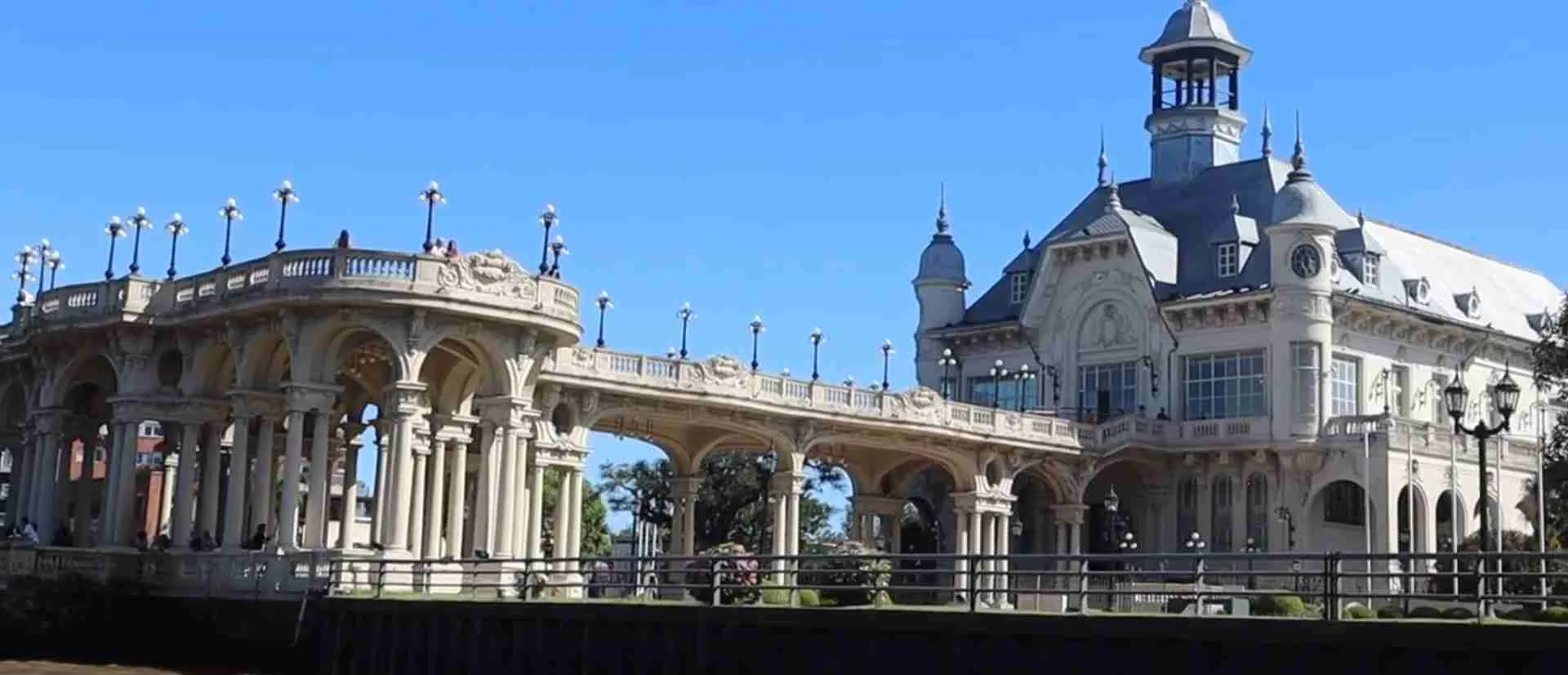
The Museo de Arte Tigre occupies a stunning Belle Époque palace built in 1912, originally serving as Tigre’s social club and casino. The neoclassical building alone justifies a visit, with ornate interiors, elegant columns, and manicured gardens overlooking the Luján River. The museum houses an important collection of Argentine figurative art from the 19th and 20th centuries.
Museum admission costs approximately $3-5 for foreign visitors in 2026, with reduced rates on specific days (check the museum website for current pricing and schedules). Hours run Wednesday through Friday 12 PM to 6 PM, and Saturday through Sunday 12 PM to 7 PM, with closures on Monday and Tuesday. The museum’s terrace restaurant offers elevated dining with river views, though prices exceed typical area establishments.
Delta Boat Tours in 2026
Public Boat Tours from Estación Fluvial 2026
The Estación Fluvial (Fluvial Station) serves as Tigre’s main boat terminal, located a short walk from the train station across the river. Multiple tour operators offer one-hour cruises through the delta’s main waterways, departing regularly throughout the day with minimal waiting time. These public tours cost approximately $8-15 per person and accommodate dozens of passengers per boat.
Standard one-hour tours cruise the delta’s five main rivers, passing characteristic stilted houses, historic rowing clubs, island restaurants, and the dense vegetation that lines every waterway. Boats provide covered seating with open-air viewing areas, and most offer basic narration (often in Spanish only) about delta history and contemporary life. These tours provide excellent introduction to delta landscapes without requiring substantial investment.
Longer cruise options of 2-3 hours explore deeper into the delta, reaching quieter secondary channels where wildlife sightings become more common. Extended tours cost $15-25 per person and often include brief island stops. Verify tour length and route before boarding, as operators at the Estación Fluvial compete for passengers with varying offerings.
Private Boat Experiences 2026
Private boat tours transform the delta experience into personalized adventures tailored to individual interests. Small boat operators offer customized itineraries lasting 2-4 hours, taking guests beyond tourist routes into authentic delta communities and pristine natural areas. Private tours cost $50-150 per person depending on duration, boat type, and included services (check operators’ websites for current rates as pricing may vary).
Private experiences often include stops at island restaurants inaccessible by public transport, swimming opportunities in warm months, and deeper exploration of the delta’s extensive waterway network. Operators like those found through booking platforms provide English-speaking guides, quality vessels, and flexible scheduling. Book 2-3 days ahead during peak season to secure preferred times.
For sailing enthusiasts, yacht charters offer premium delta exploration aboard classic vessels. These experiences combine the beauty of traditional sailing with delta discovery, typically lasting 4-6 hours with gourmet refreshments. Sailing excursions start around $100-150 per person for group trips, with private charters available at higher rates.
Lancha Colectiva Local Boats 2026
The lancha colectiva system functions as the delta’s public transportation, serving permanent residents who commute to Tigre for work, shopping, and services. These “collective boats” operate on fixed routes with regular schedules, stopping at docks throughout the delta where passengers hail them like taxis. Using local transportation provides authentic immersion in delta life at minimal cost.
Lancha colectiva departures occur from the terminal across from Tigre’s train station (look for the McDonald’s as a landmark). Ticket costs vary by destination, with popular routes to Tres Bocas island costing approximately $3-5. The journey to Tres Bocas takes about 30 minutes, reaching an island with restaurants, walking paths, and genuine delta atmosphere. Flag down returning boats for your journey back, understanding that schedules are approximate.
Using local boats requires adventure spirit and basic Spanish for purchasing tickets and understanding schedules. Operators post route maps and departure times at the terminal, though information may lack English translation. The experience rewards flexible travelers with genuine delta immersion unavailable through tourist services.
Island Dining in 2026
Water-Access Restaurants 2026
Several exceptional restaurants operate on delta islands accessible only by boat, offering unique dining experiences that combine excellent Argentine cuisine with river atmosphere. Reservations are essential as restaurants arrange water taxi pickup from designated Tigre docks. Expect to spend $25-45 per person for lunch including transportation coordination.
Gato Blanco operates on a secluded island, serving refined Argentine cuisine in an intimate riverside setting. The restaurant coordinates its own water taxi service from Tigre, with the boat journey becoming part of the dining experience. Call ahead for reservations and pickup timing, as the restaurant serves limited covers daily. Lunch including wine runs approximately $35-45 per person.
Almacén del Delta presents more casual island dining with traditional Argentine dishes served on a shaded riverside deck. The setting emphasizes relaxation over formality, with guests lingering over post-lunch coffee while boats drift past on the adjacent waterway. Budget $25-35 per person for lunch. Contact the restaurant directly for water taxi arrangements.
Isla Tres Bocas, reachable via lancha colectiva, offers several restaurant options at various price points. Restaurante Tres Bocas, El Remanso, and La Rivera all serve delta visitors with river views and reliable quality. These establishments accept walk-in diners arriving on public boats, eliminating reservation complexity while still providing island dining experiences.
Tigre Waterfront Dining 2026
Restaurants along Tigre’s Paseo Victorica and near Puerto de Frutos offer convenient dining without requiring boat transportation. These establishments overlook the river with views of passing boats and distant delta vegetation, providing atmospheric alternatives for travelers with limited time or preferring land-based dining.
Waterfront restaurants range from casual parrillas to refined venues with international menus. Budget $15-30 per person for lunch at mid-range establishments. El María, near the Museo de Arte Tigre, offers elevated dining in a historic setting, while numerous casual options near Puerto de Frutos serve standard Argentine fare at lower prices.
Activities Beyond Boating 2026
Kayaking in the Delta 2026
Kayak rental provides active delta exploration for travelers preferring self-propelled adventures. Several operators near the Estación Fluvial offer single and tandem kayaks for hourly or half-day rentals. Expect to pay $15-30 per hour depending on kayak type and season. No experience is necessary for calm delta waters, though basic paddling instruction is provided.
Guided kayak tours lasting 2-3 hours explore quieter secondary channels where motorized boats rarely venture. These excursions cost approximately $40-60 per person and include equipment, instruction, and knowledgeable guides who share delta ecology and history. Operators like Escuela de Remo y Kayak, located near the train station, offer reliable equipment and organized experiences.
Parque de la Costa 2026
South America’s largest amusement park borders the delta in Tigre, offering rollercoasters, water rides, and entertainment attractions. Parque de la Costa provides family-friendly diversions for travelers seeking thrills beyond natural exploration. Full-day admission costs approximately $25-40 depending on season and promotional pricing.
The park operates primarily on weekends and during school vacation periods, with reduced weekday schedules. Check the Parque de la Costa website for current hours and pricing before incorporating into your itinerary. The location near Tigre’s train station allows easy combination with delta activities for families wanting both nature and amusement park experiences.
Delta Ecological Exploration 2026
Birdwatching and nature photography enthusiasts find abundant subjects throughout the delta ecosystem. Over 300 bird species inhabit the region, including herons, kingfishers, cormorants, and occasional raptors. Early morning boat trips before tourist traffic increases offer best wildlife viewing opportunities.
The delta’s unique ecosystem supports distinctive flora including ceibos (Argentina’s national tree), willows, and invasive species that have transformed island vegetation over centuries. Extended boat tours focusing on ecology rather than sightseeing highlight natural features often overlooked by standard tourist services. Inquire about nature-focused tours when booking private boat experiences.
Budget Planning for Tigre 2026
Budget Day Trip Cost 2026
Mitre train round trip $2-4, public boat tour $10, lunch at casual restaurant $15, snacks $5, Puerto de Frutos browsing free. Total day cost: $32-34 per person (excluding Buenos Aires accommodation).
Budget travelers maximize value through public transportation, standard boat tours, and casual dining while still experiencing the delta’s essential character and atmosphere.
Mid-Range Day Trip Cost 2026
Mitre train round trip $2-4, extended boat tour $20, island lunch with water taxi $35, Museo de Arte Tigre $5, coffee and snacks $8. Total day cost: $70-72 per person (excluding Buenos Aires accommodation).
Mid-range budgets enable enhanced experiences including longer boat excursions, memorable island dining, and cultural attractions while maintaining reasonable expenditure.
Premium Day Trip Cost 2026
Sturla boat to Tigre $20, private boat tour with lunch $100, Museo de Arte Tigre $5, waterfront cocktails $15, return by taxi $20. Total day cost: $160 per person (excluding Buenos Aires accommodation).
Premium experiences maximize comfort and exclusivity with scenic transportation, personalized boat tours, quality dining, and convenient return travel.
2026 Practical Tips for Tigre
Best Time of Day for Tigre 2026
Morning departure from Buenos Aires around 9-10 AM provides optimal timing for Tigre day trips. This schedule allows comfortable breakfast before departing, arrival in Tigre by late morning, boat tour before lunch, afternoon exploration, and return to Buenos Aires by early evening. Starting earlier enables more extensive exploration but requires earlier wake-up during vacation.
Afternoon light creates beautiful photography conditions in the delta, with sun filtering through riverside vegetation and glinting off waterways. Plan your boat tour for early afternoon if photography is a priority. Late afternoon Paseo Victorica strolls capture golden hour light reflecting off the Luján River.
What to Bring to Tigre 2026
Sun protection is essential as delta boats offer limited shade and water reflection intensifies UV exposure. Sunscreen, sunglasses, and hats prevent uncomfortable burns during extended water time. Light layers accommodate temperature variations between air-conditioned trains, exposed boats, and shaded island restaurants.
Cash remains important in Tigre, as some smaller operators, market vendors, and casual restaurants may not accept cards. Bring sufficient Argentine pesos for anticipated expenditures plus contingency. The SUBE card is essential for train travel and should be loaded before departing Buenos Aires.
Binoculars enhance wildlife viewing for birdwatching enthusiasts. Waterproof bags protect electronics from spray on faster boats or during unexpected rain. Comfortable footwear suits walking on Tigre’s streets, boat decks, and potentially muddy island paths.
Weekend vs. Weekday Considerations 2026
Weekdays offer quieter delta experiences with fewer tourist boats, available restaurant seating, and more personal attention from service providers. Train schedules run similarly to weekends, and all attractions maintain regular hours. Budget travelers benefit from weekday visits when prices occasionally drop for less busy periods.
Weekends bring Buenos Aires families escaping city heat, creating livelier atmospheres but also crowds at popular sites. The Puerto de Frutos market peaks on weekends with more vendors and merchandise. Train carriages fill more completely, though service frequency remains adequate. Island restaurants require reservations for weekend lunch.
Sunday offers the most distinctly porteño experience, with multi-generational families picnicking along the Paseo Victorica, children playing near the water, and vendors selling snacks and toys. The festive atmosphere rewards travelers who appreciate cultural immersion over peaceful isolation.
Sample 2026 Tigre Itinerary
Classic Day Trip Schedule 2026
9:00 AM Depart Retiro Station on Mitre train to Tigre. 10:00 AM Arrive Tigre, walk to Estación Fluvial via Puerto de Frutos. 10:30 AM Board public boat tour of delta (1-2 hours). 12:30 PM Explore Puerto de Frutos market. 1:30 PM Lunch at waterfront restaurant. 3:00 PM Visit Museo de Arte Tigre. 4:30 PM Stroll Paseo Victorica. 5:30 PM Return train to Buenos Aires. 6:30 PM Arrive Retiro Station.
Extended Exploration Schedule 2026
8:30 AM Depart Retiro Station on Mitre train. 9:30 AM Arrive Tigre, brief market browsing. 10:00 AM Board private boat tour (3 hours) with island lunch stop. 1:00 PM Arrive at island restaurant for leisurely lunch. 3:00 PM Water taxi return to Tigre. 3:30 PM Kayak rental for independent exploration (1-2 hours). 5:00 PM Museo de Arte Tigre visit. 6:30 PM Dinner at waterfront restaurant. 8:00 PM Return train to Buenos Aires. 9:00 PM Arrive Retiro Station.
Frequently Asked Questions 2026
Is Tigre safe for tourists in 2026? Tigre maintains good safety for tourists throughout the main visitor areas including the train station vicinity, Puerto de Frutos, Paseo Victorica, and delta boat services. Standard urban awareness applies, particularly at the busy train station and market areas. The delta islands and boat tours present minimal safety concerns.
Can I swim in the Tigre Delta in 2026? Swimming is possible at certain locations during warm months, though water quality varies throughout the delta. Private boat tours often include swimming stops at cleaner areas away from main traffic channels. Public beaches are limited, and swimming from public boats is not permitted. Consult your boat operator about swimming opportunities if this interests you.
What wildlife can I see in the delta in 2026? Common sightings include various herons, cormorants, kingfishers, and egrets along waterways. Coypus (large aquatic rodents) frequently appear near vegetation, as do occasional capybaras in quieter areas. Butterflies, dragonflies, and diverse fish species add to the ecosystem’s biodiversity. Early mornings and quieter secondary channels offer best viewing opportunities.
Should I take an organized tour to Tigre in 2026? Independent travel to Tigre is straightforward and more economical than organized tours. The train journey is simple, boat tours readily available at the Estación Fluvial, and Tigre’s compact layout easy to navigate. Organized tours suit travelers preferring convenience or those combining Tigre with Buenos Aires city sightseeing, but are unnecessary for confident independent travelers.
What is the weather like in Tigre in 2026? Tigre’s climate mirrors Buenos Aires, with hot summers from December through February (temperatures reaching 30-35°C), mild autumns and springs, and cool winters from June through August (10-15°C). The delta often feels several degrees cooler than Buenos Aires due to water and vegetation, providing welcome relief during summer months. Rain can occur year-round, with thunderstorms common in summer afternoons.
Can I stay overnight in the delta in 2026? Several lodges and guesthouses operate on delta islands, offering unique overnight experiences away from city noise. Properties range from rustic to comfortable, with most requiring boat transfers arranged by the accommodation. Overnight stays suit travelers wanting deeper delta immersion but are unnecessary for comprehensive day trip experiences.
Is the Tren de la Costa worth taking in 2026? The Tren de la Costa rewards travelers prioritizing scenic journeys over efficiency. The additional $3-5 cost and longer travel time are offset by river views, attractive stations, and the experience itself. Consider taking the Tren de la Costa in one direction (perhaps outbound to Tigre) and the faster Mitre train for return, combining efficiency with scenic exploration.
How do I get from the Tigre train station to boats in 2026? Upon exiting Tigre’s Mitre train station, cross the roundabout walking toward the McDonald’s visible ahead. The main boat terminals (Estación Fluvial) are located just beyond, approximately 200 meters from the train platform. Signs indicate directions, and the route passes directly through or adjacent to Puerto de Frutos market.
Conclusion: Your Perfect Tigre Day Trip 2026
The Tigre Delta offers Buenos Aires visitors something increasingly rare in major travel destinations: genuine escape into natural landscapes requiring neither extensive travel time nor excessive expense. Within an hour of leaving central Buenos Aires, you find yourself gliding along waterways where houses rise on stilts, birds hunt along vegetated shores, and modern life recedes behind curtains of willows and ceibos.
Your 2026 Tigre adventure can take multiple forms depending on interests and budget. Budget travelers experience the delta’s essential character through affordable public transport and standard boat tours. Mid-range visitors add island dining experiences and extended cruises that reveal deeper delta mysteries. Premium experiences combine scenic transportation, private boats, and exclusive access to hidden corners rarely visited by typical tourists.
Whatever approach you choose, the Tigre Delta rewards with perspectives impossible to find within Buenos Aires’ urban boundaries. The contrast between the capital’s European elegance and the delta’s watery wilderness illuminates Argentina’s remarkable diversity, while the journey itself becomes memory. Book your boat tour, pack sun protection, and prepare for a day where time flows as gently as the delta’s countless waterways.