Thessaloniki Best Tours 2026: Food, History & Culture
Thessaloniki’s tour landscape in 2026 combines UNESCO-recognized gastronomy experiences through market-focused food tours, Byzantine heritage exploration via walking routes through early Christian monuments, and day excursions reaching Meteora’s cliff-top monasteries within three hours, with specialized operators offering English-speaking archaeologist guides and small-group formats that provide intimate engagement with Greece’s second city and surrounding region. The city’s designation as UNESCO’s first European Gastronomic City drives exceptional food tour quality, while 15 UNESCO World Heritage monuments within walking distance create unparalleled historical tour density unavailable in other Greek destinations.
Key Takeaways: Planning Thessaloniki Tours in 2026
- Food tours deliver exceptional value through UNESCO Gastronomic City status: Thessaloniki’s unique designation ensures food tours access authentic market experiences at Kapani and Modiano, traditional pastry workshops producing bougatsa since the early twentieth century, and family-run specialty shops maintaining Ottoman-era techniques, with standard 3-hour tours costing €20-35 per person including tastings equivalent to full Greek brunch.
- Byzantine heritage concentration creates walkable historical tour opportunities: Fifteen UNESCO World Heritage monuments cluster within two square kilometers of the city center, enabling comprehensive half-day walking tours covering Rotunda of Galerius, Church of Hagios Demetrios, and early Christian basilicas without transportation requirements, with most operators charging €25-40 per person for guided 3-4 hour experiences.
- Meteora accessibility from Thessaloniki reduces travel time versus Athens departures: Three-hour drive versus six hours from Athens creates practical full-day Meteora tours from Thessaloniki with 11-hour total duration including monastery visits, lunch breaks, and round-trip comfortable coach transport, with pricing ranging €60-105 depending on group size and inclusions.
- Upper Town (Ano Poli) specialized tours reveal authentic neighborhood character: Byzantine walls, traditional architecture, and panoramic viewpoints overlooking Thermaic Gulf attract dedicated walking tours exploring winding cobblestone streets, Ottoman-era houses, and working-class Greek neighborhoods maintaining century-old lifestyles distinct from tourist-focused downtown areas.
- Tour operator selection significantly impacts experience quality: Local family-run companies employing archaeologists and food critics as guides deliver superior insights versus mass-market operators using multilingual staff without specialized knowledge, with smaller group sizes under 12 participants enabling personalized attention and flexible pacing unavailable in coach tours carrying 40-50 people.
- Seasonal timing affects tour availability and crowd levels: Spring (April-May) and autumn (September-October) provide optimal weather without summer heat or winter monastery closures, with shoulder season additionally offering reduced tour pricing and better guide-to-participant ratios as high-season demand subsides.
People Also Ask About Thessaloniki Tours 2026
What is the best food tour in Thessaloniki for 2026?
The best food tours in Thessaloniki for 2026 combine market visits at Kapani and Modiano with specialty shop tastings, traditional pastry experiences, and Greek coffee culture immersion, typically running 3-3.5 hours with costs of €20-35 per person for standard group tours or €60-90 for private chef-led experiences. Top-rated operators including Eat & Walk Food Tours, Thessaloniki Food Tours led by Anna and Georgios, and Walking Talking Food focus on small groups under 12 participants with local guides possessing food industry backgrounds rather than general tourism training. These experiences visit historic bougatsa workshops where phyllo pastry production continues using century-old techniques, specialty olive vendors offering tastings of Halkidiki varietals, traditional spice merchants maintaining Ottoman-era product selections, and family cheese shops featuring regional varieties unavailable in mainstream markets. The tours incorporate cultural education about Jewish, Ottoman, and Pontic Greek culinary influences shaping modern Thessalonian gastronomy alongside practical recommendations for independent dining at authentic tavernas avoiding tourist-oriented establishments.
How long does a full-day Meteora tour from Thessaloniki take in 2026?
Full-day Meteora tours from Thessaloniki in 2026 require approximately 11 hours total duration, departing around 8:00 AM and returning by 7:00 PM, with three hours each direction for coach travel and four to five hours on-site visiting two to three monasteries, enjoying traditional Greek lunch in Kastraki village, and photographing panoramic viewpoints. The relatively short 230-kilometer distance between Thessaloniki and Meteora creates more practical day-trip feasibility compared to six-hour drives from Athens, though the round-trip still demands early morning departures and full-day commitment. Most operators include rest stops during outbound and return journeys, monastery entrance fees costing €5 per site typically paid separately in cash, and English-speaking guides providing historical context during transit rather than inside monastery chapels where photography restrictions and silence requirements apply. Tour costs range €60-105 per person depending on group size, specific itinerary, and whether lunch is included versus self-paid at recommended tavernas, with smaller groups in Mercedes minivans commanding premium pricing versus 40-person coaches offering budget options.
Are Thessaloniki walking tours suitable for seniors or people with mobility limitations in 2026?
Downtown Byzantine heritage walking tours in Thessaloniki accommodate most mobility levels through flat terrain connecting major monuments, though Upper Town (Ano Poli) routes involve steep cobblestone streets and stair climbing unsuitable for wheelchairs or those with significant mobility restrictions. Standard city center tours covering White Tower, Rotunda, Arch of Galerius, and waterfront monuments navigate primarily paved sidewalks with gradual elevation changes, requiring moderate fitness for 3-4 hours of intermittent walking totaling 3-4 kilometers with frequent stops for guide explanations and monument visits. Food tours similarly maintain accessible routes through markets and shops on level ground, though crowded market aisles and standing periods during tastings may challenge those requiring regular seating. Specialized private tours can modify routes eliminating challenging sections, arrange transportation between widely-spaced sites, or incorporate extended rest breaks accommodating individual limitations, with operators like ToursByLocals offering completely customizable experiences addressing specific mobility requirements when communicated during booking process.
Can I book same-day tours in Thessaloniki in 2026 or do I need advance reservations?
Popular Thessaloniki tours in 2026 require advance booking ranging from 24 hours to one week depending on tour type, season, and group size preferences, with same-day availability limited to off-season periods or when joining larger group tours with remaining capacity. Food tours with small group caps of 8-12 participants typically fill 2-3 days ahead during shoulder seasons (April-May, September-October) and one week ahead during peak summer months, as intimate group sizes and specialized guide assignments prevent last-minute capacity expansion. Meteora day trips operate with more flexible capacity in larger coaches but still benefit from 2-3 day advance booking ensuring preferred departure dates, while private tours for families or couples require 3-7 days notice allowing operators to arrange dedicated guides and vehicles. Free walking tours operating on tip-only basis offer most same-day flexibility but sacrifice specialized knowledge and intimate group dynamics available through paid specialized tours. Advance booking additionally enables securing morning time slots avoiding afternoon heat, preferred guide selections when operators employ multiple staff, and guarantee of English-language tours versus multilingual mixed-group experiences common with last-minute bookings.
Extended multi-day tours – 5+ days
Featured Thessaloniki Multi-Day Tour Packages

2 days
Archaeological, Biblical & Byzantine Treasures 2 Days/ 1 Night
- ✓ Comprehensive Thessaloniki tour
- ✓ Expert local guides included
- ✓ All accommodation arranged
- ✓ Transportation provided

2 days
Myth & History 2 Days/ 1 Night
- ✓ Comprehensive Thessaloniki tour
- ✓ Expert local guides included
- ✓ All accommodation arranged
- ✓ Transportation provided
6 days
Northern Greece: In the Shadow of Mount Olympus
- ✓ Booking needs min. 2 travelers
3 days
Escape to Thessaloniki, 3 Days
- ✓ Comprehensive Thessaloniki tour
- ✓ Expert local guides included
- ✓ All accommodation arranged
- ✓ Transportation provided
Multi-day tour packages powered by TourRadar. Prices and availability subject to change.
Introduction to Thessaloniki’s 2026 Tour Landscape and Cultural Identity
Thessaloniki’s tour ecosystem in 2026 reflects the city’s unique position as Greece’s second metropolis, combining 2,300 years of continuous habitation creating unprecedented historical monument density with modern gastronomic excellence recognized through UNESCO’s first European Gastronomic City designation. Unlike island destinations where tours emphasize beaches and sunset photography or Athens where ancient classical sites dominate programming, Thessaloniki tours integrate Byzantine religious heritage, Ottoman architectural influences, Jewish cultural preservation, and contemporary culinary innovation into comprehensive urban exploration experiences. The city’s walkable scale enables foot-based discovery of major attractions within compact historical center, while strategic northern location provides gateway access to Meteora, Mount Olympus, and Halkidiki beach regions within two-hour drive radius.
Tour operators in Thessaloniki range from international platforms like Viator and GetYourGuide aggregating multiple local companies to family-run specialized agencies employing archaeologists, food critics, and cultural historians as guides rather than general tourism staff. This diversity creates significant quality variation requiring careful research and review evaluation before booking, as mass-market budget tours sacrifice guide expertise and group intimacy for cost efficiency while boutique operators deliver superior insights through credentials and small participant numbers. The UNESCO designations—both Gastronomic City status and 15 World Heritage monuments—elevate baseline tour quality by providing internationally recognized frameworks and standards that operators must acknowledge, though interpretation depth and presentation skill vary substantially between guides.
Seasonal patterns influence tour availability and pricing in Thessaloniki following Mediterranean climate rhythms. Spring months (April-May) deliver mild temperatures ideal for walking tours without oppressive summer heat, coinciding with Easter celebrations bringing unique cultural programming and festive atmosphere but also higher accommodation costs and larger crowds. Summer (June-August) sees peak tourism with maximum tour frequency and longest operating hours but temperatures exceeding 35°C challenging afternoon walking tours, while autumn (September-October) replicates spring advantages with harvest season culinary emphasis and wine festival programming. Winter (November-March) maintains reduced tour schedules as monastery sites limit winter hours and some day trip destinations close entirely, though food tours continue year-round and Byzantine monument visits proceed unaffected by seasonal variations.
The 2026 tour landscape builds upon post-pandemic recovery establishing new operational standards including enhanced booking flexibility with free cancellation policies up to 24 hours before departure, maximum group size limitations maintaining social distancing comfort, and digital ticketing eliminating physical voucher exchanges. These changes benefit travelers through reduced booking risk and improved experience quality, though they sometimes increase per-person costs as operators offset lost revenue from cancellations through slightly higher base pricing. Technology integration enables better pre-tour communication via WhatsApp groups, real-time itinerary adjustments based on crowd levels or weather conditions, and post-tour resource sharing including restaurant recommendations and monument visiting hours extending tour value beyond scheduled duration.
Thessaloniki Food Tour Options and Costs 2026
Thessaloniki food tours in 2026 cost €20-35 per person for standard 3-3.5 hour group experiences visiting markets, pastry shops, and specialty vendors with tastings equivalent to full Greek brunch, while private chef-led tours range €60-130 per person depending on duration and dining inclusion (check individual operator websites for current rates as pricing may vary). Public transport requires no budget allocation as food tours navigate walkable downtown routes on foot. These specialized culinary experiences leverage Thessaloniki’s 2014 UNESCO Creative Cities of Gastronomy designation, distinguishing the city as Europe’s first recipient of this recognition celebrating culinary heritage, innovation, and food culture preservation.
Market-focused food tours center on Kapani Market (also called Vlali Market) and Modiano Market, the city’s two historic covered and open-air food markets operating since the early twentieth century and recently renovated to enhance visitor experience while maintaining authentic vendor character. Kapani sprawls through outdoor stalls where merchants call out offerings of olives in 15 varieties, locally-produced cheeses from mountain villages, seasonal fruits and vegetables, and fresh seafood daily-caught from Thermaic Gulf. Modiano Market’s 1922 covered structure designed by renowned architect Eli Modiano houses 75 stalls organized by food category—butchers, fishmongers, produce vendors, specialty grocers—creating organized neighborhood atmosphere where locals shop daily and vendors maintain multi-generational family businesses.
Standard food tour itineraries begin with traditional Greek coffee at neighborhood kafeneio where guide explains preparation differences between Greek, Turkish, and Western coffee styles alongside cultural significance of coffee house social life in Thessalonian culture. Bougatsa tasting follows at historic workshops producing this custard-filled phyllo pastry since 1920s, with guides explaining cheese versus custard filling traditions and regional variations unique to Thessaloniki. Market visits incorporate olive tastings distinguishing Halkidiki, Kalamata, and Throubes varieties, artisanal cheese sampling featuring feta, kasseri, and myzithra with vendor demonstrations of proper cheese cutting and storage techniques, and cured meat selections including Pontic Greek soutzouki and traditional loukaniko sausages.
Specialty stops feature spice merchants stocking Ottoman-influenced seasoning blends, preserved fruit shops offering traditional spoon sweets in exotic flavors, and family-run bakeries producing tsoureki, koulouri sesame bread rings, and regional pastries unavailable outside northern Greece. Many tours conclude with ouzo or tsipouro tasting accompanied by mezze small plates demonstrating proper Greek drinking culture emphasizing social conversation over rapid alcohol consumption. The cumulative tastings genuinely provide substantial food volume equivalent to brunch or lunch, allowing participants to skip additional meals immediately following tour completion.
Tour operators distinguish themselves through guide credentials and group size limitations. Eat & Walk Food Tours employs food industry professionals including magazine food critics who provide technical culinary insights beyond basic ingredient identification, while Thessaloniki Food Tours founded by Anna and Georgios maintains maximum eight-person groups ensuring intimate market navigation and extended vendor interactions impossible with larger parties. Walking Talking Food offered by Ammon Express uses archaeologist guides connecting food traditions to historical periods and cultural influences, particularly emphasizing Jewish Sephardic, Ottoman, and Pontic Greek contributions to contemporary Thessalonian gastronomy.
Specialty food tour variations target specific interests including dessert-focused tours concentrating on trigona Panoramatos, bougatsa, galaktoboureko, and other syrup-soaked pastries; wine and spirits tours incorporating Macedonian wine tastings alongside food pairings; and evening dinner tours replacing daytime market visits with sit-down meals at traditional tavernas in Ladadika district. These themed experiences typically cost €45-80 per person reflecting specialized programming and potentially higher food costs from restaurant meals versus market tastings, with wine tours commanding premium pricing due to alcohol inclusion adding €15-25 per person in product costs.
Private food tours accommodate families, couples, or small friend groups preferring personalized pacing and customized itinerary emphasis on specific dietary interests or restrictions. Costs range €60-90 per person for 2-4 participants, declining to €40-50 per person for groups of 6-8 as fixed guide and organizational costs spread across more participants. Private tours enable vegetarian or vegan adaptations substituting meat and dairy tastings with plant-based specialties, gluten-free modifications avoiding wheat-based pastries, or kosher-focused programming emphasizing Thessaloniki’s rich Jewish culinary heritage and remaining kosher establishments.
Booking considerations include verifying exact meeting points as some tours depart from Le Palace Hotel on Tsimiski Street while others meet at Aristotelous Square or waterfront locations, confirming whether gratuities are expected beyond tour price (typically €3-5 per person for exceptional guides), and understanding cancellation policies allowing free cancellation up to 24 hours before departure for most operators. Tour schedules typically offer morning (9:30-10:00 AM) and sometimes afternoon (4:00-5:00 PM) departures, with morning slots preferred during summer avoiding afternoon heat and ensuring market vendors maintain full product selection before selling out later in day.
Byzantine Heritage and Historical Walking Tours 2026
Byzantine and historical walking tours in Thessaloniki during 2026 cost €25-40 per person for standard 3-4 hour group experiences covering UNESCO World Heritage monuments including Rotunda of Galerius, Church of Hagios Demetrios, and early Christian basilicas, with private tours ranging €80-120 per person for customized itineraries and dedicated guide attention. These heritage-focused experiences capitalize on Thessaloniki’s exceptional concentration of 15 UNESCO-designated monuments within two square kilometers, creating unmatched early Christian and Byzantine architectural density unavailable in other Mediterranean cities.
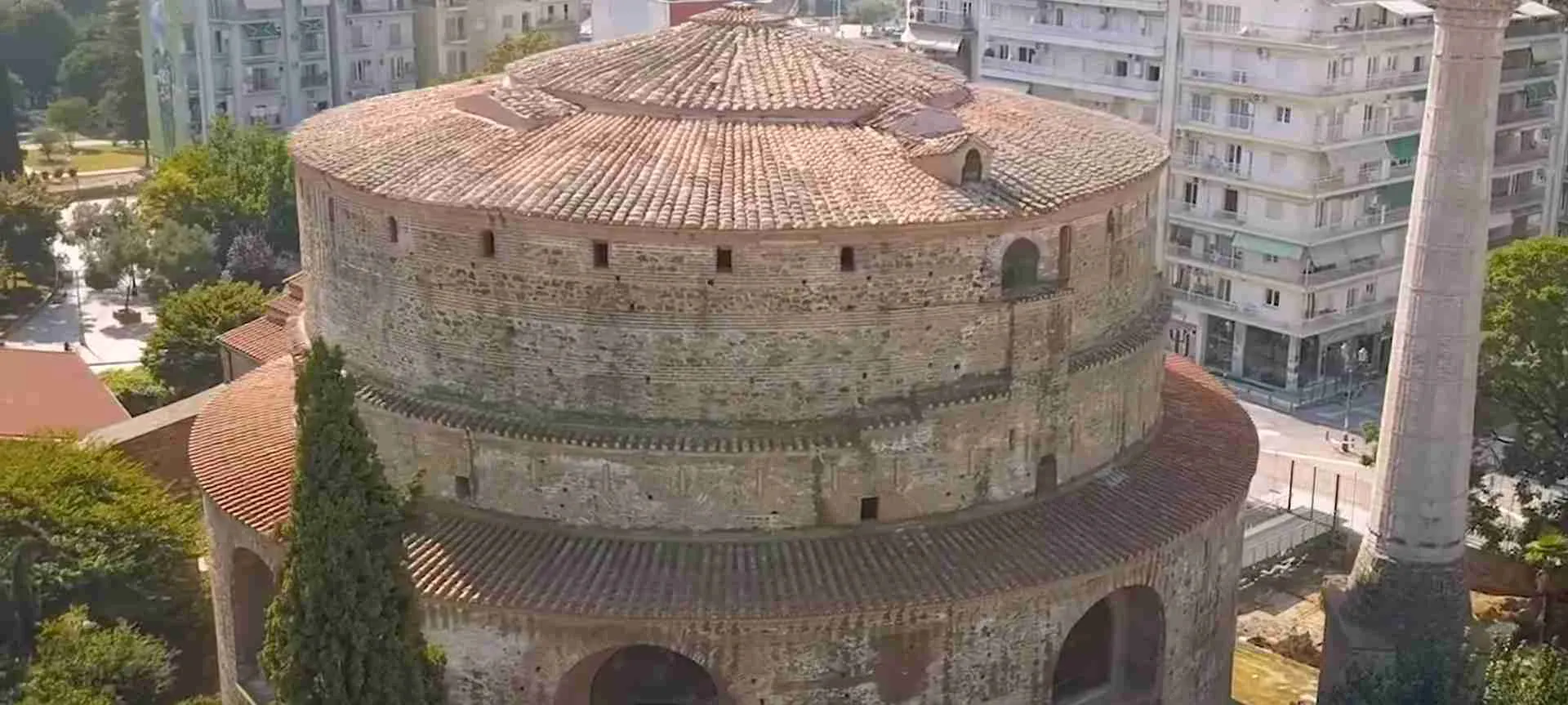
The historical tour narrative begins with Thessaloniki’s 315 BC foundation by Macedonian King Cassander, named after Alexander the Great’s half-sister Thessalonike, proceeding through Roman imperial period when Emperor Galerius established the city as eastern Roman Empire capital during late third century AD. This Roman heritage manifests in the monumental Rotunda of Galerius, originally constructed around 306 AD as either temple or mausoleum before conversion to Christian church during Byzantine era and later transformation into mosque during Ottoman occupation. The massive circular structure measuring 24.5 meters diameter with walls six meters thick survives earthquakes through exceptional engineering, featuring interior mosaics from early Byzantine period depicting saints and angels in gold-background compositions representing finest preserved examples of fourth-century Christian art.
The Arch of Galerius (Kamara) connects to Rotunda via ancient road, celebrating Emperor’s victory over Persians through relief sculptures depicting battle scenes, triumphal processions, and imperial ceremonies carved into marble panels. Modern city planning preserves this monumental axis despite surrounding urban development, allowing visitors to appreciate original spatial relationships between imperial palace complex components. Walking tours typically allocate 30-40 minutes for Rotunda-Arch area, with guides explaining architectural evolution, religious conversion patterns, and ongoing archaeological discoveries beneath modern street level revealing Roman palace remains.
Church of Hagios Demetrios (Saint Demetrius) represents Thessaloniki’s patron saint basilica and pilgrimage destination since fifth century, rebuilt following seventh-century fire in current five-aisle basilica form with crypt containing archaeological museum displaying excavated Roman bath structures where martyr Demetrius died during Christian persecutions. The church interior retains remarkable mosaic panels surviving 1917 fire that destroyed much of Thessaloniki, depicting Saint Demetrius with various civic officials and children demonstrating Byzantine artistic mastery in rendering human figures, textile patterns, and architectural backgrounds. Tours typically spend 45 minutes at this UNESCO site, with guides explaining saint’s military associations, miracle traditions, and ongoing role in contemporary Greek Orthodox religious practice.
Additional UNESCO monuments included in comprehensive walking tours encompass Church of Hagia Sophia, eighth-century basilica featuring cross-in-square architectural plan and Ascension dome mosaic rivaling Constantinople’s religious artworks; Church of Panagia Chalkeon (1028 AD) demonstrating middle Byzantine architecture; and Church of Saint Catherine showcasing 13th-century late Byzantine frescoes. Each monument offers distinct architectural characteristics and artistic achievements illustrating Byzantine cultural evolution over nine centuries, with knowledgeable guides connecting building techniques, decorative programs, and liturgical functions to broader Byzantine Empire historical developments.
Upper Town (Ano Poli) specialized tours explore Thessaloniki’s highest elevation neighborhood preserving traditional architecture, Byzantine fortification walls, and authentic residential character distinct from downtown’s commercial orientation. These 3-hour walking experiences navigate steep cobblestone streets unsuitable for vehicles, passing traditional Greek and Ottoman-style houses featuring overhanging wooden upper floors, small neighborhood churches hidden within residential blocks, and family-run tavernas maintaining century-old recipes. The Heptapyrgion fortress (Yedi Kule) crowns the area, offering panoramic views encompassing entire city, Thermaic Gulf, and on clear days Mount Olympus 80 kilometers distant. Vlatadon Monastery from 14th century and Byzantine Bath from 13th century add UNESCO-designated monuments to this neighborhood exploration.
Tour operators specializing in historical programming include Giorgos Pame Walking Tours led by Giorgos himself, a local historian whose tours earn consistent praise for historical accuracy and engaging storytelling connecting monuments to human experiences; Free Tour Thessaloniki offering tip-based walking tours departing twice daily from Aristotelous Square covering major downtown monuments with less specialized guides but accessible pricing; and ToursByLocals featuring customizable private tours with archaeologist guides capable of technical architectural analysis and comparative discussion of Thessaloniki’s monuments within broader Byzantine Empire context.
Jewish heritage tours represent specialized historical programming addressing Thessaloniki’s once-vibrant Sephardic community comprising 56,000 people before WWII deportations to concentration camps decimated the population. These tours visit sites of destroyed synagogues, the Jewish Museum documenting community history, and neighborhoods where Ladino-speaking Jewish families maintained distinct cultural identity for four centuries following 1492 Spanish expulsion. Half-day Jewish tours cost €35-50 per person for small groups, with specialized guides explaining religious practices, economic contributions, and tragic Holocaust history that eliminated one of Europe’s oldest and largest Jewish communities.
Ottoman heritage tours focus on 500 years of Ottoman rule leaving architectural legacy including Hamza Bey Mosque, Bey Hamam bathhouse, and Bezesteni covered market, alongside cultural influences affecting cuisine, music, and daily life patterns persisting in contemporary Thessalonian culture. These tours cost €30-40 per person for 3-hour experiences led by guides with Ottoman history specialization, often incorporating visits to Turkish consulate building and areas where Turkish-speaking minority communities maintain cultural traditions.
Archaeological Museum tours provide indoor complement to outdoor monument walking, dedicating 2-3 hours to exploring museum collections featuring pre-Roman Macedonian artifacts, Roman sculpture and mosaics, and Byzantine religious objects. Museum entry costs €8 for general admission or €4 for reduced-price categories, separate from tour guide fees typically €15-20 per person when arranged through tour operators. The Museum of Byzantine Culture adjacent to Archaeological Museum merits dedicated 2-3 hour visit, featuring exceptional collections of Byzantine icons, liturgical objects, and daily life artifacts illustrating thousand-year Byzantine period from multiple social perspectives.
Upper Town (Ano Poli) Specialized Walking Experiences 2026
Ano Poli specialized tours in 2026 focus exclusively on Thessaloniki’s historic Upper Town neighborhood, offering 2.5-3 hour walking experiences costing €25-35 per person through steep cobblestone streets, Byzantine fortification walls, traditional architecture, and panoramic viewpoints unavailable in flat downtown areas. These neighborhood-focused tours appeal to travelers seeking authentic residential atmosphere, photography opportunities, and escape from tourist-concentrated zones while accessing UNESCO monuments including Vlatadon Monastery, Byzantine Bath, and Heptapyrgion fortress within intimate neighborhood context.
The Upper Town’s character derives from surviving 1917 fire that destroyed downtown Thessaloniki, leaving Ano Poli’s traditional wooden houses, narrow lanes, and village-like atmosphere intact while modern city reconstruction proceeded below. This accident of history preserves authentic glimpses of pre-industrial Balkan urban life including neighborhood fountains providing communal water sources, small Orthodox chapels serving individual parishes, family-run tavernas operating from residential ground floors, and multi-generational households maintaining properties for century or longer. Tour routes deliberately avoid vehicle-accessible streets, navigating pedestrian-only passages and stepped lanes where elderly residents sit on doorsteps observing neighborhood life and children play in traffic-free spaces.
Byzantine walls encircling Ano Poli date from Theodosian fortifications (late fourth century) with later Byzantine and Ottoman repairs creating multi-period defensive circuit preserving towers, gates, and rampart sections. Tours trace wall segments explaining defensive architecture evolution, siege history from various invading forces, and modern preservation challenges balancing archaeological protection with residential neighborhood needs. The Trigoniou Tower (Triangle Tower) offers climb to upper level providing exceptional photographic vantage across city grid, port facilities, and gulf waters, with guides explaining Ernest Hébrard’s 1918 urban plan reshaping fire-damaged downtown into rational grid replacing organic Ottoman street pattern.
Vlatadon Monastery founded 1351 occupies site tradition associates with Apostle Paul’s preaching during 50 AD visit to Thessaloniki, though current structures date from late Byzantine period and Ottoman renovations. The monastery functions as active religious community rather than museum, requiring respectful behavior and modest dress for entry, with tours explaining monastic daily life, manuscript preservation traditions, and ongoing theological education programs training Greek Orthodox clergy. Small chapel open for visitor veneration features icon collection and frescoes depicting Biblical scenes and saints important to Thessalonian religious identity.
Church of Hosios David (Latomos Monastery) from fifth century preserves exceptional mosaic of Christ Emmanuel in apse, considered masterpiece of early Christian art through naturalistic rendering and sophisticated color palette utilizing tiny glass tesserae in gold, blue, and earth tones. The intimate church scale contrasts with grand downtown basilicas, offering concentrated artistic achievement in compact space requiring careful observation to appreciate mosaic detail work and symbolic program connecting Old and New Testament themes through visual parallels.
Neighborhood tavernas scattered through Ano Poli provide authentic dining experiences distinct from tourist-oriented downtown establishments, serving traditional Macedonian specialties including hilopites (square egg pasta with chicken), kritharaki youvetsi (orzo baked with meat), and seasonal vegetable preparations reflecting mountain cooking traditions. Many Ano Poli tours conclude with taverna lunch or wine service at establishments maintaining family recipes through multiple generations, with costs €15-25 per person for complete meal separate from tour pricing. Some operators include meal in tour cost as culminating experience, while others provide recommendations allowing independent return visits.
Photography opportunities in Ano Poli attract dedicated photo walk tours led by professional photographers guiding composition techniques, lighting considerations, and optimal timing for capturing neighborhood character. These specialized 3-hour morning tours departing 8:00-9:00 AM cost €40-50 per person for groups limited to six participants, ensuring personalized instruction and avoiding crowd interference with framing. Subjects include backlit cobblestone lanes, traditional architecture details (wooden overhangs, painted facades, ceramic decorations), street life candids of elderly residents and neighborhood cats, and panoramic cityscapes from multiple elevated vantage points spanning Ano Poli’s western to eastern boundaries.
Sunset tours time Ano Poli visits for golden hour light across gulf waters and city buildings, culminating at Trigoniou Tower or Heptapyrgion ramparts for sunset observation followed by evening descent through illuminated streets as neighborhood restaurants begin dinner service. These 2.5-hour late afternoon tours cost €30-40 per person, operating summer months (May-September) when extended daylight enables appropriate timing, with autumn and spring tours requiring earlier start times accommodating seasonal sunset schedules. Winter months see limited sunset tour availability as 5:00-5:30 PM sunsets occur before typical tour operating hours and cold temperatures reduce outdoor photography appeal.
Day Trips from Thessaloniki 2026: Meteora, Mount Olympus, and Regional Destinations
Day trips from Thessaloniki to major regional attractions cost €60-105 per person for full-day Meteora monastery tours, €55-85 for Mount Olympus and Dion archaeological site combinations, and €70-95 for Vergina-Pella ancient Macedonian capital visits, with monastery entrance fees (€5 per site) and museum tickets (€6-12) typically excluded from base tour pricing requiring separate cash payment on-site. These excursions capitalize on Thessaloniki’s strategic northern location providing shorter drive times to northern Greece attractions versus Athens departures adding 2-3 hours each direction.
Meteora day tours represent most popular excursion from Thessaloniki, covering 230 kilometers (three hours driving each direction) to reach the UNESCO World Heritage clifftop monasteries perched on sandstone pillars rising 400 meters above Thessalian plain. Full-day tours departing 8:00 AM and returning 7:00 PM include comfortable air-conditioned coach transport, English-speaking guide providing historical context during travel, visits to two or three functioning monasteries depending on daily rotation schedules, lunch break in Kastraki village, and rest stops during outbound and return journeys. The relatively short three-hour drive from Thessaloniki versus six hours from Athens creates more practical day-trip feasibility, though 11-hour total duration still requires early rising and full-day commitment from participants.
Monastery visits include Great Meteoron (the largest and oldest founded 14th century), Varlaam featuring impressive frescoes and ecclesiastical museum, Holy Trinity perched on isolated pinnacle requiring bridge access, St. Stephen’s Convent accessible without extensive stair climbing, and Roussanou showcasing 16th-century frescoes in compact chapel space. Entrance fees of €3-5 per monastery (typically €5) require cash payment on-site, with dress code enforcement mandating long pants or skirts for women, covered shoulders for all visitors, and no shorts or sleeveless tops for men regardless of temperature. Monasteries provide loaner skirts for women arriving in pants or shorts, though tour operators recommend bringing appropriate clothing avoiding delay and ensuring personal comfort.
Tour costs vary by operator size and vehicle type, with budget options using 40-50 person coaches charging €60-75 per person, mid-range 20-30 person minibus tours costing €80-95, and luxury small-group tours in Mercedes Sprinter vans limited to 12-15 participants commanding €95-105 per person. Higher-priced tours typically include superior guide credentials (archaeologists versus general tourism guides), more monastery visits (three versus two), extended free time for independent exploration, and sometimes lunch inclusion eliminating need for self-paid taverna meals costing €12-18 per person.
Two-day Meteora tours enable overnight stays in Kalabaka town at monastery base, allowing sunset tours first evening and sunrise or morning monastery visits next day before afternoon return to Thessaloniki. These extended programs cost €165-195 per person including round-trip transport, three-star hotel accommodation, breakfast, and two guided monastery tours, with lunch and dinner meals excluded. The multi-day format reduces daily travel fatigue, enables comprehensive monastery coverage visiting four to five sites versus standard two to three, and provides photography opportunities at multiple lighting conditions impossible in single-day format.
Mount Olympus and Dion combination tours explore Greece’s mythological mountain home of gods alongside ancient Macedonian religious sanctuary and archaeological site at mountain base. Full-day tours cost €55-85 per person including transport to Olympus foothills at Prionia (1,100 meters elevation) for short hiking to Enipeas Gorge waterfalls and mountain viewpoints, followed by Dion archaeological site visit exploring Zeus sanctuary, Roman theater, and villa mosaics. These tours appeal to active travelers seeking moderate hiking (2-3 hours total walking including archaeological site) combined with cultural programming, though mountain weather variability requires flexible itinerary adjustments when storms or excessive heat prevent safe hiking access.
Vergina and Pella day tours target ancient Macedonian history enthusiasts visiting royal tombs at Vergina including Philip II’s burial containing exceptional gold artifacts and painted tomb decorations, followed by Pella archaeological site featuring Alexander the Great’s birthplace and Hellenistic-era floor mosaics depicting mythological scenes. These historically-focused tours cost €70-95 per person for full-day programs including both sites, museum entries (€8 Vergina, €6 Pella), and guide explanations connecting Macedonian kingdom rise to regional power with broader ancient Greek history. The combined visit requires approximately 9-10 hours including 1.5 hours drive to Vergina, 1 hour between sites, and 1.5 hours return to Thessaloniki.
Halkidiki beach tours operate summer months (June-September) visiting three-peninsula region’s beaches, traditional villages, and coastal scenery. Full-day tours cost €65-85 per person including transport to Sithonia peninsula beaches for swimming stops, lunch at seaside tavernas, and olive oil factory or winery visits demonstrating regional agricultural production. These leisure-focused tours appeal to beach enthusiasts seeking convenient access to superior Halkidiki beaches without renting vehicles or navigating unfamiliar roads, though they sacrifice flexibility for structured schedule and group pacing constraints.
Pozar Thermal Baths and Edessa Waterfalls combination tours provide nature and wellness focus, visiting natural hot springs at Pozar for swimming in thermal pools and relaxation in cave baths, followed by Edessa town viewing waterfall cascades tumbling through urban center. Full-day tours cost €60-75 per person including transport and waterfall site access, with Pozar spa entry (€8-12 depending on services) excluded from tour price requiring separate payment. These tours operate year-round as thermal baths function regardless of season, though winter visits offer enhanced experience with steam rising from hot pools contrasted against cold air temperatures.
Private day trip arrangements accommodate families or groups preferring customized itineraries, flexible timing, and personalized guide attention unavailable in large coach tours. Costs range €350-500 total for private vehicle and guide serving 2-4 participants visiting Meteora, €250-350 for Mount Olympus-Dion combinations, and €300-400 for Vergina-Pella programs, with per-person pricing declining as group size increases to six or eight passengers in larger vehicles. Private tours enable itinerary modifications adding or substituting sites, extended photography stops at scenic locations, restaurant selection based on dietary preferences, and pacing adjustments accommodating children or elderly participants requiring frequent breaks.
Specialized Cultural and Thematic Tour Options 2026
Specialized tours in Thessaloniki during 2026 address niche interests including Jewish heritage, wine culture, photography, street art, and nightlife, typically costing €40-75 per person for half-day themed experiences or €80-120 for full-day comprehensive programs combining multiple related sites and activities. These focused tours appeal to travelers with specific interests seeking depth over breadth, expert guides with specialized knowledge unavailable in general tourism staff, and intimate group sizes enabling detailed discussions impossible in large mixed-interest parties.
Jewish heritage tours explore Thessaloniki’s profound Jewish history as “Mother of Israel” housing 56,000 Sephardic Jews before WWII deportations, visiting Jewish Museum documenting 2,000-year community presence, sites of destroyed synagogues marked by memorial plaques, old Jewish quarter where Ladino-speaking families maintained distinct cultural identity, and Holocaust memorials acknowledging 96% community destruction. These emotionally-charged 3-4 hour tours cost €35-50 per person with specialized guides explaining religious practices, economic contributions as majority population controlling commerce and industry through late 19th century, rich intellectual life producing scholars and artists, and catastrophic genocide eliminating centuries of accumulated culture. Tours connect historical Jewish community to tiny contemporary population maintaining synagogue services and cultural programming, with some programs incorporating meeting with community members sharing personal family histories.
Wine tours visit Macedonian wine regions surrounding Thessaloniki, focusing on Naoussa and Halkidiki appellations producing Xinomavro, Assyrtiko, and international varietals in boutique wineries and established estates. Half-day afternoon tours cost €55-75 per person visiting 2-3 wineries for cellar tours, production explanations, and tastings of 4-6 wines per location, while full-day programs costing €95-130 per person incorporate vineyard walks, traditional lunch with wine pairings, and extended tastings including aged reserves and limited production bottles. Ktima Gerovassiliou represents premier destination 30 minutes from city center, featuring wine museum displaying historical equipment alongside contemporary production facilities and tasting rooms offering structured tastings led by sommeliers explaining terroir influences and winemaking philosophy.
Photography workshops combine technical instruction with location guidance, teaching composition techniques, lighting management, and post-processing basics while visiting photogenic Thessaloniki locations including waterfront promenades, Ano Poli traditional architecture, Ladadika district street scenes, and market environments. These 4-hour morning or sunset workshops cost €65-85 per person limited to 6-8 participants ensuring personalized instruction, with professional photographer guides critiquing images, demonstrating advanced camera settings, and sharing editing workflows using Adobe Lightroom or similar software. Participants bring their own camera equipment ranging from smartphones to professional DSLRs, with instruction adapted to varying skill levels from beginners learning exposure basics to advanced amateurs refining creative vision.
Street art and alternative culture tours navigate Thessaloniki’s vibrant urban art scene concentrated in areas like Valaoritou with dozens of colorful murals, political graffiti, and commissioned artworks transforming blank walls into public galleries. These 2.5-hour walking tours cost €30-40 per person with young guides explaining artist identities, political messaging, technique differences between graffiti and murals, and ongoing battles between property owners, municipal authorities, and street artists over public space usage. Tours often encounter active painting as artists work on new pieces during daylight hours, providing opportunities to meet creators and understand motivations beyond finished artwork appreciation.
Nightlife and bar hopping tours introduce Thessaloniki’s famous social drinking culture where evening volta (promenade) transitions into extended bar sessions at Ladadika, Valaoritou, and waterfront venues. These 3-hour evening experiences departing 9:00-10:00 PM cost €40-55 per person including guide service and first round drinks at each of 3-4 stops, with subsequent beverage purchases self-paid. Guides explain Greek drinking customs emphasizing conversation and mezze sharing over rapid alcohol consumption, recommend local spirits including tsipouro and mastiha, and facilitate social interaction among tour participants creating group dynamic distinct from independent bar visits. These tours appeal particularly to solo travelers seeking social connections and couples wanting insider recommendations for subsequent independent nightlife exploration.
Cooking classes combine market shopping with hands-on preparation of traditional Macedonian dishes, operating from professional cooking schools or private apartments converted to teaching kitchens. These 4-5 hour experiences cost €75-95 per person including market visits for ingredient selection, complete recipe instruction, and communal dining consuming prepared dishes. Common menus feature classics like moussaka, gemista (stuffed vegetables), spanakopita, and regional specialties like hilopites pasta or soutzoukakia meatballs, with recipes provided for home recreation. Classes accommodate various skill levels from complete beginners to accomplished home cooks seeking regional technique knowledge, with maximum class sizes of 8-10 ensuring adequate equipment access and instructor attention during preparation stages.
Bike tours provide alternative transportation exploring waterfront promenades, archaeological sites, and neighborhoods beyond comfortable walking distance, operating flat routes suitable for casual cyclists covering 12-15 kilometers over 3-4 hours. These tours cost €35-45 per person including bicycle rental, helmet, and guide service, departing morning or late afternoon avoiding midday heat. Routes typically connect White Tower, waterfront parks, Aristotelous Square, and archaeological museum without venturing into congested downtown streets unsuitable for cycling, with frequent stops for monument visits, photo opportunities, and guide explanations. Electric bike options accommodate less confident cyclists or those preferring reduced physical exertion, adding €10-15 per person to standard bike tour pricing.
Tour Guide Quality and Operator Selection Strategies 2026
Tour guide quality in Thessaloniki varies dramatically between operators, with superior experiences delivered by archaeologists, historians, and food industry professionals employed by specialized local companies versus general tourism guides working for international aggregator platforms, impacting educational value and engagement levels more significantly than itinerary differences or transportation comfort. Identifying high-quality operators requires examining guide credentials explicitly stated in tour descriptions, reading recent detailed reviews mentioning specific guide names and knowledge demonstrations, and prioritizing small local companies over multinational tourism corporations lacking specialized expertise.
Archaeologist-led tours excel in Byzantine heritage and ancient site programming where guides possess academic training enabling technical architectural analysis, historical context connections, and artifact interpretation beyond memorized scripts. Multiple Thessaloniki operators explicitly employ archaeology graduates including Ammon Express tours, several ToursByLocals guides, and Giorgos Pame Walking Tours’ proprietor who maintains historian credentials. These specialized guides explain construction techniques identifying specific Byzantine periods through masonry patterns, discuss theological symbolism encoded in church decoration programs, and connect Thessaloniki monuments to broader empire developments through comparative references to Constantinople, Ravenna, and other major Byzantine centers.
Food critic and culinary professional guides distinguish premium food tours through industry connections enabling behind-scenes access to specialty production facilities, technical knowledge explaining fermentation processes and traditional techniques, and critical perspectives on contemporary Thessalonian dining scene evolution. Eat & Walk Food Tours employs magazine food critics, Thessaloniki Food Tours features founder Georgios who maintains professional chef background, and some private tour operators include working restaurant chefs conducting tours on days off. These guides discuss ingredient sourcing from specific regional suppliers, demonstrate proper tasting techniques identifying flavor components, and provide restaurant recommendations considering cuisine quality rather than tourist-friendly service or multilingual menus.
Group size dramatically affects tour experience quality, with intimate groups under 10 participants enabling conversational guide interaction, flexible pacing accommodating participant interests, and practical access to small venues like specialty shops or narrow Ano Poli lanes. Mass-market tours carrying 40-50 participants in coaches sacrifice personalization for cost efficiency, create logistical challenges coordinating bathroom breaks and meal service, and prevent participant questions during transit as guide microphone addresses large audience rather than facilitating discussion. Reviews consistently praise small-group experiences while criticizing large-tour chaos, noise levels preventing guide comprehension, and rushed monument visits accommodating fixed coach schedules rather than participant engagement levels.
Booking platforms influence tour quality through operator vetting standards and commission structures. Direct operator booking typically delivers identical tours at slightly reduced pricing (5-10% less) versus international aggregator platforms charging operators 20-30% commissions reflected in consumer pricing. However, platforms like Viator and GetYourGuide provide standardized cancellation policies, dispute resolution mechanisms, and review aggregation helpful for unfamiliar travelers, while direct booking with unknown operators carries greater risk if company fails to perform as promised. Established local operators including Eat & Walk, Thessaloniki Food Tours, and Ammon Express maintain direct booking websites offering better value than platform bookings, though international credit card processing fees may offset commission savings for overseas visitors.
Review analysis requires critical evaluation distinguishing substantive feedback from generic praise or complaints. Valuable reviews specifically name guides, quote interesting facts shared, describe unexpected experiences beyond standard itinerary, or critique specific knowledge gaps exposed through participant questions. Generic reviews stating “great tour” or “very informative” without specific examples provide minimal decision-making value, while detailed accounts noting “guide Eleni explained how Ottoman spice trade influenced specific dishes we tasted” or “archaeologist Constantina demonstrated how to identify 14th versus 15th century Byzantine masonry through mortar composition differences” signal genuine expertise and engagement.
Private tour customization enables superior experiences for families, couples with specific interests, or travelers with accessibility requirements, though costs increase substantially versus joining scheduled group departures. Private tours booked through ToursByLocals, Ammon Express private options, or direct local guide contacts allow itinerary modifications adding sites, eliminating less interesting stops, adjusting pacing for photography or leisurely lunches, and incorporating special requests like meeting local artisans or visiting operating food production facilities normally closed to public. The per-person cost premium of 50-100% versus group tours often proves worthwhile for travelers valuing flexibility and personalization over budget minimization.
Language capabilities vary among guides, with English fluency nearly universal among established tour operators but Spanish, French, German, and other language availability inconsistent requiring advance confirmation. Some operators employ multilingual guides conducting tours simultaneously in 2-3 languages through consecutive translation, though this approach significantly extends tour duration and reduces content depth versus single-language focused delivery. Audio guide rentals or smartphone apps provide alternative language access for major monuments like Byzantine churches and archaeological museums, though they cannot replicate live guide interaction addressing participant questions and adapting presentations to group interests.
Practical Booking Information for Thessaloniki Tours 2026
Thessaloniki tour booking in 2026 requires advance reservations ranging 24 hours to one week depending on tour type and season, with peak summer months (June-August) and Easter week demanding earliest booking ensuring availability, while shoulder seasons (April-May, September-October) offer more last-minute flexibility for most tour categories except specialized small-group experiences maintaining participant caps. Payment typically requires full advance payment via credit card or PayPal securing reservation, with free cancellation policies allowing refunds if cancelled 24 hours before scheduled departure for most operators, though some budget tours enforce stricter 48-72 hour cancellation deadlines.
Meeting point logistics vary by tour type, with food and walking tours typically departing central locations like Aristotelous Square, White Tower, or specific hotel entrances (Le Palace Hotel common for food tour starts), while day trips to Meteora, Mount Olympus, or other destinations depart from multiple pickup points throughout city or single central location like Venizelos Statue at Egnatia Street and Aristotelous Square intersection. Confirmation emails provide exact addresses, Google Maps coordinates, and sometimes photos of meeting locations, with tour operators maintaining phone contact for day-of questions. Participants should arrive 10-15 minutes before scheduled departure allowing guide check-in, final participant collection, and punctual starts avoiding delays for full group.
What’s included versus excluded requires careful review as tour pricing structures vary between operators. Food tours typically include all tastings, coffee, and sometimes final ouzo serving but exclude gratuities, while historical walking tours may or may not include monument entrance fees (€2-8 per site) requiring cash payment on entry. Day trips to Meteora typically exclude monastery entrance fees (€5 per site) and lunch costs (€12-18 per person), while some premium tours bundle all expenses into single upfront price eliminating on-site payments. Review booking details carefully noting specific inclusions, and budget €20-40 per person for typical excluded costs covering entry fees, tips, and incidental purchases during full-day programs.
Cash requirements persist despite increasing credit card acceptance, with monastery entrance fees, some market vendors during food tours, and certain taverna lunches accepting only cash requiring Euro banknotes and coins availability. ATMs distribute throughout central Thessaloniki enable convenient cash access, though using machines before tour departure ensures sufficient funds avoiding mid-tour ATM searches. Budget €30-50 cash per person for typical full-day tour covering entry fees, lunch, coffee during breaks, and €3-5 guide gratuity if exceptional service merits additional appreciation beyond tour price.
Dress codes apply primarily for monastery and church visits requiring modest clothing covering shoulders and knees, with enforcement varying by site but generally strict at functioning monasteries expecting respectful visitor behavior. Pack lightweight long pants, long skirt, or sarong enabling quick dress code compliance when entering religious sites, avoiding tour delays while others locate cover-up garments. Comfortable walking shoes prove essential for tours covering 3-5 kilometers over 3-4 hours, with athletic shoes, walking sandals with ankle support, or quality casual shoes all suitable while fashion sandals, flip-flops, or dress shoes create discomfort and blister risk.
Weather considerations affect tour comfort and itinerary viability, with summer temperatures exceeding 35°C making afternoon walking tours exhausting despite shade-seeking routes and frequent water breaks. Morning tours departing 9:00-10:00 AM capture cooler temperatures before midday heat peaks, while winter tours contend with occasional rain requiring umbrella and water-resistant jacket though temperatures remain mild 8-15°C making winter touring quite comfortable when precipitation absent. Spring and autumn provide optimal weather conditions with temperatures 15-25°C, minimal rainfall, and pleasant conditions for extended walking without heat exhaustion concerns.
Photography permissions vary by site, with Byzantine churches and museums typically prohibiting flash photography preventing artwork damage while allowing non-flash images for personal use, and some venues charging photography fees (€2-5) or prohibiting all photography protecting commercial image licensing. Meteora monasteries strictly prohibit photography inside chapels and religious spaces, with enforcement through monk monitoring and occasional confiscation of violating visitors’ cameras or memory cards. Always confirm photography policies before shooting, respect signage and verbal instructions, and prioritize experience over photo collection when restrictions apply.
Children’s participation suitability depends on tour format, duration, and content focus. Food tours welcome children with adult supervision, offering child-sized tastings and engaging young participants through interactive market exploration, though extended standing periods during vendor visits may bore very young children under age six. Historical walking tours appeal to older children and teenagers interested in ancient history but likely bore younger children lacking context to appreciate monument significance and guide historical explanations. Day trips to Meteora accommodate family groups, though 11-hour duration including 6 hours bus travel challenges children’s attention spans requiring books, tablets, or other entertainment during transit periods.
Accessibility accommodations vary between operators and tour types, with downtown walking tours generally wheelchair-accessible navigating paved sidewalks and ramped monument entries, while Ano Poli tours involve steep steps and cobblestones completely unsuitable for wheelchairs or walkers. Food tours accommodate mobility limitations through slower pacing and market navigation avoiding crowded aisles, though standing periods during tastings may challenge those requiring frequent seating. Communicate specific accessibility needs during booking process enabling operators to assess tour suitability or propose alternative itineraries accommodating limitations, with private tour arrangements offering greatest flexibility modifying routes and pacing for individual requirements.
Travel insurance covering tour cancellations protects against non-refundable booking losses if illness, flight cancellations, or other emergencies prevent participation. Standard travel insurance policies reimburse pre-paid tour costs when cancellation occurs for covered reasons, while operators’ free cancellation policies protect against last-minute itinerary changes or weather-related adjustments. Review insurance coverage before booking expensive multi-day tours or multiple tour commitments ensuring protection if unexpected circumstances disrupt travel plans.
Frequently Asked Questions About Thessaloniki Tours 2026
Do Thessaloniki food tours accommodate dietary restrictions like vegetarian, vegan, or gluten-free in 2026?
Most Thessaloniki food tour operators accommodate dietary restrictions including vegetarian, vegan, gluten-free, and kosher requirements when communicated during booking process, though accommodations range from complete alternative tastings matching dietary needs to simple omission of incompatible foods reducing overall tasting quantity. Vegetarian adaptations prove easiest as Greek cuisine offers abundant meat-free options like cheese, olives, vegetables, and many pastries, while vegan modifications require more substantial adjustments replacing dairy-heavy cheese and yogurt tastings with plant-based alternatives like legume dishes, tahini, and fruit preserves. Gluten-free accommodations face challenges given wheat-based bougatsa, koulouri, and other bread products forming standard food tour components, though operators can substitute rice-based desserts, naturally gluten-free products, and focus on cheese, olive, and preserve tastings avoiding grain ingredients. Private food tours offer most comprehensive dietary accommodation through completely customized itineraries targeting compatible vendors and products, while joining standard group tours with dietary restrictions may result in fewer tastings overall as guides navigate fixed route with mixed participant needs. Always communicate dietary requirements clearly during booking rather than on tour day when guide preparation options become limited.
Can I take a Meteora day tour from Thessaloniki in winter months or are they seasonal?
Meteora day tours from Thessaloniki operate year-round in 2026 including winter months (November-March), though winter schedules may reduce departure frequency from daily summer operations to 3-4 weekly departures, and weather conditions occasionally cause cancellations when heavy snow closes mountain roads or renders monastery access unsafe. Winter Meteora visits offer advantages including dramatically reduced tourist crowds enabling peaceful monastery exploration and superior photography without visitor interference, potential snow-covered landscapes creating exceptional scenic beauty, and lower tour pricing as operators discount winter departures during slow season. However, winter challenges include shorter daylight hours limiting photography time especially during December-January when sunset occurs around 5:00 PM, cold temperatures requiring warm clothing for outdoor monastery courtyards and viewpoints, occasional monastery closures for religious holidays concentrated in winter calendar, and road condition uncertainties when storms deposit snow requiring chain installations or route modifications. Most operators maintain winter operations but recommend checking weather forecasts few days before departure and understanding cancellation policies if severe weather forces tour postponement, with rescheduling typically offered before refunds when feasible within travel itinerary constraints.
Are Thessaloniki walking tours available in languages other than English in 2026?
Thessaloniki tour operators offer varying multilingual capabilities in 2026, with English universally available across all tour types, Spanish and French commonly available for food tours and major historical programs, German occasionally offered by specific operators, and other languages like Italian, Portuguese, Russian, or Chinese requiring private tour arrangements with advance notice securing specialized multilingual guides. Large operators like Ammon Express and international platform tours (Viator, GetYourGuide) maintain multilingual guide rosters enabling language requests when booking, while small family-run operations may employ only English-Greek bilingual guides limiting language flexibility. Some tours accommodate multiple language groups simultaneously through consecutive translation where guide delivers content in two languages sequentially, though this approach roughly doubles explanation time reducing overall content coverage and extending tour duration significantly. Audio guide rentals provide language alternatives for self-guided monument exploration at major sites like Byzantine churches and museums, though they cannot replicate live guide interaction answering questions and adapting presentations to participant interests. Private tour bookings enable greatest language flexibility as operators can source specialized multilingual guides given adequate advance notice, though availability varies and premium pricing applies for less common language requests requiring harder-to-find qualified guides.
How physically demanding are Thessaloniki walking tours and what fitness level do I need in 2026?
Downtown Thessaloniki walking tours require moderate fitness enabling 3-4 kilometers walking over 3-4 hours with frequent stops, navigating primarily flat terrain on paved sidewalks suitable for most adults including seniors maintaining regular walking habits, while Upper Town (Ano Poli) tours demand higher fitness supporting steep uphill climbs on cobblestone surfaces and steps totaling 100+ meters elevation gain unsuitable for those with knee problems, significant overweight, or cardiovascular limitations. Standard city center tours covering White Tower, Rotunda, churches, and waterfront monuments involve minimal elevation changes with occasional gradual inclines, extended standing periods during guide explanations at each monument (5-10 minutes per stop), and ability to walk 1 kilometer between major sites without rest, making these tours accessible to most healthy adults and teenagers. Food tours maintain similar physical demands navigating markets and downtown shops on level ground, though crowded market conditions require maneuvering through narrow aisles and standing during tastings potentially challenging those requiring frequent seating or personal space. Upper Town tours specifically warn participants about steep climbs and steps, recommend against participation for those with mobility limitations, and note cobblestone surfaces creating ankle injury risk if wearing inappropriate footwear lacking ankle support. Day trips to Meteora involve moderate walking at monastery sites including stairs climbing to chapel entrances and courtyard exploration, with total walking distance manageable but stair climbing challenging for those with knee or hip problems, while some monasteries offer relatively level access requiring minimal climbing for visitors avoiding most strenuous routes. Communicate fitness concerns and limitations when booking enabling operators to assess tour suitability or recommend alternative programs matching physical capabilities.
Do I need to book Thessaloniki tours in advance or can I arrange them upon arrival in 2026?
Popular Thessaloniki tours during peak season (June-August) and major holidays (Easter week) require advance booking 3-7 days ensuring availability especially for small-group tours maintaining participant caps, while shoulder season (April-May, September-October) and winter months offer more same-day or next-day booking flexibility for most tour categories except specialized private experiences. Food tours with maximum group sizes of 8-12 participants sell out regularly during summer months as tour operators refuse to exceed capacity limits maintaining experience quality, with advance booking 3-5 days ahead recommended during peak periods and 1-2 days sufficient for shoulder seasons. Meteora and other day trips operate with larger coach capacities accommodating 30-50 participants providing more last-minute availability, though preferred departure dates and morning time slots fill first requiring advance booking securing optimal schedules. Free walking tours operating on tip-only basis offer most same-day flexibility accepting unlimited participants without reservations, though these sacrifice specialized guides and intimate group sizes available through paid tours. Private tour arrangements require longest advance notice of 3-7 days enabling operators to source guides, arrange vehicles, and prepare customized itineraries, with last-minute private bookings possible only when operators maintain available guides and vehicles matching requested dates. Booking advance provides additional advantages including securing English-language tours versus multilingual mixed groups, choosing preferred morning versus afternoon time slots, and accessing early-booking discounts some operators offer for reservations made weeks ahead. However, maintaining booking flexibility through free cancellation policies (typically 24 hours notice) enables tentative advance reservations changed without penalty if travel plans shift, weather concerns emerge, or alternative activities prove more appealing upon arrival.
What is the best time of year to take tours in Thessaloniki considering weather and crowds in 2026?
The best time for Thessaloniki tours combines spring (April-May) and autumn (September-October) offering mild temperatures (15-25°C), minimal rainfall, reduced tourist crowds versus summer peak, and full tour schedule availability before winter reductions, with Easter week providing unique cultural programming but higher accommodation costs and larger crowds. Spring months deliver comfortable walking conditions without summer heat exhaustion risk, blooming urban gardens and parks adding scenic beauty, and moderate tourist numbers enabling better guide-participant interaction versus packed summer groups. April occasionally experiences rain requiring flexible outdoor plans and umbrella packing, while May generally provides stable sunny weather ideal for photography and extended walking tours. Summer (June-August) maintains maximum tour frequency with daily departures for all tour types and longest operating hours for monuments and museums, but temperatures regularly exceeding 35°C make midday walking tours exhausting despite shade-seeking routes and frequent water breaks, creating preference for early morning departures capturing cooler temperatures. Summer crowds additionally create challenges at popular sites like Meteora where tour buses converge creating congestion and waiting periods during monastery visits. Autumn mirrors spring advantages with harvest season adding culinary interest through fresh produce availability, wine harvest activities, and festival programming celebrating regional food specialties. September maintains summer warmth without peak heat while October introduces cooler evenings requiring light jacket but remains comfortable for daytime touring. Winter (November-March) offers dramatically reduced tourist crowds enabling peaceful monument visits and easier restaurant reservations, with mild temperatures (8-15°C) comfortable for walking when rain absent, though shorter daylight hours limit afternoon tour duration and some seasonal tours reduce frequency or suspend operations until spring. December through February bring highest precipitation requiring rain gear and indoor backup activities, while January and February deliver coldest temperatures occasionally dipping near freezing overnight though daytime conditions remain moderate for hardy visitors.
Can I combine multiple tour types in one day in Thessaloniki or is that too exhausting in 2026?
Combining morning food tour with afternoon historical walking tour proves feasible for energetic travelers managing 6-7 hours total touring with lunch break between, though physical demands of extended walking (6-8 kilometers total) and mental fatigue from sustained information absorption create diminishing returns versus spacing tours across multiple days enabling proper rest and independent exploration. Standard food tours running 3-3.5 hours concluding around 12:30-1:00 PM provide natural break before afternoon historical tours departing 3:00-4:00 PM, with lunch interval enabling rest, digestion of substantial food tour portions, and hydration preparation for second tour session. However, cumulative walking distance combining both tour types reaches 6-8 kilometers requiring appropriate footwear and baseline fitness, while sustained guide explanations across six hours of touring challenge concentration especially during hot weather when physical discomfort reduces information retention. Alternative combination approaches prove more sustainable including morning Byzantine walking tour (9:00 AM-12:30 PM) followed by independent afternoon market exploration applying food knowledge from previous day’s food tour, or dedicating single day to Meteora excursion then spacing food and historical tours across remaining Thessaloniki days. Most visitors find 1-2 guided tours per 3-4 day Thessaloniki stay provides optimal balance between structured learning and independent discovery, avoiding tour fatigue while capturing specialized knowledge difficult obtaining through self-guided exploration. Extended stays of week or longer enable more intensive touring schedules incorporating multiple daily tours without exhaustion, as travelers pace themselves knowing rest days available for recovery and independent activities.
Are Thessaloniki tours suitable for solo travelers or are they primarily designed for couples and groups in 2026?
Thessaloniki tours welcome solo travelers joining scheduled group departures, with food tours and walking tours particularly suited for solo participation through natural social interaction during market visits and monument exploration creating connections among participants, while day trips to Meteora and other destinations accommodate solo travelers though extended coach travel periods may feel isolating without companion conversation. Food tours excel for solo travelers through conversational format encouraging participant interaction during tastings, shared experiences discovering new flavors, and guide facilitation of social connections among group members, with many solo travelers reporting tour friendships extending beyond scheduled duration into evening drinks or subsequent day activities. Historical walking tours maintain more lecture-style format reducing spontaneous participant interaction, though small group sizes under 12 enable friendly atmosphere where solo travelers comfortably ask questions and contribute observations without self-consciousness. Private tours theoretically accommodate solo travelers but prove economically impractical given full tour costs ($350-500) applying regardless of participant number, making group tour joining far more cost-effective for individual travelers. Some operators offer “guaranteed departure” policies ensuring tours proceed regardless of booking numbers, while others maintain minimum participant requirements (typically 4-6 people) creating occasional cancellation risk for less popular tours during slow seasons when solo traveler bookings combine with couples unable reaching minimum threshold. Solo travelers should verify minimum participant policies when booking to avoid disappointing cancellations, consider joining tours early in Thessaloniki stays allowing rebooking if cancellations occur, and potentially connecting with other solo travelers through hostel common areas or online travel forums to coordinate joint bookings reaching minimum thresholds for specialized tours.
Do Thessaloniki tour guides expect tips in addition to tour prices in 2026?
Tipping tour guides in Thessaloniki remains optional rather than mandatory, with €3-5 per person representing standard appreciation for exceptional guide performance while no tip carries no social stigma for merely adequate service, distinguishing Greek tipping culture from North American expectations where tips constitute significant guide income supplements. Tour prices incorporate guide wages unlike some destinations where below-market base pay creates tipping dependencies, enabling travelers to genuinely reward exceptional service through discretionary tips rather than feeling obligated to supplement inadequate compensation. Guides delivering outstanding experiences through extensive knowledge demonstrations, engaging presentation styles, flexible pacing accommodating participant interests, or extra efforts like photography assistance and personalized recommendations merit tips at upper €5-10 per person range, while mediocre guides providing basic factual information without enthusiasm or those appearing distracted warrant no additional compensation beyond included tour price. Private tour tipping follows similar principles with €10-20 total representing generous appreciation for full-day exceptional private guide service, while half-day or adequate performance merits €5-10 or nothing respectively. Free walking tours operating on tip-only revenue models require participant tips as primary guide compensation, with €10-15 per person representing fair payment for quality 2-3 hour tours while €5 suffices for basic experiences, and participants should avoid joining free tours without intention to tip as this exploits volunteer-style labor model. Cash tips prove most practical enabling immediate guide receipt versus credit card transactions requiring operator processing and potential delay or reduction through administrative fees, with Euro notes and coins (€5 and €10 denominations convenient) provided discreetly at tour conclusion through handshake or direct hand-to-hand transfer rather than public announcement drawing attention to tipping decisions other participants may handle differently.
How do Thessaloniki tour cancellation and refund policies work if weather or other issues arise in 2026?
Most Thessaloniki tour operators in 2026 maintain free cancellation policies allowing full refunds when participants cancel 24 hours before scheduled departure, while operator-initiated cancellations due to weather, insufficient bookings, or other operational issues trigger automatic full refunds or alternative date rebooking without penalty. Standard cancellation terms permit participant-initiated cancellations up to 24 hours before tour start time receiving complete refund less any payment processing fees (typically 2-3%), with cancellations within 24-hour window forfeiting full payment, though some budget operators enforce stricter 48-72 hour cancellation deadlines requiring earlier commitment. Review specific operator cancellation policies during booking process as terms vary, with established companies generally offering more generous policies building customer goodwill while discount operators maintain stricter terms offsetting lower pricing through reduced flexibility. Weather-related cancellations initiated by operators for safety concerns (heavy rain making Byzantine monument visits unpleasant, road closures preventing Meteora access, excessive heat creating health risks) always trigger full refunds or rebooking options at participant’s choice, with operators typically communicating weather cancellations 12-24 hours ahead via email or phone enabling alternative planning. Insufficient participation cancellations occur when bookings fall below minimum thresholds (typically 4-6 participants) operators require for economic viability, with notification usually provided 24-48 hours ahead offering alternative dates or full refunds. Participant no-shows or late arrivals missing departure forfeit payment entirely as operators cannot recover costs for guides, vehicles, and bookings committed when participants fail honoring reservations, making punctual arrival essential protecting financial investment. Travel insurance covering tour cancellations protects against lost payments when illness, flight disruptions, or family emergencies prevent participation outside standard cancellation windows, with comprehensive travel insurance policies reimbursing pre-paid non-refundable tour costs when cancellation occurs for covered reasons providing valuable backup protection for expensive multi-day tours or multiple tour bookings representing significant financial commitment.