
The USA Best Travel Destinations 2026: Complete Travel Planning Guide
America celebrates its 250th anniversary in 2026 while hosting the FIFA World Cup across eleven cities, creating unprecedented travel opportunities from historic East Coast destinations to emerging Western mountain towns. The convergence of these landmark events with Route 66’s centennial and new infrastructure openings makes 2026 the most compelling year to explore the United States in decades.
Key Takeaways: USA Travel 2026
- Historic Convergence 2026: America’s Semiquincentennial celebration (250th anniversary on July 4) coincides with FIFA World Cup matches across eleven US cities from June through July, with Philadelphia hosting a tournament match on Independence Day itself, creating once-in-a-generation travel experiences nationwide.
- Emerging Mountain Destinations: Big Sky, Montana leads Expedia’s trending destinations with a 92% search increase, driven by expanded luxury infrastructure including the new One&Only Moonlight Basin resort and improved flight access, while Theodore Roosevelt National Park debuts its sustainable presidential library on July 4, 2026.
- World Cup Host City Infrastructure: Eleven American cities including New York/New Jersey, Philadelphia, Boston, Dallas, Houston, Kansas City, Atlanta, Los Angeles, San Francisco, Seattle, and Miami have upgraded transportation, accommodations, and cultural offerings specifically for the 48-team tournament running June 11 through July 19, 2026.
- Regional Renaissance: Beyond World Cup cities, destinations like Bar Harbor (Maine’s top small town), Charleston (stress-free spring escape), and Fort Walton Beach (quieter Florida Gulf Coast alternative) attract travelers seeking authentic American experiences without major event crowds.
- Route 66 Centennial Celebrations: The Mother Road’s 100th anniversary brings special murals, new visitor centers, and commemorative events along the 2,400-mile historic highway from Chicago to Los Angeles, with iconic stops like the Corn Palace featuring “250 Years of America” themed exhibits.
- Hawaii Recovery Travel: Maui and Kauai welcome visitors supporting local economy recovery following 2023 wildfires, with U.S. News ranking Maui as the best honeymoon destination and Kauai as the top romantic getaway for 2026, offering travelers meaningful tourism opportunities.
People Also Ask About USA Travel 2026
What makes 2026 a special year to visit the United States?
2026 marks America’s Semiquincentennial, the 250th anniversary of the Declaration of Independence signed on July 4, 1776. The year features nationwide celebrations including expanded historical exhibits at Philadelphia’s Museum of the American Revolution and National Constitution Center, new presidential library openings, and commemorative events in founding cities. Simultaneously, the United States co-hosts the FIFA World Cup from June 11 through July 19, with eleven American cities staging 78 matches including the tournament final at MetLife Stadium in New Jersey. Route 66 celebrates its centennial with special programming along the historic highway. This convergence of historic anniversaries and major sporting events creates travel experiences unavailable in any other year.
Which US cities are hosting FIFA World Cup matches in 2026?
Eleven American cities host FIFA World Cup 2026 matches: New York/New Jersey (final match), Philadelphia (six matches including July 4), Boston (seven matches), Dallas (nine matches, most of any city), Houston, Kansas City, Atlanta, Los Angeles, San Francisco (also hosting Super Bowl LX in February), Seattle, and Miami. Each host city has developed fan zones, improved public transportation, and enhanced accommodations for the estimated millions of international visitors. Philadelphia’s July 4 match particularly stands out, scheduled on America’s 250th birthday at Lincoln Financial Field, combining soccer history with national celebration. The tournament runs 39 days, the longest World Cup duration to date, featuring 48 teams for the first time.
What are the top trending US destinations for 2026 according to travel data?
Big Sky, Montana claims the number one spot on Expedia’s 2026 trending destinations list, with searches for flights and lodging jumping 92% in 2025, driven by expanded access through new flight routes, upgraded tram facilities, and the November 2025 opening of One&Only Moonlight Basin luxury resort. New York City ranks as Tripadvisor’s top domestic destination, followed by Las Vegas at number two. Oahu leads Hawaiian islands for surfing and beach experiences. Charleston, South Carolina earns recognition as one of America’s best stress-free spring escapes. Bar Harbor, Maine receives designation as the nation’s best small town by U.S. News & World Report’s 2026 rankings, offering boutique shopping, world-class seafood, and access to Acadia National Park. Fort Walton Beach, Florida appears as a quieter Gulf Coast alternative to more crowded destinations.
How is Route 66’s centennial being celebrated in 2026?
Route 66 celebrates its 100th anniversary in 2026 with fresh murals, upgraded visitor centers, and commemorative festivals along the 2,400-mile corridor from Chicago to Los Angeles. The Corn Palace in Mitchell, South Dakota features new exterior murals made entirely from naturally colored corn, with 2026 designs focusing on “250 Years of America” historic scenes. Iconic roadside attractions including the Big Texan in Amarillo, Blue Whale of Catoosa in Oklahoma, and Cadillac Ranch in Texas anticipate unprecedented visitor numbers, with early morning or late afternoon visits recommended to avoid midday tour bus crowds. Many municipalities along the route coordinate special events connecting the highway’s automotive history with American independence celebrations, creating dual-anniversary programming throughout the year.
Extended multi-day tours – 5+ days
Featured Usa Multi-Day Tour Packages
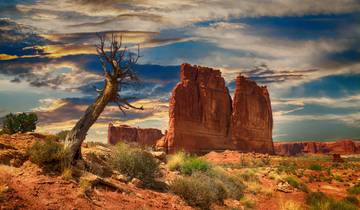
7 days
7 day Southwest National Parks Grand Canyon Tour
- ✓ Comprehensive Usa tour
- ✓ Expert local guides included
- ✓ All accommodation arranged
- ✓ Transportation provided
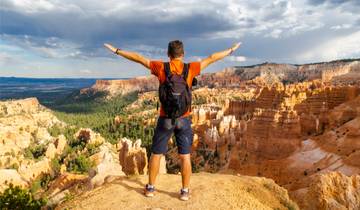
7 days
7 Day Southwest National Parks Grand Canyon Camping Tour
- ✓ Comprehensive Usa tour
- ✓ Expert local guides included
- ✓ All accommodation arranged
- ✓ Transportation provided

8 days
Georgia History Trail to Nashville
- ✓ Comprehensive Usa tour
- ✓ Expert local guides included
- ✓ All accommodation arranged
- ✓ Transportation provided
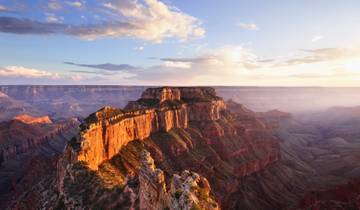
7 days
Best of the Canyonlands
- ✓ Comprehensive Usa tour
- ✓ Expert local guides included
- ✓ All accommodation arranged
- ✓ Transportation provided
Multi-day tour packages powered by TourRadar. Prices and availability subject to change.
Introduction
The United States enters 2026 as a nation celebrating both its founding and its position as a global destination, welcoming travelers to events and experiences that occur only once in multiple lifetimes. July 4, 2026 marks exactly 250 years since the Continental Congress adopted the Declaration of Independence in Philadelphia, setting in motion the democratic experiment that would become the world’s third-largest country by both land area and population. This Semiquincentennial anniversary drives historic site enhancements, museum expansions, and commemorative programming from coast to coast, but particularly concentrated in founding-era cities like Philadelphia, Boston, and New York.
Overlapping these independence celebrations, the FIFA World Cup 2026 transforms North American sports and tourism from June through mid-July. For the first time, the tournament expands to 48 teams playing 104 matches across sixteen cities in three countries, with the United States hosting the overwhelming majority of games including the July 19 final. Eleven American cities become temporary global capitals as millions of international visitors converge for what FIFA describes as the largest World Cup to date. Host cities from Seattle to Miami have invested in infrastructure improvements, transportation enhancements, and accommodation expansions that will benefit travelers long after the tournament concludes.
Beyond these marquee events, 2026 reveals a United States experiencing a tourism renaissance characterized by emerging destinations, infrastructure improvements, and renewed interest in authentic regional experiences. Big Sky, Montana exemplifies this trend, transforming from an under-the-radar ski town to Expedia’s number-one trending destination through a combination of new luxury properties, improved access, and cultural visibility. The American West generally attracts increased attention, with Theodore Roosevelt National Park in North Dakota opening a striking sustainable presidential library on Independence Day, and outdoor destinations from Glacier National Park to Death Valley drawing visitors seeking natural beauty over urban density.
The domestic travel landscape in 2026 also reflects recovery narratives and rediscovery stories. Hawaii tourism officials encourage visitors to support Maui’s economic recovery following devastating 2023 wildfires, with both Maui and Kauai ranking among U.S. News’ top romantic destinations for 2026. Meanwhile, regions historically overlooked by coastal-focused travelers gain recognition: Bar Harbor claims the title of America’s best small town, Charleston earns praise as an ideal stress-free escape, and Fort Walton Beach emerges as a quieter Florida alternative to overtouristed Gulf Coast cities. These destinations share common threads of manageable crowds, authentic local culture, and infrastructure prepared for visitors without the overwhelming development that diminishes some popular locations.
Route 66 adds another layer of celebration to 2026, marking its centennial as America’s most iconic highway. The 2,400-mile road from Chicago to Los Angeles, commissioned in 1926, symbolizes American mobility, freedom, and the postwar economic boom that reshaped the nation. Centennial programming includes new visitor centers, commemorative art installations, and festivals that connect automotive history with broader American narratives. The highway’s role in westward migration and Main Street commerce makes it particularly relevant during a year celebrating national identity.
This guide examines the best travel destinations across the United States in 2026, organized by region and travel style rather than arbitrary rankings. From World Cup host cities preparing for global audiences to emerging mountain towns experiencing discovery moments, from historic Eastern Seaboard locations central to independence narratives to Western national parks offering solitude and natural grandeur, the options span every travel preference and budget level. The year 2026 presents opportunities for urban cultural immersion, outdoor adventure, historical exploration, sporting spectacle, and regional cuisine discovery, often with the option to combine multiple experience types within a single trip.
Whether traveling to witness once-in-a-lifetime events or seeking destinations experiencing their own renaissance moments, understanding what makes each location compelling in 2026 helps travelers prioritize among overwhelming options. Some destinations shine because of specific 2026 events, while others simply hit maturity as travel-worthy locations. The following sections detail the most compelling American destinations for the year ahead, providing the context needed to match destinations with travel goals, schedules, and interests.
FIFA World Cup 2026 Host Cities: Planning Your Soccer and Tourism Combination
Eleven American cities share hosting duties for the FIFA World Cup 2026, each combining tournament infrastructure with distinctive regional attractions that warrant visits regardless of match schedules. The tournament runs from June 11 through July 19, 2026, with group stage matches followed by knockout rounds leading to the July 19 final at MetLife Stadium in East Rutherford, New Jersey. Unlike previous World Cups concentrated in a single country or compact region, the 2026 format spreads matches across a geography spanning nearly 2,000 miles east to west and 1,500 miles north to south, creating opportunities for extended travel incorporating multiple host cities.
Each host city has developed specific infrastructure improvements for the tournament. Seattle plans nine “fan zones” for the FIFA World Cup 2026, each offering big screens, food and live entertainment, transforming the city’s already-vibrant neighborhoods into celebration centers. Philadelphia expects more than half a million visitors across its six matches, with a 39-day FIFA Fan Festival at Lemon Hill in East Fairmount Park providing continuous programming. Most host cities have improved public transportation connections to stadiums, added temporary lodging capacity, and coordinated with surrounding regions to manage visitor volume.
New York and New Jersey: The Final Host
MetLife Stadium in East Rutherford, New Jersey hosts the World Cup final on July 19, positioning the New York metropolitan area as the tournament’s climactic location. This 82,500-seat venue, home to both the New York Giants and Jets, sits just eight miles from Manhattan, accessible via New Jersey Transit and dedicated shuttle services. The stadium previously hosted Super Bowl XLVIII in 2014 and regularly manages crowds exceeding 80,000, providing tested infrastructure for the largest sporting event.
The broader New York region offers travelers unmatched urban experiences combining world-class museums including the Metropolitan Museum of Art, Museum of Modern Art, and American Museum of Natural History with iconic architecture from the Empire State Building to One World Trade Center. Central Park provides 843 acres of green space in Manhattan’s heart, while neighborhoods from Greenwich Village to Harlem offer distinct cultural experiences. Broadway theater, diverse international cuisine spanning every global region, and shopping from Fifth Avenue luxury to Brooklyn vintage markets create endless options for non-match days. The Statue of Liberty and Ellis Island connect to immigration narratives particularly relevant during a year celebrating American identity.
Summer 2026 in New York means warm temperatures averaging 75-85°F (24-29°C), ideal for walking tours and outdoor dining but requiring advance reservations for popular restaurants and attractions. Hotel options span from budget accommodations in outer boroughs to luxury Manhattan properties, with prices typically ranging $150-600 per night depending on location and timing. Match days will see premium pricing across the region.
Philadelphia: Independence Day Match Host
Philadelphia’s World Cup significance extends beyond its six scheduled matches to include one game on July 4, 2026, exactly 250 years after the Declaration of Independence was adopted in this city. Philadelphia hosts six big matches at Lincoln Financial Field between June 14 and July 4, 2026, with the July 4 game being a Round of 16 match determining which teams advance to the quarterfinals. This convergence of sporting drama and historic milestone creates the tournament’s most symbolically significant single match.
The city’s Semiquincentennial programming includes The Declaration’s Journey exhibition at the Museum of the American Revolution, new galleries at the National Constitution Center, and the 16-day Wawa Welcome America festival celebrating independence. Independence National Historical Park encompasses Independence Hall where both the Declaration and Constitution were debated and signed, along with the Liberty Bell, Congress Hall, and other founding-era structures. Walking tours through Society Hill and Old City neighborhoods reveal preserved 18th-century architecture and cobblestone streets unchanged since colonial times.
Philadelphia’s food scene combines historic influences with contemporary innovation, from Reading Terminal Market’s Pennsylvania Dutch specialties and iconic cheesesteaks to a restaurant community earning consistent James Beard recognition. The Schuylkill River Trail and Delaware River Trail provide scenic waterfront walks with skyline views, while Fairmount Park offers extensive green space. Summer temperatures mirror New York’s 75-85°F range, with July 4 typically hot and humid but celebrated with outdoor festivals throughout the city.
Accommodation options range from historic boutique hotels in Center City to modern properties near the stadium in South Philadelphia. Expect premium pricing during World Cup weeks, particularly around July 4 when Semiquincentennial events peak simultaneously with tournament knockout stages.
Boston: New England Soccer Hub
Boston hosts seven World Cup matches at Gillette Stadium in Foxborough, Massachusetts, roughly 30 miles southwest of downtown Boston. Boston previously hosted three FIFA championships: the 1994 FIFA World Cup USA, and the FIFA Women’s World Cup in 1999 and 2003, providing experienced infrastructure and enthusiastic local support. FIFA and the U.S. Soccer Foundation are building new soccer fields around Boston to convert tournament excitement into lasting youth participation.
Boston’s compact downtown allows walking tours through Revolutionary War history, from the Freedom Trail’s 2.5-mile route connecting sixteen historic sites to Boston Harbor where the Tea Party began American resistance to British taxation. The city’s academic character emerges through Harvard University and MIT campuses in Cambridge, accessible via the efficient MBTA subway system. Fenway Park, America’s oldest ballpark still in use, offers tours and summer baseball games. The North End’s Italian neighborhood provides exceptional dining, while the South End and Back Bay feature Victorian architecture and boutique shopping.
Cape Cod lies an hour south, offering beach escapes and seafood restaurants for travelers extending stays beyond match days. Summer weather in Boston tends slightly cooler than mid-Atlantic cities, averaging 70-80°F (21-27°C), with occasional rain. Hotels span budget options in surrounding suburbs to luxury properties on Boston Harbor, with typical summer rates of $180-500 per night rising during tournament weeks.
Dallas: Maximum Match Hosting
Dallas hosts nine World Cup matches, more than any other city, at AT&T Stadium in Arlington, positioned between Dallas and Fort Worth. This massive 80,000-seat venue features a retractable roof, removing weather concerns from the equation. The stadium’s location within the Dallas-Fort Worth metroplex, America’s fourth-largest metropolitan area, provides extensive infrastructure and accommodation options across multiple cities.
Dallas combines Western heritage with modern urban development. Pioneer Plaza’s bronze cattle drive sculpture and the Dallas Cowboys’ team identity reference regional cowboy culture, while the Arts District spans nineteen blocks of museums, galleries, and performance venues. The Sixth Floor Museum at Dealey Plaza examines President Kennedy’s 1963 assassination with historical context. Fort Worth’s Stockyards National Historic District preserves cattle-trading heritage with twice-daily longhorn drives, western shops, and honky-tonk music venues.
The region’s food scene emphasizes barbecue and Tex-Mex cuisine, with acclaimed restaurants ranging from casual meat markets to upscale interpretations. June temperatures in Dallas commonly exceed 90°F (32°C) with high humidity, making the climate-controlled stadium environment welcome. Hotels throughout the metroplex provide options from budget chains to luxury properties, typically ranging $120-400 per night with tournament-week premiums.
Houston: Space City Soccer
Houston’s World Cup matches at NRG Stadium occur in a city known for space exploration, energy industry prominence, and increasingly diverse cultural offerings. Home to NASA’s Johnson Space Center, Houston has commanded America’s space exploration through landmark achievements, including the first moon landing on July 20, 1969. Space Center Houston offers tours including tram rides to NASA facilities where astronauts train and mission control operates.
The Museum District concentrates nineteen museums within walkable distances, spanning art, natural science, and cultural institutions, many offering free admission. Houston’s food scene reflects global influences, particularly Vietnamese, Mexican, and Southern cuisines, with numerous James Beard-nominated chefs. The city’s sprawling geography requires a car for most travel, though downtown areas concentrate walkable restaurants and entertainment around Discovery Green park.
Summer heat in Houston ranks among the nation’s most intense, with temperatures regularly exceeding 95°F (35°C) and extreme humidity. Indoor activities and evening outings provide relief. Hotel options span from airport properties to downtown luxury hotels, averaging $130-350 per night with availability typically strong given Houston’s business-travel infrastructure.
Kansas City: Midwest Heartland Host
Kansas City’s World Cup matches at Arrowhead Stadium occur in a city straddling the Kansas-Missouri border, known for distinctive barbecue traditions, fountains, and passionate sports culture. Kansas City is known as the “City of Fountains,” as it has more in use than any other U.S. city, and its Power & Light District boasts eight blocks of restaurants where visitors can sample the region’s famous barbecue. The city’s compact downtown and affordable pricing make it accessible for travelers seeking authentic Midwestern experiences.
The Nelson-Atkins Museum of Art ranks among America’s finest mid-sized art museums, offering free general admission and a sculpture park with Henry Moore and other major artists. The Country Club Plaza, built in the 1920s as America’s first suburban shopping district, features Spanish-inspired architecture and fountains. The National World War I Museum and Memorial provides comprehensive coverage of the Great War. Kansas City jazz history emerges in clubs throughout the 18th and Vine District.
Boulevard Brewing Company and other craft breweries complement the barbecue scene, which spans from casual joints to upscale interpretations. Summer temperatures reach 85-90°F (29-32°C) with moderate humidity. Hotels range $110-280 per night, with Kansas City offering better value than coastal cities while maintaining quality accommodations.
Atlanta: Southern Gateway
Atlanta hosts World Cup matches at Mercedes-Benz Stadium, a cutting-edge venue with a retractable roof opened in 2017. Atlanta boasts the country’s busiest airport and was home to famed Civil Rights leader Martin Luther King Jr., positioning the city as both a transportation hub and historic destination. The airport’s connectivity makes Atlanta an ideal starting or ending point for broader Southern itineraries.
The Martin Luther King Jr. National Historical Park preserves his birth home, Ebenezer Baptist Church where he preached, and the King Center where he and Coretta Scott King are entombed. The National Center for Civil and Human Rights provides immersive exhibits connecting historical struggles with contemporary issues. The Georgia Aquarium ranks among the world’s largest, while the World of Coca-Cola traces the soft drink’s global expansion from Atlanta origins.
Atlanta’s food scene blends traditional Southern cooking with international influences reflecting the city’s diversity. Sweet Auburn Curb Market and Ponce City Market offer multiple vendors in historic settings. Summer heat and humidity mirror other Southern cities, with temperatures commonly 85-92°F (29-33°C). Hotels range $140-380 per night, with Atlanta’s business-travel infrastructure providing consistent availability and quality.
Los Angeles: West Coast Entertainment Hub
Los Angeles hosts matches at SoFi Stadium in Inglewood, the NFL’s newest and most expensive venue, opened in 2020 at a cost exceeding $5 billion. The 70,000-seat stadium features a translucent roof and sits near Los Angeles International Airport, simplifying access for international visitors. LA’s sprawling geography means World Cup visitors can combine match attendance with diverse regional experiences from beaches to mountains to desert.
The entertainment industry remains central to LA’s identity, with studio tours at Warner Bros., Universal, and Paramount providing behind-the-scenes access to film and television production. The Getty Center and Getty Villa offer world-class art collections with stunning architecture and views. Santa Monica and Venice Beach provide classic Southern California beach experiences, while Griffith Observatory offers city views and free access to telescopes.
LA’s food scene spans every conceivable cuisine, from Mexican tacos in East LA to Japanese izakayas in Little Tokyo to California cuisine in upscale West Side restaurants. The city’s car-dependent layout requires either renting a vehicle or budgeting for rideshare services, as public transportation serves limited areas. Summer temperatures vary dramatically by location, from 70°F (21°C) at beaches to 95°F (35°C) in the San Fernando Valley. Hotels range $160-650 per night depending on neighborhood, with beach and Beverly Hills properties commanding premiums.
San Francisco: Bay Area Technology Hub
San Francisco hosts World Cup matches at Levi’s Stadium in Santa Clara, about 45 miles south of San Francisco proper in Silicon Valley. After hosting American football’s 2026 Super Bowl in February, San Francisco will be ready to host six FIFA World Cup 2026 matches, making the city a dual-event host in 2026. The stadium’s location near San Jose and tech company campuses provides different character than San Francisco’s urban core.
San Francisco itself combines steep hills, Victorian architecture, and waterfront beauty. The Golden Gate Bridge remains iconic, with walking and cycling paths offering close-up perspectives. Alcatraz Island tours require advance reservations, exploring the former federal prison’s history. Cable cars climb impossibly steep streets, while neighborhoods from Chinatown to the Mission District to Haight-Ashbury offer distinct cultures and cuisines. Ferry rides to Sausalito or Angel Island provide bay perspectives and recreational options.
Summer weather in San Francisco famously baffles visitors, with cool temperatures averaging 60-70°F (16-21°C), frequent fog, and wind making layers essential. Inland areas including Santa Clara experience warmer conditions. Hotels range $180-550 per night, with San Francisco proper commanding higher rates than Silicon Valley locations.
Seattle: Pacific Northwest Soccer Stronghold
Seattle’s World Cup matches at Lumen Field occur in a city known for coffee culture, technology innovation, and stunning natural surroundings. The stadium sits in downtown Seattle with convenient light rail access from Sea-Tac Airport. Seattle’s enthusiastic soccer culture, demonstrated by MLS Sounders’ consistent high attendance, promises strong local support for World Cup matches.
Pike Place Market, founded in 1907, remains a working farmers market with fish-throwing vendors, original Starbucks location, and artisan food shops. The Space Needle provides 360-degree views from 520 feet elevation. Seattle Art Museum and Asian Art Museum offer strong collections in walkable downtown locations. The waterfront along Elliott Bay features new development with restaurants and parks. Ferry rides to Bainbridge Island or the San Juan Islands extend stays into island exploration.
Seattle’s food scene emphasizes Pacific Northwest seafood, particularly salmon and Dungeness crab, alongside diverse Asian cuisines reflecting the region’s connections to East Asia. Coffee culture permeates the city through independent roasters beyond the Starbucks ubiquity. Summer represents Seattle’s finest season, with temperatures averaging 70-75°F (21-24°C), minimal rain, and long daylight hours. Hotels range $170-480 per night, with downtown properties near the stadium commanding premiums during tournament weeks.
Miami: Subtropical Tournament Location
Miami hosts World Cup matches at Hard Rock Stadium in Miami Gardens, located in the northern part of the metropolitan area. The stadium underwent major renovation in 2015-16, adding a canopy that provides shade while maintaining open-air atmosphere. Miami’s role as a gateway to Latin America and the Caribbean positions it as a natural World Cup host, with large populations supporting many competing nations.
Miami Beach’s Art Deco Historic District preserves over 800 buildings from the 1920s-40s, creating a distinctive architectural landscape along Ocean Drive. Wynwood Walls transforms an industrial neighborhood into an outdoor museum of street art and murals. Little Havana’s Cuban cultural influence emerges through food, music, and social life centered on Calle Ocho. Biscayne Bay provides boating, fishing, and waterfront dining, while the Everglades lie an hour west for wildlife and ecosystem exploration.
Miami’s food scene emphasizes Latin American cuisines, particularly Cuban, Colombian, and Peruvian preparations, alongside fresh seafood and innovative fusion restaurants. Summer heat and humidity reach extreme levels, with temperatures 88-92°F (31-33°C) and high humidity, plus afternoon thunderstorms. June-July also falls within hurricane season, though direct impacts remain uncommon. Hotels range $140-600 per night, with beach properties commanding the highest rates.
America’s Semiquincentennial: Cities Central to Independence Celebrations 2026
While Philadelphia understandably anchors Semiquincentennial programming as the city where independence was declared, the 250th anniversary of American independence reaches beyond a single location to encompass the original thirteen colonies’ major cities and key Revolutionary War sites. These destinations use 2026 to unveil new exhibits, restore historic properties, and expand interpretation of founding narratives to include previously marginalized perspectives. The anniversary provides context for exploring American history beyond typical tourist attractions, engaging with complex questions about the nation’s origins and evolution.
The Museum of the American Revolution in Philadelphia opens “The Declaration’s Journey” special exhibition tracing the document’s physical travels and symbolic significance over 250 years. The National Constitution Center debuts new galleries examining constitutional interpretation and application. These expansions complement existing collections, positioning Philadelphia for extended historical exploration beyond quick visits to Independence Hall and the Liberty Bell. The city’s 16-day Wawa Welcome America festival in late June and early July combines free concerts, historical programs, and community celebrations culminating on July 4 with fireworks and parades.
Boston’s Revolutionary War sites gain enhanced programming throughout 2026. The Freedom Trail’s sixteen locations, from Boston Common to Bunker Hill Monument, form a walking narrative of rebellion, from the Boston Massacre site to the Old North Church where lanterns signaled British troop movements. The Boston Tea Party Ships & Museum provides interactive programs examining the 1773 protest that accelerated colonial resistance. New interpretive programs address complex questions about who participated in independence movements and whose voices were excluded from founding documents.
New York’s role in Revolutionary history often surprises visitors who associate the city primarily with later immigration and commercial development. Federal Hall National Memorial marks where George Washington took the presidential oath in 1789, while Fraunces Tavern preserves the 1783 site where Washington bid farewell to his officers. The Museum of the American Revolution extends a New York location. Trinity Church, founded in 1697, contains a graveyard with Alexander Hamilton’s tomb. South Street Seaport’s maritime history connects to colonial trade that enriched the city while depending on enslaved labor, a connection museums increasingly examine.
Charleston, South Carolina contributed significant Revolutionary War events including the decisive 1780 siege and subsequent British occupation. Fort Moultrie on Sullivan’s Island repulsed British naval attacks in 1776, establishing the palmetto tree and crescent symbol on South Carolina’s flag. The Charleston Museum, founded in 1773 as America’s first museum, maintains extensive Revolutionary-era collections. Historic house museums throughout the city interpret 18th-century life for both wealthy merchants and enslaved populations who formed the majority of Charleston’s colonial population, providing necessary complexity to independence narratives.
Williamsburg, Virginia served as Virginia Colony’s capital from 1699-1780, making it central to Patrick Henry’s fiery speeches and George Washington’s political development. Colonial Williamsburg’s living history museum spans 301 acres of restored and reconstructed buildings, where costumed interpreters demonstrate 18th-century crafts while engaging visitors in debates about revolution, slavery, and governance. Nearby Yorktown Battlefield preserves the 1781 siege location where British forces under Cornwallis surrendered, effectively ending the Revolutionary War. The Yorktown Victory Center uses film and exhibits to contextualize the war’s conclusion.
Savannah, Georgia’s role as James Oglethorpe’s planned city and subsequent Revolutionary War battleground makes it relevant to 2026 programming. The city’s famous squares, each commemorating different colonial or Revolutionary figures, provide outdoor spaces for anniversary events. Forsyth Park hosts festivals and concerts throughout the summer. The Savannah History Museum and various historic homes interpret the city’s complex relationship with revolutionary ideals given its extensive involvement in the slave trade.
Emerging Western Mountain Destinations 2026
While coastal cities and historic Eastern locations dominate traditional American tourism, 2026 sees Western mountain destinations experiencing remarkable growth in visibility and infrastructure. These locations combine natural beauty with outdoor recreation opportunities, appealing to travelers seeking experiences beyond urban attractions. The trend reflects broader shifts in American tourism preferences toward nature-based travel, wellness tourism, and destinations offering both summer and winter seasons.
Big Sky, Montana: 2026’s Breakout Destination
Big Sky’s emergence as Expedia’s top trending destination for 2026 represents the culmination of several converging factors. The destination benefits from cultural visibility through television, particularly the series Yellowstone filmed in Montana, a phenomenon travel analysts term “set-jetting.” Beyond media attention, Big Sky has invested in infrastructure that elevates it from regional ski area to year-round luxury destination. The One&Only Moonlight Basin resort, opened in November 2025, brings ultra-luxury hospitality to the region with rates reflecting premium positioning. Expanded tram access and new flight routes to the region reduce previous accessibility barriers.
Big Sky offers skiing and snowboarding on over 5,800 acres across two mountains, making it one of North America’s largest ski resorts by terrain. Summer activities include hiking, mountain biking, fly fishing in the Gallatin River, and horseback riding through mountain meadows. Yellowstone National Park’s north entrance lies approximately one hour south, enabling combination trips. The town itself remains relatively small, with restaurants and shops clustered near the ski base areas, preserving a mountain village character despite luxury development.
Visitor logistics require planning as Big Sky lacks commercial airport service. Most travelers fly into Bozeman Yellowstone International Airport, about 45 miles north, then rent cars or arrange transfers. Summer temperatures in Big Sky range 65-80°F (18-27°C) at elevations around 7,500 feet, with cool evenings. Accommodations span from condominiums to full-service resorts, with rates varying dramatically by season, generally $200-800 per night in summer, higher during ski season.
Theodore Roosevelt National Park, North Dakota
Theodore Roosevelt National Park enters the national tourism conversation in 2026 with the July 4 opening of the Theodore Roosevelt Presidential Library in Medora, just outside the park’s South Unit. The entirely sustainable building features an earthen roof sloped into a hill that visitors can ascend to view the surrounding Badlands, with artifacts and immersive galleries inviting visitors into TR’s life. The library’s mile-long boardwalk loop provides access to panoramas and nature trails, integrating the building into the landscape rather than dominating it.
The park itself preserves the North Dakota badlands where Roosevelt ranched in the 1880s, developing the conservation ethic that later defined his presidency. The park consists of three units: the South Unit with its scenic byway and Roosevelt’s preserved Maltese Cross Cabin; the North Unit offering more rustic camping and recreation; and the remote Elkhorn Ranch Unit preserving Roosevelt’s ranch home site in a peaceful river bend. Wildlife including bison, wild horses, pronghorn, and prairie dogs populate the grasslands. The landscape of eroded buttes, deep canyons, and winding river valleys creates dramatic photography opportunities, particularly at sunrise and sunset when the rock formations glow orange and pink.
Medora, population under 200, provides the primary lodging and dining base. The Medora Musical outdoor theater production runs nightly in summer, combining Western music with Roosevelt history. Accommodations range from simple motels to the Rough Riders Hotel, with rates typically $120-280 per night in summer. The nearest commercial airport lies in Bismarck, about 130 miles east, making road trips the most practical access method. Summer temperatures range 75-90°F (24-32°C) with low humidity.
Jackson Hole and Grand Teton National Park, Wyoming
Jackson Hole’s combination of dramatic mountain scenery, world-class skiing, and Western town character makes it perpetually popular, with 2026 benefiting from improved lodge facilities and increased summer programming. Grand Teton National Park provides the backdrop, with jagged peaks rising abruptly from the valley floor without foothills to obscure the view. The park offers hiking trails for all abilities, from paved lakeside walks to multi-day backcountry routes. Jenny Lake, Leigh Lake, and Jackson Lake provide boating, fishing, and swimming in crystalline mountain water.
The town of Jackson maintains Western character through wooden boardwalks, antler arches at Town Square corners, and cowboy bar culture, balanced against upscale galleries, restaurants, and boutiques catering to affluent visitors. The National Museum of Wildlife Art displays major collections in a building overlooking the National Elk Refuge, where thousands of elk winter. The Jackson Hole Mountain Resort cable car operates in summer, lifting visitors to 10,450 feet elevation for panoramic views across three states.
Summer represents Jackson Hole’s busiest season, with July-August seeing peak crowds and prices. June and September offer pleasant weather with fewer visitors and lower costs. Temperatures range 70-80°F (21-27°C) in the valley, cooler at elevation. Accommodations range from campgrounds to luxury resorts, typically $180-700 per night in summer. Jackson Hole Airport, America’s only commercial airport inside a national park, provides direct flights from major hubs.
National Parks Experiencing Record Interest 2026
America’s national parks continue attracting increased visitation, with several destinations experiencing particular growth in 2026. Advanced planning becomes essential for popular parks, as reservation systems for campgrounds, permits, and even timed entry slots require booking months in advance. Understanding seasonal patterns, alternative access times, and lesser-known areas within major parks helps travelers experience natural wonders without overwhelming crowds.
Glacier National Park, Montana
Glacier National Park’s summer beauty combines melting glaciers, roaring waterfalls, pristine alpine lakes, and wildflower-covered meadows against a backdrop of snowcapped peaks. July brings rolling green hills, snowcapped mountains, melting glaciers, roaring waterfalls, pristine emerald lakes, wildflower-covered alpine meadows, and postcard-perfect views as far as the eye can see. The park’s Going-to-the-Sun Road, typically open July through September depending on snowpack, ranks among America’s most spectacular drives, climbing 3,000 feet through engineered curves carved into cliff faces.
Hiking opportunities range from easy lakeside walks to strenuous mountain climbs. Grinnell Glacier trail provides access to a remaining glacier through subalpine forest and alpine meadows, typically as a day hike from Many Glacier area. The Highline Trail along the Continental Divide offers exposure and spectacular views for experienced hikers comfortable with heights. The park’s 700 miles of trails ensure options for all abilities, though popular trailheads fill early on summer mornings.
Glacier’s remote northwest Montana location requires commitment to reach. Glacier Park International Airport in Kalispell serves the west entrance, while Great Falls lies three hours from the east entrance. Going-to-the-Sun Road requires vehicles under 21 feet length, limiting RV access. Historic lodges including Lake McDonald Lodge and Many Glacier Hotel provide classic national park accommodations, booking months in advance for summer stays. Outside the park, communities of West Glacier, Columbia Falls, and Whitefish offer additional lodging and services. Summer temperatures range 65-75°F (18-24°C) at low elevations, significantly cooler in high country. Afternoon thunderstorms occur frequently.
Yosemite National Park, California
Yosemite’s granite cliffs, giant sequoias, and waterfalls make it among America’s most recognizable national parks. Half Dome and El Capitan’s sheer faces dominate Yosemite Valley, while Yosemite Falls drops 2,425 feet in three cascades, flowing strongest in late spring and early summer from snowmelt. The Mariposa Grove of giant sequoias includes trees over 2,000 years old and 200 feet tall. Glacier Point provides aerial views 3,200 feet above the valley floor.
Yosemite requires reservation systems to manage visitation. Day-use reservations for entry during peak summer weekends book out quickly. Wilderness permits for backcountry camping require advance applications, with popular trailheads on lottery systems. Half Dome’s cable ascent requires permits so limited that success odds on summer weekends run under 20%. Planning several months ahead and considering alternative trails helps visitors experience Yosemite without the valley’s concentrated crowds.
The park offers lodging from campgrounds to the grand Ahwahnee Hotel, though all accommodations book far in advance for summer. Gateway towns of Mariposa, Oakhurst, and Groveland provide alternatives. Yosemite Valley sits at 4,000 feet elevation, with summer temperatures 75-90°F (24-32°C). Higher elevations including Tuolumne Meadows remain cooler. Three entry corridors from different directions provide access, with San Francisco 170 miles west and Fresno 95 miles south.
Grand Canyon National Park, Arizona
The Grand Canyon’s 277-mile length, up to 18 miles width, and mile-deep gorge carved by the Colorado River over millions of years creates one of Earth’s most spectacular geological displays. Most visitors experience the South Rim, open year-round with developed viewpoints, lodges, and services. The North Rim, 1,000 feet higher and receiving significantly more precipitation, remains open only May through October and attracts far fewer visitors. Hiking into the canyon on trails like Bright Angel or South Kaibab provides perspective impossible to grasp from the rim, though the return climb exhausts unprepared visitors.
Helicopter tours over the canyon offer aerial perspectives, departing from Tusayan near the South Rim entrance and from Las Vegas. Colorado River rafting trips through the canyon range from day floats to two-week expeditions, requiring advance booking through limited permit holders. The Skywalk glass platform extending over the canyon’s edge operates on Hualapai Tribal lands outside the national park.
Summer temperatures on the South Rim average 80-85°F (27-29°C), while the canyon floor exceeds 100°F (38°C), making summer hikes into the canyon potentially dangerous without proper hydration and heat precautions. Spring and fall provide more moderate conditions. Lodging inside the park books months ahead, with alternatives in Tusayan and Flagstaff 80 miles south. The nearest major airport serves Phoenix, 230 miles south. Las Vegas lies 275 miles northwest, making the canyon accessible on extended Southwest road trips.
Death Valley National Park, California
Death Valley holds multiple superlatives: lowest point in North America at Badwater Basin (282 feet below sea level), hottest reliably measured temperature on Earth (134°F in 1913), and among the driest places in North America. Despite its forbidding reputation, the park attracts visitors for its stark beauty, particularly in winter and early spring when temperatures become manageable. Death Valley National Park is exceptionally popular to visit in the spring for wildflowers and cooler temperatures, though January offers much more manageable temperatures for hiking, fewer crowds, but just as stunning landscapes.
The park’s diverse landscapes span salt flats, sand dunes, volcanic craters, and colorful badlands. Artists Palette features hillsides painted in pink, purple, green, and gold from oxidized minerals. Zabriskie Point provides sunrise views over eroded mudstone badlands. Mesquite Flat Sand Dunes near Stovepipe Wells offer accessible dune walks without permits. Dante’s View overlooks Badwater Basin from 5,475 feet elevation, revealing the valley’s scale.
Summer visitation to Death Valley remains minimal due to extreme heat regularly exceeding 120°F (49°C), making even short walks dangerous. January through March provide pleasant days with temperatures 60-75°F (16-24°C), though nights drop near freezing at higher elevations. The park offers limited lodging at Furnace Creek and Stovepipe Wells, with basic services. Las Vegas lies 120 miles east, making Death Valley accessible as a long day trip or overnight excursion. The park’s remote location means self-sufficiency, with fuel, water, and food planning essential.
Hawaii 2026: Supporting Recovery While Experiencing Paradise
Hawaii’s appeal remains constant through stunning natural beauty, warm weather year-round, and Pacific Islander cultural experiences unavailable in mainland United States. The 2026 travel year carries additional significance as Maui continues economic recovery from August 2023 wildfires that devastated Lahaina and surrounding areas. Tourism officials encourage visitors to support the local economy while respecting affected communities. Beyond Maui, other Hawaiian islands offer distinct experiences, each with different character and attractions.
Maui: Recovery and Resilience
Maui’s recovery from 2023 wildfires progresses steadily, with most resort areas, attractions, and services operating normally. U.S. News & World Report ranks Maui as the best honeymoon destination in the U.S. for 2026, reflecting the island’s maintained appeal despite recent challenges. West Maui’s resort corridor from Kaanapali to Kapalua continues welcoming visitors, while respectful visitors can contribute to economic recovery through spending at local restaurants, shops, and service providers.
Maui’s diverse geography includes Haleakala National Park, where visitors ascend to 10,023 feet elevation for sunrise viewing above the clouds or mountain biking down the volcano’s slopes. The Road to Hana winds 64 miles along the north coast through rainforest, past waterfalls, and across one-lane bridges to isolated beaches. Snorkeling at Molokini Crater or Honolua Bay reveals abundant tropical fish and occasional sea turtles. Whale watching season peaks January through March when humpback whales calve in Maui’s warm waters.
Maui’s accommodation options span from budget condominiums to luxury resorts, generally ranging $180-700 per night depending on location and season. Winter (December-March) commands highest rates coinciding with whale season and mainland winter. Summer offers slightly better value with consistent 80-85°F (27-29°C) weather. Lahaina’s reconstruction continues, with some businesses relocated to other areas. Visitors should research current conditions and support local organizations involved in recovery efforts.
Kauai: The Garden Isle
Kauai is considered the best romantic getaway domestically in 2026 according to U.S. News & World Report, recognized for its lush landscapes, dramatic cliffs, and less-developed character compared to Oahu or Maui. The Na Pali Coast’s fluted cliffs rising directly from the Pacific create one of Hawaii’s most photographed landscapes, accessible via helicopter tour, catamaran cruise, or strenuous hiking on the Kalalau Trail. Waimea Canyon, dubbed the “Grand Canyon of the Pacific,” drops 3,000 feet through layers of volcanic rock painted in red and green.
Kauai’s beaches range from family-friendly Poipu Beach on the south shore to Hanalei Bay’s north shore crescent backed by mountains. The island receives significant rainfall on its northeast side, creating waterfalls and maintaining rainforest ecosystems while keeping the south and west coasts drier and sunnier. Kayaking the Wailua River to hidden waterfalls combines gentle paddling with hiking. Snorkeling at Tunnels Beach or Ke’e Beach reveals healthy coral reefs and abundant fish.
Kauai maintains a more laid-back character than other Hawaiian islands, with building restrictions preventing structures taller than coconut palms. This preservation limits accommodation density, resulting in rates generally $200-600 per night for quality properties. The island lacks a major resort concentration, instead spreading hotels and condos across different coastal areas, requiring car rentals for most visitors.
Oahu: Urban Hawaii Experience
Tripadvisor ranks Oahu’s unbelievable surfing as the top reason it ranks among the top U.S. places to visit in 2026, particularly at legendary North Shore beaches where winter swells create massive waves. Sunset Beach and Waimea Bay host professional surfing competitions from November through February. Summer brings calmer waters suitable for swimming and snorkeling at beaches like Hanauma Bay Nature Preserve, requiring advance reservations for its protected reef.
Honolulu combines beach resort experiences in Waikiki with urban attractions including Pearl Harbor National Memorial, where the USS Arizona Memorial commemorates the December 7, 1941 attack. The Bishop Museum preserves Hawaiian cultural artifacts and natural history. Downtown Honolulu’s historic district includes Iolani Palace, America’s only royal palace, and the King Kamehameha statue. Hiking Diamond Head crater provides panoramic views over Waikiki and the southeast coast from its 760-foot summit.
Oahu’s accommodations concentrate in Waikiki, offering options from budget hotels to luxury beachfront properties, generally $150-550 per night. The island’s infrastructure supports public transportation more effectively than neighbor islands, though rental cars provide greater flexibility for exploring beyond Honolulu. Year-round temperatures average 80-85°F (27-29°C) with consistent tradewinds moderating humidity.
Northeast Small Towns and Coastal Destinations 2026
New England and mid-Atlantic small towns offer distinct seasonal experiences, with summer 2026 providing peak conditions for coastal exploration and mountain retreats. These destinations balance natural beauty with cultural offerings, often at more accessible prices than major metropolitan areas while maintaining high-quality restaurants, accommodations, and attractions. The region’s compact geography allows travelers to combine multiple destinations within single trips.
Bar Harbor, Maine: Gateway to Acadia
Bar Harbor is recognized as the nation’s best small town by U.S. News & World Report’s 2026 Best Vacation Rankings, praised for its New England coastal charm, boutique shopping, world-class seafood, and access to Acadia National Park. The town occupies Mount Desert Island’s northeast corner, with the harbor framed by the Porcupine Islands and backed by Cadillac Mountain’s 1,530-foot peak, the highest point on the Atlantic coast north of Brazil.
Acadia National Park preserves 49,000 acres of coastline, mountains, and forests across Mount Desert Island and smaller islands. The Park Loop Road provides scenic driving through forests and along rocky shores, with pullouts at Thunder Hole where waves crash into a natural cavern and Sand Beach’s rare sandy coastline. Cadillac Mountain’s summit road provides sunrise viewing for those arriving early. The park’s 158 miles of hiking trails include the Precipice Trail’s iron rung climbs up cliff faces and the Jordan Pond Path’s level walk around glacial pond with views of the Bubbles mountains.
Bar Harbor’s compact downtown concentrates restaurants, galleries, and shops within walking distance of hotels and inns. Lobster restaurants range from casual pounds where you crack your own shells to upscale preparations. Whale watching tours depart regularly in summer, with high success rates for humpback, finback, and minke whale sightings. Sea kayaking around the islands provides perspective from water level. Summer temperatures range 65-75°F (18-24°C) with cool ocean breezes, though morning fog commonly burns off by mid-day.
Accommodations in Bar Harbor span from simple motels to grand estates converted to inns, typically ranging $180-450 per night in July-August peak season. Advance reservations prove essential as the town’s popularity exceeds its lodging capacity. Bangor’s airport lies 50 miles northwest, with Portland 175 miles southwest for travelers combining Maine’s coast with Bar Harbor.
Cape Cod, Massachusetts: Classic New England Summer
Cape Cod’s 65-mile peninsula extending into the Atlantic offers classic New England summer experiences through beach towns, lighthouses, seafood shacks, and maritime history. The Cape divides into distinct regions: the Upper Cape near the mainland, Mid-Cape including popular Hyannis, Lower Cape with artsy Wellfleet and Provincetown, and the Outer Cape including the National Seashore’s protected beaches. Each area offers different character, from family-friendly to artists’ colonies to LGBTQ+ resort scenes.
Cape Cod National Seashore preserves 40 miles of pristine beaches, dunes, marshes, and pine forests along the Outer Cape. Designated beach areas including Coast Guard Beach and Marconi Beach provide facilities and lifeguards, while more remote stretches offer solitude. The Cape Cod Rail Trail runs 22 miles through forests and past kettle ponds, suitable for cycling families. Whale watching tours from Provincetown reach Stellwagen Bank National Marine Sanctuary, one of the world’s best feeding grounds for humpback whales.
Provincetown at the Cape’s tip combines Portuguese fishing heritage with thriving LGBTQ+ community, art galleries, and nightlife. The town’s compact Commercial Street concentrates restaurants, shops, and galleries within a walkable corridor. Hyannis serves as the Cape’s transportation hub with ferry service to Nantucket and Martha’s Vineyard islands. Chatham at the Cape’s elbow maintains traditional character with its lighthouse, fish pier, and beach-facing Main Street.
Summer on Cape Cod means warm temperatures 70-80°F (21-27°C), with Atlantic water temperatures reaching the 60s F by late July. Accommodations range from campgrounds to motels to upscale inns, typically $160-450 per night in July-August. Weekend traffic approaching the Cape via Routes 6 and 28 can extend travel times significantly; arriving mid-week or off-season provides easier access. Boston’s airport lies 70-90 miles from most Cape destinations.
Newport, Rhode Island: Gilded Age Mansions
Newport’s collection of Gilded Age mansions built by America’s wealthiest families as “summer cottages” provides insight into turn-of-the-century excess and architectural ambition. The Preservation Society of Newport County maintains nine properties including The Breakers, Cornelius Vanderbilt II’s 70-room Italian Renaissance palace completed in 1895, and Marble House, featuring 500,000 cubic feet of marble. Tours reveal opulent ballrooms, formal gardens, and technological innovations including early electric lighting and central heating systems.
Beyond mansions, Newport offers Cliff Walk’s 3.5-mile coastal path combining ocean views with mansion rear perspectives. The historic downtown’s colonial-era buildings house restaurants, galleries, and shops. Fort Adams State Park hosts the Newport Jazz Festival in early August and Newport Folk Festival in late July, two of America’s most prestigious music events. Sailing culture permeates the city, home to the America’s Cup from 1930-1983, with harbor tours and sailing lessons readily available.
Newport’s beaches include First Beach (Easton’s Beach) in town with facilities and boardwalk, and Second Beach (Sachuest Beach) offering a longer strand with better waves. Ocean Drive provides scenic roadway past mansion gates and rocky shoreline. Summer temperatures average 75-80°F (24-27°C), though ocean breezes moderate heat. Accommodations range from harbor-view hotels to mansion-turned-inns, typically $200-500 per night in summer. Providence airport lies 30 miles north, with Boston’s airport 70 miles.
Southern Charm: Charleston, Savannah, and Beyond 2026
The Southeast’s combination of mild winter weather, spring blossoms, preserved historic districts, and distinctive cuisines make it perennially appealing, with 2026 seeing particular growth in smaller cities that balance tourism infrastructure with authentic local culture. These destinations share antebellum architecture, complex histories involving slavery and the Civil War, and coastal or riverfront settings that shaped their development as trade centers.
Charleston, South Carolina: Architecture and Cuisine
Charleston has been named one of the best cities in America for a stress-free spring escape in 2026, recognized for its well-preserved historic district, award-winning restaurants, and coastal character. The city’s 18th and 19th-century architecture survived the Civil War largely intact, with entire neighborhoods of Georgian, Federal, and Greek Revival mansions showcasing wealth built on rice plantations and slave labor. Rainbow Row’s thirteen colorful colonial houses create one of America’s most photographed streetscapes.
Charleston’s food scene earns consistent national recognition, with numerous James Beard Award winners and nominees operating restaurants ranging from Lowcountry traditional to innovative contemporary. She-crab soup, shrimp and grits, and oyster roasts represent regional specialties. King Street’s restaurant concentration provides walkable dining options, while East Bay Street’s waterfront properties offer harbor views. The Historic Charleston City Market dates to the 1790s, now housing artisan vendors selling sweetgrass baskets and regional crafts.
Plantations surrounding Charleston including Magnolia Plantation & Gardens, Middleton Place, and Boone Hall Plantation offer tours examining both the grandeur of plantation houses and the enslaved communities whose labor built and maintained these properties. Recent interpretive efforts focus more directly on slavery’s central role in Charleston’s wealth and the experiences of enslaved individuals. Fort Sumter, where the Civil War began in 1861, requires ferry access from downtown Charleston with National Park Service interpretation.
Charleston’s climate provides pleasant conditions most of the year, with spring temperatures 65-80°F (18-27°C) ideal for walking tours. Summer brings heat and humidity exceeding 90°F (32°C). Accommodations range from historic inns in the Battery neighborhood to modern hotels on the peninsula, typically $160-450 per night. Charleston International Airport provides direct service to major cities.
Savannah, Georgia: Squares and Spanish Moss
Savannah’s distinctive urban planning, with 22 preserved squares interspersed throughout the Historic District, creates shaded gathering spaces that define the city’s character. James Oglethorpe’s 1733 plan positioned squares at regular intervals, with residential and commercial buildings arranged around each. Today these squares host monuments, fountains, and live oak trees draped with Spanish moss, providing respite from summer heat and venues for festivals.
The Historic District’s walkability encourages exploration on foot or via trolley tours. Forsyth Park’s 30 acres anchor the district’s southern edge with a signature fountain, walking paths, and event spaces. River Street along the Savannah River features 19th-century cotton warehouses converted to restaurants, shops, and galleries, with cobblestone streets descending to the waterfront. The Savannah College of Art and Design occupies restored historic buildings throughout downtown, contributing to the city’s arts scene through galleries and student exhibitions.
Savannah’s food scene emphasizes coastal Georgia cuisine with heavy Southern influences: fried green tomatoes, pecan-crusted fish, and pralines represent regional flavors. The city’s numerous historic house museums interpret different eras and social classes, from the 1820s Regency architecture of the Owens-Thomas House to the Victorian Gothic Revival Mercer-Williams House made famous in “Midnight in the Garden of Good and Evil.” Bonaventure Cemetery’s Spanish moss-draped pathways and ornate monuments attract visitors for photography and contemplation.
Summer in Savannah brings oppressive heat and humidity, with temperatures commonly exceeding 92°F (33°C). Spring and fall provide more comfortable conditions for walking tours. Accommodations range from chain hotels on the historic district periphery to boutique properties in restored townhouses, typically $130-380 per night. Savannah/Hilton Head International Airport serves the city directly.
Florida Gulf Coast Alternatives to Overcrowded Destinations 2026
While Miami Beach, Key West, and Tampa attract major tourism traffic, Florida’s Gulf Coast offers less-crowded alternatives with white sand beaches, warm waters, and developing infrastructure. These destinations provide authentic Florida experiences without the overwhelming development that characterizes some coastal areas, appealing to travelers seeking relaxation over attractions.
Fort Walton Beach: Emerald Coast Tranquility
Fort Walton Beach emerges as Expedia’s sixth-ranked trending destination for 2026, representing travelers’ growing interest in quieter coastal getaways. The city occupies a prime location on Florida’s Emerald Coast, named for the Gulf of Mexico’s distinctive green-tinted waters created by white sand reflecting through clear water. The beaches stretch for miles with powder-soft sand and gentle waves suitable for swimming, paddleboarding, and kayaking.
Eglin Air Force Base occupies significant land area around Fort Walton Beach, limiting overdevelopment while providing an Air Force Armament Museum with free admission displaying historic aircraft and weapons systems. The Gulfarium Marine Adventure Park, opened in 1955, offers marine animal shows and interaction programs. Okaloosa Island connects to the mainland via bridge, concentrating beachfront hotels and restaurants with convenient beach access.
Fort Walton Beach provides more affordable alternatives to high-profile Panhandle destinations like Destin while maintaining beach quality. Summer temperatures range 85-90°F (29-32°C) with high humidity, though Gulf breezes moderate heat along the coast. Afternoon thunderstorms occur frequently June through September. Accommodations range from basic motels to beachfront resorts, typically $120-320 per night. Northwest Florida Regional Airport in Eglin serves the area with connections through major hubs.
Sanibel and Captiva Islands: Shell Collecting Paradise
Sanibel and Captiva islands off Florida’s southwest coast maintain low-key character through building restrictions and preserved natural areas. Sanibel’s east-west orientation creates the “Sanibel Stoop,” as shell collectors walk beaches bent over searching for specimens washed ashore by currents. The islands’ shell abundance stems from the shallow continental shelf and Gulf currents depositing varieties from across the Caribbean.
J.N. “Ding” Darling National Wildlife Refuge covers over 6,400 acres of Sanibel, protecting mangrove forests, seagrass beds, and wading bird habitat. The five-mile Wildlife Drive provides car or bicycle access through the refuge, with observation areas for spotting roseate spoonbills, white pelicans, and alligators. Kayaking the refuge’s mangrove tunnels offers intimate wildlife viewing. The islands’ beaches include Bowman’s Beach and Blind Pass Beach for shelling, plus resort beaches along the Gulf shore.
Causeway access to Sanibel requires toll payment and creates traffic bottlenecks during peak times. The islands maintain strict development regulations prohibiting tall structures and requiring natural landscaping, preserving a residential rather than resort character. Accommodations range from cottages to resort properties, typically $180-550 per night. Southwest Florida International Airport near Fort Myers lies 30 miles east.
Gulf Islands National Seashore: Protected Florida Panhandle Beaches
Gulf Islands National Seashore stretches 160 miles across barrier islands in Florida and Mississippi, preserving pristine beaches, historic forts, and coastal ecosystems. The Florida district includes Perdido Key, Pensacola Beach areas, and Naval Live Oaks. These protected areas maintain natural dune systems and native vegetation while providing beach access without resort development.
Fort Pickens on Santa Rosa Island, completed in 1834, represents pre-Civil War military engineering. Self-guided tours explore the brick fort, batteries, and tunnels. The fort imprisoned Apache leader Geronimo from 1886-1888. Beach areas near the fort offer excellent swimming and snorkeling with clear Gulf water and abundant fish life. The Pensacola Beach area includes the National Seashore’s developed beaches with facilities alongside Gulf Islands National Seashore’s less-developed stretches.
Gulf Islands National Seashore entry costs $25 per vehicle, valid seven days, with annual passes available. Campgrounds within the national seashore provide affordable accommodation alternatives. Pensacola’s regional airport serves the western Panhandle with direct flights to major hubs. Summer temperatures mirror other Gulf Coast destinations at 85-92°F (29-33°C) with afternoon thunderstorms.
Southwest Desert and Canyon Country 2026
The American Southwest’s distinctive landscapes of red rock canyons, high desert plateaus, and ancient Native American sites attract travelers year-round, though spring and fall provide optimal temperatures for outdoor exploration. These destinations combine natural wonders with cultural sites, often in close proximity enabling multi-site road trips across Arizona, Utah, New Mexico, and Colorado.
Sedona, Arizona: Red Rock Vortexes and Art Galleries
Sedona’s red sandstone formations create a landscape of sculptural buttes, spires, and canyons glowing orange in morning and evening light. The town occupies Oak Creek Canyon, with elevation around 4,500 feet providing moderate temperatures year-round. Sedona attracts both outdoor enthusiasts for hiking and mountain biking and spiritual seekers drawn to supposed vortex sites where earth energy concentrates. The art gallery scene reflects this dual character, with Southwest landscape paintings alongside metaphysical offerings.
Hiking trails range from easy Red Rock Crossing with Cathedral Rock views to strenuous Devil’s Bridge scrambles for natural arch perspectives. The Chapel of the Holy Cross, built into red rock cliffs in 1956, provides architectural interest and views. Slide Rock State Park offers natural water slides in Oak Creek with swimming holes. Jeep tours access backcountry areas unsuitable for standard vehicles, bouncing over rocky terrain to remote viewpoints.
Uptown Sedona and Tlaquepaque Arts & Shopping Village concentrate galleries, restaurants, and shops in walkable areas. The town’s popularity means crowded conditions, with parking challenges at popular trailheads requiring early arrival or shuttle use. Accommodations range from budget motels in the Village of Oak Creek to luxury resorts with red rock views, typically $160-550 per night. Flagstaff lies 28 miles north with airport service, while Phoenix Sky Harbor is 120 miles south.
Santa Fe, New Mexico: Art, Architecture, and Cuisine
Santa Fe’s distinctive adobe architecture, thriving art market, and fusion cuisine make it the Southwest’s premier cultural destination. The Plaza, central square since Spanish colonial times, hosts Native American vendors selling jewelry and pottery under the Palace of the Governors’ portal. The plaza area concentrates galleries, museums, and restaurants within adobe buildings maintaining traditional flat-roofed pueblo style even when newly constructed.
Canyon Road’s mile-long gallery district includes over 100 galleries in former residences, offering everything from traditional Southwestern art to contemporary works. The Georgia O’Keeffe Museum preserves the largest collection of her paintings, while the New Mexico Museum of Art and Museum of Indian Arts & Culture provide broader regional context. The older San Miguel Mission, built around 1610, claims status as America’s oldest church building still in use.
Santa Fe’s food scene emphasizes New Mexican cuisine distinct from Mexican or Tex-Mex, with dishes featuring red and green chile sauces, blue corn, and traditional preparations. The city’s 7,000-foot elevation provides cool summer nights even when days reach 85°F (29°C). Winter brings ski access at Santa Fe Ski Basin. Accommodations range from downtown boutique hotels to resort properties in the hills, typically $150-450 per night. Albuquerque’s airport lies 65 miles southwest.
Mesa Verde National Park, Colorado: Ancient Cliff Dwellings
Mesa Verde preserves over 5,000 archaeological sites including 600 cliff dwellings built by ancestral Pueblo people between 600-1300 CE. The park’s most famous structures, including Cliff Palace with 150 rooms and Balcony House requiring ladder climbs and crawling through tunnels, nestle in alcoves carved by water erosion in canyon walls. These dwellings demonstrate sophisticated understanding of solar orientation, water management, and construction techniques using sandstone blocks and wooden beams.
Ranger-guided tours provide the only access to major cliff dwellings, requiring advance reservations through recreation.gov. Tours range from easy walks to strenuous climbs involving ladders and narrow passages. The park’s mesa-top sites including Far View Sites complex and Badger House Community offer self-guided exploration of earlier pit houses and pueblo structures. The Chapin Mesa Archeological Museum interprets ancestral Pueblo culture and daily life.
Mesa Verde’s location in Colorado’s southwest corner near Cortez and Mancos provides base town options for lodging and dining, with the park offering limited in-park accommodations at Far View Lodge. Summer temperatures range 80-90°F (27-32°C) at the mesa top elevation around 7,000 feet, though afternoon thunderstorms occur frequently. Durango lies 35 miles east with regional airport service. The park entrance requires a winding 21-mile drive to reach major sites, with additional driving between different cliff dwelling areas.
Pacific Northwest Natural Beauty 2026
The Pacific Northwest’s combination of coastal scenery, temperate rainforests, volcanic peaks, and progressive cities creates distinctive travel experiences unavailable elsewhere in the United States. Summer provides the region’s prime season, with minimal rainfall and temperatures comfortable for outdoor activities. Seattle and Portland serve as urban anchors while surrounding areas offer wilderness access.
Olympic National Park, Washington: Temperate Rainforest to Coastline
Olympic National Park’s remarkable diversity encompasses temperate rainforests receiving over 140 inches of annual rainfall, subalpine meadows beneath glaciated peaks, and 73 miles of wild Pacific coastline. This variety results from the Olympic Peninsula’s geography, with mountains wringing moisture from Pacific storms on the west side while the northeast remains in rain shadow. The park’s isolation as an island of wilderness surrounded by Puget Sound and Pacific Ocean enabled evolution of unique subspecies found nowhere else.
The Hoh Rainforest exemplifies temperate rainforest ecology, with massive Sitka spruce and western hemlock draped in mosses and ferns. Short trails loop through the forest, while longer backpacking routes extend deeper into wilderness. Hurricane Ridge provides mountain access with paved road to visitor center at 5,200 feet elevation, offering views of Mount Olympus and trails through subalpine meadows. Ruby Beach and other coastal sections require separate drives, featuring sea stacks, tide pools, and driftwood-strewn beaches.
The park’s different ecosystems require multiple visits or extended stays to experience fully. Port Angeles serves as the primary gateway town with lodging and services, while smaller communities including Forks near the rainforest and Kalaloch at the coast provide alternatives. Summer temperatures vary dramatically by location, from 60-70°F (16-21°C) on the coast to 75-85°F (24-29°C) at Hurricane Ridge. Seattle lies 110 miles east of Port Angeles via ferry and highway.
Portland, Oregon: Microbreweries and Mountain Views
Portland’s reputation for craft beer, coffee culture, progressive politics, and outdoor access makes it a distinctive urban destination. The city claims the most breweries per capita of any American city, with over 70 operating within city limits. Neighborhoods like the Pearl District and Alberta Arts District concentrate independent restaurants, boutiques, and galleries in walkable areas. Powell’s City of Books occupies an entire downtown block with new and used books across multiple floors and rooms.
Forest Park’s 5,200 acres within city limits provide hiking and trail running on over 80 miles of paths, including the 30-mile Wildwood Trail. Washington Park encompasses the Japanese Garden, International Rose Test Garden with 10,000 rose plants, and Oregon Zoo. The Willamette River divides the city, with bridges connecting downtown to east side neighborhoods. Saturday Market under the Burnside Bridge operates since 1974 as America’s largest continuously operating outdoor arts and crafts market.
Portland’s location provides day-trip access to Mount Hood’s year-round skiing and snowboarding 60 miles east, Columbia River Gorge’s waterfalls 30 miles east, and Oregon Coast beaches 90 miles west. Summer temperatures range 75-85°F (24-29°C) with minimal humidity and rare rainfall. Accommodations range from budget hostels to boutique hotels to luxury properties, typically $130-380 per night. Portland International Airport serves the region with extensive connections.
Crater Lake National Park, Oregon: Deepest Lake in America
Crater Lake occupies the caldera of Mount Mazama, which collapsed 7,700 years ago in a catastrophic eruption. The resulting bowl filled with snowmelt and rain to create America’s deepest lake at 1,943 feet, with water so pure that visibility reaches 140 feet depth. The lake’s intense blue color results from its depth and purity, absorbing all light wavelengths except blue. Wizard Island, a cinder cone rising 760 feet above the water surface, provides the lake’s only landmass, accessible via boat tours.
Rim Drive circles the lake for 33 miles, with numerous pullouts providing perspectives on the water and surrounding cliffs. The drive typically opens in July after winter snowmelt, remaining open through October depending on conditions. Hiking trails range from easy walks to strenuous climbs, with the Cleetwood Cove Trail providing the only lake access, descending 700 feet in 1.1 miles to reach boat tours. The Watchman Peak trail climbs to a fire lookout with 360-degree views.
Crater Lake’s elevation around 7,000 feet means cool summer temperatures, typically 60-70°F (16-21°C), with snow possible any month. The park offers limited lodging at historic Crater Lake Lodge and Mazama Village Cabins, with nearby communities including Klamath Falls and Medford providing alternatives. The remote location requires commitment, with Crater Lake positioned 250 miles from Portland, 230 miles from Eugene, and 140 miles from the California border.
Midwest Hidden Gems and Overlooked Destinations 2026
The Midwest’s reputation as flyover country obscures genuinely compelling destinations offering cultural attractions, natural areas, and welcoming communities at prices below coastal equivalents. These cities and regions deserve attention from travelers willing to look beyond East and West Coast defaults, providing authentic American experiences without the crowds and costs of heavily touristed areas.
Kansas City, Missouri: Barbecue and Jazz Heritage
Beyond its World Cup hosting role, Kansas City merits visits for barbecue traditions, jazz history, and surprisingly robust arts scene. The city’s barbecue style emphasizes thick, sweet, tomato-based sauce applied to slow-smoked meats, particularly ribs and burnt ends. Over 100 barbecue restaurants operate in the metro area, from legendary Arthur Bryant’s to upscale interpretations. Competitive loyalties run deep, with residents arguing passionately for their preferred establishments.
Kansas City’s jazz heritage includes Charlie Parker, Count Basie, and the distinct Kansas City jazz style characterized by blues influences and riff-based arrangements. The American Jazz Museum in the 18th and Vine District preserves this history with exhibits and the adjacent Blue Room jazz club hosting live performances. The Negro Leagues Baseball Museum shares the same building, documenting the parallel baseball leagues that existed during segregation.
The Nelson-Atkins Museum of Art houses collections spanning ancient to contemporary art, including major holdings of Asian art and European paintings. The museum’s Sculpture Park features works by Henry Moore, Claes Oldenburg, and others across 22 acres. The Country Club Plaza shopping district, built in 1922 as America’s first suburban shopping center, features Spanish architectural influences and fountains throughout. The National World War I Museum and Memorial contains the most comprehensive American collection related to the Great War, with immersive exhibits and a tower providing city views.
Summer temperatures in Kansas City reach 85-92°F (29-33°C) with moderate humidity. Hotel rates remain affordable compared to coastal cities, typically $100-240 per night for quality properties. The central location enables road trips to regional destinations in multiple directions.
Milwaukee, Wisconsin: Beer Heritage and Lakefront
Milwaukee’s brewing heritage extends beyond Miller and Pabst to include dozens of craft breweries continuing centuries-old traditions. The Pabst complex in downtown Milwaukee includes bars, restaurants, and event spaces in former brewing facilities. Lake Michigan shoreline provides beaches, parks, and walking paths with Chicago skyline views 90 miles south. The Milwaukee Art Museum’s distinctive white wings designed by Santiago Calatrava fold and unfold daily, creating the city’s architectural icon.
The Historic Third Ward neighborhood combines 19th-century warehouses converted to galleries, boutiques, and restaurants with the Milwaukee Public Market’s food vendors. German heritage remains visible through restaurants, festivals, and the German Fest cultural celebration. Brewery tours including Lakefront Brewery and Milwaukee Brewing Company provide tastings and production facility access. The Harley-Davidson Museum chronicles the iconic motorcycle brand’s history with vintage bikes and interactive exhibits.
Summer in Milwaukee offers warm temperatures 75-85°F (24-27°C) with Lake Michigan breezes moderating heat. Summerfest, one of the world’s largest music festivals, spans eleven days in late June and early July with hundreds of performances across multiple stages. Hotel rates remain moderate, typically $110-280 per night. Mitchell International Airport serves Milwaukee with connections throughout the Midwest and beyond.
Voyageurs National Park, Minnesota: Water-Based Wilderness
Voyageurs National Park in northern Minnesota preserves interconnected lakes, forests, and islands accessible primarily by boat. The park commemorates voyageurs, French-Canadian fur traders who paddled canoe routes through this region transporting pelts to market. Today’s visitors explore by motorboat, kayak, or canoe, with the park offering one of America’s most distinctive national park experiences emphasizing water-based recreation over road touring.
The park’s four large lakes connected by narrows and channels enable extensive water exploration. Houseboats rental allows multi-day trips camping on islands or anchoring in protected bays. Day visitors launch boats from park access points to explore shorelines, fish for walleye and northern pike, or hike on Ellsworth Rock Gardens, a 1940s rock sculpture garden on Kabetogama Peninsula. Winter transforms the park for ice fishing, snowmobiling, and cross-country skiing across frozen lakes.
Voyageurs’ remote northern Minnesota location requires commitment to reach. International Falls serves as the primary gateway town, earning its “Nation’s Icebox” nickname from frequent record low temperatures in winter, though summers provide pleasant conditions with temperatures 70-80°F (21-27°C). The park offers limited development, with no roads penetrating the interior. Visitors need boats or join park concessioner tours. Mosquitoes and blackflies can be intense in June and early July. Falls International Airport provides service from Minneapolis.
California Beyond the Major Cities 2026
California’s size and geographic diversity mean travelers could spend months exploring without experiencing everything the state offers. Beyond Los Angeles and San Francisco’s urban attractions, California encompasses wine country, coastal villages, desert oases, and mountain ranges, each region offering distinct experiences. Many areas remain less crowded than the famous names while providing equal or superior natural beauty and cultural interest.
Big Sur: Dramatic Coastal Cliffs
Big Sur’s 90-mile stretch of Highway 1 between Carmel and San Simeon ranks among America’s most spectacular drives, with the road carved into cliffs hundreds of feet above the Pacific Ocean. Turnouts provide viewing spots where the Santa Lucia Mountains plunge directly into the sea, creating coastline of unmatched drama. State parks including Julia Pfeiffer Burns with McWay Falls dropping 80 feet onto beach sand, and Pfeiffer Big Sur with redwood groves and river swimming, provide access to specific features.
The region maintains minimal development, with a handful of restaurants, lodges, and campgrounds scattered along the highway. This preservation protects the landscape but limits services, requiring planning for fuel, food, and lodging. Hiking trails access beaches, waterfalls, and ridge views, though many routes include steep elevation changes. The drive itself demands attention, with narrow roads, sharp curves, and minimal guardrails making it unsuitable for large RVs or distracted drivers.
Big Sur’s climate provides pleasant conditions year-round, though morning fog commonly obscures ocean views in summer. Temperatures range 60-75°F (16-24°C) with ocean breezes. Accommodations range from campgrounds to luxury resorts like Ventana Big Sur and Post Ranch Inn perched on clifftops, typically $300-1000 per night for lodges. Monterey lies 25 miles north, San Francisco 150 miles north.
Lake Tahoe: Alpine Lake Recreation
Lake Tahoe straddles the California-Nevada border at 6,225 feet elevation, creating America’s largest alpine lake with exceptional clarity and surrounding mountains providing year-round recreation. Summer activities include swimming, kayaking, paddleboarding, and sailing on water so clear that visibility reaches 70 feet depth. Beaches around the lake range from crowded Sand Harbor State Park to secluded coves reached by boat or trail. Hiking trails access peaks including Mount Tallac with 360-degree views across the lake and surrounding ranges.
The lake’s 72-mile shoreline includes distinct areas: South Lake Tahoe’s casinos and tourist services on the California-Nevada border, Tahoe City’s north shore village character, Incline Village’s upscale Nevada community, and Emerald Bay’s protected state park preserving Vikingsholm mansion and island views. The Tahoe Rim Trail circles the lake’s ridgeline for 165 miles, with sections accessible as day hikes. Heavenly Mountain Resort and other ski areas operate summer mountain biking and scenic gondola rides.
Summer temperatures at lake level range 70-80°F (21-27°C), though altitude means cool nights. Water temperatures rarely exceed 68°F (20°C), refreshing but chilly for extended swimming. The lake experiences high visitation July-August, with weekends particularly crowded. Accommodations range from campgrounds to lakefront resorts, typically $160-500 per night in summer. Reno-Tahoe International Airport lies 45 miles from North Shore, Sacramento 100 miles west.
Joshua Tree National Park: Desert Convergence
Joshua Tree National Park preserves the transition zone between Mojave and Colorado deserts, creating unique ecosystems where Joshua trees grow alongside cholla cactus and creosote. The park’s massive granite boulder formations attract rock climbers internationally, with over 8,000 established climbing routes ranging from beginner to expert. These same boulders create dramatic landscapes for hiking and photography, particularly at sunset when they glow orange and pink.
The park’s accessibility from Los Angeles and San Diego, approximately two hours from each, makes it popular for weekend escapes. Nine campgrounds provide overnight options, though reservations prove essential for developed sites. Backcountry camping offers solitude for those hiking beyond the crowds. Hiking trails range from easy nature walks explaining desert ecology to strenuous climbs including Ryan Mountain for park-wide views. The park’s dark sky designation makes it exceptional for stargazing, with astronomy programs offered regularly.
Desert temperatures create distinct seasons, with summer highs commonly exceeding 110°F (43°C) making hiking dangerous. Spring (March-May) and fall (October-November) provide ideal conditions with temperatures 70-85°F (21-29°C) and occasional wildflower blooms if winter rains were sufficient. Winter can be surprisingly cold with occasional snow at higher elevations. Palm Springs lies 40 miles south with airport service, though most visitors drive from Los Angeles or San Diego.
Planning Considerations for 2026 USA Travel
Successful travel in 2026 requires advance planning beyond typical years given the convergence of World Cup, Semiquincentennial celebrations, Route 66 centennial, and general tourism recovery. Accommodation availability in host cities and historic destinations becomes constrained during peak periods, while transportation systems face increased demand. Understanding booking timelines, seasonal patterns, and alternative options helps travelers secure desired experiences at reasonable costs.
Booking Timelines and Advance Planning
FIFA World Cup matches and July 4 Semiquincentennial events require the longest advance planning, with host city hotels accepting reservations 12-18 months ahead for tournament dates. Philadelphia’s July 4 match creates particular challenges as Semiquincentennial programming and World Cup converge, with hotels likely selling out completely for that weekend. Travelers should book World Cup accommodations immediately upon dates confirmation, with alternatives including staying in suburbs or nearby cities and commuting to matches via public transportation or dedicated shuttles.
National park accommodations including Glacier, Yosemite, and Grand Canyon typically open reservations windows six months to one year ahead, with popular dates booking within hours of becoming available. Setting calendar reminders for reservation opening dates and preparing backup options proves essential. Backcountry permits often require lottery applications submitted months in advance, with success rates varying by trail and season. Popular trailheads increasingly require day-use reservations, systems typically opening closer to visit dates but still filling quickly for weekends.
Historic sites and museums generally don’t require advance reservations for general admission, though special exhibitions or timed entry systems during peak periods may necessitate booking. Philadelphia’s historic sites during Semiquincentennial celebrations likely implement timed entry to manage crowds. Checking individual attraction websites approximately one month before visits reveals current requirements. Restaurant reservations in destination cities, particularly for acclaimed establishments, should be made 2-4 weeks ahead for dinner, with lunch often easier to secure.
Transportation and Getting Around
Rental car availability tightens during peak travel periods, with prices increasing 50-100% during major events compared to normal rates. Booking rentals simultaneously with flights helps secure vehicles at better rates. However, many urban destinations including New York, Boston, Philadelphia, and San Francisco offer excellent public transportation making cars unnecessary and often burdensome given parking costs and difficulty. World Cup host cities have invested in transportation improvements specifically for tournament crowds, with enhanced public transit, dedicated shuttles, and rideshare staging areas at stadiums.
Domestic flights to destination cities require monitoring, as prices fluctuate dramatically based on demand. Setting airfare alerts through comparison sites helps identify favorable pricing. Generally booking 2-3 months ahead for summer travel provides better rates than last-minute purchases, though occasional sales occur. Major hub airports including Atlanta, Dallas, Chicago, and Denver offer competitive pricing and routing options for reaching secondary cities. Budget airlines including Southwest, Spirit, and Frontier serve many destinations with lower base fares but additional fees for baggage and seat selection.
Road trips offer flexibility for exploring multiple destinations, particularly effective for Route 66 centennial experiences or regional loops through national parks. Gas prices vary by state, with California typically highest and Gulf Coast states lowest. Apps including GasBuddy help locate cheaper fuel stations. Planning daily driving distances around 4-5 hours allows time for stops and prevents fatigue, crucial on mountain roads or through desert areas where services spread far apart. National park entry fees typically cost $30-35 per vehicle valid seven days, with America the Beautiful annual pass at $80 providing unlimited entry to all federal recreation lands for one year.
Seasonal Weather Patterns and Optimal Timing
Summer travel aligns with World Cup and Semiquincentennial events but brings peak crowds and heat to many destinations. Understanding regional weather patterns helps avoid the worst conditions. The Southwest (Arizona, New Mexico, southern Utah) experiences extreme heat June through August with temperatures commonly exceeding 105°F (41°C), making spring (April-May) and fall (September-October) vastly preferable for comfortable exploration. Mountain destinations including Glacier, Grand Teton, and Crater Lake see peak season July-August when high elevation trails become snow-free and wildflowers bloom, though this coincides with maximum crowds.
Coastal destinations experience varied patterns. Pacific Northwest summers provide the driest, sunniest weather after months of rain, making June through September ideal despite crowds. California coast maintains mild conditions year-round with summer fog common, particularly in San Francisco. Gulf Coast and Southeast summer means oppressive heat and humidity plus hurricane risk June through November, with spring and fall providing better conditions. Northeast fall foliage peaks late September through October depending on elevation and latitude, creating spectacular color but heavy weekend crowds in popular areas like Vermont and New Hampshire.
Hawaii maintains consistent weather year-round, with winter (December-March) bringing more rain but also whale watching opportunities and North Shore big wave surfing. Summer provides calmer waters for beach activities and snorkeling. Desert destinations including Death Valley, Joshua Tree, and parts of the Southwest become pleasant November through March, completely different from the furnace-like summer conditions. Understanding these patterns allows strategic timing to combine World Cup or anniversary events with favorable weather at other destinations within the same trip.
Budget Considerations and Cost Management
Travel costs in 2026 span dramatic ranges depending on destination, timing, and style preferences. World Cup host cities during tournament dates and historic cities during July 4 weekend command premium pricing across all categories. Budget-conscious travelers should consider visiting World Cup cities before or after tournament dates to enjoy infrastructure improvements without peak pricing. Similarly, historic destinations offer Semiquincentennial exhibits throughout 2026, with spring or fall visits avoiding July 4 weekend surcharges.
Accommodation costs vary dramatically by destination and season. Budget travelers find options starting around $80-120 per night for clean chain motels in secondary cities and outer suburbs. Mid-range travelers seeking downtown locations or regional character hotels typically spend $150-280 per night. Luxury travelers in resort destinations or major city centers commonly pay $350-700 per night. Vacation rentals through platforms like Airbnb and VRBO sometimes provide better value for groups or families, particularly when kitchen facilities reduce meal costs. Camping dramatically reduces accommodation expenses at $20-40 per night for developed campgrounds, free for primitive backcountry sites.
Meal costs depend heavily on location and establishment type. Budget meals at casual restaurants, food trucks, or takeout typically cost $10-18 per person. Mid-range sit-down restaurants run $20-40 per person for entrees, beverages, tax, and tip. Upscale dining in major cities or resort areas commonly reaches $60-120 per person. Breakfast remains the most economical meal, with many hotels including it. Grocery stores and prepared food sections allow meal assembly for significantly less than restaurants, particularly relevant for national park visits where dining options are limited and expensive.
Attraction costs accumulate quickly when visiting multiple paid sites. Many major museums charge $20-30 admission, theme parks $100-150, national parks $30-35 per vehicle. City tourism cards offering bundled admission to multiple attractions sometimes provide savings for intense sightseeing schedules, though comparing individual attraction costs against card prices reveals which truly offer value. Many cities maintain excellent free attractions including Smithsonian museums in Washington DC, beaches in California and Florida, and hiking trails throughout national forests. Balancing paid and free activities manages daily costs.
Frequently Asked Questions About USA Travel 2026
Do I need advance tickets for FIFA World Cup matches, or can I purchase them at stadiums?
FIFA World Cup 2026 tickets must be purchased through FIFA’s official ticketing platform at FIFA.com/tickets, with sales following a phased approach starting with presales that concluded in 2025. General sales operate on a first-come, first-served basis for remaining inventory as the tournament approaches. Tickets are not sold at stadium box offices, and FIFA warns against purchasing from unauthorized resellers as these tickets may be invalid. Prices vary by match round and seat location, with group stage matches starting around $100-200 and knockout rounds increasing to $300-1000 for quality seats. The official resale marketplace at FIFA.com/tickets allows legitimate ticket resales if plans change, providing the only safe secondary market option.
Are Philadelphia’s historic sites free to visit during Semiquincentennial celebrations?
Independence Hall tours remain free but require advance timed-entry tickets distributed through recreation.gov starting in March each year for the subsequent months. During peak Semiquincentennial programming in summer 2026, these tickets will likely be in extremely high demand, making advance online reservation essential. The Liberty Bell viewing area remains free without tickets, as does walking through Independence National Historical Park grounds. However, special exhibitions at the Museum of the American Revolution and National Constitution Center charge admission, typically $15-25 for adults. Some institutions may offer free admission days during anniversary celebrations, information available on individual websites closer to 2026. City-wide Semiquincentennial events including concerts and outdoor programming will mostly be free, though premium ticketed events occur throughout the year.
What’s the best way to experience Route 66’s centennial without driving the entire 2,400 miles?
Travelers can experience Route 66’s essence by focusing on specific sections rather than attempting the complete Chicago-to-Los Angeles route. The most iconic stretch runs through Oklahoma, the Texas Panhandle, and New Mexico, approximately 800 miles featuring preserved small towns, vintage motor courts, and roadside attractions including the Blue Whale of Catoosa and Cadillac Ranch. Arizona’s segment from Flagstaff through Seligman and Kingman to California maintains strong Route 66 character with original alignments and period businesses. The final California section from Needles through Barstow to Santa Monica offers desert landscapes transitioning to coastal conclusion. Flying into one city and out of another enables focused exploration of 300-500 mile segments over 4-6 days, capturing the route’s spirit without the commitment of driving every mile. Many iconic stops lie directly off Interstate 40, which replaced much of Route 66, enabling quick detours during cross-country trips.
How crowded will national parks be in summer 2026, and are there strategies to avoid crowds?
National parks experience record visitation levels, with summer 2026 likely continuing this trend. Popular parks including Yosemite, Glacier, Grand Canyon, and Yellowstone see overwhelming crowds July-August, particularly on weekends and holidays. Effective crowd-avoidance strategies include visiting in shoulder seasons (May-June and September-October) when weather remains pleasant but school schedules reduce family travel. Within peak season, arriving at popular locations before 8 AM or after 4 PM substantially reduces congestion, as most visitors follow mid-day schedules. Exploring lesser-known areas within large parks provides solitude even during busy periods – for example, Yosemite’s Hetch Hetchy or Tuolumne Meadows area see fraction of Yosemite Valley crowds. Midweek visits beat weekends dramatically. Finally, considering less-famous parks offering similar landscapes draws visitors away from overcrowded icons: Lassen Volcanic instead of Yosemite, North Cascades instead of Mount Rainier, Canyonlands instead of Arches.
Is traveling to Hawaii in 2026 appropriate given Maui’s recovery from wildfires?
Yes, Hawaii tourism officials actively encourage visitors as tourism revenue directly supports local economic recovery. Most of Maui’s resort areas, attractions, and services operate normally, with the primary impact concentrated in West Maui’s Lahaina area where reconstruction continues. Visitors can support recovery by staying in Hawaiian-owned accommodations when possible, eating at local restaurants rather than chains, purchasing from local shops, and hiring local guides for activities. Other Hawaiian islands including Oahu, Kauai, and Hawaii Island were unaffected by the fires and welcome visitors. Travelers should respect any areas marked for restricted access, avoid disaster tourism to burned areas, and consider donating to legitimate Maui recovery organizations. The most meaningful support comes through visiting respectfully and spending money that flows to local communities rebuilding their economy. Hawaii’s culture emphasizes malama ‘aina (caring for the land) and malama ka’na (caring for people), principles visitors can honor through mindful tourism.
What documents do international visitors need for entering the United States in 2026?
International visitors require valid passports with at least six months validity remaining beyond their intended stay. Citizens of Visa Waiver Program countries including most European nations, Japan, South Korea, Australia, and others can visit for up to 90 days without obtaining a visa, but must apply for ESTA (Electronic System for Travel Authorization) authorization before departure at esta.cbp.dhs.gov, costing $21 and valid for two years. Visitors from countries outside the Visa Waiver Program must obtain B-2 tourist visas through U.S. embassies or consulates in their home countries, requiring interviews and documentation of intent to return home. Processing times vary by location but often require 2-3 months. Visitors should apply for necessary documentation as early as possible before planned travel. Canadian citizens generally need only passports for entry, while Mexican citizens entering via land borders may use border crossing cards for short visits to border areas or visas for traveling deeper into the United States.
Are there travel insurance options that cover World Cup ticket cancellations or event disruptions?
Yes, specialized travel insurance policies covering event ticket cancellations exist, though they require careful policy review as standard travel insurance often excludes sporting event tickets from coverage. “Cancel for any reason” (CFAR) travel insurance typically covers 50-75% of prepaid non-refundable costs including event tickets if you cancel for reasons not covered by standard policies, but must be purchased within 14-21 days of initial trip deposit and costs 40-60% more than standard policies. Some insurers offer specific event cancellation coverage or ticket protection add-ons covering losses if the event is cancelled or postponed, though coverage typically doesn’t apply if you simply change your mind. Travelers should purchase policies shortly after booking World Cup tickets and accommodations, carefully review what’s covered and excluded, and consider whether the premium cost justifies the protection given personal circumstances. Travel insurance comparison sites help identify policies with event coverage, though reading actual policy documents remains essential as marketing descriptions can be misleading.
What are the best regional cuisines to try across different parts of the USA?
American regional cuisines reflect geographic ingredients, immigrant influences, and local traditions. In the South, Lowcountry cuisine in Charleston and Savannah features shrimp and grits, she-crab soup, and oyster preparations. Texas and Kansas City excel at regional barbecue styles, with Texas emphasizing beef brisket and Kansas City using thick sweet sauces. New Orleans offers Creole and Cajun cuisines with gumbo, jambalaya, po’boys, and beignets reflecting French, African, and Caribbean influences. The Southwest, particularly New Mexico, serves distinctive chile-based dishes including green chile stew and red chile enchiladas unlike Mexican or Tex-Mex versions. Maine and Massachusetts specialize in lobster rolls, clam chowder, and fresh seafood. Pacific Northwest emphasizes salmon, Dungeness crab, and oysters alongside farm-to-table restaurants featuring local produce. California pioneered fresh, seasonal California cuisine incorporating Asian and Mexican influences. Hawaii offers poke bowls, plate lunches, and Pacific Rim fusion reflecting the islands’ multicultural heritage. Trying regional specialties in their places of origin provides authentic experiences unavailable elsewhere.
How accessible are US destinations for travelers with mobility limitations?
The Americans with Disabilities Act (ADA) requires public accommodations including hotels, restaurants, and attractions to provide accessibility, though implementation varies. Modern chain hotels typically offer ADA-compliant rooms with roll-in showers, grab bars, and wider doorways, with specific requests best made at booking. National parks have made significant accessibility improvements, with paved trails, accessible viewpoints, and shuttle services accommodating wheelchairs at many locations. However, natural terrain inherently limits access in wilderness areas. Historic sites including Independence Hall and Williamsburg provide accessibility, though 18th-century buildings have physical constraints. Major city public transportation increasingly offers accessible buses and subway stations, though older systems like New York and Boston have incomplete accessibility with many subway stations lacking elevators. Attractions should be contacted directly regarding specific needs, as websites may not reflect current conditions. Rental cars with hand controls require advance reservation through specialized companies. Overall accessibility in the United States meets good standards in urban areas and new facilities, with challenges remaining in historic properties and remote natural areas where terrain limitations prove difficult to overcome.
What cell phone and internet connectivity should international visitors expect?
The United States uses different cellular frequencies than many other countries, requiring either international roaming through your home carrier or purchasing a US SIM card or eSIM for local service. International roaming costs can be extremely high, with many carriers charging $10-15 per day for US data access. More economical options include purchasing prepaid SIM cards from carriers like T-Mobile, AT&T, or Verizon at airports or retail stores, typically offering 2-4 weeks of service with data for $30-60. ESIMs purchased online before departure offer similar service activated digitally without physical SIM cards, convenient for phones supporting eSIM technology. Coverage varies dramatically by location and carrier, with rural areas and national parks frequently having no signal regardless of carrier. Major cities and interstate highways maintain good coverage. Free WiFi is widely available at hotels, coffee shops, restaurants, and many public spaces, though quality varies. For travelers dependent on constant connectivity, portable WiFi hotspots renting for approximately $8-12 per day provide reliable service across multiple devices. Downloading offline maps before entering areas with limited coverage helps with navigation.