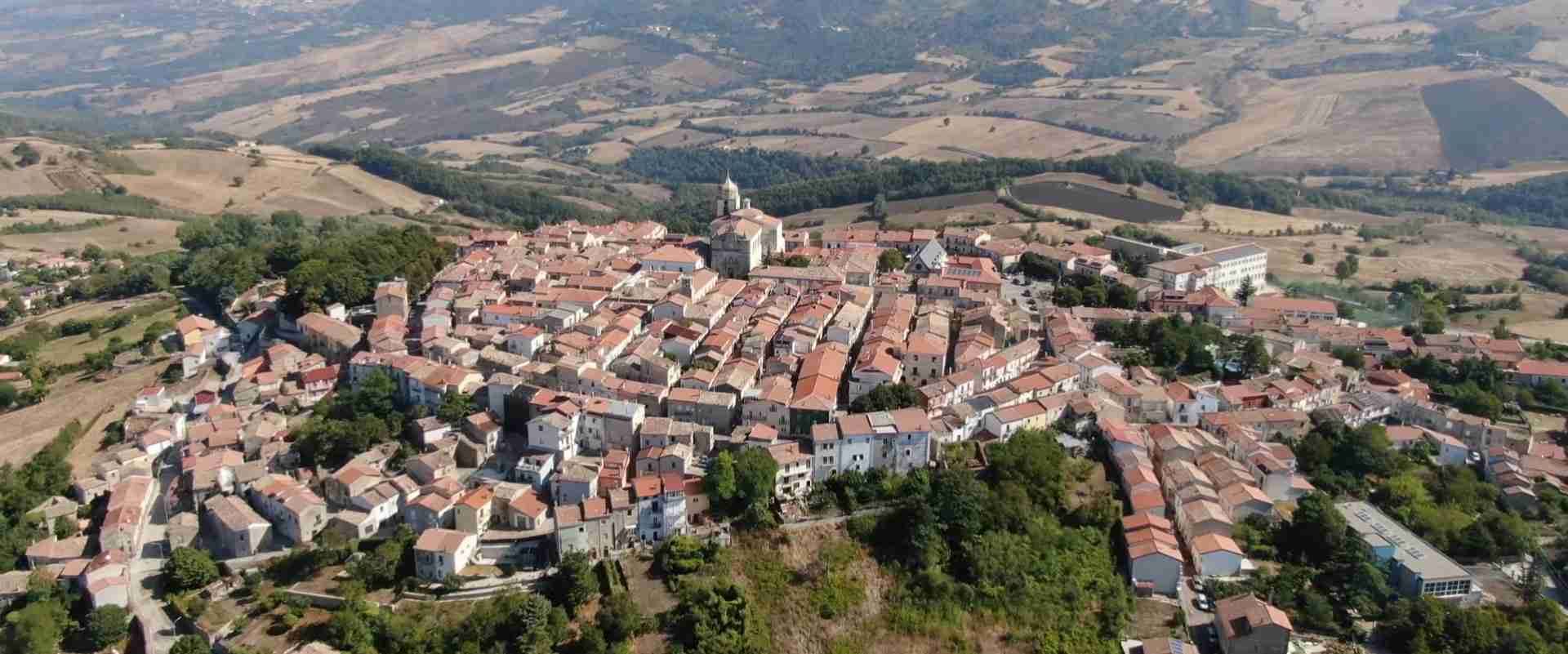
The Stone Villages of Daunia: A 5-Day Slow-Travel Itinerary Through Puglia’s Secret Mountains
Northern Puglia’s Daunia Mountains hold nearly thirty stone-built villages that time forgot, where medieval lanes wind past Norman castles and Franco-Provençal dialects survive in daily conversation. This five-day itinerary guides you through hilltop settlements carved from local limestone, each preserving architectural traditions and culinary customs that vanished from coastal Puglia generations ago.
Key Takeaways About Daunia’s Stone Villages
- Mountain Puglia Contrasts Coastal Stereotypes: The Daunia Mountains rise to 1,151 meters at Monte Cornacchia, creating landscapes of oak forests, beech groves, and rolling pastures that challenge every assumption about Puglia’s geography.
- Stone Architecture Defines Village Character: Master masons built these settlements entirely from local limestone and sandstone quarried from surrounding peaks, creating a visual unity between villages and mountains that makes each borgo appear to grow organically from its ridge.
- Linguistic Heritage Survives in Isolation: Celle di San Vito and Faeto constitute the only Franco-Provençal linguistic island in peninsular Italy, where residents conduct daily life in a language brought by 13th-century Angevin soldiers and preserved through seven centuries of geographic isolation.
- Agricultural Traditions Shape Gastronomy: Altitude and climate create ideal conditions for black truffles, acacia honey, buffalo mozzarella, and caciocavallo cheese, with production methods unchanged since medieval transhumance routes connected these mountains to coastal markets.
- Population Decline Creates Authenticity: Many villages count fewer than 1,000 residents, with Celle di San Vito holding just 148 inhabitants, ensuring visitors encounter genuine village life rather than tourism infrastructure.
- Via Francigena Crosses the Region: Medieval pilgrimage routes still traverse these mountains, connecting villages through ancient trails that modern hikers follow between stone settlements.
People Also Ask About Daunia Stone Villages
Where Are the Daunia Mountains Located in Puglia?
The Daunia Mountains occupy northern Puglia in the province of Foggia, forming the Daunian Sub-Apennines that mark the border between Puglia and Campania. This mountainous territory extends from the Gargano peninsula southward through rolling hills and peaks reaching 1,151 meters at Monte Cornacchia, encompassing approximately 29 municipalities across diverse elevations from 400 to 735 meters above sea level. The region takes its name from the ancient Daunians, an Iapygian tribe speaking the Messapic language who settled these lands from the 11th to 4th centuries BC.
The stone villages cluster in two geographic groups: the southern Daunia around Bovino, Deliceto, and Orsara di Puglia, and the northern chain including Pietramontecorvino, Roseto Valfortore, and Alberona near the Fortore River valley. Geographic isolation preserved these settlements from industrialization and mass tourism, maintaining architectural integrity and traditional lifestyles that disappeared from coastal Puglia. Forests of oak and beech cover mountain slopes between villages, while cultivated fields produce olive oil, wine, and grain on gentler terrain.
What Makes Daunia’s Stone Villages Different from Other Puglia Destinations?
Daunia’s stone villages represent mountain Puglia rather than the coastal landscape most visitors associate with the region. Where seaside towns feature whitewashed trulli and Baroque churches, Daunia settlements rise from gray limestone ridges with medieval castles, Romanesque cathedrals, and stone houses built by master masons who understood local geology. Architecture reflects defensive priorities rather than maritime trade, with narrow lanes designed for donkey traffic and thick walls protecting against winter cold unknown in Salento.
Cultural differences extend beyond architecture. Franco-Provençal linguistic heritage in Celle di San Vito and Faeto creates a unique identity within Puglia, while pastoral economies based on sheep herding and grain cultivation contrast sharply with fishing villages and olive monoculture. Population decline preserved authenticity — villages with 500 to 2,500 residents maintain traditional rhythms impossible in tourist-crowded destinations. Local cuisine emphasizes mountain products like truffles, wild herbs, and aged cheeses rather than seafood, reflecting the agricultural calendar and transhumance traditions that shaped these communities for centuries.
How Do You Travel Between Daunia’s Stone Villages?
Personal transportation provides essential flexibility for exploring Daunia’s dispersed villages, as public transport serves only major settlements with infrequent schedules. Rental cars from Foggia allow independent movement between villages separated by 10 to 30 kilometers of winding mountain roads. Provincial roads SP 125, SP 126, and SS 90 connect most destinations, though final approaches often involve narrow lanes requiring careful navigation.
The regional bus network operated from Foggia’s Piazza Veneto reaches some villages, but schedules accommodate local commuters rather than tourists, with limited weekend service. Serious hikers can walk between certain villages along sections of the Via Francigena and connecting trails, though this requires proper equipment and multi-day commitment. Organized tours from Foggia or Lucera offer guided village visits for those without vehicles, typically covering two to three settlements in a single day. The mountainous terrain rewards slow travel — rushing between villages misses the landscape transitions and rural culture that define this region.
What Is the Franco-Provençal Linguistic Heritage in Celle di San Vito?
Celle di San Vito and neighboring Faeto constitute the only Franco-Provençal linguistic island in peninsular Italy, where residents speak an Arpitan dialect originating from the northwestern Alps near Lyon. This language arrived during 13th-century Angevin military campaigns in southern Italy, when soldiers from Provence and surrounding regions settled in these remote mountains. Geographic isolation at elevations above 700 meters preserved the dialect through seven centuries, protected from linguistic homogenization that eliminated most minority languages across Italy.
Modern Celle di San Vito maintains its linguistic heritage through active community efforts. The municipality operates a linguistic preservation office funded by Law 482/1999, which recognizes Franco-Provençal as a protected minority language. Residents conduct religious services in Franco-Provençal, publish calendars and educational materials in the dialect, and maintain a Museum of Franco-Provençal Peasant Culture documenting traditional life. Street signs appear in both Italian and Franco-Provençal, while the August Festa dell’Emigrante includes a mass celebrated entirely in the historic language. With only 148 residents, Celle di San Vito represents one of Europe’s smallest linguistic communities, making preservation efforts particularly remarkable.
Extended multi-day tours – 5+ days
Featured Puglia Multi-Day Tour Packages
7 days
Taste of Salento-Authentic Culinary Experience
- ✓ Comprehensive Puglia tour
- ✓ Expert local guides included
- ✓ All accommodation arranged
- ✓ Transportation provided

7 days
7-Day Puglia Essence: Alberobello, Otranto and Lecce, Private Tour
- ✓ Comprehensive Puglia tour
- ✓ Expert local guides included
- ✓ All accommodation arranged
- ✓ Transportation provided
8 days
Highlights of Puglia
- ✓ Comprehensive Puglia tour
- ✓ Expert local guides included
- ✓ All accommodation arranged
- ✓ Transportation provided

8 days
Highilights of Apulia, 8 day Tour from Bari to Bari
- ✓ Comprehensive Puglia tour
- ✓ Expert local guides included
- ✓ All accommodation arranged
- ✓ Transportation provided
Multi-day tour packages powered by TourRadar. Prices and availability subject to change.
Introduction: Discovering Puglia’s Hidden Mountain Territory
Most travelers envision Puglia as a coastal realm of whitewashed trulli, baroque churches, and azure Adriatic waters stretching from Gargano to Salento. This partial truth obscures an entire geography that most visitors never encounter. Northern Puglia rises abruptly from the Tavoliere plains into the Daunia Mountains, where nearly thirty stone-built villages cling to limestone ridges at elevations that make summer heat tolerable and winter snow probable. These settlements preserve architectural traditions, linguistic heritage, and agricultural customs that coastal development erased from better-known destinations generations ago.
The Daunia region takes its name from the ancient Daunians who settled these mountains from the 11th century BC, leaving behind distinctive geometric pottery and over 1,000 documented archaeological sites scattered across the landscape. Later arrivals — Romans, Byzantines, Lombards, Saracens, Normans, and Angevins — each left architectural layers visible in castle ruins, church crypts, and defensive walls that remain integral to village structure. Medieval transhumance routes connected these mountains to coastal markets, with shepherds driving flocks between summer pastures and winter lowlands along trails that modern hikers still follow.
Contemporary Daunia faces demographic challenges common to Italian mountain regions. Many villages count fewer than 1,000 residents, with the smallest settlements approaching extinction. Celle di San Vito, perched at 726 meters with 148 inhabitants, ranks as Puglia’s least populous municipality. Alberona, Roseto Valfortore, and Faeto similarly struggle to maintain viable populations as younger generations migrate to cities. This depopulation creates an unexpected opportunity for travelers seeking authentic encounters with traditional life. Villages lack tourism infrastructure precisely because they retain genuine agricultural economies and social rhythms unchanged by visitor expectations.
Stone defines Daunia’s visual character. Master masons quarried local limestone and sandstone to build not just churches and castles but entire villages, creating architectural unity between human settlements and mountain geology. Roofs tile with terracotta, but walls, lanes, arches, and public spaces all employ stone cut from surrounding peaks. Different villages worked different quarries, giving each borgo a distinctive color — the golden sandstone of Roseto Valfortore contrasts with Pietramontecorvino’s gray limestone, while Bovino’s structures blend multiple stone types accumulated across centuries of construction.
Agricultural productivity surprises visitors expecting barren peaks. The Daunia Mountains receive substantially more rainfall than coastal Puglia, supporting extensive forests of oak and beech alongside cultivated fields producing exceptional olive oil, wine, grain, and vegetables. Altitude creates ideal conditions for black truffles, which grow in forest soils and represent a significant local industry. Acacia groves yield delicate honey, while traditional cheese production — particularly caciocavallo podolico from semi-wild cattle grazing mountain pastures — continues using methods documented in medieval sources. This agricultural diversity stems from geographic position: the mountains trap moisture from both Adriatic and Tyrrhenian weather systems, creating microclimates that vary dramatically over short distances.
Cultural isolation preserved linguistic and culinary traditions that make Daunia unique within Puglia. Celle di San Vito and Faeto maintain Franco-Provençal as a daily language rather than historical curiosity, with residents conducting ordinary conversation in an Arpitan dialect their ancestors brought from the northwestern Alps seven centuries ago. Local cuisine emphasizes mountain products over seafood — stews featuring lamb, pork, and wild game; breads made with ancient grain varieties; vegetables preserved through techniques predating refrigeration. Traditional festivals celebrate agricultural cycles rather than maritime events, with harvest celebrations, transhumance commemorations, and religious processions tied to mountain seasons.
This five-day itinerary guides you through Daunia’s stone villages at a pace that respects their character. Rather than racing between photo opportunities, the route dedicates full days to individual settlements and their surrounding territories, allowing morning explorations, afternoon tastings with local producers, and evening hours experiencing village life as residents do. The sequence follows geographic logic, moving generally north to south through different elevation zones and architectural styles while minimizing backtracking. Each day balances structured visits to churches, castles, and museums with unscripted wandering through lanes where elderly residents still prepare vegetables outside doorways and shepherds drive small flocks between pastures.
Slow travel reveals patterns that hurried visits obscure. You begin recognizing stone types and construction techniques that identify different historical periods. The subtle differences in church architecture — Romanesque apses versus Gothic naves, Byzantine frescoes versus baroque altarpieces — start telling coherent stories about changing powers and artistic influences. Conversations with artisans, farmers, and shopkeepers accumulate into understanding how these communities adapted to centuries of political change while maintaining cultural continuity through family structures and agricultural calendars. By the journey’s end, Daunia’s stone villages feel less like museum pieces and more like living testaments to human persistence in challenging terrain.
Day One: Bovino — Norman Castle and Svevian Atmosphere
Bovino announces itself from kilometers away, its medieval profile crowning a 650-meter ridge that commands views across the entire Tavoliere plain to the Adriatic coast. The village earned official designation as one of Italy’s Most Beautiful Villages, recognition justified by exceptionally preserved historic center and continuous habitation spanning 2,300 years. Ancient Daunians founded the settlement around 323 BC before Samnite wars destroyed it, leading Romans to rebuild under the name Vibinum. Byzantine, Lombard, Saracen, and finally Norman conquerors each occupied the strategic position until Frederick II brought extended peace during the 13th century.
Arrival requires navigating SP 125 from Foggia, a 40-kilometer drive ascending through agricultural plains into increasingly steep terrain. The final approach climbs sharply through olive groves before stone walls and tiled roofs materialize against the sky. Park outside the historic center — narrow medieval lanes prohibit vehicle traffic — and enter through one of several stone archways that once served defensive purposes. The village layout follows ridge topography, with main streets running along the crest and perpendicular alleys descending steep slopes on either side.
Morning: Castello Ducale and Historic Center
Begin at the Castello Ducale, a massive Norman-Svevian fortress dominating Bovino’s highest point. The castle’s current form reflects 11th-century Norman construction with subsequent Svevian modifications under Frederick II, creating a hybrid defensive structure that successfully withstood centuries of siege and occupation. Exterior examination reveals construction phases through varying stone colors and architectural details — original Norman masonry in darker blocks contrasts with lighter Svevian additions, while later Renaissance windows pierce walls that once remained solid except for defensive slits.
The castle interior houses municipal offices and a small museum documenting local history through archaeological finds from the surrounding territory. Daunian pottery displays geometric patterns and human figures that reveal daily life and spiritual beliefs of the region’s earliest inhabitants. Roman artifacts include coins, tools, and fragments of the ancient baths and aqueducts that supplied Vibinum. Medieval sections feature weapons, domestic implements, and religious objects spanning Byzantine through Norman periods. More valuable than individual objects is the comprehensive narrative they create about continuous settlement adapting to successive rulers while maintaining agricultural foundation.
From the castle terrace, panoramic views stretch across landscape that explains Bovino’s strategic importance. The Tavoliere plain extends to the eastern horizon, with the Adriatic visible on clear days. To the west, the Apennine chain rises toward Campania. This position controlled medieval trade routes between the Adriatic and Tyrrhenian seas, making Bovino a commercial hub during the 19th century when goods moved overland between coasts. The view also reveals modern Daunia’s agricultural character — cultivated fields, olive groves, and scattered farmhouses occupy valleys between forested ridges, creating a mosaic landscape that changes seasonally with crops and vegetation.
Descend from the castle into the historic center’s labyrinth of cobblestone lanes. Stone houses line both sides of narrow streets barely wide enough for two people to pass, with arched passages occasionally creating covered sections that provide shade during summer and wind protection in winter. Building materials demonstrate local geology — some structures employ uniform gray limestone, others mix multiple stone types accumulated through centuries of repairs and additions. Architectural details reward close attention: carved lintels above doorways bearing dates and initials, decorative cornices showing Gothic and Renaissance influences, iron balconies added during 18th and 19th centuries.
The Cathedral of Santa Maria Assunta occupies a commanding position in the historic center, its Romanesque origins visible beneath baroque renovations. The facade combines 12th-century stone portal with later additions, creating chronological layering typical of churches that served communities through multiple architectural periods. Enter through carved wooden doors into a three-nave interior where original Romanesque columns support Gothic vaulting added during 14th-century expansions. Side chapels display baroque altarpieces dedicated to local saints, while the crypt preserves earlier structural elements and frescoes from the Byzantine period.
The cathedral treasury contains significant religious artifacts collected across centuries of episcopal authority. Sacred vestments, illuminated manuscripts, and liturgical objects demonstrate the church’s wealth and cultural importance during medieval and Renaissance periods. Particularly notable are processional crosses bearing intricate metalwork and precious stones, used during annual festivals that still mark Bovino’s religious calendar. The treasury’s most valuable piece — a 13th-century silver reliquary containing fragments attributed to early Christian martyrs — represents both artistic achievement and the relic cult’s importance in establishing ecclesiastical prestige.
Afternoon: Local Artisans and Caciocavallo Producers
After lunch at a family-run trattoria serving traditional mountain cuisine, dedicate afternoon hours to meeting local artisans and agricultural producers who maintain traditional crafts. Bovino’s economy still depends partially on caciocavallo cheese production, with several families raising podolico cattle on mountain pastures and aging cheeses using methods documented in medieval sources. Visit one of the producers who welcome visitors by appointment, learning how semi-wild cattle grazing on wild herbs produce milk with distinctive flavor that commercial dairy operations cannot replicate.
The cheese-making process begins with morning milking, when cattle return from overnight pasturing in mountain meadows. Fresh milk heats in copper cauldrons over wood fires, maintaining temperatures through techniques passed between generations. Rennet addition causes curdling, with the cheese-maker monitoring texture and consistency through manual testing that no thermometer can replace. Stretched curd forms the characteristic pear shape, tied at the neck and hung in pairs across wooden poles for aging. Different aging periods produce varying flavors — young caciocavallo at two months offers mild, creamy notes, while year-old cheeses develop sharp, complex character suitable for grating.
Tasting sessions reveal the product’s range. Fresh cheese retains milky sweetness with herbal undertones from the cattle’s wild diet. Six-month aged versions develop nutty notes and firmer texture suitable for table cheese. Mature caciocavallo aged beyond one year achieves intense flavor comparable to aged parmigiano, though with distinctive characteristics reflecting Daunia’s particular grasses and herbs. Producers typically offer bread, wine, and accompaniments that highlight the cheese’s versatility — drizzled with local honey, paired with preserved vegetables, or simply enjoyed with robust red wine from nearby vineyards.
Bovino also maintains traditional bread-making using wood-fired ovens and local wheat varieties. Several bakeries operate ovens that have produced bread continuously for multiple generations, with current bakers learning the craft from parents and grandparents. The wood-fired process creates crust texture and interior crumb impossible to achieve in modern gas or electric ovens, while traditional shaping produces distinctive loaves recognizable across the region. Breads incorporate ancient grain varieties recently revived as consumers seek alternatives to industrial wheat, creating market opportunities for farmers cultivating heritage crops.
Evening: Village Life and Sunset Views
As afternoon transitions to evening, Bovino’s daily rhythms become visible. Elderly residents emerge for passeggiata, the evening stroll that remains central to Italian social life. Unlike coastal cities where tourists outnumber locals, Bovino’s streets host genuine community interaction — neighbors exchange greetings, discuss weather and crops, share news about family members. Position yourself at a cafe in Piazza Cattedrale and observe these patterns while sampling local pastries and coffee.
The piazza serves as the village’s social center, where residents gather before and after church services, during market days, and for festivals throughout the year. Stone paving and Renaissance fountain create an architectural stage for daily dramas that have played here for centuries, with only costumes and specific actors changing across generations. Children play traditional games under parents’ watchful eyes, teenagers cluster in animated conversation, elderly men debate politics and football. This scene, replicated across thousands of Italian villages, feels particularly authentic in Bovino’s depopulated setting where tourism hasn’t yet commercialized public space.
For sunset, climb to the belvedere near the castle’s southern wall, where stone benches provide seating for one of Puglia’s finest panoramic views. As the sun descends toward the Apennines, changing light transforms the landscape. The Tavoliere’s cultivated checkerboard glows golden, then orange, then purple as shadows lengthen. Distant villages appear as dark silhouettes against illuminated plains, while nearer ridges show individual trees and farmhouses in sharp relief. This perspective explains why generations chose to build on defensible heights despite the extra labor of carrying water and supplies up steep slopes — the view provided early warning of approaching threats and demonstrated control over surrounding territory.
Dinner in Bovino offers opportunities to taste traditional mountain cuisine rarely found in coastal Puglia. Local specialties include lamb stew slow-cooked with wild herbs, handmade pasta with chickpeas or wild greens, and roasted vegetables from gardens surrounding the village. Wines come from nearby vineyards cultivating indigenous varieties adapted to mountain conditions, producing reds with structure and complexity that challenge assumptions about southern Italian wine. Traditional restaurants maintain seasonal menus reflecting agricultural rhythms — spring brings fresh fava beans and artichokes, summer produces tomatoes and peppers, autumn offers mushrooms and game, winter features preserved meats and aged cheeses.
Day Two: Pietramontecorvino and Roseto Valfortore — Stone Architecture and Truffle Country
The second day explores two villages in Daunia’s northern reaches, where elevation increases and architecture reflects both defensive priorities and economic prosperity from truffle trade. Pietramontecorvino occupies a hilltop position offering 360-degree views, while Roseto Valfortore perches above the Fortore River valley in terrain ideal for the black truffles that drive local economy. The villages lie approximately 25 kilometers apart via provincial roads that wind through forested landscape punctuated by pastoral clearings.
Morning: Pietramontecorvino’s Medieval Core
Depart Bovino early for the drive north to Pietramontecorvino, following SP 125 and connecting provincial roads through increasingly mountainous terrain. The route passes through agricultural valleys and forest sections where oak and beech predominate, with occasional glimpses of distant villages marking other ridges. Pietramontecorvino announces itself through its distinctive profile — the Norman castle tower rises above tiled roofs, visible kilometers before you reach the final approach.
Park outside Port’Alta, the medieval archway that serves as the historic center’s main entrance. This stone gateway preserves defensive function while welcoming modern visitors into a remarkably intact medieval streetscape. The arch itself demonstrates skilled masonry, with precisely fitted stones creating a structure that has withstood seven centuries without major repairs. Carved details above the arch include the village coat of arms and construction date, though weathering has obscured some specifics.
Beyond Port’Alta, the medieval quarter unfolds in concentric circles following hilltop contours. Narrow lanes paved with irregular stones climb and descend, connecting small piazzas that serve as neighborhood centers. Whitewashed houses with stone foundations line the streets, their uniform height and style creating visual harmony that modern zoning laws attempt but rarely achieve. Architectural details reveal construction periods and social stratuses — elaborate portals mark noble residences, simpler openings indicate artisan dwellings, while ground-floor archways identify structures that once housed workshops with living quarters above.
The Norman Castle dominates the village’s highest point, its circular tower visible from approaching roads. Construction dates to the 11th century, when Norman conquerors established defensive positions throughout southern Italy. The castle’s strategic importance stemmed from its position overlooking both the Fortore valley and routes connecting Puglia to Campania. Exterior examination reveals construction techniques — massive stone blocks fitted without mortar at the base give way to smaller stones and mortar in upper sections, indicating later repairs and additions. The tower’s circular form contrasts with square Norman towers elsewhere, suggesting Byzantine influences or adaptation to local building traditions.
Access to the castle interior varies depending on municipal activities and restoration schedules, but when open, it offers perspective on medieval military architecture adapted to mountain warfare. Thick walls provided insulation against both arrows and extreme weather, while narrow windows admitted light while maintaining defensive capabilities. The tower’s upper levels commanded views across surrounding territory, allowing sentries to spot approaching armies or bandits days before they reached the village. This defensive success explains Pietramontecorvino’s survival through centuries of conflict when many neighboring settlements disappeared.
The Church of Santa Maria Assunta occupies a commanding position in the historic center, its baroque facade concealing earlier Romanesque and Gothic elements. The current structure represents multiple construction phases spanning the 12th through 18th centuries, with each period adding architectural layers without completely erasing previous work. Enter through the main portal to experience this chronological complexity — Romanesque columns support Gothic arches, which in turn frame baroque altarpieces. The effect disorients visitors accustomed to architectural purity, but accurately reflects how Italian churches evolved alongside the communities they served.
Inside, the Church of San Leonardo merits special attention for its ancient frescoes documenting medieval religious art in rural settings. The frescoes survive because village poverty prevented the baroque renovations that destroyed similar paintings in wealthier churches. Images depict biblical scenes, saints important to local devotion, and decorative patterns that would have made stone interiors less severe. Art historians value these works not for exceptional skill but for their preservation of painting techniques and iconographic traditions otherwise lost. The frescoes’ deteriorated state reminds visitors that preservation requires resources these villages often lack.
Afternoon: Roseto Valfortore and the Truffle Economy
After lunch in Pietramontecorvino, drive north through forest landscape to Roseto Valfortore, positioned above the upper Fortore valley at 658 meters elevation. The route follows SP 125 through territory that looks more like Tuscany or Umbria than stereotypical Puglia — rolling hills covered in mixed forest give way to occasional pastoral clearings where sheep graze. Roseto appears suddenly as you round a curve, its golden sandstone buildings glowing against green hillsides.
Roseto Valfortore distinguishes itself through the distinctive stone quarried from surrounding mountains and used exclusively in village construction. This golden-brown sandstone creates visual unity that makes the entire settlement appear carved from a single massive block. Different quarrying periods and stone varieties produce subtle color variations across different neighborhoods, creating a palette that shifts from honey to amber to ochre depending on sunlight angle. The stone’s warmth contrasts dramatically with the gray limestone predominant in neighboring villages, making Roseto immediately recognizable from distance.
The village earned designation as one of Italy’s Most Beautiful Villages through combination of architectural preservation and landscape setting. The historic center clusters tightly on the ridge, with stone houses terracing down steep slopes in ways that maximize defensibility and available building space. Master masons fitted irregular stones with skill that modern equipment rarely matches, creating walls that have stood for centuries without mortar in some sections. Windows and doorways pierce these walls at irregular intervals dictated by interior room arrangements rather than exterior symmetry, producing the organic character that distinguishes vernacular architecture from planned construction.
Roseto’s economy depends significantly on black truffle harvesting from surrounding forests. The same limestone soils and mixed oak-beech forests that make this area unsuitable for intensive agriculture create ideal conditions for Tuber melanosporum, the precious black truffle that commands premium prices in Italian and international markets. Local families have harvested truffles for generations using trained dogs who locate the underground fungi through scent. The truffle season runs from November through March, when frost and cold enhance the mushrooms’ aromatic compounds.
Visit one of the local truffle hunters who offer educational experiences during harvest season. These sessions typically begin with explanation of truffle ecology and the long training process required to develop effective truffle dogs. The dog-handler relationship represents years of work, with successful teams demonstrating communication that appears almost telepathic. During active search, the dog ranges through forest undergrowth, pausing frequently to test scents before indicating finds through subtle behavioral cues that handlers must recognize instantly. Once located, truffles are extracted carefully to avoid damaging the mycelial network that produces future fruiting bodies.
Truffle tastings demonstrate why this fungus commands such extraordinary prices. Fresh black truffle shaved over simple pasta or scrambled eggs transforms basic ingredients into luxury dishes through its complex aromatics combining earthy, garlicky, and musky notes impossible to replicate artificially. Even small quantities provide intense flavor, explaining why traditional recipes use truffles sparingly as flavoring rather than primary ingredient. Local restaurants offer truffle menus during season, featuring both classic preparations and innovative dishes that showcase the ingredient’s versatility.
Roseto also produces acacia honey from the extensive groves surrounding the village. Acacia flowers bloom prolifically in spring, providing nectar that bees transform into honey with distinctive delicate flavor and pale color. Unlike more robust honeys from chestnut or wildflower sources, acacia honey remains liquid longer and offers subtle sweetness that doesn’t overpower other flavors. Local producers harvest honey using traditional methods, with some apiaries maintaining practices unchanged for generations. Tastings reveal quality differences between commercial honey and small-batch artisanal production, where beekeepers select optimal harvest timing and minimal processing to preserve natural characteristics.
Evening: Valley Views and Stone Architecture
As afternoon light softens, explore Roseto’s stone architecture more thoroughly. The village layout follows medieval defensive logic, with main streets running along the ridge crest and perpendicular alleys descending both slopes. This arrangement created natural defensive barriers while maximizing available building space and providing each residence access to both main street commerce and slope-side agricultural terracing. Gardens and small vineyards still occupy these terraces, producing vegetables and grapes for family consumption rather than commercial sale.
The panoramic belvedere near the village’s southern edge offers views across the Fortore valley into neighboring Campania. The valley’s green depths contrast with surrounding ridges, creating landscape drama enhanced by changing evening light. Small farmhouses dot the valley floor, connected by unpaved roads visible as lighter lines against darker vegetation. This scene has changed remarkably little across centuries — modern agriculture added tractors and irrigation systems, but the fundamental pattern of dispersed farms and connecting paths remains constant.
Churches in Roseto deserve attention for architectural details and religious art. The Chiesa di Santa Maria Assunta dominates the main piazza with its stone facade and bell tower. Inside, baroque altarpieces compete with earlier frescoes for attention, creating the visual density characteristic of Catholic churches that accumulated art across centuries. Each chapel represents donations from noble families or religious confraternities, with paintings and sculptures documenting both artistic trends and patron identities. The church of San Nicola occupies a quieter position away from the main square, offering simpler architecture and more contemplative atmosphere suitable for individual prayer.
Dinner in Roseto highlights local products: truffle dishes when in season, acacia honey drizzled over aged caciocavallo, handmade pasta with wild mushrooms, and roasted lamb from sheep grazed on mountain pastures. Local wines include both commercial labels from larger Daunia producers and small-batch vintages from individual farmers who cultivate ancient grape varieties for personal consumption and sales to neighbors. These rare wines rarely reach wider markets, making them available only to visitors who seek out small village restaurants and ask specifically about local production.
Day Three: Troia and Orsara di Puglia — Romanesque Heritage and Stone Traditions
The third day shifts focus to villages preserving exceptional religious architecture and traditional stone-working techniques. Troia’s Romanesque cathedral ranks among Puglia’s finest examples of the style, while Orsara di Puglia maintains stone-building traditions and unique festivals that blend Christian and pagan elements. The villages lie approximately 30 kilometers apart in Daunia’s southern zone, connected by provincial roads through agricultural landscape.
Morning: Troia’s Romanesque Cathedral
Drive south from Roseto Valfortore to Troia via SP 125 and connecting roads, descending from the northern mountains into the southern Daunia hills. The landscape transitions from dense forest to mixed agricultural use, with olive groves and grain fields becoming more prominent. Troia appears as a compact hill town dominating surrounding plains, its cathedral’s bulk visible from several kilometers distance.
The Cathedral of Santa Maria Assunta represents one of Italy’s most significant Romanesque structures, constructed primarily during the 11th and 12th centuries when Apulian Romanesque style reached its peak. The facade demonstrates the style’s characteristic elements: geometric decoration, carved stone portals, rose windows, and blind arcading that creates visual rhythm across the surface. Roseto Valfortore’s golden sandstone forms the facade, having been quarried and transported specifically for this prestigious commission. The stone’s warm color enhances sculptural details, with changing sunlight throughout the day revealing different aspects of the carving.
The main portal features exceptional bronze doors cast in 1119 by Oderisius of Benevento, one of the few Italian bronze workers whose name survives from this period. The doors comprise 28 panels depicting biblical scenes, saints, and symbolic animals, with each panel demonstrating sophisticated casting techniques and artistic vision. The bronze has oxidized to green patina that protects underlying metal while creating visual depth through color variation. Scholars value these doors as masterworks of Romanesque metalworking, comparable to more famous examples in Pisa and Monreale while displaying unique iconographic choices reflecting local religious priorities.
Rose windows punctuate the facade at different levels, each featuring distinct tracery patterns. The largest window above the main portal employs geometric designs typical of Apulian Romanesque, with stone carved so delicately it appears almost lace-like. Smaller rose windows illuminate side chapels, each designed to capture specific solar angles and create particular light effects during morning or afternoon services. The windows’ engineering represents sophisticated understanding of both structural load distribution and aesthetic impact, demonstrating that Romanesque builders combined practical skills with artistic sensibility.
The cathedral interior reveals three naves separated by columns with carved capitals, each capital unique in its decorative program. Some display biblical scenes, others feature symbolic animals or geometric patterns, while a few include what appear to be portraits or local figures rather than standardized religious imagery. This variation suggests multiple sculptors working simultaneously, each bringing individual interpretation to the overall design. The capitals reward extended study — details invisible from floor level become apparent when examined with binoculars or telephoto lenses, revealing the carvers’ skill and imagination.
The crypt beneath the main church preserves earlier structural elements and creates an atmospheric space for contemplation. Columns here show even more variety than those above, some appearing to have been salvaged from Roman structures and repurposed for Christian use. Frescoes survive in better condition than in the upper church, protected from light damage and human traffic. The crypt’s vaulting creates distinctive acoustics that medieval builders understood and exploited, making it particularly suitable for chanted services where sound should reverberate without becoming muddy.
Beyond the cathedral, Troia’s historic center rewards exploration. The “museum street” concentrates noble palaces and significant architecture in a walkable sequence that local guides use to introduce the village’s layered history. These palaces date primarily from the 17th and 18th centuries when Troia served as an important regional center. Baroque facades conceal earlier medieval structures, creating chronological complexity visible through architectural details. Elaborate portals feature family coats of arms and construction dates, while balconies demonstrate ironwork skills that have largely disappeared from modern construction.
Afternoon: Orsara di Puglia and Sacred Grottoes
After lunch and perhaps a tasting of Passionata, Troia’s signature dessert made with buffalo ricotta, almonds, and marzipan, drive to Orsara di Puglia following provincial roads that climb back into mountain terrain. Orsara occupies a hilltop position at 635 meters elevation, surrounded by forests that extend to the Gargano massif visible to the northeast. The village’s 2,500 residents maintain traditions that make it culturally distinct even within Daunia’s diverse regional context.
Orsara distinguishes itself through sacred grottoes carved into limestone cliffs surrounding the village. These natural and partially excavated caves served as hermitages for early Christian monks, who sought isolation for prayer and penance in locations deliberately removed from urban settlement. Several grottoes preserve frescoes dating from the Byzantine period through medieval centuries, depicting saints and religious scenes in styles that evolved from Eastern Orthodox influences toward Western Catholic iconography. The paintings survive because cave environments provide stable temperature and humidity that prevent the deterioration affecting exposed frescoes.
Access to the grottoes varies depending on weather conditions and local regulations, but when accessible, they offer glimpses into eremitic traditions that shaped early Christianity in southern Italy. The caves demonstrate how monks adapted natural formations for religious purposes, carving altars, seating, and living spaces from solid rock. Some grottoes show evidence of continuous use spanning centuries, with different generations adding their own devotional images and architectural modifications. The setting’s isolation helps modern visitors understand why spiritual seekers chose these remote locations despite considerable physical hardships.
The village’s historic center employs stone construction techniques particularly well-preserved due to limited modern development. Traditional houses stack multiple levels on steep slopes, with each level accessible from different street elevations due to the dramatic topography. Stables and storage occupied ground floors, living spaces the middle level, and sleeping quarters the top, an arrangement dictated by security concerns and animal management. Many structures retain original features — stone hearths, built-in storage niches, wooden ceiling beams — that have disappeared from modernized buildings elsewhere.
Orsara maintains several unique festivals blending Christian and pre-Christian elements, most notably the November Festival of the Dead. This celebration includes the distinctive tradition of creating “cocce priatorije” — carved pumpkins illuminated with candles and placed throughout the village to guide souls of the deceased back to their earthly homes for the night. The practice predates jack-o’-lantern traditions familiar in English-speaking countries and likely derives from ancient customs associated with agricultural cycles and ancestor veneration. The festival also features traditional foods, processions, and musical performances using instruments and melodies specific to the Daunia region.
Local food production in Orsara focuses on grain, legumes, and sheep products rather than the truffles and honey that dominate northern Daunia economy. Traditional pasta shapes include cavatelli and fusilli made entirely by hand using techniques passed between generations. Chickpea flour features prominently in both pasta and bread, reflecting the legume’s importance in crop rotation and human nutrition. Sheep cheeses aged in natural caves develop complex flavors enhanced by the specific molds and bacteria present in these traditional aging environments, creating products impossible to replicate in industrial facilities.
Evening: Stone-Built Landscapes and Culinary Traditions
As evening approaches, walk the paths connecting Orsara to its agricultural terraces and olive groves. Stone walls divide these productive landscapes, each wall representing generations of labor clearing fields and building boundaries that have functioned for centuries. The walls employ dry-stone construction without mortar, with skilled masons fitting irregular rocks so precisely that the structures remain stable through seasonal temperature changes and occasional seismic activity. These walls create habitat for lizards, snakes, and small mammals while serving their primary agricultural function, demonstrating how traditional landscape management provided ecological benefits modern monoculture eliminates.
Return to the village for sunset from one of the belvederes offering views across the Fortore valley. Evening light transforms the landscape, with long shadows emphasizing topographic relief and forest textures. Distant villages appear as compact clusters of lights against darkening hillsides, each representing a community maintaining identity despite demographic pressures toward abandonment. This view helps explain both the historic importance of hilltop positions and the contemporary challenge of preserving mountain settlements in an economy that rewards urbanization and coastal development.
Dinner in Orsara provides opportunities to taste dishes rarely encountered outside mountain villages: wild boar stew, foraged greens prepared with garlic and local olive oil, bread baked in wood-fired ovens using heritage wheat varieties, and aged pecorino cheese from sheep grazed on communal pastures. These foods reflect agricultural systems adapted to mountain conditions and local resources, creating flavors and textures impossible to achieve through industrial production. Traditional wine accompanies the meal, likely from small vineyards cultivating indigenous grape varieties that never achieved commercial success but remain valued for local consumption.
Day Four: Celle di San Vito and Faeto — Franco-Provençal Linguistic Island
The fourth day explores Daunia’s most culturally unique villages, where Franco-Provençal language survives as a daily medium rather than historical curiosity. Celle di San Vito and Faeto constitute the only Arpitan linguistic community in peninsular Italy, maintaining a dialect brought by Angevin soldiers during the 13th century and preserved through seven centuries of geographic isolation. The villages occupy the highest elevations in this itinerary, with Celle di San Vito at 726 meters and Faeto at 820 meters, creating alpine atmosphere unusual in southern Italy.
Morning: Celle di San Vito — Italy’s Smallest Franco-Provençal Community
Depart Orsara early for the mountain drive to Celle di San Vito, following SP 126 through increasingly rugged terrain. The final approach involves narrow, winding roads that climb steeply through forests before emerging at the village perched on its dramatic ridge. With only 148 residents, Celle di San Vito ranks as Puglia’s least populous municipality, creating an atmosphere of profound isolation enhanced by panoramic views across the surrounding mountains.
The village’s position offers stunning vistas across the Celone valley to Monte Cornacchia, Puglia’s highest peak at 1,151 meters. This geographic setting explains both the linguistic preservation and the demographic challenges. Altitude and isolation protected the Franco-Provençal dialect from homogenization pressures that eliminated minority languages elsewhere, but the same remoteness that preserved culture now drives population decline as younger residents migrate to areas offering better employment and services.
Franco-Provençal linguistic heritage pervades daily life in Celle di San Vito. Street signs appear in both Italian and Arpitan dialect, religious services incorporate Franco-Provençal prayers and hymns, and elderly residents conduct ordinary conversation in a language that sounds distinctly different from both Italian and standard French. The dialect originates from the northwestern Alps near Lyon, brought to southern Italy by soldiers who served Angevin rulers during the 13th century. These soldiers settled in remote mountain locations where their military skills provided value to local lords, creating communities that maintained linguistic identity through marriage within the group and limited contact with Italian-speaking neighbors.
The Museum of Franco-Provençal Peasant Culture documents traditional life through artifacts and explanations in both Italian and dialect. Agricultural implements, domestic tools, traditional clothing, and religious objects demonstrate how mountain communities adapted to challenging environments using available resources. The museum’s layout follows seasonal cycles that governed peasant life — spring planting preparations, summer cultivation and harvest, autumn preservation and storage, winter indoor work and religious observances. This cyclical organization helps visitors understand that traditional agriculture wasn’t merely an economic system but a comprehensive way of life integrating work, family, and spiritual practice.
The Church of San Vincenzo Ferreri serves as the community’s religious center, hosting services that uniquely blend Catholic liturgy with Franco-Provençal linguistic elements. The August Festa dell’Emigrante includes a mass celebrated entirely in the traditional dialect, attended by former residents who return from cities and foreign countries to maintain connection with their cultural roots. This annual gathering demonstrates how even small, declining communities sustain identity through deliberate cultural practice rather than passive inheritance.
Walk the village’s compact historic center, where stone houses cluster tightly along narrow lanes designed for foot and donkey traffic. The architecture demonstrates maximum efficiency in difficult conditions — small windows minimize heat loss during winter, thick walls provide thermal mass that moderates temperature swings, and compact building footprints conserve scarce flat land. Many structures incorporate medieval elements, though subsequent modifications make precise dating difficult. The overall effect creates architectural unity that makes the entire village feel like a single organic structure rather than a collection of individual buildings.
Afternoon: Faeto and Monte Cornacchia Approaches
After lunch in Celle di San Vito — likely simple mountain fare featuring preserved meats, local cheese, and bread — drive the short distance to Faeto, the second Franco-Provençal village. Faeto occupies an even higher elevation at 820 meters, creating the northernmost outpost of this linguistic island. With approximately 650 residents, Faeto maintains slightly better demographic viability than Celle di San Vito while sharing cultural characteristics.
Faeto’s historic center follows similar patterns to Celle di San Vito, with stone houses climbing steep slopes and narrow lanes connecting different elevation levels. The village takes its name from the extensive beech forests (faggio in Italian, derived from Latin fagus) that cover surrounding mountains. These forests provided timber for construction, fuel for heating and cooking, and mast for pig herding that historically constituted an important economic activity. The beech’s commercial value declined with modern fuel sources, but the forests remain ecologically significant and create landscape character distinct from lower-elevation oak-dominated areas.
The linguistic preservation office in Faeto operates cultural programs funded by Law 482/1999, which recognizes Franco-Provençal as a protected minority language. These programs include language classes for children who might otherwise lose fluency as Italian dominates schools and media, documentation projects recording elderly speakers before their knowledge disappears, and cultural events celebrating Franco-Provençal heritage. The office publishes educational materials in both Italian and dialect, creating resources that help maintain linguistic transmission across generations despite demographic pressures.
From Faeto, ambitious hikers can access trails leading toward Monte Cornacchia, Puglia’s highest peak. The ascent requires proper equipment and good weather, but the trail offers exceptional views across the Daunia Mountains and into neighboring regions. The approach passes through changing vegetation zones — oak forests give way to beech, which eventually yield to alpine meadows near the summit. This vertical zonation creates biodiversity rare in southern Italy, with plant and animal species more typical of central Apennine environments appearing at Daunia’s highest elevations.
Even without summiting Monte Cornacchia, the lower trails from Faeto provide excellent mountain walking through landscapes that few visitors encounter. Forest paths connect to open meadows where shepherds still graze flocks during summer months, continuing transhumance traditions documented in medieval sources. These pastoral landscapes create habitat for wildlife including wild boar, foxes, birds of prey, and numerous smaller species. Spring brings wildflowers that carpet meadows in colors, while autumn transforms beech forests into golden tapestries that rival any European mountain region for scenic beauty.
Evening: Mountain Cuisine and Cultural Reflection
Return to either Celle di San Vito or Faeto for evening hours experiencing mountain village life at its most authentic. With no tourism infrastructure and minimal evening entertainment, these communities offer glimpses into rhythms that have governed Italian rural life for centuries. Residents gather at small bars or homes for conversation, children play in streets under communal supervision, and elderly villagers sit outside their doorways observing neighborhood activity.
Dinner features mountain specialties unavailable in coastal restaurants: cured meats from pigs raised on acorns and beech mast, soups combining legumes with wild greens, polenta made from local corn varieties, and aged cheeses from sheep and goats grazed on high pastures. These foods reflect both geographic necessity — limited growing season and cold winters required preservation techniques and calorie-dense ingredients — and cultural preferences shaped across generations. The flavors differ markedly from coastal Puglian cuisine, demonstrating how geography creates distinct regional identities even within relatively small territories.
Conversation with residents who speak English or Italian alongside Franco-Provençal provides insights into the challenges of maintaining minority culture in modern Italy. Younger generations often leave for cities offering employment and services impossible to sustain in villages with fewer than 200 residents. Those who remain express both pride in cultural heritage and concern about demographic sustainability. The question of whether small mountain villages can survive depopulation remains unresolved, creating poignancy in every cultural expression that might represent a tradition’s final generation.
Day Five: Alberona and Regional Synthesis — Mountain Landscapes and Reflection
The final day explores Alberona, one of Daunia’s smallest and most isolated villages, before synthesizing experiences from the previous four days. Alberona occupies a strategic position near the Campania border at approximately 730 meters elevation, making it one of the region’s most remote settlements. The day balances structured exploration with time for reflection on the cultural and geographic patterns that define Daunia’s stone villages.
Morning: Alberona’s Mountain Position
Drive from your previous night’s accommodation to Alberona via mountain roads that demonstrate why this village earned its isolated reputation. The route follows provincial highways through forests and pastoral clearings, with occasional glimpses of distant peaks and valleys. Alberona appears suddenly as you round final curves, its stone buildings clustered on a ridge commanding views across multiple valleys.
With fewer than 1,000 residents, Alberona maintains traditional mountain village character through both geographic necessity and cultural choice. The historic center preserves medieval layout despite modern additions, with stone houses lining narrow lanes that climb and descend following topographic contours. Unlike villages that expanded into surrounding valleys during the 20th century, Alberona remains concentrated on its original defensive site, creating architectural coherence and maintaining relationship with surrounding landscape.
The village’s churches demonstrate regional architectural patterns seen throughout Daunia, with Romanesque origins overlaid by baroque renovations. The Chiesa Madre features a stone facade incorporating both medieval and later elements, creating the chronological layering characteristic of religious architecture that serves communities across centuries. Inside, baroque altarpieces compete with simpler earlier elements, reflecting changing aesthetic preferences and economic conditions that influenced different construction periods.
Stone architecture throughout Alberona shows construction techniques adapted to mountain conditions. Thick walls provide insulation against winter cold, small windows minimize heat loss while admitting necessary light, and steep-pitched roofs shed snow that rarely falls in coastal Puglia but regularly blankets these mountains. Building materials came from local quarries, creating visual unity between village and landscape while minimizing transportation costs that would have been prohibitive in pre-modern economies.
Walk the paths extending from Alberona into surrounding agricultural terraces and forest edges. These landscapes demonstrate how mountain communities managed land using techniques that modern agriculture abandons. Terraces carved from steep slopes created flat planting areas while preventing erosion, stone walls divided properties and contained livestock, and strategic forest clearings provided grazing while maintaining timber resources. This integrated land use sustained populations for centuries, though contemporary economics make such labor-intensive systems increasingly unviable.
Afternoon: Synthesis and Mountain Landscapes
Spend afternoon hours exploring the broader landscape accessible from Alberona’s position near the Campania border. Provincial roads and trails provide access to viewpoints offering panoramic perspectives across the Daunia Mountains and into neighboring regions. These views help contextualize the past four days’ experiences, showing how individual villages fit into larger geographic and cultural patterns.
The mountain landscapes visible from these viewpoints reveal environmental diversity that explains Daunia’s distinct character within Puglia. Forests covering northern slopes contrast with cultivated valleys, pastoral clearings create habitat mosaics supporting diverse wildlife, and scattered farmhouses maintain settlement patterns predating modern consolidation. Rivers and streams carve deep valleys that isolate different areas, creating natural boundaries that historically fostered cultural variation even across short distances.
This landscape also demonstrates depopulation pressures affecting all mountain regions in developed countries. Abandoned houses appear in every village, testament to migration that reduced populations by half or more since mid-20th-century peaks. Agricultural land returns to forest as farming becomes economically marginal, eliminating the mosaic landscapes that traditional management created. The question of whether and how to preserve mountain villages without romanticizing poverty or preventing necessary change remains contested across Italy and Europe.
For those interested in deeper mountain experience, trails from Alberona access wilderness areas where human presence becomes minimal. These hikes require proper equipment and navigation skills, but reward effort with solitude increasingly rare in heavily visited tourist regions. Forest trails lead to ridge walks offering views that stretch from the Adriatic to the Tyrrhenian, encompassing virtually the entire southern Italian peninsula. Such perspectives help explain both the historical importance of these mountains as defensive positions and their contemporary challenge attracting visitors accustomed to easier coastal access.
Evening: Reflection and Regional Understanding
As the itinerary concludes, dedicate evening hours to synthesizing observations and experiences from the past five days. What patterns emerge across different villages? How do architecture, cuisine, language, and cultural practices reflect both shared regional identity and local variation? What challenges do these communities face in maintaining traditional life while adapting to contemporary economic realities?
Several themes likely emerge from reflection. First, the profound difference between mountain and coastal Puglia demonstrates that geographic diversity creates cultural variation often obscured by regional stereotypes. Second, depopulation presents genuine threats to these communities while simultaneously creating the authenticity that makes them valuable to travelers seeking experiences beyond mass tourism. Third, traditional agriculture, crafts, and language preservation require active choice and resources, not passive inheritance from previous generations.
The stone villages themselves embody tensions between preservation and change. Their architectural integrity results partly from poverty that prevented modernization, making economic marginalization an inadvertent conservation strategy. Contemporary efforts to attract visitors and economic activity must balance preservation against the development that typically accompanies tourism. This challenge has no simple resolution — complete preservation condemns communities to museum status, while unconstrained development destroys the very characteristics that make them distinctive.
A final dinner in Daunia territory offers opportunity to taste regional products one more time while reflecting on agricultural systems that created them. Each cheese, wine, bread, and preserve represents not just ingredients and techniques but entire ways of life adapted to specific environments. Industrial food systems produce cheaper alternatives, but cannot replicate the flavors that emerge from sheep grazing wild herbs on mountain pastures or wheat grown in small fields using heritage varieties. The economic question of whether consumers will pay premiums supporting these systems remains open, with implications extending beyond food to cultural survival.
Practical Considerations for Traveling Daunia’s Stone Villages
Successfully navigating Daunia requires understanding both logistics and cultural context. This region differs fundamentally from Puglia’s coastal destinations in ways that affect transportation, accommodation, dining, and visitor expectations. Preparation and flexibility enable experiences that rushed or poorly planned visits cannot achieve.
Transportation and Access
Personal vehicles provide essential mobility for multi-village itineraries in Daunia’s dispersed geography. Rental cars from Foggia, Bari, or Naples allow independent movement between settlements separated by 10 to 30 kilometers of winding provincial roads. The roads themselves range from well-maintained provincial highways to narrow village lanes barely accommodating single vehicles. GPS navigation works reliably for major routes but sometimes fails on minor roads, making paper maps valuable backups.
Driving in Daunia demands different skills than highway travel. Mountain roads include sharp curves, steep grades, and limited sight lines requiring defensive driving and speed moderation. Many villages restrict vehicle access to historic centers, requiring parking in designated areas outside medieval walls. Street parking in smaller villages operates informally — residents understand tourist needs but appreciate vehicles positioned to minimize traffic disruption.
Public transportation serves only limited routes between major settlements, with schedules designed for local commuters rather than tourists. Buses from Foggia’s Piazza Veneto reach some villages on weekday mornings and afternoons, but weekend service dramatically reduces or disappears entirely. Trains connect Foggia to national networks but don’t penetrate mountain territory. Organized tours from Foggia or Lucera offer guided village visits for those without vehicles, typically covering two or three settlements in a single day with commentary about history and culture.
Accommodation Options
Accommodation in Daunia’s villages ranges from simple guesthouses to restored historic properties, with availability varying significantly by location. Larger villages like Bovino and Troia offer several options including bed-and-breakfasts in renovated palaces and small hotels in modern buildings. Smaller settlements like Celle di San Vito and Alberona provide minimal lodging, sometimes just one or two properties accepting guests. Advance booking becomes essential during summer weekends and festival periods, though weekday availability generally permits spontaneous arrival.
Agriturismi scattered through rural areas between villages provide alternatives to in-village lodging. These working farms offer rooms and meals featuring their own products, creating opportunities to experience agricultural life directly. Facilities range from rustic to comfortable, with the best properties maintaining authentic character while providing modern amenities. Agriturismi also serve as excellent bases for hiking, cycling, and exploration beyond village centers.
Larger towns outside Daunia proper — Foggia, Lucera, or San Severo — offer conventional hotels suitable as regional bases for day trips. This approach sacrifices atmospheric evening hours in mountain villages but provides predictable comfort and easier access to transportation networks. The choice depends on priorities: immersive cultural experience favors village lodging, while convenience and amenity standards suggest lowland bases.
Dining and Culinary Experiences
Restaurant availability correlates directly with village size and tourism development. Bovino and Troia maintain several dining options ranging from simple trattorias to more ambitious establishments featuring regional cuisine. Medium-sized villages typically offer one or two restaurants and perhaps a bar serving basic food. Smallest settlements may lack public dining entirely, requiring advance arrangement with lodging providers or travel to neighboring villages.
Traditional restaurants operate seasonal menus reflecting agricultural rhythms and product availability. Spring brings fresh vegetables, lamb, and early cheeses. Summer offers tomatoes, peppers, and grain-based dishes. Autumn features mushrooms, game, and new wine. Winter highlights preserved meats, aged cheeses, and hearty soups. This seasonality creates authentic connections to land and tradition but means specific dishes may be unavailable during certain periods.
Food experiences beyond restaurants include direct purchases from producers. Many cheese-makers, olive oil producers, bread bakers, and wine makers welcome visitors by appointment, offering tastings and sales. These encounters provide insights into production methods and agricultural economics impossible to gain through restaurant dining alone. Bring cash, as many small producers lack card payment systems.
Cultural Etiquette and Village Life
Mountain villages maintain social conventions that differ from anonymous beach resorts. Greeting residents when passing on streets acknowledges shared human presence in small communities where anonymity doesn’t exist. Modest dress shows respect for traditional values, particularly when visiting churches or attending religious events. Photography requires sensitivity — ask permission before photographing individuals, and understand that some residents prefer privacy over documentation.
Village rhythms follow patterns worth understanding. Morning hours bring market activity and artisan work. Midday features extended lunch periods when many businesses close. Afternoon siesta remains common, particularly during summer heat. Evening passeggiata animates streets and piazzas as residents socialize before dinner. These patterns create optimal and suboptimal times for different activities — market visits work best morning hours, church interiors photograph better afternoon light, social observation peaks during evening.
Language presents challenges and opportunities. Most young and middle-aged residents speak functional Italian, though thick regional accents can confuse even Italian speakers from other regions. Elderly residents may speak primarily dialect, creating communication barriers that gestures and patience sometimes overcome. Learning basic Italian phrases facilitates practical transactions and demonstrates respect for local culture. In Franco-Provençal villages, even simple greetings in Arpitan dialect create positive interactions despite obvious tourist status.
Seasonal Considerations
Daunia’s climate varies dramatically with elevation and season, requiring different preparation than coastal Puglia. Summer brings pleasant temperatures at altitude, with days reaching 25-30°C while nights cool significantly. Winter can be harsh, with snow and freezing temperatures possible above 600 meters. Spring and autumn offer ideal conditions for walking and exploration, with mild temperatures and changing vegetation creating scenic beauty.
Festival seasons concentrate in summer and autumn when weather permits outdoor events and agricultural calendars allow community celebration. August sees numerous village festivals as residents return from summer migrations. November brings harvest celebrations and religious observances including the Festival of the Dead. These events create cultural immersion opportunities but also increase accommodation demand and village activity levels that some travelers prefer avoiding.
Truffle season runs November through March, when frost enhances the fungi’s aromatic compounds. This timing creates specific culinary opportunities but coincides with challenging weather. Photography benefits from autumn colors in beech forests and spring wildflowers in meadows. Each season offers distinct advantages, making the “best” time dependent on individual priorities regarding weather, festivals, and specific interests.
Understanding Daunia’s Cultural Context
Meaningful engagement with Daunia’s villages requires understanding broader historical and cultural patterns that shaped these communities. The stone settlements represent more than picturesque architecture — they embody responses to specific environmental challenges, political circumstances, and economic opportunities that evolved across millennia.
Historical Layers and Cultural Continuity
Archaeological evidence documents human presence in Daunia from prehistoric times, with Daunian tribes establishing settlements that later powers conquered and adapted. Roman colonization brought infrastructure including roads and aqueducts that determined settlement patterns persisting through subsequent periods. Byzantine influence introduced Orthodox Christianity and architectural elements still visible in church crypts and religious art. Norman conquest created the defensive castles and feudal structures that organized medieval society.
Each successive power added layers without completely erasing previous contributions, creating cumulative complexity visible in architecture, place names, and cultural practices. Churches built on Roman foundations incorporated Byzantine frescoes and Norman portals before receiving baroque renovations. Village layouts combined defensive requirements with topographic constraints and agricultural needs. Language evolved from Latin through medieval Italian and regional dialects while absorbing vocabulary from successive rulers.
This layering makes simple historical narratives inadequate. Daunia isn’t “Norman” or “Medieval” but rather an accumulation of influences that residents selectively preserved, adapted, or rejected based on practical utility and cultural meaning. Understanding this complexity prevents romanticized readings that ignore how communities actively shaped their own development rather than passively receiving external influences.
Agricultural Economics and Social Structure
Mountain agriculture created economic systems fundamentally different from lowland grain production or coastal commerce. Limited flat land, short growing seasons, and challenging climate made intensive cultivation difficult, pushing communities toward pastoral economies based on sheep, goats, and cattle. Transhumance — seasonal movement between mountain summer pastures and lowland winter grazing — organized both economic activity and social calendars for centuries.
This pastoral foundation influenced everything from architecture to cuisine. Stone-built sheep shelters dotted hillsides, providing overnight accommodation during grazing rotations. Cheese production utilized milk from animals eating wild herbs, creating flavors impossible to replicate through stall-feeding. Wool processing employed techniques adapted to specific breeds and seasonal conditions. The system’s decline during the 20th century as industrial agriculture and synthetic fibers eliminated market advantages left physical infrastructure that shapes current landscapes even after economic functions disappeared.
Social hierarchy reflected agricultural organization. Large landowners controlled extensive pastures and forest rights, accumulating wealth that funded palace construction and church patronage. Tenant farmers and shepherds worked others’ land under arrangements that left them permanently indebted. Artisans — masons, blacksmiths, weavers — occupied middle positions, providing essential services while depending on agricultural prosperity. This stratification persisted through the mid-20th century before emigration and economic modernization disrupted traditional structures.
Depopulation Dynamics and Contemporary Challenges
Every Daunia village experienced dramatic population decline since World War II, losing 50% or more of peak populations through emigration to northern Italian cities and foreign countries. This exodus reflected rational economic decisions — mountain agriculture couldn’t support growing populations, industrial development concentrated in urban areas, and modern services required population densities these villages couldn’t sustain.
The consequences extend beyond demographic statistics. Aging populations reduce economic vitality and social dynamism, with some villages approaching tipping points where essential services become unviable. School closures force families with children to relocate, accelerating decline. Young people find limited employment, creating self-reinforcing cycles where population loss reduces opportunities which drives further emigration. Only villages successfully attracting tourism, remote workers, or niche agricultural markets maintain demographic stability.
Paradoxically, depopulation created the authenticity that makes these villages culturally valuable. Without tourism pressure, communities maintain traditional rhythms and social patterns. Without development economics, historic architecture survives unaltered. Without commercial incentives, residents preserve cultural practices for intrinsic rather than economic value. This authenticity attracts visitors seeking alternatives to commercialized destinations, potentially creating sustainable tourism that supports population retention while avoiding the development that destroys distinctive character.
Beyond the Five-Day Itinerary: Extended Exploration
The suggested five-day route introduces Daunia’s major characteristics and most accessible villages, but the region rewards extended exploration beyond this initial framework. Additional villages, hiking routes, seasonal events, and artisan encounters provide depth for travelers who develop particular interests or simply wish to slow their pace further.
Additional Stone Villages Worth Visiting
Deliceto combines Norman castle ruins with well-preserved medieval quarter and position commanding views across southern Daunia. The village’s approximately 3,700 residents maintain more demographic viability than smaller settlements while preserving authentic character. Sant’Agata di Puglia, known as the “Balcony of Puglia” for panoramic position, features an imposing Norman-Swabian castle and Mother Church of San Nicola with exceptional baroque interiors.
Biccari attracts attention for its €1 house program attempting to reverse depopulation by selling abandoned properties for symbolic prices to buyers committed to renovation and residency. The village occupies a scenic position in northern Daunia with access to Lago di Pescara and trails toward Monte Cornacchia. Carlantino, one of the region’s most isolated settlements, preserves stone architecture in particularly pristine condition due to minimal modern development.
Lucera, while larger and more developed than mountain villages, merits inclusion for its exceptional cathedral, Roman amphitheater, and Norman fortress. The town’s 35,000 residents create urban atmosphere distinct from smaller settlements while maintaining historical character through architectural preservation. Troia offers another significant Romanesque cathedral and serves as convenient base for exploring southern Daunia villages.
Hiking and Nature Experiences
Trails throughout the Daunia Mountains connect villages, access wilderness areas, and follow historical routes including sections of the Via Francigena pilgrimage path. The Sentiero Frassati di Puglia, a long-distance hiking route, rings Monte Cornacchia through some of the region’s most spectacular mountain scenery. Day hikes from individual villages provide shorter options suitable for moderate fitness levels.
The ascent of Monte Cornacchia from either Celle di San Vito or Faeto represents Daunia’s premier mountain challenge. The trail climbs through changing vegetation zones to the 1,151-meter summit offering views encompassing both Adriatic and Tyrrhenian coasts on clear days. Spring brings wildflowers to alpine meadows, while autumn transforms beech forests into golden landscapes rivaling any European mountain region.
Lago di Pescara, a scenic reservoir near Biccari, provides picnic facilities and short loop walks in landscape reminiscent of Scotland’s highlands. The lake serves as starting point for longer hikes into surrounding mountains and offers relief from summer heat at elevation. Winter sometimes brings snow, creating Nordic walking and skiing opportunities unusual in southern Italy.
Artisan Encounters and Agricultural Experiences
Beyond cheese and truffle producers mentioned in the main itinerary, Daunia maintains artisan traditions in bread-making, pasta production, weaving, and stone-working. Many practitioners welcome visitors by appointment, offering demonstrations and sales. These encounters provide insights into craft knowledge transmitted across generations and adapted to contemporary markets.
Olive oil production follows ancient rhythms in Daunia’s extensive groves, with many estates operating frantoio (pressing facilities) using traditional stone mills alongside modern equipment. Harvest season in late autumn creates opportunities to observe picking and pressing, understanding how terrain, climate, and olive varieties combine to create specific oil characteristics. Tastings teach the sensory analysis that distinguishes exceptional oils from commodity products.
Vineyards scattered through Daunia cultivate both commercial varieties and heritage grapes specific to the region. Small-batch winemakers produce limited quantities using traditional methods that industrial operations abandoned. These wines rarely reach international markets, making them available only through direct purchase or small village restaurants that source locally. The quality varies more than commercial wines, but the best represent authentic expressions of specific terroirs.
Frequently Asked Questions About Daunia’s Stone Villages
How Many Days Should I Spend Exploring Daunia’s Villages?
The five-day itinerary outlined provides comprehensive introduction to Daunia’s major characteristics, visiting representative villages from different geographic zones and cultural traditions. This duration allows experiencing mountain landscapes, stone architecture, Franco-Provençal heritage, and culinary traditions without feeling rushed. Travelers with particular interests in hiking, photography, artisan crafts, or simply slow-paced immersion could easily extend to seven or ten days, dedicating more time to individual villages or accessing remote areas beyond main settlements.
Conversely, travelers on tighter schedules can compress the experience into three days by focusing on Bovino, Pietramontecorvino, and Celle di San Vito as representative examples. This abbreviated version sacrifices depth and geographic coverage but captures essential Daunia characteristics. However, the mountain geography and winding roads make rapid multi-village visits exhausting and contrary to the slow-travel philosophy these settlements reward.
What Language Skills Do I Need to Visit Daunia Villages?
Italian language skills significantly enhance Daunia experiences, enabling conversations with residents, understanding signage and menus, and navigating situations where English is unavailable. However, travelers without Italian successfully visit through preparation and patience. Major churches, museums, and some restaurants provide English information, while younger residents often speak functional English learned in school.
Learning basic Italian phrases covering greetings, directions, food orders, and common questions demonstrates respect and facilitates practical transactions. Translation apps help with menus and signs when language barriers arise. In Franco-Provençal villages, even simple greetings in Arpitan dialect create positive interactions despite obvious tourist status.
The linguistic challenge shouldn’t deter visits — gestures, patience, and goodwill overcome most communication difficulties. Many of the most meaningful experiences — observing architecture, walking mountain trails, tasting local products — require minimal verbal communication. The effort to communicate despite language barriers often creates more authentic human connections than smooth exchanges in globally homogenized English.
Are Daunia’s Villages Suitable for Families with Children?
Daunia villages offer family-friendly environments combining natural beauty, historical interest, and cultural experiences appropriate for children. The villages themselves provide safe settings for independent exploration, with minimal vehicle traffic in historic centers and communities small enough that children won’t get seriously lost. Many families appreciate exposure to traditional lifestyles and multi-generational communities that contrast with suburban isolation.
Practical challenges include limited playground facilities, restaurants without children’s menus, and accommodation that may not provide family-sized rooms or modern conveniences. Mountain terrain and historic architecture present physical barriers for strollers and very young children unable to manage stairs and steep lanes. Cultural differences in noise tolerance and children’s behavior may create awkwardness in quiet villages unaccustomed to tourist families.
Successful family visits require realistic expectations and appropriate preparation. Older children capable of moderate hiking and cultural appreciation benefit most. Very young children may find limited age-appropriate activities. Parents should supplement village visits with outdoor time in nature and accept that sophisticated cultural experiences might need shortening. Many families find that Daunia’s authenticity and beauty outweigh logistical inconveniences, creating memorable experiences that mass-tourism destinations cannot provide.
What Are the Best Seasons to Visit Daunia’s Mountains?
Spring and autumn offer ideal conditions for Daunia exploration, with mild temperatures, changing vegetation, and manageable visitor numbers. Spring brings wildflowers to mountain meadows and comfortable temperatures for walking, though rainfall increases compared to summer. Autumn features spectacular beech forest colors, harvest festivals, and truffle season beginning in November. Both seasons avoid summer heat and winter cold while providing excellent photography light.
Summer attracts most visitors due to school holidays and pleasant mountain temperatures that contrast with coastal heat. Daytime temperatures reach 25-30°C while nights cool significantly, creating comfortable conditions for walking and evening hours in village piazzas. August brings peak activity including numerous village festivals, though this also means maximum accommodation demand and crowds by Daunia standards. The period offers reliable weather but less solitude than shoulder seasons.
Winter presents challenges including cold temperatures, possible snow above 600 meters, and reduced service availability as some restaurants and accommodations close. However, adventurous travelers find advantages including dramatic light, empty villages, truffle season, and authentic glimpses of mountain life during its most demanding period. Proper clothing and flexible schedules accommodate weather uncertainty. Winter visits suit travelers seeking solitude over convenience and willing to accept unpredictable conditions.
How Does Daunia Compare to Other Italian Mountain Regions?
Daunia shares characteristics with other Italian mountain villages while maintaining distinct identity. Like Abruzzo’s hill towns, Daunia villages preserve medieval architecture and pastoral traditions in demographic decline. Like Basilicata’s settlements, they occupy challenging terrain requiring adaptation to altitude and limited resources. However, Daunia’s stone architecture, Franco-Provençal linguistic heritage, and position within Puglia rather than classically “mountain” regions create unique character.
The Daunia Mountains reach modest elevations compared to Dolomites or Alps, but their isolation and limited development preserve authenticity sometimes lost in more accessible mountain regions. Tourist infrastructure remains minimal, creating both challenges and opportunities for travelers seeking experiences beyond standard itineraries. The proximity to better-known Puglian destinations makes Daunia accessible as day trips or extensions from coastal visits, though this also risks superficial engagement that misses deeper cultural patterns.
Climate differences distinguish Daunia from northern Italian mountains. Winter brings cold and occasional snow but rarely the deep accumulations common in Alps. Summer offers comfortable temperatures unusual in southern Italy, creating appeal for travelers escaping coastal heat. The vegetation reflects Mediterranean influences even at altitude, with olive groves reaching elevations impossible in northern regions. These characteristics create hybrid character — southern Italian culture in mountain geography that feels more central Apennine than stereotypically Puglian.
What Photography Opportunities Do the Stone Villages Offer?
Daunia’s villages provide exceptional photography subjects combining architectural details, landscape drama, and cultural authenticity. Stone architecture creates textural richness enhanced by changing light throughout the day. Morning light illuminates eastern facades, afternoon sun rakes across western walls revealing depth and detail, and golden hour before sunset creates warm tones that enhance stone colors. Blue hour after sunset allows long exposures capturing village lights against mountain silhouettes.
Specific photographic opportunities include castle silhouettes against dawn or dusk skies, narrow lanes creating strong linear perspective, architectural details showing construction techniques and decorative elements, landscape views from village belvederes, agricultural terraces demonstrating traditional land management, and candid street photography documenting village life. Religious festivals and cultural events offer dynamic subject matter, though photography during ceremonies requires sensitivity and often permission.
Technical considerations include variable weather creating dramatic cloud formations and changing light quality, stone surfaces presenting exposure challenges due to high dynamic range, and narrow village lanes limiting lens choices and requiring wide-angle coverage. Telephoto lenses compress mountain landscapes and isolate distant villages, while macro lenses reveal architectural details and textural qualities. Tripods enable low-light work but can obstruct narrow lanes during busy periods.
Can I Visit Daunia Without a Car?
Visiting Daunia without personal transportation presents significant challenges but remains possible through combination of limited public transport, organized tours, and flexible scheduling. Bus service from Foggia reaches some villages on weekday schedules, though weekend service dramatically reduces. Organized day tours from Foggia or Lucera cover major villages with guided commentary, though these typically visit multiple locations briefly rather than allowing extended engagement with individual communities.
Ambitious travelers can combine bus transport with walking between nearby villages, creating multi-day itineraries requiring significant physical effort and careful schedule coordination. This approach suits travelers prioritizing sustainability over convenience and willing to accept limitations on village access and spontaneous exploration. Bicycles offer alternative mobility for fit travelers comfortable with mountain roads, though steep grades and distances make this challenging except for experienced cyclists.
Realistically, personal vehicles provide essential flexibility for independent Daunia exploration. The dispersed geography, limited public transport, and desire to explore beyond main villages make car rental nearly necessary for comprehensive visits. Travelers opposed to driving might focus on one or two accessible villages as bases for local walking rather than attempting multi-village itineraries. Alternatively, hiring drivers or joining private guided tours provides mobility without personal driving responsibility.
What Traditional Crafts and Products Can I Purchase in Daunia?
Daunia villages produce artisan foods and traditional crafts suitable for purchase and transport. Caciocavallo cheese vacuum-sealed for travel, preserved in wax, or aged for extended shelf life represents the region’s pastoral heritage. Truffle products including preserved truffles, truffle honey, and truffle-infused olive oil allow experiencing this specialty at home. Extra virgin olive oil from Daunia’s groves, particularly DOP-certified production from specific zones, demonstrates terroir influence on flavor profiles.
Honey from acacia, wildflower, and chestnut sources reflects different floral environments across elevation zones. Artisan pasta including traditional shapes made by hand using heritage grain varieties offers alternatives to industrial production. Preserved vegetables and fruits prepared using traditional methods without industrial preservatives maintain flavors increasingly rare in commercial products. Wines from small producers cultivating indigenous varieties provide distinctive bottles unavailable through conventional importers.
Non-food crafts include handwoven textiles using traditional looms and patterns, ceramics reflecting regional styles, religious objects and ex-votos demonstrating folk Catholic traditions, and occasionally stone carvings from artisans maintaining traditional masonry skills. Availability varies by village and season, with smaller settlements offering fewer commercial options. Direct purchases from producers rather than retail shops often provide better value and more authentic encounters with artisans explaining their work.
How Do I Respectfully Engage with Franco-Provençal Culture in Celle di San Vito?
Engaging Franco-Provençal culture requires recognizing that you’re visiting a living linguistic community rather than folk museum. The dialect represents daily communication for elderly residents and cultural identity for younger generations working to preserve heritage under assimilation pressure. Respect manifests through genuine interest rather than treating the language as tourist curiosity.
Learn several Franco-Provençal greetings before visiting — simple phrases like “Bonzor” (good day) demonstrate respect and usually prompt positive responses. Visit the Museum of Franco-Provençal Peasant Culture to understand historical context before engaging residents in conversation. If attending religious services or cultural events, observe quietly without treating ceremonies as performances staged for tourists.
Conversations about linguistic preservation should acknowledge real challenges these communities face rather than offering superficial encouragement. Population decline, limited economic opportunities, and dominant Italian culture create genuine threats to language survival. Thoughtful visitors recognize the community’s agency in determining preservation strategies rather than imposing external assumptions about what should be maintained or changed. Purchases of Franco-Provençal language materials, cultural products, or simply meals and accommodation provide tangible support for economic sustainability that enables cultural preservation.
What Safety Considerations Should I Keep in Mind?
Daunia villages present minimal safety concerns beyond those typical of mountain environments. The communities experience very low crime rates, with theft and violence extremely rare. Standard precautions suffice — securing valuables, maintaining awareness in unfamiliar environments, and trusting reasonable instincts. The primary safety considerations involve natural hazards and infrastructure limitations rather than human threats.
Mountain roads require defensive driving due to sharp curves, steep grades, and occasional narrow sections. Weather changes rapidly, with fog reducing visibility and rainfall making roads slippery. Wildlife including wild boar occasionally crosses roads, particularly during dawn and dusk. Hiking requires appropriate footwear, navigation tools, weather monitoring, and realistic assessment of physical capabilities. Mountain weather turns severe quickly, making preparation essential even for short walks.
Medical facilities in small villages consist of basic clinics with limited capabilities, requiring transport to larger towns for serious issues. Cell phone coverage varies, with some mountain areas experiencing poor signals that could delay emergency communications. Travelers with significant health concerns should research facility locations and emergency protocols before departing. Travel insurance covering mountain activities and medical evacuation provides protection against worst-case scenarios.