The Alternative Tuscany Guide: Hidden Sights You Won’t Find in Guidebooks
Beyond Florence’s crowds and Pisa’s tower lies a Tuscany of medieval hill towns frozen in time, forgotten Etruscan settlements, wild coastal landscapes, and artistic treasures known only to locals. This alternative Tuscany reveals itself to travelers willing to venture beyond the standard guidebook circuit into valleys where stone villages cling to hillsides, ancient pilgrimage routes wind through forests, and family-run trattorias serve recipes unchanged for generations.
Key Takeaways: Discovering Alternative Tuscany
- Geographic Diversity Beyond the Tourist Trail: Tuscany’s hidden treasures span from the marble quarries and wild beaches of the Apuan Alps to the thermal springs and tufa towns of southern Maremma, from the chestnut forests of the Garfagnana to the clay hills of the Crete Senesi—each region offering distinct landscapes and cultural traditions absent from mainstream itineraries.
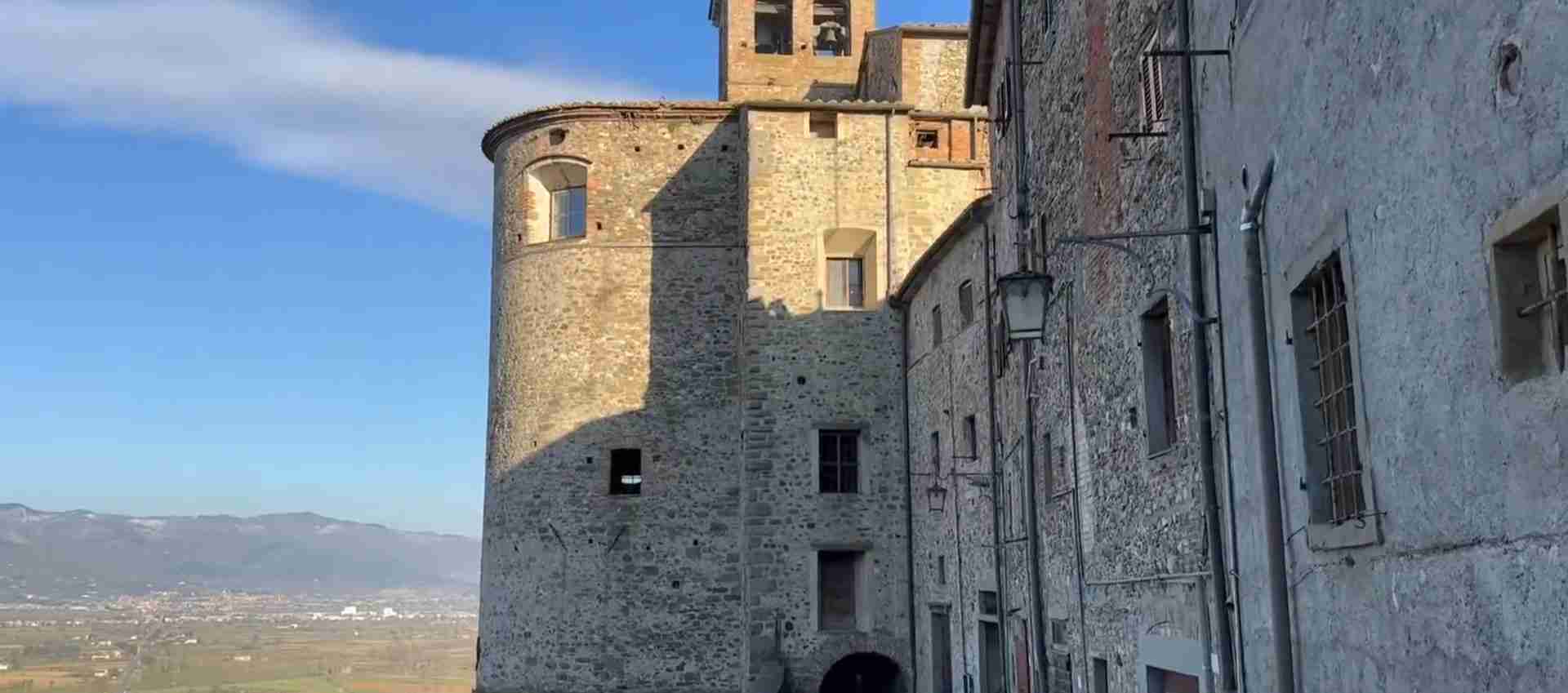
- Medieval Hill Towns Untouched by Tourism: Dozens of perfectly preserved medieval borghi including Anghiari, Cetona, Castiglione d’Orcia, and Montefioralle maintain authentic daily rhythms with local markets, artisan workshops, and communal life largely unaffected by tourism, offering genuine encounters with traditional Tuscan culture.
- Etruscan and Pre-Roman Heritage Sites: The necropoli of Populonia and Vetulonia, the sunken roads of Pitigliano and Sorano, and the mysterious archaeological sites scattered throughout southern Tuscany reveal civilizations that predated Rome by centuries, with many sites accessible only by hiking and rarely visited.
- Natural Landscapes and Outdoor Experiences: Alternative Tuscany encompasses wild coastal stretches along the Maremma coast, the dramatic marble peaks and canyons of the Apuan Alps, pristine rivers and waterfalls in the Garfagnana, and extensive cave systems—all offering hiking, swimming, and exploration opportunities far from tourist centers.
- Artistic and Spiritual Heritage Beyond Major Museums: Remote Romanesque abbeys like Sant’Antimo and San Galgano, hidden Renaissance frescoes in countryside churches, and pilgrimage routes including the Via Francigena preserve spiritual and artistic traditions in settings of profound tranquility and beauty.
- Authentic Culinary and Artisan Traditions: Small-scale producers of pecorino cheese in the Crete Senesi, chestnut flour millers in mountain villages, alabaster carvers in Volterra’s workshops, and family wineries in lesser-known appellations maintain craft traditions and food cultures largely unchanged by commercial tourism.
People Also Ask About Alternative Tuscany
What are the most authentic medieval towns in Tuscany without tourists?
The most authentically preserved and least touristed medieval towns in Tuscany include Anghiari in the Valtiberina, often cited as one of Italy’s most beautiful villages with its intact medieval fabric and local artisan tradition; Cetona in southern Tuscany, a perfectly preserved stone village with prehistoric cave dwellings nearby; Castiglione d’Orcia in the Val d’Orcia, maintaining traditional community life despite its spectacular setting; and Montefioralle above Greve in Chianti, a circular walled village where residents still outnumber visitors. These borghi retain functioning local economies, weekly markets serving residents rather than tourists, and communal traditions including festivals and seasonal celebrations that predate tourism. The key characteristic distinguishing these towns from popularized destinations like San Gimignano or Montepulciano is the presence of working artisan shops, local-focused restaurants, and the absence of souvenir stores—indicating communities that function as living towns rather than open-air museums.
Where can you find Etruscan ruins and archaeological sites in Tuscany?
Tuscany’s most significant and accessible Etruscan sites concentrate in three regions often bypassed by standard itineraries. The necropoli of Populonia near Piombino offer coastal tombs overlooking the sea with hiking trails connecting multiple burial sites through Mediterranean forest. The tufa towns of southern Tuscany—Pitigliano, Sorano, and Sovana—preserve extensive Etruscan infrastructure including vie cave (sunken roads carved through solid rock), rock-cut tombs, and underground chambers accessible by foot. The archaeological sites around Vetulonia and Roselle near Grosseto reveal substantial urban remains including city walls, streets, and foundations predating Roman conquest. Unlike the heavily touristed Etruscan sites of Umbria and Lazio, these Tuscan locations receive minimal visitors, rarely require advance booking, and often allow unguided exploration of ruins through countryside trails. The combination of archaeological significance and isolation creates opportunities for solitary encounters with three-thousand-year-old civilizations in landscapes little changed since antiquity.
What natural landscapes in Tuscany offer alternatives to vineyard tourism?
Tuscany’s natural landscapes extend far beyond the cultivated vineyard hills of Chianti and Montalcino to encompass dramatically different terrain and ecosystems. The Apuan Alps form a marble mountain range with peaks reaching nearly two thousand meters, offering alpine hiking, marble quarry exploration, and canyon swimming in clear mountain rivers. The Maremma coastal region preserves wild beaches, coastal pine forests, and wetlands where flamingos and wild horses roam, accessible through the Parco Regionale della Maremma’s restricted-access trails. The Garfagnana valley in northwestern Tuscany contains chestnut forests, limestone caves including the Grotta del Vento, and the Orrido di Botri canyon with emerald pools and waterfalls. The Casentino Forests in eastern Tuscany protect ancient beech and fir forests surrounding isolated monasteries and offering some of central Italy’s most pristine wilderness. These landscapes support activities including serious hiking, rock climbing, cave exploration, wild swimming, and wildlife observation—outdoor experiences impossible in the agricultural landscapes dominating mainstream Tuscany tourism and requiring different preparation, equipment, and expectations than vineyard visits.
How can travelers experience authentic Tuscan food culture away from tourist restaurants?
Authentic Tuscan food culture survives most vibrantly in contexts removed from tourism infrastructure. Weekly markets in non-tourist towns like Pontremoli, Abbadia San Salvatore, and Castelnuovo di Garfagnana function as genuine community gathering points where local producers sell seasonal vegetables, foraged mushrooms, handmade pasta, and mountain cheeses directly to residents who shop by established relationships rather than prices. Agriturismi in remote agricultural areas, particularly in the Lunigiana, Garfagnana, and southern Maremma, serve meals composed entirely of farm products including homemade pasta, estate-raised meat, and preserves made from orchard fruit—menus determined by season and harvest rather than tourist expectations. Small-scale producers offering direct sales and tastings—pecorino makers in the Crete Senesi, chestnut flour millers in mountain villages, olive oil producers in the Apuan foothills—provide encounters with artisans who work land often cultivated by their families for generations. Food festivals in interior villages celebrating single ingredients like the chestnut festivals of the Garfagnana or the sheep cheese celebrations of Pienza connect visitors with food traditions maintained through community participation rather than commercial promotion, where recipes and techniques pass between generations through practice rather than documentation.
Extended multi-day tours – 5+ days
Featured Tuscany Multi-Day Tour Packages
3 days
Tuscany 3-Day Discovery Tour
- ✓ Comprehensive Tuscany experience
- ✓ Expert local guides included
- ✓ All accommodation included
- ✓ Transportation provided
5 days
Tuscany 5-Day Highlights Experience
- ✓ Comprehensive Tuscany experience
- ✓ Expert local guides included
- ✓ All accommodation included
- ✓ Transportation provided
7 days
Tuscany 7-Day Cultural Journey
- ✓ Comprehensive Tuscany experience
- ✓ Expert local guides included
- ✓ All accommodation included
- ✓ Transportation provided

10 days
Tuscany 10-Day Complete Adventure
- ✓ Comprehensive Tuscany experience
- ✓ Expert local guides included
- ✓ All accommodation included
- ✓ Transportation provided
Multi-day tour packages powered by TourRadar. Prices and availability subject to change.
Introduction: Tuscany Beyond the Postcard
Tuscany’s international reputation rests on images so familiar they’ve become visual clichés: Florence’s Duomo rising above terracotta roofs, the Leaning Tower of Pisa defying gravity, cypress-lined roads winding through the Val d’Orcia’s perfect hills. These iconic landscapes and monuments represent genuine marvels worthy of their fame, yet they constitute merely the most photographed fragments of a region whose geographic and cultural diversity extends far beyond the scenes reproduced on travel posters and wine labels.
The Tuscany absent from guidebook covers encompasses territories and experiences fundamentally different from the cultivated beauty of Chianti vineyards or the Renaissance treasures of Florence museums. This alternative Tuscany reveals itself in the marble canyons of the Apuan Alps where centuries-old quarries still yield the white stone that built cathedrals across Europe, in the tufa hill towns of the deep south where Etruscan sunken roads connect villages barely changed since medieval times, in the wild coastal stretches of the Maremma where protected wetlands shelter migrating flamingos and indigenous cattle graze beneath umbrella pines. It appears in mountain valleys where isolated villages maintain dialects and culinary traditions distinct from the broader Tuscan identity, in remote abbeys where Gregorian chant still echoes through Romanesque naves, in thermal springs flowing from hillsides where locals have bathed for millennia.
This alternative landscape supports communities whose economies remain rooted in traditional activities—shepherding in the Crete Senesi, chestnut cultivation in the Garfagnana, marble quarrying in Carrara’s mountains, fishing along the Argentario coast—rather than tourism. The rhythm of life in these areas follows agricultural and seasonal patterns largely unaffected by visitor flows, with weekly markets serving local needs, festivals celebrating harvests and saints’ days rather than attracting tourists, and social life centered on community institutions predating modern tourism by centuries. In these contexts, travelers encounter Tuscany as a living culture rather than a preserved tableau, where genuine daily routines continue regardless of external observation.
The artistic and historical heritage of alternative Tuscany equals the celebrated monuments of major cities in significance while differing dramatically in context and atmosphere. Romanesque abbeys including Sant’Antimo, San Galgano, and the monastery complexes of the Casentino forests preserve architectural and spiritual traditions in settings of profound isolation and natural beauty. Remote churches throughout the countryside contain frescoes by masters including Piero della Francesca, Signorelli, and Sodoma, accessible without crowds or advance booking. Etruscan necropolises scattered across southern Tuscany reveal burial practices and artistic achievements predating Rome by centuries, with many sites reachable only by foot through Mediterranean scrubland. Medieval hill towns maintain complete urban fabrics—intact defensive walls, communal palaces, tower houses, and artisan quarters—in settlements so perfectly preserved and so little visited that walking their streets provides temporal displacement absent in destinations adapted to mass tourism.
The natural diversity of alternative Tuscany contradicts assumptions of uniform agricultural landscapes. The region encompasses true mountain ranges with alpine flora and challenging hiking trails, coastal ecosystems protecting rare wetland species, extensive cave systems with underground rivers and spectacular formations, deep forests harboring wolves and boar, thermal areas where hot springs emerge from hillsides creating natural bathing pools. These environments support outdoor activities including serious trekking, rock climbing, canyoning, cave exploration, wildlife observation, and wild swimming—experiences requiring different preparation and mindset than vineyard tours or museum visits, and attracting visitors motivated by nature and physical challenge rather than cultural tourism.
Discovering alternative Tuscany requires different approaches than exploring its famous cities and wine regions. Many of the most rewarding destinations lack public transportation connections, requiring rental vehicles and willingness to navigate secondary roads through sparsely populated terrain. Accommodations often consist of family-run agriturismi, small hotels in historic buildings, or simple mountain refuges rather than boutique properties catering to international tastes. Dining occurs in trattorias serving local clientele with handwritten menus in dialect, at communal tables in farmhouses, or at village sagre where volunteers prepare traditional dishes for community celebrations. Information exists primarily in Italian, with limited English signage or interpretation, and local knowledge accessed through conversation with residents rather than guidebooks or websites.
This guide maps alternative Tuscany across its distinct regions, identifying the hidden hill towns, Etruscan sites, natural landscapes, artistic treasures, and authentic cultural experiences that reward travelers seeking substance beyond the standard circuit. The destinations and experiences described here share common characteristics distinguishing them from mainstream Tuscany tourism: genuine remoteness requiring deliberate effort to reach, functioning local communities unaltered by visitor presence, natural rather than cultivated landscapes, and the absence of tourism infrastructure including organized tours, souvenir shops, and multilingual services. This is Tuscany for travelers willing to exchange convenience and comfort for authenticity and discovery, who value solitude over validation, and who seek encounters with places and traditions largely unknown beyond regional boundaries.
The Lunigiana: Tuscany’s Forgotten Northwest Corner
The Lunigiana occupies the mountainous northwestern extremity of Tuscany, a region of deep valleys and chestnut forests wedged between Liguria and Emilia-Romagna where cultural identity blends influences from all three regions while maintaining distinct traditions predating modern administrative boundaries. This isolated territory remained politically fragmented into dozens of feudal domains until Italian unification, a history of division reflected in the extraordinary concentration of castles crowning nearly every hilltop and the persistence of local dialects mutually unintelligible with standard Tuscan. The combination of dramatic topography, historical isolation, and economic marginalization preserved medieval settlement patterns, agricultural practices, and food traditions largely disappeared from more accessible parts of Tuscany.
The landscape of the Lunigiana consists of steep-sided valleys carved by the Magra River and its tributaries, with stone villages clinging to hillsides beneath mountain peaks exceeding fifteen hundred meters. Extensive chestnut forests once provided the economic foundation for mountain communities, yielding flour that served as the primary starch before the modern prevalence of wheat. These forests continue to be harvested following traditional methods, with elderly villagers gathering chestnuts each autumn for drying in stone structures called metati before grinding into the fine flour essential to local cuisine. The valleys contain microclimates supporting specialized agriculture including early-harvest vegetables, while higher elevations preserve alpine meadows where sheep graze during summer months.
Pontremoli, the Lunigiana’s largest town, functions as a genuine market center serving surrounding villages rather than a tourist destination, despite containing significant medieval architecture including bridges, towers, and the cathedral of Santa Maria del Popolo. The town’s weekly Wednesday market fills the historic center with stalls selling local produce, mountain cheeses, chestnut flour products, and wild mushrooms gathered from surrounding forests. The Castello del Piagnaro houses the Museum of Statue Stele, displaying dozens of mysterious anthropomorphic stone sculptures carved between the Bronze Age and Roman period, found throughout the Lunigiana and representing one of prehistoric Europe’s most enigmatic artistic traditions. The town’s restaurants serve authentic Lunigiana specialties rarely found elsewhere in Tuscany, including testaroli (a unique thin pasta cooked on stone griddles), panigacci (flatbreads traditionally baked in terracotta plates), and dishes incorporating chestnut flour.
The castles of the Lunigiana represent the region’s most distinctive architectural heritage, with fortifications including the Malaspina castles of Fosdinovo, Villafranca, and Mulazzo dominating valley approaches and hilltop positions. These structures evolved from defensive towers into Renaissance residences while maintaining military features including crenellated walls, drawbridges, and strategic positions commanding views across multiple valleys. Fosdinovo Castle particularly rewards exploration, its massive walls enclosing frescoed halls, a courtyard well, and ramparts offering panoramic views extending to the Mediterranean. Unlike heavily restored castles adapted for tourism, many Lunigiana fortifications remain in private ownership or local government control, visited primarily by regional school groups and accessible through limited opening hours that vary seasonally.
The Via Francigena pilgrimage route traverses the Lunigiana, entering Tuscany from Emilia-Romagna through the Cisa Pass before descending through Pontremoli toward the coast. This medieval pilgrimage road to Rome preserves sections of original stone paving, historic bridges, and the infrastructure of hospitality including churches, hospices, and way stations that served pilgrims for centuries. Walking the Lunigiana sections of the Via Francigena provides access to remote valleys and villages unreachable by vehicle, following ancient routes through chestnut forests and across mountain streams while encountering landscapes little altered since medieval times. Modern pilgrims and hikers utilize the same trail network, though encountering far fewer fellow travelers than on Tuscany’s more famous pilgrimage routes.
The village of Filattiera preserves one of the Lunigiana’s most complete medieval urban fabrics, its stone houses rising in tiers above the Magra River around the Pieve di Sorano, a Romanesque church dating to the seventh century. The settlement maintains the spatial organization of a medieval borgo, with narrow lanes connecting small piazzas, defensive towers incorporated into later buildings, and the remains of walls once enclosing the entire community. The surrounding countryside contains numerous isolated Romanesque churches including San Giorgio di Filattiera with its carved capitals and the Pieve di Venelia, structures built to serve rural populations now largely departed but still maintained by surviving residents and occasionally used for worship.
Equi Terme combines natural wonders with prehistoric significance, a small settlement in the Apuan Alps foothills where thermal springs emerge near extensive cave systems inhabited from Paleolithic times through the medieval period. The Grotta di Equi reveals chambers with stalactites and stalagmites alongside archaeological deposits yielding tools, pottery, and evidence of continuous human occupation spanning millennia. The thermal springs flowing nearby maintain constant temperatures allowing outdoor bathing year-round in pools surrounded by chestnut forest, facilities managed by the local community rather than commercial spa operations. The combination of natural beauty, archaeological significance, and thermal waters attracts primarily regional visitors, with limited facilities maintaining an authentically local character.
The cuisine of the Lunigiana reflects mountain traditions and historical poverty that necessitated maximizing every local resource. Chestnut flour appears in numerous preparations including castagnaccio (a dense cake with pine nuts, rosemary, and olive oil), necci (griddle-cooked flatbreads filled with fresh ricotta), and polenta made from chestnuts rather than corn. Testaroli, the region’s unique pasta, consists of thin pancakes cooked on hot stones then cut into diamonds and boiled before dressing with pesto or mushroom sauce. Herb-filled pies called torte d’erbe utilize wild greens gathered from fields and forest edges, their fillings varying with season and location. Lamb and kid dishes reflect continued sheep and goat herding, while porcini mushrooms gathered from chestnut forests during autumn appear fresh, preserved in oil, or dried for year-round use. These dishes rarely appear on menus outside the region, their preparation requiring specific local ingredients and techniques passed through generations of home cooks.
The Garfagnana: Mountain Valleys and Chestnut Forests
The Garfagnana stretches along the Serchio River valley between the Apuan Alps and the Apennine Mountains in northwestern Tuscany, a region of dramatic topography where limestone peaks rise above deep forests of chestnut, beech, and fir. This mountain territory remained politically distinct from the rest of Tuscany for much of its history, governed by the Este family of Ferrara whose fortress towns controlled the strategic valley connecting the Tyrrhenian coast with the Po valley. Geographic isolation and limited agricultural potential prevented large-scale development, preserving traditional mountain economies based on chestnut cultivation, animal husbandry, and forest resources that continue to shape regional identity and culture.
Castelnuovo di Garfagnana serves as the region’s principal town, its historic center enclosed by medieval walls and dominated by the Rocca Ariostesca, a fortress where the Renaissance poet Ludovico Ariosto served as Este governor in the sixteenth century. The town’s Thursday market fills streets around the duomo with stalls selling regional products including chestnut flour, farro grain, mountain cheeses, and wild berries, functioning as a genuine commercial center for surrounding villages rather than a tourist attraction. The valley’s position between mountain ranges creates distinctive microclimates supporting specialized agriculture including farro della Garfagnana, an ancient grain variety with protected geographical indication status, and small-scale vegetable cultivation in riverside terraces.
The Apuan Alps form the western boundary of the Garfagnana, a mountain range reaching peaks above eighteen hundred meters despite proximity to the coast, with terrain ranging from marble quarries to alpine meadows. The Parco Regionale delle Alpi Apuane protects extensive wilderness areas accessible through marked hiking trails connecting mountain refuges, leading to summits offering views from the Mediterranean to the Apennines. The landscape combines characteristics of both Mediterranean and alpine environments, with chestnut forests giving way to beech woods and eventually bare rock and seasonal snow at higher elevations. The marble quarries of Carrara and Massa on the range’s western slopes create surreal landscapes of white peaks and terraced excavations, some quarries accessible by hiking trails revealing the scale of marble extraction continuing since Roman times.
The Orrido di Botri represents one of Tuscany’s most spectacular natural sites, a limestone canyon carved by the Pelago stream through the mountains east of Castelnuovo. Access requires advance booking with the regional park authority as visitor numbers are limited to protect the fragile environment, with entry permitted only during summer months when water levels allow safe passage. The canyon route follows the stream through narrow passages between vertical rock walls exceeding one hundred meters high, requiring wading through pools and scrambling over boulders, with sections of trail following chains bolted to canyon walls. The isolation and physical demands ensure encounters with unspoiled nature and near-solitary experiences despite the canyon’s location in central Tuscany.
The Grotta del Vento constitutes one of Italy’s most extensive explored cave systems, with more than four kilometers of passages containing diverse formations including stalactites, stalagmites, underground lakes, and peculiar mineral deposits. Guided tours of varying length and difficulty lead through different sections of the cave network, from gentle walks viewing spectacular chambers to multi-hour expeditions requiring crawling through tight passages and descending vertical shafts. The cave maintains constant cool temperatures year-round, creating natural air conditioning that explains its name “Cave of the Wind” derived from strong air currents flowing between different cave entrances at varying elevations. The cave’s location in a remote valley ensures primarily regional visitation, with tours conducted in Italian and limited to small groups.
The Parco dell’Orecchiella protects mountain wilderness in the Apennine range east of Castelnuovo, with beech and fir forests sheltering wildlife including deer, mouflon, and wolves reintroduced to the Apennines after local extinction. Hiking trails cross the park connecting refuges and leading to mountain lakes and peaks, with the landscape transitioning from dense forest to alpine meadows above the tree line. The park maintains low visitation levels compared to more accessible Tuscan parks, requiring mountain hiking skills and appropriate equipment while offering wilderness experiences and wildlife observation opportunities rarely available in central Italy. Winter snow closes higher elevations for several months annually, with cross-country skiing possible when conditions permit.
Traditional stone villages scattered throughout the Garfagnana valleys preserve architectural and spatial characteristics reflecting centuries of mountain isolation. Vagli Sotto occupies a particularly dramatic position, the original village now submerged beneath the waters of an artificial reservoir created in the 1940s, its stone buildings and church tower occasionally visible when the reservoir is drained for maintenance. Careggine, another village associated with the reservoir, maintains a perfectly preserved medieval core with stone houses clustered around narrow lanes, the settlement largely abandoned following reservoir construction with only seasonal residents remaining. Vergemoli and Trassilico exemplify intact mountain borghi with complete defensive circuits, stone architecture utilizing local materials, and churches containing medieval frescoes, settlements that function as living communities despite populations reduced to dozens of permanent residents.
Barga stands apart from other Garfagnana towns as a cultural center with unusual cosmopolitan heritage derived from historical emigration to Scotland, with returning migrants building villas incorporating Scottish architectural elements and establishing cultural connections maintained through annual gatherings of the Barga-Scotland community. The historic center rises on a hillside crowned by the duomo, a Romanesque cathedral containing a twelfth-century pulpit with intricate marble carvings. The town hosts a summer opera festival and jazz festival that attract international performers to venues including the cathedral and the nineteenth-century Teatro dei Differenti, cultural events reflecting Barga’s role as a regional artistic center unusual for a mountain town.
The cuisine of the Garfagnana emphasizes chestnut flour, farro, wild mushrooms, and game reflecting the mountain environment and limited agricultural land. Farro soup prepared with beans, vegetables, and mountain herbs represents the regional signature dish, the ancient grain cultivated in valley terraces since Etruscan times providing nutritional staple and protected agricultural heritage. Castagnaccio, torta di neccio, and polenta di neccio all utilize chestnut flour in different preparations sweet and savory. Wild boar, hare, and deer appear in stews and pasta sauces during hunting season, while porcini mushrooms harvested from mountain forests dry for winter use or preserve in oil. The biroldo, a blood sausage incorporating chestnut flour and spices, exemplifies dishes reflecting historical necessity to utilize every animal part, preparations maintained through tradition rather than tourism.
The Crete Senesi: Clay Hills and Medieval Fortifications
The Crete Senesi occupies the territory southeast of Siena, a landscape of rounded clay hills where erosion has sculpted terrain of stark beauty characterized by gray-white exposed earth, isolated farmhouses, and lines of cypress marking field boundaries and roads. This terrain type, created by marine sediments deposited when the area formed the seabed millions of years ago, resists cultivation and supports primarily sheep grazing, creating an agricultural economy focused on pecorino cheese production that shapes the region’s appearance and culture. The combination of dramatic geology, relative emptiness, and light quality attracts landscape photographers while remaining largely bypassed by tourists moving between Siena and Montepulciano.
The visual character of the Crete derives from the clay soil’s erosion patterns, creating badlands topography of bare slopes and deep gullies locally called calanchi. Rain rapidly erodes the exposed clay, forming intricate patterns of ridges and channels while preventing vegetation establishment, resulting in landscapes appearing almost lunar in their barrenness. Spring transforms these same slopes with temporary grass and wildflower growth, creating vibrant green swaths across the usually gray terrain. The few trees punctuating the landscape—cypress, oak, and occasional pine—concentrate along ridgelines and mark property boundaries, their vertical forms providing dramatic contrast to the flowing horizontal lines of the hills.
Asciano functions as the principal town of the northern Crete Senesi, a medieval settlement preserving complete defensive walls, tower houses, and Romanesque and Gothic churches within its historic core. The Museo Civico Archeologico e d’Arte Sacra contains significant Sienese school paintings and Etruscan artifacts from surrounding archaeological sites, while the Museo Cassioli displays works by local artists depicting the Crete landscape and traditional rural life. The town’s position on the old Laurentian Road connecting Siena to Arezzo made it a strategic point whose fortifications reflect centuries of conflict between rival powers. Contemporary Asciano maintains a market town function serving surrounding farms, with weekly markets and shops oriented to local needs rather than tourism.
Rapolano Terme combines medieval architecture with thermal springs, a walled town where natural hot water emerges at temperatures allowing bathing year-round in outdoor pools surrounded by countryside rather than developed spa facilities. The Terme di San Giovanni and Terme dell’Antica Querciolaia offer rustic thermal bathing in settings emphasizing natural elements over luxury amenities, with calcium-sulfate waters flowing into stone pools overlooking clay hills. The thermal areas attract primarily regional visitors seeking therapeutic benefits rather than spa experiences, with facilities maintaining simple infrastructure and limited services. The town itself preserves medieval fortifications, a central piazza with travertine paving quarried locally, and churches containing Sienese art.
Buonconvento occupies a strategic position where the Ombrone and Arbia rivers meet, its medieval walls enclosing a remarkably intact historic center arranged along a central via maestra connecting opposing gates. The town’s importance as a defensive point and way station on routes between Siena and Rome resulted in substantial fortifications and civic architecture, with the main street preserving original stone paving and lined by medieval tower houses. The Museo d’Arte Sacra della Val d’Arbia houses an exceptional collection of Sienese paintings removed from countryside churches for preservation, including works by Duccio, Pietro Lorenzetti, and Matteo di Giovanni displayed in intimate settings allowing close examination. The town’s position outside major tourist circuits maintains authentic local character despite its architectural and artistic significance.
The abbazia di Monte Oliveto Maggiore rises from a valley of eroded clay hills, a Benedictine monastery founded in the fourteenth century whose complex includes a church with intarsia choir stalls, a great cloister decorated with frescoes depicting the life of Saint Benedict by Signorelli and Sodoma, and monastic buildings still occupied by a small community of monks. The frescoes represent one of the Renaissance’s major fresco cycles, their condition and detail extraordinary despite the monastery’s remote location and limited visitation. The monks maintain traditional monastic rhythms including Gregorian chant during services open to visitors, botanical gardens cultivating medicinal herbs, and a pharmacy selling herbal preparations and liqueurs produced following historical recipes. The monastery’s isolation in the Crete landscape enhances its spiritual atmosphere, with cypress-lined approach roads and surrounding silence reinforcing the contemplative nature of the site.
San Giovanni d’Asso perches atop a clay hill, a compact borgo arranged around a medieval fortress now housing a tartufo museum celebrating the white truffles gathered in oak groves surrounding the village. The settlement preserves the spatial organization of a fortified hilltop village with concentric lanes circling the castle and church, stone houses incorporating medieval fabric, and defensive walls adapted into later structures. The surrounding countryside produces white truffles from November through January, with local hunters and their trained dogs seeking the prized fungi that form the basis for an annual truffle festival and support a modest local economy. The village’s small scale and agricultural focus maintain authentic character despite growing recognition for its truffle production.
The Crete’s pecorino cheese represents the region’s primary agricultural product, with dozens of small producers grazing sheep across the clay hills and aging cheese in caves, farmhouse cellars, and specialized facilities. Many producers welcome visitors for direct sales and informal tastings, offering varieties ranging from fresh soft cheese to aged pecorino with the hardness and sharpness appreciated by locals. The cheese reflects the terroir of the Crete, with flavors influenced by the wild herbs and grasses sheep graze across the hills, creating regional distinctiveness within the broader Tuscan pecorino tradition. Visiting farms provides encounters with working agricultural landscapes and artisans who maintain production methods inherited from previous generations.
The landscape of the Crete provides exceptional opportunities for landscape photography, with the simplified forms, subtle colors, and dramatic light creating compositions of stark beauty. Dawn and dusk intensify the clay hills’ colors while creating long shadows that emphasize topographic relief, with the area’s elevation and open terrain offering expansive views rarely obstructed by development or vegetation. Individual landmark features including isolated farmhouses, cypress lines, and the chapel of Madonna di Vitaleta attract photographers seeking to capture the essence of Tuscan landscape distilled to essential elements. The relative emptiness and agricultural focus ensure minimal tourism infrastructure, with photographers often finding themselves alone with the landscape at optimal light conditions.
The Maremma Coast and Southern Tuscany
The Maremma extends across southern coastal Tuscany from the Gulf of Follonica to the Lazio border, a region of wild beaches, coastal pine forests, wetlands, and isolated hill towns that remained sparsely populated malarial marshland until drainage and development in the twentieth century. This history of marginalization preserved natural landscapes and traditional agricultural practices largely disappeared from more developed parts of Tuscany, creating a region where nature, archaeology, and authentic rural culture coexist away from mainstream tourism. The combination of protected coastal ecosystems, Etruscan ruins, medieval towns, and working cattle ranches creates an alternative Tuscany fundamentally different from the cultivated landscapes dominating the region’s international image.
The Parco Regionale della Maremma protects coastal wilderness between the Ombrone River mouth and Talamone, with access restricted to limited daily visitor numbers entering through park gates after advance booking. The protected area encompasses Mediterranean forest, coastal dunes, wetlands, and the Monti dell’Uccellina hills, with marked trails leading to secluded beaches, medieval watchtowers, and the ruins of the San Rabano abbey overlooking the coast. Wildlife includes wild boar, fallow deer, porcupines, and seasonal concentrations of flamingos and other waterbirds in coastal lagoons. The park’s visitor limits and lack of facilities maintain wilderness character despite location near the developed coast, with trails ranging from easy beach walks to challenging full-day hikes requiring good physical condition and adequate water.
Sovana ranks among Tuscany’s most atmospheric and least touristed medieval towns, a settlement reduced to barely one hundred permanent residents preserving an intact medieval streetscape including a Romanesque cathedral, fortified palace, and the church of Santa Maria with pre-Romanesque architecture dating to the Lombard period. The town’s medieval prosperity derived from its position controlling Etruscan routes and mining wealth, with the Aldobrandeschi family ruling from Sovana before their power shifted to Pitigliano. The settlement’s dramatic decline following incorporation into the Grand Duchy of Tuscany and malaria epidemics left the medieval fabric largely unaltered by later construction, creating a time-capsule quality enhanced by the near-absence of commercial development. The surrounding countryside contains extensive Etruscan necropolises including the Tomba Ildebranda, an elaborate temple-tomb with colonnaded facade carved into tufa hillside.
Pitigliano presents one of Tuscany’s most striking urban landscapes, the medieval town rising on a tufa outcrop with houses appearing to grow from the living rock, their foundations carved directly into the porous volcanic stone. The town preserves a significant Jewish heritage including a synagogue, kosher butcher, bakery, and ritual bath, remnants of the Jewish community that found refuge in Pitigliano from the sixteenth century and contributed to the town’s cultural identity until World War II. The surrounding plateau contains Etruscan vie cave, sunken roads carved through solid tufa to depths exceeding twenty meters, their purpose debated by archaeologists but creating dramatic passages through the countryside. The town’s dramatic position and historical layers attract more visitors than neighboring Sovana and Sorano, yet maintains authentic character with local businesses serving residents alongside modest tourism.
Sorano completes the tufa town triad, a medieval settlement similarly constructed on and within tufa outcrops with streets, cellars, and defensive works carved from the volcanic stone. The massive Fortezza Orsini dominates the town, a Renaissance fortress incorporating earlier Aldobrandeschi structures and offering views across the surrounding valley. The Vie Cave di Sorano, accessible by foot from the town, form an extensive network of Etruscan sunken roads connecting settlements and necropolises, some passages maintaining vertical walls towering fifteen meters above narrow trails where vegetation creates tunnel-like passages. The town’s position off major routes and limited accommodation options preserve local character despite growing recognition of the area’s unique archaeological and architectural heritage.
Saturnia’s thermal springs create natural pools where hot sulfurous water cascades over travertine terraces into milky-blue basins where bathers immerse year-round, day and night, in outdoor settings without facilities or regulation. The Cascate del Mulino, the most accessible thermal area, flows beside a country road with informal parking and attracts crowds during summer and weekends but remains remarkably unspoiled, a communal bathing area where locals mix with visitors in pools formed naturally by mineral deposits. The water emerges from underground at constant thirty-seven-degree temperature, its sulfur content claimed to have therapeutic properties for skin and respiratory conditions. The nearby archaeological site of Saturnia reveals Etruscan and Roman settlement layers, with sections of walls, gate, and necropolis indicating the spring’s long history of human use.
The Monte Argentario promontory extends into the Tyrrhenian Sea connected to the mainland by sandy tomboli enclosing the Orbetello lagoon, with the towns of Porto Santo Stefano and Porto Ercole preserving Spanish fortifications from their period as a Tuscan outpost of the Spanish crown. The mountainous interior remains largely undeveloped, with macchia vegetation covering steep slopes rising to six hundred meters elevation, while the indented coastline preserves rocky coves and small beaches accessible by foot trails. The lagoon environment supports significant bird populations including flamingos and other waders, with the Riserva Naturale Laguna di Orbetello protecting wetland habitat increasingly rare on developed Mediterranean coasts. The area maintains a fishing tradition including the traditional fish traps of the lagoon, while remaining distinct from mainstream Tuscan tourism despite proximity to Rome.
Populonia stands as the only Etruscan city built directly on the coast, its acropolis occupying a promontory overlooking the Gulf of Baratti while extensive necropolises spread across surrounding slopes now covered by Mediterranean forest. The archaeological park preserves various tomb types including tumuli, aedicula tombs, and chamber tombs, connected by trails offering coastal views between burial sites. The medieval village occupying the ancient acropolis contains a small museum displaying artifacts from the site, while the position provides panoramic views across the gulf to Elba island. The combination of coastal setting, forest trails, and archaeological significance creates a distinctive site different from inland Etruscan centers, with beaches in Baratti bay offering swimming below the ancient necropolis.
The Maremma’s cattle culture centers on the butteri, mounted herdsmen who manage semi-wild cattle and horses across coastal ranches and protected areas. These cowboys maintain traditions including distinctive dress, horsemanship skills, and annual festivals demonstrating cattle-handling techniques and mounted competitions. The white Maremmana cattle grazing coastal pastures and wetlands represent an indigenous breed adapted to marshy terrain and heat, their presence shaping the landscape alongside buffalo introduced for mozzarella production. Several ranches offer opportunities to observe working butteri and taste beef from Maremmana cattle, encounters with authentic agricultural traditions continuing despite modern ranching pressures.
The Apuan Alps: Marble Mountains and Alpine Landscapes
The Apuan Alps rise precipitously from the Versilia coast, a compact mountain range reaching peaks above eighteen hundred meters within ten kilometers of the sea, creating alpine terrain unique in coastal Tuscany. The mountains’ marble composition—extensive beds of white and colored stone formed from metamorphosed Mesozoic limestone—shaped both the landscape’s appearance and human history, with quarrying begun by Romans continuing through twenty centuries to supply stone for architectural and sculptural purposes worldwide. The combination of marble peaks, deep valleys, dramatic topography, and proximity to the coast creates environments ranging from Mediterranean to alpine within minimal horizontal distance, supporting diverse flora and fauna while offering outdoor activities from beach to summit within single days.
Carrara’s marble quarries constitute one of the world’s most extensive and continuous stone extraction sites, with hundreds of active and abandoned quarries terracing mountainsides in surreal landscapes of white peaks and vertical walls. The quarries producing stone for Michelangelo’s sculptures continue operation using modern machinery alongside remnants of historical extraction including hand-carved channels, loading areas, and the narrow-gauge railways that transported blocks to coast. Visiting quarries requires joining organized tours or obtaining advance permission from quarry operators, with routes leading by rough roads to extraction sites where machinery cuts blocks from mountain faces. The quarry tours reveal the scale of marble extraction and the techniques continuing this centuries-old industry, while abandoned quarries accessible by hiking trails provide opportunities to explore historical workings and appreciate the marble’s geological formations.
The Parco Regionale delle Alpi Apuane protects mountain wilderness covering the range’s central and eastern sections, with marked trails ascending from valleys to peaks including Monte Pisanino, the highest summit, and Monte Forato, notable for a natural arch piercing the mountain. The trail network connects mountain refuges offering overnight accommodation, with routes ranging from valley walks to challenging ascents requiring mountain experience and appropriate equipment. The park’s distinctive feature consists of the juxtaposition of Mediterranean and alpine environments, with chestnut and oak forests at lower elevations giving way to beech woods and eventually bare limestone and marble peaks supporting alpine flora including endemic species found nowhere else. Wildlife includes golden eagles, mouflon, and extensive populations of wild boar.
The cave systems of the Apuan Alps include some of Italy’s deepest and most extensive underground networks, with the Antro del Corchia extending more than seventy kilometers and reaching depths below fourteen hundred meters below surface. The Grotta del Vento, described earlier in the Garfagnana section, represents the most accessible cave for general visitors, while the Antro del Corchia offers guided tours through sections of the vast cave system including galleries with exceptional formations. The caves formed through limestone dissolution by underground water, creating passages, chambers, lakes, and spectacular speleothems including stalactites, stalagmites, and rare helictites. The constant cool temperature and complete darkness preserve delicate formations and create environments supporting specialized cave fauna adapted to permanent darkness.
Colonnata clings to mountainside above Carrara, a quarry village famous for lardo, cured pork fat aged in marble basins with herbs and spices following recipes unique to the settlement. The village’s houses and narrow lanes utilize marble in every element from paving to walls to fountain basins, creating a uniformly white settlement whose existence derives entirely from quarrying. The lardo, initially quarry workers’ cheap protein, achieved gourmet status and protected geographical indication recognition, with producers offering tastings and direct sales from cellars where the product ages in marble containers. The setting, cuisine, and marble omnipresence create an atmosphere fundamentally shaped by stone extraction, providing insight into communities whose economies and identities remain tied to quarrying despite tourism.
Stazzema and its frazione of Sant’Anna preserve memorials to a World War II massacre where SS troops killed more than five hundred civilians in August 1944, the ruins of the destroyed village maintained as a memorial site and museum documenting Nazi war crimes and local resistance. The contemporary Sant’Anna occupies a site below the original settlement, while the ruins and ossuary memorialize one of Italy’s worst civilian massacres. The peaceful mountain setting contrasts starkly with the violence commemorated, creating a powerful site of memory and reflection. The area’s trails connect Sant’Anna with surrounding villages and mountains, allowing combination of memorial visitation with mountain hiking.
The Orto Botanico delle Alpi Apuane near Pian della Fioba protects representative flora from different mountain elevations, with outdoor and greenhouse collections displaying endemic species, alpine plants, and vegetation typical of various Apuan habitats. The garden’s position at nearly nine hundred meters elevation allows cultivation of mountain species difficult to maintain at lower altitudes, with trails connecting different environmental zones and providing views across the valley. The botanical garden functions primarily as a research and conservation facility rather than tourist attraction, with limited opening hours and rustic infrastructure maintaining focus on scientific purposes.
Forte dei Marmi and the Versilia coast represent the Apuan region’s developed face, beaches and promenades contrasting with mountain wilderness inland. However, the beach towns preserve limited areas of natural dune and pine forest including the Parco della Versiliana and Lido di Camaiore’s protected dune systems, remnants of the extensive coastal forest once covering the Versilia plain. These protected coastal fragments support distinctive Mediterranean flora and provide wildlife corridors between mountains and sea, areas accessible by foot and bicycle while receiving minimal attention from beach-focused visitors.
The cuisine of the Apuan region reflects both mountain and coastal influences, with quarry villages maintaining traditions based on preserved meats, chestnut flour, and wild foods, while coastal areas emphasize seafood. Lardo di Colonnata represents the signature mountain product, served in thin slices with bread or incorporated into hot dishes. Testaroli appear here as in the Lunigiana, along with other chestnut flour preparations. Wild mushrooms and chestnuts gathered from mountain forests supply seasonal ingredients, while game including wild boar and hare provide protein. Coastal towns offer fish and seafood preparations reflecting Ligurian influences, with anchovies, mackerel, and other oily fish preserved in salt or oil for year-round use.
The Casentino: Forests and Monasteries
The Casentino occupies the upper Arno valley in eastern Tuscany, a region of mountain ridges and deep forests whose isolation and spiritual associations attracted monastic settlement from early medieval times. The territory’s extensive woodlands—predominantly beech and fir—constitute some of the Apennines’ most pristine forest environments, protected within the Parco Nazionale delle Foreste Casentinesi and long managed by religious communities whose sustainable forestry practices maintained ecosystem health across centuries. This combination of natural wilderness and spiritual heritage creates landscapes where nature and contemplation intertwine, with ancient monasteries emerging from forests that have sheltered hermits and monks for more than a millennium.
The Parco Nazionale delle Foreste Casentinesi, Monte Falterona e Campigna protects nearly forty thousand hectares of mountain wilderness spanning the Tuscan-Romagnolo Apennines, with forests including old-growth beech and fir stands among the most extensive temperate forest remnants in the Mediterranean basin. The forest’s designation as a biosphere reserve recognizes exceptional biodiversity including wolves, deer, and rare forest birds, with minimal human intervention in core zones allowing natural processes to shape ecosystem development. Hiking trails ranging from easy valley walks to challenging ridge traverses provide access to forests, waterfalls, and peaks including Monte Falterona, the Arno River’s source. The forest’s density and extensive trail network allow multi-day trekking experiences in wilderness settings remarkable for peninsular Italy.
The Monastero di Camaldoli occupies a forest clearing where Saint Romuald established a hermitage in the eleventh century, the monastery complex encompassing the Sacro Eremo where monks maintain contemplative life in individual cells and the monastery proper serving as retreat center and maintaining pharmacy, library, and accommodations for visitors. The setting in dense fir forest cultivates an atmosphere of profound silence and isolation despite the site’s accessibility by road, with the hermitage particularly preserving solitary contemplative character. The monks maintain forestry operations following sustainable practices developed across centuries, managing extensive woodlands that supply the monastery while preserving forest ecosystems. Visitors can attend services in the monastery church, visit the historic pharmacy selling herbal preparations and liqueurs, and walk forest trails connecting the hermitage and monastery.
The Santuario della Verna crowns a mountain above the Casentino valley where Saint Francis received the stigmata in 1224, the sanctuary complex built around the cave and rock outcrop where the saint prayed, incorporating numerous chapels, churches, and cloisters decorated with della Robbia ceramics. The site maintains active Franciscan presence with friars leading services, offering spiritual direction, and welcoming pilgrims and visitors to this mountaintop spiritual center. The panoramic views from the sanctuary terrace extend across the Casentino and Apennine peaks, while forest trails descend from the complex through beech and fir woods. The combination of natural beauty, artistic heritage, spiritual significance, and continuing religious community creates a site of deep contemplative atmosphere despite substantial visitation during pilgrimage seasons.
Poppi rises on a hill above the Casentino valley, its medieval castle with distinctive tower dominating the landscape and serving as the settlement’s architectural focus. The castello preserves its medieval structure including the great hall with frescoes, chapel, and library, while the tower offers views across the valley and surrounding mountains. The historic center below the castle maintains medieval spatial organization with narrow streets, stone buildings, and the parish church containing important artworks. The town functions as a Casentino administrative and commercial center, with weekly markets and shops serving local needs while welcoming modest tourism focused on the castle and surrounding countryside.
Stia occupies the Arno’s upper valley where the river emerges from mountain slopes, a small town preserving medieval architecture including a Romanesque parish church and central piazza with historic porticos. The town served as a wool textile center from medieval times through the twentieth century, with the Museo dell’Arte della Lana documenting regional textile production and the Arno valley’s economic history. The surrounding countryside contains the sources of the Arno on Monte Falterona’s slopes, accessible by hiking trails through beech forest, and the Pieve di Romena, one of the Casentino’s finest Romanesque churches preserving carved capitals and atmospheric simplicity.
The hermitages and small religious sites scattered throughout Casentino forests represent centuries of contemplative tradition, with structures including the Eremo di Camaldoli, the Eremo di Cerbaiolo, and numerous isolated cells and chapels where hermits sought solitary prayer in wilderness settings. Many of these sites remain active with religious communities, while others are maintained as historical sites accessible by forest trails. The tradition of forest hermitage continues with contemporary hermits living in renovated cells or new simple structures, maintaining the Casentino’s identity as a landscape particularly suited to contemplative life.
The cuisine of the Casentino reflects mountain traditions with emphasis on chestnuts, mushrooms, game, and products from monastery farms. Chestnut flour appears in sweet and savory preparations, while porcini mushrooms dried or preserved in oil provide year-round use. Wild boar, hare, and deer from mountain forests supply meat for stews and pasta sauces, preparations often incorporating local herbs and wine. The monasteries maintain agricultural operations producing honey, herbal products, and liqueurs sold in monastery shops, products following traditional recipes and maintaining quality standards associated with monastic production. Cheese from sheep and cows grazed in mountain pastures represents another regional product, with pecorino varieties aged in monastery cellars.
The Metalliferous Hills and Volterra
The Colline Metallifere stretch across southern Tuscany between Siena and the coast, a region of forested hills whose name derives from extensive mineral deposits exploited since Etruscan times through the late twentieth century. The mining heritage shapes contemporary landscape and culture, with abandoned mines, processing facilities, and mining villages creating industrial archaeology scattered across countryside now reverting to nature. This territory remains among Tuscany’s least touristed despite significant natural beauty, authentic villages, and the dramatic hilltop city of Volterra preserving Etruscan, Roman, and medieval heritage in extraordinary concentration.
Volterra commands a hilltop position with views extending to the Tyrrhenian coast and surrounding Tuscan hills, its dramatic setting enhanced by the Balze, eroding cliffs that have consumed portions of Etruscan necropolis and threaten medieval structures at the historic center’s edge. The city preserves extensive Etruscan remains including the Porta all’Arco gate with carved heads, significant sections of defensive walls, and rich archaeological collections in the Museo Etrusco Guarnacci displaying thousands of funerary urns with remarkably detailed reliefs depicting mythological and daily life scenes. The Roman theater excavated below the city walls represents one of Tuscany’s best-preserved Roman structures, its cavea and stage building largely intact. Medieval Volterra centers on the Piazza dei Priori, its austere stone palaces and fortress tower exemplifying the city’s long independence and strategic importance.
The Alabaster of Volterra constitutes the city’s artisan heritage, translucent gypsum quarried from nearby hills and carved since Etruscan times into vessels, sculptures, and decorative objects. Contemporary artisans maintain workshops throughout the historic center, demonstrating techniques and creating pieces ranging from traditional Etruscan-style alabaster urns to modern designs. The Ecomuseo dell’Alabastro occupies multiple sites including workshops and an alabaster mine, documenting extraction and working techniques while providing opportunities to observe artisans at work. The stone’s translucent quality and relative softness allow intricate carving, creating distinctive works identified with Volterra across centuries.
Massa Marittima rises on hills northwest of the Metalliferous region proper, a medieval city preserving one of Tuscany’s finest Romanesque-Gothic cathedrals, exceptional civic architecture, and complete defensive circuits. The cathedral of San Cerbone dominates the Piazza Garibaldi with its carved facade and interior containing a remarkable reliquary arch and pre-Romanesque sarcophagus. The town divides between lower Città Vecchia and upper Città Nuova, the latter added during fourteenth-century expansion and connected by fortified passages preserving medieval defensive architecture. The Torre del Candeliere and attached fortress walls offer panoramic views across the surrounding mining landscape toward the coast. The Museo della Miniera provides underground access to restored mine galleries, revealing working conditions and extraction techniques from the city’s mining heritage.
Monterotondo Marittimo exemplifies the smaller settlements of the Metalliferous Hills, a village preserving medieval architecture while situated amid geothermal features including the fumaroles and mineral springs of the Valle del Diavolo. The landscape around the village includes areas where steam vents emerge from ground, mineral deposits color soil and rocks, and hot springs create microclimates supporting vegetation unusual for the elevation. The Parco Tecnologico e Archeologico delle Colline Metallifere maintains sites documenting mining heritage including the Museo della Miniera, archaeological remains of Etruscan and medieval mining, and trails connecting industrial archaeology sites. The combination of geothermal activity and mining heritage creates a distinctive landscape where nature and human extraction history intertwine.
Montieri occupies a ridge above the Merse valley, a stone village maintaining complete medieval fabric including defensive walls, tower houses, and Romanesque churches, the settlement historically significant as a mining center producing silver and copper from surrounding hills. The abandonment of mining and population decline preserved the medieval structure while reducing economic vitality, creating a quiet borgo where stone buildings and narrow lanes remain largely unchanged from medieval layout. The surrounding hills contain remnants of mining infrastructure including shafts, processing areas, and workers’ settlements, sites accessible by hiking trails and documenting the region’s industrial past.
The Parco Nazionale delle Colline Metallifere protects landscape and mining heritage across several municipalities, with visitor centers, museums, and marked trails providing access to geothermal features, archaeological sites, and natural areas. The park emphasizes industrial archaeology and sustainable development, attempting to preserve mining heritage while promoting alternative economies based on heritage tourism, sustainable agriculture, and artisan production. The scattered nature of park sites and limited tourism infrastructure maintain authentic character while making visitation more challenging than developed parks, requiring research and planning to access specific sites of interest.
The cuisine of the Metalliferous Hills shares characteristics with both the Maremma and Siena provinces, incorporating wild boar and game, pecorino cheese, and traditional preparations including acquacotta, a simple soup of vegetables, egg, and stale bread reflecting the region’s historical poverty. Local wineries produce wines from Sangiovese and other varieties, with the Monteregio di Massa Marittima DOC representing the region’s primary wine designation. The area’s relative isolation preserved traditional food culture less altered by tourism than better-known wine regions, with family-run trattorias serving local clientele maintaining authentic menus and preparation methods.
The Valtiberina and Upper Tiber Valley
The Valtiberina occupies the upper Tiber River valley along Tuscany’s eastern border with Umbria, a region of Renaissance towns, forested mountains, and agricultural valleys that served as crucial artistic and strategic territory during the Renaissance but remained peripheral to modern development. This area produced Piero della Francesca, Michelangelo, and other significant artists while maintaining political importance as borderland between Florence, Urbino, and the Papal States, historical significance reflected in substantial architecture and artistic heritage existing in towns bypassed by mass tourism. The valley’s position between Tuscany and Umbria created distinctive cultural characteristics blending influences from both regions while maintaining independent traditions.
Sansepolcro, Piero della Francesca’s birthplace, preserves several of the artist’s most important works including the Resurrection fresco in the Museo Civico, a painting of such power that British artillery deliberately avoided shelling the building during World War II after an officer recalled reading about the fresco’s significance. The town’s historic center maintains Renaissance palaces, medieval defensive towers, and the cathedral containing additional artworks by Piero and his contemporaries. The Museo Civico houses the most significant concentration of Piero della Francesca’s work outside major museums, allowing close study of the artist’s distinctive light, perspective, and compositional techniques. Contemporary Sansepolcro functions as the Valtiberina’s commercial center, with markets, shops, and restaurants serving local residents while welcoming modest cultural tourism focused on Piero’s heritage.
Anghiari crowns a ridge above the Tiber valley, a medieval borgo ranked among Italy’s most beautiful villages for its intact stone architecture, steep lanes, and absence of modern development within the historic core. The town’s dramatic skyline of towers and walls appears unchanged from medieval representations, while the interior preserves a complete medieval urban fabric with stone buildings, tiny piazzas, and the Palazzo Taglieschi housing a museum of popular traditions and local art. Anghiari maintained economic vitality through artisan production including textiles and furniture, avoiding the abandonment that affected many similar settlements while preserving authentic character. The surrounding Valtiberina landscape provided the setting for the Battle of Anghiari fought in 1440, an encounter Leonardo da Vinci depicted in a now-lost fresco whose preparatory sketches influenced centuries of battle painting.
Monterchi preserves Piero della Francesca’s Madonna del Parto in a small museum dedicated solely to this fresco depicting a pregnant Virgin, one of the few Renaissance representations of this subject and an image of particular significance to local women who traditionally visited the chapel for blessings during pregnancy. The painting’s monumental simplicity and profound humanity exemplify Piero’s genius, while its location in a tiny village accessible primarily by car maintains an intimate viewing experience impossible in major museums. The town itself retains medieval structure with stone buildings and defensive elements, while the surrounding countryside contains archaeological remains and hiking trails.
Caprese Michelangelo occupies mountain slopes above the Valtiberina, the village where Michelangelo Buonarroti was born in 1475 while his father served as local podestà. The birthplace museum occupies the house where the artist was born, containing reproductions of major works and documentation of his early life and training. The village preserves medieval architecture in a dramatic mountain setting overlooking the Tiber valley, with the castle and church containing fourteenth-century frescoes. The surrounding Alpe della Luna mountains offer hiking trails through beech forests and to peaks providing views across the valley, outdoor recreation opportunities unusual for destinations associated with Renaissance art.
The Pieve di San Leo in Tiberina represents the Valtiberina’s finest Romanesque architecture, an isolated rural church built from honey-colored stone with simple lines and perfect proportions, its interior preserving carved capitals and the austere beauty characteristic of the Romanesque tradition. The church occupies countryside above the valley floor, surrounded by agricultural land and forest, creating an atmosphere of profound tranquility. Similar Romanesque churches scattered throughout the Valtiberina countryside provide opportunities for discovering rural architectural heritage in natural settings, structures built to serve agricultural communities and maintained through centuries despite population decline.
The cuisine of the Valtiberina blends Tuscan and Umbrian influences with local specialties including homemade pasta forms, game preparations, and the use of wild mushrooms and truffles. The cappelletti, small filled pasta, appears in both broth and sauce preparations, while pappardelle with wild boar sauce represents standard autumn and winter fare. Chianina beef from the nearby Chiana valley supplies meat for the traditional Florentine steak, available in local restaurants sourcing from regional producers. Wild mushrooms including porcini and ovoli gathered from surrounding forests appear fresh during autumn or preserved for year-round use, while both black and white truffles from local woods season pasta and egg dishes.
Hidden Abbey Churches and Romanesque Architecture
Tuscany’s countryside preserves dozens of Romanesque abbeys and parish churches representing medieval religious architecture’s austere beauty and spiritual power, structures built from local stone with simple geometric forms, carved capitals, and atmospheric interiors largely unaltered across centuries. These buildings served rural populations, housed monastic communities, or marked pilgrimage routes, their positions in isolated valleys, forest clearings, and agricultural land maintaining contemplative character and providing opportunities for encountering medieval architecture in natural settings without crowds or entry fees. The finest examples equal Florence’s famous churches in architectural significance while offering profound silence and intimate viewing experiences impossible in urban monuments.
The Abbazia di Sant’Antimo rises from a valley south of Montalcino, a Benedictine abbey whose twelfth-century church exemplifies Romanesque architecture with honey-colored travertine walls, carved capitals depicting biblical scenes and mythological creatures, and interior space shaped by harmonious proportions and filtered light. A small monastic community maintains the abbey, celebrating daily offices including Gregorian chant that fills the nave with haunting polyphony. The church’s position in the Starcia valley creates an isolated setting where cypress and olive groves surround the complex, the approach along a country road enhancing the sense of arrival at a spiritual refuge. The abbey welcomes visitors outside service hours, with the church remaining open for quiet contemplation and the adjoining buildings housing monastic quarters off-limits to tourists.
The Abbazia di San Galgano and its circular chapel constitute Tuscany’s most dramatic monastic ruin, the abbey church preserving only walls and columns open to the sky after the roof collapsed in the eighteenth century, creating a Gothic cathedral-scale interior exposed to weather and vegetation. The floor’s grass and wild herbs growing between paving stones, the light falling directly through absent vaulting, and the skeletal beauty of the remaining architecture create an atmosphere of romantic decay and spiritual resonance. The nearby Rotonda di Montesiepi preserves intact its circular Romanesque chapel built over the site where Saint Galgano drove his sword into stone as symbol of renouncing knighthood for contemplative life, the sword still embedded in rock at the chapel’s center. The fresco-decorated interior includes works attributed to Ambrogio Lorenzetti, while the building’s perfect circular geometry and hilltop position provide architectural and spatial harmony.
The Pieve di Corsignano near Pienza represents Romanesque rural architecture in intimate scale, a small church built in the eleventh century whose carved portals rank among Tuscany’s finest Romanesque sculpture, depicting fantastic creatures, geometric patterns, and symbolic imagery. The church served the pre-existing settlement before Pienza’s Renaissance reconstruction, preserving earlier architectural traditions while the planned city rose on the adjacent hill. The building’s simplicity and carved decoration exemplify the Romanesque synthesis of structural clarity and symbolic ornamentation, while the site’s proximity to Pienza allows contrast between medieval organic development and Renaissance planned urbanism.
The Badia a Coltibuono occupies hillside above Gaiole in Chianti, a former Vallombrosan monastery whose Romanesque church and conventual buildings now function as wine estate while preserving architectural integrity and spiritual atmosphere. The complex includes the abbey church with carved capitals, cloisters, and monastic quarters adapted as accommodations and restaurant while maintaining the spatial organization of the religious community. The estate produces wine and olive oil following traditional methods, offers cooking classes utilizing products from extensive gardens, and provides lodging in former monks’ cells. The combination of spiritual heritage, working agriculture, and hospitality creates opportunities to experience monastic architecture in functional context while supporting preservation through economic activity.
The Pieve di San Pietro in Romena crowns a hill above Pratovecchio in the Casentino, a Romanesque parish church whose twelfth-century structure preserves carved capitals of exceptional quality depicting biblical scenes, symbolic animals, and decorative patterns. The church’s position overlooking the Arno valley provides panoramic views across the Casentino and Apennine mountains, while the interior’s stripped simplicity and quality of light create contemplative atmosphere. The annual Incontri in Terra di Siena festival presents concerts in the church, utilizing the building’s acoustic properties and atmospheric beauty for musical performances emphasizing early music and sacred repertoire.
The Via Francigena pilgrimage route crosses Tuscany from the Lunigiana through the Garfagnana to San Gimignano, Siena, and south toward Rome, its historic route marked by Romanesque churches, hospitals, and bridges built to serve medieval pilgrims. Walking sections of this route provides access to countryside churches including the Pieve di Ponte allo Spino, the abbey of San Salvatore on Monte Amiata, and dozens of rural parishes preserving medieval architecture in agricultural settings. The pilgrimage infrastructure, though fragmentary, allows multi-day walking tours following historic routes through landscapes little changed from medieval appearances, combining spiritual tradition, architectural heritage, and slow travel through working countryside.
Traditional Festivals and Community Celebrations
Authentic Tuscan festivals rooted in agricultural cycles, religious devotion, and community identity continue in villages and towns throughout the region, events serving local populations first while welcoming visitors as observers rather than target audience. These celebrations differ fundamentally from events created for tourism, maintaining genuine community participation, traditional formats resistant to commercialization, and purposes connected to harvests, patron saints, historical commemorations, or seasonal transitions. Attending these festivals provides encounters with living traditions and opportunities to observe community cohesion, social structures, and cultural continuity operating independently of tourism.
The Palio di Siena constitutes Tuscany’s most famous festival, yet its essence as neighborhood competition and civic ritual remains fundamentally unchanged despite international attention. The race itself occupies barely ninety seconds twice each summer, but the months of preparation, the intensity of contrada loyalty, the religious ceremonies, and post-race celebrations reveal a complex social system where identity derives from neighborhood affiliation and annual competition reinforces community bonds. Visitors experiencing the Palio beyond the race itself—attending trial runs, neighborhood dinners, church blessings—encounter authentic civic culture where tourism represents observation rather than participation, the event’s meaning residing in community identity rather than spectacle.
Chestnut festivals throughout the Garfagnana, Lunigiana, and Amiata mountains celebrate autumn harvests with communal roasting, chestnut flour demonstrations, and sales of traditional products including castagnaccio, necci, and dried chestnuts. These sagre serve villages’ social functions, bringing residents together for seasonal celebration while introducing younger generations to traditional foods and preparation methods. The festivals occur in village squares and communal buildings with minimal infrastructure, food prepared by volunteers following recipes passed through generations, and attendance primarily consisting of local families and regional visitors rather than tourists.
The Bravio delle Botti in Montepulciano features uphill barrel-rolling races through medieval streets, a competition between town districts that combines athletic challenge, neighborhood pride, and historical commemoration. The barrel race itself represents the festival’s culmination, but preceding weeks include flag throwing demonstrations, medieval costume pageants, and district dinners strengthening community bonds. The event’s August timing coincides with the feast of the town’s patron saint, connecting athletic competition with religious devotion and civic identity in formats preserved across centuries.
Corpus Christi infiorata in various Tuscan towns creates elaborate designs from flower petals covering streets and piazzas, temporary artworks constructed collaboratively by neighborhoods and preserved for religious processions before their deliberate destruction. Towns including Castel del Piano on Monte Amiata and Bolsena in nearby Lazio maintain strong infiorata traditions, with residents spending days gathering flowers, planning designs, and executing intricate patterns that survive mere hours before processions and weather destroy them. The festival combines artistic creation, religious devotion, and community cooperation in ephemeral form, valuing process and temporary beauty over permanent monuments.
Carnival celebrations in Viareggio and other coastal towns feature elaborate allegorical floats satirizing political figures and current events, parades attracting regional crowds while maintaining sharp social commentary and artistic ambition. Viareggio’s Carnival ranks among Europe’s major pre-Lenten celebrations, its massive papier-mâché constructions requiring year-round workshops and artisan skills passed through generations. The festival’s combination of popular participation, artistic achievement, and political satire reflects Italian cultural values while creating spectacle serving local pride rather than tourism promotion.
Sheep cheese festivals in the Crete Senesi and surrounding areas celebrate pecorino production with tastings, sales, and demonstrations of cheese-making techniques, events serving pastoral communities and connecting consumers directly with producers. These festivals occur in agricultural settings including farms and small villages, emphasizing the relationship between landscape, traditional husbandry, and artisan food production. The informal atmosphere, local participation, and focus on genuine products rather than entertainment distinguish these gatherings from food festivals created primarily for tourism.
Artisan Traditions and Craft Workshops
Traditional artisan production survives in Tuscany’s smaller centers where craft workshops maintain techniques and products largely unchanged across generations, artisans serving local and regional markets while preserving skills threatened by industrial production and mass tourism. These workshops operate as genuine businesses producing functional objects—furniture, textiles, ceramics, metalwork, leather goods—for practical use rather than tourist souvenirs, their continuation depending on viable economics and transmission of knowledge from master to apprentice. Visiting these workshops provides encounters with living craft traditions and opportunities to acquire authentic products while supporting artisan economies.
Volterra’s alabaster workshops continue centuries of stone carving, with artisans creating vessels, sculptures, and decorative objects from translucent gypsum quarried in nearby hills. Master carvers maintain studios throughout the historic center, demonstrating techniques including turning on lathes, hand carving with chisels, and finishing through progressive polishing. The range of production spans traditional Etruscan-style reproductions to contemporary designs, with quality varying from mass-produced tourist items to museum-quality artistic works. Serious workshops welcome conversations about process, materials, and individual commissions, providing insight into craft requiring years of training to master the stone’s peculiar properties.
The textile traditions of Prato and surrounding towns maintain industrial-scale wool processing alongside artisan weaving workshops preserving hand techniques and traditional patterns. Small studios operate antique looms producing fabrics following historical methods, with weavers creating blankets, table linens, and clothing fabrics in designs unchanged for generations. The Museo del Tessuto in Prato documents the region’s textile history while contemporary workshops demonstrate continuing traditions, the combination of industrial heritage and surviving craft providing complete picture of textile culture from medieval guilds through modern production.
Leather artisans in Florence’s Oltrarno neighborhood maintain workshops producing bags, belts, and small leather goods using traditional techniques including hand-stitching, vegetable tanning, and tooling. These workshops occupy ground-floor spaces along Via Santo Spirito and surrounding streets, their open doors allowing observation of craftspeople working leather on traditional benches with tools essentially unchanged for centuries. The best workshops accept custom commissions, creating pieces to individual specifications while explaining leather selection, construction methods, and finishing processes, interactions connecting purchasers directly with makers.
Ceramic production centers including Montelupo Fiorentino, Deruta across the border in Umbria, and smaller workshops scattered throughout Tuscany maintain majolica traditions, creating hand-painted pottery following Renaissance designs and techniques. Montelupo particularly preserves close association between contemporary production and historical tradition, the town’s museum displaying centuries of local ceramics while working artisans create similar pieces in techniques transmitted through generations. Workshop visits allow observation of throwing, glazing, and hand-painting processes, with opportunities to purchase directly from producers creating functional pottery for daily use.
Knife making in Scarperia maintains traditions of blade forging and handle construction, the town’s knife museum documenting centuries of production while contemporary smiths continue working following traditional methods. The knives serve practical purposes—agricultural tools, kitchen implements, hunting knives—rather than decorative functions, their quality derived from materials, forging techniques, and finishing reflecting accumulated knowledge. Master smiths welcome visitors to observe forging and finishing processes, explaining steel selection, heat treatment, and the characteristics distinguishing well-crafted blades from industrial products.
Wood carving and furniture making survive in mountain towns including Pietrasanta and workshops scattered through the Garfagnana and Casentino, with artisans creating furniture, architectural elements, and religious sculpture from local woods. These workshops combine traditional joinery techniques with contemporary designs, producing pieces built for durability through methods predating industrial furniture production. The better workshops undertake custom commissions and restorations, their work requiring years of training in wood properties, tool use, and construction techniques increasingly rare in modern furniture production.
Wild Swimming and Natural Thermal Springs
Tuscany’s rivers, mountain streams, and thermal springs provide opportunities for outdoor bathing in natural settings ranging from cold mountain pools to hot sulfur springs, swimming spots known primarily to locals and accessed by foot or rough roads without facilities or regulation. These natural bathing areas offer authentic encounters with landscape and traditional uses of natural resources, experiences fundamentally different from developed spa tourism yet deeply embedded in local culture. Summer swimming in rivers and year-round thermal bathing represent recreational traditions predating commercial tourism, practices continuing in locations resistant to development and requiring local knowledge or exploration to discover.
The rivers of the Garfagnana and Apuan Alps create emerald pools and cascades where mountain streams carve through limestone and marble, cold clear water flowing through forested gorges and across stone terraces. The Fiume Turrite Secca forms pools near Stazzema, accessible by hiking trails through chestnut forest, while the Torrente Turrite di Gallicano creates swimming holes near Gallicano requiring scrambling along streambeds to reach. These swimming areas receive local use during summer but remain unknown to most tourists, their access requiring information from residents and willingness to hike rough trails following water courses through vegetation.
The thermal springs of Bagni San Filippo emerge from hillsides creating white calcium formations resembling frozen waterfalls, with hot water flowing over travertine terraces into pools allowing bathing in wild settings. The Balena Bianca, a massive calcium deposit, provides the backdrop for natural pools where water temperature allows comfortable bathing year-round without facilities or fees. The springs flow through forest along a stream, with informal paths connecting different pool areas and bathing spots ranging from shallow terraces to deeper pools. The area’s popularity has grown in recent years, but avoiding weekends and visiting outside summer maintains relatively solitary experiences.
Saturnia’s Cascate del Mulino represent Tuscany’s most famous free thermal springs, yet early morning visits or winter bathing finds the pools relatively quiet despite their proximity to roads and lack of access control. The sulfurous water maintains constant thirty-seven-degree temperature, flowing over white travertine terraces into milky blue-green pools large enough for swimming. The communal bathing atmosphere includes locals who visit regularly for the water’s supposed therapeutic effects alongside tourists discovering the site, interactions creating informal social environment unusual for most tourist attractions.
The Fosso Bianco near Bagni di Lucca contains thermal springs feeding pools in a stream valley, with hot water mixing with cold creating variable temperatures suitable for year-round bathing. The springs flow through natural setting requiring walking along stream paths to access different pools, their primitive character and variable water temperatures attracting primarily local bathers and visitors specifically seeking natural thermal experiences. The nearby town of Bagni di Lucca preserves nineteenth-century spa architecture from its period as an international resort, the contrast between developed historic spas and primitive spring bathing illustrating different approaches to thermal resources.
Mountain lakes including Lago Santo in the Apennines and Lago di Gramolazzo in the Garfagnana offer swimming in alpine settings, cold clear water surrounded by beech forest and mountain peaks. These lakes attract local swimmers during summer but remain largely unknown to tourists, their access requiring driving secondary mountain roads and accepting primitive facilities. The water temperature, even during summer, remains cool, refreshing rather than comfortable, suitable for vigorous swimming rather than prolonged immersion.
River swimming along the Arno’s upper course and its mountain tributaries provides cooling during summer heat, with local swimming spots near villages including Stia and Pratovecchio offering sandy banks and pools where families gather. These swimming areas serve recreational and social functions for local communities, their continued use representing persistence of traditional relationships between settlements and waterways despite modern pools and developed beaches. Visitors joining these local swimming spots encounter authentic recreational culture where residents maintain communal spaces through informal social agreements rather than formal regulation.
Seasonal Landscapes and Natural Phenomena
Tuscany’s landscapes transform dramatically across seasons, with agricultural cycles, weather patterns, and natural phenomena creating visual experiences varying from vibrant spring growth through summer’s golden harvest to autumn’s muted tones and winter’s stark beauty. Understanding these seasonal variations allows targeting visits to coincide with specific natural events—wildflower blooms, harvest periods, autumn colors, snow-covered peaks—while avoiding tourism crowds concentrated during standard vacation periods. The seasonal rhythms of rural Tuscany follow agricultural and natural patterns largely independent of tourism, with the land’s appearance and activities shifting according to ancient cycles continuing despite modern influences.
Spring wildflowers carpet the Crete Senesi and other clay hill regions with temporary grass and bloom lasting mere weeks before summer heat desiccates the landscape, the gray badlands transforming into vibrant green swaths dotted with poppies, broom, and wild herbs. The transformation occurs during April and early May, weather-dependent timing meaning specific planning proves impossible, but any April visit encounters some phase of the bloom. The spring growth provides the year’s most photogenic period for the Crete, with green hills and wildflowers creating dramatic contrast to the austere gray landscape dominating most of the year.
Autumn colors in the Casentino Forests and other mountain beech woods create brilliant displays of yellow and orange foliage usually associated with northern latitudes, the deciduous forests transforming during October and November before winter dormancy. The beech forests of the Parco Nazionale delle Foreste Casentinesi particularly reward autumn visits, with hiking trails crossing slopes where uniform green summer canopy becomes intricate tapestries of yellow, gold, and orange. The timing varies with elevation and weather, generally beginning at higher elevations during early October and progressing downslope through November.
Chestnut harvest occurs during October and November throughout mountain regions, with elderly villagers gathering fallen nuts from forest floors using traditional methods largely unchanged for generations. Observing the harvest requires presence in mountain villages during the collection period, with the nuts gathered daily before transport to drying structures where slow fires preserve them for winter consumption and spring milling into flour. The harvest represents continuing agricultural tradition connecting contemporary mountain communities with centuries of chestnut-based subsistence, activities observable in villages including Colonnata, Bagni di Lucca, and settlements throughout the Garfagnana and Lunigiana.
Grape harvest transforms wine regions during September and October, with mechanical harvesters working valley vineyards while hand-picking continues on steep slopes and for quality-focused producers. The activity creates animated landscapes of workers in vineyards, tractors hauling grapes to wineries, and the fermentation aromas permeating wine towns. Smaller producers sometimes welcome volunteers for hand-picking in exchange for meals and accommodation, providing opportunities to participate directly in harvest while learning viticultural practices and experiencing agricultural labor’s physical realities.
Winter snow covers Apennine and Apuan peaks from December through March, transforming mountain landscapes and enabling limited skiing and snowshoeing in areas lacking developed winter sports infrastructure. The Abetone ski area provides downhill skiing, while other mountain regions including the Alpe della Luna and higher Apuan slopes offer snowshoe routes through winter forests and to peaks where summer hiking trails disappear under snow. The snow transforms forests and peaks while ensuring solitude, winter mountain visitation remaining minimal except at developed ski areas.
Fog fills Tuscan valleys during autumn and winter, particularly affecting the Arno valley and areas of the Maremma, creating atmospheric conditions where hilltop towns emerge above cloud seas and valley floors disappear under white blankets. The fog typically forms overnight and during early morning before dissipating with sun, requiring early starts to photograph the phenomenon but rewarding with dramatic scenes of towers and buildings rising from vapor. The occurrence proves unpredictable, dependent on specific temperature and humidity conditions, but late autumn and winter mornings following clear cold nights offer the highest probability.
Sustainable and Responsible Travel Practices
Traveling responsibly through alternative Tuscany requires consciousness about environmental impacts, cultural sensitivity, and economic effects of tourism on small communities and natural areas. The destinations and experiences described here exist in delicate balance, their authentic character and natural integrity vulnerable to increased visitation and inappropriate tourist behavior. Maintaining the qualities that make these places valuable depends on visitor awareness, minimal-impact practices, and respect for communities that function independently of tourism. The following principles apply across diverse contexts from wilderness hiking to village visits.
Accommodation choices significantly impact local economies and cultural preservation. Selecting family-run agriturismi, small hotels, and bed-and-breakfasts operated by residents keeps tourism revenue in communities while supporting traditional agricultural activities many farms maintain alongside hospitality. These accommodations typically offer genuine encounters with Tuscan life, home-cooked meals using farm products, and knowledge about local traditions inaccessible through corporate hotels. Booking directly rather than through third-party platforms ensures maximum revenue reaches hosts while often resulting in better rates and personalized service.
Transportation decisions affect both environment and experience quality. Renting vehicles provides necessary access to remote areas lacking public transit, but sharing vehicles among travelers, combining multiple destinations into single trips, and choosing fuel-efficient models reduces per-person impact. When possible, accessing trailheads and villages by foot or bicycle from accommodation bases minimizes vehicle use while providing intimate landscape engagement impossible from cars. Using regional bus services for town-to-town travel supports public infrastructure while offering opportunities for observing local life and conversing with residents.
Trail etiquette and wilderness practices protect natural environments and ensure continued access. Staying on marked paths prevents erosion and vegetation damage while reducing risk of becoming lost, particularly important in cave systems and mountain terrain where off-trail travel creates safety hazards. Carrying out all trash, including organic waste that disrupts natural decomposition cycles and attracts animals, maintains pristine conditions for subsequent visitors. Respecting wildlife by observing from distance, never feeding animals, and minimizing noise allows species including wolves and rare birds to continue natural behaviors essential for population survival.
Cultural sensitivity when visiting small communities recognizes that villages are living settlements rather than open-air museums. Respecting residents’ privacy, seeking permission before photographing people or private property, and avoiding intrusive behavior preserves dignity and social norms. Supporting local businesses including bakeries, shops, and restaurants maintains economic vitality while providing authentic encounters, purchases and meals contributing to community sustainability. Learning basic Italian phrases demonstrates respect for local culture and facilitates genuine interactions impossible through English alone.
Visiting religious sites requires appropriate behavior respecting their sacred character and active use for worship. Maintaining silence in churches, dressing modestly, avoiding intrusion during services unless invited to observe, and making donations when entering treasuries or museums supports maintenance while acknowledging the spiritual rather than purely touristic nature of these spaces. Many rural churches remain unlocked through community trust; respecting this access through appropriate behavior ensures continuation of traditions allowing visitors to experience sacred spaces independently.
Purchasing decisions influence artisan survival and cultural preservation. Buying directly from producers and artisans provides fair compensation while supporting craft transmission to subsequent generations. Taking time to understand production processes, asking about materials and techniques, and selecting quality over quantity values craftsmanship appropriately. Avoiding mass-produced souvenirs marketed as local crafts prevents supporting supply chains that undermine authentic artisan production while misleading consumers.
Timing visits to avoid peak periods and distributing travel across lesser-known destinations reduces pressure on popular sites while revealing areas equally worthy but receiving minimal attention. Visiting during shoulder seasons—April-May and September-October—provides excellent weather while avoiding summer crowds, lower accommodation costs, and opportunities to observe authentic seasonal activities including harvests and festivals. Exploring regions including the Lunigiana, Metalliferous Hills, and Valtiberina rather than concentrating solely on famous destinations distributes economic benefits while discovering territories offering comparable experiences without crowding.
Water conservation remains crucial across Tuscany, particularly in coastal and southern regions experiencing summer drought. Using water sparingly for bathing and laundry, avoiding waste, and respecting local practices including limited toilet flushing in areas with marginal water supplies demonstrates environmental consciousness. Thermal springs particularly require care, with regulations prohibiting soap use protecting water quality for downstream users and natural ecosystems.
Practical Considerations for Off-the-Beaten-Path Travel
Successfully exploring alternative Tuscany requires different preparation and expectations than visiting major tourist centers. The isolation and authentic character distinguishing these destinations from mainstream tourism necessitate greater self-sufficiency, flexibility, and research. Limited English language support, sparse public transportation, seasonal closures, and lack of formal tourism infrastructure mean that spontaneous travel proves more challenging than in developed tourist areas, while also creating opportunities for genuine discovery and problem-solving absent from packaged experiences.
Vehicle rental provides essential mobility for reaching remote villages, trailheads, and dispersed sites lacking public transportation connections. Smaller vehicles navigate narrow village streets and unpaved roads more effectively than large cars, while four-wheel drive capability assists access to mountain areas during uncertain weather. GPS systems or detailed maps prove necessary as many minor roads lack consistent signage, while offline mapping applications function when cellular service proves unreliable in mountain valleys and remote areas.
Language capability significantly affects experience quality and access to local knowledge. While some English appears in larger towns, genuine rural areas and small villages function entirely in Italian, with dialect variations adding complexity. Learning basic Italian phrases for navigation, accommodation, and food ordering enables essential communication, while translation applications assist with more complex interactions. Local residents, particularly older generations in rural areas, often possess extensive knowledge about trails, sites, and traditions but share information primarily through conversation in Italian or dialect.
Accommodation requires advance booking during peak seasons and festivals, while shoulder season and winter visits find many rural properties closed or operating limited schedules. Agriturismi and small hotels often maintain minimum stay requirements of two or three nights, particularly during summer and harvest periods. Communication may occur entirely in Italian, with booking confirmations via email or phone rather than automated systems. Flexibility regarding meal times, check-in procedures, and amenities adapts to family-run operations following less rigid schedules than commercial hotels.
Dining in authentic trattorias and village restaurants requires adapting to local patterns including late dinner hours, handwritten menus in Italian or dialect, and limited choices reflecting market availability and traditional preparations. Reservations often prove necessary despite small scale, particularly weekends and festivals when local families fill establishments. Understanding regional specialties and seasonal availability enhances ordering, while willingness to accept servers’ recommendations provides access to house specialties and traditional dishes absent from written menus.
Trail hiking demands appropriate preparation including detailed maps, sufficient water, proper footwear, and recognition of personal physical limits. Mountain weather changes rapidly, requiring layers and rain protection even during summer. Many trails receive minimal maintenance, with route-finding skills and experience navigating unmarked paths necessary for more remote areas. Informing accommodation hosts of hiking plans and expected return times provides safety backup in areas lacking cellular coverage.
Opening hours for museums, churches, and historic sites vary considerably, with many smaller venues maintaining limited schedules or opening only upon request through contact information posted on doors. Seasonal closures affect many sites, particularly mountain areas inaccessible during winter and thermal springs closed during low water or maintenance periods. Flexibility and alternative plans accommodate unexpected closures, while advance research through local tourism offices provides current information unavailable through standard guidebooks.
Weather considerations extend beyond simple temperature and precipitation to include seasonal road closures, river crossing difficulties during high water, and summer heat affecting hiking. Mountain roads may close due to snow from November through April, while some hiking routes become impassable during winter. Summer temperatures in southern areas including the Maremma and Metalliferous Hills can exceed thirty-five degrees Celsius, requiring early morning activity and midday rest. Spring and autumn generally provide optimal conditions across most of Tuscany, with moderate temperatures, fewer crowds, and landscape color.
Frequently Asked Questions
What are the most underrated hill towns in Tuscany that tourists rarely visit?
The most underrated and rarely visited hill towns include Anghiari in the Valtiberina, consistently ranked among Italy’s most beautiful villages yet receiving a fraction of San Gimignano’s visitors while preserving complete medieval fabric and authentic local life. Cetona in southern Tuscany near the Umbrian border combines medieval stone architecture with prehistoric cave dwellings and maintains functioning local community without tourism infrastructure. Castiglione d’Orcia in the Val d’Orcia offers spectacular setting and perfect preservation while remaining unknown compared to nearby Pienza and Montalcino, its residents still outnumbering visitors and local businesses serving primarily neighbors rather than tourists. Sovana near Pitigliano preserves extraordinary medieval streetscape with population barely exceeding one hundred, creating ghost town atmosphere during off-season while surrounding countryside contains significant Etruscan necropolises. Radicofani occupies a volcanic outcrop on the Via Cassia with fortress ruins commanding views across the Val d’Orcia and Amiata, the dramatic setting and historical significance overshadowed by better-known Val d’Orcia towns. These settlements share characteristics including intact medieval architecture, absence of souvenir shops and tour groups, functioning local economies, and locations requiring deliberate effort to reach, ensuring their authentic character persists despite proximity to famous destinations.
Where can you find the best natural swimming spots in Tuscany?
The finest natural swimming spots combine pristine water quality, scenic settings, and limited development, found primarily in mountain regions and coastal wilderness areas. The Orrido di Botri canyon near Castelnuovo di Garfagnana offers emerald pools in a dramatic limestone gorge requiring wading and scrambling through the canyon, limited daily visitor numbers ensuring solitary swimming in wilderness setting. Rivers in the Garfagnana including the Turrite Secca and Turrite di Gallicano create clear pools in forested valleys, accessed by hiking trails and known primarily to locals who swim during summer. The Parco Regionale della Maremma preserves wild beaches along the Tyrrhenian coast, restricted daily access maintaining pristine conditions while protecting coastal ecosystems including dunes and wetlands. Mountain lakes including Lago Santo in the Apennines provide swimming in alpine settings surrounded by beech forest, cold water and remote locations ensuring minimal crowds. The coastal area around Populonia combines beach swimming in the Gulf of Baratti with hiking through Etruscan necropolises, the archaeological park’s trails connecting beaches with forest and ruins. Thermal springs at Saturnia’s Cascate del Mulino and Bagni San Filippo allow year-round bathing in hot mineral water flowing over travertine formations, the sulfurous springs accessed freely without facilities or fees. For cold river swimming, the upper Arno near Stia and the mountain streams of the Apuan Alps offer refreshing pools reached by short walks from villages, local swimming spots serving community recreational needs while welcoming respectful visitors.
How can you visit Etruscan sites in Tuscany without joining organized tours?
Independent Etruscan site visits require research, transportation, and flexibility but provide more rewarding experiences than rushed group tours. The tufa towns of southern Tuscany—Pitigliano, Sorano, and Sovana—contain extensive Etruscan infrastructure including vie cave (sunken roads), rock-cut tombs, and necropolises accessible by foot from the medieval towns, with marked trails connecting sites and allowing self-guided exploration without guides or advance booking. Sovana’s Tomba Ildebranda and other elaborate tombs lie within walking distance of the village along paths through agricultural land, simple admission tickets purchased at small visitor centers providing access. Populonia’s archaeological park near Piombino offers coastal Etruscan sites including various tomb types and a Roman theater, with trails connecting sites through Mediterranean forest and allowing several hours of independent exploration after purchasing entrance ticket. The necropolis of Vetulonia near Grosseto preserves tumuli and city walls accessible by car and foot, minimal development creating opportunities for solitary encounters with ruins. Roselle’s archaeological site outside Grosseto contains extensive Roman and Etruscan urban remains including streets, forum, and walls, the large site rarely crowded and allowing wandering among ruins without guides. Volterra’s Etruscan gates, walls, and museum provide urban Etruscan heritage alongside medieval and Renaissance layers, the compact historic center walked independently while the archaeological museum displays thousands of funerary urns with detailed reliefs. Successful independent visits require rental vehicles for site access, basic Italian for purchasing tickets and reading information panels, respect for archaeological preservation including staying on paths and not touching structures, and realistic time allowances since sites often close during midday or have limited hours. Detailed maps, guidebooks focusing on archaeology rather than general tourism, and checking seasonal opening schedules ensures access while maintaining flexibility when unexpected closures occur.
What are the best mountain hiking areas in Tuscany for experienced hikers?
Tuscany’s mountain hiking challenges experienced trekkers through varied terrain including marble peaks, beech forests, and Apennine ridges, areas offering multi-day routes, technical ascents, and wilderness conditions. The Apuan Alps provide the most dramatic mountain landscapes with peaks exceeding eighteen hundred meters, via ferrata routes requiring climbing equipment, and approach trails ascending through marble quarries to alpine summits. Monte Pisanino, the range’s highest peak, demands mountain experience and good conditions, while Monte Forato’s natural arch creates a distinctive landmark reached by steep trails. The Parco Regionale delle Alpi Apuane maintains extensive trail networks connecting mountain refuges, allowing multi-day treks across the range with overnight stops in basic huts. The Parco Nazionale delle Foreste Casentinesi protects the Apennines’ most pristine forests, with trails ascending through old-growth beech and fir to ridgeline paths commanding views across Tuscany and Romagna, routes including the Grande Escursione Appenninica traversing the park’s length over multiple days. Monte Falterona, the Arno’s source, provides a full-day ascent through forest transitioning to alpine meadow and rocky summit. The Alpe della Luna near Caprese Michelangelo offers less-traveled Apennine hiking through extensive beech woods and to panoramic peaks, trail systems connecting across days with limited infrastructure requiring self-sufficiency. The Orrido di Botri canyon provides technical canyon hiking requiring scrambling and wading skills, navigation through narrow passages between vertical rock walls creating demanding full-day routes. The Via degli Dei, a multi-day trek connecting Florence to Bologna across the Apennines, follows ancient Roman routes and mule paths through mountain passes and forests, several days of hiking with rifugio accommodations or camping. Serious mountain hiking in Tuscany requires topographic maps, mountain experience including navigation and weather assessment, appropriate equipment, physical fitness for sustained elevation gain, and respect for terrain that becomes dangerous during storms or snow. Summer and early autumn provide optimal conditions, while spring conditions remain variable with lingering snow at elevation and winter restricts higher routes to experienced mountaineers with appropriate equipment.
Which agriturismo regions offer the most authentic farm experiences?
The most authentic agriturismo experiences occur in regions where agricultural production remains economically significant and tourism represents supplementary rather than primary income, ensuring genuine farm operations alongside hospitality. The Garfagnana maintains working mountain farms where chestnut cultivation, sheep grazing, and vegetable production continue alongside modest agriturismo operations, accommodations occupying renovated farm buildings while families continue agricultural activities visible to guests. These farms offer genuine encounters with mountain agriculture including chestnut harvest observation, cheese-making demonstrations, and meals composed entirely of farm products. The Lunigiana preserves similar authenticity in more isolated mountain valleys, with agriturismi occupying stone farmhouses surrounded by chestnut forests and terraced fields, many properties accessible only by rough roads requiring four-wheel drive. The Maremma’s cattle ranches offer distinctive agriturismo centered on Maremmana cattle raising and horseback culture, some properties maintaining working buttero traditions and allowing observation of cattle management. Southern Tuscany’s olive oil and wine producers operate agriturismi where guests participate in olive harvest, observe oil pressing, and taste estate products, the agricultural focus ensuring genuine rather than recreational farming. The Casentino’s mountain farms maintain traditional activities including sheep herding, forest management, and cultivation of farro and vegetables, with agriturismo operations small-scale and family-run. The Crete Senesi’s sheep farms produce pecorino cheese as primary activity, with accommodations secondary to dairy operations and offering opportunities to observe cheese-making and grazing. Authentic agriturismi share characteristics including working farms where tourism complements rather than replaces agricultural income, family operation without hired hospitality staff, meals prepared from predominantly farm-produced ingredients, simple accommodations in actual farm buildings, and engagement with agricultural activities available to interested guests. Avoiding wine regions including Chianti and Montalcino where property values and tourism have largely displaced working agriculture increases probability of genuine farm experiences, while selecting isolated mountain and southern properties increases authenticity likelihood over convenient locations near major roads and tourist centers.
What lesser-known museums in Tuscany contain significant artworks?
Tuscany’s smaller museums preserve extraordinary art collections in intimate settings allowing close viewing impossible in major galleries, institutions containing works by renowned artists in contexts emphasizing contemplation over crowds. The Museo Civico in Sansepolcro houses multiple works by Piero della Francesca including the Resurrection fresco, displayed in the artist’s hometown with sufficient time and space for extended study of technique and composition. Monterchi’s museum dedicated solely to Piero’s Madonna del Parto fresco provides contemplative encounter with this unique representation, the small purpose-built museum allowing focused attention on single masterwork. The Pinacoteca Nazionale in Siena contains exceptional Sienese school paintings including works by Duccio, Simone Martini, and Pietro Lorenzetti, the collection rivaling Florence’s Uffizi for Gothic art while receiving fraction of visitors. The Museo d’Arte Sacra della Val d’Arbia in Buonconvento displays paintings removed from rural churches for preservation, including significant Sienese works in small town setting allowing unhurried viewing. The Museo Diocesano in Cortona preserves Fra Angelico’s Annunciation and other Renaissance masterworks in intimate galleries overlooking the Val di Chiana. The Museo dell’Opera del Duomo in Prato contains Filippino Lippi frescoes and the chapel preserving the Virgin’s girdle, sacred relic displayed during annual festivals. Volterra’s Pinacoteca e Museo Civico holds Rosso Fiorentino’s Deposition and other Mannerist paintings in medieval palace setting, the collection’s quality surprising for small city location. Monte Oliveto Maggiore’s monastery preserves Signorelli and Sodoma fresco cycles depicting Saint Benedict’s life, the great cloister allowing close examination of Renaissance narrative painting in original contemplative context. Arezzo’s churches and Museo Diocesano contain Piero della Francesca frescoes beyond the famous Legend of the True Cross cycle, including the restored Magdalene fresco and works in surrounding towns. These institutions emphasize art’s relationship to place and function rather than encyclopedic collection, maintaining connection between artworks and communities that commissioned them while allowing visitors extended engagement without crowds competing for viewing position.
How difficult is it to hike the Via Francigena through Tuscany independently?
Walking the Via Francigena through Tuscany independently proves moderately challenging, requiring physical fitness for sustained daily hiking, logistical planning for accommodations and supplies, and flexibility for route variations and unexpected circumstances. The route crosses diverse terrain from Apennine passes through the Lunigiana and Garfagnana to Tuscan hills and agricultural valleys approaching Rome, elevation changes and distance creating cumulative challenge across the nearly four-hundred-kilometer Tuscan section. Daily stages typically range fifteen to twenty-five kilometers, terrain varying from paved roads through villages to unpaved paths across countryside, with occasional challenging sections including mountain passes and steep ascents to hilltop towns. Waymarking quality varies considerably, excellent through some regions with regular painted blazes and signs while other sections require careful navigation using maps and GPS tracks, the potential for route-finding errors necessitating attention particularly at trail junctions and in areas lacking recent waymarking maintenance. Accommodation along the route includes pilgrim hostels offering basic dormitory beds and communal facilities at minimal cost, small hotels and agriturismi providing more comfortable options, with advance booking advisable during peak spring and autumn walking seasons. Services including food stores, restaurants, and water sources appear regularly in sections crossing populated areas but become sparse in remote stretches, requiring carrying adequate supplies between villages and planning resupply opportunities. The route’s religious and historical significance creates infrastructure supporting pilgrims, with churches, monasteries, and dedicated pilgrim facilities offering hospitality and spiritual support, while the credential (pilgrim passport) stamped at churches and accommodations documents journey progress and provides access to pilgrim-specific services. Physical preparation should include training for consecutive days of walking with pack weight, building endurance for sustained effort, and breaking in footwear to prevent blisters. Navigation preparation involves studying route descriptions, downloading GPS tracks and maps, and understanding alternative routes and bail-out options for poor weather or fatigue. The optimal walking seasons span April through June and September through October, avoiding summer heat and winter weather while coinciding with moderate temperatures and available accommodations. Successful independent Via Francigena hiking requires realistic assessment of fitness and experience, adequate preparation including physical conditioning and logistical planning, flexibility regarding daily distances and rest days, and appreciation for the pilgrimage tradition creating unique aspects of the experience beyond simple long-distance hiking.
What are the best times of year to visit alternative Tuscany destinations to avoid crowds?
The optimal periods for exploring alternative Tuscany combine favorable weather with minimal tourism, seasons when natural beauty peaks while visitor numbers remain low due to school schedules and vacation patterns. April and May offer excellent conditions across most regions, spring weather generally settled with moderate temperatures, wildflowers blooming throughout countryside, and services fully operational after winter closures, while summer crowds have not yet materialized. These months provide ideal hiking conditions in mountains and hills, comfortable temperatures for exploration, and agricultural landscapes in active growth phase. September and October similarly combine pleasant weather with reduced visitors following summer peak, autumn colors transforming mountain forests, grape and olive harvests creating activity throughout wine regions, and chestnuts falling in mountain areas. These shoulder seasons allow access to accommodations and restaurants without advance booking pressures, interaction with locals less overwhelmed by summer tourism, and prices often reduced from peak rates. November through March presents opportunities for solitary travel and deeper immersion in local life, though requiring acceptance of weather limitations, reduced services, and accommodation closures particularly in mountain and rural areas. Winter visits favor coastal and southern regions including the Maremma and tufa towns where temperatures remain moderate, thermal springs provide year-round attraction, and museums and indoor sites welcome visitors during months when outdoor activities prove limited. Early winter allows observation of olive harvesting and pressing, while late winter and early spring coincide with preparations for agricultural season. Avoiding August throughout Tuscany prevents encountering peak crowds, maximum prices, and heat while many Italian families vacation, though recognizing that coastal areas and famous destinations overwhelm regardless of month during summer. Specific timing considerations include: wildflowers in clay hill regions peak late April through early May; autumn colors in mountain beech forests occur mid-October through early November; chestnut harvest runs October and November; grape harvest spans September and early October; thermal springs welcome year-round but prove most appealing during cooler months; mountain hiking optimally occurs June through September with spring and autumn increasingly limited by weather; cave systems maintain constant temperatures making them suitable year-round but access roads may close during winter; coastal areas prove most pleasant May through June and September when sea temperatures warm but summer crowds absent. The fundamental advantage of alternative destinations consists precisely in their resistance to crowding, meaning even summer visits avoid overwhelming tourism affecting famous sites, though spring and autumn still provide superior experiences through weather optimization, seasonal events, and even greater solitude.
How can travelers support authentic artisan workshops versus tourist-oriented shops?
Supporting genuine artisan production requires distinguishing working craftspeople from retailers marketing industrial products as local crafts, understanding production processes, and making informed purchasing decisions valuing quality and tradition. Authentic workshops exhibit certain characteristics including visible production areas where artisans work using traditional tools and techniques, willingness to explain processes and demonstrate skills, presence of works in progress and raw materials indicating actual production rather than retail only, and products showing hand-crafted variations rather than identical industrial uniformity. Visiting artisans in their working studios rather than shopping in tourist districts increases authenticity probability, with genuine workshops located in residential neighborhoods, small towns, and industrial areas rather than prime tourist streets where retail rent prohibits manufacturing. Engaging with artisans through questions about techniques, materials, training, and time required for production reveals their expertise and commitment while demonstrating serious interest beyond casual shopping. Authentic craftspeople welcome informed conversation and often provide detailed explanations, pride in craft motivating educational sharing rather than simple sales transactions. Purchasing custom or semi-custom works commissioned to specifications supports artisans most effectively, the willingness to wait for production and pay prices reflecting skilled labor rather than mass production distinguishing serious patronage from tourist spending. Understanding reasonable pricing requires recognizing that hand-crafted items reflecting years of training and hours of skilled work necessarily cost more than factory products, with prices reflecting fair compensation for expertise rather than tourist-inflated markup. Direct purchase from producers eliminates intermediary markups while ensuring artisans receive full value, though recognizing that some artisans work through galleries and shops due to limited retail capability. Seeking recommendations from residents, local tourism offices focused on cultural preservation, and artisan cooperatives provides introduction to legitimate workshops, avoiding tourist-trap shops through local guidance. Verifying certifications and designations including artisan guild membership, protected geographical indications for traditional products, and Maestro Artigiano (master artisan) recognition offers additional authentication, though many excellent artisans work outside formal systems. Supporting traditional materials and techniques over hybrid approaches maintains craft integrity, though innovative artisans working within traditional frameworks merit recognition and support. Building relationships through return visits, word-of-mouth promotion, and recommendations to others creates long-term support extending beyond individual purchases. Ultimately, supporting authentic artisans requires education about craft traditions, respect for skilled labor’s value, patience for production timelines, and commitment to quality over convenience, approaches fundamentally opposed to mass tourism’s consumption patterns but essential for preserving cultural heritage embodied in traditional crafts.
What wildlife can you observe in Tuscany’s protected natural areas?
Tuscany’s protected areas harbor diverse wildlife populations including species rare or absent from more developed regions, with careful observation and appropriate timing allowing encounters with mammals, birds, and other fauna increasingly uncommon in Mediterranean Europe. The Parco Nazionale delle Foreste Casentinesi supports one of the Apennines’ most significant wolf populations, with these apex predators recolonized across the mountain range following protection, though actual sightings remain rare with tracks, scat, and occasional howling providing evidence of presence. The park’s forests shelter red and roe deer, populations recovering after historical decline, animals visible during dawn and dusk particularly in meadow areas and forest edges. Wild boar populate the forests extensively, their rooting disturbance visible throughout undergrowth while the animals themselves remain largely nocturnal, occasional daytime sightings occurring particularly during autumn when food abundance increases activity. The beech forests provide habitat for numerous bird species including various woodpeckers, the rare white-backed woodpecker surviving in old-growth stands, while golden eagles patrol ridges and open areas. The Parco Regionale della Maremma preserves coastal and wetland ecosystems supporting greater flamingo populations during migration periods, these dramatic pink birds visible in lagoons particularly during spring and autumn passage. The park’s pine forests and macchia shelter fallow deer, mouflons, porcupines, and wild boar, while foxes, badgers, and other nocturnal mammals prove difficult to observe despite healthy populations. Raptors including buzzards, kestrels, and occasional peregrine falcons hunt across open areas. The Apuan Alps provide habitat for mouflons introduced to mountain areas where they’ve established populations on rocky slopes, the sheep visible to hikers at higher elevations. Golden eagles nest on cliff faces, while alpine choughs frequent mountain peaks. The coastal areas around Monte Argentario and Orbetello support significant waterbird populations including herons, egrets, and various ducks utilizing lagoon habitats, with migration seasons particularly productive for bird observation. The Maremma’s Maremmana cattle, while domesticated, represent indigenous breed grazing semi-wild across coastal pastures and protected areas. Marine environments along the coast shelter dolphins occasionally visible from shore and boats, while loggerhead sea turtles nest on protected beaches. Successful wildlife observation requires early morning or late evening timing when many species prove most active, quiet patient movement rather than hiking pace, binoculars for distance viewing particularly of birds and large mammals, and acceptance that many encounters consist of signs and sounds rather than direct sightings. Spring and autumn migration periods concentrate bird populations, while summer generally provides poorest wildlife viewing as heat reduces activity and vegetation density obscures animals. The fundamental requirement consists of respecting wildlife by maintaining distance, avoiding disturbance particularly during breeding seasons, and never feeding animals, practices ensuring continued natural behavior and allowing future observers similar opportunities.