Thailand Golden Triangle Tour 2026: Complete Travel Itinerary
The Golden Triangle region where Thailand, Laos, and Myanmar converge offers one of Southeast Asia’s most historically significant and scenically dramatic destinations, combining rich opium trade heritage with contemporary cultural experiences along the Mekong River. This comprehensive 2026 planning guide provides detailed itineraries, verified transportation costs, accommodation options across all budget levels, and practical logistics for maximizing your Golden Triangle exploration from Chiang Rai.
Key Takeaways
- The Golden Triangle tour from Chiang Rai requires 2-3 days in 2026 for comprehensive exploration including Sop Ruak viewpoint, Hall of Opium Museum, Mekong River boat experiences, and Chiang Saen ancient ruins with transportation costing 36-2,000 THB depending on budget level
- Mekong River boat trips cost 700-1,000 THB in 2026 with options ranging from 30-minute border crossings to Don Sao Island in Laos to hour-long scenic cruises passing Myanmar shores and the Kings Roman Casino complex
- November through February 2026 provides optimal Golden Triangle touring conditions with temperatures between 11-26°C (52-78°F), clear visibility for tri-border photography, and minimal rainfall disrupting outdoor activities
- Budget travelers spend 800-1,500 THB daily in 2026 (excluding accommodation) covering local transportation, museum entry, boat trips, and meals while luxury visitors invest 8,000-15,000+ THB for private guides, premium boats, and upscale dining experiences
- Hall of Opium Museum entrance costs 200 THB for Thai nationals and 300 THB for foreign visitors in 2026, operating Tuesday-Sunday 8:30 AM-4 PM with comprehensive multimedia exhibits requiring 2-3 hours for thorough exploration
- Accommodation in the Golden Triangle area ranges from 500-800 THB budget hotels in Chiang Rai to 50,000-100,000+ THB luxury resorts like Anantara Golden Triangle and Four Seasons Tented Camp offering elephant camp access and tri-border views
People Also Ask About Thailand Golden Triangle Tour 2026
How many days do you need for a Golden Triangle tour from Chiang Rai in 2026?
A comprehensive Golden Triangle tour from Chiang Rai requires 2-3 days in 2026 for optimal experience. Day 1 covers Chiang Rai’s White Temple, Blue Temple, and Black House preparation followed by overnight stay, Day 2 focuses on Golden Triangle core sites including Sop Ruak viewpoint, Hall of Opium Museum, Mekong boat trip, and Chiang Saen ruins with 8-10 hours allocation, and optional Day 3 extends to Mae Sai border town, hill tribe villages, or elephant sanctuaries. Single-day tours from Chiang Rai compress all major sites into 12-14 hours but sacrifice depth for coverage. The 70-kilometer distance from Chiang Rai to Sop Ruak requires 1.5 hours driving each direction, making overnight accommodation near the Golden Triangle impractical due to limited options. Most travelers base in Chiang Rai, dedicate one full day to Golden Triangle exploration, and use remaining time for regional temple circuits or extension activities.
What is the cost of a Mekong River boat trip at the Golden Triangle in 2026?
Mekong River boat trips at the Golden Triangle cost 700-1,000 THB in 2026 depending on boat size and route selection. Standard group boats accommodating 6 passengers charge 700 THB per boat (approximately 115 THB per person when full) for 30-minute trips to Don Sao Island in Laos with casino and souvenir market access. Private hour-long cruises cost 1,000 THB per person, traveling north toward Myanmar shores, passing the controversial Kings Roman Casino on Laotian territory, and returning south along the Thai-Myanmar border. Larger boats accommodating 8-12 passengers cost 1,000 THB total for groups requiring expanded capacity. No passport paperwork is required for Don Sao Island visits, but passengers must deposit passports at Thai Immigration checkpoint before boarding and collect upon return. Boat operators congregate at Sop Ruak landing near the Golden Buddha statue, with departures throughout daylight hours weather permitting.
Is it safe to visit the Golden Triangle border area in 2026?
The Golden Triangle border area is completely safe for tourism in 2026 within designated zones, though Myanmar border crossings remain closed to foreign visitors due to ongoing internal conflicts. Thai authorities maintain strong security presence at Sop Ruak viewpoint, Hall of Opium Museum, Chiang Saen archaeological sites, and approved boat landing areas. Mekong River cruises to Don Sao Island in Laos operate under bilateral tourism agreements with established safety protocols and daily immigration monitoring. The Mae Sai-Tachilek border crossing to Myanmar remains officially closed to foreign tourists in 2026, with no timeline announced for reopening. Visitors should restrict activities to authorized tourist areas, avoid unauthorized border crossings, refrain from photographing military installations, and follow guide instructions during boat trips near Myanmar waters. The region’s transformation from opium production hub to cultural tourism destination has been supported by Thai royal projects since the 1970s, with comprehensive infrastructure development ensuring visitor safety. Hill tribe villages, temples, and museums throughout the Golden Triangle welcome international visitors with standard Southeast Asian travel precautions applying.
What should I combine with a Golden Triangle tour in Chiang Rai in 2026?
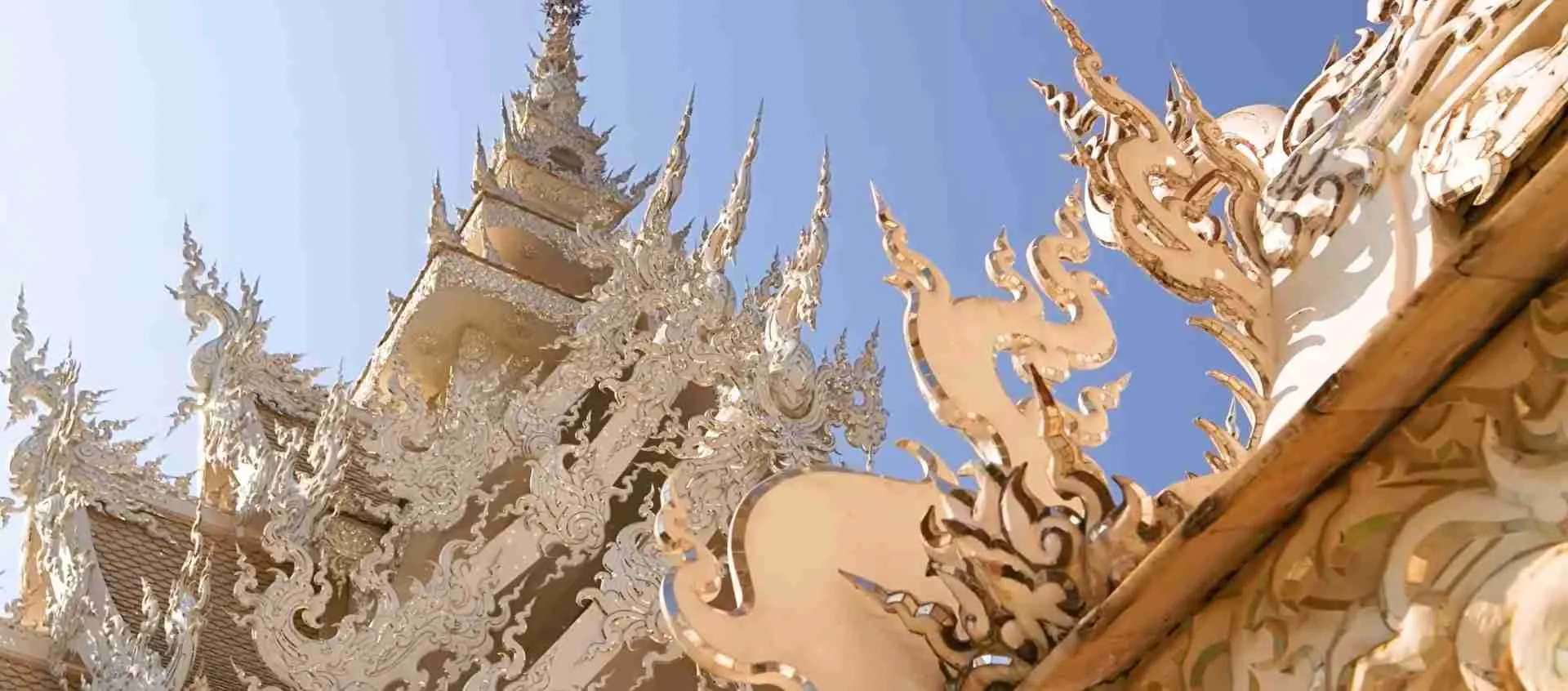
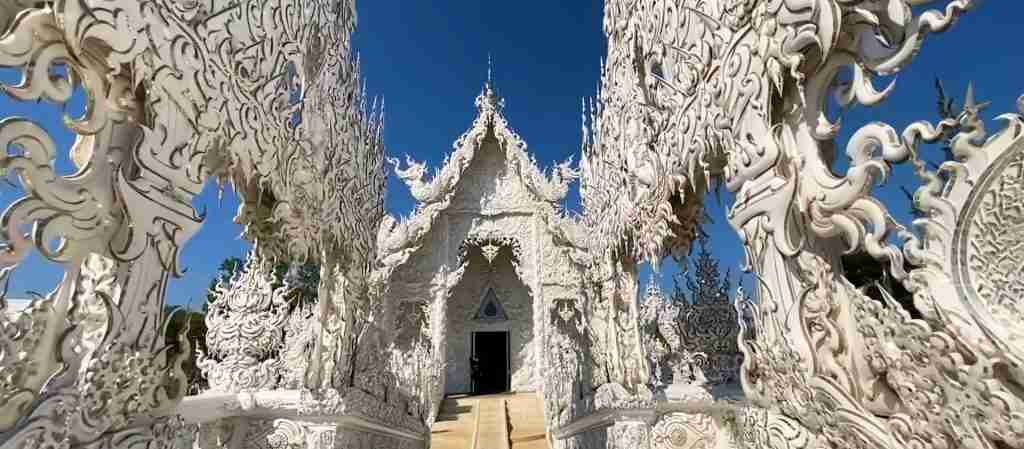
Golden Triangle tours combine optimally in 2026 with Chiang Rai’s temple circuit (White Temple, Blue Temple, Black House), Mae Sai border town, hill tribe cultural villages, and Doi Tung Royal Villa within a comprehensive 3-5 day northern Thailand itinerary. The White Temple (Wat Rong Khun) located 12 kilometers south of Chiang Rai showcases contemporary Buddhist art with intricate white architecture requiring 1-2 hours, while Blue Temple (Wat Rong Suea Ten) features striking cobalt murals and white Buddha statue accessible within 45 minutes. Black House Museum (Baan Dam Museum) displays Thawan Duchanee’s dark art installations across 40 buildings needing 2-3 hours exploration. Mae Sai, Thailand’s northernmost town 60 kilometers from Chiang Rai, offers border market shopping and Tham Pla monkey cave temple visits. Long Neck Karen villages provide controversial but popular cultural experiences 40 minutes from Chiang Rai. Doi Tung Royal Villa and Mae Fah Luang Garden showcase late Princess Mother’s hill tribe development projects with mountain views and botanical gardens. Choui Fong Tea Plantation presents terraced tea fields with tasting rooms and photo opportunities. Most organized tours bundle 3-4 attractions daily, while independent travelers prioritize based on interests and time allocation.
Extended multi-day tours – 5+ days
Featured Northern Thailand Multi-Day Tour Packages
3 days
Northern Thailand 3-Day Discovery Tour
- ✓ Comprehensive Northern Thailand experience
- ✓ Expert local guides included
- ✓ All accommodation included
- ✓ Transportation provided
5 days
Northern Thailand 5-Day Highlights Experience
- ✓ Comprehensive Northern Thailand experience
- ✓ Expert local guides included
- ✓ All accommodation included
- ✓ Transportation provided
7 days
Northern Thailand 7-Day Cultural Journey
- ✓ Comprehensive Northern Thailand experience
- ✓ Expert local guides included
- ✓ All accommodation included
- ✓ Transportation provided
10 days
Northern Thailand 10-Day Complete Adventure
- ✓ Comprehensive Northern Thailand experience
- ✓ Expert local guides included
- ✓ All accommodation included
- ✓ Transportation provided
Multi-day tour packages powered by TourRadar. Prices and availability subject to change.
Introduction to the Golden Triangle Tour Experience 2026
The Golden Triangle region, where Thailand’s Chiang Rai province meets Laos and Myanmar along the Mekong and Ruak rivers, stands as one of Southeast Asia’s most historically complex and scenically compelling destinations in 2026. Once the world’s largest opium production zone from the 1950s through 1990s, this mountainous border area has transformed into a sophisticated tourism destination offering cultural heritage museums, river cruising experiences, archaeological sites, and contemporary development projects initiated by Thai royal family members. The name “Golden Triangle” derives from gold bars used as currency in the region’s opium trade rather than any physical golden features, reflecting a dark economic history that Thailand has systematically addressed through crop substitution programs, education initiatives, and heritage preservation efforts.
Modern Golden Triangle tourism centers on Sop Ruak village, a small settlement of riverside restaurants, souvenir stalls, and boat landings positioned at the precise confluence where the Ruak River flowing from Myanmar joins the Mekong River forming the Thailand-Laos border. The iconic viewpoint features a massive golden Buddha statue seated on a boat overlooking the tri-border junction, with clear sight lines extending across waters to Myanmar’s mountainous shores westward and Laos’s casino developments northward. This geographical convergence point serves as the symbolic heart of Golden Triangle tourism, though the broader region encompasses hundreds of square kilometers across three nations with varied landscapes from river valleys to 2,000-meter mountain peaks.
In 2026, the Golden Triangle tour from Chiang Rai represents a full-day commitment or extended 2-3 day exploration combining historical education at the Hall of Opium Museum, active river experiences via Mekong longtail boats, archaeological discovery at Chiang Saen’s Lanna Kingdom ruins, and optional cultural encounters in hill tribe villages. The region’s transformation from illicit drug production to legitimate tourism demonstrates Thailand’s successful development approach while preserving historical memory through world-class museums and interpretive sites. November through February provides optimal touring conditions with comfortable temperatures, clear visibility, and peak season services, while March through May brings extreme heat and June through October introduces monsoon rainfall affecting outdoor activities and river navigation.
Understanding the Golden Triangle Region and Its Significance
The Golden Triangle encompasses approximately 950,000 square kilometers of mountainous terrain spanning northern Thailand’s Chiang Rai and Chiang Mai provinces, eastern Myanmar’s Shan and Kachin states, and northern Laos’s Bokeo and Luang Namtha provinces. This vast region derives its name from the lucrative opium trade that flourished from the mid-19th century through the late 20th century, when opium poppies cultivated in highland areas generated enormous illegal revenues paid in gold bars. The region’s geography—characterized by remote mountains, dense forests, limited road access, and weak governmental control—created ideal conditions for opium cultivation and smuggling operations controlled by various armed groups, warlords, and insurgent organizations.
Historical opium production in the Golden Triangle peaked during the 1960s-1980s when the region supplied 70% of global heroin, with production concentrated in Myanmar’s Shan State under warlord Khun Sa’s control. The remote Wa and Akha hill tribe villages cultivated opium poppies as their primary cash crop, while Thai, Chinese, and international trafficking networks moved processed heroin through Bangkok to global markets. Thailand’s geography positioned it as the primary transit route despite relatively limited cultivation within its borders, making northern provinces like Chiang Rai crucial to understanding the trade’s regional dynamics.
Thailand’s transformation of the Golden Triangle began in the 1970s under King Rama IX’s Royal Project Foundation, which introduced alternative cash crops including coffee, tea, strawberries, and flowers to replace opium cultivation. These programs combined agricultural training, market development, infrastructure improvements, and education access for hill tribe communities, successfully eliminating opium production within Thai territory by the early 1990s. The Royal Project’s success contrasts sharply with ongoing cultivation in Myanmar and Laos, though production levels have declined significantly from historical peaks. The establishment of the Hall of Opium Museum in 2003 marked Thailand’s commitment to historical preservation and drug abuse education, transforming negative heritage into public health messaging.
Contemporary Golden Triangle tourism focuses on this transformation narrative, educational experiences, natural beauty, and cultural encounters rather than sensationalizing the drug trade history. The region offers legitimate economic opportunities for former opium-growing communities through tourism services, coffee production, tea cultivation, and handicraft sales. Visitors in 2026 encounter a peaceful landscape of riverside villages, Buddhist temples, royal development projects, and conservation areas where elephants retired from logging operations find sanctuary. The tri-border geography remains politically complex with Myanmar’s internal conflicts occasionally impacting border crossings, but Thai territory maintains complete safety and accessibility for international tourism.
Best Time to Visit the Golden Triangle in 2026
The Golden Triangle experiences three distinct seasons affecting tourism conditions, with November through February 2026 providing optimal visiting weather characterized by comfortable temperatures, minimal rainfall, clear visibility, and peak tourism services across all accommodation and activity levels. During these cool season months, daytime temperatures range 20-26°C (68-78°F) with nighttime lows dropping to 11-15°C (52-59°F) in exposed areas, creating ideal conditions for outdoor exploration, photography, boat trips, and temple visits without extreme heat or monsoon disruptions. Clear skies enhance tri-border viewpoint photography, Mekong River cruising comfort, and mountain backdrop visibility essential for capturing the region’s dramatic landscapes.
March through May constitutes the hot season with daytime temperatures frequently exceeding 35°C (95°F) and occasional peaks reaching 40°C (104°F), making midday outdoor activities uncomfortable and limiting optimal touring hours to early morning and late afternoon periods. This season experiences minimal rainfall maintaining dry conditions for travel but creating hazy visibility from agricultural burning across Myanmar and Laos reducing photographic clarity and long-distance views. Tourist numbers decrease significantly during hot months, resulting in lower accommodation rates, reduced boat trip frequency, and potential operating hour adjustments at some attractions. Travelers tolerant of heat gain budget advantages and reduced crowding, though physical comfort and activity flexibility suffer compared to cool season visits.
June through October brings monsoon season with frequent afternoon thunderstorms, high humidity levels, and cumulative rainfall potentially affecting Mekong River water levels and boat operation safety. While mornings often feature clear skies before afternoon storm development, unpredictable weather makes scheduling outdoor activities challenging and may force itinerary adjustments. The landscape transforms to vibrant green during monsoon months with lush vegetation and flowing waterfalls compensating for weather inconveniences. Tourist infrastructure operates year-round though some boat services suspend during heavy rain periods and water level fluctuations. Accommodation rates drop 30-50% below peak season pricing, providing significant budget advantages for flexible travelers willing to work around weather constraints.
The absolute best visiting window spans mid-November through January 2026 when temperatures remain most comfortable, rainfall essentially ceases, and holiday crowds have not yet peaked. Chinese New Year (late January/early February 2026) and Thai holidays create brief crowding spikes affecting Chiang Rai hotels and popular attractions, while February’s warming temperatures still maintain comfortable conditions before March’s heat escalation. Shoulder season periods of October and early November offer transitional weather with decreasing rainfall and moderating temperatures as monsoon patterns end, providing good value for visitors accepting occasional weather uncertainty. The Golden Triangle’s 150-meter elevation provides slightly cooler temperatures than Chiang Rai’s 390-meter elevation, though differences remain minimal compared to the region’s overall seasonal patterns.
Getting to the Golden Triangle from Chiang Rai 2026
Chiang Rai serves as the primary gateway for Golden Triangle tours in 2026, located 70 kilometers southwest of Sop Ruak with multiple transportation options ranging from budget local buses to private luxury vehicles depending on preferences and group size. The journey requires 1.5 hours via Highway 1 (Phahonyothin Road) north to Mae Chan, then Highway 1016 northeast through scenic countryside to the tri-border region. Most visitors base in Chiang Rai rather than staying near the Golden Triangle due to superior accommodation variety, dining options, and secondary attraction access, making daily or organized tour transportation essential for site access.
Public bus transportation from Chiang Rai’s Bus Terminal 1 (old station in town center) to Chiang Saen departs every 30 minutes from 6 AM daily, costing 36 THB per person for the 1.5-hour journey. Check official site for current schedules as frequency may vary seasonally. Buses terminate at Chiang Saen market area near the Mekong River, requiring onward transportation to Sop Ruak 9 kilometers north. Blue songthaew trucks connect Chiang Saen to Sop Ruak every 20 minutes until 2:40 PM daily, charging 20 THB per person for the 15-minute ride along the river road with final return services allowing comfortable afternoon exploration before returning to Chiang Rai. The combined 56 THB one-way public transport cost (112 THB round trip) makes this the most economical option, though time constraints and multiple transfers reduce flexibility for photography stops, museum time allocation, and spontaneous activity additions.
Alternative bus routes via Mae Sai provide 134 THB service every 30 minutes covering 2 hours to Thailand’s northernmost town, with connecting songthaew or van services to Sop Ruak costing additional 50-100 THB depending on negotiation and passenger numbers. This routing adds Mae Sai border market access but extends travel time significantly, recommended only when combining multiple destinations in single-day itineraries. Green Bus Company operates VIP services between Chiang Rai and Chiang Saen for 288 THB offering air-conditioning and reserved seating, though minimal comfort improvement over standard buses questions value for short distances.
Private taxi hire from Chiang Rai to Golden Triangle costs approximately 850-1,000 THB one-way or 2,000 THB for full-day charter including waiting time at multiple sites. Full-day private vehicle hire provides maximum flexibility for customized itineraries incorporating White Temple stops, tea plantation visits, hill tribe villages, and extended museum exploration without public transport schedule constraints. Four-passenger groups reduce per-person costs to 500 THB making private options competitive with organized tours while maintaining independence. Drivers typically speak limited English focusing on driving rather than guiding, though they facilitate ticket purchases, recommend local restaurants, and provide basic site orientation. Negotiate itineraries, departure times, and pricing clearly before commencing journeys to avoid misunderstandings regarding included stops and duration.
Organized tour packages from Chiang Rai combine transportation with English-speaking guides, entrance fees, and sometimes meals within comprehensive day packages. Budget group tours cost 800-1,500 THB per person visiting Golden Triangle viewpoint, Hall of Opium, boat trip, and typically White Temple or Blue Temple in combined 10-12 hour itineraries. Mid-range private tours range 3,000-5,000 THB per person (2-person minimum) offering customized routing, extended site time, and superior vehicle comfort. Luxury small-group tours reach 8,000-12,000 THB per person including gourmet lunches, expert cultural guides, and premium boat experiences. Tours eliminate transportation logistics and language barriers while reducing itinerary flexibility and imposing group schedules that may not align with individual photography or exploration preferences.
Golden Triangle Core Sites and Activities 2026
Sop Ruak Golden Triangle Viewpoint
The iconic Golden Triangle viewpoint in Sop Ruak village provides the symbolic heart of tri-border tourism, marked by a massive golden Buddha statue seated on a boat overlooking the Ruak and Mekong rivers’ confluence. The viewpoint platform offers clear sight lines across water to Myanmar’s mountainous western shores and Laos’s casino developments north, with interpretive signs explaining the geographical significance and historical context of opium trade activities that gave the region its name. The golden Buddha statue stands approximately 15 meters tall positioned on an ornate boat replica, creating the most photographed image of the Golden Triangle region and serving as the mandatory selfie backdrop for millions of annual visitors.
The viewpoint area encompasses landscaped gardens, vendor stalls selling hill tribe handicrafts and souvenirs, riverside restaurants offering Mekong fish specialties, and boat landing facilities for river cruise departures. Admission to the viewpoint area remains free with vendors respecting visitors choosing not to purchase. Photography opportunities peak during early morning hours when lower sun angles create better lighting conditions and tourist crowds remain minimal, though afternoon visits provide warmer light for the Buddha statue’s golden surface. The compact area requires 20-30 minutes for basic viewpoint observation and photos, expandable to 1-2 hours when including vendor browsing, restaurant meals, or extended river observation from different angles.
The small Opium Museum (House of Opium) operates adjacent to the viewpoint charging 50 THB entrance fee for displays of opium cultivation implements, smoking paraphernalia, measuring weights, and trade route explanations across two floors. This modest private museum offers condensed opium history requiring 30-45 minutes for thorough review, serving visitors seeking quick educational context without committing to the comprehensive Hall of Opium Museum’s 2-3 hour time requirement. The viewpoint area’s commercialization with persistent but non-aggressive vendors creates typical Southeast Asian tourism atmosphere that some visitors find authentic while others perceive as detracting from the dramatic natural setting and historical gravitas of the tri-border location.
Mekong River Boat Experiences 2026
Mekong River longtail boat trips from Sop Ruak provide active water experiences bringing visitors onto the border rivers for close proximity views of Myanmar and Laos shores while observing local fishing activities, river traffic patterns, and the controversial Kings Roman Casino development. Boat operators congregate at the landing area near the Golden Buddha statue offering standardized route options with pricing structures based on boat capacity and trip duration. The 700 THB group boat rate accommodates six passengers for 30-minute trips to Don Sao Island in Laos where a duty-free market and casino complex operates under controversial Chinese investment creating what critics describe as a “piece of China on Laotian soil.”
The Don Sao Island visit requires depositing passports at the Thai Immigration checkpoint before boarding, with collections upon return after approximately 45 minutes on Laotian territory browsing market stalls selling identical low-quality souvenirs, Chinese products, and specialty items like snake-infused alcohol bottles. No formal Laotian visa or border crossing fees apply for this specific route under bilateral tourism agreements, making it the simplest international border crossing experience in Southeast Asia. The market experience provides minimal cultural value according to most visitor reviews, though the boat journey itself offers enjoyable Mekong River atmosphere and tri-border perspectives impossible to obtain from shore viewpoints.
Extended hour-long boat cruises costing 1,000 THB per person travel north toward Myanmar shores approaching closer to Burmese villages before descending south past the massive Kings Roman Casino complex and returning to Thai territory. These longer routes provide superior photographic opportunities, increased time on the water for river atmosphere immersion, and guide narratives about historical smuggling routes, current border politics, and regional development challenges. Boat captains typically speak limited English though basic communication about photography stops and wildlife spotting (occasional monitor lizards, kingfisher birds, cormorant fishermen) occurs naturally. Morning departures offer calmer water conditions and better lighting angles, while afternoon boats may encounter increased wind creating choppier conditions reducing passenger comfort.
River water levels fluctuate seasonally affecting boat operations, with monsoon high water (July-October) occasionally suspending services during heavy rain periods while dry season low water (February-April) exposes sandbars requiring navigational adjustments. Operators maintain good safety records with life jackets provided (rarely used by passengers despite requirements), though boats lack shade covering making sun protection essential during midday departures. Photography equipment should be protected from water spray during high-speed sections. The boat experience ranks as essential Golden Triangle activity providing perspectives and experiences unavailable through land-based tourism alone, despite questionable value of Don Sao Island market stops that comprise many operators’ standard routes.
Hall of Opium Museum Visit 2026
The Hall of Opium Museum located in Chiang Saen district 10 kilometers from Sop Ruak represents Thailand’s premier educational facility documenting opium history, cultivation science, trade economics, addiction consequences, and eradication efforts through world-class multimedia exhibits spanning 5,600 square meters of underground galleries. Operated by the Mae Fah Luang Foundation under Royal Patronage, the museum opened in 2003 as a public health education initiative transforming negative drug trade heritage into powerful anti-narcotic messaging for Thai youth and international visitors. The facility entrance costs 200 THB for Thai nationals and 300 THB for foreign visitors in 2026, operating Tuesday through Sunday from 8:30 AM to 4:00 PM with Monday closures. Check mae-fah-luang.org for current official rates and hours.
The museum experience begins with a deliberately atmospheric entrance tunnel featuring dark lighting, haunting music, and relief sculptures of faces representing opium victims, establishing the somber tone maintained throughout exhibits. Visitors proceed through chronological galleries exploring opium’s Mediterranean origins, introduction to Asia via trade routes, integration into Chinese culture and economy, British East India Company monopolization, the Opium Wars’ geopolitical consequences, Golden Triangle cultivation development, trafficking network operations, addiction’s physiological and social impacts, and contemporary eradication programs. Multimedia presentations incorporate films, audio narratives, photographs, artifacts, dioramas, and interactive displays available in English, Thai, Chinese, Japanese, and French ensuring accessibility for international visitors.
Standout exhibits include a recreated opium den with wooden beds and smoking implements creating visceral understanding of addiction environments, comprehensive displays of cultivation tools and processing equipment demonstrating production complexity, extensive collections of ornate opium pipes and measuring weights reflecting the trade’s economic significance, and powerful visual documentation of addiction’s human toll through before/after photographs and testimonial videos. A living opium poppy plantation maintained within the complex provides the only legal cultivation in Thailand for educational purposes, allowing visitors direct observation of the plant responsible for regional transformation. The outdoor garden features medicinal herb displays and Thai royal family photography documenting development project alternatives to opium cultivation.
Comprehensive museum exploration requires 2-3 hours for reading detailed exhibit texts, viewing film presentations, and engaging with interactive elements, though rushed visitors complete basic walkthrough in 90 minutes. English signage quality ranks excellent with professional translations and contextual information exceeding most Thai museum standards. Audio guides cost an additional 50 THB offering enhanced narratives for visitors preferring guided interpretation over independent reading. The museum cafe serves drinks and snacks in a garden setting providing refreshment breaks during extended visits. Photography is prohibited in specific exhibit areas clearly marked, with enforcement varying by staff presence though most visitors respect restrictions given the sensitive subject matter and educational mission.
The Hall of Opium’s combination of professional presentation, comprehensive content, emotional impact, and unique subject matter makes it the single most valuable educational component of Golden Triangle tourism. Visitors gain historical context essential for understanding the region’s transformation from drug production hub to legitimate tourism destination, while powerful anti-addiction messaging provides societal value extending beyond typical museum experiences. The museum’s 10-kilometer distance from Sop Ruak requires dedicated transportation allocation whether through organized tours including it as a standard stop or independent travelers arranging specific routing to incorporate this essential visit.
Chiang Saen Archaeological Sites
The ancient town of Chiang Saen, located 9 kilometers south of Sop Ruak along the Mekong River, preserves archaeological remains of the Lanna Kingdom’s original capital founded in 1328 CE with earthen ramparts, temple ruins, Buddha statues, and city walls creating atmospheric historical sites requiring 1-2 hours exploration. The town served as a regional power center controlling river trade routes before eventual decline and abandonment, with modern settlement developing around the ruins in recent centuries. Contemporary Chiang Saen functions as a quiet riverside community offering superior accommodation and dining options compared to Sop Ruak’s limited tourism infrastructure.
Wat Pa Sak temple ruins showcase exceptional 14th-century stupa combining Hariphunchai and Sukhothai architectural styles with possible Burmese Bagan influences, featuring intricate brick and stucco decorations partially preserved through centuries of weathering and vegetation encroachment. The main chedi stands approximately 12 meters tall with smaller satellite stupas surrounding the central structure in traditional mandala layout. Wat Phra That Chom Kitti perched on a riverside hill overlooks the Mekong providing panoramic views across to Laos while preserving a venerated chedi housing Buddha relics according to local tradition. The massive golden standing Buddha near Chiang Saen market ranks among Thailand’s oldest and largest Buddha statues dating from the 13th century, displaying classical Lanna artistic characteristics and serving as a pilgrimage site for Thai Buddhist devotees.
Chiang Saen National Museum operates Wednesday through Sunday 9 AM-4 PM charging 150 THB entrance fee for comprehensive collections of Lanna artifacts, Buddha images, ceramics, weapons, textiles, and ethnographic displays documenting the region’s cultural development from prehistoric settlements through contemporary hill tribe communities. The museum’s air-conditioned galleries provide welcome respite from outdoor heat while exhibits offer essential context for understanding temple ruins and regional history. English labeling quality varies across exhibits though recent renovations have improved international visitor accessibility. The compact museum requires 45-60 minutes for thorough review, easily incorporated into Golden Triangle itineraries when visiting Chiang Saen’s archaeological sites.
The earthen city walls and moat remnants encircling old Chiang Saen create atmospheric walking routes through residential neighborhoods where modern homes coexist with ancient fortifications, offering photographers opportunities for juxtaposing contemporary life against historical monuments. Several smaller temple ruins scattered throughout the compact town center remain unrestored, providing raw archaeological atmosphere contrasting with the polished presentations at major tourist temples. Local tour guides offer walking tours combining historical interpretation with contemporary community insights, though quality and English proficiency vary requiring careful selection through hotel recommendations or established tour operators.
Extended Golden Triangle Itinerary Options 2026
Mae Sai Border Town and Markets
Mae Sai, located 60 kilometers north of Sop Ruak and representing Thailand’s northernmost point, offers border market shopping experiences, the Tham Pla monkey cave temple, and views across to Myanmar’s Tachilek town creating popular extensions to Golden Triangle day trips. The town’s primary attraction centers on the bustling market street leading to the Sai River bridge border crossing, lined with vendor stalls selling Chinese manufactured goods, Myanmar handicrafts, jade jewelry, clothing, electronics, and food products at prices typically lower than Chiang Rai or Bangkok. The markets operate daily with peak activity from 10 AM-5 PM when both Thai and Myanmar vendors maintain full stall operations.
The Mae Sai-Tachilek border crossing remains officially closed to foreign tourists in 2026 due to ongoing internal conflicts in Myanmar’s Shan State, with no announced timeline for reopening to international visitors. Previously, tourists could pay 500 THB or $10 USD for day passes permitting exploration of Tachilek’s immediate border area without formal Myanmar visa requirements, but security concerns have suspended these arrangements indefinitely. Visitors can photograph the border bridge and observe cross-border trade from the Thai side, though approaching too closely attracts immigration official attention. Local Thai residents continue crossing for shopping and business with proper documentation, creating active border traffic despite foreign tourist restrictions.
Wat Tham Pla (Fish Cave Temple) located 7 kilometers south of Mae Sai nestles at a mountain base where a natural spring creates fish-filled ponds attracting large troops of short-tailed macaque monkeys creating the “monkey temple” nickname. The cave shrine houses Buddha images in a shallow grotto while monkeys roam freely throughout the temple grounds, creating photography opportunities and occasional tourist interactions when animals approach seeking food. Visitors should avoid feeding monkeys despite temptation, as food conditioning creates aggressive behavior and health risks from animal-human contact. The temple requires 30-45 minutes exploration as a brief stop when traveling between Chiang Saen and Mae Sai along Highway 1.
Mae Sai’s incorporation into Golden Triangle itineraries extends total touring time to 12-14 hours when combined with Sop Ruak viewpoint, Hall of Opium, boat trips, and Chiang Saen sites, making early departures from Chiang Rai essential and often requiring elimination of some activities to maintain reasonable schedules. The 134 THB public bus from Chiang Rai reaches Mae Sai in 1.5 hours with frequent departures, while the additional 60-kilometer distance from Mae Sai to Sop Ruak requires either backtracking to Chiang Saen or hiring local transportation for direct routing. Private vehicle hire or organized tours provide the most practical approach for incorporating Mae Sai into comprehensive Golden Triangle exploration without excessive complexity or time waste from public transport transfers and routing inefficiencies.
Hill Tribe Cultural Villages
Long Neck Karen villages operate 40 minutes from Chiang Rai near Mae Rim, showcasing the controversial practice of brass coil neck elongation among Kayan Lahwi women creating the distinctive appearance marketed as “giraffe women” in tourist literature. These villages function as cultural tourism enterprises where displaced refugees from Myanmar’s conflicts maintain traditional appearance and crafts while selling handicrafts and accepting photography fees from visitors. Entrance costs typically 300-500 THB per person with additional fees expected for close-up photography of individual women, creating income streams supporting refugee communities unable to return to Myanmar due to security conditions.
Ethical concerns surround Karen village tourism given the “human zoo” criticism from some observers who view the commercialization of cultural practices as exploitative, particularly when young girls begin wearing neck coils to satisfy tourist expectations rather than authentic cultural continuity. Supporters counter that tourism income provides essential economic support for refugee populations with limited alternatives, enabling community maintenance and cultural preservation that would otherwise disappear. Visitors must individually assess comfort levels with this complex situation, recognizing that boycotting visits impacts already vulnerable communities while participation potentially reinforces problematic dynamics. Many tour operators include Karen villages as standard stops despite controversy, requiring clear communication if travelers wish to exclude these visits from personalized itineraries.
Alternative hill tribe experiences focus on Akha, Lahu, and Yao communities in mountain areas around Chiang Rai and Chiang Saen, offering homestays, trekking experiences, and cultural exchanges emphasizing sustainable tourism principles rather than staged photography sessions. These community-based tourism initiatives operated through organizations like CBT-I (Community-Based Tourism Institute of Thailand) direct income to villages while providing authentic cultural learning opportunities. Trekking programs range from single-day walks visiting 2-3 villages to multi-day expeditions with overnight village homestays, jungle camping, and traditional meal experiences. Quality and authenticity vary significantly requiring careful operator selection through independent reviews and responsible tourism certifications.
The Akha Ama Coffee plantation near Chiang Rai demonstrates successful post-opium crop substitution, producing specialty coffee from hilltribe farmers’ cooperatives and operating a cafe showcasing their products. Visits combine agricultural education about sustainable coffee production with tasting experiences and direct purchase opportunities supporting farmer incomes. Similar models exist for tea plantations including Choui Fong Tea Plantation featuring terraced hillside gardens creating dramatic photography backdrops alongside tasting rooms and viewing platforms. These agricultural tourism experiences provide alternatives to cultural village visits while supporting regional economic development goals and Royal Project initiatives transforming the Golden Triangle from drug production to legitimate agricultural prosperity.
Elephant Sanctuaries and Conservation Centers
The Golden Triangle region hosts several elephant sanctuaries and conservation centers offering encounters with retired logging elephants and rescued animals through ethical interaction models prohibiting riding and emphasizing observation-based experiences. Anantara Golden Triangle Elephant Camp & Resort operates a 25-elephant facility within its luxury property grounds, offering day visitors and overnight guests opportunities for walking alongside elephants, observing bathing routines, and learning about conservation challenges facing Asian elephant populations. The camp’s “Walking with Giants” program costs 2,500 THB for 90-minute experiences including elephant showering, feeding, and accompanied jungle walks with experienced mahout guides providing behavioral interpretation and conservation education.
Four Seasons Tented Camp Golden Triangle maintains similar elephant programs integrated within its ultra-luxury glamping resort experience, with day visitors welcome for elephant interactions priced at 3,000-4,000 THB per person including meals and facility access. These upscale operations prioritize animal welfare through veterinary care, natural habitat maintenance, and retirement security for elephants unable to return to wild environments due to domestication history or injury conditions. Guests observe elephants in semi-natural jungle settings rather than confined enclosures, with activities designed around elephant schedules and comfort rather than visitor convenience creating more authentic behavioral observation opportunities.
Concerns about elephant tourism persist even in “ethical” operations given that wild elephant populations cannot sustain captive breeding programs and controversy surrounds the historical training methods used to domesticate animals from wild-caught sources. The logging industry’s collapse in Thailand following 1989 deforestation bans left thousands of domesticated elephants and unemployed mahouts requiring new income sources, with tourism emerging as the primary alternative to illegal logging or begging in city streets. Current best practices emphasize retirement sanctuaries for existing captive elephants rather than breeding programs perpetuating domestication, though economic pressures create incentives for continued reproduction. Visitors should research specific facilities’ practices, prioritize observation over interaction, and recognize the complexity of elephant welfare issues extending beyond individual camp operations to broader conservation and economic policy questions.
Budget alternatives exist through day-visit programs at various elephant camps around Chiang Mai and Chiang Rai charging 1,500-2,500 THB for similar activities without the luxury resort settings. Quality varies significantly requiring careful evaluation of animal living conditions, group sizes limiting interaction quality, and transparency regarding elephant sources and management practices. Independent reviews and responsible tourism certifications from organizations like Asian Captive Elephant Standards (ACES) help identify better operations, though the tourism industry’s rapid growth has outpaced regulatory development creating ongoing welfare concerns even among well-intentioned operators.
Accommodation Options in the Golden Triangle Area 2026
Accommodation in the Golden Triangle region ranges from budget guesthouses in Chiang Rai costing 500-800 THB nightly to ultra-luxury resorts near Sop Ruak commanding 50,000-100,000+ THB with most travelers selecting Chiang Rai as their base given superior lodging variety, dining options, nightlife access, and proximity to multiple attractions beyond the Golden Triangle itself. The 70-kilometer distance from Chiang Rai to Sop Ruak requires 1.5 hours driving but provides significant accommodation advantages over the limited options near the tri-border area where only 3-4 properties operate and alternatives in tiny Chiang Saen town number fewer than 20 establishments total. In 2026, Chiang Rai offers 100+ hotels across all price ranges with online booking platforms providing comprehensive reviews and competitive rates.
Budget accommodations in Chiang Rai include hostel dormitories at 200-400 THB per bed, private rooms in guesthouses at 500-800 THB, and economy hotels at 800-1,500 THB offering air-conditioning, private bathrooms, WiFi, and basic breakfast. Properties like Golden Triangle Palace Hotel located in central Chiang Rai operate at approximately $16-25 USD (500-780 THB) nightly providing Thai-style architecture, garden areas, bicycle rentals, and walking distance access to Night Bazaar and Clock Tower attractions. The central location facilitates morning tour departures and evening market exploration without transportation complications. Budget properties typically lack swimming pools, fitness facilities, and English-fluent staff but maintain cleanliness standards and offer adequate comfort for travelers prioritizing cost savings over amenities.
Mid-range hotels in Chiang Rai charging 1,500-3,500 THB (approximately $45-105 USD) include properties like Le Patta Resort, Diamond Park Inn, and Mora Boutique Hotel featuring swimming pools, on-site restaurants, spa services, tour booking assistance, and superior English communication from staff. These properties provide significantly enhanced comfort, better locations near major roads facilitating tour pickups, and breakfast buffets with Western and Thai options. Rooms feature modern furnishings, reliable air-conditioning, hot water, flat-screen TVs, and comfortable bedding representing substantial quality improvements over budget options justifying the moderate price premiums. Many mid-range properties include airport transfers or can arrange private vehicle hire for Golden Triangle tours at competitive rates through established driver relationships.
Luxury accommodations near the actual Golden Triangle comprise three primary options representing the region’s highest-end lodging: Anantara Golden Triangle Elephant Camp & Resort, Four Seasons Tented Camp Golden Triangle, and Imperial Golden Triangle Resort. Anantara operates as a traditional luxury resort with room rates starting 50,000 THB ($1,500 USD) per night including full board dining, daily activities, elephant camp access, infinity pool with tri-border views, spa treatments, and bamboo forest setting designed by renowned landscape architect Bill Bensley. The resort’s 160-acre property delivers comprehensive destination experience incorporating accommodation, dining, activities, and cultural programs eliminating need for external tour arrangements.
Four Seasons Tented Camp represents ultra-luxury glamping with only 15 tented accommodations starting 60,000-100,000 THB ($1,800-3,000 USD) nightly all-inclusive covering gourmet meals, premium beverages, elephant experiences, excursions, spa access, and personal service from dedicated staff. The property requires boat transfer from road access point creating dramatic arrival experience and reinforcing jungle expedition atmosphere. The canvas tents feature proper beds, en-suite bathrooms with hot water, electricity, WiFi, and sophisticated furnishings combining safari aesthetics with five-star comfort. This property targets special occasion travelers, honeymooners, and luxury adventure enthusiasts willing to invest premium budgets for extraordinary experiences impossible to replicate in conventional hotel settings.
The Imperial Golden Triangle Resort offers more accessible luxury at approximately 3,000-6,000 THB ($90-180 USD) per night featuring riverside location, swimming pool, restaurant, and comfortable rooms without the elaborate programming or pricing of Anantara and Four Seasons properties. This option appeals to travelers seeking upscale accommodation near Golden Triangle sites while maintaining reasonable budgets and preferring independent exploration over guided resort activities. Booking platforms like Agoda, Booking.com, and Expedia provide competitive rates and verified reviews essential for evaluating properties before commitment given quality variations within Thai accommodation market.
Budget Planning for Golden Triangle Tour 2026
Daily Golden Triangle tour costs in 2026 range from 800-1,500 THB for budget independent travelers using public transportation and basic services to 8,000-15,000+ THB for luxury visitors selecting private guides, premium boats, upscale dining, and comprehensive activity programs, with mid-range organized tours typically landing between 2,500-4,500 THB per person for comprehensive day experiences from Chiang Rai. These figures exclude accommodation which adds 500-100,000+ THB depending on lodging tier selection as detailed in the Accommodation section. Transportation represents the largest variable cost component, with public bus combinations (112 THB round trip Chiang Rai-Chiang Saen-Sop Ruak) contrasting sharply with private vehicle hire (2,000 THB full day) or organized tours (800-12,000 THB including multiple services).
Budget travelers executing independent Golden Triangle tours using public transportation spend approximately 800-1,500 THB daily broken down as: Chiang Rai-Chiang Saen-Sop Ruak bus and songthaew transport 112 THB, Hall of Opium Museum entrance 300 THB, Mekong boat trip share (700 THB boat divided among 6 passengers) 115 THB, Chiang Saen National Museum 150 THB, lunch at local restaurant 100-150 THB, dinner 150-200 THB, snacks and drinks 100 THB, House of Opium Museum 50 THB. Total: 977-1,177 THB (excluding accommodation). Additional costs arise from optional activities like extended boat cruises (1,000 THB per person), White Temple side trips (transport and time allocation), or souvenir purchases at market vendors.
Mid-range travelers selecting organized day tours from Chiang Rai invest 2,500-4,500 THB per person for comprehensive packages including: private or small-group air-conditioned vehicle, English-speaking guide, Hall of Opium entrance, Mekong boat trip, Chiang Saen sites, White Temple or Blue Temple visit, lunch at decent restaurant, and hotel pickup/drop-off. These tours eliminate transportation logistics and language barriers while bundling activities at rates competitive with independent arrangements once guide services and convenience factors are valued. Tours typically operate 8-10 hours departing Chiang Rai around 8-9 AM and returning 5-7 PM, with 8-12 person group sizes in economy tours versus 2-6 participants in premium offerings.
Luxury travelers engaging private guides with premium vehicles, exclusive boat charters, upscale restaurant meals, and extended elephant sanctuary experiences invest 8,000-15,000+ THB per person for superior comfort, flexibility, and expertise. Private tours allow customized routing, extended time at preferred sites, elimination of uninteresting stops, photography-focused pacing, and expert cultural interpretation from specialized guides with deep regional knowledge. Luxury visitors often combine Golden Triangle tours with overnight stays at Anantara or Four Seasons properties, transforming single-day visits into 2-3 day immersive experiences costing 60,000-150,000+ THB per person all-inclusive for couples or families seeking comprehensive luxury regional exploration.
Multi-day budget breakdowns for 2-3 day Golden Triangle experiences: Day 1 Chiang Rai temples (White, Blue, Black House) transportation 200 THB via rental scooter or songthaew, entrance fees 150 THB, meals 400 THB, total 750 THB; Day 2 Golden Triangle full day per budget breakdown above 1,000 THB; Day 3 Mae Sai and hill tribes via organized tour 1,200 THB including transport and guide. Total 2,950 THB plus 1,500-6,000 THB accommodation (2 nights mid-range hotel) equals 4,450-8,950 THB for comprehensive 3-day northern Thailand exploration. Luxury equivalents cost 25,000-50,000+ THB per person for private guides, premium accommodation, and comprehensive activity programming across same timeframe.
Organized Tour Options from Chiang Rai 2026
Organized Golden Triangle tours from Chiang Rai operate across multiple price tiers and group sizes in 2026, ranging from budget shared minibus tours at 800-1,500 THB to private luxury experiences at 8,000-12,000+ THB per person with corresponding variations in service quality, group size, itinerary flexibility, and guide expertise. Major booking platforms including GetYourGuide, Viator, Klook, and local Chiang Rai operators offer dozens of options departing daily during peak season (November-February) with reduced frequency during hot and monsoon months when demand declines. Tour selection involves balancing cost efficiency against personal preferences for group dynamics, itinerary customization, and service quality requiring careful review of inclusions, exclusions, and participant feedback.
Budget group tours typically cost 800-1,500 THB per person operating from 12-20 seat minibuses with 8-16 participants visiting Golden Triangle viewpoint, Hall of Opium Museum, basic boat trip, and usually one Chiang Rai temple (White Temple or Blue Temple) within 10-12 hour itineraries. These tours include hotel pickup, air-conditioned transportation, English-speaking guide, entrance fees, and boat trip but exclude lunch requiring 200-300 THB additional expense. Guides focus on basic site orientation and schedule management rather than deep cultural interpretation, with rushed pacing accommodating multiple stops within time constraints. Budget tours provide economical access to major sites while accepting trade-offs in comfort, flexibility, and educational depth compared to premium alternatives. Operators including Golden Chiang Rai, local guesthouse partners, and travel agencies on Chiang Rai’s main streets offer similar products with minimal differentiation.
Mid-range private and small-group tours charge 3,000-5,000 THB per person (2-person minimum) featuring smaller 4-8 seat vehicles, maximum 6 participants, superior English-speaking guides with cultural expertise, and more flexible itineraries allowing extended photography stops and activity customization. These tours often include lunch at quality restaurants, additional stops at tea plantations or hill tribe villages, and more relaxed pacing reducing the rushed atmosphere of budget group tours. GetYourGuide and Viator platforms feature numerous operators in this tier with comprehensive reviews enabling quality assessment before booking. Private 2-person tours in this price range deliver essentially customized experiences at modest premiums over shared tours when splitting costs between couples or small friend groups.
Luxury private tours ranging 8,000-12,000+ THB per person provide expert cultural guides often with advanced degrees in Thai history or anthropology, premium vehicles (luxury SUVs or vans), gourmet lunch experiences, extended elephant sanctuary visits, exclusive boat charters with captain flexibility for optimal photography, and completely customized routing based on client interests. These tours appeal to photography enthusiasts requiring extensive time at specific locations, cultural learners seeking deep interpretation beyond basic site facts, and comfort-oriented travelers prioritizing premium service. Luxury operators include established Chiang Mai companies extending operations to Chiang Rai and specialized Golden Triangle experts operating exclusively in the region. Multi-day luxury packages combining Golden Triangle exploration with Chiang Rai temples, Chiang Mai extensions, or Luang Prabang Laos connections offer comprehensive northern Thailand experiences at corresponding premium pricing.
Tour booking timing considerations: Peak season (November-February) requires 1-2 weeks advance booking for preferred dates and operators given high demand, while shoulder and low seasons (March-October) allow same-day or next-day bookings with last-minute discounts occasionally available. Group tours maintain fixed departure schedules requiring early morning hotel pickups around 7-8 AM, while private tours offer flexible start times accommodating late risers or evening departures for sunset photography. Cancellation policies vary by operator with budget tours typically offering limited flexibility and premium operators providing more generous terms. Weather-related cancellations during monsoon season should include full refunds though practices vary requiring clear policy understanding before payment.
Practical Golden Triangle Travel Tips 2026
What to Pack and Wear
Golden Triangle touring requires comfortable walking shoes suitable for temple visits, museum exploration, boat boarding, and potentially uneven terrain at archaeological sites, with temple etiquette demanding covered shoulders and knees at active religious sites though most historical ruins lack strict dress codes. Cool season visitors (November-February) should pack light layers including long pants, long-sleeve shirts, and light jacket for morning and evening comfort when temperatures drop to 11-15°C, while hot season travelers (March-May) require minimal clothing focusing on light, breathable fabrics, wide-brimmed hats, and sunglasses for extreme heat protection. Monsoon season (June-October) necessitates rain jacket or umbrella, quick-dry clothing, and waterproof bags protecting electronics and valuables during sudden afternoon thunderstorms.
Sun protection applies year-round given Thailand’s tropical latitude and intense UV exposure, with SPF 30+ sunscreen, sunglasses, and hats essential for boat trips and outdoor site visits particularly during midday hours. Insect repellent containing DEET provides protection against mosquitoes carrying dengue fever and other tropical diseases, especially important during monsoon season when standing water increases mosquito populations. River locations near the Mekong attract additional insect activity around dawn and dusk requiring supplemental protection during these times. Modest clothing respects local cultural norms though the Golden Triangle’s heavy tourism development creates more relaxed atmosphere compared to conservative rural areas, with tank tops and shorts acceptable in non-religious contexts.
Photography equipment including backup batteries and memory cards ensures sufficient capacity given the region’s photographic appeal spanning river landscapes, temple architecture, Buddha statues, and tri-border vistas. Boat trips create opportunities for water and splash damage requiring protective measures like waterproof cases or plastic bags for expensive cameras and electronics. Portable phone chargers maintain device functionality throughout long touring days when GPS navigation, translation apps, and constant photography drain batteries rapidly. Small daypack distributes weight comfortably while carrying water bottles, snacks, sunscreen, rain protection, and purchased souvenirs without requiring multiple shopping bags creating transportation complications.
Money and Payment Logistics
Cash remains essential for Golden Triangle tourism in 2026 despite increasing credit card acceptance in Chiang Rai, with most boat operators, street food vendors, public transportation, small souvenir stalls, and even some museum ticket counters operating cash-only requiring adequate Thai Baht reserves for daily activities. ATMs in Chiang Rai provide reliable access with international networks (Visa, Mastercard, Plus, Cirrus) though machines charge 220 THB foreign transaction fees plus user’s home bank international withdrawal fees potentially totaling $8-12 USD per transaction. Larger single withdrawals minimize fee impact compared to frequent small amounts. ATM availability decreases significantly outside Chiang Rai with Chiang Saen having limited machines and Sop Ruak essentially none, making pre-tour cash procurement essential to avoid mid-trip complications.
Currency exchange services in Chiang Rai offer competitive rates at banks and licensed money changers, with airports providing convenient but inferior rates compared to city center alternatives. Exchange rates fluctuate daily with approximate 2026 levels around 32-35 THB per US Dollar though geopolitical and economic factors create variations. Travelers should exchange sufficient amounts in Chiang Rai to cover anticipated Golden Triangle expenses plus emergency buffer rather than relying on finding exchange services in smaller towns. Credit cards work at mid-range and upscale hotels, major restaurants, and organized tour operators but incur 3% processing fees at many merchants making cash preferable for cost optimization.
Bargaining applies selectively in the Golden Triangle region, with souvenir markets, handicraft stalls, and some tour services accepting negotiation while restaurants, museums, established shops, and transportation services maintain fixed pricing. Boat operators occasionally offer discounts for immediate booking or group filling, though aggressive bargaining may offend when applied inappropriately to small vendors earning minimal margins. Reasonable negotiation involves starting at 60-70% of asking price for souvenirs, allowing vendors to counter-offer, and finding mutually acceptable middle ground recognizing tourism represents essential income for local communities.
Health and Safety Considerations
The Golden Triangle region maintains excellent safety for tourism in 2026 within designated areas, with violent crime against tourists essentially non-existent and petty theft minimal requiring only basic precautions like securing valuables and maintaining awareness in crowded areas. Border areas near Myanmar face restrictions given ongoing internal conflicts across borders, though Thai territory remains completely secure under active military and police monitoring. Visitors should follow guide instructions during boat trips approaching Myanmar shores, avoid unauthorized border crossings, and refrain from photographing military installations or sensitive border infrastructure to prevent official complications.
Health risks focus on tropical disease vectors including dengue fever transmitted by day-biting Aedes mosquitoes active in urban and rural areas throughout Thailand. No vaccines prevent dengue requiring mosquito bite avoidance through DEET repellent, long sleeves/pants during dawn and dusk peak feeding times, and air-conditioned accommodation when possible. Malaria risk remains minimal in mainstream Golden Triangle tourism areas though exists in remote forested regions near borders, with prophylaxis unnecessary for standard tourist itineraries but potentially advised for multi-day jungle trekking. Drinking water safety requires purchasing bottled water, avoiding ice in street vendor drinks unless clearly made from purified sources, and using bottled water for teeth brushing in budget accommodations.
Heat-related illness including heat exhaustion and heat stroke threatens visitors during March-May hot season when temperatures exceed 35-40°C, requiring frequent hydration, avoiding midday exertion, seeking shade and air-conditioning during peak heat hours, and recognizing early symptoms like dizziness, nausea, and excessive fatigue. Thai hospitals provide excellent care in Chiang Rai with English-speaking staff at private facilities like Chiang Rai Ram Hospital and Overbrook Hospital, though medical facilities outside provincial capitals remain basic. Travel insurance covering medical evacuation and emergency treatment is essential given potential costs of serious illness or accident requiring specialized care or international medical transport.
Cultural Etiquette and Temple Behavior
Temple visits require removing shoes before entering buildings housing Buddha images, with shoe removal zones clearly indicated and racks or designated areas provided for footwear storage. Feet should never point toward Buddha images as feet represent the lowest, dirtiest body parts in Thai culture making this gesture deeply disrespectful. Sitting requires tucking feet behind or to side rather than extending straight toward religious imagery. Photography is generally permitted in temples unless specifically prohibited with posted signs, though visitors should avoid posing for selfies directly in front of principal Buddha images and maintain respectful demeanor rather than treating sacred spaces as pure tourist attractions.
Modest clothing covering shoulders and knees demonstrates cultural respect and ensures temple admission, with some active temples providing loaner scarves or sarongs for improperly dressed visitors while historical ruins maintain relaxed standards. The Hall of Opium Museum and archaeological sites lack religious restrictions allowing casual dress appropriate for museum environments. Physical contact with monks violates monastic rules, with women particularly prohibited from any touching requiring awareness to avoid accidental contact in crowded situations. Monks may engage in friendly conversation with foreign visitors practicing English, though respectful address using “Khun Phra” (monk title) rather than first names maintains appropriate formality.
General Thai etiquette includes respectful address toward all individuals regardless of social status, avoiding public displays of anger or frustration that cause “losing face” in Asian cultural contexts, and using gentle indirect communication rather than aggressive demands when resolving service issues. The traditional Thai greeting “wai” involves pressing palms together in prayer position with slight bow, though foreigners are not expected to wai and can respond with polite smile and hello. Tipping is not traditionally Thai though has become expected in tourist areas, with 10% restaurant tips, 50-100 THB daily hotel housekeeping, and 200-300 THB tour guide gratuities representing reasonable practices though not mandatory given service charges included in many prices.
Photography Guide for the Golden Triangle 2026
The Golden Triangle offers exceptional photography opportunities spanning river landscapes, tri-border vistas, temple architecture, Buddha statues, boat activities, and cultural scenes requiring strategic timing, location selection, and technical approaches for optimal results. The iconic Sop Ruak viewpoint featuring the golden Buddha statue with river confluence background demands early morning visits for best lighting conditions, with 7-8 AM providing warm side-lighting enhancing the Buddha’s golden surface while minimizing tourist crowds that create distracting background elements and prevent clean compositions. The tri-border geography requires wide-angle lenses (16-35mm equivalent) capturing full Myanmar-Laos-Thailand perspective in single frames, with telephoto options (70-200mm) isolating specific elements like boats on the Mekong, distant Laotian casino buildings, or Myanmar mountain ranges.
Mekong River boat photography benefits from waterproof or weather-sealed camera equipment given splash risks during high-speed sections and monsoon season rain possibilities. Fast shutter speeds (1/500 second minimum) freeze boat motion and compensate for unstable floating platforms, while polarizing filters reduce water glare revealing river depth and enhancing sky contrast. Morning boats provide superior lighting angles compared to afternoon departures when harsh overhead sun creates unflattering contrast and excessive glare on water surfaces. Drone photography faces restrictions near international borders requiring permits from Thai authorities and potentially triggering security concerns given Myanmar military sensitivity, making ground-based perspectives the practical option for most visitors.
Hall of Opium Museum prohibits photography in specific exhibit areas clearly marked to protect intellectual property and maintain respectful atmosphere around sensitive addiction-related displays. Permitted areas including the entrance tunnel, outdoor gardens, and some general exhibits allow documentation though flash photography may damage artifacts requiring natural light techniques. Temple and archaeological site photography unrestricted except in specific Buddha image halls at active religious sites, with golden hour periods (6-7 AM and 5-6 PM) providing warm directional lighting enhancing architectural details and creating atmospheric conditions impossible during harsh midday light. Wat Pa Sak ruins benefit from backlighting techniques silhouetting ancient stupas against sky, while Wat Phra That Chom Kitti’s hilltop location provides elevated perspectives for landscape compositions incorporating river and border geography.
Cultural sensitivity applies to photographing local people including hill tribe villagers, market vendors, and boat operators, with permission requests through gesture or simple Thai phrases (“Khor thot ka/krap, thot ruup dai mai?” – Excuse me, may I take photo?) demonstrating respect before capturing images. The Karen Long Neck villages operate as tourism businesses where photography forms part of payment structure, though individual women may request additional fees for close portraits beyond general entrance costs. Street photography in markets and public spaces generally permitted though aggressive paparazzi behavior or blocking vendor activities creates negative interactions, with discrete distance photography or brief polite approaches yielding better results than sustained close-range shooting without engagement.
Frequently Asked Questions About Golden Triangle Tours 2026
Can you do the Golden Triangle as a day trip from Bangkok in 2026?
The Golden Triangle cannot practically function as a day trip from Bangkok in 2026 given the 780-kilometer distance requiring 10-12 hours one-way driving or 1.5-hour flights to Chiang Rai followed by additional 1.5-hour ground transport to Sop Ruak. Bangkok-Chiang Rai flights operate multiple times daily via Thai Airways, Bangkok Airways, Thai Lion Air, and AirAsia at costs ranging 1,500-4,500 THB one-way depending on booking timing and carrier selection, but scheduling constraints make same-day return impossible while meaningfully exploring Golden Triangle sites. The minimum practical itinerary requires flying Bangkok-Chiang Rai early morning, immediate ground transfer to Golden Triangle for 4-6 hour touring, return to Chiang Rai for late afternoon/evening flight to Bangkok, totaling 5,000-8,000 THB minimum per person for transport alone plus activity costs. This compressed timeline eliminates Hall of Opium Museum visits requiring 2-3 hours, reduces boat trip and Chiang Saen exploration time significantly, and creates exhausting 14-16 hour travel days with minimal meaningful site engagement. Travelers should allocate minimum 2-3 days in northern Thailand combining Chiang Rai overnight stays with full-day Golden Triangle exploration for worthwhile experiences justifying transportation investments and travel time commitments. Alternative multi-day tour packages from Bangkok include Golden Triangle as part of comprehensive northern Thailand itineraries incorporating Chiang Mai, Sukhothai, or other destinations creating better value than rushed same-day attempts.
Do you need a visa to visit Laos from the Golden Triangle boat trips in 2026?
No visa or formal Laotian immigration procedures are required for the specific Don Sao Island boat trips departing Sop Ruak in 2026, operating under bilateral tourism agreements allowing short visits to designated border market areas without full entry processes. Passengers must deposit passports at Thai Immigration checkpoint before boarding with collections upon return after approximately 45 minutes on Laotian territory, but no Laotian visa fees, stamps, or separate immigration queues occur. This arrangement applies exclusively to the Don Sao Island route with passengers restricted to immediate landing area featuring casino, duty-free market, and souvenir stalls without permission to venture inland or access broader Laotian territory. Alternative Mekong River cruises heading north along the Thai-Myanmar border or south to Chiang Saen remain entirely in Thai waters eliminating even passport deposit requirements. Travelers seeking genuine Laotian experiences beyond border market zones must execute formal immigration at Chiang Khong-Huay Xay border crossing 110 kilometers north of Sop Ruak where Laotian visa-on-arrival costs $30-42 USD depending on nationality, or apply for e-visas through Laotian government portals before travel. The Fourth Thai-Laos Friendship Bridge connecting Chiang Khong-Huay Xay operates daily with straightforward immigration processes for visitors continuing to Luang Prabang, Vang Vieng, or Vientiane requiring proper visas unlike the simplified Don Sao Island procedures. Myanmar border crossings at Mae Sai-Tachilek remain closed to foreign tourists in 2026 with no visa options available regardless of payment willingness given ongoing internal conflicts suspending cross-border tourism indefinitely.
What is the best month to visit the Golden Triangle in 2026?
January 2026 provides optimal Golden Triangle visiting conditions combining comfortable cool season temperatures averaging 15-25°C (59-77°F), minimal rainfall risk, excellent visibility for tri-border photography, and peak tourism services across all accommodation and activity levels before February’s warming trend and March’s hot season escalation. January falls after December-January holiday crowds (Christmas, New Year, Chinese New Year) have dissipated but maintains full operational status at museums, boat services, and tour operators that sometimes reduce schedules during low season months. The dry conditions ensure Mekong River boat trips operate consistently without monsoon cancellations while comfortable temperatures make extended outdoor activities at archaeological sites, river viewpoints, and hill tribe villages pleasant rather than endurance challenges faced during March-May’s extreme heat. November and December offer nearly equivalent conditions though Christmas-New Year periods create accommodation booking challenges and inflated pricing at popular properties, while late January risks approaching Chinese New Year travel surges creating similar though shorter-duration crowding. February maintains good weather with warming daytime temperatures reaching 25-30°C improving from January’s occasional cool mornings that some visitors find uncomfortable, though the shift toward hot season brings increasing haze from agricultural burning across Myanmar and Laos reducing photographic clarity compared to January’s clearer atmosphere. Budget-conscious travelers gain significant savings visiting June-September monsoon season when accommodation rates drop 30-50% below peak season and tourist numbers decline dramatically, accepting trade-offs of afternoon rain disruptions, potential boat cancellations, and muggy conditions between rain events. The monsoon landscape transforms to vibrant green providing scenic beauty unavailable during dry months when vegetation browns and dust increases, creating legitimate appeal for travelers prioritizing natural aesthetics over weather certainty. Hot season months March-May deliver lowest prices and smallest crowds but impose punishing temperatures exceeding 35-40°C making midday activities inadvisable and limiting comfort even with air-conditioned transportation between sites.
How much does it cost to hire a private guide for the Golden Triangle in 2026?
Private guide hire for Golden Triangle tours in 2026 costs 2,000-8,000 THB per day depending on guide qualifications, language proficiency, included services, and vehicle arrangements, with basic driver-guides charging lower rates focusing on transportation and simple site orientation while specialized cultural guides command premium pricing for historical expertise and comprehensive interpretation. Basic private vehicle with driver-guide covering Golden Triangle viewpoint, Hall of Opium, boat trip, and Chiang Saen sites costs approximately 2,000-3,500 THB for full-day service including fuel and driver meals, providing simple English communication sufficient for logistics and basic facts without deep cultural context. These arrangements work through hotel concierges, tour agencies on Chiang Rai’s main streets, or direct negotiation with licensed guides congregating near tourist sites, requiring clear advance agreement on itinerary coverage, departure times, included stops, and pricing to avoid misunderstandings regarding additional fees for extended hours or route variations. Mid-tier private guides with superior English skills and cultural knowledge charge 4,000-6,000 THB daily offering interpretive services beyond simple site descriptions, incorporating Thai history, Buddhist concepts, hill tribe anthropology, and contemporary regional development into comprehensive narratives enhancing visitor understanding and engagement. These guides typically hold university degrees in tourism, history, or related fields and maintain professional certifications from Tourism Authority of Thailand demonstrating competency standards. Premium specialized guides charging 6,000-8,000+ THB possess advanced academic credentials, publication histories, or specialized expertise in areas like Lanna Kingdom archaeology, Buddhist art history, or hill tribe ethnography providing essentially academic-quality interpretation unavailable from standard tour guides. These guides appeal to serious photography enthusiasts requiring extensive time allocation, cultural scholars seeking depth beyond tourist-level information, and luxury travelers expecting superior service quality. Vehicle quality affects total costs with basic pickup trucks or small sedans included in lower pricing while comfortable SUVs or luxury vans add 1,000-2,000 THB daily premiums. Guide rates typically exclude entrance fees (Hall of Opium 300 THB, museums 150 THB), boat trips (700-1,000 THB), and meals requiring separate budgeting approximately 1,500-2,500 THB additional per person for comprehensive full-day touring. Multi-day guide hire often includes discounted daily rates with 2-day engagements reducing per-day costs 10-15% and 3+ day arrangements offering 20-25% discounts reflecting guide scheduling efficiency and reduced client acquisition costs.
Is the Golden Triangle worth visiting compared to other Chiang Rai attractions in 2026?
The Golden Triangle merits inclusion in Chiang Rai itineraries for visitors interested in regional history, river experiences, and tri-border geography, though competitive value comparisons with Chiang Rai’s temple circuit (White Temple, Blue Temple, Black House) require weighing personal interests in historical education versus contemporary artistic expression. The Hall of Opium Museum delivers Thailand’s premier educational experience documenting opium trade history with world-class multimedia exhibits unmatched elsewhere in Southeast Asia, justifying visits for history enthusiasts and those seeking substantive learning beyond typical tourist temple tours. The Mekong River boat experience provides active engagement on international border waters creating memorable immersive moments impossible to replicate through land-based tourism alone, with tri-border viewpoint photography offering iconic images representing northern Thailand travel. Chiang Saen’s archaeological sites preserve legitimate Lanna Kingdom heritage preceding the region’s drug trade notoriety, appealing to archaeology and ancient history enthusiasts. However, the 70-kilometer distance from Chiang Rai requiring 1.5 hours each direction creates significant time investment for visiting a relatively compact area where primary attractions cluster within 10-kilometer radius, limiting appeal for visitors with constrained schedules preferring to maximize Chiang Rai temple circuit access without distant excursions. The White Temple (Wat Rong Khun) located just 12 kilometers south of Chiang Rai delivers stunning contemporary Buddhist art and architecture requiring only 1-2 hours including travel time, making it more accessible than Golden Triangle day trips consuming 8-12 hours total. Blue Temple’s striking cobalt murals and Black House Museum’s dark art installations provide additional Chiang Rai-proximity alternatives. Budget constraints also influence comparisons, with Golden Triangle full-day tours costing 2,500-4,500 THB versus Chiang Rai temple circuit touring via rental scooter (200 THB daily) plus temple donations (optional) totaling under 500 THB for equivalent time investment. Visitors with 4+ days in northern Thailand should include both Golden Triangle and Chiang Rai temples given their complementary rather than competitive appeal, while those with limited 2-3 day schedules must prioritize based on personal interests in historical education, active river experiences, and cross-border contexts (favoring Golden Triangle) versus contemporary artistic expression, convenient accessibility, and concentrated temple touring (favoring Chiang Rai circuit).
Can you stay overnight near the Golden Triangle or should you base in Chiang Rai in 2026?
Chiang Rai provides superior overnight accommodation basing for Golden Triangle tours in 2026 given its extensive hotel variety (100+ properties spanning budget to luxury), restaurant diversity, nightlife access, secondary attraction proximity (White Temple, Blue Temple, Night Bazaar), and reliable infrastructure compared to limited options in Chiang Saen (fewer than 20 hotels) and essentially no quality lodging in tiny Sop Ruak village beyond three ultra-luxury properties. The 70-kilometer distance from Chiang Rai to Sop Ruak requires 1.5 hours driving but allows comfortable day-trip execution with organized tours or private vehicles eliminating accommodation decisions, while basing near the Golden Triangle restricts evening activity options to quiet riverside dining with minimal alternatives. Chiang Saen town offers budget to mid-range hotels at 500-2,500 THB nightly including properties like Imperial Golden Triangle Resort providing riverside locations and swimming pools, appealing to travelers prioritizing early morning Golden Triangle access for sunrise photography and multi-day regional exploration minimizing Chiang Rai commute repetition. The town’s quiet atmosphere suits visitors seeking escape from Chiang Rai’s tourist development and traffic, though lacking the city’s restaurant variety, convenience stores, tour operator access, and evening entertainment options that many travelers value. Ultra-luxury resort options at the actual Golden Triangle comprise Anantara Golden Triangle Elephant Camp & Resort and Four Seasons Tented Camp starting 50,000-100,000+ THB nightly, delivering comprehensive destination experiences incorporating accommodation, dining, elephant programs, spa treatments, and excursions within all-inclusive packages eliminating need for external arrangements. These properties target special occasion travelers, honeymooners, and luxury adventure enthusiasts investing premium budgets for extraordinary settings impossible to access through conventional hotel stays, with tri-border infinity pool views, elephant camp integration, and jungle expedition atmospheres justifying prices for appropriate target markets. Budget and mid-range travelers (representing majority of Golden Triangle visitors) should base in Chiang Rai selecting from dozens of well-reviewed hotels at competitive prices, allocating one or two full days to Golden Triangle day trips via organized tours or private vehicles, and using remaining time for Chiang Rai temple circuits, markets, and regional attractions accessible from city-based accommodation. The flexibility, value, and convenience of Chiang Rai basing outweigh marginal time savings from Golden Triangle-adjacent stays except for luxury resort guests whose comprehensive on-property programming makes location optimization irrelevant.
What wildlife can you see during Golden Triangle boat trips in 2026?
Mekong River boat trips in the Golden Triangle area in 2026 offer occasional wildlife sightings including water monitor lizards, various kingfisher species, cormorant fishing birds, and during dry season low water periods when sandbars emerge, migratory shorebirds and wading species, though wildlife observation represents supplemental rather than primary boat trip value given limited species diversity and sighting reliability compared to dedicated wildlife destinations. Water monitors (Asian monitor lizards) measuring 1-2 meters length occasionally bask on riverbanks or swim across channels during morning hours when reptile activity peaks before midday heat, creating memorable though not guaranteed sighting opportunities. These large lizards appear prehistoric inspiring photo attempts, though their wariness makes close approaches difficult and boat motor noise typically triggers retreat before optimal photography distance. Various kingfisher species including common kingfisher, white-throated kingfisher, and pied kingfisher hunt small fish from overhanging branches and exposed snags, their brilliant blue and orange plumage creating vibrant color against muddy river tones during patient observation periods. Cormorants both wild and domesticated (traditional fishing birds) appear along river sections with local fishermen employing time-honored techniques controlling diving birds through neck rings preventing large fish swallowing. The Mekong’s heavily trafficked nature, agricultural runoff impacts, and regional development pressures limit large wildlife presence compared to pristine river systems, with fish stocks depleted from overfishing and habitat modification reducing the abundant aquatic life that historically supported diverse bird and mammal populations. Rare sightings of otters, wild water buffalo, or even critically endangered Irrawaddy dolphins occur in remote upper Mekong sections far from Golden Triangle tourism areas, requiring specialized multi-day river expeditions rather than standard 30-60 minute tourist boat trips. Serious wildlife observers should pursue dedicated Mekong wildlife cruises operating multi-day itineraries between Huay Xay Laos and Luang Prabang covering 200+ kilometers through less developed regions supporting superior biodiversity, or explore alternative northern Thailand destinations like Kaeng Krachan National Park and Khao Yai National Park offering dedicated wildlife tourism infrastructure and greater species diversity including elephants, gibbons, hornbills, and potentially tigers. The Golden Triangle boat experience delivers cultural and geographical value through tri-border perspectives and river atmosphere rather than wildlife observation, with any animal sightings representing pleasant surprises rather than expected outcomes requiring realistic expectation management to avoid disappointment.
How has the Golden Triangle changed since the opium trade era?
The Golden Triangle region has transformed dramatically since its opium production peak during the 1960s-1980s, evolving from the world’s largest heroin source supplying 70% of global markets into a legitimate tourism destination, alternative agriculture zone, and sustainable development showcase demonstrating successful crop substitution and economic transition. Thailand’s Royal Project Foundation initiated under King Rama IX in the 1970s pioneered alternative cash crop programs introducing coffee, tea, strawberries, flowers, and vegetables as opium replacements while providing agricultural training, market access, infrastructure improvements, and education services to hill tribe communities previously dependent on opium cultivation for survival income. These programs achieved complete elimination of opium production within Thai territory by the early 1990s, contrasting sharply with ongoing though reduced cultivation in Myanmar and Laos where governmental control, development resources, and political will remain insufficient for comprehensive eradication. The region’s contemporary economic base centers on tourism (museums, river cruises, cultural villages, archaeological sites), specialty agriculture (coffee cooperatives producing export-quality beans, tea plantations with tasting rooms, organic vegetables), and handicraft production by hill tribe artisans accessing international markets through fair trade cooperatives and tourism sales channels. Former opium-growing villages now host homestay programs, coffee tours, and handicraft demonstrations generating sustainable incomes exceeding historical illegal crop revenues while avoiding the violence, addiction, and international criminal connections that characterized the drug trade era. Physical landscape changes include extensive deforestation from agricultural expansion both during opium era (slash-and-burn cultivation creating degraded hillsides) and alternative crop development (coffee plantations, tea gardens), though royal reforestation projects have reversed some environmental damage through systematic replanting programs. Infrastructure development brought paved roads replacing foot trails and mule paths, electricity extending to remote villages previously lacking power, schools providing Hmong, Akha, and Lahu children Thai language education and mainstream economic opportunities, and health clinics delivering modern medical services to communities historically reliant on traditional shamanic healing. The Hall of Opium Museum’s 2003 opening marked Thailand’s commitment to historical preservation and drug education, transforming negative heritage into public health messaging and educational tourism rather than attempting to erase or deny the region’s troubled past. Border security enhancements increased Thai military and police presence limiting cross-border trafficking though Myanmar’s ongoing opium cultivation creates continued smuggling pressure requiring sustained enforcement efforts. The controversial Kings Roman Casino development on Laotian territory granted to Chinese operators demonstrates ongoing exploitation concerns as Chinese investment creates new dependencies replacing historical drug trade with gambling, money laundering, and wildlife trafficking allegedly operating within the complex’s extraterritorial legal status. Overall transformation represents substantial success in Thailand’s Golden Triangle areas with legitimate economy replacement, improved quality of life for formerly marginalized hill tribes, and international recognition as development model, though Myanmar and Laos sections continue facing challenges with residual opium cultivation, ethnic conflicts, and governance weaknesses preventing comprehensive regional transformation.
Are there ATMs near the Golden Triangle or should I bring cash from Chiang Rai in 2026?
Visitors should bring adequate cash from Chiang Rai for anticipated Golden Triangle expenses in 2026 given extremely limited ATM availability in the tri-border area, with Chiang Saen town hosting only 2-3 functioning ATMs subject to occasional cash depletion during peak tourism periods and essentially zero ATM access in tiny Sop Ruak village requiring complete advance cash preparation. Chiang Rai offers dozens of reliable ATMs at banks throughout the city center, shopping centers like Central Plaza, and near tourist concentration areas including Night Bazaar and Clock Tower, providing convenient withdrawal options before departing for Golden Triangle day trips. International network ATMs (Visa, Mastercard, Plus, Cirrus) charge standard 220 THB foreign transaction fees plus home bank international withdrawal charges potentially totaling $8-12 USD per transaction, making larger single withdrawals more economical than multiple small amounts despite carrying additional cash security considerations. Daily Golden Triangle expenses excluding accommodation total approximately 1,000-2,000 THB for budget independent travelers or 2,500-5,000 THB for mid-range tour participants covering transportation, museum entrance fees, boat trips, meals, and minor souvenir purchases, with conservative cash allocation suggesting 3,000-4,000 THB minimum per person ensuring sufficient reserves for unexpected expenses, extended activity participation, or pricing variations from estimated figures. Organized tour participants paying advance online through platforms like GetYourGuide, Viator, or Klook require reduced cash covering only lunch (200-300 THB), optional souvenirs, and boat trip gratuities (50-100 THB) though tours excluding meals necessitate 400-600 THB daily food budget. Credit cards work at Hall of Opium Museum gift shop, upscale restaurants in Chiang Saen, and luxury resorts near Golden Triangle but incur 3% processing fees at many merchants and face refusal at most boat operators, street food vendors, public transportation, and souvenir stalls making cash essential despite limited card acceptance increases. Emergency contingency requires maintaining reserve funds covering potential vehicle problems, medical issues, or unexpected opportunity costs like extended elephant sanctuary visits or spontaneous overnight stays, with minimum 2,000-3,000 THB safety buffer recommended beyond planned expense allocations. Money belts or hidden pouches distribute cash securely reducing theft vulnerability compared to carrying entire amounts in accessible wallets or bags, with daily spending allocations transferred to regular wallets while reserves remain concealed. Currency exchange services in Chiang Saen operate during business hours offering emergency cash access though rates disadvantage compared to Chiang Rai banks and money changers, making advance preparation superior to relying on limited rural exchange options. Mobile payment apps like PromptPay gain increasing Thai merchant adoption though remain uncommon in rural Golden Triangle areas lacking infrastructure and merchant familiarity making traditional cash dominance likely to continue through 2026 and beyond.
What food specialties should I try during a Golden Triangle tour in 2026?
Golden Triangle region dining emphasizes northern Thai cuisine distinct from central Thai styles familiar to Bangkok visitors, featuring Lanna Kingdom heritage dishes incorporating Burmese and Chinese influences alongside Mekong River fish specialties unavailable in inland areas. Khao soi, the signature northern Thai dish, combines coconut curry broth with egg noodles, crispy fried noodles topping, chicken or beef, pickled mustard greens, shallots, and lime wedges creating complex flavor profiles balancing richness, spice, crunch, and acid available at virtually every restaurant in Chiang Rai and Chiang Saen. Sai oua (northern Thai sausage) incorporates minced pork with lemongrass, kaffir lime leaves, chili, and aromatic herbs creating distinctive flavors distinguishing it from central Thai sausages, typically grilled and served with sticky rice and fresh vegetables. Nam prik noom (young chili dip) blends roasted green chilies, shallots, garlic, and tomatoes into spicy paste eaten with sticky rice, fresh vegetables, and crispy pork rinds representing fundamental northern Thai condiment appearing at most meals. Gaeng hang lay (Burmese-influenced pork curry) features tender pork belly stewed with ginger, tamarind, palm sugar, peanuts, and Burmese spices creating sweet-sour-savory complexity distinct from southern Thai curries emphasizing coconut milk and chili heat. Mekong River fish including pla beuk (giant catfish), pla chon (snakehead fish), and various smaller species appear grilled, steamed with herbs, or deep-fried whole at riverside restaurants in Sop Ruak and Chiang Saen, providing fresh catch experiences unavailable inland with pricing based on weight typically 200-400 THB for fish serving 2-3 people. Kanom jeen nam ngiao (rice noodles with spicy tomato pork broth) represents another northern specialty combining fermented rice noodles with rich tomato-based sauce containing pork, pork blood, tomatoes, and aromatic spices topped with pickled vegetables and fresh herbs. Sticky rice (khao niao) serves as northern Thailand’s staple carbohydrate replacing jasmine rice common in central regions, eaten with hands by rolling into small balls for dipping in curries, chili pastes, and grilled meat juices following traditional Lanna dining customs. Coffee enthusiasts should seek Royal Project coffee from former opium-growing areas now producing specialty-grade beans, available at cafes in Chiang Rai and directly from mountain cooperatives like Akha Ama Coffee offering origin stories linking each cup to specific hill tribe producers and sustainable development initiatives. Street food markets in Chiang Saen and Chiang Rai provide authentic dining atmospheres with northern Thai snacks including kanom krok (coconut-rice pancakes), sai krok isan (fermented sausage), and various grilled meats on skewers costing 20-50 THB servings creating economical tastings across multiple specialty items. Vegetarian options remain limited in traditional northern Thai cuisine given pork and fish dominance, though Buddhist restaurants (jay food) serve plant-based versions of northern dishes and Chiang Rai’s tourist development has produced international restaurants offering familiar Western options for less adventurous eaters requiring dietary comfort zones. Tea plantation visits at Choui Fong or similar operations include tasting rooms sampling oolong, green, and black tea varieties from local cultivation providing beverage alternatives to ubiquitous Thai iced tea and demonstrating contemporary agricultural diversification beyond historical opium monoculture. Restaurant hygiene standards vary significantly from upscale hotel dining rooms maintaining international cleanliness protocols to basic street stalls operating in less controlled environments, with visitor stomach sensitivity determining appropriate risk tolerance levels for authentic versus sanitized dining experiences.