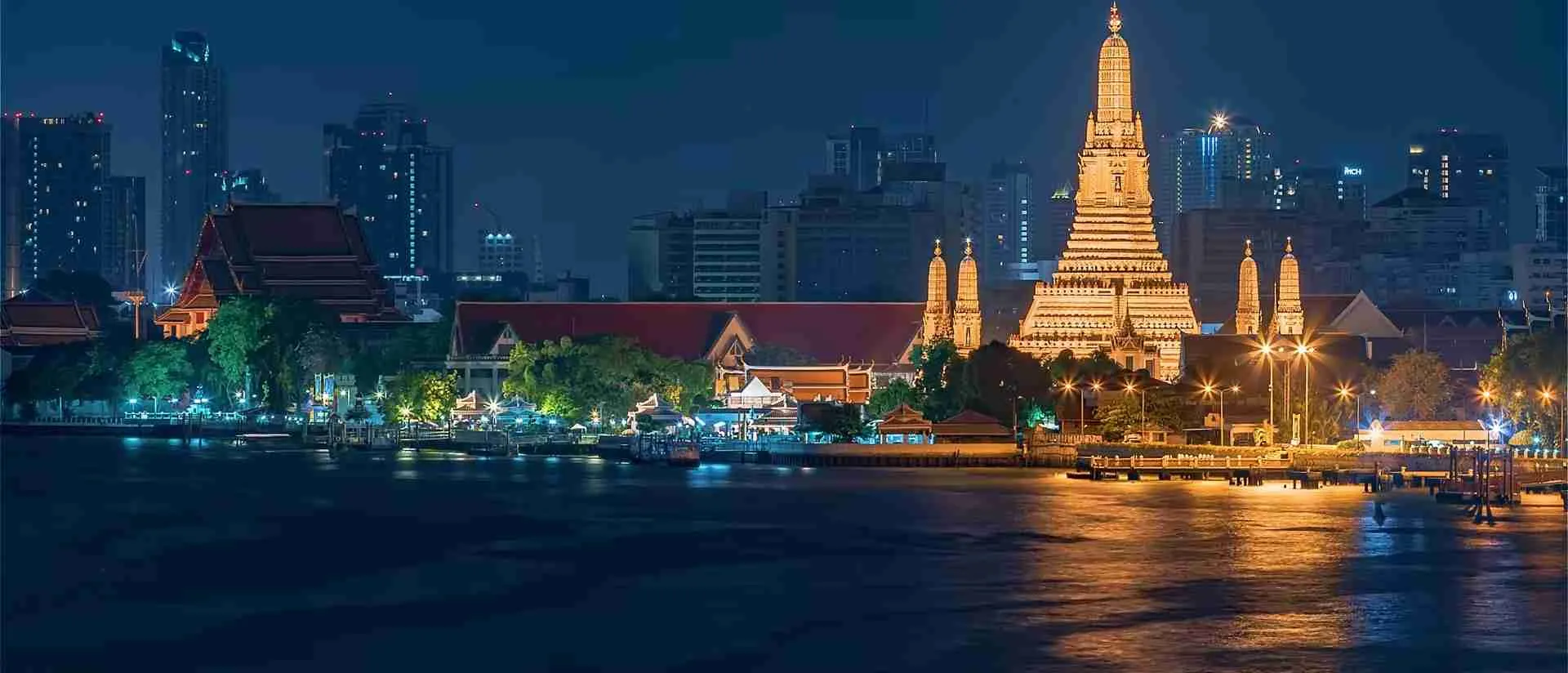
Thailand Budget Guide 2026: Costs & Money Tips
Thailand remains Southeast Asia’s premier budget destination in 2026, delivering exceptional value across accommodation, dining, transportation, and activities compared to Western equivalents and regional competitors. Daily costs range ฿900-10,500 ($25-300) depending on travel style, with budget travelers thriving on ฿900-1,800 ($25-50), mid-range visitors spending ฿2,150-3,600 ($60-100), and luxury seekers enjoying premium experiences for ฿5,400-10,800+ ($150-300+), making Thailand accessible to backpackers and honeymooners alike while maintaining the quality and authentic experiences that attract millions of annual visitors.
Key Takeaways: Thailand Travel Costs 2026
- Daily Budget Ranges by Travel Style 2026: Budget travelers manage ฿900-1,800 ($25-50) daily covering hostel beds, street food, and public transport; mid-range visitors spend ฿2,150-3,600 ($60-100) for private accommodation, restaurant meals, and mixed transport; luxury travelers invest ฿5,400-10,800+ ($150-300+) for resort stays, fine dining, and private transfers—Thailand accommodates every budget tier without compromising experience quality
- Regional Price Variations Impact Daily Budgets 2026: Bangkok costs align with national averages, Chiang Mai runs 15-25% cheaper than the capital, Phuket and Koh Samui charge 20-40% premiums during peak season (November-March), and lesser-known destinations like Koh Lanta or Isaan provinces offer 30-50% savings—strategic destination selection dramatically affects total trip costs
- Seasonal Pricing Creates 40-50% Cost Swings 2026: Peak season (November-March) brings highest accommodation rates and tour prices particularly on islands, shoulder months (April, October-early November) deliver excellent weather with 15-25% discounts, and monsoon season (May-September) offers 40-50% hotel savings with brief afternoon rains rather than all-day storms—timing trips to shoulder periods maximizes value
- Street Food Delivers Authentic Meals at ฿40-80 ($1-2.50): Thailand’s legendary street food culture provides restaurant-quality dishes at fraction of sit-down costs, with pad thai, som tam, and noodle soups costing ฿40-80 per portion, food court meals in shopping malls offering air-conditioned variety for ฿60-120, and 7-Eleven stores stocking ready-meals and snacks under ฿50—eating like locals saves ฿300-600+ daily
- Public Transportation Costs Minimal 2026: Bangkok’s BTS/MRT charges ฿16-52 ($0.45-1.45) per trip with day passes at ฿140, intercity buses cost ฿300-800 ($8-22) for long routes, domestic flights run ฿1,000-4,500 ($30-125) when booked advance, and trains offer scenic travel at ฿400-1,800 ($11-50) depending on class—transportation rarely exceeds 15-20% of daily budgets
- ATM Strategies Save ฿3,000+ Annually: Thai ATMs charge ฿220 ($6) per withdrawal regardless of amount, making large withdrawals (฿10,000-20,000) far more economical than frequent small amounts; travel-friendly debit cards with ATM fee reimbursement eliminate these costs entirely, potentially saving ฿3,000-6,000 on multi-week trips—currency strategy matters more than travelers realize
People Also Ask About Thailand Budget 2026
How Much Money Do I Need Per Day in Thailand 2026?
Daily budget requirements in Thailand 2026 range ฿900-10,800 ($25-300) depending on accommodation preferences, dining choices, activity participation, and destination selection. Budget travelers spending ฿900-1,800 ($25-50) daily stay in hostel dormitories (฿400-700 per night), eat primarily street food and local restaurants (฿350-550 daily for three meals plus snacks), use public buses and trains for transport (฿100-300 daily), and select free or low-cost activities like temple visits and markets. Mid-range travelers allocating ฿2,150-3,600 ($60-100) daily book private rooms in guesthouses or 3-star hotels (฿1,200-2,200 per night), mix street food with sit-down restaurants (฿500-800 daily), utilize combination of public transport and occasional Grab taxis (฿200-400 daily), and participate in paid activities like cooking classes or island tours (฿500-1,000 per activity). Luxury travelers spending ฿5,400+ ($150+) daily reserve 4-5 star hotels or beach resorts (฿3,500-8,000+ per night), dine at hotel restaurants and upscale establishments (฿1,200-2,500+ daily), book private drivers or domestic flights (฿800-3,000+ daily), and access premium experiences including spa treatments and exclusive tours. These daily averages exclude international flights to Thailand but include all in-country expenses across accommodation, food, local transport, and typical activities, with actual spending varying based on individual consumption patterns and splurge choices.
Thailand is largely cash-driven outside major hotels, so how you access baht shapes your daily budget. Thai ATMs charge a flat foreign-card fee (around 220 THB) per withdrawal on top of your bank’s own fees — so fewer, larger withdrawals save money. Holding baht on a multi-currency card like Wise lets you convert at the interbank rate and minimize both the per-withdrawal ATM fee’s impact and the exchange markup that airport and street currency booths build in.
Is Thailand Cheaper Than Vietnam or Bali in 2026?
Thailand maintains comparable or slightly higher costs than Vietnam while remaining 10-20% cheaper than Bali across most expense categories in 2026, positioning it as the middle-ground Southeast Asian destination for budget-conscious travelers. Thailand and Vietnam offer nearly identical street food prices (฿40-80 vs ₫20,000-40,000 or $1-2.50 per meal), similar hostel accommodation (฿400-700 vs ₫100,000-180,000 or $11-20 per night), and comparable bus transportation, though Vietnam’s domestic flights run slightly cheaper. Thailand’s advantage appears in superior infrastructure—better metro systems in Bangkok versus Hanoi/Ho Chi Minh City, more developed tourist services, and English language prevalence making navigation easier for first-time Asia travelers. Bali commands 15-25% premiums over Thailand for accommodation (Bali mid-range hotels cost $50-80 vs Thailand’s $35-60 for equivalent quality), restaurant meals (Bali tourist restaurants charge $8-15 vs Thailand’s $5-10), and activities, though Bali’s smaller geography reduces transportation costs. Thailand wins decisively on food variety, public transport quality, and cultural site diversity, while Vietnam offers marginally lower absolute costs but requires more navigation effort. For travelers prioritizing ease, infrastructure, and food quality, Thailand’s slight cost premium over Vietnam delivers substantial practical advantages, while those seeking absolute rock-bottom prices find Vietnam marginally cheaper at the expense of convenience. Bali attracts travelers willing to pay premiums for concentrated beach-culture-yoga experiences in compact geography, whereas Thailand rewards those exploring diverse regions from mountains to beaches to ancient capitals.
What Are the Hidden Costs Nobody Warns You About in Thailand 2026?
Thailand’s hidden costs that inflate budgets beyond advertised prices include ฿220 ($6) ATM withdrawal fees charged by all Thai banks regardless of withdrawal amount, island transportation surcharges adding ฿200-800 ($6-22) for pier transfers and boat combinations, checked baggage fees on domestic budget airlines ranging ฿500-1,200 ($14-33) per bag when not pre-booked, taxi airport transfers costing ฿300-1,000 ($8-28) versus ฿45 ($1.25) airport rail links, and peak season accommodation supplements increasing advertised rates 30-50% during December-February high season. ATM fees accumulate rapidly—travelers making 10 withdrawals across three weeks pay ฿2,200 ($61) in fees, eliminated by using travel credit/debit cards with ATM fee reimbursement programs or withdrawing large amounts (฿10,000-20,000) infrequently. Island destinations impose hidden transport costs beyond ferry tickets: taxis from Phuket Airport to beaches cost ฿600-1,000 despite 45km distance, speedboat transfers on Koh Phi Phi charge ฿100-200 for 500-meter pier-to-beach segments, and longtail boats to Railay Beach add ฿100-150 per person to reach accommodations. Budget airlines (AirAsia, Nok Air, Thai Lion Air) advertise ฿800-1,500 tickets but add ฿300-500 for seat selection, ฿500-1,200 for checked bags, ฿100-200 for meals, potentially doubling ticket costs—pre-booking baggage during initial purchase saves 30-40% versus airport additions. Hotel booking platforms show attractive rates but add 7% VAT and 10% service charges at checkout, increasing ฿1,200 advertised rate to ฿1,404 actual charge. Tourist trap restaurants near major attractions (Grand Palace, Patong Beach, Khao San Road) charge 200-300% premiums—฿250 pad thai versus ฿60 identical dish two blocks away. Understanding and planning for these hidden expenses prevents budget shock and allows accurate trip cost calculations.
Can I Survive on $30 Per Day in Thailand 2026?
Surviving on $30 per day (฿1,080) in Thailand 2026 remains feasible through disciplined budget management, strategic destination selection, and acceptance of basic accommodation and dining standards, though ฿1,400-1,800 ($40-50) provides significantly more comfortable experiences without extreme penny-pinching. The ฿1,080 daily budget allocates ฿400-500 for hostel dormitory bed, ฿350-450 for three street food meals plus snacks and water, ฿100-150 for local public transportation, and ฿80-180 for incidental expenses or one budget activity, leaving minimal room for splurges, air-conditioned comfort, or unexpected costs. This budget works best in Northern Thailand (Chiang Mai, Pai, Chiang Rai) and Isaan provinces where accommodation and food run 20-30% cheaper than Bangkok or southern islands, requires eating exclusively at street stalls and food courts rather than restaurants, demands public buses and trains instead of taxis or Grab, and limits activities to free temple visits and markets rather than paid tours or island excursions. Challenges at $30/day include zero accommodation flexibility (dormitory sharing mandatory), heat exhaustion from avoiding air-conditioned spaces, limited activity participation (most cooking classes, island tours, and national park entries exceed single-day activity budget), and no buffer for illness, transportation delays, or spontaneous experiences. The budget becomes untenable on expensive islands (Koh Samui, Koh Phi Phi, Phuket beaches) where dormitory beds reach ฿600-800 nightly and food costs run 40-60% above mainland prices. Increasing daily budget to ฿1,400-1,800 ($40-50) adds private fan rooms (more comfortable than dormitories), occasional restaurant meals, one substantial weekly activity (cooking class, island tour, massage), and emergency buffer, dramatically improving experience quality while maintaining budget-travel authenticity. Travelers attempting strict $30/day budgets should plan longer stays in cheaper regions (2-3 weeks Chiang Mai instead of 1 week beach hopping), accept basic amenities, and recognize this represents extreme budget travel rather than comfortable backpacking—possible but demanding significant compromises.
Extended multi-day tours – 5+ days
Featured Thailand Multi-Day Tour Packages
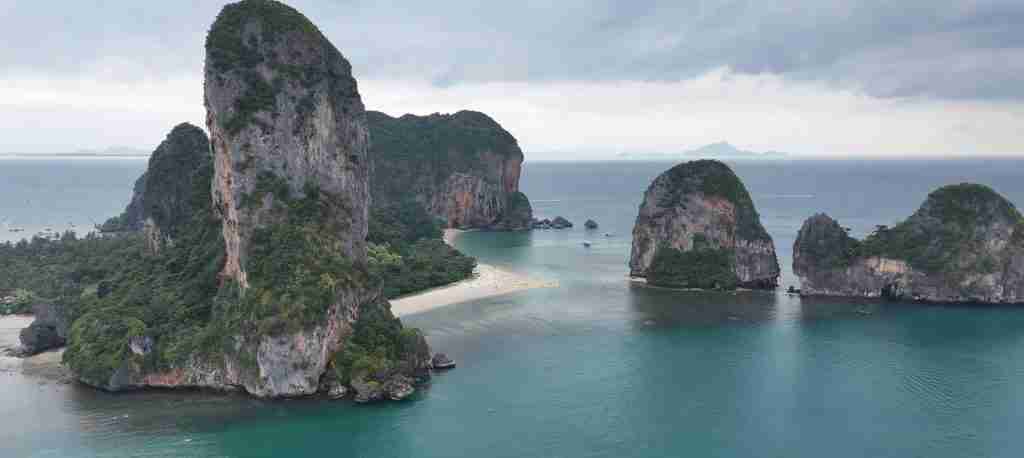
3 days
Thailand 3-Day Discovery Tour
- ✓ Comprehensive Thailand experience
- ✓ Expert local guides included
- ✓ All accommodation included
- ✓ Transportation provided

5 days
Thailand 5-Day Highlights Experience
- ✓ Comprehensive Thailand experience
- ✓ Expert local guides included
- ✓ All accommodation included
- ✓ Transportation provided
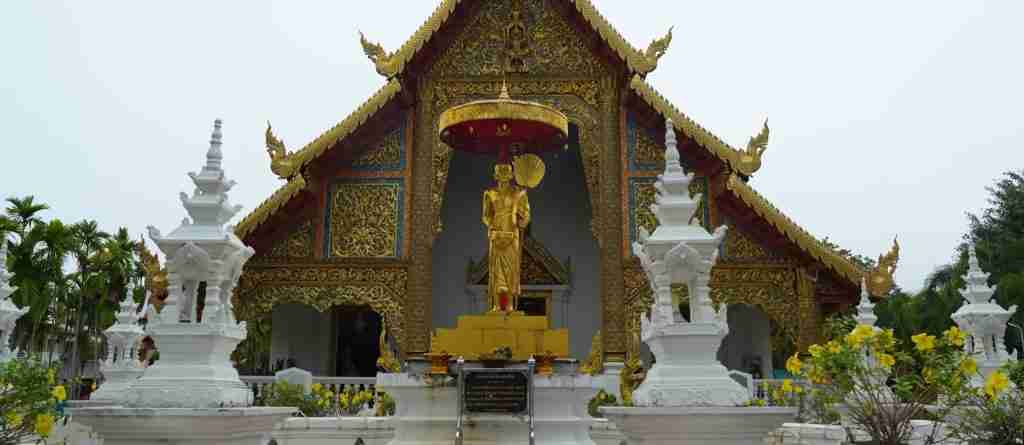
7 days
Thailand 7-Day Cultural Journey
- ✓ Comprehensive Thailand experience
- ✓ Expert local guides included
- ✓ All accommodation included
- ✓ Transportation provided

10 days
Thailand 10-Day Complete Adventure
- ✓ Comprehensive Thailand experience
- ✓ Expert local guides included
- ✓ All accommodation included
- ✓ Transportation provided
Multi-day tour packages powered by TourRadar. Prices and availability subject to change.
Introduction: Understanding Thailand’s 2026 Budget Landscape
Thailand’s reputation as Southeast Asia’s premier budget destination continues strengthening in 2026 despite moderate inflation and tourism recovery, with the country delivering exceptional value across accommodation, dining, transportation, and activities compared to both Western equivalents and regional competitors like Bali, Philippines, and Malaysia. The Thai baht maintains relative stability at ฿35-37 per US dollar throughout 2026, providing predictable budgeting for international visitors, while domestic inflation running 2-4% annually creates minimal price increases for core travel expenses. This combination of currency stability, competitive tourism market, and efficient infrastructure allows Thailand to accommodate budget backpackers spending ฿900 ($25) daily and luxury honeymooners investing ฿10,800+ ($300+) daily within the same destination framework.
Understanding Thailand’s budget landscape requires recognizing three fundamental factors that determine actual daily costs: destination selection (Chiang Mai runs 25% cheaper than Phuket), seasonal timing (peak season rates exceed low season by 40-50%), and travel style choices (street food versus restaurant meals creates ฿600+ daily differences). The country’s diverse geography creates significant regional price variations—Bangkok aligns with national averages, Northern provinces and Isaan offer 20-30% discounts, popular islands impose 25-40% premiums during high season, and emerging destinations provide exceptional value for adventurous travelers. These variations mean a budget traveler spending ฿1,200 ($33) daily in Chiang Mai enjoys equivalent comfort to someone spending ฿1,800 ($50) on Koh Samui, making destination strategy crucial for budget optimization.
Thailand’s 2026 pricing structure reflects post-pandemic tourism normalization, with visitor numbers approaching pre-2020 levels and service standards improving across budget categories. Accommodation markets show robust competition—Bangkok alone offers 2,000+ hotels and guesthouses competing for travelers, forcing competitive pricing even during peak periods. The street food culture remains intact with vendors charging ฿40-80 per dish despite inflation, while transportation infrastructure improvements (expanded BTS/MRT systems, more budget airline routes, modernized trains) provide excellent value relative to distance covered. The practical reality contradicts assumptions that popular destinations always become expensive—Thailand’s mature tourism industry, fierce market competition, and government tourism promotion maintain accessibility across budget tiers.
This guide examines actual 2026 costs across every expense category, providing verified pricing for accommodation from hostels to luxury resorts, food from street stalls to fine dining, transportation covering all modes, and activities from free temple visits to premium tours. The approach emphasizes real-world budget scenarios rather than theoretical minimums, acknowledging that sustainable travel budgets include occasional comfort splurges, unexpected expenses, and experience-enhancing activities beyond survival basics. Whether planning shoestring backpacking across multiple regions or comfortable exploration of select destinations, understanding Thailand’s cost structure enables confident budgeting and prevents the common mistake of either over-budgeting (limiting experiences) or under-budgeting (causing mid-trip financial stress).
Daily Budget Frameworks Thailand 2026: Budget to Luxury Breakdown
Thailand accommodates three distinct daily budget tiers in 2026, each delivering authentic experiences while varying significantly in comfort levels, spontaneity allowance, and activity participation, with clear trade-offs between strict budget discipline and flexible enjoyment shaping the optimal spending framework for different traveler priorities and timeframes.
Budget Travel: ฿900-1,800 ($25-50) Daily
Budget travel in Thailand 2026 centers on hostel accommodations, street food dining, public transportation, and free or low-cost activities, requiring advance planning and acceptance of basic amenities but delivering authentic local experiences and maximum trip duration for limited funds. Accommodation consumes ฿400-700 ($11-20) for hostel dormitory beds in tourist areas (Khao San Road Bangkok, Old City Chiang Mai, Patong Beach Phuket), providing basic air-conditioned rooms with shared bathrooms, lockers, and sometimes complimentary breakfast—premium hostels charging ฿600-800 offer pod-style beds with privacy curtains and USB charging ports. Private rooms in budget guesthouses cost ฿800-1,200 ($22-33) for travelers desiring privacy while maintaining budget parameters, though this forces reductions in other spending categories to maintain daily totals. Food expenses run ฿350-550 ($10-15) daily eating exclusively at street stalls (฿40-80 per meal), food courts in shopping malls (฿60-120 per meal), and 7-Eleven ready-meals (฿35-60), providing nutritious, delicious Thai cuisine at fraction of restaurant costs—three substantial street food meals plus snacks and bottled water fit comfortably within this allocation. Transportation budgets ฿100-300 ($3-8) daily using public buses (฿18-30 per trip), BTS/MRT in Bangkok (฿16-52 per trip), and intercity government buses (฿300-800 for long routes), avoiding taxis and Grab except when public options don’t exist. Activities allocation of ฿100-200 ($3-6) covers temple entrance fees (฿100-200 each), free attractions (markets, parks, beaches), and occasional budget activities like ฿200-350 massages, with expensive tours and cooking classes requiring dedicated saving from other categories. This budget tier works optimally in Northern Thailand and Isaan provinces where costs run 20-30% below tourist island prices, demands flexibility accepting dormitory roommates and heat during transport, and rewards travelers with authentic local interactions and extended trip durations—three weeks on ฿1,200 daily ($33) costs ฿25,200 ($700) total versus one week on ฿3,600 daily ($100) for identical total expenditure.
Mid-Range Travel: ฿2,150-3,600 ($60-100) Daily
Mid-range travel in Thailand 2026 balances comfort and value through private air-conditioned rooms, mixed dining between street food and restaurants, flexible transportation including occasional taxis, and regular activity participation without constant budget monitoring—the sweet spot for travelers seeking authentic experiences with modern amenities. Accommodation costs ฿1,200-2,200 ($33-61) nightly for private rooms in 3-star hotels or quality guesthouses featuring air conditioning, private bathrooms, WiFi, sometimes pools, and superior locations within walking distance of attractions—Bangkok, Chiang Mai, and most mainland destinations offer excellent options at ฿1,200-1,600, while beach destinations charge ฿1,800-2,500 for equivalent quality. Food budgets ฿500-900 ($14-25) daily mixing street food breakfast and lunch (฿80-120 per meal) with sit-down restaurant dinners (฿200-400 per person), occasional coffee shops (฿80-150 per drink), and splurge meals at mid-range establishments (฿400-800 for special dinners)—this allocation provides dietary variety, air-conditioned dining comfort, and Western food options when Thai cuisine fatigue sets in. Transportation expenses run ฿200-400 ($6-11) daily combining public transport for routine trips with Grab taxis for convenience or late-night returns (฿80-150 per ride), including intercity bus or train tickets amortized across travel days and occasional domestic flights when time savings justify costs (฿1,000-2,500 per flight). Activities budget ฿500-1,000 ($14-28) enables regular participation in paid experiences—cooking classes (฿900-1,400), island day tours (฿700-1,400), national park entries (฿100-400), spa treatments (฿600-1,200), and cultural performances (฿400-800)—without requiring sacrifice from other categories, though expensive multi-day tours or diving certifications need specific allocation. This budget tier delivers comfortable travel without luxury pricing, suits travelers with 1-3 week timeframes seeking quality over duration, and proves sustainable in expensive areas (Phuket, Koh Samui) while feeling abundant in cheaper regions (Chiang Mai, Krabi Town), making it Thailand’s most popular budget category among international visitors seeking balance between experience quality and cost efficiency.
Luxury Travel: ฿5,400-10,800+ ($150-300+) Daily
Luxury travel in Thailand 2026 eliminates budget constraints while accessing the country’s finest hotels, restaurants, and experiences at costs dramatically lower than equivalent Western luxury travel—Bangkok five-star hotels charging ฿6,000-12,000 ($165-330) nightly deliver service and quality requiring $400-600 in New York or London, creating exceptional value for travelers prioritizing comfort and service. Accommodation costs ฿3,500-12,000+ ($97-330+) nightly for 4-5 star hotels, beach resorts, and boutique properties featuring pools, spa facilities, beachfront locations, and superior service—Bangkok luxury hotels run ฿6,000-10,000, Chiang Mai boutique resorts ฿4,000-8,000, and island beach resorts ฿8,000-15,000+ during peak season, with presidential suites and private villas reaching ฿20,000-50,000+ for ultimate exclusivity. Food budgets ฿1,200-2,500+ ($33-70+) daily encompass hotel breakfast buffets, upscale restaurant lunches (฿500-1,000), fine dining dinners (฿1,000-2,500+), rooftop bar drinks (฿300-600 per cocktail), and unlimited beverage consumption without price consideration—Bangkok’s Michelin-starred restaurants, beachfront seafood establishments, and hotel restaurants provide world-class dining at 40-60% below Western equivalents. Transportation expenses ฿800-3,000+ ($22-83+) daily cover private drivers (฿2,500-4,000 for full-day service), domestic first-class flights (฿3,000-8,000), premium airport transfers (฿800-2,000), and luxury car services, eliminating any public transport use or cost consideration. Activities allocation ฿1,500-5,000+ ($42-140+) enables premium experiences including private boat charters (฿8,000-25,000 full day), luxury spa packages (฿3,000-8,000 for multi-hour treatments), VIP cultural tours (฿4,000-12,000), private cooking instruction (฿3,000-6,000), and exclusive island access—price becomes secondary to experience quality and convenience. This budget tier transforms Thailand from budget destination into luxury paradise, particularly appeals to honeymooners and special occasion travelers, and proves most valuable in expensive areas where mid-range options deliver limited upgrades while luxury hotels provide dramatic quality jumps—the ฿8,000 Phuket beach resort versus ฿2,000 standard hotel delivers exponentially more value than the same price gap in Chiang Mai.
Accommodation Costs Thailand 2026: Hostels to Luxury Resorts
Thailand’s accommodation market in 2026 spans from ฿400 hostel dormitories to ฿50,000+ luxury villas, with fierce competition across all price tiers maintaining exceptional value relative to quality delivered, particularly in the mid-range ฿1,200-2,500 category where modern hotels with pools and excellent locations compete for travelers accustomed to paying double for inferior Western equivalents.
Hostel Dormitory Beds: ฿400-700 ($11-20) Per Night
Hostel dormitories provide Thailand’s cheapest accommodation in 2026, with major tourist areas (Bangkok Khao San, Chiang Mai Old City, Phuket Patong) offering ฿400-550 beds in basic 6-8 person mixed dorms featuring air conditioning, lockers, shared bathrooms, and common areas conducive to meeting fellow travelers. Premium hostels charging ฿600-800 deliver pod-style beds with privacy curtains, individual reading lights, USB charging ports, and superior common facilities including rooftop bars, pools, and organized activities—these premium dormitories rival private budget rooms for comfort while maintaining backpacker social atmosphere. Smaller cities and less touristed areas (Krabi Town, Sukhothai, Udon Thani) offer dormitories at ฿350-500 with equivalent amenities, though social atmosphere may be quieter with fewer international travelers. Female-only dormitories typically cost ฿50-100 premium over mixed dorms, providing additional security and comfort for solo women travelers. Most hostels include basic breakfast (toast, eggs, coffee) in rates, offer luggage storage for early/late travelers, and maintain 24-hour reception for flexible check-in—Bangkok’s hostel density creates extreme competition keeping prices low despite high demand. Island destinations charge hostel premiums—Koh Phi Phi dormitories run ฿550-800, Koh Samui ฿500-700, Koh Tao ฿450-650—reflecting limited land availability and higher operational costs. Booking platforms (Hostelworld, Booking.com, Agoda) show accurate pricing and reviews, though walk-in rates sometimes drop below online prices during low season when occupancy falls. Hostels prove most valuable for solo budget travelers prioritizing social interaction and trip duration over privacy, work effectively for travelers under 30-35 seeking backpacker culture, but may frustrate older travelers or couples desiring privacy and quiet.
Budget Private Rooms: ฿800-1,500 ($22-42) Per Night
Budget guesthouses and hotels provide private rooms with air conditioning and en-suite bathrooms in the ฿800-1,500 range, delivering privacy and comfort at minimal premiums over hostel dormitories—the most efficient value category for couples and travelers who find dormitory sharing unacceptable. Bangkok budget hotels near BTS stations cost ฿900-1,200 for small but clean rooms (12-15 sqm) with double beds, private bathrooms, WiFi, and basic furnishings, often in modern buildings with elevators and 24-hour security—areas like Sukhumvit Soi 11-31, Silom, and Sathorn offer best selections. Chiang Mai guesthouses charge ฿700-1,000 for similar rooms in traditional Thai buildings, sometimes featuring outdoor spaces and more character than Bangkok equivalents despite lower prices. Beach destinations elevate budget room costs—Phuket ฿1,200-1,800, Koh Samui ฿1,000-1,500, Krabi beaches ฿900-1,400—with proximity to beach driving price variations (beachfront properties charge 50-100% premiums over 5-10 minute walks). Room quality at this price varies significantly—some properties offer recently renovated spaces with modern bathrooms and comfortable beds, while others provide aging facilities with minimum maintenance and hard mattresses, making review consultation essential before booking. Most budget accommodations exclude breakfast, lack pools or gyms, and offer minimal common facilities, though reception desks typically assist with tour bookings and transportation arrangements. Negotiation proves effective during low season—asking for discounts on multi-night stays or walking in versus advance booking often yields 10-20% reductions when occupancy runs low. This accommodation tier works optimally for travelers spending limited time in rooms (sleeping only), proves most valuable in expensive areas where mid-range categories offer limited upgrades, and suits budget-conscious couples or solo travelers desiring privacy without dormitory compromises.
Mid-Range Hotels: ฿1,500-3,500 ($42-97) Per Night
Mid-range hotels in Thailand 2026 deliver exceptional value with modern facilities, pools, superior locations, and service standards rivaling Western 4-star properties at 40-60% lower costs—the category representing Thailand’s strongest competitive advantage for comfort-seeking travelers. Bangkok 3-star hotels charge ฿1,500-2,500 for spacious rooms (25-35 sqm) with quality beds, modern bathrooms with hot water, work desks, TVs, safes, and daily housekeeping, often including pools, fitness centers, and breakfast buffets—chains like Ibis, Novotel, and Holiday Inn deliver consistent quality while Thai boutique hotels provide superior character and design. Chiang Mai boutique hotels run ฿1,200-2,200 for rooms in converted traditional houses or modern buildings, frequently featuring swimming pools, garden settings, and personalized service despite budget pricing—the city’s lower operational costs allow property owners to maintain quality while undercutting Bangkok rates. Beach resort mid-range accommodation costs ฿2,200-3,800 depending on season and beach proximity, with beachfront properties commanding premiums while 5-10 minute walk locations offering similar room quality at 30-40% discounts—Krabi, Koh Lanta, and Hua Hin provide better mid-range value than Phuket Patong or Koh Samui Chaweng where demand drives prices higher. Many mid-range properties include breakfast buffets with Western and Thai options (eggs, toast, fruit, coffee, rice dishes), provide tour booking services, offer airport transfers, and maintain English-speaking staff capable of addressing tourist needs. Booking 2-3 months advance during high season (November-March) secures lowest rates and best room selections, while last-minute deals during low season (May-October) sometimes drop rates 40-50% below published prices when occupancy falls. This accommodation category delivers optimal value for money in Thailand, suits couples and families seeking comfort without luxury pricing, and proves particularly strong in cities where location and facilities matter more than beach access or resort atmospheres.
Luxury Hotels and Resorts: ฿3,500-15,000+ ($97-415+) Per Night
Luxury accommodation in Thailand 2026 provides world-class service, stunning locations, and exceptional facilities at costs dramatically below equivalent Western properties, with Bangkok Lebua State Tower suites charging ฿12,000 ($330) delivering equivalent experiences to $600-800 New York luxury hotels, creating compelling value for special occasion travelers. Bangkok 5-star hotels (Peninsula, Mandarin Oriental, Four Seasons, St. Regis) charge ฿6,000-15,000 for superior rooms featuring river views, marble bathrooms, premium bedding, butler service in higher categories, and access to rooftop bars, infinity pools, Michelin-starred restaurants, and world-class spas—these properties concentrate along Chao Phraya River and upper Sukhumvit areas. Chiang Mai luxury resorts run ฿4,000-10,000 for rooms in properties like Dhara Dhevi (palatial Lanna architecture), Four Seasons, and Anantara, often featuring private pools, extensive grounds, and mountain/rice field views—Northern Thailand luxury proves more affordable than Bangkok or beach equivalents while delivering superior space and exclusivity. Beach resort luxury reaches ฿8,000-25,000+ depending on island and season—Phuket Amanpuri villas exceed ฿50,000 nightly, Koh Samui Six Senses charges ฿15,000-30,000, Krabi Rayavadee runs ฿12,000-25,000—with peak season (December-February) commanding 40-60% premiums over low season rates and beachfront villas costs double ocean-view rooms. Many luxury properties include extensive breakfast buffets, afternoon tea, minibar items, and resort credits in rates, though à la carte restaurants, spa treatments, and activities incur additional charges. Private pool villas represent ultimate luxury—Phuket and Koh Samui properties offering 2-4 bedroom villas with private pools, kitchens, living areas, and dedicated staff cost ฿20,000-80,000 nightly, proving economical for groups splitting costs while maintaining privacy and exclusivity. This accommodation tier transforms Thailand into luxury destination rivaling Maldives or Bora Bora at fraction of costs, particularly appeals to honeymooners and anniversary travelers seeking special experiences, and delivers best value during low season when ฿8,000-12,000 secures properties charging ฿15,000-20,000 during peak periods—luxury travelers benefit most from seasonal timing flexibility.
Food and Dining Costs Thailand 2026: Street Stalls to Fine Dining
Thailand’s food costs in 2026 span from ฿40 street food dishes to ฿2,500+ fine dining meals, with the country’s legendary street food culture providing authentic, delicious cuisine at prices Western travelers find almost unbelievable—eating well in Thailand requires minimal expenditure when embracing local dining customs and avoiding tourist trap restaurants charging 200-300% premiums for identical dishes.
Street Food: ฿40-80 ($1-2.50) Per Dish
Street food vendors selling pad thai, som tam (papaya salad), grilled meats, noodle soups, and fried rice from carts and stalls charge ฿40-80 per portion, providing restaurant-quality meals cooked fresh while customers wait for fraction of sit-down restaurant costs. Bangkok street vendors in residential areas (not tourist zones) sell pad thai for ฿50-60, som tam ฿40-50, chicken fried rice ฿50-60, and grilled pork skewers ฿10-15 each, with portions sufficient for full meals—tourist areas (Khao San Road, Silom Night Market, Sukhumvit touristy zones) charge ฿80-120 for identical dishes capitalizing on visitor unfamiliarity with appropriate pricing. Northern Thailand street food runs slightly cheaper—Chiang Mai vendors sell khao soi (curry noodle soup) for ฿40-60, sai oua (Northern sausage) ฿60-80 per serving, sticky rice with grilled chicken ฿60-80 complete meal—while Southern beach destinations increase prices with Phuket Patong Beach vendors charging ฿80-120 for dishes costing ฿50-60 in Krabi Town. Food safety remains high despite open-air cooking—vendors serving continuous customers ensure ingredient freshness through rapid turnover, high cooking temperatures kill potential pathogens effectively, and Thailand’s street food culture maintains quality standards refined over decades serving local populations. First-time visitors should start with cooked-to-order items (grilled meats, fried rice, stir-fries) before trying raw preparations (som tam, certain salads), choose vendors with obvious customer traffic indicating popularity and freshness, and stay hydrated as digestive systems adjust to unfamiliar bacteria strains over 3-5 days. Eating three street food meals daily costs ฿120-240 ($3-7) total, making it possible to feed yourself excellent Thai cuisine for less than single Western fast food meal—this represents Thailand’s strongest budget travel advantage and explains how budget backpackers maintain ฿900-1,200 daily spending while eating nutritiously.
Food Courts and 7-Eleven Ready Meals: ฿60-150 ($2-4) Per Meal
Shopping mall food courts provide air-conditioned, clean, and diverse dining at prices only slightly above street food, appealing to travelers seeking comfort and variety without restaurant costs—Bangkok’s Terminal 21, Central World, and MBK food courts serve Thai dishes (฿60-100), Japanese options (฿100-150), and Western fast food alternatives (฿120-180) with payment via prepaid cards eliminating cash handling. Food court system involves purchasing prepaid card at main desk with ฿200-500, ordering from individual vendors who deduct amounts from card, and refunding unused balance when exiting—some food courts now accept credit cards directly. Quality matches good street vendors while adding air conditioning, bathroom facilities, and seating comfort, making food courts ideal for lunch breaks during sightseeing or escapes from afternoon heat. 7-Eleven convenience stores (ubiquitous with 10,000+ Thailand locations) stock ready-to-eat meals including sandwiches (฿35-60), onigiri rice balls (฿20-30), instant noodle cups (฿15-35), salads (฿40-70), and hot items like steamed buns and grilled pork (฿25-50)—staff heat purchases in microwaves when requested. 7-Eleven breakfasts of toasted sandwich (฿35-45) with coffee (฿25) total ฿60-70, substantially cheaper than hotel breakfast buffets charging ฿200-400. Water costs ฿7-10 for 1.5L bottles versus ฿25-40 at tourist sites, making 7-Eleven stops before temple visits or beach days economical. These options prove particularly valuable during travel days (bus/train journeys), early mornings before restaurants open, late nights after restaurants close, and when heat or fatigue makes street food hunting unappealing—combining food court lunches with street food dinners or vice versa provides variety while maintaining budget parameters.
Local Restaurants: ฿100-250 ($3-7) Per Person
Local Thai restaurants with seating, menus, and table service charge ฿100-250 per person for complete meals including rice, main dish, and drink, providing comfort and expanded options compared to street food while maintaining reasonable pricing—these establishments cater primarily to Thai customers rather than tourists, offering authentic cuisine without English menus but with patient staff willing to assist foreigners. Single dishes cost ฿80-150 (curries, stir-fries, soups), rice adds ฿10-20, and drinks (Thai iced tea, fresh juice, soda) run ฿30-50, with typical meal totaling ฿120-200 per person—portions often exceed Western restaurant standards, sometimes allowing sharing between two people. Bangkok residential neighborhood restaurants (away from tourist zones) serve green curry with rice for ฿100-120, pad krapow (holy basil stir-fry) ฿90-110, tom yum soup ฿120-150, while equivalent tourist area restaurants charge ฿180-300 for identical preparations. Northern restaurants specialize in regional dishes unknown in Central Thailand—khao soi ฿60-90, nam prik ong (Northern chili dip) with vegetables ฿80-120, gaeng hang lay (Northern curry) ฿100-140—providing authentic local flavors at prices below Bangkok standards. Southern restaurants feature seafood heavily—grilled fish ฿150-300 depending on size, seafood tom yum ฿120-180, gaeng som (sour curry) ฿80-120—with coastal locations offering fresher product at better prices than inland cities. Air-conditioned restaurants charge ฿20-40 premiums over fan-cooled equivalents for identical food, with the comfort surcharge worth considering during hot afternoon dining. This restaurant category delivers best value for lunch when many properties offer set menus (rice, soup, main, drink) for ฿90-150, accommodates travelers intimidated by street food ordering systems or seeking bathroom access, and provides authentic Thai cuisine experiences without tourist-trap pricing.
Mid-Range and Tourist Restaurants: ฿200-500 ($6-14) Per Person
Mid-range restaurants in tourist areas, Western food establishments, and upscale Thai restaurants charge ฿200-500 per person for meals including appetizers, mains, and drinks, providing English menus, air conditioning, modern ambiance, and service standards familiar to international travelers—these properties target foreign visitors willing to pay premiums for comfort and familiarity. Tourist area Thai restaurants (Sukhumvit, Silom, Chiang Mai Old City, Phuket beaches) serve pad thai ฿180-280, green curry ฿220-320, tom yum ฿200-300, and fried rice ฿160-240, typically double the prices charged at local restaurants 5-10 minutes walk away—the premium buys English-speaking staff, picture menus, tourist-friendly spice levels, and locations convenient to hotels. Western food restaurants provide pizza (฿280-450 per pie), burgers (฿250-400), pasta (฿220-380), and steaks (฿450-800), offering familiar options when Thai food fatigue develops during multi-week trips—quality varies significantly with Italian and German establishments often delivering authentic preparations while generic Western restaurants produce mediocre approximations. Breakfast restaurants and cafes charge ฿180-350 for Western breakfast plates (eggs, toast, bacon, hash browns, coffee), ฿120-200 for Thai breakfast options (jok rice porridge, khao tom rice soup), and ฿80-150 for coffee drinks, making hotel breakfast buffets at ฿200-350 comparatively economical when included in room rates. Beach restaurants command location premiums—beachfront tables in Phuket, Koh Samui, or Krabi charge 30-50% more than identical restaurants one block inland, though sunset views and atmosphere justify costs for occasional splurge dinners. This restaurant category suits travelers seeking comfort and familiarity, proves valuable for special occasion dinners or Western food cravings, but represents poor value compared to local options—eating here exclusively inflates food budgets to ฿600-1,500 daily versus ฿240-450 mixing local and tourist restaurants strategically.
Fine Dining and Luxury Restaurants: ฿800-2,500+ ($22-70+) Per Person
Fine dining restaurants including Bangkok Michelin-starred establishments, hotel restaurants, and upscale seafood venues charge ฿800-2,500+ per person for multi-course meals with wine pairings, delivering world-class cuisine and service at costs 40-60% below Western equivalents—Thailand’s fine dining represents exceptional value for special occasion meals. Bangkok Michelin-starred restaurants (Gaggan, Le Normandie, Sühring, Paste) charge ฿2,500-6,000+ per person for tasting menus with optional wine pairings adding ฿2,000-4,000, providing innovative preparations and presentation rivaling top European restaurants while maintaining lower pricing due to Thailand’s cost structure. Hotel rooftop restaurants and bars (Lebua Sky Bar, Vertigo at Banyan Tree, Octave Rooftop Bar) serve à la carte mains at ฿600-1,200 with cocktails ฿300-600, charging premiums for views and atmosphere more than food quality—visiting for drinks and appetizers (฿800-1,200 per person) delivers the experience at lower costs than full dinners. Beachfront seafood restaurants in Phuket, Krabi, and Koh Samui charge ฿1,500-3,000 per person for fresh lobster, crab, prawns, and fish grilled or steamed Thai-style, with pricing based on market weight (฿600-1,200 per kg for lobster, ฿400-800 per kg for prawns)—these meals provide memorable experiences justifying occasional splurges despite costs exceeding several days of budget eating. Upscale Thai restaurants serving royal court cuisine or regional specialties in refined settings charge ฿600-1,200 for multi-dish meals, offering elevated preparations of traditional dishes with superior ingredients and presentation—Bangkok’s Blue Elephant, Baan Khanitha, and similar establishments provide accessible fine dining introducing sophisticated Thai cuisine to international palates. Fine dining proves most valuable for celebration dinners, culinary enthusiasts seeking Michelin experiences, and travelers wanting occasional luxury without constant budget monitoring—allocating ฿2,000-4,000 for 1-2 special meals during multi-week trips adds minimal overall cost while creating memorable highlights.
Transportation Costs Thailand 2026: Moving Between and Within Cities
Thailand’s transportation network in 2026 offers exceptional variety and value, from ฿16 metro rides to ฿4,500 domestic flights, with public options delivering far superior cost efficiency compared to taxis and private transfers—understanding the trade-offs between time savings, comfort, and expense enables optimal transportation strategy based on route, budget, and schedule constraints.
Bangkok Public Transport: BTS, MRT, Buses ฿16-140 ($0.45-4) Per Trip
Bangkok’s elevated BTS Skytrain and underground MRT metro charge distance-based fares ranging ฿16-52 ($0.45-1.45) per trip, providing air-conditioned, efficient transport avoiding the city’s notorious traffic jams while connecting major tourist areas, hotels, shopping districts, and attractions. BTS operates two lines (Sukhumvit Line, Silom Line) covering Sukhumvit Road, Silom area, Siam shopping district, and Chatuchak Weekend Market, with trains running 6am-midnight and 5-8 minute intervals during peak hours. MRT serves different areas including Chinatown, Hua Lamphong train station, Kamphaeng Phet (near Chatuchak), and Lat Phrao, connecting with BTS at select stations for network-wide access. Stored-value Rabbit cards (฿200 deposit plus credit) eliminate ticket line waits and provide small fare discounts, though single-trip tokens work fine for short-term visitors—฿140 unlimited day passes exist but rarely prove economical unless making 6+ trips daily. Airport Rail Link connects Suvarnabhumi Airport to BTS/MRT network for ฿45 (฿15-45 depending on station), saving ฿300-500 versus meter taxis and ฿600-1,000 versus airport limousines—the 30-minute train ride includes luggage space and delivers travelers to any BTS station for final destination connection. Public buses cost ฿8-23 depending on bus type (non-air-conditioned ฿8, air-conditioned ฿13-23) but prove challenging for first-time visitors due to limited English signage and route complexity, though Google Maps now includes Bangkok bus routing making navigation feasible for adventurous budget travelers. Boat services along Chao Phraya River charge ฿15-40 per trip, connecting riverside attractions (Grand Palace, Wat Arun, Asiatique) while providing scenic transport alternatives to road traffic—tourist boats charging ฿200 day passes offer convenience but deliver limited value compared to regular express boats at ฿15-20 per trip. Bangkok’s public transport proves exceptionally economical with daily metro/BTS costs rarely exceeding ฿100-150 for comprehensive sightseeing covering 4-6 locations, though system shuts down at midnight forcing expensive taxi alternatives for late-night travel.
Taxis, Grab, and Tuk-Tuks: ฿50-400 ($1.40-11) Per Ride
Metered taxis start at ฿35 with ฿5-12 per km depending on speed (traffic jam rates lower than highway rates), making 5km trips cost ฿80-120 including typical ฿50 traffic surcharge, while Grab ride-hailing provides fixed pricing averaging 10-15% above meter taxis but eliminating negotiation and ensuring correct routing—both options prove economical for groups of 2-4 splitting costs or late-night travel when public transport closes. Bangkok meter taxis require insisting “meter please” when entering, as some drivers refuse meters near tourist areas hoping to quote inflated flat rates (฿300-500 for trips actually costing ฿100-150 metered)—using Grab eliminates this negotiation stress while allowing precise cost calculations before confirming rides. Airport taxis from Suvarnabhumi to Sukhumvit area cost ฿300-400 metered plus ฿50 airport surcharge and expressway tolls (฿75-95), totaling ฿425-545 for 45-60 minute journey depending on traffic, compared to ฿45 Airport Rail Link plus ฿20-35 BTS, demonstrating public transport’s cost advantage for solo travelers while taxis benefit groups of 3-4. Tuk-tuks charge negotiated fares starting ฿100-150 for short trips (2-3km) but frequently demand ฿200-400 exploiting tourist unfamiliarity with appropriate pricing—these three-wheeled motorized rickshaws provide fun, photogenic experiences worth occasional splurges but represent poor daily transport value compared to meter taxis or Grab charging equivalent or lower fares with air conditioning. Motorbike taxis wearing numbered vests operate from street corners charging ฿20-100 for short rides (1-4km), providing quick, traffic-beating transport ideal for solo travelers willing to ride pillion—safety concerns and helmet requirements make motorbike taxis inadvisable for risk-averse travelers despite significant time savings during peak traffic. This transport category suits late-night returns when public transport closes (midnight-6am), group travel where per-person costs drop below public alternatives, luggage-heavy trips difficult on metro/BTS, and occasional convenience splurges when exhausted from sightseeing—mixing occasional taxis with primary public transport use optimizes both budget and comfort.
Intercity Buses: ฿300-800 ($8-22) For Long Routes
Government and private bus companies operate extensive intercity networks with air-conditioned buses charging ฿300-800 for long routes (Bangkok-Chiang Mai ฿400-650, Bangkok-Phuket ฿600-800, Bangkok-Krabi ฿550-750), providing economical long-distance transport particularly when choosing overnight buses that eliminate one night’s accommodation expense while traveling. VIP and First-Class buses feature reclining seats, onboard toilets, blankets, bottled water, and sometimes meals, charging ฿100-200 premiums over standard air-conditioned buses—these premium services prove worthwhile for overnight journeys (12-14 hours Bangkok-Chiang Mai) where sleep quality matters. Bangkok operates three major bus terminals—Mo Chit Northern Terminal (buses to Chiang Mai, Chiang Rai, Sukhothai), Ekkamai Eastern Terminal (buses to Pattaya, Koh Chang), and Sai Tai Mai Southern Terminal (buses to Phuket, Krabi, Surat Thani)—requiring metro/BTS connections from tourist accommodation areas adding ฿30-50 to total journey costs. Booking platforms like 12Go.asia show schedules, compare operators, allow advance reservations with credit cards, and provide ticket vouchers eliminating station queues, though adding ฿50-100 service fees compared to purchasing directly at terminals—advance booking proves essential during peak periods (December-February, Songkran in April) when popular routes sell out days ahead. Tourist buses combine bus travel with ferry tickets for island destinations—Bangkok to Koh Samui packages cost ฿900-1,200 including overnight bus, ferry, and island transfer, versus ฿600 bus to Surat Thani plus ฿300-400 separate ferry, offering convenience and slight savings. Bus travel proves most economical for budget travelers prioritizing cost over time, works well for overnight journeys eliminating accommodation expenses (saving ฿400-700), and suits travelers comfortable with basic amenities during long trips—comfort-focused travelers often find ฿1,000-2,500 domestic flights worthwhile for 10+ hour bus routes, trading higher costs for time and comfort.
Trains: ฿400-1,800 ($11-50) Depending on Class and Distance
Thailand’s State Railway operates extensive networks radiating from Bangkok to Northern destinations (Chiang Mai, Chiang Rai), Northeastern routes (Nong Khai, Ubon Ratchathani), and Southern lines (Surat Thani, Hat Yai), with fares varying by class—third class hard seats ฿400-600 for long routes, second class air-conditioned seats ฿700-1,200, second class sleeper berths ฿800-1,500, and first class sleeping cabins ฿1,500-2,500 for Bangkok-Chiang Mai overnight train. Second class sleeper represents optimal value combining comfort and economy—seats convert to beds with mattresses, sheets, blankets, and privacy curtains after 8pm, providing hotel-like rest while traveling overnight and eliminating accommodation expenses offsetting higher train costs versus buses. Popular overnight routes (Bangkok-Chiang Mai, Bangkok-Surat Thani) require advance booking 1-4 weeks ahead during peak season as sleeper berths sell out quickly, though last-minute seats in third class or second class chairs typically remain available. Trains move slowly with 13-15 hour journeys covering distances requiring 1-hour flights or 10-hour buses, but scenic countryside views through large windows, vendor food service at stations, and social interactions with Thai passengers create experiences flights cannot match—train travel appeals to travelers valuing journey over pure efficiency. Lower berths cost ฿100 more than upper berths but provide wider space, window access before bed conversion, and better comfort for tall travelers—the premium proves worthwhile for overnight journeys. Day trains offer third class exploration opportunities—Bangkok to Ayutthaya costs ฿20 third class versus ฿345 second class, making budget day trips economical for adventurous travelers accepting hard seats and basic facilities. Train booking through official State Railway website or 12Go.asia provides English-language interfaces, credit card payment, and e-tickets, though station purchases remain possible for Thai-speaking travelers or those willing to navigate language barriers—trains deliver best value for travelers enjoying slower travel, scenic journeys, and cultural immersion during long-distance movement.
Domestic Flights: ฿1,000-4,500 ($30-125) When Booked in Advance
Budget airlines (AirAsia, Nok Air, Thai Lion Air) operate extensive domestic networks charging ฿1,000-2,500 for advance-booked tickets on popular routes (Bangkok-Chiang Mai, Bangkok-Phuket, Bangkok-Krabi), providing 1-1.5 hour flights that save 10-14 hours compared to buses or trains—the time savings prove valuable for travelers with limited vacation days despite higher costs. Promotional sales sometimes drop fares to ฿800-1,200 when booked months ahead, though typical 2-3 week advance purchases secure ฿1,500-2,500 rates—last-minute bookings (under 1 week) often exceed ฿3,000-4,500 as airlines increase prices when seats become scarce. Baggage fees add significantly to base fares—most budget airlines include only 7kg cabin baggage with checked bags costing ฿500-1,200 depending on weight and advance purchase timing, making total costs ฿2,000-4,000 for travelers with substantial luggage versus ฿1,000-1,500 advertised base fares. Bangkok Airways monopolizes certain routes (Bangkok-Koh Samui, Phuket-Koh Samui) charging premium ฿2,500-5,000 fares reflecting lack of competition, making these flights Thailand’s most expensive domestic routes—ferry alternatives (Bangkok bus to Surat Thani plus ferry costs ฿900-1,200) save money while requiring additional time. Two Bangkok airports create confusion—Suvarnabhumi (BKK) serves full-service airlines and some budget carriers while Don Mueang (DMK) handles AirAsia, Nok Air, and Thai Lion Air, with airports located 50km apart requiring 1+ hours transfer time when booking connections—carefully verifying departure airport prevents costly mistakes. Domestic flights prove most valuable for long-distance routes (Bangkok-Chiang Mai saves 12 hours versus bus, Bangkok-Phuket saves 11 hours), trips during limited vacation time when extra days justify higher transport costs, and travelers valuing comfort over budget savings—pure budget travelers find overnight buses or trains more economical, trading time and comfort for ฿1,000-2,000 savings per route.
Ferries and Island Transportation: ฿300-1,000 ($8-28) Per Route
Ferry services connecting mainland piers to islands charge ฿300-800 per person depending on distance and boat type, with combination tickets bundling bus/minivan transfers from cities to piers plus ferry passages offering convenience and slight savings—island access represents significant transportation expense often overlooked in budget planning. Surat Thani piers to Koh Samui ferries cost ฿300-500 for 2-3 hour journeys on car ferries, ฿500-700 for speedboats completing trips in 90 minutes—budget travelers choose slower ferries saving ฿200-300 while comfort-focused travelers pay premiums for faster passages and better seating. Koh Samui to Koh Tao or Koh Phangan ferries run ฿400-700 depending on operator and boat type, with multiple daily departures allowing flexible scheduling. Phuket to Koh Phi Phi ferries cost ฿350-500 for 2-hour passages, Krabi to Koh Lanta ferries charge ฿400-600, and Koh Phi Phi to Koh Lanta runs ฿350-500—these inter-island routes enable island-hopping but accumulate costs quickly when visiting multiple destinations. Combination tickets (Bangkok-Koh Samui packages including overnight bus, ferry, and island transfer) cost ฿900-1,400, offering ฿200-400 savings versus booking components separately while simplifying logistics—booking platforms like 12Go.asia provide transparent pricing and reliable service. On-island transportation adds further costs—Koh Phi Phi and Railay Beach require longtail boat transfers (฿100-200) from ferry piers to actual beaches as no roads exist, Koh Samui and Phuket hotel transfers cost ฿200-600 depending on distance, and speedboat charters for remote beaches charge ฿1,500-4,000 for groups. Island transportation typically represents 20-30% of total travel costs when beach-hopping, making mainland destinations more budget-friendly—travelers minimizing island visits or staying longer in single island locations reduce these expenses while those hopping Koh Samui-Koh Phangan-Koh Tao in quick succession face ฿1,200-1,800 ferry costs alone.
Activities and Attractions Costs Thailand 2026
Thailand’s activities range from free temple visits and beaches to ฿10,000+ multi-day diving certifications, with the country offering exceptional value across cultural experiences, adventure activities, and wellness services compared to Western equivalents—strategic activity selection based on budget priorities and authentic interests maximizes experience quality while controlling costs.
Temple Entrance Fees and Cultural Sites: ฿0-500 ($0-14)
Most Thai temples charge no admission with visitors expected to dress respectfully (shoulders and knees covered) and remove shoes before entering buildings, making temple visits Thailand’s most economical sightseeing activity while providing authentic cultural experiences—hundreds of active temples in Bangkok, Chiang Mai, and throughout the country welcome visitors freely. Bangkok’s major temples charge entrance fees—Grand Palace ฿500 (includes Wat Phra Kaew, Temple of Emerald Buddha), Wat Pho (Reclining Buddha) ฿200, Wat Arun ฿100—with Grand Palace representing Thailand’s most expensive single attraction though justifiable for first-time visitors seeking the country’s most elaborate royal architecture and religious complex. Chiang Mai temples remain free including Wat Phra Singh, Wat Chedi Luang, Wat Suan Dok, and dozens of smaller neighborhood temples providing authentic religious atmosphere without tourist crowds—only Doi Suthep charges ฿30 entrance to the temple complex atop the mountain overlooking city. Ayutthaya Historical Park charges ฿220 for foreign visitors accessing 6 main temple complexes (Wat Mahathat, Wat Phra Si Sanphet, Wat Ratchaburana, Wat Chai Watthanaram, Wat Phra Ram, Wat Lokayasutharam), though many atmospheric ruins remain freely accessible throughout the ancient capital. Sukhothai Historical Park entry costs ฿100 per zone with most visitors exploring the Central Zone containing primary temples and monuments—renting bicycles (฿30-50) provides efficient park navigation across the large site. Museums charge ฿100-200 admission with Bangkok National Museum, Jim Thompson House, and MOCA (Museum of Contemporary Art) representing top cultural institutions—most travelers find temples and outdoor sites more compelling than museum exhibitions though art enthusiasts appreciate Bangkok’s growing museum scene. Free cultural experiences include Bangkok weekend markets (Chatuchak, Rod Fai), Chiang Mai Sunday Walking Street, floating markets (though vendor purchases expected), and Buddhist meditation sessions at select temples—travelers prioritizing budget over paid activities can fill entire trips with free cultural exploration.
Cooking Classes: ฿900-1,400 ($25-40) Half-Day
Thai cooking classes consistently rank among Thailand’s most popular activities, with half-day sessions (4-5 hours) costing ฿900-1,400 per person including market visits, instruction for 4-6 dishes, recipe books, and consuming the prepared meal—these classes deliver authentic cultural experiences, practical cooking skills, and substantial food value justifying their position as worthwhile splurge activities. Chiang Mai offers Thailand’s strongest cooking class scene with 30+ schools competing, maintaining quality while keeping prices at ฿900-1,200 for half-day courses teaching Northern specialties (khao soi, som tam, pad thai, green curry, mango sticky rice)—many schools include morning market visits explaining ingredient selection, organic farm locations providing scenic settings, and small class sizes (6-10 students) ensuring individual attention. Bangkok cooking classes charge ฿1,200-1,800 for comparable experiences, with premium courses including Silom Thai Cooking School and Baipai Thai Cooking School commanding higher rates through superior facilities and instructor expertise—the capital’s higher operational costs and tourist demand drive pricing above Northern equivalents. Phuket and Koh Samui cooking schools run ฿1,400-2,200 for half-day courses, reflecting island cost premiums and tourist-heavy markets willing to pay higher rates—quality varies significantly with some island schools providing abbreviated experiences not matching mainland depth. Full-day cooking courses (฿1,600-2,400) teach 8-10 dishes across lunch and dinner sessions, appealing to serious food enthusiasts willing to dedicate entire days to culinary instruction—the additional dishes and extended time with instructors justifies moderate price increases for committed learners. Vegetarian and vegan cooking courses exist in major cities charging equivalent rates while teaching plant-based Thai cuisine using tofu, mock meats, and vegetable-forward preparations—these specialized courses prove valuable for dietary-restricted travelers seeking authentic Thai cooking without animal products. Cooking classes represent excellent value combining entertainment, education, cultural immersion, and meals, suit wide age ranges from teenagers to retirees, and create practical skills applicable at home—allocating ฿900-1,400 from activity budgets proves worthwhile for most Thailand visitors.
Island Tours and Snorkeling: ฿700-1,400 ($20-40) Full-Day
Island day tours including boat transportation, snorkeling equipment, lunch, and guide services cost ฿700-1,400 depending on destination and group size, providing efficient access to multiple islands and snorkel sites versus expensive private longtail boat rentals (฿2,500-4,000 full day)—joining group tours maximizes value for solo travelers and couples while maintaining quality experiences. Phuket island tours to Phi Phi Islands cost ฿1,200-1,600 including speedboat transfers (2 hours round trip), visits to Maya Bay and Phi Phi Leh, snorkeling at multiple sites, buffet lunch on Phi Phi Don, and hotel pickup/dropoff—these tours pack schedules tightly with limited free time at each location but deliver comprehensive island exposure in single days. Krabi Four Islands Tours run ฿700-1,000 via longtail boat visiting Chicken Island, Tup Island, Poda Island, and Phra Nang Cave, including hotel transfers and lunch—the slower longtail boats (versus speedboats) provide more relaxed pace and local flavor despite longer travel times. Koh Samui to Ang Thong National Marine Park tours cost ฿1,200-1,600 covering speedboat transport, kayaking, snorkeling, viewpoint hiking, and lunch, showcasing the archipelago’s 42 islands in single comprehensive outings—these tours prove particularly valuable for Koh Samui visitors seeking day-trip alternatives to beach lounging. Koh Tao snorkeling tours charge ฿700-1,000 visiting nearby Koh Nang Yuan and Shark Bay, offering superior underwater visibility and marine life compared to mainland snorkeling sites—Koh Tao’s diving industry creates professional tour infrastructure maintaining quality equipment and safety standards. Group tour value depends on group size tolerance—some tours pack 40+ people on speedboats creating crowded experiences at each site, while smaller operators limit groups to 15-20 for premiums of ฿200-400 delivering more personal attention and flexibility. Private tours cost 3-4x group rates (฿2,500-5,000 for 2-4 people) but allow customized itineraries, flexible scheduling, and avoiding crowds at popular sites—groups of 4+ splitting costs find private tours affordable while enjoying significant quality upgrades. Island tours prove most valuable for maximizing limited time in beach areas, provide economical access to distant islands requiring otherwise-expensive private boats, but feel rushed and crowded for travelers preferring relaxed beach days—balancing 1-2 organized tours with independent beach time creates optimal island experiences.
Massages and Spa Treatments: ฿200-3,000 ($6-83)
Traditional Thai massage costs ฿200-350 ($6-10) per hour at street-side shops and small spas, providing authentic therapeutic treatments at prices shocking to Western visitors accustomed to $60-100 equivalent services—massage represents Thailand’s strongest value activity and worthwhile frequent indulgence rather than occasional splurge. Bangkok massage shops in residential neighborhoods (away from tourist areas) charge ฿200-250 per hour for traditional Thai massage, ฿250-300 for oil massage, and ฿300-350 for foot massage, with English communication varying by shop but treatments requiring minimal verbal interaction—tourist area massage shops (Sukhumvit, Silom, Khao San) charge ฿300-400 for identical services capitalizing on visitor unfamiliarity with appropriate pricing. Chiang Mai maintains Thailand’s cheapest massage with residential area shops offering ฿150-200 per hour traditional massage, ฿200-250 oil massage—the city’s lower cost of living and intense shop competition create exceptional value for travelers planning extended massage courses. High-end day spas in Bangkok, Chiang Mai, and beach resorts charge ฿1,500-3,000 for 90-120 minute treatments including aromatherapy oils, private rooms, pre-treatment refreshments, and superior facilities—these premium spas prove economical compared to Western equivalents charging $150-300 for comparable services while questionably superior to skilled ฿250 street-shop therapists. Hotel spas at luxury properties command ฿2,500-5,000+ for signature treatments and multi-hour packages, delivering exceptional facilities, product quality, and service but rarely justifying 10x premiums over street shops unless seeking ultra-luxury pampering—spa packages prove best value, bundling 3-4 hours of treatments with facility access (steam rooms, pools, lounges) for ฿3,000-6,000 versus ฿5,000-8,000 à la carte equivalent. Specialty massages including herbal compress (฿350-500), Thai yoga stretching (฿400-600), and four-hands massage (฿800-1,200) offer variety beyond standard Thai and oil options, though traditional Thai massage delivered by experienced practitioners provides superior therapeutic value—rotating between different massage shops prevents treatment monotony while supporting diverse small businesses. Tipping remains optional at street shops though ฿50-100 for exceptional service proves appreciated, while high-end spas include service charges making additional tips unnecessary—travelers planning frequent massage (every 2-3 days) should budget ฿250-350 daily versus those treating massage as occasional activities allocating ฿300-500 per experience.
Adventure Activities: Diving, Ziplining, Trekking ฿1,500-10,000 ($42-280)
Adventure activities span from ฿1,500 half-day experiences to ฿10,000+ multi-day certifications, with Thailand offering exceptional value on scuba diving, jungle trekking, and aerial adventure courses compared to Western equivalents while maintaining internationally-certified safety standards—these activities suit travelers seeking active experiences beyond beach and cultural tourism. Scuba diving day trips cost ฿2,500-3,500 including two dives, equipment rental, boat transport, and lunch, with Koh Tao and Similan Islands offering Thailand’s best underwater visibility and marine life—Phuket day trips charge ฿3,000-4,000 for Similan or Surin Islands access (3-hour boat rides each way) while Koh Tao’s proximity to dive sites keeps costs lower at ฿2,500-3,000. PADI Open Water certification courses run ฿8,000-12,000 for 3-4 day programs including classroom instruction, confined water training, four open water dives, certification fees, and equipment—Koh Tao specializes in budget certifications at ฿8,000-10,000 while Phuket charges ฿10,000-13,000 for equivalent courses. Jungle zipline courses in Chiang Mai cost ฿1,800-3,200 for 2-4 hour experiences featuring 15-30 platforms, ziplines up to 400m length, sky bridges, and abseiling, with superior operators (Flight of the Gibbon, Jungle Flight) commanding premiums through safety records and longer courses—budget operators charging ฿1,200-1,500 sometimes cut corners on equipment maintenance making mid-range ฿2,000-2,500 options optimal for safety-conscious travelers. Trekking tours range from ฿1,500 day hikes visiting hill tribe villages to ฿6,000-9,000 three-day jungle treks including overnight village stays, elephant sanctuary visits, and waterfall swimming—Northern Thailand (Chiang Mai, Chiang Rai, Pai) provides primary trekking opportunities with dozens of operators competing for customers. Rock climbing at Railay Beach costs ฿2,000-3,500 for full-day courses including instruction, equipment, and multiple climbing sites, introducing beginners to Thailand’s spectacular limestone cliff sport climbing—the activity proves particularly popular among young travelers seeking physical challenges beyond beach lounging. White water rafting near Chiang Mai charges ฿1,200-1,800 for half-day trips down Mae Taeng River featuring Class III-IV rapids—November-April dry season sees reduced water levels creating gentler experiences while monsoon season (June-October) delivers more intense rafting. Adventure activities prove most economical when booking directly with operators rather than through hotels or tour desks adding 20-30% commissions, require verifying insurance coverage and safety certifications before purchasing, and suit active travelers willing to allocate 15-25% of activity budgets to memorable physical experiences—balancing 1-2 adventure activities with lower-cost cultural touring optimizes both budget and experience diversity.
Money-Saving Strategies Thailand 2026
Strategic budget optimization in Thailand 2026 involves timing trips to shoulder season, selecting destinations based on cost efficiency, avoiding tourist trap pricing, and making informed trade-offs between comfort and economy—travelers implementing these strategies reduce costs 30-50% versus passive spending while often improving experience quality through authentic local interactions and less-crowded attractions.
Seasonal Timing: Save 40-50% by Avoiding Peak Season
Traveling during shoulder months (April, October-early November) or monsoon season (May-September) reduces accommodation costs 40-50% compared to peak season (December-February) while delivering acceptable weather and fewer tourist crowds—the rainy season misconception prevents budget travelers from accessing Thailand’s strongest values. Peak season (November-March) brings highest hotel rates particularly on islands where December-February rates exceed low season by 50-100%, tour prices increase 20-30%, and popular activities require advance booking—Phuket beachfront hotels charging ฿8,000 during Christmas/New Year drop to ฿3,500-4,500 during April shoulder period. Shoulder months provide excellent weather with April heat (35-38°C) offset by lower prices and October-November transition between monsoon and cool season delivering clear skies most days—accommodation discounts reach 30-40% versus peak rates while tours and activities maintain normal pricing. Monsoon season (May-September) sees 40-50% accommodation reductions, particularly on islands and beach destinations desperate for customers during quiet months—rain typically falls in 1-3 hour afternoon bursts rather than all-day storms, allowing morning sightseeing and beach time before afternoon showers. Northern Thailand experiences minimal monsoon impact with Chiang Mai receiving brief afternoon rains and maintaining pleasant temperatures (28-32°C), making it ideal monsoon season destination while southern islands suffer heavier precipitation—strategic destination selection during rainy months maximizes value. Holiday periods (Christmas, New Year, Chinese New Year in late January-February, Songkran in mid-April) command absolute peak pricing with 60-100% premiums over normal high season rates—avoiding these specific weeks saves substantially while maintaining good weather. Booking 2-3 months advance during shoulder/low season often yields better rates than last-minute deals as savvy hotels recognize budget travelers will fill rooms at moderate discounts versus waiting for unlikely peak-season-rate bookings—flexibility benefits budget optimization but doesn’t require leaving all bookings until arrival.
Regional Cost Differences: Chiang Mai 25% Cheaper Than Phuket
Northern Thailand and Isaan provinces deliver 20-30% lower costs than Bangkok, which itself runs 25-40% cheaper than popular southern islands during peak season, making destination selection powerful budget optimization tool—spending two weeks in Chiang Mai versus one week in Koh Samui for equivalent total budgets provides double the experience duration. Chiang Mai accommodation costs ฿800-1,500 for quality private rooms versus Bangkok’s ฿1,200-2,200 and Phuket’s ฿1,800-2,800 for equivalent standards, street food runs ฿40-60 versus ฿60-80 Bangkok and ฿80-120 Phuket, and activities like massages charge ฿150-200 versus ฿250-300 Bangkok and ฿300-400 Phuket—cumulative daily savings reach ฿400-800 making Northern Thailand optimal for budget maximization. Isaan provinces (Udon Thani, Khon Kaen, Ubon Ratchathani) offer even lower costs with guesthouse rooms at ฿500-800, street food ฿30-50, and minimal tourist infrastructure meaning authentic Thai experiences without tourist pricing—Isaan suits adventurous travelers comfortable with limited English and basic amenities. Beach destination cost variations favor lesser-known options—Koh Lanta, Koh Chang, Khao Lak run 30-40% cheaper than Phuket/Koh Samui while offering equivalent beach quality and activities, making them superior value for budget beach seekers. Mainland beach towns (Krabi Town, Ao Nang, Hua Hin) cost 40-50% less than nearby island equivalents while providing beach access via short boat rides, though authentic island atmosphere requires staying on islands themselves—cost-conscious travelers can base in Krabi Town (cheaper) and take day trips to Railay Beach and islands. Strategic itinerary planning mixing expensive and cheap destinations balances budget across trips—1 week Bangkok + 1 week Chiang Mai costs less and offers more diversity than 2 weeks in Phuket, while splitting beach time between Koh Lanta (cheaper) and Koh Phi Phi (expensive) controls costs versus staying exclusively in pricey locations. Budget travelers maximizing duration should prioritize Chiang Mai, Pai, Isaan provinces, and lesser-known beaches while limiting time in Phuket, Koh Samui, and Koh Phi Phi to 2-3 days each—comfort travelers can justify expensive destinations while managing costs through accommodation and dining choices.
Eating Strategy: Street Food Saves ฿600+ Daily
Eating exclusively at street stalls and food courts versus tourist restaurants reduces daily food costs from ฿600-1,200 to ฿240-450 while often providing superior authentic Thai cuisine—embracing local dining customs delivers Thailand’s strongest single-category budget optimization. Three street food meals (breakfast ฿60-80, lunch ฿60-100, dinner ฿80-120) plus snacks and drinks total ฿240-350 daily versus tourist restaurant meals (฿200-400 each) totaling ฿600-1,200, creating ฿350-850 daily savings that compound to ฿2,450-5,950 weekly or ฿9,800-23,800 monthly—these savings fund additional travel weeks or upgrade accommodation categories. Food court strategy balances budget and comfort by providing air-conditioned dining with diverse options (Thai, Japanese, Western) at ฿60-150 per meal, intermediate between street food (฿40-80) and restaurants (฿200-400)—shopping mall food courts prove ideal for hot afternoon meals when street dining feels uncomfortable. 7-Eleven breakfast strategy replaces ฿200-400 hotel buffets with ฿60-80 toasted sandwich-and-coffee combinations, saving ฿140-320 daily that compounds significantly over multi-week trips—purchasing water, snacks, and breakfast at 7-Eleven rather than hotels and tourist shops saves ฿100-200 daily through superior pricing. Walking 2-3 blocks away from major tourist sites before choosing restaurants eliminates 50-150% tourist-trap premiums—the pad thai costing ฿250 outside Grand Palace costs ฿70 three blocks away, identical Phuket beachfront seafood dinner at ฿1,200 drops to ฿500 one street inland. Avoiding Western food except during genuine cravings saves substantially as imported ingredients and Thai preparation of foreign cuisine creates inflated pricing (฿350 mediocre pizza versus ฿80 excellent pad thai)—budget travelers should embrace Thai cuisine as primary diet, reserving Western meals for occasional variety. Market shopping for fruit, snacks, and breakfast items provides fresh produce at 40-60% below convenience store pricing—mangoes at ฿60-80/kg versus 7-Eleven pre-cut fruit at ฿45 for 150g, street vendor smoothies ฿40-60 versus café versions ฿100-150. Eating strategy proves most important for controlling daily costs, shows immediate budget impact, and requires minimal sacrifice as Thai street food quality and variety exceed most Western fast food while costing fraction of prices—travelers initially uncomfortable with street food should start with cooked-to-order items before attempting raw preparations, allowing digestive adjustment over first 3-5 days.
ATM Fee Minimization: Withdraw Large Amounts Infrequently
Thai ATMs charge ฿220 ($6) per withdrawal regardless of amount, making large infrequent withdrawals (฿10,000-20,000 every 5-10 days) far more economical than small frequent ones (฿2,000-3,000 every 2-3 days)—travelers making 10 small withdrawals pay ฿2,200 fees versus 3-4 large withdrawals costing ฿660-880, saving ฿1,320-1,540. Travel credit cards and debit cards with ATM fee reimbursement programs eliminate this ฿220 charge entirely, potentially saving ฿2,200-4,400 on multi-week trips when making 10-20 withdrawals—Schwab Bank debit cards, certain credit unions, and premium travel credit cards rebate all foreign ATM fees making them essential for frequent international travelers. No-foreign-transaction-fee credit cards eliminate the 1-3% currency conversion charges applied by most US/European credit cards, saving additional ฿300-900 on ฿30,000 spending—combining ATM-fee-free debit card for cash with no-foreign-fee credit card for hotels and tours optimizes currency costs. Larger ATM withdrawals require security awareness—splitting ฿20,000 between hotel safe, daily wallet (฿1,000-2,000), and hidden backup eliminates total-loss risk from theft while maintaining withdrawal efficiency. Exchange rate differences between ATM withdrawals (typically best rates), currency exchange booths (2-4% worse than ATMs), and hotel exchanges (4-6% worse) make ATMs optimal for most cash needs—avoid airport currency exchange booths charging worst rates plus high commissions. Credit cards prove most economical for hotel bookings, tour purchases, and expensive restaurants adding no fees, while cash remains essential for street food, taxis, small shops, and temples—optimal strategy uses credit cards for large purchases and ATM cash for daily expenses. Some Thai banks (Bangkok Bank, Krungsri) charge lower ฿180-200 ATM fees versus standard ฿220, though limited ATM networks make them difficult to find reliably—accepting standard ฿220 fee while maximizing withdrawal amounts proves more practical than seeking cheaper ATMs. Currency strategy seems minor but ฿220 fees on 15 withdrawals total ฿3,300, equivalent to 2-3 nights mid-range accommodation or 50+ street food meals—dedicated attention to minimizing ATM fees, using no-foreign-fee cards, and withdrawing optimal amounts provides tangible budget improvements without affecting experience quality.
Activity Selection: Free and Low-Cost Alternatives
Temples, beaches, markets, and parks provide free or low-cost activities (฿0-200 admission) delivering authentic Thailand experiences without expensive tour bookings—balancing paid activities (cooking classes, island tours) with free alternatives optimizes experience diversity while controlling activity budgets. Bangkok temples including Wat Pho (฿200), Wat Arun (฿100), and hundreds of neighborhood temples (free) provide cultural immersion without expensive tour costs—dedicated temple visiting fills entire days for ฿200-300 versus ฿1,200-2,000 organized cultural tours covering fewer sites with guide markup. Weekend markets (Chatuchak in Bangkok ฿0 entry, Chiang Mai Sunday Walking Street free, night markets nationwide) offer cultural experiences, people-watching, street food sampling, and shopping without admission costs—spending 3-4 hours exploring markets provides entertainment and meals for ฿200-400 total. Beach access remains free throughout Thailand with public beaches requiring no entrance fees (some national park beaches charge ฿200-400 per person)—days spent swimming, reading, and beach walking cost only food and drinks versus ฿700-1,400 organized tours visiting same beaches. Walking tours either self-guided or through free walking tour companies (tip-based, suggest ฿200-300) provide city orientation and historical context without expensive guide costs—Bangkok, Chiang Mai, and Phuket Old Town offer walking routes covering major sites over 2-4 hours. Parks and nature areas including Lumpini Park in Bangkok, Doi Suthep-Pui National Park near Chiang Mai (฿30 entrance), and public beaches provide free exercise, fresh air, and relaxation—morning runs or afternoon walks eliminate gym costs while exploring neighborhoods. Viewpoint hikes to temples on mountains (Chiang Mai Doi Suthep ฿30 entrance, Phuket Big Buddha free) combine exercise, views, and cultural experiences for minimal costs versus expensive lookout tower admissions—sunrise/sunset timing enhances free viewpoint visits. Buddhist meditation sessions at select temples (Wat Mahathat in Bangkok, Doi Suthep in Chiang Mai) welcome visitors free or by donation, offering cultural immersion and relaxation alternative to expensive spa visits—these sessions suit travelers interested in mindfulness and Buddhist practice. Optimal activity strategy mixes 1-2 paid experiences weekly (cooking class ฿900-1,400, island tour ฿700-1,400, massage ฿200-350) with daily free activities (temples, beaches, markets), creating varied experiences averaging ฿200-400 daily activity costs versus ฿800-1,200 if booking paid activities constantly—free activities often prove more memorable than expensive tours through authentic local interactions and flexible scheduling.
Daily Budget Breakdown Examples Thailand 2026
Practical daily budget scenarios demonstrate how theoretical cost categories translate to actual spending patterns across different travel styles, destination choices, and activity priorities—these examples provide realistic frameworks for planning personalized Thailand budgets based on comfort preferences and experience goals.
Budget Backpacker: ฿1,200 ($33) Daily in Chiang Mai
Chiang Mai budget traveler allocating ฿1,200 daily stays in Old City hostel dormitory (฿500), eats three street food meals plus snacks (฿250), uses public songthaew transport (฿100), and splits remaining ฿350 between temple admissions, one massage weekly (amortized ฿50 daily), and buffer for unexpected costs. Accommodation ฿500 secures 8-bed dormitory with air conditioning, lockers, free breakfast, and social common area in central Old City location providing walkable access to major temples and Sunday Walking Street market. Food budget ฿250 covers street vendor breakfast (khao tom rice soup ฿40, coffee ฿30), lunch at food stall (khao soi or pad thai ฿60), dinner from night market (various skewers, fried rice ฿80), plus bottled water, snacks, and fruit (฿40)—eating exclusively local options without restaurants or Western food. Transportation ฿100 pays for red songthaew trips (฿30 per ride) to temples and markets, occasional shared taxi to Doi Suthep (฿40 split 4 ways), and bicycle rental (฿50 per day when needed)—walking covers most Old City movement. Activities and incidentals ฿350 allows free temple visits, occasional paid admissions (Wat Phra That Doi Suthep ฿30), one Thai massage per week (฿200 weekly ÷ 7 days = ฿29 daily), market shopping for souvenirs, and emergency buffer—occasional splurges like cooking classes (฿900) require saving from daily budget over 2-3 days. This ฿1,200 daily budget totals ฿8,400 weekly or ฿33,600 monthly, enabling 1-month Chiang Mai stay for $933 total excluding international flights, demonstrating how budget discipline in cheap destinations maximizes trip duration—comfort compromises include dormitory sharing, no air-conditioned transport, street food exclusively, and limited paid activities, acceptable trade-offs for travelers prioritizing length over luxury.
Mid-Range Comfort: ฿2,800 ($78) Daily in Bangkok
Bangkok mid-range traveler spending ฿2,800 daily books 3-star hotel private room near BTS station (฿1,400), mixes street food and restaurant meals (฿700), uses BTS/MRT plus occasional Grab taxis (฿300), and allocates ฿400 for activities and incidentals—this budget delivers comfortable authentic experiences without constant money monitoring. Accommodation ฿1,400 secures private air-conditioned room with ensuite bathroom in hotel near BTS (Sukhumvit, Silom, Sathorn), including WiFi, small pool, and helpful reception desk—booking advance through Agoda or Booking.com provides this rate versus ฿1,800-2,200 walk-in during peak season. Food budget ฿700 includes food court breakfast with coffee (฿100), street food lunch (฿80), sit-down restaurant dinner with beer (฿350), plus afternoon coffee shop break and snacks (฿170)—this allocation allows Western breakfast when desired, air-conditioned lunch venues, and mid-range dinner restaurants without tourist-trap pricing. Transportation ฿300 covers BTS/MRT rides (฿150 for 3-4 trips daily), occasional Grab taxi when tired or carrying shopping (฿100), and one longer Grab ride to/from weekend market or restaurant (฿50)—public transport dominates with taxis providing occasional convenience. Activities ฿400 funds temple admissions (Grand Palace ฿500 amortized over several days, other temples ฿100-200), Thai massage every 2-3 days (฿250 amortized ฿100 daily), cooking class or river cruise weekly (฿1,200 ÷ 7 = ฿171), plus shopping and incidentals—expensive multi-day tours require dedicated budget. This ฿2,800 daily budget totals ฿19,600 weekly or $546, enabling comfortable 2-week Bangkok trip for $1,092 excluding flights—the balance between comfort (private room, air conditioning, restaurant flexibility) and value (street food lunches, public transport, mid-range accommodation) suits majority of Thailand visitors seeking authentic experiences without sacrifice.
Beach Splurge: ฿4,200 ($117) Daily on Koh Lanta
Koh Lanta beach traveler allocating ฿4,200 daily books beachfront resort room (฿2,200), dines mix of beach restaurants and hotel meals (฿1,200), uses resort transfers plus longtail boats (฿400), and dedicates ฿400 to diving, snorkeling, and spa—this represents comfortable beach vacation without luxury pricing. Accommodation ฿2,200 delivers beachfront 3-4 star resort room with balcony, pool access, included breakfast buffet, and direct beach access during shoulder season (November or March)—peak season (December-February) increases rate to ฿3,200-3,800 for same room while low season drops to ฿1,500-1,800. Food budget ฿1,200 includes resort breakfast buffet (included in room rate), beachfront lunch (seafood, Thai dishes ฿350-450), upscale dinner at resort or nearby restaurant (฿600-800), plus afternoon drinks and snacks (฿200)—eating primarily at beachfront locations commands premium versus walking inland to village restaurants. Transportation ฿400 covers resort airport transfer (฿300 one-way amortized over week = ฿86 daily), longtail boat trips to nearby beaches (฿200 per trip amortized), and occasional scooter rental (฿250 daily when needed)—most days involve minimal movement beyond resort area. Activities ฿400 funds snorkeling day tour to Koh Rok islands (฿1,400 weekly ÷ 7 = ฿200), beach massages every other day (฿250 amortized ฿125), and occasional spa treatment or diving day trip (additional budget)—beach days cost minimal but popular island activities add substantially. This ฿4,200 daily budget totals ฿29,400 weekly or $817 for comfortable beach vacation—reducing costs to ฿3,000-3,500 daily proves feasible by choosing non-beachfront room (savings ฿600-800), mixing village restaurants with beach dining (savings ฿300-400), and limiting activities to 1-2 per week versus daily splurges, demonstrating flexibility within beach destination budgeting.
Luxury Indulgence: ฿8,500 ($236) Daily Multi-City
Luxury traveler spending ฿8,500 daily books 5-star hotels (฿5,000), enjoys fine dining and hotel restaurants (฿2,000), uses private transfers and occasional domestic flights (฿800), and accesses premium experiences (฿700)—this budget eliminates financial constraints while maintaining substantial value versus equivalent Western luxury travel. Accommodation ฿5,000 secures superior rooms at properties like Bangkok Mandarin Oriental, Chiang Mai Four Seasons, or Phuket Amanpuri during shoulder season—peak season rates reach ฿8,000-12,000 for same rooms while luxury villa upgrades cost ฿10,000-20,000 nightly. Food budget ฿2,000 encompasses hotel breakfast buffets (included), upscale lunch at hotel or Michelin-recommended restaurant (฿600-800), fine dining dinner (฿1,000-1,500), plus rooftop bar cocktails and afternoon tea (฿400-600)—this allocation allows experiencing Bangkok’s Michelin-starred restaurants, hotel signature dining, and premium seafood without concern. Transportation ฿800 covers private airport transfers (฿800-1,500 amortized), occasional domestic first-class flights (฿3,000-5,000 amortized across journey), and private car service for sightseeing (฿2,500-3,500 full day amortized)—zero public transport or group tour participation. Activities ฿700 funds private cultural tours (฿4,000-6,000 full day amortized), luxury spa treatments (฿3,000-5,000 weekly amortized), private boat charters (฿8,000-15,000 amortized), and premium access to exclusive experiences—activities limited only by time not budget. This ฿8,500 daily budget totals ฿59,500 weekly or $1,653, enabling 2-week luxury Thailand experience for $3,306 excluding international business-class flights—the same vacation in Europe or Maldives costs $8,000-12,000, demonstrating Thailand’s luxury value proposition particularly during shoulder/low season when top properties offer 30-50% discounts without weather sacrifices.
Frequently Asked Questions About Thailand Budget 2026
Is $2,000 Enough for Two Weeks in Thailand?
$2,000 (approximately ฿72,000 at ฿36:$1 exchange rate) proves sufficient for comfortable two-week Thailand trip maintaining mid-range standards through strategic destination selection, accommodation choices, and dining balance between street food and restaurants—the budget allows ฿5,143 daily ($143) exceeding mid-range comfort thresholds while enabling occasional splurges. Allocating ฿5,143 daily divides into accommodation ฿1,800-2,200 (private 3-star hotel rooms), food ฿800-1,000 (mix of street food and restaurants), transportation ฿600-800 (domestic flight, buses, occasional taxis), and activities ฿1,200-1,500 (cooking class, island tour, temples, massages), with remaining ฿500-800 providing buffer for unexpected expenses or spontaneous upgrades. Destination strategy maximizes this budget by splitting time between expensive and affordable locations—1 week Bangkok/Chiang Mai (฿3,500-4,500 daily) plus 1 week Krabi/Koh Lanta (฿5,500-6,500 daily) averages ฿4,500-5,500 daily versus 2 weeks exclusively on Phuket (฿6,000-7,500 daily) exceeding budget. The budget accommodates 1-2 domestic flights (฿1,000-2,500 each), multiple organized activities weekly (cooking classes ฿900-1,400, island tours ฿700-1,400), daily massages (฿200-350), and mid-range dining flexibility without constant penny-pinching. Challenges at $2,000 two-week level include limited luxury indulgences (5-star hotels require budget reallocation), expensive multi-day tours like diving certifications (฿8,000-12,000) consume significant portions necessitating sacrifice elsewhere, and traveling during peak season (December-February) when accommodation costs rise 40-60% strains budget—shifting to shoulder season (April, October-November) dramatically improves $2,000 purchasing power. Increasing budget to $2,500-3,000 eliminates most financial stress while maintaining value-conscious choices, whereas decreasing to $1,500 requires strict budget discipline with hostel dormitories, exclusive street food, public transport only, and minimal paid activities—$2,000 represents realistic comfort threshold for quality two-week Thailand experiences without extreme sacrifice or luxury.
How Much Should I Budget for Shopping and Souvenirs in Thailand?
Shopping budgets vary wildly based on purchasing intentions from ฿500-1,000 ($14-28) for basic souvenirs and gifts to ฿10,000-30,000+ ($280-830+) for serious shoppers buying tailored clothing, gemstones, home décor, and luxury goods—Thailand’s exceptional shopping value tempts even non-shoppers with silk products, handicrafts, and custom tailoring far cheaper than Western equivalents. Basic souvenir shopping allocating ฿500-1,000 covers refrigerator magnets, keychains, postcards, and small handicrafts for friends and family—Chatuchak Weekend Market in Bangkok, Chiang Mai Night Bazaar, and beach town night markets provide best selection and value with aggressive price negotiation expected (start at 50-60% of quoted price). Clothing and textile shopping budget ฿2,000-5,000 purchases multiple silk scarves (฿300-800 each), cotton fisherman pants (฿150-300), Thai-style dresses (฿400-1,000), and resort wear—Bangkok’s Pratunam Market and Chatuchak offer wholesale pricing while night markets charge tourist premiums, quality varies dramatically requiring careful inspection before purchasing. Custom tailoring represents Thailand’s signature shopping value with men’s suits costing ฿8,000-15,000 ($220-415) including fabric, measurements, fittings, and shipping versus $800-1,500 Western equivalents—allocate 3-5 days minimum for proper tailoring with 2-3 fittings ensuring proper fit, choose established tailors (Bangkok’s Rajawongse, Chiang Mai’s Raja’s) over tourist-trap shops, and select mid-range fabrics (cheap fabrics create cheap-looking suits). Handicrafts and home décor shopping ฿3,000-8,000 covers Thai silk cushions (฿500-1,200), teak wood carvings (฿800-3,000), lacquerware (฿400-2,000), and ceramics (฿300-1,500)—Northern Thailand (Chiang Mai, Chiang Rai) offers superior handicraft selection versus Bangkok’s limited options and inflated pricing. Gemstone and jewelry shopping requires expertise and substantial budgets (฿10,000-50,000+) with significant fraud risk—only purchase from certified shops, obtain written appraisals, research appropriate pricing beforehand, and accept that “bargain” gemstones likely prove either fake or inferior quality. Electronics and technology shopping proves less advantageous than commonly believed with Bangkok prices matching or exceeding Western costs for most items—camera equipment, phones, and laptops cost equivalent to US prices while knock-off electronics risk customs issues and quality problems. Smart shopping strategy establishes ฿1,500-3,000 souvenir budget, adds ฿5,000-10,000 for serious tailoring or handicrafts, negotiates aggressively (30-50% reductions standard from initial quotes), researches appropriate pricing before shopping trips, and ships large purchases rather than paying excess baggage fees (shipping ฿3,000-6,000 versus ฿4,000-8,000 airline excess baggage charges).
Do I Need Travel Insurance and What Does It Cost?
Travel insurance proves essential for Thailand trips covering medical emergencies, trip cancellations, lost baggage, and adventure activity injuries, with comprehensive policies costing ฿800-2,500 ($22-70) per week depending on coverage levels, age, and pre-existing conditions—the relatively low cost provides crucial protection against medical expenses that could reach ฿100,000-500,000+ ($2,800-14,000+) for serious injuries or illnesses. Basic medical coverage policies cost ฿800-1,200 per week for travelers under 40 without pre-existing conditions, covering emergency medical treatment up to $100,000-250,000, emergency evacuation, and basic trip interruption—these policies suit healthy budget travelers requiring minimum protection. Comprehensive coverage including adventure sports (scuba diving, rock climbing, ziplining) costs ฿1,500-2,500 per week, essential for travelers participating in activities like diving certifications, jungle trekking, or motor scooter rentals that basic policies exclude—reading policy fine print determines which specific activities receive coverage. Annual multi-trip policies costing ฿8,000-15,000 ($220-415) prove economical for frequent travelers making 2+ international trips yearly, covering unlimited trips under 30-60 days each with same protections as single-trip comprehensive policies—digital nomads and regular Thailand visitors benefit substantially from annual coverage. Thailand-specific coverage considerations include motor scooter rental exclusions in most policies (requirement for valid motorcycle license and helmet use), medical facility quality variations requiring policies covering Bangkok hospital evacuations from remote islands (medical standards in small island clinics significantly lower than Bangkok international hospitals), and ensuring adventure activity coverage when planning diving, climbing, or jungle activities. Claims processes require retaining all receipts, obtaining police reports for theft/loss incidents, securing medical documentation in English, and filing claims within specified timeframes (typically 30-90 days)—travelers experiencing medical emergencies should contact insurance company immediately before authorizing expensive treatments requiring advance approval. Self-insuring (traveling without insurance to save ฿800-2,500 weekly costs) represents false economy given potential six-figure medical expenses from serious accidents, motor scooter incidents common among tourists, and food poisoning or illness requiring hospitalization—even budget travelers should prioritize basic medical coverage as essential expense. Policy comparison sites (World Nomads, SafetyWing, Allianz) allow price and coverage comparisons across providers, with some offering pay-monthly options versus lump-sum payments—allocate ฿1,000-1,500 per week for comprehensive coverage providing peace of mind throughout trips.
Can I Use Credit Cards Everywhere or Do I Need Cash?
Thailand operates predominantly cash-based economy with street food, local transportation, small shops, temples, and many guesthouses accepting only cash, while hotels, malls, restaurants in tourist areas, and tours/activities accept credit cards—optimal strategy combines daily cash wallet (฿1,000-2,000) for routine expenses with credit cards for large purchases (hotels, flights, expensive restaurants). Credit card acceptance varies by venue type with chain hotels, international restaurants, shopping malls, and online bookings accepting all major cards (Visa, Mastercard, American Express) while local guesthouses, neighborhood restaurants, street vendors, taxis, and markets require cash exclusively. Credit card surcharges of 3-5% apply at many businesses accepting cards, particularly small shops and tour operators, making cash payments preferable even when cards theoretically work—asking “cash price?” often reveals 3-5% discounts versus card payments. Bangkok and major tourist areas (Phuket, Chiang Mai, Pattaya) show highest card acceptance with 50-60% of restaurants and shops accepting cards beyond basic cash-only venues, while smaller cities and rural areas remain 80-90% cash-based requiring substantial cash supplies. No-foreign-transaction-fee credit cards (Chase Sapphire, Capital One Venture) eliminate 1-3% currency conversion charges applied by most US cards, making them economical for card-accepted purchases, while standard credit cards charging foreign fees prove less economical than ATM cash after factoring fees and unfavorable exchange rates. Daily cash requirements range ฿1,000-2,000 for budget travelers eating street food and using public transport to ฿2,000-4,000 for mid-range travelers mixing restaurants and activities—carrying these amounts in wallet with remaining cash secured in hotel safe provides adequate daily access without excessive theft risk. ATM networks blanket Thailand with 7-Eleven stores hosting ATMs every few blocks in cities and tourist areas, though ฿220 withdrawal fees make large infrequent withdrawals more economical than small frequent ones—plan to withdraw ฿10,000-20,000 every 5-10 days depending on spending rates. Card-based payment apps (Grab accepting credit cards, food delivery apps) reduce cash needs in Bangkok and major cities for travelers comfortable with app-based transactions, though cash remains essential for traditional services. Practical approach uses credit cards for hotel bookings, domestic flights, expensive tours, and shopping mall purchases while carrying ฿1,500-3,000 daily cash for meals, transport, small shops, and temples—this hybrid strategy optimizes currency exchange rates (ATMs typically best), minimizes fees, and ensures payment capability across all vendor types.
How Much Does Internet and Phone Service Cost?
Thai SIM cards cost ฿300-800 ($8-22) for tourist packages including 15-30 days unlimited data (speeds throttled after 10-20GB daily usage), domestic calls, and sometimes international call credits, providing exceptionally economical mobile connectivity compared to international roaming charges (often $10+ per day)—purchasing local SIM upon arrival represents essential money-saving step. Major carriers (AIS, TrueMove H, DTAC) maintain booths at Bangkok airports (Suvarnabhumi and Don Mueang) selling tourist SIM packages with passport registration, phone installation, and English-language customer service—15-day unlimited data packages cost ฿300-400 while 30-day versions run ฿600-800 depending on data allowances and call credits. Coverage quality varies by carrier with AIS providing strongest nationwide network including remote islands and mountain areas, TrueMove H offering best urban speeds in Bangkok and Chiang Mai, and DTAC running cheapest but covering fewer remote areas—travelers visiting only major cities can choose any carrier while those exploring remote regions benefit from AIS’s superior coverage. SIM installation requires unlocked phones (US Verizon/Sprint phones often locked, AT&T/T-Mobile typically compatible after contacting carriers), passport for registration (Thai law requires), and 5-10 minutes for carrier staff to activate service including hotspot configuration. Data speeds reach 4G/5G in major cities delivering 10-50 Mbps sufficient for video calls, streaming, and remote work, while remote islands and mountains receive 3G/4G providing adequate browsing and messaging—Thailand’s mobile infrastructure rivals Western countries while costing fraction of prices. International calls from Thai SIM cards to Western countries cost ฿3-8 per minute depending on package and destination, making VoIP apps (WhatsApp, Skype, LINE) using data far more economical for calling home—most tourist SIM packages include minimal international call credits for emergencies. Tourist eSIM cards sold online before departure cost $5-15 for comparable data allowances, offering convenience versus airport SIM purchases but sometimes lacking local customer service if issues arise—travelers comfortable with technology can pre-purchase eSIMs while those preferring in-person support choose airport counters. WiFi availability spans most hotels (even budget guesthouses), restaurants in tourist areas, shopping malls, and cafes, reducing mobile data needs for heavy users—combining hotel WiFi for large downloads/uploads with mobile data for outdoor connectivity optimizes both speed and data allowance usage. Cost comparison shows ฿600 monthly Thai SIM with unlimited data versus $50-100 US carrier international roaming daily fees totaling $700-1,400 for two-week trips, demonstrating 90%+ savings through local SIM strategy—even technology-averse travelers should prioritize learning SIM installation given substantial cost benefits and essential connectivity for maps, translation, ride-hailing apps, and restaurant discovery.
What’s the Best Way to Handle Tips in Thailand?
Tipping remains optional in Thailand without strong cultural expectations unlike US 15-20% restaurant standards, though small tips for exceptional service create positive interactions and benefit low-wage service workers—understanding appropriate Thai tipping customs prevents both under-tipping (appearing cheap) and over-tipping (creating uncomfortable situations or signaling tourist unfamiliarity). Restaurant tipping depends on venue type with street food and local restaurants expecting no tips (though ฿20-40 change left appreciated for particularly good service), mid-range restaurants appreciating ฿40-100 per person for good service when no service charge included on bill (many add 10% service charge making additional tips unnecessary), and upscale restaurants warranting ฿100-200 per person for excellent service—checking bills for included service charges prevents double-tipping. Taxi and transportation tipping involves rounding up to nearest ฿10 (฿87 fare rounds to ฿100, keeping ฿13 as tip) for meter taxis providing good service, while Grab rides require no tips as app-based pricing includes all charges—tuk-tuk drivers receive negotiated flat fares without additional tipping expected. Hotel staff tipping includes ฿20-40 per bag for porters, ฿50-100 daily for housekeeping left on pillows (not mandatory but appreciated), and ฿100-200 for concierge services arranging difficult reservations or solving problems—budget hotels and guesthouses with minimal staff require no tipping while luxury properties warrant more generous amounts reflecting superior service. Spa and massage tipping ranges ฿50-100 for street massage shops providing good hour-long treatments to ฿200-300 for luxury spa therapists delivering exceptional multi-hour services—tipping directly to therapists rather than reception desks ensures money reaches service providers. Tour guide tipping varies by tour quality with ฿200-400 per person appropriate for full-day tours providing good service, ฿500-800 for exceptional guides going beyond standard itineraries, and zero tips acceptable for poor service or guides pressuring shopping commission stops—private guides warrant higher amounts than group tour guides splitting tips among larger participant pools. Cultural considerations include offering tips discreetly without fanfare (placing money in hand or bill folder rather than announcing amount), avoiding coins for tips (paper currency only, coins considered somewhat disrespectful), and recognizing that Thai service workers appreciate tips but don’t expect them unlike Western service industries where tips comprise majority of income. Budget travelers should allocate ฿100-200 daily for occasional tips (porter, excellent massage, good restaurant service), mid-range travelers ฿200-400 daily allowing more generous amounts, and luxury travelers ฿400-800+ daily reflecting frequent service interactions—these amounts prove optional but create goodwill and support service workers earning modest wages, representing small personal costs (฿100 equals one street food meal or BTS ride) generating significant recipient appreciation.
How Do Costs Compare Between Traveling Solo Versus as a Couple?
Solo travelers face per-person costs 40-60% higher than couples sharing expenses due to single supplement charges for accommodation, inability to split taxi/transportation costs, and higher per-person food waste from portion sizes designed for sharing—couples gain substantial per-person budget advantages though total trip costs obviously double. Accommodation represents largest solo travel cost penalty with private rooms costing ฿800-2,200 regardless of occupancy while couples split these costs at ฿400-1,100 per person versus solo travelers paying full amounts—choosing dormitory beds (฿400-700) versus private rooms closes this gap but sacrifices privacy and comfort many solo travelers desire. Transportation costs favor couples splitting taxis (฿100-400 rides divided by 2 = ฿50-200 per person) versus solo travelers using public transport exclusively or paying full taxi fares—domestic flights and trains charge per-person rates making no difference, while rental cars and private drivers prove far more economical for couples splitting costs. Food portions in Thailand often suit 2-3 people sharing multiple dishes versus solo diners ordering single portions, with Thai meal customs involving family-style sharing optimizing value when splitting several dishes—solo travelers either order small single portions (sometimes limited selections) or waste food from oversized servings designed for groups. Tour economics sometimes favor couples with private tours for 2 people at ฿4,000-6,000 total (฿2,000-3,000 per person) providing superior flexibility versus group tours at ฿1,200-1,600 per person with fixed itineraries—solo travelers rarely justify private tour costs making group alternatives necessary. Budget calculations show solo traveler requiring ฿2,500 daily for mid-range comfort (private room ฿1,400, food ฿700, transport ฿300, activities ฿100) while couple splits ฿3,800 daily total costs (shared room ฿1,400 ÷ 2 = ฿700, food ฿1,200 ÷ 2 = ฿600, transport ฿500 ÷ 2 = ฿250, activities ฿1,200 ÷ 2 = ฿600) equaling ฿1,900 per person—the ฿600 daily per-person savings compounds to ฿4,200 weekly or ฿16,800 monthly favoring couples. Solo traveler advantages include complete destination and activity freedom without partner compromise, ability to meet more travelers through hostel stays and group tours, and easier integration into local communities without couple bubble—many solo travelers value these social and flexibility benefits enough to accept higher per-person costs. Solo travel cost optimization strategies include choosing hostels over private rooms (eliminates single supplement), using public transport exclusively (avoids taxi cost splitting disadvantage), eating at food courts and street stalls where portion sizes suit individuals, and joining group tours rather than booking private alternatives—these choices narrow solo versus couple cost gaps to 20-30% from 50%+ without optimization. Couples maximize budget advantages by always negotiating accommodation rates (sometimes securing additional discounts for couples versus solo travelers), splitting all transportation costs, ordering multiple dishes for sharing at restaurants, and booking private tours/drivers when economics favor couples (2 people at ฿5,000 total cheaper than 2x ฿3,000 group tours each)—strategic expense sharing amplifies couple per-person value. The mathematics clearly favor couple travel for budget efficiency with total trip costs doubling but per-person costs dropping 30-50%, making couples able to afford superior accommodation, more activities, and longer trips compared to solo travelers on equivalent per-person budgets—solo travelers accept these premium costs as unavoidable expenses for independent travel freedom.
Should I Pre-Book Hotels and Tours or Book Upon Arrival?
Optimal booking strategy combines advance reservations for first few nights’ accommodation, peak season stays, and specific high-demand tours with on-arrival booking for subsequent hotels and standard activities—this hybrid approach balances security (guaranteed accommodation) with flexibility (adapting plans) while potentially securing discounts through both early-bird rates and last-minute deals. Advance hotel booking proves essential for peak season (December-February), popular areas (Bangkok, Chiang Mai, Phuket, Koh Samui), holiday periods (Christmas, New Year, Chinese New Year), and first night arrival accommodation eliminating post-flight stress—booking 2-3 months ahead during high season secures availability at published rates while last-minute bookings face sold-out properties or 20-40% premiums for remaining rooms. Shoulder season and low season accommodation benefits from on-arrival booking with empty hotels offering 20-40% walk-in discounts versus online published rates, particularly in beach destinations desperate for customers during quiet months—though booking 3-5 days ahead via Agoda or Booking.com sometimes matches walk-in rates while guaranteeing rooms before arrival. First night advance booking provides crucial security after international flights when travelers are jet-lagged, tired, and unfamiliar with local geography—guaranteeing room near airport or city center for ฿1,200-1,800 eliminates arrival stress and allows orientation before subsequent bookings. Subsequent nights benefit from flexible booking allowing extended stays at particularly enjoyable locations, early departures from disappointing areas, and capitalizing on recommendations from fellow travelers—locking entire trips into advance bookings prevents these beneficial adjustments. Tour and activity booking depends on popularity and season with cooking classes, diving certifications, and popular island tours requiring 3-7 days advance booking during peak season while street food tours, massage, and temple visits need no advance arrangements—asking hotel reception or checking online reviews indicates which activities sell out versus remaining widely available. Advance booking advantages include guaranteed accommodation eliminating arrival uncertainty, securing lowest rates during early-bird promotional periods (40-60 days before travel sometimes offers 15-25% discounts), and enabling detailed itinerary planning with confirmed reservations—this suits travelers valuing security and organization over spontaneity. On-arrival booking advantages include negotiating walk-in discounts during low season (20-40% reductions common), maintaining flexibility to extend stays or depart early based on experience, and adapting to weather or recommendations changing original plans—this suits flexible travelers comfortable with uncertainty and willing to spend 1-2 hours arrival days securing accommodation. Practical hybrid strategy books first 2-3 nights advance providing arrival security, reserves high-demand peak season accommodation 2-3 months ahead, keeps middle trip sections unbooked allowing flexibility, and pre-books specific high-demand tours (Full Moon Party accommodation, popular diving operators, cooking schools with excellent reviews) while leaving standard activities for on-arrival arrangement—this balances security with flexibility optimizing both peace of mind and budget potential.
What Unexpected Costs Catch First-Time Thailand Visitors?
First-time Thailand visitors frequently underestimate cumulative ATM fees (฿220 per withdrawal totaling ฿2,200+ for 10 withdrawals), island transportation beyond ferry tickets (pier transfers, longtail boats, taxi premiums adding ฿500-1,500 per island), checked baggage fees on domestic budget airlines (฿500-1,200 per bag when not pre-booked), visa-on-arrival fees for certain nationalities (฿2,000 versus free e-visa advance applications), and tourist trap restaurant premiums charging 200-300% above local prices—understanding these hidden costs prevents budget overruns and mid-trip financial stress. ATM withdrawal fees of ฿220 regardless of amount catch budget travelers making small frequent withdrawals (฿2,000-3,000 every 2-3 days) versus large infrequent ones (฿10,000-20,000 every week), with cumulative fees reaching ฿2,200-4,400 over multi-week trips—travel debit cards with ATM fee reimbursement eliminate this entirely while others should maximize withdrawal amounts minimizing frequency. Island destination costs extend beyond advertised ferry tickets (฿300-500) to include mainland pier transfers (฿200-400 from nearest city to departure pier), island arrival taxis (฿200-600 depending on hotel distance from pier), and secondary boat transfers on islands without roads (Koh Phi Phi longtails ฿100-200, Railay Beach boats ฿100)—a ฿400 Phuket-Koh Phi Phi ferry actually costs ฿900-1,400 total transportation including all transfers. Domestic flight baggage fees add ฿500-1,200 per checked bag when purchasing at airport versus ฿300-800 pre-booking during ticket purchase, with carry-on limits of 7kg forcing most travelers to check bags—failing to pre-book baggage turns advertised ฿1,200 flight into ฿2,400 actual cost including two checked bags. Hotel booking platform final prices include 7% VAT plus 10% service charges not always obvious during initial search—฿1,200 room becomes ฿1,404 at checkout (17% higher), though some platforms show tax-inclusive pricing requiring careful verification during booking process. Tourist area restaurant premiums charge ฿200-300 for pad thai costing ฿60-80 at local restaurants 2-3 blocks away—Grand Palace area restaurants, Khao San Road establishments, Patong Beach venues, and hotel restaurants impose 150-300% premiums for location and foreign-friendly service without quality improvements. Tuk-tuk scams quote ฿500-800 for trips actually costing ฿100-150 in meter taxis, targeting first-time visitors unfamiliar with appropriate pricing—always asking hotel reception or using Grab app reveals accurate costs before engaging tuk-tuk drivers. Peak season accommodation supplements increase published low-season rates 40-60% during December-February without always advertising this clearly—฿1,500 shoulder season hotel becomes ฿2,200-2,800 peak season for identical room. National park entrance fees charged at beach parks (฿200-400 per person) surprise travelers expecting free beach access—checking whether beach destinations include national parks (Mu Ko Ang Thong, Similan Islands, many Krabi beaches) allows budget planning. Visa costs vary by nationality with some requiring ฿2,000 visa-on-arrival versus others receiving free entry or ฿1,000 e-visa options—researching specific nationality requirements prevents surprise airport expenses. Preventing unexpected costs requires reading all booking confirmations for final prices including taxes, pre-purchasing airline baggage during initial ticket booking, researching appropriate pricing before engaging taxis/tuk-tuks, budgeting ฿500-1,000 beyond ferry costs for island transportation, and adding 20% buffer to accommodation budgets covering peak season supplements and incidental fees—these strategies prevent the common mistake of tight budgeting based on advertised prices without accounting for cumulative hidden charges.