
High Tatras Bear Watching Tours 2026: Complete Planning Guide
The High Tatras offer one of Europe’s most accessible opportunities to observe brown bears in their natural habitat, with specialized guided tours operating through Slovakia’s spectacular mountain wilderness. With a bear population of approximately 180 individuals and expert local guides achieving success rates exceeding 95%, these wildlife expeditions provide thrilling encounters while maintaining safe, responsible observation practices.
Key Takeaways
- Bear watching tours operate June through October 2026 with €150 per person pricing and 95%+ sighting success rates in Western Tatras valleys
- Tours depart from Podbanské at 1 PM, include 6-8 hours of guided hiking through prime bear territory with professional binoculars provided
- The High Tatras support approximately 180 brown bears across the transboundary UNESCO Biosphere Reserve shared by Slovakia and Poland
- Experienced guides offer safety training, demonstrate bear sign interpretation, and provide insights into bear behavior and conservation efforts
- Advanced booking (minimum 24 hours) required with flexible cancellation policies and small group sizes ensuring quality wildlife viewing experiences
- Tour costs include guide services, optical equipment, safety briefings, and bear spray protection throughout the expedition
People Also Ask About High Tatras Bear Watching 2026
How much do High Tatras bear watching tours cost in 2026?
Bear watching tours in the High Tatras cost €150 per person for the 2026 season (check official operator websites for current rates). This price includes experienced local guide services, use of high-quality binoculars for each participant, safety briefings with bear spray protection, and 6-8 hours of guided hiking through prime bear viewing territory. The tours operate from June through October and require minimum 24-hour advance booking. Additional options include cycling-based bear watching tours at slightly higher rates, and multi-day packages combining bear watching with other High Tatras activities. Prices represent excellent value considering the 95%+ success rate for bear sightings and the expertise of guides with hundreds of bear encounters.
What is the success rate for seeing bears on High Tatras tours in 2026?
High Tatras bear watching tours achieve success rates exceeding 95% throughout the June-October season. This exceptional rate results from experienced guides’ intimate knowledge of bear territories, understanding of feeding patterns and movement corridors, and strategic timing of expeditions during optimal viewing hours. The Western Tatras valleys near Podbanské provide consistently reliable bear habitat with multiple observation locations. Tours visit three adjacent valleys where bears regularly forage and travel. The local brown bear population of approximately 180 individuals across the High Tatras region supports these high success rates. Even when bears aren’t directly observed, guides demonstrate bear trees (marking posts), bear holes in slopes, and fresh sign indicating recent activity, providing comprehensive wildlife education.
When is the best time for bear watching in the High Tatras during 2026?
The bear watching season runs from June through October 2026, with peak viewing opportunities occurring July through September. Early season (June-July) coincides with bears emerging from winter dens and actively foraging as vegetation becomes abundant. Mid-season (August-September) offers reliable sightings as bears increase feeding activity preparing for winter, with females often accompanied by cubs. Late season (October) provides opportunities to observe bears in autumn feeding frenzy before hibernation. Tours operate daily throughout the season with afternoon departures (1 PM) timed to coincide with peak bear activity periods. Weather conditions are generally most stable July-August, though September offers fewer crowds and spectacular autumn colors. All tour dates require advance booking as popular periods fill quickly.
Are High Tatras bear watching tours safe for families with children in 2026?
High Tatras bear watching tours maintain strict safety protocols making them appropriate for families with children age 10 and older who possess moderate fitness levels. Experienced guides with hundreds of bear encounters lead all expeditions, providing comprehensive safety briefings before entering bear territory. Tours observe bears from safe distances using professional-grade binoculars, never approaching or disturbing wildlife. Bear spray protection is included for all participants. The hiking component requires moderate physical fitness with 1.5-hour approach through valleys, then 4 hours at viewing positions with minimal walking. Tours are not wheelchair accessible and not recommended for pregnant travelers or those with serious medical conditions. Children must be capable of remaining quiet during observation periods and following guide instructions precisely. Private tour options allow families to proceed at their own pace with personalized attention from guides.
Extended multi-day tours – 5+ days
Featured Tatra Mountains Multi-Day Tour Packages

8 days
Hiking in the Polish Carpathians
- ✓ Comprehensive Tatra Mountains tour
- ✓ Expert local guides included
- ✓ All accommodation arranged
- ✓ Transportation provided
4 days
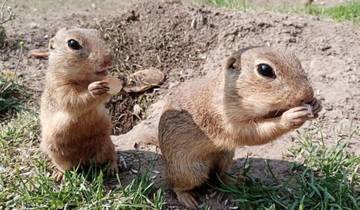
Observing susliks at Muránská plain and Visiting High Tatras National Park
- ✓ Comprehensive Tatra Mountains tour
- ✓ Expert local guides included
- ✓ All accommodation arranged
- ✓ Transportation provided
4 days
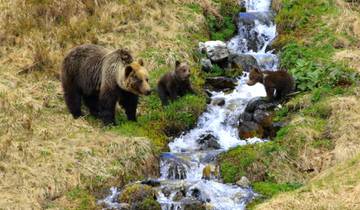
Bear watching hiking tour
- ✓ Comprehensive Tatra Mountains tour
- ✓ Expert local guides included
- ✓ All accommodation arranged
- ✓ Transportation provided

25 days
Eastern European Escapade & Splendours of Europe
- ✓ Comprehensive Tatra Mountains tour
- ✓ Expert local guides included
- ✓ All accommodation arranged
- ✓ Transportation provided
Multi-day tour packages powered by TourRadar. Prices and availability subject to change.
Introduction to High Tatras Bear Watching 2026
The High Tatras Mountains represent one of Central Europe’s most significant wildlife refuges, protecting healthy populations of brown bears, wolves, lynx, and other species largely disappeared from the rest of the continent. Straddling the border between Slovakia and Poland, this compact alpine range rises dramatically from surrounding valleys, creating diverse habitats that support approximately 180 brown bears across the transboundary Tatra National Parks.
For wildlife enthusiasts visiting in 2026, specialized bear watching tours provide unprecedented access to observe these magnificent predators in their natural mountain environment. Unlike hide-based observation common in other European locations, High Tatras bear watching involves active hiking expeditions into prime bear territories, combining physical adventure with wildlife viewing. Expert local guides lead small groups through Western Tatras valleys where bears regularly forage, utilizing professional optics to observe animals from safe, respectful distances.
The region’s bear watching industry has developed sophisticated practices over decades of operation, achieving remarkable 95%+ success rates while maintaining strict ethical standards. Tours operate only during appropriate seasons (June-October), avoid sensitive den areas and breeding sites, and prioritize bear welfare over guaranteed sightings. This responsible approach ensures sustainable wildlife tourism that benefits both conservation efforts and local communities.
Planning a bear watching expedition requires understanding seasonal patterns, physical requirements, booking procedures, and integration with broader High Tatras exploration. This comprehensive guide provides everything needed to successfully plan and execute bear watching adventures during the 2026 season, from selecting operators and understanding costs to preparing equipment and combining tours with hiking, cultural, and scenic attractions throughout Slovakia’s most spectacular mountain region.
Understanding High Tatras Bear Habitat and Ecology 2026
The High Tatras’ brown bear population thrives within the UNESCO Biosphere Reserve established in 1992, which protects approximately 950 square kilometers of pristine mountain ecosystem spanning both Slovakia and Poland. Bears favor the Western Tatras valleys near Podbanské, where diverse forest types, alpine meadows, and avalanche zones create ideal feeding and denning habitat. This concentration of resources in accessible valleys makes the region exceptionally suitable for wildlife viewing.
Brown bears in the Tatras exhibit seasonal movement patterns that dictate optimal viewing periods. Spring emergence (May-June) sees bears moving to lower elevations seeking early vegetation and protein sources. Summer months (July-August) bring dispersal across wider territories as abundant food allows bears to range more broadly. Late summer and autumn (September-October) drive intensive feeding as bears prepare for winter hibernation, often concentrating in productive berry patches and nut-bearing forest zones.
The local bear population represents part of the larger Carpathian brown bear population, one of Europe’s most genetically diverse and stable. High Tatras bears are smaller than their North American cousins, with adult males weighing 150-250 kg and females 100-150 kg. Despite their size, these animals demand respect as powerful predators capable of rapid movement and unpredictable behavior. Proper observation protocols ensure both human safety and minimal disturbance to natural bear activities.
Conservation challenges facing High Tatras bears include habitat fragmentation from development, conflicts with livestock operations, and illegal poaching. However, strong legal protections within national park boundaries, declining rural populations reducing human-bear conflicts, and growing ecotourism revenue supporting conservation efforts have stabilized populations. Current estimates suggest healthy, sustainable bear numbers throughout the region with successful reproduction documented annually.
Bear Watching Tour Operators and Options 2026
The primary bear watching operator in the High Tatras for 2026 is Bear Watching Slovakia, based in Podbanské with operations running since the early 2010s. This specialized outfit conducts approximately 40 tours annually throughout the June-October season, led by guides possessing hundreds of documented bear encounters and intimate knowledge of local territories. The company pioneered ethical bear viewing practices in the region and maintains the highest success rates for wildlife sightings.
Standard hiking-based bear watching tours cost €150 per person and operate daily with minimum 24-hour advance reservation. Tours accommodate private groups exclusively, ensuring personalized attention and flexible pacing. The typical itinerary begins with 1 PM meeting at Podbanské parking area, followed by 1.5-hour valley approach to prime viewing zones. Groups spend 4 hours at strategic observation points using professional binoculars, with return hike completing by 8:30 PM. Total duration spans 6-8 hours depending on bear activity and group pace.
Alternative cycling-based bear watching tours combine wildlife observation with mountain biking through scenic Tatra valleys. These expeditions follow similar schedules and viewing protocols but cover greater distances via bicycle, accessing different valley systems. Pricing ranges €180-260 per person depending on booking platform and group size. Cycling tours require moderate biking fitness and comfort with mountain terrain but offer unique perspectives and expanded exploration range.
International booking platforms including Viator, GetYourGuide, and TripAdvisor feature High Tatras bear watching tours, often bundled with accommodations or multi-day itineraries. While convenient for integrated travel planning, direct booking through operator websites typically provides best pricing and most flexible arrangements. All reputable operators maintain strict 24-hour cancellation policies allowing full refunds, recognizing that wildlife viewing cannot be guaranteed despite high success rates.
What to Expect on Bear Watching Tours 2026
Bear watching expeditions begin with afternoon meeting at the lower Podbanské parking area, easily accessible via the Tatra Electric Railway or private vehicle. Guides conduct preliminary introductions, equipment distribution (professional-grade binoculars for each participant), and initial safety briefings covering bear behavior, observation protocols, and emergency procedures. Groups typically range 2-8 participants for optimal wildlife viewing and guide attention.
The initial 1.5-hour approach hike follows well-maintained valley trails through mixed coniferous and deciduous forests characteristic of Western Tatras habitat. Guides maintain moderate pace suitable for participants with reasonable fitness, pausing to identify bear sign including claw marks on trees (bear trees), digging sites, scat, and tracks. This interpretive component provides valuable context for understanding bear ecology and behavior patterns before reaching observation areas.
Primary viewing periods span 2:30 PM to 6:30 PM, coinciding with peak afternoon bear activity as animals emerge from midday rest periods to forage. Guides select from three adjacent valley systems depending on recent bear movements, weather conditions, and seasonal food availability. Observation involves patient waiting at strategic vantage points overlooking meadows, avalanche zones, and forest edges where bears regularly travel and feed. Powerful binoculars enable detailed viewing from safe distances of 200-500 meters.
Successful sightings typically include solitary adult bears foraging on vegetation, mothers with cubs (particularly June-August), and occasionally multiple individuals in proximity during abundant food periods. Guides provide real-time interpretation of observed behaviors including feeding techniques, social interactions, territorial marking, and seasonal activity patterns. Even without direct sightings, tours demonstrate bear habitat features, discuss conservation challenges, and offer comprehensive wildlife education making every expedition valuable regardless of specific encounters.
Best Times and Seasons for Bear Watching 2026
The official bear watching season operates June through October 2026, corresponding with periods when bears are most active and accessible while avoiding sensitive denning periods. Early season tours (June-early July) capitalize on post-hibernation emergence as bears actively forage on fresh spring vegetation, newly born ungulate fawns, and early summer berries. Female bears with new cubs appear during this period, offering charming family group observations though mothers remain vigilant and protective.
Peak summer months (mid-July through August) provide most stable weather conditions with warmest temperatures and longest daylight hours. Bear dispersal across territories increases during this period as abundant food resources allow more varied ranging patterns. While sighting reliability remains high, bears may be more widely distributed requiring guides to select optimal valleys based on recent activity. Tourist numbers peak in August, particularly weekends, though bear watching tours maintain success through expert local knowledge.
Late summer and early autumn (September through mid-October) offer perhaps the finest bear watching opportunities as animals enter hyperphagia, the intensive feeding period before hibernation. Bears become more predictable during this phase, concentrating in areas with abundant nuts, berries, and other high-calorie foods. Sighting durations often extend as bears feed actively for hours. Autumn colors provide stunning scenic backdrops, and cooler temperatures make hiking more comfortable. Tourist crowds diminish after Labor Day creating more peaceful mountain experiences.
Daily timing remains consistent throughout the season with 1 PM departures targeting afternoon peak activity periods. Morning tours are rarely offered as bears typically rest during midday heat and resume activity late afternoon through dusk. Evening timing allows observation during optimal light conditions for photography while ensuring safe return before nightfall. Weather volatility increases September-October requiring flexible attitudes and appropriate gear for sudden temperature drops or precipitation.
Physical Requirements and Fitness Levels 2026
High Tatras bear watching tours require moderate physical fitness capable of sustained hiking over 6-8 hours including both approach and return treks. The standard itinerary involves approximately 10 kilometers total distance with 400-600 meters elevation gain depending on selected valley. Trails are well-maintained but include uneven terrain, rocky sections, and moderate grades requiring sure footing and reasonable cardiovascular fitness.
Participants should be comfortable with 1.5-hour continuous hiking at moderate pace carrying light daypacks (3-5 kg) with food, water, and extra clothing. The observation period involves minimal walking but extended standing or sitting on potentially uncomfortable terrain. Return hikes occur after 4+ hours in the field when fatigue accumulates. Tours are not suitable for individuals with mobility limitations, recent injuries, or cardiovascular conditions affecting sustained physical activity.
Age recommendations suggest minimum 10 years for children participating in bear watching tours. Younger participants must demonstrate hiking experience, ability to remain quiet during observation periods, and capacity to follow safety instructions precisely. Tours are not wheelchair accessible and include no technical climbing or exposure requiring specialized skills. However, standard mountain hazards including slippery conditions, sudden weather changes, and wildlife encounters require vigilance and appropriate preparation.
Altitude effects remain minimal as tours operate primarily 800-1400 meters elevation where acclimatization is unnecessary for healthy individuals. However, weather conditions can change rapidly in mountain environments. Participants should prepare for temperature ranges 10-25°C depending on season and elevation, with possibilities of rain, wind, or sudden cooling. Layered clothing systems allowing adaptation to changing conditions are essential for comfort and safety throughout extended field periods.
Safety Protocols and Bear Encounter Guidelines 2026
All High Tatras bear watching tours begin with comprehensive safety briefings covering appropriate behavior in bear territory, recognition of warning signs, and proper responses to various encounter scenarios. Guides emphasize that while bear attacks are extraordinarily rare, maintaining respectful distance and following established protocols ensures both human safety and minimal wildlife disturbance. Bear spray is provided to all participants as precautionary equipment.
Observation maintains minimum distances of 200 meters from any bear, utilizing powerful binoculars for close viewing without physical proximity. Groups remain together following guide instructions precisely, making periodic noise on approach hikes to avoid surprising bears at close range. If bears are encountered unexpectedly, standard protocol involves backing away slowly while facing the animal, speaking calmly, and allowing the bear clear escape routes. Running triggers chase instincts and must be avoided.
Mothers with cubs receive special caution as defensive behavior protects offspring from perceived threats. Tours avoid approaching family groups closer than 300 meters and immediately retreat if females display stress signals including huffing, jaw popping, or bluff charges. Guides possess extensive experience reading bear body language and make conservative decisions prioritizing safety over viewing opportunities when situations appear risky.
Food storage and waste management follow strict bear-aware practices. All food items remain in sealed containers within backpacks until designated break periods in safe locations. Trash is packed out completely with no food residue left in bear territory. Participants are instructed never to approach bears even if they appear habituated or unconcerned by human presence. These protocols protect both immediate tour safety and long-term bear behavior patterns, preventing food conditioning that creates dangerous situations.
Equipment and What to Bring 2026
Tours provide professional-grade binoculars for each participant, eliminating need for personal optical equipment though experienced birders may prefer bringing familiar gear. Bear spray protection is included in tour costs and distributed during safety briefings. All other equipment and supplies must be provided by participants based on standard mountain day-hiking requirements.
Footwear should consist of sturdy hiking boots with ankle support and aggressive tread suitable for maintained but potentially muddy or rocky trails. Trail running shoes are marginally acceptable in dry conditions but boots provide superior support and protection for 6-8 hour expeditions. Gaiters help in wet conditions or morning dew. Broken-in footwear prevents blisters during extended hiking—new boots should be avoided.
Clothing requirements follow layering principles allowing adaptation to changing mountain conditions. Base layers should wick moisture (avoid cotton), mid-layers provide insulation (fleece or lightweight down), and outer shells protect from wind and rain. Temperatures can range 10-25°C during tour hours with potential for sudden drops if weather deteriorates. Pack extra warm layer and quality rain gear regardless of morning forecast. Sun protection including hat and sunglasses is essential during exposed observation periods.
Daypacks (20-30 liter capacity) should carry 2+ liters of water, substantial snacks and lunch (no fragrant foods that might attract bears), first aid basics, personal medications, sunscreen, insect repellent (ticks are present June-September), camera equipment, and extra batteries. Trekking poles assist on steep sections and can provide bear deterrent in unlikely close encounters. Mobile phones may lack coverage in remote valleys—inform others of itinerary and expected return time.
Photography Tips for Bear Watching Tours 2026
Photographing wild bears presents unique challenges given observation distances (200+ meters), variable light conditions, and unpredictable animal behavior. Serious wildlife photography requires telephoto lenses minimum 300mm focal length, with 400-600mm ideal for frame-filling bear portraits. Crop-sensor cameras effectively extend reach—a 300mm lens on APS-C sensor provides 450mm equivalent field of view.
Fast shutter speeds (minimum 1/500 second, preferably 1/1000+) freeze bear movement particularly during active foraging or rapid locomotion. Higher ISO settings (800-3200) become necessary in forest shadows or evening light but modern cameras handle noise well at these levels. Continuous autofocus with tracking capability follows moving subjects though bears often remain stationary during extended feeding providing easier shooting opportunities.
Afternoon tour timing creates challenging backlighting situations requiring exposure compensation or HDR bracketing to capture detail in shadow areas while preserving highlight information. Consider bringing polarizing filters to reduce glare and enhance color saturation in landscape elements. Tripods or monopods stabilize heavy telephoto lenses but add pack weight and awkwardness on trails—assess personal ability to handhold for extended periods.
Beyond technical equipment considerations, ethical wildlife photography principles apply strictly. Never disturb bears or alter natural behaviors for photographic purposes. Resist urges to move closer for better shots—crop images in post-processing rather than approaching beyond safe distances. Guides will indicate when photography might disturb observed animals. Quality images result from patience and opportunism rather than aggressive pursuit. Remember the experience transcends documentation—sometimes lowering the camera to simply observe creates most meaningful memories.
Combining Bear Watching with Other High Tatras Activities 2026
Bear watching tours integrate excellently into broader High Tatras itineraries combining wildlife observation with hiking, scenic attractions, and cultural experiences. Most visitors allocate 3-7 days exploring the region, dedicating one day to bear watching while pursuing complementary activities on remaining days. Strategic planning maximizes diverse mountain experiences while maintaining sustainable pacing.
Classic High Tatras hiking routes provide spectacular alpine scenery complementing wildlife focus. Popular trails include Rysy summit (Poland’s highest peak), Kriváň (Slovakia’s symbolic mountain), Zelené Pleso and Vel’ká Svišt’ovka circuit accessible via cable car from Tatranská Lomnica, and Slavkovský štít approached from Starý Smokovec. These hikes range 4-9 hours requiring good fitness but rewarding effort with dramatic mountain vistas, glacial lakes, and potential wildlife sightings including chamois, marmots, and golden eagles.
The Tatra Electric Railway connects mountain towns including Štrbské Pleso, Starý Smokovec, and Tatranská Lomnica, enabling easy access to trailheads and scenic attractions without vehicle requirements. Cable car rides to Lomnický štít (second-highest peak) and Skalnaté Pleso provide thrilling mountain transport and spectacular panoramas. These lifts operate June-September with limited winter season, making advance research of operational status essential for 2026 planning.
Cultural attractions in the Poprad region include traditional Górale village architecture in Ždiar, the historic town of Kežmarek with Renaissance castle and wooden churches, and Spiš Castle UNESCO World Heritage site located 30 kilometers south. These complement mountain activities with architectural, historical, and cultural dimensions. Thermal spa facilities in Poprad and surrounding towns offer relaxing recuperation after strenuous hiking days.
Accommodation Options Near Bear Watching Areas 2026
Podbanské, the primary bear watching tour departure point, offers limited accommodation primarily consisting of mountain hotels and guesthouses. Hotel Podbanské provides full-service lodging with restaurant, though budget-conscious travelers find more affordable options in larger towns connected via Tatra Electric Railway. Booking well in advance is essential for peak summer months (July-August) when accommodation fills completely.
Štrbské Pleso, located 5 kilometers from Podbanské with excellent railway connections, features larger accommodation selection including Grand Hotel Kempinski High Tatras (luxury), Hotel Patria (mid-range), and various pensions and apartments. This lakeside resort town provides scenic setting, extensive dining options, and convenient access to hiking trails alongside bear watching tour departure points. Expect pricing €80-200 per night for mid-range doubles during summer 2026.
Poprad, the regional center 15 kilometers north, offers widest accommodation variety spanning hostels (€20-30 per bed), mid-range hotels (€60-100 per night), and upscale options (€120-180). As a transportation hub with train and bus connections throughout Slovakia and beyond, Poprad provides practical base for multi-day exploration. However, daily commuting to mountain towns adds time and railway costs. Consider Poprad for budget-focused or extended stays where convenience outweighs immediate mountain immersion.
Mountain huts (chaty) scattered throughout the High Tatras provide basic accommodation for hikers pursuing multi-day treks or wishing to wake at elevation. These refuges offer dormitory beds (€15-25) and simple meals, operating June-September with limited facilities. While charming and authentic, mountain huts require booking months in advance and suit adventurous travelers comfortable with rustic conditions. They complement bear watching with extended backcountry experiences.
Transportation and Getting to High Tatras 2026
International travelers typically access the High Tatras via Krakow (Poland) or Bratislava (Slovakia) airports. Krakow lies approximately 150 kilometers north requiring 2-3 hour drive or bus journey. Regular bus services operate from Krakow to Zakopane (Polish Tatras gateway) and across border to Slovak mountain towns, costing approximately €10-15 with 2-3 hour duration. Bratislava airport sits 330 kilometers west necessitating longer transfers but provides alternative access particularly for western European connections.
Poprad-Tatry airport serves as regional facility located just 15 kilometers from mountain areas, offering direct flights from several European cities. However, this small airport experiences frequent wind-related disruptions causing diversions to Krakow or Bratislava. For reliability-critical itineraries, major airports provide more dependable access despite longer ground transfers. From Poprad airport, taxis cost €20-30 to mountain towns or utilize bus connections to Poprad city center then transfer to mountain railway.
Slovakia’s rail network connects Poprad with Bratislava (4.5 hours, €15-25), Košice (1.5 hours, €8-12), and international destinations including Prague and Budapest. From Poprad hlavná stanica (main station), transfer to local trains serving Tatranská Lomnica, Starý Smokovec, and Štrbské Pleso. These mountain trains operate hourly 6 AM-10 PM with €4-6 fares for full regional access. The Tatra Electric Railway provides primary transportation between mountain towns, operating efficiently without personal vehicle requirements.
Rental vehicles offer maximum flexibility for exploring wider regions and accessing trailheads requiring drives beyond railway reach. Major rental companies operate from Poprad, Krakow, and Bratislava airports with rates €30-60 per day for compact vehicles during summer 2026. Roads throughout the region are well-maintained though mountain routes include steep grades and tight curves requiring comfortable driving skills. Parking at popular trailheads fills early during peak season—arrive before 9 AM or utilize railway transportation to avoid parking frustrations.
Daily Budget Planning for Bear Watching Trips 2026
Budget-conscious travelers can experience High Tatras bear watching for approximately €120-150 per day excluding tour costs. Hostel accommodation €25-35, self-catered breakfast and dinner €15-20, packed trail lunch €5-8, Tatra Electric Railway day pass €8, museum or minor attraction €5-10. Total daily costs €58-81 plus €150 bear watching tour equals €208-231 per day. This approach requires staying in Poprad or budget guesthouses, preparing own meals, and limiting paid attractions.
Mid-range travelers enjoy comfortable High Tatras experiences for €180-250 per day excluding tour costs. Mid-range hotel or pension €80-120, restaurant breakfast €8-12, trail lunch €10-15, restaurant dinner €20-30, Tatra Electric Railway €8, cable car rides €15-25. Total daily costs €141-210 plus €150 bear watching tour equals €291-360 per day. This budget level provides quality accommodation in mountain towns, regular restaurant meals, and full access to cable cars and paid attractions.
Luxury-focused visitors can expect €300-450+ per day excluding tour costs. Upscale hotel €180-280, fine dining experiences €60-100, private transportation €40-80, spa services €50-100, guided activities beyond bear watching €50-100. Total daily costs €380-660 plus €150 bear watching tour equals €530-810+ per day. Luxury travel in the High Tatras emphasizes premium accommodation, gourmet dining, private guides, and exclusive experiences while maintaining relatively modest costs compared to Alpine destinations.
Tour-specific costs beyond the €150 base price might include gratuities for exceptional guide service (€10-20 per participant), premium photography equipment rental if desired (€20-40), and transportation to Podbanské if not included (€5-15 via railway or taxi). Most operators include all necessary field equipment—binoculars, bear spray, safety gear—in base pricing requiring no additional field expenses. Pack substantial snacks and lunch to avoid mid-tour food purchases.
Sample Itineraries Including Bear Watching 2026
3-Day High Tatras Wildlife and Hiking Itinerary
Day 1: Arrive Poprad, transfer to Štrbské Pleso, afternoon easy hike around Štrbské Pleso lake (1 hour, family-friendly) acclimatizing to altitude and exploring resort area. Evening: restaurant dinner, early rest preparing for bear watching.
Day 2: Morning transfer to Podbanské via Tatra Electric Railway. 1 PM bear watching tour (6-8 hours) through Western Tatras valleys observing bears and learning mountain ecology. Evening return to accommodation, late dinner, photo review and wildlife discussion.
Day 3: Full-day Zelené Pleso circuit from Tatranská Lomnica. Cable car to Skalnaté Pleso, hike to Vel’ká Svišt’ovka peak (2037 m), descend to Zelené Pleso for lunch at mountain lodge, return via forest trails (6-7 hours total, moderate difficulty). Afternoon departure or overnight in region.
Daily costs Day 2: Accommodation €100-140, breakfast €10, trail lunch €12, dinner €25-35, bear watching tour €150, railway transport €8. Total €305-345 per person (excluding accommodation).
5-Day Comprehensive High Tatras Experience
Day 1: Arrive Krakow or Poprad, transfer to Tatranská Lomnica. Afternoon Lomnický štít cable car experience (2634 m summit platform), scenic photography, orientation to region. Evening exploration of town, restaurant welcome dinner.
Day 2: Full-day hike to Popradské Pleso and Symbolic Cemetery (8 km, 5-6 hours, moderate). Morning start from Tatranská Lomnica via blue trail, packed lunch at glacial lake, afternoon return. Evening: thermal spa visit in Poprad (optional).
Day 3: Bear watching day. Morning leisure in accommodation, 1 PM transfer to Podbanské, full bear watching tour through Western Tatras (6-8 hours). Late evening return, simple dinner, early rest.
Day 4: Day trip to Spiš Castle UNESCO site and Kežmarek historic town. Morning Spiš Castle exploration (2-3 hours), lunch in Spišské Podhradie, afternoon Kežmarek wooden church and castle tour. Evening return to mountain accommodation, farewell dinner.
Day 5: Morning Kriváň attempt (challenging, 7-9 hours, 1400 m gain) for experienced hikers, or alternative moderate Slavkovský štít trail (6-7 hours, 1450 m gain). Afternoon departure or final evening in region.
Daily costs Day 3: Accommodation €100-140, breakfast €10, trail lunch €12, dinner €25-35, bear watching tour €150, transport €8. Total €305-345 per person (excluding accommodation).
Booking and Reservation Strategies 2026
Book bear watching tours minimum 2-4 weeks advance during peak season (July-August) when tour slots fill rapidly. September-October and June offer more last-minute availability though booking 1-2 weeks ahead ensures preferred dates. Direct contact with operators via phone or email (in English) provides most flexible arrangements and often best pricing compared to third-party booking platforms charging additional fees.
Confirm exact meeting location, time, and required equipment when booking. Verify cancellation policies allowing full refunds with 24-hour notice, standard among reputable operators. Weather-related cancellations typically offer rebooking on alternative dates or complete refunds. Obtain written confirmation with booking reference numbers and emergency contact information for tour leaders.
Group bookings (4+ participants) may qualify for modest discounts, particularly during shoulder seasons. Inquire about family rates for children age 10-15. Private tours provide maximum flexibility regarding pace, focus areas, and timing adjustments based on group fitness and interests. Expect private tour minimums 2-3 participants with potentially higher per-person costs for very small groups.
Coordinate bear watching tour dates with broader High Tatras itinerary ensuring adequate rest days before and after given 6-8 hour duration and moderate physical demands. Avoid scheduling challenging summit hikes immediately before tours when cumulative fatigue affects safety and enjoyment. Weather contingency planning should include flexible accommodation bookings allowing tour date changes if conditions deteriorate requiring postponement to alternative days.
Weather Patterns and Climate Considerations 2026
High Tatras weather exhibits typical mountain climate characteristics including rapid changes, localized variation, and afternoon thunderstorm potential during summer months. June-August temperatures range 15-25°C at valley elevations (800-1000 m) where tours operate, with cooler conditions 10-18°C during September-October. Nighttime lows drop 8-15°C below daily maximums requiring warm layers for late-return tours.
Precipitation occurs throughout the bear watching season with July typically wettest month receiving 120-150 mm rainfall. Afternoon thunderstorms develop frequently during summer requiring morning weather assessments and flexible attitudes toward tour modifications or postponements. September-October brings more stable high-pressure periods interspersed with frontal systems producing extended rainy spells. Always pack quality rain gear regardless of morning forecast.
Wind conditions intensify at exposed ridgelines and passes but remain moderate in valley-bottom observation areas where tours concentrate. However, sudden valley wind development can accompany weather front passages bringing rapid temperature drops. Layered clothing allows quick adaptation to changing conditions ensuring comfort throughout 6-8 hour field periods.
Snow remains unlikely during official bear watching season (June-October) though early June and late October occasionally see high-elevation snowfall affecting trail conditions and animal movement patterns. Frost can occur September-October mornings, melting by afternoon but creating slippery trail conditions. Monitor weather forecasts via tanap.org or local accommodation sources, and communicate concerns with tour operators who make final decisions regarding safe operating conditions.
Conservation and Ethical Wildlife Viewing 2026
High Tatras bear watching tours operate under strict ethical guidelines ensuring minimal impact on bear behavior and habitat integrity. All observation maintains minimum 200-meter distances, using optical equipment rather than close approaches. Tours avoid sensitive denning areas, breeding sites, and locations where bears exhibit stress responses to human presence. These protocols protect bear welfare while providing meaningful wildlife experiences for visitors.
Revenue from ecotourism activities including bear watching provides economic incentives for wildlife conservation throughout the Tatra region. Local communities benefit financially from tourism supporting national park protection and wildlife management programs. This economic model demonstrates conservation’s practical value beyond abstract environmental concerns, fostering community support for maintaining healthy predator populations despite occasional conflicts with agriculture and livestock operations.
Responsible wildlife viewing extends beyond tour-specific activities to visitor behavior throughout High Tatras exploration. Proper food storage prevents bear habituation to human provisions, potentially creating dangerous situations requiring animal removal. Pack all trash out completely, never feeding wildlife directly or indirectly through carelessly discarded food items. Report all bear sightings to park authorities contributing to population monitoring and movement pattern documentation supporting management decisions.
Climate change presents emerging challenges for High Tatras ecosystems including altered seasonal patterns, vegetation community shifts, and potential range contractions for alpine-dependent species. Supporting conservation organizations working throughout the Carpathian Mountains helps address these broader threats. Consider donations to Tatra National Park conservation programs or international NGOs focused on European large carnivore protection. Spreading awareness of successful coexistence models demonstrated in the High Tatras contributes to broader wildlife conservation efforts across the continent.
Alternative Wildlife Viewing Opportunities 2026
Beyond brown bears, the High Tatras support remarkable wildlife diversity offering numerous observation opportunities. Tatra chamois (Rupicapra rupicapra tatrica), an endemic subspecies critically endangered and numbering approximately 1000 individuals, inhabit high alpine zones above 1800 meters. These agile ungulates frequent rocky slopes and cliff faces accessible via trails to Kriváň, Rysy, and other high peaks. Morning and evening provide best viewing as chamois descend to meadows for feeding.
Alpine marmots populate High Tatras meadows and talus fields, particularly around mountain huts including Téryho chata and Chata pod Rysmi. These charismatic rodents are highly vocal with distinctive whistling alarm calls alerting colonies to predators. Marmot observation requires no specialized tours—simply hiking appropriate elevations during their active season (June-September) yields frequent sightings. Bring telephoto lenses for photography as marmots bolt to burrows when approached closely.
Birdwatching in the Tatras encompasses over 110 species including golden eagles, wallcreepers, alpine accentors, and various woodpecker species. The Tatra National Park Authority offers specialized ornithological guides for serious birders wishing to target rare montane species. Early morning provides peak bird activity with diverse songbird communities in mixed forests below treeline. Autumn migration (September-October) brings additional species passing through mountain valleys en route to wintering grounds.
Red deer inhabit lower-elevation forests throughout the region with spectacular autumn rutting season (September-October) when stags produce thunderous bellowing and engage in dramatic antler clashes. Evening forest edge observation at dawn and dusk offers best deer viewing opportunities. Lynx, wolves, and wildcats persist in the Tatras but remain extremely elusive rarely observed even by experienced trackers. Any sightings of these rare predators represent extraordinary fortune deserving immediate reporting to park authorities.
Language and Cultural Considerations 2026
Slovak is the official language throughout the High Tatras region with Polish spoken across the northern border areas. English proficiency varies widely—tour operators, upscale hotels, and major attractions employ English-speaking staff, but rural guesthouses, local restaurants, and small-town shops may have limited English capabilities. Learning basic Slovak phrases enhances interactions and demonstrates cultural respect: “Dobrý deň” (good day), “Ďakujem” (thank you), “Prepáčte” (excuse me).
Mountain terminology in Slovak aids trail navigation and sign interpretation: “štít” (peak), “pleso” (mountain lake), “dolina” (valley), “chata” (mountain hut/lodge), “vodopád” (waterfall). Trail markers use color-coded systems (red, blue, green, yellow) with minimal text, but information boards and maps utilize Slovak exclusively. Digital translation apps provide useful assistance though connectivity limitations in remote valleys restrict real-time functionality.
Górale culture, the traditional mountain people of the Tatras region, maintains distinctive customs, architectural styles, and folk traditions observable in villages including Ždiar and Zuberec. Traditional wooden houses with characteristic decorative elements, folk festivals celebrating seasonal cycles, and local cuisine featuring sheep cheese (bryndza) and potato-based dishes reflect this unique cultural heritage. Respect for Górale traditions and private property observance on trails crossing traditional grazing lands demonstrates cultural sensitivity.
Tipping practices in Slovakia follow moderate European norms with 10% gratuity appropriate for good restaurant service (often rounded up to convenient amounts rather than precisely calculated percentages). For tour guides providing exceptional bear watching experiences, €10-20 per participant represents thoughtful appreciation without being excessive. Accommodation and casual dining require no obligatory tipping though small amounts for helpful service are appreciated.
Health and Safety Essentials 2026
Slovakia maintains high healthcare standards with modern facilities in Poprad providing emergency services, general practitioners, and specialists. European Health Insurance Card (EHIC) holders from EU countries receive reciprocal healthcare coverage, though comprehensive travel insurance including medical evacuation remains strongly recommended for all international visitors. Non-EU travelers should verify their insurance policies cover Slovak mountain activities including potential rescue operations.
Tick-borne encephalitis presents the primary health concern in High Tatras forests and meadows during June-September when ticks are most active. Vaccination is available and recommended for visitors planning extended time in tick habitat. Prevention measures include long pants tucked into socks, insect repellent containing DEET or permethrin, thorough body checks after outdoor activities, and prompt tick removal using proper techniques. Lyme disease also occurs regionally requiring similar prevention strategies.
Mountain hazards include sudden weather changes potentially causing hypothermia, lightning during afternoon thunderstorms, and trail injuries from slips or falls on rocky terrain. Bear encounters, while the stated purpose of tours, carry minimal risk when following guide instructions and maintaining appropriate distances. More common concerns involve ankle sprains on uneven trails, dehydration during extended hiking, and sunburn at altitude where UV exposure intensifies.
Emergency services reach most High Tatras areas via mountain rescue (Horská záchranná služba) accessed through universal European emergency number 112. However, response times in remote valleys can extend to several hours requiring self-sufficiency in first aid and emergency shelter. Carry basic medical kit including blister treatment, pain relievers, antihistamines, personal medications, and emergency blanket. Inform accommodation providers of daily itineraries and expected return times enabling timely response if parties fail to return as scheduled.
Sustainability and Leave No Trace Principles 2026
High Tatras bear watching tourism operates within UNESCO Biosphere Reserve framework emphasizing sustainable practices minimizing ecological impact while providing quality experiences. Tour operators implement leave-no-trace principles including complete waste removal, designated trail usage preventing erosion and habitat degradation, and wildlife observation protocols avoiding behavioral disruption. Participants share responsibility for sustainable practices through conscientious behavior throughout field expeditions.
Waste management requires packing out all trash including food wrappers, tissues, and organic waste. Despite being biodegradable, food scraps attract wildlife altering natural foraging patterns and potentially creating human-wildlife conflicts. Use established toilet facilities before tours or employ proper backcountry sanitation techniques (cat-hole burial 15+ cm deep, 60+ meters from water sources) if facilities are unavailable. Never leave toilet paper or hygiene products in natural areas.
Trail discipline prevents habitat damage and maintains sustainable access. Stay on marked trails avoiding shortcutting switchbacks which accelerates erosion and tramples sensitive alpine vegetation requiring decades for recovery. Respect seasonal trail closures (November 1-June 15) allowing winter wildlife undisturbed habitat and protecting unstable snow conditions creating avalanche hazards. Off-trail hiking requires guide accompaniment under national park regulations protecting fragile ecosystems.
Carbon footprint considerations recognize that international travel generates significant emissions. Offset programs through verified organizations support reforestation, renewable energy, and conservation projects compensating for travel impacts. Within the region, utilize public transportation (Tatra Electric Railway) rather than rental vehicles when practical, reducing per-capita emissions and parking pressures. Support local businesses and conservation organizations through spending decisions directing economic benefits to communities protecting High Tatras ecosystems for future generations.
Frequently Asked Questions
How far in advance should I book High Tatras bear watching tours for 2026?
Book 2-4 weeks in advance during peak season (July-August) when tour slots fill rapidly, particularly weekends and holidays. Shoulder season months (June, September-October) offer more last-minute flexibility with 1-2 week advance booking typically sufficient. Direct operator contact provides best availability information and most flexible arrangements compared to third-party platforms. Tours require minimum 24-hour advance reservation as guides prepare specific valley selections based on recent bear activity patterns. Popular dates during European summer holidays (late July-early August) may require 6-8 week advance booking for guaranteed spaces.
What happens if weather is bad on my scheduled bear watching tour day in 2026?
Tour operators monitor weather forecasts closely and contact participants 12-24 hours before scheduled tours if severe weather threatens safe operations. Torrential rain, lightning storms, or high winds may necessitate postponements with full rescheduling to alternative dates or complete refunds if no suitable dates are available. Minor rain or clouds rarely cancel tours as bears remain active during light precipitation and waterproof gear keeps participants comfortable. Final decisions rest with experienced guides prioritizing safety while recognizing that perfect weather is never guaranteed in mountain environments. Flexible travel schedules accommodating potential date changes optimize success probabilities.
Can I go bear watching in the High Tatras without a guided tour in 2026?
Independent bear watching is technically possible as Tatra National Park permits daytime hiking on marked trails throughout public access areas. However, success rates drop dramatically without expert local knowledge of bear territories, movement patterns, and optimal observation locations. National park regulations prohibit off-trail hiking without guides, restricting access to many prime bear habitats. Safety concerns also escalate for inexperienced individuals lacking bear encounter training and proper equipment including bear spray. The €150 tour cost represents excellent value considering 95%+ success rates, professional guidance, safety protocols, and educational interpretation impossible to replicate independently.
Are bear watching tours suitable for photographers wanting quality wildlife images in 2026?
Yes, tours accommodate serious wildlife photographers though expectations must align with challenging conditions including 200+ meter observation distances requiring telephoto lenses (400-600mm optimal), variable afternoon lighting creating backlighting issues, and unpredictable bear behavior limiting composition control. Guides understand photography needs and maximize time at sightings allowing varied angles and behavioral documentation. However, they prioritize bear welfare and group safety over photographic pursuits, occasionally restricting movement or limiting observation duration. Bring appropriate equipment (long lenses, fast shutter capabilities, stable support systems), understand technical challenges, and recognize exceptional images require both skill and fortune given wild animal unpredictability.
What other wildlife might I see during High Tatras bear watching tours in 2026?
Western Tatras valleys hosting bear watching tours support diverse wildlife including red deer, chamois occasionally descending from high elevations, various bird species (woodpeckers, nutcrackers, thrushes), and smaller mammals like martens and squirrels. Alpine marmots inhabit higher elevations above typical tour routes but may be encountered during approach hikes. While bears are the primary focus, guides identify all wildlife observed and provide ecological context for species interactions within Tatra ecosystems. Even tours without bear sightings (5% probability) deliver rich wildlife experiences through tracking interpretation, habitat analysis, and incidental species observations demonstrating mountain biodiversity.
How physically demanding are High Tatras bear watching tours compared to regular hiking in 2026?
Tours involve moderate physical demands requiring fitness equivalent to comfortable 6-8 hour day hikes with 10 kilometer distance and 400-600 meter elevation gain. Approach hikes maintain steady pace through valley trails with intermittent steep sections but no technical climbing. The observation period requires extended standing or sitting on potentially uncomfortable terrain rather than continuous movement. Return hikes occur after 4+ hours in the field when accumulated fatigue affects performance. Participants comfortable with standard mountain day-hiking possess adequate fitness. Those uncertain should pursue shorter conditioning hikes before bear watching tours ensuring capability to complete full itineraries safely and enjoyably.
What is the minimum age for children on High Tatras bear watching tours in 2026?
Operators recommend minimum age 10 years with final acceptance based on individual child capabilities rather than rigid age cutoffs. Children must demonstrate hiking experience handling 6-8 hour expeditions, ability to remain quiet during wildlife observation (essential for not disturbing bears), and capacity to follow safety instructions precisely including rapid response to guide directions. Families with younger children (ages 6-9) should contact operators directly discussing specific situations—exceptionally mature and experienced young hikers may receive approval while less prepared older children might be declined. Tours are not suitable for toddlers or young children lacking hiking stamina and behavioral control required for safe bear observation.
Do I need special permits or passes for bear watching in High Tatras during 2026?
No special permits beyond tour booking confirmation are required for bear watching expeditions. National park entry is free for hiking on marked trails, and tour fees include all necessary permissions for guide-led activities. However, general Tatra National Park regulations apply including mandatory trail usage, prohibited camping outside designated areas, and respect for seasonal closures. If planning independent hiking before or after tours, familiarize yourself with park rules available at information centers in Tatranská Lomnica, Starý Smokovec, and Štrbské Pleso. Some restricted zones require guide accompaniment—clarify any planned independent activities with park authorities avoiding unintentional violations.
What should I do if I encounter a bear independently while hiking in the High Tatras in 2026?
Remain calm and avoid sudden movements or loud noises that might startle the bear. Back away slowly while facing the animal, speaking in calm, firm tones so the bear recognizes you as human rather than prey. Create space allowing the bear clear escape routes—never corner or approach bears regardless of apparent habituation. If the bear moves toward you, continue backing away while maintaining eye contact and appearing large (raise arms, open jacket). Never run as this triggers chase instincts—bears easily outrun humans. If charged (extremely rare), stand ground until bear veers away (most charges are bluffs). Only use bear spray if bear makes actual contact. Report all encounters to park authorities contributing to safety monitoring and wildlife management.
How do High Tatras bear watching tours compare to bear viewing in North America or other European locations in 2026?
High Tatras tours offer unique European mountain bear viewing combining active hiking with wildlife observation, contrasting with North American coastal brown bear viewing (Alaska, British Columbia) typically conducted via boat or stationary platforms at salmon streams. Success rates (95%+) rival premier North American locations though High Tatras bears are smaller and less concentrated than coastal brown bears. European alternatives include Romanian Carpathian hide-based observation and Scandinavian wilderness tours, but High Tatras provide most accessible combination of reliable sightings, scenic mountain setting, and developed tourism infrastructure. Cost advantages compared to North American expeditions (often €500-2000+ for similar duration) make High Tatras exceptional value for European-based travelers.