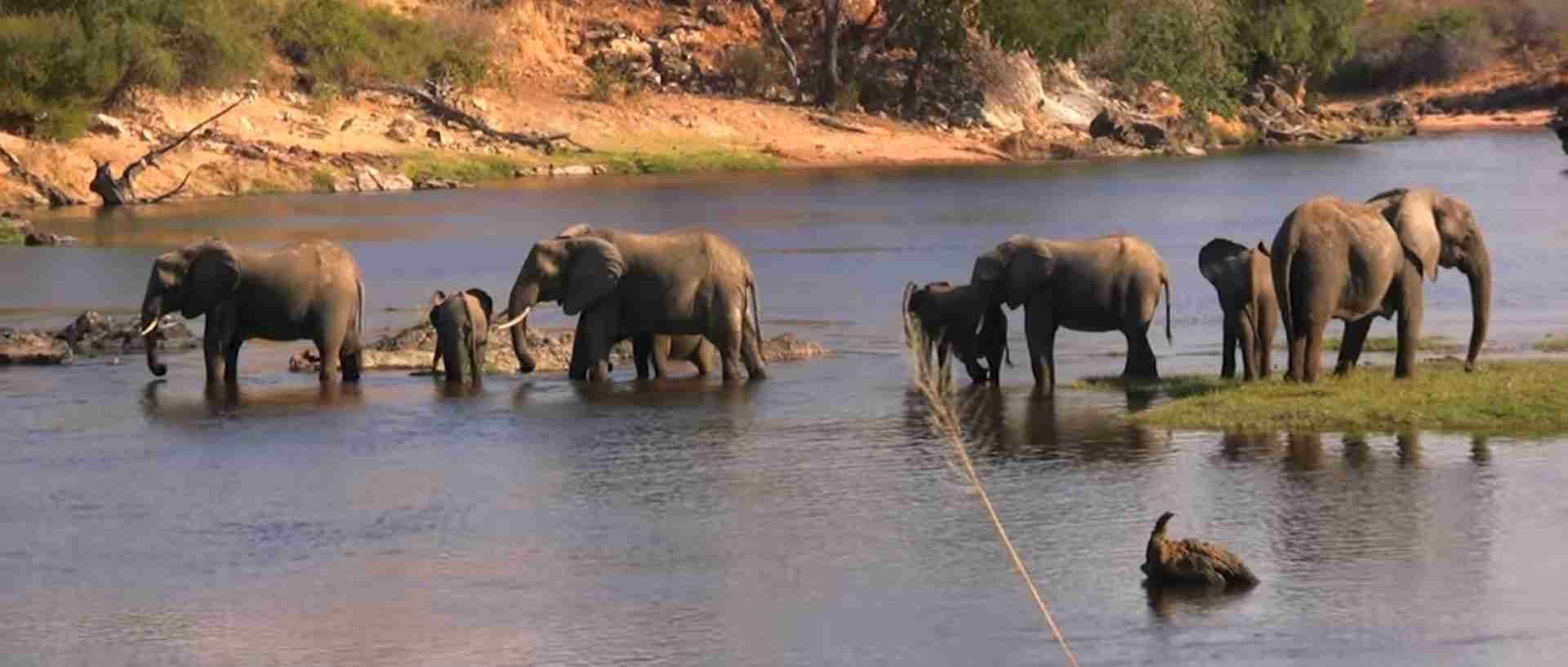
Tanzania Safari Itinerary: 7 to 14 Days Complete Guide 2026
Key Takeaways:
- Seven to fourteen-day safaris provide optimal balance between comprehensive wildlife viewing and budget considerations in Tanzania’s premier national parks
- Safari costs range $2,800-9,500 per person for 7-14 days in 2026, varying significantly by accommodation level, group size, and park selection
- Northern Circuit parks (Serengeti, Ngorongoro, Tarangire, Lake Manyara) concentrate the highest wildlife density and infrastructure within 4-6 hour drives
- June-October dry season offers peak wildlife viewing with predictable animal concentrations around water sources and optimal photography conditions
- Private safaris with dedicated vehicles and guides cost 40-60% more than group departures but provide flexibility and personalized experiences
- Booking 6-12 months ahead secures preferred lodges, competitive pricing, and optimal timing for Great Migration viewing in 2026
Introduction to Tanzania Safari Planning 2026
Tanzania stands as East Africa’s premier safari destination, protecting more than 38% of its total land area within national parks, game reserves, and conservation areas. The country hosts the complete Serengeti ecosystem supporting the annual wildebeest migration involving 1.5 million wildebeest, 200,000 zebras, and 350,000 gazelles in the world’s largest terrestrial mammal migration. Ngorongoro Crater contains the planet’s highest density of large mammals within a single caldera, while Tarangire National Park boasts Tanzania’s greatest elephant concentration and spectacular baobab landscapes. The 2026 safari season presents exceptional opportunities for wildlife viewing across Northern Circuit parks, with established infrastructure, experienced guide networks, and conservation success stories creating unparalleled African wilderness experiences.
Planning comprehensive Tanzania safaris requires balancing park selection, duration, accommodation standards, and budget realities to create optimal wildlife experiences. Seven-day safaris provide essential park coverage including Serengeti, Ngorongoro Crater, and Tarangire, capturing Tanzania’s wildlife diversity through focused itineraries. Ten-day safaris add depth through extended time in flagship parks, increased wildlife sighting probabilities, and reduced daily driving demands. Fourteen-day expeditions allow comprehensive exploration including Southern Circuit parks, coastal extensions, or specialized experiences beyond standard Northern Circuit routes. This guide provides detailed itinerary frameworks, realistic cost breakdowns, seasonal timing strategies, and booking approaches for planning successful 2026 Tanzania safari adventures across all duration categories.
People Also Ask About Tanzania Safaris 2026
How much does a Tanzania safari cost in 2026?
Tanzania safari costs range $2,800-9,500 per person for 7-14 day itineraries in 2026, depending on accommodation level, group size, park selection, and included services. Check operator websites for current official rates as pricing varies by season and package inclusions. Budget camping safaris cost $250-350 per person per day ($1,750-2,450 for 7 days, $3,500-4,900 for 14 days) with basic tent camping, larger groups of 6-8 people, and standard game drive vehicles. Mid-range lodge safaris price $400-650 per person per day ($2,800-4,550 for 7 days, $5,600-9,100 for 14 days) with comfortable tented camps or lodges, smaller groups of 4-6 people, and quality meals. Luxury safari experiences charge $650-1,200+ per person per day ($4,550-8,400 for 7 days, $9,100-16,800 for 14 days) with premium lodges, private vehicles, gourmet dining, and exclusive wilderness camps. Park fees constitute $70-90 per person per day across major Northern Circuit parks, representing non-negotiable government charges included in all packages. Additional costs include international flights ($800-1,800 from North America, $400-900 from Europe), Tanzania visa ($50-100), tips for guides and camp staff ($15-25 per person per day), and optional activities like balloon safaris ($550-650 per person).
What is the best time for Tanzania safari in 2026?
The optimal safari season in Tanzania runs June-October during the long dry season when wildlife concentrates around permanent water sources, vegetation thins for improved visibility, and weather conditions provide comfortable game viewing. June marks the Great Migration’s arrival in central and western Serengeti with spectacular river crossing preparations. July-August offers peak migration viewing with dramatic Grumeti and Mara River crossings where wildebeest face crocodile attacks during desperate water crossings. September-October provides excellent all-around wildlife viewing with continued migration presence in northern Serengeti and optimal predator activity as prey animals concentrate. January-March constitutes the short dry season with Great Migration calving in southern Serengeti, birthing 8,000 wildebeest calves daily and attracting intensive predator activity. April-May experiences long rains with muddy roads, lush vegetation obscuring animals, and lowest annual tourist numbers but 30-40% cost savings for budget-conscious travelers. November-December transitions between seasons with improving conditions, moderate pricing, and fewer crowds than peak months.
How many days do you need for Tanzania safari in 2026?
Seven days represents the minimum duration for meaningful Tanzania safari experience covering Northern Circuit highlights including Serengeti National Park (2-3 nights), Ngorongoro Crater (1 night), and Tarangire or Lake Manyara (1 night). Ten-day safaris provide optimal balance between comprehensive coverage and reasonable vacation time, allowing extended Serengeti exploration (3-4 nights), multiple Ngorongoro experiences, additional parks, and reduced daily driving stress. Fourteen-day expeditions enable thorough Northern Circuit exploration plus Southern Circuit extensions (Ruaha, Selous), coastal additions (Zanzibar, Pemba), or specialized experiences (chimpanzee tracking, cultural programs). Shorter 4-5 day safaris cover basic highlights but involve extensive driving with limited time for wildlife observation and photography. Longer duration directly correlates with increased wildlife sighting diversity, photographic opportunities, and reduced vacation stress from constant movement between destinations.
Is Tanzania safari worth the money in 2026?
Tanzania safari experiences deliver exceptional value through unparalleled wildlife diversity, pristine ecosystems, professional guide expertise, and conservation success stories justifying premium pricing compared to alternative African destinations. Serengeti National Park alone protects 30,000 plains game animals, 3,000 lions, 1,000 leopards, and 7,000-8,000 spotted hyenas within 5,700 square miles of protected wilderness. Ngorongoro Crater contains 25,000-30,000 large mammals in 100 square miles, creating the world’s highest wildlife density for guaranteed Big Five viewing. Tanzania’s park fee structure (significantly higher than neighboring Kenya) funds comprehensive conservation programs, anti-poaching operations, and community benefit sharing maintaining wildlife populations and wilderness quality. The investment purchases access to functioning ecosystems where natural predator-prey dynamics, migration movements, and behavioral observations occur without significant human interference. Budget camping options make Tanzania accessible at $250-350 per person per day, while those seeking luxury wilderness experiences find world-class properties justifying premium pricing through exceptional service, exclusive locations, and comprehensive experiences.
Extended multi-day tours – 5+ days
Featured Tanzania Multi-Day Tour Packages
7 days
Big Five Classic Safari in Tanzania **Sustainable Approach to Travel
- ✓ Comprehensive Tanzania tour
- ✓ Expert local guides included
- ✓ All accommodation arranged
- ✓ Transportation provided
9 days
Best of 9 Days Tanzania Safari & Day Adventures
- ✓ Comprehensive Tanzania tour
- ✓ Expert local guides included
- ✓ All accommodation arranged
- ✓ Transportation provided
7 days
Climb Kilimanjaro – Lemosho 7 Days | Scenic & Moderate Trek with Expert Guides
- ✓ Comprehensive Tanzania tour
- ✓ Expert local guides included
- ✓ All accommodation arranged
- ✓ Transportation provided

11 days
11 Days Tanzania Wildlife Cultural Safari*
- ✓ Comprehensive Tanzania tour
- ✓ Expert local guides included
- ✓ All accommodation arranged
- ✓ Transportation provided
Multi-day tour packages powered by TourRadar. Prices and availability subject to change.
Essential Planning Information 2026
Successful Tanzania safari planning requires understanding entry requirements, park regulations, regional logistics, and infrastructure realities governing 2026 safari operations across Northern Circuit parks.
Tanzania Entry Requirements and Logistics
Tanzania requires tourist visas for most nationalities, available on arrival at Kilimanjaro International Airport (near Arusha) or Julius Nyerere International Airport (Dar es Salaam) for $50-100, or through advance online application at eservices.immigration.go.tz. Valid passports with six months remaining validity and yellow fever vaccination certificates (if arriving from endemic countries including Kenya) constitute mandatory entry documents. International flights arrive primarily at Kilimanjaro International Airport serving Northern Circuit safaris, located 46 kilometers from Arusha town with 1-hour transfer time to safari departure points. Most Northern Circuit safaris begin and end in Arusha, Tanzania’s safari capital with extensive operator networks, lodge suppliers, and logistical infrastructure. Alternative starting points include Moshi (Kilimanjaro region) for combined mountain-safari itineraries or direct flights to Serengeti airstrips for fly-in safari experiences bypassing road transfers.
Tanzania National Parks Authority (TANAPA) governs major national parks including Serengeti, Tarangire, and Lake Manyara, while Ngorongoro Conservation Area Authority manages Ngorongoro Crater under separate jurisdiction. Park entry fees cost $70-90 per person per 24-hour period across Northern Circuit parks, collected electronically through TANAPA smart card systems. Vehicle fees ($40-50 per vehicle per entry) and guide fees ($20-30 per guide per entry) add to base costs. All safaris require registered tour operators with licensed guides, professional driver-guides, and appropriate permits. Tanzania enforces strict wildlife viewing regulations including staying within vehicles except designated areas, maintaining 25-meter minimum distance from wildlife, and following guide instructions for safety and conservation.
Northern Circuit Parks Overview for 2026
Tanzania’s Northern Circuit concentrates the country’s premier wildlife parks within a compact geographic region, allowing comprehensive safaris without excessive driving between destinations. Serengeti National Park spans 5,700 square miles protecting Africa’s largest terrestrial mammal populations and hosting the annual wildebeest migration. The park divides into distinct regions: southern plains (December-May) with short grass calving grounds, western corridor (May-July) with Grumeti River crossing drama, central Seronera (year-round wildlife) with permanent water and concentrated predators, and northern Serengeti (July-October) with Mara River crossings and Tanzania-Kenya border migration movements. Ngorongoro Crater, a 100-square-mile collapsed volcanic caldera, contains 25,000-30,000 large mammals including 60-80 lions, high black rhino density, and guaranteed Big Five viewing within a single day. Tarangire National Park hosts Tanzania’s greatest elephant concentration (3,000-5,000 individuals) particularly during dry season (June-October), with spectacular baobab landscapes and diverse wildlife including tree-climbing lions and rare antelope species. Lake Manyara National Park provides compact wildlife viewing (127 square miles) with famous tree-climbing lions, large baboon troops, diverse birdlife (over 400 species), and scenic Rift Valley escarpment views.
Additional Northern Circuit destinations extend standard safari coverage for longer itineraries. Lake Natron offers flamingo viewing and Ol Doinyo Lengai (active volcano) trekking in remote northern Tanzania. Arusha National Park provides Mount Meru climbing base and diverse ecosystems from montane forest to alpine lakes within day trip distance of Arusha town. These supplementary parks suit specialized interests or extended itineraries beyond standard Serengeti-Ngorongoro-Tarangire routes.
Understanding 2026 Safari Costs and Pricing Structure
Tanzania safari pricing divides into non-negotiable government fees and operator service charges covering logistics, accommodation, meals, and guide services. Park fees represent the largest single cost component, with TANAPA charging $70-90 per person per 24 hours in Northern Circuit parks, plus vehicle fees ($40-50 per vehicle per entry), camping fees ($30-50 per person per night for public campsites), and guide registration fees. These government charges total $100-150 per person per day minimum before operator services begin, establishing the floor below which no safari can operate legally. Ngorongoro Crater adds premium fees ($295 per vehicle per visit plus standard park fees) making crater visits the single most expensive safari day.
Operator charges cover vehicle rentals (safari Land Cruisers with pop-up roofs cost operators $150-250 per day), fuel ($50-80 per day), driver-guide salaries ($40-60 per day), meals ($20-40 per person per day depending on quality), and accommodation ($30-500+ per person per night depending on category). Budget operators minimize costs through larger groups (6-8 people per vehicle), basic camping equipment, simple meals, and public campsite usage, charging total packages of $250-350 per person per day. Mid-range operators balance quality and cost with smaller groups (4-6 people), comfortable lodge or tented camp accommodation ($150-250 per night), better food quality, and experienced guides, pricing total packages at $400-650 per person per day. Luxury operators provide premium experiences with private vehicles, exclusive lodge accommodation ($300-800+ per night), gourmet meals, highly experienced guides, and charges of $650-1,200+ per person per day. The dramatic cost spread between budget camping ($250 per day) and luxury lodges ($1,200 per day) reflects accommodation quality differences rather than variation in wildlife viewing opportunities, as all safaris access identical national parks and game viewing areas.
Best Time for Tanzania Safaris 2026
Tanzania’s equatorial location creates distinct wet and dry seasons that dramatically impact wildlife viewing quality, photography conditions, and safari logistics across Northern Circuit parks.
June-October 2026 Dry Season (Peak Safari Season)
June through October constitutes Tanzania’s primary safari season with consistently dry weather, concentrated wildlife around permanent water sources, thinned vegetation providing excellent visibility, and peak Great Migration viewing in Serengeti. June marks the migration’s movement into central and western Serengeti as vast herds track fresh grass following the rains. Wildlife concentrates around Grumeti River preparing for dramatic crossings where crocodiles await migrating wildebeest. July delivers spectacular river crossing drama with thousands of wildebeest plunging into crocodile-infested waters in desperate attempts to reach northern grasslands. August continues peak migration viewing as herds move through northern Serengeti toward Kenya’s Maasai Mara, creating some of the year’s most dramatic wildlife spectacles. September-October maintains excellent migration presence in northern regions while offering optimal conditions across all parks as dry season peaks.
Weather conditions during June-October feature clear skies, minimal precipitation, moderate temperatures (70-80°F daytime, 50-60°F night), and excellent photography light. Dry season concentrates wildlife around remaining water sources, dramatically improving game viewing predictability and photography opportunities. Vegetation withers and thins, eliminating dense cover that obscures animals during wet seasons. Dust levels increase by September-October as grasslands dry completely, occasionally affecting photography. This peak season attracts maximum tourist numbers with fully booked lodges, crowded Serengeti game drive routes, and premium pricing reflecting high demand. Advance booking 10-12 months ahead becomes essential for preferred lodge reservations and optimal departure dates during July-September peak months. Despite crowds, the guaranteed exceptional wildlife viewing and optimal weather conditions justify peak season timing for those prioritizing photography and comprehensive game viewing over budget considerations and crowd avoidance.
January-March 2026 Short Dry Season (Calving Season)
January through March delivers Tanzania’s short dry season with the Great Migration concentrated in southern Serengeti for annual calving season. Approximately 8,000 wildebeest calves are born daily during late January and February, attracting intensive predator activity as lions, cheetahs, hyenas, and jackals hunt vulnerable newborns. This period offers spectacular predator-prey interactions impossible to observe during other seasons, with predator kills occurring multiple times daily within viewing distance. The southern Serengeti plains around Ndutu provide optimal calving viewing with short grass facilitating easy game spotting and dramatic chase sequences. Weather conditions feature pleasant temperatures (70-85°F daytime), generally dry weather with occasional brief showers, and excellent photographic light without dry season dust.
January-March represents Tanzania’s second-best safari season for wildlife viewing, offering different experiences than peak dry season. Calving season provides unique opportunities for observing birth processes, newborn animal behavior, and intensive predation impossible during other periods. Green season landscapes create photographic variety compared to dry season’s brown grasslands. Tourist numbers remain moderate compared to July-September crowds, with more available lodge capacity and slightly reduced pricing (10-15% below peak season rates). This period suits photographers seeking predator action, families interested in baby animals, and travelers seeking excellent wildlife viewing without peak season crowds. However, migration presence remains concentrated in southern Serengeti, meaning central and northern Serengeti experience lower wildlife density during this period.
November-December 2026 and April-May Transitional Periods
November-December marks the transition from dry season to short rains, with the Great Migration moving south from Kenya toward Serengeti’s southern plains. November experiences variable weather with occasional afternoon showers becoming more frequent by December. Wildlife viewing remains good as migration herds pass through central Serengeti en route to southern calving grounds. December particularly offers good value with improving conditions following short rains, moderate tourist numbers, and 15-20% cost savings compared to peak season. Green landscapes provide photographic variety with dramatic skies and fresh vegetation. This period suits budget-conscious travelers accepting some weather variability for cost savings and quieter parks.
April-May constitutes Tanzania’s long rainy season with heavy precipitation, muddy roads, thick vegetation obscuring wildlife, and the lowest annual tourist numbers. Many luxury lodges close during April-May for annual maintenance, reducing accommodation options. Budget camping safaris face challenging conditions with wet camping, difficult driving on muddy tracks, and reduced wildlife visibility. However, April-May offers the deepest annual discounts (30-40% below peak pricing) for travelers accepting challenging conditions. Birdwatching peaks during wet season with migrant species present and breeding plumage displays. These months suit extreme budget travelers, birding specialists, and those seeking completely empty parks willing to trade optimal conditions for solitude and cost savings.
Seven-Day Tanzania Safari Itinerary 2026
Seven-day safaris provide essential Northern Circuit coverage with focused time allocation across flagship parks, delivering comprehensive wildlife experiences within reasonable vacation time constraints and moderate budget parameters.
Classic Seven-Day Northern Circuit Safari
This standard itinerary covers Tarangire National Park, Serengeti National Park (3 nights), Ngorongoro Crater, and Lake Manyara, providing optimal park variety and wildlife diversity within one week.
Day 1: Arrival Arusha – International flight arrival at Kilimanjaro International Airport with transfer to Arusha accommodation (1 hour drive). Safari briefing with operator, equipment check, and rest before early morning departure. Accommodation in Arusha lodge or hotel $80-250 per night depending on category. Day cost: Accommodation $80-250, transfers included, meals $30-50. Total: $110-300 per person (excluding accommodation covered separately).
Day 2: Arusha to Tarangire National Park – Depart Arusha 7:30 AM for Tarangire (2-hour drive). Full-day game drive in Tarangire National Park famous for elephant herds (300-500 individuals during dry season), spectacular baobab trees, and diverse wildlife including lions, leopards, cheetahs, and rare antelope species. Picnic lunch inside the park. Afternoon game drive targeting elephant concentrations along Tarangire River. Exit park late afternoon for overnight at Karatu lodge near Ngorongoro. Park fees $70-90, meals $30-40, accommodation $100-400 (depending on mid-range vs. luxury). Total day cost per person: Included in $400-650 daily safari package rate (check operator websites for current official rates).
Day 3: Ngorongoro Crater to Serengeti – Early morning descent into Ngorongoro Crater (7:00 AM) for 5-6 hour game drive on crater floor. Crater contains 25,000-30,000 large mammals with guaranteed Big Five viewing (lion, elephant, buffalo, leopard, black rhino). Picnic lunch by hippo pool with hundreds of hippos visible. Afternoon exit crater and drive to Serengeti (3-4 hours) through Ngorongoro Conservation Area highlands with spectacular Rift Valley views. Arrive Serengeti central Seronera region late afternoon for first game drive. Crater vehicle fees $295 plus standard park fees. Total day cost: Included in daily package rate.
Day 4-5: Serengeti National Park Full Days – Two full days exploring Serengeti’s 5,700 square miles with morning and afternoon game drives targeting specific wildlife concentrations based on season. June-October focuses on western corridor and northern Serengeti for migration viewing. January-March concentrates on southern plains for calving season. Central Seronera provides year-round excellent game viewing with permanent water sources attracting lions, leopards, cheetahs, and resident wildebeest-zebra populations. Full-day excursions with packed lunches allow maximum wildlife observation time. Photography opportunities include predator-prey interactions, big cat behaviors, bird diversity (over 500 species), and spectacular Serengeti landscapes. Park fees $70-90 per day, meals $30-40, accommodation $100-450. Total each day: Included in daily package rate.
Day 6: Serengeti to Lake Manyara – Morning Serengeti game drive with leisurely departure allowing final wildlife photography. Drive to Lake Manyara National Park (4-5 hours) with lunch stop in Karatu. Afternoon game drive in Lake Manyara searching for famous tree-climbing lions, large elephant herds, diverse birdlife (400+ species including flamingos), and varied habitats from groundwater forest to Rift Valley escarpment. Overnight at Lake Manyara or Karatu lodge. Park fees $70-90, meals $30-40, accommodation $100-400. Total day cost: Included in daily package rate.
Day 7: Lake Manyara to Arusha Departure – Morning walking safari with armed ranger on Lake Manyara escarpment (optional, $20-30 per person) or final game drive. Depart mid-morning for Arusha (2-hour drive) with lunch stop. Afternoon flight departure from Kilimanjaro International Airport or overnight in Arusha for next-day departure. Day room at Arusha hotel for shower and rest before flight $40-80. Meals $30-40. Total: $70-120 (excluding accommodation).
Seven-Day Classic Safari Total Cost 2026:
- Budget camping safari: $1,750-2,450 per person (6-8 person group, public campsites, basic meals)
- Mid-range lodge safari: $2,800-4,550 per person (4-6 person group, comfortable tented camps/lodges, quality meals)
- Luxury lodge safari: $4,550-8,400 per person (private vehicle option, premium lodges, gourmet dining)
Additional expenses: International flights $800-1,800, Tanzania visa $50-100, tips for guide and camp staff $105-175 (total trip $15-25 per person per day), travel insurance $60-120, optional balloon safari in Serengeti $550-650.
Ten-Day Tanzania Safari Itinerary 2026
Ten-day safaris provide optimal balance between comprehensive Northern Circuit coverage and reasonable vacation time, allowing extended park stays, additional destinations, and reduced daily driving stress.
Extended Northern Circuit Ten-Day Safari
This enhanced itinerary adds depth to seven-day coverage through extended Serengeti time (4 nights), multiple Ngorongoro experiences, and comprehensive park exploration.
Day 1: Arrival Arusha – International arrival with transfer to Arusha lodge. Safari briefing and rest. Accommodation $80-250, meals $30-50. Total: $110-300 per person (excluding accommodation).
Day 2: Arusha to Tarangire National Park – Full-day game drive in Tarangire with focus on elephant concentrations, baobab landscapes, and diverse wildlife. Overnight Karatu lodge. Park fees $70-90, full package included in daily rate of $400-650 per person (check operator websites for current official rates as pricing varies by group size and service level).
Day 3: Tarangire to Lake Manyara – Morning Tarangire game drive with different route focusing on swamp areas and Silale area (southern park). Transfer to Lake Manyara (1-hour drive) for afternoon game drive searching for tree-climbing lions and exploring groundwater forest ecosystem. Overnight Lake Manyara lodge. Total: Included in daily package rate.
Day 4: Lake Manyara to Serengeti via Ngorongoro – Morning departure through Ngorongoro Conservation Area highlands with stops at Olduvai Gorge (archaeological site, $5 per person) and traditional Maasai villages (optional cultural visit $20-30 per group). Afternoon arrival in Serengeti central Seronera with game drive en route to camp. Overnight Serengeti central. Total: Included in daily package rate.
Day 5-7: Serengeti National Park Three Full Days – Three comprehensive days exploring different Serengeti regions based on seasonal wildlife movements. June-October includes northern Serengeti migration camps for Mara River crossing viewing. January-March focuses on southern plains calving grounds. Year-round central Seronera provides guaranteed excellent game viewing with kopje lion prides, leopard territories, and cheetah populations. Full-day excursions with packed lunches maximize wildlife observation. Optional early morning balloon safari over Serengeti ($550-650 per person including champagne breakfast). Each day: Included in daily package rate.
Day 8: Serengeti to Ngorongoro Highlands – Morning Serengeti game drive with mid-morning departure. Afternoon arrival Ngorongoro highlands with optional Empakaai Crater hike (half-day walking safari with Maasai guides, $80-100 per person) or cultural visit to Karatu farming communities. Overnight Ngorongoro rim lodge with crater views. Total: Included in daily package rate.
Day 9: Ngorongoro Crater – Full day in Ngorongoro Crater with early 7:00 AM descent. Extended crater floor time (6-7 hours) allows comprehensive coverage including less-visited eastern crater regions, Lerai Forest for elephant and leopard viewing, and Mandusi Swamp for hippos and waterfowl. Picnic lunch at Ngoitoktok Springs. Afternoon exit crater and return to Karatu lodge. Crater fees $295 per vehicle plus park fees. Total: Included in daily package rate.
Day 10: Karatu to Arusha Departure – Optional morning coffee plantation tour near Karatu ($15-25 per person) or craft market visit. Mid-morning departure to Arusha with lunch stop. Afternoon flight from Kilimanjaro International Airport or overnight Arusha. Day room $40-80, meals $30-40. Total: $70-120 (excluding accommodation).
Ten-Day Extended Safari Total Cost 2026:
- Budget camping safari: $2,500-3,500 per person (6-8 person group)
- Mid-range lodge safari: $4,000-6,500 per person (4-6 person group)
- Luxury lodge safari: $6,500-12,000 per person (private vehicle option)
Additional expenses: International flights $800-1,800, visa $50-100, tips $150-250, optional activities $575-780 (balloon safari, cultural visits, walking safaris), travel insurance $80-150. Total trip investment: $5,580-13,280 per person.
Fourteen-Day Tanzania Safari Itinerary 2026
Fourteen-day safaris enable comprehensive Tanzania exploration including Northern Circuit depth, Southern Circuit extensions, coastal additions, or specialized experiences beyond standard routes.
Comprehensive Fourteen-Day Northern and Southern Circuit Safari
This ultimate itinerary combines Northern Circuit classics with Southern Circuit wilderness parks offering remote game viewing and pristine ecosystems.
Days 1-9: Northern Circuit Foundation – Follow ten-day extended Northern Circuit itinerary covering Arusha arrival, Tarangire (2 nights), Lake Manyara (1 night), Serengeti (4 nights with different regions), and Ngorongoro Crater (1 night). This foundation establishes comprehensive Northern Circuit coverage before Southern Circuit extension. Costs through Day 9: Included in daily package rates of $400-650 per person (mid-range) to $650-1,200 (luxury).
Day 10: Arusha to Ruaha National Park – Morning flight from Arusha to Ruaha National Park in southern Tanzania (2-hour flight, $250-350 per person). Afternoon game drive in Ruaha, Tanzania’s largest national park (8,000 square miles) with exceptional predator density including 10% of Africa’s lion population. Ruaha supports rare wild dog packs, large elephant herds, and diverse antelope species including greater and lesser kudu. Overnight luxury tented camp. Flight $250-350, park fees $80, accommodation and meals included in daily rate. Total day cost including flight: $650-950 per person.
Day 11-12: Ruaha National Park Full Days – Two full days exploring Ruaha’s remote wilderness with morning and afternoon game drives. The Great Ruaha River provides year-round water supporting concentrated wildlife populations. Baobab landscapes create dramatic photography backdrops. Walking safaris with armed ranger ($40-60 per person) offer ground-level wildlife experiences. Boat safaris during wet season provide hippo and crocodile viewing. Lower tourist numbers compared to Northern Circuit deliver wilderness solitude impossible in Serengeti. Each day: Park fees $80, package rate $500-800 per person per day. Total each day: $500-800.
Day 13: Ruaha to Coastal Extension – Morning game drive and mid-morning flight to Zanzibar, Dar es Salaam, or Pemba Island for coastal extension (flight $200-300 per person). Afternoon beach relaxation or Stone Town exploration (if Zanzibar). Overnight beach resort $150-600 depending on luxury level. Flight $200-300, accommodation and meals $200-700. Total: $400-1,000 per person.
Day 14: Coastal Relaxation and Departure – Morning beach activities, snorkeling, or cultural tours before afternoon transfer to airport for international departure. Optional activities: Prison Island tour $40-60, spice farm tour $30-40, dhow sunset cruise $50-80. Meals $40-60. Total: $70-180 excluding accommodation and optional activities.
Fourteen-Day Comprehensive Safari Total Cost 2026:
- Mid-range combined safari: $5,600-9,100 per person (Northern Circuit lodges plus Southern Circuit tented camps)
- Luxury combined safari: $9,100-16,800 per person (premium lodges throughout, private vehicles, exclusive camps)
Additional expenses: International flights $800-1,800, domestic flights Arusha-Ruaha-coast $650-1,000, visa $50-100, tips $210-350, optional activities $170-240, travel insurance $100-200. Total trip investment: $7,580-20,490 per person.
Alternative Fourteen-Day Itinerary Options
Fourteen-day safaris allow diverse routing alternatives based on specific interests and seasonal wildlife movements.
Migration Focus Fourteen-Day Safari: Concentrate entirely on Great Migration viewing by spending 10-12 nights in Serengeti across different camps tracking migration movements. June-October positions camps in western corridor (June-July) and northern Serengeti (August-October) following herds. January-March concentrates on southern plains calving grounds. This specialized itinerary maximizes migration exposure for photographers and wildlife enthusiasts prioritizing migration spectacle over park variety. Cost: $7,000-14,000 per person for mid-range to luxury migration camps.
Primate and Safari Combination: Combine Northern Circuit safari (7 days) with chimpanzee tracking in Gombe Stream or Mahale Mountains National Parks on Lake Tanganyika (5 days) plus travel days. This combination delivers Tanzania’s complete wildlife spectrum from Serengeti plains game to primate encounters in montane forest. Remote chimpanzee parks require fly-in access ($500-800 per person flights) and luxury tented camps ($600-1,000 per night) given limited infrastructure. Total cost: $9,000-18,000 per person for comprehensive safari-primate experience.
Northern Circuit with Cultural Immersion: Standard Northern Circuit coverage (8 days) plus extended cultural experiences including Maasai village homestays (2 nights), traditional blacksmithing workshops, Hadzabe bushmen hunting experiences near Lake Eyasi (2 nights), and Iraqw farming community visits. This itinerary balances wildlife viewing with authentic cultural engagement, particularly appealing to anthropology enthusiasts and cultural travelers. Cost: $5,500-9,500 per person for mid-range cultural safari combination.
Accommodation Options for 2026 Safaris
Tanzania offers comprehensive accommodation spectrum from basic camping to ultra-luxury lodges, with choices dramatically impacting overall safari costs, comfort levels, and wilderness experiences.
Budget Camping Safaris
Budget camping utilizes public campsites within national parks and conservation areas, providing basic facilities including pit toilets, sometimes running water, and designated camping areas. Safari operators provide dome tents, sleeping bags, camping mattresses, and complete cooking equipment. Camping crews set up tents, prepare meals, and break camp daily. Public campsites offer authentic wilderness immersion with animal sounds at night, stargazing opportunities, and minimal infrastructure separating campers from wildlife. However, facilities remain very basic with cold bucket showers, shared pit toilets, and no electricity except what operators provide via solar panels or generators. Security comes from camping in designated areas with guide supervision rather than fenced compounds. Camping costs $30-50 per person per night in park fees alone, with operator charges adding meals, equipment, and staff services. Budget camping safaris suit young travelers, adventurous individuals comfortable with basic conditions, and budget-conscious visitors prioritizing wildlife viewing over accommodation comfort.
Mid-Range Tented Camps and Lodges
Mid-range accommodations provide comfortable canvas tented camps or permanent lodge structures with en-suite bathrooms, hot showers, electricity, and quality beds. Tented camps feature large walk-in tents on raised platforms with proper beds, bedding, and private bathroom facilities. Camps typically include central dining areas, bar facilities, and common areas for relaxation. Some camps offer swimming pools and limited Wi-Fi in public areas. Locations often sit outside park boundaries requiring 15-30 minute drives to park gates, though some occupy special camping zones within parks or conservation areas. Mid-range properties balance comfort and authenticity, providing comfortable sleeping conditions and hot showers while maintaining safari camp atmosphere and reasonable proximity to wildlife areas. Meals reach good quality with buffet dinners, cooked breakfasts, and packed lunches for full-day game drives. Properties in this category charge $150-350 per person per night, representing the sweet spot between budget constraints and comfort requirements for most safari travelers.
Luxury Lodges and Exclusive Camps
Luxury safari properties deliver premium wilderness experiences through exclusive locations, exceptional service, gourmet dining, and comprehensive amenities. Top-tier lodges feature spacious suites or luxury tents with king beds, premium bedding, large en-suite bathrooms with soaking tubs, indoor and outdoor showers, private decks, and elegant furnishings. Properties include infinity pools overlooking wildlife areas, spa facilities, wine cellars, and extensive common areas. Exclusive camps in prime locations like northern Serengeti during migration season or Ngorongoro Crater rim provide unparalleled access to wildlife movements. Gourmet meals rival high-end urban restaurants with multi-course dinners, fresh ingredients, extensive wine lists, and dietary accommodation. Service ratios reach 2-3 staff members per guest, ensuring personalized attention. Many luxury camps operate mobile setups following seasonal wildlife movements, repositioning entirely to optimize game viewing throughout the year. These properties charge $400-1,200+ per person per night, with ultra-luxury camps exceeding $1,500 per night. Luxury safari accommodations suit travelers prioritizing comfort, exclusive experiences, and premium service alongside exceptional wildlife viewing.
Group vs. Private Safari Considerations 2026
Deciding between group joining safaris and private safari arrangements significantly impacts costs, flexibility, and overall experience quality during Tanzania adventures.
Group Joining Safaris
Group joining safaris combine multiple travelers into shared safari vehicles (typically 6-8 people in budget operations, 4-6 in mid-range), following predetermined itineraries with fixed departure dates. This structure dramatically reduces per-person costs through shared vehicle expenses, guide fees, and logistical overheads. Budget camping group safaris can cost as little as $250-300 per person per day compared to $500-800 for equivalent private camping experiences. Group dynamics create social opportunities, shared wildlife enthusiasm, and potential lasting friendships with fellow travelers. However, group safaris eliminate scheduling flexibility, requiring accommodation of different photography interests, varying physical abilities affecting walking safari participation, and compromises on timing preferences. Vehicle crowding during prime wildlife sightings can limit photography opportunities with multiple people competing for window positions. Group dynamics occasionally prove challenging with personality conflicts, differing noise preferences during game drives, or varying levels of wildlife knowledge creating educational imbalances.
Solo travelers particularly benefit from group joining options, avoiding single supplements (20-50% premium charges) while meeting other travelers. Families with children might find group safaris challenging if other group members prefer quiet game viewing without child disruptions. Group safaris work best for budget-conscious travelers accepting predetermined schedules, social individuals enjoying group dynamics, and those with flexible expectations regarding precise itinerary control. Booking group departures requires confirming minimum participant numbers (typically 4-6 people), with some departures canceling if minimums aren’t met, necessitating backup planning.
Private Safari Experiences
Private safaris provide dedicated vehicles, guides, and schedules customized to specific interests, abilities, and preferences. This exclusivity costs 40-60% more than group equivalents but delivers comprehensive flexibility. Photography enthusiasts can spend extended time at optimal sightings without group pressure to move on. Families control pacing for children’s needs including rest breaks, bathroom stops, and activity timing. Elderly travelers can adjust physical demands and walking requirements. Private guides can adapt daily schedules based on previous day wildlife sightings, emerging opportunities, or changing weather conditions. Vehicle exclusivity means guaranteed window seats, flexible seating arrangements, and complete photographic access without competing with other passengers.
Private safaris enable complete itinerary customization including park selection, accommodation choices, activity inclusion, and timing flexibility. Want to spend an extra night watching a lion pride? Private safaris adjust immediately. Interested in specialized birdwatching focus? Private guides adapt commentary and spotting priorities. The enhanced guide attention in private settings delivers deeper wildlife education, more detailed natural history information, and personalized interpretation matching individual knowledge levels. Private safari costs typically add $150-300 per person per day compared to group equivalents, with the premium decreasing as private group size increases (4-6 people sharing private vehicle costs approach group safari pricing while maintaining private flexibility benefits). Private safaris suit serious photographers, families with children or elderly members, couples seeking romantic experiences, or groups of friends wanting dedicated vehicles without strangers.
Money-Saving Strategies for 2026 Tanzania Safaris
Strategic planning enables significant safari cost reductions without severely compromising wildlife viewing quality or safety standards.
Timing and Seasonal Optimization
Shoulder season timing (November-December, January-March) provides 15-25% cost savings compared to peak July-September rates while maintaining good to excellent wildlife viewing. Green season (April-May) offers deepest discounts (30-40%) for travelers accepting muddy conditions and reduced visibility. Avoiding absolute peak months (July-August) when Great Migration draws maximum tourists eliminates premium pricing surcharges. Booking during operator promotional periods (sometimes early January or September) can yield 10-15% discounts for advance commitments. Last-minute booking (within 3-4 weeks of departure) occasionally provides discounted slots when operators seek to fill partially booked vehicles, though this strategy risks complete unavailability and prevents adequate advance planning and international flight booking.
Duration and Route Optimization
Shorter 5-7 day safaris reduce total costs compared to 10-14 day expeditions, though per-day value often diminishes with very short trips due to fixed transfer costs and minimal park time. Focusing exclusively on Northern Circuit eliminates expensive domestic flights required for Southern Circuit access, saving $500-1,000 per person in air transportation. Selecting camping over lodge accommodation saves $100-300+ per person per night, totaling $700-2,100+ savings on seven-day safaris. Joining larger group departures (8-10 people vs. 4-6) reduces per-person vehicle and guide costs by $40-80 per day, though sacrificing some personal attention and flexibility. Eliminating optional activities (balloon safaris $550-650, walking safaris $40-60, cultural visits $20-30) reduces incremental expenses though missing unique experiences.
Booking and Operator Strategies
Booking directly with Tanzania-based operators rather than through international travel agents eliminates 15-25% commission markups, though losing agent expertise in operator evaluation and problem resolution. Comparing multiple operator quotes for identical itineraries reveals significant price variations ($100-200 per person per day) for equivalent services, with research investment yielding substantial savings. Organizing private groups of 4-6 friends or family members allows private vehicle benefits while sharing costs approaching group safari pricing. Booking 10-12 months ahead captures early-bird discounts and secures better lodge availability and competitive pricing before seasonal increases. Flexible travel dates enable targeting cheaper international flights, potentially saving $200-400 on air transportation through midweek departures and advance purchase fare advantages. Selecting less expensive lodge categories within same parks maintains good wildlife viewing access while reducing accommodation costs by $100-400 per night, significantly impacting multi-day safari totals.
Booking Strategies for 2026 Tanzania Safaris
Strategic booking approaches optimize costs, secure preferred accommodations, and ensure quality operators for successful Tanzania safari experiences.
Advance Booking Timeline
Booking 10-12 months before intended travel dates secures optimal lodge availability, competitive pricing, and preferred departure dates for peak season (July-September) safaris. Prime properties in northern Serengeti during migration season fill 10-12 months ahead, with waiting lists common for famous camps. Mid-season months (January-March, June, October) require 6-8 months advance booking for reliable accommodation selection. Shoulder seasons (November-December) offer shorter booking windows of 4-6 months while maintaining reasonable availability. Early booking allows comprehensive operator comparison, detailed itinerary customization, and securing group discounts for private parties of 4-6+ people. International flight prices improve dramatically with 4-6 months advance purchase, supporting early safari commitment. Physical preparation benefits from extended planning windows, though Tanzania safaris require less intensive training than Kilimanjaro climbs.
Operator Selection Criteria
Choosing reputable safari operators directly impacts experience quality, safety standards, and value received. Tanzania Association of Tour Operators (TATO) membership provides baseline credibility and industry standards compliance. Online review analysis across TripAdvisor, SafariBookings, and Google reveals recent client feedback regarding guide quality, vehicle condition, food quality, and itinerary adherence. Detailed operator questioning during inquiry reveals quality signals: guide experience levels and knowledge depth, vehicle age and maintenance standards (safari Land Cruisers with pop-up roofs standard), group size policies (smaller groups provide better experiences), accommodation quality and specific properties used, and contingency planning for vehicle breakdowns or medical emergencies. Operators providing specific lodge names rather than vague “mid-range accommodations” demonstrate transparency and enable independent property research.
Price comparison requires evaluating complete service packages rather than simple bottom-line costs. Budget operators reduce pricing through larger groups (8-10 people), basic camping, minimal food variety, newer guides with less experience, and older vehicles requiring more maintenance. Mid-range operators balance quality and cost through experienced guides (5-10 years experience), smaller groups (4-6 people), quality lodge partnerships, newer vehicles, and comprehensive insurance. Premium operators invest in highly experienced guides (10-15+ years), luxury lodge partnerships, newest vehicles with optimal maintenance, gourmet food, and enhanced safety protocols. Cheapest operators (charging below $250-280 per person per day) often compromise factors directly affecting experience quality and safety. Mid-range operators ($400-650 per day) provide optimal value balancing cost and quality for most travelers. Direct communication via email or WhatsApp enables assessment of operator responsiveness and professionalism before financial commitment.
Payment Terms and Travel Insurance
Tanzania safari operators typically require 20-30% deposits upon booking with balance due 30-60 days before departure. Payment methods include bank transfers (most common), credit cards (sometimes with 3-5% processing fees), or PayPal. Ensure operator provides detailed invoices specifying all included services, accommodation properties, and payment schedules. Travel insurance with comprehensive trip cancellation coverage, medical protection, and emergency evacuation becomes essential given significant financial commitments ($3,000-15,000 per person) paid months before travel. Insurance should cover trip cancellation for illness, family emergencies, or operator failure, plus medical coverage for injuries or illness during safari, and emergency evacuation from remote areas. Policies cost $100-250 for typical 10-14 day safaris, representing small percentage of total investment while protecting against substantial financial losses from unforeseen circumstances.
Wildlife Viewing Strategies for 2026
Maximizing wildlife encounters and photography opportunities requires understanding animal behavior patterns, seasonal movements, and optimal viewing techniques during Tanzania safaris.
Best Times for Game Viewing
Early morning game drives (departing 6:00-6:30 AM) capture peak animal activity as nocturnal predators conclude hunting and diurnal species begin daily routines. Cool morning temperatures stimulate animal movement, with predators often visible on recent kills before mid-day heat forces retreat to shade. Morning light provides excellent photography conditions with soft golden light and dramatic shadows. Late afternoon game drives (departing 3:30-4:00 PM) catch increasing animal activity as temperatures cool, with predators beginning hunting preparation and grazers moving to feeding areas. The golden hour before sunset (final 1-2 hours before dark) delivers spectacular photography light and heightened predator activity. Mid-day breaks (11:00 AM-3:00 PM) allow rest at camps during extreme heat when animals remain largely inactive in shade, though dedicated photographers sometimes remain in field during mid-day for specialized bird photography or unique behavior documentation.
Big Five Spotting Strategies
The Big Five (lion, leopard, elephant, buffalo, rhinoceros) represent Africa’s most sought wildlife viewing targets, each requiring different location and timing strategies. Lions concentrate around permanent water sources, rocky kopjes providing shade and observation points, and areas with high prey density. Morning and evening drives yield best lion sightings, with morning often revealing overnight kills. Leopards prove most elusive, requiring scanning large trees (especially sausage trees and acacias) where they store kills away from competing predators. Leopard territories along rivers and in woodland areas provide consistent sighting zones, with experienced guides knowing individual leopard ranges. Elephants gather in large herds around water sources during dry season, with Tarangire hosting Tanzania’s greatest concentrations (300-500 individuals). Family groups feed throughout day making elephants among easiest Big Five to encounter. Buffalo form massive herds of hundreds to thousands in Serengeti and Ngorongoro, often visible grazing in open areas. Older bulls form bachelor groups seeking shade during mid-day. Black rhinoceros remain Tanzania’s rarest Big Five member, with Ngorongoro Crater protecting the country’s most accessible population (25-30 individuals). Morning crater drives focusing on the crater floor’s eastern sections provide best rhino chances, with guides using radio communication to share sighting locations.
Frequently Asked Questions About Tanzania Safaris 2026
Is Tanzania safe for safari travel in 2026?
Tanzania maintains excellent safety records for safari tourists, with national parks and Northern Circuit areas experiencing minimal security concerns. Tourist police presence in Arusha and safari routes provides dedicated protection. Safari vehicles remain in designated park areas under professional guide supervision. Accommodations employ security staff and maintain secure compounds. Standard precautions include following guide instructions regarding wildlife proximity, staying inside vehicles except designated areas, and securing valuables. Medical facilities in Arusha handle minor injuries and illnesses, with serious cases evacuated to Nairobi or home countries. Travel insurance with emergency evacuation coverage provides essential safety margins. Political stability in Tanzania tourism areas supports safe travel environment, though staying informed about current conditions through embassy advisories proves prudent.
Can you do self-drive safari in Tanzania?
Self-drive safaris are technically permitted in Tanzania national parks, though practical and logistical challenges make professional guided safaris strongly recommended. Self-drive requires 4×4 vehicle rental ($150-250 per day plus insurance), international driving permits, comprehensive navigation ability in areas without signage, and wildlife knowledge for safe animal proximity. Vehicle breakdowns in remote areas without guide support create serious challenges. Park regulations require payment of all fees regardless of guide presence, eliminating cost savings. Navigation difficulties and limited wildlife knowledge significantly reduce animal sighting success compared to experienced guide expertise. Security concerns regarding camping equipment and valuables in public campsites increase without professional support. For these reasons, 95%+ of Tanzania visitors choose organized safaris with professional guides, vehicles, and complete logistical support.
What vaccinations do you need for Tanzania safari?
Yellow fever vaccination certificates are required if arriving from endemic countries (including Kenya, Uganda, Ethiopia) but not required for direct arrivals from non-endemic areas (Europe, North America, Asia). However, yellow fever vaccination is strongly recommended for Tanzania travel regardless of requirements as the disease exists in Tanzania. Hepatitis A and typhoid vaccinations protect against food and waterborne diseases common in East Africa. Routine vaccinations (measles, mumps, rubella, tetanus, diphtheria) should be current. Malaria prophylaxis (prescription medications taken before, during, and after travel) proves essential as Northern Circuit parks occur in malaria zones. Consult travel medicine specialists 6-8 weeks before departure for personalized vaccination schedules and malaria prevention strategies based on specific itinerary and health history.
How much should you tip safari guides in Tanzania?
Industry standard tipping for Tanzania safaris totals $15-25 per person per day distributed between guide and camp staff. For seven-day safaris, budget $105-175 total per person for comprehensive tipping. Safari guides receive $10-15 per person per day recognizing their critical role in wildlife spotting, safety, and experience quality. Lodge or camp staff receive $5-10 per person per day divided among various roles. Private safari guides receive higher tips ($15-20 per day) than guides managing larger groups. Tips should be provided in US dollars or Tanzanian shillings (though dollars preferred), presented at safari conclusion with thanks for service. Consider increasing tips for exceptional guide performance, extraordinary wildlife sightings, or above-standard service. Group members should coordinate tipping to ensure guides receive appropriate compensation from entire group.
What is the difference between Tanzania and Kenya safari?
Tanzania offers larger wilderness areas with lower tourist density, higher park fees maintaining exclusivity, and the complete Serengeti ecosystem covering 12,000 square miles including Maasai Mara. Kenya provides more accessible safaris from Nairobi, lower overall costs, and the famous Maasai Mara Reserve hosting July-October migration viewing. Tanzania’s higher park fees ($70-90 daily vs. Kenya’s $40-60) fund better conservation but increase safari costs. Serengeti’s vastness provides wilderness solitude impossible in Kenya’s more crowded parks. Kenya’s better road infrastructure enables faster transfers but creates more developed, less wild atmosphere. Wildlife viewing quality reaches similar high levels in both countries, with Tanzania offering more pristine wilderness experiences while Kenya provides more budget-friendly options and shorter access from urban centers. Many travelers combine both countries for comprehensive East African safari experiences.
Can you see gorillas on Tanzania safari?
Mountain gorillas do not occur in Tanzania, with populations restricted to Uganda, Rwanda, and eastern Democratic Republic of Congo. Tanzania offers chimpanzee tracking in Gombe Stream and Mahale Mountains National Parks along Lake Tanganyika, providing primate experiences complementing traditional safari offerings. Chimpanzee tracking requires separate itineraries with fly-in access to remote western Tanzania ($500-800 flights from Arusha) and luxury tented camps ($600-1,000 per night). These specialized primate safaris typically add 4-5 days and $3,000-5,000 per person to standard Northern Circuit safaris. Travelers seeking mountain gorilla encounters should plan separate trips to Rwanda or Uganda, potentially combined with Tanzania safari in comprehensive East Africa itineraries spanning 2-3 weeks total.
What wildlife cannot be seen in Tanzania?
Tanzania protects exceptional wildlife diversity though some African species occur in other countries but not Tanzania. Mountain gorillas inhabit Uganda, Rwanda, and DRC but not Tanzania. White rhinoceros exist in South Africa and Kenya populations but not Tanzania (which has black rhinos only). Wild dogs remain present but extremely rare and unpredictable (Ruaha and Selous offer best chances). Bonobos are endemic to DRC only. Certain West African species including forest elephants and pygmy hippos do not occur in East Africa. However, Tanzania hosts the full Big Five, extensive predator populations, complete migration ecosystem, and vast game herds making it among Africa’s most comprehensive wildlife destinations despite some specific species absence.
How physically demanding are Tanzania safaris?
Standard Tanzania safaris require minimal physical fitness as most wildlife viewing occurs from vehicles with limited walking. Game drives involve sitting in safari vehicles for 4-6 hours with occasional standing through pop-up roofs for photography. Vehicle transfers between parks require 2-5 hours on sometimes rough roads, causing fatigue but not demanding fitness. Optional walking safaris led by armed rangers involve 1-3 hour walks at gentle pace, adaptable to participant abilities. Ngorongoro Crater descent and ascent occurs by vehicle on steep winding roads requiring strong stomachs but no exertion. Most ages from children to elderly travelers complete safaris successfully. Travelers with mobility limitations should discuss specific needs with operators regarding vehicle access, bathroom facilities, and accommodation accessibility to ensure appropriate arrangements.
What happens if you get sick on safari in Tanzania?
Safari guides carry basic first aid supplies and maintain radio communication with bases for medical advice. Minor illnesses like stomach upset or headaches receive treatment from guide’s medical kit. More serious conditions require evacuation to Arusha where international-standard medical clinics provide care. Flying Doctor Service operates across East Africa providing emergency evacuation from remote areas to Nairobi hospitals ($5,000-15,000 costs covered by travel insurance). Guides trained in basic first aid and emergency response manage initial situations while organizing necessary evacuations. Travel insurance with comprehensive medical coverage and emergency evacuation protection proves essential given remote locations and limited medical infrastructure in wilderness areas. Most safaris complete without medical emergencies, though insurance provides critical safety margin for unexpected situations.
Can you drink alcohol on Tanzania safari?
Alcohol is available and socially acceptable on Tanzania safaris, with lodges and camps serving beer, wine, and spirits. Most mid-range and luxury properties include some alcoholic beverages in package rates, though premium wines and spirits may incur charges. Camping safaris typically allow travelers to bring their own alcohol (purchase in Arusha before departure) for evening camp consumption. However, moderation proves important given early morning wake-up calls (5:30-6:00 AM), long days in hot vehicles, and altitude considerations in highland areas. Hydration with water (3-4 liters daily) takes priority over alcohol consumption. Guides discourage excessive drinking affecting next-day game drive participation or creating behavior concerns. Most travelers enjoy moderate evening drinks during sundowners and dinners while maintaining responsible consumption supporting optimal safari experiences.