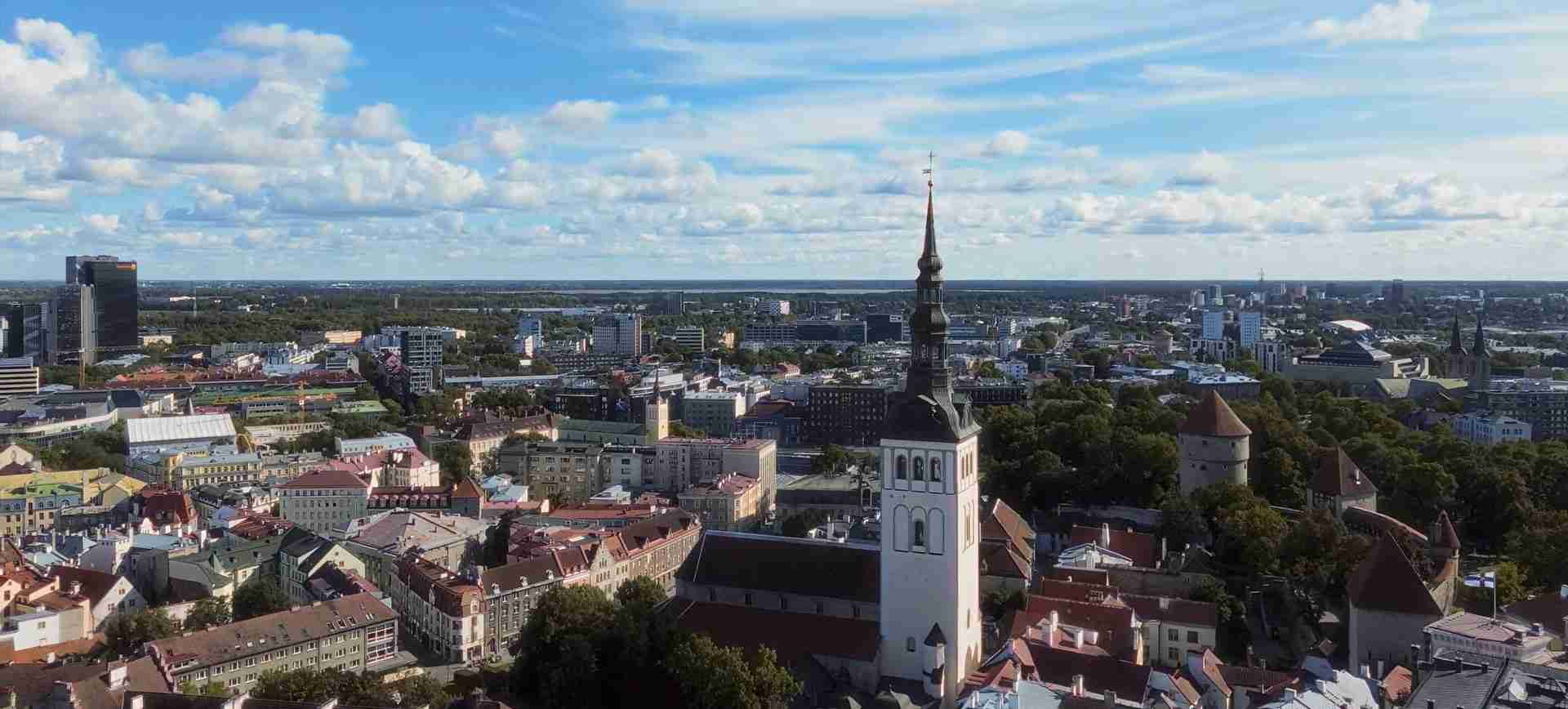
Tallinn Travel Guide 2026: Ultimate Planning Resource Best Things to Do & See
Tallinn offers an extraordinary blend of medieval charm and modern innovation, making it one of Europe’s most captivating destinations for 2026. This UNESCO World Heritage city combines cobblestone streets, towering Gothic spires, and centuries-old fortifications with cutting-edge digital infrastructure and vibrant contemporary culture. Whether you’re planning a weekend escape or an extended Baltic adventure, Tallinn provides exceptional value, rich history, and unforgettable experiences.
Key Takeaways: Essential Tallinn Planning for 2026
- UNESCO World Heritage: Tallinn’s Old Town, inscribed in 1997, preserves one of Europe’s best-maintained medieval city centers with 113 hectares of historic architecture, defensive walls, and Hanseatic heritage spanning over 800 years
- Budget-Friendly Destination: Daily costs range €100-150 per person for mid-range travel in 2026, with accommodation from $40-120, meals €15-25, and efficient €2 public transport making Tallinn more affordable than most Western European capitals
- Tallinn Card Value: The €43 city card (check official rates for current pricing) provides free entry to 50+ attractions including museums, towers, and galleries plus unlimited public transport for 24, 48, or 72 hours, easily offsetting costs with 3-4 visits
- Compact & Walkable: Old Town covers just 113 hectares, making most major attractions accessible within 15-20 minutes on foot, while modern tram lines connect outlying districts like Kadriorg Palace and Pirita Beach in under 15 minutes
- Year-Round Destination: Summer (June-August) brings warm weather and festivals but crowds and premium prices, while spring (April-May) and autumn (September-October) offer fewer tourists, comfortable temperatures, and better accommodation rates for 2026 visits
- Digital Infrastructure: As the birthplace of Skype and a European tech hub, Tallinn offers free public WiFi throughout Old Town, contactless payment everywhere, and English widely spoken, simplifying navigation and transactions for international visitors in 2026
People Also Ask About Tallinn Travel 2026
How much does a trip to Tallinn cost in 2026?
Daily costs in Tallinn for 2026 range €100-150 per person for mid-range travel. Budget travelers spending €70-90 can stay in hostels (€20-35), eat at local cafes (€25-35 daily), and use public transport (€2 per ride). Mid-range travelers (€120-150 daily) enjoy comfortable hotels (€60-90), restaurant meals (€40-60 daily), and attraction entries. Luxury travelers spending €200+ access premium hotels (€150+), fine dining (€80-120 daily), and private tours. A 3-day mid-range trip costs approximately €360-450 per person excluding flights, while budget travelers manage €210-270 for the same duration. The Tallinn Card at €43 for 24 hours (verify current official rates) provides exceptional value with 50+ free attractions and unlimited transport.
Is Tallinn worth visiting in 2026?
Tallinn absolutely merits a visit in 2026 for its exceptional combination of medieval authenticity, cultural richness, and modern convenience. The UNESCO World Heritage Old Town preserves 13th-century street layouts, defensive towers, merchant houses, and Gothic churches rarely found elsewhere in Europe. Beyond history, Tallinn offers innovative restaurants blending Estonian tradition with Nordic techniques, world-class museums, vibrant nightlife, and proximity to natural attractions like Lahemaa National Park. The city’s compact size allows comprehensive exploration in 2-4 days, while affordable prices compared to Western Europe deliver excellent value. Direct flights from major European cities, digital infrastructure with free WiFi, and English proficiency make Tallinn accessible for first-time Baltic visitors in 2026.
What are the top 5 must-see attractions in Tallinn for 2026?
Tallinn’s essential 2026 attractions include: (1) Old Town Square and Town Hall, the medieval heart with 13th-century architecture and outdoor cafes; (2) Toompea Hill with Alexander Nevsky Cathedral, Toompea Castle, and panoramic viewpoints overlooking red-tiled roofs; (3) City Walls and Towers including Kiek in de Kök and sections you can walk along for €5-8; (4) St. Olaf’s Church tower (€5 entry, verify current rates) offering 360-degree views from 124 meters; (5) Kadriorg Palace and Park, Peter the Great’s baroque summer residence with KUMU art museum. Additional highlights include the medieval pharmacy operating since 1422, Telliskivi Creative City for contemporary culture, and the Seaplane Harbour maritime museum. The Tallinn Card provides free or discounted access to most major sites.
How many days do you need in Tallinn in 2026?
Three to four days provides ideal time to experience Tallinn comprehensively in 2026. Day 1 covers Old Town exploration including Town Hall Square, Toompea Hill, and defensive walls (6-8 hours). Day 2 visits Kadriorg Palace, KUMU art museum, and Pirita Beach or Tallinn TV Tower (full day). Day 3 explores Telliskivi Creative City, Rotermann Quarter, and museums like Seaplane Harbour or Estonian History Museum (full day). Day 4 allows day trips to Lahemaa National Park, Prangli Island, or deeper Old Town discovery including lesser-known churches and hidden courtyards. Weekend visitors (2 days) can cover essential Old Town highlights and one outlying attraction. Business travelers often extend stays to 4-5 days to balance meetings with cultural exploration. The compact city rewards both quick visits and leisurely extended stays.
Extended multi-day tours – 5+ days
Featured Estonia Multi-Day Tour Packages
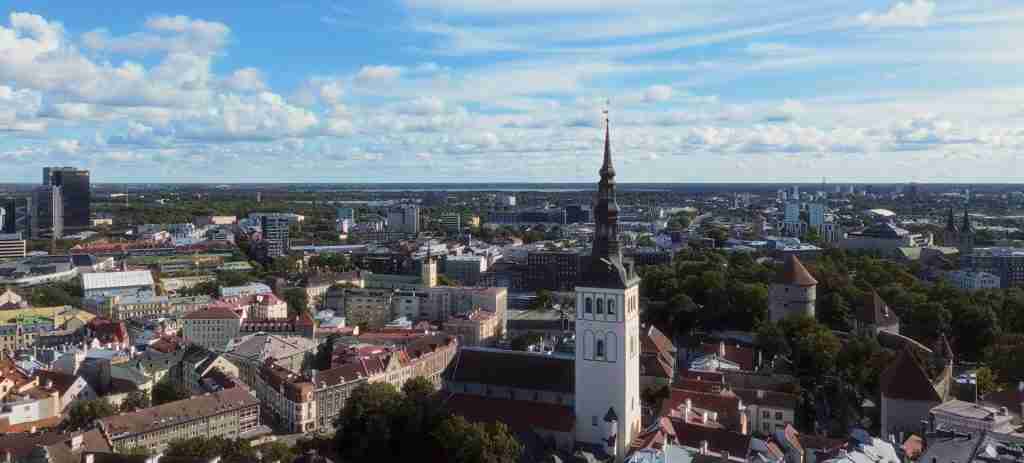
3 days
Estonia 3-Day Discovery Tour
- ✓ Comprehensive Estonia experience
- ✓ Expert local guides included
- ✓ All accommodation included
- ✓ Transportation provided
5 days
Estonia 5-Day Highlights Experience
- ✓ Comprehensive Estonia experience
- ✓ Expert local guides included
- ✓ All accommodation included
- ✓ Transportation provided
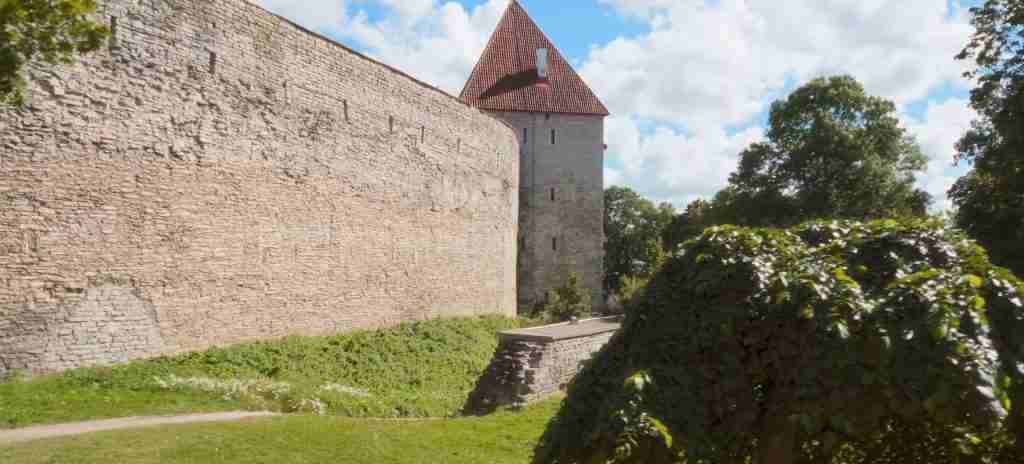
7 days
Estonia 7-Day Cultural Journey
- ✓ Comprehensive Estonia experience
- ✓ Expert local guides included
- ✓ All accommodation included
- ✓ Transportation provided
10 days
Estonia 10-Day Complete Adventure
- ✓ Comprehensive Estonia experience
- ✓ Expert local guides included
- ✓ All accommodation included
- ✓ Transportation provided
Multi-day tour packages powered by TourRadar. Prices and availability subject to change.
Introduction: Discovering Tallinn in 2026
Tallinn stands as one of Europe’s most remarkable capital cities, seamlessly blending eight centuries of history with 21st-century innovation. The Estonian capital, perched on the Baltic Sea’s southern shore, achieved UNESCO World Heritage recognition in 1997 for its exceptionally preserved medieval Old Town—a designation that protects 113 hectares of cobblestone streets, Gothic spires, merchant houses, and defensive fortifications dating to the 13th century. Unlike many European cities where medieval centers feel like open-air museums, Tallinn’s Old Town pulses with contemporary life: locals shop at the centuries-old market, international startups occupy restored Hanseatic warehouses, and traditional Estonian taverns neighbor innovative Nordic restaurants.
Planning your 2026 visit to Tallinn offers distinct advantages. As Estonia’s tech capital—the birthplace of Skype and a pioneer in digital governance—Tallinn provides exceptional visitor infrastructure including free public WiFi throughout the city center, contactless payment systems everywhere, and comprehensive English signage. The compact urban layout concentrates major attractions within walking distance, while modern trams and buses connect outlying neighborhoods efficiently. Tallinn’s geographic position makes it an ideal Baltic gateway: just 2 hours by ferry from Helsinki, 4 hours from Stockholm, and increasingly accessible via direct flights from major European hubs.
What distinguishes Tallinn in 2026 is value. While Western European capitals command premium prices for accommodation, dining, and attractions, Tallinn delivers comparable quality experiences at 30-50% lower costs. Mid-range hotels offering modern amenities, excellent breakfast, and Old Town proximity cost €60-90 nightly—prices matching budget accommodation in Paris or Amsterdam. Restaurant meals featuring local ingredients and creative presentation range €15-25 compared to €30-45 in Scandinavian neighbors. Cultural attractions, from world-class museums to medieval towers, charge €5-12 entry fees versus €15-25 typical elsewhere.
The seasonal dynamics of 2026 present strategic planning opportunities. Summer (June-August) attracts peak visitors with long daylight hours, outdoor festivals, and 20-25°C temperatures ideal for exploring, though accommodation prices rise 40-60% and Old Town crowds intensify. Spring (April-May) and autumn (September-October) offer the sweet spot: comfortable 12-18°C weather, manageable tourist numbers, vibrant seasonal colors, and standard hotel rates. Winter (November-March) transforms Tallinn into a Nordic wonderland with Christmas markets rated among Europe’s finest, though sub-zero temperatures and limited daylight hours (6-7 hours December-January) require appropriate preparation and clothing.
This comprehensive guide equips you to maximize your Tallinn experience in 2026. Whether you’re a history enthusiast drawn to Hanseatic heritage, a foodie exploring New Nordic cuisine, a budget backpacker seeking affordable Europe, or a weekend escapist from nearby capitals, Tallinn accommodates diverse travel styles and interests. The following sections detail everything from essential planning and budget management to neighborhood-specific recommendations and day trip options, ensuring your Baltic adventure exceeds expectations while staying within budget.
Essential Planning Information for Tallinn 2026
Visa Requirements & Entry for 2026
Estonia’s Schengen Area membership simplifies entry for most international visitors in 2026. EU/EEA citizens need only valid national ID cards or passports for unlimited stays. Citizens of 60+ countries including USA, Canada, Australia, Japan, and UK enjoy visa-free entry for tourism stays up to 90 days within any 180-day period. Travelers requiring Schengen visas should apply at Estonian embassies or consulates 15 days to 6 months before intended travel. The European Travel Information and Authorization System (ETIAS), expected to launch in late 2024-2025, will require pre-travel online registration for visa-exempt nationals starting in 2026, though the €7 authorization remains valid for 3 years or until passport expiration.
Best Time to Visit Tallinn in 2026
Tallinn rewards visitors year-round, though each season offers distinct advantages. Summer (June-August) brings peak travel conditions: temperatures reach 20-25°C, daylight extends to 18-19 hours, outdoor cafes fill Town Hall Square, and festivals animate the city. However, this popularity commands premium accommodation prices (€100-150 for mid-range hotels), requires advance bookings, and creates Old Town congestion. Spring (April-May) emerges as the ideal compromise—mild 10-16°C weather supports comfortable exploration, hotels charge standard rates (€60-90), and manageable crowds allow unhurried sightseeing. Cherry blossoms bloom in Kadriorg Park by late April, while lengthening daylight reaches 16 hours by May.
Autumn (September-October) rivals spring for optimal visiting. Temperatures moderate to 12-18°C, fall colors transform parks and forests, cultural season begins with concerts and exhibitions, and accommodation deals return after summer peaks. September particularly excels with lingering warmth, local life resuming post-vacation rhythms, and 13-14 hours of daylight. October brings cooler weather and shorter days but dramatic autumn landscapes and significant hotel discounts (30-40% below summer rates).
Winter (November-March) attracts specific audiences despite challenges. Tallinn’s Christmas markets (late November through January) rank among Europe’s most authentic, set against medieval backdrops with craft stalls, mulled wine, and traditional music. However, sub-zero temperatures (-5 to -10°C common), limited daylight (6-7 hours December-January), and potential snow require warm clothing and flexible itineraries. January-February offer lowest accommodation prices (40-50% below summer) but minimal outdoor appeal beyond winter sports enthusiasts visiting nearby Otepää.
Currency & Payment Systems 2026
Estonia adopted the euro (EUR/€) in 2011, eliminating currency exchange hassles for eurozone visitors. ATMs offering competitive exchange rates operate throughout the city, with Swedbank, SEB, and LHV machines accepting major international cards. Credit and debit cards enjoy near-universal acceptance—restaurants, shops, museums, and even small vendors process contactless payments. Many establishments prefer cards over cash, reflecting Estonia’s advanced digital economy. Tipping customs follow simple patterns: restaurants appreciate 10% for good service (often added to bills automatically for groups), while taxi drivers, hotel staff, and tour guides welcome small tips though expectations remain modest compared to Western Europe.
Language & Communication
Estonian serves as the official language, belonging to the Finno-Ugric family alongside Finnish and Hungarian. However, communication poses minimal challenges—English proficiency in Tallinn ranks among Europe’s highest, particularly among service industry workers, younger generations, and business professionals. Tourist areas, museums, and restaurants operate comfortably in English. Russian remains widely understood due to historical connections, while German and Finnish speakers find some recognition. Free public WiFi blankets Old Town and major attractions, enabling instant translation apps, mapping, and research. Most restaurants and attractions provide English menus, signage, and audio guides.
Safety & Health Considerations 2026
Tallinn maintains excellent safety standards. Violent crime remains rare, with petty theft (pickpocketing in crowded tourist areas) representing the primary concern. Standard precautions—securing valuables, avoiding excessive late-night alcohol consumption, and staying alert in busy areas—suffice. Emergency services (112 universal number) respond quickly and professionally. Healthcare quality meets Western European standards, with modern hospitals and clinics. EU citizens should carry European Health Insurance Cards (EHIC), while other visitors need travel insurance covering medical emergencies. Pharmacies (apteek) operate extensively with knowledgeable English-speaking staff.
Tap water quality in Tallinn meets EU standards and is safe to drink, though some visitors prefer bottled water. No vaccinations beyond routine immunizations are required. Winter weather presents the main health consideration—icy sidewalks require appropriate footwear, while sub-zero temperatures demand layered clothing, warm accessories, and awareness of frostbite risk during extended outdoor exposure.
Transportation Guide: Getting to and Around Tallinn 2026
Reaching Tallinn in 2026
Tallinn Airport (TLL – Lennart Meri Tallinn Airport) serves as Estonia’s primary international gateway, located just 4 kilometers from the city center. The airport handles direct flights from major European cities including London, Paris, Frankfurt, Stockholm, Copenhagen, Riga, and Warsaw. Budget carriers (Ryanair, Wizz Air) and traditional airlines (Lufthansa, LOT, Finnair) operate extensive networks. From the airport, tram line 4 reaches the city center in 15-20 minutes for €2. Taxis cost €10-15 for the same journey, while ride-sharing apps (Bolt prevalent in Tallinn) offer similar rates.
Ferry services connect Tallinn to Helsinki (2 hours), Stockholm (15-16 hours overnight), and St. Petersburg seasonally. Tallink Silja and Viking Line operate modern vessels with multiple daily Helsinki departures—tickets range €25-60 depending on season and booking timing. The ferry terminals (A, B, C, D) sit 2 kilometers from Old Town, accessible via tram 2 or tram 4 (€2) or taxi (€8-12). Stockholm overnight ferries offer cabin accommodation, onboard restaurants, and entertainment, functioning as combined transport and lodging.
Bus connections link Tallinn to Riga (4.5 hours, €15-25), Vilnius (9 hours, €30-45), and St. Petersburg (7-8 hours, €25-40) via Lux Express and Ecolines. The modern coaches feature WiFi, refreshments, and comfortable seating. Train service remains limited internationally, though domestic rail connects Tallinn to Tartu (2.5 hours) and other Estonian cities.
Public Transportation System 2026
Tallinn’s public transport network combines trams, buses, and trolleybuses covering the entire city efficiently. Single tickets cost €2 (valid 1 hour) when purchased from drivers or machines at major stops. The Tallinn Card includes unlimited public transport for its validity period (24, 48, or 72 hours). Registered Tallinn residents ride free—a unique municipal policy since 2013—though visitors pay standard fares.
Trams represent the most useful mode for tourists. Line 1 and 2 serve the city center, port, and major residential areas. Line 3 connects Kopli and Kadriorg. Line 4 runs from the airport through the center to Tondi. Trams operate 6 AM to midnight daily with 5-10 minute frequencies during peak hours, 10-15 minutes evenings and weekends. Bus lines fill gaps in tram coverage, reaching suburban areas and attractions like the Open Air Museum and Pirita.
Route planning apps (Google Maps, Moovit) integrate real-time schedules and connections. Digital displays at stops show arrival times accurately. The compact city center makes walking preferable for Old Town exploration—most major sites lie within 1-2 kilometers—while trams efficiently reach Kadriorg, Pirita, Rotermann Quarter, and Telliskivi.
Taxis & Ride-Sharing 2026
Licensed taxis operate throughout Tallinn with metered fares. Base rate starts at €3.50 with €0.80-1.00 per kilometer, making typical city center rides €8-15. Major companies include Tulika Takso and Tallink Takso. However, the Bolt app dominates ride-sharing with extensive driver availability, transparent pricing, and often lower costs than traditional taxis. Uber operates limitedly compared to Bolt. Ride-sharing proves especially valuable for late-night transport, airport transfers, or reaching attractions beyond public transport routes.
Cycling & Walking 2026
Tallinn’s flat terrain and compact size favor walking and cycling. Old Town’s cobblestone streets and pedestrian-only zones require sturdy footwear but allow comprehensive exploration on foot. The defensive wall circuit, Toompea Hill, and waterfront promenades offer scenic walking routes. Bike rental shops and Bolt e-scooters provide alternatives for longer distances or exploring coastal paths. Dedicated bike lanes connect major districts, though Old Town’s narrow medieval streets limit cycling. The 3-kilometer Pirita coastal promenade attracts cyclists and walkers with Baltic Sea views and beach access.
Accommodation Strategies for Tallinn 2026
Neighborhood Selection Guide
Old Town (Vanalinn) occupies the prime location for first-time visitors, placing medieval attractions, restaurants, and atmosphere steps from your door. However, this convenience commands premium rates (€80-150 for mid-range hotels in summer 2026) and can feel touristy with evening crowds. Hotels in converted merchant houses or medieval buildings offer authentic character though rooms may be smaller with quirky layouts. Book Old Town accommodation 2-3 months ahead for summer visits, 4-6 weeks for shoulder seasons.
Rotermann Quarter, immediately east of Old Town, balances convenience and value. This revitalized industrial district features modern hotels (€60-90), trendy restaurants, and design shops while remaining 10 minutes’ walk from Town Hall Square. The neighborhood attracts business travelers and design-conscious visitors seeking contemporary aesthetics over medieval charm.
Kalamaja, north of Old Town, represents Tallinn’s hippest neighborhood—wooden houses painted in pastel colors, independent cafes, vintage shops, and street art create a bohemian atmosphere. Accommodation (€50-80) appeals to younger travelers and culture seekers. Telliskivi Creative City anchors the area with markets, concerts, and galleries. Tram 1 or 2 reaches Old Town in 10 minutes.
Kadriorg offers parkside tranquility near museums and beaches. Hotels (€55-85) provide quieter settings than central locations while tram 1 or 3 reaches Old Town in 12-15 minutes. This choice suits travelers prioritizing nature access, cultural attractions (KUMU, Kadriorg Palace), and residential neighborhood feel over nightlife proximity.
Budget Accommodation Options 2026
Hostels cluster in Old Town and Kalamaja, offering dorm beds €20-35 and private rooms €45-65. The Monk’s Bunk Hostel & Bar, Fat Margaret’s, and Old Town Munkenhof provide social atmospheres, communal kitchens, and organized activities. Many occupy historic buildings adding character. Book directly for best rates, especially for extended stays.
Budget hotels (€40-60) like Dorell, Center Hotel, and Viva Nord Hotel deliver clean, basic rooms with private bathrooms near Old Town. Amenities remain minimal—no restaurants, limited services—but locations prove excellent for self-sufficient travelers. These hotels often sell out 4-6 weeks ahead during summer, less in shoulder seasons.
Apartment rentals (€50-90 for studios, €80-120 for one-bedrooms) provide value for couples or small groups staying 3+ nights. Airbnb, Booking.com, and local agencies list hundreds of options. Apartments offer kitchens enabling grocery shopping economies—Rimi and Maxima supermarkets sell ingredients at local prices. However, verify locations carefully—some “Old Town” listings actually occupy peripheral areas requiring tram rides.
Mid-Range Hotels 2026
Three-star hotels (€60-90) dominate Tallinn’s mid-range segment. Park Inn by Radisson Central Tallinn, Nordic Hotel Forum, and Metropol Hotel provide modern rooms, breakfast buffets, and professional service within walking distance of Old Town. These properties target business and leisure travelers seeking comfort without luxury pricing. Book 6-8 weeks ahead for summer, 3-4 weeks for other seasons.
Boutique hotels (€80-120) occupy converted merchant houses or renovated historical buildings. St. Petersbourg Hotel, Telegraaf Hotel, and Three Sisters Hotel blend period architecture with contemporary design. Rooms vary in size and layout due to building constraints, but atmospheric details—exposed beams, vaulted ceilings, original stonework—create memorable stays. Breakfast quality often exceeds chain hotels. These properties fill quickly; reserve 8-12 weeks ahead for peak periods.
Luxury Accommodation 2026
Five-star hotels (€150-250) deliver premium experiences. Swissôtel Tallinn occupies Estonia’s tallest building with panoramic views, Pürovel Spa, and Michelin-listed restaurant. Radisson Collection Hotel Tallinn features elegant rooms, rooftop bar, and conference facilities. Schlössle Hotel—Small Luxury Hotels member—inhabits a meticulously restored 1300s merchant house steps from Town Hall Square.
These properties provide concierge services, fine dining, spas, and attention to detail justifying premium rates for special occasions or luxury travelers. However, Tallinn’s compact size and walkability mean expensive hotels don’t necessarily improve attraction access compared to well-located mid-range options.
Booking Strategies & Money-Saving Tips 2026
Book directly with hotels when possible—many offer lowest rate guarantees, free cancellation policies, and loyalty benefits unavailable through third-party sites. Compare Booking.com, Hotels.com, and hotel websites; prices occasionally vary. Sunday-Thursday nights cost 20-30% less than weekends in business-oriented hotels. Extended stays (4+ nights) sometimes qualify for discounts—always ask. Last-minute deals appear on hotel websites and booking apps for unsold inventory, though this strategy risks limited availability during peak seasons.
Consider staying slightly outside Old Town in Rotermann, Kalamaja, or Kadriorg. Savings of €20-40 nightly offset 10-15 minute tram rides. Apartment rentals beat hotel rates for 3+ night stays when factoring grocery shopping savings. The Tallinn Card’s hotel discounts (10-20% at participating properties) can offset card costs for 2-3 night stays.
Budget Breakdown & Daily Costs for 2026
Budget Travel (€70-90 Daily)
Accommodation: Hostel dorm €25-35 or budget hotel room €40-50 (per person when shared)
Meals: Breakfast at hostel or cafe €5-8, lunch at local spot €8-12, dinner at budget restaurant €10-15, snacks/coffee €5-8. Daily total €28-43
Transportation: Walking primarily, 2-3 tram rides €4-6
Attractions: One free site (Old Town streets, viewpoints, city walls exterior) plus one paid attraction €5-8
Daily miscellaneous: €5-10
Budget strategies include staying in hostels with included breakfast, eating at Lido or Kompressor (local chains offering €5-8 plates), taking advantage of free walking tours (tip €5-10), using the Tallinn Card if visiting 4+ attractions in one day (€43 for 24 hours covers entries and transport), and grocery shopping for some meals at Rimi or Maxima.
Mid-Range Travel (€120-150 Daily)
Accommodation: Mid-range hotel €60-90 per person (double occupancy)
Meals: Hotel breakfast included, lunch at cafe €12-18, dinner at good restaurant €18-28, coffee/snacks €8-12. Daily total €38-58
Transportation: Tallinn Card €43 covers unlimited transport plus attraction entries, or 3-4 tram rides €6-8
Attractions: 2-3 paid sites at €8-15 each, totaling €16-30 (or covered by Tallinn Card)
Daily miscellaneous: €15-25
Mid-range travelers stay in comfortable hotels with breakfast, eat at recommended restaurants, visit major attractions without budget constraints, occasionally take taxis (€10-15), and purchase souvenirs moderately. The Tallinn Card provides excellent value at this level.
Luxury Travel (€200+ Daily)
Accommodation: 4-5 star hotel €120-200 per person (double occupancy)
Meals: Hotel breakfast included, lunch at quality restaurant €25-40, dinner at Michelin-listed establishment €50-85, wine/cocktails €20-35. Daily total €95-160
Transportation: Taxi/Bolt rides €25-40 daily
Attractions: Premium tours €50-100, museum entries €20-40
Daily miscellaneous: €40-80
Luxury travelers book five-star hotels, dine at NOA, Horisont, or 180° by Matthias Diether, arrange private guides (€150-250 for half-day), and purchase premium souvenirs. This segment easily spends €250-400 daily combining top accommodation, fine dining, and exclusive experiences.
Sample Day Costs by Travel Style 2026
Budget Day Sample:
Hostel dorm €30, breakfast at cafe €6, lunch at Lido €9, coffee €3, dinner at Kompressor €12, tram day ticket €5, Kiek in de Kök tower €6, ice cream €3. Total: €74 (excluding accommodation: €44)
Mid-Range Day Sample:
Hotel room €75, hotel breakfast included, lunch at Rataskaevu 16 €18, coffee at Pierre Chocolaterie €5, dinner at Olde Hansa €28, Tallinn Card €43 (covers transport and attractions: TV Tower, maritime museum, St. Olaf’s tower), souvenir €15. Total: €141 (excluding accommodation: €66 plus Tallinn Card €43)
Luxury Day Sample:
Five-star hotel €180, hotel breakfast included, private Old Town tour €100, lunch at NOA €45, afternoon spa treatment €60, cocktails at Horisont Bar €25, dinner at 180° €85, taxis €30, boutique shopping €80. Total: €425 (excluding accommodation: €245)
Top Attractions & Must-See Sites in Tallinn 2026
Tallinn Old Town (Vanalinn) – UNESCO World Heritage Site
Tallinn’s medieval Old Town, inscribed on the UNESCO World Heritage List in 1997, ranks among Europe’s most complete examples of Hanseatic urban architecture. The 113-hectare protected area preserves the street network, defensive structures, and building stock dating from the 13th-16th centuries with remarkable integrity. Exploring requires 6-8 hours minimum, though you could spend days discovering hidden courtyards, church interiors, and specialty museums.
Town Hall Square (Raekoja plats) forms the Old Town heart. The Gothic Town Hall, constructed 1402-1404, features an observation tower (€5 entry, check official site for current rates) offering panoramic views over red-tiled roofs. The square hosts the Christmas market (late November-early January), outdoor cafes (April-September), and various festivals. Surrounding merchant houses display ornate facades testifying to Hanseatic wealth.
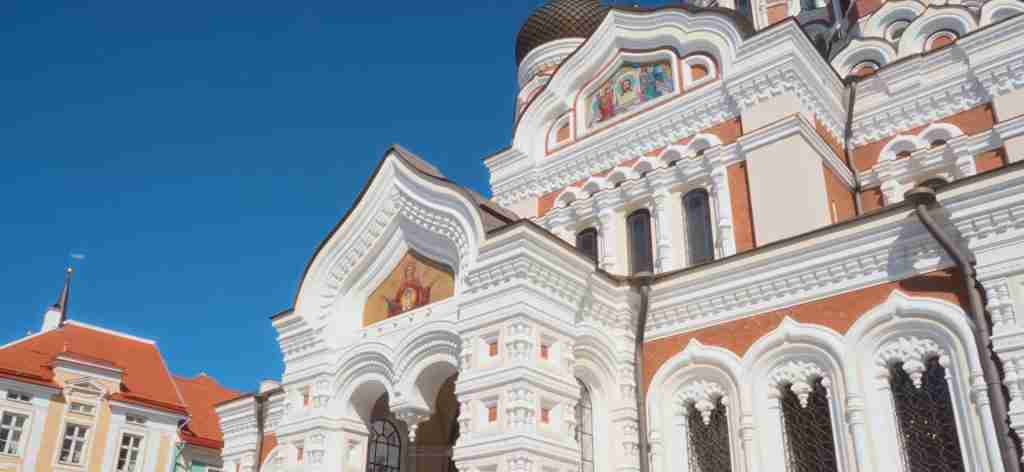
Toompea Hill rises above the Lower Town, crowned by Toompea Castle (seat of Estonian Parliament—viewing from exterior only, no interior tours for tourists). Alexander Nevsky Cathedral, completed 1900, presents elaborate Russian Orthodox architecture with distinctive onion domes. Adjacent viewpoints (Patkuli and Kohtuotsa) provide the iconic red-roof panoramas featured in countless Tallinn photographs. Access is free; visit sunrise or sunset for dramatic light.
St. Olaf’s Church tower reaches 124 meters—when constructed in 1500s, it stood as the world’s tallest building. The narrow observation platform (€5 entry, verify current official rates) rewards the climb with 360-degree views encompassing Old Town, port, and Gulf of Finland. Open April-October, daily 10 AM-6 PM; capacity limits mean possible queues during peak afternoon hours.
City Walls & Defensive Towers
Tallinn’s medieval fortifications, among Europe’s best-preserved, stretch 1.9 kilometers with 20 surviving towers from the original 46. Sections opened for public access include the wall walk connecting Nunna, Sauna, and Kuldjala towers (€5-8 entry, check current official rates at individual sites). Walking atop these 13th-century structures provides unique architectural perspectives and defensive system understanding. The wall is accessible May-September, daily 10 AM-6 PM.
Kiek in de Kök (“Peek in the Kitchen”), a 15th-century artillery tower, houses museum exhibits on Tallinn’s military history and defensive architecture. The €12 admission (verify current rates) includes access to underground bastion tunnels constructed 1600s-1800s, adding Cold War-era shelter exhibitions. Allow 1.5-2 hours for comprehensive visit. Open Tuesday-Sunday 10 AM-6 PM.
Museums & Cultural Attractions 2026
KUMU Art Museum (Weizenbergi 34, Kadriorg) exhibits Estonian art from the 18th century to contemporary works in an award-winning 2006 building. The collection covers three floors: historical art, Soviet-period works, and cutting-edge contemporary exhibitions. Entry costs €12 (check official rates); allow 2-3 hours. Open Tuesday-Sunday 10 AM-6 PM (Wednesday until 8 PM). Accessible via tram 1 or 3 from Old Town (15 minutes).
The Seaplane Harbour (Lennusadam) maritime museum occupies a 1917 seaplane hangar converted into interactive exhibition space. Highlights include the 1936 submarine Lembit (visitors can enter), historic icebreaker Suur Tõll, and seaplane displays. Entry €15 adults (verify current official pricing), family tickets available. Plan 2-3 hours. Located in Kalamaja, accessible by tram 1 or 2. Open daily 10 AM-6 PM.
Estonian Open Air Museum (Vabaõhumuuseum) preserves 18th-20th century rural architecture across 79 hectares. Traditional farmsteads, windmills, village school, and chapel relocated from across Estonia demonstrate pre-industrial life. Entry €10 (check official rates), additional fees for special exhibitions or craft workshops. Requires 2-4 hours. Located 10 kilometers west; reach via bus 21, 21B, or 22. Open daily May-September 10 AM-8 PM, October-April 10 AM-5 PM.
Kadriorg Palace & Park
Peter the Great commissioned Kadriorg Palace in 1718 as a summer residence for Catherine I, creating a baroque masterpiece designed by Italian architect Nicola Michetti. The palace houses the Kadriorg Art Museum displaying foreign art collections. Entry €8 adults (verify current official pricing). The surrounding 70-hectare park features manicured gardens, forest paths, ponds, and sculptures—access free. KUMU art museum, presidential palace, and Russalka memorial occupy the same district. Tram 1 or 3 from Old Town reaches Kadriorg in 12-15 minutes.
Tallinn TV Tower
Estonia’s tallest structure at 314 meters offers observation deck at 170 meters with 360-degree views extending 45 kilometers on clear days. The €17 admission (check official site for current rates) includes access to interactive exhibitions covering Estonian broadcasting history and independence movement. Additional experiences available: EdgeWalk on exterior platform (€30-40, verify current pricing) and virtual flight simulation. Open daily 10 AM-7 PM, extended summer hours. Located 5 kilometers northeast; reach via bus 34A or 38.
Neighborhood Guides & Local Experiences 2026
Telliskivi Creative City
This former industrial complex transformed into Tallinn’s creative hub hosts design studios, vintage shops, concept stores, cafes, and restaurants. The F-Hoone restaurant serves Estonian-international fusion in industrial-chic setting. Weekend flea markets (Saturday-Sunday 10 AM-5 PM, free entry) sell vintage clothing, antiques, handicrafts, and street food. Fotografiska Tallinn photography museum opened 2023 in renovated warehouse. Tallinn’s startup culture concentrates here—coworking spaces, tech companies, and innovation labs occupy renovated buildings. Tram 1 or 2 to Telliskivi stop; 10-minute walk from Old Town.
Rotermann Quarter
Industrial heritage meets contemporary design in this revitalized 19th-century factory district. Limestone warehouses now house international fashion boutiques, design showrooms, restaurants, and offices. The area appeals to architecture enthusiasts—the juxtaposition of preserved industrial structures with modern glass additions creates striking visual contrasts. Restaurants range from casual (Restoran Hõlm) to upscale (Restoran Vegan V). Bordered by Old Town’s eastern edge; 5-minute walk from Town Hall Square.
Kalamaja Neighborhood
Tallinn’s trendiest district features wooden houses painted pastel colors lining quiet streets. Originally a fishing village, then working-class neighborhood, Kalamaja gentrified over the past decade while retaining authentic character. Independent cafes (Ristikheina Cafe, Klaus Cafe), vintage shops, and street art attract younger crowds. Balti Jaam Market (1993 train station market) sells fresh produce, prepared foods, and artisan products. Patarei Sea Fortress, a massive 1840s fortification, operated as prison until 2002; now open for guided tours (€15-20, verify current pricing). Tram 1 or 2 from Old Town (10 minutes).
Pirita Beach & Coastal Area
Tallinn’s beach district offers 3 kilometers of sandy coastline 6 kilometers northeast of city center. Summer months (June-August) attract swimmers when Baltic Sea temperatures reach 17-20°C. Year-round, the coastal promenade suits cycling, rollerblading, or walking with views across Tallinn Bay. Pirita Convent ruins (15th century) sit adjacent to beach—free access to grounds. The area hosted 1980 Olympic sailing events; Olympic Sailing Center museum details this history (€5 entry, check current rates). Reach via bus 1A, 8, 34A, or 38 from city center (20 minutes).
Food & Dining Guide for Tallinn 2026
Traditional Estonian Cuisine
Estonian food emphasizes locally sourced ingredients, preservation techniques from harsh winters, and Nordic influences. Black bread (leib) accompanies most meals. Blood sausage (verivorst), sauerkraut (hapukapsas), and roast pork define traditional Christmas fare but appear year-round at old-style restaurants. Elk, wild boar, and deer feature in game dishes. Baltic herring and sprat provide fish protein. Sour cream and potatoes accompany many plates.
Vana Toomas restaurant (Nunne 11) serves authentic Estonian dishes in medieval cellar setting—try elk stew, sauerkraut, and black bread. Mains €15-22. Open daily 12 PM-11 PM. Rataskaevu 16 (Rataskaevu 16) modernizes traditional recipes—deer carpaccio, Baltic fish, local vegetable preparations. Mains €16-24. Reservations recommended; open Monday-Saturday 12 PM-11 PM.
New Nordic & Contemporary Restaurants 2026
Tallinn’s culinary scene evolved dramatically over the past decade, with chefs applying Nordic techniques to Estonian ingredients. Restaurants emphasizing seasonality, foraging, and innovative presentations attract foodie travelers.
NOA (Ranna tee 3, Pirita) holds Estonia’s only Michelin star, serving haute cuisine with sea views. Six-course tasting menu €85, wine pairing additional €45-65 (verify current official pricing). Reservations essential weeks ahead. Open Wednesday-Sunday, dinner only.
180° by Matthias Diether (at Swissôtel Tallinn, Tornimäe 3) offers Nordic-Baltic fusion at 30th-floor location. Four-course menu €65, tasting menu €95 (check current rates). Panoramic views justify premium. Reservations required. Open Tuesday-Saturday, dinner only.
Leib Resto ja Aed (Uus 31) champions farm-to-table philosophy with vegetable-forward dishes, house-baked bread, and seasonal menus. Lunch €12-16, dinner mains €18-26. Reservations recommended. Open Monday-Saturday 12 PM-11 PM.
Budget-Friendly Dining Options 2026
Kompressor (Rataskaevu 3) serves massive savory and sweet pancakes (€4-8) in bohemian atmosphere. Popular with locals and budget travelers; expect queues lunch and dinner. Cash only. Open daily 11 AM-11 PM.
Lido (multiple locations) operates cafeteria-style with Estonian and international dishes priced €5-10. Self-service model keeps costs low; portions generous. Lasnamäe and Ülemiste locations outside city center offer best value, though Solaris Center (near Old Town) provides convenience. Open daily 10 AM-10 PM.
F-Hoone (Telliskivi 60A) combines industrial setting with quality casual dining. Burgers €9-12, salads €8-11, daily specials €10-14. Popular brunch weekends. Open Monday-Thursday 12 PM-11 PM, Friday-Saturday 12 PM-1 AM, Sunday 10 AM-10 PM.
Markets & Food Halls 2026
Balti Jaam Market (Kopli 1) occupies the historic train station building with 300+ vendors selling fresh produce, smoked fish, prepared foods, and artisan products. Upstairs food hall hosts restaurants, cafes, and bakeries. Free entry; individual purchases vary. Open Monday-Saturday 7 AM-7 PM, Sunday 8 AM-4 PM.
Central Market (Keskturg, Keldrimäe 9) provides traditional market experience—vegetables, meat, fish, dairy from Estonian farmers. Lower prices than supermarkets; bargaining accepted. Free entry. Open Monday-Saturday 8 AM-6 PM.
Cafes & Coffee Culture 2026
Tallinn’s cafe scene rivals Copenhagen or Stockholm. Third-wave coffee shops serve expertly prepared espresso drinks €3-5.
Maiasmokk (Pikk 16) opened 1864, making it Estonia’s oldest cafe. Try traditional marzipan, chocolates, and pastries (€3-6) in Art Nouveau interior. Museum upstairs details confectionery history. Open Monday-Saturday 9 AM-8 PM, Sunday 10 AM-6 PM.
Pierre Chocolaterie (Vene 6) produces handmade chocolates and pastries using traditional techniques. Courtyard setting offers peaceful Old Town retreat. Chocolates €2-5, coffee €3-4. Open Monday-Saturday 10 AM-7 PM, Sunday 11 AM-6 PM.
Reval Cafe (multiple locations) provides reliable coffee, pastries, and light meals (€3-8) across the city. Modern, clean settings suit quick breaks. Open daily 8 AM-8 PM most locations.
Shopping & Souvenirs in Tallinn 2026
Handicrafts & Estonian Design
Estonian handicrafts emphasize natural materials—linen, wool, wood, leather—and minimalist aesthetics influenced by Nordic design traditions. Masters’ Courtyard (Vene 6) hosts artisan workshops and galleries selling jewelry, ceramics, textiles, and woodwork. Free entry to courtyard; individual item prices €5-150.
Katariina Guild (Katariina käik) occupies a medieval passageway where craftspeople produce handmade quilts, stained glass, ceramics, and textiles in visible workshops. Unique souvenirs range €10-200. Open Monday-Saturday 10 AM-6 PM.
Estonian-designed clothing brands (Ivo Nikkolo, Monton) combine quality fabrics with clean lines. Flagship stores in Viru Keskus and Old Town carry full collections. Expect prices 20-30% below Western European equivalents for comparable quality.
Food & Drink Products
Handmade chocolates from Pierre Chocolaterie or Kalev (Estonia’s historic chocolate manufacturer since 1806) make portable gifts (€5-20 for boxes). Vana Tallinn liqueur, flavored with rum, vanilla, and spices, represents classic Estonian spirit (€12-18 for 500ml). Local honey, craft beer, and smoked fish (vacuum-packed for travel) sell at Balti Jaam Market and specialty shops.
Markets & Shopping Districts
Telliskivi flea market (Saturdays-Sundays) offers vintage clothing, Soviet-era memorabilia, antiques, and crafts (€5-100 typical items). Free entry; bargaining expected. 10 AM-5 PM weekends, weather permitting.
Viru Keskus shopping center (Viru väljak 4-6) provides one-stop shopping—international brands, Estonian designers, supermarket, restaurants, and services. Modern, climate-controlled mall suits inclement weather shopping. Open daily 9 AM-9 PM.
Day Trips from Tallinn 2026
Lahemaa National Park
Estonia’s largest national park (70 kilometers east) encompasses forests, bogs, coastal landscapes, and historic manor estates. Palmse Manor, Sagadi Manor, and Vihula Manor offer preserved 18th-19th century architecture with museums (€5-8 entry each, verify current rates). Hiking trails range from 2-kilometer bog walks with boardwalks to 20-kilometer coastal routes. Viru Bog trail (3.5 kilometers loop) provides accessible bog ecosystem experience with viewing tower.
Organized tours from Tallinn cost €45-65 (check current tour operator pricing) including transportation, guide, manor entry, and hiking. Self-drive visitors need rental car (€30-50 daily); public transport options exist but require multiple buses and planning. Pack lunch or eat at manor restaurants (€12-18 mains). Allow full day; return by evening.
Prangli Island
This tiny fishing island (30 minutes by boat from Leppneeme) preserves traditional Estonian coastal life—wooden houses, working harbor, quiet beaches, and 60 year-round residents. Explore by bicycle (rental €10, verify current rates), visit the small museum (€3), and enjoy lunch at Kõrtsi Prangli (€12-18 seafood mains, check current menu pricing). Boats depart Leppneeme June-August Friday-Sunday; return same afternoon. Tour packages from Tallinn (€50-75, verify tour operator rates) include transport, ferry, lunch, and guided island tour. Half-day trip; peaceful escape from city.
Tartu
Estonia’s second city (2.5 hours south by bus €12-15 or train €11-13, check current Elron/Lux Express rates) combines university town energy with cultural attractions. University of Tartu, founded 1632, produces museum collections and historic buildings. Estonian National Museum (€12 entry, verify current official rates) details Estonian culture and history in striking contemporary building. The city center features wooden architecture, riverside parks, and student-frequented cafes. Day trip possible but overnight stay (hotels €45-80) allows evening atmosphere appreciation.
Practical Tips & Insider Advice for Tallinn 2026
Money-Saving Strategies
The Tallinn Card (€43 for 24 hours, €55 for 48 hours, €65 for 72 hours—verify current official rates at tallinn-card.com) pays for itself visiting 3-4 attractions daily plus using public transport. Calculate whether your itinerary justifies the card. Free attractions include all Old Town streets, viewpoints, church exteriors, defensive wall exteriors, Kadriorg Park, and Pirita Beach—you can enjoy substantial Tallinn experience without admission fees.
Grocery shopping at Rimi, Maxima, or Coop saves 50-70% versus restaurant meals. Even supplementing restaurant dining with supermarket breakfasts, snacks, and occasional lunch reduces daily food budgets €15-25. Many hotels offer free or modestly priced breakfast buffets providing substantial morning meals that reduce lunch costs.
Visit museums Wednesday evenings when many offer free or reduced entry 5-8 PM. Sunday mornings see fewer crowds at popular sites. Book flights, accommodation, and restaurants 6-12 weeks ahead for better rates, especially May-September. Winter visits (January-March) cost 40-50% less for hotels but limit outdoor activities.
What to Pack for Tallinn 2026
Summer (June-August): Light layers—T-shirts, light sweater or jacket for cool evenings (temperatures drop to 12-14°C after sunset), comfortable walking shoes for cobblestones, sunscreen, sunglasses. Baltic winds make it feel cooler than thermometer suggests; pack light windbreaker.
Spring/Autumn (April-May, September-October): Medium layers—long sleeves, medium jacket, scarf, comfortable waterproof shoes, small umbrella. Weather unpredictable; bring options for 8-18°C range and possible rain.
Winter (November-March): Heavy layers—thermal underwear, warm coat, insulated waterproof boots with good traction (icy sidewalks common), warm hat, gloves, scarf. Temperatures -5 to -10°C typical with wind chill making it feel colder. Indoor spaces well-heated; dress in removable layers.
Year-round: Comfortable walking shoes essential—Old Town cobblestones punish fashionable but impractical footwear. Power adapter (European Type C/F plugs). Reusable water bottle—tap water safe and environmentally friendly.
Local Etiquette & Cultural Notes
Estonians value personal space, quietness, and directness. Small talk remains minimal compared to Southern European or American norms—don’t interpret reserved behavior as unfriendliness. Service staff provide efficient, professional service without excessive chattiness. Tipping 10% appreciated for good restaurant service but not obligatory; round up taxi fares or leave €1-2.
Photography generally permitted in public spaces and most museums (check signage). Some churches restrict flash photography or charge small photo fees. Always ask permission before photographing individuals.
Estonian runs deep—even in multilingual Tallinn, attempting basic Estonian phrases (Tere/Hello, Aitäh/Thank you, Palun/Please) shows respect and often earns smiles. However, everyone in tourism/hospitality speaks English; communication poses no problems.
Technology & Connectivity 2026
Free WiFi blankets Old Town, shopping centers, cafes, and most public spaces. Network “Tallinn WiFi” requires simple registration. European data roaming applies to EU citizens (no additional charges beyond home plan). Non-EU visitors should purchase Estonian SIM cards (€10-20 for tourist data packages) at airport or mobile shops if needing extensive connectivity beyond WiFi.
Tallinn pioneered digital governance—many services operate online including public transport tickets (mobile app), museum tickets (e-tickets), and restaurant reservations (most accept online booking). Credit cards work everywhere; cash needed only for smallest transactions, markets, or emergencies.
Emergency Contacts & Useful Numbers
Emergency services: 112 (universal number for police, ambulance, fire)
Tourist information: +372 645 7777
Taxi: Bolt app (most reliable), Tulika Takso +372 12005
Lost property: +372 644 6593
Pharmacy information: 1510 (24-hour advice line)
Sample Itineraries for Tallinn 2026
Weekend Itinerary (2 Days)
Day 1: Arrive Tallinn, check accommodation (Old Town or Rotermann). Walk Old Town—Town Hall Square, Toompea Hill, Alexander Nevsky Cathedral, viewpoints (Patkuli and Kohtuotsa), St. Olaf’s Church tower (€5, verify current rates). Lunch at Rataskaevu 16 (€16-24). Explore city walls, visit Kiek in de Kök museum (€12, check official rates). Dinner at traditional restaurant like Vana Toomas (€15-22). Evening stroll through lit Old Town. Daily cost: €78-110 per person excluding accommodation.
Day 2: Morning at KUMU art museum (€12 entry, verify current rates) or Seaplane Harbour (€15, check official pricing). Lunch at F-Hoone in Telliskivi (€10-14). Afternoon shopping at Masters’ Courtyard, Katariina Guild, or Telliskivi flea market (weekend only). Coffee at Maiasmokk. Depart evening. Daily cost: €47-73 per person excluding accommodation.
Weekend total (excluding accommodation): €125-183 per person. Add accommodation €80-180 for 2 nights depending on category.
Extended Itinerary (4 Days)
Day 1: Arrive, Old Town exploration as above. €78-110 excluding accommodation.
Day 2: Kadriorg area—palace (€8), KUMU (€12), park stroll. Lunch at Kadriorg cafe (€10-15). Afternoon Pirita Beach walk, convent ruins. Dinner at NOA if booked ahead (tasting menu €85 plus wine, verify current official pricing) or Leib Resto (€18-26 mains). Daily cost: €113-226 per person excluding accommodation depending on restaurant choice.
Day 3: Lahemaa National Park day trip—organized tour (€55-65, check current tour rates) or self-drive. Pack lunch or eat at manor restaurant (€12-18). Return evening, light dinner or grocery meal. Daily cost: €67-101 per person excluding accommodation.
Day 4: Morning Seaplane Harbour (€15), Kalamaja neighborhood walk, Balti Jaam Market. Lunch at Telliskivi (€10-14). Afternoon Tallinn TV Tower (€17, verify official rates). Final Old Town stroll, souvenir shopping. Depart evening. Daily cost: €62-86 per person excluding accommodation.
Four-day total (excluding accommodation): €320-523 per person depending on choices. Add accommodation €160-360 for 4 nights depending on category.
Frequently Asked Questions About Tallinn Travel 2026
Can you visit Tallinn as a day trip from Helsinki?
Yes, Tallinn makes an excellent Helsinki day trip with 2-hour ferries operating multiple times daily. Morning ferries (7:30-9:30 AM) reach Tallinn by 11:30 AM, allowing 6-7 hours exploration before 6-8 PM return ferries. This timeframe covers Old Town highlights—Town Hall Square, Toompea Hill, viewpoints, city walls—plus lunch and shopping. However, day-trippers miss evening atmosphere, museums requiring 2+ hours, and outlying attractions like Kadriorg or Seaplane Harbour. Ferry tickets cost €25-50 return depending on season and booking timing (verify current rates at tallinksilja.com or vikingline.com). Budget €15-25 for lunch, €10-15 for attraction entries, €5-8 for coffee/snacks. Total day trip cost: €55-98. Overnight stays unlock fuller experiences but day trips provide solid introductions for time-limited travelers.
Is Tallinn safe for solo travelers in 2026?
Tallinn ranks among Europe’s safest capitals with low violent crime rates. Solo travelers, including solo female travelers, navigate the city confidently day and night following standard precautions. Well-lit streets, active nightlife areas, and visible police presence characterize the center. Petty theft (pickpocketing) concentrates in crowded Old Town areas, bus stations, and markets—secure valuables, avoid flashing expensive electronics, and remain alert in busy zones. Hostel social atmospheres facilitate meeting fellow travelers. Many restaurants and cafes welcome solo diners without awkwardness. Late-night safety mirrors other European cities—avoid excessive drinking, stick to populated areas, use reputable taxis (Bolt app) rather than street hails. Emergency services speak English and respond quickly. Solo travelers consistently rate Tallinn positively for safety, friendliness, and ease of independent exploration.
What language challenges might English speakers face in Tallinn?
English speakers encounter minimal language barriers in Tallinn. English proficiency among service industry workers, younger Estonians, and business professionals ranks exceptionally high—often on par with Nordic countries. Hotels, restaurants, museums, and shops operate comfortably in English with printed menus, signage, and audio guides available. Public transport apps, ticket machines, and information displays include English options. Outside tourism-heavy areas or among older residents, Estonian or Russian dominance increases, but gestures and basic communication still work. Learning simple Estonian courtesies (Tere/Hello, Aitäh/Thank you) demonstrates respect but isn’t necessary for functional travel. Translation apps provide backup for rare situations. Overall, Tallinn presents one of Europe’s most accessible non-English-speaking destinations for English-only travelers.
How does Tallinn compare to other Baltic capitals for first-time visitors?
Tallinn offers the most compact, accessible Baltic capital experience—medieval Old Town, major attractions, and restaurants concentrate within 1-2 square kilometers enabling comprehensive 2-4 day visits. Riga (Latvia) spreads wider with Art Nouveau districts, larger city center, and more varied architecture requiring 3-5 days for thorough exploration. Vilnius (Lithuania) emphasizes baroque architecture, broader history spanning Polish-Lithuanian Commonwealth, and hillier terrain demanding more walking. Tallinn’s Old Town preservation surpasses Riga’s (more WWII damage) and Vilnius’s (different architectural periods). Budget-wise, all three offer similar affordability below Western European levels. Tallinn leads in digital infrastructure, English proficiency, and proximity to Helsinki for combination trips. Riga excels in Art Nouveau and nightlife. Vilnius provides deepest historical layers and artistic scene. First-timers to Baltic region often choose Tallinn for accessibility, preservation quality, and efficiency—you experience substantial medieval atmosphere in minimal time. However, Tallinn can feel smaller and more touristic than Riga or Vilnius for extended stays (5+ days). Ideal approach combines all three capitals in 10-14 day Baltic tour.
What are the best photography spots in Tallinn for 2026?
Tallinn offers exceptional photography opportunities combining medieval architecture, modern contrasts, and natural settings. Top locations include Kohtuotsa Viewing Platform (Toompea Hill) for the iconic red-roof Old Town panorama—visit sunrise (6-7 AM summer, 9-10 AM winter) or blue hour after sunset for dramatic light. Town Hall Square captures medieval atmosphere especially during Christmas market (November-January) or summer cafe season. St. Olaf’s Church tower (€5 entry, verify current rates, open April-October) provides 360-degree elevated perspectives. City walls near Müürivahe street show defensive architecture against modern buildings. Alexander Nevsky Cathedral’s onion domes photograph beautifully from multiple angles—morning light illuminates facades best. Katariina Passage (Katariina käik) offers atmospheric medieval alleyway shots. Telliskivi Creative City combines street art, industrial architecture, and urban culture—weekend flea markets add human elements. Pirita coastal promenade delivers sea views, beaches, and Tallinn skyline from distance. Kalamaja wooden houses in pastel colors create Instagram-worthy frames especially spring-summer with flowers. For unique perspectives, photograph from ferries approaching/departing Tallinn port showing city skyline and Old Town from water. Best overall photography season: May-September for optimal light (18-19 hour daylight June), though December Christmas market atmosphere offers winter charm despite short daylight.
Are credit cards widely accepted in Tallinn or do I need cash?
Credit and debit cards function as primary payment in Tallinn with near-universal acceptance. Restaurants, hotels, museums, shops, supermarkets, and even small vendors process card payments including contactless. Many establishments prefer cards over cash reflecting Estonia’s advanced digital economy. However, carry €20-50 cash for exceptions: smallest street vendors at markets, occasional church donation boxes, tips in rare establishments not adding automatically, or emergencies if card terminals malfunction. ATMs abound in city center with competitive exchange rates—Swedbank, SEB, and LHV machines work reliably with international cards (check your bank’s foreign transaction fees). Notify your card issuer about Estonia travel to avoid fraud blocks. PIN required for most transactions; ensure you know it. Contactless limits typically €50—larger purchases require PIN entry. American Express acceptance more limited than Visa/Mastercard—carry backup card. The Tallinn Card functions as pre-paid attraction/transport pass reducing need for cash at museums. Overall, Tallinn ranks among Europe’s most cashless-friendly destinations—cards handle 90-95% of transactions comfortably.
What clothing should I pack for Tallinn in different seasons?
Summer (June-August) demands versatile layering despite warm days. Pack light shirts, light pants/shorts, light sweater or jacket (evenings cool to 12-15°C), comfortable walking shoes suitable for cobblestones, rain jacket (occasional showers), sunglasses, sunscreen. Baltic winds make coastal areas feel cooler than inland—windbreaker useful. Locals dress casually; no formal wear needed except fine dining. Spring (April-May) and autumn (September-October) require medium layers: long-sleeve shirts, medium jacket or fleece, light scarf, comfortable waterproof walking shoes (spring rain common), umbrella. Temperature range 8-18°C demands adaptability. April can surprise with snow flurries; October brings first frosts. Winter (November-March) necessitates serious cold-weather gear: thermal base layers, warm sweater, insulated waterproof winter coat, warm waterproof boots with excellent traction (ice common on sidewalks), warm hat covering ears, insulated gloves, scarf. Temperatures -5 to -10°C typical with wind chill intensifying cold. Layering critical as buildings overheat (20-25°C indoors)—dress in removable layers enabling adjustment. Hand warmers, lip balm, moisturizer combat dry cold air. December-January darkness (6-7 hour daylight) means evening exploration in cold darkness—prepare accordingly. Year-round essentials: comfortable broken-in walking shoes (cobblestones punish new shoes), European power adapter (Type C/F), reusable water bottle, day backpack, phone with mapping apps.
How accessible is Tallinn for travelers with mobility limitations?
Tallinn presents moderate accessibility with significant challenges in Old Town but improving modern infrastructure elsewhere. Old Town’s medieval character—cobblestone streets, steep Toompea Hill, narrow doorways, stairs in historic buildings—creates obstacles for wheelchair users and travelers with mobility limitations. However, many major attractions implemented accessibility features: Town Hall offers ground-floor access, several museums provide ramps and elevators, and flat lower-town areas enable limited wheelchair exploration. Modern Tallinn outside Old Town meets contemporary standards—Rotermann Quarter, shopping centers, KUMU museum, Seaplane Harbour, and new hotels include elevators, ramps, and accessible facilities. Public transport accessibility varies: newer trams and buses feature low floors and wheelchair spaces, while older vehicles lack accessibility. Taxis (especially Bolt app) accommodate wheelchairs upon request. Sidewalks in modern districts include curb cuts though Old Town remains problematic. Kadriorg Park paths mostly paved and accessible. Restaurants in contemporary buildings typically accessible while historic Old Town venues often have stairs without alternatives. For accessibility-focused visits, prioritize: modern museums (KUMU, Seaplane Harbour), Rotermann Quarter, Kadriorg Park lower sections, shopping centers, and newer hotels. Book accessibility-specific tours or contact Tallinn Tourism ([email protected]) for detailed accessibility information and assistance planning accessible itineraries. Overall, Tallinn lags behind fully accessible Western European cities but exceeds many Eastern European destinations.
What souvenirs are unique to Tallinn and worth buying?
Tallinn offers distinctive souvenirs beyond generic tourist items. Handmade woolens including sweaters, mittens, socks from natural Estonian wool (€25-80) combine quality with traditional patterns. Local designers create linen products—scarves, tablecloths, kitchen textiles—using Baltic flax (€15-50). Handcrafted ceramics from Katariina Guild or Masters’ Courtyard feature Nordic minimalism (€20-100). Marzipan from Maiasmokk cafe, shaped and painted into miniature artworks, represents Tallinn’s confectionery tradition (€3-15 per piece). Vana Tallinn liqueur, spiced rum-based spirit, remains Estonia’s signature alcohol (€12-18 for 500ml). Estonian honey, particularly organic varieties from island producers, offers portable edible souvenir (€8-15 per jar). Juniper-scented products—soaps, candles, essential oils—reflect Baltic forest traditions (€5-20). Kalev chocolates from Estonia’s historic chocolate manufacturer make affordable gifts (€3-10 boxes). Craft beer from local breweries like Põhjala, Tanker, or Lehe (€2-5 per bottle) represents growing Estonian brewing scene. Books on Estonian history, architecture, or photography published locally provide cultural depth (€15-40). Avoid mass-produced “Estonian” items actually manufactured elsewhere—verify makers at artisan markets. Best shopping venues: Masters’ Courtyard, Katariina Guild, Telliskivi weekend markets, Maiasmokk, Balti Jaam Market artisan sections. Budget €30-100 for quality handcrafted souvenirs versus €10-30 for food/drink items.
Can I use Tallinn as a base for exploring other Baltic countries?
Tallinn functions effectively as Baltic region base despite not being centrally located. Riga sits 4.5 hours south by bus (Lux Express, €15-25, verify current rates) enabling day trips though overnight stays better appreciate Latvia’s capital. Vilnius requires longer journey (9 hours bus, €30-45, check current pricing) making it better suited for dedicated visits than day trips. Within Estonia, Tartu (2.5 hours), Pärnu (2 hours), and Lahemaa National Park (1.5 hours) allow comfortable day trips. St. Petersburg connections exist but visa requirements complicate access for most Westerners. Helsinki’s proximity (2 hours ferry) extends base advantages into Finland. However, for multi-country Baltic trips, using Tallinn-Riga-Vilnius triangle with dedicated time in each capital proves more efficient than Tallinn-only basing. Tallinn works best as: (1) starting/ending point for clockwise or counter-clockwise Baltic circuit; (2) primary base combining Estonia exploration with Helsinki extension; (3) standalone destination with possible Latvia day trip. Accommodation costs similar across Baltic capitals so basing doesn’t save money. Transportation infrastructure connecting all three Baltic capitals efficiently developed—regular buses, occasional trains/flights mean you’re not constrained to single base. Recommendation: allocate 3-4 days Tallinn, 3-4 days Riga, 3-4 days Vilnius for comprehensive Baltic experience rather than single-base approach.