
Swamp Tour from New Orleans 2026: Complete Guide
Louisiana’s moss-draped cypress swamps surrounding New Orleans offer one of America’s most distinctive ecosystems, where airboat captains navigate ancient waterways teeming with alligators, wild boars, and over 200 bird species. These guided adventures range from budget-friendly pontoon cruises to premium small-airboat experiences, with most departures located 25-45 minutes from the French Quarter in protected wilderness areas like Honey Island Swamp and Jean Lafitte National Historical Park. This guide covers everything from choosing the right tour type and operator to understanding seasonal wildlife patterns and booking strategies for 2026.
Key Takeaways for Swamp Tours from New Orleans 2026
- Tour Costs Range $35-180+ Per Person in 2026: Budget pontoon boat tours start at $35-60, mid-range signature airboats cost $60-90, and premium small-airboat VIP experiences reach $90-180+, with hotel pickup adding $30 per person to any tour.
- Three Primary Swamp Locations Serve New Orleans: Honey Island Swamp near Slidell offers pristine wilderness 30-45 minutes from downtown, Jean Lafitte National Historical Park provides convenient access 25 minutes away, and Manchac/Maurepas swamps deliver authentic Cajun backwater experiences.
- Spring and Summer Deliver Peak Wildlife Viewing: March through July provides maximum alligator activity and diverse wildlife sightings, while fall offers comfortable temperatures with active animals, and winter reduces mosquitoes but limits cold-blooded reptile appearances.
- Airboat Versus Pontoon Creates Different Experiences: High-speed airboats reach remote areas with thrilling 6-30 passenger capacities, while covered pontoon boats accommodate 20-72 guests in quieter comfort suitable for young children, pregnant visitors, and those with mobility concerns.
- Book 2-4 Weeks Ahead During Peak Season 2026: Tours consistently sell out March through August, especially morning and late afternoon departures when wildlife activity peaks and lighting conditions optimize photography.
- Most Tours Include Alligator Guarantees and Expert Cajun Guides: Operators guarantee alligator sightings on most tours or offer rebooking, with Coast Guard-certified captains providing ecosystem education, Cajun cultural context, and often opportunities to hold baby alligators safely.
People Also Ask About Swamp Tours from New Orleans 2026
How Much Does a Swamp Tour from New Orleans Cost in 2026?
Swamp tour prices in 2026 range from $35 to $180+ per person depending on boat type and group size. Budget-conscious visitors pay $35-60 for large pontoon boats accommodating 20-72 passengers, mid-range signature airboats (16 passengers) cost $60-90, and premium small airboats with 6-10 passengers run $90-150. Private airboat charters for exclusive groups reach $180+ per person. Hotel pickup from the French Quarter or downtown New Orleans adds $30 per person to any tour, though self-drivers pay no transportation surcharge. These prices reflect standard 1 hour 45 minute to 2-hour tours and typically include all equipment, safety gear, hearing protection for airboats, and Coast Guard-certified captain narration.
Which Swamp Location is Best for Tours from New Orleans in 2026?
Honey Island Swamp near Slidell ranks as the most pristine wilderness option, offering 70,000 acres of protected wetlands 30-45 minutes from New Orleans with excellent alligator populations and diverse wildlife. Jean Lafitte National Historical Park and Preserve provides the most convenient access at 25 minutes from downtown with well-established tour infrastructure and rich Cajun heritage, though some visitors report a more open bayou feel versus dense swamp atmosphere. Manchac and Maurepas swamps west of the city deliver authentic backwater experiences with ancient cypress forests and kayak-accessible waterways. Tour operators typically specialize in one primary location, so choice depends more on selecting a reputable company than obsessing over swamp geography, as all three areas support healthy ecosystems and abundant wildlife when visited during appropriate seasons.
What is the Best Time of Year for Swamp Tours in New Orleans?
Spring from March through May delivers optimal swamp tour conditions in 2026, combining warm temperatures, active alligator populations, blooming wildflowers including irises and spider lilies, and reduced mosquito populations compared to summer. Summer months June through August provide peak alligator activity with maximum wildlife sightings but intense heat and humidity reaching 90-100°F with high insect presence. Fall from September through November offers comfortable touring weather and active wildlife as temperatures moderate, making this season particularly popular for photography. Winter December through February reduces mosquito swarms significantly and provides clearer swamp views as foliage recedes, though alligator sightings decrease substantially as cold-blooded reptiles become less active, only emerging to sun themselves on warmer days above 70°F. Most operators run year-round schedules, so tour availability never limits seasonal choices.
Are Airboat or Pontoon Boat Tours Better for New Orleans Swamps?
Airboat tours excel for adventure seekers wanting speed, remote access, and thrilling experiences, with smaller passenger counts (6-30) allowing navigation into narrow waterways and backchannels where larger boats cannot reach. The high-speed bursts between wildlife viewing areas create adrenaline rushes, though noise requires provided hearing protection and passengers must be minimum 5 years old and 48 inches tall, with pregnant visitors and those with back/neck issues advised to choose alternatives. Pontoon boats deliver gentler, family-friendly experiences with covered shade protection, quieter operation better for conversation and ambient swamp sounds, wheelchair accessibility, and no age or health restrictions, accommodating 20-72 passengers including infants and elderly visitors. Both boat types visit the same swamp areas and encounter identical wildlife populations, with captains slowing or stopping for all animal sightings regardless of vessel type, so choice depends entirely on desired experience intensity and passenger composition rather than wildlife viewing quality.
Extended multi-day tours – 5+ days
Featured New Orleans Multi-Day Tour Packages
3 days
New Orleans 3-Day Discovery Tour
- ✓ Comprehensive New Orleans experience
- ✓ Expert local guides included
- ✓ All accommodation included
- ✓ Transportation provided
5 days
New Orleans 5-Day Highlights Experience
- ✓ Comprehensive New Orleans experience
- ✓ Expert local guides included
- ✓ All accommodation included
- ✓ Transportation provided
7 days
New Orleans 7-Day Cultural Journey
- ✓ Comprehensive New Orleans experience
- ✓ Expert local guides included
- ✓ All accommodation included
- ✓ Transportation provided
10 days
New Orleans 10-Day Complete Adventure
- ✓ Comprehensive New Orleans experience
- ✓ Expert local guides included
- ✓ All accommodation included
- ✓ Transportation provided
Multi-day tour packages powered by TourRadar. Prices and availability subject to change.
Introduction: Understanding Louisiana Swamp Tour Adventures from New Orleans
The Louisiana wetlands surrounding New Orleans represent one of North America’s most ecologically significant and culturally rich wilderness areas, where freshwater cypress swamps, brackish marshes, and winding bayous create a 4 million-acre labyrinth supporting extraordinary biodiversity. These swamps have shaped Louisiana culture for centuries, providing sustenance for Native American tribes, refuge for escaped slaves, hideouts for pirates including Jean Lafitte, and traditional livelihoods for Cajun communities who continue fishing, trapping, and harvesting crawfish in these waters. Today, commercial swamp tours allow visitors to experience this unique ecosystem safely while learning about wetland ecology, wildlife behavior, and Cajun heritage from expert local guides who grew up navigating these waterways.
Swamp tour popularity has grown dramatically over the past two decades as environmental awareness increased and New Orleans tourism expanded beyond French Quarter boundaries. What began as small operations run by individual Cajun families has evolved into a sophisticated industry serving over 500,000 annual visitors through multiple professional operators, though many companies maintain family ownership and employ multigenerational captains whose intimate swamp knowledge creates authentic experiences. The tours serve dual purposes as both entertainment and education, with increasing emphasis on conservation messaging about wetland loss, climate change impacts, and the critical role these ecosystems play in hurricane protection, water filtration, and migratory bird habitat.
Modern swamp tours from New Orleans operate year-round from several departure points, each accessing different wilderness areas with distinct characteristics. The industry has diversified to accommodate varying preferences, budgets, and physical abilities through multiple vessel types including high-speed airboats, covered pontoon boats, kayaks, and even specialized nighttime tours. Most operators provide round-trip transportation from French Quarter and downtown hotels, eliminating the need for rental cars, though self-drivers can reduce costs by meeting tours at departure docks. Understanding the differences between tour types, swamp locations, seasonal variations, and operator reputations allows visitors to select experiences matching their priorities whether those emphasize thrills, photography, education, comfort, or wildlife diversity.
The swamp tour experience typically lasts 1 hour 45 minutes to 2 hours on the water, with additional time for transportation if using hotel pickup services. Tours depart at regular intervals throughout the day, generally at 9:45 AM, 12:00 noon, 2:00 PM, and sometimes 4:00 PM or 6:00 PM during longer summer daylight hours. Morning and late afternoon departures provide optimal wildlife viewing as animals are most active during cooler periods, with the added benefit of better photography lighting compared to harsh midday sun. Most operators guarantee alligator sightings or offer rebooking opportunities, though no tour can guarantee specific wildlife as these remain wild animals in natural habitats with unpredictable movements and behaviors influenced by weather, season, and individual animal temperaments.
Swamp Tour Pricing and Budget Planning for 2026
Understanding the complete cost structure for swamp tours from New Orleans in 2026 helps visitors budget accurately and identify the best value for their priorities. Tour pricing varies significantly based on boat type, group size, transportation inclusion, and operator reputation, with additional considerations for combo packages, private charters, and seasonal promotional periods.
Standard Tour Pricing by Boat Type
Large airboat tours accommodating 16-30 passengers represent the most common mid-range option in 2026, with major operators charging $59-75 per adult for drive-up rates (check official websites for current rates as pricing may vary). These signature airboats balance thrilling speed with reasonable per-person costs, making them popular for families and groups seeking adventure without premium pricing. The larger passenger capacity allows operators to offer competitive rates while maintaining profitability, and most companies feature these tours as their flagship experiences with multiple daily departures.
Small airboat experiences with 6-10 passengers command premium pricing at $89-120 per person in 2026, reflecting the more intimate experience, deeper wilderness access, and higher per-passenger operating costs. These tours reach narrow channels and remote swamp areas inaccessible to larger vessels, creating VIP experiences favored by photographers, couples celebrating special occasions, and visitors prioritizing personalized attention from captains. Some operators offer ultra-premium 6-passenger airboats reaching $130-180 per person for maximum exclusivity and customized routing based on group interests.
Covered pontoon boat tours provide the budget-friendly option at $35-60 per person in 2026, making them accessible for price-conscious travelers, large families, and groups including members unable to ride airboats due to age, pregnancy, or health restrictions. These stable vessels accommodate 20-72 passengers in shaded comfort with bench seating, wheelchair accessibility, and quieter operation allowing normal conversation. While lacking the adrenaline rush of airboats, pontoon tours visit identical swamp areas and encounter the same wildlife, with captains stopping engines frequently for extended observation and photography opportunities.
Kayak tours through swamps near New Orleans cost $40-65 per person for self-guided or small-group paddle experiences in 2026, appealing to active visitors wanting the most intimate wilderness immersion. These tours access areas impossible for any motorized vessel while providing exercise, quiet wildlife approaches, and unique perspectives from water-level vantage points. Most kayak operators provide all equipment, basic instruction for beginners, and experienced guides familiar with safe routes through swamp channels, with tours typically lasting 2-3 hours including launch preparation and skill instruction.
Transportation Costs and Hotel Pickup Services
Hotel pickup and drop-off from French Quarter or downtown New Orleans locations adds $30 per person to tour costs in 2026 across most operators. This service includes round-trip transportation in air-conditioned coaches or vans, with pickup typically occurring 1 hour to 1 hour 15 minutes before tour departure times to account for traffic and multiple hotel stops. Drivers often provide running commentary about New Orleans history, Hurricane Katrina recovery, and local culture during the 30-45 minute journey to swamp departure points, adding educational value beyond simple transportation.
Self-driving visitors eliminate the $30 transportation fee but must factor in rental car costs, gas, and parking logistics. Most swamp tour facilities provide free parking, and the drive from downtown New Orleans ranges from 25-45 minutes depending on destination swamp location. Visitors staying outside the French Quarter or downtown core, particularly in suburban areas near tour departure points, may find self-driving more convenient and cost-effective. Groups of 3-4 sharing one rental vehicle reduce per-person transportation costs below the $30 hotel pickup rate while maintaining schedule flexibility.
Private Tours and Group Charters
Private airboat charters allowing groups to book entire vessels exclusively start at $600-900 for 6-passenger boats, $900-1,200 for 10-12 passenger boats, and $1,400-1,800 for 16-passenger boats in 2026, with exact pricing varying by operator and season. These rates work out to $100-150 per person for groups utilizing full boat capacity, but smaller parties pay total charter costs regardless of passenger count. Private tours offer customized itineraries, flexible departure times, extended durations, and personalized attention ideal for bachelor/bachelorette parties, corporate team building, family reunions, or photography groups needing specific wildlife or landscape focus.
Group discounts for conventional tours begin at 10-15 passengers with most operators in 2026, typically providing 10-15% reductions off published rates when booking multiple seats together. School groups, corporate outings, and organized tour groups receive steeper discounts of 20-25% for parties exceeding 20 passengers. Advanced booking and direct contact with tour operators rather than third-party booking platforms often unlocks better group pricing and customization options not available through standard online reservations.
Combination Tour Packages and Multi-Activity Savings
Plantation and swamp tour combinations represent the most popular package deals in 2026, pairing visits to historic sites like Oak Alley Plantation or Laura Plantation with airboat adventures for $160-210 per person including all admissions and transportation. These full-day experiences typically allocate 2-3 hours at plantation sites with guided mansion tours and grounds exploration, followed by 1.5-2 hour swamp tours, creating comprehensive introductions to Louisiana’s cultural and natural heritage. Package pricing saves $20-40 per person compared to booking plantation and swamp experiences separately.
City tour and swamp combinations bundle French Quarter walking tours, Hurricane Katrina recovery tours, or cemetery visits with swamp excursions for $140-185 per person in 2026. These packages work well for first-time New Orleans visitors wanting diverse experiences within single-day itineraries, with transportation handled throughout to eliminate logistics stress. Food-focused packages adding swamp tours to culinary experiences like cooking classes or restaurant tours cost $180-240 per person.
New Orleans sightseeing passes including the New Orleans Pass and Go City All-Inclusive Pass incorporate select swamp tour operators in their multi-attraction packages for 2026, allowing visitors planning extensive city exploration to include swamp experiences at no additional marginal cost. These passes typically feature one large airboat or pontoon tour option with hotel transportation, working well for visitors planning 3-5 days of intensive sightseeing across museums, plantations, tours, and attractions.
Hidden Costs and Additional Expenses
Gratuities for swamp tour captains and transportation drivers represent expected additional costs beyond base tour pricing, with standard tipping running 15-20% of tour cost or $10-15 per person for excellent service. Captains work largely for tips beyond base hourly wages, making gratuities an important income component, and exceptional guides who provide engaging narration, spot abundant wildlife, and create memorable experiences merit generous recognition.
Food and beverages at swamp tour facilities add minimal costs, with most departure points offering snack shops, cold drinks, and light refreshments at $2-8 per item in 2026. Some facilities include small restaurants or gift shops, but tours do not include meals, so visitors should eat before departure or bring bottled water and snacks if needed. Tours prohibit outside food and drink on boats for wildlife safety reasons, though water bottles are generally permitted.
Photography and souvenir costs vary widely, with some operators offering professional photo packages capturing group shots with baby alligators or dramatic swamp landscapes for $15-40. Gift shops at larger facilities stock Louisiana-themed merchandise, hot sauces, Cajun seasonings, and alligator-related novelties from $5-50, though purchases remain entirely optional.
Seasonal Pricing Variations and Promotional Periods
Peak season pricing from March through August 2026 reflects maximum demand when weather optimizes wildlife viewing, with most operators maintaining full published rates and minimal discounting. Early booking discounts of 5-10% occasionally appear for reservations made 30+ days in advance, and some operators offer lower rates for less popular midweek departure times during peak season.
Shoulder season periods in February and November provide occasional promotional pricing with 10-15% reductions as operators stimulate demand during slower periods, though tour quality and wildlife viewing remain excellent during these months. Winter December through January sometimes features deeper discounts of 15-20% as visitor volumes decline, making these months attractive for budget-conscious travelers willing to accept reduced alligator sighting probabilities.
Last-minute booking platforms like Groupon occasionally feature swamp tour deals at 20-30% discounts, though availability fluctuates unpredictably and sold-out tours during peak periods limit options. These deals work best for flexible travelers without fixed schedules who can book tours within 24-48 hours of departure. Direct booking through operator websites often matches or beats third-party platform pricing while avoiding booking fees and providing better customer service for schedule changes or issues.
Major Swamp Locations Near New Orleans in 2026
Louisiana’s wetlands surrounding New Orleans encompass multiple distinct swamp systems, each offering unique characteristics, wildlife populations, and access points. Understanding these different areas helps visitors select tours matching their priorities and logistical constraints.
Honey Island Swamp: Pristine Wilderness Reserve
Honey Island Swamp covers approximately 70,000 acres of protected wetlands in St. Tammany Parish near Slidell, located 30-45 minutes from downtown New Orleans via I-10 East. This pristine river swamp ranks among Louisiana’s least disturbed wilderness areas, with old-growth bald cypress trees draped in Spanish moss creating cathedral-like landscapes virtually unchanged for centuries. The West Pearl River flows through Honey Island Swamp, creating diverse habitats including deep cypress stands, open water expanses, and shallow marshes supporting extraordinary biodiversity.
Wildlife populations in Honey Island Swamp include dense alligator concentrations, making this location reliable for guaranteed sightings during appropriate seasons. Wild boars roam the elevated islands and muddy banks, while white-tailed deer, river otters, and nutria occupy different ecological niches. Bird diversity exceeds 200 species including great blue herons, snowy egrets, anhinga, osprey, and occasional bald eagles, with migratory waterfowl arriving during winter months. Turtles sun themselves on logs, water snakes navigate channels, and raccoons emerge during quieter moments.
Tour operators accessing Honey Island Swamp include Cajun Encounters departing from Slidell at 55345 US-90, Dr. Wagner’s Honey Island Swamp Tours, and several smaller family operations. These companies typically offer both covered pontoon boats for gentle cruising and smaller airboats for adventurous exploration. The swamp’s relative remoteness from New Orleans means fewer competing tour boats, creating quieter experiences with less human impact on wildlife behavior. Local legends about the Honey Island Swamp Monster, a Bigfoot-like creature allegedly inhabiting deep swamp areas, add folkloric intrigue to tours.
Conservation efforts protect Honey Island Swamp as a nature preserve with restricted development and hunting regulations preserving ecosystem integrity. Environmental education forms a core component of tours here, with guides explaining wetland ecology, climate change impacts, and the critical role swamps play in hurricane surge protection for New Orleans. The preserved status means visitors encounter wilderness conditions more authentic than developed tourism areas, though facilities at departure points provide modern amenities including restrooms, gift shops, and climate-controlled waiting areas.
Jean Lafitte National Historical Park and Preserve: Accessible Heritage
Jean Lafitte National Historical Park and Preserve encompasses 23,000 acres of wetlands, swamps, and bayous in multiple units surrounding New Orleans, with the Barataria Preserve unit near Marrero and Crown Point serving as the primary swamp tour destination 25 minutes from downtown. This federally protected area honors the pirate Jean Lafitte while preserving critical wetland ecosystems and providing public access for recreation and education. The park’s proximity to New Orleans makes it the most convenient swamp tour location for visitors without rental cars or those maximizing time in the city.
Multiple tour operators conduct trips within or adjacent to Jean Lafitte park boundaries, departing from locations along Barataria Boulevard and Highway 45. Jean Lafitte Swamp Tours represents one of the longest-operating companies in this area, offering both airboat and pontoon options with frequent daily departures. The park’s established infrastructure including boardwalks, visitor centers, and ranger-led programs complements commercial tour operations, allowing visitors to combine self-guided swamp exploration with narrated boat experiences.
Wildlife viewing in Jean Lafitte areas rivals other swamp locations, with healthy alligator populations, abundant wading birds including roseate spoonbills, ibis colonies, and diverse reptile and amphibian communities. The mixing of freshwater swamp with brackish marsh creates transitional ecosystems supporting both inland and coastal species. Nutria, an invasive rodent from South America, appears frequently along waterways, and captains often discuss the ecological challenges invasive species pose to native wetlands.
Some visitors and tour operators note that portions of Jean Lafitte feel more like open bayou channels than dense cypress swamp, with wider waterways and less overhead canopy compared to Honey Island Swamp. This characteristic provides unobstructed views and easier wildlife spotting in some areas while potentially feeling less claustrophobic and mysterious than deeper swamp environments. The tradeoff depends on individual preferences for openness versus enclosure, and tour quality remains high across all operators regardless of specific channel characteristics.
The Barataria Preserve offers free self-guided swamp experiences via elevated boardwalk trails totaling 8 miles through various wetland types, providing budget alternatives to commercial tours for visitors wanting independent exploration. Ranger-led programs occur regularly, and the visitor center features exhibits explaining swamp ecology and cultural history. However, aquatic vegetation overgrowth has recently limited kayak and canoe access in some Barataria waterways, so checking current conditions with National Park Service before planning paddle trips proves essential.
Manchac and Maurepas Swamps: Authentic Cajun Backwaters
Manchac Swamp and the Maurepas Swamp Wildlife Management Area stretch west and northwest of New Orleans near LaPlace and Ponchatoula, offering vast wilderness areas with authentic Cajun cultural connections and minimal development pressure. These cypress swamps represent traditional hunting, fishing, and trapping grounds for local families who maintain camps and livelihoods tied to wetland resources, creating cultural authenticity often missing from more tourist-oriented locations.
Tour operators including Cajun Pride Swamp Tours in LaPlace and various kayak outfitters access Manchac and Maurepas swamps, providing experiences emphasizing Cajun heritage, traditional swamp lifestyles, and environmental challenges facing Louisiana wetlands. Captains often share personal stories about growing up in swamp communities, explain traditional fishing and trapping techniques, and discuss how coastal erosion and saltwater intrusion threaten freshwater ecosystems.
Manchac Swamp kayak tours have gained popularity for visitors seeking active adventures and deeper swamp immersion, paddling through moss-draped cypress tunnels and shallow channels impossible for motorized vessels. These paddle experiences allow approaching wildlife quietly without engine noise, creating opportunities for bird photography and intimate ecosystem observations. Broken houseboats, rope swings, and fishing camps add human elements to wilderness landscapes, illustrating how Cajun communities historically utilized swamp resources.
Wildlife populations mirror other swamp areas with alligators, herons, egrets, wild pigs, and diverse amphibian and reptile species. The Maurepas Swamp Wildlife Management Area provides critical habitat for Louisiana black bears, North America’s rarest bear subspecies recovering from near-extinction, though sighting probabilities on tours remain extremely low given bears’ elusive nature and limited population. Bald eagle nesting sites occupy tall cypress trees, and winter months increase eagle sighting probabilities as migratory individuals join resident populations.
Access to these western swamp areas requires slightly longer drives from downtown New Orleans at 30-45 minutes, and tour operator density runs lower than Honey Island or Jean Lafitte locations. This remoteness creates advantages for visitors wanting fewer crowds and more authentic experiences while presenting challenges for travelers without rental vehicles. Self-drivers find ample free parking at tour facilities, and the reduced tourist infrastructure means prices sometimes run slightly lower than more commercial operations.
Atchafalaya Basin: Extended Destination Option
While not a practical day trip from New Orleans for most visitors, the Atchafalaya Basin near Henderson and Breaux Bridge, located 90-120 minutes west via I-10, represents America’s largest river swamp at nearly 1 million acres and offers unparalleled wilderness scale for extended Louisiana visits. Multiple tour operators including professional photography-focused companies provide access to this UNESCO Ramsar Wetland of International Importance, with airboat and pontoon options exploring vast cypress-tupelo forests, houseboats, and Cajun camps.
Atchafalaya experiences work better as overnight trips or add-ons to travels through Cajun Country rather than day excursions from New Orleans. Visitors planning 4-7 day Louisiana itineraries can allocate one day for the drive to Atchafalaya, combining swamp tours with Lafayette cultural attractions, Cajun music venues, and authentic regional cuisine. The basin’s immense scale creates landscapes impossible to experience elsewhere, with massive cypress stands, open water lakes, and wilderness areas where human presence remains minimal despite centuries of resource extraction.
Tour Types and Boat Options for 2026
Selecting the right boat type significantly impacts swamp tour experiences, with distinct advantages and limitations characterizing each vessel category. Understanding these differences allows matching tour choices to visitor priorities, physical abilities, and adventure preferences.
Large Airboats: Popular Mid-Range Choice
Large airboats accommodating 16-30 passengers represent the most booked swamp tour option from New Orleans in 2026, combining thrilling high-speed capability with reasonable per-person pricing and frequent daily departures. These vessels feature stadium-style bench seating arranged in rows allowing unobstructed views for all passengers, with safety rails, provided hearing protection, and Coast Guard-certified captains operating powerful rear-mounted aircraft-style propellers creating forward thrust.
The airboat experience alternates between high-speed runs covering distance between wildlife viewing areas and slow maneuvering through narrow channels where animals congregate. Captains accelerate to 35-45 mph across open water sections, creating wind-in-your-face excitement and cooling breezes appreciated during hot summer months, then cut engines to idle speed or complete stops when approaching alligators, bird rookeries, or other wildlife. The large propeller engines generate significant noise during speed runs, requiring provided hearing protection, but most wildlife areas feature quiet approaches allowing normal conversation and ambient swamp sounds.
Age and health restrictions apply to airboat tours, with minimum requirements of 5 years old and 48 inches tall for passenger safety. Pregnant women, individuals with back or neck problems, and those with heart conditions receive recommendations to choose gentler pontoon boat alternatives given the bouncing motion during high-speed sections and quick directional changes. These restrictions eliminate airboats for families with toddlers or groups including members with relevant health concerns.
Large airboats access areas impossible for pontoon boats, navigating through shallow water, marshy sections, and narrow channels where draft limitations prevent deeper-hulled vessels. This capability increases wildlife encounter probabilities and creates more varied routing compared to pontoon tours restricted to deeper waterways. Captains on large airboats typically provide live narration over PA systems ensuring all passengers hear ecological information, historical context, and wildlife identification despite group size.
Small Airboats: Premium Intimate Experience
Small airboats carrying 6-10 passengers deliver premium swamp tour experiences in 2026, with intimate group sizes enabling personalized attention from captains, deeper wilderness penetration, and flexible routing based on group interests. These vessels occupy a sweet spot between large airboat excitement and private charter exclusivity, creating VIP adventures without full charter costs.
The reduced passenger count allows small airboats to navigate the narrowest swamp channels and shallowest backwaters completely inaccessible to larger vessels, reaching remote areas where wildlife populations remain less habituated to human presence. Captains can customize routes and timing based on passenger photography interests, knowledge levels, and desired speed versus contemplation balance. The intimate setting facilitates easy conversation with guides, creating opportunities for detailed questions and storytelling impossible with 30-passenger groups.
Photographers particularly favor small airboats given unobstructed shooting angles, minimal passenger interference, and captains’ willingness to pause at optimal positions for extended periods. Couples celebrating anniversaries or special occasions choose small airboats for romantic adventure experiences combining thrills with privacy. Corporate groups and friend gatherings appreciate the enhanced social atmosphere where all participants interact directly rather than fragmenting across large vessel seating areas.
Premium pricing reflects higher per-passenger operating costs and exclusivity value, with small airboat rates running 30-50% above large airboat equivalents in 2026. The same age, health, and size restrictions apply as with large airboats, limiting accessibility for young families and those with medical contraindications. Small airboat tours sell out fastest during peak seasons given limited seat inventory, requiring booking 3-4 weeks in advance for popular spring and summer departure times.
Covered Pontoon Boats: Family-Friendly Comfort
Covered pontoon boats accommodating 20-72 passengers provide the most accessible swamp tour option in 2026, eliminating age, pregnancy, and health restrictions while offering shaded comfort and budget pricing. These stable flat-bottomed vessels feature bench seating under permanent awnings protecting passengers from sun and rain, with wide stable decks allowing safe movement during tours and wheelchair accessibility at most operators.
The pontoon boat experience emphasizes contemplative wildlife observation and educational narration over adrenaline thrills, with captains navigating quietly through swamp channels, stopping engines completely for extended wildlife viewing, and providing detailed ecosystem explanations without competition from propeller noise. This approach allows hearing natural swamp sounds including bird calls, alligator bellows during mating season, and water movement through cypress roots, creating more immersive sensory experiences than airboat engine roar permits.
Families with babies, toddlers, or young children under airboat minimum requirements find pontoon boats essential for swamp tour inclusion, with no age restrictions and safety features accommodating strollers and infant carriers. Pregnant visitors, elderly travelers, and those with mobility limitations appreciate the stable platform, covered protection from elements, and ability to move around during tours. Some pontoon boats include restroom facilities onboard for longer excursions, addressing practical concerns for young families and extended tours.
The larger passenger capacity and steady operation allow pontoon boats to offer the lowest per-person pricing in 2026, making swamp tours accessible for budget-conscious travelers and large family groups where costs multiply quickly with premium options. Multiple operators run large pontoon vessels seating 40-72 passengers, creating economies of scale translating to $35-50 pricing with frequent departures throughout the day.
Critics note that pontoon boats cannot access the narrow channels and remote areas available to airboats, potentially limiting wilderness immersion and adventure feeling. The larger group sizes reduce personalization and captain interaction opportunities compared to smaller vessels. However, wildlife viewing quality remains equivalent as all tours visit areas with healthy animal populations, and many visitors prefer the calmer pace allowing extended observation and photography without rushing between locations.
Kayak and Canoe Tours: Active Wilderness Immersion
Kayak and canoe swamp tours provide the most intimate wilderness experiences available from New Orleans in 2026, paddling through narrow waterways and shallow bayous impossible for any motorized vessel while approaching wildlife silently from water-level perspectives. These active adventures appeal to nature enthusiasts, photographers seeking unique angles, and travelers wanting exercise combined with sightseeing.
Most kayak tour operators provide all equipment including stable recreational kayaks suitable for beginners, paddles, personal flotation devices, dry bags for cameras and belongings, and basic skills instruction before departure. Tours typically last 2-3 hours including equipment orientation and on-water time, covering 3-6 miles through various swamp habitats with experienced guides leading routes and explaining ecology throughout. No prior paddling experience proves necessary for most tours, though reasonable fitness levels and comfort sitting for extended periods prove helpful.
The silent approach kayaking enables allows close wildlife encounters impossible from motorized vessels, with opportunities to drift quietly near alligators, observe nesting birds without disturbance, and navigate through dense cypress stands hearing only paddle strokes and natural swamp sounds. Water-level perspectives create unique photography angles and more immersive sensory experiences smelling vegetation, feeling humidity, and observing ecosystem details overlooked from elevated boat decks.
Limitations include weather dependence, with wind making paddling challenging and lightning forcing cancellations, plus physical exertion requirements excluding some potential visitors and reduced range compared to motorized vessels. Age minimums typically run 8-12 years old depending on operator policies and tour difficulty, with tandem kayaks accommodating parent-child pairs. Summer heat makes paddling strenuous, so spring and fall provide optimal comfort for kayak swamp exploration.
Specific kayak tour operators near New Orleans include New Orleans Kayak Swamp Tours accessing Manchac Swamp, Lost Lands Environmental Tours in Maurepas Swamp, and various outfitters offering Honey Island Swamp paddle experiences. Pricing runs $40-65 per person for guided tours in 2026, comparing favorably to airboat costs while delivering completely different adventure styles.
Private Charter Tours: Exclusive Customization
Private charter options allow groups to book entire airboats or pontoon boats exclusively in 2026, creating customized experiences for special occasions, corporate events, photography workshops, or families wanting undivided captain attention. Charters provide complete flexibility for departure times, route selection, tour duration extensions, and special requests like extended photography stops or specific wildlife focus.
Private airboat charters accommodate groups from 6 to 30 passengers depending on vessel size, with total charter costs ranging from $600 to $1,800 for standard 2-hour experiences. Per-person costs become economical for groups utilizing full boat capacity, working out to $100-150 per person for 6-passenger VIP boats and $60-90 per person for full 16-30 passenger large airboat charters. Smaller parties pay full charter rates regardless of passenger count, making private tours expensive for couples or families of 3-4.
Photography charters cater specifically to camera enthusiasts and professional photographers wanting optimal lighting conditions, extended time at productive locations, and captain knowledge about best shooting angles and seasonal opportunities. These specialized charters may depart during golden hour periods unavailable for standard tours, access areas chosen for photographic appeal, and provide time for setting up tripods and experimenting with different exposures. Wildlife photography workshops combine expert guides with small-group charters, teaching techniques while maximizing animal encounter opportunities.
Corporate team-building charters customize experiences for business groups combining swamp adventure with Louisiana culture, sometimes including catering options, audio systems for presentations, or themed programs. Bachelor and bachelorette party charters create memorable adventures for celebration groups wanting private boats for their parties without restrictions or schedule sharing with strangers.
Major Tour Operators and Company Comparisons 2026
Selecting reputable tour operators ensures safe, educational, and enjoyable swamp experiences, with established companies maintaining Coast Guard certifications, insurance coverage, and quality control standards. Understanding operator specializations, geographic locations, and service reputations helps visitors make informed booking decisions.
Cajun Encounters: Honey Island Swamp Specialist
Cajun Encounters operates from Slidell at 55345 US-90, accessing the pristine Honey Island Swamp with both covered pontoon boats and various airboat sizes. The company emphasizes environmental education and conservation messaging alongside entertainment, with captains explaining wetland ecology, climate threats, and wildlife biology throughout tours. Multiple daily departures accommodate flexible schedules, with morning, midday, and afternoon options year-round.
Customer reviews consistently praise Cajun Encounters guides for knowledge, humor, and ability to spot abundant wildlife, with particular recognition for engaging storytelling combining natural history with local culture. The company maintains a private bend along the West Pearl River ensuring exclusive access without competing tour boats, creating quieter more natural experiences. Transportation from French Quarter hotels operates smoothly with professional drivers providing New Orleans commentary during the journey.
Standard tour pricing aligns with industry averages, with pontoon boats and large airboats falling in typical ranges for their categories in 2026. The company offers combination packages with city tours and plantation visits, creating convenient multi-attraction experiences. Online booking proves straightforward, and customer service responds promptly to questions or schedule change requests.
Jean Lafitte Swamp Tours: Park Access Pioneer
Jean Lafitte Swamp Tours represents one of the longest-operating companies accessing Jean Lafitte National Historical Park areas, with departure points near Marrero providing convenient 25-minute access from downtown New Orleans. The company offers both traditional covered tour boats and airboat experiences with multiple size options accommodating different group preferences and budgets.
Tours emphasize the area’s pirate history connected to Jean Lafitte alongside natural history, with guides sharing legends, historical context, and cultural information about Cajun and Creole communities who settled wetland areas. The proximity to New Orleans makes this operator popular for visitors without rental cars or those wanting maximum time in the city, as round-trip transportation consumes less time than more distant Honey Island Swamp locations.
Pricing runs competitive with industry standards, and frequent promotional periods through third-party booking platforms provide occasional discounts. Customer feedback highlights the open bayou feel of some tour areas versus dense swamp atmosphere, which some visitors prefer for visibility and comfort while others seek more enclosed wilderness sensations. Overall service quality remains high with professional operations and reliable scheduling.
Airboat Adventures: Lafitte-Based Operations
Airboat Adventures operates from Lafitte, Louisiana approximately 35-45 minutes from downtown New Orleans, offering both large capacity airboats and covered pontoon boats with year-round daily schedules. The family-owned company has served visitors for over 20 years, with multigenerational captains bringing lifetime swamp knowledge to narration and wildlife spotting.
Facilities include air-conditioned waiting areas, gift shops, outdoor patios with bars serving frozen drinks, and indoor alligator habitats featuring Sugar, a rare albino alligator viewable before or after tours. These amenities create destination experiences beyond basic tour departures, allowing visitors to extend time at the location enjoying refreshments and exhibits. Free parking accommodates self-drivers, while hotel pickup services operate for $30 per person.
The company emphasizes captain expertise and authentic Louisiana cultural connections, with guides sharing personal stories about growing up fishing and hunting in surrounding swamps. Customer reviews highlight enthusiastic guides with nicknames like “Swamp Ninja” who combine information with entertainment, creating memorable experiences balancing education and fun. Pricing aligns with industry standards across boat types, with occasional early-booking discounts for advanced reservations.
Bayou Swamp Tours: Booking Hub and Operator
Bayou Swamp Tours functions both as direct tour operator and booking hub collaborating with multiple partner companies, providing extensive availability across different swamp locations and boat types in 2026. This model allows visitors to compare options through one platform while accessing tours from various actual operators, creating convenience for travelers wanting choices without researching multiple individual companies.
The company emphasizes availability, claiming the broadest tour selection and departure frequency in the New Orleans area. Partnership with multiple operators means specific captain quality and boat conditions vary, as Bayou Swamp Tours coordinates bookings rather than directly employing all guides. Customer service handles reservations, schedule questions, and weather-related issues centrally, providing single contact points for multi-operator inventory.
Pricing varies depending on which partner operator fulfills specific bookings, with the platform displaying current rates across options allowing comparison shopping. The booking hub model works well for flexible travelers wanting maximum departure time choices or those comparing airboat versus pontoon experiences from multiple providers. Direct booking through individual operators may occasionally provide better rates or more personalized service for visitors already knowing their preferred company.
Dr. Wagner’s Honey Island Swamp Tours: Eco-Focus
Dr. Wagner’s Honey Island Swamp Tours specializes in ecological education and natural history, with tours emphasizing wetland science, wildlife biology, and conservation challenges facing Louisiana’s disappearing coastal zone. Guides typically include wetland ecologists and environmental educators bringing advanced knowledge to narration, appealing to nature enthusiasts and educational groups wanting depth beyond entertainment-focused tours.
The company operates both covered boats for gentle observation and smaller uncovered vessels allowing more intimate wildlife approaches, with all tours accessing Honey Island Swamp’s protected wilderness. Educational emphasis creates contemplative paces with extended stops for observation and explanation, contrasting with faster-paced entertainment tours prioritizing constant activity. This approach suits visitors valuing learning and understanding over thrill-seeking.
Partnerships with educational institutions and research organizations sometimes create opportunities for guests to participate in citizen science programs, contributing wildlife observations to ongoing studies while touring. Pricing remains competitive with other Honey Island operators, and the company maintains strong environmental credentials appealing to ecotourism-oriented travelers. Customer reviews praise guide knowledge and professionalism while noting the more academic tone compared to folksy Cajun-culture-focused competitors.
Gators and Ghosts: Multi-Experience Specialist
Gators and Ghosts operates from a French Quarter storefront at 728 St. Louis Street, functioning as both direct tour provider and booking agent for swamp tours, ghost tours, plantation visits, and city experiences. The company offers extensive swamp tour options from budget pontoon boats to premium 6-passenger VIP airboats, with transparent pricing allowing easy comparison across categories.
The multi-tour focus creates convenient one-stop booking for visitors planning diverse New Orleans experiences, with package deals combining swamp adventures with French Quarter ghost walks, plantation tours, or city experiences. Customer service operates from the physical French Quarter location allowing walk-in questions and personal recommendations rather than remote call centers, appealing to travelers wanting local expertise.
Swamp tour quality matches competitor operators given similar boat types and swamp access, with the company’s value proposition centered on booking convenience and combination packages rather than unique tour offerings. Pricing runs competitive across categories, and the aunt-nephew team ownership creates family business atmosphere contrasting with larger corporate operations. Online reviews emphasize helpful personalized service and successful problem-solving when weather or logistics create challenges.
Wildlife You’ll Encounter on Louisiana Swamp Tours
Louisiana swamps support extraordinary biodiversity, with tour participants regularly encountering iconic species including American alligators alongside over 200 bird species, mammals, reptiles, amphibians, and unique plant communities. Understanding wildlife ecology and behavior patterns helps visitors appreciate ecosystem complexity while maintaining appropriate safety and ethical observation practices.
American Alligators: Apex Predators and Tour Stars
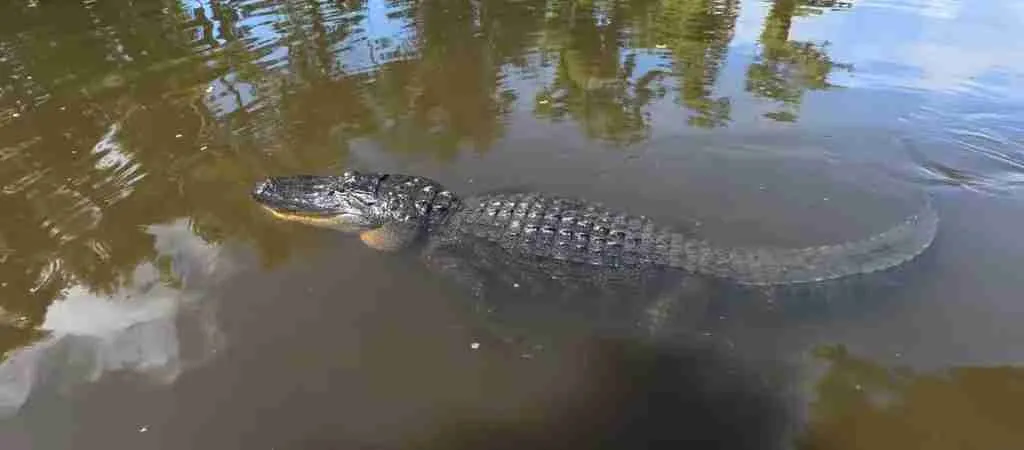
American alligators represent the primary wildlife attraction on Louisiana swamp tours, with healthy populations throughout tour areas ensuring sightings on virtually all warm-weather departures. Adult male alligators reach 10-15 feet in length and can weigh 500-1,000 pounds, while females typically measure 8-10 feet at maturity. These apex predators occupy crucial ecological roles controlling prey populations including nutria, fish, turtles, and occasional wading birds, with their presence indicating healthy ecosystem function.
Alligator behavior varies significantly with temperature, as these cold-blooded reptiles depend on environmental warmth for metabolism and activity. When air and water temperatures exceed 70°F, alligators actively hunt, bask on banks, and remain visible throughout daylight hours, creating reliable viewing opportunities. Below 70°F, activity decreases substantially, with alligators seeking deep water refuges or buried positions in mud, emerging only during warmest midday periods when temperatures briefly reach comfortable ranges. Winter tours below 65°F may encounter few or no visible alligators despite healthy populations present in dormant states.
Tour captains locate alligators through experience reading landscape features, identifying preferred basking locations, and recognizing subtle water disturbances indicating submerged animals. Guides often feed marshmallows or chicken to bring alligators closer to boats for viewing and photography, practices drawing some controversy but generally considered safe when conducted by trained professionals maintaining appropriate distances. Many operators allow guests to hold baby alligators with jaws taped shut, creating memorable photo opportunities while educating participants about young alligator vulnerability and parental care behaviors.
Spring mating season during April and May produces distinctive alligator bellowing sounds as males advertise territories and attract females, creating unique auditory experiences for tour participants. Summer brings hatchlings emerging from nests during July and August, with protective mothers occasionally visible guarding offspring. Fall feeding before winter dormancy creates particularly active alligator behavior as animals build fat reserves, making September and October excellent viewing months.
Safety protocols ensure visitor protection despite alligator presence, with captains maintaining safe distances, explaining appropriate behaviors, and enforcing rules against reaching toward water or approaching shorelines. Wild alligators generally avoid humans and rarely exhibit aggression toward tour boats, though feeding by previous tours may habituate some individuals to boat approaches. Respecting wildlife and following captain instructions maintains both human safety and animal welfare.
Wading Birds and Waterfowl: Avian Diversity
Louisiana swamps support over 200 bird species utilizing various wetland habitats throughout annual cycles, creating exceptional birding opportunities year-round. Great blue herons stand over 4 feet tall hunting fish in shallow water, while smaller green herons employ stealth tactics along vegetated margins. Great egrets and snowy egrets gather in mixed-species rookeries during breeding season, their white plumage creating dramatic displays against dark cypress backgrounds. Roseate spoonbills occasionally appear with distinctive pink coloration and spatulate bills specialized for filter feeding.
Anhingas dry wings in characteristic spread-wing postures after diving for fish, while double-crested cormorants pursue similar aquatic prey with different hunting techniques. White ibis probe mud with curved bills seeking invertebrates, often feeding in large flocks creating waves of movement across marsh areas. Wood storks, North America’s only native stork species, visit Louisiana swamps during post-breeding dispersal, their prehistoric appearance creating memorable sightings.
Bald eagles nest in tall cypress trees throughout Louisiana swamps, with winter months bringing additional migratory individuals from northern populations, increasing sighting probabilities during November through February. Osprey hunt fish throughout warm months, hovering before dramatic plunge dives capturing prey with specialized talons. Red-shouldered hawks and barred owls occupy forested swamp areas, with owls occasionally visible roosting in dense vegetation during daylight tours.
Migratory waterfowl including blue-winged teal, northern shovelers, gadwall, and American wigeon arrive during fall and winter, creating abundant waterfowl viewing from November through March. Wood ducks nest in cavity trees year-round, their colorful drake plumage making them photography favorites. The seasonal variation in bird populations means tour wildlife diversity changes throughout the year, with resident species present always and migrants arriving predictably during appropriate seasons.
Mammals: Swamp Adaptations
Wild boars descended from escaped domestic pigs have established feral populations throughout Louisiana swamps, with animals weighing 100-300 pounds rooting through muddy areas and swimming between islands. Tour captains often spot boars feeding along shorelines or crossing channels, explaining their ecological impacts as invasive species damaging native vegetation and competing with native wildlife. Despite fearsome tusked appearance, wild boars typically flee from approaching boats rather than displaying aggression.
River otters inhabit waterways throughout swamp systems, though their elusive nature and rapid movements make sightings less reliable than other wildlife. When encountered, otters provide entertaining observations with playful behaviors, fishing prowess, and family group dynamics. Captains familiar with otter territories increase sighting probabilities through knowledge of preferred hunting areas and denning locations.
Nutria, large aquatic rodents originally from South America, occur abundantly throughout Louisiana wetlands where they damage vegetation and contribute to coastal erosion. These 15-20 pound orange-toothed animals swim visibly or feed on marsh plants along shorelines, creating reliable sighting opportunities. Though invasive and ecologically problematic, nutria provide interesting behavioral observations for tour participants as guides explain the complex history of their introduction for fur farming and subsequent environmental impacts.
White-tailed deer inhabit drier elevated areas within swamp systems, occasionally visible along tree-lined banks or crossing water between island habitats. Raccoons appear opportunistically, particularly during quieter tours when disturbance levels remain low. Louisiana black bears occupy remote Maurepas Swamp areas but remain extremely rare sightings given small populations and secretive behaviors. Bobcats hunt swamp margins though nocturnal habits eliminate daytime encounter possibilities.
Reptiles and Amphibians: Cold-Blooded Diversity
Multiple turtle species bask on logs throughout Louisiana swamps, with red-eared sliders being most common alongside map turtles, painted turtles, and occasional alligator snapping turtles whose dinosaur-like appearance fascinates observers. Turtles provide reliable wildlife viewing year-round during warmer months, with dozens sometimes visible on single logs creating photogenic groupings. Their basking behavior serves thermoregulation purposes, warming cold-blooded bodies to optimal activity temperatures.
Water snakes including diamondback water snakes, banded water snakes, and cottonmouth water moccasins navigate swamp waterways hunting fish, amphibians, and small mammals. While venomous cottonmouths require respectful distance, they rarely display aggression toward boats and serve important ecological roles controlling prey populations. Captains help participants distinguish venomous from non-venomous species through head shape, body patterns, and behavioral cues, providing herpetological education alongside sightings.
Tree-dwelling green anole lizards cling to cypress bark and Spanish moss, their color-changing abilities and territorial displays creating miniature dramas observable during close approaches to vegetation. During spring and summer, frog choruses create constant background sound, with species including pig frogs, southern leopard frogs, and tiny cricket frogs contributing to the amphibian symphony. Patient observers may spot frogs on lily pads or shoreline vegetation, though camouflage makes detection challenging.
Plant Communities: Swamp Botanical Diversity
Bald cypress trees define Louisiana swamp character, with massive specimens reaching 120 feet tall and 600+ years old creating ancient forests little changed since pre-Columbian times. These remarkable trees grow in standing water year-round, supported by specialized root systems including distinctive knees protruding above water surfaces serving respiratory and stability functions. Spanish moss drapes cypress branches creating ethereal landscapes, though this epiphytic plant is actually a bromeliad related to pineapples rather than true moss.
Water tupelo, black willow, and swamp red maple create mixed forest canopies alongside cypress in different wetland zones based on water depth and flooding regimes. The seasonal variation in deciduous trees creates changing landscapes with spring budding, summer green canopies, and fall color displays. Understory vegetation includes buttonbush with spherical white flower clusters, water elm providing wildlife browse, and various shrubs adapted to periodic flooding.
Aquatic plants including water hyacinth, water lilies, and duckweed create surface coverage in open water areas, while cattails, bulrushes, and giant cutgrass dominate marsh zones. Spring wildflowers including Louisiana iris with purple blooms, spider lilies with white delicate flowers, and swamp azaleas with pink blossoms add seasonal color complementing year-round green vegetation. Guides explain how different plant species indicate water salinity, depth, and flooding frequency, using botanical diversity to teach ecosystem dynamics.
Seasonal Planning Guide for Swamp Tours 2026
Louisiana’s subtropical climate creates distinct seasonal patterns affecting wildlife activity, vegetation appearance, weather comfort, and overall tour experiences. Understanding these variations helps visitors time swamp adventures for priorities whether those emphasize maximum alligator viewing, comfortable temperatures, wildflower displays, or budget pricing.
Spring Season: March Through May Peak Wildlife
Spring represents optimal swamp tour season combining warm temperatures activating cold-blooded wildlife, blooming wildflowers creating visual splendor, and manageable insect populations before summer mosquito peaks. March temperatures averaging 65-75°F warm swamps sufficiently for reliable alligator sightings as reptiles emerge from winter dormancy, increasing in activity levels throughout the month. April and May bring peak alligator activity including distinctive mating season bellowing, territorial displays, and maximum basking behavior as animals prepare for summer nesting.
Migratory bird species pass through Louisiana swamps during spring migration, with warblers, vireos, thrushes, and other neotropical migrants joining resident populations creating exceptional birding diversity. Wading bird rookeries reach peak activity during March and April as herons, egrets, and ibis nest colonially in cypress stands, their courtship displays and nest-building behaviors providing fascinating observations. Wildflowers bloom throughout spring including Louisiana iris painting marshes purple during March and April, spider lilies emerging with white delicate blooms, and swamp azaleas displaying pink flowers.
Weather conditions generally favor touring with sunny periods dominating though afternoon thunderstorms increase in frequency during May. Temperatures remain comfortable for outdoor activities without summer’s oppressive heat and humidity, making spring popular for active visitors and families with young children. Morning tours capitalize on cooler temperatures and active wildlife, while late afternoon departures catch golden hour lighting prized by photographers.
Spring tourism peaks create booking challenges, with popular tours selling out 2-4 weeks in advance during March through May. Advance reservations become essential for specific departure times or preferred tour types, particularly small airboats and premium experiences. Pricing remains at full rates given high demand, with minimal discounting available. Spring break periods during March see particularly heavy visitation from families, requiring extra advance booking for those weeks.
Summer Season: June Through August Maximum Heat
Summer delivers peak alligator season with maximum activity levels as warm water and air temperatures optimize reptile metabolism and behavior, virtually guaranteeing sightings on all tours. Nesting behaviors during June and hatchling emergence in July and August create unique wildlife observation opportunities as protective mother alligators guard nests and newly hatched young, displaying parental care behaviors rare among reptiles. Baby alligators measuring 6-8 inches appear in large groups during late summer, providing charming sightings contrasting with massive adult specimens.
Heat and humidity reach challenging levels during summer with daytime temperatures frequently exceeding 90-95°F and heat indices surpassing 105°F when factoring humidity. These conditions make touring physically demanding, particularly on exposed airboats without shade protection, requiring visitors to dress appropriately, apply sunscreen liberally, and stay well-hydrated. Early morning departures at 9:00-10:00 AM or late afternoon tours after 4:00 PM provide somewhat cooler conditions compared to midday heat, and covered pontoon boats offer shade advantages over open airboats.
Mosquito populations peak during summer months, with insects particularly aggressive during dawn and dusk periods. Tour boats moving through swamps largely avoid mosquito issues as wind disperses insects and chemical repellents prove effective for stationary periods, but departure point facilities and waiting areas may require defensive measures. Captains typically minimize time in dense vegetation where mosquito concentrations run highest, favoring more open waterways for comfortable wildlife viewing.
Summer vacation timing brings heavy family visitation, with tours frequently selling out well in advance during June and July school holiday periods. Despite heat challenges, summer remains popular for swamp tours given family scheduling constraints and guaranteed wildlife viewing. Pricing maintains peak season rates, and last-minute availability becomes scarce for desirable departure times. Visitors booking 3-4 weeks ahead secure preferred slots, while flexible travelers may find openings for less popular midday departures.
Fall Season: September Through November Ideal Balance
Fall provides many tour guides’ favorite season, combining comfortable temperatures as summer heat moderates, continued active wildlife as alligators and other species feed heavily before winter, and spectacular lighting as autumn sun angles create photography-perfect conditions. September temperatures average 80-85°F, dropping to 65-75°F by November, creating pleasant touring weather without summer’s oppressive humidity or winter’s occasional cold fronts.
Alligator activity remains strong through September and October as animals build fat reserves before winter torpor, with feeding behavior creating excellent viewing opportunities. Migratory bird populations increase dramatically during fall as waterfowl, raptors, and songbirds pass through Louisiana wetlands heading to winter grounds, creating diversity rivaling spring migration. Wood storks, white pelicans, and various duck species arrive in increasing numbers as months progress, supplementing resident populations.
Vegetation transitions create changing landscapes as deciduous trees including tupelo and maple display fall colors during November, though dramatic autumn foliage displays remain less pronounced than northern regions. Reduced rainfall compared to summer creates more stable weather patterns with fewer afternoon thunderstorms, increasing tour reliability and reducing weather cancellation probabilities. Hurricane season technically extends through November 30, though tropical storm impacts during fall tours remain statistically unlikely.
Tourism volumes moderate during fall as school schedules resume and summer vacation season ends, creating easier booking and occasional promotional pricing. September maintains near-summer demand, but October and November see softer bookings allowing reservations 1-2 weeks in advance rather than the 3-4 week windows required during peak season. Some operators begin offering 10-15% discounts during late October and November, particularly for midweek departures, making fall attractive for budget-conscious travelers wanting quality experiences at reduced costs.
Winter Season: December Through February Budget Option
Winter swamp tours offer distinct advantages including minimal mosquito populations, comfortable temperatures averaging 50-65°F avoiding both summer heat and northern winter freezes, reduced tourist crowds creating more intimate experiences, and occasional promotional pricing. However, alligator sighting probabilities decrease dramatically as cold-blooded reptiles enter winter dormancy, remaining buried in mud or submerged in deep water refuges when temperatures fall below 65-70°F. Warm winter days reaching 70+ degrees occasionally bring alligators out for brief basking periods, but consistent viewing requires temperatures unlikely during December through February.
Wildlife diversity shifts toward warm-blooded species during winter, with furrier mammals including deer, otters, and nutria appearing more frequently as reduced vegetation improves visibility. Migratory waterfowl populations peak during winter months with ducks, geese, and other species utilizing Louisiana wetlands as primary wintering grounds. Bald eagle numbers increase as northern populations supplement resident Louisiana birds, creating excellent raptor viewing opportunities. The scaled-back foliage allows clearer landscape views and easier bird detection compared to summer’s dense vegetation.
Weather variability increases during winter with occasional cold fronts dropping temperatures into the 40s or rarely 30s, requiring warm layering and wind protection particularly on exposed airboats. Most days feature comfortable conditions in the 55-65°F range, ideal for active touring without heat stress. Rain probabilities remain moderate, and winter storms typically clear quickly allowing tours to proceed on schedule. Visitors should check specific week forecasts before Louisiana trips and pack layers accommodating 40-70°F temperature ranges.
Promotional pricing appears most frequently during December through February as operators stimulate demand during slower tourism periods, with discounts of 10-20% occasionally available for advance bookings or package deals. Last-minute availability runs higher than other seasons, allowing flexible scheduling within days rather than weeks of desired tour dates. Winter appeals to budget-conscious travelers, bird enthusiasts prioritizing waterfowl and eagle sightings, and visitors combining New Orleans cultural attractions with outdoor experiences when alligator viewing holds lower priority.
Booking Strategies and Advance Planning for 2026
Strategic booking approaches secure optimal tour times at best prices while maintaining flexibility for weather or schedule changes. Understanding reservation timing, cancellation policies, and promotional periods helps visitors maximize value and minimize stress during swamp tour planning.
Optimal Booking Windows by Season
Peak season tours from March through August sell out 2-4 weeks before departure dates, requiring advance booking for preferred times and tour types. Small airboats and premium experiences disappear first given limited inventory, often booking solid 4-6 weeks ahead during April and May. Large airboats and pontoon boats with higher capacity maintain availability longer but still require 2-3 week advance reservations for morning and late afternoon departures during March through July.
Last-minute bookings within 48-72 hours of desired tours occasionally succeed during peak season for less popular midday departures or when cancellations create openings, but visitors with fixed schedules should avoid this risky approach. Flexible travelers willing to adjust departure times or dates by 24-48 hours find reasonable availability even during busy periods by monitoring operator websites for cancellation openings or calling directly to inquire about recent schedule changes.
Shoulder season tours during February, September, October, and November allow booking 1-2 weeks in advance with reliable availability across most tour types and departure times. The reduced pressure creates better selection and eliminates the stress of fighting for limited slots months before trips. Winter months December through January often accept bookings within days of departure given lower demand, making spontaneous decisions practical for visitors already in New Orleans who decide to add swamp experiences to itineraries.
Direct Booking Versus Third-Party Platforms
Booking directly through tour operator websites often provides best rates, avoiding the 10-15% commission fees third-party platforms like Viator, GetYourGuide, and TripAdvisor charge operators that sometimes get passed to consumers through higher published prices. Direct bookings also create direct relationships with operators for schedule questions, special requests, or problem resolution rather than routing communications through platform intermediaries adding delay and confusion.
Third-party platforms offer advantages including centralized comparison shopping across multiple operators, bundled packages combining tours with other activities, accumulated loyalty points or rewards programs for frequent travelers, and sometimes exclusive promotional rates negotiated between platforms and operators. Customer protection policies may provide additional refund options beyond operator policies, and platforms handle payment security and fraud protection.
Price comparison between direct and platform options requires checking both for specific tours before booking, as pricing relationships vary by operator and season. Some operators price identically across all channels while others reserve discounts for direct bookings or conversely provide exclusive platform deals. Spending 10-15 minutes comparing options potentially saves $10-30 per person on family or group bookings, worthwhile effort for budget-conscious travelers.
Cancellation Policies and Weather Considerations
Standard cancellation policies allow full refunds for cancellations made 24 hours or more before scheduled departure times, providing reasonable flexibility for travel plan changes. Cancellations within 24 hours typically forfeit full payment or incur 50-100% penalties depending on operator policies, incentivizing early schedule decisions. Free cancellation windows vary from 24 to 48 hours across operators, with specific policies detailed during booking confirmation.
Weather cancellations initiated by operators due to lightning, severe storms, or unsafe conditions trigger automatic full refunds or rebooking options without penalties. However, tours proceed during rain, wind, or cloud cover unless conditions create genuine safety hazards, so visitors cannot cancel for mere weather preferences without standard penalties applying. Operators emphasize that Louisiana weather changes rapidly and storms often clear within 30-60 minutes, making cancellations for forecast rain premature given frequent sunny outcomes despite predictions.
Tour departures that leave dock then return early due to deteriorating weather do not qualify for refunds under most operator policies, as partial service completion fulfills booking obligations. This policy protects operators from revenue losses when tours attempt service but conditions force abbreviated experiences. Visitors should carefully review weather forecasts on tour days and communicate with operators about concerns before reaching cancellation deadlines to understand likelihood of full tours versus abbreviated experiences.
Group Booking and Package Deals
Groups of 10+ passengers qualify for discounted rates at most operators in 2026, typically receiving 10-15% reductions off published per-person pricing. Larger groups exceeding 20 passengers negotiate deeper discounts of 20-25% when booking entire boats or multiple vessels for single departures. School groups, corporate outings, and organized tours receive preferential pricing with advance booking and direct operator contact rather than online reservation systems designed for individual travelers.
Package deals combining swamp tours with plantations, city tours, or other New Orleans attractions save $20-50 per person compared to booking elements separately while simplifying logistics through coordinated transportation and timing. Plantation and swamp combinations represent the most popular packages, creating full-day experiences visiting Oak Alley or Laura Plantation before or after swamp adventures for $160-210 total per person. City and swamp combinations bundle French Quarter walking tours or Hurricane Katrina tours with airboat rides for $140-185 per person.
Multi-day New Orleans sightseeing passes including the New Orleans Pass and Go City All-Inclusive Pass incorporate select swamp tour operators in their attraction menus, allowing visitors planning extensive city exploration to include swamp experiences at zero additional marginal cost beyond pass purchase. These passes work best for travelers planning 3-5 intensive sightseeing days visiting museums, plantations, tours, and multiple paid attractions where bundled pricing generates overall savings despite higher upfront costs.
Time of Day Selection for Optimal Experiences
Morning departures at 9:00-10:00 AM capture peak wildlife activity as nocturnal species return to daytime refuges and diurnal animals begin feeding, with alligators particularly active during warming morning periods. Photographers favor morning tours for soft directional light creating texture and dimension without harsh midday shadows, and cooler temperatures make summer touring more comfortable. Morning slots book fastest given popularity, requiring earliest advance reservations during peak seasons.
Midday tours between 12:00-2:00 PM see reduced demand during peak season given harsher lighting and warmer temperatures, sometimes creating last-minute availability when other slots sell out. Wildlife viewing remains productive despite non-optimal timing, as healthy swamp populations ensure sightings throughout daylight hours. Budget-conscious travelers sometimes find promotional rates for midday departures as operators stimulate demand for less popular times.
Late afternoon tours departing 3:00-5:00 PM provide second-best wildlife activity periods as animals increase feeding before nightfall and temperatures moderate from midday peaks. Golden hour lighting during the final tour hour creates spectacular photography conditions with warm tones and long shadows, particularly appealing during fall and winter when earlier sunset times place golden hour within tour windows. Summer daylight allows occasional 6:00 PM departures extending touring options for visitors with packed morning and midday schedules.
What to Bring and How to Prepare for Swamp Tours 2026
Proper preparation ensures comfortable, safe, and enjoyable swamp tour experiences while maximizing photography opportunities and protecting personal items from water exposure and weather elements.
Essential Items for All Seasons
Sunscreen with SPF 30+ rating proves essential year-round as reflection off water intensifies UV exposure even during overcast conditions, with reapplication every 2 hours recommended for extended tours or combination packages. Waterproof or water-resistant formulations prevent sweat or splash removal, maintaining protection throughout tours. Apply sunscreen 15-30 minutes before departure allowing absorption, covering ears, neck, hands, and other exposed areas frequently overlooked.
Insect repellent containing DEET, picaridin, or oil of lemon eucalyptus protects against mosquitoes, though boat movement and wind generally minimize insect contact during actual touring. Applications prove most useful at departure facilities, during boarding, and if tours stop at island locations where standing allows mosquito approaches. Summer months require more aggressive repellent use than winter when mosquito populations decline dramatically.
Sunglasses with polarized lenses reduce water glare while improving wildlife visibility below surface reflections, helping spot submerged alligators, turtles, and fish invisible without polarization. Secure attachment straps prevent losses during airboat wind or accidental drops, as retrieving sunglasses from swamp water proves impossible. Prescription sunglasses or clip-on polarized lenses accommodate vision correction needs.
Water bottles maintain hydration particularly during summer heat when sweating and sun exposure increase fluid requirements. Most tour boats prohibit open food and drinks for wildlife safety, but closed water bottles receive universal permission. Some operators provide bottled water while others leave hydration to individual responsibility, so checking beforehand or bringing personal supplies ensures availability.
Camera Equipment and Photography Gear
Digital cameras with zoom lenses capturing 200-400mm equivalent focal lengths allow frame-filling wildlife images from safe boat distances, with image stabilization critical given boat movement and airboat vibration. Compact cameras and smartphones work for landscape and group photos but lack reach for distant alligator or bird photography requiring telephoto capability. Waterproof or weather-sealed camera bodies and lenses protect equipment from spray and humidity pervading swamp environments.
Action cameras including GoPro models mounted on headbands or chest harnesses capture immersive airboat ride videos with wide-angle perspectives and stabilization handling boat motion. These compact waterproof devices work well for video documentation without requiring attention during tours, allowing participants to enjoy experiences while cameras record automatically. Battery life considerations require fully charged devices and backup batteries for extended tours.
Dry bags or waterproof camera cases protect equipment from unexpected water exposure, with compact dry pouches accommodating phones and point-and-shoot cameras while larger dry bags secure DSLR setups. Boats sometimes create splash, rain occurs unpredictably, and humidity condensation affects electronics, making water protection prudent for valuable gear. Neck straps and wrist lanyards prevent accidental drops into water where retrieval becomes impossible.
Extra memory cards and backup batteries ensure capturing entire tours without storage or power limitations, as extended wildlife encounters and scenic landscapes generate hundreds of images during 2-hour experiences. Airplane mode on smartphones conserves battery when cellular service disappears in remote swamp areas, extending device runtime for photography rather than constant signal searching draining power.
Clothing Recommendations by Season
Summer clothing should prioritize light colors reflecting heat, loose-fitting breathable fabrics allowing air circulation, and long sleeves providing sun protection without excessive warmth. Cotton and modern moisture-wicking technical fabrics work well, while heavy materials trap heat causing discomfort. Wide-brimmed hats shade faces and necks from direct sun, with secure attachment preventing wind loss on airboats. Closed-toe shoes with non-slip soles provide deck safety, avoiding flip-flops or loose footwear risking trips or water loss.
Spring and fall shoulder seasons require layering approaches accommodating morning temperatures in the 60s rising to afternoon highs in the 80s, with light jackets or long-sleeve shirts removable as conditions warm. Temperatures can swing 20-30 degrees between early morning and afternoon, making adaptable clothing essential for all-day comfort. Wind on airboats creates cooling effects making still-air temperatures feel significantly cooler, so windbreakers provide comfort even when ambient conditions seem mild.
Winter touring demands warm layers including fleece or insulated jackets protecting against 45-65°F temperatures combined with airboat wind chill, particularly during morning departures when temperatures remain coolest. Gloves, hats, and scarves prove useful for winter airboat tours as wind exposure drops perceived temperatures substantially below actual readings. Covered pontoon boats provide more warmth than open airboats during winter, making boat type selection important for cold-sensitive visitors.
Rain gear including waterproof jackets or ponchos protects against occasional showers, though most Louisiana rain clears quickly and tours proceed through brief precipitation. Covered pontoon boats provide roof protection making rain gear less essential than on open airboats where rain exposure affects all passengers. Operators sometimes provide rain ponchos, though bringing personal waterproof layers ensures preparedness regardless of operator provisions.
Health and Safety Preparations
Motion sickness medications taken 30-60 minutes before tour departures prevent seasickness for susceptible individuals, particularly on airboats where bouncing motion during high-speed sections triggers nausea in sensitive passengers. Over-the-counter options including Dramamine or Bonine work effectively for most people, though drowsiness side effects should be considered. Pontoon boats create gentler motion less likely to cause seasickness for those uncertain about susceptibility.
Personal medications required during tours should be carried in waterproof containers or bags, as humidity and potential splash exposure affect pill integrity and packaging. Emergency inhalers, epinephrine auto-injectors, and time-critical medications need protection while remaining accessible if needed. Informing captains about serious medical conditions or allergy concerns allows appropriate response planning should emergencies arise during tours.
Young children require special considerations including properly fitted life jackets meeting U.S. Coast Guard standards, though most operators provide required safety equipment and ensure proper fitting before departure. Parents should verify children meet minimum age and height requirements for airboat tours, with alternatives like pontoon boats accommodating younger family members excluded by airboat restrictions. Bringing snacks, familiar comfort items, and entertainment for waiting periods helps manage young children during transportation and pre-tour waiting.
Family Considerations and Accessibility Options
Louisiana swamp tours accommodate diverse family compositions and accessibility needs through varied boat types, flexible tour structures, and inclusive policies, though understanding specific requirements and limitations helps families select appropriate options.
Tours with Young Children and Infants
Pontoon boats welcome children of all ages including infants and toddlers without height or age restrictions, making them essential for families with young children unable to meet airboat requirements. The stable platforms, covered shade protection, and gentle motion suit young passengers prone to discomfort, crankiness, or fear from loud noises and rough rides. Parents can bring strollers, diaper bags, and necessary infant care items aboard pontoon boats where space and stability accommodate family logistics.
Airboat age minimums of 5 years plus 48-inch height requirements exclude many elementary-age children and all preschoolers, limiting family options to pontoon alternatives when younger siblings participate. Families should measure children against requirements before booking airboat tours to avoid disappointment at departure points when children fail to meet standards. Some operators allow case-by-case exceptions for tall 4-year-olds or short 6-year-olds, but policies exist for safety reasons and formal exemptions remain rare.
Restroom facilities at departure points provide changing areas and family restrooms, though most boats lack onboard restrooms requiring pre-tour bathroom visits. Tours lasting 2 hours test young bladders, making final pre-departure bathroom stops essential for accident prevention. Pontoon boats occasionally include onboard facilities for longer excursions, providing relief options for emergencies though encouraging pre-tour visits regardless.
Wildlife education engages school-age children when guides tailor explanations to young audiences, asking questions, encouraging observations, and allowing hands-on experiences like holding baby alligators creating memorable learning. Parents can prepare children with age-appropriate books about Louisiana wetlands, alligators, and swamp ecosystems, building anticipation and background knowledge enhancing tour comprehension. Bringing small binoculars for kids creates ownership of wildlife spotting, increasing engagement during extended observation periods.
Accessibility for Mobility-Limited Visitors
Covered pontoon boats provide wheelchair accessibility with wide stable decks allowing standard-width wheelchair boarding and movement, making swamp tours available for visitors using mobility devices. Operators with accessible pontoon boats include ramps or level boarding platforms eliminating steps and height changes that exclude wheelchair users from boat access. Calling operators directly to confirm specific accessibility features and requirements ensures appropriate arrangements before arrival.
Airboats present significant accessibility challenges given narrow bench seating, climbing requirements to reach seats, and stability concerns during motion, effectively excluding wheelchair users and many ambulatory but balance-challenged visitors. Visitors able to transfer from wheelchairs to standard seating with assistance can sometimes accommodate airboat tours if groups include able helpers, though individual assessments should occur with operators before booking.
Senior visitors with reduced mobility but not requiring wheelchairs appreciate pontoon boat handrails, stable platforms, and seated viewing options avoiding prolonged standing. The covered shade protects from sun exposure important for older adults sensitive to heat, and bathroom facilities at departure points address concerns about extended outdoor periods. Gentler motion and quieter operation make pontoon boats preferable for seniors preferring calm experiences over adrenaline adventures.
Hearing-impaired visitors face challenges on airboat tours where engine noise overwhelms attempts at verbal communication and provided hearing protection blocks residual sound. Written materials about swamp ecology and wildlife, pre-tour briefings allowing questions before engine noise begins, and sign language interpretation for organized groups help accommodate hearing limitations. Pontoon boats allow normal conversation during most tours, making them more inclusive for hearing-impaired guests who rely on lip reading or residual hearing.
Special Events and Educational Programs
School groups receive educational programming tailored to grade levels and curriculum connections, with guides emphasizing wetland ecology, wildlife biology, and Louisiana cultural history aligned with science and social studies standards. Discounted group rates make swamp tours accessible for field trip budgets, and operators work with teachers to customize content and timing around educational objectives. Advanced booking and direct operator contact ensures appropriate tour selection and logistics coordination for groups of 20-60 students.
Birthday party packages create memorable celebrations combining swamp adventure with private boat options, allowing families to book exclusive tours for party groups. Some operators offer add-ons like cake service, decorations, or extended tour times for celebrations, transforming standard tours into special events. Contacting operators several weeks before desired dates allows customization and ensures availability during popular weekend periods.
Corporate team-building programs use swamp tours as outdoor bonding experiences, with private charters allowing business groups to combine Louisiana culture immersion with relationship building away from office environments. Some operators create specialized programs incorporating leadership themes, problem-solving activities, or environmental service learning alongside standard tour content. Full-day packages combining swamp tours with plantation visits or New Orleans city experiences create comprehensive off-site programs for visiting executives or conference attendees.
Combination Tour Options and Extended Experiences
Maximizing Louisiana cultural and natural heritage exploration combines swamp tours with complementary activities creating full-day or multi-day itineraries showcasing the state’s diverse attractions.
Plantation and Swamp Packages
Oak Alley Plantation and swamp tour combinations rank as the most popular package deals, pairing the iconic 300-year-old oak alley with airboat adventures for comprehensive Louisiana heritage experiences. Full-day itineraries typically begin with 9:00-10:00 AM plantation departures from New Orleans hotels, spending 2-3 hours touring the Greek Revival mansion, walking the famous oak canopy, exploring slavery exhibits and grounds, then continuing to nearby swamps for afternoon airboat tours before 4:00-5:00 PM hotel returns. Total package prices run $160-210 per person including all admissions and round-trip transportation in 2026.
Laura Plantation provides alternative plantation options emphasizing Creole culture and enslaved people’s perspectives through first-person narratives and authentic quarters buildings, creating different historical context than Oak Alley’s architectural focus. Combinations with swamp tours follow similar full-day formats with morning plantation visits and afternoon swamp adventures, or reversed sequences depending on operator schedules and availability. The 90-minute plantation tours plus 2-hour swamp experiences create substantial content requiring 6-7 hours total including transportation.
Whitney Plantation stands alone among River Road estates for exclusive focus on slavery history through memorial sculptures, first-person accounts, and extensive documentation of enslaved lives. This emotionally powerful experience combines with swamp tours for visitors wanting serious historical engagement alongside natural history adventure. The contemplative nature of Whitney Plantation creates tonal contrasts with lighthearted swamp tour entertainment, requiring mental transitions between solemn remembrance and enjoyable wildlife viewing.
City Tour and Swamp Combinations
French Quarter and swamp packages bundle walking tours through the historic core with swamp adventures, creating contrasts between urban culture and wilderness nature. Half-day city tours covering Jackson Square, St. Louis Cathedral, French Market, and residential neighborhoods precede or follow swamp experiences depending on scheduling, with full-day itineraries accommodating both elements plus transportation and lunch. Total costs run $140-185 per person for combination packages versus $100-160 booking separately.
Hurricane Katrina recovery and swamp tours pair environmental disaster education with wetland ecology lessons, connecting coastal land loss and wetland destruction to storm surge vulnerability and New Orleans flooding. These combinations create thematic coherence around environmental challenges while showcasing both human resilience and ecosystem importance. Tours visit the Ninth Ward, Lake Pontchartrain levees, and recovery areas before continuing to swamps where guides explain wetland roles in hurricane protection.
Cemetery and swamp combinations explore New Orleans’ unique above-ground burial traditions during morning cemetery tours in St. Louis Cemetery or Lafayette Cemetery, then transition to swamp wildlife viewing. The death-and-life thematic connection creates philosophical links, though most visitors select combinations for logistical convenience rather than intellectual coherence. Full-day packages accommodate both experiences with lunch breaks between elements.
Food and Culinary Experience Add-Ons
Cooking class and swamp tour packages introduce Louisiana cuisine through hands-on instruction making gumbo, jambalaya, or pralines, then explore swamp environments producing ingredients like crawfish, catfish, and wild game. Full-day experiences typically begin with morning cooking classes in French Quarter locations, break for lunch featuring prepared dishes, then depart for afternoon swamp tours. Total costs reach $180-240 per person reflecting premium culinary instruction and intimate class sizes.
Restaurant and swamp combinations guarantee authentic Louisiana meals at establishments like Court of Two Sisters, offering jazz brunches before swamp departures or dinner reservations following afternoon tours. Package pricing sometimes discounts meal costs versus separate bookings, and coordinated timing eliminates transportation complications between activities. Themed combinations pairing crawfish boils with swamp tours create culinary and cultural immersion into Louisiana’s relationship with wetland resources.
Multi-Day Louisiana Exploration Itineraries
Three-day New Orleans itineraries incorporate swamp tours as anchor full-day experiences alongside French Quarter exploration, Garden District architecture, live music venues, and dining adventures. Sample schedules allocate Day 1 for French Quarter walking, museums, and evening entertainment, Day 2 for full-day plantation and swamp combinations, and Day 3 for Garden District, Magazine Street, and departure preparations. This pacing balances intensive sightseeing with manageable daily content avoiding exhaustion.
Five-day explorations add extended options including second swamp tour via kayak for different perspective, day trips to Cajun Country visiting Lafayette and Breaux Bridge, additional plantation visits, and deeper New Orleans neighborhood exploration in Bywater, Treme, or Mid-City areas. The longer timeline allows rest days, weather contingency, and spontaneous additions while maintaining structured framework for must-see experiences.
Week-long Louisiana road trips combine New Orleans base with excursions to Baton Rouge, Natchitoches, Atchafalaya Basin, and Gulf Coast beaches, creating comprehensive state exploration beyond single-city focus. Multiple swamp tour experiences in different ecosystems compare Honey Island Swamp with Atchafalaya Basin or coastal marshes, illustrating wetland diversity across Louisiana’s varied geography.
Environmental Conservation and Responsible Tourism
Louisiana wetlands face unprecedented threats from coastal erosion, saltwater intrusion, climate change, and human development, making conservation awareness and responsible tourism practices essential for long-term ecosystem survival.
Wetland Loss Crisis and Hurricane Protection
Louisiana loses approximately 16 square miles of coastal wetlands annually to erosion, subsidence, and saltwater intrusion, representing the fastest disappearing land area in the United States. Since the 1930s, the state has lost over 1,900 square miles of wetlands equivalent to the entire state of Delaware, with predictions suggesting an additional 1,750 square miles will disappear by 2050 without major intervention. This catastrophic land loss eliminates critical alligator habitat, destroys bird nesting areas, and removes natural hurricane surge protection buffering New Orleans and coastal communities from storm impacts.
Wetlands function as natural sponges absorbing storm surge and slowing hurricane force winds, with studies indicating that 2.7 miles of healthy marsh reduces surge by 1 foot. The progressive wetland loss exposes New Orleans to increased flooding risk, as demonstrated during Hurricane Katrina when inadequate natural barriers allowed catastrophic surge penetration. Restoration projects including sediment diversions, barrier island rebuilding, and marsh creation attempt reversing losses, but require billions in funding and decades of implementation before significant recovery materializes.
Tour operators increasingly emphasize conservation messaging during narration, explaining wetland loss causes including Mississippi River levee construction preventing natural sediment replenishment, oil and gas pipeline canals accelerating saltwater intrusion, and climate change driving sea level rise overwhelming marsh building rates. Understanding these threats transforms swamp tours from mere entertainment into educational experiences building support for restoration funding and policy changes.
Responsible Wildlife Viewing Practices
Maintaining appropriate distances from wildlife prevents stress and behavior modification, with tour operators following guidelines keeping boats 10-20 feet from alligators except during controlled feeding demonstrations. Excessive boat approaches or harassment causes animals to abandon preferred habitats, alter feeding patterns, or reduce reproductive success, particularly during sensitive nesting seasons. Following captain instructions about positioning and movement protects both visitor safety and animal welfare.
Feeding wildlife beyond controlled tour demonstrations creates dependency on human food sources and habituates animals to boat approaches, increasing dangerous encounters and disrupting natural foraging behaviors. Visitors should never throw food to alligators, birds, or other animals despite temptation to encourage closer approaches or create photo opportunities. Operators conducting responsible feeding use appropriate foods in controlled amounts, educating participants about ecological implications rather than simply entertaining with animal tricks.
Photography ethics require balancing documentation desires with animal welfare, avoiding flash photography disturbing nesting birds, excessive noise frightening shy species, or drone operation stressing wildlife and violating airspace regulations over protected areas. Capturing memories through images serves legitimate purposes, but respecting animal space and seasonal sensitivities supersedes perfect shot acquisition. Professional wildlife photographers often accept limited photos preserving natural behaviors rather than pursuing aggressive approaches compromising subject welfare.
Supporting Conservation-Focused Operators
Tour operators partnering with conservation organizations, contributing portions of revenues to restoration projects, or conducting citizen science programs deserve preference from environmentally conscious visitors. These companies recognize economic interests depend on healthy ecosystems and actively support wetland protection beyond mere lip service. Researching operator environmental commitments before booking aligns tourist spending with conservation values.
Educational content quality varies dramatically across operators, with some emphasizing entertainment and feeding demonstrations over ecological understanding, while others integrate comprehensive wetland science and conservation challenges throughout tours. Reading reviews specifically mentioning educational value and conservation messaging helps identify operators prioritizing environmental education alongside visitor enjoyment. Tours combining fun with learning create more lasting impacts than pure entertainment approaches.
Avoiding operators engaging in questionable practices including excessive wildlife feeding, habitat disturbance for dramatic tours, or ignoring protected area regulations demonstrates consumer power driving industry standards. While most established operators maintain responsible practices, occasional reports of overly aggressive boat approaches, wildlife harassment, or environmental damage warrant research and selective booking. Supporting exemplary operators through repeat visits and positive reviews reinforces quality standards across the industry.
Individual Actions Supporting Wetland Protection
Visitor donations to organizations including Coalition to Restore Coastal Louisiana, National Wildlife Federation, and Louisiana Environmental Action Network directly fund restoration projects, advocacy efforts, and scientific research addressing wetland loss. Even small donations accumulate into meaningful support when thousands of annual swamp tour visitors contribute, with operators often facilitating charitable giving through information distribution or partnership programs.
Political advocacy for restoration funding and climate action leverages individual voices supporting policies protecting Louisiana wetlands and addressing root causes of land loss. Contacting elected representatives, signing petitions, and supporting candidates prioritizing environmental protection translates tour experiences into civic engagement producing policy changes. Out-of-state visitors can advocate for federal restoration funding and climate legislation benefiting Louisiana ecosystems while serving national interests in hurricane protection and fisheries conservation.
Sustainable lifestyle choices reducing carbon emissions, single-use plastics, and environmental degradation address climate change and pollution threatening wetland health globally. While individual actions seem insignificant relative to Louisiana’s wetland crisis scale, collective behavior shifts create cultural changes influencing corporate practices and government policies. Swamp tour experiences inspiring environmental consciousness produce ripple effects extending far beyond single visits when transformed into lasting commitment to conservation principles.
Frequently Asked Questions About New Orleans Swamp Tours 2026
Do I Need to Book Swamp Tours in Advance or Can I Walk Up?
Advance booking proves essential during peak season from March through August when popular tours sell out 2-4 weeks before departure dates, particularly for preferred morning and late afternoon times. Walk-up availability exists occasionally for less popular midday slots or when last-minute cancellations create openings, but visitors with fixed schedules should book ahead rather than risking unavailability. Off-peak winter months allow more flexible scheduling with walk-up possibilities, though advance booking still guarantees preferred times and avoids disappointment. Most operators offer online booking with instant confirmation, eliminating uncertainty and allowing itinerary planning around confirmed tour times.
What Happens if It Rains During My Scheduled Tour?
Swamp tours proceed during rain unless lightning or severe storms create unsafe conditions, with covered pontoon boats providing weather protection and airboat operators sometimes distributing rain ponchos. Louisiana rain typically passes quickly, often clearing within 30-60 minutes, so patience usually allows tours to depart despite initial precipitation. Operators contact participants if weather forces cancellations, offering full refunds or rebooking options, but visitors cannot cancel for weather preferences without standard penalties applying. Tours leaving dock then returning early due to deteriorating conditions do not qualify for refunds under most policies, as attempted service fulfills booking obligations even if abbreviated. Checking forecasts and communicating with operators before cancellation deadlines helps assess actual cancellation likelihood versus temporary showers allowing full experiences.
Are Alligators Guaranteed on Every Swamp Tour?
Most operators guarantee alligator sightings during appropriate seasons or offer rebooking opportunities if no alligators appear, reflecting confidence in healthy populations and experienced captain wildlife spotting abilities. However, guarantees apply primarily during warm months from April through October when cold-blooded reptiles remain active, with winter tours below 65°F making alligator sightings unlikely despite population presence. Wild animals move unpredictably based on weather, feeding patterns, and individual behaviors, so no tour can absolutely guarantee specific wildlife despite statistical probabilities favoring sightings. Reading operator policies carefully reveals whether guarantees include rebooking, partial refunds, or simply best-effort attempts, with reputable companies backing claims through concrete makeup tour offers rather than empty promises.
Can I Hold a Baby Alligator During Tours?
Many tour operators allow guests to hold baby alligators with jaws taped shut for safety, creating memorable photo opportunities while educating participants about young alligator vulnerability and parental care behaviors. These experiences occur during boat stops or at departure facilities before/after tours, with captains supervising closely and explaining proper handling techniques. Baby alligator interactions provide hands-on wildlife encounters impossible through viewing alone, though some visitors decline based on comfort levels or ethical concerns about wildlife handling. Operators following responsible practices use captive-bred educational animals rather than removing babies from wild nests, though verification of animal sources proves difficult for average tourists.
What Should I Do if I Get Motion Sickness on Boats?
Taking over-the-counter motion sickness medications like Dramamine or Bonine 30-60 minutes before departure prevents seasickness for susceptible individuals, with non-drowsy formulations available for those avoiding sedative side effects. Choosing pontoon boats over airboats reduces motion sickness risks given gentler movement and covered views minimizing visual-vestibular conflicts triggering nausea. Focusing on distant horizons rather than nearby water or boat interiors helps maintain balance orientation, and fresh air exposure on boat decks proves more beneficial than enclosed cabin areas. Informing captains about motion sensitivity allows positioning near boats’ centers where movement minimizes compared to bow or stern locations experiencing maximum pitch and roll.
Are There Restrooms on Tour Boats?
Most swamp tour boats lack onboard restroom facilities given compact sizes and 2-hour durations falling within typical bladder capacity ranges, though some larger pontoon vessels include basic toilets for longer excursions or passenger emergencies. Departure points provide restroom facilities where visitors should make final stops before boarding, and captains sometimes accommodate emergency restroom needs by returning to docks or accessing island facilities in extreme situations. Parents with young children should ensure bathroom visits immediately before departure and consider boat type selection based on child bladder control reliability and tour duration. Operators mention restroom policies during booking confirmation, allowing visitors to plan accordingly particularly when combining tours with extended transportation creating 4-5 hour total outing durations.
Can I Bring Food and Drinks on Swamp Tours?
Most operators prohibit outside food and open drinks on boats for wildlife safety reasons, preventing accidental feeding or trash disposal harming animals and ecosystem health. Closed water bottles receive universal permission as hydration remains essential particularly during summer heat, but snacks, meals, and open beverage containers typically face restrictions. Departure facilities often include snack shops and drink sales, allowing food and beverage purchases consumed before boarding or after tour completion. Visitors with special dietary needs or young children requiring specific foods should communicate requirements with operators when booking, as exceptions sometimes apply for medical necessities or infant feeding that standard prohibitions don’t accommodate.
What is the Minimum Age for Airboat Tours?
Airboat tours require minimum age of 5 years old plus height minimum of 48 inches for passenger safety, eliminating participation for younger children, short elementary students, and some kindergarteners despite meeting age requirements. These restrictions protect young passengers from vibration, noise, and motion stresses potentially harmful to developing bodies and creating fear rather than enjoyment. Families with children below minimums should select pontoon boat alternatives welcoming all ages without restrictions, or consider split arrangements where some family members take airboat tours while others enjoy pontoon experiences. Operators enforce age and height requirements at departure points, not during booking, so measuring children against standards beforehand prevents disappointment and wasted travel to remote locations only to face exclusion.
Do Tour Prices Include Hotel Pickup Transportation?
Tour prices vary by operator regarding transportation inclusion, with some operators bundling hotel pickup in base rates while others charge separate $30 per person transportation fees added during booking or checkout. Reading booking details carefully reveals whether advertised prices include transportation or reflect drive-up rates requiring transportation add-ons, preventing surprise costs at payment. Self-driving visitors meeting tours at departure points avoid transportation fees entirely when choosing drive-up pricing options, though must factor in rental car costs, gas, and 30-45 minute drive times from downtown New Orleans. Comparing total costs including transportation reveals actual price differences across operators and booking methods beyond base tour rates appearing in initial advertisements or search results.
Can I See Alligators in Winter Months?
Winter alligator sightings occur sporadically on warm days when temperatures exceed 70°F bringing cold-blooded reptiles out for brief basking periods, but consistent viewing requires temperatures unlikely during December through February in Louisiana. Alligators enter winter torpor during cold periods, remaining buried in mud or submerged in deep water refuges invisible to tour boats despite healthy population presence. Winter tour value derives from other wildlife including fur-bearing mammals, migratory waterfowl, and bald eagles rather than alligator viewing, requiring shifted expectations and different appreciation for swamp diversity beyond signature reptile species. Operators clearly communicate reduced alligator probabilities for winter bookings rather than guaranteeing sightings possible only during warm seasons, managing expectations appropriately while emphasizing alternative wildlife opportunities.