
Suomenlinna Sea Fortress: Complete Visitor’s Guide
Suomenlinna stands as one of the world’s largest sea fortresses, spreading across six islands just off Helsinki’s coast. This UNESCO World Heritage Site tells the remarkable story of three empires through 18th-century military architecture, vibrant residential life, and stunning Baltic archipelago landscapes that welcome over one million visitors annually.
Key Takeaways
- UNESCO World Heritage Site inscribed in 1991, representing outstanding 18th-century military architecture across six fortified islands
- Built from 1748 under Swedish Admiral Augustin Ehrensvärd, served Sweden, Russia, and Finland across 270+ years
- Living community of 850 residents with museums, restaurants, beaches, and cultural attractions alongside historic fortifications
- Accessible year-round via 15-minute HSL ferry from Market Square, no entrance fee to explore the fortress islands
- Six kilometers of defensive walls, 200 historic buildings, and extensive museum collections spanning three centuries
- Blue Route walking trail connects all major historical sites across the islands in approximately 2-3 hours
People Also Ask About Suomenlinna Sea Fortress
Why is Suomenlinna a UNESCO World Heritage Site?
Suomenlinna earned UNESCO World Heritage status in 1991 under criterion (iv) as an outstanding example of general fortification principles from the 17th and 18th centuries. The fortress showcases the bastion system applied to the unique geographical features of the Baltic archipelago, representing exceptional military architecture that adapted Vauban’s theories to northern conditions. Its historical significance across three sovereign states—the Kingdom of Sweden, Russian Empire, and Republic of Finland—demonstrates the fortress’s role in Baltic power politics and European military history.
How long does it take to visit Suomenlinna?
A comprehensive visit to Suomenlinna requires 4-6 hours to explore the main fortifications, museums, and walking trails properly. The Blue Route, which covers the major historical sites across the islands, takes 2-3 hours at a comfortable pace. Add 1-2 hours for museum visits, 30-60 minutes for the fortress church and dry dock area, and time for meals or beach relaxation. Many visitors spend an entire day enjoying the combination of historical exploration, cultural attractions, and natural beauty the islands offer.
Can you walk around Suomenlinna freely?
Suomenlinna remains freely accessible with no entrance fee to the fortress islands themselves. Visitors can walk the ramparts, explore the fortification walls, and wander through the historic areas at will, though individual museums charge admission fees. The islands function as a living residential district of Helsinki with 850 permanent inhabitants, so visitors should respect private properties and stay on marked paths in residential areas. The fortifications are mostly unfenced, requiring caution near cliffs and waterfront areas where ship currents can be strong.
What does the name Suomenlinna mean?
Suomenlinna translates to “Castle of Finland” in Finnish, a name adopted in 1918 following Finland’s independence. Originally named Sveaborg meaning “Fortress of Sweden” when constructed under Swedish rule from 1748, the fortress was also known by its Finnish name Viapori. The renaming to Suomenlinna symbolized Finland’s national identity and sovereignty after centuries under Swedish and Russian rule, reflecting the fortress’s transformation from a Swedish military bastion to a Finnish national monument.
Extended multi-day tours – 5+ days
Featured Helsinki Multi-Day Tour Packages
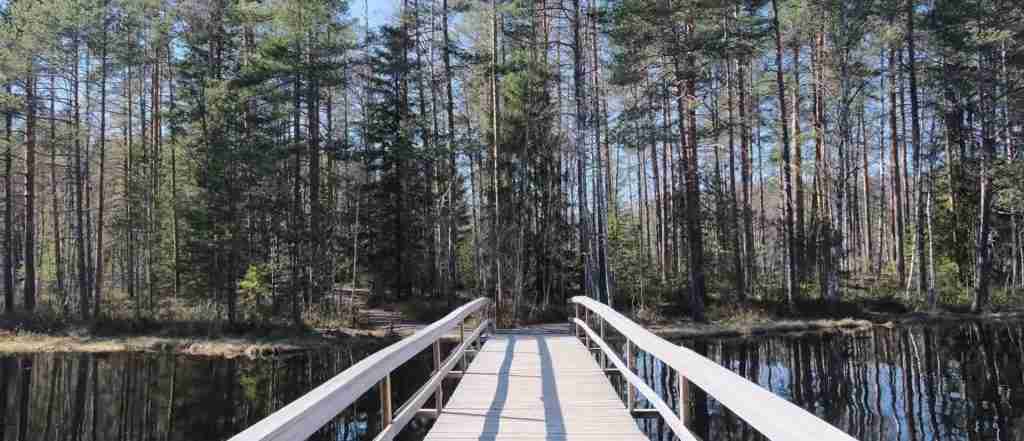
3 days
Helsinki 3-Day Discovery Tour
- ✓ Comprehensive Helsinki experience
- ✓ Expert local guides included
- ✓ All accommodation included
- ✓ Transportation provided
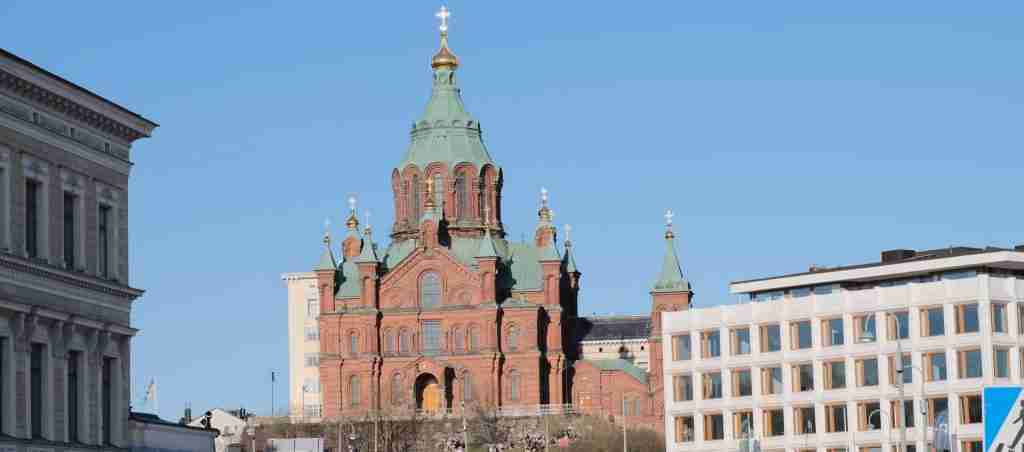
5 days
Helsinki 5-Day Highlights Experience
- ✓ Comprehensive Helsinki experience
- ✓ Expert local guides included
- ✓ All accommodation included
- ✓ Transportation provided
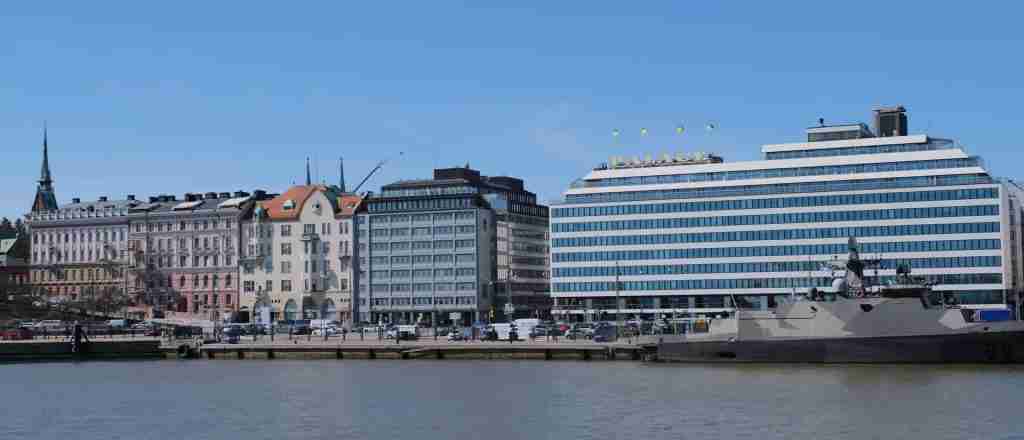
7 days
Helsinki 7-Day Cultural Journey
- ✓ Comprehensive Helsinki experience
- ✓ Expert local guides included
- ✓ All accommodation included
- ✓ Transportation provided

10 days
Helsinki 10-Day Complete Adventure
- ✓ Comprehensive Helsinki experience
- ✓ Expert local guides included
- ✓ All accommodation included
- ✓ Transportation provided
Multi-day tour packages powered by TourRadar. Prices and availability subject to change.
Introduction
Suomenlinna Sea Fortress represents one of Europe’s most remarkable military architectural achievements, spanning six islands across 210 hectares of the Helsinki archipelago. Constructed gradually from 1748 onwards, this UNESCO World Heritage Site embodies the strategic importance of Baltic Sea control through three centuries of political transformation. The fortress’s landscape and architecture tell the interconnected stories of the Kingdom of Sweden’s expansion, the Russian Empire’s western defenses, and Finland’s path to independence.
Today, Suomenlinna balances its role as a major cultural heritage site with life as a vibrant residential community. The 850 permanent residents share their island home with over one million annual visitors who come to explore 200 historic buildings, six kilometers of defensive walls, world-class museums, and pristine natural landscapes. This unique combination of living history and contemporary island life creates an atmosphere unlike any other European fortress.
Historical Background
Swedish Era: Foundation and Construction (1748-1808)
In 1747, the Swedish Diet in Stockholm decided to build a major fortress to serve as the main base for armed forces stationed in Finland, then an integral part of the Swedish realm. The Swedish crown selected a group of islands close to Helsinki as the site for Sveaborg, literally the “Fortress of Sweden,” with construction commencing in 1748 under the direction of Swedish Admiral Augustin Ehrensvärd.
Ehrensvärd, an artillery officer from an aristocratic background, adapted the fortification theories of French military engineer Sébastien Le Prestre de Vauban to the specific geographical features of the Helsinki archipelago. The ambitious project aimed to link and fortify several islands to control entry into Helsinki’s harbor while serving as a fortified army base complete with a dry dock for the Swedish archipelago fleet.
The fortress construction utilized local rock quarried from nearby islets, implementing the bastion system across varied terrain in ways that showcased both general 18th-century fortification principles and unique characteristics adapted to Baltic conditions. The work continued for decades, creating extensive defensive works, military buildings, and infrastructure that made Sveaborg one of the strongest fortifications in the Baltic region—earning it the nickname “Gibraltar of the North.”
Russian Period: Imperial Stronghold (1808-1918)
The fortress fell to Russian forces in 1808 following a siege during the Finnish War between Sweden and Russia. This transition marked a dramatic reversal in the fortress’s strategic purpose—originally built to defend against Russian expansion, Sveaborg now served as Russia’s western defensive stronghold. The transfer included not only the fortifications but also the Swedish archipelago fleet and all military equipment.
In 1809, Finland became an autonomous Grand Duchy within the Russian Empire, with Sveaborg serving as a crucial military installation throughout this period. The Russians maintained and expanded the fortifications, adding new buildings and defensive works that reflected 19th-century military architecture while respecting the original Swedish structures. The fortress played a significant role in Baltic military strategy during the Crimean War and continued functioning as a major naval base.
Finnish Independence and Modern Era (1918-Present)
Following Finland’s declaration of independence in December 1917, a Finnish garrison took control of the fortress in early 1918. The renaming from Sveaborg/Viapori to Suomenlinna occurred that same year, symbolizing the fortress’s new identity within an independent Finnish nation. After the Finnish Civil War, the fortress briefly served as a prison camp before resuming its defensive role.
During World War II, Suomenlinna proved vital to Helsinki’s air defense, housing anti-aircraft batteries and military personnel. The fortress gradually transitioned from active military use to cultural heritage preservation in the post-war decades. The Finnish military officially withdrew from most of the fortress in the 1970s, though the Naval Academy maintained a presence until 2008.
UNESCO inscribed Suomenlinna on the World Heritage List in 1991 during the 15th session of the World Heritage Committee, recognizing its outstanding universal value as an example of 18th-century fortress architecture and its unique documentation of European military history across three sovereign states.
Architectural and Military Significance
Bastion System and Fortification Design
Suomenlinna represents an exceptional application of the bastion fortification system adapted to challenging archipelago terrain. The fortress implements Vauban’s defensive theories through a series of bastions—projecting defensive works that allowed defenders to provide flanking fire along the fortress walls. Unlike traditional continental fortifications built on flat ground, Suomenlinna’s bastions incorporate natural rock formations and island topography into the defensive system.
The fortification walls, extending over six kilometers across the islands, combine locally quarried granite with earthworks to create defensive barriers that blend with the natural landscape. The walls vary in height and thickness according to tactical requirements and terrain, demonstrating sophisticated understanding of both military engineering and environmental adaptation. Key defensive positions command approaches to Helsinki harbor, fulfilling the fortress’s strategic purpose of controlling maritime access.
The Dry Dock: Engineering Marvel
Construction of the dry dock began in the 1750s as an essential facility for building and maintaining Sweden’s new archipelago fleet. This engineering achievement required excavating solid rock to create a basin where ships could be floated in, then drained for repair or construction work. The dry dock, protected by its own fortifications, represented one of the largest construction projects of its era in the Baltic region.
The facility enabled Suomenlinna to function not just as a defensive fortress but as a complete naval base capable of supporting fleet operations. The dry dock remained in use through the Russian period and into the Finnish era, serving various maritime purposes across more than two centuries. Today, the historic dry dock area stands as one of Suomenlinna’s most impressive technical monuments, illustrating the fortress’s role in naval history.
Buildings and Structures Across Three Eras
The 200 buildings scattered across Suomenlinna’s six islands reflect construction from Swedish, Russian, and Finnish periods, creating an architectural timeline of northern European military and residential design. Swedish-era structures typically feature simpler designs focused on military functionality, with thick stone walls and practical layouts suited to fortress life and military operations.
Russian period additions introduced more elaborate architectural elements while maintaining compatibility with existing structures. Buildings from this era often incorporate classical design features and improved living quarters, reflecting the fortress’s continued importance to imperial military strategy. Finnish-era construction, more limited in scope, maintained traditional building methods to preserve the fortress’s historical character.
The fortress church, built in 1854 during the Russian period, serves as both a landmark and functional place of worship. Its distinctive lighthouse tower makes it a navigational aid while its Orthodox cross and design elements reflect the fortress’s Russian heritage. The church represents the rare combination of religious, practical, and architectural functions that characterize many Suomenlinna structures.
The Six Islands: Geography and Layout
Iso Mustasaari: The Main Island
Iso Mustasaari forms the largest island in the fortress complex and hosts the main ferry pier, making it the primary entry point for most visitors. This island contains significant Swedish and Russian era fortifications, including portions of the main defensive wall system and several important bastions. The island’s central location makes it the natural hub for exploring the broader fortress complex.
Key attractions on Iso Mustasaari include museum facilities, administrative buildings, and portions of the historic fortification walls. The island demonstrates the layered history of Suomenlinna particularly well, with structures from all three periods—Swedish, Russian, and Finnish—visible in close proximity. Walking routes connect Iso Mustasaari to neighboring islands via bridges and causeways.
Susisaari: Southern Defenses
Susisaari, meaning “Wolf Island,” contains some of the fortress’s most impressive defensive structures, including key bastions and extensive wall sections. This southern island played a crucial role in the fortress’s defensive strategy, with fortifications positioned to control approaches from the open sea. The island’s relatively exposed position required particularly strong defensive works.
Today, Susisaari offers dramatic views across the Baltic and includes well-preserved examples of bastion architecture. The island’s fortifications showcase the engineering challenges of building on rocky, uneven terrain while maintaining military effectiveness. Visitors can walk along wall sections and explore the relationship between natural landscape and human engineering.
Kustaanmiekka: Gateway and Fortification
Kustaanmiekka, or “Gustavus’ Sword,” marks the southern tip of the fortress complex and contains the famous King’s Gate, an imposing entrance structure built into the fortification walls. The gate, constructed in 1754, exemplifies Swedish-era military architecture with its classical proportions and defensive features. The gate’s Latin inscription and coat of arms reflect the fortress’s Swedish origins.
The island features additional significant fortifications, including the Jetty Barracks, a long defensive structure that also served residential functions. Kustaanmiekka’s position at the fortress’s southern extreme made it a critical defensive point, and the concentration of military architecture here reflects this strategic importance. The island connects to other parts of the fortress via the distinctive causeway system.
The Three Mustasaari Islands
In addition to Iso Mustasaari, the fortress includes Pikku-Mustasaari (Little Black Island) and Länsi-Mustasaari (West Black Island), each contributing to the defensive network and residential character of the fortress. These smaller islands contain both fortification elements and residential buildings, illustrating how military and civilian life intertwined throughout the fortress’s history.
The Mustasaari islands host portions of the residential community that makes Suomenlinna a living district rather than merely a museum. Historic military buildings have been adapted for contemporary use as homes, workshops, and cultural spaces while maintaining their architectural integrity. This ongoing inhabitation ensures that traditional construction methods and maintenance practices continue, supporting the fortress’s preservation.
Långören: Eastern Extent
Långören extends the fortress to the east, providing defensive coverage of the eastern approaches to Helsinki. This island features distinctive fortification works adapted to its elongated shape and rocky coastline. The island’s military structures reflect strategic placement to maximize defensive coverage while working within challenging topographical constraints.
Today, Långören offers visitors quieter areas to explore, with less concentrated tourist activity than the central islands. The island’s fortifications and natural beauty provide excellent opportunities for photography and contemplation of the fortress’s relationship with the surrounding seascape. Walking the island’s perimeter reveals how the fortress builders incorporated natural features into defensive planning.
Museums and Cultural Attractions
Suomenlinna Museum: Fortress History
The Suomenlinna Museum serves as the primary interpretive facility for the fortress’s complex history, offering comprehensive exhibitions covering the Swedish, Russian, and Finnish periods. The museum’s collections include military artifacts, architectural models, historical documents, and multimedia presentations that bring the fortress’s story to life. A multi-screen audiovisual presentation provides an accessible introduction to Suomenlinna’s history and UNESCO significance.
Exhibition spaces explore the fortress’s construction, military operations, daily life across different eras, and transformation from active military installation to cultural heritage site. The museum contextualize Suomenlinna within broader Baltic history and European military architecture, helping visitors understand the fortress’s international significance. Scale models demonstrate the fortress’s evolution and the relationship between fortifications and the natural landscape.
Military Museum: Arms and Conflict
The Military Museum specializes in Finnish military history with particular emphasis on Suomenlinna’s role in national defense. Collections include weapons, uniforms, military equipment, and personal items from soldiers who served in the fortress across different periods. The museum covers conflicts from the Swedish era through World War II, illustrating how military technology and tactics evolved.
Exhibitions address the fortress’s defensive strategies, the lives of military personnel stationed here, and specific battles and sieges that shaped Suomenlinna’s history. The museum provides insight into how the fortress functioned as both military installation and community, with soldiers and their families living within the fortification walls. Artillery pieces and defensive weapons displayed throughout the fortress complement the museum’s indoor collections.
Toy Museum: Cultural History Through Play
The Toy Museum offers a distinctive perspective on cultural history through its extensive collection of toys and dolls from the 19th and 20th centuries. Housed in a historic building, the museum appeals to visitors of all ages with displays that evoke nostalgia while documenting changing childhood experiences across generations. The collection includes Finnish toys alongside international examples, providing cultural context.
Exhibition themes explore how toys reflect social values, technological development, and artistic trends across different periods. The museum demonstrates connections between seemingly simple playthings and broader historical forces, from industrialization to world wars. For families visiting Suomenlinna, the Toy Museum provides accessible engagement with history through familiar objects and experiences.
Submarine Vesikko: Naval Heritage
The submarine Vesikko, now a museum ship permanently moored at Suomenlinna, represents Finland’s submarine service history. Built in the 1930s, Vesikko served during World War II before being preserved as a historical monument. Visitors can board the submarine and explore its cramped interior spaces, gaining appreciation for the challenging conditions submariners endured.
The submarine museum illustrates naval warfare technology from the mid-20th century while documenting Finland’s naval defense strategies. Exhibitions explain submarine operations, the daily life of crew members, and Vesikko’s specific service history. The submarine’s preservation at Suomenlinna connects maritime military heritage with the fortress’s broader naval history.
Artillery Museum: Coastal Defense
The Artillery Museum focuses on coastal defense systems and artillery technology, particularly relevant given Suomenlinna’s primary function as a sea fortress. Collections include coastal artillery pieces, ammunition, fire control equipment, and explanatory displays about how these weapons systems functioned. The museum explains the evolution of coastal defense from the 18th century through the 20th century.
Exhibitions address how geography and technology shaped defensive strategies, the relationship between fortifications and artillery placement, and the technical complexities of coastal defense operations. Preserved artillery pieces positioned throughout the fortress islands complement the museum’s indoor collections, allowing visitors to see defensive weapons in their original tactical contexts.
Walking the Blue Route
Route Overview and Planning
The Blue Route walking trail provides a comprehensive tour of Suomenlinna’s major historical sites, covering approximately 5 kilometers across the islands. Marked with blue signage, the route connects the most significant fortifications, museums, and viewpoints in a logical sequence that tells the fortress’s story chronologically and geographically. Walking the complete route takes 2-3 hours at a comfortable pace, excluding museum visits and extended stops.
The trail begins at the main ferry pier on Iso Mustasaari and proceeds through the fortress complex from north to south, eventually reaching the King’s Gate on Kustaanmiekka before looping back. Route markings include informational signs that provide historical context and architectural details at key locations. The path incorporates varied terrain, including paved walkways, gravel paths, and stone stairs, requiring comfortable walking shoes.
Northern Fortifications and Main Pier
The Blue Route begins near the main ferry pier, where visitors can orient themselves using site maps and information displays. The northern section of the route passes early Swedish fortification works and provides views across to Helsinki’s city center. Historic buildings in this area now house cafes, shops, and cultural facilities, demonstrating the fortress’s contemporary community life.
Key features include preserved barrack buildings, sections of the main defensive wall, and the fortress administration buildings. Information signs explain the strategic importance of controlling the northern approaches to the fortress and how the fortifications integrated with natural rock formations. The area includes the Suomenlinna Museum, making this an ideal starting point for understanding the fortress’s overall history before exploring further.
Central Islands: Swedish and Russian Heritage
The route’s central section traverses areas where Swedish and Russian era structures stand in close proximity, illustrating the fortress’s layered history. Significant bastions demonstrate 18th-century military engineering adapted to island topography. The distinctive fortress church appears along this section, its lighthouse tower serving as a visual landmark and navigational aid.
The route passes the historic dry dock area, where engineering achievement and military necessity intersected in the creation of naval maintenance facilities. Preserved military buildings showcase architectural evolution from Swedish simplicity to Russian elaboration. Information markers explain how building techniques and materials changed across different construction periods while maintaining overall architectural harmony.
King’s Gate and Southern Fortifications
The Blue Route reaches its southern terminus at the King’s Gate on Kustaanmiekka, the fortress’s ceremonial entrance built in 1754. The gate exemplifies Swedish military architecture with classical design elements incorporated into defensive structures. The Latin inscription above the gate and the Swedish royal coat of arms emphasize Sveaborg’s original purpose as Sweden’s Baltic stronghold.
Southern fortifications demonstrate the fortress’s seaward defenses, with bastions and wall sections positioned to control approaches from open water. These fortifications faced the greatest hostile threat and consequently feature the strongest defensive works. The area offers dramatic views across the Baltic and photogenic perspectives on military architecture integrated with natural coastline.
Return Route: Eastern Perspectives
The return portion of the Blue Route explores the fortress’s eastern sections, including areas with less concentrated tourist activity. This segment provides opportunities to appreciate Suomenlinna’s role as a living community, passing residential buildings and neighborhood spaces. The eastern coastline offers views of maritime traffic and the surrounding archipelago.
The route returns to the main pier area through different pathways than the outbound journey, providing varied perspectives on familiar structures. This circular design ensures comprehensive coverage of major sites while avoiding repetitive backtracking. Strategic viewpoints along the return route offer final photographic opportunities before departing the islands.
Beaches and Natural Areas
Summer Recreation and Swimming
Suomenlinna’s beaches attract both residents and visitors during summer months, providing opportunities for swimming, sunbathing, and relaxation within walking distance of historical attractions. The beaches range from sandy stretches suitable for families to rocky shorelines popular with locals. Water quality in the Helsinki archipelago supports safe swimming, though temperatures remain cool even in summer, typical of Baltic conditions.
Popular beach areas include designated swimming spots with better sand and easier water access, as well as informal sunbathing locations on the rocky coastline. The beaches offer views across the archipelago and open sea, creating scenic settings for summer leisure. Some areas include basic facilities like changing rooms, while others remain more natural and undeveloped.
Nature and Biodiversity
The fortress islands support diverse plant and animal communities despite intensive human modification over centuries. Native and introduced plant species colonize the fortification walls and meadow areas, creating habitats for insects, birds, and small mammals. The surrounding waters harbor fish populations and occasional seal sightings, while migratory birds use the islands as stopover points.
Conservation efforts balance heritage preservation with ecological values, maintaining green spaces while protecting historic structures. Meadow management prevents woody vegetation from damaging fortification walls while supporting grassland species. The integration of natural and cultural heritage demonstrates how military landscapes can evolve into biodiversity resources when active military use ceases.
Seasonal Landscapes
Suomenlinna’s character transforms dramatically across seasons, from ice-bound winter isolation to summer’s vibrant activity. Winter visitors experience the fortress under snow, with the sea freezing solid during cold years and ice creating pathways between islands. Spring brings rapid greening as Baltic plants respond to lengthening daylight, while autumn colors transform the islands’ vegetation before winter dormancy.
Each season offers distinct photographic opportunities and atmospheric qualities. Summer’s midnight sun extends daylight well into evening, supporting prolonged exploration and outdoor dining. Winter’s limited daylight creates dramatic lighting conditions and emphasizes the fortress’s stark defensive architecture against white landscapes. Spring and autumn provide moderate temperatures and fewer crowds than peak summer.
Residential Life and Community
A Living Fortress
Suomenlinna functions as an active residential community of approximately 850 permanent inhabitants, making it unique among European fortress heritage sites. Residents live in converted military buildings adapted for contemporary domestic use while maintaining historical architectural character. This ongoing inhabitation ensures continuous maintenance and prevents the abandonment that threatens many historic military sites.
The residential community includes families, artists, craftspeople, and cultural workers attracted to Suomenlinna’s distinctive island lifestyle. Living in the fortress requires adaptation to heritage preservation requirements, ferry-dependent transportation, and tourist activity, but residents value the unique environment and strong community bonds. Schools, daycare facilities, and community spaces support family life within the fortress.
Businesses and Cultural Activities
Small businesses, artisan workshops, restaurants, and cultural venues operate throughout Suomenlinna, creating economic vitality beyond tourism. These enterprises range from traditional crafts to contemporary design, often utilizing historic buildings as workshop and retail spaces. Restaurants and cafes serve both visitors and residents, with some establishments housed in atmospheric fortress buildings.
Cultural programming includes concerts, theater performances, art exhibitions, and seasonal festivals that activate the fortress’s public spaces. Summer brings open-air events that take advantage of Suomenlinna’s dramatic architectural backdrop and natural beauty. Year-round cultural activities ensure that the fortress remains a living cultural center rather than a static museum, supporting both residents and visitors.
Getting to Suomenlinna
HSL Ferry Service
The HSL ferry provides year-round public transportation between Helsinki’s Market Square and Suomenlinna’s main pier, operating as part of Helsinki’s integrated public transport system. Ferries depart approximately every 30-40 minutes depending on season and time of day, with more frequent service during summer months and peak hours. The journey takes 15 minutes, offering scenic views of Helsinki harbor and the approaching fortress islands.
HSL ferry service operates from early morning (around 6:00 AM) until late night (2:20 AM), with the last departures varying by season. The ferries are large, stable vessels with both indoor and outdoor seating areas, suitable for all weather conditions. Passengers can access both enclosed cabins and open deck spaces, with the upper deck providing excellent photography opportunities during the crossing.
Tickets and Pricing
HSL ferry travel requires a valid Helsinki public transport ticket covering zone A. Tickets can be purchased from machines at the Market Square ferry pier, through the HSL mobile application, or at various retail locations. Standard adult AB zone tickets cover the ferry journey along with other Helsinki public transport within the validity period. The Helsinki Card includes unlimited ferry travel along with museum admissions and other attractions.
Tickets must be purchased before boarding, as tickets are not sold on the ferries themselves. Visitors planning multiple ferry trips or combining ferry travel with other Helsinki public transport should consider day tickets or the Helsinki Card for better value. Children under seven travel free when accompanied by an adult with a valid ticket.
Alternative Water Transport
In addition to the HSL ferry, private water bus services operate between Market Square and Suomenlinna during summer months (typically May-September). These water buses offer slightly different routes and may provide commentary or specialized service. Water buses depart from the eastern side of Market Square near the Presidential Palace and arrive at different piers on Suomenlinna than the HSL ferry.
Private boat owners can access Suomenlinna’s guest harbor facilities, with moorings available for visitors arriving by their own vessels. The guest harbor provides basic amenities for boaters and connects to the fortress’s main attractions via walking paths. This option appeals to sailors exploring the Helsinki archipelago who wish to include Suomenlinna in their itinerary.
Service Ferry from Katajanokka
A service ferry operates on weekdays between Katajanokka and Suomenlinna’s service pier, primarily supporting cargo and resident traffic but also available for passenger use. This ferry runs approximately hourly during office hours and provides an alternative route to the islands. The service ferry has limited passenger capacity compared to the main ferry but can be useful for visitors approaching from eastern Helsinki or seeking a different perspective on the journey.
Planning Your Visit
No Entrance Fee Policy
Suomenlinna charges no entrance fee for accessing the fortress islands themselves. Visitors can freely walk the ramparts, explore the fortification walls, and enjoy the outdoor spaces without tickets. This open access policy reflects Suomenlinna’s dual character as both heritage site and public park, encouraging widespread visitation and community use.
Individual museums within the fortress charge separate admission fees, typically ranging from €5-8 for adults with discounts for students, seniors, and children. The Helsinki Card provides free admission to most museums along with ferry transportation, offering value for visitors planning to visit multiple attractions. Some museums offer combination tickets covering multiple sites at reduced rates.
Recommended Time Allocation
First-time visitors should allocate at least 4-6 hours for a comprehensive Suomenlinna experience, including ferry travel, museum visits, and fortress exploration. Walking the Blue Route requires 2-3 hours without museum stops, while adding 2-3 museums extends the visit to a full day. Many visitors appreciate the flexibility to linger at cafes, beaches, or scenic viewpoints, making Suomenlinna suitable for both structured tours and relaxed exploration.
Half-day visits focusing on the main fortifications and one or two museums provide a satisfying introduction to the fortress. Full-day visits allow thorough museum exploration, lunch at fortress restaurants, and time to appreciate the islands’ natural beauty. Multi-day visitors to Helsinki often spread Suomenlinna exploration across two visits, experiencing different aspects during morning and afternoon or evening trips.
Seasonal Considerations
Summer (June-August) offers the warmest weather, longest daylight hours, and full operation of all facilities, but also brings the largest crowds and highest museum admission prices. Spring (April-May) and autumn (September-October) provide moderate temperatures, fewer visitors, and attractive seasonal landscapes, though some facilities may have reduced hours. Winter (November-March) creates atmospheric fortress scenery but requires warm clothing and results in limited museum hours and closed outdoor cafes.
Each season offers distinct advantages for different visitor priorities. Photographers may prefer spring and autumn light, while beach enthusiasts need summer warmth. Winter visitors gain nearly exclusive access to the fortress with minimal crowds but must accept reduced services and challenging weather. The fortress remains accessible and fascinating year-round, with the ferry operating in all seasons except extreme ice conditions.
What to Bring
Comfortable walking shoes prove essential for exploring Suomenlinna’s varied terrain, including stone paths, gravel trails, stairs, and potentially uneven surfaces. Weather-appropriate clothing matters given the Baltic’s changeable conditions and the fortress’s exposed coastal position. Even summer visitors should bring layers, as sea breezes can cool significantly. Sunscreen and hats provide protection during long summer days with intense northern sun.
Photography equipment merits careful consideration given the fortress’s photographic opportunities, from architectural details to sweeping seascapes. Wide-angle lenses capture the scale of fortifications, while telephoto lenses suit details and distant views. Water and snacks supplement fortress cafes and restaurants, though facilities exist throughout the islands. Binoculars enhance bird watching and architectural observation from the fortification walls.
Dining and Refreshments
Restaurants and Cafes
Multiple restaurants and cafes operate across Suomenlinna, offering options from casual cafe fare to more substantial meals. Fortress restaurants often occupy historic buildings, providing atmospheric dining settings that enhance the overall experience. Summer brings outdoor terrace seating with views across the archipelago, while winter service focuses on cozy interior spaces.
Menu offerings typically include Finnish specialties alongside international options, with seafood featuring prominently given the maritime setting. Cafes serve coffee, pastries, light lunches, and ice cream, suitable for breaks during fortress exploration. Some establishments specialize in local craft beers or traditional Finnish foods, providing culinary experiences that complement the cultural heritage visit.
Picnic Possibilities
Suomenlinna’s extensive outdoor spaces and scenic locations make it ideal for picnicking. Visitors can bring food from Helsinki and enjoy meals on the fortress walls, in meadow areas, or at designated picnic sites. This approach proves economical compared to restaurant dining and allows flexible timing for meals during exploration. Waste bins throughout the fortress support responsible picnic cleanup.
Strategic picnic locations include viewpoints overlooking the sea, quiet corners near fortification walls, and park-like green spaces away from main tourist routes. Some areas provide picnic tables and benches, while others require blankets or portable seating. The combination of historical architecture, natural beauty, and sea views creates memorable outdoor dining experiences throughout the fortress islands.
Photography Guide
Iconic Perspectives
The King’s Gate provides Suomenlinna’s most iconic photographic subject, combining classical architecture with military functionality in a single structure. The gate photographs well from multiple angles, including frontal views that capture the Latin inscription and coat of arms, and oblique perspectives that emphasize the gate’s integration into the fortification walls. Morning or late afternoon light enhances the stone texture and architectural details.
The fortress church’s distinctive lighthouse tower creates another signature image, serving as a navigational landmark and architectural focal point. The church photographs effectively from various distances, from detailed close-ups of the tower to wider views that show the church’s relationship to surrounding fortifications and landscape. Winter snow and summer greenery provide contrasting seasonal contexts for church photography.
Fortification Details
Suomenlinna’s defensive walls offer endless photographic opportunities for detail work and texture studies. Close-up photography reveals weathering patterns, construction techniques, and the integration of different building materials across various periods. Wide-angle photography captures the scale and extent of the fortifications, while telephoto compression emphasizes the walls’ mass and defensive purpose.
Bastions and defensive positions provide dramatic geometric forms and strategic viewpoints for photography. The interplay of light and shadow on the angular bastion surfaces creates strong compositional elements throughout the day. Artillery pieces and defensive equipment positioned along the walls add human scale and historical narrative to fortification photography.
Seascapes and Maritime Views
The fortress’s island setting provides extensive opportunities for maritime photography, from harbor views of Helsinki to open Baltic seascapes. Ferry approaches and departures create moving subjects against the fortress backdrop, while maritime traffic ranging from small boats to cruise ships adds activity to seascapes. The constantly changing light conditions on water challenge and reward photographers with dramatic skies and reflections.
Seasonal variations dramatically affect maritime photography, from summer’s clear blue waters to winter’s ice formations. Spring and autumn bring volatile weather that creates spectacular cloud formations and lighting conditions. Long summer evenings extend golden hour photography, while winter’s limited daylight concentrates attention on brief periods of optimal light.
Architectural Photography
The fortress’s 200 historic buildings span Swedish, Russian, and Finnish architectural periods, providing rich subjects for architectural photography. Buildings range from austere military barracks to more ornate Russian-era structures, each requiring different photographic approaches. Wide-angle photography captures entire structures and their contexts, while detail photography emphasizes architectural elements, construction methods, and decorative features.
Interior photography in museums and accessible buildings documents historical spaces and exhibits, though permission and lighting may limit opportunities. Exterior architectural photography benefits from understanding how light interacts with building orientations and materials throughout the day. Overcast conditions often work well for architectural photography by reducing harsh shadows and providing even illumination of building facades.
Educational Programs and Guided Tours
Guided Walking Tours
Professional guided tours provide expert interpretation of Suomenlinna’s complex history, architecture, and significance. Tours typically last 1.5-2 hours and cover major fortification areas, historical sites, and viewpoints while explaining the fortress’s evolution across three sovereign states. Guides contextualize individual structures within broader historical narratives and answer questions about specific aspects of fortress life and military history.
Different tour options focus on various themes, including military architecture, social history, UNESCO heritage significance, or seasonal topics. Some tours operate year-round while others run primarily during summer tourist season. Private tours can be arranged for specialized interests or groups requiring customized interpretation. Tour languages typically include Finnish, English, Swedish, and sometimes other major languages depending on guide availability.
Audio Guide Options
Self-guided audio tours allow visitors to explore at their own pace while receiving expert commentary on major sites and historical events. Audio guides coordinate with the Blue Route and other marked paths, providing information triggered by location or number codes at specific sites. Multiple language options typically include Finnish, English, Swedish, German, and Russian, accommodating diverse international visitors.
Audio guide content covers architectural features, historical events, daily life in different periods, and notable individuals associated with the fortress. The flexibility of audio guides appeals to visitors who prefer independent exploration without scheduled tour constraints, while still benefiting from expert interpretation. Rental costs remain modest, and the guides significantly enhance understanding of complex historical sites.
Educational Programs for Schools
Suomenlinna offers structured educational programs for school groups covering history, architecture, military studies, and heritage conservation. These programs align with Finnish curriculum requirements while providing experiential learning in authentic historical settings. Student programs scale appropriately for different age groups, from elementary introductions to sophisticated secondary school explorations of historical complexity.
Educational visits incorporate hands-on activities, period artifacts, and interactive elements that engage students more effectively than traditional classroom instruction. Teachers receive preparatory materials and can coordinate programs with specific curriculum topics. The fortress’s UNESCO status provides opportunities to discuss international heritage conservation and global cultural values.
Conservation and UNESCO Management
Governing Body of Suomenlinna
The Governing Body of Suomenlinna, a government agency under Finland’s Ministry of Education and Culture, manages the fortress’s conservation, maintenance, and development. This organization owns most of the historical buildings and coordinates preservation efforts with various stakeholders including residents, businesses, museums, and heritage authorities. The Governing Body balances heritage conservation with the fortress’s functions as residential community and tourist destination.
Management responsibilities include building maintenance and restoration, infrastructure development, tenant relations, tourism services, and compliance with UNESCO World Heritage requirements. The organization employs conservation specialists, architects, craftspeople, and administrative staff to fulfill these diverse functions. Annual budgets support ongoing preservation work while planning addresses long-term conservation challenges.
Restoration Philosophy and Practice
Suomenlinna’s restoration work prioritizes traditional construction methods and materials that respect the fortress’s historical character while ensuring structural stability and functionality. Craftspeople trained in traditional techniques maintain skills in stonework, carpentry, metalwork, and other heritage trades. Restoration projects carefully document existing conditions, research historical precedents, and implement interventions that remain reversible when possible.
The fortress received a Europa Nostra medal in 2000 for excellence in restoration and revitalization, recognizing the quality of conservation work and the successful integration of heritage preservation with contemporary use. This international recognition affirmed Suomenlinna’s model of maintaining living communities within heritage sites while respecting conservation principles. Ongoing restoration work continues to high standards that honor both historical authenticity and modern safety requirements.
UNESCO Monitoring and Protection
As a UNESCO World Heritage Site, Suomenlinna operates under international monitoring and protection frameworks that ensure preservation of its outstanding universal value. Regular reporting to UNESCO documents conservation status, threats to the site, and management effectiveness. This international oversight provides additional safeguards beyond national heritage protection while connecting Suomenlinna to global conservation networks.
Finnish legislation protects Suomenlinna through multiple instruments, including the Ancient Monuments Act covering the fortifications and the Church Act protecting the fortress church. Building modifications require approval from heritage authorities, ensuring that changes respect the site’s historical character. These layered protection mechanisms—local, national, and international—create comprehensive safeguards for the fortress’s preservation.
Accessibility and Visitor Services
Physical Accessibility
Suomenlinna’s historic character creates accessibility challenges for visitors with mobility limitations. The fortress includes uneven surfaces, stairs, narrow passages, and steep grades that can be difficult to navigate with wheelchairs or other mobility aids. The HSL ferry accommodates wheelchairs and provides assistance for boarding and disembarking. However, many fortification areas and historic buildings remain inaccessible to wheelchair users due to their historic construction.
Main pathways and the Blue Route include accessible sections, though complete barrier-free access proves impossible given the historic terrain. Visitors with mobility concerns should contact the Governing Body of Suomenlinna in advance to receive guidance on accessible routes and facilities. Some museums have installed ramps and elevators to improve access, while others remain limited to ground floor areas or require assistance to navigate.
Visitor Information and Services
Information services operate from various locations across the fortress, providing maps, brochures, advice, and answers to visitor questions. The main visitor center near the ferry pier offers comprehensive orientation for first-time visitors, including exhibits introducing the fortress’s history and significance. Multilingual staff can assist with planning visits, booking tours, and addressing special needs.
Restroom facilities are available at several locations including the visitor center, museums, and restaurant areas. Free WiFi covers portions of the fortress, though coverage remains inconsistent given the historic buildings and island topography. Mobile phone service works reliably across the islands. Emergency services can access the fortress via ferry or helicopter if needed, with clear procedures for medical or safety incidents.
Sustainable Tourism and Visitor Responsibility
Visitor Impact Management
The annual visitation of over one million people creates significant management challenges for Suomenlinna’s conservation and residential community. The fortress implements various strategies to distribute visitor flows, reduce environmental impacts, and maintain quality experiences. These approaches include temporal distribution through season-specific programming, spatial distribution via route design, and capacity management during peak periods.
Visitor education emphasizes responsible behavior including staying on marked paths, respecting private property, disposing of waste properly, and minimizing disturbance to residents and wildlife. Information materials and signage reinforce these messages throughout the fortress. The integration of heritage preservation, residential life, and tourism requires ongoing balance and adaptation as visitor numbers and patterns evolve.
Environmental Considerations
Suomenlinna’s island environment requires particular attention to waste management, water quality, and ecological protection. Visitors should use designated waste bins and recycling facilities rather than littering. The surrounding waters require protection from pollution, with boat operators following strict environmental protocols. Natural areas within the fortress support biodiversity that visitors should respect by staying on paths and avoiding disturbance to wildlife.
Climate change poses long-term challenges to the fortress through sea level rise, increased storm intensity, and changing ice conditions. These threats require adaptation in conservation planning and visitor management. Visitors contribute to sustainable tourism by using public transportation, respecting conservation efforts, and supporting responsible businesses operating within the fortress.
Beyond Suomenlinna: Related Attractions
Helsinki Archipelago Exploration
Suomenlinna forms part of the extensive Helsinki archipelago, which includes numerous other islands accessible by ferry or private boat. Visitors interested in archipelago experiences can explore additional islands offering nature, recreation, and maritime heritage. Some islands feature restaurants, galleries, or historic sites, while others provide undeveloped nature experiences. The broader archipelago context enriches understanding of Suomenlinna’s maritime setting.
Helsinki’s Fortress Context
Understanding Suomenlinna benefits from exploring Helsinki’s urban history and the relationship between fortress and city. The Market Square, the ferry departure point, functions as Helsinki’s historical and commercial heart. Walking tours of central Helsinki reveal connections to the fortress period, including buildings from the Russian era and sites associated with Finnish independence. Combined city and fortress exploration provides comprehensive perspective on Helsinki’s development.
Other Finnish UNESCO Sites
Finland’s six other UNESCO World Heritage Sites offer complementary heritage experiences. Old Rauma, inscribed alongside Suomenlinna in 1991, represents Nordic wooden town architecture. The Struve Geodetic Arc, Petäjävesi Old Church, Bronze Age burial sites at Sammallahdenmäki, Verla Groundwood and Board Mill, and the High Coast/Kvarken Archipelago each demonstrate different aspects of Finnish and northern European heritage. Visitors passionate about UNESCO sites can plan broader Finnish heritage itineraries.
Frequently Asked Questions
Is Suomenlinna worth visiting?
Suomenlinna absolutely merits visiting for anyone interested in military history, UNESCO heritage, Finnish culture, or beautiful archipelago landscapes. The fortress offers a unique combination of well-preserved 18th-century fortifications, world-class museums, residential community atmosphere, and stunning Baltic Sea settings. The easy ferry access from central Helsinki makes it practical for visitors with limited time, while the extensive attractions reward full-day exploration. The fortress appeals to diverse interests including architecture, history, photography, nature, and cultural experiences, ensuring that most visitors find compelling reasons to spend time on the islands.
Can you stay overnight on Suomenlinna?
Suomenlinna does not offer traditional tourist accommodation such as hotels or guesthouses, as the islands function primarily as a residential district of Helsinki rather than a resort destination. However, the 24-hour ferry service allows visitors to return to mainland Helsinki accommodations at any hour. Some special events or programs may occasionally include overnight components, but these remain exceptional rather than regular offerings. Visitors seeking extended Suomenlinna time should plan multiple day visits rather than expecting overnight stays on the fortress islands themselves.
What is special about Suomenlinna?
Suomenlinna’s exceptional character derives from multiple unique qualities working together. The fortress represents one of the world’s largest sea fortifications, spreading across six islands with extensive defensive works that adapted 18th-century military theory to challenging archipelago conditions. Its service to three different sovereign states—Sweden, Russia, and Finland—documents nearly three centuries of Baltic political history through architecture and landscape. The combination of UNESCO World Heritage status, living residential community, world-class museums, and stunning natural setting creates an experience unlike other European fortresses. The fortress’s accessibility from a major capital city while maintaining island isolation adds to its distinctive appeal.
How much time do you need for Suomenlinna?
Allocate at least 4-6 hours for a satisfying first visit to Suomenlinna, including ferry travel time (30 minutes round-trip), walking the main fortifications (2-3 hours), and visiting 1-2 museums (1-2 hours). Half-day visits work well for travelers with limited time, focusing on outdoor fortress exploration and perhaps one museum. Full-day visits allow comprehensive museum exploration, leisurely meals, beach time in summer, and thorough photography. Some visitors spread Suomenlinna across multiple shorter visits, experiencing different aspects during morning versus afternoon trips or visiting in different seasons to appreciate seasonal variations.
Is there a beach at Suomenlinna?
Suomenlinna includes several beach areas suitable for summer swimming, sunbathing, and coastal relaxation. The beaches range from designated swimming areas with better sand access to rocky shoreline sections popular with locals for sunbathing. Baltic water temperatures remain cool even in summer, typically reaching 15-20°C, which some swimmers find refreshing while others consider too cold for comfortable swimming. The beaches provide scenic views across the archipelago and offer natural recreation opportunities that complement historical fortress exploration. Beach facilities remain basic, reflecting the islands’ character as a heritage site rather than a beach resort.
Can you bring food to Suomenlinna?
Visitors can freely bring food and beverages to Suomenlinna for picnicking in outdoor areas throughout the fortress. Many visitors pack lunches or snacks from Helsinki, taking advantage of the fortress’s scenic outdoor spaces, fortification walls, and coastal viewpoints for meals. This approach proves economical compared to fortress restaurants while allowing flexible meal timing. Waste bins throughout the islands support responsible disposal of picnic packaging and food waste. The fortress also offers multiple cafes and restaurants for visitors preferring prepared meals, with both options working well for different visitor needs and budgets.
Are dogs allowed on Suomenlinna?
Dogs are welcome on Suomenlinna with some restrictions reflecting the fortress’s dual character as heritage site and residential community. Dogs must remain on leashes in most areas to protect both the historical environment and the comfort of residents and other visitors. Owners should clean up after their dogs using waste bins provided throughout the islands. Some museum interiors prohibit dogs, while outdoor fortification areas generally permit leashed dogs. The ferry accommodates dogs following standard Helsinki public transport rules. Responsible dog owners find Suomenlinna enjoyable for both pets and people, with extensive walking areas and coastal scenery.
What should I wear to Suomenlinna?
Wear comfortable walking shoes with good support and traction for exploring Suomenlinna’s varied terrain including stone paths, gravel trails, stairs, and potentially wet or uneven surfaces. Dress in layers to accommodate changeable Baltic weather and the cooling effect of sea breezes, even during summer. Bring rain protection during transition seasons and warm clothing for winter visits when temperatures can be harsh and wind chill significant. Summer visitors need sun protection including hats and sunscreen during long northern days with intense UV exposure. The fortress’s exposed coastal position means weather can change rapidly, making preparation for multiple conditions advisable.
Can you swim at Suomenlinna?
Swimming is permitted and popular at Suomenlinna’s designated beach areas during summer months, though Baltic water temperatures remain cool by many standards. Water quality in the Helsinki archipelago supports safe swimming, with regular monitoring ensuring acceptable conditions. Swimmers should exercise caution regarding boat traffic, currents, and underwater obstacles near fortification walls. The beaches attract both local residents and visitors, creating social swimming environments during warm weather. Swimming facilities remain basic, reflecting the fortress’s heritage character rather than resort-style beach amenities. Strong swimmers familiar with cool water conditions will find Suomenlinna’s swimming opportunities refreshing and scenic.
Is Suomenlinna open in winter?
Suomenlinna remains accessible year-round with ferry service operating in all seasons except extreme ice conditions. Winter visits offer atmospheric experiences with snow-covered fortifications, reduced crowds, and dramatic Baltic winter scenery. Museums maintain limited winter hours, with some closing entirely during coldest months while others operate with reduced schedules. The fortress’s outdoor spaces remain freely accessible regardless of season. Restaurants and cafes reduce hours or close seasonally, requiring advance planning for winter meals. The residential community continues normal life throughout winter, maintaining the fortress’s living character even during quietest tourist periods. Winter visitors should prepare for harsh conditions including sub-zero temperatures, snow, ice, and strong winds.