
Sukhothai Day Trip from Chiang Mai or Bangkok 2026: Travel Planning Guide
Sukhothai Historical Park, Thailand’s first capital and a UNESCO World Heritage Site, draws visitors from both Chiang Mai and Bangkok seeking to explore 13th-century temple ruins and royal monuments. The journey from Chiang Mai takes 5-6 hours by bus at costs of 300-570 THB ($10-18), while Bangkok travelers face 6-10 hour journeys at 350-550 THB ($11-18), making strategic planning essential for maximizing limited time at this expansive archaeological site spanning 70 square kilometers.
Key Takeaways: Sukhothai Day Trip Planning 2026
- Distance Reality: Sukhothai sits 322 km from Chiang Mai (5-6 hour drive) and 427 km from Bangkok (6-10 hours), making genuine day trips exhausting with 10-20 hours total travel time limiting park exploration to 3-4 hours
- Transportation Costs 2026: Buses from Chiang Mai cost 300-570 THB ($10-18) and from Bangkok 350-550 THB ($11-18), with budget-friendly overnight buses maximizing time; flights to Sukhothai Airport from Bangkok run ~2,000 THB ($60) but require additional ground transfers
- Park Access Fees 2026: Central, Northern, and Western zones each charge 100 THB ($3) entrance plus 10 THB bicycle fee per zone; total three-zone exploration costs 330 THB ($10) per person including bike rental at 30-50 THB ($1-1.50)
- Optimal Visit Strategy: Most successful visitors choose overnight stays in Sukhothai allowing full-day park exploration; true day-trippers should depart pre-dawn, focus exclusively on Central and Northern zones, and accept 14-20 hour total journey duration
- Best Alternative 2026: Two-day Chiang Mai roundtrip tours including Si Satchanalai Historical Park provide comprehensive temple exploration without rushed schedules, while Bangkok-Chiang Mai one-way tours incorporate Sukhothai as logical midpoint stopover
- Peak Season Planning: November-February offers coolest temperatures (22-30°C) ideal for extensive cycling through ruins; April-May heat (35-40°C) makes early morning (6-9 AM) visits essential before midday temperatures become dangerous
People Also Ask About Sukhothai Day Trips 2026
Can You Really Do Sukhothai as a Day Trip from Chiang Mai in 2026?
Technically possible but not recommended for quality experiences. A Chiang Mai-Sukhothai day trip requires departing at 5-6 AM on earliest buses (arriving Sukhothai 11 AM-12 PM), provides only 3-4 hours maximum park exploration, then necessitates evening return buses (departing 3-5 PM) for 9-11 PM Chiang Mai arrival, totaling 16-18 exhausting hours. The 322-kilometer distance and 5-6 hour one-way journey each direction means travelers spend 10-12 hours in transit for minimal 3-4 hours actual sightseeing. Sukhothai Historical Park’s 70 square kilometers contain hundreds of temple ruins across five zones requiring 6-8 hours proper exploration by bicycle. Most tour operators design this as two-day itineraries with overnight Sukhothai accommodation precisely because cramming into single days sacrifices the contemplative temple experience that defines the site’s UNESCO significance.
How Much Does a Sukhothai Day Trip Cost from Bangkok in 2026?
Bangkok-Sukhothai day trips cost 1,100-2,100 THB ($35-65) for independent budget travel or 3,500-8,000 THB ($110-250) for organized private tours. Breaking down independent costs: round-trip bus fare 700-1,100 THB ($22-35), Sukhothai park entrance for Central and Northern zones 200 THB ($6), bicycle rental 30-50 THB ($1-1.50), bike zone entry fees 20 THB ($0.60), meals 200-400 THB ($6-12), totaling 1,150-1,770 THB ($36-55) excluding accommodation. Bangkok Airways flights ($120-180 round-trip) reduce travel time to 2.5 hours airborne but add airport transfers, security time, and 600-800 THB ($18-25) taxi costs from Sukhothai Airport, pushing total flight-based day trips to 5,500-8,500 THB ($170-265) with minimal time savings over overnight bus alternatives.
What’s the Best Way to Travel from Chiang Mai to Sukhothai in 2026?
Direct buses from Chiang Mai Arcade Bus Terminal 2 operated by Tour with Thai and Sukhothai Wintour provide the most practical transportation at 300-570 THB ($10-18) for 5.5-6 hour journeys with air conditioning, reclining seats, and rest stops. Buses depart multiple times daily between 8:45 AM and 7:00 PM, arriving either at Sukhothai Bus Terminal (New Town, 12 km from historical park) or directly at Sukhothai Historical Park entrance depending on route selection. Alternative train-bus combinations via Phitsanulok cost similar amounts (~470 THB train + 40 THB minibus) but add 2-3 hours total journey time with terminal transfers, appealing only to travelers specifically desiring railway experiences. Private taxi transfers (4,000-7,000 THB / $125-220) reduce travel to 4.5 hours and provide door-to-door convenience justified for groups of 3-4 splitting costs.
Should You Book a Guided Tour or Visit Sukhothai Independently in 2026?
Independent exploration offers superior flexibility and value for confident travelers comfortable navigating Thailand’s bus systems and cycling historical parks without structured guidance. Self-guided visits cost 1,150-1,770 THB ($36-55) total from Bangkok or 650-920 THB ($20-29) from Chiang Mai including all transportation, entrance fees, and meals, allowing personalized pacing through temple zones without group schedules. However, private guided day tours from Chiang Mai (2,800-4,500 THB / $88-140 per person for groups of 2-4) provide expert historical context about King Ramkhamhaeng’s kingdom, Khmer-Thai architectural evolution, and specific temple significance that dramatically enhances appreciation of subtle artistic details invisible to untrained eyes. Two-day guided tours (3,500-6,500 THB / $110-200) incorporating Si Satchanalai Historical Park and Lampang temple stops deliver comprehensive northern Thailand temple education impossible to replicate independently without extensive advance research.
Extended multi-day tours – 5+ days
Featured Sukhothai Multi-Day Tour Packages
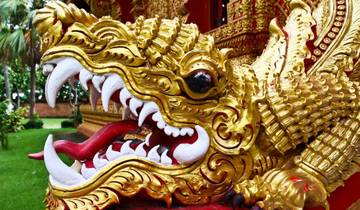
6 days
LAST MINUTE OFFER – Experience Thailand 6 Days, Small Group Tour
- ✓ Comprehensive Sukhothai tour
- ✓ Expert local guides included
- ✓ All accommodation arranged
- ✓ Transportation provided
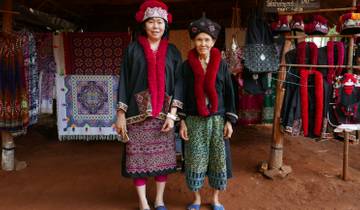
6 days
Thailand Culture & Heritage – 6 Days
- ✓ Comprehensive Sukhothai tour
- ✓ Expert local guides included
- ✓ All accommodation arranged
- ✓ Transportation provided
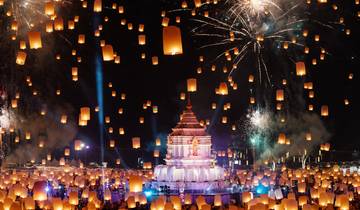
6 days
6-Day The Royal Cities & Yi Peng Sky Lantern Festival 2026
- ✓ Comprehensive Sukhothai tour
- ✓ Expert local guides included
- ✓ All accommodation arranged
- ✓ Transportation provided
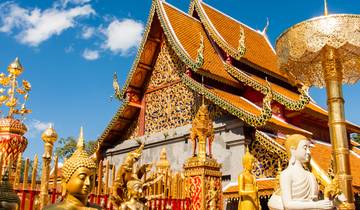
5 days
Bangkok to Chiang Mai Express – 5 days
- ✓ Comprehensive Sukhothai tour
- ✓ Expert local guides included
- ✓ All accommodation arranged
- ✓ Transportation provided
Multi-day tour packages powered by TourRadar. Prices and availability subject to change.
Understanding Sukhothai’s Geography and Transportation Logistics 2026
Sukhothai province comprises two distinct areas creating navigation challenges for first-time visitors. New Sukhothai (Sukhothai Town) functions as the modern provincial capital with bus terminals, railway connections via nearby Phitsanulok (60 km east), hotels, restaurants, and commercial infrastructure located 12 kilometers from the archaeological attractions. Old Sukhothai (Mueang Kao) designates the village immediately adjacent to Sukhothai Historical Park’s entrance gates, offering guesthouses, bicycle rental shops, restaurants, and direct walking access to Central Zone ruins. This geographical separation requires travelers to specify destinations carefully when booking transportation and accommodation to avoid arriving at the wrong Sukhothai location miles from intended activities.
Sukhothai Historical Park divides into five zones radiating from the ancient city center. The Central Zone contains the walled royal capital’s most significant monuments including Wat Mahathat, Wat Sa Si, and Ramkhamhaeng National Museum, requiring 2-3 hours minimum exploration. Northern Zone lies 2 kilometers north featuring Wat Si Chum’s monumental seated Buddha and Wat Phra Phai Luang’s Khmer prangs, accessible by 15-minute bicycle ride adding 1-2 hours exploration time. Western Zone sprawls across forested hills 4 kilometers west with Wat Saphan Hin temple at hilltop requiring physical fitness for steep walking paths, typically allocated 1-2 hours for determined visitors. Southern and Eastern Zones offer free admission to scattered minor ruins rarely visited by day-trippers given limited historical significance and remote locations requiring dedicated cycling expeditions.
Transportation Options from Chiang Mai to Sukhothai 2026
Direct Bus Service from Chiang Mai 2026
Regular bus connections from Chiang Mai Arcade Bus Terminal 2 (also called Arcade Bus Station) to Sukhothai operate 8-12 times daily between 8:45 AM and 7:00 PM with 5.5-6 hour journey durations. Tour with Thai and Sukhothai Wintour companies dominate this route with standard air-conditioned coaches featuring reclining seats, onboard restrooms, and scheduled rest stops at roadside facilities. Ticket prices range 300-570 THB ($10-18) depending on departure time, bus class, and booking advance—early morning and late evening departures cost less than midday services, while booking 3-7 days ahead secures 50-100 THB discounts versus walk-up terminal purchases.
Buses arrive either at Sukhothai Bus Terminal in New Town (requiring 20-30 THB songthaew shared truck or 150 THB tuk-tuk to reach historical park) or directly at Sukhothai Historical Park entrance (immediate bicycle rental and park access). Specifying “Historical Park Sukhothai” versus generic “Sukhothai” when booking tickets ensures arrival at the Old Town archaeological site rather than New Town commercial center 12 kilometers away. Morning departures (8:45-10:00 AM) from Chiang Mai allow 12:00-3:00 PM Sukhothai arrival providing 3-4 afternoon park hours before evening return buses, while overnight buses departing Chiang Mai 7:00-9:00 PM arrive Sukhothai 1:00-3:00 AM, forcing awkward predawn waits but maximizing full following-day exploration.
Train and Bus Combination via Phitsanulok 2026
Thailand Railways operates five daily trains from Chiang Mai Railway Station to Phitsanulok covering the journey in 5.5-8 hours depending on train classification at fares of 470 THB second class. Train #8 departs 8:50 AM completing the journey fastest (5 hours 44 minutes), while overnight Train #51 departs 10:00 PM allowing sleep onboard and morning Phitsanulok arrival. Second-class air-conditioned seats provide comfort adequate for daytime travel, while sleeper berths (available on overnight services for 800-1,000 THB) convert to beds for nighttime journeys, though upper berths cost less than lower positions offering easier access and more headroom.
Upon Phitsanulok arrival, travelers take tuk-tuks (100 THB / $3) for the 8-kilometer ride to Phitsanulok Bus Terminal 2 where minibuses depart hourly to Sukhothai between 6:00 AM and 2:30 PM charging 40 THB ($1.25) for the 60-kilometer, one-hour journey. This combined train-bus routing costs 610 THB ($19) minimum, takes 7-10 hours total journey time including transfers, and appeals primarily to travelers specifically seeking authentic Thai railway experiences rather than efficient transportation. The final afternoon bus departures from Phitsanulok (2:30 PM) create scheduling constraints for day-trippers needing to coordinate arrival times carefully or risk being stranded requiring expensive private taxis (1,000-1,500 THB / $30-47) for Sukhothai connections.
Private Transfer and Taxi Options 2026
Private car services and taxis from Chiang Mai to Sukhothai cost 4,000-7,000 THB ($125-220) for direct door-to-door transportation completing the 290-kilometer journey in 4.5-5 hours via Highway 11 and Highway 101. Multiple operators including Glassflower, Smart En Plus, and Kim Transfers Thailand offer advance online booking through aggregator platforms, providing vehicle choice from economy sedans (4,000-4,500 THB seating 3 passengers plus luggage) to SUVs (5,500-6,500 THB seating 4-6) and minivans (6,500-7,000 THB seating 6-9). Drivers meet travelers at Chiang Mai hotel lobbies for designated pickup times, maintain air-conditioned comfort throughout, make requested rest stops, and deliver directly to Sukhothai accommodations or historical park entrance gates.
Private transfers become cost-effective for groups of three or more travelers splitting total fares—a 4,500 THB economy car divided among three people costs 1,500 THB ($47) per person, comparable to 2-3 bus tickets while providing 90 minutes time savings and eliminating terminal navigation hassles. Solo travelers and couples face premium costs at 2,000-3,500 THB ($62-110) per person making buses the rational budget choice unless time constraints, comfort priorities, or mobility limitations justify expenses. Day-trippers booking round-trip private transfers negotiate better rates (6,000-10,000 THB total / $188-313) including driver waiting time than separate one-way arrangements, though finding drivers willing to wait 4-6 hours during Sukhothai exploration presents challenges.
Transportation Options from Bangkok to Sukhothai 2026
Direct Bus Service from Bangkok 2026
Bangkok’s Mo Chit Bus Terminal (also called Chatuchak Bus Terminal, accessible via BTS Skytrain Mo Chit station or MRT Chatuchak Park) serves as the departure hub for all Sukhothai-bound buses with 15-20 daily departures between 7:00 AM and 9:00 PM. Multiple operators including Sukhothai Wintour, Phitsanulok Tour, Transport Co, and Cherdchai Tour compete on this 427-kilometer route with journey durations varying dramatically 6-11 hours depending on bus class, departure time, and traffic conditions. Standard air-conditioned buses (350-450 THB / $11-14) make frequent stops and take 8-10 hours, while VIP and premium coaches (500-650 THB / $15-20) offer wider reclining seats, onboard toilets, snack service, and limited stops completing journeys in 6-8 hours.
Overnight buses departing Bangkok 8:00-10:00 PM arrive Sukhothai 3:00-7:00 AM enabling budget travelers to save accommodation costs while maximizing following-day park exploration time beginning at 6:00 AM opening. Daytime morning departures (7:00-9:00 AM) provide afternoon arrivals (2:00-5:00 PM) allowing partial evening park visits, while midday buses (11:00 AM-2:00 PM) reach Sukhothai late evening requiring immediate hotel check-in. Advance online booking through 12Go Asia, Bookaway, or CheckMyBus platforms secures specific seats and 50-100 THB discounts versus terminal walk-up purchases, with mobile tickets eliminating paper voucher requirements at departure gates.
Buses terminate either at Sukhothai Bus Terminal in New Town (requiring additional 20-30 THB songthaew or 150-200 THB tuk-tuk transfers to Old Sukhothai historical park area) or occasionally at Old Sukhothai stops near park entrances depending on route. Travelers must verify exact arrival location when booking tickets and communicate to bus staff if intending Old Sukhothai stops to avoid being carried past to New Town terminal. The 12-kilometer separation between these destinations creates significant inconvenience for unprepared day-trippers arriving New Town expecting immediate park access and discovering 30-45 minute additional transfers required.
Flight Connections via Sukhothai Airport 2026
Bangkok Airways operates the only commercial flights to Sukhothai Airport (THS) with 2-3 daily departures from Bangkok Suvarnabhumi Airport (BKK) completing the 435-kilometer journey in 1 hour 20 minutes. Ticket prices fluctuate 1,700-4,500 THB ($53-140) one-way depending on booking advance (3+ weeks yields best fares), travel dates (weekends and holidays spike), and seat availability with return flights similarly priced. This aviation monopoly prevents competitive pricing but delivers the fastest Bangkok-Sukhothai connection for travelers prioritizing time over costs or booking last-minute bus alternatives sold out during peak tourist seasons November-February.
Sukhothai Airport sits 35 kilometers (22 miles) north of Old Sukhothai and 27 kilometers from New Town, requiring ground transportation to reach either destination. Airport shuttle buses operated by Bangkok Airways connect to select hotels charging 180 THB ($5.60) for New Town or 300 THB ($9.40) for Old Sukhothai area accommodations, departing coordinated with flight arrivals but limiting scheduling flexibility. Private airport taxis cost 500-800 THB ($15-25) for direct door-to-door hotel or historical park delivery without waiting for shuttle schedules or multiple passenger pickups. Total flight-based day trips from Bangkok cost 4,500-10,000 THB ($140-313) including round-trip airfare, airport ground transfers, and park fees—substantially exceeding overnight bus alternatives (1,100-1,500 THB total) while saving only 8-10 hours total journey time.
Budget airlines including AirAsia and Nok Air fly Bangkok Don Mueang Airport (DMK) to Phitsanulok Airport (PHS) at fares starting 1,000-2,000 THB ($31-62) one-way, requiring additional 60-kilometer, 1-hour ground connections from Phitsanulok to Sukhothai via bus (40 THB) or taxi (800-1,200 THB / $25-37). This routing reduces flight costs versus direct Sukhothai Airport service but adds 2-3 hours total journey time with airport-to-bus terminal transfers and scheduled minibus waits, appealing primarily when Bangkok Airways Sukhothai flights sell out or price prohibitively during peak periods.
Train Connections via Phitsanulok from Bangkok 2026
Multiple daily trains depart Bangkok Hua Lamphong Railway Station (now Bang Sue Grand Station for some services) to Phitsanulok covering 385 kilometers in 5.5-8 hours depending on train classification. Third-class non-air-conditioned seats cost 200-300 THB ($6-9), second-class air-conditioned seats 400-600 THB ($12-18), and sleeper berths 800-1,200 THB ($25-37) for overnight services with 8:00 PM-10:00 PM departures arriving Phitsanulok 5:00-7:00 AM. Overnight sleeper trains appeal to budget travelers eliminating accommodation costs while delivering morning Phitsanulok arrivals convenient for onward bus connections to Sukhothai.
Phitsanulok’s proximity to Sukhothai (60 km) makes it the logical railway gateway despite absence of direct Sukhothai rail service. Upon Phitsanulok train arrival, travelers navigate to Phitsanulok Bus Terminal 2 via tuk-tuk (100 THB / $3, 8 km journey) where hourly minibuses to Sukhothai depart 6:00 AM-2:30 PM charging 40 THB ($1.25) for the one-hour ride. Total combined train-bus journey from Bangkok to Sukhothai via this routing costs 740-1,340 THB ($23-42) minimum, requires 7-10 hours including transfers, and demands afternoon return planning around Phitsanulok’s 2:30 PM final Sukhothai bus—travelers missing this connection face expensive 1,000-1,500 THB ($31-47) private taxi costs for Sukhothai transport.
Sukhothai Historical Park Entrance Fees and Costs 2026
Sukhothai Historical Park operates on a zone-based admission system charging separate entrance fees for the Central, Northern, and Western zones at 100 THB ($3) per zone per person. Visitors pay only for zones actually entered during their visit, not a mandatory comprehensive park pass covering all areas. Southern and Eastern zones remain free admission due to fewer significant monuments and more dispersed minor ruins attracting specialized archaeological enthusiasts rather than general tourists. Bicycle entry adds 10 THB ($0.30) per zone on top of person admission—a visitor cycling through all three paid zones pays 330 THB total (300 THB person admission + 30 THB bicycle fees across three zones).
Ramkhamhaeng National Museum located opposite the Central Zone main entrance charges separate 150 THB ($4.70) admission providing air-conditioned galleries displaying artifacts excavated from Sukhothai ruins including sculptures, ceramics, inscriptions, and the famous Ramkhamhaeng Inscription stone establishing the Thai alphabet. The museum operates 9:00 AM-4:00 PM daily and requires 30-45 minutes proper exploration of exhibition halls arranged chronologically through Sukhothai Kingdom history. Day-trippers on tight schedules often skip the museum prioritizing outdoor temple cycling over indoor collections, though comprehensive historical context significantly enriches understanding of architectural and artistic details visible at the ruins.
All Sukhothai Historical Park zones operate 6:00 AM-6:00 PM daily year-round with last entry 30 minutes before closing. Ticket booths at each zone entrance accept cash payment only in Thai Baht—no credit cards, mobile payment apps, or foreign currency exchanges available, necessitating adequate cash preparation before park arrival. Entrance tickets remain valid all day for unlimited re-entry to purchased zones allowing visitors to depart for lunch breaks or hotel rest periods then return without repaying admission, though bicycle rental returns may incur additional fees depending on shop policies for multi-entry usage.
Bicycle Rental and Park Transportation 2026
Bicycle rental shops cluster around all three paid zone entrances charging 30-50 THB ($1-1.50) per day for basic single-speed cruiser bikes adequate for Sukhothai’s flat terrain and paved park roads. Rental rates remain fixed regardless of actual usage hours—visitors renting bikes at 2:00 PM pay the same daily rate as 6:00 AM arrivals, though shops close 6:00-7:00 PM requiring same-day returns. Bicycle quality varies significantly from well-maintained models with functional brakes and comfortable seats to deteriorating frames requiring careful pre-rental inspection of brake functionality, tire inflation, seat stability, and chain condition before departing shops.
No deposits required for bicycle rentals in most shops, contrary to expectations from other Thai tourist destinations—renters simply pay upfront fees, receive bikes, and return them whenever finishing park exploration without additional paperwork or identification holds. Some larger shops offer 50 THB deposit-based systems securing handlebar locks preventing theft during temple stop photography sessions. Geared bikes, mountain bikes, and electric-assist bicycles cost 100-200 THB ($3-6) daily rental fees through specialized shops catering to visitors seeking enhanced comfort or fitness levels requiring mechanical advantage on longer rides to distant Western Zone hills.
Golf cart and electric tram rentals provide motorized alternatives to cycling for visitors with mobility limitations, families with young children, or travelers avoiding physical exertion in Sukhothai’s heat. Electric trams circulate Central Zone on fixed 45-60 minute loops stopping at major temples charging 200-300 THB ($6-9) per person for unlimited daily riding, while private golf cart rentals cost 800-1,200 THB ($25-37) for 2-4 hour periods allowing self-directed navigation at faster speeds than bicycles though slower and less immersive than pedaling between monuments. Most day-trippers choose bicycles balancing mobility, cost, and authentic exploration experience impossible from motorized vehicles.
One-Day Sukhothai Itinerary from Chiang Mai 2026
Overnight Bus Arrival Strategy for Maximum Park Time
Day-trippers from Chiang Mai maximizing Sukhothai Historical Park exploration time depart on overnight buses leaving Chiang Mai 7:00-9:00 PM and arriving Sukhothai 1:00-3:00 AM. This strategy eliminates daytime travel hours that would otherwise consume morning and afternoon park visiting windows. Upon predawn Sukhothai arrival at either the Bus Terminal (New Town) or Old Town stops, travelers face 3-4 hour waits until park opening at 6:00 AM and rental shop operations beginning 5:30-6:00 AM. 24-hour convenience stores and coffee shops near both bus stops provide waiting areas, though facilities remain limited requiring patience and flexibility for uncomfortable overnight transitions.
At 5:30-6:00 AM, bicycle rental shops surrounding Central Zone entrance begin opening allowing immediate bike procurement (30-50 THB rental) before 6:00 AM park gates unlock. Early-arriving travelers secure first-entry advantages exploring temples in morning golden light ideal for photography before midday sun and tourist crowds intensify heat and congestion. The Central Zone alone requires 2-3 hours thorough exploration covering Wat Mahathat’s main royal temple complex, Wat Sa Si island monastery, Wat Si Sawai Khmer towers, Wat Sorasak elephant-encircled chedi, and Ramkhamhaeng Monument bronze statue photographed extensively throughout.
By 9:00-10:00 AM, cycle 2 kilometers north to Northern Zone (100 THB entrance + 10 THB bike fee) focusing on two essential monuments: Wat Si Chum’s monumental 15-meter seated Buddha visible through the sanctuary’s narrow entrance slit creating dramatic photographic framing, and Wat Phra Phai Luang’s three Khmer-style prangs reflecting Cambodia’s Angkor-era architectural influence on early Sukhothai construction. Northern Zone exploration requires 1-2 hours allowing return to Central Zone area by 11:00 AM-12:00 PM for lunch at Old Sukhothai village restaurants serving signature Sukhothai-style noodles (60-120 THB / $2-4 per bowl) distinguished by sweet-salty pork broth and crushed peanut garnish unique to this province.
Afternoon 1:00-3:00 PM represents critical decision timing for day-trippers balancing Western Zone visits against evening return bus departures. Western Zone lies 4 kilometers west requiring 20-minute bicycle rides through rural roads to reach Wat Saphan Hin hilltop temple demanding 15-20 minute steep walking ascent (bicycles prohibited on hill paths). Visitors committed to comprehensive three-zone exploration allocate this afternoon window to Western Zone while accepting 4:00-5:00 PM park departure necessitating missed evening return buses and overnight Sukhothai accommodation. Alternative strategies skip Western Zone entirely, spend afternoons revisiting favorite Central Zone temples for relaxed contemplation and photography, then depart for 4:00-6:00 PM return buses to Chiang Mai arriving 9:00 PM-12:00 AM after 14-16 hour total journey days.
Sample Full-Day Budget Breakdown from Chiang Mai
Overnight bus Chiang Mai to Sukhothai 300-400 THB, bike rental 30-50 THB, Central Zone entrance 100 THB plus bike entry 10 THB, Northern Zone entrance 100 THB plus bike entry 10 THB, lunch 80-150 THB, dinner/snacks 100-200 THB, return bus Sukhothai to Chiang Mai 300-400 THB. Total day cost: 1,020-1,320 THB ($32-41) per person excluding accommodation. This budget assumes skipping the 150 THB Ramkhamhaeng Museum, foregoing Western Zone to meet return bus schedules, and eating modest local restaurant meals rather than tourist-oriented dining.
One-Day Sukhothai Itinerary from Bangkok 2026
Overnight Bus Strategy for Bangkok Day-Trippers
Bangkok-based day-trippers face more challenging logistics than Chiang Mai counterparts due to 6-10 hour journey durations consuming entire days if attempted round-trip. Overnight buses departing Bangkok Mo Chit Terminal 8:00-10:00 PM arrive Sukhothai 3:00-7:00 AM depending on bus class and routing, providing predawn positioning identical to Chiang Mai overnight strategies but requiring 10-11 hour bus rides testing traveler endurance levels significantly. The extended overnight journey appeals primarily to budget backpackers accustomed to uncomfortable overnight transport and seeking accommodation cost savings rather than mainstream tourists prioritizing comfort and reasonable travel experiences.
Day-trippers successfully executing Bangkok overnight bus strategies must accept 6:00 AM-4:00 PM Sukhothai Historical Park windows (10 hours park time) before evening 5:00-7:00 PM return bus departures arriving Bangkok midnight to 2:00 AM after 20-24 hour continuous travel cycles beginning previous evening. This exhausting marathon approach suits young travelers with high energy tolerance and extreme budget constraints (total costs 1,100-1,500 THB / $34-47 including all transport, park fees, meals, bicycle) but provides genuinely poor travel experiences for most visitors better served by overnight Sukhothai accommodation strategies allowing proper rest and temple contemplation impossible during rushed single-day compressions.
Flight-Based Day Trip Alternative from Bangkok
Bangkok Airways morning flights departing Suvarnabhumi 8:00-10:00 AM arrive Sukhothai Airport 9:20-11:20 AM allowing airport-to-park ground transfers (500-800 THB private taxi, 35 km journey, 45-60 minutes) delivering historical park arrival 10:30 AM-12:30 PM. This provides 5.5-7.5 hours park exploration before required 6:00-7:00 PM airport returns for evening Bangkok flights departing 7:30-9:30 PM. Total day timeline spans 12-14 hours including airport check-ins versus 20-24 hours for bus-based approaches, justifying 4,500-7,000 THB ($140-220) premium flight costs for travelers whose time value exceeds budget priorities or physical capabilities preclude overnight bus endurance demands.
Flight-based day-trippers arriving Sukhothai midday face compressed park itineraries focusing exclusively on Central and Northern zones (3-4 hours exploration) rather than attempting comprehensive three-zone coverage impossible within time constraints. The luxury of reduced total travel hours from 20+ down to 12-14 comes at financial costs placing flights beyond budget traveler accessibility—this option suits business travelers, luxury tourists, and visitors with limited vacation days willing to pay premiums for time efficiency over multi-day slower-paced alternatives costing one-quarter flight expenses.
Two-Day Sukhothai Options and Alternatives 2026
Why Overnight Stays Vastly Improve the Experience
Spending one night in Sukhothai transforms rushed day-trip compressions into relaxed temple explorations allowing full park coverage, evening illuminated ruins photography, dawn golden-hour temple shoots, and physical recovery between travel days rather than exhausting single-day marathons. Overnight accommodations in Old Sukhothai village near park entrances cost 300-1,200 THB ($9-37) for budget guesthouses to mid-range hotels providing air conditioning, hot showers, and breakfast—negligible costs compared to transportation expenses already incurred reaching Sukhothai from either Chiang Mai or Bangkok. The overnight approach enables splitting travel burdens across two days: arrive afternoon day one exploring Central Zone during late light, sleep locally, wake for 6:00 AM sunrise temple photography and comprehensive Northern/Western zone morning cycling, depart midday for afternoon return journeys.
Evening park visits during weekends and holidays (particularly Friday-Saturday nights) showcase illuminated temple ruins creating magical atmospheres impossible during standard daytime park hours. Some temples feature strategic lighting emphasizing architectural details while water features reflect monuments creating mirror effects enhanced by darkness. Sukhothai night markets operate Friday-Saturday nights within Central Zone ruins serving street food, handicrafts, and cultural performances attracting Thai domestic tourists for festival-like evening experiences rarely witnessed by international day-trippers departing before sunset.
Guided Two-Day Tours from Chiang Mai Including Si Satchanalai 2026
Professional tour operators based in Chiang Mai design two-day Sukhothai tours incorporating Si Satchanalai Historical Park (another UNESCO site 50 km north of Sukhothai) plus provincial temple stops in Lampang and Phitsanulok creating comprehensive northern Thailand heritage circuits. Standard two-day tour packages cost 3,500-6,500 THB ($110-200) per person for small groups (4-8 travelers) including private air-conditioned van transportation, English-speaking guide, all entrance fees, meals, and one night accommodation in Sukhothai. These organized tours eliminate independent navigation challenges while providing historical expert commentary explaining King Ramkhamhaeng’s kingdom, Sukhothai art evolution, Buddhist symbolism, and architectural conservation details invisible to casual observation.
Day one itineraries typically begin 7:30 AM Chiang Mai hotel pickup driving to Lampang for Wat Lampang Luang temple visit (13th-century Lanna architecture), continuing to Si Satchanalai Historical Park for afternoon temple cycling among 134 monuments including Wat Chang Lom elephant-surrounded chedi and Wat Chedi Jet Thaeo’s seven-row chedis. Evening arrival Sukhothai provides overnight hotel rest before day two early morning Sukhothai Historical Park comprehensive cycling tour 8:00 AM-1:00 PM covering Central, Northern, and optional Western zones, followed by Ramkhamhaeng Museum visit and return drive to Chiang Mai arriving 6:00-7:00 PM. This pacing allows thorough temple exploration impossible for day-trippers while maintaining reasonable daily activity levels avoiding exhaustion.
One-Way Chiang Mai to Bangkok Tours via Sukhothai 2026
Travelers planning Thailand northern to central region transitions can incorporate Sukhothai as logical midpoint stopover on one-way Chiang Mai-to-Bangkok routes rather than backtracking from either city for dedicated day trips. Organized one-way tours (5,000-12,000 THB / $155-375 per person for 2-4 day itineraries) depart Chiang Mai, visit Lampang and Si Satchanalai day one, stay overnight Sukhothai exploring historical park day two morning, continue to Ayutthaya for afternoon temple visits, then conclude day three with Bangkok arrival. This routing maximizes three major UNESCO sites (Sukhothai, Ayutthaya, Bangkok Grand Palace) along natural geographic progression eliminating redundant return travel to starting cities.
Independent travelers replicate one-way routing at lower costs using public transportation: bus Chiang Mai to Sukhothai (300-400 THB, overnight arriving morning day one), full day Sukhothai exploration staying local guesthouse (300-800 THB accommodation), morning day two bus Sukhothai to Ayutthaya (300-400 THB, 5-6 hours), afternoon Ayutthaya temple cycling, overnight Ayutthaya accommodation (400-1,000 THB), day three morning bus or train to Bangkok (50-200 THB, 1.5-2 hours). Total independent costs 1,650-2,800 THB ($51-87) plus meals and park fees provide identical itinerary coverage as organized 5,000-12,000 THB tours for budget-conscious travelers comfortable navigating Thai bus systems.
Sukhothai Historical Park Zone-by-Zone Exploration Guide 2026
Central Zone: The Royal Capital Core (2-3 Hours Minimum)
Central Zone encompasses Sukhothai’s walled royal city containing the kingdom’s most important religious and administrative monuments constructed 13th-14th centuries during Sukhothai’s political zenith. The rectangular zone measures approximately 2 kilometers east-west by 1.6 kilometers north-south with paved cycling paths connecting major temple clusters and water features. Most day-trippers allocate 2-3 hours minimum Central Zone exploration though comprehensive visits examining all monuments, museums, and inscriptions require 4-5 hours relaxed pacing.
Wat Mahathat (“Temple of the Great Relic”) dominates the Central Zone as Sukhothai’s largest and most significant religious complex occupying prime position within the royal city walls. The main chedi (stupa) rises in classic Sukhothai lotus-bud form—a curved spire evoking unopened lotus flowers symbolizing Buddhist enlightenment potential—surrounded by 200 smaller satellite chedis of varying sizes creating forest-like density of monuments. The viharn (assembly hall) ruins display walking Buddha images in graceful Sukhothai style characterized by fluid movement captured in bronze and stucco, while mondop (pavilions) frame seated Buddha figures in meditation postures. Early morning and late afternoon light angles enhance photographic opportunities catching warm golden hues against stone and laterite surfaces.
Wat Sa Si presents Sukhothai’s most photographed scene: a Sinhalese-style bell-shaped chedi sitting on an island in Traphang Trakuan Pond connected by wooden footbridges, with viharn ruins containing a graceful walking Buddha statue reflected in surrounding waters. The pond’s lotus flowers bloom seasonally November-February creating natural foregrounds for temple photography particularly stunning during sunrise and sunset golden hours. Wat Si Sawai features three Khmer-style prangs (towers) reflecting Cambodia’s Angkor influence on early Sukhothai construction when the city remained under Khmer control before King Ramkhamhaeng’s independence establishment mid-13th century—this Hindu-to-Buddhist conversion monument shows architectural evolution through mixed Khmer prangs and later Buddhist additions.
Ramkhamhaeng National Museum opposite the main park entrance displays artifacts excavated from Sukhothai ruins including sculptures progressing through artistic styles, ceramics demonstrating trade connections, and the famous Ramkhamhaeng Inscription—a 1292 stone pillar inscribed with King Ramkhamhaeng’s autobiography describing Sukhothai’s prosperity and considered the earliest example of Thai script. The museum requires 45-60 minutes proper viewing though day-trippers often skip it prioritizing outdoor temple cycling over indoor collections despite significant historical value for understanding archaeological contexts.
Northern Zone: Monumental Buddha and Khmer Heritage (1-2 Hours)
Northern Zone lies 2 kilometers north of Central Zone accessible via 15-minute bicycle rides on rural roads through rice paddies and village settlements. The zone contains fewer total monuments than Central but includes two absolutely essential sites justifying the extra journey for all but most severely time-constrained day-trippers. The 100 THB entrance fee plus 10 THB bicycle entry applies separately from Central Zone admission—visitors entering both zones pay 200 THB person fees plus 20 THB total bicycle charges across two zones.
Wat Si Chum houses Sukhothai’s most awe-inspiring single monument: a massive 15-meter tall seated Buddha (Phra Achana) contained within a square mondop with walls enclosing the statue except for a narrow entrance slit. Approaching visitors glimpse the colossal Buddha’s serene face through this dramatic architectural framing device creating powerful first impressions as the full scale becomes visible entering the chamber. The Buddha’s right hand extends downward in earth-touching gesture (Bhumisparsha mudra) recalling Siddhartha Gautama’s enlightenment moment when he called Earth to witness his victory over Mara’s temptations. Photography inside the dim chamber challenges camera capabilities requiring tripods or high ISO settings for proper exposure, while exterior shots frame the mondop’s imposing mass against sky backgrounds.
Wat Phra Phai Luang features three Khmer-style prangs similar to Angkor Wat’s towers representing Sukhothai’s transition from Khmer Hindu worship to independent Buddhist kingdom during King Ramkhamhaeng’s reign. Originally a 12th-century Hindu shrine dedicated to Brahma, later Sukhothai kings converted the complex to Buddhist use adding viharn and mondop structures around the existing prangs creating architectural palimpsest visible through different construction materials and design languages. The site’s moat and laterite walls demonstrate Sukhothai’s sophisticated water management systems essential for rice cultivation supporting the kingdom’s population and economic prosperity.
Western Zone: Forest Monasteries and Hill Temples (1-2 Hours Plus Hiking)
Western Zone spreads across forested hills 4 kilometers west of Central Zone requiring 20-25 minute bicycle rides through rural villages on roads with minimal traffic. This zone attracted less historical development than central areas, serving primarily as forest monastery retreat space for monks seeking meditation isolation away from royal city political activities. The dispersed temple locations across hilly terrain demand selective visiting strategies rather than comprehensive coverage due to time and energy expenditures required reaching distant monuments. Day-trippers typically allocate Western Zone as optional additions only if schedule flexibility permits, accepting that skipping this zone sacrifices breadth for depth in Central and Northern areas.
Wat Saphan Hin represents Western Zone’s highlight: a standing Buddha image atop a 200-meter-elevation hill accessed via steep ancient stone stairways (saphan hin translates “stone bridge” referring to the slate pathway). The 15-20 minute uphill walk through forest requires reasonable fitness levels and sturdy footwear for uneven stone surfaces, with bicycles prohibited requiring roadside parking before commencing ascent. Summit rewards include panoramic Sukhothai plains views and intimate encounter with the 12.5-meter standing Buddha in Sukhothai style’s graceful elongated proportions. King Ramkhamhaeng historically visited this temple via elephant procession up the hillside—modern visitors lacking elephants climb on foot appreciating engineering achievements creating permanent pathways centuries ago.
Wat Chang Rob and Wat Khao Phra Bat Noi scatter throughout Western Zone’s forested areas providing peaceful contemplative settings rarely visited by tourist crowds focused on Central and Northern zones. These smaller monasteries feature simpler architecture than royal temples but offer authentic forest monastery atmosphere that characterized Theravada Buddhist practice in medieval Southeast Asia—monks living isolated in nature developing meditation skills away from urban distractions. Western Zone’s relative emptiness paradoxically creates richer experiential value for visitors seeking spiritual atmospheres rather than architectural superlatives.
Best Time to Visit Sukhothai for Day Trips 2026
November-February Cool Season (Peak Tourism Period)
Thailand’s cool dry season from November through February provides Sukhothai’s most comfortable weather conditions with daytime temperatures 22-30°C (72-86°F), low humidity levels, and negligible rainfall creating ideal circumstances for extended outdoor temple cycling. Morning and evening temperatures drop to pleasant 18-22°C (64-72°F) allowing comfortable dawn sunrise temple shoots and sunset photography sessions without oppressive heat. This seasonal window coincides with global winter holidays driving peak international tourist arrivals creating crowded conditions at major temples particularly December-January weekends and Chinese New Year periods when Thai domestic tourists intensify congestion.
Day-trippers visiting November-February should arrive early (6:00-7:00 AM park opening) securing parking positions, bicycle rentals, and temple photography before mid-morning crowds intensify 9:00 AM onward when tour buses disgorge groups at Central Zone. The cool season’s pleasant weather enables full-day physical activity cycling 15-20 kilometers total distance across Central, Northern, and Western zones without dangerous heat exhaustion risks present during hot season months. Booking accommodations and transportation requires greater advance planning during November-February peak periods—buses from both Chiang Mai and Bangkok sell out 1-2 weeks ahead requiring early reservations versus walk-up ticket availability during off-peak months.
March-May Hot Season (Challenging but Manageable)
Hot season March through May delivers Sukhothai’s most extreme temperatures reaching 35-42°C (95-108°F) afternoon maximums creating dangerous heat exposure risks for extended outdoor cycling activities. April and early May represent the absolute hottest period when midday temperatures 11:00 AM-3:00 PM frequently exceed 40°C (104°F) with minimal shade on open temple grounds and paved cycling paths radiating heat upward. Successful hot season visits require strategic timing adjustments: arrive before 6:00 AM dawn for maximum early morning cycling hours, retreat to air-conditioned indoor spaces (Ramkhamhaeng Museum, restaurants, guesthouses) during 11:00 AM-3:00 PM peak heat, potentially return for late afternoon 4:00-6:00 PM temple revisits if energy permits.
Day-trippers attempting hot season Sukhothai expeditions must prioritize hydration carrying 2-3 liters water minimum per person, wear broad-brimmed hats and light-colored breathable clothing covering arms and legs for sun protection, apply SPF 50+ sunscreen every 2 hours, and recognize heat exhaustion symptoms (dizziness, nausea, excessive sweating or lack thereof) requiring immediate shade and rest. The silver lining: hot season means minimal tourist crowds creating opportunities for solitary temple contemplation and unobstructed photography impossible during November-February peak congestion. Budget travelers appreciate hot season’s lower accommodation rates as hotels reduce prices 30-50% competing for reduced tourist demand.
June-October Rainy Season (Beautiful but Wet)
Monsoon season June through October brings regular rainfall transforming Sukhothai’s temple grounds into lush green landscapes with filled water features, lotus-covered ponds, and vibrant vegetation contrasting dramatically against ancient stone ruins. Rain typically falls afternoon or evening 2:00-7:00 PM in heavy concentrated downpours lasting 30-90 minutes then clearing to bright skies rather than continuous all-day drizzle—predictable patterns allowing morning temple cycling 6:00 AM-1:00 PM before typical rainfall onset. The rainy season creates Sukhothai’s most photogenic conditions: moss-covered stones, water reflections in filled moats and ponds, and dramatic storm clouds providing dynamic skies for landscape photography.
Day-trippers visiting rainy season should pack lightweight rain jackets and waterproof bags protecting cameras and electronics during sudden downpours, accept flexibility around rainfall timing potentially forcing temple breaks waiting for storms to pass, and embrace wet conditions as authentically experiencing Sukhothai’s natural cycles rather than artificial dry season optimization. Bicycle rental shops provide plastic ponchos (20-30 THB) though quality varies significantly warranting personal rain gear for serious protection. Rainy season delivers supreme traveler advantages: lowest accommodation costs, minimal crowds allowing private temple experiences, and cool post-rain temperatures providing comfortable cycling conditions impossible during hot season months.
Practical Tips and Money-Saving Strategies 2026
Essential Items for Sukhothai Day Trips
Physical cash in Thai Baht remains essential for Sukhothai Historical Park visits as entrance booths, bicycle rental shops, and most local restaurants accept only cash payments without credit card, ATM, or mobile payment alternatives. Budget 1,000-2,000 THB ($31-62) cash minimum per person covering park admissions (330 THB for three zones including bike fees), bicycle rental (30-50 THB), meals (300-500 THB total), water and snacks (100-200 THB), plus transportation contingencies for songthaew or tuk-tuk transfers between bus stops and park entrances. ATMs exist in both New and Old Sukhothai town areas but not within park grounds requiring cash preparation before entering temple zones.
Sun protection equipment prevents dangerous UV exposure and heat exhaustion during extended outdoor cycling: broad-brimmed hats or caps shading face and neck, SPF 50+ water-resistant sunscreen reapplied every 2 hours, lightweight long-sleeve shirts and pants in light colors (white, beige, khaki) reflecting heat while covering skin, and polarized sunglasses protecting eyes from reflected light off white stone monuments and water features. Most guesthouse shops sell these items at inflated tourist prices (200-400 THB sun hats, 300-600 THB sunscreen bottles) versus 7-Eleven convenience stores offering better values (100-150 THB hats, 150-250 THB sunscreen) in New Sukhothai town.
Hydration supplies require serious attention given Sukhothai’s heat and lack of drinking water fountains throughout park zones. Carry 2-3 liters water capacity in insulated bottles or hydration bladders maintaining cooler temperatures longer than standard plastic bottles. Convenience stores sell 1.5-liter bottled water for 15-25 THB enabling economical hydration stock-ups before park entry versus marked-up vendor prices (30-40 THB per bottle) at limited stalls near major temples. Electrolyte replacement drinks (30-50 THB) help maintain sodium and potassium levels depleted through sweating during hot season visits preventing cramping and fatigue.
Where to Eat Near Sukhothai Historical Park 2026
Restaurants concentrated along Old Sukhothai’s main road servicing tourists staying near the historical park offer Thai cuisine at moderate prices 60-250 THB ($2-8) per dish depending on establishment ambiance and menu sophistication. Local specialties include Sukhothai-style noodles (kuay tiew Sukhothai)—thin rice noodles in sweet-salty pork broth garnished with crushed peanuts, green beans, morning glory, and pork slices distinguishing regional preparation from Bangkok’s pad thai or Chiang Mai’s khao soi variations. Morning glory (pak boong) stir-fried with garlic and chili, som tam (papaya salad), and grilled pork skewers (moo ping) provide authentic budget meal options 40-80 THB ($1.25-2.50) per dish at simple shophouse restaurants frequented by Thai locals.
Roadside food carts clustering near the Central Zone entrance gates sell quick snacks and drinks 20-60 THB ($0.60-2): fresh fruit (watermelon, pineapple, mango), grilled corn, som tam portions, iced coffee/tea, and coconut water providing energy replenishment during midday cycling breaks. Quality and hygiene vary significantly—observe preparation cleanliness and customer turnover before purchasing, prioritizing busy stalls with regular local patronage over isolated vendors with questionable storage practices. Bringing packed lunches from Chiang Mai or Bangkok hotels provides guaranteed food safety and cost savings though eliminates opportunities experiencing Sukhothai’s distinctive culinary traditions.
Restaurants within 7-Eleven convenience stores (several locations in both New and Old Sukhothai) offer reliable refrigerated ready-to-eat meals 40-80 THB ($1.25-2.50), sandwiches 35-60 THB ($1-2), and extensive snack selections providing familiar branded products for conservative eaters uncomfortable with street food adventures. Air-conditioned 7-Eleven spaces serve as welcome midday heat refuges while grabbing cold drinks and WiFi access for checking return bus schedules or accommodation booking requirements.
Frequently Asked Questions About Sukhothai Day Trips 2026
Is Sukhothai worth visiting as a day trip from Chiang Mai or Bangkok?
Sukhothai absolutely merits visiting for travelers interested in Thai history, Buddhist architecture, and UNESCO heritage sites, but day trip feasibility depends on endurance tolerance and schedule flexibility. From Chiang Mai, overnight bus arrivals maximize park time but require predawn travel and exhausting 16-18 hour total journeys acceptable mainly for budget backpackers prioritizing cost savings over comfort. Bangkok-based day trips demand even longer 20-24 hour overnight bus marathons testing physical limits or expensive 4,500-7,000 THB ($140-220) flight alternatives reducing total journey to 12-14 hours. Most travelers report significantly better experiences with overnight Sukhothai accommodation (300-1,200 THB / $9-37 guesthouses to hotels) enabling relaxed two-day explorations versus rushed single-day compressions missing Western Zone, museum visits, and contemplative temple atmospheres that constitute Sukhothai’s primary appeals.
How long does it take to see Sukhothai Historical Park?
Minimum 4-6 hours covers Central and Northern zones’ essential monuments cycling at reasonable pace with photography stops and temple contemplation rather than rushed checklisting. Comprehensive three-zone exploration including Western Zone’s hilltop Wat Saphan Hin requires 6-8 hours accommodating bicycle transit between zones, entrance fee processing, and physical recovery breaks during cycling exertions. Adding Ramkhamhaeng National Museum extends total time 7-9 hours for thorough historical park coverage. Day-trippers arriving midday and departing evening return buses squeeze into 3-4 hour park windows forcing selective two-zone strategies (Central + Northern) while accepting incomplete coverage. Overnight visitors distribute 6-8 park hours across two days allowing late afternoon arrival exploration, overnight rest, and early morning temple photography without exhausting single-day compressions.
What’s the best way to get around Sukhothai Historical Park?
Bicycles provide the optimal balance of mobility, cost, and authentic exploration experience for Sukhothai Historical Park’s 70-square-kilometer expanse with paved cycling paths connecting all major temple zones. Standard bicycle rentals (30-50 THB / $1-1.50 daily) suffice for flat terrain with minimal physical fitness requirements, while geared or electric-assist bikes (100-200 THB / $3-6) help less-active riders tackle Western Zone’s hilly approaches. Electric trams circulating Central Zone (200-300 THB / $6-9 per person) suit mobility-limited visitors unable to cycle but restrict exploration to fixed routes and scheduled stops missing spontaneous temple discoveries possible on bicycles. Private golf cart rentals (800-1,200 THB / $25-37 for 2-4 hours) appeal to families with young children or groups seeking motorized convenience at premium costs. Walking remains impractical given distances exceeding 15-20 kilometers covering three zones with minimal shade on paved paths under intense sun exposure.
Can you visit Sukhothai and Ayutthaya in the same trip?
Combining Sukhothai and Ayutthaya visits makes geographic sense for travelers routing from northern Thailand (Chiang Mai) southward to Bangkok given Sukhothai’s position 427 km north of Bangkok with Ayutthaya 80 km north of Bangkok creating natural progression rather than requiring backtracking. Organized one-way tours (5,000-12,000 THB / $155-375) incorporate both UNESCO sites across 2-4 day itineraries starting Chiang Mai, stopping Sukhothai day one-two, continuing Ayutthaya day two-three, concluding Bangkok. Independent travelers replicate this routing using public buses: Sukhothai to Ayutthaya requires changing buses at Bangkok Mo Chit Terminal or Phitsanulok with 6-8 hour total journey times at 300-450 THB ($9-14) costs. Planning both sites demands minimum 4-5 days total (2 days Sukhothai including travel, 2 days Ayutthaya, 1 day Bangkok transitions) for non-rushed temple appreciation rather than attempting condensed 2-3 day compressions sacrificing depth for breadth.
Is Sukhothai better than Ayutthaya for temple ruins?
Sukhothai and Ayutthaya offer complementary rather than competitive temple experiences representing different historical periods, architectural styles, and preservation conditions warranting visits to both sites rather than choosing exclusively. Sukhothai (1238-1438 capital) features earlier classic Thai style characterized by graceful walking Buddhas, lotus-bud chedis, and smaller-scale monasteries set in peaceful rural parklands with scattered temple clusters allowing contemplative cycling between monuments. Ayutthaya (1351-1767 capital) displays later elaborate architecture with towering prangs, massive Buddha statues, and extensive palace complexes concentrated in denser urban archaeological zones reflecting kingdom wealth and territorial extent exceeding Sukhothai’s modest beginnings. Sukhothai’s superior preservation and landscaped park settings provide more photogenic unified aesthetics, while Ayutthaya’s larger scale, Bangkok proximity (80 km versus 427 km), and dramatic 1767 Burmese destruction narrative create powerful historical drama. Photography enthusiasts and peace-seekers prefer Sukhothai’s serenity; history buffs and Ayutthaya’s grander scale appeals to visitors seeking Thailand’s territorial empire zenith representations.
What should I wear to visit Sukhothai Historical Park?
Lightweight breathable clothing in light colors (white, beige, khaki, light blue) reflecting heat rather than absorbing solar radiation proves essential for Sukhothai’s intense sun exposure during outdoor cycling activities. Long-sleeve shirts and long pants covering arms and legs provide superior sun protection versus shorts and tank tops exposing skin to dangerous UV levels causing burns and heat exhaustion—fabric designed for hot weather trekking or cycling wicks sweat while maintaining cooling airflow. Unlike active Thai Buddhist temples requiring covered shoulders and knees as religious respect, Sukhothai Historical Park’s abandoned ruins impose no formal dress codes permitting shorts and sleeveless tops, though practical sun and heat protection makes covering recommended regardless of rules.
Closed-toe walking shoes or athletic sneakers with good tread prevent ankle rolling on uneven stone surfaces and temple staircases throughout park zones, while providing necessary support for extended cycling and walking covering 15-20 kilometers total distance. Flip-flops and sandals prove inadequate for serious temple exploration creating blister risks and foot fatigue, though many budget travelers ignore this advice accepting discomfort consequences. Broad-brimmed sun hats shading face, neck, and ears prevent dangerous sun exposure on bald or thinning scalp areas vulnerable to burns—caps and visors leave neck and ear exposure creating burn risks during 4-6 hour outdoor activities. Polarized sunglasses protect eyes from intense reflected light off white stone monuments and water features while reducing squinting fatigue during photography sessions.
Are there ATMs and money exchange services at Sukhothai Historical Park?
No ATMs or currency exchange facilities exist within Sukhothai Historical Park’s five zones requiring cash preparation before entering temple areas through park entrance gates. Old Sukhothai village immediately adjacent to Central Zone entrance contains several ATMs at 7-Eleven convenience stores and bank branches accepting international cards (Visa, Mastercard, Cirrus, Plus networks) dispensing Thai Baht in 100, 500, and 1,000 denomination notes with 220 THB typical foreign transaction fees charged per withdrawal regardless of amount. New Sukhothai town 12 kilometers from the park features more extensive ATM networks, bank branches, and currency exchange counters offering better rates than airport exchange services—travelers arriving by bus to New Town should withdraw cash before transferring to Old Sukhothai avoiding last-minute ATM searches.
Plan cash requirements conservatively budgeting 1,500-2,500 THB ($47-78) per person daily covering park entrance fees (330 THB three zones including bike), bicycle rental (30-50 THB), meals and drinks (400-800 THB), museum admission (150 THB), and transportation contingencies (200-500 THB songthaew or tuk-tuk transfers). Credit cards remain unusable for most Sukhothai transactions—entrance booths, bicycle shops, and local restaurants accept cash only with rare exceptions at upscale hotels and tourist-oriented establishments charging 3-5% card processing surcharges making cash payments financially preferable.
Can you cycle between all Sukhothai Historical Park zones?
Bicycles provide the recommended transportation between all Sukhothai Historical Park zones with paved roads and cycling paths connecting Central, Northern, and Western zones through rural landscapes featuring rice paddies, village settlements, and agricultural fields. Central to Northern Zone measures 2 kilometers (15-minute easy cycling on flat terrain), while Central to Western Zone covers 4 kilometers (20-25 minutes on gently rolling roads with minimal traffic). All bicycle rental shops allow multi-zone cycling without restrictions or additional fees beyond the 10 THB per-zone entry charges assessed at entrance gates when bicycles pass through admission booths.
Southern and Eastern Zones’ remote dispersed locations 5-8 kilometers from Central Zone make cycling connections impractical for day-trippers given minimal significant monuments justifying energy expenditures and time consumption reaching these areas. Serious temple completists dedicate separate half-days specifically exploring Southern and Eastern zones’ minor ruins, though 95% of visitors skip these areas focusing energy on Central, Northern, and Western zones containing all UNESCO-significant monuments. Roads between zones feature minimal motor vehicle traffic dominated by motorcycles, occasional songthaews, and agricultural vehicles creating safe cycling environments lacking Bangkok or Chiang Mai urban congestion dangers.
Is Sukhothai suitable for families with young children?
Sukhothai Historical Park accommodates families with children ages 8+ capable of independent cycling or riding as passengers in private golf cart rentals, though younger children (under 8) face challenges with extended outdoor heat exposure, cycling distances, and limited rest facilities throughout park zones. The flat cycling terrain and paved paths eliminate difficult hiking or climbing requirements present at mountain temples like Chiang Mai’s Doi Suthep, but 15-20 kilometer total cycling distances across three zones exceed most young children’s physical capabilities and attention spans for temple appreciation. Private golf cart rentals (800-1,200 THB / $25-37) provide family-friendly alternatives allowing parents to drive children between temples while maintaining shade and carrying supplies, though costs exceed bicycle rental economics significantly.
Ramkhamhaeng National Museum’s air-conditioned galleries offer welcome midday heat refuges for families needing cooling breaks between outdoor temple cycling sessions, though museum exhibits lack interactive children’s programming focusing instead on archaeological artifacts and historical documentation appealing mainly to adult interests. Most family visitors report superior experiences at Ayutthaya Historical Park (80 km from Bangkok) where proximity enables half-day visits with easier retreat to Bangkok hotels if children tire, versus Sukhothai’s remote location eliminating quick escape options once committed to full-day temple exploration far from home base accommodations.
What’s the difference between Sukhothai Historical Park and Si Satchanalai Historical Park?
Si Satchanalai Historical Park (50 km north of Sukhothai) served as Sukhothai Kingdom’s secondary administrative and religious center during the same 13th-14th century period containing 134 monuments across 45 square kilometers of forested landscapes. While Sukhothai functioned as the royal capital housing kings, palaces, and primary administrative temples, Si Satchanalai developed as provincial center and ceramic production hub with kilns producing Sangkhalok pottery exported throughout Southeast Asia establishing kingdom economic prosperity. Si Satchanalai’s monuments demonstrate similar architectural styles (lotus-bud chedis, walking Buddhas, Khmer-influenced prangs) with less elaborate decoration and smaller scales than Sukhothai’s royal temples reflecting provincial status rather than capital grandeur.
Si Satchanalai receives far fewer visitors than Sukhothai creating dramatically quieter peaceful temple exploration without tourist crowds photographing monuments, though this remoteness also means minimal tourism infrastructure—fewer restaurants, limited accommodation options, and irregular public transportation from Sukhothai requiring private transport arrangements or organized tours. Two-day tours from Chiang Mai typically visit Si Satchanalai day one afternoon then Sukhothai day two morning creating comprehensive twin-city temple experiences showcasing Sukhothai Kingdom’s full territorial extent and cultural achievements impossible appreciating from Sukhothai Historical Park alone. Independent travelers can reach Si Satchanalai via Sukhothai-based songthaews (40-60 THB) or private tuk-tuk charters (800-1,200 THB round-trip with waiting time).