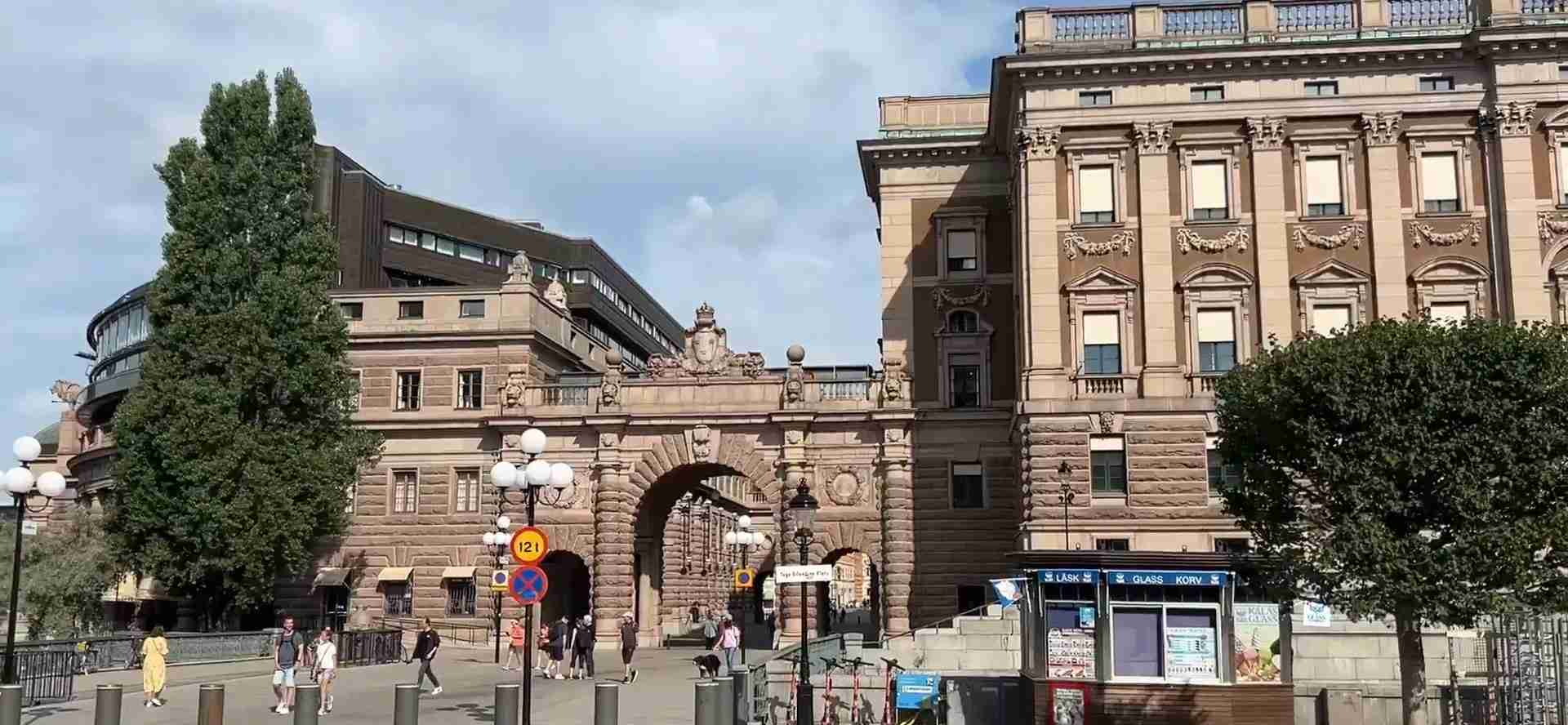
Stockholm Travel Guide 2026: Best Things to Do & See
Stockholm captivates visitors with its unique blend of medieval history, modern innovation, and stunning waterfront beauty spread across 14 islands. Planning your 2026 visit means discovering world-class museums, three UNESCO World Heritage sites, vibrant neighborhoods, and the breathtaking archipelago, all accessible through efficient public transportation and welcoming Swedish hospitality.
Key Takeaways for Stockholm 2026
- Three UNESCO World Heritage Sites: Drottningholm Palace, Birka Viking settlement, and Skogskyrkogården (Woodland Cemetery) offer unparalleled historical and cultural experiences within easy reach of central Stockholm
- Island City Structure: Stockholm spans 14 islands connected by 57 bridges, making boat tours and waterfront walks essential experiences for understanding the city’s unique geography and maritime heritage
- Seasonal Pricing Variations: Accommodation and attraction prices increase significantly during summer (May-September), with museums like the Vasa charging SEK 240 versus SEK 195 in other months
- Efficient Public Transportation 2026: The SL system integrates metro, buses, trams, and ferries with 24-hour, 72-hour, and 7-day passes providing unlimited travel and significant cost savings
- Gamla Stan Foundation: Begin your exploration in the Old Town’s medieval streets to understand Stockholm’s 750-year history before venturing to modern districts and island attractions
- Archipelago Access: Daily boat tours departing from central piers provide 2-3 hour excursions through the 30,000-island archipelago, essential for experiencing Stockholm’s maritime character
People Also Ask About Stockholm Travel 2026
What are the must-see attractions in Stockholm for first-time visitors in 2026?
First-time visitors should prioritize the Vasa Museum, Gamla Stan (Old Town), and the Royal Palace in central Stockholm. The Vasa Museum houses the world’s only preserved 17th-century warship, charging SEK 240 for adults during summer 2026 (May-September) and SEK 195 during other months, with children under 18 entering free. Gamla Stan’s cobblestone streets contain medieval architecture, the Nobel Prize Museum, and Stortorget square. The Royal Palace features 600 rooms including the Royal Apartments, Treasury, and Tre Kronor Museum. Beyond the city center, Skansen open-air museum on Djurgården island showcases traditional Swedish life, while the ABBA Museum celebrates Sweden’s most famous musical export.
How many days do I need to see Stockholm properly in 2026?
Stockholm rewards 4-5 days for comprehensive exploration covering major attractions, neighborhoods, and day trips. Allocate two days for central Stockholm including Gamla Stan, the Royal Palace, and City Hall; one day for Djurgården island museums (Vasa, Skansen, ABBA); one day for an archipelago boat tour or UNESCO site visit; and one flexible day for shopping in Södermalm, exploring Östermalm’s food hall, or taking a walking tour. Three days covers highlights efficiently, while a week allows deeper neighborhood immersion and multiple UNESCO site visits including Drottningholm Palace and Birka Viking settlement.
What is the best time of year to visit Stockholm in 2026?
Late May through August offers the best Stockholm weather with long daylight hours (18+ hours in June), warm temperatures averaging 15-22°C, and full attraction schedules. June brings the magical midsummer celebration and blooming parks, while July-August features peak tourist activity and highest prices. September provides comfortable weather with fewer crowds and autumn colors. Winter (December-February) offers Christmas markets, ice skating, and potential northern lights viewing from the archipelago, though temperatures drop to -3 to 2°C and daylight shrinks to 6 hours daily. April-May and September-October balance decent weather with lower accommodation costs.
How much does a trip to Stockholm cost in 2026?
Budget travelers spend SEK 800-1,200 per day including hostel accommodation (SEK 350-500), grocery meals, and free walking tours. Mid-range visitors allocate SEK 1,800-2,800 daily for hotels (SEK 1,200-1,800), restaurant meals, and paid attractions. Luxury travelers budget SEK 4,000+ with upscale hotels (SEK 2,500+), fine dining, and private tours. Transportation via 72-hour SL pass costs SEK 320, while major museum entries range SEK 195-240. Summer prices run 30-50% higher than winter across accommodation and activities. A 5-day mid-range trip totals approximately SEK 9,000-14,000 per person excluding flights.
Extended multi-day tours – 5+ days
Featured Stockholm Multi-Day Tour Packages
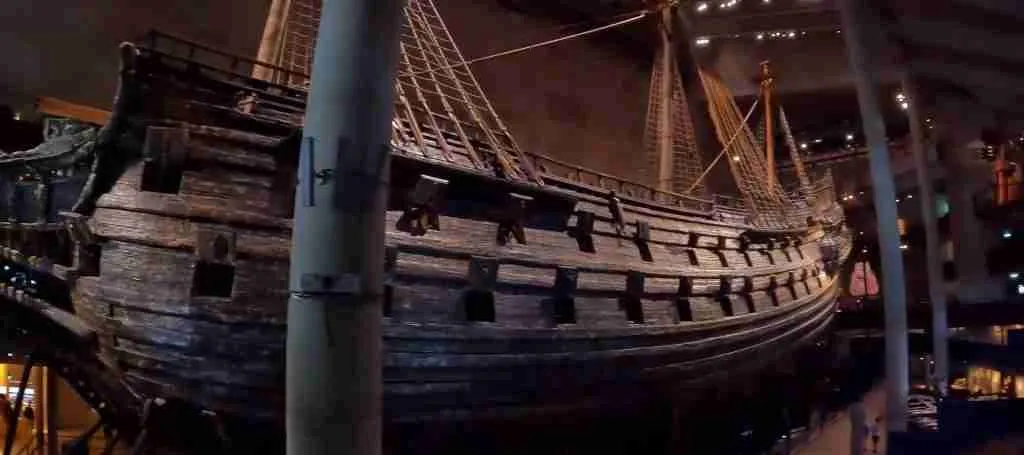
3 days
Stockholm 3-Day Discovery Tour
- ✓ Comprehensive Stockholm experience
- ✓ Expert local guides included
- ✓ All accommodation included
- ✓ Transportation provided
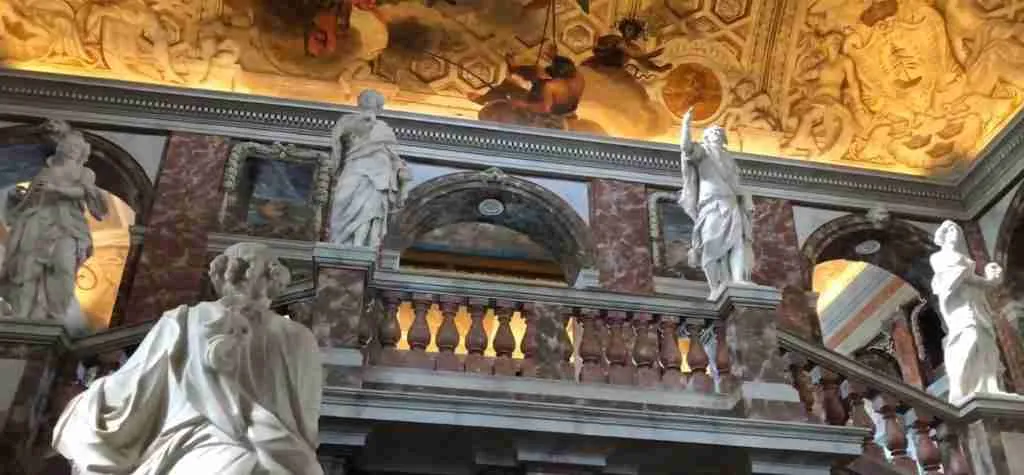
5 days
Stockholm 5-Day Highlights Experience
- ✓ Comprehensive Stockholm experience
- ✓ Expert local guides included
- ✓ All accommodation included
- ✓ Transportation provided
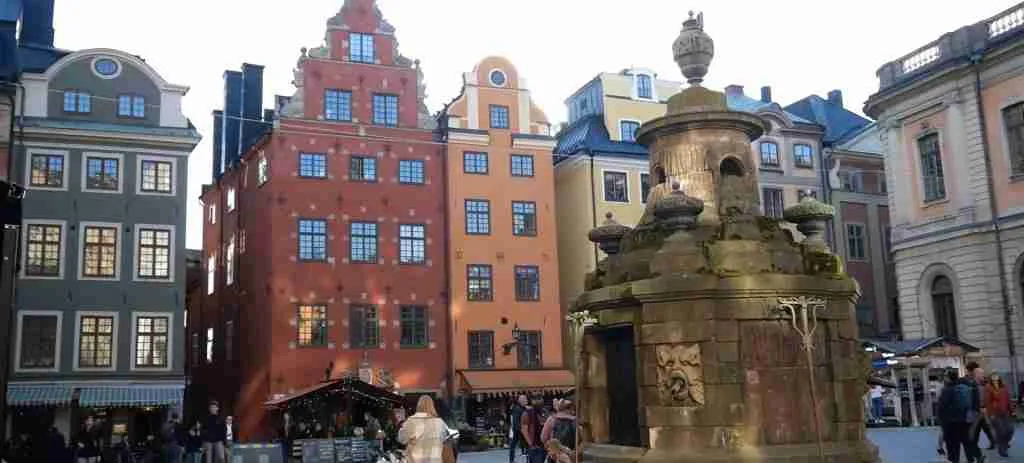
7 days
Stockholm 7-Day Cultural Journey
- ✓ Comprehensive Stockholm experience
- ✓ Expert local guides included
- ✓ All accommodation included
- ✓ Transportation provided
10 days
Stockholm 10-Day Complete Adventure
- ✓ Comprehensive Stockholm experience
- ✓ Expert local guides included
- ✓ All accommodation included
- ✓ Transportation provided
Multi-day tour packages powered by TourRadar. Prices and availability subject to change.
Understanding Stockholm: Sweden’s Waterfront Capital
Stockholm’s identity as Scandinavia’s largest city stems from its unique position across 14 islands where Lake Mälaren meets the Baltic Sea. This geographic foundation created both a natural fortress that enabled the city’s 1252 founding and a maritime gateway that built Swedish power. Today’s 975,000 residents inhabit a metropolitan area balancing medieval preservation in Gamla Stan with cutting-edge design districts, all connected by bridges, ferries, and the extensive SL public transportation network.
The city’s cultural significance extends beyond Swedish borders through Nobel Prize institutions, ABBA’s global music legacy, and Nordic design exported worldwide. Stockholm houses three UNESCO World Heritage sites acknowledging exceptional universal value: Drottningholm Palace’s Baroque splendor, Birka’s Viking archaeological treasures, and Skogskyrkogården’s revolutionary cemetery architecture. These sites anchor a broader heritage landscape including royal palaces, medieval churches, and 75 museums preserving Nordic history.
Water defines Stockholm’s character and daily life. The archipelago’s 30,000 islands extend 80 kilometers into the Baltic, creating summer sailing grounds and year-round scenic boat routes. Waterfront walkways connect neighborhoods, while ferry services integrate seamlessly with buses and metro lines. This aquatic geography produces microclimates, dramatic sunset views over Baltic waters, and the quintessential Stockholm experience of island-hopping through urban and natural landscapes.
Stockholm’s 2026 visitor infrastructure combines historical preservation with modern convenience. English fluency approaches near-universal levels, digital payment dominates even small transactions, and sustainable tourism initiatives encourage public transportation and eco-certified accommodations. The city’s compact core allows walking between major attractions, while efficient transit reaches outer districts and UNESCO sites within 30-60 minutes. This accessibility, paired with Scandinavian service standards, positions Stockholm as one of Europe’s most navigable capital cities.
Essential Planning Information 2026
Entry Requirements and Documentation
Sweden’s Schengen Area membership allows EU/EEA citizens visa-free entry with valid ID cards. US, Canadian, Australian, and UK passport holders receive 90-day tourist access within any 180-day period without advance visa applications. Brexit eliminated automatic UK citizen rights, requiring passport validity extending six months beyond departure dates. Check current visa requirements at official Swedish Migration Agency websites as policies update regularly.
Travel insurance coverage remains mandatory for non-EU visitors and highly recommended for all travelers. Swedish healthcare quality ranks among the world’s highest, but medical costs run substantial for uninsured visitors. Comprehensive policies covering medical emergencies, trip cancellations, and lost luggage cost approximately SEK 200-400 for week-long visits. European Health Insurance Card (EHIC) holders from EU countries access Swedish healthcare at resident rates.
Currency and Payment Systems
Swedish Krona (SEK) serves as national currency despite EU membership, with exchange rates around SEK 10-11 per Euro and SEK 9-10 per US Dollar as of early 2026. Stockholm has virtually eliminated cash transactions, with many establishments refusing physical currency entirely. Credit and debit cards work universally, while contactless payments and mobile apps (Swish for residents) dominate small purchases. Notify your bank about Sweden travel to prevent card blocking, and carry a backup payment method despite near-universal acceptance.
ATMs dispense kronor at standard international fees, but minimize withdrawals given widespread card acceptance. Major credit cards (Visa, Mastercard, American Express) function everywhere, though smaller vendors occasionally limit to Visa/Mastercard. Tipping remains minimal in Swedish culture, with service charges included in bills. Round up restaurant tabs or add 5-10% for exceptional service, but never feel obligated unlike American norms.
Language and Communication
Swedish serves as the official language, but Stockholm’s English proficiency rates exceed 85%, making monolingual English speakers comfortable navigating the city. Museum exhibits, restaurant menus, and transportation signage appear in both languages. Younger Swedes and service industry workers speak fluent English, while older residents may prefer Swedish but usually manage basic English conversation. Learn basic Swedish pleasantries (Tack for thanks, Hej for hello) to show cultural respect, though practical necessity remains minimal.
Free WiFi blankets Stockholm through city-provided networks in public spaces, cafes, and most accommodations. Purchase local SIM cards at convenience stores or airport kiosks for data coverage, with prepaid options from Telia, Tele2, and Three costing SEK 100-300 for tourist-duration data packages. EU roaming agreements eliminate extra charges for European visitors, while US carriers charge varying international rates. Download offline maps and translation apps before arrival to ensure connectivity during initial orientation.
Top Attractions in Stockholm 2026
Vasa Museum: Maritime Marvel
The Vasa Museum houses Scandinavia’s most visited attraction: a nearly intact 17th-century warship salvaged after 333 years underwater. Built 1626-1628 for King Gustavus Adolphus, the 69-meter vessel sank within 1,300 meters of its maiden voyage departure, its top-heavy gun configuration proving fatal. Discovery in 1956 and 1961 salvage preserved 95% original materials, creating the world’s only complete 1600s ship.
Adult admission costs SEK 240 during peak season (May-September) and SEK 195 off-peak (January-April, October-December) in 2026, with free entry for visitors aged 0-18. Hours extend 8:30-18:00 June-August, reducing to 10:00-17:00 September-May except Wednesdays (10:00-20:00). Reserve 90-120 minutes for comprehensive exploration including the ship’s six floors, complementary guided tours (Swedish and English), and the 17-minute documentary screening in multiple languages. Arrive early for outside deck seating providing optimal photography angles, as afternoon crowds fill viewing platforms.
Ten exhibition halls surrounding the ship vessel contextualize 17th-century Swedish naval power, shipbuilding techniques, and the 333 underwater years. Original decorative carvings underwent meticulous conservation, revealing baroque artistry and symbolic representations of Swedish power. Interactive displays explain salvage operations, while artifacts recovered alongside the ship illuminate sailor daily life. Audio guides in 19 languages cost nothing extra, downloaded via museum WiFi or available as handheld devices. The museum cafe serves Swedish specialties with waterfront views, though prices reflect tourist attraction premiums.
Gamla Stan: Medieval Old Town
Gamla Stan occupies Stockholm’s original island settlement dating to 1252, preserving medieval street patterns, colorful buildings, and historical landmarks across compact walkable blocks. Cobblestone alleys including Mårten Trotzigs gränd (90 cm wide at narrowest point) wind between Stortorget square and waterfront quays. This UNESCO-protected district houses the Royal Palace, Stockholm Cathedral (Storkyrkan), Nobel Prize Museum, and medieval merchant buildings now containing restaurants, shops, and hotels.
Free walking tours depart daily from Gamla Stan metro station, operating on tip-basis (suggested 100-200 SEK per person) and covering 2-3 hours of historical storytelling. Multiple operators including Nordic Freedom Tours and Free Tours by Foot offer English and Spanish tours, with reservation systems ensuring guide availability. Self-guided exploration works equally well using downloaded maps marking Stortorget’s colorful facades, the German Church’s baroque architecture, and hidden courtyards reached through arched passages. Budget 3-4 hours minimum for thorough exploration plus meal breaks.
Stortorget square witnessed the 1520 Stockholm Bloodbath, commemorated through red stones in Riddarholmskyrkan church nearby. The Royal Palace dominates Gamla Stan’s eastern waterfront with 600+ rooms, though interior visits require separate admission. Nobel Prize Museum celebrates laureate achievements through interactive exhibits and the famous Nobel banquet chair collection. Evening visits transform Gamla Stan as gas-style street lamps illuminate medieval facades, creating atmospheric photography conditions while tourist crowds thin.
Royal Palace (Kungliga Slottet)
Stockholm’s Royal Palace ranks among Europe’s largest active royal residences with 600+ rooms, built 1697-1760 after fire destroyed the medieval Tre Kronor castle. Baroque architecture by Nicodemus Tessin the Younger created a symmetrical facade facing Gamla Stan’s waterfront, while interior state rooms showcase rococo and neoclassical design. Swedish royal family members maintain offices here, though their residence shifted to Drottningholm Palace in the 1980s.
Standard admission tickets grant access to the Royal Apartments, Treasury (Skattkammaren) containing crown jewels and regalia, Tre Kronor Museum preserving medieval castle foundations, and Gustav III’s Museum of Antiquities housing 200 classical sculptures. Prices approximate SEK 160-180 for adults with reduced rates for students and seniors, while children under 7 enter free. Summer hours (July-August) extend 8:30-17:00 daily, contracting to 10:00-16:00 during other months with Tuesday closures. Check official website for 2026 exact pricing and royal event closures that occasionally limit access.
The Changing of the Guard ceremony occurs daily at 12:15 (13:15 Sundays and holidays), lasting 40 minutes with military precision and musical accompaniment. Arrive 30 minutes early for courtyard positions providing clear sightlines, though winter viewing demands warm clothing against Baltic winds. Treasury highlights include Gustav Vasa’s sword of state, Erik XIV’s crown (1561), and the silver baptismal font from 1696 still used for royal christenings. Gustav III’s sculpture collection represents one of Europe’s oldest museums, opened 1794 with pieces acquired during Italian grand tours.
Drottningholm Palace UNESCO World Heritage Site
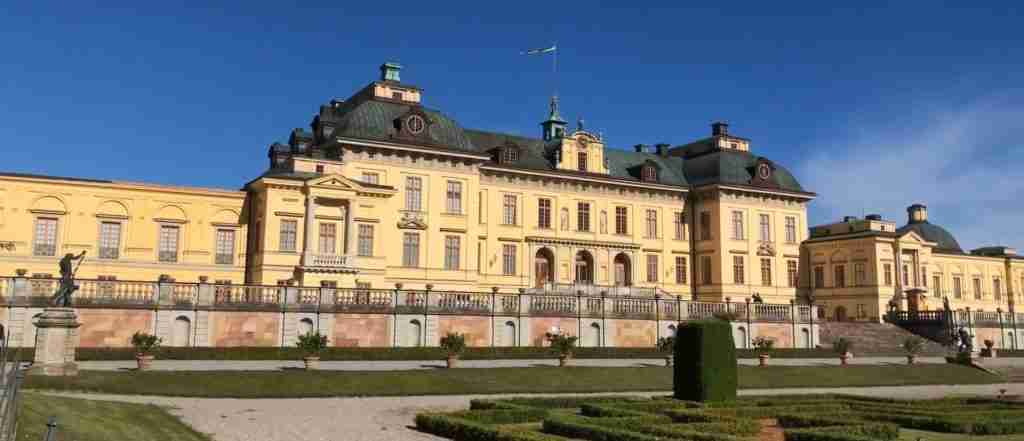
Drottningholm Palace represents Sweden’s finest Baroque architecture and best-preserved 18th-century royal theater, earning UNESCO recognition in 1991. Located on Lovön island 11 kilometers west of central Stockholm, the palace has served as Swedish royal family residence since 1981 while maintaining public access to most grounds and buildings. Built 1662-1686 for Queen Hedwig Eleonora, the complex includes the palace, Chinese Pavilion, palace gardens, and the extraordinary Court Theatre.
Palace admission costs approximately SEK 140-160 for adults in 2026, allowing exploration of state apartments featuring original 17th-19th century decorations, furniture, and art collections. The Chinese Pavilion (SEK 100 additional) displays King Adolf Fredrik’s 1753 birthday gift to Queen Lovisa Ulrika, showcasing rococo chinoiserie designs. Most compelling remains the 1766 Court Theatre, the world’s oldest theater still using original stage machinery and painted scenery. Guided tours (included with admission) operate hourly during summer, demonstrating baroque theatrical effects through trap doors, cloud machines, and wave simulators.
Reach Drottningholm via boat from Stadshuskajen pier (50-minute scenic cruise, SEK 200-260 roundtrip) or bus 176/177 from Brommaplan metro (20 minutes, included in SL pass). Summer boat departures operate hourly 10:00-16:00, providing round-trip flexibility with valid tickets. The 22-hectare palace gardens combine French Baroque parterres, English Romantic landscapes, and formal statuary, accessible free year-round. Allocate 3-4 hours for comprehensive palace and grounds exploration, or full days combining palace visits with lakeside picnics and nature walks along Mälaren shores.
Skansen Open-Air Museum
Skansen pioneered the open-air museum concept in 1891, relocating 150+ historical buildings from across Sweden to create a living history village. Founder Artur Hazelius preserved traditional Swedish life as industrialization transformed society, establishing standards later adopted worldwide. The 30-hectare Djurgården island site combines historical dwellings, working farms, artisan workshops, and Nordic zoo animals including wolves, bears, lynx, and moose in natural habitats.
2026 admission prices range SEK 200-280 for adults depending on season (higher May-September), with children 4-15 paying SEK 100-140 and under-4s free. Hours vary extensively by month: June-August 10:00-20:00, reducing to 10:00-16:00 or 15:00 during winter months. Purchase combination tickets with Vasa Museum or Gröna Lund amusement park for modest discounts. Budget full days to experience craftspeople demonstrating glassblowing, weaving, and printing; taste traditional Swedish foods at period restaurants; and watch seasonal celebrations including Midsummer, Lucia, and Christmas markets.
Historical buildings showcase regional Swedish architecture from Sami camps to manor houses, staffed by costumed interpreters explaining daily life across centuries. The Nordic zoo section proves especially popular with children, though animal visibility varies seasonally. Aquarium (separate admission) displays Baltic and tropical species. Excellent for families, Skansen combines education with entertainment through folk dancing, concerts, and interactive activities. Visit Tuesdays-Thursdays for smaller crowds or weekend mornings before afternoon tours arrive.
City Hall (Stadshuset)
Stockholm City Hall’s distinctive red-brick tower dominates waterfront skylines while hosting the annual Nobel Prize banquet in the Blue Hall. Architect Ragnar Östberg’s 1923 National Romantic design combined medieval inspiration with modern functionality, creating Stockholm’s most recognizable landmark alongside government offices still in daily use. The 106-meter tower offers Stockholm’s finest panoramic views, while interior spaces showcase early 20th-century Swedish craftsmanship.
Guided tours remain mandatory for interior access, operating hourly June-August and less frequently other months. Tours cost approximately SEK 130-150 for adults in 2026, lasting 50 minutes through the Blue Hall (actually red brick), Golden Hall with 18 million glass and gold mosaic tiles, and Council Chamber where city government meets. English tours depart multiple times daily, though advance booking through official website prevents disappointment during summer peaks. Tower access (SEK 70 separate fee) requires climbing 365 steps but rewards with 360-degree views encompassing Riddarfjärden bay, Gamla Stan, and approaching archipelago.
The Blue Hall’s Nobel banquet each December 10 seats 1,300 guests on Stockholm’s most prestigious social calendar, with menu preparations beginning months in advance. Golden Hall mosaics depict Swedish history through Byzantine-inspired artistry, requiring years to complete using techniques from ravenna craftsmen. Visit timing affects crowds significantly: morning tours encounter school groups, while afternoon slots fill with cruise passengers. City Hall Gardens provide free waterfront access and summer cafe service, ideal for pre-tour relaxation or post-climb refreshment.
ABBA The Museum
ABBA The Museum celebrates Sweden’s most successful musical export through interactive exhibits allowing visitors to sing with holographic band members, try costume replicas, and explore the group’s rise from 1974 Eurovision victory to global superstardom. Located on Djurgården island near Gröna Lund, the museum combines nostalgic memorabilia with cutting-edge technology for immersive fan experiences. Original costumes, gold records, and personal items from Agnetha, Björn, Benny, and Anni-Frid create intimate connections to the quartet’s journey.
Admission costs approximately SEK 260-290 for adults in 2026, with advance online booking required as entry times sell out weeks ahead during summer. Hours run daily 10:00-18:00 (extended to 19:00 or 20:00 June-August), with last entry 60 minutes before closing. Allocate 90-120 minutes for thorough exploration including the “Piano Bar” where Benny’s Yamaha piano connects remotely allowing visitor performances broadcast globally, karaoke stages with ABBA backing tracks, and the “Waterloo” recreation complete with 1970s stage design. Photography is permitted, making this a highly shareable experience on social media.
The museum’s standout features include the “Ring Ring” telephone connecting directly to Benny or Björn (occasionally), though actual connections remain rare surprises. Audio guides in multiple languages provide song backgrounds and band history narrated by members themselves. The museum shop stocks extensive ABBA merchandise from albums to replica costumes, while the cafe serves Swedish fika paired with background ABBA hits. Combine visits with adjacent Gröna Lund amusement park or Rosendals Trädgård garden for full Djurgården island days.
UNESCO World Heritage Sites Near Stockholm 2026
Birka and Hovgården Viking Settlement
Birka represents Sweden’s first city, founded around 750 CE on Björkö island in Lake Mälaren as Vikings’ most important Baltic trading center. Archaeological excavations revealed 3,000+ graves, settlement foundations, and artifacts documenting 200 years of commerce before the city’s 975 abandonment. UNESCO recognition in 1993 acknowledged Birka’s exceptional evidence of Viking Age trade networks stretching from Byzantium to the North Atlantic. Hovgården on nearby Adelsö island preserves royal estate remnants showing political power centers complementing Birka’s commercial role.
Access requires boat transportation from Stadshuskajen pier in central Stockholm, with Strömma operating daily services May-September. Round-trip tickets cost approximately SEK 400-500 for adults including museum admission and guided island tours, departing 10:00 and returning 16:30-17:00. The 2-hour cruise through Mälaren’s islands provides scenic archipelago views complementing destination archaeology. Birka Museum displays excavated artifacts including jewelry, weapons, and merchant scales, while reconstructed Viking buildings demonstrate daily life. Costumed guides lead walking tours through burial mounds and settlement sites, explaining trade routes and social structures.
Summer programs (June-August) expand offerings with Viking Week festivals, warrior training for children, archery experiences, and craftspeople demonstrating blacksmithing, weaving, and boat building using period techniques. Restaurant serves Viking-inspired menus featuring grilled meats and mead, while basic cafe options cost less. Bring sun protection as island exposure intensifies summer heat, and wear walking shoes for uneven archaeological terrain. The island’s beaches allow swimming breaks between historical explorations, making family-friendly full-day excursions from Stockholm’s urban environment.
Skogskyrkogården (Woodland Cemetery)
Skogskyrkogården revolutionized cemetery design through 1915-1940 landscape architecture integrating natural forest with architectural elements. Gunnar Asplund and Sigurd Lewerentz’s collaboration created a “forest cemetery” inspiring burial ground design worldwide through poetic spaces addressing mortality, remembrance, and natural cycles. UNESCO inscription in 1994 recognized this 20th-century landscape as exceptionally influencing global cemetery planning while remaining an active burial ground serving Stockholm residents.
The cemetery occupies 106 hectares in southern Stockholm, reached via metro Green Line to Skogskyrkogården station (25 minutes from T-Centralen). Admission remains free with grounds open daily dawn to dusk year-round. Self-guided exploration follows marked paths through pine forest, connecting Asplund’s Woodland Chapel, Woodland Crematorium, and Resurrection Chapel with thoughtfully placed sculptures and symbolic landscapes. Free guided tours operate weekends May-September, departing Visitor Center 11:00 and 14:00 in Swedish and English, lasting 90 minutes through architectural highlights and landscape philosophy.
Key architectural elements include the Woodland Chapel’s Nordic classicism, Woodland Crematorium’s modernist restraint, and the Way of the Cross ascending through forest to Meditation Grove. Greta Garbo’s burial in the cemetery in 1999 drew international attention, though graves remain private family spaces. Visit timing affects atmosphere significantly: spring brings flowering forest floor, summer provides full canopy shade, autumn creates colorful foliage, and winter snow transforms paths into contemplative white landscapes. This remains a working cemetery deserving respectful behavior, though photography is permitted outside service times.
Neighborhoods Worth Exploring 2026
Södermalm: Hip and Artistic
Södermalm island south of Gamla Stan transformed from working-class district to Stockholm’s creative heart, filled with vintage boutiques, independent cafes, craft breweries, and art galleries. Steep streets ascend from waterfront to elevated residential areas, offering panoramic Stockholm views from lookouts like Monteliusvägen walkway. The neighborhood balances bohemian atmosphere with increasing gentrification, attracting designers, artists, and young professionals to converted industrial spaces and colorful wooden houses.
SoFo (South of Folkungagatan) concentrates trendy shops selling Scandinavian design, vintage clothing, and local crafts along streets like Nytorgsgatan and Skånegatan. Browse Stockholm’s best independent bookstores, record shops, and fashion boutiques before breaking for Swedish fika at renowned cafes like Kaffekoppen or Sosta. Fotografiska museum occupies waterfront former customs building, displaying rotating photography exhibitions (SEK 180-220 admission) alongside upscale restaurant with Baltic views. Nytorget square hosts summer markets and surrounding bars attract evening crowds.
Monteliusvägen provides Stockholm’s finest free viewpoint, a 500-meter cliffside walkway overlooking Riddarfjärden bay, City Hall, and Gamla Stan. Sunset visits prove especially photogenic as golden light illuminates waterfront facades. The neighborhood’s hills challenge mobility-impaired visitors, though main shopping streets remain relatively flat. Budget half-day minimum for SoFo exploration plus additional hours for Fotografiska or Monteliusvägen sunset viewing. Combine with ferry rides to Djurgården or Gamla Stan for island-hopping variety.
Östermalm: Upscale and Elegant
Östermalm’s 19th-century boulevards, designer boutiques, and Michelin-starred restaurants define Stockholm’s wealthiest residential district. Embassy rows line streets near Diplomatstaden (Diplomat Town), while Stureplan square anchors nightlife and luxury shopping. The neighborhood attracts visitors through Östermalms Saluhall food market, extensive park systems, and maritime museums along waterfront Djurgårdsbrunnsvägen.
Östermalms Saluhall occupies a stunning 1888 brick market hall recently renovated to modernize vendors while preserving historical architecture. Permanent stalls sell Swedish delicacies including gravlax, lingonberry preserves, artisan cheeses, and fresh Baltic seafood, while upstairs restaurants serve market-sourced lunches. Food tours departing from Saluhall (SEK 800-1,200 per person) provide guided tastings and cultural context over 3-4 hours. The market operates Monday-Saturday with varied vendor hours, closing Sundays and summer vacation weeks.
Strandvägen boulevard’s waterfront mansions overlook boat-filled harbors where white-sailed yachts moor during summer months. Walk past Nordic Museum and Vasa Museum before entering Djurgården island’s green spaces. Karlaplan and Humlegården parks provide local gathering spots, while high-end shopping along Birger Jarlsgatan and Biblioteksgatan targets luxury buyers. Restaurant reservations become essential for evening dining, particularly at destination establishments like Gastrologik or Oaxen Slip requiring weeks advance booking.
Djurgården: Museum Island
Djurgården island concentrates Stockholm’s premier museums and green spaces within walking/cycling distance from central waterfront areas. Originally royal hunting grounds, the 279-hectare island now combines cultural institutions (Vasa, Skansen, ABBA, Nordiska Museet) with parks, waterfront paths, and the Gröna Lund amusement park. Car traffic remains limited, encouraging walking, cycling, and historic tram transportation through tree-lined avenues.
Reach Djurgården via ferry from Slussen or Nybroplan (included in SL pass), heritage tram 7 from Sergels Torg, or walking across Djurgårdsbron bridge from Strandvägen (20 minutes). Ferry routes provide scenic approaches past waterfront architecture and Skeppsholmen island. Bike rentals operate near museum clusters, though distances allow comfortable walking between attractions. Budget full days to combine 2-3 museum visits with outdoor breaks in Rosendals Trädgård garden cafe or waterfront lunches near Blockhusudden point.
Gröna Lund amusement park (separate admission SEK 300+ depending on ride packages) attracts families and thrill-seekers with historic wooden rollercoasters and modern attractions overlooking Baltic waters. Nordic Museum showcases Swedish cultural history through folk art, traditional costumes, and lifestyle exhibits (SEK 140 admission). Free waterfront walkways circle the island, passing wildlife areas where deer occasionally appear and offering Baltic swimming spots during summer months. Winter transforms Djurgården into cross-country skiing terrain while museums maintain year-round operations.
Stockholm Archipelago Experiences 2026
Archipelago Boat Tours
The Stockholm archipelago extends 80 kilometers into the Baltic Sea through approximately 30,000 islands, skerries, and rocks creating Sweden’s most distinctive coastal landscape. Boat tours range from 2-hour inner archipelago circuits to full-day excursions reaching outer island communities. Multiple operators including Strömma, Redsightseeing, and Waxholmsbolaget provide daily departures from central piers, with services peaking May-September when island restaurants and attractions operate fully.
Standard 2-hour tours cost SEK 300-400 per adult, departing from berths 14-16 near Grand Hotel or Strömmen waterfront areas. Guides narrate archipelago history, geology, and famous summer house areas as boats navigate channels between forested islands and granite outcroppings. Longer 3-hour tours reaching Vaxholm or Fjäderholmarna cost SEK 450-600 and often include island time for exploring or dining. Premium options add lunch buffets or dinner cruises (SEK 650-1,360) for combined sightseeing and Swedish cuisine experiences.
Waxholmsbolaget operates public ferry services throughout the archipelago, allowing independent island-hopping using SL transportation passes or separate archipelago tickets. Popular destinations include Vaxholm (fortress island, 1 hour from Stockholm), Sandhamn (sailing village, 3 hours), and Finnhamn (nature reserve, 2.5 hours). These ferries transport both tourists and island residents, creating authentic local experiences while accessing swimming spots, hiking trails, and traditional Swedish restaurants. Summer weekends see crowded sailings requiring early arrival for deck seating, while weekday departures offer relaxed pace and conversation opportunities with guides or locals.
Recommended Archipelago Islands
Fjäderholmarna, the closest archipelago island at 25 minutes from Nybroplan, welcomes day-trippers with artisan workshops, restaurants, and Baltic beaches accessible via frequent ferry services (SEK 140-180 roundtrip). The four connected islands host craftspeople demonstrating glassblowing, jewelry making, and textile arts in converted buildings. Restaurants range from casual cafes to upscale seafood establishments serving smoked fish platters and Swedish specialties. Small beaches allow swimming during summer months, while forest paths circle island perimeters in 30-45 minutes.
Vaxholm fortress island features 16th-century fortifications defending Stockholm’s sea approaches, now housing museums and commanding harbor views. The town’s wooden houses, shops, and waterfront restaurants create quintessential Swedish island atmosphere. Fortress admission costs SEK 100-120, with guided tours explaining military history and architecture. Regular ferry connections (included in SL passes) allow easy day trips, though summer accommodation enables overnight stays experiencing island evenings after day-trippers depart. The town’s fika cafes, ice cream shops, and waterfront promenade attract afternoon crowds.
Sandhamn occupies the outer archipelago’s sailing capital, reached via 3-hour ferry or seasonal high-speed boat services. Professional racing boats and recreational sailors fill summer harbors, while beaches attract swimmers to Baltic waters. The Royal Swedish Sailing Society’s 1897 clubhouse anchors yacht racing traditions, while modern restaurants and bars serve evening crowds. Accommodation books months ahead for summer weeks, though day visitors access beaches, forest paths, and village atmosphere during ferry stopover times. This represents Stockholm’s most maritime-focused island, combining sporting heritage with dramatic outer archipelago landscapes.
Food and Dining in Stockholm 2026
Traditional Swedish Cuisine
Swedish cuisine balances Nordic ingredients including Baltic herring, salmon, wild game, root vegetables, and preserved foods reflecting historical preservation needs. Traditional dishes like köttbullar (meatballs with lingonberry sauce), gravlax (cured salmon), and pytt i panna (hash with beets and fried egg) appear on restaurant menus citywide. Husmanskost (traditional home cooking) restaurants serve these classics in portions sized for Swedish appetites, typically with prices ranging SEK 150-250 for mains.
New Nordic cuisine transforms traditional ingredients through modern techniques at restaurants like Oaxen, Gastrologik, and Frantzén (three Michelin stars). These establishments feature seasonal tasting menus (SEK 1,500-3,500 per person) showcasing foraged mushrooms, wild herbs, and local game. Reservations become essential weeks or months ahead for dinner services. Budget-conscious visitors access similar flavors through lunch prix fixe menus (dagens lunch) at upscale restaurants offering SEK 200-300 multi-course midday meals with included beverages.
Swedish fika culture centers on coffee breaks with pastries, ideally cinnamon buns (kanelbullar) or cardamom buns (kardemummabullar). Cafes throughout Stockholm serve these traditions from early morning through late afternoon, with prices around SEK 50-80 for coffee and pastry combinations. Popular cafe chains like Vete-Katten (since 1928) preserve traditional recipes and ambiance, while independent cafes in Södermalm innovate with specialty roasts and modern interpretations. Budget minimum 30 minutes for proper fika experiences allowing full cultural immersion.
Markets and Food Halls
Östermalms Saluhall combines 1888 architectural grandeur with premium Swedish delicacies sold by specialty vendors. Renovated facilities house cheese mongers, butchers, seafood stalls, and prepared food counters offering samples and purchases. Upstairs restaurants serve market-sourced lunches (SEK 200-350) while market floor browsing remains free. Operating Monday-Saturday with varied hours by vendor, the hall attracts food enthusiasts and cooking class participants learning Swedish culinary traditions from expert purveyors.
Hötorgshallen underground food market beneath Hötorget square offers more budget-friendly alternatives with diverse immigrant cuisines. Vietnamese pho, Middle Eastern mezze, and Swedish husmanskost stalls compete for lunch crowds, with prices ranging SEK 90-150 for generous portions. The adjacent outdoor fruit and vegetable market (open daily) provides seasonal produce at reasonable prices. This represents local Stockholm food culture beyond tourist areas, though stall quality varies requiring selective choices.
Food tours through these markets and surrounding neighborhoods cost SEK 800-1,200 per person for 3-4 hour experiences including multiple tastings, cultural context, and insider vendor relationships. Operators like Secret Food Tours, Tours of Stockholm, and Food Tours Stockholm guide small groups through Swedish culinary highlights from herring to chocolate to smoked reindeer. Tours typically depart 10:00 or 14:00, requiring advance booking during summer peaks. These experiences especially benefit visitors seeking curated introductions to Swedish cuisine beyond independent restaurant research.
Practical Transportation Guide 2026
Public Transportation System
Stockholm’s SL (Storstockholms Lokaltrafik) system integrates metro (tunnelbana), buses, trams, commuter trains, and certain ferry routes through unified ticketing. Three metro lines (green, red, blue) radiate from T-Centralen hub connecting central Stockholm to outlying districts. Buses complement metro coverage reaching neighborhoods without rail access. Vintage tram 7 provides scenic Djurgården island access. The system operates approximately 5:00-1:00 weekdays with reduced weekend night services, though some Friday-Saturday lines run all night.
Single journey tickets cost SEK 39 for 75-minute unlimited transfers (purchased via SL app with credit card), rising to SEK 49 when buying from station agents or convenience stores. Travel passes provide better value: 24-hour (SEK 165), 72-hour (SEK 320), and 7-day (SEK 420) cards allow unlimited travel across all SL services including ferries to Djurgården and archipelago inner zones. Purchase at metro stations, SL Centers, or via mobile app, with activation occurring at first use. Children under 7 ride free when accompanying adults, while ages 7-19 qualify for reduced fares with proper ID.
Metro stations double as art galleries through decades of commissioned works transforming underground platforms into cultural experiences. Notable stations include T-Centralen’s blue-white vine patterns, Kungsträdgården’s archaeological ruins and sculptural installations, and Stadion’s rainbow ceiling tribute to 1912 Stockholm Olympics. The blue line especially rewards aesthetic attention during typical transportation routines. Download offline metro maps before arrival as cell service gaps occur between stations, though most platforms now receive 4G coverage.
Taxis and Ride Services
Licensed Stockholm taxis display yellow roof signs and must show price estimates before trips begin. Reputable companies include Taxi Stockholm, Taxi Kurir, and Sverigetaxi, with rides from Arlanda Airport to city center costing fixed SEK 520-580. Urban fares run approximately SEK 300-450 for cross-city trips, though surge pricing during weekends and late nights increases costs. Always confirm pricing before entering vehicles, as unlicensed operators quote inflated tourist rates.
Uber, Bolt, and Free Now ride-share apps function throughout Stockholm with pricing typically matching or slightly undercutting traditional taxis. These services require smartphone data for booking and payments process through apps using registered credit cards. Taxis accept cards and cash, though cashless transactions dominate Swedish transportation. Wait times for pickups average 5-15 minutes in central areas, extending during Friday-Saturday evening demand spikes. Ride-shares generally prove more economical than taxis for similar routes, though traditional cabs monopolize airport stands and hotel queues.
Biking Infrastructure
Stockholm’s extensive bike lane network encourages cycling through separated paths, dedicated traffic signals, and widespread parking facilities. Bike rental companies including Stockholm City Bikes operate spring-autumn seasons with SEK 250 3-day passes or SEK 165 24-hour cards providing unlimited 1-hour rides. Additional fees apply for rides exceeding 60-minute limits between docking stations. Electric bikes cost higher rates (approximately SEK 100-150 per hour) but ease Stockholm’s occasional hills and extend comfortable riding ranges.
Major bike routes include waterfront paths connecting Gamla Stan to Djurgården, the car-free Norr Mälarstrand along Kungsholmen island, and extensive Södermalm cliff-side trails offering elevated city views. Cycling proves especially practical for Djurgården museum hopping, avoiding transit connections between closely-spaced attractions. Helmets remain optional though recommended, while bike lights become mandatory during dark hours. Lock bikes securely at designated racks as theft occurs despite low crime overall. Winter cycling continues among hardy residents but typically proves impractical for short-term visitors facing ice and limited daylight.
Where to Stay in Stockholm 2026
Budget Accommodation Options
Hostels throughout Stockholm offer dorm beds SEK 350-500 per night or private rooms SEK 800-1,200 including kitchen access and common areas. City Backpackers in Gamla Stan provides medieval building charm with social atmosphere, while Generator Stockholm near metro stations emphasizes modern pod-style sleeping quarters and rooftop bar. STF (Swedish Tourist Association) operates multiple hostels including the famous af Chapman sailing ship moored near Skeppsholmen, combining unique nautical accommodation with harbor views.
Budget hotels and apartment rentals range SEK 900-1,400 per night for basic double rooms or studios with private bathrooms. Scandic and Nordic Choice hotel chains offer consistent quality at mid-range prices, frequently running weekend promotions reducing rates 20-30%. Book directly through hotel websites for best rates, as third-party platforms add commission costs. Breakfast typically costs SEK 150-200 additional when not included, though nearby grocery shopping cuts morning expenses substantially compared to hotel buffets.
Location matters significantly for budget travelers maximizing public transportation rather than taxis. Södermalm hostels access trendy neighborhood dining and nightlife while maintaining metro convenience. Vasastan residential area north of city center offers quiet streets and local cafes with metro connections to attractions. Avoid extreme outer suburbs requiring extended commutes unless substantial savings justify transportation time and costs. Summer accommodation books months ahead, requiring early reservations for budget options with limited inventory compared to mid-range hotels.
Mid-Range Hotels and Location Strategy
Mid-range hotels charge SEK 1,200-1,800 per night for standard double rooms during peak summer months, dropping to SEK 900-1,400 off-season. Properties near Gamla Stan or T-Centralen station maximize walking access to attractions while connecting seamlessly to metro lines. Norrmalm district hotels place visitors within blocks of shopping streets, restaurants, and cultural venues, though urban noise affects light sleepers requiring rooms facing interior courtyards.
Östermalm hotels cost 15-25% premiums for elegant neighborhoods and upscale amenities including spas, fine dining, and premium bedding. These properties attract business travelers weekdays, creating weekend deals for leisure visitors. Södermalm boutique hotels emphasize design and local character over chain uniformity, often occupying renovated industrial buildings or historic residences. Kungsholmen’s waterfront hotels provide quieter alternatives with easy metro access and lake views, popular with families seeking calmer environments.
Breakfast inclusion significantly impacts daily budgets, adding SEK 150-200 value when Swedish buffets feature quality ingredients and substantial offerings. Downtown cafes charge SEK 80-120 for simple continental breakfasts, making hotel buffets worthwhile for hearty eaters. Rooms with kitchenettes enable grocery shopping and self-catering for some meals, particularly valuable for families or extended stays. Check cancellation policies carefully as non-refundable rates save 10-20% but eliminate flexibility if plans change.
Luxury Properties and Special Experiences
Five-star hotels including Grand Hôtel Stockholm, Hotel Diplomat, and Nobis Hotel charge SEK 2,500-5,000+ per night for elegant accommodations, exceptional service, and prime waterfront locations. Grand Hôtel faces Royal Palace across harbor waters, operating since 1874 with refined grandeur and Nobel Prize banquet hosting duties. These properties feature award-winning restaurants, full spas, and concierge services arranging exclusive experiences from private archipelago yacht charters to behind-scenes Royal Opera access.
Boutique luxury hotels like Ett Hem (“At Home”) occupy converted mansions with 12 intimate rooms emphasizing residential comfort over hotel formality. Prices start SEK 4,000 per night but include personalized service, complimentary refreshments, and design showcasing Nordic aesthetics. At Stockholm Waterfront Congress Centre, design hotel rooms overlook City Hall and Riddarfjärden with direct connections to adjacent conference facilities. These properties suit celebration trips or business travel requiring impressive settings and seamless logistics.
Unique accommodation alternatives include af Chapman hostel ship for budget nautical experiences or short-term apartment rentals throughout residential neighborhoods. Archipelago island hotels like Sandhamn’s SKIH Hotell provide maritime escapes within day-trip distance from central Stockholm. Winter transforms ice-holed outdoor pools at Yasuragi spa hotel into Nordic wellness retreats, though 30-minute shuttle transfers separate it from city center attractions. Compare location convenience against special features when budgeting accommodation portions of total Stockholm expenses.
Seasonal Considerations for Stockholm 2026
Summer Season (May-September)
Stockholm summers deliver 18+ hour daylight during June peak, warm temperatures averaging 15-22°C, and full attraction operations including archipelago ferries, outdoor restaurants, and seasonal festivals. May-early June brings spring blossoms and fewer crowds before midsummer celebrations (June 20-21, 2026) trigger peak Swedish vacation period. July-August feature warmest temperatures but heaviest tourist traffic and highest accommodation costs running 40-60% above winter rates.
Summer activities expand beyond museums to include archipelago swimming, outdoor concerts in parks, waterfront dining, and extended museum hours accommodating long evening light. Gröna Lund amusement park, Skansen folk events, and Drottningholm Palace gardens reach full programming. Book accommodation and popular restaurant reservations months ahead, particularly for July weeks when Stockholm residents vacation creating paradoxical reduced local crowds but maximum tourist presence. Pack layers as Baltic weather shifts quickly between sunny warmth and cool winds, especially near water.
Autumn Colors (September-November)
September maintains pleasant temperatures (10-15°C) with diminishing crowds and autumn colors transforming city parks and archipelago forests. Shorter days reduce late-evening sightseeing but create dramatic golden-hour photography conditions. Cultural season accelerates with opera, theater, and symphony premieres replacing summer outdoor festivals. Accommodation costs drop 25-40% from summer peaks while major attractions maintain full schedules through October.
October brings reliable fall foliage in Djurgården forests and archipelago islands, though rain frequency increases requiring waterproof layers. November transitions toward winter darkness with 7-hour daylight and temperatures approaching freezing, though Christmas markets preview festive season beginning late month. Archipelago ferry services reduce to limited schedules by mid-October, though urban attractions operate normally. This shoulder season suits budget travelers comfortable with variable weather and willing to sacrifice summer’s extended daylight for cost savings and smaller crowds.
Winter Wonderland (December-March)
Stockholm winters challenge visitors with 6-hour December daylight, temperatures averaging -3 to 2°C, and potential snow creating postcard Nordic scenes. Christmas markets (late November through December) transform Gamla Stan and Skansen into festive wonderlands with handicraft stalls, glögg (mulled wine), and traditional foods. Lucia celebration December 13 lights pre-Christmas darkness with candle processions. Ice skating activates frozen waterways and artificial rinks, while winter swimming attracts hardy locals to Baltic sea plunges.
January-February bring coldest temperatures but also budget accommodation rates falling 50-60% below summer levels. Museums maintain normal hours while outdoor attractions like Skansen limit operations. Dress in multiple layers including quality winter coat, waterproof boots, gloves, and hat for comfortable exploration during limited daylight. Northern lights occasionally appear in archipelago darkness, though better viewing exists farther north. March transitions toward spring with increasing daylight (11 hours by month-end) but lingering winter conditions requiring ongoing cold-weather preparation.
Day Trip Options from Stockholm 2026
Uppsala: University City
Uppsala combines 15th-century university heritage, medieval cathedral architecture, and Viking burial mounds 70 kilometers north of Stockholm. Regular trains depart Stockholm Central Station hourly, reaching Uppsala in 38 minutes (SEK 120-160 roundtrip, included in certain SL extended passes). The compact city center allows walking between major attractions including Scandinavia’s largest cathedral, Uppsala Castle, and university historical collections plus botanical gardens.
Uppsala Cathedral’s twin 118-meter spires dominate skylines while interior tombs include Gustav Vasa and scientist Carl Linnaeus. Free admission allows self-guided exploration, though guided tours (SEK 50-80) explain architectural evolution and historical events. Nearby Gustavianum museum displays university anatomical theater, scientific instruments, and Egyptian antiquities in 1625 building (SEK 50 admission). Carolina Rediviva library exhibits rare manuscripts including 6th-century Silver Bible, though viewing requires reservation.
Old Uppsala (Gamla Uppsala) preserves burial mounds dating to 6th century, reached via local bus 2 from central station (20 minutes). Three massive royal mounds and surrounding archaeological sites combine with 12th-century church and museum explaining early Swedish kingdom. Restaurant Odinsborg serves traditional Swedish food in historic setting. Budget full days for comprehensive Uppsala exploration combining city center culture with Old Uppsala archaeology, or half-days focusing on either cathedral/university or burial grounds.
Sigtuna: Medieval Town
Sigtuna claims Sweden’s oldest town status, founded 980 CE as early Christian settlement and royal residence. Located 45 kilometers northwest of Stockholm on Lake Mälaren shores, the preserved medieval street plan contains ruins of four stone churches, colorful wooden buildings, and artisan shops. Buses depart from Märsta commuter train station (1 hour total from Stockholm), though car rentals provide flexibility combining Sigtuna with Drottningholm or Skokloster Castle visits.
Stora Gatan (Main Street) preserves medieval width and alignment lined with 18th-19th century structures housing craft shops, cafes, and boutiques. Church ruins include St. Olof’s, St. Lawrence’s, and St. Peter’s stone foundations revealing architectural ambition despite later abandonment. Sigtuna Museum (SEK 60 admission) displays Viking-era finds and medieval artifacts explaining town evolution. Free walking exploration covers compact town center in 2-3 hours, extending with museum visits or lake shore strolls.
Tourist infrastructure emphasizes day visitors rather than overnight stays, though small hotels and cafes serve lunch crowds. Summer weekends bring craft markets and medieval reenactment events. Winter transforms Sigtuna into picturesque snow-covered village, though reduced opening hours limit attraction access. Combine with Drottningholm Palace (similar direction from Stockholm) for full-day historical immersion in Sweden’s medieval and baroque heritage.
Shopping in Stockholm 2026
Design and Homeware Districts
Södermalm concentrates Scandinavian design shops featuring Nordic textiles, ceramics, and furniture from independent designers and established brands. SoFo district stores showcase emerging talents alongside vintage finds, with shops like Grandpa emphasizing Swedish 20th-century design. DesignTorget provides curated collections of functional objects meeting Nordic aesthetic principles. Prices reflect quality craftsmanship, with simple items starting SEK 200-500 while furniture pieces reach thousands.
Norrmalm’s Drottninggatan pedestrian street mixes international chains (H&M, Zara, COS) with Swedish brands and department stores. NK (Nordiska Kompaniet) department store occupies grand 1915 building offering luxury goods, premium Swedish design, and basement food hall. Åhléns department store provides middle-market alternatives with extensive homeware departments. These mainstream shopping areas suit practical purchases and souvenir hunting without boutique browsing time investments.
Markets and Food Shopping
Hötorget’s outdoor market (Monday-Saturday) sells fresh produce, flowers, and seasonal specialties at prices below supermarkets while supporting small vendors. Adjacent Hötorgshallen indoor hall offers international foods and lunch counters. Östermalms Saluhall specializes in premium Swedish delicacies perfect for gifts including cloudberry preserves, artisan chocolates, and smoked fish vacuum-packed for travel. Prices exceed supermarket rates but guarantee quality and traditional products.
Systembolaget state alcohol monopoly stores represent Sweden’s only legal retail alcohol source beyond low-alcohol beer in groceries. Stores stock extensive wine, spirits, and craft beer selections with knowledgeable staff providing recommendations. Hours limited to weekdays approximately 10:00-18:00 and Saturday morning-afternoon, never Sundays, requiring planning for alcohol purchases. Prices reflect high Swedish alcohol taxes making spirits and wine expensive compared to southern European norms.
Safety and Practical Tips 2026
General Safety
Stockholm ranks among Europe’s safest capitals with low violent crime rates and reliable emergency services. Tourist-focused petty theft occurs in crowded areas like Gamla Stan markets, metro stations, and popular restaurants, targeting distracted visitors carrying visible valuables. Secure bags with internal pockets for passports and cards, avoid displaying expensive cameras unnecessarily, and watch belongings on restaurant chairs or metro seats during rush hours.
Emergency number 112 connects to English-speaking operators dispatching police, fire, or medical services. Hospitals provide excellent care, though uninsured treatment costs run substantial. Tourist police patrol Gamla Stan and central areas during summer offering assistance in multiple languages. While violent crime remains rare, late-night outdoor areas and suburban transit stations deserve normal urban caution. Sweden’s gender equality and generally peaceful society create comfortable solo travel environments for all genders.
Local Customs and Etiquette
Swedes value personal space, punctuality, and quietness in public areas including transportation. Allow metro passengers to exit before boarding, speak quietly on phones, and respect queue systems at ticket counters and attractions. Tipping remains minimal unlike American standards, with service included in prices. Round restaurant bills up or add 5-10% only for exceptional service. Many establishments operate cashless, refusing physical currency entirely.
Recycling stations throughout Stockholm separate paper, plastic, metal, and food waste requiring proper sorting. Public restrooms charge SEK 10-20 (usually card payment), though museums and restaurants provide free facilities for customers. Remove shoes when entering Swedish homes if invited by locals. Swedes appreciate attempts at Swedish greetings but switch to English readily, avoiding prolonged language struggles. Professional and personal interactions emphasize directness and equality over formality or hierarchical deference.
Frequently Asked Questions
Do I need to speak Swedish to visit Stockholm in 2026?
English proficiency in Stockholm exceeds 85%, making Swedish unnecessary for visitors. All museums, restaurants, hotels, and tourist attractions provide English signage and staff. Public transportation announcements broadcast in both Swedish and English. Younger Swedes particularly speak fluent English learned through education and media consumption. Learning basic Swedish courtesies (Tack for thanks, Hej for hello, Ursäkta for excuse me) shows cultural respect but serves minimal practical necessity. Older residents or those in specialized service roles may prefer Swedish but generally manage basic English communication. Download translation apps for occasional signage or packaging though most situations resolve comfortably in English.
Is Stockholm expensive compared to other European capitals in 2026?
Stockholm ranks among Europe’s pricier cities, comparable to London, Paris, or Zurich though below Oslo or Copenhagen. Accommodation, restaurant dining, and alcohol costs particular budget items requiring attention. Budget travelers manage SEK 800-1,200 daily through hostel stays, grocery meals, and free walking tours. Mid-range visitors allocate SEK 1,800-2,800 for comfortable hotels, restaurant meals, and attraction entries. Museum prices (SEK 195-280) remain reasonable relative to offerings quality. Public transportation proves cost-effective via multi-day passes. Beer costs SEK 70-90 at bars, wine runs SEK 80-120 per glass, reflecting high alcohol taxes. Grocery prices match western European averages making self-catering economical. Plan budgets carefully but Stockholm delivers good value considering service quality, cleanliness, and attractions.
How do I get from Arlanda Airport to Stockholm city center in 2026?
Arlanda Express train provides fastest transfers reaching T-Centralen station in 18-20 minutes for SEK 320-345 adult fare (book online for discounts). Departures every 10-15 minutes 5:00-1:00 cover most flight times. Commuter train (pendeltåg) offers budget alternatives at SEK 140 taking 38 minutes via Stockholm Central Station, included in SL passes. Flygbussarna airport coaches cost SEK 119-149 one-way reaching Cityterminalen bus station in 45 minutes with departures every 10 minutes. Taxis run fixed SEK 520-580 to city center via reputable companies, while ride-shares approximate SEK 450-520. Consider luggage volume, time constraints, and party size when choosing transport. Solo travelers prioritize Arlanda Express for speed while budget travelers prefer commuter trains. Groups of 3-4 find taxi costs competitive split multiple ways.
Can I visit Stockholm’s archipelago as a day trip in 2026?
Multiple archipelago islands accommodate comfortable day trips from central Stockholm. Fjäderholmarna (25 minutes) provides closest access for artisan workshops and beaches. Vaxholm (1 hour) combines fortress history with island town atmosphere. Sandhamn (3 hours each way) requires early departures but rewards with authentic sailing village experience. Regular ferry services from Strömmen or Nybroplan depart hourly during summer, allowing flexible return timing. Shorter boat tours (2-3 hours) circle inner archipelago islands without island time, suiting visitors prioritizing multiple Stockholm attractions over extended island exploration. Pack weather-appropriate layers as Baltic conditions shift quickly. Island restaurants serve lunches though prices exceed city levels. Summer weekends bring locals alongside tourists requiring earlier ferry boarding for deck seating. Day trips showcase Stockholm’s maritime character essential to understanding the city’s identity and geography.
What are the best museums to visit in Stockholm for families in 2026?
Vasa Museum captivates all ages through preserved 17th-century warship and interactive displays explaining maritime history and salvage operations. Free entry for children under 18 and included guided tours create family value. Skansen open-air museum combines historical buildings, Nordic zoo animals, and seasonal activities across 30 hectares allowing full-day explorations. Children enjoy craftspeople demonstrations and animal encounters while parents appreciate cultural preservation. ABBA Museum provides interactive singing and dancing experiences engaging music-loving families, though SEK 260-290 admission per adult adds up quickly for larger groups. Tekniska Museet (National Museum of Science and Technology) offers hands-on exhibits about innovation, mining, and Swedish inventions. The Royal Palace’s Treasury and Armory showcase crown jewels and royal coaches fascinating history-interested children. Consider children’s ages and interests when selecting from Stockholm’s 75+ museums, prioritizing interactive experiences over static exhibitions for younger visitors.
Is public transportation in Stockholm easy to navigate for tourists in 2026?
Stockholm’s SL system ranks among Europe’s most tourist-friendly through English signage, intuitive color-coded metro lines, and helpful staff. Download the SL app for real-time schedules, route planning, and mobile ticket purchases avoiding station queues. Metro maps posted throughout stations show color-coded lines (green, red, blue) radiating from T-Centralen hub. Bus route numbers and destinations appear clearly on digital displays at stops. Ferry terminals for Djurgården and archipelago services cluster near waterfront areas marked on city maps. SL tickets work across all transportation modes allowing seamless transfers. Metro station artwork creates landmark references helping orientation (“get off at the blue vine station”). Staff at SL Centers provide assistance though most questions resolve through app or posted information. Compare Stockholm favorably to London or Paris for navigational simplicity despite being unfamiliar city for first visits.
What should I pack for Stockholm weather in different seasons of 2026?
Summer visitors (May-September) pack layers including light jacket for cool evenings, comfortable walking shoes, sunglasses, and sun protection for extended daylight hours. Temperatures range 15-22°C allowing t-shirts and pants during afternoon warmth, requiring sweaters or jackets for morning or waterfront areas. Rain jacket proves essential as summer showers occur unpredictably. Autumn (September-November) demands warmer layers, waterproof boots, and umbrella as rain frequency increases and temperatures drop to 5-15°C. Winter travel (December-March) requires serious cold-weather gear: insulated winter coat, waterproof boots with traction, gloves, scarf, and warm hat for -3 to 2°C conditions. Thermal underlayers help during outdoor sightseeing in limited 6-hour daylight. Spring (April-May) transitions from winter conditions early April to pleasant 10-15°C by late May, requiring flexible layering. Stockholm weather shifts quickly near Baltic waters making layers and weatherproof outerwear valuable year-round. Indoor heating keeps museums and restaurants comfortably warm necessitating removable outer layers.
Are credit cards widely accepted in Stockholm or do I need cash in 2026?
Stockholm operates virtually cashless with many establishments refusing physical currency entirely. Credit and debit cards work universally including small purchases like coffee or museum lockers. Contactless payment (tap) functions for amounts under SEK 500 typically. Even public restroom entry and parking meters require card payments. Notify your bank about Sweden travel preventing card blocks from fraud detection systems. Carry backup payment method (second card) for rare technical issues though single-card reliability generally proves sufficient. ATM withdrawals incur fees for international cards, making them unnecessary given pervasive card acceptance. Some elderly small-business owners or market vendors might accept cash, though this becomes increasingly rare. Mobile payment apps like Swish dominate Swedish consumer transactions but require Swedish bank accounts unavailable to tourists. Overall, visiting Stockholm without touching cash proves entirely feasible and reflects local payment culture.
Can I see the northern lights from Stockholm in 2026?
Stockholm’s latitude (59°N) and light pollution limit reliable northern lights viewing compared to northern Sweden locations like Abisko or Kiruna. Occasional strong geomagnetic storms produce aurora visible from Stockholm’s outer archipelago or rural areas, particularly during dark winter months (November-February) when solar activity increases. Best viewing chances require traveling 30+ kilometers from city center to eliminate light pollution, monitoring aurora forecast apps, and accepting low probability compared to Arctic Circle locations. Winter nights offer 18-hour darkness windows increasing visibility opportunities, though cloud cover frequently obscures sky. Serious aurora enthusiasts should plan northern Sweden trips rather than depending on Stockholm sightings. However, unexpected strong displays do reach Stockholm occasionally, making aurora apps worthwhile for winter visitors willing to venture outside city limits during favorable forecasts. Realistic expectations prevent disappointment while allowing pleasant surprises during exceptional geomagnetic activity.
What is the best way to experience Swedish culture during a Stockholm visit in 2026?
Authentic Swedish culture emerges through everyday practices rather than tourist performances. Join fika culture by spending 30 minutes in local cafes observing Swedes’ coffee break rituals while trying cinnamon or cardamom buns. Attend free summer concerts in parks where locals gather with picnics and blankets. Visit Skogskyrkogården cemetery to understand Swedish design philosophy integrating nature and architecture. Shop at Östermalms Saluhall or Hötorget markets where residents buy daily ingredients. Take public sauna experiences at facilities like Centralbadet or waterfront locations, participating in Swedish wellness traditions. Attend Stockholm Philharmonic or Royal Opera performances showcasing Nordic cultural achievements. Walk residential neighborhoods in Södermalm or Östermalm observing daily life beyond tourist zones. Learn basic Swedish phrases and observe queuing, punctuality, and personal space norms reflecting cultural values. Participate in seasonal celebrations if visiting during midsummer, Lucia, or Easter demonstrating traditional Swedish festivities. Cultural immersion requires slowing typical tourist pace to observe and participate in ordinary Swedish routines creating memorable authentic experiences.