
Stevns Klint Day Trip from Copenhagen 2026: Where the Dinosaurs Died
Just 70 kilometers south of Copenhagen lies one of Earth’s most important geological sites, where a thin layer of clay tells the story of the asteroid impact that ended the Age of Dinosaurs 66 million years ago. This UNESCO World Heritage site offers dramatic chalk cliffs, interactive museums, and a fascinating journey through time, all within easy reach for a memorable day trip from Denmark’s capital in 2026.
Key Takeaways
- Journey time: 1.5-2 hours from Copenhagen by train or car, making Stevns Klint an ideal day trip destination for 2026
- UNESCO significance: Inscribed in 2014 as the world’s best site to observe evidence of the Chicxulub meteorite impact that caused the dinosaur extinction
- Budget planning: Expect €35-55 per person for a complete day trip including transport, museum entrance, and meals
- Free entrance to cliffs: While the Stevns Klint Experience Centre charges admission, the cliffs themselves and coastal hiking trails are completely free to explore
- Best timing 2026: Visit April-October for optimal weather and museum hours; the Experience Centre opens Tuesday-Sunday 10:00-16:00
- Unique features: See the famous “fish clay” layer marking the K-Pg boundary, explore Cold War fortress Stevnsfort, and discover fossils along the beach
People Also Ask About Stevns Klint Day Trips 2026
How do you get to Stevns Klint from Copenhagen in 2026?
The most convenient route combines train and local transport. Take a regional train or S-train from Copenhagen Central Station to Køge (35-45 minutes), then continue on the Lokalbane local train to Rødvig (30 minutes). From Rødvig, the cliffs are a 5-minute walk. Total journey time is approximately 1 hour 50 minutes, with trains departing every 30 minutes on weekdays. Round-trip tickets cost €9-15. Alternatively, driving takes about 1 hour via Route 151 and offers more flexibility for exploring multiple cliff viewpoints.
How much does a day trip to Stevns Klint cost in 2026?
A complete day trip typically costs €35-55 per person. This includes round-trip train transport from Copenhagen (€9-15), entrance to Stevns Klint Experience Centre (€19 for adults, free for under-18s), lunch at a local café or the museum restaurant (€15-20), and optional activities like the guided church tour at Højerup Old Church (€5.50). Parking is free at all major viewpoints if you drive. Budget-conscious travelers can reduce costs by bringing packed lunches and focusing on the free cliff trails and beach access.
Is Stevns Klint worth visiting from Copenhagen?
Absolutely. Stevns Klint offers a unique combination of world-class geological significance, stunning natural beauty, and accessibility from Copenhagen. As the premier location globally to observe the asteroid impact evidence that ended the dinosaur era, it provides scientific importance matched by few other sites. The dramatic 40-meter chalk cliffs, extensive fossil-rich beaches, scenic coastal walks, and interactive museum create a compelling day trip experience. The relatively short journey time (under 2 hours) and free cliff access make it an excellent value compared to more distant UNESCO sites.
What should you bring for a Stevns Klint day trip in 2026?
Essential items include sturdy walking shoes with good grip for navigating cliff stairs and potentially slippery chalk surfaces, a waterproof jacket (coastal weather changes quickly), sunscreen and sunglasses for summer visits, and layers for variable temperatures. Bring water and snacks, especially if planning extensive hiking. A camera or smartphone captures the dramatic cliff views and your fossil discoveries. Consider bringing a small bag for collecting fossils (for personal use only) and binoculars for birdwatching. In winter months (November-March), warm clothing and windproof layers are crucial.
Extended multi-day tours – 5+ days
Featured Copenhagen Multi-Day Tour Packages
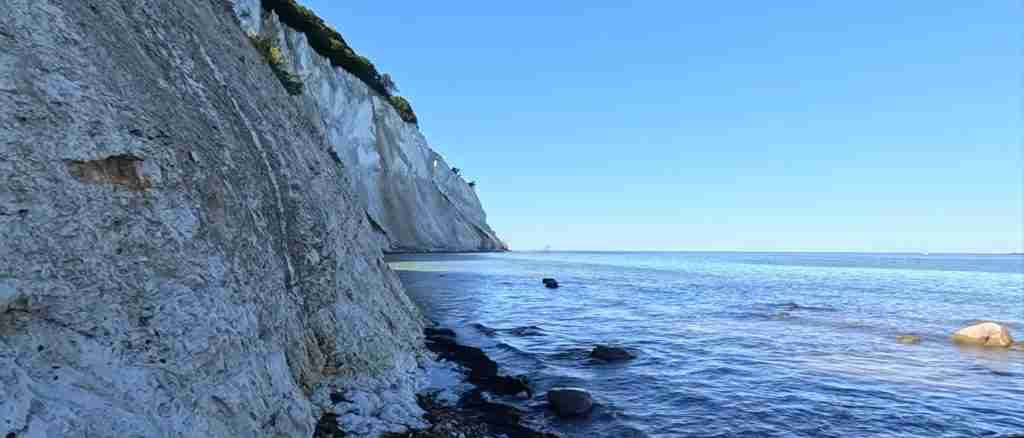
3 days
Copenhagen 3-Day Discovery Tour
- ✓ Comprehensive Copenhagen experience
- ✓ Expert local guides included
- ✓ All accommodation included
- ✓ Transportation provided

5 days
Copenhagen 5-Day Highlights Experience
- ✓ Comprehensive Copenhagen experience
- ✓ Expert local guides included
- ✓ All accommodation included
- ✓ Transportation provided
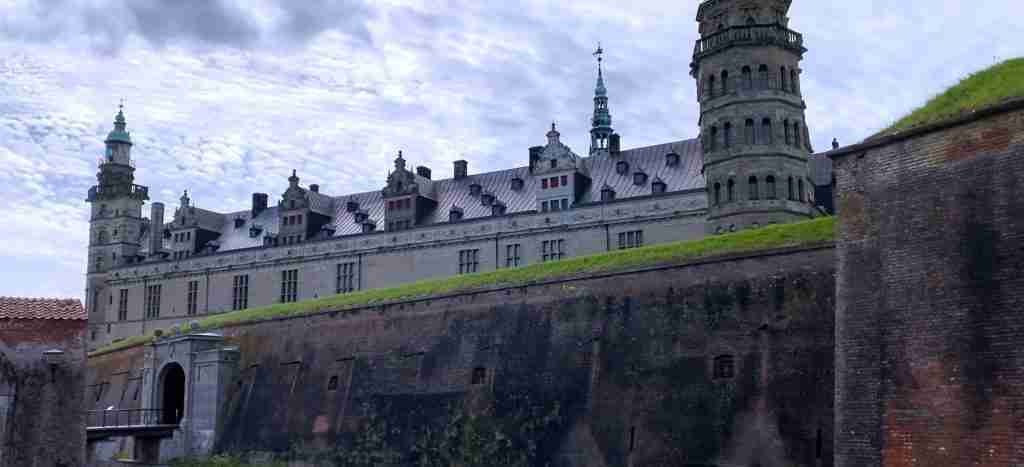
7 days
Copenhagen 7-Day Cultural Journey
- ✓ Comprehensive Copenhagen experience
- ✓ Expert local guides included
- ✓ All accommodation included
- ✓ Transportation provided
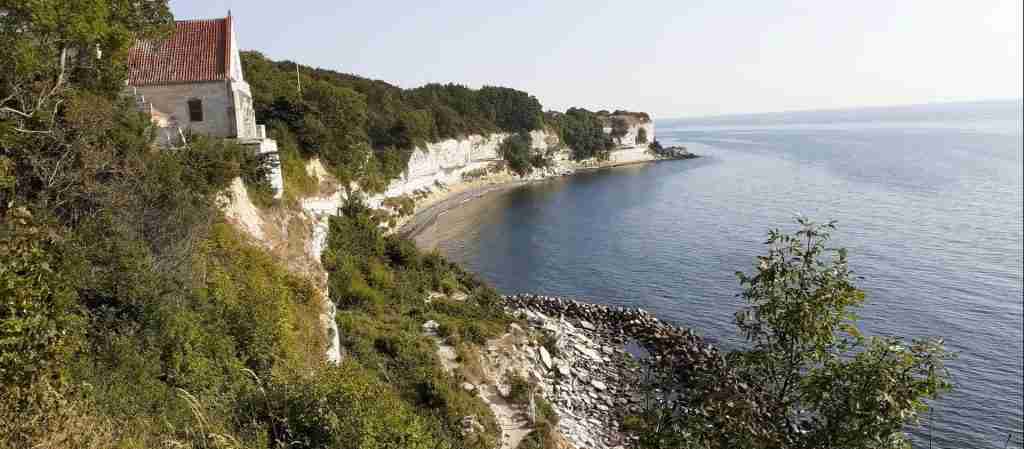
10 days
Copenhagen 10-Day Complete Adventure
- ✓ Comprehensive Copenhagen experience
- ✓ Expert local guides included
- ✓ All accommodation included
- ✓ Transportation provided
Multi-day tour packages powered by TourRadar. Prices and availability subject to change.
Introduction: Denmark’s Geological Treasure
Stevns Klint represents one of those rare places where catastrophic planetary history becomes tangible and accessible. Standing at the base of these white chalk cliffs or examining the thin dark layer of “fish clay” embedded in the rock face, you’re witnessing direct physical evidence of the asteroid impact that fundamentally altered life on Earth. The Chicxulub meteorite, striking the Yucatan Peninsula 66 million years ago with the force of billions of atomic bombs, created a global ash cloud that ended the Cretaceous Period and ushered in the age of mammals.
What makes Stevns Klint exceptional isn’t merely its scientific importance but how accessible and comprehensible this deep geological history becomes for ordinary visitors. Unlike many UNESCO World Heritage sites that preserve human cultural achievements, Stevns Klint documents a moment when nature itself underwent revolutionary transformation. The cliffs reveal a complete and pristine record of this transition, with the boundary layer exposed in multiple locations along the 15-kilometer coastline.
For day-trippers from Copenhagen in 2026, Stevns Klint delivers remarkable value. The journey south through Zealand’s countryside provides scenic variety, the cliffs offer multiple experience levels from casual viewing to serious fossil hunting, and the supporting infrastructure—including the modern Stevns Klint Experience Centre and historic sites like Højerup Old Church perched precariously at the cliff edge—creates a well-rounded destination. Whether your interest leans toward paleontology, geology, natural beauty, or simply escaping urban Copenhagen for coastal landscapes, Stevns Klint accommodates diverse motivations within a single day trip.
The site’s 2014 UNESCO inscription brought increased international attention but hasn’t overwhelmed the area with mass tourism. Even during summer peak season, the extended coastline means you can find relatively quiet stretches for contemplation or exploration. The local community has developed tourism thoughtfully, balancing educational value with preservation of the natural environment.
Planning Your Stevns Klint Day Trip 2026
Best Time to Visit in 2026
The optimal window for visiting Stevns Klint extends from April through October 2026, when weather conditions are most favorable and the Stevns Klint Experience Centre operates on its full schedule. Summer months (June-August) offer the longest daylight hours, warmest temperatures (17-22°C), and complete facility access, though they also bring the highest visitor numbers, particularly on weekends and Danish school holidays.
Spring (April-May) and early autumn (September-October) provide excellent alternatives. May features blooming wildflowers on the cliff tops and moderate crowds, while September delivers pleasant temperatures and beautiful light for photography without summer’s bustle. The cliffs and beaches remain accessible and dramatic, and the Experience Centre maintains regular hours through October.
Winter visits (November-March) require more preparation but offer unique rewards. The stark coastal landscape takes on dramatic character under grey skies and winter light, crowds vanish almost entirely, and clear days provide exceptional visibility. However, the Experience Centre operates reduced hours or closes entirely during winter months, strong winds make cliff-top walking challenging, and shorter daylight limits exploration time. Winter visitors should focus on the outdoor cliff experience rather than museum activities.
Weather considerations matter significantly for coastal sites like Stevns Klint. Rain doesn’t necessarily ruin a visit—the cliffs look spectacular under moody skies—but high winds can make cliff-top paths uncomfortable and potentially dangerous. Check weather forecasts for Zealand’s southeast coast specifically, as conditions can differ from Copenhagen’s.
Getting to Stevns Klint from Copenhagen 2026
Public transport provides reliable access to Stevns Klint with multiple daily connections. From Copenhagen Central Station (København H), take either a regional train or S-train to Køge, the final stop on the E line. S-trains depart every 10 minutes during daytime hours, while regional trains run less frequently but complete the journey faster (25-30 minutes versus 35-45 minutes). Both options cost the same, covered by standard Copenhagen zone tickets.
At Køge, transfer to the Lokalbane local train toward Rødvig. These smaller trains depart every 30 minutes on weekdays, hourly on weekends, and take approximately 30 minutes to reach Rødvig. Note that Lokalbane trains only stop at smaller stations on request—press the button to ensure your stop. From Rødvig station, the main cliff access points lie just 5-10 minutes’ walk toward the coast.
Total journey time typically ranges from 1 hour 50 minutes to 2 hours 30 minutes depending on connections. Round-trip tickets cost €9-15. Purchase tickets before boarding using the Rejsebillet app or ticket machines at stations—ticket inspectors patrol regularly and fines for traveling without valid tickets reach 1,000 DKK. The DOT or DSB single ticket covers your entire journey including transfers.
Driving offers greater flexibility for exploring multiple sites along the Stevns Peninsula. The journey covers approximately 70 kilometers via Route 151, taking about 1 hour in normal traffic. Parking is free at Stevns Klint Experience Centre, Højerup Old Church, and Stevns Lighthouse, though spaces fill quickly on summer weekends. A vehicle enables visiting Stevnsfort (Cold War museum), Højerup village, the lighthouse, and various beach access points without time pressure from train schedules.
Organized tours from Copenhagen exist but aren’t necessary given the straightforward public transport connections. Most tours combine Stevns Klint with other Zealand attractions and cost €80-120, offering convenience but limiting your exploration time and flexibility.
Stevns Klint in a Day: Complete Itinerary 2026
Morning (8:00-12:00): Depart Copenhagen Central Station by 8:00-8:30 to catch the first wave of connections, arriving at Stevns Klint around 10:00-10:30. Begin at the Stevns Klint Experience Centre in Boesdal Quarry, which opens at 10:00. The interactive exhibition explains the asteroid impact’s global effects, displays authentic fossils from the site, and provides crucial context for understanding what you’ll observe on the cliffs. The VR experience “Genesis” offers a dramatic visualization of Earth’s evolution, particularly engaging for younger visitors. Budget 1.5-2 hours for the complete museum experience including the 3D cinema presentation.
Midday (12:00-13:30): Lunch at the Experience Centre café features local ingredients and seasonal menus, with both substantial meals and lighter options. Alternatively, bring packed food to the numerous picnic tables overlooking the quarry and Baltic Sea. After lunch, make the short walk to the cliff viewpoints. The museum sits directly adjacent to dramatic cliff sections where you can clearly see the geological layers including the distinctive fish clay marking the K-Pg boundary.
Afternoon (13:30-16:30): Descend one of several stairways to the beach level. The main stairs at Højerup Old Church provide the most direct access, though they involve 400+ steps each way. Walking the beach below the cliffs offers a completely different perspective, with towering white chalk walls rising 40 meters overhead. The chalk-white pebble beach reveals numerous fossils—bryozoans, brachiopods, belemnites, and occasionally shark teeth or ammonite fragments. Collecting fossils for personal (non-commercial) use is permitted below the high-water line.
Visit Højerup Old Church, dramatically positioned with its cemetery literally falling into the sea after cliff erosion. The medieval church provides spectacular views from the cliff top and guided tours run daily from June to September at 40 DKK. The walk from the beach stairs to the church takes 5-10 minutes along well-maintained paths.
If time and energy allow, continue north along the Stevns Klint Trampesti (coastal trail) toward Stevns Lighthouse, a 22-kilometer path offering varied cliff and coastal scenery. Most day-trippers walk shorter sections—the 2-kilometer stretch from Højerup to the lighthouse makes an excellent addition, taking about 30-40 minutes one way.
Late Afternoon/Evening (16:30-18:00): Return to Rødvig for the train connection back to Copenhagen. Late afternoon trains to Køge depart every 30 minutes on weekdays. The journey back allows reflection on the day’s discoveries while watching Zealand’s countryside pass by. Arriving in Copenhagen around 18:00-19:00 leaves the evening free for dinner in the city.
This itinerary balances indoor and outdoor experiences, scientific education and natural beauty, while maintaining reasonable pacing for all fitness levels. Adjust timing based on your priorities—fossil hunters and photographers may want to spend 3+ hours on the beach, while others might prefer more time at the museum or additional sites like Stevnsfort.
Stevns Klint Experience Centre 2026
Admission and Hours
The Stevns Klint Experience Centre charges 140 DKK (approximately €19) for adults. Children and young people up to age 17 enter free, making this an excellent value for families. The centre operates Tuesday through Sunday from 10:00 to 16:00, closed Mondays. Winter closure runs from December 22 through January 1, reopening January 2, 2026.
Your admission includes access to all permanent and temporary exhibitions, the 3D cinema showing geology and nature films, interactive displays, and during high season, participation in guided tours such as fossil hunting expeditions and forest walks. These guided activities typically have limited spaces and operate on a first-come basis—register at reception upon arrival if interested.
The centre includes a well-stocked café serving lunch, coffee, and homemade cakes with views over Boesdal Quarry. A design shop features local crafts, educational materials, fossils, and gifts. Both facilities welcome visitors regardless of museum admission, so you can stop for coffee or shopping without paying entrance fees.
Exhibitions and Activities
The main exhibition space, dug into the cliff itself, creates an immersive journey through 70 million years of geological history. Interactive stations allow you to experience how the asteroid impact affected different parts of Earth, examine authentic fossils collected from the site, and understand the mass extinction’s timeline. The centerpiece features “Lucky,” a mammal representing the fortunate species that survived to eventually evolve into modern life.
The VR Genesis experience uses virtual reality technology to compress Earth’s evolutionary story into a single dramatic “day,” showing how random cosmic events—like asteroid impacts—fundamentally shaped our planet’s development. The 3D cinema presents rotating programs about dinosaurs, fossils, and natural history, with films changing seasonally.
During summer months, the centre organizes several outdoor activities included with admission. Guided fossil hunting tours on the beach teach proper collecting techniques and fossil identification. Mountain biking tours explore Klinteskoven forest above the cliffs. A climbing and zip-line course challenges your fear of heights (additional fee applies). The BMX track in the quarry offers bicycle rental for both adults (50 DKK) and children (30 DKK) for 30-minute sessions.
Exploring the Cliffs and Coastline 2026
Højerup Old Church and Viewpoint
Højerup Gamle Kirke stands as one of Denmark’s most photographed churches due to its precarious position at the cliff edge. Built in the 13th century, the church and its cemetery have gradually lost ground to cliff erosion—literally. A section of the church fell into the sea during a 1928 storm, and the cemetery’s eastern portion has since disappeared. The church remains in use for special services, and its position creates one of Stevns Klint’s most dramatic views, with white walls and red roof framing the Baltic Sea below.
Guided tours run daily from June 1 to September 1, costing 40 DKK and providing historical and geological context. The tours explain how coastal erosion continuously reshapes this landscape and why the church’s position makes it such a powerful symbol of nature’s relentless forces. Even without the tour, visiting the church area is free and offers exceptional photo opportunities, particularly during golden hour when low sun illuminates the white cliffs.
The viewpoint at Højerup marks Stevns Klint’s highest section, with cliffs rising 41 meters above sea level. From this vantage point, you can see the cliff line extending both north and south, appreciate the geological layers clearly visible in the cliff face, and on clear days, glimpse the Swedish coast across Øresund.
The Fish Clay Layer
The “fish clay” (fiskeler in Danish) represents Stevns Klint’s most scientifically significant feature. This thin dark layer, typically 5-10 centimeters thick, contains enriched iridium concentrations that helped prove Luis and Walter Alvarez’s revolutionary asteroid impact theory in the 1980s. The clay formed from sediment settling after the Chicxulub impact’s ash cloud circled Earth, marking the boundary between the Cretaceous and Paleogene geological periods—the famous K-Pg boundary.
You can observe the fish clay layer at multiple points along the cliffs. At Højerup, it appears as a distinct dark band roughly halfway up the white chalk face, clearly visible even from the cliff top. The contrast makes identification straightforward—soft white chalk below (Cretaceous period, dinosaur age), thin dark grey clay at the boundary (impact sediment), harder limestone above (Paleogene period, age of mammals).
The layer’s name comes from its fish scale and bone content, preserved from the Cretaceous sea that covered this region. The immediate aftermath of the asteroid impact created catastrophic conditions, but marine life gradually recovered, documented in the fossil-rich layers above the boundary.
Fossil Hunting on the Beach
The beach below Stevns Klint offers excellent fossil hunting opportunities. Coastal erosion continuously exposes new fossils from the chalk cliffs, which fall to the shore where waves break them free. Common finds include bryozoans (colonial marine animals creating lace-like patterns in stone), brachiopods (shell creatures similar to clams), belemnites (extinct cephalopods resembling pointed bullets), and various marine shell fossils.
Collecting fossils for personal, non-commercial use is permitted below the high-water line. Danish Museum Act protects particularly valuable or rare specimens, which must be reported to Østsjællands Museum. Most beach finds fall into common categories and may be kept as souvenirs. The museum organizes guided fossil hunting tours explaining identification and collection ethics.
Best hunting occurs after storms when fresh cliff material reaches the beach. The chalk-white pebbles and broken stone create excellent contrast for spotting dark fossils or distinctive shapes. Bring a small bag and be prepared for several hours of careful searching—patience yields the best results. The beach surface can be slippery when wet, so proper footwear with good traction is essential.
Stevns Klint Coastal Trail (Trampesti)
The Stevns Klint Trampesti extends 22 kilometers along the coast from Rødvig in the south to near Store Heddinge in the north, passing multiple access points and geological features. The trail follows the cliff top, providing continuous sea views, access to various stairways down to beach level, and connections to inland forest paths.
Day-trippers typically walk shorter sections rather than the complete trail. The Højerup to Stevns Lighthouse segment (approximately 2 kilometers) makes an excellent addition to your visit, taking 30-40 minutes at casual pace. This section includes excellent cliff views, passes near Stevnsfort (Cold War museum), and concludes at the lighthouse where you can climb for panoramic vistas (fee applies).
The trail is well-marked with clear signage, generally well-maintained, and suitable for most fitness levels, though some sections involve uneven terrain. Coastal winds can be strong, particularly during autumn and winter—windproof layers make walking more comfortable. Dogs are welcome on leads, and bicycles are permitted on designated sections.
Additional Sites and Activities 2026
Cold War Museum Stevnsfort
Stevnsfort operates as a Cold War museum inside Denmark’s largest former Cold War fortress, built into the cliff itself in 1953. During the Cold War, this underground facility monitored Soviet naval activity in the Baltic Sea, housing radar systems, command centers, and soldier accommodations deep within the chalk.
Guided tours lead through the fortress’s tunnels and rooms, explaining Denmark’s Cold War role, military technology, and how the facility functioned during its operational period. The thick chalk walls provided protection against conventional and nuclear weapons, making Stevnsfort one of Denmark’s most secure military installations. The tours include the original communications equipment, living quarters, and command centers preserved as they appeared during active service.
The fortress lies approximately 1.5 kilometers north of Højerup along the coastal trail. Opening hours vary seasonally—check the official website before planning to include it in your itinerary. Guided tours cost approximately 100 DKK for adults and run multiple times daily during summer months. The combination of military history and dramatic cliff-side location makes Stevnsfort a compelling addition for history enthusiasts.
Stevns Lighthouse (Stevns Fyr)
Stevns Lighthouse stands at the northern end of the geological heritage area, offering panoramic views after climbing its 115 steps. The current lighthouse dates from 1878, replacing earlier navigation aids that guided Baltic Sea shipping. From the top, clear days reveal the Swedish coast, the entire Stevns cliff line, and Zealand’s interior farmland.
The lighthouse operates as a visitor attraction with a small exhibition about maritime history and lighthouse technology. Admission costs approximately 40 DKK. The site includes a café and playground, making it family-friendly. The walk from Højerup takes 30-40 minutes along the coastal trail, or you can drive directly with free parking available.
Limestone Quarry Viewpoint
Stevns Klint Experience Centre sits within Boesdal Limestone Quarry, an active industrial site that provides another perspective on the area’s geological resources. The viewpoint from the museum terrace overlooks the quarry operations, demonstrating how the same chalk deposits that tell Earth’s ancient story continue serving practical purposes in modern construction materials.
The quarry setting also enables the museum’s unique architectural approach—portions of the building are literally carved into the cliff face, creating an immersive connection between exhibition content and geological context.
Practical Information for Your 2026 Visit
What to Bring
Essential items for a Stevns Klint day trip include sturdy walking shoes with good grip—the chalk surfaces can be slippery, particularly on stairs and beach areas. Waterproof jacket protects against sudden coastal weather changes. Multiple layers accommodate variable temperatures between sunny cliff tops and shaded beach areas or windy coastal paths.
Sun protection matters during summer months: bring sunscreen, sunglasses, and a hat. The chalk reflects sunlight intensely, increasing UV exposure. Water bottle and snacks keep energy up during extensive walking, though facilities at Højerup and the Experience Centre provide refreshments.
Camera or smartphone captures the dramatic cliff scenery and documents your fossil finds. Consider bringing a small bag for fossil collecting. Binoculars enhance birdwatching opportunities—the cliffs host peregrine falcons and various seabirds. Field guide to fossils helps identify beach discoveries.
Winter visitors need warm, windproof clothing. Coastal winds make temperatures feel significantly colder than inland areas. Gloves, scarf, and insulated layers are essential from November through March.
Accessibility Considerations
Stevns Klint Experience Centre provides full wheelchair access with non-stair entry, wide doorways, and accessible toilets. The museum exhibitions and facilities accommodate visitors with reduced mobility. For those unable to walk from parking areas, prior contact at [email protected] may enable closer drop-off arrangements.
However, cliff and beach access involves significant stairs—400+ steps at Højerup—making them challenging or impossible for wheelchair users and those with mobility limitations. The cliff-top paths and coastal trail are generally accessible on firm ground, providing views without requiring descent to beach level. Viewpoints at Højerup and near the lighthouse offer dramatic cliff vistas from wheelchair-accessible positions.
Weather and Safety
Coastal weather changes rapidly. Morning sunshine can give way to afternoon rain, and wind speeds often exceed inland forecasts. Check specific coastal forecasts rather than general Copenhagen weather. The Danish Meteorological Institute (DMI) provides detailed regional predictions.
Safety considerations include respecting cliff erosion warnings. Stevns Klint experiences continuous erosion, with cliff sections periodically falling. Stay behind safety barriers and avoid standing directly at cliff edges. Recent landslides sometimes make certain areas temporarily inaccessible—current closure information appears on the Stevns Klint website and at site entrances.
Beach stairs can be slippery, particularly when wet or covered with chalk dust. Take care when ascending or descending. The beach surface becomes slippery near the water line. Waves and tides don’t pose significant dangers under normal conditions, but rough weather can create hazardous conditions near the cliff base.
Food and Dining Options 2026
The Stevns Klint Experience Centre café serves lunch, coffee, and homemade cakes using seasonal local ingredients. Lunch options include salads, warm dishes, and sandwiches ranging €12-18. The café welcomes all visitors, not only museum guests, and offers both indoor seating and terrace tables overlooking Boesdal Quarry.
Højerup village includes Traktørstedet Højeruplund, a traditional Danish restaurant serving lunch and afternoon coffee near the old church. Expect classic Danish cuisine with emphasis on local seafood and seasonal ingredients. Main courses cost €15-25.
Rødvig, the main access point by train, has several dining options including Rødvig Kro & Badehotel, a seaside hotel restaurant with ocean views, and local cafés serving lighter meals. These establishments provide good options if you want to time your return journey around a proper dinner before heading back to Copenhagen.
Alternatively, bringing packed food offers flexibility and cost savings. Numerous picnic tables appear throughout the area, many with excellent views. Supermarkets in Store Heddinge (the main town) allow provisioning if you arrive early.
Budget Breakdown for Day Trip 2026
Transport from Copenhagen costs €9-15 round-trip by train, varying slightly based on whether you purchase tickets through DSB or DOT systems. The journey covers multiple fare zones, but standard tickets cover the entire route including transfers.
Stevns Klint Experience Centre admission costs €19 for adults. Children under 18 enter free, making family visits particularly economical. Optional guided church tour at Højerup adds €5.50. BMX rental (if interested) costs €7 for adults, €4 for children for 30-minute sessions.
Food expenses vary based on choices. Lunch at the Experience Centre café or Højeruplund restaurant runs €12-18 for main courses, with coffee and cake adding €5-8. A full meal budget would be €15-25 per person. Bringing packed lunches reduces this to essentially zero beyond supplies purchased in Copenhagen.
Total day trip cost summary: Transport €9-15, museum €19, lunch €15-20 (or bring your own), optional activities €5-10. Total per person: €35-55 for a complete experience, less if you skip the museum or bring food. Compare this to organized tours from Copenhagen charging €80-120 that provide similar experiences but limit your flexibility.
The free elements—cliff access, beach exploration, coastal trail walking, Højerup church exterior viewing, and general area exploration—mean budget-conscious travelers can still enjoy Stevns Klint’s essential experiences while minimizing costs. The museum provides valuable context but isn’t mandatory for appreciating the site’s natural and geological significance.
Combining Stevns Klint with Other Destinations
Extended Day Trip Options
Stevns Peninsula offers several sites that combine well with Stevns Klint for visitors with extra time or vehicles. Vallø Castle, located 20 kilometers north, features beautiful castle grounds, a small museum, and historic architecture in a parkland setting. The castle isn’t open for interior tours, but the grounds and exterior make worthwhile stops.
Store Heddinge, the peninsula’s main town, preserves a charming historic center with traditional Danish architecture, local shops, and cafés. It’s not a major destination itself but provides pleasant atmosphere for a brief stop between train connections or as a lunch spot.
Gjorslev, a medieval cruciform castle southeast of Køge, represents one of Denmark’s best-preserved Gothic secular buildings. It’s privately owned and not regularly open to tourists, but the exterior and surrounding landscape offer photographic interest if you’re driving the area.
Two-Day Itinerary: Stevns and Møns Klint
Combining Stevns Klint and Møns Klint creates a comprehensive UNESCO chalk cliff experience across two days. Both sites tell different geological stories—Stevns focuses on the asteroid impact and dinosaur extinction, while Møns Klint showcases glacial tectonic processes and Ice Age landscape formation. Together they provide exceptional insight into Earth’s dynamic history.
Day 1 would follow the Stevns Klint itinerary detailed above, returning to Copenhagen for the night. Day 2 involves heading to Møns Klint (2 hours from Copenhagen). This spacing prevents rushing either location and allows thorough exploration of both Denmark’s most significant geological UNESCO sites.
Alternatively, visitors with vehicles and interest in overnight stays could spend a night on Møn island between visits. This enables seeing both sites while avoiding returning to Copenhagen between them, though it requires more planning and accommodation booking.
Photography Guide 2026
Best Times and Locations
Golden hour—the period shortly after sunrise and before sunset—produces exceptional light on Stevns Klint’s white cliffs. Morning light from the east illuminates the cliff faces directly, creating brilliant whites and dramatic shadows that emphasize geological layers. The hour before sunset casts warm tones across the chalk and creates long shadows, though the cliffs face primarily east and northeast, meaning direct sunset lighting is less dramatic than morning light.
Højerup Old Church provides the most iconic photo composition at Stevns Klint. The classic angle captures the red-roofed white church against the Baltic Sea, with the cliff edge and cemetery in the foreground. For the best version, photograph from the south side during morning light. Midday sun creates harsh contrasts, while overcast conditions provide even lighting that works well for this scene.
Beach-level perspectives offer completely different compositions. Looking up at the 40-meter cliffs from below emphasizes their height and geological stratification. The fish clay layer appears as a dark horizontal band cutting across the white chalk—use a telephoto lens to compress the perspective and make this feature prominent. The chalk-white pebble beach in the foreground, turquoise-blue Baltic Sea, and white cliffs create a striking color palette under good light.
The coastal trail provides numerous vantage points along the cliff top. Walking north toward Stevns Lighthouse reveals different cliff sections and perspectives. Look for positions where foreground elements—beach grasses, fence posts, coastal wildflowers—frame the cliff views and add depth to compositions.
Equipment and Settings
Wide-angle lenses (16-35mm) capture expansive cliff vistas and the relationship between landscape elements—church, cliffs, sea, sky. Standard zoom lenses (24-70mm) handle most situations flexibly. Telephoto lenses (70-200mm or longer) isolate geological details, compress cliff perspectives, and photograph seabirds on the cliff faces.
A polarizing filter reduces glare from the chalk surfaces and Baltic Sea, increasing color saturation and revealing detail in bright conditions. It’s particularly valuable during midday when you’re photographing the white cliffs under strong sunlight. A graduated neutral density filter helps balance exposure between bright sky and darker foreground elements.
Settings depend on conditions, but generally: Use low ISO (100-400) for maximum quality and detail in the chalk textures. Aperture around f/8-f/11 provides good depth of field for landscape shots. Shutter speed varies based on wind and subject movement, but 1/125 or faster prevents blur from hand-holding. For beach shots with water movement, experiment with longer exposures (1-2 seconds) to blur waves while keeping cliffs sharp on a tripod.
HDR techniques or exposure bracketing help capture the extreme dynamic range between white chalk cliffs and darker sea or sky. Shoot RAW format to maximize post-processing flexibility—the bright chalk and varied lighting conditions make RAW’s exposure latitude valuable.
Frequently Asked Questions
Can you swim at Stevns Klint?
Swimming is possible at Stevns Klint beaches, though conditions aren’t ideal for casual swimming. The beach consists primarily of chalk pebbles and stones rather than sand, making entry uncomfortable without water shoes. The water is typically quite cold even in summer (15-18°C), and the beach’s exposed position means frequent waves and currents. Most visitors focus on walking and fossil hunting rather than swimming. For better swimming conditions, nearby Rødvig has a more swimmer-friendly beach with facilities.
How long do you need at Stevns Klint?
A satisfying visit requires 4-6 hours to experience the main highlights: 1.5-2 hours at the Experience Centre, 1 hour exploring Højerup and cliff viewpoints, and 1.5-2 hours walking the beach and fossil hunting. This allows reasonable pacing without rushing. Adding optional sites like Stevnsfort or the lighthouse extends the visit to 6-8 hours. Half-day visitors focusing only on the museum and brief cliff viewing can complete a basic visit in 3 hours, though this misses much of the site’s appeal.
Is Stevns Klint suitable for children?
Yes, Stevns Klint works very well for families with children. The Experience Centre designs its exhibitions with interactive elements specifically appealing to young visitors. Free admission for under-18s makes it economical for families. The VR experience, fossil hunting, and outdoor exploration engage children who might find traditional museums boring. However, supervise children carefully near cliff edges and on beach stairs. The extensive climbing involved in beach access may challenge very young children or require carrying them. Overall, ages 6 and up find Stevns Klint highly engaging, while younger children can enjoy it with parental assistance.
Can you collect fossils at Stevns Klint?
Yes, collecting fossils for personal, non-commercial use is permitted below the high-water line on the beach. Common fossils like bryozoans, brachiopods, and belemnites can be kept as souvenirs. However, particularly valuable or scientifically significant fossils fall under Danish Museum Act protection and should be reported to Østsjællands Museum. Don’t remove fossils directly from the cliff face—only collect from fallen material on the beach. The museum provides guidance on ethical collecting and identification during guided fossil hunting tours.
What’s the difference between Stevns Klint and Møns Klint?
Both are UNESCO World Heritage chalk cliff sites in Denmark, but they tell different geological stories. Stevns Klint (UNESCO 2014) preserves evidence of the asteroid impact that caused the dinosaur extinction 66 million years ago, with the famous fish clay layer marking this event. Møns Klint (UNESCO 2025) showcases glacial tectonic processes from the Ice Age, featuring taller cliffs (128 meters versus Stevns’ 41 meters) created by glacial pushing and folding. Stevns focuses on deep time mass extinction, while Møns demonstrates Ice Age landscape formation. Both are worth visiting for their unique geological significance and natural beauty.
Do you need to book tickets in advance for 2026?
Advance booking isn’t required for Stevns Klint Experience Centre admission—you can purchase tickets on arrival at reception. However, buying online is recommended for two reasons: you save time by avoiding queues, especially during summer weekends, and you can better plan your day knowing admission is secured. For guided activities like fossil hunting tours that have limited spaces, arriving early or contacting the centre before your visit helps ensure participation. Transport tickets for trains don’t require advance purchase—buy at stations or via the Rejsebillet app.
Is there mobile phone reception at Stevns Klint?
Mobile reception varies across the site. The Experience Centre, Højerup village, and cliff-top areas generally have good coverage on major Danish networks. However, at beach level below the cliffs, the high chalk walls block signals, resulting in limited or no mobile reception. This isn’t normally problematic for day visitors but is worth knowing if you rely on your phone for navigation, photography uploads, or staying connected. Plan accordingly if you need reliable communication—handle necessary calls or messages before descending to beach level.
What are the cliff heights at Stevns Klint?
Stevns Klint reaches maximum heights of 40-41 meters above sea level, with the tallest sections occurring near Højerup Old Church. This is considerably shorter than Møns Klint’s 128-meter cliffs but still creates dramatic vertical faces and requires significant stair climbing to reach beach level. The 400+ steps at Højerup provide perspective on the cliff’s true height, which looks even more impressive when viewed from the beach looking up at the white chalk walls.
Can you visit Stevns Klint year-round?
The cliffs and beaches remain accessible year-round, 24 hours daily. However, the Stevns Klint Experience Centre operates seasonally, opening Tuesday-Sunday from early January through December (except December 22-January 1 closure) with reduced hours in winter months. Summer provides the best overall experience with full facility access, longer daylight, and more comfortable weather. Winter visits work for those focused on outdoor cliff experience and willing to forego the museum component. Check the official website for current seasonal hours before planning winter visits.
Are dogs allowed at Stevns Klint?
Dogs are welcome at Stevns Klint but must be kept on leads throughout the site. This includes cliff-top areas, the coastal trail, and beaches. The leash requirement protects both wildlife and the dogs themselves—cliff edges present obvious dangers, and coastal bird populations need protection from disturbance. Dogs aren’t permitted inside the Stevns Klint Experience Centre, but outdoor water bowls and shaded spots near the entrance accommodate canine visitors. The extensive walking opportunities make Stevns Klint enjoyable for dog owners, though the numerous stairs to beach level may challenge some dogs.