St. Louis Museums & Galleries 2026: Complete Cultural Guide
St. Louis stands among America’s most generous cultural destinations, offering world-class museums and galleries where free admission remains the norm rather than the exception. The city’s unique Zoo-Museum District tax funds major institutions including the Saint Louis Art Museum, Missouri History Museum, and Saint Louis Science Center, allowing visitors to explore encyclopedic art collections, interactive science exhibits, and pivotal American history without spending a cent on entry fees. Beyond these treasures, innovative spaces like City Museum transform abandoned industrial buildings into surreal playgrounds, while specialized institutions preserve everything from blues music heritage to contemporary art experimentation.
Key Takeaways: St. Louis Cultural Institutions 2026
- Exceptional Free Access: Seven major museums offer free general admission daily, including the Saint Louis Art Museum’s 30,000-work collection, Missouri History Museum’s 1904 World’s Fair exhibits, and Saint Louis Science Center’s 700+ interactive experiences, funded by the regional Zoo-Museum District tax that makes St. Louis uniquely accessible among American cities
- Forest Park Concentration: Four world-class institutions cluster within Forest Park’s southeastern quadrant—Art Museum, History Museum, Science Center, and Zoo—allowing visitors to experience multiple venues within a 15-minute walk, with free parking available at most facilities though the Science Center charges $15
- Grand Center Arts District: Washington Boulevard’s cultural corridor concentrates contemporary art with the free Contemporary Art Museum St. Louis and Pulitzer Arts Foundation occupying adjacent buildings designed for contemplative viewing, plus the Fabulous Fox Theatre, Powell Symphony Hall, and smaller galleries within three blocks
- Budget-Friendly Cultural Immersion: Visitors exploring free museums pay only for parking $10-15, optional add-ons like Science Center OMNIMAX films $9-12, and meals, making comprehensive cultural tourism remarkably affordable compared to coastal cities where major museum admission alone costs $25-35 per person
- Unique Interactive Experiences: City Museum’s $20 admission provides unmatched value through four floors of climbable sculptures, caves, slides, and architectural artifacts in a repurposed shoe factory, while specialized museums like National Blues Museum $15 and Gateway Arch tram rides $26-30 offer focused deep-dives into music and history
- Year-Round Programming: Most institutions close only major holidays, with extended Friday evening hours at Art Museum until 9 PM and Science Center 21+ adult nights offering cocktails and themed activities, ensuring accessibility regardless of visit timing
People Also Ask About St. Louis Museums 2026
Which St. Louis museums are completely free in 2026?
Seven major St. Louis museums offer free general admission in 2026. The Saint Louis Art Museum, Missouri History Museum, and Saint Louis Science Center receive funding through the Zoo-Museum District tax, ensuring permanent free access to permanent collections. Contemporary Art Museum St. Louis and Pulitzer Arts Foundation maintain free admission as part of their founding missions. Gateway Arch National Park’s museum under the Arch is free (though tram rides to the top cost $26-30). The Old Courthouse provides free admission to civil rights history exhibits. Special exhibitions at these institutions occasionally charge fees—Art Museum special shows are free on Fridays, while Science Center charges $9-12 for OMNIMAX films and $5-6 for Planetarium shows.
How much does it cost to visit City Museum St. Louis in 2026?
City Museum charges $20 for online advance tickets and $23 at the ticket window in 2026, with the same price applying to adults and children. This general admission includes access to all four floors, the elaborate outdoor MonstroCity climbing structures, cave systems, and most slides including the ten-story spiral. Optional add-ons include Pinball Hall access and Rooftop Access with additional fees. Parking costs $15 in the museum’s lot. Advance online purchase saves $3 per person and allows visitors to skip ticket lines.
What are the best museums for first-time visitors to St. Louis in 2026?
First-time visitors should prioritize the Saint Louis Art Museum for its encyclopedic collection spanning 5,000 years, City Museum for its unique interactive architecture, and Gateway Arch Museum for foundational St. Louis history, then ride the tram to the top for city views. This combination provides free world-class art, distinctive local character, and iconic landmark experience within one day. Missouri History Museum adds deeper regional context with excellent 1904 World’s Fair exhibits, while Science Center appeals to families with hands-on galleries. Contemporary art enthusiasts should visit Contemporary Art Museum St. Louis and Pulitzer Arts Foundation on the same trip since they’re adjacent.
Do St. Louis museums require advance tickets or reservations in 2026?
Most St. Louis museums operate on walk-in admission without advance reservations. Gateway Arch tram tickets sell out frequently and require advance purchase online—same-day tickets rarely available during peak season March through October. City Museum recommends online tickets to skip lines but accepts walk-ups. Free museums like Art Museum, History Museum, and Science Center allow entry without reservations, though special exhibitions or planetarium shows may require timed tickets. Contemporary Art Museum St. Louis and Pulitzer Arts Foundation welcome walk-ins during open hours Thursday through Sunday.
Extended multi-day tours – 5+ days
Featured Midwest Usa Multi-Day Tour Packages
7 days
Chicago – The Home of Skyscrapers
- ✓ Booking needs min. 2 travelers
8 days
Chicago and Niagara ROT (including Niagara Falls)
- ✓ Comprehensive Midwest Usa tour
- ✓ Expert local guides included
- ✓ All accommodation arranged
- ✓ Transportation provided

8 days
From Chicago's Skyline to Niagara's Mist – 8 days
- ✓ Comprehensive Midwest Usa tour
- ✓ Expert local guides included
- ✓ All accommodation arranged
- ✓ Transportation provided

4 days
City Break in Chicago Among Skyscrapers
- ✓ Booking needs min. 2 travelers
Multi-day tour packages powered by TourRadar. Prices and availability subject to change.
Introduction: St. Louis Cultural Landscape 2026
St. Louis maintains an extraordinary cultural ecosystem where civic investment in public access shapes museum experiences fundamentally different from most American cities. The Zoo-Museum District tax, approved by St. Louis City and County voters in 1971 and renewed consistently since, generates dedicated funding that keeps major institutions free—a $0.05 per $100 assessed property value commitment that produces roughly $85 million annually. This public funding model means the Saint Louis Art Museum competes with major coastal institutions while charging nothing for admission, Missouri History Museum preserves regional heritage without gate fees, and Saint Louis Science Center operates 700+ interactive exhibits accessible to all income levels.
The result transforms cultural tourism economics. Where visitors to New York, Boston, or San Francisco might budget $25-35 per person per museum, St. Louis visitors pay only for parking $10-15 at some venues and optional premium experiences. A family of four exploring Art Museum, History Museum, and Science Center’s free galleries spends zero on admission versus $200-280 at equivalent institutions elsewhere. This accessibility democratizes culture while maintaining world-class standards—Art Museum’s collection includes Monet, Van Gogh, and Picasso; History Museum houses Charles Lindbergh’s Spirit of St. Louis replica and comprehensive 1904 World’s Fair documentation; Science Center features a four-story OMNIMAX theater and full-scale Boeing F/A-18 Hornet.
Beyond free institutions, St. Louis sustains innovative cultural spaces that complement rather than compete with public museums. City Museum transformed a ten-story shoe factory into an adult-sized playground where architectural salvage becomes interactive sculpture—slides made from airplane fuselages, caves constructed from architectural remnants, rooftop Ferris wheel installed on a building edge. Contemporary Art Museum St. Louis and Pulitzer Arts Foundation anchor the Grand Center Arts District with architecturally significant buildings (Pulitzer designed by Tadao Ando) housing rotating exhibitions that challenge and expand contemporary art definitions. National Blues Museum preserves American music heritage through interactive exhibits tracing blues evolution from field hollers to modern interpretations.
Geographic concentration enhances the experience. Forest Park’s 1,371 acres contain four world-class institutions within walking distance—Art Museum, History Museum, Science Center, and Zoo cluster in the southeastern quadrant with free parking available at most facilities. Grand Center’s Washington Boulevard corridor places contemporary art venues, theaters, and music halls within three compact blocks. Downtown riverfront combines Gateway Arch National Park, Old Courthouse, and National Blues Museum within a 15-minute walk. This density allows comprehensive cultural immersion without excessive transportation time or cost.
Practical considerations favor St. Louis over coastal alternatives. Most museums close only Thanksgiving, Christmas, and New Year’s Day. Art Museum extends Friday hours until 9 PM for after-work visits. Science Center offers Monday and Thursday through Sunday access 9:30 AM-4:30 PM. Parking costs remain reasonable—$15 at Science Center and Art Museum’s underground garage, free at surface lots when available. MetroLink light rail connects downtown museums with Forest Park institutions via Central West End and Forest Park-DeBaliviere stations. Late spring through early fall brings outdoor programming including Art Museum’s film series on Art Hill and History Museum’s Thursday evening concerts.
This guide details every major museum and gallery, providing verified 2026 admission prices, operating hours, collection highlights, visitor strategies, and budget planning. Whether exploring encyclopedic art collections, interactive science exhibits, American history, contemporary art, or specialized institutions, St. Louis delivers exceptional cultural experiences where free admission remains standard and quality never compromises accessibility.
Saint Louis Art Museum 2026: World-Class Collection with Free Admission
The Saint Louis Art Museum occupies Cass Gilbert’s 1904 Beaux-Arts palace atop Art Hill in Forest Park, housing more than 30,000 works spanning 5,000 years and six continents. General admission remains free every day thanks to Zoo-Museum District funding, with special exhibitions free on Fridays. The museum ranks among America’s premier encyclopedic institutions, maintaining collections of exceptional depth in Oceanic art, pre-Columbian works, ancient Chinese bronzes, and late 19th-early 20th century European and American art, with particular strength in German Expressionism and American modernism.
Permanent collection galleries occupy both the original 1904 building and the 2013 David Chipperfield-designed East Building connected by an underground passage. European painting galleries feature masterworks by Monet, Van Gogh, Picasso, Matisse, and Kandinsky alongside comprehensive holdings in Italian Renaissance, Dutch Golden Age, and French academic painting. American galleries trace development from colonial portraiture through Hudson River School landscapes to Abstract Expressionism and contemporary practice. Asian art collections include one of America’s finest Chinese bronze assemblages spanning Shang through Han dynasties, Japanese screens and scrolls, and South Asian sculpture. Ancient art galleries present Egyptian, Greek, Roman, and Near Eastern works including mummies, marble sculpture, and Mesopotamian relief carvings.
Special exhibitions rotate three to four times annually, typically requiring timed tickets though admission remains free on Fridays. Recent years have featured major surveys of Impressionism, American folk art, contemporary photography, and international artists. The museum publishes scholarly catalogs for major exhibitions, available in the museum shop. Docent-led tours occur daily at 1:30 PM on weekends and select weekdays, covering collection highlights or specific galleries. Family programs include scavenger hunts, art-making workshops, and gallery games designed for children ages 5-12.
Parking presents the primary expense. The 300-space underground garage accessed from Fine Arts Drive charges $15 daily, $5 for museum members. Free surface lot parking exists on the north side of Fine Arts Drive across from the main entrance, though spaces fill quickly on weekends and during special exhibitions. Additional free parking along Forest Park roadways requires 5-10 minute walks. MetroLink’s Forest Park-DeBaliviere station sits one mile northwest—visitors can walk through the park or take the free Forest Park shuttle during summer months.
Operating hours run Tuesday through Sunday 10 AM-5 PM with extended Friday hours until 9 PM. The museum closes Mondays, Thanksgiving, and Christmas. Last entry occurs 30 minutes before closing. The Panorama restaurant on the lower level serves lunch Tuesday through Sunday 11 AM-3 PM, dinner Friday 5-8 PM, with Art Hill and Grand Basin views. The Museum Shop stocks art books, jewelry, home goods, and children’s items Tuesday through Sunday.
Visitor strategy: Arrive before 11 AM on weekends for free surface lot parking. Start with European painting galleries in the original building, proceed to American art in the East Building, then explore ancient and Asian collections. Special exhibitions require 45-60 minutes; permanent galleries could occupy 3-4 hours for thorough viewing. Friday evenings offer quieter viewing with extended hours and free special exhibition access. Art Hill outside provides perfect picnic spots with Grand Basin and city skyline views.
City Museum 2026: Interactive Architecture and Sculptural Playground
City Museum transforms the former International Shoe Company’s ten-story warehouse into a surreal wonderland where architectural salvage becomes climbable sculpture, industrial artifacts morph into interactive art, and conventional museum rules dissolve. General admission costs $20 online or $23 at the ticket window in 2026, check official website for current rates, with the same price for adults and children ages 3 and up. This fee provides access to all four floors including MonstroCity outdoor climbing structures, extensive cave systems, slides including the ten-story spiral from roof to first floor, and rotating special exhibits.
Artist Bob Cassilly founded City Museum in 1997, building the initial installations with a team of 20 artists using materials reclaimed from St. Louis demolitions and industrial sites. The collection continues expanding, incorporating architectural elements from demolished buildings, industrial machinery repurposed as climbing structures, and found objects transformed into interactive art. The building itself becomes the exhibit—airplane fuselages form slides, architectural columns support climbing tunnels, vintage bank vaults house small galleries, a school bus cantilevers over the roof edge.
MonstroCity outdoor area on the building’s exterior features the most dramatic installations. A real Ferris wheel operates on the rooftop. The former Sabreliner 40 business jet fuselage protrudes from the building facade, accessible from inside. Architectural artifacts including building facades, giant concrete praying mantis, and spiral staircases create a vertical playground requiring physical engagement—visitors climb, crawl, slide, and explore rather than observe from distance. Wear closed-toe shoes with good grip; the museum enforces this requirement for safety.
Indoor spaces sprawl across four floors with minimal signage, encouraging exploration and discovery. The Caves wind through the building’s lower levels—man-made tunnels decorated with architectural fragments, mosaic work, and sculptural elements. Slides descend multiple stories including the famous ten-story spiral starting at the roof. The Enchanted Caves section features a Wurlitzer organ salvaging from demolished theater. Toddler Town provides smaller-scale climbing and sliding for young children. The Museum of Mirth, Mystery and Mayhem on the fourth floor houses curiosities including vintage circus equipment and oddities.
Adult visitors without children are explicitly welcome—the museum intentionally designed spaces for all ages, with weeknight City Nights events (21+) featuring live music, cocktails, and themed activities. Weekend crowds peak Saturday afternoons; weekday mornings and Friday evenings offer calmer exploration. Most visitors spend 3-5 hours though the museum imposes no time limits. The museum closes Tuesday and Wednesday, operates Thursday-Monday with varying hours—check website before visiting.
Additional costs include Pinball Hall access and Rooftop Access upgrades, each adding $5-8 to general admission. Parking costs $15 in the museum’s lot at 701 N. 16th Street; limited metered street parking exists on Washington Avenue and 16th Street. Food service includes concessions and a rooftop cabin serving cocktails. The gift shop sells City Museum merchandise, local art, and quirky souvenirs.
Safety considerations: The museum requires physical capability for climbing, crawling through tunnels, and navigating stairs. Younger children need adult supervision at all times. Bring flashlight for darker cave sections—the museum intentionally keeps some areas dimly lit. Kneepads available for rent reduce scrapes from tunnel crawling. The museum maintains first aid stations and staff monitors high-traffic areas, but visitors assume responsibility for their own safety in this inherently interactive environment.
Missouri History Museum 2026: Regional Heritage and 1904 World’s Fair
Missouri History Museum occupies the Jefferson Memorial Building in Forest Park, constructed 1911-1913 with proceeds from the 1904 Louisiana Purchase Exposition. General admission remains free daily thanks to Zoo-Museum District funding. The museum explores St. Louis and Missouri history from 1764 founding through present day, maintaining exceptional depth in 1904 World’s Fair documentation, Charles Lindbergh materials, Lewis and Clark Expedition artifacts, and regional African American history.
The 1904 World’s Fair: Looking Back at Looking Forward exhibition dominates the museum’s signature gallery, presenting the Louisiana Purchase Exposition that brought nearly 20 million visitors to St. Louis and introduced ice cream cones, hot dogs, and iced tea to mass audiences. A detailed scale model recreates the 1,200-acre fairgrounds with 1,500 buildings. Original artifacts include exposition medals, souvenirs, photographs documenting the fair’s architecture and exhibits, and materials from the controversial Philippine exhibit. The exhibition contextualizes the fair’s imperial and racist elements alongside its technological and cultural innovations.
Seeking St. Louis explores the city’s development through neighborhoods, immigration patterns, industry, and social movements. Gallery sections address German and Italian immigration, African American Great Migration, the Veiled Prophet organization’s history, and 20th century urban renewal that demolished vibrant neighborhoods. The exhibit doesn’t sanitize St. Louis’s complex racial history—it confronts redlining, segregation, and urban planning decisions that shaped current inequality patterns.
The Spirit of St. Louis exhibit features a replica of Charles Lindbergh’s aircraft that completed the first solo transatlantic flight in 1927. The museum houses Lindbergh papers, flight memorabilia, and materials documenting the post-flight celebrity and controversy. Lewis and Clark galleries present expedition artifacts, Native American materials from contacted tribes, and context about the journey’s impact on indigenous peoples. Currents: The Mississippi River in History examines the river’s influence on regional geography, economy, and culture from prehistoric times through modern commerce.
History Clubhouse provides hands-on learning space for children, featuring a recreated 1880s St. Louis street scene where kids can enter period storefronts, handle reproduction artifacts, and engage with history through play. Activities include piloting a steamboat simulator, building architectural models, and exploring Cahokia Mounds culture. Family programs occur Sunday afternoons with drop-in art projects, storytelling, and themed activities.
The museum operates Tuesday through Sunday 10 AM-5 PM with extended Thursday and Friday hours until 8 PM. Closed Mondays, Thanksgiving, Christmas, and New Year’s Day. The Meriwether Café serves lunch Wednesday through Sunday with Forest Park views. Free parking exists in the museum lot accessed from Lindell Boulevard; additional free parking available along Forest Park roadways. MetroLink’s Forest Park-DeBaliviere station sits adjacent to the museum with direct pedestrian access.
Special exhibitions rotate annually, sometimes requiring timed tickets though admission remains free. Past exhibitions have covered Route 66, Missouri in the Civil War, St. Louis architecture, and regional artists. The museum’s research library provides genealogy resources and historical archives by appointment. Guided tours occur at 1 PM weekends covering museum highlights. Twilight Thursdays summer concert series presents free outdoor music on the north plaza June through August.
Visitor strategy: Allocate 2-3 hours for thorough exploration. Start with 1904 World’s Fair exhibition, proceed to Seeking St. Louis for city context, then explore temporary exhibitions. History Clubhouse engages children 30-60 minutes. The museum pairs well with Art Museum visits—both occupy Forest Park within one-mile walk. Thursday evening hours allow after-work visits with free parking.
Saint Louis Science Center 2026: Interactive Exploration and OMNIMAX Theater
Saint Louis Science Center operates as one of America’s few large-scale science museums with free general admission, funded through Zoo-Museum District tax. The facility spans two buildings connected by tunnel and skywalk—the 1963 James S. McDonnell Planetarium in Forest Park and the 1991 main building across Interstate 64/40. General admission provides access to more than 700 interactive exhibits across ten galleries, though premium experiences including OMNIMAX Theater, Planetarium shows, Discovery Room, and special exhibitions require additional tickets.
Permanent galleries explore energy, ecology, flight, technology, and human biology through hands-on experiences. The Boeing F/A-18 Hornet suspended in the main atrium sets the tone—this is participatory learning, not passive observation. Structures gallery lets visitors build with oversized blocks and test earthquake resistance. Makerspace provides tools, materials, and guidance for creative projects from circuitry to 3D printing. GROW outdoor agricultural pavilion demonstrates sustainable farming practices with hydroponic systems, beehives, and seasonal crops. Dinosaur exhibits feature animatronic models and fossil dig stations where children excavate reproduction bones.
The OMNIMAX Theater presents nature documentaries and science films on a five-story domed screen wrapping peripheral vision for immersive viewing. Films run 40-45 minutes covering topics from space exploration to ocean ecosystems. Tickets cost $12 for adults, $10 for children, students, military, and seniors 60+ in 2026, check official website for current rates. Shows run throughout the day with showtimes posted at the ticket desk and online. Advance tickets recommended for weekend and holiday visits when shows sell out.
James S. McDonnell Planetarium offers astronomy shows exploring constellations, space missions, and cosmic phenomena under a 60-foot dome. Adult tickets cost $6, children and seniors $5, military $4 in 2026, check official website for current rates. Show topics rotate seasonally with family-friendly presentations during daytime and more advanced content during evening programs. Free parking exists at the Planetarium entrance in Forest Park at Clayton Avenue and Faulkner Drive—this small lot fills quickly, but it saves $15 compared to main entrance parking.
Discovery Room provides toddler-focused play space with scaled-down climbers, water tables, and age-appropriate activities. Admission costs $6 for ages 1 and up, free for infants under 1 in 2026, check official website for current rates. Sessions run hourly with capacity limits requiring timed entry. The room suits children ages 1-5; older children typically prefer main gallery activities. Flight and VR simulators cost $5-11 per experience, offering cockpit simulations and virtual reality adventures.
Operating hours: Monday and Thursday through Saturday 9:30 AM-4:30 PM, Sunday 11 AM-4:30 PM, closed Tuesday and Wednesday. Last entry 30 minutes before closing. Extended hours occur during school breaks—check website for current schedule. The museum closes Thanksgiving, Christmas, and New Year’s Day. Parking costs $15 in the main lot at 5050 Oakland Avenue; members park free. Free parking at Planetarium entrance in Forest Park when spaces available—arrive before 10 AM weekends for best chance.
Food options include the Café serving pizza, salads, sandwiches, and beverages with indoor and outdoor seating. Prices run $8-14 for meals. Outside food permitted in designated areas including outdoor picnic tables. Vending machines provide snacks throughout the building. The Science Center Store sells educational toys, science kits, books, and souvenirs near the main entrance.
Visitor strategy: Free general admission makes this exceptional value for families. Budget $15 parking plus $10-12 per person for one OMNIMAX film or Planetarium show—total cost for family of four runs $55-65 versus $150-200 at comparable paid-admission science centers. Arrive at opening 9:30 AM for free Planetarium parking if available. Purchase OMNIMAX or Planetarium tickets immediately upon entry for preferred showtimes. Explore free galleries between shows. Wednesday closures reduce crowds Thursday through Monday. Science Center pairs well with Art Museum or History Museum visits—all occupy Forest Park within 1.5 miles.
Contemporary Art Museum St. Louis and Pulitzer Arts Foundation 2026
Contemporary Art Museum St. Louis (CAM) and Pulitzer Arts Foundation occupy adjacent buildings at 3750 and 3716 Washington Boulevard in the Grand Center Arts District, creating a paired contemporary art destination with free admission to both institutions. The proximity allows comprehensive contemporary art exploration within a single visit, with each museum maintaining distinct curatorial approaches and architectural identities.
Contemporary Art Museum St. Louis opened in 2003 in a Brad Cloepfil-designed building featuring industrial materials—concrete, steel, glass—and flexible gallery spaces accommodating varied installation types. CAM operates without a permanent collection, instead presenting rotating exhibitions of new and emerging artists working across media from painting and sculpture to video, performance, and social practice. Exhibitions change every 3-4 months, ensuring fresh content for repeat visitors. The museum embraces accessibility, regularly exhibiting children’s artwork alongside professional artists and designing programs for all ages.
CAM exhibitions often introduce artists unfamiliar to American audiences or present new work by established figures. Recent years have featured solo exhibitions of conceptual artists, group shows exploring contemporary issues, and commissioned installations responding to the building or St. Louis context. Wall labels provide minimal text, encouraging direct engagement with artwork before reading interpretive material. Exhibition catalogs available in the small bookshop document shows with essays and artist statements.
The Grand Café inside CAM serves breakfast, lunch, and coffee Wednesday through Sunday with windows overlooking Washington Boulevard and city skyline views. Menu emphasizes locally sourced ingredients with seasonal changes. Prices run $8-16 for lunch entrées. The café functions independently of museum admission—visitors can eat without viewing exhibitions. Outdoor seating available weather permitting.
Operating hours: Wednesday through Sunday 10 AM-5 PM with Friday hours extended to 9 PM. Closed Monday, Tuesday, Juneteenth, Independence Day, Thanksgiving, Christmas, and New Year’s Day. The museum closes early on Christmas Eve and New Year’s Eve. Free admission every day with no tickets required—simply enter during open hours. Guided tours available by request with advance notice.
Pulitzer Arts Foundation sits next door at 3716 Washington Boulevard in Tadao Ando’s 2001 building—a concrete and glass structure designed for contemplative viewing with natural light filtering through carefully positioned apertures. The museum operates as a non-collecting institution presenting temporary exhibitions that often engage with the architecture itself. Ando designed the building to house specific artworks including Ellsworth Kelly’s 28-foot “Blue Black” and Richard Serra’s torque steel spiral “Joe” installed in the outdoor courtyard.
Pulitzer exhibitions rotate 2-3 times annually, presenting historical and contemporary art in dialogue with Ando’s spaces. Shows have featured Old Masters alongside minimalist sculpture, Buddhist art in conversation with contemporary installation, and solo exhibitions of artists including Dan Flavin, Ann Hamilton, and Richard Tuttle. The museum eschews wall labels entirely—artworks appear without text to encourage unmediated encounters. Free exhibition catalogs provide scholarly context after viewing.
The building expansion completed in 2015 added two lower-level galleries designed in consultation with Ando’s office, increasing public space from 6,800 to 10,400 square feet. The architecture emphasizes concrete surfaces, precise geometric proportions, and controlled natural light creating contemplative atmosphere distinct from typical white-cube galleries. The outdoor courtyard with Serra’s “Joe” provides meditation space and connects interior galleries.
Operating hours: Thursday through Sunday 10 AM-5 PM with Friday hours extended to 8 PM. Closed Monday through Wednesday and major holidays. Free admission daily. Free parking in Pulitzer’s surface lot accessed from Spring Street—limited spaces fill quickly on weekends. Additional paid parking exists in Grand Center Arts District lots within two blocks. MetroLink’s Grand Center station sits three blocks south at Grand Boulevard and Delmar.
Public programming includes chamber music concerts in collaboration with Saint Louis Symphony Orchestra, artist talks, meditation sessions, and poetry readings, typically on Thursday evenings or Friday First Fridays. Events fill quickly—check website for schedules and RSVP when required. American Sign Language tours available by advance request.
Combined visit strategy: Both museums occupy the same block, allowing comprehensive contemporary art experience in 2-3 hours. Start at Pulitzer for quieter contemplative viewing, then proceed to CAM’s potentially more challenging or playful exhibitions. Friday 5-8 PM provides extended hours at both venues for after-work visits. The Grand Center district includes the Fabulous Fox Theatre, Powell Symphony Hall, and smaller galleries within three blocks—combine museum visits with performance attendance for full cultural immersion. Street parking metered on Washington Boulevard and Spring Street; arrive before 11 AM weekends for Pulitzer free lot access.
Gateway Arch National Park Museums 2026
Gateway Arch National Park encompasses the 630-foot stainless steel arch designed by Eero Saarinen, the Museum at the Gateway Arch below ground, and the Old Courthouse three blocks west. The Museum entrance requires no admission—visitors access six interactive galleries exploring westward expansion, St. Louis’s role as departure point for western migration, Native American displacement, and the arch’s construction free of charge. Tram rides to the arch top cost $26-30 for adults in 2026, check official website for current rates, with combination tickets available for tram, documentary film, and virtual reality experiences.
The Museum at the Gateway Arch opened in 2018 after $380 million renovation transforming the underground space. Six galleries trace American expansion history through artifacts, photographs, interactive displays, and multimedia presentations. Colonial Outpost examines St. Louis’s founding and French/Spanish colonial period. Jefferson’s Vision explores the Louisiana Purchase and Jefferson’s goals for western territories. Manifest Destiny confronts expansion ideology and its impact on Native peoples, presenting indigenous perspectives alongside settler narratives.
The River gallery documents the Mississippi’s role in commerce, transportation, and settlement patterns. Riverboats, cargo trade, and river cities receive detailed treatment with period artifacts including steamboat models and trade goods. Building the Gateway Arch chronicles Saarinen’s design selection through 1963-65 construction, featuring construction photographs, engineering models, and contractor materials. The final gallery examines the arch’s cultural symbolism and how St. Louis adopted the structure as civic identity.
Museum galleries encourage 60-90 minute exploration. National Park Service rangers offer daily programs including 30-minute talks on specific topics, guided walks through galleries, and junior ranger activities for children. Schedule posted at information desk and online. The museum doesn’t charge admission, but security screening required for all visitors entering the building—allow 15-30 minutes for security lines during peak season March through October.
Tram rides to the arch top operate continuously during park hours, weather permitting. Each egg-shaped tram car holds five passengers for the 4-minute ascent. The observation area at 630 feet provides views 30 miles in clear conditions, with windows facing east toward Illinois and west toward St. Louis. Time at top limited to 10 minutes or less during busy periods to accommodate the queue. Advance tram ticket purchase strongly recommended—same-day tickets rarely available on weekends and summer weekdays.
Combination tickets bundle tram rides with 35-minute documentary film “Monument to the Dream” about arch construction and 10-minute virtual reality experience transporting viewers to 1860s St. Louis riverfront. The Gateway Plus ticket includes tram, film, VR, and 60-minute riverfront cruise on the Becky Thatcher or Tom Sawyer paddlewheelers (cruise operates March through November only). Adult Gateway Plus costs $50-54 in 2026, check official website for current rates. Tram-only tickets cost $26-30 adults, $17-21 children 3-15 in 2026, check official website for current rates. National Park Pass holders receive discounts.
The Old Courthouse three blocks west at 11 North 4th Street presents civil rights history focusing on Dred and Harriet Scott trials that challenged slavery through legal system. The 1839-1862 building features Greek Revival architecture with restored courtrooms, rotunda murals, and exhibits on American judicial history and African American life in 19th century St. Louis. Free admission daily. National Park rangers provide guided tours at scheduled times—check information desk for current tour schedule. The courthouse closes major holidays but otherwise maintains the same hours as the arch museum.
Operating hours for Gateway Arch National Park: Daily 9 AM-8 PM Memorial Day through Labor Day, 9 AM-6 PM Labor Day through Memorial Day. Last tram departs one hour before closing. The park grounds open 5 AM-11 PM year-round. Closed Thanksgiving, Christmas, and New Year’s Day. Security screening creates bottlenecks—arrive 30-60 minutes before desired tram time during peak season.
Parking costs $15-20 daily in nearby garages including Stadium East Parking Garage at 701 Convention Plaza (official preferred parking) and Drury Plaza Hotel garage. Limited metered street parking exists on Memorial Drive and Leonor K. Sullivan Boulevard. MetroLink’s Laclede’s Landing station sits five blocks north, requiring 10-minute walk to museum entrance.
Visitor strategy: Purchase combination tickets online 2-7 days in advance for guaranteed tram access at preferred times. Arrive 45 minutes before tram time for security screening and museum entrance. Explore free museum galleries before or after tram ride—comprehensive museum visit takes 75-90 minutes. Visit Old Courthouse after arch experience for additional free historical content. The riverboat cruises included in Gateway Plus tickets operate 60 minutes and include narration about St. Louis riverfront history.
National Blues Museum 2026: American Music Heritage
National Blues Museum at 615 Washington Avenue preserves and presents blues music history through interactive exhibits tracing the genre’s evolution from African American slave songs through contemporary expression. General admission costs $15 for adults in 2026, check official website for current rates, with reduced rates for seniors, children, students, and military. The museum opened in 2016 as the only institution dedicated exclusively to blues music, positioning St. Louis’s role in blues history alongside Delta, Chicago, and other regional blues traditions.
Permanent exhibits begin with blues origins in field hollers, work songs, and spirituals, documenting how enslaved people created musical forms expressing pain, resistance, and hope. Displays include recordings, photographs, and instruments from early blues pioneers. The Mississippi Delta section explores region-specific blues development with exhibits on Robert Johnson, Muddy Waters, and other Delta blues artists who shaped the genre’s foundation. Audio stations allow visitors to hear recordings while reading biographical information and cultural context.
Chicago and St. Louis Blues exhibits document urban blues evolution as African Americans migrated north during the Great Migration. St. Louis developed distinctive piano-based blues styles; the museum presents local artists including Henry Townsend, St. Louis Jimmy Oden, and contemporary players keeping traditions alive. Interactive stations let visitors mix tracks, adjust instruments, and create their own blues compositions using provided musical elements. The recording studio recreation allows hands-on music making with instruments and digital tools.
Blues influence on other genres receives substantial treatment. Exhibits demonstrate connections between blues and jazz, country, rock and roll, and hip-hop through musical examples, artist testimonies, and genre evolution timelines. Listening booths provide headphones for extended musical exploration without disturbing other visitors. Video presentations feature contemporary artists discussing blues legacy and influence on their work.
Live performances occur regularly in the museum’s performance space, featuring local and touring blues musicians. The schedule varies—check website for current concert listings. Some performances included with admission; special events may require separate tickets. City Winery next door collaborates on programming, offering food and beverage service during performances.
Operating hours vary seasonally. Winter hours January-February: Friday through Sunday 11 AM-3 PM. Regular hours March-December: Wednesday through Sunday 11 AM-3 PM. Closed Monday and Tuesday year-round. The museum closes major holidays. Admission purchased at box office; advance online tickets not required but recommended for special events.
The museum occupies 20,000 square feet in downtown’s convention district, within walking distance of Gateway Arch, Busch Stadium, and Enterprise Center. Paid parking garages include Convention Plaza lot behind museum at 6th Street and Lucas, and garage at 410 North 7th Street accepting credit cards and cash. Limited metered street parking on Washington Avenue and 6th Street. MetroLink’s Convention Center station sits adjacent to museum entrance at 6th and Washington.
Gift shop sells blues recordings, books, apparel, and instruments including harmonicas and percussion. Museum members receive 10% discount. The shop operates during museum hours; non-visitors may enter shop without paying admission during open hours.
Visitor strategy: Allocate 90-120 minutes for comprehensive visit including interactive exhibits and listening stations. The recording studio and instrument play-along stations provide most engaging experiences—plan time for hands-on participation. Combine museum visit with nearby National Blues Museum performances or City Winery dining. The museum pairs well with Gateway Arch visits—both occupy downtown within 10-minute walk. Wednesday through Sunday access allows flexible scheduling; avoid weekend peak hours 12-2 PM for quieter exploration.
Specialized Museums and Cultural Institutions 2026
Beyond major museums, St. Louis sustains specialized institutions exploring focused topics from military history to botanical collections. These venues complement comprehensive museums with deeper dives into specific subjects, most charging modest admission fees while maintaining high interpretive standards.
The Griot Museum of Black History at 2505 St. Louis Avenue documents African American experience in St. Louis and nationally through artifacts, photographs, and wax figure installations depicting historical figures. Admission costs $10 adults, $7 children in 2026, check official website for current rates. The museum emphasizes education about civil rights struggles, achievements of African American inventors and leaders, and cultural contributions often omitted from mainstream historical narratives. Operating hours: Wednesday through Saturday 10 AM-5 PM. Limited parking in museum lot; additional street parking on St. Louis Avenue.
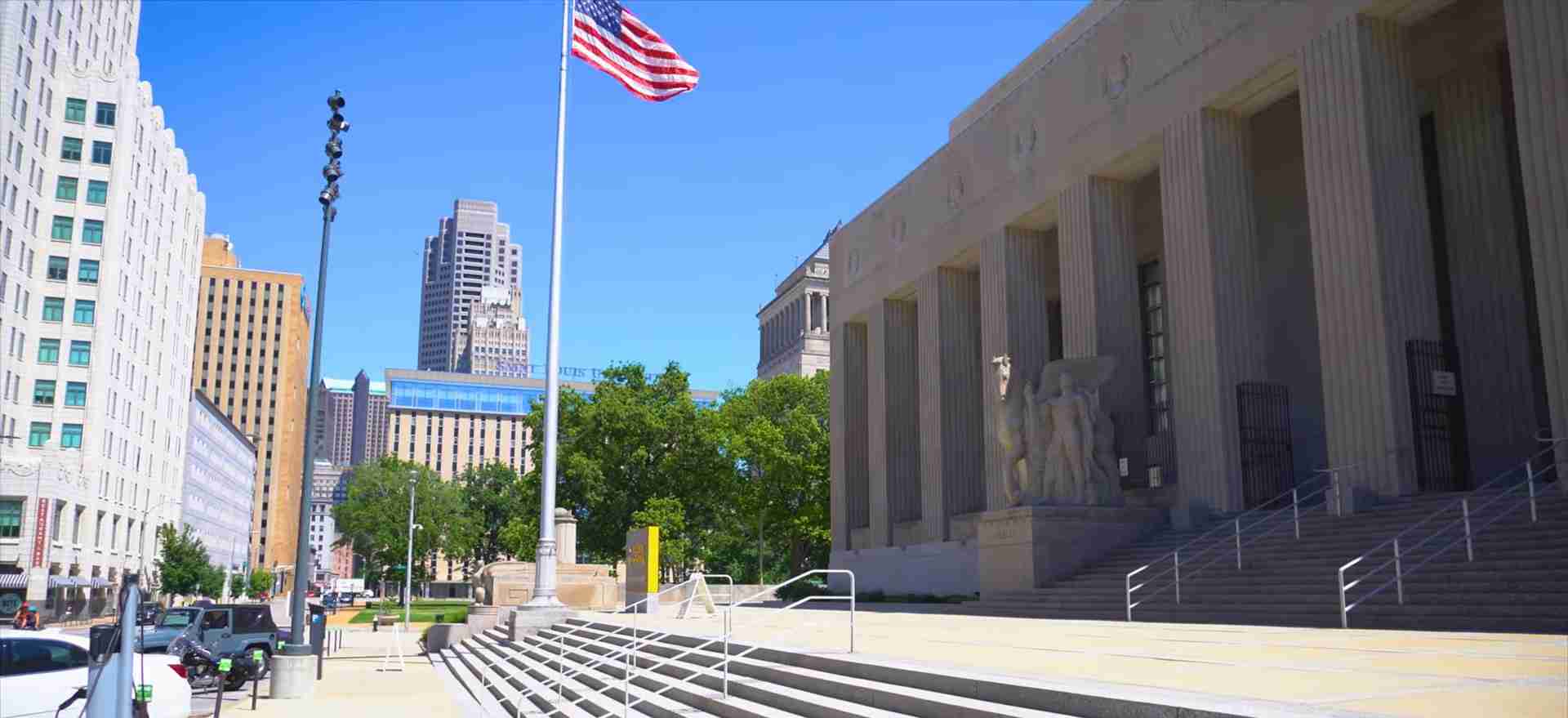
Soldiers Memorial Military Museum at 1315 Chestnut Street honors St. Louis area veterans and military service through exhibits covering conflicts from Civil War through contemporary operations. The building itself serves as memorial, constructed 1936-1938 with Art Deco architecture and interior murals. Free admission daily. Exhibits include uniforms, weapons, personal effects, and photographs documenting local service members’ experiences. The Memorial Hall’s 70-foot ceiling and marble walls create solemn atmosphere appropriate to memorial function. Operating hours: Tuesday through Sunday 9 AM-5 PM. Metered street parking on Chestnut Street; paid garage parking nearby.
Missouri Civil War Museum at 222 Worth Road in Jefferson Barracks Park presents comprehensive Civil War history with emphasis on Missouri’s divided loyalties and border state complexity. Admission costs $7 adults, $5 seniors, $4 students in 2026, check official website for current rates. The museum houses artifacts from both Union and Confederate forces, documents guerrilla warfare that plagued Missouri, and explores how families split allegiances. Jefferson Barracks National Cemetery adjacent to museum contains 186,000+ burials including Civil War soldiers. Operating hours: Tuesday through Saturday 10 AM-4 PM. Free parking in museum lot.
Museum of Westward Expansion under the Gateway Arch explores American expansion through National Park Service exhibits documenting Lewis and Clark Expedition, westward migration, and frontier settlement. Free admission as part of Gateway Arch National Park. The museum reopened 2018 after renovation with updated exhibits addressing Native American perspectives on expansion and settler colonialism’s impacts. Artifacts include expedition equipment, trail life materials, and Native American cultural objects. Operating hours match Gateway Arch museum hours.
Eugene Field House & St. Louis Toy Museum at 634 South Broadway preserves poet Eugene Field’s childhood home while presenting toy collection spanning 19th-20th centuries. Admission costs $8 adults, $6 children in 2026, check official website for current rates. The house tour examines Victorian domestic life; toy galleries display dolls, mechanical toys, games, and childhood ephemera. Operating hours: Wednesday through Saturday 10 AM-4 PM, Sunday 12-4 PM. Street parking on Broadway.
Laumeier Sculpture Park at 12580 Rott Road offers 105-acre outdoor museum with 60+ large-scale sculptures in natural settings. Free admission daily dawn to dusk. Works by Alexander Calder, Beverly Pepper, and other major sculptors occupy meadows, wooded areas, and hillsides accessible via walking trails. The indoor Aronson Gallery presents rotating exhibitions of contemporary sculpture. Operating hours: Tuesday through Sunday 10 AM-4 PM for gallery; park grounds open daily. Free parking in park lots.
Cathedral Basilica of Saint Louis at 4431 Lindell Boulevard houses world’s largest mosaic collection with 41.5 million glass tesserae covering interior surfaces. Free admission daily. The Byzantine-Romanesque cathedral completed 1914 with mosaic installation continuing through 1988. Guided tours available Monday through Friday 10 AM and 1 PM, Saturday 10 AM, Sunday 1 PM—free but donations accepted. The mosaics cover 83,000 square feet depicting biblical scenes and church history. Self-guided visits welcome during open hours 7 AM-6 PM daily. Free parking in cathedral lot off Lindell Boulevard.
Grand Center Arts District Gallery Scene 2026
Grand Center Arts District along Washington Boulevard between Grand and Vandeventer concentrates cultural institutions, galleries, theaters, and performance venues within six-block radius. Contemporary Art Museum St. Louis and Pulitzer Arts Foundation anchor the district’s visual arts offerings, while smaller galleries, artist studios, and alternative spaces create broader contemporary art ecosystem.
Saint Louis University Museum of Art (SLUMA) at 3663 Lindell Boulevard on SLU campus presents exhibitions in 9,000-square-foot gallery space. Free admission Tuesday through Sunday 11 AM-4 PM. SLUMA hosts rotating exhibitions of contemporary art, historical surveys, and student work, plus permanent collection includes 15th-20th century European and American art. The museum closes during university breaks—check website for current schedule. Free parking in visitor lots after 5 PM weekdays and all day weekends; metered parking daytime weekdays.
The Sheldon Art Galleries at 3648 Washington Boulevard adjoins Sheldon Concert Hall in two-story gallery building. Free admission Tuesday through Saturday 10 AM-6 PM. Rotating exhibitions feature regional artists, themed group shows, and national touring exhibitions. The galleries close between installations—check website for current exhibitions. Parking in Grand Center lots or metered street parking on Washington Boulevard.
Regional Arts Commission Gallery at 6128 Delmar Boulevard in University City presents emerging artist work through open calls and curated exhibitions. Free admission Wednesday through Saturday 12-6 PM. The commission supports St. Louis area artists through grants, resources, and exhibition opportunities. Gallery programming emphasizes accessibility and community engagement. MetroLink’s Delmar Loop station sits one block east; parking in public lots along Delmar.
First Fridays monthly art walk October through April brings special programming to Grand Center galleries and institutions with extended hours 5-9 PM first Friday of each month. Pulitzer Arts Foundation, Contemporary Art Museum St. Louis, and smaller galleries coordinate openings, performances, and artist talks. Free shuttle buses connect venues; parking in Grand Center lots. The district becomes pedestrian-focused with street performers, food vendors, and crowds exploring multiple venues in single evening.
Gallery 210 at University of Missouri-St. Louis presents contemporary art exhibitions in on-campus gallery. Free admission Monday through Thursday 11 AM-5 PM. Exhibitions feature established and emerging artists with emphasis on conceptual and experimental practices. The gallery closes university breaks and between installations. Free campus parking; visitor spots near Performing Arts Center.
Visitors exploring Grand Center gallery scene should concentrate visits on Thursday through Saturday when most venues maintain simultaneous hours. First Friday events provide concentrated experience with extended hours and special programming. The district’s compact geography allows walking between venues—Contemporary Art Museum to Pulitzer Foundation requires 30 seconds, both to Sheldon Galleries less than two blocks. Combine gallery visits with performances at Fabulous Fox Theatre, Powell Symphony Hall, or smaller music venues concentrated in same district.
Family-Friendly Museum Experiences 2026
St. Louis museums prioritize family accessibility through dedicated children’s spaces, interactive programming, and affordability that removes financial barriers to cultural participation. Free admission at major institutions means families budget only for parking and optional add-ons, making comprehensive museum exploration economically feasible for all income levels.
Saint Louis Science Center leads family engagement with Discovery Room toddler space, hands-on galleries encouraging experimentation, and programming designed for age groups from preschool through teens. Free general admission allows unlimited return visits; families establish museum routines visiting weekly or monthly without cost accumulation. The outdoor GROW pavilion introduces agricultural concepts through gardens children can touch, smell, and observe. Summer STEM Explorers Camps for ages 5-9 immerse children in week-long science experiences, though these require registration and fees.
City Museum functions as interactive playground rather than traditional museum. Children climb, crawl, slide, and explore physical spaces requiring active engagement. The Toddler Town section scales experiences for ages 1-4 with smaller slides, softer surfaces, and age-appropriate challenges. Adults participate alongside children—the museum doesn’t separate observers from participants. Wear comfortable clothes expecting to get dirty; bring flashlights for cave exploration. The $20-23 admission represents exceptional value for 3-4 hours of physical play surpassing typical playground experiences.
Missouri History Museum’s History Clubhouse provides free hands-on learning where children pilot steamboat simulators, explore recreated 1880s St. Louis streets, build architectural models, and engage with Cahokia Mounds culture through tactile activities. Family Sundays feature drop-in art projects, storytelling, and themed programs. The museum’s free admission removes pressure to maximize visit value—families can visit for 45 minutes targeting just the Clubhouse without feeling wasteful.
Saint Louis Art Museum offers family-friendly features including scavenger hunts guiding children through galleries searching for specific artworks, family guides with age-appropriate information about collection highlights, and Sunday afternoon workshops where families create art inspired by museum works. The museum maintains stroller-friendly galleries and family restrooms. Free admission allows repeated visits focusing on single gallery sections rather than overwhelming children with entire collection.
Magic House Children’s Museum at 516 South Kirkwood Road in Kirkwood specializes in interactive exhibits for ages 1-12. Admission costs $14 for ages 1 and up in 2026, check official website for current rates. Three floors contain 90+ hands-on exhibits exploring science, health, communication, and culture through play. The electrostatic generator creating hair-standing experiences, three-story slide, and water table remain perennial favorites. Operating hours: Tuesday through Saturday 9:30 AM-5:30 PM, Sunday 11 AM-5:30 PM. Free parking in museum lot. Magic House differs from Science Center by targeting younger children with exhibits emphasizing imaginative play over scientific concepts.
Zoo admission remains free daily through Zoo-Museum District funding. The 90-acre facility houses 17,000+ animals in naturalistic habitats. Sea Lion Sound, Penguin & Puffin Coast, and Big Cat Country provide major exhibits. The 1904 Flight Cage aviary and historic Antique Carousel operate during open hours. Children’s Zoo offers hands-on animal encounters. Most families spend 3-4 hours; the zoo’s free admission allows relaxed pacing without cost pressure. Parking costs $15; arrive before 10 AM weekends for spaces.
Planning family museum days: Free institutions allow flexible scheduling—visit 90 minutes at one venue, break for lunch, visit second venue afternoon. Parking represents primary expense; consolidate visits to Forest Park institutions to pay once for all-day access. Pack snacks and water reducing food costs. Museum shops tempt children; set expectations about purchases before entry. Summer months bring outdoor programming including Art Museum films and History Museum concerts suitable for families. Avoid peak hours Saturday 12-3 PM at Science Center and Zoo when crowds maximize.
Practical Planning: Transportation, Parking, and Logistics 2026
St. Louis museums cluster geographically allowing efficient multi-venue visits. Forest Park concentration, Grand Center corridor, and downtown riverfront each present distinct transportation and parking dynamics requiring strategic planning for cost minimization and time efficiency.
Forest Park institutions—Art Museum, History Museum, Science Center, Zoo—occupy the park’s southeastern quadrant within 1.5-mile radius. Science Center parking lot at 5050 Oakland Avenue charges $15 daily, serving as all-day base for visitors exploring multiple venues. Park there, walk to Art Museum (0.7 miles, 15 minutes) and History Museum (0.9 miles, 18 minutes). Alternatively, free parking exists at Art Museum surface lots and History Museum lot when spaces available—arrive before 10 AM weekends. The Art Museum underground garage charges $15 daily, $5 members. Free Forest Park roadway parking requires searching and often necessitates longer walks.
MetroLink light rail connects downtown with Forest Park via two routes. Red Line’s Forest Park-DeBaliviere station sits adjacent to History Museum with one-mile walk to Art Museum. Blue Line’s Central West End station requires longer walk to museums. One-way MetroLink fare costs $2.50, day pass $5. MetroLink operates 4 AM-1 AM weekdays, 5 AM-1 AM weekends with trains every 10-20 minutes during daytime. Stations feature elevator and ramp access for wheelchairs and strollers.
Grand Center Arts District venues occupy Washington Boulevard between Grand and Vandeventer. Contemporary Art Museum St. Louis and Pulitzer Arts Foundation sit adjacent at 3750 and 3716 Washington Boulevard with Pulitzer’s free parking lot accessible from Spring Street—limited spaces fill by 11 AM weekends. Paid parking lots exist throughout Grand Center charging $5-10 daily. Metered street parking costs $1-2 hourly on Washington Boulevard and side streets—meters enforce Monday through Saturday 8 AM-6 PM. Evening performances at Fabulous Fox Theatre or Powell Symphony Hall create parking scarcity; arrive early or use MetroLink’s Grand Center station three blocks south.
Downtown museums—Gateway Arch, National Blues Museum, Old Courthouse—cluster within half-mile of each other allowing walking connections. Official Gateway Arch parking at Stadium East Garage (701 Convention Plaza) costs $15-20 daily with seven-minute walk to museum entrance. Additional garages at 410 North 7th Street and hotel garages charge similar rates. Limited metered street parking on Memorial Drive. MetroLink’s Laclede’s Landing station sits five blocks north of Gateway Arch requiring 10-minute walk; Convention Center station adjacent to National Blues Museum provides closest access.
Rideshare services (Uber, Lyft) operate throughout St. Louis with typical downtown-to-Forest Park fares $12-18. Surge pricing during events increases costs. Dedicated rideshare pickup zones exist at major museums—Gateway Arch designated area on Memorial Drive, Science Center at main entrance. Rideshare eliminates parking costs but accumulates quickly across multiple trips; calculate total transportation budget when comparing options.
Walking between museums requires consideration of distances and weather. Forest Park institutions connect via paved paths through scenic parkland—Art Museum to History Museum 0.6 miles along Post-Dispatch Lake, History Museum to Science Center 0.7 miles through wooded areas. Summer heat and humidity make midday walks uncomfortable; morning and evening offer better conditions. Winter snow and ice create hazardous path conditions—wear appropriate footwear or drive between venues. Downtown museums sit in urban environment with continuous sidewalks; Gateway Arch to National Blues Museum 0.6 miles along Washington Avenue passes through business district.
Multi-day strategies: Visitors spending 2-3 days in St. Louis should group museums by location. Day 1: Forest Park museums (Art Museum morning, History Museum lunch break, Science Center afternoon). Day 2: Downtown riverfront (Gateway Arch tram morning, museum galleries midday, National Blues Museum afternoon). Day 3: Grand Center galleries and City Museum. This geographic clustering minimizes transportation between areas while allowing comprehensive cultural exploration. Weekend visitors can target free museums Saturday-Sunday eliminating admission costs entirely while experiencing world-class collections.
Seasonal Considerations and Special Events 2026
Museum experiences vary significantly by season with weather, crowd patterns, and special programming creating distinct visit dynamics throughout the year. Strategic timing maximizes comfort, minimizes crowds, and captures seasonal events enhancing standard museum offerings.
Summer June through August brings peak visitation to all institutions, particularly family-friendly venues like Science Center, History Museum’s History Clubhouse, and Zoo. Weekend crowds at Science Center create bottlenecks at popular exhibits and OMNIMAX Theater—weekday mornings provide calmer exploration. Art Museum Film Series presents outdoor movies on Art Hill Wednesday and Thursday evenings late May through August, free admission with lawn seating and concessions available. Bring blankets, chairs, and picnics for community viewing experience under stars with Gateway Arch visible across Forest Park skyline.
Missouri History Museum’s Twilight Thursdays concert series June through August offers free outdoor music on north plaza with regional and national acts performing jazz, blues, rock, and world music. Concerts run 6-8 PM; arrive early for best lawn positions. Food trucks and cash bars operate during events. The series attracts thousands creating festive atmosphere—parking fills by 5:30 PM, overflow parking along Forest Park roadways.
Fall September through November provides ideal museum visiting conditions. Moderate temperatures make walking between Forest Park institutions comfortable. Crowds thin after Labor Day as schools resume; weekday museum visits offer nearly empty galleries. Art Museum and Contemporary Art Museum St. Louis typically launch major fall exhibitions in September continuing through winter. Grand Center First Fridays resume in October after summer hiatus, providing monthly art walk opportunities through April.
Winter December through February creates lowest visitation levels at all museums. Science Center and indoor venues maintain comfortable environments while outdoor walking between Forest Park institutions requires winter clothing. Art Museum and History Museum maintain holiday hours closing Christmas Day only—museums provide escape from cold with free admission and climate-controlled galleries. Parking lots rarely fill; free surface lot spaces abundant even on weekends.
Holiday programming varies by institution. City Museum presents Weirdly Wonderful Holidays late November through December with themed decorations, special events, and extended hours. Science Center offers holiday-themed Planetarium shows and winter break camps. Museums remain open New Year’s Eve with standard hours; New Year’s Day closures allow staff holiday observance.
Spring March through May brings increasing crowds as weather improves. Spring break weeks in March create elevated Science Center and City Museum attendance—families traveling to St. Louis concentrate visits during school vacation periods. April and May provide optimal conditions for Forest Park exploration with flowering trees, moderate temperatures, and manageable crowds before summer peak. Art Museum Rodin sculpture terrace and History Museum north plaza offer pleasant outdoor spaces for breaks between gallery visits.
Special exhibition timing impacts visit planning. Major traveling exhibitions at Art Museum typically run 3-4 months with most significant shows scheduled fall through spring capturing St. Louis residents and regional travelers. Contemporary Art Museum St. Louis rotates exhibitions every 3-4 months year-round. National Blues Museum presents special concerts and events tied to blues festivals and heritage months—February Black History Month brings enhanced programming. Checking institution websites 1-2 weeks before visits reveals current exhibitions and time-limited programming.
Weather contingencies: St. Louis experiences temperature extremes and severe weather. Summer heat indices above 100°F make outdoor activities uncomfortable—schedule museum visits during air-conditioned comfort. Winter ice storms occasionally close institutions; check websites and social media for closure announcements during severe weather events. Tornado season April through June rarely impacts museums directly but severe thunderstorms can delay visits—indoor museum time provides safe shelter during storm passages.
Budget Planning for Museum Visits 2026
St. Louis museum visiting costs remain remarkably low compared to coastal cities where major institutions charge $25-35 admission per person. The Zoo-Museum District tax funding free institutions means visitors budget primarily for parking, optional premium experiences, and meals, creating accessible cultural tourism across income levels.
Single-day free museum visits require minimal expenditure. Parking at Forest Park institutions costs $15 at Science Center and Art Museum garage, free when surface lot spaces available. History Museum parking always free. Visit all three Forest Park museums in one day paying single $15 parking fee—park at Science Center lot, walk to other venues. Total day cost: $15 parking for vehicle regardless of passenger count. Pack lunch and snacks eliminating food costs. This $15 single-vehicle expense provides access to three world-class museums containing 700+ Science Center exhibits, 30,000 Art Museum artworks, and comprehensive History Museum galleries—equivalent coastal experience costs $150-200 for family of four in admission fees alone.
Enhanced experiences add costs: Science Center OMNIMAX film $12 adult, $10 child/senior; Planetarium show $6 adult, $5 child/senior; Discovery Room $6 ages 1+. Family of four (two adults, two children ages 6 and 10) visiting Science Center with one OMNIMAX film: $15 parking + $44 OMNIMAX tickets ($12 + $12 + $10 + $10) = $59 total. This compares favorably to typical science center costs elsewhere where admission alone runs $25-30 per person before any premium experiences.
City Museum visit costs: $20 online admission per person (all ages 3+), $15 parking. Family of four: $80 admission + $15 parking = $95 total for 3-4 hours of interactive exploration. Optional add-ons including rooftop access and pinball hall add $5-8 per person. Budget $95-110 for comprehensive City Museum experience with one add-on per person.
Gateway Arch experiences vary by ticket type. Tram to top only: $26-30 adult, $17-21 child ages 3-15 in 2026, check official website for current rates. Family of four tram tickets: approximately $102-122 plus $15-20 parking = $117-142 total. Gateway Plus combo (tram, documentary, VR, riverboat cruise): $50-54 adult, $31-35 child in 2026, check official website for current rates. Family of four Gateway Plus: approximately $162-178 plus parking = $177-198 total. Museum under the arch free; visitors can explore comprehensive exhibits paying only parking without tram ride.
Multi-day comprehensive museum exploration: Day 1 (Forest Park free museums): $15 parking at Science Center, $12 OMNIMAX film per person, pack lunch. Family of four: $15 + $44 = $59. Day 2 (Gateway Arch and National Blues Museum): Gateway Arch tram $102-122 family of four, parking $15-20, National Blues Museum $15 adult admission x2 + reduced child rates = approximately $40, lunch downtown $50-70. Day 2 subtotal: $207-252. Day 3 (City Museum and Grand Center galleries): City Museum $95 family of four, Contemporary Art Museum and Pulitzer Foundation free, parking at Pulitzer lot free if space available. Day 3 subtotal: $95. Three-day comprehensive museum tour total: $361-406 for family of four including parking, paid admissions, one premium Science Center experience, and one restaurant meal. Equivalent coastal city cultural tourism easily exceeds $800-1000 for same family through admission fees alone before premium experiences.
Money-saving strategies: Visit free museums exclusively—Art Museum, History Museum, Science Center free galleries, Contemporary Art Museum, Pulitzer Foundation, Missouri Botanical Garden (separately managed but also free). Park at free lots arriving before 10 AM or use MetroLink $5 day pass avoiding parking costs. Pack meals and snacks throughout day. Visit Art Museum special exhibitions on Fridays when admission free. Attend free outdoor events including Art Museum Film Series, History Museum Twilight Thursdays, and First Friday gallery walks. This approach allows comprehensive cultural exploration on budget under $25 total for family of four covering only MetroLink day passes or single parking fee.
Membership value: Saint Louis Art Museum membership starts $75 individual, $125 dual. Benefits include free parking ($15 value per visit, break-even after 5-8 visits), exhibition previews, member events, and reciprocal admission at other museums nationwide. Science Center membership $110 family level includes free parking, OMNIMAX and Planetarium discounts, and summer camp discounts—breaks even for families visiting 3-4 times annually with premium experiences. City Museum annual membership costs vary—check website for current rates. Evaluate membership based on anticipated visit frequency; St. Louis residents and regional visitors making quarterly trips benefit significantly from membership parking savings and free admission to special exhibitions.
Accessibility and Visitor Services 2026
St. Louis museums maintain comprehensive accessibility accommodations ensuring cultural experiences welcome visitors with disabilities, mobility limitations, sensory processing needs, and language barriers. Americans with Disabilities Act compliance combined with institutional commitment to inclusive programming creates accessible museum environment across institutions.
Physical accessibility: All major museums provide wheelchair access through ramps, elevators, and accessible entrances. Saint Louis Art Museum offers wheelchair loan at information desk, accessible parking in underground garage with elevator access to galleries, and accessible restrooms on all levels. City Museum’s interactive nature presents physical challenges—tunnels, slides, and climbing structures not wheelchair accessible, though first-floor galleries and some outdoor areas accommodate mobility devices. Gateway Arch Museum and Old Courthouse maintain full accessibility with elevators and ramps; tram cars accommodate one wheelchair per car requiring advance notification at ticket desk.
Science Center features wheelchair-accessible exhibits throughout all galleries with adjustable-height displays allowing seated visitors to engage fully with interactive elements. Missouri History Museum provides accessible entrance at north entrance with elevator access to all gallery levels. Contemporary Art Museum St. Louis and Pulitzer Arts Foundation both maintain single-level gallery spaces with wide aisles accommodating wheelchairs and mobility devices. Accessible parking exists at all institutions with designated spaces near building entrances.
Visual accessibility: Art Museum offers large-print gallery guides, verbal description tours by advance reservation, and tactile elements in select galleries allowing blind and low-vision visitors to experience artworks through touch with docent guidance. Audio guides include detailed verbal descriptions of collection highlights. Science Center’s hands-on exhibits provide tactile learning opportunities; some exhibits include Braille labels. Museum staff trained to provide assistance and verbal descriptions upon request.
Hearing accessibility: Most museums offer written materials supplementing audio content. Science Center provides closed-caption options on video displays. Pulitzer Arts Foundation offers American Sign Language tours by advance request with two-week notice. Art Museum and History Museum can arrange ASL interpretation for guided tours with advance notice. Contemporary Art Museum St. Louis uses primarily visual art requiring minimal audio interpretation. Gateway Arch documentary film includes closed captions; tram ride narration supplemented by visual displays.
Sensory-friendly accommodations: City Museum’s intense sensory environment—loud sounds, bright lights, crowded spaces—can overwhelm visitors with sensory processing sensitivities. Visit weekday mornings for lower crowds and reduced noise. Science Center offers quiet zones and sensory break spaces; request sensory backpacks at information desk containing noise-reducing headphones, fidget tools, and visual schedules. Art Museum’s contemplative galleries provide naturally calmer environments; security staff accommodate visitors needing breaks or extended viewing time.
Language services: Major museums provide Spanish-language materials at information desks. Art Museum offers audio guides in multiple languages for permanent collection and major exhibitions. Self-guided materials accommodate independent exploration for non-English speakers. Gateway Arch museum includes multilingual signage and materials for international visitors. Museum staff speak limited languages beyond English; translation apps recommended for detailed questions.
Service animals: All museums welcome service animals trained to assist visitors with disabilities. Museums request service animals remain leashed and under handler control. City Museum’s active environment may stress service animals; handlers should assess animal comfort level with crowds and stimulation. Water bowls available upon request at most museum information desks.
Cognitive and developmental accessibility: History Museum’s History Clubhouse includes sensory-friendly spaces designed for children with developmental differences. Science Center provides visual schedules and social stories preparing visitors with autism spectrum disorder for museum experience—downloadable from website before visit. Museum staff trained in disability awareness and accommodation; notify information desk upon entry if assistance needed. Extended time allowed for exploration without pressure to maintain particular pace.
Family accessibility: All museums provide family restrooms with changing tables accommodating older children and adults requiring assistance. Nursing mothers welcome to feed infants in galleries; designated nursing rooms available at Science Center and Art Museum. Stroller access maintained throughout most museums with stroller parking available when needed. High-traffic areas during peak times create stroller navigation challenges; carriers recommended for smaller children during crowded periods.
Parking accessibility: Accessible parking spaces exist at all museums with level access to entrances. Science Center accessible parking adjacent to main entrance. Art Museum underground garage includes accessible spaces with elevator access. Gateway Arch accessible parking at Stadium East Garage with shuttle service to museum entrance during peak season. Van-accessible spaces with additional clearance available at all facilities. Accessible parking requires state-issued disability placard or license plate.
Museum Collections: Depth and Distinction 2026
St. Louis museums maintain collections distinguished by specific areas of exceptional depth where holdings compete with or surpass major coastal institutions. Understanding these collection strengths allows visitors to prioritize institutions matching their particular interests while appreciating how St. Louis contributes to national cultural preservation.
Saint Louis Art Museum’s 30,000-work collection achieves particular distinction in German Expressionism—one of America’s strongest holdings including major paintings by Max Beckmann, Kirchner, and Nolde acquired before the movement gained widespread American recognition. Pre-Columbian art collection ranks among the continent’s finest with comprehensive Mesoamerican ceramics, textiles, and gold work spanning Olmec through Aztec cultures. Oceanic art galleries present depth unusual outside specialized institutions with New Guinea, Polynesian, and Aboriginal Australian materials. American painting collection includes Thomas Hart Benton’s “Persephone” and significant works by George Caleb Bingham documenting Missouri frontier life.
The ancient Chinese bronze collection merits special attention—pieces spanning Shang through Han dynasties demonstrate technical achievement and artistic innovation rarely accessible in American museums. European painting galleries progress chronologically from medieval altarpieces through Impressionism and early modernism with particular strength in French academic painting and salon works often overlooked in other institutions’ focus on avant-garde movements. The museum acquired these academic works when unfashionable, building collection depth unavailable to institutions entering market later.
Missouri History Museum houses world’s most comprehensive 1904 World’s Fair documentation—a 1,500-building exposition attracting nearly 20 million visitors generated enormous material culture from souvenirs to architectural elements. The museum preserved exposition materials systematically during and after the fair, creating archive unmatched by any institution. Charles Lindbergh materials include personal papers, flight equipment, and documentation of Spirit of St. Louis construction—St. Louis businessmen funded Lindbergh’s aircraft construction creating local connection. The museum maintains it comprehensively.
Lewis and Clark Expedition artifacts concentration reflects St. Louis’s role as departure point and return destination for the Corps of Discovery. Materials include expedition equipment, Native American objects acquired during the journey, and documentation of post-expedition developments. The museum contextualizes these materials within broader indigenous history, acknowledging expedition’s destructive impact on Native peoples while preserving historical record.
Gateway Arch Museum under the arch presents comprehensive westward expansion documentation assembled by National Park Service. Materials span colonial St. Louis through 20th century, with particular depth in riverboat commerce, frontier settlement, and pioneer migration patterns. The museum doesn’t glorify expansion uncritically—exhibits address displacement of Native peoples, environmental destruction, and complex motivations driving settlement. Dred Scott materials at Old Courthouse include trial documents, contemporary accounts, and contextual materials about slavery in Missouri.
National Blues Museum maintains instrument collection including guitars, harmonicas, and keyboards played by significant blues artists. Recording collection spans field recordings from 1920s through contemporary blues with emphasis on regional styles from Mississippi Delta, Chicago, St. Louis, and Texas. Photographs document blues history from early 20th century through present. The collection continues growing through donations from artists, families, and collectors preserving blues heritage.
City Museum’s collection differs from traditional museum holdings—the architectural salvage, industrial artifacts, and found objects function as sculpture and playground equipment rather than preserved artifacts. Notable pieces include complete building facades from demolished St. Louis structures, vintage machinery repurposed as climbing elements, and architectural details spanning St. Louis’s industrial and commercial history. The collection documents city’s physical transformation while making history tangible through interaction.
Saint Louis Science Center collections include natural history specimens, technology artifacts, and scientific instruments. The dinosaur fossils, mounted animal specimens, and geological materials support educational programming. Historic scientific instruments demonstrate technological evolution. The collection emphasizes hands-on learning over comprehensive natural history assemblage—specimens selected for educational value and interactive potential rather than research significance.
Contemporary Art Museum St. Louis operates without permanent collection, instead commissioning new works for specific exhibitions and supporting artists through residencies. This model allows the museum to present cutting-edge practice without acquisition budgets limiting programming. Commissioned works sometimes enter other institutional collections post-exhibition. Pulitzer Arts Foundation similarly operates as non-collecting institution, though founder Emily Rauh Pulitzer’s private collection occasionally appears in special exhibitions.
Cathedral Basilica’s mosaic collection functions as permanent installation rather than traditional museum collection—the 83,000 square feet of glass mosaic work created by 20 different artists over 76 years represents largest mosaic collection worldwide. The mosaics document biblical history and church development using Byzantine and modern mosaic techniques. This ecclesiastical art remains in original liturgical context rather than museum setting, creating unique viewing experience where art functions within religious worship.
Photography and Social Media Policies 2026
Museum photography policies vary by institution and collection type, with most St. Louis museums permitting personal photography in permanent galleries while restricting or prohibiting photography in special exhibitions. Understanding current policies prevents security encounters and ensures compliance with copyright and artwork preservation requirements.
Saint Louis Art Museum allows photography in permanent collection galleries for personal, non-commercial use without flash. Tripods, selfie sticks, and video recording prohibited. Special exhibitions may restrict all photography—signage at exhibition entrances indicates policy. Museum requests visitors photograph responsibly without blocking other visitors’ viewing or touching artworks. Staff intervenes when photography disrupts gallery experience or threatens artwork safety. Social media sharing encouraged with museum tags @stlartmuseum on Instagram and Twitter. The museum appreciates credit when posting collection images.
Contemporary Art Museum St. Louis and Pulitzer Arts Foundation generally allow photography in galleries for personal use without flash. Some artists request no photography of their work—signage indicates restrictions at gallery entrances. The museums encourage social media sharing tagging @contemporarystl and @pulitzerarts. Installation artists sometimes design work specifically for Instagram engagement; museums embrace social media as audience development tool. Video recording restricted; contact museum communications departments for permission.
City Museum permits photography and video throughout facility for personal use. The interactive nature and visually dramatic installations make City Museum Instagram-popular—the museum encourages social media sharing tagging @citymuseum. Commercial photography and drone use require advance permission and fees. Visitors create content constantly; the museum designs installations with photography in mind. Influencers and content creators welcome without advance permission for personal accounts; commercial partnerships require formal arrangements.
Missouri History Museum allows photography in permanent galleries without flash for personal use. Special exhibitions may restrict photography—check signage. Tripods and video recording prohibited without permission. The museum encourages social media posts tagging @mohistory. Historic photographs and documents have reproduction restrictions protecting copyright; personal photography of displays permitted while reproduction of collection items for publication requires formal permissions.
Saint Louis Science Center permits photography throughout galleries for personal use. The hands-on nature means visitors frequently photograph children engaging with exhibits—the museum welcomes family documentation. Flash photography prohibited near animals in live exhibits. OMNIMAX Theater prohibits all photography and recording during film presentations. Social media sharing encouraged with tags @STLScienceCenter. School groups and organizations should notify museum when planning professional photography sessions.
Gateway Arch National Park allows photography throughout museum galleries and at arch observation area for personal use. Commercial photography requires National Park Service permits. Tripods permitted if not obstructing pathways. Tram cars prohibit photography during ride for safety—visitors may photograph freely at top observation area. The arch becomes favorite photography subject; the park encourages sharing with tags @GatewayArchNPS. Old Courthouse allows interior photography for personal use; commercial photography requires permits.
National Blues Museum permits photography throughout exhibits for personal use without flash. Some artifacts and materials have copyright restrictions—signage indicates where reproduction prohibited. Live performances in museum space may restrict photography and recording at artist request; check with staff before photographing performances. Social media sharing encouraged with tags @NationalBluesMuseum. The museum appreciates posts spreading blues heritage knowledge.
Photography etiquette applies across all institutions: Turn flash off preventing artwork damage and distraction. Don’t block other visitors while photographing. Never touch artworks or exhibits for better angles. Respect artists’ and institutions’ intellectual property rights—personal photography doesn’t grant reproduction or commercial use rights. When photographing children, ensure other visitors’ children don’t appear prominently without parent permission. Museum staff provide final authority on photography questions; comply with instructions even if inconsistent with stated policy.
Social media best practices: Tag museums in posts increasing visibility. Use location tags helping others discover institutions. Caption photographs with artist names, artwork titles, and museum credit when information available. Share thoughtful responses to artworks beyond selfies—museums appreciate substantive engagement. Respond to museum social media posts and participate in online programs. Social media functions as community-building tool connecting visitors, artists, and institutions; thoughtful participation enriches cultural conversation.
Museum Dining and Amenities 2026
Museum dining options range from full-service restaurants to casual cafés and vending machines, with quality and pricing varying significantly by institution. Understanding food service availability helps visitors plan meal timing and budget accordingly, while knowing amenity locations enhances overall museum experience.
Saint Louis Art Museum operates Panorama restaurant on the lower level with windows overlooking Art Hill and Grand Basin. The restaurant serves lunch Tuesday through Sunday 11 AM-3 PM and dinner Friday 5-8 PM during extended museum hours. Menu emphasizes seasonal ingredients with entrées $16-28, sandwiches $12-16, salads $10-14. Reservations recommended for Friday dinner though walk-ins accepted when space available. The restaurant offers one of St. Louis’s finest museum dining experiences with thoughtful food preparation, extensive wine list, and exceptional views. Full bar service includes cocktails, wine, and local craft beers.
City Museum provides multiple food service options across its ten-story building. Concession stands sell pizza, hot dogs, pretzels, and beverages $5-12. The Cabin rooftop bar serves cocktails, beer, and wine with small plates $8-15. Food quality focuses on convenience rather than culinary excellence—visitors seeking substantial meals should eat before or after museum visit. Outside food prohibited; the museum enforces this policy given extensive food service throughout building. Vending machines supplement concessions on multiple floors.
Missouri History Museum’s Meriwether Café operates Wednesday through Sunday 11 AM-3 PM serving sandwiches $10-14, salads $9-13, soups, and beverages. The café emphasizes Missouri products when possible with rotating seasonal menu. Seating overlooks Forest Park with north plaza views. The café provides quality lunch option for museum visitors though limited hours mean breakfast and early lunch visitors should plan accordingly. Coffee and pastries available morning hours.
Saint Louis Science Center Café serves pizza, sandwiches, salads, and hot meals $8-14 throughout museum operating hours. The café provides family-friendly options accommodating children’s preferences with chicken tenders, macaroni and cheese, and similar items. Seating includes indoor tables and outdoor picnic areas. Food quality meets acceptable standards without aspiring to culinary distinction—functional refueling for museum exploration. Vending machines throughout building supplement café service. Outside food permitted in designated picnic areas outside main building; visitors may pack lunches reducing costs.
Contemporary Art Museum St. Louis houses Grand Café serving breakfast, lunch, and coffee Wednesday through Sunday. Breakfast items $6-12, lunch entrées $12-18 emphasize locally sourced ingredients with seasonal menu changes. The café functions independently of museum—visitors can patronize without viewing exhibitions. Coffee service throughout day with pastries from local bakeries. Outdoor seating available weather permitting. The café represents one of Grand Center’s better lunch options with food quality surpassing typical museum cafés.
Pulitzer Arts Foundation lacks on-site food service. Visitors can patronize Contemporary Art Museum St. Louis café next door or explore Grand Center Arts District restaurants within three-block walk. The museum’s contemplative atmosphere and limited hours (Thursday-Sunday) mean most visits occur outside typical meal times. Water fountains available; no vending machines.
Gateway Arch National Park provides limited food service in the museum. Vending machines offer snacks and beverages. The neighboring Gateway Arch Grounds include food trucks seasonally—check current vendors via park website or social media. Downtown St. Louis restaurants within five-block walk provide lunch and dinner options before or after museum visits. Visitors planning extended arch experiences should eat before entry or pack snacks—security allows sealed beverages and snacks through screening.
National Blues Museum lacks food service but partners with adjacent City Winery for performances. Downtown location provides numerous restaurant options within two-block walk including barbecue, Italian, and casual dining $10-25 per entrée. The museum’s limited hours (Wednesday-Sunday 11 AM-3 PM) mean most visits occur during lunch time—plan restaurant meal before or after exploration.
Gift shops operate at all major museums stocking books, jewelry, home goods, children’s items, and museum-specific merchandise. Art Museum shop offers extensive art book selection, reproduction jewelry based on collection pieces, and high-quality gifts. Prices range $5-200 with many items $15-40. Science Center store emphasizes educational toys, science kits, and STEM-focused products appealing to children and families. City Museum gift shop sells quirky items reflecting museum’s playful aesthetic plus City Museum apparel. Museum shops accept credit cards and cash; members receive 10% discount at most shops.
Restroom facilities exist throughout all museums with family restrooms accommodating children and accessibility needs. Art Museum restrooms on all gallery levels. Science Center restrooms near major gallery sections and OMNIMAX Theater. City Museum restrooms on multiple floors though locating them requires navigation through building’s maze-like layout—staff can provide directions. Contemporary Art Museum and Pulitzer Foundation restrooms near gallery entrances. Gateway Arch museum restrooms before and after security checkpoint.
Coat check services vary by season and institution. Art Museum provides free coat check October through April near main entrance. City Museum offers paid coat check and locker rental—recommended given active climbing and crawling making coat-carrying impractical. Science Center provides limited coat storage during peak season. Contemporary Art Museum and Pulitzer Foundation lack coat check; winter visitors should wear layered clothing allowing temperature adjustment.
WiFi access available at most institutions though connection reliability varies. Art Museum provides guest WiFi throughout building. Science Center offers WiFi though interactive exhibits sometimes create interference. Contemporary Art Museum and Pulitzer Foundation provide WiFi for visitors researching artworks or accessing digital resources. Gateway Arch museum provides WiFi access. Museum apps enhance experiences—Art Museum and Science Center offer mobile apps with exhibit information, maps, and educational content downloadable before visit.
Frequently Asked Questions About St. Louis Museums 2026
Are St. Louis museums open on holidays?
Most St. Louis museums close only on major holidays including Thanksgiving, Christmas Day, and New Year’s Day. Saint Louis Art Museum, Missouri History Museum, and Saint Louis Science Center maintain this limited closure schedule, remaining open all other days. Gateway Arch National Park closes the same three holidays. Contemporary Art Museum St. Louis and Pulitzer Arts Foundation close Juneteenth, Independence Day, Thanksgiving, Christmas, and New Year’s Day, with early closures on Christmas Eve and New Year’s Eve. City Museum operates most holidays with potential exceptions for Thanksgiving and Christmas—check website for specific holiday hours. Memorial Day, Labor Day, Independence Day, and other federal holidays find museums operating on normal schedules. Plan visits around the three universal closures; all other holiday periods allow museum access.
Can I bring food and drinks into St. Louis museums?
Food and beverage policies vary by institution. Saint Louis Art Museum, Missouri History Museum, and Contemporary Art Museum St. Louis prohibit food and drinks in galleries, though water bottles with secure lids permitted. Science Center allows food only in designated areas including outdoor picnic tables and specific indoor seating zones—not in exhibit galleries. City Museum prohibits outside food given extensive on-site food service throughout building. Gateway Arch museum security allows sealed beverages and snacks through checkpoint; consume in designated areas not near artifacts. Pulitzer Arts Foundation prohibits food and drinks in galleries. All museums provide water fountains and allow sealed water bottles. Visitors with dietary restrictions or medical needs should notify information desk upon entry; museums accommodate necessary food and beverage needs. Pack lunches for Forest Park museum visits consuming meals at outdoor picnic areas between institutions rather than inside galleries.
Which St. Louis museums are best for young children under age 5?
Saint Louis Science Center leads for young children through Discovery Room specifically designed for ages 1-5 with admission $6 for ages 1+ in 2026, check official website for current rates. The scaled exhibits, water tables, and age-appropriate activities engage toddlers and preschoolers for 30-60 minutes. Main Science Center galleries offer hands-on experiences suitable for ages 3+ though content targets elementary-age children primarily. City Museum provides Toddler Town section with smaller slides and climbing structures for ages 1-4, though the museum’s intensity may overwhelm sensitive young children. Missouri History Museum’s History Clubhouse welcomes young children with tactile activities and play-based learning, all free with museum admission. Saint Louis Zoo remains top choice for young children with free admission and animal exhibits captivating toddlers and preschoolers for 2-3 hours. Art Museum galleries suit patient young children interested in looking at paintings, though most under-5s prefer museums with interactive elements.
Do St. Louis museums offer guided tours?
Most institutions provide guided tours on regular schedules plus private tours by arrangement. Saint Louis Art Museum offers docent-led tours daily at 1:30 PM weekends covering collection highlights, with specialized tours focusing on specific galleries or themes available by request. Private group tours require two-week advance booking for groups of 10+. Missouri History Museum provides guided tours at 1 PM weekends highlighting permanent exhibitions plus special exhibition tours when available. Science Center offers guided tours for school groups and organizations by advance reservation; public visitors explore independently using maps and signage. Gateway Arch National Park provides free ranger-led programs throughout the day including 30-minute gallery talks and artifact discussions—schedule posted at information desk. City Museum operates as self-guided exploration without formal tours, though staff answer questions. Contemporary Art Museum St. Louis and Pulitzer Arts Foundation offer tours by advance request with two-week notice, particularly valuable given contemporary art’s sometimes opaque nature. National Blues Museum functions as self-guided experience with interactive stations and reading materials, no formal tours. Request specialized tours including accessibility accommodations and language interpretation two weeks advance.
Are there combination tickets or passes for multiple St. Louis museums?
No formal museum pass covers St. Louis institutions comparable to city passes in coastal destinations. The reason is simple: most major museums already free. Art Museum, History Museum, Science Center base admission, Contemporary Art Museum, and Pulitzer Foundation charge nothing, eliminating need for combination tickets covering free attractions. Gateway Arch offers combination tickets bundling tram ride, documentary film, virtual reality experience, and riverboat cruise at discounted rate versus purchasing separately. CityPASS and Go City passes occasionally include St. Louis attractions but limited utility given free museum landscape. Individual museum memberships provide best value for residents and frequent visitors, particularly Art Museum and Science Center memberships including free parking worth $15 per visit. Budget-conscious visitors should maximize free museums first, adding paid experiences (City Museum, Gateway Arch tram, National Blues Museum) selectively based on interest rather than purchasing bundled passes of questionable value.
Can I visit multiple Forest Park museums in one day?
Yes, Forest Park’s museum concentration makes multiple-venue visits practical and common. Art Museum, History Museum, and Science Center occupy the park’s southeastern quadrant within 1.5 miles of each other. Comprehensive one-day itinerary: Start at Science Center 9:30 AM opening for free galleries and one OMNIMAX film by 11 AM. Walk 15 minutes to Art Museum for 11:30 AM arrival, explore European and American painting galleries plus special exhibition through 1:30 PM. Eat packed lunch on Art Museum grounds or at Panorama restaurant. Walk 12 minutes to History Museum arriving 2:30 PM for 1904 World’s Fair exhibition and Seeking St. Louis galleries through 5 PM closing. This schedule provides 7.5 hours museum time split across three institutions without rushing. Alternative shorter visits target two museums: Art Museum plus History Museum (both until 5 PM) or Science Center plus either other museum depending on interests. Single parking fee at Science Center ($15) serves all-day, or free parking at Art Museum/History Museum lots when available. The proximity eliminates transportation between venues beyond pleasant walks through Forest Park scenery.
What is the best time to visit St. Louis museums to avoid crowds?
Weekday mornings September through May provide quietest museum experiences. Science Center opens 9:30 AM Monday and Thursday through Saturday—arriving at opening finds galleries nearly empty through 11 AM before school groups and families arrive. Art Museum and History Museum operate Tuesday through Sunday; Tuesday through Thursday mornings see lowest visitation. Weekend mornings before 11 AM offer calmer experiences than afternoon peak hours 12-3 PM when crowds maximize. Summer June through August brings elevated visitation all days; weekday mornings still preferable to weekends. City Museum attracts fewest visitors Thursday and Friday mornings; weekend afternoons create peak crowds. Gateway Arch tram tickets sell out early during March through October peak season—book online 3-7 days advance for preferred times. Contemporary Art Museum and Pulitzer Foundation rarely experience significant crowds given limited hours (Thursday-Sunday) and rotating contemporary art exhibitions appealing to smaller specialized audiences. January through February winter months provide lowest annual visitation across all institutions while maintaining full operating schedules.
Are St. Louis museums safe for solo travelers and families?
Yes, St. Louis museums provide safe environments with security staff, surveillance systems, and visitor services ensuring personal safety. Major institutions including Art Museum, Science Center, History Museum, and Gateway Arch maintain professional security teams monitoring galleries and assisting visitors. Museums occupy safe neighborhoods—Forest Park area and Grand Center Arts District experience minimal crime targeting tourists. Downtown museums near Gateway Arch sit in redeveloped riverfront area with strong security presence. Standard urban safety practices apply: remain aware of surroundings, secure valuables, use well-lit parking areas, and travel in groups after dark. Museum parking lots feature lighting and security patrols. Families exploring museums encounter no safety concerns within facilities; children require supervision at City Museum given climbing structures and physical challenges. Solo travelers visit museums safely during operating hours; evening museum events and gallery walks bring community attendance creating safety through numbers. St. Louis museums welcome all visitors regardless of travel configuration, with staff trained to assist anyone needing support or reporting concerns.
Do I need to book tickets in advance for St. Louis museums in 2026?
Advance tickets required only for Gateway Arch tram rides and recommended for City Museum weekend visits. Gateway Arch tram tickets sell out frequently March through October peak season; purchase online 3-7 days before desired visit date. Same-day tram tickets rarely available weekends and summer weekdays. City Museum accepts walk-up admission but online purchase saves $3 per person ($20 online versus $23 at door) and allows ticket line skip during busy periods. All free museums including Art Museum, History Museum, Science Center, Contemporary Art Museum, and Pulitzer Foundation operate on walk-in basis without tickets—simply arrive during operating hours. Science Center OMNIMAX and Planetarium shows sometimes sell out weekend afternoons; purchasing tickets immediately upon museum arrival for preferred showtimes ensures availability. National Blues Museum sells tickets at door for general admission; special performances may require advance purchase. Advance planning benefits Gateway Arch primarily; other institutions welcome spontaneous visits.
How much time should I budget for each major St. Louis museum?
Time requirements vary by museum type and visitor interest. Saint Louis Art Museum deserves 2-3 hours for comprehensive permanent collection tour, 3-4 hours including special exhibitions. Focused visits targeting specific galleries (European painting, American art, ancient cultures) work in 60-90 minutes. City Museum demands 3-5 hours for thorough exploration given physical nature and extensive spaces across four floors plus outdoor areas. Missouri History Museum requires 2-3 hours covering 1904 World’s Fair exhibition, Seeking St. Louis galleries, and special exhibitions. Quick visits focusing on single exhibition possible in 60 minutes. Saint Louis Science Center needs 2-3 hours for free galleries, 3-4 hours adding OMNIMAX film and Planetarium show. Gateway Arch tram experience runs 45-60 minutes start to finish; museum galleries add 60-90 minutes. Contemporary Art Museum St. Louis and Pulitzer Arts Foundation each suit 45-90 minute visits depending on exhibition complexity and visitor engagement. National Blues Museum requires 90-120 minutes for comprehensive experience including interactive exhibits. These estimates assume moderate interest; enthusiasts may spend substantially longer while casual visitors move faster.