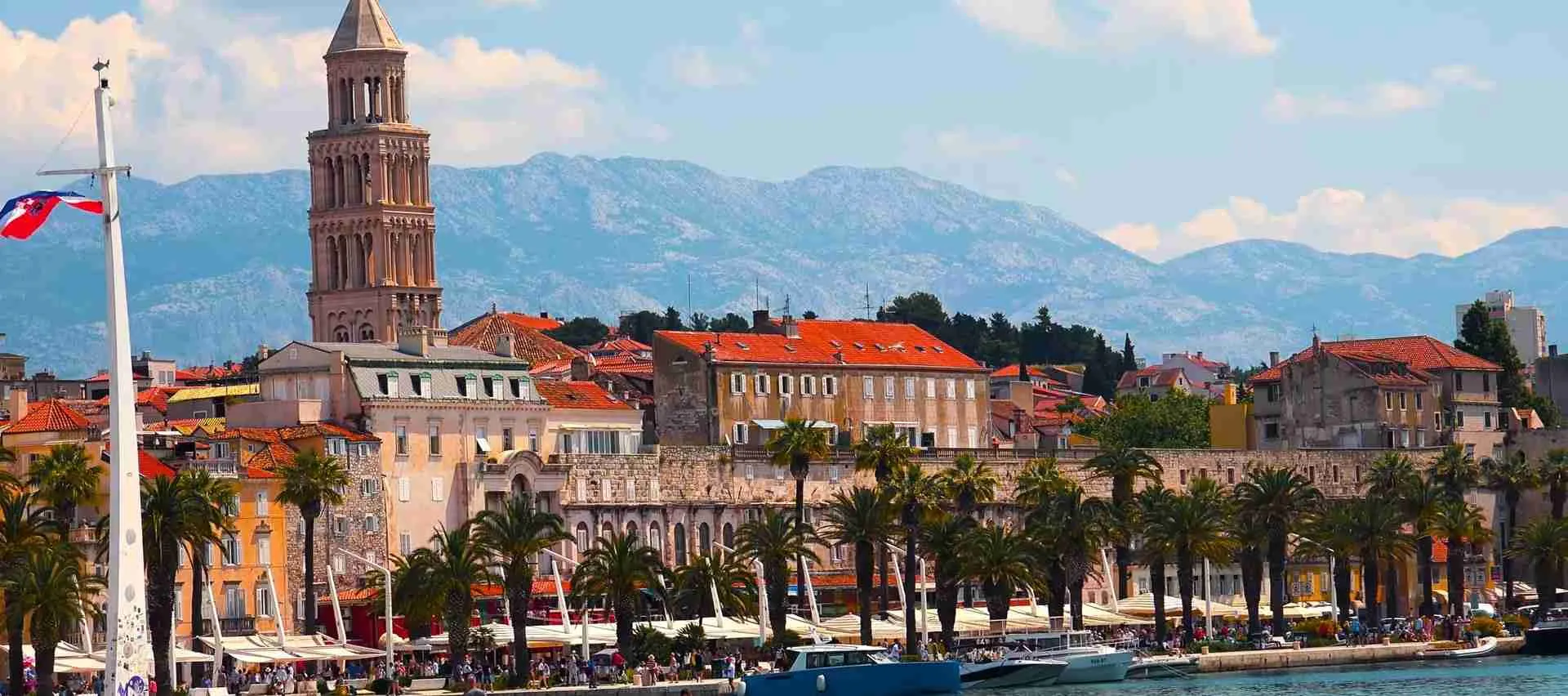
Split Travel Tips 2026: Essential Advice Before You Go
Split, Croatia’s second-largest city and the vibrant heart of the Dalmatian coast, blends 1,700 years of history with modern Mediterranean charm. Before exploring Diocletian’s Palace, island-hopping to Hvar and Brač, or discovering hidden beaches, understanding practical essentials ensures a smooth, enjoyable visit to this UNESCO World Heritage destination.
Key Takeaways
- Currency Change Complete: Croatia adopted the euro in January 2023, eliminating the need for currency exchange from other eurozone countries
- Best Value Seasons 2026: Late spring (May-June) and early autumn (September-October) offer pleasant weather, smaller crowds, and prices 30-40% lower than peak summer
- Transportation Efficiency: The compact Old Town is fully walkable; city buses cost €1 via app or €2 from drivers for reaching beaches and suburbs
- ETIAS Requirement: Starting 2025, travelers from visa-exempt countries including the United States need European Travel Information and Authorization System (ETIAS) authorization before entry
- Safety Profile: Split maintains lower crime rates than most European cities, with petty theft in tourist areas being the primary concern
- Communication Ease: English is widely spoken in tourist areas, restaurants, and hotels throughout Split
People Also Ask About Split Travel 2026
Is Split Croatia Expensive to Visit in 2026?
Split offers moderate pricing compared to Western European coastal destinations. Daily costs range €40-60 for budget travelers and €80-120 for mid-range visitors in 2026. The city is more expensive than inland Croatian cities like Zagreb but significantly cheaper than ultra-touristy Dubrovnik. Accommodation prices increased approximately 30% following euro adoption in 2023, with peak summer season (July-August) commanding the highest rates. Shoulder seasons (May-June, September-October) provide 30-40% savings on accommodation while maintaining excellent weather. Dining costs €8-15 for casual meals and €20-35 for mid-range restaurants. Split delivers exceptional value considering its UNESCO World Heritage sites, stunning Adriatic coastline, and rich cultural offerings.
What Currency Does Croatia Use in 2026?
Croatia uses the euro (€) as its official currency since January 1, 2023, when it became the 20th member of the eurozone. The Croatian kuna (HRK) was fully replaced at a fixed conversion rate of €1 = 7.53450 HRK. All payments in Split—from cafés and ferries to hotels and supermarkets—are conducted in euros. Credit and debit cards (Visa, Mastercard, Maestro) are widely accepted in tourist areas, restaurants, and hotels. However, smaller vendors, local markets, and some beach establishments prefer cash. ATMs are plentiful throughout Split, especially in the city center, near the ferry port, and at Split Airport. Travelers no longer need to exchange currency when arriving from other eurozone countries.
When Is the Best Time to Visit Split in 2026?
Late spring (May-June) and early autumn (September-October) represent the best time to visit Split in 2026 for optimal weather, manageable crowds, and value pricing. May and June offer temperatures of 20-26°C (68-79°F), sunny days perfect for sightseeing and island excursions, and accommodation prices 30-40% lower than peak summer. September and October maintain warm sea temperatures (20-23°C/68-73°F) ideal for swimming, fewer tourists at major attractions, and pleasant conditions for walking tours. Peak summer (July-August) brings the highest temperatures (28-32°C/82-90°F), maximum crowds especially during the Ultra Europe Music Festival, and premium pricing across accommodation and services. Winter (November-March) sees reduced tourist infrastructure, cooler temperatures averaging 10-15°C (50-59°F), but offers the lowest prices and an authentic local experience.
Do I Need a Visa to Visit Split Croatia in 2026?
U.S. citizens and travelers from visa-exempt countries do not need a traditional visa for stays up to 90 days within a 180-day period in Croatia in 2026. However, starting in 2025, Croatia requires European Travel Information and Authorization System (ETIAS) authorization as a member of the Schengen Area. ETIAS is a travel authorization valid for three years or until passport expiration, whichever comes first. The application process is straightforward, involves a small fee (approximately €7), and should be completed at least 96 hours before departure. ETIAS authorization is separate from a visa and applies to short-term tourism, business, or transit visits. Travelers should apply through the official ETIAS website to avoid third-party processing fees.
Extended multi-day tours – 5+ days
Featured Split Multi-Day Tour Packages
7 days
Explore Croatia
- ✓ Comprehensive Split tour
- ✓ Expert local guides included
- ✓ All accommodation arranged
- ✓ Transportation provided
4 days
Croatia – Split & Krka Waterfalls
- ✓ Comprehensive Split tour
- ✓ Expert local guides included
- ✓ All accommodation arranged
- ✓ Transportation provided

7 days
Dubrovnik and Split, Private Tour
- ✓ Comprehensive Split tour
- ✓ Expert local guides included
- ✓ All accommodation arranged
- ✓ Transportation provided
7 days
Split, Gateway to the Adriatic
- ✓ Comprehensive Split tour
- ✓ Expert local guides included
- ✓ All accommodation arranged
- ✓ Transportation provided
Multi-day tour packages powered by TourRadar. Prices and availability subject to change.
Introduction
Planning a visit to Split requires understanding more than just which attractions to see—practical knowledge about currency, transportation, safety, communication, and cultural customs transforms a good trip into an exceptional one. Split’s unique position as both an ancient Roman city and a modern Croatian hub means navigating a blend of historical preservation and contemporary tourism infrastructure.
This comprehensive guide addresses the essential practical considerations for visiting Split in 2026. From the city’s recent adoption of the euro to transportation strategies that save time and money, from safety protocols in tourist areas to communication tips for navigating language barriers, this resource provides the foundational knowledge needed before arrival.
Split differs from other Croatian destinations in important ways. As the Dalmatian coast’s transportation hub, it serves as the gateway to island-hopping adventures while offering its own compelling attractions. Understanding these practicalities—when to visit for optimal weather and value, how to move efficiently through the compact Old Town, where cards are accepted versus cash required, and which cultural customs to observe—ensures visitors maximize their time in this remarkable UNESCO World Heritage city.
The following sections detail specific strategies and information organized by topic, each designed to answer the most common questions travelers face when planning their Split experience. Whether you’re arriving for a weekend city break or using Split as a base for extended Dalmatian exploration, these practical tips provide the framework for a well-organized, enjoyable visit.
Currency and Payment Systems in Split 2026
Croatia completed its transition from the Croatian kuna to the euro on January 1, 2023, becoming the eurozone’s 20th member. This change fundamentally simplified financial transactions for visitors from other euro-using countries while establishing new payment dynamics for all international travelers visiting Split in 2026.
Euro Adoption and Practical Impact
The euro replaced the Croatian kuna at a fixed conversion rate of €1 = 7.53450 HRK. All transactions in Split now occur exclusively in euros—cafés, restaurants, hotels, supermarkets, public transportation, ferry tickets, museum admissions, and beach services all price and accept payment in euros only. The Croatian National Bank continues to exchange kuna banknotes for euros without a time limit at their offices, while kuna coins can be exchanged until December 31, 2025. However, kuna is no longer accepted as payment anywhere in Split or Croatia.
For travelers from eurozone countries (Germany, France, Italy, Spain, and 16 others), this eliminates the need for currency exchange entirely. Travelers from the United Kingdom, United States, Australia, and other non-euro countries should exchange currency before arrival or withdraw euros from ATMs in Split.
Credit and Debit Card Acceptance
Split demonstrates strong card acceptance throughout tourist areas and modern establishments. Visa, Mastercard, and Maestro cards work in hotels, mid-range and upscale restaurants, supermarkets, major attractions, car rental agencies, and ferry ticket offices. Contactless payment technology is widely available, making quick transactions seamless.
However, card acceptance decreases in specific contexts. Small family-run konobas (traditional restaurants), local markets selling fresh produce or crafts, beach bar rentals for chairs and umbrellas, some smaller museums or galleries, and vendors at outdoor markets typically operate on a cash-only basis. Even establishments that accept cards may have minimum purchase requirements (typically €10-15) or prefer cash for small transactions.
Apple Pay, Google Pay, and similar digital wallet services function at contactless-enabled terminals throughout Split, providing convenient payment options for users from compatible countries.
ATM Access and Withdrawal Strategy
ATMs operate throughout Split with excellent availability. Machines are located at Split Airport upon arrival, along the Riva promenade and in the Old Town, near the ferry port and main bus station, in shopping centers like Mall of Split and Joker, at banks throughout the city center, and on major streets in residential neighborhoods.
ATMs in Split offer language selection including English, making navigation straightforward. Most machines are attached to banks (Zagrebačka banka, Privredna banka Zagreb, OTP banka, Erste Bank) rather than standalone currency exchange operators, providing more transparent fee structures and better exchange rates.
ATM withdrawal strategy significantly impacts total fees. When using an ATM, always decline dynamic currency conversion—the machine may offer to charge your account in your home currency instead of euros, which invariably provides a poor exchange rate benefiting the ATM operator. Select “charge in euros” to receive your bank’s standard foreign transaction rate. Check your home bank’s foreign ATM fees before travel; some banks charge both a fixed fee per withdrawal and a percentage of the withdrawal amount. Minimize total fees by withdrawing larger amounts less frequently rather than multiple small withdrawals. Consider opening a bank account specifically designed for international travel, as some banks offer fee-free foreign ATM withdrawals and no foreign transaction fees.
Recommended cash amounts for different travel styles: budget travelers carrying €30-50 per day covers small purchases, street food, and occasional cash-only venues; mid-range travelers with €60-100 per day provides flexibility for markets, beach services, tips, and backup for card issues; those planning to pay cash frequently should budget €100-150 per day, especially when visiting multiple markets or dining at traditional konobas.
Exchange Offices and Currency Exchange
Currency exchange offices (mjenjačnice in Croatian) operate throughout Split, particularly near the ferry port, along the Riva promenade, and in tourist-heavy areas of the Old Town. While convenient, exchange offices typically offer less favorable rates than ATM withdrawals. Exchange rates vary significantly between operators, with airport and hotel exchanges providing the worst rates and commission structures.
Banks provide currency exchange services during business hours (typically 8:00 AM-5:00 PM Monday-Friday, limited Saturday hours) with more competitive rates than street exchange offices. However, bank transactions may require more time and some banks serve Croatian citizens with priority.
For travelers from non-euro countries, the optimal strategy is withdrawing euros from bank-affiliated ATMs rather than using exchange offices. This provides better rates, reduces fees, and offers more convenient access.
Tipping Culture and Customs in Split
Tipping in Split is appreciated but not mandatory, as service charges are not automatically included in bills and tips do not form a significant portion of service staff wages. Understanding local tipping expectations helps navigate social customs appropriately.
In restaurants, 10-15% is standard for good service in mid-range and upscale establishments, rounded up to the nearest convenient amount. For casual dining or quick meals, rounding up the bill by €1-3 is sufficient. At cafés and bars, round up small amounts—if coffee costs €2.30, leaving €2.50 or €3.00 is appropriate. Some high-end restaurants may include a service charge; always check the bill before adding an additional tip.
For hotel staff, €3-5 for housekeeping for a multi-night stay is considerate, while €5-10 for concierge services that require significant effort (restaurant reservations, tour bookings) is appropriate. Taxi drivers appreciate rounding up to the nearest euro or 5-10% for longer journeys. Tour guides on organized excursions typically receive €5-10 per person for half-day tours and €10-15 for full-day experiences.
Many card payment terminals do not provide an option to add a tip, making cash the preferred method for gratuities. Carrying small euro notes (€5, €10) and coins facilitates tipping across various service contexts.
Price Increases and Euro Adoption Impact
Local residents and long-term observers note that prices increased following euro adoption in 2023, with accommodation on the Croatian coast rising approximately 30% in the year following the currency change. While the Croatian government implemented laws prohibiting businesses from using the euro transition to increase prices, enforcement challenges and market dynamics led to noticeable increases, particularly in tourist-dependent sectors.
This price evolution means Split now aligns more closely with pricing in Spain and Greece rather than maintaining its previous position as a notably cheaper Mediterranean alternative. However, Split still offers better value than premium European coastal destinations like the French Riviera, Amalfi Coast, or Barcelona.
Transportation Systems and Getting Around Split 2026
Split’s compact Old Town and efficient public transportation network make navigation straightforward for visitors. Understanding the transportation options available in 2026 helps optimize time, minimize costs, and reach destinations efficiently.
Walking as Primary Transportation
Walking serves as the primary and most practical mode of transportation within Split’s historic center. The Old Town, Diocletian’s Palace, and Riva promenade are fully pedestrianized. Key attractions within easy walking distance include Cathedral of St. Domnius in Diocletian’s Palace, the Peristyle and temple complex, Riva promenade along the waterfront, the Green Market (Pazar) and Fish Market, People’s Square (Narodni Trg), and the Golden Gate with Gregory of Nin statue.
The historic center covers approximately 1.5 square kilometers, making end-to-end walking trips feasible in 15-20 minutes at a casual pace. Most visitors staying in or near the Old Town require no public transportation for sightseeing within the historic core.
Walking to nearby beaches requires more time but remains practical. Bačvice Beach sits 10-15 minutes walk from the city center, while Firule Beach is 15-20 minutes walking. Kašjuni Beach on the Marjan Hill peninsula requires 30-40 minutes walking or combining walking with bus transportation.
Public Bus System in Split 2026
Promet Split operates Split’s public bus network with 19 routes within the city, three night routes for late-night transportation, and suburban lines connecting Split to surrounding areas including Trogir, Klis, Solin, and Omiš.
Bus tickets cost €2 when purchased from the driver upon boarding or €1 when purchased through the official Promet Split mobile application or ticket machines located at major stops. This 50% price difference makes the mobile app or ticket machines significantly more economical for frequent bus users. Daily passes are available for unlimited travel within Split’s city zone.
The Promet Split mobile application provides real-time bus tracking, route planning, stop locations on an interactive map, schedule information, and ticket purchasing capability. The app displays information in English and Croatian, making it accessible for international visitors. Download the app before arrival or immediately upon reaching Split to maximize savings on bus fares.
Useful bus routes for tourists include Line 37 connecting Split Airport to the city center and continuing to Trogir, Line 60 to Omiš along the coast, Line 34 to Klis Fortress, and various lines to beaches including Bačvice and Kašjuni. Bus announcements are made in Croatian and English on most routes, particularly those serving tourist destinations.
Taxi and Ride-Sharing Services 2026
Traditional taxis operate throughout Split with stands located at the ferry port, bus station, outside major hotels, in front of the Diocletian’s Palace area, and at Split Airport. Taxi fares use meters with regulated rates, though costs can vary based on time of day and destination.
Uber and Bolt ride-sharing services operate year-round in Split and have become widely popular for both airport transfers and general transportation. Both services function through their standard smartphone applications, provide upfront pricing, accept credit card payment, and offer English-language interfaces. Ride-sharing typically costs less than traditional taxis and provides price transparency before booking.
Typical taxi or ride-sharing costs for common routes include €25-35 from Split Airport to the city center (variable by season, time, and traffic), €8-12 from Old Town to beaches like Bačvice or Firule, €15-20 to Marjan Hill viewpoints, and €10-15 for trips within the greater Split area. Late-night rides may include small surcharges.
Ferry and Catamaran Connections 2026
Split serves as the Dalmatian coast’s primary ferry hub, with connections to nearby islands essential for day trips and island-hopping itineraries. The Split Ferry Port sits adjacent to the main bus station, just a few minutes walk from the Old Town center.
Jadrolinija operates the majority of ferry services as Croatia’s national ferry company, running car ferries to larger islands and passenger-only catamarans to multiple destinations. Krilo Shipping Company and Kapetan Luka provide additional catamaran services, particularly to popular tourist islands.
Ferry connections from Split in 2026 include frequent services to Brač (Supetar), typically 50-minute car ferry crossings; Hvar (both Stari Grad and Hvar Town), with car ferries to Stari Grad (2 hours) and fast catamarans to Hvar Town (1 hour); Vis Island, reached by catamaran in approximately 2 hours; Korčula via catamaran; and Šolta Island, the closest island to Split with frequent short ferry services.
Ferry tickets can be purchased at the ferry port ticket offices, through company websites for advance booking, or via the respective ferry company mobile applications. During peak summer season (July-August), advance booking is highly recommended, especially for car ferry spaces and popular catamaran routes. Walk-on passenger ferry tickets rarely sell out but advance purchase guarantees specific departure times.
Car Rental Considerations for Split
Renting a car for exploring Split’s Old Town is unnecessary and impractical due to pedestrianized streets, limited parking, and traffic congestion in the historic center. However, car rental becomes valuable for specific purposes including day trips to national parks (Krka National Park, Plitvice Lakes National Park), exploring the Dalmatian hinterland and small villages, visiting multiple coastal towns (Trogir, Omiš, Makarska), and maintaining flexibility for spontaneous exploration.
Car rental agencies operate at Split Airport and in the city center, with major international brands (Hertz, Europcar, Sixt, Budget) and local Croatian companies available. Booking in advance, particularly for summer season, ensures better rates and vehicle availability.
Driving in Croatia requires an international driving permit for non-EU license holders, though enforcement varies. Highway tolls apply on major routes from Split toward Zagreb or Zadar. Parking in Split’s city center is limited and expensive, with most hotels offering parking at additional daily fees (€10-20). Free parking exists in residential areas further from the center, though availability can be scarce during peak season.
Bicycle Rental and Cycling in Split
Nextbike operates Split’s public bike-sharing system with docking stations throughout the city. The service offers both standard bicycles and electric bikes for easier navigation of Split’s hilly terrain, particularly around Marjan Hill.
Cyclists can register through the Nextbike smartphone application, rent bikes at docking stations located throughout the city center and along the waterfront, and return bicycles to any official docking station. Pricing operates on a pay-per-use model with hourly rates or daily passes available.
Recommended cycling routes include the Riva promenade along the waterfront, Marjan Hill forest park with dedicated cycling paths and sea views, and routes to city beaches. Cycling in the Old Town itself is not permitted due to pedestrianization and crowded conditions, but bikes provide efficient transportation to beaches, Marjan Hill, and neighborhoods beyond the immediate center.
Airport Transfer Options to Split City Center 2026
Split Airport (Resnik Airport) sits approximately 24 kilometers (15 miles) from the city center, requiring intentional transportation planning upon arrival.
The public bus (Line 37) operated by Promet Split provides the most economical airport transfer option, costing €2 when purchased from the driver or €1 via the mobile app. Buses run frequently during daytime hours with increased service during peak season. The journey takes 40-50 minutes depending on traffic and stops, with the bus terminating near the ferry port and bus station, convenient for onward travel or accessing Old Town accommodations.
Airport shuttle services offered by various companies provide door-to-door transportation to hotels and accommodations, typically costing €8-15 per person. Shared shuttles reduce costs but add time due to multiple drop-offs.
Taxis from the official airport taxi stand cost €25-35 for transportation to the city center, with pricing dependent on final destination and time of day. The journey takes 25-30 minutes in normal traffic conditions. Pre-booking airport taxis through hotels or reputable companies can sometimes secure fixed rates.
Uber and Bolt ride-sharing services operate at Split Airport, often providing lower costs than traditional taxis (€20-30) with the advantage of upfront pricing and cashless payment. Ride-sharing pickup areas are designated at the airport.
Private transfer companies offer pre-booked airport transfers with English-speaking drivers, meet-and-greet service, and fixed pricing regardless of traffic or time, typically costing €30-40 for standard vehicles. This option works well for families, groups, or travelers with significant luggage.
Best Time to Visit Split Croatia 2026
Split’s Mediterranean climate creates distinct seasonal characteristics affecting weather, crowds, prices, and available activities. Understanding these seasonal dynamics helps travelers choose optimal timing for their priorities and travel style.
Late Spring Season in Split (May-June 2026)
Late spring represents one of the two best periods for visiting Split. May and June offer temperatures ranging 20-26°C (68-79°F), warm enough for comfortable sightseeing, swimming in the Adriatic for those tolerant of cooler water (18-22°C/64-72°F), and outdoor dining.
Tourist numbers in May and June remain moderate, with attractions like Diocletian’s Palace accessible without excessive crowds, restaurant reservations easier to secure, and beaches offering space without the dense peak-season crowds. Ferry services to islands operate on full schedules, and day trip tours to Krka National Park, Blue Cave, and other destinations run regularly.
Accommodation prices in late spring run 30-40% lower than peak summer rates, providing significant savings while maintaining excellent weather and full tourism infrastructure. May celebrates several local events and festivals, while June sees increasing activity leading toward summer season.
Late spring works particularly well for photography (excellent Mediterranean light), outdoor activities including hiking Marjan Hill, sightseeing without heat exhaustion, and travelers seeking cultural experiences over beach-focused vacations.
Peak Summer Season in Split (July-August 2026)
July and August constitute Split’s peak tourist season, bringing the highest temperatures, maximum crowds, and premium pricing. Temperatures regularly reach 28-32°C (82-90°F) with occasional heat waves pushing higher. The Adriatic Sea warms to 24-26°C (75-79°F), ideal for swimming and water sports.
Peak summer brings significant challenges including extremely crowded attractions—Diocletian’s Palace, popular viewpoints, and waterfront areas become packed with tourists; accommodation at or near full capacity with premium pricing; ferry services to islands requiring advance booking due to high demand; and beaches, particularly Bačvice, packed with umbrellas and sunbathers.
The Ultra Europe Music Festival, typically held in mid-July, brings massive crowds, fully booked accommodation, and significant price increases for that specific week. Travelers should either plan around Ultra or book extremely early if visiting during the festival.
Peak summer suits travelers who prioritize beach activities and swimming, enjoy vibrant summer atmosphere and nightlife, have scheduling constraints requiring summer travel, and appreciate the full range of events, festivals, and activities. Families with children on school holidays often have no alternative to July-August timing.
Early Autumn Season in Split (September-October 2026)
Early autumn provides the second optimal window for visiting Split. September maintains summer-like conditions with temperatures of 23-28°C (73-82°F) in early September, moderating to 18-23°C (64-73°F) in October. Critically, the Adriatic Sea retains warmth from summer months, offering water temperatures of 20-23°C (68-73°F) perfect for swimming through September and into October.
Tourist numbers decline significantly after mid-September as European families return to school, creating better accessibility to attractions, shorter lines at popular sites, easier restaurant reservations, and more spacious beach experiences. Ferry services continue full operations through September before transitioning to reduced autumn schedules in October.
Accommodation prices drop 30-40% from peak summer rates, particularly noticeable after September 15. September offers warm weather without July-August heat intensity, excellent conditions for walking tours and exploring Marjan Hill, and more authentic local atmosphere as residents reclaim their city from peak tourist season.
October sees increasingly variable weather with some rain possible, reduced ferry schedules to islands, and some seasonal restaurants closing. However, October provides outstanding value for travelers prioritizing cultural exploration, photography, and authentic experiences over beach activities.
Winter Season in Split (November-March 2026)
Winter in Split brings the lowest tourist numbers and prices but significantly reduced tourism infrastructure. Temperatures average 10-15°C (50-59°F), occasionally dropping to 5-8°C (41-46°F) on the coldest days. Rain becomes more frequent, and the bora wind can create cold conditions despite moderate temperatures.
Many seasonal restaurants, beach bars, and some tour operators close for winter. Ferry services operate on reduced schedules with some island connections suspended. However, major attractions including Diocletian’s Palace, museums, and galleries remain open.
Winter advantages include rock-bottom accommodation prices (50-70% below peak summer), minimal crowds at attractions, authentic local experience with residents, lower restaurant prices, and seasonal winter menus in traditional konobas. Christmas markets in December create festive atmosphere in the Old Town.
Winter suits travelers seeking cultural and historical exploration, budget-conscious visitors, photography enthusiasts (different light quality and fewer tourists in frames), and those interested in local Croatian life beyond tourism season. Winter is inappropriate for beach-focused travel or island-hopping.
Shoulder Season Strategy for 2026
Combining the insights above, the optimal Split travel strategy for 2026 targets mid-May through June or mid-September through mid-October. These shoulder season windows deliver excellent weather, manageable crowds, and fair pricing while maintaining full tourism infrastructure.
Travelers should avoid the Ultra Europe Music Festival week (typically mid-July) unless specifically attending the festival, as accommodation prices skyrocket and availability becomes scarce. The week before and after Ultra also sees elevated prices and crowds.
For travelers with complete flexibility, the single best week for visiting Split in 2026 is typically early to mid-September, offering warm sea temperatures, diminished crowds, lower prices, and stable weather before autumn variability begins.
Safety and Security in Split 2026
Split maintains a strong safety profile with lower crime rates than most European cities. Understanding the safety landscape helps travelers take appropriate precautions while enjoying the city without excessive concern.
Overall Safety Assessment for Tourists
Croatia generally, and Split specifically, demonstrates much lower crime rates than the European average. Violent crime against tourists is rare. The primary safety concern involves petty theft—pickpocketing and bag snatching in crowded tourist areas.
Split’s safety advantages include well-lit streets in the Old Town and along the Riva, police presence in tourist areas, locals generally helpful to tourists experiencing problems, and emergency services responsive and professional. The city feels safe for walking during evening hours, though standard urban precautions apply.
Petty Theft Prevention in Tourist Areas
Pickpockets operate in predictable locations including crowded areas of Diocletian’s Palace, the Green Market and Fish Market during busy morning hours, on public buses especially during rush hours, at the ferry port during boarding and disembarking, and on beaches where belongings remain unattended while swimming.
Effective theft prevention strategies include using anti-theft bags with slash-resistant material and lockable zippers, keeping valuables out of sight while on public transportation and in crowds, never leaving phones, wallets, or bags unattended at beach or cafés, using hotel safes for passports, extra credit cards, and significant cash, and maintaining awareness of surroundings in crowded environments.
Secure valuables in front pockets or internal jacket pockets rather than back pockets or external backpack pockets. Crossbody bags worn in front provide better security than shoulder bags or backpacks. At beaches, consider inexpensive waterproof pouches for phones and money that stay with you in the water, or have one person watch belongings while others swim.
Beach Safety and Swimming Considerations
The Adriatic Sea around Split generally provides safe swimming conditions. Most beaches have gradual entries suitable for swimmers of varying abilities. However, specific considerations apply.
Rocky beaches and sea urchins require water shoes for comfortable and safe entry and exit from the water. Sea urchins populate rocky areas; stepping on them causes painful puncture wounds requiring medical attention for proper spine removal. Jellyfish occasionally appear, particularly in late summer, though they are not common in Split’s immediate area.
Swimming while intoxicated creates significant danger. The lively beach bar scene at beaches like Bačvice makes alcohol readily available, but swimming under the influence causes preventable drowning incidents each year. Strong currents occur at some locations, particularly at beaches on the Marjan Hill peninsula during certain wind and tide conditions. Follow local posted warnings and avoid swimming in rough seas.
Lifeguards staff major beaches including Bačvice during summer season, though coverage is not universal. Smaller beaches may lack lifeguard supervision. Parents should supervise children closely at all beaches.
Solo Female Traveler Safety 2026
Split is considered safe for solo female travelers, with many women traveling independently to the city without incident. Standard safety precautions suffice for most situations.
Specific considerations for solo female travelers include maintaining awareness of drink security in bars and clubs—never leave drinks unattended, as drink spiking can occur in party-focused venues; avoiding walking alone while intoxicated late at night, particularly in less-populated areas away from the Old Town; and trusting instincts if situations feel uncomfortable.
Split’s party scene centers around clubs and beach bars, creating a social atmosphere where unwanted attention can occur. Polite but firm refusals are generally respected. Women should feel comfortable dining alone in restaurants, exploring attractions independently, and using public transportation without concern.
Numerous solo female travel blogs document positive experiences in Split and Croatia generally, providing perspectives and specific tips from women travelers. These resources offer valuable insights beyond generic safety advice.
Common Scams and Tourist Traps 2026
While Split has fewer scam operations than some European tourist destinations, awareness of common tactics helps travelers avoid problems.
Restaurant and bar overcharging represents the most common issue. Some establishments in prime tourist locations add unexpected service charges, misrepresent menu prices, or claim credit card machines are broken to push cash payments that facilitate overcharging. Always review bills carefully before payment, confirm prices from menus, and question unexpected charges immediately.
Taxi overcharging affects travelers using unmarked taxis or those that appear at tourist areas rather than official taxi stands. Use Uber/Bolt or official taxi companies, confirm approximate fare before departure, and ensure the meter runs during the journey.
Exchange office scams include misleading commission structures, poor exchange rates advertised attractively but applied only to large amounts, and fake or damaged currency given in exchange. Use bank ATMs instead of exchange offices whenever possible.
Unofficial tour operators occasionally approach tourists at the ferry port or Riva promenade offering island tours or excursions at reduced rates. These unlicensed operators may provide substandard service, unsafe boats, or cancel without refunds. Book tours through established companies with online presence and reviews.
Emergency Services and Important Numbers 2026
Croatia’s emergency services operate efficiently with English-speaking operators available.
Emergency numbers include 112 for general emergencies (connects to police, ambulance, or fire services), 192 for police, 193 for fire brigade, and 194 for ambulance. The European emergency number 112 works from any phone including mobile phones without service.
Split’s main hospital, KBC Split (Clinical Hospital Centre Split), provides emergency services 24/7 with emergency department access. Pharmacies (apoteka) are widely available throughout the city, with at least one maintaining 24-hour service for emergency medication needs.
U.S. citizens should register with the Smart Traveler Enrollment Program (STEP) before travel, allowing the U.S. Embassy to contact travelers in emergencies. The U.S. Embassy in Zagreb provides consular services for American citizens, though Croatia also has a U.S. consular agency in Split for certain services.
Health and Travel Insurance for Split 2026
Travel insurance with medical coverage is strongly recommended for visitors to Split. While Croatia provides emergency medical care, comprehensive insurance covers potential costs including medical evacuation, hospitalization, trip cancellation, and baggage loss.
European Union citizens with a European Health Insurance Card (EHIC) receive necessary healthcare under reciprocal agreements, though the EHIC does not cover all medical scenarios or repatriation. Supplemental travel insurance remains advisable even with EHIC coverage.
Non-EU travelers have no automatic healthcare coverage and should purchase comprehensive travel insurance before departure. Ensure insurance covers adventure activities if planning boat tours, water sports, or other activities beyond standard tourism.
Pharmacies in Split stock common medications, though specific prescriptions from home countries may require local doctor visits for Croatian prescriptions. Bring sufficient supplies of prescription medications with prescriptions in case additional quantities are needed.
Communication and Language in Split 2026
Navigating language barriers and maintaining communication connectivity significantly affects travel experience in Split. Understanding language expectations and communication infrastructure helps travelers prepare appropriately.
English Language Prevalence
English is widely spoken in Split’s tourist areas, hotels, restaurants, and shops. The city’s tourism-dependent economy has created strong English proficiency among those working in visitor-facing roles.
Settings where English communication is reliable include hotels and guesthouses of all levels, mid-range and upscale restaurants, tourist information centers, ferry ticket offices and major transportation hubs, shops selling souvenirs and tourist goods, and tour operators and excursion companies.
English prevalence decreases in specific contexts including local markets (Green Market, Fish Market), traditional konobas in residential neighborhoods, city buses (though announcements often occur in English), and with older residents less exposed to tourism industry.
Younger Croatians generally speak excellent English, often learned through education and media exposure. Staff at tourist attractions, museums, and galleries typically offer information in English. Menus at restaurants in the Old Town and Riva promenade area commonly provide English translations.
Useful Croatian Phrases for Travelers
While English suffices for most tourist interactions, learning basic Croatian phrases demonstrates cultural respect and helps in situations where English is unavailable.
Essential greetings and courtesies include “Dobar dan” (good day), “Hvala” (thank you), “Molim” (please/you’re welcome), “Oprostite” (excuse me), and “Govorite li engleski?” (do you speak English?). Basic questions include “Koliko košta?” (how much does it cost?) and “Gdje je…?” (where is…?).
Restaurant phrases include “Račun, molim” (the bill, please), “Živjeli” (cheers), and recognition of common menu terms. Numbers one through ten help with market shopping and basic transactions.
Pronunciation can be challenging for English speakers as Croatian uses several unfamiliar sounds and letter combinations. However, attempts at Croatian phrases are appreciated by locals even if pronunciation is imperfect.
Wi-Fi and Internet Access 2026
Split offers widespread Wi-Fi access throughout tourist areas and hospitality establishments. Hotels, guesthouses, and apartments universally provide free Wi-Fi to guests, with varying quality depending on establishment. Connection speeds in modern hotels generally suffice for video calls, streaming, and work-related needs.
Cafés and restaurants along the Riva promenade and in the Old Town typically offer free Wi-Fi to customers. Connection quality varies, but basic web browsing and messaging work reliably. Some establishments require requesting Wi-Fi passwords from staff.
The city provides free public Wi-Fi in certain areas including parts of the Riva promenade, the Green Market area, and near major tourist information points. Public Wi-Fi should be used cautiously for security reasons—avoid accessing banking information or entering sensitive passwords on public networks.
Co-working spaces have emerged in Split catering to digital nomads and remote workers, offering reliable high-speed internet, dedicated workspaces, and community networking. These spaces charge daily or monthly fees but provide professional working environments for travelers needing consistent internet access.
Mobile Phone and SIM Card Options 2026
Travelers requiring extensive mobile data or frequent calling should consider local SIM card options rather than relying solely on international roaming, which can be expensive.
Croatia’s mobile operators include Hrvatski Telekom (HT), A1 Hrvatska, and Telemach, all offering prepaid tourist SIM packages. These typically provide data allowances ranging from 10GB to unlimited, local calls and SMS, and validity periods from 7 to 30 days, with costs ranging €10-25 depending on data allocation.
Prepaid SIM cards can be purchased at the airport upon arrival, at mobile operator shops in the city center, in supermarkets and convenience stores (Tisak kiosks), and at the main post office. Purchasing at the airport provides immediate connectivity but may involve queues during peak arrival times.
Ensure your phone is unlocked before travel, as locked phones from carriers like Verizon, AT&T, or international equivalents cannot accept Croatian SIM cards. European Union residents benefit from “roam like home” regulations allowing use of existing data plans without additional charges while in Croatia.
For travelers from outside the EU, international roaming packages from home carriers often provide poor value compared to local SIM cards. Check roaming rates before departure and compare against local SIM options.
Staying Connected with Apps and Services
Several smartphone applications enhance communication and navigation in Split. WhatsApp dominates messaging in Croatia, making it the preferred method for contacting hotels, tour operators, and even some restaurants. Many businesses list WhatsApp numbers on websites for customer communication.
Google Maps provides reliable navigation throughout Split with accurate walking directions, public transportation information, and points of interest. Download offline maps before travel or upon arrival to enable navigation without data connection.
The Promet Split app facilitates public bus use with route planning and mobile ticket purchasing. Translation apps like Google Translate help with reading Croatian menus, signs, and occasional communication needs. The camera translation feature proves particularly useful for reading menus and information boards.
Cultural Etiquette and Local Customs in Split 2026
Understanding Croatian cultural norms helps travelers navigate social situations appropriately and demonstrates respect for local customs. Split’s Mediterranean culture creates a relaxed atmosphere, but certain etiquette expectations apply.
Dress Codes and Appropriate Attire
Split maintains casual Mediterranean dress standards in most contexts, with beach resort atmosphere influencing overall clothing norms. However, situational awareness guides appropriate attire choices.
Beachwear (swimsuits, bikinis, swim trunks) is appropriate at beaches, beach bars, and pool areas but should not be worn in the Old Town, restaurants, shops, or on public transportation. Cover-ups or casual clothing should be worn when leaving beach areas.
Visiting religious sites including the Cathedral of St. Domnius requires modest dress—shoulders and knees should be covered for both men and women. Tank tops, short shorts, and revealing clothing are inappropriate for church visits. Keeping a light scarf or shawl accessible enables covering shoulders when entering religious sites.
Evening dining in mid-range to upscale restaurants suggests smart casual attire, though formal dress is generally unnecessary. Men typically wear collared shirts or neat casual shirts with trousers, while women wear dresses, skirts, or smart casual combinations. Very casual beach attire appears out of place in nicer restaurants.
Croatians generally dress more formally than American casual standards but less formally than some European countries. The seaside location creates more relaxed standards than inland Croatian cities, but complete informality (flip-flops, beach attire in urban settings) appears disrespectful.
Dining Customs and Restaurant Etiquette
Croatian dining culture emphasizes leisurely meals, social interaction, and respect for food quality and preparation. Understanding dining customs enhances restaurant experiences.
Meals unfold at a relaxed pace—rushing through dining is uncommon. Service may appear slower than American standards, reflecting the cultural norm of extended meal times for social enjoyment rather than quick consumption. Servers typically allow diners to finish at their own pace rather than presenting bills immediately after finishing eating.
Requesting the bill requires signaling the server with “Račun, molim” or making a writing gesture in the air, as servers avoid presenting bills unrequested. This custom prevents diners from feeling rushed.
Bread served at the table typically incurs a small charge (cover or bread fee) and is not complimentary as in American restaurants. Review bills to understand these charges.
Tapping glasses before drinking and saying “Živjeli” (cheers) is customary when drinking with others. Maintaining eye contact during the toast is important in Croatian culture.
Reservations are advisable for popular restaurants during peak summer season, though many traditional konobas operate on a walk-in basis. Calling ahead or having hotels make reservations helps secure preferred dining times.
Social Interactions and Greetings
Croatians appreciate polite social interactions. “Dobar dan” (good day) when entering shops or initiating interactions demonstrates courtesy. Direct eye contact during conversations shows engagement and respect.
Personal space norms align with broader European standards—closer than American standards but not as intimate as some Mediterranean cultures. Handshakes are appropriate for formal introductions, while friends may greet with cheek kisses (typically two, though customs vary).
Croatians value directness in communication, though maintaining politeness. They appreciate when visitors attempt Croatian phrases even if reverting to English for substantial communication.
Punctuality expectations vary by context. Business and tour bookings expect punctuality, while social gatherings may have more flexible timing. When meeting locals socially, slight delays are generally accepted, though arriving significantly late without communication is rude.
Photography Etiquette and Restrictions
Photography in Split is generally unrestricted in public areas, though certain guidelines and restrictions apply. Military installations, government buildings, and security-sensitive areas prohibit photography, with signage indicating restrictions.
Museums and art galleries may restrict photography or require additional fees for camera use. Flash photography is typically prohibited in museums to prevent damage to artworks and artifacts. The Meštrović Gallery, for example, allows photography without flash but prohibits commercial photography without permission.
Photographing local people, particularly in markets or traditional settings, should involve requesting permission, especially for close-up portraits. Many Croatians are comfortable with photos but prefer being asked first. Market vendors may object to photographs of their products or stalls without permission.
Drone use in Split is regulated under Croatian aviation law. Flying drones near airports, over crowds, or in certain protected areas is prohibited. Recreational drone operators should research current regulations before bringing drones to Croatia.
Environmental Consciousness and Beach Etiquette
Croatians take pride in their Adriatic coast and expect visitors to help maintain environmental cleanliness. Littering is both illegal and socially unacceptable. Beaches provide waste bins, and visitors should use them consistently.
Smoking restrictions have increased in Croatia with smoking prohibited in enclosed public spaces, restaurants, and cafés (though outdoor terraces often permit smoking). Beach smoking is technically legal but many beaches discourage it, and cigarette butts must be disposed of properly rather than buried in sand or left on beaches.
Single-use plastics have become increasingly discouraged. Bringing reusable water bottles helps reduce plastic waste, and many establishments offer water refills. The Adriatic’s cleanliness reflects conscious effort from residents and tourists alike.
Practical Essentials and Entry Requirements for Split 2026
Understanding visa requirements, entry procedures, and practical logistics ensures smooth arrival and stay in Split. Several administrative considerations affect international travelers in 2026.
Visa and ETIAS Requirements 2026
Croatia joined the Schengen Area, changing entry requirements for international visitors. U.S. citizens, Canadians, Australians, and citizens from many other countries can visit Croatia visa-free for tourism stays up to 90 days within a 180-day period.
Starting in 2025, the European Travel Information and Authorization System (ETIAS) became mandatory for visa-exempt travelers entering Schengen countries including Croatia. ETIAS functions as a travel authorization system rather than a visa, similar to the U.S. ESTA program.
ETIAS applications are completed online before travel, typically processing within minutes to hours, though applications should be submitted at least 96 hours before departure to ensure approval before flights. The authorization is valid for three years or until passport expiration, whichever occurs first, allowing multiple entries during its validity period. The fee costs approximately €7 per application.
Travelers should apply for ETIAS through the official European Commission website to avoid third-party services that charge additional processing fees for the same service. Once approved, ETIAS authorization is electronically linked to the passport, though printing confirmation is recommended.
Passport validity requirements mandate at least three months validity beyond intended departure date from the Schengen area. Some countries recommend six months validity as a general travel standard.
Electrical Adapters and Power Supply
Croatia uses Type C and Type F electrical plugs (European standard two-pin round plugs) with standard voltage of 230V and frequency of 50Hz. Travelers from countries using different plug types (United States, United Kingdom, Australia, Japan) require plug adapters to use electrical devices.
Universal travel adapters provide the most flexibility, working in multiple countries and accommodating various plug configurations. These can be purchased before travel or at electronics shops and airport stores in Split, though prices are typically higher than pre-purchasing.
Modern phone chargers, laptop power supplies, and camera battery chargers typically support 100-240V input, making them compatible with Croatian voltage without voltage converters. Check device specifications to confirm compatibility. Devices requiring voltage conversion (some hair dryers, curling irons from 110V countries) need voltage converters in addition to plug adapters, or purchase dual-voltage versions designed for international travel.
Business Hours and Operating Times 2026
Understanding business hours in Split helps plan shopping, dining, and activity schedules effectively.
Shops and commercial establishments typically operate Monday-Friday 8:00 AM-8:00 PM, Saturday 8:00 AM-3:00 PM, with Sunday closures common except in tourist areas where some shops maintain Sunday hours during summer season. Supermarkets operate extended hours, often 7:00 AM-9:00 PM or later daily.
Banks operate Monday-Friday 8:00 AM-5:00 PM (some until 7:00 PM), with limited Saturday hours at larger branches and Sunday closures. Currency exchange offices maintain longer hours in tourist areas, often 8:00 AM-8:00 PM daily during summer.
Restaurants operate varied schedules. Traditional konobas often open for lunch and dinner service (12:00-3:00 PM, 6:00 PM-11:00 PM) with afternoon closures. Cafés and casual eateries maintain longer hours, typically 7:00 AM-midnight. Tourist-oriented restaurants in the Old Town and Riva promenade often operate continuously from morning through late evening during summer season.
Museums and attractions maintain different schedules by season. Summer hours (typically June-September) extend later, often 9:00 AM-8:00 PM, while winter hours contract, typically 9:00 AM-4:00 PM with Monday closures common. Diocletian’s Palace, as an open-air site integrated into the city, remains accessible at all times, though specific buildings within the palace complex have operating hours.
Public Holidays in Croatia 2026
Croatian public holidays affect business operations, attraction hours, and transportation schedules. Major holidays include New Year’s Day (January 1), Epiphany (January 6), Easter Monday (varies by year, typically March or April), Labor Day (May 1), Corpus Christi (varies, typically late May or June), Anti-Fascist Struggle Day (June 22), Statehood Day (June 25), Victory and Homeland Thanksgiving Day (August 5), Assumption of Mary (August 15), All Saints’ Day (November 1), Christmas Day (December 25), and St. Stephen’s Day (December 26).
Public holidays see reduced operating hours or complete closures for banks, government offices, some shops, and museums. Restaurants, cafés, and tourist attractions typically remain open, though some may operate reduced hours. Public transportation maintains service on holidays, though Sunday schedules often apply.
Water Safety and Drinking Water
Tap water in Split is safe to drink directly from the faucet and meets European Union water quality standards. Restaurants provide tap water upon request, though many automatically serve bottled water for which charges apply. Requesting “voda iz pipe” (tap water) typically results in complimentary water service, though some establishments prefer selling bottled water.
Bringing a refillable water bottle helps reduce plastic waste and saves money. Many cafés and restaurants refill water bottles with tap water upon request. Public drinking fountains exist in some locations, though less common than in some other European cities.
Bottled water costs €1-2 in supermarkets and €2-4 in restaurants and cafés, representing significant expense over a multi-day visit when purchased repeatedly. The environmental impact of bottled water in coastal Croatia has driven efforts to reduce plastic bottle usage.
Packing Recommendations for Split 2026
Strategic packing enhances comfort and preparedness for Split’s specific conditions and activities.
Essential items include comfortable walking shoes for navigating cobblestone streets in the Old Town, water shoes or aqua socks for rocky beaches and sea urchin protection, sun protection including high-SPF sunscreen (intense Mediterranean sun), sunglasses, and wide-brimmed hats, lightweight layers for evening temperature drops even in summer, and modest clothing options for visiting churches and religious sites.
Beach essentials include swimwear, quick-dry towel (microfiber towels pack smaller than traditional beach towels), and waterproof phone pouch for beach days. A small daypack or backpack carries daily essentials while sightseeing.
Technology needs include plug adapters for charging devices, power bank for extended days without charging access, and phone/camera equipment. Healthcare items include any prescription medications with copies of prescriptions, basic first aid supplies, and motion sickness medication if planning boat trips to islands.
What to leave at home: excessive formal clothing (Split maintains casual atmosphere), beach towels if staying at hotels (hotels provide towels), and heavy jackets except during winter visits.
Accommodation Booking Strategies for Split 2026
Securing appropriate accommodation requires understanding Split’s neighborhoods, booking dynamics, and property types to balance location, comfort, and budget.
Best Neighborhoods for Staying in Split
Location significantly impacts Split experience. The Old Town and Diocletian’s Palace area provides maximum proximity to historical attractions, walking distance to the Riva promenade and ferries, immersive historical atmosphere, and numerous restaurants and cafés. However, accommodation within the palace walls can be noisy due to nightlife and crowds, space is limited making rooms smaller and often lacking amenities like pools, and prices run premium for the central location.
Varoš, the traditional neighborhood west of the Old Town, offers authentic residential atmosphere, proximity to Marjan Hill and hiking trails, excellent local konobas and restaurants, and better value than Old Town while maintaining walkability to attractions. Properties here provide more character and space than equivalent Old Town options.
Bačvice and the eastern beach area provides beach proximity with easy swimming access, modern hotels with amenities including pools, and a more resort-like atmosphere. The location sits 10-15 minutes walk from the Old Town, making it viable for those prioritizing beach access.
The Marjan Hill peninsula offers quieter surroundings with natural beauty, stunning sea views from elevated properties, and proximity to beaches and forest paths. However, the area requires longer walks or bus rides to reach the Old Town and ferry port.
Neighborhoods to avoid include areas far from the center without specific attractions, requiring reliance on buses for all sightseeing. Unless seeking complete tranquility or extended stays, central or near-central locations optimize the Split experience.
Property Types and Booking Platforms
Split offers diverse accommodation types. Hotels range from budget three-star properties to luxury five-star resorts, with amenities, breakfast, and services included. Prices reflect location and season, with summer peak commanding premium rates.
Private apartments booked through Airbnb, Booking.com, or local agencies provide kitchen facilities for cost savings on meals, more space than equivalent hotel rooms, and residential neighborhood experiences. Many Croatians rent apartments to supplement income, creating abundant supply.
Guesthouses (pansions) offer middle-ground between hotels and apartments with personal service, often family-run with local insights, and competitive pricing. These properties maintain fewer amenities than hotels but provide more character and interaction.
Hostels serve budget travelers and solo visitors with dormitory beds starting €15-25 per night, private rooms available at many hostels, and social atmosphere facilitating meeting other travelers.
Booking platforms include Booking.com (dominant in Croatia with extensive inventory), Airbnb (strong apartment selection), direct hotel websites (sometimes offering best rates or perks), and local accommodation websites specific to Split and Dalmatia.
Booking Timing and Price Strategies 2026
Booking timing significantly affects availability and pricing. For peak summer season (July-August), book 3-6 months in advance to secure preferred properties and better rates, as the best-located and best-value properties sell out early.
During the Ultra Europe Music Festival week, book 6-12 months in advance, as the city reaches absolute capacity and prices inflate dramatically. Last-minute booking during Ultra is nearly impossible or prohibitively expensive.
Shoulder season (May-June, September-October) allows booking 1-3 months in advance with good availability and pricing flexibility. Winter season (November-March) permits last-minute booking often with promotional rates.
Cancellation policies matter significantly. Free cancellation options provide flexibility if plans change, which is particularly valuable given unpredictable travel conditions. Some properties offer lower rates for non-refundable bookings, appropriate only when travel plans are completely confirmed.
Avoiding Common Accommodation Mistakes
Several common accommodation booking errors can be avoided with awareness. Location misunderstanding leads to booking properties marketed as “Split” that are actually in surrounding towns like Trogir or Solin, requiring buses or transfers to reach Split proper. Confirm exact location on maps before booking.
Old Town noise affects ground-floor or street-facing rooms in the Old Town and Riva promenade area, which can be extremely noisy from nightlife, crowds, and street activity until 2:00-3:00 AM during summer. Request upper-floor or courtyard-facing rooms for better sleep quality.
Misleading amenity claims occasionally occur with properties advertising facilities like pools or sea views that prove disappointing or shared with numerous other units. Read recent reviews carefully and view photos critically.
Parking assumptions can be problematic—many Old Town properties have no parking, requiring use of paid public parking at considerable daily cost (€10-20). Confirm parking availability and costs before booking if arriving by car.
Payment and booking scams occur on lesser-known platforms. Use established booking platforms with payment protection rather than sending money directly to unknown property owners. Verify property legitimacy through multiple sources and reviews.
Day Trip Planning and Regional Exploration from Split 2026
Split’s central Dalmatian coast location makes it an ideal base for exploring nearby islands, national parks, and historic towns. Understanding day trip logistics helps maximize regional exploration.
Island Day Trips: Hvar, Brač, and Vis
The Dalmatian islands accessible from Split provide diverse experiences from beaches and swimming to wine tasting and historical exploration. Ferry services operate frequently during summer season with reduced schedules in shoulder and winter months.
Hvar Island, Croatia’s sunniest island, offers Hvar Town with Venetian architecture and upscale atmosphere, lavender fields in the island interior, Stari Grad Plain (UNESCO World Heritage Site), and excellent local wines. Catamarans reach Hvar Town in approximately 1 hour from Split, while car ferries to Stari Grad take about 2 hours.
Brač Island features Zlatni Rat beach near Bol (one of Croatia’s most photographed beaches), Vidova Gora (highest peak in the Adriatic islands), stone masonry traditions and white stone quarries, and quieter atmosphere than Hvar. Ferries to Supetar on Brač take 50 minutes, with bus connections to Bol requiring additional time.
Vis Island, the furthest inhabited Croatian island, remained closed to foreigners until 1989 due to military installations, creating preserved authenticity. Attractions include the Blue Cave on nearby Biševo island, Stiniva Cove (protected beach), excellent local wines and seafood, and World War II military history. Catamarans to Vis take approximately 2 hours from Split.
Island day trip strategies include taking early morning ferries to maximize time on islands, booking organized tours that handle transportation and activity logistics, renting scooters or cars on larger islands for exploring beyond ferry ports, and verifying return ferry schedules to avoid missing the last departure back to Split.
Krka National Park and Šibenik
Krka National Park, located approximately 80 kilometers north of Split, showcases spectacular waterfalls, wooden walking paths through pristine nature, swimming opportunities in designated areas, and traditional watermills. The main attraction, Skradinski Buk waterfall, features 17 cascades creating a stunning natural spectacle.
Reaching Krka requires organized tours from Split (easiest option, typically €35-55 including transportation and entry), bus to Šibenik followed by local bus or taxi to park entrance, or rental car providing maximum flexibility. Entry to Krka National Park costs approximately €10-30 depending on season, with peak summer commanding highest rates.
Combining Krka with Šibenik creates a full day trip. Šibenik, a UNESCO World Heritage Site for its Cathedral of St. James, offers impressive Gothic-Renaissance architecture, charming old town streets, and fortresses overlooking the city and sea. The combination allows experiencing both natural and cultural highlights in one outing.
Trogir UNESCO World Heritage Site
Trogir, located just 27 kilometers from Split, represents one of the best-preserved Romanesque-Gothic towns in Central Europe. Its entire old town is a UNESCO World Heritage Site featuring the Cathedral of St. Lawrence with its spectacular portal, narrow medieval streets, Kamerlengo Fortress, and waterfront promenade.
Reaching Trogir is simple via public bus Line 37 (the same bus serving Split Airport), with journey time of 45-60 minutes and frequency every 20-30 minutes during daytime hours. The bus costs €2 from the driver or €1 via app. Trogir makes an ideal half-day trip, easily combined with beach time or other activities.
Salona Roman Ruins and Klis Fortress
Ancient Salona, located in modern Solin just 5 kilometers from Split, served as the capital of the Roman province of Dalmatia and Diocletian’s birthplace. The archaeological site includes amphitheater remains, early Christian basilicas, Roman baths and forum, and city walls and gates. Entry is inexpensive (typically €3-5) with the site offering compelling historical context for understanding Diocletian’s Palace in Split.
Klis Fortress, perched above Split approximately 15 kilometers inland, provides strategic viewpoints used for centuries to defend against invaders. The fortress gained contemporary fame as a filming location for Game of Thrones. Views from the fortress encompass Split, the Adriatic islands, and the Dalmatian hinterland. Bus Line 34 from Split reaches Klis village, with the fortress requiring a 20-minute uphill walk from the bus stop.
Combining Salona and Klis creates a historical day trip exploring Roman and medieval Croatian history within close proximity to Split.
Omiš and Cetina River Adventures
Omiš, a small town 25 kilometers southeast of Split, sits at the mouth of the Cetina River where it meets the Adriatic. The town offers pirate history (Omiš was a pirate stronghold in medieval times), fortresses above the town, and adventure activities on the Cetina River including rafting, kayaking, and canyoning.
Cetina River rafting operates from spring through autumn with tours typically lasting 3-4 hours, combining scenic river floating with small rapids, swimming opportunities in river pools, and stunning canyon scenery. Organized tours from Split include transportation, equipment, guides, and often lunch.
Omiš is reachable via public bus Line 60 from Split, with journey time of 45-60 minutes. The town makes a pleasant day trip combining beach, historical exploration, and optional adventure activities.
Makarska Riviera Beaches
The Makarska Riviera, stretching southeast from Split approximately 60-90 kilometers, features some of Dalmatia’s finest beaches with long pebble beaches, crystal-clear water, the Biokovo mountain range providing dramatic backdrop, and numerous seaside towns including Makarska, Brela, and Baška Voda.
Reaching Makarska Riviera towns requires intercity buses from Split (1-2 hours depending on destination) or rental car for exploring multiple beach towns. These destinations work best as day trips during peak summer when Split’s beaches are crowded, or as overnight trips for travelers seeking beach-focused experiences beyond Split’s urban beaches.
Food and Dining Culture in Split 2026
Understanding Split’s culinary landscape helps travelers make informed dining choices and experience authentic Dalmatian cuisine beyond tourist-oriented establishments.
Traditional Dalmatian Cuisine Essentials
Dalmatian cuisine reflects Mediterranean influences with emphasis on fresh seafood, olive oil, vegetables, and simple preparations highlighting ingredient quality. Traditional dishes include peka (meat or seafood with vegetables slow-cooked under a bell-shaped dome covered with coals), brudet or brudet (fish stew with mixed seafood), pašticada (slow-cooked beef in rich sauce, typically served with gnocchi), crni rižot (black risotto made with cuttlefish ink), and soparnik (Swiss chard pie from the nearby Poljica region).
Seafood preparations feature grilled fresh fish (typically priced by weight), octopus salad and grilled octopus, black mussels (dagnje) prepared various ways, and scampi (langoustines). Meat dishes beyond pašticada include ražnjići (skewers of mixed meat), ćevapi (small grilled meat sausages), and pljeskavica (large grilled meat patty).
Side dishes and accompaniments include blitva (Swiss chard with potatoes and garlic), grilled vegetables, and Dalmatian bread. Local cheeses from the islands, particularly Pag cheese, appear frequently. Olive oil quality is exceptional, with many restaurants offering locally produced oils.
Where to Find Authentic Konobas
Konobas—traditional family-run restaurants—provide the most authentic Dalmatian dining experiences. Genuine konobas distinguish themselves through simple decor without tourist gimmicks, menus in Croatian with English translations (rather than English-only menus), daily specials based on market availability, local clientele dining alongside tourists, and traditional preparations over fusion or modernized dishes.
Recommended authentic konobas in Split include Konoba Matejuška near the fish market offering exceptional seafood with market-fresh ingredients, Konoba Varoš in the Varoš neighborhood serving traditional peka and Dalmatian classics, and Duje restaurant focusing on locally-sourced ingredients and traditional recipes.
Authentic konobas cluster in residential neighborhoods rather than prime tourist zones. The Varoš neighborhood west of the Old Town maintains several excellent traditional establishments. Walking 5-10 minutes beyond the Riva promenade dramatically improves quality-to-price ratios and authenticity.
Tourist Traps and Restaurants to Approach Cautiously
Restaurants along the Riva promenade and immediate Old Town tourist areas often prioritize location over food quality and charge premium prices for mediocre meals. Warning signs include aggressive touts trying to pull customers inside, multilingual menus with photos of every dish, claims of “traditional Croatian food” marketed heavily, and absence of local diners.
The highest concentration of tourist traps lines the Riva promenade, where €20-30 pays for average quality food in prime locations. These establishments aren’t necessarily scams—they provide acceptable food in convenient locations—but represent poor value compared to options 5-10 minutes walk away.
Fish pricing requires attention, as many restaurants price fish by weight (per kilogram) rather than per portion. Confirm total cost before ordering to avoid bill shock when a small grilled fish costs €40-50. Some establishments weigh fish cooked (including bones and head) rather than as edible portion, inflating costs.
Markets and Self-Catering Options
Split’s markets provide excellent opportunities for fresh produce, local products, and budget-friendly meal components. The Green Market (Pazar) adjacent to Diocletian’s Palace operates daily with peak activity during morning hours, offering seasonal fruits and vegetables, local olive oil and honey, dried figs and nuts, lavender products from Hvar, and herbs and spices.
The Fish Market, located next to the Green Market, sells fresh Adriatic catch daily, with best selection early morning. Buying fish and seafood from the market allows preparation in apartment kitchens at fraction of restaurant costs.
Supermarkets including Tommy, Konzum, Lidl, and Kaufland provide groceries at Croatian prices rather than tourist-inflated rates. These stores sell local products including Croatian wines, olive oils, local cheeses, and traditional prepared foods at excellent value.
Wine and Local Beverages
Croatian wine, particularly from Dalmatian regions, deserves exploration. Local varieties include plavac mali (full-bodied red grape native to Dalmatia), pošip (white wine from Korčula), grk (white wine from Korčula’s Lumbarda area), and vugava (white wine from Vis island).
Dingač and Postup, both plavac mali wines from the Pelješac peninsula, represent Croatia’s premium wine regions, often compared to high-quality Italian wines. Local wines cost less in Croatian restaurants than in international markets, making wine exploration affordable.
Rakija, Croatia’s traditional fruit brandy, appears throughout the country with various flavors including loza (grape brandy), šljivovica (plum brandy), and travarica (herb-infused brandy). Rakija is offered as digestif after meals or aperitif before dinner in traditional settings.
Local beers include Ožujsko and Karlovačko, both light lagers popular throughout Croatia. Craft beer culture has emerged in Split with several microbreweries producing more diverse beer styles.
Frequently Asked Questions About Visiting Split 2026
How Many Days Should I Spend in Split?
Two to three days allows adequate time for exploring Split’s major attractions while enjoying the city’s atmosphere without rushing. Two days covers Diocletian’s Palace and Old Town exploration, Marjan Hill or beach time, and evening dining and Riva promenade strolls. Three days enables deeper exploration including museums, more extensive beach time, one day trip to nearby islands or Krka National Park, and discovering neighborhoods beyond the immediate tourist center. Travelers using Split as a base for island-hopping or regional exploration may stay longer, with 5-7 days allowing for multiple day trips while maintaining Split as home base. Solo exploration of Split without day trips becomes redundant beyond three days, though the city’s beaches, cafés, and relaxed Mediterranean atmosphere support longer stays for travelers seeking slower-paced holidays.
Is Split Better Than Dubrovnik for Visiting in 2026?
Split and Dubrovnik serve different traveler priorities, neither being universally “better.” Split offers significant price advantages with accommodation and dining 30-40% cheaper than Dubrovnik, more authentic local atmosphere with less cruise ship impact, better value overall, and superior positioning for island-hopping to Hvar, Brač, and Vis. Split’s Diocletian’s Palace provides UNESCO World Heritage historical significance comparable to Dubrovnik’s walls. Dubrovnik offers more dramatically picturesque city walls and fortifications, more compact tourist experience with everything within the Old Town walls, and arguably more stunning coastal scenery. However, Dubrovnik’s cruise ship crowds and premium pricing make it less accessible for budget-conscious travelers. For travelers prioritizing value, authenticity, and island access, Split surpasses Dubrovnik. For travelers seeking the specific dramatic beauty of Dubrovnik’s walls and willing to pay premium prices, Dubrovnik provides that unique experience. Ideally, visit both cities during a Croatian trip to experience their distinct characteristics.
Can I Swim in Split’s Beaches in September and October 2026?
Yes, swimming in Split remains excellent through September and comfortable into October. Sea temperatures in September average 22-24°C (72-75°F), matching or slightly below peak summer temperatures and still very pleasant for swimming. October sees gradual cooling to 20-22°C (68-72°F) by month’s end, which some swimmers find refreshing while others prefer wetsuits for extended swimming. The Adriatic retains summer warmth well into autumn due to thermal mass, with October often warmer than May despite similar air temperatures. September provides arguably the best swimming conditions of the year, combining warm sea temperatures with reduced beach crowds and comfortable air temperatures that make sun exposure more pleasant. October swimming becomes more individual preference-dependent based on cold tolerance, but remains viable for most of the month. Early autumn swimming offers major advantages including available beach space without July-August crowds, pleasant water temperatures without extreme heat, and relaxed beach atmosphere. Swimmers sensitive to cold might prefer September, while those comfortable with cooler water can swim into late October.
What Should I Pack for Split in Summer 2026?
Summer packing for Split should prioritize sun protection, beach essentials, and comfortable clothing for warm weather exploration. Essential items include lightweight, breathable clothing in natural fabrics like cotton or linen; swimwear for beaches and potential hotel pools; water shoes or aqua socks for rocky beaches and sea urchin protection; sun protection including SPF 50+ sunscreen (Croatian sun is intense), wide-brimmed hat, and UV-blocking sunglasses; comfortable walking shoes with good support for cobblestone streets; light layers for evening temperature drops and air-conditioned restaurants; and one modest outfit for church visits with covered shoulders and knees. Additional useful items include a small daypack for carrying daily essentials, reusable water bottle for reducing plastic use and staying hydrated, quick-dry towel for beach and swimming, waterproof phone pouch for beach days and boat trips, and after-sun lotion or aloe for sun exposure relief. Electrical plug adapters for Type C/F European outlets are essential. Light rain jacket or packable windbreaker proves useful for occasional summer rain or boat trips. What to leave home: heavy clothing, excessive formal attire (Split maintains casual atmosphere even in nice restaurants), bulky beach towels (hotels provide towels), and winter accessories.
How Do I Get from Split to Dubrovnik in 2026?
Multiple transportation options connect Split and Dubrovnik, each with different timing and cost considerations. Bus service provides the most frequent and economical option, with companies like FlixBus and Croatian intercity carriers offering multiple daily departures, journey time of 4-5 hours on the coastal route, and costs ranging €15-30 depending on booking timing and operator. Book intercity buses through GetByBus.com, bus company websites, or at Split’s main bus station. Buses travel the scenic coastal road passing through Makarska, the Neretva Delta, and Ston. Private transfer services cost €100-200 for door-to-door service between accommodations, taking approximately 3.5-4 hours with flexibility for stops at points of interest like Ston or Pelješac wineries. Ferry/catamaran services operate seasonally with some companies offering Split-Dubrovnik connections, though this option is less common than bus and journey times vary depending on island stops. The catamaran provides scenic coastal views. Rental car offers maximum flexibility for exploring towns between Split and Dubrovnik (Makarska, Ploče, Ston), taking 3.5-4 hours of driving time with stops possible at beaches, restaurants, and viewpoints. However, rental cars involve one-way drop-off fees if not returning to Split, and parking in Dubrovnik can be expensive and challenging. Most budget-conscious travelers choose bus, while those prioritizing comfort and flexibility prefer private transfers or rental cars. No train service connects Split and Dubrovnik.
Are Credit Cards Widely Accepted in Split 2026?
Credit and debit cards are widely accepted throughout Split’s tourist areas, hotels, mid-range and upscale restaurants, supermarkets, major attractions, and transportation services. Visa and Mastercard work nearly universally, while American Express has more limited acceptance. Contactless payment is common in modern establishments. However, cash remains necessary in specific situations including traditional konobas and family-run restaurants in residential neighborhoods, local markets (Green Market, Fish Market), small shops and bakeries, beach equipment rentals and beach bars, some smaller museums or galleries, and taxis (though Uber/Bolt accept cards via app). Card payment may face minimum purchase requirements (typically €10-15) at some establishments, with small purchases like single coffees or pastries preferring cash. ATM access throughout Split makes obtaining cash straightforward. Recommended strategy: carry €50-100 cash for small purchases, markets, and cash-only venues while using cards for larger purchases, hotels, and established restaurants. Notify your bank of Croatia travel dates to prevent fraud blocks on your cards. Consider travel credit cards with no foreign transaction fees to minimize costs on card purchases.
Is Split Safe for Solo Travelers in 2026?
Split is very safe for solo travelers, with lower crime rates than most European cities and a welcoming atmosphere for independent visitors. The city sees thousands of solo travelers annually, including many solo female travelers, who visit without incident. Safety considerations include standard urban precautions: remain aware of surroundings in crowded areas, avoid walking alone intoxicated late at night in unpopulated areas, keep valuables out of sight and secure bags against pickpockets in tourist zones, and use official taxis or ride-sharing apps rather than unmarked vehicles. Solo dining is completely normal in Split with many restaurants accustomed to solo diners, no social stigma attached to eating alone, and café culture supporting solo coffee and people-watching. Hostel culture in Split facilitates meeting other travelers for those seeking social connections, with many hostels organizing group activities or bar crawls. Solo travelers can join organized day trips and boat tours providing social opportunities and hassle-free logistics. Walking tours (both free walking tours and paid specialized tours) provide structured ways to explore while meeting other visitors. The Old Town’s compact layout and pedestrian-friendly streets make navigation simple for solo explorers. Women traveling alone should follow standard precautions regarding drink safety in bars and clubs, particularly during summer’s party scene. The Riva promenade and Old Town areas maintain active nightlife with police presence and crowds providing safety through visibility. Overall, Split presents minimal safety concerns for solo travelers using reasonable precautions.
What Is the Best Way to Book Ferry Tickets to Croatian Islands from Split?
Ferry tickets from Split to Croatian islands can be booked through multiple channels, each with specific advantages. Jadrolinija, Croatia’s national ferry company operating most routes, offers direct booking through their website (jadrolinija.hr), mobile app, or ticket offices at Split ferry port. The website and app provide English language options, show schedules and pricing, and allow advance purchase for car ferries and catamarans. During peak summer season (July-August), advance booking is highly recommended, particularly for car ferry spaces which sell out quickly, and for popular catamaran routes to Hvar Town. Walk-on passenger tickets rarely sell out but advance purchase guarantees specific departure times. Krilo Shipping Company operates fast catamarans to various destinations with booking through their website (krilo.hr) or at the ferry port. Kapetan Luka runs additional catamaran services with similar booking options. GetByBus.com aggregates various ferry operators allowing comparison of schedules and prices in one interface. Booking strategies include purchasing tickets 1-2 days in advance during peak season for flexibility, booking weeks ahead for car ferry spaces if bringing vehicles, and buying walk-on tickets at the ferry port for shoulder season when availability is better. Tickets purchased online can typically be printed at ferry port kiosks or shown on mobile devices. Arrive at the ferry port 20-30 minutes before departure for boarding. Ferry ticket offices operate near the boarding gates at Split’s ferry port. Understanding the difference between car ferries (longer journey times, can transport vehicles) and catamarans (faster passenger-only vessels) helps select appropriate services for specific needs.
Can I Visit Split as a Day Trip from Dubrovnik?
Visiting Split as a day trip from Dubrovnik is logistically possible but results in a rushed experience missing much of Split’s character. The one-way journey by bus takes 4-5 hours, consuming 8-10 hours of a day trip just for transportation. This leaves only 4-6 hours in Split, barely sufficient for basic highlights of Diocletian’s Palace and the Riva promenade, with no time for museums, beaches, Marjan Hill, or authentic dining experiences. The day trip becomes exhausting given early morning departure from Dubrovnik (typically 7:00-8:00 AM buses) and late return arrival (typically 8:00-10:00 PM). Day trip organized tours from Dubrovnik to Split exist but follow similar rushed timelines. Alternative approaches include overnight in Split allowing a full day of exploration plus evening atmosphere, visiting Split for 2-3 days during a Croatian itinerary rather than attempting a day trip, or choosing between Split and Dubrovnik rather than trying to combine in limited time. Travelers with only one day available for Split should focus on Diocletian’s Palace, the Old Town, and the Riva promenade, accepting that museums, day trips, and deeper exploration are not feasible. The ideal Croatian itinerary allocates multiple days to both Split and Dubrovnik as distinct destinations rather than attempting day trips between them.
What Croatian Phrases Should I Learn Before Visiting Split?
Learning basic Croatian phrases demonstrates respect and helps in situations where English is limited. Essential phrases include “Dobar dan” (DOH-bar dahn) meaning good day, used as standard greeting; “Hvala” (HVAH-lah) meaning thank you; “Molim” (MOH-leem) meaning please or you’re welcome; “Oprostite” (oh-PROH-stee-teh) meaning excuse me; “Govorite li engleski?” (GOH-voh-ree-teh lee EHN-gleh-skee) meaning do you speak English?; “Doviđenja” (doh-vee-JEH-nyah) meaning goodbye; “Koliko košta?” (KOH-lee-koh KOSH-tah) meaning how much does it cost?; and “Račun, molim” (RAH-choon MOH-leem) meaning the bill, please, used in restaurants. Additional useful phrases include “Da” (dah) for yes, “Ne” (neh) for no, “Gdje je…?” (gdyeh yeh) for where is…?, “Izvinite” (eez-vee-NEE-teh) as another form of excuse me, and “Živjeli” (ZHEE-vye-lee) meaning cheers when drinking. Croatian pronunciation can be challenging with consonant combinations uncommon in English, but making the effort is appreciated by locals even if pronunciation is imperfect. Most Croatians in tourist areas speak English and will switch to English once they recognize communication is easier that way. However, initiating interaction in Croatian with “Dobar dan” sets a respectful tone. Do not attempt Italian or Serbian phrases believing they are interchangeable with Croatian, as this can cause offense. Focus on the specific Croatian phrases above for best results.