
Split Best Tours & Walking Routes 2026: Complete Travel Guide
Split’s 1,700-year-old Diocletian’s Palace creates Europe’s most extraordinary urban walking experience, where Roman temples transition seamlessly into medieval squares, baroque churches, and modern café culture. Beyond the UNESCO-protected walls, Marjan Hill’s forest trails deliver panoramic Adriatic views, while day trips to Krka waterfalls, Plitvice Lakes, and island paradises transform Split into the perfect Dalmatian Coast basecamp.
Key Takeaways
- Free walking tours operate twice daily (10 AM and 6 PM) May-October with tip-based payment averaging €10-20 per person, providing excellent introductions to Diocletian’s Palace and Old Town
- Marjan Hill’s main viewpoint requires 314 steps from the first platform to Telegrin Peak (178m), but multiple trails ranging 2-8 miles offer options for all fitness levels with free access year-round
- Krka National Park day trips (€20 entrance + €30-50 transport) provide easier waterfall experiences 90 minutes from Split, while Plitvice Lakes (€40 entrance + €80-120 organized tour) demand full-day commitments with 4+ hour travel times
- Island ferry costs vary dramatically: Hvar €20-25 each way (50-70 minutes), Brač €7-10 each way (50 minutes), while multi-island speedboat tours range €80-150 per person including Blue Cave visits
- Book Plitvice Lakes tickets online selecting specific entrance and time window—walk-up admission risks denial during peak summer when daily limits fill
- Walking route combinations maximize efficiency: Palace walking tour (2 hours) + Marjan Hill climb (3-4 hours total) delivers complete Split introduction in single morning when starting 8 AM
People Also Ask About Split Tours & Walking Routes 2026
Are free walking tours in Split actually free in 2026?
Free walking tours in Split in 2026 operate on a tip-based system where participants pay guides at tour completion based on satisfaction and perceived value. While the official booking price lists €1 due to Croatian legal requirements, these tours do not have set fees. Typical tips range €10-20 per person for the standard 2-hour Diocletian’s Palace and Old Town tour, with some participants tipping €5-50 depending on group size, tour quality, and individual budgets. All Split free walking tours require €2 per person mandatory audio system rental paid at the meeting point to ensure everyone hears the guide in crowded palace areas. The tours operate daily at 10 AM and 6 PM during peak season (May-October) and reduced schedules during winter months. Multiple companies including Free Spirit Tours, Walkative, and GuruWalk offer free tours with similar routes covering Golden Gate, Peristyle, Cathedral of St. Domnius, and Riva promenade, allowing travelers to choose based on guide reviews and departure times that match their schedules.
What is the best walking route on Marjan Hill in 2026?
The best walking route on Marjan Hill in 2026 for first-time visitors combines the direct staircase ascent to the first viewpoint with the Girometta Trail loop to Telegrin summit, totaling 3-4 hours round-trip with stops. Start at the Marjanske stube (Marjan stairs) near the Old Jewish Cemetery, climbing 314 stone steps to reach the first observation platform and Vidilica restaurant. Continue past St. Nicholas Church where a fresh water fountain provides refills, then follow the main paved path bypassing the botanical garden turnoff. At the Sedlo (saddle) intersection, turn right onto Marjanski Put road, locate the water pump fountain, then find Girometta Trail’s wooden sign marking five stone steps leading into the forest. This 2-mile path winds through pine trees and past WWII bunkers before emerging at a parking lot adjacent to the Telegrin observation tower—the hill’s 178-meter summit delivering 360-degree panoramas of Split, the Adriatic, and Dalmatian islands. Descend via the same route or extend the loop by following the southern cliff trail past St. Jerome’s Church and hermitage caves carved into rock faces (add 1-2 hours), then continuing to Kasjuni Beach for swimming before the coastal path returns to Split’s Varoš neighborhood. Alternative shorter routes include the direct road to Vidilica (30 minutes up, accessible by taxi or walking), and beach-focused loops to Bene or Kaštelet beaches (2-3 hours round-trip) that sacrifice summit views for swimming opportunities.
Which is better for a day trip from Split in 2026: Krka or Plitvice?
Krka National Park offers the better day trip experience from Split in 2026 for most travelers prioritizing convenience and manageable logistics. Located just 90 minutes from Split (15km from Skradin entrance), Krka allows 4-5 hours exploring Skradinski Buk waterfall’s wooden boardwalks and multiple viewpoints while returning to Split by early evening. Transportation costs €12-15 each way via bus to Skradin plus €20 park entrance (€30 peak season April-October), or €50-80 for organized tours including transport and entry. Plitvice Lakes National Park delivers more dramatic scenery with 16 interconnected lakes, Croatia’s tallest waterfall (78 meters), and larger trail network, but demands 2.5-3 hour drives each direction making it a grueling 12-14 hour day trip. Plitvice entrance costs €40 (peak season) plus €80-120 for organized tours, or budget options using Flixbus (€24-35 each way, 4-5 hours) requiring very early departures and late returns leaving minimal park exploration time. Swimming prohibition at both parks (Krka ended swimming in 2021) eliminates Krka’s former advantage, making the choice purely logistical: Krka suits travelers with limited time who want quality waterfall experiences without exhaustion, while Plitvice appeals to those prioritizing iconic scenery worth the extended travel commitment. For 2026 visitors spending 3-4 days in Split, consider Krka as a day trip while allocating overnight stays at Plitvice during longer Croatia itineraries to properly experience the UNESCO site without rushed schedules.
How much do day trips from Split cost in 2026?
Day trip costs from Split in 2026 range from €30-150 per person depending on destination, transport method, and tour inclusions. Budget-conscious travelers using public transport spend €30-50 for Krka (€12-15 bus fare each way, €20 entrance), €35-60 for Hvar Island (€20-25 ferry each way, €10-15 lunch), or €70-90 for Plitvice (€24-35 bus each way, €40 entrance). Mid-range organized tours with transportation and guides cost €50-80 for Krka waterfall trips, €80-120 for Plitvice full-day excursions, €60-90 for Trogir and Šibenik combinations, and €90-140 for Game of Thrones locations at Klis Fortress plus additional sites. Premium experiences including multi-island speedboat tours (Blue Cave, Hvar, Pakleni Islands, Vis) range €120-180 per person with swimming stops and snorkel equipment, while private boat charters cost €800-1,500 for groups up to 12. Combination tours pairing Krka with wine tasting in Primošten or Šibenik old town visits add €20-40 to base costs. Ferry-based island hopping using public Jadrolinija routes proves most economical: Brač Island €7-10 each way (Supetar), Šolta €5-7 each way, allowing beach days and local exploration for €15-30 total transport. Additional costs include park restaurant meals (€10-18 entrees), rental car options (€50-80 daily), and optional activities like kayaking (€30-50), cycling tours (€40-70), or food-focused walking tours (€60-90). Budget €50-80 for quality organized day trips to nearby destinations, €100-150 for comprehensive island-hopping experiences, or €30-50 when utilizing public transport for independent exploration.
Extended multi-day tours – 5+ days
Featured Split Multi-Day Tour Packages
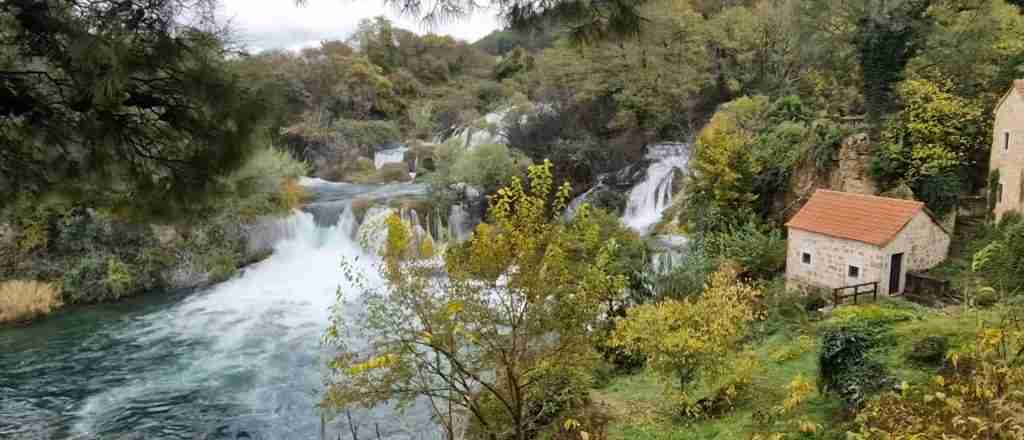
3 days
Split 3-Day Discovery Tour
- ✓ Comprehensive Split experience
- ✓ Expert local guides included
- ✓ All accommodation included
- ✓ Transportation provided
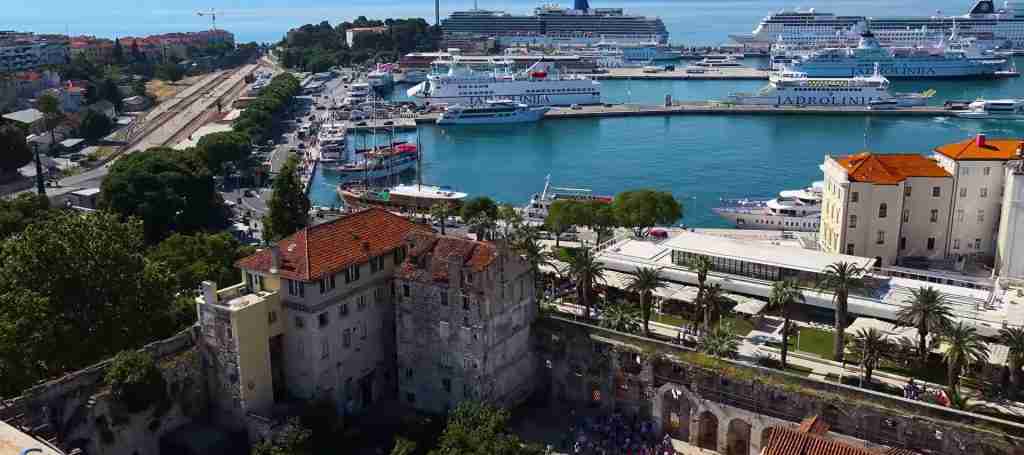
5 days
Split 5-Day Highlights Experience
- ✓ Comprehensive Split experience
- ✓ Expert local guides included
- ✓ All accommodation included
- ✓ Transportation provided
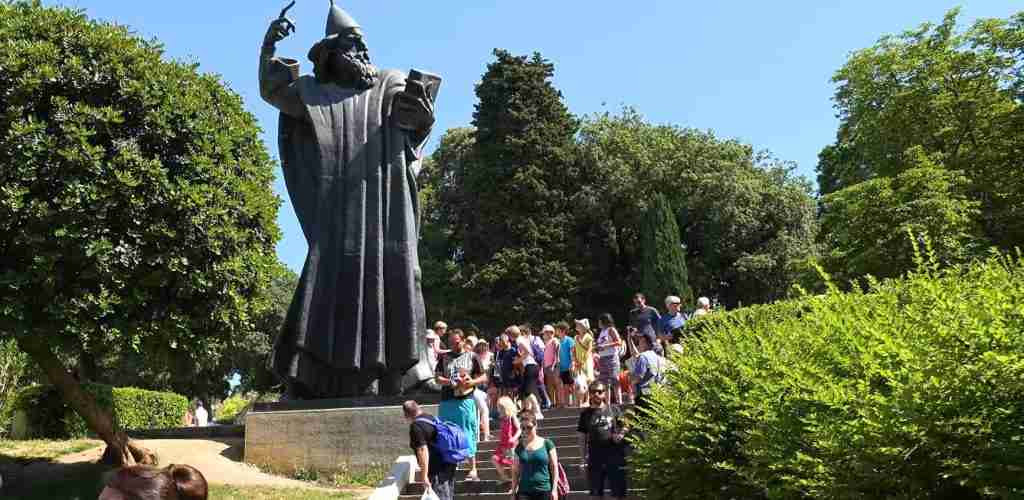
7 days
Split 7-Day Cultural Journey
- ✓ Comprehensive Split experience
- ✓ Expert local guides included
- ✓ All accommodation included
- ✓ Transportation provided
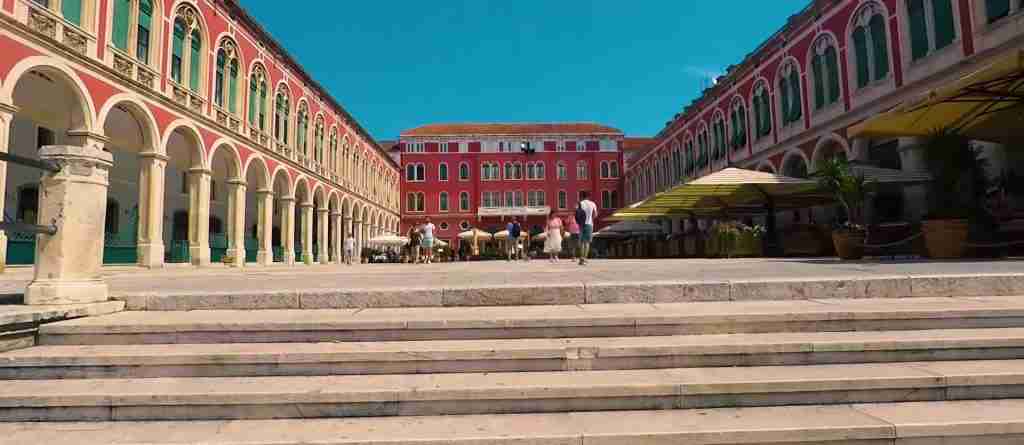
10 days
Split 10-Day Complete Adventure
- ✓ Comprehensive Split experience
- ✓ Expert local guides included
- ✓ All accommodation included
- ✓ Transportation provided
Multi-day tour packages powered by TourRadar. Prices and availability subject to change.
Introduction: Split as Your Dalmatian Coast Adventure Hub 2026
Split’s strategic position on Croatia’s Dalmatian Coast creates the ideal basecamp for exploring the Adriatic’s most celebrated destinations while maintaining daily returns to comfortable accommodation and vibrant nightlife. The city itself demands 2-3 days for proper exploration—Diocletian’s Palace alone warrants full-day immersion—yet Split’s true value emerges when travelers use the city as their hub for day trips and multi-day excursions radiating across central Dalmatia.
Walking tours in Split unlock the 1,700-year-old UNESCO World Heritage site where Roman emperor Diocletian’s retirement palace evolved into a living medieval and modern city. The palace’s 38,700 square meters house approximately 3,000 residents within walls that once protected imperial apartments, now converted into apartments, restaurants, shops, and even a cathedral occupying the former mausoleum. Professional walking tours decode this architectural palimpsest, explaining how Venetian Gothic mansions abut Roman peristyles, how Egyptian sphinxes guard 4th-century gates, and how locals transformed emperor’s quarters into cafés serving coffee where slaves once served emperors.
Beyond the palace walls, Marjan Hill’s 178-meter forested peninsula provides Split’s “lungs”—3.4 square kilometers of Aleppo pine forests, hidden churches, hermit caves, viewpoints, and beaches offering respite from the tourist-dense Old Town. Multiple hiking trails ranging from easy 30-minute viewpoint walks to challenging 3-hour summit circuits appeal to all fitness levels, while swimmers access quiet coves along the peninsula’s southern shore.
Day trip infrastructure from Split in 2026 remains excellent, with frequent buses connecting Krka National Park (90 minutes), Trogir (30 minutes), and Šibenik (75 minutes). Regular ferries serve Hvar, Brač, and Vis islands, while organized tours handle complex logistics for Plitvice Lakes, Blue Cave tours, and multi-island speedboat adventures. The challenge lies not in accessibility but in strategic selection—Split’s surrounding attractions could fill three weeks of daily excursions, requiring travelers to prioritize based on interests, time constraints, and budget realities.
This guide provides the authoritative resource for navigating Split’s tours and walking routes in 2026, from free palace tours and Marjan Hill hikes to premium island-hopping experiences and national park adventures. Understanding route options, realistic timing, cost structures, and booking strategies allows travelers to maximize their Dalmatian Coast experience while avoiding common pitfalls that diminish many visitors’ Split stays.
Free Walking Tours Split 2026: Tip-Based Palace Exploration
Free walking tours provide the most economical and comprehensive introduction to Diocletian’s Palace and Split’s Old Town, operating on tip-based systems that reward quality guiding while maintaining accessibility for budget-conscious travelers. In 2026, multiple companies compete for participants, creating high standards and frequent departure times accommodating varied schedules.
Tour operations follow consistent patterns across providers. The standard 2-hour route covers Golden Gate entrance (where Diocletian’s statue and Grgur Ninski’s bronze sculpture promise luck to those rubbing its toe), leads through the palace’s underground cellars (substructures demonstrating original imperial layout), emerges at Peristyle square (the palace’s ceremonial heart), continues to Cathedral of St. Domnius (converted from Diocletian’s mausoleum), explores Jupiter’s Temple (featuring 3,500-year-old Egyptian sphinx), and concludes at Riva promenade along the waterfront. Guides share historical context spanning Roman construction through medieval transformation, Venetian occupation, Austrian administration, Yugoslav period, and modern independence, connecting architectural remnants to broader Dalmatian history.
Free Spirit Tours represents Split’s largest free tour operator, departing from Gregorius Ninski statue at 10 AM and 6 PM daily during peak season (May 1-October 31), with winter schedules reducing to 10 AM departures only. The €2 mandatory audio system rental (paid at meeting point) ensures participants hear guides clearly amid palace crowds—a practical investment preventing the frustrating “I can’t hear the guide” experience plaguing large groups in noisy environments. Company policy limits groups to manageable sizes, though popular summer departures occasionally reach 30-40 participants creating dense clusters difficult to navigate through narrow palace passages.
Walkative Tours positions itself as the “5-star free tour” with certified guides averaging 500+ tours experience, emphasizing storytelling over dry historical recitations. Their 2-hour split palace route includes identical major stops but incorporates local perspectives on contemporary Split life, communist-era experiences, and modern tourism impacts. The company’s differentiation focuses on guide personality and engagement—reviews consistently mention humor, question encouragement, and restaurant recommendations that prove more valuable than monuments most travelers photograph without understanding context.
GuruWalk aggregates multiple independent guides offering free tours with diverse approaches. Some guides specialize in art history perspectives (analyzing Renaissance influences and baroque additions), while others emphasize Game of Thrones filming locations scattered throughout the palace (Meereen scenes filmed in basement corridors, Daenerys’ throne room at Cathedral steps). This platform allows selection based on specific interests, guide reviews, and preferred departure times beyond the standard 10 AM and 6 PM slots—particularly valuable during summer when additional 4 PM departures accommodate varied schedules.
The tipping economics require transparency. While tours advertise as “free” and booking costs €1 (Croatian legal requirement), guides earn exclusively from tips making generous compensation both appropriate and expected. Industry recommendations suggest €10-20 per person for standard 2-hour tours, with variations based on group size (solo travelers might tip €5-10, couples €20-40, families €30-60), guide quality, and personal budget constraints. Tourists tipping €3-5 or nothing at all do occur but represent poor form—guides invest 2+ hours providing professional service in multiple languages with no guaranteed income. Cash tips prove most practical, with euros preferred though Croatian kuna remains accepted during the currency transition period.
Booking procedures vary by company but generally require online reservations preventing overcrowding and allowing guides to prepare appropriately sized audio systems. Confirmation emails specify exact meeting points (usually near Grgur Ninski statue but occasionally at alternative palace entrances), provide guide identification methods (orange umbrellas, specific clothing colors), and include cancellation policies. Free tours require minimum participant numbers (typically 2-5 people)—solo bookings occasionally face cancellations during low season when group minimums aren’t met, though companies usually contact affected participants offering alternative departure times or dates.
Optimal tour timing in 2026 favors 10 AM summer departures before midday heat and cruise ship crowds overwhelm the palace, or 6 PM departures catching golden hour light and cooler evening temperatures. Winter 10 AM tours benefit from smaller groups (8-15 participants versus 25-35 in summer) allowing more intimate experiences and easier question interaction, though shorter daylight hours and cooler temperatures require appropriate clothing. Monday-Thursday departures experience lighter participation than Friday-Sunday when weekend visitors from Zagreb and Ljubljana swell tourist numbers.
Critical preparation includes comfortable walking shoes (2 hours on marble and limestone pavement), modest clothing respecting cathedral entry requirements (covered shoulders and knees—shorts and tank tops prohibited), sun protection during summer months (the palace amplifies heat through stone reflection), and water bottles (fountains near Peristyle allow refills). Audio system rental requires €2 cash at meeting point before tour begins—credit cards not accepted for this transaction. Bringing small bills (€5 and €10 notes) facilitates both audio rental and post-tour tipping without awkward change requests.
Premium Walking Tours Split 2026: Specialized Guided Experiences
Paid walking tours provide deeper dives into specific themes, smaller group sizes, skip-the-line cathedral access, and professional licensed guides offering expertise beyond free tour generalists. In 2026, premium tours range €25-50 per person for 2-3 hour experiences, with private tours commanding €150-300 for customized routing and scheduling.
GetYourGuide’s top-rated “Split & Diocletian’s Palace Walking Tour” costs €28-35 per person for 2-hour guided exploration emphasizing art history and architectural evolution. The key advantage over free tours involves guaranteed small groups (maximum 15 participants), cathedral interior access included in ticket price (€7 value), and licensed guide credentials ensuring accuracy and depth. Art historian guides interpret Renaissance additions to Roman foundations, decode symbolism in medieval bell tower carvings, and explain Romanesque versus Gothic architectural transitions visible within palace buildings. Reviews consistently praise guide Josipa’s ability to bring 1,700 years of history alive through storytelling rather than date recitation, making the premium cost worthwhile for visitors prioritizing comprehensive understanding over basic orientation.
Game of Thrones walking tours capitalize on Split’s prominent role as Meereen in the series, with dedicated 3.5-hour experiences (€35-45 per person) visiting filming locations while providing behind-the-scenes production insights. The Diocletian’s Palace basement corridors where Daenerys freed slaves, the peristyle steps where dragons roosted, and various narrow passages used for chase scenes receive detailed analysis of how filmmakers adapted ancient architecture for fantasy settings. These tours appeal primarily to series fans seeking connection between fictional Meereen and real Split, though casual viewers often find the content too specialized maintaining interest throughout 3+ hours focused on single topic.
Food and wine walking tours (€60-90 per person for 3-4 hours) combine palace exploration with culinary tastings at family-owned konobas (traditional taverns), local markets, and specialty shops. Typical inclusions feature Dalmatian prosciutto and cheese at Pazar market, pašticada (beef stew) at konoba lunch, local wines from Dingač or Pošip varietals, and fritule (fried dough balls) desserts. These tours suit food-motivated travelers seeking authentic Split cuisine beyond tourist restaurant traps, though the substantial food volume (equivalent to full lunch) may prove overwhelming for light eaters or those with early dinner reservations.
Private custom tours through platforms like ToursByLocals or Viator allow complete itinerary flexibility, scheduling convenience, and personalized pacing impossible with group departures. Typical private tour costs €150-200 for 2-3 hours with 1-4 participants, €250-300 for larger groups up to 10. Private formats suit families with young children requiring bathroom breaks and snack stops, senior travelers needing slower walking paces and frequent rest opportunities, or specialists pursuing specific interests (Roman engineering, medieval commerce, communist-era architecture) warranting customized routing. The per-person cost decreases significantly with larger groups—families of 4 pay €38-50 each for private experiences versus €28-35 for standard group tours, creating marginal premiums worthwhile for enhanced flexibility.
Split Segway tours (€50-70 per person for 2-3 hours) offer motorized alternatives covering larger geographic areas including Marjan Hill viewpoints, Riva promenade, Bačvice beach, and palace periphery without walking fatigue. However, Segways cannot enter palace interior due to narrow passages and uneven surfaces, limiting core historical immersion. These tours appeal to visitors with mobility limitations preventing traditional walking tours, though most participants consist of novelty-seekers enjoying the transportation method rather than serious historical learners.
Night tours of Split (€30-45 per person for 2 hours) provide atmospheric after-dark palace experiences when crowds thin, illumination highlights architectural details invisible during daytime, and guides share ghost stories and legends associated with ancient buildings. The “Dark Tales of the Old Town” tour emphasizes macabre history—Diocletian’s Christian persecutions, medieval executions in town squares, and WWII bombing damage. These tours create memorable experiences distinct from standard historical walks, though content may prove inappropriate for young children disturbed by graphic historical violence descriptions.
Self-Guided Palace Walking Route 2026: DIY Exploration
Independent palace exploration allows flexible timing, personalized pace, and cost-free discovery for travelers comfortable navigating without professional guidance. The optimal DIY route requires 2-3 hours covering essential sites while maintaining logical flow through the complex maze of passages, squares, and buildings comprising the UNESCO site.
Begin at the Golden Gate (northern entrance) where Grgur Ninski’s bronze statue draws crowds photographing toe-rubbing for luck. This 4th-century gateway originally provided main palace access, its massive stone archway demonstrating Roman engineering prowess. The statue commemorates 10th-century bishop who fought for Croatian language in liturgy, making him a national cultural hero. From here, descend to the palace basement (€5 entrance) exploring substructures revealing original imperial layout before medieval inhabitants filled spaces with debris and built above. The basement corridors—featured in Game of Thrones as Daenerys’ slave-holding pens—demonstrate how modern street level sits 2-3 meters above Roman foundations.
Emerge from basements at Peristyle, the palace’s ceremonial square where red granite Egyptian sphinxes (3,500 years old, imported from Luxor) flank steps to the cathedral. This space functioned as the imperial court where subjects prostrated before Diocletian enthroned above. Café tables now occupy areas where citizens awaited imperial audiences, creating surreal juxtapositions of ancient grandeur and modern café culture. The acoustics remain excellent—musicians perform here evenings, their music resonating throughout the colonnaded space.
The Cathedral of St. Domnius (€7 entrance, €5 bell tower) represents Split’s most remarkable architectural transformation—Diocletian’s octagonal mausoleum converted to Christian cathedral in 7th century, creating ironic fate for the emperor who fiercely persecuted Christians. The interior preserves Roman granite columns, porphyry decorations, and original octagonal structure while adding Romanesque bell tower (climb 183 steps for panoramic city views), Gothic altars, and baroque additions. Allow 30-45 minutes for cathedral interior and bell tower ascent—the narrow spiral stairs challenge claustrophobic individuals but reward climbers with Split’s finest elevated perspective.
Jupiter’s Temple (included in €7 cathedral ticket) sits directly across Peristyle, its well-preserved 3,500-year-old Egyptian sphinx guarding the entrance to this compact Roman temple now serving as baptistery. The juxtaposition of pagan temple, Christian baptismal function, and ancient Egyptian sculpture epitomizes Split’s layered cultural heritage visible throughout the palace complex.
From Peristyle, navigate west through narrow passages (follow “Riva” signs) toward the palace’s western Silver Gate, detouring through Pjaca (People’s Square) where medieval Venetian Gothic town hall demonstrates post-Roman architectural additions. The square functioned as Split’s administrative center during centuries when the palace transitioned from imperial residence to fortified medieval town, its buildings showing evolution from Romanesque through Renaissance periods.
Exit at Iron Gate (western entrance) to reach Riva promenade along the waterfront. This palm-lined pedestrian boulevard offers respite from the palace’s dense stone environment, with cafés, benches, and sea views creating Split’s primary social gathering space. The promenade extends 300 meters from the Green Market to ferry terminal, passing various palace fragments visible from outside including walls, towers, and the basement arcade housing restaurants and shops.
Complete the DIY route by circling the palace’s exterior, walking north along the outside walls from Riva to Golden Gate (starting point), examining defensive fortifications, gates, and towers from external perspectives impossible to achieve within the interior maze. This 15-20 minute circuit reinforces understanding of the palace’s massive scale (approximately 215 x 180 meters) and strategic defensive positioning.
Essential DIY navigation tools include offline maps (download Google Maps offline area before visiting), GPS coordinates for key sites, and guidebook apps like GPSmyCity offering self-guided audio tours (€5-7 one-time purchase). The palace’s labyrinthine layout confuses most first-time visitors—getting temporarily lost proves nearly inevitable but also part of the authentic discovery experience as countless passages, hidden squares, and architectural details emerge during wandering.
Marjan Hill Walking Routes 2026: Forest Park Exploration
Marjan Hill provides Split’s premier outdoor recreation area, with multiple trails ranging from easy 30-minute viewpoint walks to challenging 8-mile peninsula loops catering to all fitness levels and time constraints. The 178-meter forested hill offers respite from the city’s stone-dominated environment while delivering panoramic views that contextualize Split’s Adriatic setting.
The Classic Viewpoint Route (1-1.5 Hours Round-Trip)
The shortest and most popular Marjan route targets the first observation platform with minimal time investment. Begin at the base of Marjanske stube (Marjan stairs) located near the western edge of the palace, identifiable by the distinctive long stone staircase ascending from Varoš neighborhood. The initial climb involves approximately 150 steps reaching the Old Jewish Cemetery (700+ graves dating to 17th century, one of Europe’s oldest Jewish cemeteries). Continue another 164 steps to reach the first viewpoint platform and Vidilica restaurant after total 25-30 minute ascent.
This elevated position at approximately 60 meters above sea level provides excellent Split panoramas encompassing the old town, Marjan peninsula, islands of Brač and Šolta, and Mosor mountain range. The platform includes benches, shade from surrounding pines, and access to Vidilica restaurant serving drinks and simple meals (coffee €2-3, beer €3-4, meals €8-15). Most casual visitors satisfied with impressive views without summit achievement complete their Marjan experience here, descending the same staircase in 15-20 minutes for total 1-1.5 hour round-trip commitment.
Alternative access avoiding the stair climb involves taxi or Uber rides (€5-7 from Riva) directly to parking near Vidilica, though this eliminates the satisfying exercise component and sense of achievement earning the views through physical effort.
Telegrin Summit Circuit (3-4 Hours Round-Trip)
The comprehensive Marjan experience reaches the 178-meter Telegrin peak via the scenic Girometta Trail, creating a 5-6 mile loop showcasing the hill’s natural beauty, historical sites, and 360-degree summit panoramas. From the first viewpoint platform, continue past St. Nicholas Church (13th-century chapel dedicated to fishermen’s patron saint) where a hand-pump water fountain provides refills. The trail branches here—the direct route climbs steeply via stairs reaching the summit in 15-20 minutes, while the recommended Girometta Trail follows a gentler incline with superior forest ambiance.
Take the main paved path bypassing the botanical garden turnoff, continuing straight toward the Sedlo (saddle) intersection where the road meets the trail system. Turn right onto Marjanski Put road, walk approximately 200 meters to locate the water pump fountain on the left side, then find the wooden Girometta Trail sign marking five stone steps leading into pine forest on the right. This 2-mile dirt and rock trail winds through Mediterranean vegetation, passes WWII-era bunkers and stone walls, and provides intermittent sea views through tree gaps before emerging at a parking lot adjacent to the Telegrin observation tower.
The round Telegrin tower, built during Napoleonic occupation as telegraph station, now serves as public viewing platform (free access) offering unobstructed 360-degree panoramas. To the west: Trogir and Čiovo Island. North: Kaštela Bay and Kozjak Mountain. Northeast: ancient Salona ruins and Klis Fortress. East: Split city and Telegrin Peak. South: Brač Island. Southwest: Šolta and more distant islands. The platform accommodates approximately 8-10 people simultaneously, creating waits during peak midday periods—morning or late afternoon visits avoid crowds.
Descent options include retracing the Girometta Trail (safest and most scenic), following the road down (faster but less interesting), or extending the adventure via the southern cliff trail to St. Jerome’s Church and hermitage caves. The cliff route (advanced hikers only) adds 1-2 hours but showcases remarkable 15th-century hermit dwellings carved into sheer rock faces and provides excellent rock climbing observation opportunities as local climbers tackle vertical walls.
Beach Loop Variations (2-4 Hours)
Alternative Marjan routes prioritize swimming opportunities over summit achievement, following coastal trails to peninsula beaches including Bene, Kašjuni, and Kaštelet. From the first viewpoint, instead of ascending toward Telegrin, follow the paved road westward along Marjan’s southern shore passing through pine forest with periodic sea glimpses. The trail descends gradually toward Bene beach complex (2-3 kilometers from starting point, 30-45 minute walk) featuring pebble beach, café/restaurant, concrete swimming platforms, and tennis/basketball courts popular with locals.
Continue west past Bene to reach Kašjuni beach, Marjan’s finest swimming spot with finer pebbles approaching sand texture, crystal-clear water, turquoise color, and dramatic pine forest backdrop. The beach features no facilities beyond small beach bar, creating more natural atmosphere than developed Bene. Allow 60-75 minutes walking from Marjan stairs to Kašjuni, with return via same coastal path or internal forest trails creating 2.5-3.5 hour loops when including swimming time.
The full peninsula loop circumnavigating Marjan’s perimeter (8 miles, 3-4 hours non-stop walking) combines summit ascent, western peninsula exploration to the Institute of Oceanography and Fisheries at the cape, and return via northern coastal path passing multiple small beaches and the Natural History Museum site (former zoo closed 2014). This route suits dedicated hikers seeking comprehensive peninsula coverage in single outing.
Practical Marjan Trail Information 2026
All Marjan trails remain free year-round with unrestricted access dawn to dusk. The forest park prohibits motor vehicles except service access, creating peaceful hiking environment removed from urban traffic noise. Dogs are permitted but must remain leashed. Bicycles share most trails with hikers though separate cycling routes exist along park roads.
Essential supplies include proper footwear (athletic shoes minimum, hiking boots recommended for Telegrin and cliff trails), minimum 1 liter water per person (fill at fountains near St. Nicholas Church or bring full bottles as no water sources exist beyond that point), sun protection (hat and sunscreen—summer temperatures in exposed sections reach 30-35°C), and trail snacks. Trash receptacles appear throughout but carrying small bag for waste proves prudent. No entry fees, tickets, or permits required.
Bus route 12 from Split city center reaches Bene beach (northern Marjan access point), providing transportation alternative to walking from old town. The miniature tourist train offers another option, operating seasonally to Bene and Telegrin viewpoint with multiple daily departures from Riva promenade (€5-8 per person).
Wildlife encounters include numerous songbirds, occasional squirrels, and rare sightings of wild boar in remote western peninsula sections. The Aleppo pine forest creates pleasant shade throughout most trails, though summit approaches and coastal sections expose hikers to direct sun requiring appropriate planning during summer months. Spring (April-May) brings wildflower blooms adding color to the predominantly green landscape.
Day Trips from Split 2026: National Parks and Islands
Split’s central Dalmatian Coast location enables diverse day trip options spanning national park waterfalls, UNESCO island towns, beach paradises, and historical fortresses. Strategic selection based on interests, available time, and budget constraints maximizes the Split basecamp advantage.
Krka National Park Day Trip 2026
Krka National Park delivers the most practical national park day trip from Split, combining impressive waterfalls, wooden boardwalk trails, and manageable 90-minute travel time creating comfortable full-day experiences without exhaustion. The park’s Skradinski Buk waterfall section features 17 cascades creating 45-meter total drop, with wooden walkways allowing close waterfall approaches and multiple viewpoint perspectives. Swimming prohibition since 2021 (environmental protection measures) eliminated Krka’s former advantage over Plitvice, but the easier logistics and beautiful karst landscape maintain strong appeal.
Independent travel costs €12-15 each way via bus from Split’s main terminal to Skradin village (park entrance point), with 1.5-hour journey departing hourly during peak season. Park entrance costs €20 (November-March) or €30 (April-October) covering Skradinski Buk access, boat transfer from Skradin to waterfalls, and park bus connections. Budget 4-5 hours for thorough exploration including waterfall boardwalks (1.5 hours), Krka Monastery visit (15th-century Franciscan complex housing Orthodox church and small museum), and lunch at park restaurants (€12-18 entrees). Total DIY day trip cost: €54-80 per person including transport, entrance, and meal.
Organized Krka tours from Split (€50-80 per person) eliminate bus schedule management, include professional guides explaining park geology and history, and often combine Krka with Primošten or Šibenik side trips adding architectural contrast to natural beauty. Premium tours (€70-90) add wine tasting at Dalmatian vineyards producing Babić or Maraština varietals near the park. Groups typically limit to 20-30 participants with pickup from central Split locations and return by 5-6 PM.
Optimal timing visits Krka during shoulder season (April-May, September-October) when entrance prices drop 33% and crowds thin significantly compared to July-August peak periods. Weekday visits further reduce congestion—summer weekend arrivals sometimes face parking challenges and dense waterfall boardwalk traffic diminishing the natural ambiance. Morning departures (8-9 AM buses) allow 2-3 hours at the park before midday heat and cruise ship tour arrivals.
Plitvice Lakes National Park Day Trip 2026
Plitvice Lakes National Park represents Croatia’s premier natural attraction—16 terraced turquoise lakes connected by waterfalls, wooden boardwalks traversing water surfaces, and the 78-meter Veliki Slap (Great Waterfall) creating UNESCO World Heritage scenery. However, the 250-kilometer distance from Split creates logistical challenges making this a demanding full-day commitment (12-14 hours) best suited for visitors prioritizing iconic landscapes over comfort.
Bus transport via Flixbus costs €24-35 each way with 4-5 hour journey times, requiring 6-7 AM departures for 10-11 AM park arrival and 5-6 PM returns reaching Split by 10-11 PM. Park entrance costs €10 (November-March) or €40 (April-October) including internal park buses and boat transfers across Kozjak Lake. Advance online tickets are mandatory during peak season (select specific entrance and 2-hour arrival window), as walk-up admission risks denial when daily visitor limits fill. Budget minimum 4-5 hours for lower lakes circuit (most dramatic waterfalls) or 6-8 hours for comprehensive upper and lower lakes exploration.
Organized tours (€80-120 per person) provide the most practical Plitvice access from Split, handling all logistics including very early pickup (6-7 AM), rest stops, guided park walking, and return to Split by 8-9 PM. Tours typically combine lower lakes walking with boat cruise and park train rides, plus lunch stop at park restaurants or roadside konobas. Group sizes range 25-50 participants with multilingual guides available.
The Plitvice versus Krka decision weighs dramatic scenery against convenience: Plitvice delivers superior waterfalls, larger lake systems, and more extensive trails, but demands twice the travel time, costs double Krka entrance fees, and creates exhausting 14-hour days. Travelers spending only 3-4 days in Split generally find Krka sufficient, while week-long stays can justify the Plitvice investment. Consider overnight stays at Plitvice village (Hotel Jezero or surrounding guesthouses) during extended Croatia itineraries, allowing full-day park exploration without the Split round-trip burden.
Hvar Island Day Trip 2026
Hvar Island combines Venetian architecture, lavender fields, beach coves, and vibrant nightlife creating Croatia’s most celebrated island destination. Day trips from Split focus on Hvar Town—the island’s main settlement featuring 13th-century walls, Renaissance cathedral, hilltop fortress, and lively harborfront restaurants and bars.
Ferry transport from Split to Hvar Town costs €20-25 each way (catamaran) with 50-70 minute crossings departing 3-5 times daily depending on season. Alternative routing to Stari Grad (northern Hvar port) costs €18 roundtrip via Jadrolinija ferry (2-hour crossing) but requires 30-minute bus transfer to Hvar Town (€10 roundtrip), making direct Hvar Town catamarans more convenient despite higher cost. Ferry schedules vary seasonally—verify current timetables at Split ferry terminal or Jadrolinija website before planning, as winter reduces frequency significantly.
A typical Hvar day trip (8-10 hours total) allows 4-5 hours on the island for fortress climb (€10 entrance, 30-minute uphill walk, panoramic views), cathedral visit (€5), harborfront lunch (€15-25 per person), and swimming at nearby beaches (Hula Hula beach club most popular, though entry/sunbed fees apply). The compressed schedule suits overview experiences but sacrifices deeper exploration of Pakleni Islands (water taxi archipelago 15 minutes from Hvar), lavender field visits (interior island requiring rental car or tour), or full beach relaxation many travelers expect from island visits.
Multi-island speedboat tours (€120-180 per person, 10-12 hours) expand single-island limitations by combining Hvar with Pakleni Islands, Blue Cave (Biševo Island), Vis Island, and additional stops for swimming in secluded coves. These tours depart Split 8-9 AM, include snorkel equipment and sometimes lunch, and return 6-8 PM. The fast-paced itinerary (8-10 stops) sacrifices depth for breadth, appealing to travelers maximizing island exposure within single day. Blue Cave visits require €18 entrance fee (paid directly) and calm sea conditions—rough weather forces cancellations without advance warning.
Brač Island and Zlatni Rat Beach 2026
Brač Island offers more accessible island experiences than Hvar, with frequent ferries (€7-10 roundtrip, 50 minutes to Supetar), less tourist density, and famous Zlatni Rat beach near Bol—a distinctive triangular pebble beach extending into the Adriatic and shifting shape with tides and currents. The beach’s unique formation creates Croatia’s most photographed coastline, appearing in countless promotional materials.
Reaching Zlatni Rat requires ferry to Supetar followed by bus to Bol (€10-12 roundtrip, 45-60 minutes through island interior), then 20-minute walk or taxi to the beach. The logistics consume 2.5-3 hours round-trip from Split, leaving limited beach time for true day trippers. Most visitors either base themselves in Bol for multi-day stays or accept that Brač day trips emphasize Supetar exploration (pleasant harbor town with restaurants and small beaches) over the Bol/Zlatni Rat experience requiring dedicated time investment.
Organized Brač tours (€60-90) streamline logistics with direct boat transport to Bol, beach time allowance, and return to Split by early evening. These work well for visitors prioritizing the specific Zlatni Rat experience without island exploration interests.
Trogir and Šibenik Day Trips 2026
Trogir (30 minutes from Split, €5-7 bus fare) delivers UNESCO World Heritage medieval town experiences within easy reach for half-day trips. The compact island old town features 13th-century cathedral with Radovan’s Portal (masterpiece of Romanesque sculpture), Venetian palaces, defensive walls, and pleasant waterfront promenade. Two to three hours suffice for thorough exploration, making Trogir ideal for morning departure returning to Split for afternoon activities or beach time.
Šibenik (75 minutes from Split, €10-12 bus fare) offers another UNESCO site—St. James Cathedral, an architectural marvel constructed entirely from stone without bricks or wood. The old town’s steep streets, fortress complex (€10 entrance with summer evening cultural performances), and setting above the Krka River estuary create attractive full-day trip alternatives to more distant destinations. Šibenik combines well with Krka National Park visits (30 minutes between locations), though cramming both into single day creates rushed experiences diminishing enjoyment of either destination.
Frequently Asked Questions About Split Tours & Walking Routes 2026
Do I need to book walking tours in advance or can I join day-of in 2026?
Free walking tours require advance online booking to secure spots and ensure guides prepare appropriate audio system quantities—walk-up participation risks denial if tours reach capacity limits. Premium paid tours strongly recommend advance reservations, particularly during peak season (June-August) when popular departure times fill 1-2 days ahead. However, last-minute availability often exists for less popular time slots, allowing spontaneous bookings via GetYourGuide, Viator, or company websites. Winter season (November-March) permits more flexible booking with same-day or previous-day reservations usually succeeding due to lower tourist volumes. Private tours necessitate minimum 24-48 hour advance notice allowing guides to arrange schedules, though some companies accommodate same-day requests when guides have availability gaps.
Can I walk Marjan Hill with a stroller or wheelchair in 2026?
Marjan Hill’s steep staircases, uneven dirt trails, and rocky paths make stroller or wheelchair access impractical for most routes including the popular Telegrin summit and cliff trails. The paved road to Vidilica viewpoint provides the only wheelchair-accessible route, reachable by taxi or Uber (€5-7 from city center) bypassing the initial stair climb, though the road grades remain challenging for manual wheelchair users requiring assistance or motorized chairs. Baby carriers (front or back style) prove far more practical than strollers for families with young children wanting to experience Marjan’s trails. The coastal paths to Bene beach offer the most stroller-friendly route with gentler grades and paved sections, though still requiring rugged all-terrain stroller capability and willingness to navigate occasional rough patches and stairs approaching the beach itself.
What’s the best day trip from Split for families with children in 2026?
Krka National Park provides the optimal family day trip combining manageable travel time (90 minutes), impressive natural scenery children find engaging, wooden boardwalks navigable by all ages, and reasonable total duration (6-7 hours) preventing child exhaustion. The waterfalls captivate young attention spans better than historical sites, while park facilities include restaurants and restrooms at convenient intervals. Swimming prohibition since 2021 disappoints families expecting water play, but the waterfall proximity and spray zones provide some aquatic interaction. Alternative family-friendly options include Brač Island ferry rides (children enjoy boat travel) with Supetar beach time, or Trogir half-day trips allowing cathedral climbing and ice cream breaks without extended bus rides tiring restless kids. Avoid Plitvice for families with children under 10 due to grueling 14-hour day length and extensive walking requirements exceeding most young children’s endurance capabilities.
When is the best time of year to hike Marjan Hill?
Spring (April-May) and autumn (September-October) provide optimal Marjan hiking conditions with temperatures ranging 18-25°C (64-77°F), wildflower blooms adding color in spring, and reduced tourist crowds compared to summer peak. Summer hiking (June-August) requires early morning starts (7-8 AM) before temperatures reach uncomfortable 30-35°C (86-95°F) levels, with afternoon hikes possible after 6 PM when temperatures moderate. The exposed summit approaches and coastal sections receive full sun during midday summer hours creating genuine heat stress risks—carry extra water and recognize heat exhaustion symptoms. Winter hiking (November-March) offers pleasant temperatures (8-15°C / 46-59°F) and virtually empty trails, though occasional rain makes rocky sections slippery and reduced daylight hours limit afternoon hiking options. Year-round access means no seasonal closures, but spring and autumn optimize the weather-crowds-scenery equation for most visitors.
How much should I tip on Split free walking tours?
Industry-standard tipping for Split’s 2-hour free walking tours ranges €10-20 per person for quality guiding, with variations based on group size, guide performance, and personal budget. Solo travelers commonly tip €8-15, couples €20-40 combined, and families €30-60 total depending on group size. Exceptional guides providing extra value (detailed question responses, restaurant recommendations, going beyond scheduled time) merit tips at the higher end or above the standard range. Budget-conscious travelers tipping €5-10 remain acceptable though on the low end of expectations. Tipping €3-5 or nothing represents poor form except in cases of genuinely substandard guiding—remember guides earn exclusively through tips with no base wage, investing 2+ hours in providing professional service. Cash euros prove most practical, though some guides accept credit card tips via mobile payment apps. Tipping occurs at tour conclusion, typically as groups disperse, allowing discrete envelope provision or direct hand-to-guide payment without public display.
Can I do a Plitvice Lakes day trip from Split without a car?
Plitvice Lakes day trips from Split without personal vehicles remain entirely feasible via bus transport or organized tours, though both options create long, tiring days with 12-14 hour total durations. Flixbus operates direct Split-Plitvice routes (€24-35 each way, 4-5 hours) requiring 6-7 AM departures for adequate park exploration time before 5-6 PM return buses. The early wakeup, lengthy bus rides, and late return (10-11 PM arrival Split) exhaust many travelers, particularly after full day hiking the park’s extensive trail networks. Organized tours (€80-120 per person) provide more comfortable alternatives with guide assistance, strategic rest stops, and assured coordination between transport and park time, though still demanding the same 14-hour day commitment. Alternative strategies include overnight stays at Plitvice village (Hotel Jezero or guesthouses), allowing relaxed full-day park exploration and splitting the bus journey across two days, or visiting during multi-day Croatia road trips when having personal vehicle eliminates public transport time constraints.
What should I wear for Split walking tours in summer?
Summer walking tours in Split require lightweight, breathable clothing providing sun protection while respecting cathedral entry requirements mandating covered shoulders and knees. Practical outfits include athletic shorts or capri pants extending below knees paired with lightweight short-sleeve shirts, or sundresses with cardigans/shawls for cathedral shoulder coverage. Comfortable closed-toe walking shoes prove essential—2 hours on marble, limestone, and uneven palace pavement causes blisters and foot pain with inadequate footwear like flip-flops or fashion sandals. Sun protection including wide-brim hats and SPF 50+ sunscreen prevents burns as palace stones reflect and intensify sun exposure beyond typical outdoor levels. Bring refillable water bottles (1 liter minimum) as Split’s summer heat (30-35°C / 86-95°F) creates dehydration risks during 2-hour tours. Light-colored clothing reflects heat better than dark fabrics, while moisture-wicking athletic fabrics prove more comfortable than cotton in high humidity. Small backpacks or crossbody bags keep hands free for photography while carrying water, sunscreen, and light layers for cathedral’s cooler interior temperatures.
Are Split’s beaches accessible from walking routes?
Multiple Split beaches connect directly to walking routes allowing combined cultural sightseeing and swimming experiences within single outings. Bačvice beach—Split’s most famous sandy beach popular with locals—sits 15-minute walk east from Riva promenade along the waterfront, easily incorporated into palace tours as final swimming stops. The walk from Diocletian’s Palace to Bačvice requires 20-25 minutes following the coastal promenade. Bene beach on Marjan’s northern shore connects to the forest park’s trail system, allowing hikers to conclude Marjan walks with swimming stops accessed via coastal paths or the park’s internal road network. Kašjuni beach (Marjan’s western shore) requires 60-75 minute walks from palace areas but rewards hikers with Split’s finest swimming waters featuring clearer visibility and finer pebbles. The Riva-Bačvice-Žnjan beach sequence creates a waterfront walking route (3-4 kilometers total) popular with joggers and strollers allowing beach selection based on preferred atmosphere, facilities, and water conditions. Firule and Ovčice beaches positioned between old town and Bačvice provide intermediate options with shorter walking distances from palace areas.
How difficult is the Marjan Hill Telegrin summit hike?
The Telegrin summit hike rates as moderately challenging, requiring reasonable fitness for the 314-step ascent from first viewpoint to 178-meter peak, but manageable for most healthy adults and children aged 8+. The initial staircase to first viewpoint demands 25-30 minutes steady climbing (approximately 314 steps total), representing the route’s steepest sustained section. From there, the gentler Girometta Trail to summit involves gradual inclines through forest with occasional steeper pitches but no sustained stair climbing, adding another 45-60 minutes to reach Telegrin tower. Total elevation gain approximates 178 meters (584 feet) over 2-3 miles one-way depending on route chosen. Fit hikers complete the round-trip in 2.5-3 hours, while casual walkers with photo stops and rest breaks require 3.5-4.5 hours. The main difficulty factors include summer heat (30-35°C temperatures amplified by sun exposure), uneven rocky trail surfaces requiring attention to footing, and physical demands of sustained stair climbing for those with knee issues or cardiovascular limitations. Proper footwear, adequate water (minimum 1 liter per person), and realistic fitness assessment prevent most difficulties—the route challenges sedentary individuals but proves accessible to regular walkers maintaining basic activity levels.
Can I visit both Krka and Plitvice from Split in one day?
Visiting both Krka and Plitvice National Parks from Split within a single day proves theoretically possible but practically inadvisable due to 18+ hour total duration, minimal park exploration time at each location, and exhaustion-inducing schedule destroying enjoyment. The Krka-Plitvice route requires Split to Krka (1.5 hours), Krka exploration (minimum 2 hours), Krka to Plitvice (2+ hours), Plitvice exploration (minimum 3 hours), Plitvice return to Split (3+ hours), totaling 11+ hours minimum without accounting for breaks, traffic delays, or parking challenges. Attempting both creates a grueling forced march missing the relaxed nature appreciation these parks deserve while risking missing return bus schedules if timing delays occur. The two parks deliver similar waterfall and lake experiences making dual visits somewhat redundant—most travelers find visiting one park thoroughly more satisfying than rushing both superficially. Recommended approach: select either Krka (easier logistics, closer to Split) or Plitvice (superior scenery, requires full day commitment) based on available time and priorities, dedicating full day to chosen park for proper exploration allowing spontaneous trail diversions, extended photo stops, and relaxed meal breaks enhancing overall experience quality.