
Solo Travel Milan 2026: Safety Tips & Best Experiences
Key Takeaways
- Milan provides excellent solo travel infrastructure in 2026, with safe neighborhoods, comprehensive public transportation, English-speaking service environments, and social opportunities from aperitivo culture to free walking tours
- Women traveling alone find Milan comfortable and secure when following standard urban precautions: staying in Brera, Porta Venezia, or Navigli neighborhoods, avoiding isolated areas after dark, and maintaining awareness in crowded spaces
- Solo travelers budget €80-150 daily in 2026 including mid-range accommodation (€70-100), meals optimized through aperitivo strategy (€25-40), and attraction admissions (€0-30 depending on interests)
- Social connections form naturally through free walking tours, aperitivo venues, cooking classes, and hostel common spaces, with Milan’s international character creating welcoming environments for English-speaking independent travelers
Solo Travel in Milan: Understanding the Experience in 2026
Milan rewards solo travelers with urban infrastructure designed for independent navigation, cultural experiences suited to individual pacing, and social opportunities that combat isolation without requiring group travel commitments. The city’s compact historic center, comprehensive metro system, and walkable neighborhoods eliminate dependencies on guides or companions while providing freedom to pursue personal interests from architecture and art to fashion, food, and contemporary urban culture. Your 2026 solo Milan journey combines self-directed exploration with spontaneous social connections, creating flexible experiences that adapt to mood, energy, and curiosity throughout your visit.
The Lombard capital’s international character creates advantages for English-speaking solo travelers uncertain about language barriers. Tourism and business sectors operate extensively in English, with restaurants, hotels, attractions, and transportation systems providing English signage and English-speaking staff. The city’s substantial international student population and multinational business community create cosmopolitan atmosphere where solo foreign visitors blend naturally into diverse crowds navigating museums, cafes, piazzas, and neighborhoods without attracting attention or questions about traveling alone.
Safety, social opportunities, budget management, and meaningful cultural engagement—these four concerns drive solo travel planning and decision-making. Milan addresses each effectively in 2026 through urban design that prioritizes pedestrian movement, neighborhoods maintaining active evening presence, affordable accommodation and dining options, and cultural traditions like aperitivo that facilitate natural social interaction. This guide provides comprehensive strategies for navigating these dimensions successfully, transforming solo travel from potentially isolating challenge into empowering urban adventure that showcases independent travel’s unique advantages.
People Also Ask About Solo Travel Milan 2026
Is Milan safe for solo female travelers in 2026?
Milan ranks among Europe’s safest major cities for solo female travelers in 2026, with low violent crime rates, well-lit historic center streets, active evening social life, and respectful general culture toward women traveling independently. Women report comfortable experiences walking alone during daytime throughout tourist and residential areas, with evening safety maintained in populated districts including Brera, Duomo zone, Navigli, and Porta Venezia until 11 PM-midnight. Standard urban precautions apply: avoid isolated areas after dark, maintain awareness in crowded metro stations and tourist areas where pickpocketing occurs, dress modestly when visiting churches, and trust instincts about situations creating discomfort. Harassment remains less prevalent than in other Southern European cities, with local women navigating public spaces independently creating normalized environment for female travelers.
How much does solo travel in Milan cost in 2026?
Solo travelers budget €80-150 daily in Milan for 2026 depending on accommodation choices and activity intensity. Breakdown for mid-range comfort: accommodation €70-100 (private hostel room or budget hotel), meals €25-40 (breakfast €5-8, aperitivo strategy for lunch/dinner €20-25, coffee/snacks €5-7), attractions €0-30 (many free options, major museums €12-15), transportation €7 (day pass if needed, often walkable), contingency €10-15. Luxury solo travelers spending €200-300+ daily access four-star hotels, restaurant dining, and comprehensive museum admissions. Budget backpackers maintaining €50-70 daily use hostel dorm beds (€25-35), market provisions for most meals, free attractions, and walking-based transportation. The single supplement challenge—paying double-occupancy rates alone—affects accommodation most significantly, making hostels and single-room hotels valuable for budget-conscious solo travelers.
Is it easy to meet people in Milan in 2026?
Milan facilitates social connections through structured opportunities (free walking tours, cooking classes, language exchanges, hostel events) and spontaneous encounters (aperitivo venues, museum queues, park benches, cafe tables). Aperitivo culture particularly benefits solo travelers—the 6-9 PM tradition of drinks with complimentary buffets creates natural conversation scenarios where standing at bar with a Spritz invites casual interaction with locals and travelers. Free walking tours departing Duomo piazza daily at 10:30 AM and 3 PM attract solo travelers seeking companions for subsequent meals or activities, creating organic friend groups. Hostel common spaces, cooking class group activities, and Meetup.com events provide additional structured social access. Milan’s international character means English-language interactions occur naturally, with locals often eager to practice English with native speakers in casual social settings.
What are the best neighborhoods for solo travelers in Milan 2026?
Brera, Porta Venezia, and Navigli rank as optimal solo traveler neighborhoods in 2026, offering safe residential atmospheres, diverse accommodation options, authentic local culture, and walkable access to major attractions. Brera provides artistic atmosphere, cobblestone charm, and proximity to Pinacoteca and Duomo within 10-15 minute walks. Porta Venezia offers public gardens, diverse dining, LGBTQ+-friendly culture, and excellent metro connections. Navigli delivers canalside ambiance, active aperitivo scene, and bohemian character attracting creative crowds. All three neighborhoods maintain evening populations through residential density and commercial activity, creating natural surveillance and social energy that solo travelers find reassuring. Budget options exist in each: hostels €25-40 per bed, budget hotels €70-100 for singles, Airbnb studios €50-80 nightly.
Extended multi-day tours – 5+ days
Featured Milan Multi-Day Tour Packages
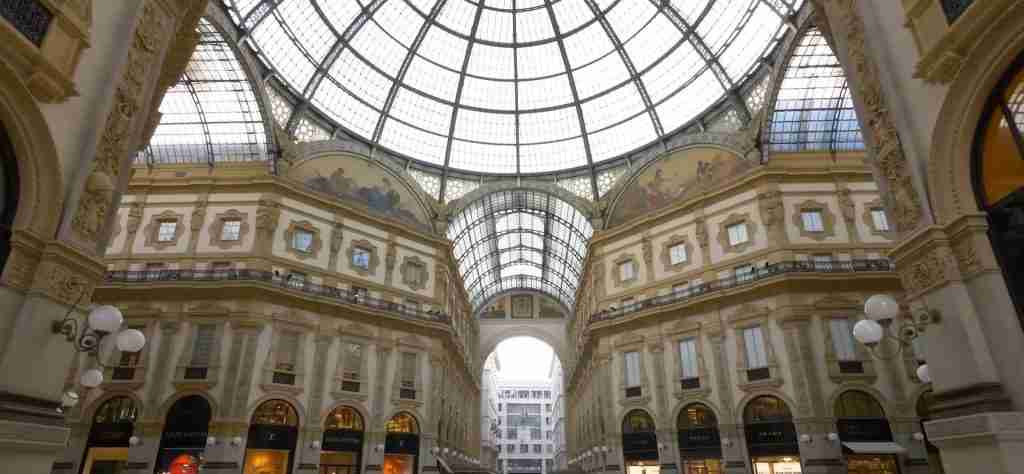
3 days
Milan 3-Day Discovery Tour
- ✓ Comprehensive Milan experience
- ✓ Expert local guides included
- ✓ All accommodation included
- ✓ Transportation provided

5 days
Milan 5-Day Highlights Experience
- ✓ Comprehensive Milan experience
- ✓ Expert local guides included
- ✓ All accommodation included
- ✓ Transportation provided
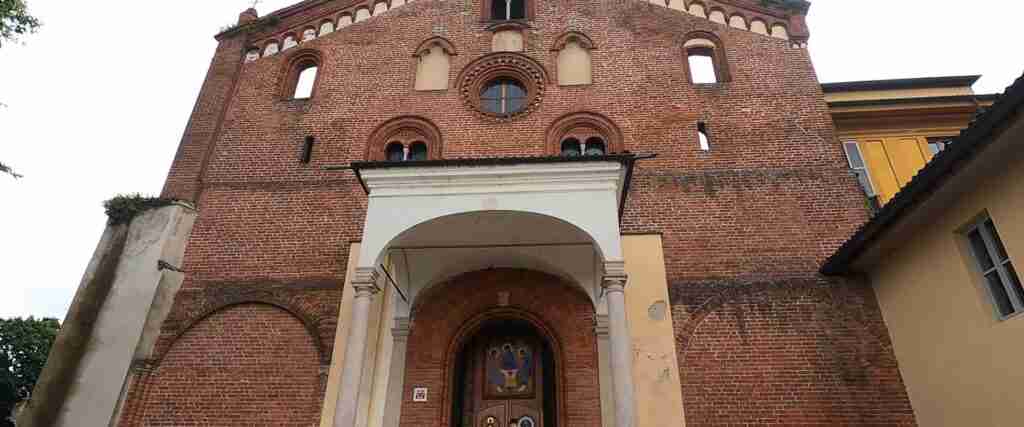
7 days
Milan 7-Day Cultural Journey
- ✓ Comprehensive Milan experience
- ✓ Expert local guides included
- ✓ All accommodation included
- ✓ Transportation provided
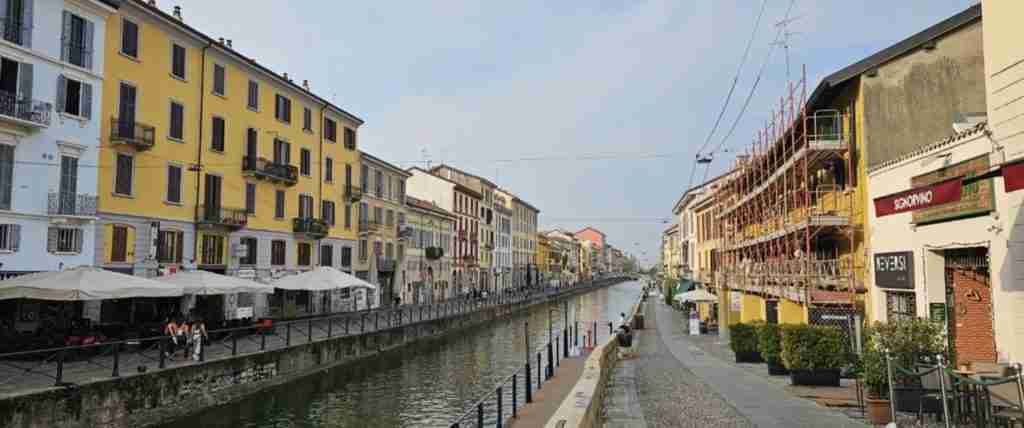
10 days
Milan 10-Day Complete Adventure
- ✓ Comprehensive Milan experience
- ✓ Expert local guides included
- ✓ All accommodation included
- ✓ Transportation provided
Multi-day tour packages powered by TourRadar. Prices and availability subject to change.
Safety Strategies for Solo Travelers in Milan 2026
Understanding Milan’s Safety Landscape in 2026
Milan maintains safety levels comparable to Vienna, Munich, or Barcelona—significantly safer than Naples or Rome, slightly less secure than Zurich or Copenhagen. Violent crime against tourists remains exceptionally rare, with pickpocketing and bag snatching representing primary concerns concentrated in predictable locations: crowded metro stations (particularly Duomo and Centrale), Duomo piazza during peak tourist seasons, major attraction queues, and crowded markets. These risks affect all travelers regardless of solo or group status, but solo travelers lacking companions for mutual vigilance require heightened personal awareness.
The city’s residential density creates natural surveillance throughout historic and near-center neighborhoods where apartments overlook streets and commercial activity extends into evening hours. This urban fabric produces safer environments than isolated tourist districts emptying after sunset. Neighborhoods recommended in this guide (Brera, Porta Venezia, Navigli, Isola) maintain resident populations whose daily patterns—walking dogs, returning from work, meeting friends—create ambient security through human presence that deters opportunistic crime while providing potential assistance if issues arise.
Official crime statistics for 2024-2025 show Milan’s theft rates declining with enhanced police presence in tourist areas and metro system security improvements including cameras and increased patrols. The 2026 outlook continues these trends, with municipal investments in lighting, surveillance technology, and tourism-area policing maintaining or improving current safety levels. Solo travelers benefit from these investments while understanding that personal vigilance remains essential—Milan’s safety depends on both effective public security and individual awareness practices working in combination.
Practical Security Measures for 2026
Implement multi-layered security strategy protecting valuables while maintaining travel enjoyment and social accessibility. Primary layer: distribute assets across multiple locations using hotel safe for passports, excess cash, and backup credit cards; keeping daily cash (€40-60) and one credit card in front pocket or secure cross-body bag; and carrying minimal valuables when exploring high-risk areas like Centrale station or packed metro trains during rush hour. This distribution ensures theft impacts remain limited while allowing sufficient cash and cards for daily activities.
Bag security requires continuous attention in crowded environments. Cross-body bags worn in front position, backpacks on front in metro trains, purse zippers kept closed and monitored, phone and camera secured when not actively used—these basic practices defeat most opportunistic theft attempts. Avoid placing phones on restaurant tables where snatch-and-run thefts occur occasionally, and never leave bags unattended on cafe chairs or park benches during brief departures to bathrooms or order counters. These habits become automatic after 1-2 days of practice, providing security without paranoia that diminishes travel pleasure.
Digital security protects against modern theft targeting electronic devices and financial access. Enable phone tracking and remote wipe capabilities before travel, use VPN when accessing public WiFi in cafes and piazzas, photograph credit cards and passport pages as backup documentation stored in cloud services, and enable two-factor authentication for banking and email access. Keep ATM withdrawals to minimum needed for 2-3 days rather than large sums creating cash management liability, and use credit cards (offering better fraud protection than debit cards) for significant purchases. These measures provide recovery options if theft occurs while minimizing financial exposure throughout your 2026 visit.
Neighborhood-Specific Safety Considerations
The recommended solo traveler neighborhoods maintain different safety profiles requiring adjusted approaches. Brera’s narrow, winding streets can feel maze-like after dark for unfamiliar visitors—use smartphone maps confidently and maintain general sense of cathedral location (east) for orientation. The district’s residential character means evening street populations consist primarily of locals and restaurant-goers rather than late-night party crowds, creating calm atmosphere but reduced activity after 11 PM when returning to accommodation via well-lit major streets (Via Brera, Via Fiori Oscuri) proves safest.
Porta Venezia’s wider streets and public gardens require standard park safety protocols: avoid Giardini Pubblici after dark when park gates close, stick to illuminated streets (Corso Buenos Aires, Via Tadino), and use metro stations (Porta Venezia, Lima) confidently during evening hours when commuter traffic maintains human presence. The neighborhood’s LGBTQ+-friendly character creates particularly welcoming environment for LGBTQ+ solo travelers, with gay bars and clubs along Via Lecco and Via Sammartini (near Centrale station) operating safely though the Centrale vicinity requires heightened vigilance due to pickpocketing activity around the major transit hub.
Navigli’s canalside paths become crowded aperitivo destinations 6-10 PM when safety concerns evaporate in social density, but emptier late-night hours (after midnight) suggest walking along parallel streets (Ripa di Porta Ticinese, Via Corsico) rather than dark canal paths when returning alone to accommodation. The neighborhood’s artistic and bohemian character attracts younger crowds including students and international residents who create diverse social environment where solo travelers blend naturally into the existing international demographic mix.
Best Solo Travel Experiences in Milan 2026
Self-Paced Cultural Exploration
Solo travel’s greatest advantage lies in complete schedule flexibility—spending three hours in Pinacoteca di Brera when Renaissance paintings captivate, or 20 minutes when energy flags, without negotiating companions’ preferences or feeling pressure to match others’ enthusiasm. Milan’s cultural attractions support this flexibility through pay-per-entry systems (rather than timed tickets for most sites) allowing spontaneous decisions about duration and intensity. The combination of world-class museums, neighborhood churches with free art access, street art districts, and architectural monuments creates diverse options suiting different moods, energy levels, and intellectual interests throughout your visit.
Structure cultural days around personal rhythms rather than guidebook prescriptions. Morning people tackle museums when doors open 10 AM, enjoying quiet galleries before crowds arrive and maximizing mental freshness for complex art engagement. Late risers sleep through mornings without apology, emerging for leisurely lunches before 3-6 PM cultural activities when afternoon energy peaks. Evening people skip morning commitments entirely, investing days in relaxation, writing, or logistical tasks before activating for 6 PM aperitivo beginning social evenings extending to midnight museum visits at Museum of the Twentieth Century (open until 10:30 PM Thursdays).
Solo travelers benefit particularly from audio guides and written materials that substitute for group guides without requiring social interaction during content absorption. The Duomo Museum, Castello Sforzesco museums, and Pinacoteca di Brera all offer audio guides €5 providing comprehensive art-historical context at self-directed pacing. Smartphone apps including Rick Steves Audio Europe (free) and Milan Audio Guides (€3-5) deliver similar content for outdoor monuments and walking routes, creating personalized guided experiences without group tour constraints or costs. This independent learning approach allows depth engagement with subjects sparking curiosity while permitting quick movement past less interesting content without social awkwardness.
Aperitivo as Social Strategy
Milan’s aperitivo tradition provides perfect solo traveler social venue—informal enough that arriving alone feels natural, structured around drink and food providing obvious activity focus, and populated by mixed groups of locals and travelers creating easy conversation opportunities. The format eliminates solo dining discomfort that affects some travelers (particularly at traditional restaurants where parties of one attract attention), while complimentary buffets transform the experience into practical meal solution addressing both nutritional and social needs simultaneously.
Optimal aperitivo strategy for solo social engagement: arrive 6:30-7 PM when venues begin filling but tables remain available, order at bar rather than securing table immediately (standing at bar facilitates conversation), choose venues with visible international clientele suggesting English-friendly environment, and remain open to casual conversation with adjacent patrons or bartenders who often speak excellent English and enjoy sharing Milan recommendations with curious visitors. The €10 Aperol Spritz purchase grants two hours of social venue access without pressure for additional spending or rapid departure that affects some solo cafe experiences.
Navigli district provides highest aperitivo social density, with canalside venues creating festival atmosphere Thursday-Saturday evenings when locals and international residents participate actively. Rita & Cocktails, Mag Cafè, and Ugo along Naviglio Grande offer accessible environments where solo arrivals blend naturally into existing social energy. Brera’s more upscale aperitivo venues (Jamaica Bar, Bar Basso) attract artistic and professional crowds whose sophisticated atmosphere suits solo travelers seeking quieter intellectual environments over party energy. Isola neighborhood’s contemporary bars (Bar Giaco, Frida) draw younger international crowds with music and modern aesthetics appealing to millennial and Gen-Z solo travelers.
Free Walking Tours as Social Catalyst
Free walking tours departing Duomo piazza daily at 10:30 AM and 3 PM serve triple function for solo travelers: providing historical context that enriches subsequent independent exploration, delivering practical orientation establishing mental maps of neighborhoods and attraction locations, and creating natural friend groups where fellow solo travelers connect for post-tour meals, activities, or informal companionship. The 2-3 hour tours cover Duomo, Galleria, La Scala exterior, Sforza Castle, and Brera district with knowledgeable guides operating on tips-only basis (€10-15 per person standard).
Tours attract predominately solo travelers and couples, creating demographics where individual arrivals constitute the majority rather than exceptions. The group dynamic forms quickly during walking segments where proximity facilitates conversation about home countries, travel plans, and Milan impressions. Post-tour transitions often include spontaneous lunch or aperitivo groups, with 4-6 tour participants continuing together for meals or activities—a natural friendship formation process requiring minimal social initiative while providing optional companionship for those days when solo exploration feels isolating.
Multiple tour companies operate similar routes, creating scheduling flexibility if morning tours conflict with late sleeping or afternoon tours better suit cultural attraction visiting patterns. Book nothing in advance—simply arrive 10 minutes before departure, identify the guide (often holding colorful umbrella or sign), and join the gathering group. This zero-commitment approach provides social options without obligating multi-day group attachments that constrain the schedule flexibility motivating solo travel choices. Repeat tours with different companies if first experience proves valuable, or skip entirely if independent exploration better suits personality and learning preferences.
Cooking Classes and Food Experiences
Cooking classes provide structured social environments where solo travelers interact through shared activity focus rather than forced conversation, creating natural bonding during collaborative tasks. Multiple Milan operators offer classes in English specifically targeting tourists, with formats including market visits, multi-course meal preparation, and lunch or dinner featuring the prepared dishes. Classes cost €70-120 per person in 2026 (check provider websites for current rates), run 3-4 hours, and accommodate 8-15 participants ensuring intimate group dynamics where individuals receive attention and conversation flows naturally during cooking and dining segments.
Chef’s Cooking Class near Navigli and Eataly Milano Smeraldo near Porta Garibaldi offer regular English-language sessions requiring advance online booking but no minimum group size—solo travelers join scheduled classes without single supplements or isolation. The activity structure eliminates solo dining awkwardness as communal meal consumption concludes the class, with wine included creating relaxed atmosphere facilitating extended conversation as participants share travel stories and exchange recommendations. Many solo travelers report cooking class friendships extending beyond the single session, with participants planning subsequent museum visits, dinners, or day trips together.
Food tours provide alternative group experiences without cooking participation, guiding 10-15 participants through neighborhood tastings at multiple establishments over 3-4 hour periods. The movement between locations creates natural conversation opportunities during walking segments, while tastings provide focus activities preventing awkward silence common in pure conversation settings. Tours cost €60-90 per person covering 5-7 tasting stops with guide narration about food culture, neighborhood history, and Milanese culinary traditions. The Brera and Navigli food tours attract highest solo traveler participation, creating reliable opportunities for social connection without requiring independent social initiative beyond booking and showing up.
Budget Management for Solo Travelers in Milan 2026
Overcoming the Single Supplement Challenge
Solo travel’s primary budget challenge involves paying double-occupancy accommodation rates without companion cost-sharing. Milan’s hotels typically charge 70-85% of double rates for single occupancy—not quite full double price but far exceeding half-cost that couples enjoy. A double room costing €140 often charges €100-120 for solo occupancy, adding €50-70 daily compared to paired travelers splitting costs. Over a 4-night stay this differential totals €200-280, dramatically affecting total trip budgets. Strategic accommodation selection mitigates this penalty through alternatives designed for individual travelers.
Hostels provide optimal value for budget-conscious solo travelers, offering private single rooms €45-65 nightly without the double-room penalty affecting hotels. Options including Ostello Bello Grande (near Centrale), Hotel Virgilio (near Duomo), and Hostel California (near Navigli) provide private accommodation at true single-person rates while offering common spaces facilitating social connection for travelers seeking occasional companionship. The private room format eliminates dorm-sharing concerns about security, sleep disruption, and privacy while maintaining hostel social infrastructure and budget advantages. Mid-range solo travelers prioritizing comfort over maximum budget savings find excellent value in this category.
True budget backpackers accept dorm accommodation for maximum savings, with 6-8 bed mixed dorms costing €25-35 nightly and female-only dorms €28-38 in well-maintained hostels with security lockers, individual reading lights, and USB charging. Dorm sleeping requires adaptation for travelers unaccustomed to shared rooms, but central Milan locations and substantial nightly savings (€40-60 versus private rooms) allow extended stays on limited budgets. The social trade-off cuts both ways—some travelers treasure dorm friendships and spontaneous late-night conversations, while others find privacy loss and noise disruption diminish sleep quality and overall experience satisfaction.
Solo Dining Economics and Strategy in 2026
Solo dining presents both economic challenges (no dish sharing reducing variety, no cost splitting for expensive items) and opportunities (complete control over spending, no pressure to match companions’ budget levels). The aperitivo strategy detailed earlier provides optimal solo meal solution—€10 drink purchase includes substantial buffet access replacing full dinner at 25-35% of restaurant costs while offering social atmosphere that solo restaurant dining often lacks. Strategic travelers can aperitivo twice daily, replacing both lunch and dinner with 6-9 PM first round and 9-10 PM second round at different venues, consuming adequate nutrition for €20 daily plus enormous social value.
Market provisions create second budget pillar for solo meal management. Mercato Metropolitano (Metro Stop Porta Genova), Eataly Milano Smeraldo, and traditional supermarkets (Esselunga, Carrefour) sell quality picnic components at prices dramatically below restaurants: fresh bread €2, local cheese €4-6, salumi €5-8, fruit €1-3 per kilo, prepared items €5-10. Solo travelers assemble satisfying lunches for €8-12, consumed in Sempione Park, Castello Sforzesco courtyards, or canalside benches with arguably superior ambiance to indoor restaurant meals. The ability to purchase exact quantities needed prevents food waste affecting coupled travelers buying portions too large for individual consumption.
Restaurant dining for solo travelers requires strategic approach maximizing experience value while managing costs. Lunch menus (pranzo) offer better value than dinner, with 2-3 course prix fixe options €12-18 versus €25-35 dinner equivalents. Counter seating at casual establishments (osterie, trattorie) creates more comfortable solo presence than table-for-one isolation, with bar stools facilitating casual conversation with staff or adjacent diners. Ethnic restaurants including Chinese along Via Paolo Sarpi, Middle Eastern in Porta Venezia, and South American in NoLo offer excellent value (mains €8-15) with more relaxed solo dining atmospheres than formal Italian restaurants where parties of one attract questions and concerned service attention.
Attraction Access and Cultural Budget Optimization
Solo travelers control cultural spending completely, investing in attractions matching personal interests while skipping sites appealing primarily to companions or group consensus. This autonomy allows focused cultural budgets rather than diffuse spending across varied interests. Art enthusiasts invest €40-50 in major museums (Pinacoteca di Brera €15, Museum of the Twentieth Century €10, Duomo rooftop €14), while architecture fans spend similar amounts on specialized sites (Pirelli Skyscraper viewpoint €18, Casa Museo Boschi-Di Stefano free, Leonardo’s Vineyard €15). Fashion-focused travelers budget differently, investing in museum admissions at Armani/Silos €12 or Museo della Moda free while skipping Renaissance art entirely.
The first Sunday of each month provides free state museum access (Pinacoteca di Brera, Archaeological Museum, and others), offering €15-20 admission savings when visit timing allows alignment with these dates in 2026: January 5, February 2, March 2, April 6, May 4, June 1, July 6, August 3, September 7, October 5, November 2, December 7. Strategic travelers schedule 3-4 night stays spanning first Sundays, dedicating that day to museum marathons while maintaining free outdoor activities (detailed in the 10 Free Things guide) for other days. This approach delivers comprehensive cultural experience on minimal attraction budget.
Solo travelers avoid group tour premiums that couples and families sometimes pay for convenience. The free walking tours mentioned earlier provide historical context at tips-only cost (€10-15), while audio guides and smartphone apps deliver similar information for €0-5 versus €50-80 group tours charge. The self-directed approach suits solo travel’s inherent independence, allowing pace adjustment, spontaneous route changes, and extended stops at personally interesting sites without group schedules’ rigid timing. Budget €0-30 daily for cultural admissions depending on interests, with complete flexibility to invest heavily some days while maintaining zero spending on others when free activities and neighborhood exploration satisfy cultural curiosity.
Practical Logistics for Solo Travelers in Milan 2026
Accommodation Selection and Booking Strategy
Book accommodation 2-4 weeks in advance for optimal rate/availability balance during regular seasons, extending to 6-8 weeks for September fashion week or April design week when demand spikes significantly. Last-minute bookings (within 1 week) occasionally produce bargains when hotels discount empty inventory, but risk elevated prices or limited availability in preferred neighborhoods. The booking window trade-off balances financial flexibility (waiting for deals) against security (ensuring preferred location and quality). Solo travelers prioritizing budget favor early booking securing hostel private rooms or budget hotel singles before inventory depletes, while flexible travelers comfortable with uncertainty wait for last-minute deals or remain willing to adjust neighborhood preferences based on availability.
Prioritize location over amenities when selecting accommodation—central positioning near metro stations or within walking distance of major attractions delivers enormous value through saved transportation time and costs while enabling spontaneous activity scheduling without transit planning. A budget hotel in Brera or Porta Venezia at €90 nightly provides superior experience to suburban €70 hotel requiring 30-minute metro commutes and €7 daily transport passes. The location investment pays dividends hourly through convenience, spontaneity, and reduced logistical friction affecting every activity throughout your stay.
Read reviews specifically mentioning solo travelers to identify properties creating welcoming environments for individuals rather than couple/family focused establishments where solo guests feel conspicuous or isolated. Hostel reviews revealing active common areas, social events, and friendly staff indicate optimal solo environments, while negative mentions of empty common rooms or exclusively dorm-dwelling backpackers suggest private-room solo travelers might feel disconnected from social infrastructure. Hotel reviews mentioning business travelers, compact single rooms with good natural light, and neighborhood safety provide signals that solo travelers won’t face solo dining interrogations or concerned questions about traveling alone from well-meaning but uncomfortable staff attention.
Transportation Navigation for Independent Travelers
Milan’s metro system provides reliable, efficient, and safe solo transportation, with four lines connecting major neighborhoods and attractions across the city. Single rides cost €2.20, day passes €7, 10-ride carnets €19.50 (valid for multiple people or saved across days). Metro stations include ticket machines with English interfaces, though occasional malfunctions require patience or seeking alternative machines. Validate tickets in yellow machines before platform entry to avoid €50 fines from spot-checking inspectors who operate regularly throughout the system.
The metro feels safe during daytime and evening hours (until 11 PM-midnight) when trains carry mixed passenger loads of commuters, students, and visitors. Late-night travel (after midnight when metro service ends) requires taxi alternatives or walking in well-populated areas. Women traveling alone report comfortable metro experiences following standard precautions: avoiding empty carriages in favor of populated sections, keeping bags secured in front of body, and maintaining awareness without paranoia during rush hour crowding when pickpockets operate most actively. The system’s extensive security cameras and regular police presence create reassuring environment for solo travelers uncertain about public transportation in unfamiliar cities.
Walking provides optimal Milan navigation for solo travelers, delivering street-level cultural immersion impossible from metro tunnels while maintaining complete schedule flexibility and zero transportation costs. The historic center spans roughly 3 kilometers in diameter, placing most major attractions within 20-40 minute walks of each other. Smartphone maps with offline capability (download before travel) provide reliable navigation without data charges, while compass awareness maintaining general cathedral location (city center) prevents serious disorientation even if specific street locations confuse temporarily. Walking speed averages 3-4 kilometers hourly allowing 10-15 minute transfers between adjacent neighborhoods and 30-40 minute crosses from Navigli to Brera or Castello to Porta Venezia areas.
Dining Reservations and Solo Table Management
Most casual establishments (osterie, trattorie, pizzerie) accept walk-ins without reservations, though Friday-Saturday dinner (8-10 PM) sometimes requires waiting 20-30 minutes for tables during peak tourist seasons. Upscale restaurants recommend reservations 1-3 days in advance, bookable via phone, restaurant websites, or platforms including TheFork which offers occasional discounts for off-peak hours. Solo diners requesting reservations sometimes face resistance at establishments preferring larger parties generating higher checks, though respectful persistence or booking through platforms where single covers receive equal treatment circumvents this bias.
Counter seating provides comfortable solo dining alternative at many casual establishments, with bar stools creating natural social space where conversation with bartenders or adjacent diners flows more easily than table isolation. Communicate preference for counter seating when arriving (“Posso sedere al banco?” or “Can I sit at the bar?”) to access these spaces that often serve full menus matching table service. The counter position allows kitchen or bartender observation providing entertainment value that solo table dining lacks, while creating perception of intentional choice rather than default isolation that affects some solo travelers’ psychological comfort.
Lunch dining proves more solo-friendly than dinner across Italian restaurant culture, with business-focused pranzo service creating environments where individual diners constitute normal clientele rather than anomalies attracting attention. The aperitivo strategy detailed earlier circumvents solo dinner discomfort entirely, replacing traditional restaurant meals with casual bar-based dining where solo presence feels completely natural and socially comfortable. Strategic solo travelers leverage this cultural practice extensively, treating traditional sit-down restaurants as occasional splurges for cuisine sampling rather than daily dining method requiring navigation of subtle social discomfort that affects some personalities more than others.
Milan Solo Travel Itinerary Models for 2026
3-Day Cultural Intensive Solo Experience
Day 1 establishes orientation and creates social foundation. Morning arrival, accommodation check-in, brief neighborhood walk establishing local reference points (nearest metro, grocery, pharmacy). Afternoon free walking tour 3 PM departure from Duomo piazza, creating mental map while meeting potential travel companions. Evening aperitivo in recommended neighborhood, processing first impressions while sampling Milanese social tradition. Light dinner from market provisions, early sleep to recover from travel and prepare for intensive Day 2 cultural activities.
Day 2 delivers concentrated museum experiences. Morning arrival 10 AM at Pinacoteca di Brera when doors open, allowing 2-3 hours in Renaissance collection before mental fatigue. Light lunch at museum cafe or nearby. Afternoon visit to Castello Sforzesco museums (included in combined ticket €5), focusing on Michelangelo’s Rondanini Pietà and applied arts collections. Late afternoon rest break at accommodation. Evening aperitivo and passeggiata through illuminated historic center, experiencing Milan’s evening urban theater. Total day cost: €20-30 admissions, €30-40 meals.
Day 3 balances outdoor exploration with reflection time. Morning Duomo rooftop visit €14 (stairs access) for architectural appreciation and city views. Walk through Galleria to La Scala exterior, continuing to Brera district for coffee and gallery browsing. Afternoon Sempione Park and Arch of Peace, with potential Branca Tower ascent €5 if weather cooperates. Late afternoon preparation for departure, or if staying longer, cooking class social experience creating new friendships. Total day cost: €14-19 admissions, €25-35 meals. Three-day total: €275-350 including accommodation €70-100 nightly.
5-Day Neighborhood Exploration Solo Journey
Extended stays allow deeper neighborhood immersion replacing frantic sight-collecting with authentic urban rhythms. Days 1-2 follow intensive cultural introduction above. Day 3 shifts to Navigli district exploration: morning canal walk and antique shops, afternoon street art discovery in adjacent neighborhoods, evening extended aperitivo trying multiple venues along canal. Day 4 dedicates to Isola and Porta Venezia: morning Giardini Pubblici stroll, afternoon contemporary architecture viewing in Porta Nuova, evening LGBTQ+ scene exploration or quiet garden dinner at Archi di Porta Nuova. Day 5 allows flexible pursuit of discovered interests or first-Sunday museum marathon if timing aligns. Total cost: €425-600 including accommodation across five nights.
The extended format reduces daily intensity while increasing authentic neighborhood understanding impossible during rushed visits. Time for morning cafe routines, afternoon writing or photography processing, and evening social participation without exhausting schedule creating burnout. The solo traveler’s luxury of complete schedule control means adjusting daily plans based on energy, weather, and spontaneous opportunities without negotiating companions’ preferences or maintaining group consensus. This flexibility transforms travel from checklist completion into genuine urban living experience within temporary timeframe.
Technology and Apps for Solo Milan Travel 2026
Essential Navigation and Information Tools
Google Maps provides fundamental navigation service, but download Milan area for offline access before travel ensuring functionality without data charges or connectivity dependencies. The offline feature requires advance planning (download over WiFi at accommodation) but delivers navigational security if phone data fails or roaming proves unreliable. Alternative mapping apps including Maps.me and OsmAnd offer additional offline functionality with different interface preferences and point-of-interest information that complements Google’s data.
ATM Milano Official app covers public transportation with real-time metro/tram schedules, route planning, and digital ticket purchasing (though physical tickets from machines prove easier for occasional visitors). The app helps identify nearest metro stations, plan multi-leg journeys, and understand service disruptions affecting routes. Combined with Google Maps’ transit directions, these tools eliminate navigation uncertainty that solo travelers without local knowledge sometimes experience when attempting complex public transportation in unfamiliar cities.
Social Connection and Local Experience Platforms
Meetup.com facilitates group activities where solo travelers join locals or other visitors for language exchanges, hiking trips, cultural events, or dining experiences. The Milan Meetup community maintains active event calendar including weekly language exchanges at bars (free, drink purchase expected), monthly museum tours, and occasional day trips to nearby destinations. The platform eliminates planning burden while creating structured social opportunities that solo travelers can join selectively based on interests and availability without commitment beyond single-event attendance.
Couchsurfing’s event feature (distinct from accommodation hosting) lists gatherings organized by local hosts welcoming travelers to join group activities, dinners, or bar meetings. These events attract predominantly solo travelers seeking social connection, creating friendly environments for independent visitors. The Wednesday night aperitivo meetup at locations rotating through Navigli and Brera neighborhoods attracts 15-30 participants weekly, providing reliable social option for solo travelers during their Milan stay. Participation requires no advance commitment—simply show up at listed location and time, introduce yourself, and join the group.
Frequently Asked Questions About Solo Travel Milan 2026
Should I be worried about traveling to Milan alone as a woman in 2026?
No significant concerns beyond standard urban awareness apply to solo female travelers in Milan during 2026. Women report overwhelmingly positive experiences with respectful treatment in public spaces, comfortable solo dining situations, safe evening walking in recommended neighborhoods, and minimal harassment compared to other Southern European cities. Follow sensible precautions: avoid isolated areas after dark, stay in populated neighborhoods detailed in this guide, maintain bag security in crowds, and trust instincts about uncomfortable situations. Italian culture generally respects women’s independence, with solo female travelers constituting common sight in Milan’s international environment. The city’s substantial female population living and working independently creates normalized atmosphere for women traveling alone rather than exceptional attention or concern.
Can you do Milan in 2 days as a solo traveler in 2026?
Yes, though rushed. A 2-day solo trip covers major highlights: Day 1 hits Duomo, Galleria, Pinacoteca di Brera, Castello Sforzesco, and evening aperitivo in Navigli. Day 2 includes morning Duomo rooftop access, afternoon Last Supper visit if booked in advance, and evening passeggiata through Brera. Total cost €180-240 including accommodation €70-100 nightly, meals €40-60 daily, admissions €30-40 total. However, 3-4 days allows proper cultural depth without exhausting pace, while providing time for social connections through walking tours or cooking classes that enrich solo travel experience beyond pure sightseeing efficiency. The solo traveler’s schedule flexibility means you can compress or extend as preferred without group compromise.
Is it hard to travel alone in Italy if you don’t speak Italian in 2026?
English functionality in Milan exceeds most Italian cities, with tourism and business sectors operating extensively in English and substantial international resident population creating cosmopolitan linguistic environment. Accommodation, restaurants near tourist areas, museums, and major attractions all maintain English-speaking staff and English signage. Learning basic courtesy phrases (“Buongiorno,” “Grazie,” “Scusi”) enhances interactions and demonstrates cultural respect, but English communication proves sufficient for practical navigation, dining, shopping, and cultural activities. Translation apps including Google Translate provide backup for situations requiring more complex communication. Solo travelers find language barriers less challenging in Milan than in smaller Italian cities or rural areas where English proves less prevalent.
What should solo travelers avoid in Milan in 2026?
Avoid several situations and areas: Centrale station late evening/night when reduced traffic creates isolated atmosphere favoring pickpockets; isolated parks or peripheral neighborhoods after dark lacking residential activity and natural surveillance; unlicensed taxis or transportation offers from individuals at airports and stations (use only official white taxis or app-based services); accepting drinks from strangers in bars or clubs despite low incidence of drink spiking reports; leaving drinks unattended during bathroom visits at crowded bars. Generally avoid demonstrations or large protests if encountered, not for violence concerns but to prevent getting caught in crowd-control situations or disruptive transit shutdowns. These precautions apply to all travelers but particularly matter for solo visitors lacking companions providing additional awareness and assistance if problems arise.
Can I make friends in Milan in 2026 as a solo traveler?
Yes, through multiple channels detailed in this guide: free walking tours attracting predominantly solo travelers and creating natural friend groups; aperitivo venues where casual conversation flows naturally; cooking classes and food tours providing structured social activities; hostel common spaces and organized events; Meetup.com gatherings focused on shared interests; Couchsurfing events specifically designed for traveler-local connections. Milan’s international character means English-language friendships form easily, with both locals practicing English and fellow travelers seeking companions for meals or activities. The city’s social infrastructure supports connection-seeking solo travelers more effectively than destinations lacking these organic mixing venues. Friendships range from single-meal companionship to multi-day travel partnerships depending on chemistry and aligned interests.
How do I eat alone in Milan without feeling awkward in 2026?
Leverage aperitivo tradition providing casual bar environments where solo presence feels completely natural and normal. Choose counter seating at trattorie and pizzerie creating intentional dining style rather than awkward table isolation. Dine at lunch when business crowds make solo diners common rather than exceptional. Select casual ethnic restaurants (Chinese, Middle Eastern, South American) where solo dining constitutes normal practice. Bring reading material (book, tablet) providing obvious focus activity that signals contentment rather than lonely waiting. Remember that perception of awkwardness often exceeds reality—waitstaff rarely care about party size, and other diners pay minimal attention to solo tables. With practice over 1-2 days, solo dining becomes comfortable routine rather than uncomfortable exception requiring courage and self-consciousness management.
What are the best apps for solo travelers in Milan 2026?
Essential apps include: Google Maps (offline download for navigation), ATM Milano Official (public transportation), WhatsApp (communicating with accommodation and local contacts), Google Translate (language assistance), Meetup (social events), TheFork (restaurant reservations and discounts), Uber/FreeNow (reliable taxi alternatives), XE Currency (exchange rate checking), Trail Wallet (expense tracking). Download all before departure, set up accounts requiring verification, and familiarize yourself with interfaces while still having support resources available at home. The combination covers navigation, social connection, dining, transportation, communication, and financial management—the core needs of independent urban travelers navigating unfamiliar cities solo in 2026.
Should I stay in a hostel or hotel in Milan in 2026 for solo travel?
Hostels provide optimal solo travel value if you select wisely: private rooms eliminate dorm concerns while maintaining social infrastructure and competitive pricing (€45-65 versus €70-100 budget hotels). Choose hostels with active common areas, organized events, and strong solo traveler reviews indicating welcoming atmosphere for individuals. Recommended: Ostello Bello Grande, Hotel Virgilio, Hostel California. Hotels suit travelers prioritizing privacy, quiet, or professional accommodation over social opportunities, accepting higher costs for comfort benefits. The decision depends on personality, budget, and social goals—extroverts seeking connections lean toward hostels; introverts valuing privacy select hotels; budget backpackers choose hostel dorms accepting tradeoffs for maximum savings. All strategies work successfully in Milan’s diverse accommodation market when aligned with traveler preferences and priorities.
Is Milan boring for solo travelers compared to Rome or Florence in 2026?
Milan offers different rather than lesser solo travel experience. The city lacks Rome’s ancient monuments or Florence’s Renaissance density, but delivers contemporary urban culture, fashion scene, innovative dining, street art neighborhoods, and international atmosphere that cosmopolitan travelers often prefer over tourist-focused historic cities. Milan’s efficiency, English prevalence, and substantial international resident population create arguably more solo-friendly environment than overwhelming tourist crowds and aggressive vendors affecting Rome and Florence experiences. Solo travelers interested in architecture, design, fashion, contemporary art, and authentic urban living find Milan compelling; those prioritizing ancient history or classic Italian Renaissance art might prefer alternative destinations. The aperitivo tradition, neighborhood diversity, and social infrastructure make Milan particularly successful for solo travelers seeking balance between cultural depth and comfortable independent navigation.
How do I avoid loneliness during solo travel in Milan 2026?
Prevent isolation through strategic balance of social structured activities and solitary cultural experiences. Schedule walking tours, cooking classes, or food tours early in trip establishing potential friend connections. Use aperitivo hours for regular social exposure without forced interaction commitment. Visit hostels’ common areas or social events even if staying elsewhere, as many welcome non-guests to organized gatherings. Engage casually with accommodation staff, bartenders, and museum guards who often share local insights during brief conversations. Balance intensive social days with quiet solo days allowing introvert recharge. Stay connected with home friends through messaging without spending entire trip on screens avoiding present-moment engagement. Remember that temporary loneliness during solo travel differs from chronic isolation, often providing valuable reflection time that enriches rather than diminishes the travel experience. If loneliness becomes problematic, adjust by adding more structured social activities or shortening the solo portion by arranging to meet friends in nearby destinations.