Solo Travel Barcelona 2026: Safety Tips & Best Experiences
Key Takeaways
- Barcelona ranks as one of Europe’s safest major cities for solo travelers, with pickpocketing representing the primary concern rather than violent crime
- Neighborhoods like Gràcia, Born, and Poble Sec provide authentic local experiences with lower tourist density than Gothic Quarter or Las Ramblas
- Solo dining at Barcelona’s tapas bars and counter-service restaurants feels natural and comfortable, with locals frequently eating alone
- Free walking tours and hostel common rooms facilitate meeting fellow travelers, while language exchange meetups connect with Barcelona residents
- Anti-theft crossbody bags, front pockets for valuables, and hotel safes for passports prevent 95% of Barcelona’s petty theft targeting tourists
- Solo travelers save 30-40% on accommodation by choosing hostels (€25-35 per night) versus hotels while gaining social environments for meeting others
Solo Travel Planning for Barcelona 2026
Barcelona excels as a solo travel destination combining walkable compact layout, extensive public transport, vibrant hostel culture, solo-friendly dining scenes, and enough English fluency to navigate without Spanish or Catalan skills. The city balances world-famous attractions with neighborhood authenticity, beach relaxation with cultural depth, and structured tour opportunities with spontaneous exploration potential. Solo travelers design custom experiences matching individual interests from art museums to beach days, Gothic Quarter wandering to nightlife scenes, without compromise or group consensus requirements.
The 2026 Barcelona landscape brings enhanced digital booking systems simplifying solo planning, expanded hostel options providing social environments for meeting fellow travelers, and growing English-language cultural programming from museums to theater. Safety remains excellent for solo travelers including women, with basic urban awareness preventing the pickpocketing that represents Barcelona’s primary crime concern. These strategies cover neighborhood selection, safety protocols, solo dining confidence, meeting locals and travelers, and optimizing the solo Barcelona experience from first arrival through departure.
Solo travel advantages in Barcelona include spontaneous schedule changes following weather or energy levels, last-minute tour bookings filling single spots that groups cannot accommodate, easier navigation through crowded attractions without coordinating others, and immersive cultural experiences engaging directly with locals rather than retreating to familiar travel companion conversation. Budget control improves with personal spending decisions, accommodation choices favoring hostels over hotels, and dining flexibility mixing expensive restaurants with supermarket picnics based solely on individual preferences.
People Also Ask About Solo Travel Barcelona 2026
Is Barcelona safe for solo female travelers in 2026?
Barcelona remains very safe for solo female travelers, with violent crime extremely rare and the primary concern being pickpocketing affecting all tourists regardless of gender. Women travel solo throughout Barcelona comfortably using basic urban awareness—avoid displaying expensive jewelry or cameras, use anti-theft bags, keep wallets and phones in front pockets, and trust instincts if areas feel uncomfortable. Barceloneta beach and Raval neighborhood south of MACBA require extra awareness after dark. Solo women dine alone frequently in Barcelona without unwanted attention, as the culture respects individual dining experiences. Harassment occurs less frequently than in many European cities, with most Barcelona residents ignoring tourists rather than engaging aggressively.
Where should solo travelers stay in Barcelona in 2026?
Solo travelers benefit most from neighborhoods like Born (central location, nightlife, social atmosphere), Gràcia (bohemian vibe, local culture, lower prices), Poble Sec (theater district, tapas bars, young residents), or Gothic Quarter edge streets (convenient but avoid Las Ramblas directly). Hostels provide social environments ideal for meeting fellow travelers, with common rooms, organized activities, and shared experiences. Generator, St. Christopher’s, and Casa Gràcia rank among Barcelona’s best social hostels. Budget hotel options in Born or Poble Sec suit solo travelers preferring privacy while maintaining convenient access to attractions and dining scenes.
How much does a solo traveler spend per day in Barcelona during 2026?
Budget-conscious solo travelers manage on €70-90 daily including hostel beds (€25-35), menu del día lunches (€12-18), supermarket or takeaway dinners (€8-15), attraction entries (€15-30), and transport (€2-12). Mid-range solo budgets run €120-150 daily covering budget hotels or private hostel rooms (€50-70), restaurant meals for lunch and dinner (€40-60 total), multiple attraction visits, and occasional taxi use. Luxury solo experiences start at €250+ daily with boutique hotels, fine dining, private tours, and premium museum access. Solo travelers avoid price increases from single supplements common in tour packages, though hotel single rooms occasionally cost more than shared doubles.
What are the best solo activities in Barcelona for 2026?
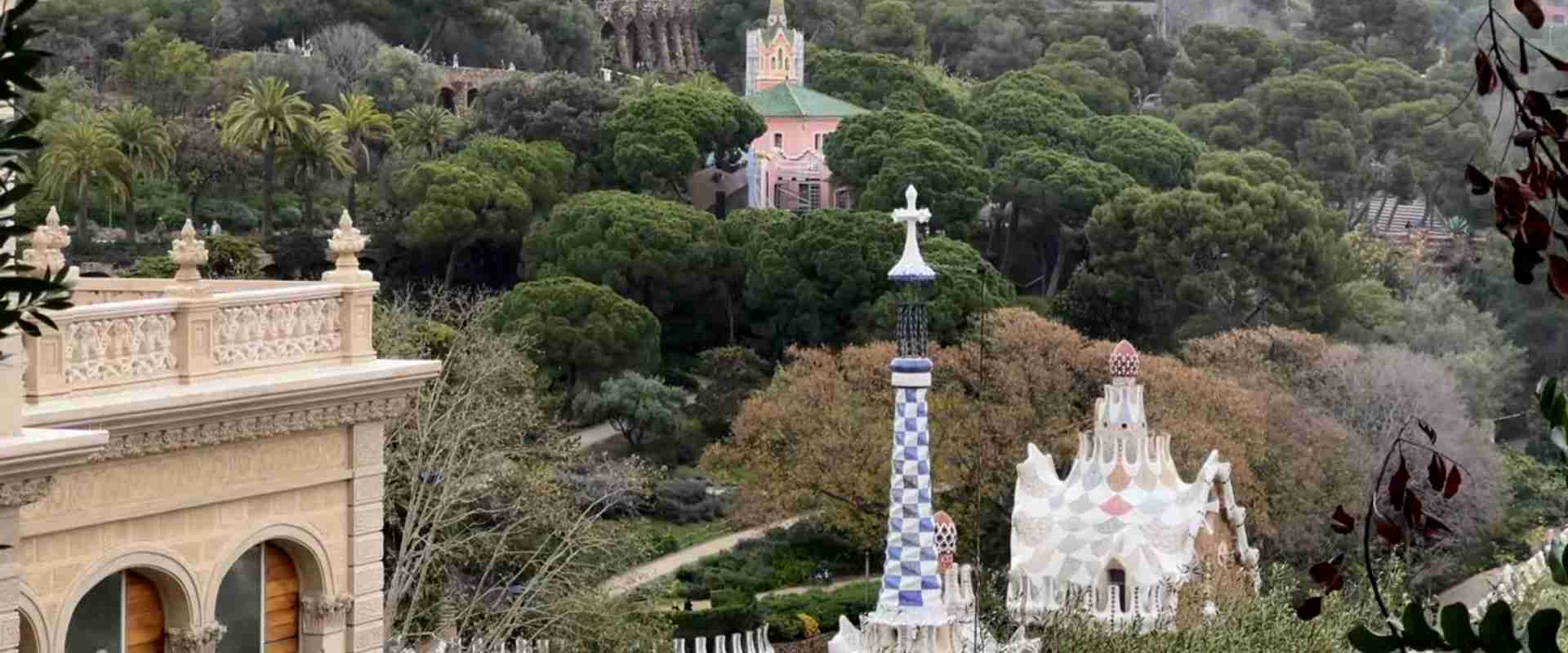
Free walking tours provide orientation, local insights, and opportunities to meet fellow travelers during 2.5-hour Gothic Quarter or Born neighborhood explorations. Sagrada Familia and Park Güell reward solo contemplation of Gaudí’s architecture without group distractions. Beach days at Bogatell or Mar Bella enable relaxation, swimming, and people-watching at individual pace. Cooking classes teach Spanish cuisine while facilitating social interaction with instructors and classmates. Museums like Picasso Museum, MACBA, and MNAC allow personal pacing through collections. Evening tapas crawls in Born or Poble Sec create natural social atmospheres for solo diners. Bunkers del Carmel sunset visits attract friendly crowds sharing drinks and conversation.
Extended multi-day tours – 5+ days
Featured Barcelona Multi-Day Tour Packages
2 days
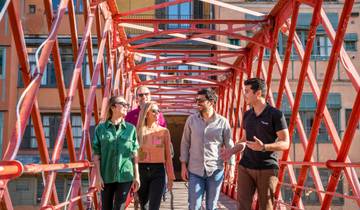
Montserrat, Girona and Costa Brava in 2 days from Barcelona
- ✓ Comprehensive Barcelona tour
- ✓ Expert local guides included
- ✓ All accommodation arranged
- ✓ Transportation provided

5 days
Best of Catalonia, Self-drive
- ✓ Comprehensive Barcelona tour
- ✓ Expert local guides included
- ✓ All accommodation arranged
- ✓ Transportation provided

7 days
Lisbon, Madrid and Barcelona
- ✓ Comprehensive Barcelona tour
- ✓ Expert local guides included
- ✓ All accommodation arranged
- ✓ Transportation provided
5 days
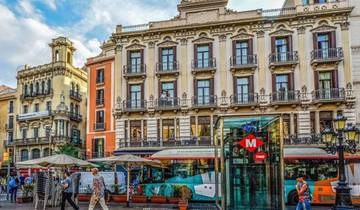
Trip to Barcelona in 5 Days
- ✓ Comprehensive Barcelona tour
- ✓ Expert local guides included
- ✓ All accommodation arranged
- ✓ Transportation provided
Multi-day tour packages powered by TourRadar. Prices and availability subject to change.
Solo Travel Safety Protocols 2026
Pickpocketing Prevention Strategies
Pickpocketing represents Barcelona’s primary crime concern, concentrated on Las Ramblas, metro lines (especially L3), Plaça de Catalunya, Gothic Quarter crowded streets, and beaches during peak afternoon hours. Thieves work in organized groups using distraction techniques—one person asks directions, drops coins, or “accidentally” bumps into you while accomplices lift wallets and phones from bags or back pockets. The metro presents particular vulnerability during boarding when crowds compress and attention divides between finding seats and managing doors.
Use anti-theft crossbody bags with slash-proof straps, locking zippers, and RFID-blocking pockets worn in front position in crowded areas. Keep phones and wallets in front pockets only, never back pockets or open bags where thieves access them within seconds. Leave passports, extra credit cards, and unnecessary valuables in hotel or hostel safes, carrying only daily cash (€50-80) and one credit card. Avoid showing expensive cameras dangling from necks on public transport—keep them in bags until reaching photo locations. Beach theft peaks during afternoon crowding—never leave belongings unattended even for quick swims, using waterproof pouches for phones and cards while swimming.
Neighborhood Safety Awareness
Barcelona maintains excellent safety for solo travelers day and night across most neighborhoods, with specific areas requiring extra awareness after dark. Raval neighborhood south of MACBA and west of Las Ramblas sees occasional drug activity and aggressive begging, particularly streets south of Ronda de Sant Pau—stick to main streets like Carrer de Sant Pau rather than narrow side alleys when walking through Raval at night. The immediate area around Plaça Reial attracts late-night crowds mixing tourists and locals, creating environments where pickpockets operate despite heavy police presence.
Gothic Quarter streets confuse visitors with medieval layouts and similar-looking alleys, but actual danger remains minimal—trust instincts if streets feel uncomfortable and take parallel routes one block over with more people and better lighting. Barceloneta beach after 10 PM sees occasional confrontations related to drinking and drugs, though the beachfront promenade remains safe for evening walks. Parks including Parc de la Ciutadella empty significantly after dark—avoid isolated park areas at night. Overall, Barcelona’s crime against tourists consists almost entirely of opportunistic theft rather than violent confrontations, making basic awareness and anti-theft precautions sufficient protection.
Transportation Safety
Barcelona’s extensive metro, bus, and tram networks operate safely throughout day and night, with pickpocketing the only significant concern on crowded trains during peak hours. Night buses (Nitbus) running after metro closure at midnight maintain safety comparable to daytime services, though wait times extend to 20-30 minutes between buses on some routes. Download the TMB app for real-time arrivals preventing extended waits at isolated stops late at night.
Taxis and rideshare apps (Uber, Cabify, Bolt) provide safe late-night transport, though verify you’re entering the correct vehicle by checking license plates against app information. Legitimate taxis display official licenses on dashboards and rear windows—avoid unmarked cars offering rides near tourist attractions or train stations. Walking alone at night through central neighborhoods like Born, Gràcia, Gothic Quarter, and Eixample presents minimal risk, with street lighting adequate and people present even past midnight during summer months. Solo female travelers report walking home after 11 PM comfortably throughout most Barcelona neighborhoods using basic awareness of surroundings.
Emergency Contacts and Resources
Save emergency contacts before arrival: European emergency number 112 for ambulance/police/fire, Barcelona police (Mossos d’Esquadra) non-emergency 088, Barcelona tourism hotline 932-853-832, and your embassy contact information. The National Police (Policia Nacional) stations on Las Ramblas and Passeig de Gràcia handle tourist crime reports required for insurance claims. Most officers speak functional English, though Google Translate helps with detailed communications.
Register with your embassy’s travel notification system enabling emergency contact if situations develop. Keep digital and physical copies of passport, stored separately in hotel safes and cloud storage like Google Drive or Dropbox. Screenshot important reservation confirmations, hotel addresses, and emergency contacts for offline access if phones are stolen. Travel insurance covering medical emergencies, trip cancellation, and theft provides peace of mind costing €30-60 for week-long Barcelona visits. Solo travelers particularly benefit from insurance as support systems and emergency funds prove more critical without travel companions to share resources.
Solo Accommodation Strategies 2026
Hostel Selection for Social Connection
Hostels provide ideal solo travel accommodation combining budget pricing (€25-40 per night for dorm beds), social atmospheres for meeting fellow travelers, and organized activities creating natural interaction opportunities. Generator hostel in Gràcia features rooftop terrace, bar, and regular social events attracting international travelers. St. Christopher’s near Plaça Catalunya combines central location with party atmosphere suiting younger solo travelers seeking nightlife connections. Casa Gràcia offers boutique hostel experience with smaller dorm rooms, design-focused spaces, and more mature crowd than party hostels.
Book 6-8 bed mixed dorms rather than large 12-16 bed rooms for better social dynamics and reduced noise levels. Female-only dorms provide options for women prioritizing privacy and security over mixed-gender socializing. Private rooms in hostels cost €50-80 per night, delivering hotel-style privacy with hostel common room access for social time when desired. Check hostel reviews on Hostelworld or Booking.com focusing on comments about cleanliness, noise levels, security (lockers for valuables), and social atmosphere matching your priorities.
Budget Hotel Alternatives
Solo travelers not wanting hostel environments find budget hotels in neighborhoods like Poble Sec, Sant Antoni, or outer Gràcia for €50-80 per night in private rooms with bathrooms. These neighborhoods provide authentic local atmosphere, excellent restaurant scenes, and metro connections reaching major attractions in 10-15 minutes. Book through Booking.com or Hotels.com comparing neighborhood options, metro proximity, and guest reviews about safety and area character.
Airbnb private rooms in shared apartments cost €40-60 per night offering host interaction possibilities and local neighborhood immersion unavailable in hotels. Hosts often provide restaurant recommendations, cultural insights, and practical tips based on local knowledge. Entire apartments suit solo travelers wanting complete privacy and kitchen access for preparing some meals, costing €80-120 per night in central neighborhoods—expensive for one person but viable for extended stays when hotels prove exhausting socially or mentally.
Maximizing Hostel Social Opportunities
Participate in hostel-organized activities including free walking tours, pub crawls, beach days, and cooking nights creating natural socialization without forced small talk. Common room time during evenings facilitates organic conversation with other travelers—bring laptop for travel planning providing conversation starters about destinations and experiences. Hostel bars and rooftop terraces during evening hours attract the most social guests, while morning common rooms see travelers planning daily activities creating opportunities for partnering on attraction visits or meals.
Kitchen facilities in hostels enable meal preparation with others, creating social cooking experiences and budget savings. Preparing breakfast or light dinners in hostel kitchens often leads to spontaneous group meals or shared ingredient costs. Request lower bunks when booking (better for not disturbing roommates with late/early schedules) and check hostel policies about 24-hour reception for returning after nighttime activities. Security lockers prove essential for storing passports, extra cash, and electronics when leaving rooms during day explorations.
Solo Dining Strategies 2026
Embracing Barcelona’s Counter Culture
Barcelona’s tapas bars, pintxos counters, and market food stalls create naturally comfortable solo dining environments where eating alone appears completely normal. Cal Pep in Born operates primarily counter seating where solo diners watch chefs prepare seafood while chatting with staff and neighbors. Cervecería Catalana features long bar with stools perfect for solo meal experiences, ordering multiple tapas plates while observing restaurant operations. Bar Pinotxo inside La Boqueria market provides legendary counter service where locals and informed tourists sit elbow-to-elbow enjoying market-fresh cooking.
Counter dining eliminates the isolated table-for-one feeling common at traditional restaurants, creating communal atmosphere without forced interaction. Order 3-4 tapas plates arriving at different times, allowing leisurely meals lasting 60-90 minutes without feeling rushed to vacate tables. Bring books, notebooks, or phones for entertainment between courses, though watching kitchen activity and fellow diners provides endless interest at Barcelona’s best establishments.
Menu del Día Lunch Strategy
Barcelona’s menu del día lunch specials (€12-18 for 3-course meals with drinks) operate throughout the city 1-4 PM weekdays, providing excellent value for solo travelers. These set menus appear on chalkboards outside restaurants, typically offering 2-3 choices per course. Most neighborhood restaurants fill with solo locals during lunch hours, normalizing dining alone without feeling conspicuous as the only person without companions. Arrive between 1:30-2:30 PM when restaurants are busiest, blending into lunch crowd rather than being the sole diner at empty tables.
Request tables near windows or with street views providing entertainment and people-watching opportunities during meals. Bring Spanish phrasebook or translation app, as menu del día selections often appear only in Spanish or Catalan on handwritten boards. The complete lunch including wine or beer fits solo budgets while delivering restaurant experiences at prices comparable to supermarket supplies prepared in hostel kitchens. These lunches fuel afternoon explorations while providing daily opportunities to experience different neighborhood restaurants showcasing Barcelona’s diverse cuisine.
Evening Dining Options
Tapas crawls through Born or Poble Sec enable solo diners to visit multiple bars, ordering 1-2 dishes at each location rather than committing to complete meals at single restaurants. This approach provides variety, prevents overspending at mediocre spots, and creates natural movement through neighborhoods. Stand at bars rather than requesting tables, ordering wine or beer with each tapa creating casual bar culture experiences. Popular spots like Quimet y Quimet (standing room only) or Bar Brutal (natural wine focus) attract solo diners regularly.
Market dining at Mercat de Sant Antoni or Santa Caterina offers another solo-friendly option, with prepared foods, small tapas bars, and counter seating inside modernist market buildings. Purchase ingredients for picnic dinners on beaches or in parks, avoiding restaurant costs entirely some evenings. Supermarkets like Mercadona, Carrefour Express, and Condis sell prepared salads, sandwiches, and ready-to-eat meals for €5-10, perfectly acceptable for budget-conscious solo travelers not wanting restaurant experiences every meal. This variety prevents dining fatigue while maintaining both social restaurant experiences and quiet private meals depending on daily energy levels.
Meeting Locals and Travelers 2026
Structured Social Opportunities
Free walking tours departing Plaça de Catalunya daily at 10:30 AM and 3 PM create instant social groups of solo travelers and couples, with natural conversation opportunities during 2.5-hour neighborhood explorations. Tours mix travelers from different countries, ages, and travel styles, facilitating diverse interactions and potential lunch or dinner groups forming after tour conclusions. Guides often recommend restaurants or activities, with tour groups occasionally continuing together for tapas or drinks following the structured portion.
Cooking classes through providers like Barcelona Cooking or Cook & Taste combine skill learning with social interaction, as small groups (8-12 people) prepare Spanish dishes while sharing wine and conversation. Classes last 3-4 hours including meal consumption of prepared foods, creating extended social time with built-in conversation topics around cooking techniques and food culture. Many participants travel solo, making these classes natural environments for meeting others without forced networking dynamics.
Language Exchange and Meetup Groups
Language exchange events at bars throughout Barcelona welcome travelers wanting to practice Spanish or Catalan while meeting local residents. Intercambio events occur multiple nights weekly at venues in Born, Gràcia, and Eixample, with participants pairing up for 15-30 minute conversation sessions alternating between languages. No advanced Spanish required—beginners welcome with most locals happy to practice English. These events provide rare opportunities for genuine local interaction beyond tourist-resident service transactions.
Meetup.com lists dozens of Barcelona groups for hiking, photography, running, book clubs, professional networking, and social activities welcoming visitors. The Barcelona Hiking Meetup organizes weekend excursions to nearby mountains and coastal areas, combining outdoor activities with social connection. Photography meetups conduct photo walks through neighborhoods, providing both skill development and companionship. Check Eventbrite for free events, concerts, and cultural programming attracting mix of locals and long-term expats.
Beach and Park Social Scenes
Bunkers del Carmel during sunset hours attracts crowds of travelers and locals sharing drinks, music, and conversation in relaxed hilltop atmosphere. The communal vibe makes approaching other groups natural, particularly for sharing drinks or asking about Barcelona recommendations. Beach volleyball at Barceloneta or Bogatell welcomes players joining pick-up games—arrive early afternoon when games are forming and ask to join next rotation. The casual athletic environment facilitates conversation and sometimes extends to post-game beach hangouts or drinks.
Parc de la Ciutadella on Sunday afternoons sees drum circles, juggling groups, and informal gatherings where solo visitors can observe or participate. The relaxed atmosphere encourages interaction, with many groups welcoming curious visitors. Gràcia’s squares (Plaça del Sol, Plaça de la Virreina) fill with young locals during evenings, creating neighborhood bar scenes where solo travelers can sit at outdoor terraces, order drinks, and potentially strike conversations with neighbors. The key is appearing approachable—put phones away, make eye contact, and show openness to interaction rather than buried in devices signaling unavailability.
Solo-Friendly Activities and Experiences 2026
Museum and Cultural Exploration
Museums excel for solo exploration enabling personal pacing through collections without coordinating group interests or energy levels. The Picasso Museum rewards focused attention on the artist’s development through multiple phases, with audio guides providing context at individual pace. MACBA (contemporary art) stimulates contemplation and interpretation without needing companions to validate artistic reactions. MNAC houses Romanesque art collections and offers panoramic city views from its Montjuïc hilltop position, combining cultural depth with photographic opportunities.
Art galleries throughout Born and Raval neighborhoods welcome visitors browsing contemporary exhibitions, often with openings Thursday or Friday evenings including wine and conversation opportunities with artists and gallery staff. The Fundació Joan Miró dedicates itself to the Catalan surrealist’s work, with sculpture gardens and terraces providing contemplative spaces. Solo museum visits allow lingering at favorite pieces, skipping uninteresting sections, and absorbing cultural experiences without social performance or obligatory enthusiasm for companions’ sake.
Walking and Hiking Routes
Self-guided walks through Gothic Quarter, Born, Gràcia, and Barceloneta enable solo travelers to discover Barcelona’s layered history and neighborhood character at individual pace. Bring downloaded maps or guidebook routes, stopping for photos, café breaks, and extended observation periods impossible with time-conscious groups. The Camí de Ronda coastal path from Barcelona north toward Costa Brava provides hiking opportunities accessible via regional trains (Rodalies), combining Mediterranean views with moderate physical activity.
Montjuïc hill offers multiple hiking routes connecting castle, Olympic ring, Mirador del Alcalde viewpoint, and botanical gardens through paths winding across the forested hillside. Collserola Natural Park west of the city provides extensive trail networks accessible via FGC trains, delivering mountain hiking 30 minutes from central Barcelona. Solo hiking suits contemplative travelers enjoying nature, exercise, and photography without conversation obligations, though basic Spanish helps with trail navigation questions when needed.
Beach Days and Water Activities
Beach days at Bogatell, Mar Bella, or Nova Mar Bella provide relaxation, swimming, people-watching, and reflection time at individual pace. Bring books, podcasts, or simply absorb Mediterranean atmosphere without structured activities or companion entertainment. The beach promenade supports walking, running, or cycling, with bike rentals near Barceloneta metro station (€6-10 per hour). Solo beach visits feel completely natural, with many Barcelona residents sunbathing alone, reading, or working on laptops from beach towels.
Paddleboard and kayak rentals (€15-25 per hour) operate from beach stands, providing solo water sport opportunities without requiring partners or instructors. The calm Mediterranean conditions suit beginners, with equipment providers offering brief orientation before launching. Sunset beach walks from Barceloneta north to Forum area deliver free entertainment, photographic opportunities, and meditative experiences impossible to replicate in groups. Solo beach time allows schedule flexibility—leave when tired or bored, extend stays when weather and energy align, without coordinating others’ preferences.
Evening Entertainment Options
Flamenco shows at venues like Palau de la Música or Tablao Flamenco Cordobes provide structured evening entertainment not requiring companions. The performances last 60-90 minutes with fixed start times, eliminating coordination issues while delivering authentic cultural experiences. Theater performances at venues in Poble Sec and Raval offer Catalan or Spanish language productions, though language barriers may limit understanding without advanced Spanish skills. Many venues provide English surtitles for major productions.
Evening tapas crawls through Born, Poble Sec, or Gràcia create organic social time visiting multiple bars for wine, beer, and small plates. The bar-hopping movement prevents awkwardness of extended solo table dining while providing neighborhood immersion and food variety. Live music venues like Razzmatazz or Sala Apolo host concerts ranging from indie rock to electronic music, with crowds providing social atmosphere without forced interaction. Purchase tickets online before arrival enabling solo attendance without feeling conspicuous arriving alone at venue doors.
Solo Budget Optimization for 2026
Accommodation Cost Control
Hostels provide 60-70% savings over budget hotels, with dorm beds costing €25-40 per night versus private budget hotel rooms at €60-90. Extended stays enable negotiation—contact hostels directly for weekly rates potentially 20-30% below nightly rates during slower periods. Book directly through hostel websites rather than Hostelworld or Booking.com, saving commission fees and sometimes receiving direct booking discounts. Consider staying in outer neighborhoods like Gràcia or Sants with excellent metro connections but 30-40% lower accommodation costs than Gothic Quarter or Born.
Solo travelers avoid single supplement charges common in tour packages, though some budget hotels charge marginally more for single occupancy versus sharing doubles. Private rooms in hostels split the difference, providing privacy at €50-70 per night with common room access maintaining social possibilities. Airbnb private rooms in shared apartments often cost less than private hostel rooms while offering host interaction and kitchen access for meal preparation savings.
Dining and Food Strategies
Mix menu del día lunches (€12-18) at neighborhood restaurants with supermarket dinners (€6-10) and occasional splurge dinners at quality establishments, averaging €30-40 daily food costs. Hostels with kitchen facilities enable breakfast preparation (coffee, toast, fruit from supermarkets) for €2-3 versus café breakfasts costing €8-12. Picnic lunches in parks or on beaches using market supplies cost €5-8 versus €15-25 restaurant meals.
Solo travelers avoid ordering multiple dishes at tapas bars—2-3 plates with wine suffices for dinner at €15-20 total. Counter dining at markets like La Boqueria (avoid overpriced tourist stalls) or neighborhood markets provides fresh, affordable meals at €8-12. Free walking tours, though tip-based, cost less than paid tours while providing comparable information and social opportunities. Water bottles refilled at hotel taps save €2-3 daily versus buying bottled water, adding up to €15-20 weekly savings.
Transportation and Activity Savings
The T-Casual transport card (€12.15 for 10 rides) saves 30% versus single tickets at €2.55 per ride, with cards shareable so any unused rides don’t go to waste. Walking between central attractions eliminates transport costs while enabling neighborhood discovery—distances from Gothic Quarter to Sagrada Familia (3km) or Barceloneta to Park Güell (4km) are manageable on foot for active travelers. Rent bikes for full-day explorations at €15-20, covering more distance than walking at fraction of taxi costs.
Free attractions including beaches, Bunkers del Carmel, Park Güell free zones, Cathedral free hours, Gothic Quarter wandering, and neighborhood market visits eliminate entrance fees while delivering authentic Barcelona experiences. Museum free hours at Picasso Museum (Sunday afternoons), MACBA (Saturday evenings), and MUHBA (first Sundays) enable cultural access without €12-15 admission costs. Book major paid attractions (Sagrada Familia, Casa Batlló) as single entries rather than combination tickets unless visiting 3+ included sites—combination Barcelona Cards rarely deliver value for solo travelers with flexible schedules enabling free hour visits.
Practical Solo Travel Tips 2026
Managing Belongings While Exploring
Day bags should be crossbody style with locking zippers, worn in front position during metro rides and crowded tourist areas. Keep daily essentials minimal—phone, one credit card, €40-60 cash, metro card, ID copy. Leave passports, extra credit cards, and unnecessary valuables in hotel or hostel lockers. At beaches, use waterproof pouches worn while swimming to prevent theft from unattended towels. Some travelers purchase temporary “beach locks” from tourist shops securing bags to fixed objects, though effectiveness varies.
Dining alone requires bag management—place bags on laps rather than hanging on chair backs where thieves grab them while you’re distracted. At bars, keep bags between feet or crossed over body rather than on floor behind you. Museum coat checks secure belongings during visits, though keep valuables (phones, wallets, passports) on person rather than in checked bags. Hostel lockers must be secured with your own padlock—bring one from home or purchase at Barcelona hardware stores for €5-8.
Communication and Connectivity
Spanish SIM cards from Orange, Vodafone, or Movistar cost €15-25 for month-long plans with 5-10GB data and Spanish phone numbers enabling local calls. Purchase at airport shops or brand stores throughout the city, requiring passport for registration. EU visitors use domestic plans without roaming charges under EU regulations. Free WiFi through Barcelona WiFi network covers major tourist zones, parks, and beaches, supplemented by café and restaurant WiFi with passwords.
Download offline maps through Google Maps or Maps.me before arrival, enabling navigation without cellular data. Save important reservation confirmations, hotel addresses, and emergency contacts as phone screenshots for offline access. WhatsApp dominates Barcelona communication, with many businesses and tour operators using WhatsApp for reservations and updates. Portable battery packs charge phones during full-day explorations, preventing dead batteries during evening navigation or emergency situations.
Solo Photography Strategies
Mini tripods enable self-portraits and group photos at attractions without asking strangers for help, though Barcelona’s friendly atmosphere means most people willingly photograph solo travelers when requested. Selfie sticks provide another option, though ban from many museum and attraction interiors. The best solo travel photos often exclude yourself entirely—architectural details, street scenes, food, and cultural moments create compelling visual records without self-portraiture.
Early morning photography at major attractions (Sagrada Familia, Gothic Quarter, beaches) eliminates crowds from shots while providing better light than midday or afternoon hours. Sunset photography at Bunkers del Carmel or Magic Fountain creates dramatic images with golden hour light. Solo travelers have advantage of positioning and waiting for optimal light without coordinating group schedules or rushed shooting. Bring camera chargers and backup memory cards, as electronics shopping in Barcelona costs 20-40% more than home country prices.
Dealing with Loneliness and Downtime
Solo travel includes lonely moments balanced against freedom and independence benefits—accept this reality rather than fighting it. Evening downtime in hostels or hotels provides rest periods after intense exploration, not sad isolation requiring constant social stimulation. Bring books, download podcasts or Netflix shows, journal about experiences, or call friends/family via WhatsApp video rather than forcing nightly social activities. Some nights require solitude for mental and physical recovery.
Balance structured social activities (free walking tours, cooking classes, hostel events) with independent exploration preventing social exhaustion. Not every meal or activity requires companions—embrace solo dining, museum visits, and beach days as opportunities for self-reflection and personal pacing. When genuine loneliness hits, reach out to hostel common rooms, join meetup groups, or message other travelers met during previous days. The solo travel experience oscillates between connection and solitude, with both states offering different values and experiences impossible in constant company.
Solo-Friendly Day Trips from Barcelona 2026
Montserrat Mountain Monastery
Montserrat, 60km northwest of Barcelona, provides spectacular mountain scenery, famous monastery, and hiking trails accessible via organized tours or independent train travel. The combined R5 train and Aeri cable car costs €24.40 round-trip from Plaça Espanya, taking 90 minutes each direction. Solo travelers benefit from flexible timing—depart Barcelona 8-9 AM arriving Montserrat around 10 AM, explore monastery and trails at personal pace, return any afternoon train. The mountain’s religious significance, dramatic rock formations, and hiking opportunities suit contemplative solo exploration.
Pack water and snacks as mountain-top options are limited and expensive. The Sant Joan funicular (€8 each way) accesses upper trails with panoramic Catalonia views. Solo hikers should stay on marked trails and inform monastery staff of hiking plans for safety. The basilica (free entry) houses the Black Madonna sculpture drawing pilgrims and tourists. Boys’ choir performs daily at 1 PM except summers—worth timing visits to experience this renowned musical tradition. Montserrat suits solo travelers comfortable with independent navigation and mountain environments.
Costa Brava Coastal Towns
Cadaqués, Tossa de Mar, and Calella de Palafrugell provide picturesque Mediterranean fishing village experiences 90-120 minutes from Barcelona via bus or regional trains. Buses from Barcelona Nord station cost €15-20 round-trip with Sarfa company. Solo travelers navigate these small towns easily, walking coastal paths, swimming from rocky coves, and dining at seaside restaurants. The relaxed atmosphere suits solo exploration without feeling conspicuous as lone diner or beach visitor.
Cadaqués, Salvador Dalí’s longtime residence, offers white-washed buildings, artist studios, and the nearby Dalí House Museum in Port Lligat (€14 entrance, book ahead). Tossa de Mar features medieval castle ruins, beaches, and coastal walking paths. These towns operate slower than Barcelona, providing mental breaks from urban intensity. Bring books for beach reading, cameras for architecture and coastal photography, and comfortable walking shoes for clifftop paths. Day trips allow spontaneous extending stays if towns charm you—coastal hotels cost €60-90 per night if you decide to overnight rather than returning to Barcelona.
Girona Medieval City
Girona, 100km northeast of Barcelona, delivers medieval architecture, Jewish Quarter exploration, and cathedral viewing without Barcelona’s tourist density. High-speed trains from Barcelona Sants reach Girona in 38 minutes (€10-15 each way), with departures every 30-60 minutes enabling flexible schedules. The compact old town explores easily in 4-5 hours—walk the medieval walls, explore the Call (Jewish Quarter), visit the Cathedral, and lunch at local restaurants serving Catalan cuisine.
Game of Thrones filming locations attract fans touring sites from Season 6, with self-guided walking routes available online. The Onyar River houses create Girona’s iconic colorful façades photographed from multiple bridges. Solo travelers navigate Girona effortlessly with minimal planning beyond train tickets and basic route understanding. The city offers authentic Catalan culture without Barcelona’s international tourism overwhelm, providing insight into regional life beyond the capital. Return afternoon trains enable full-day visits or extend stays overnight if Girona’s charm surpasses expectations.
Frequently Asked Questions About Solo Travel Barcelona 2026
Is it easy to meet other travelers in Barcelona as a solo traveler?
Barcelona offers excellent opportunities for meeting fellow travelers through hostel common rooms, free walking tours, cooking classes, organized pub crawls, and beach volleyball at Barceloneta. Social hostels like Generator, St. Christopher’s, and Casa Gràcia organize regular events creating natural interaction opportunities. Free walking tours attract predominantly solo travelers and couples, with conversation flowing naturally during 2.5-hour neighborhood explorations. The city’s high concentration of solo travelers means you’ll rarely feel conspicuous traveling alone, as many restaurants, attractions, and activities cater to individual visitors.
Can I safely leave my bags at a café while exploring nearby in Barcelona?
Never leave bags unattended in Barcelona, even briefly while using restrooms or ordering at counters. Theft occurs within seconds in distracted moments. Either bring bags to restrooms, ask travel companions or café staff to watch items, or avoid the situation entirely by minimizing daily carrying. The better strategy involves leaving valuables at hotel/hostel lockers and carrying only daily essentials eliminating anxiety about belongings. Barcelona’s pickpocketing problem specifically targets distracted tourists, making vigilance about belongings essential throughout the city.
What’s the solo traveler scene like in Barcelona compared to other European cities?
Barcelona ranks among Europe’s top solo travel destinations alongside Berlin, Amsterdam, and Lisbon, with extensive hostel infrastructure, solo-friendly dining culture, English language prevalence, and activities designed for independent travelers. The combination of cultural attractions, beach access, nightlife options, and compact walkable layout creates environments where solo travelers feel comfortable and welcomed. Barcelona sees higher solo travel volumes than cities like Paris or Rome, where couples and tour groups dominate tourist demographics. The Mediterranean atmosphere encourages outdoor social scenes where solo visitors interact naturally with others.
Should solo travelers avoid certain Barcelona neighborhoods at night?
Barcelona remains very safe at night across most neighborhoods, with southern Raval requiring extra awareness after dark and Barceloneta beach best avoided after 10 PM. Gothic Quarter streets can feel disorienting due to medieval layouts but actual danger is minimal—trust instincts and take parallel routes if uncomfortable. Gràcia, Born, Poble Sec, and Eixample all feel safe for solo walking after midnight during summer when streets remain lively. Solo female travelers report comfortable experiences throughout Barcelona using basic urban awareness—well-lit streets, avoiding isolated areas, and trusting instincts if situations feel wrong.
How do solo travelers handle dining alone in Barcelona without feeling awkward?
Barcelona’s tapas culture, counter-service restaurants, and market dining create naturally comfortable solo eating environments. Sit at bars rather than requesting tables, order 2-3 small plates, and eat while observing kitchen operations and fellow diners. Menu del día lunches (1-4 PM) fill restaurants with solo locals eating between work shifts, normalizing dining alone. Bring books, phones, or notebooks providing entertainment between courses, though watching Barcelona’s restaurant scenes offers endless interest. Many Barcelona residents eat alone regularly, eliminating the stigma present in some cultures around solo dining.
What’s the best way for solo travelers to get from Barcelona airport to the city in 2026?
Solo travelers benefit most from metro L9 (€5.50, 30-45 minutes) or Aerobus (€6.75, 35 minutes to Plaça Catalunya) rather than taxis costing €30-35 for single passengers. The metro connects directly to many neighborhoods including Sants, Sagrera, and connections to other lines reaching Born, Gothic Quarter, and Gràcia. Aerobus drops at Plaça Catalunya, central for reaching most accommodations via metro or short walks. The significant cost difference (€5.50 vs €30-35) matters for budget-conscious solo travelers, with time differences minimal outside peak traffic hours.
Are there specific tours or activities better suited for solo travelers in Barcelona?
Free walking tours work perfectly for solo travelers providing orientation, local insights, and opportunities to meet others during 2.5-hour explorations. Cooking classes combine skill learning with social interaction in small groups. Food tours through Born or Gothic Quarter create shared experiences tasting tapas and learning about Catalan cuisine. Bike tours enable covering more distance than walking while maintaining group social dynamics. Avoid private tours designed for couples or families—stick to small group experiences (8-15 people) where solo travelers can interact with diverse participants rather than feeling like third wheels in couple-dominated environments.
How much Spanish or Catalan do solo travelers need for Barcelona in 2026?
English suffices for major attractions, hotels, restaurants in tourist areas, and younger Barcelona residents who study English in schools. Learning basic Spanish or Catalan phrases improves experiences significantly—”Buenos días/Bon dia”, “Por favor/Si us plau”, “Gracias/Merci”, and “La cuenta/El compte” (the check). Download Google Translate with offline Spanish and Catalan language packs enabling real-time translation. Most metro stations, museums, and tourist sites provide English signage and audio guides. Neighborhood restaurants and shops outside tourist zones require more Spanish, though friendly gestures and translation apps bridge language gaps.
What should solo travelers do if they get pickpocketed in Barcelona?
Report theft immediately to National Police (Policia Nacional) stations on Las Ramblas or Passeig de Gràcia for denuncia (police report) required for insurance claims. Cancel credit cards through 24-hour emergency numbers (carry these separately from wallets). Contact your embassy for emergency passport services if passport stolen—most embassies cluster near Diagonal metro in Eixample. File insurance claims within 24-48 hours with police reports and stolen item documentation. Keep emergency contacts, passport copies, and backup credit cards in hotel safes separate from daily carry items. Solo travelers should photograph passport information pages and save in cloud storage for rapid replacement processing.
Can solo travelers comfortably take day trips from Barcelona independently?
Barcelona’s excellent train and bus connections enable easy independent day trips to Montserrat, Girona, Sitges, and Costa Brava towns without joining organized tours. Regional trains (Rodalies) and buses provide reliable schedules, affordable prices (€10-25 round-trip), and flexible timing letting solo travelers depart and return at individual pace. Most day trip destinations are small enough to navigate without guides, with tourist offices at train stations providing free maps and recommendations. Solo day tripping suits travelers comfortable with basic Spanish, independent navigation, and spontaneous exploration rather than structured group experiences with rigid schedules.