Sofia on a Budget 2026: Free Things to Do & Money-Saving Tips
Sofia stands as Europe’s most affordable capital city, where budget-conscious travelers discover exceptional value without sacrificing cultural richness or historical depth. Bulgaria’s capital offers an extraordinary blend of free UNESCO World Heritage sites, complimentary walking tours, vast public parks, and museum admission prices that rarely exceed $8, all while maintaining authentic Eastern European charm that hasn’t been polished away by mass tourism.
Key Takeaways About Budget Travel in Sofia 2026
- Exceptionally Low Daily Costs 2026: Budget travelers spend 44-79 BGN ($22-40) per person daily including hostel accommodation, meals at local eateries, public transport passes, and occasional museum visits, making Sofia substantially cheaper than any Western European capital.
- Abundant Free Attractions: Sofia’s most iconic landmarks cost nothing to enter, including Alexander Nevsky Cathedral’s main hall, the Ancient Serdica archaeological complex visible in metro stations, Vitosha Boulevard pedestrian zone, all city parks including the expansive Borisova Gradina, and every Orthodox church except crypts and special exhibitions.
- Public Transport Value 2026: A 24-hour unlimited transport pass costs just 4 BGN ($2) covering metro, buses, trams, and trolleybuses across the entire city, with single rides at 1.60 BGN ($0.82) making even casual use remarkably affordable compared to Western European transit systems.
- Museum Affordability: Most Sofia museums charge 6-12 BGN ($3-6) for adult admission, with National History Museum at 10 BGN ($5), Archaeological Museum at 10 BGN ($5), and Socialist Art Museum at 6 BGN ($3), plus free admission days on last Sunday monthly at select institutions.
- Food Budget Flexibility 2026: Street food banitsa pastries cost 3-5 BGN ($2-3), traditional mehana restaurant meals range 15-25 BGN ($8-13), and supermarket self-catering provides complete daily nutrition for 20-30 BGN ($10-15), allowing travelers to adjust spending based on daily priorities.
- Strategic Money-Saving Opportunities: Free walking tours departing daily from Courthouse Square, complimentary outdoor concerts in summer parks, Vitosha Mountain hiking accessible by standard public transport tickets, and Bulgarian restaurant lunch specials offering full meals for 10-12 BGN ($5-6) deliver premium experiences at minimal cost.
People Also Ask About Sofia Budget Travel 2026
How much does Sofia cost per day for budget travelers in 2026?
Budget travelers spend 44-79 BGN ($22-40) per person daily in Sofia 2026, including hostel dormitory accommodation at 12-30 BGN ($6-16) nightly, three meals from street vendors and budget restaurants totaling 25-40 BGN ($13-21), public transport day pass at 4 BGN ($2), and occasional museum admissions averaging 3-5 BGN ($2-3) daily. This calculation assumes smart choices like hostel dormitories, local eateries rather than tourist restaurants, walking combined with public transport, and balancing free attractions with paid museums. Solo travelers face slightly higher accommodation costs unless staying in shared dormitories, while couples sharing budget hotel rooms spend approximately 98-147 BGN ($50-75) per person daily for mid-range comfort. Weekly budgets for true budget travel range 310-550 BGN ($158-281) per person covering seven days of consistent frugal choices.
What are the best free things to do in Sofia in 2026?
Sofia’s best free activities include exploring Alexander Nevsky Cathedral’s stunning interior without admission charges, walking through the Ancient Serdica archaeological complex displayed beneath Serdika metro station, strolling the entireFitosha Boulevard pedestrian shopping district, hiking Vitosha Mountain trails accessible via standard 1.60 BGN ($0.82) public transport, joining daily free walking tours departing from Courthouse Square at multiple morning times, visiting all Orthodox church interiors except specialized crypt museums, relaxing in Borisova Gradina city park spanning 360 acres with lakes and monuments, photographing the exterior architecture of every major landmark without fees, attending outdoor summer concerts in park amphitheaters, and browsing the Women’s Market for cultural immersion without purchase pressure. The Serdica ruins visible underground at metro stations showcase Roman streets, basilicas, and thermal baths from the 2nd-4th centuries completely free during metro operating hours. Saint Sofia Church offers free interior access to its archaeological level showcasing multiple layers of older churches beneath the current basilica.
How much is public transportation in Sofia 2026?
Sofia public transport in 2026 costs 1.60 BGN ($0.82) for a single ride allowing 30-minute transfers between buses, trams, trolleybuses, and metro lines, with payment via contactless bank card at vehicle validators or Sofia City Card electronic pass. A 24-hour unlimited pass costs 4 BGN ($2), a 72-hour pass costs 14.86 BGN ($7.60), and monthly unlimited passes cost 50 BGN ($26), making frequent use extremely economical. The system automatically caps daily spending at 4 BGN ($2) after multiple individual rides when using contactless payment, preventing accidental overspending. Metro-only single journeys cost 1.60 BGN ($0.82) when purchased from station machines, while paper tickets from bus drivers cost 2 BGN ($1) without transfer privileges. The airport metro connection to Serdika central station takes 18-20 minutes and costs just 1.60 BGN ($0.82), making it the cheapest major European airport link. Students with valid ISIC cards qualify for 50% discounts on all pass types.
Are museums expensive in Sofia in 2026?
Sofia museums remain remarkably affordable in 2026, with most major institutions charging 6-12 BGN ($3-6) for standard adult admission. The National Historical Museum costs 10 BGN ($5) for access to over 650,000 artifacts spanning Bulgarian history, the National Archaeological Museum charges 10 BGN ($5) for Thracian treasures and Roman antiquities, the Museum of Socialist Art costs 6 BGN ($3) for communist-era sculptures and propaganda posters, and the Alexander Nevsky Cathedral crypt icon collection costs 6 BGN ($3) while the main cathedral interior remains free. UNESCO World Heritage Boyana Church charges 10 BGN ($5) for timed admission to view its remarkable 13th-century frescoes. Many museums offer free admission on the last Sunday of each month, International Museum Day on May 18th, and Sofia City Day on September 17th when most charge just 3 BGN ($2) for non-residents. Students with valid cards receive 50% discounts at all national museums, and children under 12 enter most institutions free.
Extended multi-day tours – 5+ days
Featured Sofia Multi-Day Tour Packages
3 days
Sofia 3-Day Discovery Tour
- ✓ Comprehensive Sofia experience
- ✓ Expert local guides included
- ✓ All accommodation included
- ✓ Transportation provided
5 days
Sofia 5-Day Highlights Experience
- ✓ Comprehensive Sofia experience
- ✓ Expert local guides included
- ✓ All accommodation included
- ✓ Transportation provided
7 days
Sofia 7-Day Cultural Journey
- ✓ Comprehensive Sofia experience
- ✓ Expert local guides included
- ✓ All accommodation included
- ✓ Transportation provided
10 days
Sofia 10-Day Complete Adventure
- ✓ Comprehensive Sofia experience
- ✓ Expert local guides included
- ✓ All accommodation included
- ✓ Transportation provided
Multi-day tour packages powered by TourRadar. Prices and availability subject to change.
Introduction to Budget Travel in Sofia 2026
Sofia has emerged as Europe’s ultimate budget destination for 2026, where Western travelers discover purchasing power reminiscent of Southeast Asia combined with European infrastructure standards and cultural depth rivaling Prague or Budapest at one-third the cost. Bulgaria’s capital avoided the tourism-driven price inflation that transformed cities like Lisbon and Krakow into expensive destinations, maintaining authentic pricing structures that reflect local economic reality rather than foreign wallet capacity. A budget traveler spending 44-79 BGN ($22-40) daily in Sofia enjoys accommodation comfort, meal quality, and cultural access that would require $75-100 daily in comparable Central European capitals.
The city’s budget appeal extends beyond simple affordability to encompass genuine value. Sofia offers UNESCO World Heritage sites accessible for nominal fees or free, a comprehensive public transport network that costs less per month than a single day’s subway pass in London, restaurant meals that include generous portions of authentic Bulgarian cuisine for prices Western cities charge for coffee, and outdoor recreation in Vitosha Mountain requiring only standard transport tickets. This combination creates opportunities for extended stays impossible in pricier destinations—digital nomads working remotely discover month-long Sofia accommodations cost less than one week’s rent in Western European cities, while backpackers stretch travel funds further here than anywhere else in the European Union.
Budget travel in Sofia differs fundamentally from budget travel in expensive cities where “cheap” means sacrificing quality, safety, or location. Sofia’s budget accommodations occupy central neighborhoods within walking distance of major attractions, budget restaurants serve hearty traditional meals rather than barely-edible tourist traps, and free activities showcase the city’s actual highlights rather than inferior substitutes for paid attractions. The distinction matters because Sofia budget travel feels abundant rather than restrictive—travelers eat well, sleep comfortably, and access cultural treasures without constant financial anxiety or difficult compromises.
The 2026 budget landscape reflects Bulgaria’s January 2026 euro adoption, which converted prices from Bulgarian lev (BGN) to euros at the fixed 1.95583 rate but maintained affordability despite predictions of dramatic inflation. While some restaurants rounded prices upward by 2-5% during conversion, Sofia remains the European Union’s cheapest capital by substantial margins, with budget travelers spending approximately 40% less than in Bucharest and 60% less than in Prague for equivalent quality. Transport costs stayed remarkably stable, museum admission fees converted directly with minimal rounding, and accommodation pricing reflected existing market rates rather than exploiting the currency change for increases.
This guide prioritizes money-saving strategies that preserve trip quality, distinguishing between false economies that diminish experience and smart choices that maximize value. Staying in peripheral neighborhoods to save €5 nightly makes little sense when central hostels cost $10 and eliminate transport expenses, while cooking every meal misses the opportunity to enjoy restaurant dining at prices cheaper than Western grocery shopping. The goal centers on experiencing Sofia fully and comfortably while spending less money than would cover basic survival in expensive European cities.
Understanding Sofia’s Affordability in 2026
Sofia’s status as Europe’s cheapest capital stems from fundamental economic factors rather than temporary market conditions. Bulgaria maintains the European Union’s lowest average wages, with median monthly salaries around €800-900 creating domestic pricing structures that serve local residents rather than foreign tourists. Unlike tourism-dependent cities where prices decoupled from local earnings to target wealthy visitors, Sofia’s economy relies primarily on technology sectors, manufacturing, and domestic services, keeping most businesses oriented toward Bulgarian customers paying Bulgarian prices. Restaurants survive on local patronage rather than tourist traffic, neighborhood grocery stores cater to residents buying weekly supplies, and transport systems serve commuters rather than sightseers.
This economic structure produces pricing that shocks Western visitors encountering genuinely local-oriented costs. A traditional Bulgarian restaurant meal with appetizer, main course, dessert, and beer totals 20-30 BGN ($10-15) not because quality suffers but because restaurants operate on margins that work for customers earning €800 monthly. A hostel bed costs 12-20 BGN ($6-10) because the alternative—pricing for foreign backpackers—would leave beds empty given local travel budgets. Public transport charges 4 BGN ($2) daily because Sofia commuters require affordable mobility, not because the metro lacks modern trains or digital payment systems.
The euro adoption on January 1, 2026 raised concerns about price increases similar to those seen in other countries during currency transitions, but Sofia’s conversion proceeded with minimal inflation. The fixed exchange rate of 1 EUR = 1.95583 BGN had governed Bulgarian monetary policy since 1997, making the 2026 change largely administrative rather than economic. Dual pricing requirements through June 2026 limited aggressive rounding, supermarket chains converted prices precisely to maintain competitive advantage, and government scrutiny prevented exploitative increases. Restaurant prices showed the most visible rounding, with items previously costing 3.00 BGN (€1.53) often becoming €1.60, representing approximately 5% increases on rounded amounts rather than systematic price hikes across entire menus.
The practical result for 2026 budget travelers shows Sofia maintaining substantial price advantages over other European capitals. Comparing equivalent quality rather than absolute lowest prices, Sofia accommodation costs 50-60% less than Prague, 65-70% less than Vienna, and 75% less than Amsterdam. Restaurant dining runs 40-50% cheaper than Budapest, 60% cheaper than Lisbon, and 70% cheaper than Barcelona. Museum admission averages $3-6 versus $12-18 in Western European capitals, while public transport costs one-quarter to one-fifth comparable Western cities. These gaps create opportunities for extended stays and comfortable travel impossible elsewhere on similar budgets.
Currency considerations matter less in 2026 than previous years because euro adoption eliminated exchange rate uncertainty and simplified budgeting for travelers from eurozone countries. Visitors from the United States, United Kingdom, or other non-euro regions should use bank ATMs rather than exchange offices to access euros at favorable rates, avoiding the Euronet machines that charge €5-7 ($5.40-7.60) per withdrawal in fees. Contactless payment works everywhere for amounts over €0.50, making credit cards practical for most transactions while eliminating exchange-related hassles entirely.
Free Attractions and Activities in Sofia 2026
Sofia offers an extraordinary concentration of free attractions that would require substantial admission fees in other European capitals, allowing budget travelers to experience world-class landmarks, archaeological sites, and cultural institutions without spending beyond transport costs. The city’s approach to public access reflects both Orthodox religious traditions that keep churches open for worship rather than treating them as museums, and civic investment in accessible cultural heritage that views historical sites as public goods rather than revenue sources.
Alexander Nevsky Cathedral and Religious Sites 2026
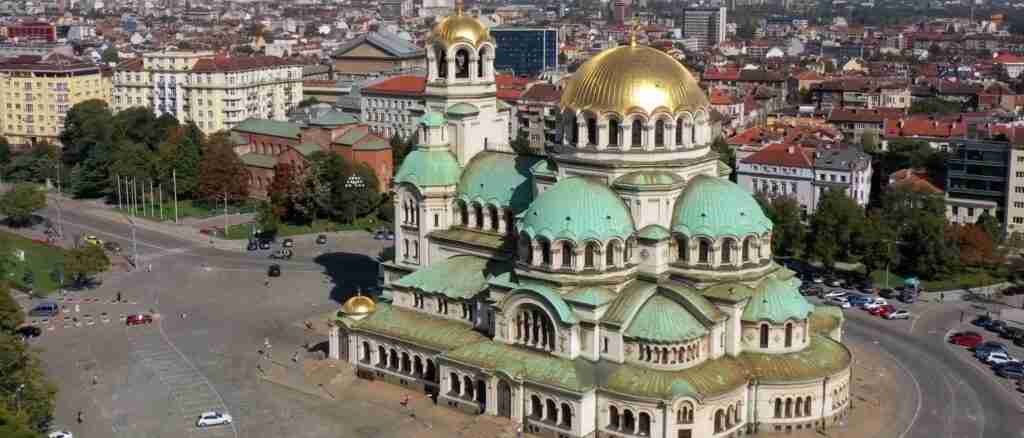
The Alexander Nevsky Cathedral stands as Sofia’s most iconic landmark and remains completely free to enter, offering visitors access to one of the world’s largest Eastern Orthodox cathedrals without admission charges. The cathedral’s main hall showcases stunning neo-Byzantine architecture completed in 1912, featuring golden domes visible across Sofia’s skyline, elaborate marble columns, intricate mosaics, and space for 5,000 worshippers beneath chandeliers and frescoes depicting biblical scenes. The interior photography restriction applies inconsistently—respectful visitors photographing during non-service hours rarely encounter objections, though professional equipment and flash photography remain prohibited without special permits costing approximately 10 BGN ($5).
The cathedral crypt operates as a separate icon museum charging 6 BGN ($3) for admission to one of Europe’s finest Orthodox icon collections, but the main cathedral experience costs nothing. Services occur daily with particularly elaborate Sunday liturgies showcasing Orthodox chanting traditions, and visitors attending services experience the space as active religious site rather than tourist attraction. The surrounding square offers excellent exterior photography opportunities from multiple angles, with the late afternoon light creating particularly dramatic golden dome illumination.
Saint Sofia Church provides free access to both its 6th-century basilica interior and archaeological level beneath, where excavations reveal multiple churches built sequentially on this site from the 4th century onward. The underground archaeological exhibition costs 6 BGN ($3) for extended access and detailed explanations, but the church level remains free during operating hours. The ancient red-brick exterior and surrounding gardens create peaceful spaces for rest between sightseeing activities, while the church’s historical significance as Sofia’s namesake structure adds cultural context absent from simple architectural appreciation.
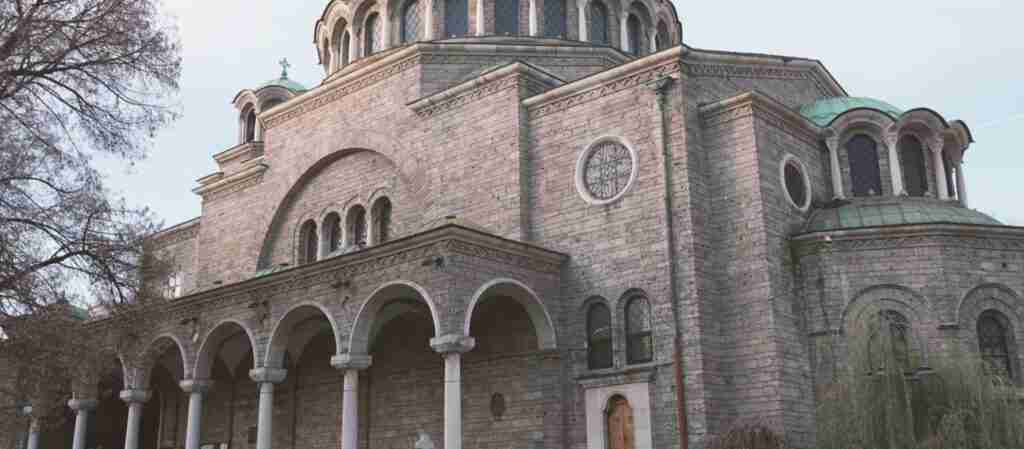
Saint Nedelya Cathedral occupies Sofia’s central square with free admission to its bright interior featuring delicate frescoes and icons. The location makes it convenient for brief visits while exploring downtown, and the church’s tragic history—bombed in 1925 during a failed political assassination—adds historical weight to the architectural experience. The nearby Russian Church of Saint Nicholas with its distinctive colorful onion domes also offers free interior access, though photography requires a small fee and the compact size means visits typically last 10-15 minutes.
Ancient Serdica Archaeological Complex 2026
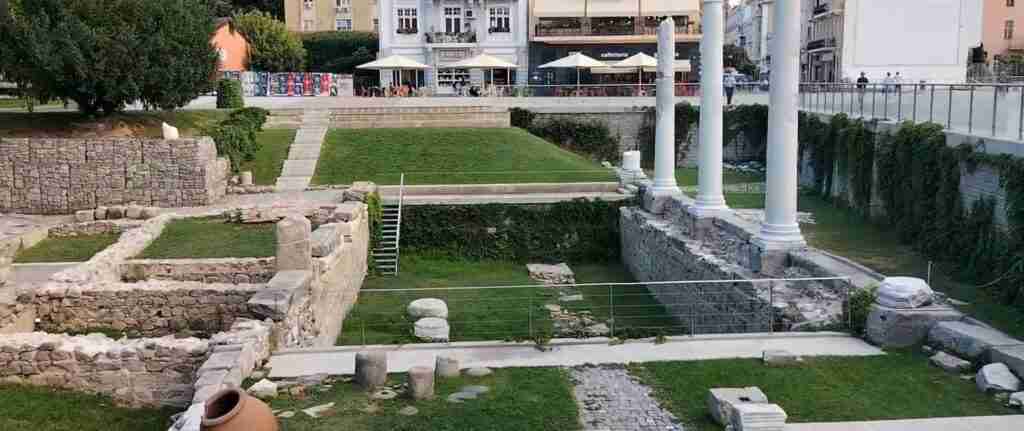
The Ancient Serdica Complex ranks among Europe’s most unusual free attractions—a major archaeological site displayed inside active metro stations and surrounding pedestrian areas. When Sofia constructed metro lines in the 2000s and 2010s, excavations uncovered extensive remains of Roman Serdica, the 2nd-4th century city that occupied this location. Rather than removing artifacts or halting construction, authorities incorporated ruins directly into station design, creating underground museums accessible to anyone with a 1.60 BGN ($0.82) metro ticket or free to those already in the metro system.
Serdika metro station on the M1/M2/M4 interchange displays the most extensive ruins, including preserved Roman streets with original paving stones, remnants of thermal baths showing the hypocaust heating system, basilica foundations, and sections of the city’s defensive walls. Glass floors allow visibility into excavation layers while walkways weave between ancient structures, and multilingual information panels explain archaeological significance. The open-air sections around Serdika station continue the archaeological display above ground, with ruins visible 24 hours daily alongside modern streets where pedestrians walk past 1,800-year-old architecture.
The ancient complex extends to Council of Ministers metro station where additional Roman ruins integrate into station architecture, and throughout downtown where excavations during various construction projects revealed Serdica’s extent. The Saint Sofia Church excavations connect to this broader archaeological narrative, while the Presidential Palace incorporates visible Roman remains in its courtyard. This distributed approach means budget travelers exploring Sofia on foot encounter ancient history continuously rather than visiting a single contained site, with the metro system providing comfortable access during all weather conditions.
Parks and Outdoor Spaces 2026
Borisova Gradina (Boris’ Garden) spans 360 acres of central Sofia, offering the largest urban park space completely free to access. The park includes walking paths through mature trees, ornamental lakes with fountains, numerous monuments and sculptures, sports facilities, children’s playgrounds, outdoor cafes with reasonable prices, and the Vasil Levski National Stadium. Budget travelers find the park ideal for picnic lunches purchased from supermarkets, relaxation between museum visits, morning jogging routes, and observing local life as Sofia residents use the space for recreation, exercise, and social gathering. The park’s Ariana Lake creates peaceful scenery for afternoon reading or photography, while the Japanese Garden section offers landscaped tranquility without admission charges.
The City Garden (Gradska Gradina) occupies a smaller central location near the National Theatre, featuring ornamental plantings, fountains, and a summer outdoor theater hosting free concerts and performances throughout warm months. The theater schedule includes classical music, folk performances, and occasional contemporary acts, all without tickets—audiences simply arrive and claim available seating or standing areas. The garden’s central location makes it convenient for mid-sightseeing breaks, while evening programs provide entertainment after museum closing times.
Vitosha Boulevard transforms Sofia’s main shopping street into a pedestrian-only zone extending from the Palace of Culture to the city center, offering free walking space lined with stores, cafes, street performers, and architectural interest. The boulevard functions as both transportation route and social space where budget travelers window shop, people-watch, and cover ground between attractions without vehicle concerns. Side streets branching from Vitosha reveal neighborhood character, residential architecture, and local businesses operating at lower prices than boulevard establishments.
The South Park (Yuzhny Park) provides another large green space with similar free access, less tourist presence than Borisova Gradina, and more authentic local atmosphere as Sofia families use the space for weekend recreation. The park includes a small lake, extensive walking paths, sports fields, and areas for barbecuing where summer weekends bring neighborhood gatherings visible to budget travelers seeking cultural observation.
Free Walking Tours Sofia 2026
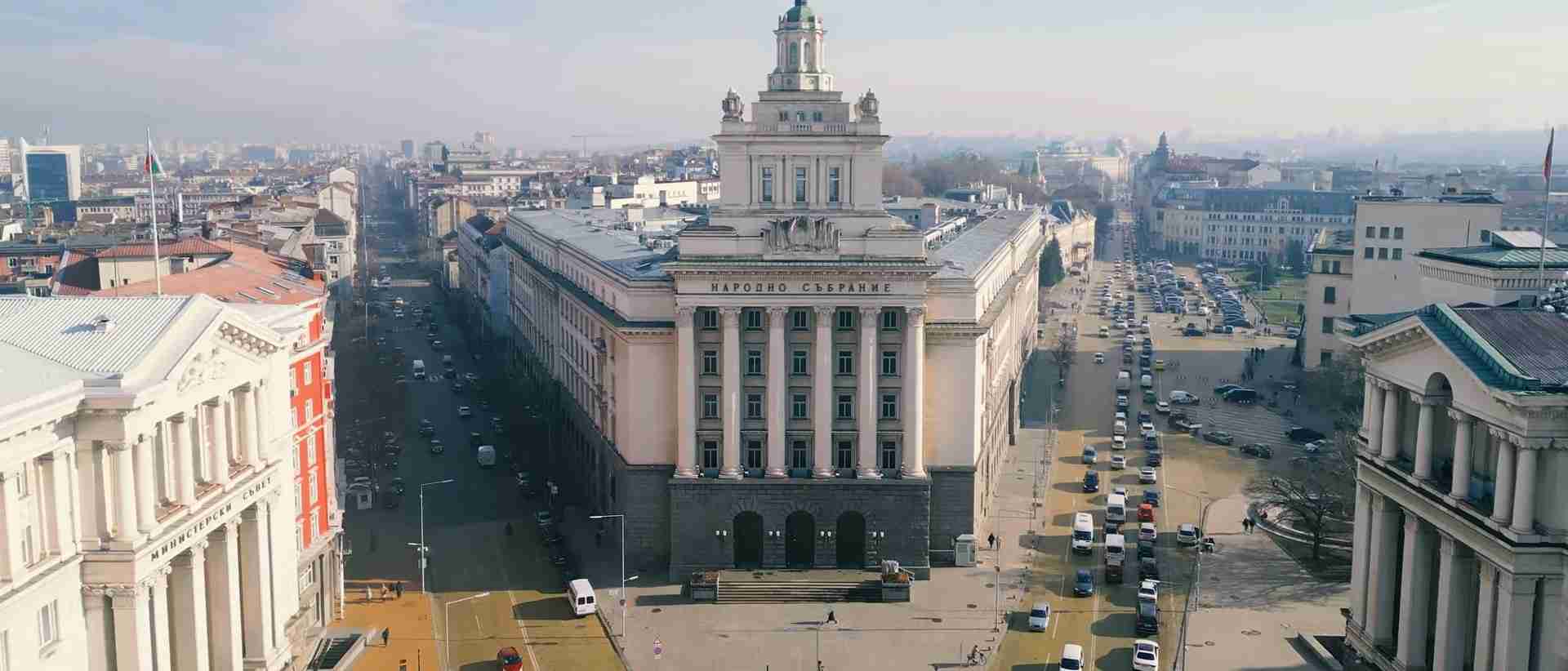
Free Sofia walking tours operate on tip-based models where guides lead comprehensive historical tours without fixed admission but expect gratuities reflecting the experience’s value. Tours typically meet at Courthouse Square (Palace of Justice) at 10:00 AM, 11:00 AM, and 6:00 PM daily, with English-language guides leading 2-2.5 hour explorations covering major landmarks, historical context, and local culture. The standard route includes Alexander Nevsky Cathedral, Serdica ruins, Russian Church, National Assembly, former Communist Party headquarters, and various architectural highlights while guides explain Bulgarian history from Thracian times through communist period to modern EU membership.
The tip expectation ranges 10-20 BGN ($5-10) per person for standard satisfaction to 30-40 BGN ($15-20) for exceptional guides, though budget travelers tight on funds shouldn’t feel pressured beyond their means—the “free” designation means participation doesn’t require payment, and guides understand that backpackers and students genuinely traveling on minimal budgets may tip modestly. The value proposition remains excellent even with generous tipping because private guided tours charge 100-150 BGN ($51-77) minimum for equivalent coverage.
Alternative free walking tours focus on communist history, street art, or food culture, each offering specialized perspectives on Sofia’s character. The communist tour visits socialist architecture, monuments, and sites of political significance while explaining Bulgaria’s 45 years under communist rule from 1944-1989. The street art tour explores murals and graffiti throughout residential neighborhoods, revealing contemporary cultural expression absent from traditional sightseeing routes. The food tour introduces Bulgarian cuisine through tastings at markets and bakeries, with small food costs (5-10 BGN / $3-5) separate from the tour tip.
Several tour companies operate these free programs—look for green or red umbrellas at Courthouse Square, check company websites for exact schedules, and arrive 10 minutes early to confirm departure times. The tours run regardless of weather, though winter schedules may reduce frequency. Private tours become worthwhile for groups of 4+ people who can split private guide costs while gaining schedule flexibility impossible with free group tours.
Budget Accommodation in Sofia 2026
Sofia’s accommodation scene delivers exceptional value across all budget categories, with hostel dormitories costing less than a single fast-food meal in Western European cities and budget hotels providing clean comfortable rooms at prices that barely cover one night’s parking in expensive capitals. The concentration of affordable options in central locations means budget travelers avoid the common dilemma of choosing between proximity and price—Sofia’s cheapest hostels occupy walkable neighborhoods within 15 minutes of major attractions, while budget hotels dot the area around Vitosha Boulevard and central metro stations.
Hostel Accommodation Sofia 2026
Hostel dormitory beds range 12-30 BGN ($6-16) nightly depending on season, dormitory size, and hostel quality, with most reputable central hostels charging 15-20 BGN ($8-10) for standard 6-8 bed mixed dorms. Hostel Mostel on Vitosha Boulevard claims status as Sofia’s original backpacker destination, offering 16 BGN ($8) dormitories, social atmosphere with nightly activities, communal kitchen, and location directly on the main pedestrian street. The property operates two locations—the central Vitosha building and Hostel Mostel Sofia near the train station—both maintaining consistent quality and pricing that makes them perennial budget traveler favorites.
Art Hostel and Canape Connection Hostel occupy the mid-range hostel space at 18-22 BGN ($9-11) nightly, providing smaller dormitories with 4-6 beds, modern facilities, organized social events, and slightly quieter atmospheres than party-oriented properties. Art Hostel specializes in longer-term stays and provides workspace suitable for digital nomads, while Canape Connection emphasizes social activities and walking tour partnerships. Both offer private rooms starting around 50-70 BGN ($26-36) for those wanting hostel social atmosphere without dormitory sleeping arrangements.
Green Cube Hostel introduced Sofia’s first capsule-style dormitory, charging 20-25 BGN ($10-13) for pod accommodations that provide more privacy than traditional bunks while maintaining dormitory pricing. Each capsule includes privacy curtain, reading light, charging ports, and small storage, addressing the main privacy complaints about standard dormitories. The central location near Serdika metro station and 24-hour reception desk add convenience for late arrivals or early departures.
Budget-conscious hostels like Hello Sofia and Red Key Hostel operate at the absolute bottom of pricing around 12-15 BGN ($6-8) nightly, providing basic clean dormitories without extensive social programming or premium amenities. These properties suit travelers prioritizing cost over atmosphere, those arriving late and departing early with minimal hostel time, or long-term budget travelers extending funds across months rather than weeks. The lower prices reflect simpler facilities—shared bathrooms, basic kitchens, no common areas beyond small lounges—rather than quality issues or unsafe locations.
Most Sofia hostels include free WiFi, bed linens, and sometimes basic breakfast (usually just bread, jam, coffee, and tea). Towels may incur 2-3 BGN ($1-2) rental fees, and lockers generally require personal padlocks or 5-10 BGN ($3-5) deposits for hostel-provided locks. Kitchen access allows substantial food savings as supermarkets sell ingredients for self-cooked meals at costs far below restaurant dining. Booking directly through hostel websites occasionally beats booking platforms by 5-10% and allows direct communication about late arrivals or special requests.
Budget Hotels and Guesthouses 2026
Budget hotels in Sofia charge 40-90 BGN ($20-46) nightly for double rooms with private bathrooms, representing excellent value for couples or solo travelers preferring private accommodation over dormitories. EasyHotel Sofia offers contemporary no-frills rooms at 45-60 BGN ($23-31) including WiFi and daily housekeeping but excluding breakfast and additional services that increase prices at full-service hotels. The central location near National Palace of Culture and metro access make it practical for sightseeing despite basic amenities.
Family-run guesthouses and small hotels throughout the City Centre and Oborishte neighborhoods provide 50-80 BGN ($26-41) rooms with more character than chain budget hotels. Properties like Guest House 32 occupy restored 19th-century buildings, offering historical architecture alongside modern bathroom facilities and breakfast options for 5-10 BGN ($3-5) additional. These smaller properties often provide better local knowledge from owners who live on-site and can recommend authentic restaurants, suggest off-tourist-path activities, and help with practical questions about transport or services.
The NDK (National Palace of Culture) area hosts several budget hotels at 60-90 BGN ($31-46) nightly, combining proximity to metro stations, parks, and cultural venues with quieter atmospheres than properties on busy Vitosha Boulevard. The slightly peripheral location—10-15 minutes walking from absolute city center—translates to better value because accommodation pricing reflects neighborhood rather than tourist-zone rates. The area includes grocery stores, local restaurants, and residential atmosphere that provides authentic Sofia experience beyond guidebook descriptions.
Seasonal pricing affects Sofia accommodation moderately compared to more tourist-dependent cities. Summer (June-August) and Christmas markets (December) represent high season with 20-30% higher prices than shoulder season (April-May, September-October), while winter months January-February and November offer the deepest discounts at 30-40% below peak pricing. Budget travelers should note that high season in Sofia means slight increases rather than dramatic price spikes—a hostel charging 18 BGN ($9) in April charges 22 BGN ($11) in July, still profoundly affordable by European standards.
Booking Strategies for Budget Accommodation 2026
Direct booking through hostel and hotel websites occasionally provides better rates than Booking.com, Hostelworld, or Hotels.com because properties avoid platform commission fees and can offer equivalent savings to customers. This advantage disappears at larger hotels and chains where booking platforms maintain rate parity agreements, but smaller hostels and family guesthouses often discount direct bookings by 5-10%. Email properties directly mentioning you’re considering booking through their website versus a platform—many will match platform prices or offer extras like free breakfast to secure direct bookings.
Long-term stays unlock substantial discounts at most hostels and many budget hotels. Weekly rates typically discount daily prices by 10-15%, while monthly rates may offer 25-35% savings, particularly during low season when properties prefer guaranteed occupancy over potentially empty beds. A hostel charging 18 BGN ($9) nightly might offer monthly rates of 400-450 BGN ($204-230) representing 26% discount, while budget hotels may negotiate one-month stays at 1,200-1,500 BGN ($613-766) for rooms that cost 60 BGN ($31) nightly—savings of 33-38%. These arrangements work best when emailing properties directly and negotiating rather than using booking platforms.
Flexible dates produce minor savings because Sofia lacks dramatic demand fluctuations—weekday versus weekend pricing differs by only 5-10% at most properties compared to 50%+ swings in business-travel cities or beach resorts. The modest flexibility benefit means travelers shouldn’t reorganize trips to capture small discounts, but those with complete schedule freedom might save 20-40 BGN ($10-20) weekly by avoiding peak weekend pricing.
Last-minute booking risks missing availability at the most popular budget properties but occasionally yields better prices at properties reducing rates to fill empty rooms. This strategy works primarily during low season (November-March) and only for stays beginning within 24-48 hours. Budget travelers should avoid this approach during summer months, major holidays, or large conferences when Sofia accommodation books substantially in advance. The modest potential savings don’t justify the risk of scrambling for overpriced last-minute rooms when planned budget options fill completely.
Food and Dining on a Budget in Sofia 2026
Sofia’s food scene combines remarkable affordability with genuine quality, allowing budget travelers to eat far better than “cheap food” suggests. The distinction matters because many European budget food options sacrifice quality, nutrition, or satisfaction—travelers survive on sandwiches and kebabs not because these represent culinary achievement but because they cost less than sit-down meals. Sofia eliminates this compromise by providing sit-down restaurant meals with table service, traditional Bulgarian recipes, and generous portions at prices that barely exceed Western fast-food costs.
Street Food and Quick Meals 2026
Banitsa stands as Bulgaria’s iconic street food—a flaky phyllo pastry filled with cheese, spinach, pumpkin, or meat, sold from bakeries and street vendors for 3-5 BGN ($2-3) per piece. A single banitsa provides substantial breakfast or snack, combining carbohydrates, protein, and satisfaction in portable format perfect for budget travelers eating on the move between attractions. The traditional cheese version (sirene banitsa) offers the most authentic experience, while pizza-style toppings appear in modern variations catering to younger tastes. Bakeries like Mekitsa & Kafe specialize in banitsa and mekitsa (fried dough) served fresh throughout morning hours, with banitsa quality declining significantly by afternoon when morning batches turn stale.
Kebapche and kyufte represent Bulgarian grilled meat specialties sold from street vendors and simple eateries for 7-12 BGN ($4-6) per portion including sides. Kebapche consists of grilled minced meat rolls spiced with cumin and served with french fries or shopska salad (tomatoes, cucumbers, onions, peppers, white cheese), while kyufte features similar meat formed into patties. These hearty meals satisfy lunch or dinner requirements at prices less than coffee and pastry in expensive European cities, and their popularity with Bulgarian working-class customers ensures consistent quality rather than tourist-trap variations on traditional recipes.
Doner kebab shops proliferate throughout Sofia, charging 6-10 BGN ($3-5) for substantial wrapped sandwiches or plates combining grilled meat, fresh vegetables, and sauces. While doner represents Turkish rather than Bulgarian cuisine, its convenience and value make it popular among budget travelers seeking familiar options. Quality varies dramatically between vendors—look for busy shops with visible meat preparation, fresh ingredients in display cases, and Bulgarian customers in line rather than only tourists, indicators of food safety and authentic preparation rather than shortcuts exploiting foreign customers.
The covered market (Zhenski Pazar) offers prepared food stalls selling traditional Bulgarian dishes at working-class prices. Vendors serve meatballs, stuffed peppers, moussaka, and bean stews for 8-12 BGN ($4-6) per portion, operating primarily during lunch hours when workers seek quick affordable meals. The market atmosphere provides cultural interest alongside food value—vendors shout prices, customers negotiate purchases, and the sensory experience of Bulgarian market commerce unfolds continuously. Budget travelers should try lukanka (dried sausage), sirene (white cheese), and fresh produce sold at prices substantially below supermarkets.
Budget Restaurant Dining 2026
Traditional Bulgarian restaurants (mehani) serve complete meals for 15-30 BGN ($8-15) including appetizer or salad, main course with sides, and non-alcoholic beverage. Supa Star near the University operates as a literal soup kitchen charging 12 BGN ($6) for soup, bread, salad, and drink—a complete nutritious lunch at prices that seem implausible even by Sofia standards. The quality matches the price point (simple rather than gourmet) but provides genuine value for budget-conscious travelers prioritizing spending elsewhere while maintaining adequate nutrition.
Neighborhood mehani away from tourist zones offer better value and more authentic experiences than Vitosha Boulevard establishments. Restaurants in residential areas like Lozenets charge 18-25 BGN ($9-13) for traditional meals that cost 25-35 BGN ($13-18) at centrally-located tourist restaurants, and the local clientele ensures authentic preparation rather than tourist-adapted versions of Bulgarian cuisine. The challenge involves identifying good neighborhood restaurants without local knowledge—look for Bulgarian-language-only menus, working-class customers rather than international tourists, plastic table covers rather than cloth linens, and prices ending in odd lev amounts rather than rounded euro conversions.
Lunch specials (menyu) at sit-down restaurants throughout Sofia offer three-course set menus for 10-15 BGN ($5-8), available typically 11:00 AM-3:00 PM weekdays. These daily menus include soup, main course, side dish, dessert, and sometimes beverage, providing full restaurant experience at costs barely exceeding street food. The limitation involves fixed choices rather than full menu ordering, but budget travelers seeking maximum value find lunch specials unbeatable—€5-8 buys complete restaurant meals with table service, multiple courses, and comfortable seating lasting as long as desired.
Pizza restaurants charge 10-20 BGN ($5-10) for large pizzas sufficient for sharing or providing two meals, making them economical choices for groups or travelers wanting familiar comfort food. Local chains and independent pizzerias maintain quality standards comparable to Western European casual dining while operating at one-third to one-half the prices. The ubiquity of pizza across Sofia means travelers can always find affordable familiar food when Bulgarian specialties lose appeal after extended stays.
Self-Catering and Supermarket Shopping 2026
Supermarket chains including Lidl, Billa, Kaufland, and Fantastico provide groceries at prices that make self-catering viable for extended savings. A complete day’s self-prepared food—breakfast yogurt, fruit, and bread (3-5 BGN / $2-3), lunch sandwich ingredients (4-6 BGN / $2-3), dinner pasta or rice with vegetables and meat (8-12 BGN / $4-6), plus snacks and beverages (3-5 BGN / $2-3)—totals 18-28 BGN ($9-14) compared to 25-40 BGN ($13-21) eating exclusively from street vendors or 50-80 BGN ($26-41) for restaurant meals.
Bulgarian yogurt deserves special mention—the original bacterial culture (Lactobacillus bulgaricus) comes from Bulgaria, and local yogurt quality exceeds mass-produced Western versions significantly. A 400g container costs 2-3 BGN ($1-2), providing high-protein breakfast or snack at minimal cost. Traditional Bulgarian breakfast combines yogurt with banitsa and coffee, totaling 5-7 BGN ($3-4) when prepared from supermarket ingredients compared to 10-15 BGN ($5-8) at cafes.
Produce markets including the Women’s Market (Zhenski Pazar) offer lower prices than supermarkets for fruits, vegetables, and some dairy products. Seasonal fruit costs 2-4 BGN ($1-2) per kilogram, tomatoes and cucumbers 2-3 BGN ($1-2) per kilogram, and bread 2 BGN ($1) per loaf. Market shopping requires Bulgarian language skills or pointing combined with calculator price negotiations, but the cultural experience and savings justify minor communication challenges. Markets close by mid-afternoon on most days and don’t operate Sundays, requiring morning shopping trips.
Budget travelers staying in hostels with kitchen access should stock pantry staples like rice, pasta, cooking oil, salt, and basic spices that enable multiple meals from single purchases. A 1kg rice bag costs 3-4 BGN ($2), a pasta package 2-3 BGN ($1-2), and cooking oil 4-6 BGN ($2-3), providing foundations for 5-10 budget meals. Combining supermarket staples with market-fresh produce and occasional splurges on meat or prepared items balances nutrition, variety, and cost control across extended stays.
Transportation and Getting Around Sofia 2026
Sofia’s integrated public transport network ranks among Europe’s best values, combining modern metro lines, extensive bus and tram routes, and user-friendly payment systems at prices that make unlimited travel essentially free compared to expensive city transport costs. The 2026 euro conversion actually simplified payment for travelers by enabling contactless bank card tap-to-pay throughout the system, eliminating paper ticket requirements and automatically capping daily costs to prevent overspending.
Public Transport Costs and Passes 2026
Single journey tickets cost 1.60 BGN ($0.82) when paying via contactless bank card, Sofia City Card electronic pass, or pre-loaded Ultralight Card, allowing 30 minutes of transfers between any combination of metro, buses, trams, and trolleybuses. The 30-minute window starts from first validation and permits unlimited vehicle changes within that timeframe, making the single journey ticket effectively a 30-minute unlimited pass. Paper tickets from bus drivers cost 2 BGN ($1) but prohibit transfers, making them inefficient except for emergency situations when contactless payment fails.
The 24-hour unlimited pass at 4 BGN ($2) represents extraordinary value for active tourists making 3+ journeys daily. The pass activates upon first validation and remains valid for exactly 24 hours from that moment, covering all public transport modes including night buses. Budget travelers using public transport for morning sightseeing, afternoon return to accommodation, and evening restaurant visits easily justify the 4 BGN cost while gaining freedom to hop on and off vehicles without cost concerns. The 72-hour pass costs 14.86 BGN ($7.60), worthwhile for stays exceeding three days.
The automatic daily spending cap at 4 BGN ($2) when using contactless payment provides built-in protection against accidentally overspending. After the second individual journey on the same day (2 × 1.60 = 3.20 BGN), the system charges only 0.80 BGN for subsequent rides to reach the 4 BGN daily cap, then provides all remaining same-day journeys free. This feature means travelers can simply tap their bank card at every journey without tracking whether day passes represent better value—the system optimizes automatically.
Monthly unlimited passes cost 50 BGN ($26) for all public transport or 35 BGN ($18) for metro-only access, creating substantial savings for stays exceeding two weeks. The monthly pass pays for itself after 13 full-price days (13 × 4 BGN = 52 BGN), meaning three-week stays benefit from monthly passes even accounting for occasional non-traveling days. Digital nomads and longer-term budget travelers should purchase monthly passes immediately upon arrival rather than accumulating daily costs unnecessarily.
Metro System and Airport Connection 2026
Sofia’s metro operates four lines (M1, M2, M3, M4) connecting the airport, city center, major neighborhoods, and suburban areas with 2-3 minute frequencies during peak hours and 5-7 minute frequencies off-peak. Trains run from approximately 5:00 AM to midnight daily, with late-night extensions to 1:00 AM on Friday and Saturday. The system cleanliness, safety, and reliability match Western European metro standards while costing a fraction of comparable transit systems.
The airport connection on M4 line from Terminal 2 to Serdika central station takes 18-20 minutes and costs just 1.60 BGN ($0.82), making it Europe’s cheapest major airport rail link. Terminal 1 connects to Terminal 2 via free shuttle buses running every 30-40 minutes 24/7. The metro runs until midnight, so late-arriving flights miss the last train but can use buses or taxis—official airport taxis charge approximately 15-20 BGN ($8-10) for city center journeys compared to €30-50 typical in Western European capitals.
The Serdika station functions as the system’s main interchange where M1, M2, and M4 converge, providing transfers to any destination within two stations maximum. The station design incorporates the Ancient Serdica archaeological site, allowing cultural sightseeing during transfer waits. The station’s central location puts most tourist accommodation within 10-15 minutes walking distance, reducing reliance on surface transport for accommodation-to-attractions journeys.
Buses, Trams, and Trolleybuses 2026
Surface transport (buses, trams, trolleybuses) operates extensively throughout Sofia using the same ticket system and pricing as metro lines. Route numbers appear on vehicle fronts and sides, digital displays show upcoming stops, and Google Maps provides accurate real-time arrival information for most routes. Validators near vehicle doors accept contactless bank cards, Sofia City Cards, and pre-loaded Ultralight Cards—tap when boarding each vehicle even during 30-minute transfer windows.
Key routes for tourists include buses #280 and #107 connecting NDK area to city center, tram #10 running along Graf Ignatiev Street through student districts, and buses #63, #64, and #66 accessing Vitosha Mountain. Route #66 continues to Aleko mountain station near Vitosha summit, requiring only standard 1.60 BGN ($0.82) public transport tickets for mountain access that costs €10+ for gondola lifts in Western European mountain destinations.
Night buses operate limited routes 11:30 PM-4:30 AM with separate 2 BGN ($1) paper tickets or included in 24-hour/72-hour/monthly passes. Night bus frequencies drop to 20-30 minute intervals, and routes cover only main corridors rather than comprehensive daytime coverage, but they provide affordable alternatives to taxis for late-night travel. The N1 and N2 night buses serve city center to residential areas, while N5 connects the airport during metro closure hours.
Walking as Primary Transport 2026
Central Sofia’s compact layout makes walking the primary transport mode for budget travelers staying in center-adjacent accommodation. Alexander Nevsky Cathedral to Vitosha Boulevard spans 1.5 kilometers (15-20 minutes walking), the Archaeological Museum to NDK measures 2 kilometers (20-25 minutes), and most tourist attractions cluster within this walkable core. The pedestrianized Vitosha Boulevard eliminates vehicle concerns for north-south movement, while quiet residential streets provide pleasant east-west routes avoiding traffic-heavy boulevards.
Walking saves transport costs, provides street-level cultural observation, enables spontaneous attraction discoveries, and burns calories offsetting banitsa and kebapche consumption. Budget travelers should prioritize central accommodation within this walkable core even if rooms cost 10-15 BGN ($5-8) more nightly than peripheral options—the transport savings, time efficiency, and neighborhood atmosphere justify slightly higher accommodation costs. Sofia’s flat terrain (aside from approaches to Vitosha) makes walking physically accessible compared to hillside cities requiring constant climbing.
The main walking limitation involves distances to peripheral attractions including the National History Museum (8 kilometers from center), Boyana Church (8 kilometers), and residential neighborhoods worth exploring. These destinations require public transport or significant time commitments for walking—allow 90+ minutes for walking to National History Museum versus 35 minutes via bus #63. Budget travelers should use transport for these longer distances rather than attempting ambitious walks that consume daylight hours better spent at actual attractions.
Museum and Attraction Costs 2026
Sofia museums maintain remarkably low admission fees that allow budget travelers to visit multiple institutions daily without significant financial impact. Most major museums charge 6-12 BGN ($3-6) for adult admission compared to €12-18 typical at comparable Western European museums, while free admission days and student discounts further reduce costs for eligible visitors. This pricing accessibility means cultural sightseeing can form the core of Sofia itineraries rather than requiring careful rationing or difficult choices between attractions.
Major Museums and Admission Prices 2026
The National Historical Museum at 10 BGN ($5) admission houses over 650,000 artifacts tracing Bulgarian history from prehistoric Thracian cultures through medieval kingdoms to modern era, displayed across three floors of exhibition space requiring 3-4 hours for thorough exploration. The museum occupies the former presidential residence in Boyana suburb, combining historical artifacts with the building’s own architectural interest. The remote location requires bus #63 journey (35-40 minutes from city center), but the comprehensive historical overview justifies the travel time. Check the official website for current official rates as pricing may vary slightly for special exhibitions.
The National Archaeological Museum charges 10 BGN ($5) for access to Bulgaria’s finest collection of Thracian treasures, Roman antiquities, and medieval artifacts housed in a converted 15th-century mosque near Alexander Nevsky Cathedral. The Thracian Gold rooms showcase intricate metalwork demonstrating sophisticated Bronze Age civilization, while Roman-era sculptures and mosaics illustrate Serdica’s importance as regional capital. The central location enables combining museum visits with other downtown attractions during single walking circuits. Student discounts reduce admission to 5 BGN ($3) with valid ISIC or university identification.
The Museum of Socialist Art costs 6 BGN ($3) for outdoor sculpture park and indoor gallery displaying communist-era propaganda posters, paintings promoting socialist ideology, and films from the period. The giant Lenin and other communist leader statues removed from public squares after 1989 now populate the outdoor park, creating surreal landscapes of discarded political symbolism. The museum occupies a peripheral location requiring metro or bus transport but offers thought-provoking perspectives on Bulgaria’s recent past absent from purely aesthetic museum experiences. Many visitors find this museum more engaging than traditional art collections because the political context adds narrative weight to visual material.
The Alexander Nevsky Cathedral crypt houses an icon collection charging 6 BGN ($3) admission separate from the free main cathedral, displaying Orthodox religious art from medieval through modern periods. The collection quality rivals specialized icon museums in Greece or Russia but receives less international recognition, making it a genuine hidden gem for visitors interested in Orthodox art traditions. Photography is prohibited in the crypt, and the atmospheric underground setting adds appropriate solemnity to religious art viewing.
The National Gallery for Foreign Art charges 6 BGN ($3) for collections of European paintings, Asian art, and African sculpture displayed in a former royal palace. The holdings don’t match Louvre or Prado comprehensiveness but provide diverse international art exposure at minimal cost, and the building’s royal architecture creates impressive settings for artwork. Combined tickets with other National Gallery properties occasionally offer modest savings for visitors planning multiple gallery visits.
UNESCO World Heritage Site Costs 2026
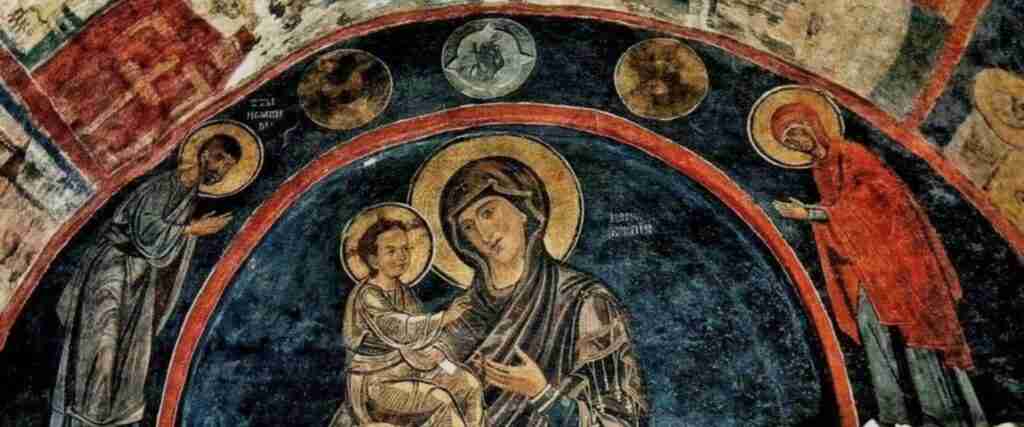
Boyana Church, Sofia’s UNESCO World Heritage Site, charges 10 BGN ($5) for timed admission limiting visitor numbers to preserve delicate 13th-century frescoes that art historians consider precursors to Italian Renaissance painting by 200 years. The small church accommodates only 8 visitors at once for 15-minute viewing periods, requiring advance booking during summer or weekend high season. Check the official website for current official rates as pricing may vary by season. The remarkable frescoes depicting realistic human emotions and individual facial features rather than stylized religious iconography justify both the admission cost and travel to Boyana suburb via bus #64. The church forms popular combined itineraries with National History Museum (same neighborhood) or Rila Monastery day trips.
Rila Monastery, Bulgaria’s most famous monastery and UNESCO site, charges no admission for church and courtyard access but requires 8 BGN ($4) for museum entry displaying religious artifacts, historical documents, and cultural treasures. The monastery location 120 kilometers south of Sofia requires organized day tours (60-80 BGN / $31-41 per person) or complex public transport via Dupnitsa (3+ hours each direction), making it expensive relative to Sofia attractions when considering total costs. Budget travelers should evaluate whether Rila justifies the time and money investment or whether that budget better supports extended Sofia exploration and overnight stays.
Free Admission Days and Discounts 2026
Most national museums offer free admission on the last Sunday of each month, though this policy attracts crowds that diminish viewing experience quality. International Museum Day (May 18th) provides free or significantly reduced admission at most Sofia museums, with institutions typically announcing special programs and extended hours. Sofia City Day (September 17th) offers 3 BGN ($2) admission for non-residents at many museums while providing free entry for Sofia residents with proof of local address.
Student discounts require valid ISIC cards or current university identification showing enrollment in recognized institutions. The 50% discount applies at all national museums and most private collections, reducing 10 BGN ($5) admissions to 5 BGN ($3) for students. Children under 12 typically enter free at national museums, while family tickets covering two adults and children provide modest savings at select institutions. Seniors over 65 sometimes qualify for reduced admission, though policies vary by institution—bring identification documenting age when requesting senior discounts.
Photography restrictions apply variably—the Archaeological Museum permits photography without flash, while the National Gallery prohibits all photography, and the Socialist Art Museum allows outdoor photos but restricts indoor photography. Specific policies change periodically, so check current regulations upon entry rather than assuming permissions. Professional camera equipment (DSLR with external flash, video cameras) may require special permits costing 5-20 BGN ($3-10) additional regardless of whether standard photography is permitted.
Money-Saving Strategies for Sofia 2026
Strategic money-saving approaches in Sofia balance cost reduction with experience quality, avoiding false economies that sacrifice trip satisfaction for minimal savings. The goal involves maximizing value rather than minimizing spending—travelers who stay in €4 hostels to save €4 nightly but suffer noise, discomfort, and distant locations lose more in time, energy, and enjoyment than they gain in savings. Effective money-saving focuses on eliminating unnecessary expenses, accessing discounts available to all travelers, and making informed choices where price-quality tradeoffs exist.
Advance Planning and Booking 2026
Booking accommodation 2-4 weeks advance secures better rates and ensures availability at preferred budget properties without requiring far-ahead commitments that sacrifice flexibility. Sofia’s budget accommodation doesn’t usually require months-advance bookings except during peak summer weekends or major events, but the week-before scramble typically means settling for less desirable options at higher prices. The modest planning investment produces reliable savings of 10-20% compared to last-minute bookings while maintaining ability to adjust plans with moderate cancellation flexibility.
Free walking tours should be scheduled first upon arrival because they provide orientation, historical context, and practical local knowledge that improves subsequent independent exploration. The tours cost only tips, deliver genuine value, and help identify attractions worth extended visits versus brief photography stops. Budget travelers who skip free tours miss opportunities to optimize their limited Sofia time and often waste days rediscovering information guides would have provided in 2-3 hours.
Museum free admission days require checking institutional websites for exact schedules because policies vary—some museums offer free admission last Sunday monthly while others choose first Sunday or specific annual dates. The crowd levels on free days sometimes overwhelm the savings, particularly at popular museums like the Archaeological Museum where Sunday crowds prevent comfortable viewing. Budget travelers should evaluate whether saving 10 BGN ($5) justifies fighting crowds versus visiting on regular weekdays when 10 BGN buys peaceful gallery time lasting as long as desired.
Lunch vs Dinner Dining Strategy 2026
Restaurant lunch menus (11:00 AM-3:00 PM weekdays) offer identical or similar dishes to dinner menus at 30-40% lower prices, making lunch the optimal time for sit-down restaurant meals. A mehana charging 25-30 BGN ($13-15) for dinner entrées offers lunch menu complete three-course meals for 12-15 BGN ($6-8), providing restaurant experience, traditional Bulgarian cuisine, and comfortable seating at costs approaching street food prices. Budget travelers should structure days around substantial restaurant lunches followed by light street-food or self-catered dinners rather than the Western pattern of quick lunches and restaurant dinners.
The lunch strategy requires adjusting to earlier eating schedules because kitchen-fresh lunch specials appear around 11:30 AM-noon and quality declines by 2:00 PM when restaurants prepare for afternoon closure before dinner service. Budget travelers accustomed to 1:00-2:00 PM lunches should shift to noon-12:30 PM dining when lunch menus feature peak freshness and fuller selections. The adjustment feels awkward initially but becomes natural after 2-3 days while delivering consistent 40% food savings.
Banitsa and coffee from bakeries provide traditional Bulgarian breakfast at 5-7 BGN ($3-4) compared to 12-18 BGN ($6-9) for hotel or cafe breakfasts. Hostels advertising “free breakfast” typically offer only bread, jam, and instant coffee worth approximately 2-3 BGN ($1-2) in value—travelers paying 5 BGN ($3) extra nightly for “breakfast included” overpay for minimal offerings. Budget hotels charging 8-12 BGN ($4-6) for breakfast provide better value but still cost double what bakery breakfast offers. Skip accommodation breakfast, save 5-10 BGN ($3-5) daily, and enjoy fresh banitsa while walking to first morning attraction.
Strategic Splurging for Value 2026
Selective splurges on experiences that offer disproportionate value improve overall trips without destroying budgets. A 60-80 BGN ($31-41) Rila Monastery day tour represents significant expense relative to daily budget but delivers UNESCO World Heritage access, mountain scenery, and cultural immersion impossible to achieve independently without 6+ hours transport struggle. The occasional splurge on guided experiences, quality accommodation upgrades during exhausting portions of longer trips, or celebrated restaurant meals breaks budget-travel monotony while maintaining overall spending discipline.
Mid-range accommodation splurges make sense during arrival days when dragging luggage across cities after long travel feels miserable, during illness when comfortable recovery space matters more than sightseeing, or after extended hostel dormitory stretches when privacy becomes psychologically necessary. A private hotel room at 70-100 BGN ($36-51) costs roughly 3-4 times hostel dormitory beds but delivers massive quality-of-life improvements during specific situations where rest, recovery, or comfort take priority over cost minimization.
Quality splurges on essential items like comfortable walking shoes, adequate water bottles, or reliable backpacks prevent penny-wise-pound-foolish situations where inadequate gear causes blisters, dehydration, or equipment failures that cost more in replacement purchases or medical treatment than proper initial investments would have required. Budget travel works best when foundational equipment works reliably rather than when travelers accumulate a series of cheap items that fail sequentially throughout trips.
Avoiding False Economies 2026
Peripheral accommodation to save 10-15 BGN ($5-8) nightly makes little sense in compact Sofia where central hostels cost under $10 nightly—the transport time, costs, and inconvenience of staying 30 minutes from attractions exceeds the accommodation savings. Budget travelers should prioritize central locations that enable walking to major sights, eliminate transport needs, and provide neighborhood atmosphere worth experiencing. The few BGN saved on distant accommodation disappears quickly in metro tickets, time lost commuting, and reduced flexibility for spontaneous evening activities.
Exchanging currency at airport or train station exchange offices costs 5-8% in poor exchange rates and commission fees compared to withdrawing euros from bank ATMs using debit cards. A budget traveler exchanging $300 loses $15-24 unnecessarily when bank ATM withdrawal costs perhaps $3-5 in fees while delivering near-official exchange rates. The currency exchange false economy proves particularly costly because it repeats each time travelers need cash, accumulating losses across extended trips. Use bank ATMs exclusively, avoid Euronet machines charging excessive fees, and check whether your home bank reimburses foreign ATM fees.
Cooking every meal rather than balancing self-catering with cheap restaurant dining saves money but sacrifices cultural experience and may not save as much as expected. A supermarket meal costs 6-10 BGN ($3-5) for basic ingredients and preparation time versus 15-20 BGN ($8-10) for restaurant dining that includes service, atmosphere, cultural observation, and opportunity to try authentic Bulgarian cuisine. The incremental 8-10 BGN ($4-5) cost delivers disproportionate value by transforming a functional fueling stop into an actual experience. Budget travelers should eat 50-70% from self-catering for savings while reserving 30-50% of meals for authentic restaurants that showcase Bulgarian culinary traditions.
Sample Sofia Budget Itineraries 2026
These sample itineraries demonstrate realistic daily spending across different budget tiers, showing how travelers allocate limited funds while maintaining satisfying experiences. All costs are per person, per day, assuming two people sharing accommodation where applicable.
Budget Backpacker Three-Day Itinerary 2026
Day 1: Free Sofia Orientation
Accommodation 15 BGN ($8) hostel dormitory, breakfast 5 BGN ($3) banitsa and coffee from bakery, free walking tour 15 BGN ($8) tip, lunch 12 BGN ($6) mehana lunch special, transport 4 BGN ($2) daily pass, Museum of Socialist Art admission 6 BGN ($3), street food dinner 10 BGN ($5) kebapche with sides. Daily total 67 BGN ($34) including comfortable hostel, substantial meals, guided tour, one paid attraction, and unlimited transport.
Day 2: Cultural Immersion
Accommodation 15 BGN ($8), breakfast 5 BGN ($3), National Archaeological Museum admission 10 BGN ($5), lunch 15 BGN ($8) restaurant meal, transport 4 BGN ($2), afternoon at Borisova Gradina park free, Alexander Nevsky Cathedral free, dinner 12 BGN ($6) pizza. Daily total 61 BGN ($31) with museum visit, restaurant lunch, and free afternoon activities.
Day 3: Vitosha Mountain Experience
Accommodation 15 BGN ($8), breakfast 6 BGN ($3) supermarket supplies, transport 4 BGN ($2) including mountain access bus, packed lunch 8 BGN ($4) supermarket provisions, mountain hiking free, dinner 18 BGN ($9) traditional mehana. Daily total 51 BGN ($26) for mountain experience requiring only standard transport.
Three-Day Total: Accommodation 45 BGN ($23), meals 86 BGN ($44), transport 12 BGN ($6), attractions 31 BGN ($16). Total approximately 174 BGN ($89) for three days covering all essentials plus meaningful experiences. This represents 58 BGN ($30) per person daily including comfortable accommodation, adequate nutrition, public transport access, and balanced mix of free and paid attractions.
Mid-Range Comfort Three-Day Itinerary 2026
Day 1: Historical Deep Dive
Accommodation 45 BGN ($23) per person (90 BGN / $46 double room divided by two), breakfast 12 BGN ($6) hotel breakfast buffet, National History Museum admission 10 BGN ($5), taxi to museum 20 BGN ($10) shared, lunch 22 BGN ($11) restaurant, transport 4 BGN ($2), Boyana Church admission 10 BGN ($5), dinner 35 BGN ($18) quality restaurant. Daily total 138 BGN ($71) with private accommodation, convenient transport, UNESCO sites, and restaurant meals.
Day 2: Cultural Exploration
Accommodation 45 BGN ($23), breakfast 12 BGN ($6), Archaeological Museum 10 BGN ($5), Alexander Nevsky Cathedral crypt 6 BGN ($3), lunch 25 BGN ($13), afternoon cafes and shopping 10 BGN ($5), transport 4 BGN ($2), dinner 30 BGN ($15). Daily total 142 BGN ($73) balancing cultural sites with leisurely exploration.
Day 3: Comprehensive Experience
Accommodation 45 BGN ($23), breakfast 12 BGN ($6), Rila Monastery day tour 75 BGN ($38), lunch included in tour, transport 4 BGN ($2), dinner 30 BGN ($15). Daily total 166 BGN ($85) including premier cultural experience.
Three-Day Total: Accommodation 135 BGN ($69), meals 190 BGN ($97), transport 87 BGN ($44), attractions 46 BGN ($23). Total approximately 458 BGN ($234) for three days, representing 153 BGN ($78) per person daily for mid-range comfort, private accommodation, quality dining, and comprehensive sightseeing including premium experiences.
Seasonal Considerations for Budget Travel 2026
Sofia’s budget advantages vary moderately by season, with winter months offering deepest discounts while summer brings modest price increases that still maintain overall affordability. Understanding seasonal patterns helps budget travelers time visits for optimal value or prepare for seasonal cost fluctuations during fixed travel dates.
Peak Season Costs (June-August) 2026
Summer represents Sofia’s high season when accommodation prices increase 20-30% over shoulder season, tourist restaurants raise menu prices slightly, and attraction visitor numbers swell without creating Western European-style overcrowding. A hostel charging 15 BGN ($8) in April costs 18-20 BGN ($9-10) in July, while budget hotels increase from 60 BGN ($31) to 75 BGN ($38) nightly. These increases maintain Sofia’s affordability advantage because even peak-season prices remain dramatically cheaper than Western European low-season rates.
Peak season advantages include guaranteed good weather for Vitosha Mountain hiking, outdoor concerts and festivals in city parks, extended museum hours at major institutions, and vibrant street life on Vitosha Boulevard. Budget travelers shouldn’t avoid summer travel despite higher costs because the incremental 15-25 BGN ($8-13) daily increase buys reliable sunshine, outdoor activity options, and lively urban atmosphere. The exception involves travelers extremely sensitive to prices who can shift schedules to shoulder season for 25-30% savings on identical experiences.
Shoulder Season Value (April-May, September-October) 2026
Shoulder seasons deliver optimal budget travel conditions combining good weather probability, lower accommodation costs, smaller crowds at attractions, and full restaurant and museum operations. Accommodation prices drop 15-20% below peak season while remaining 10-15% above winter low season, creating sweet spot pricing without dramatic swings in either direction. April weather proves less reliable than September with higher rainfall probability, but both months offer pleasant temperatures for walking-intensive sightseeing.
September stands out as ideal budget travel time because summer weather persists into early autumn, accommodation prices drop immediately after August, attractions maintain peak-season hours, and Sofia residents return from summer holidays creating more authentic urban atmosphere. Budget travelers should prioritize September over April when dates permit—the weather reliability advantage outweighs minimal pricing differences between the two shoulder periods.
Low Season Deep Discounts (November-March) 2026
Winter months offer deepest accommodation discounts at 30-40% below peak season, with hostels dropping to 10-12 BGN ($5-6) nightly and budget hotels reaching 40-50 BGN ($20-26). Restaurant prices remain relatively stable because locals continue dining out regardless of tourist numbers, though some tourist-oriented establishments reduce hours or close temporarily. Most major museums maintain regular operations with smaller crowds creating comfortable viewing conditions.
Winter disadvantages include cold temperatures (often -5°C to 5°C / 23°F to 41°F), limited Vitosha Mountain hiking due to snow and ice without proper winter gear, shorter daylight hours reducing sightseeing time, and occasional closures of outdoor attractions or park facilities. The reduced costs appeal primarily to budget travelers flexible about weather, comfortable with cold-climate urban exploration, or specifically interested in skiing season at nearby resorts. Sofia’s Christmas markets (December) and New Year festivities partially offset winter disadvantages with festive atmosphere and special events.
Hidden Costs and Budget Planning 2026
Comprehensive budget planning accounts for small expenses that accumulate across extended stays, occasional unexpected costs, and optional upgrades that improve experiences without destroying budgets. Budget travelers who calculate only accommodation, food, and major transport/attractions frequently underestimate actual spending by 20-30% because they overlook numerous minor expenses that add up substantially over time.
Unavoidable Minor Costs 2026
The tourist tax levied on overnight accommodation costs approximately 1.50 BGN ($0.77) per person per night at most hostels and hotels, typically collected at check-in and adding 10-15 BGN ($5-8) to weekly accommodation budgets. Some budget properties include this tax in advertised rates while others add it separately, creating minor price surprises at payment. The tax revenue funds tourism infrastructure, and objecting accomplishes nothing because collection is mandatory under Bulgarian law.
Public transport luggage fees apply to oversized bags exceeding standard dimensions, costing 0.96 BGN ($0.49) per item in addition to passenger tickets. Backpackers with full-size backpacks technically fall under this regulation though enforcement varies—drivers sometimes wave fees through while others insist on payment. Budget 2-3 BGN ($1-2) daily for luggage tickets when traveling with substantial bags between accommodation properties or day-tripping with picnic supplies and extra clothing layers.
Bathroom fees at some train stations and public facilities charge 0.50-1 BGN ($0.25-0.51) per use, though most restaurants, museums, and shopping centers provide free restroom access. Budget travelers should use museum and restaurant facilities opportunistically when available rather than paying station bathrooms, and cafe customers receive restroom access without purchasing coffee provided they behave reasonably discreetly.
Communication and Connectivity 2026
WiFi availability throughout Sofia eliminates need for local SIM cards during short visits—hostels, hotels, cafes, restaurants, and even public parks like Borisova Gradina provide free WiFi sufficient for map navigation, messaging, and internet research. The coverage proves comprehensive enough that budget travelers can operate entirely offline except when downloading maps or checking accommodation details, using cafe or accommodation WiFi for these occasional needs.
Local SIM cards cost 10-15 BGN ($5-8) for prepaid packages providing 10-20GB data plus calling minutes, worthwhile for stays exceeding one week or travelers requiring constant connectivity for work. Major providers include Vivacom, Yettel, and A1, all offering similar pricing and coverage. International eSIM services charge €9-14 for equivalent data but eliminate physical SIM requirements, appealing to travelers visiting multiple countries or those whose primary SIM cards remain installed for receiving authentication codes.
Optional Expenses Worth Considering 2026
Laundry services at most hostels and budget hotels charge 8-15 BGN ($4-8) per load for washing and drying, with self-service machines costing less than staff-operated services. Budget travelers planning stays exceeding 7-10 days should factor laundry costs into budgets or hand-wash items in accommodation sinks using travel-size detergent purchased from supermarkets for 3-5 BGN ($2-3). The hand-washing approach saves money but requires 24 hours drying time in shared bathroom spaces where hanging clothes may inconvenience other guests.
Travel insurance costs vary by coverage levels, trip duration, and traveler age, but comprehensive policies typically run $40-60 monthly for extended travel or $30-40 for single two-week trips. Budget travelers should never skip travel insurance to save money—medical evacuations cost tens of thousands, theft protection covers expensive camera equipment or electronics, and trip cancellation coverage protects non-refundable accommodation deposits. The insurance expense represents legitimate budget necessity rather than optional luxury.
Frequently Asked Questions About Sofia Budget Travel 2026
Is Sofia really the cheapest city in Europe in 2026?
Sofia maintains status as the European Union’s cheapest capital city in 2026, with budget travelers spending 44-79 BGN ($22-40) daily compared to €60-80 ($65-87) required for equivalent quality in Bucharest or Budapest and €100-150 ($109-163) typical in Prague or Berlin. Bulgaria’s relatively low average wages create domestic pricing structures that serve local residents rather than foreign tourists, keeping restaurants, accommodation, and transport affordable despite EU membership and 2026 euro adoption. While individual items occasionally cost less in smaller Eastern European cities, Sofia offers unmatched combination of cultural attractions, modern infrastructure, and rock-bottom prices within major capital city context. The affordability extends beyond simple low costs to encompass genuine value—Sofia budget accommodation provides central locations and adequate comfort rather than forcing travelers to peripheral neighborhoods or substandard properties.
How much cash should I bring to Sofia for a week in 2026?
Budget travelers should bring approximately 300-550 BGN ($153-281) cash for one week covering 44-79 BGN ($22-40) daily expenses including hostel accommodation, meals, transport, and attractions. Alternatively, travelers can withdraw euros from bank ATMs upon arrival rather than carrying large cash amounts, using contactless bank cards for public transport and increasingly many restaurants and shops. ATM withdrawal fees typically cost €3-5 per transaction, making two 250 BGN withdrawals during a week more economical than frequent small withdrawals. Credit cards work at most hotels, many restaurants, and larger stores, though small street vendors, bakeries, and neighborhood eateries often accept only cash. The practical approach involves withdrawing 200-300 BGN ($102-153) immediately upon arrival, using cash for daily small expenses, and supplementing with card payments at establishments accepting electronic payment. Avoid exchanging currency at airports or exchange offices that charge poor rates and high commissions—bank ATMs deliver near-official exchange rates with minimal fees.
Can I survive in Sofia on $20 per day in 2026?
Budget travelers can maintain adequate nutrition, safe accommodation, and basic transport access on $20 (approximately 39 BGN) daily by choosing absolute cheapest options consistently—dormitory beds at 12 BGN ($6), meals primarily from street vendors and self-catering at 20 BGN ($10) total, public transport day passes at 4 BGN ($2), and primarily free attractions with occasional museum visits. This budget eliminates restaurant dining, restricts accommodation to most basic hostels potentially with inferior facilities or peripheral locations, provides minimal cushion for unexpected expenses or occasional treats, and requires discipline regarding every purchase. The experience quality drops noticeably below $30-40 daily budgets that enable occasional restaurant meals, central accommodation, and less constant financial anxiety. Solo travelers struggle more at $20 daily because accommodation costs don’t divide between companions, though shared dormitories mitigate this disadvantage partially. The $20 daily budget works better as minimum survival level during financial emergencies or temporary situations rather than sustainable comfortable budget travel approach—increasing to $30-35 daily dramatically improves quality of life for modest incremental cost.
What free activities can fill entire days in Sofia?
Budget travelers can construct full days around free Sofia activities including morning free walking tour providing 2-2.5 hours of guided exploration, afternoon at Borisova Gradina city park with lunch from supermarkets for picnic dining, visiting Alexander Nevsky Cathedral interior without crypt admission, exploring Ancient Serdica ruins integrated into metro stations, walking Vitosha Boulevard pedestrian zone, browsing the Women’s Market for cultural observation, hiking Vitosha Mountain trails accessible via public transport, attending free outdoor concerts in summer parks, photographing architectural landmarks throughout city center, visiting Orthodox church interiors beyond the major cathedrals, and relaxing in public gardens like City Garden near the National Theatre. Combining these activities across multiple days creates comprehensive Sofia experience requiring spending only on accommodation, food, and 4 BGN ($2) daily transport pass. The free activity concentration means budget travelers genuinely explore Sofia’s character rather than simply surviving on minimal funds—free offerings showcase actual cultural highlights rather than inferior substitutes for paid attractions.
Do Sofia restaurants expect tips in 2026?
Bulgarian restaurant culture involves modest tipping at approximately 10% for satisfactory service, though not mandatory and certainly not enforced with American-style social pressure. Budget travelers should round bills up to convenient amounts or add 10% to total costs at sit-down restaurants with table service, while street vendors and counter-service establishments expect no tips. A 20 BGN ($10) mehana meal warrants 2 BGN ($1) tip left on table, while a 35 BGN ($18) dinner justifies 3-4 BGN ($2) tip. Bulgarian servers earn regular wages rather than depending on tips for income like American restaurant workers, making tips genuine bonuses for good service rather than expected wage supplements. Poor service justifies reduced or eliminated tips without social consequences. Taxi drivers expect small tips via rounding fares to nearest 5 BGN, while hotel cleaning staff appreciate 2-3 BGN ($1-2) daily for extended stays though this remains optional. The tipping culture proves dramatically less expensive than American 18-20% expectations, adding perhaps 5-8% to overall food budgets.
Is Sofia safe for solo budget travelers in 2026?
Sofia ranks among Europe’s safest capitals with low violent crime rates, minimal tourist-targeting theft compared to Western European cities, and generally safe nighttime walking in central neighborhoods. Budget travelers face primary risks from pickpockets operating in crowded areas like markets and metro stations during rush hours, unofficial taxi drivers at the airport charging inflated fares, and occasional bar scams in adult entertainment establishments. Standard precautions suffice—keep valuables in front pockets or secure bags, use marked official taxis with meters, avoid unlicensed drivers approaching arrivals, and decline aggressive nightclub promoters. Solo female travelers report comfortable experiences walking Sofia at night in well-lit central areas, though peripheral neighborhoods warrant greater caution after dark. Hostel dormitories present theft risks from other travelers rather than staff—use provided lockers for valuables and never leave electronics, cash, or passports unattended on beds. Budget accommodation in central Sofia occupies safer neighborhoods than peripheral budget options, making central location valuable for security beyond mere convenience.
How does Sofia budget travel compare to other Balkan capitals in 2026?
Sofia undercuts other Balkan capitals on daily costs while offering comparable cultural attractions and superior infrastructure. Bucharest costs approximately 10-15% more than Sofia across accommodation, dining, and transport categories while providing less Metro coverage and fewer free attractions. Belgrade offers similar budget hostel prices but higher restaurant costs and less comprehensive public transport, though Belgrade’s nightlife scene exceeds Sofia’s. Sarajevo and Skopje occasionally offer slightly lower accommodation prices in absolute terms but lack Sofia’s metro system, have fewer museum options, and provide less tourist infrastructure requiring more effort for equivalent experiences. Athens costs 40-50% more than Sofia across all categories while offering dramatically different cultural attractions focused on ancient Greek heritage rather than Orthodox and communist history. For budget travelers prioritizing affordability, cultural depth, and ease of navigation, Sofia delivers optimal combination within Balkan region, though travelers seeking specific atmospheres—Belgrade’s nightlife, Sarajevo’s Ottoman heritage, Athens’ ancient sites—may justify higher costs elsewhere.
Can I visit Rila Monastery on a budget from Sofia in 2026?
Rila Monastery visits create budget challenges because independent public transport requires multiple connections totaling 6-7 hours roundtrip while organized day tours cost 60-80 BGN ($31-41) per person. The public transport option involves bus from Sofia’s Ovcha Kupel station to Dupnitsa (15 BGN / $8), connection to Rila village (10 BGN / $5), and potential taxi for final monastery approach (15-20 BGN / $8-10) if connecting shuttle doesn’t align with bus arrivals. Return journey reverses this complexity for total costs of 50-60 BGN ($26-31) plus 6+ hours travel time and significant schedule uncertainty regarding connections. Budget travelers should evaluate whether Rila justifies this investment versus alternative uses of funds—the UNESCO monastery certainly ranks among Bulgaria’s premier attractions, but several Sofia days of museums, restaurants, and comprehensive urban exploration cost equivalent to single Rila day trip. Group tours simplify logistics substantially for 20-30 BGN ($10-15) premium over independent travel, include guide services and transport convenience, and prove worthwhile for travelers prioritizing Rila visit. Solo budget travelers extremely tight on funds might skip Rila entirely, while those with modest flexibility should consider the 75 BGN ($38) tour cost as splurge on premier cultural experience worth the budget stretch.
What’s the best way to get Bulgarian currency in 2026?
Bulgaria adopted the euro on January 1, 2026, eliminating the previous Bulgarian lev (BGN) currency in favor of EU-wide euro. Travelers should withdraw euros from bank-affiliated ATMs (UniCredit, DSK, First Investment Bank) rather than Euronet machines that charge excessive fees approaching €5-7 ($5.40-7.60) per withdrawal. Bank ATM fees typically run €3-5 per transaction, making larger infrequent withdrawals more economical than numerous small ones. Many home banks reimburse foreign ATM fees for premium checking accounts, eliminating withdrawal costs entirely for qualifying customers. Avoid airport or train station currency exchange offices that offer poor rates and charge commissions—ATM withdrawal delivers near-official exchange rates without additional markups. Credit and debit cards work increasingly throughout Sofia for contactless public transport payment, restaurant bills, accommodation, and shopping, though small vendors and street food stalls often accept only cash. Budget travelers should carry 50-100 euros cash for daily small purchases while using cards for larger transactions, replenishing cash from ATMs as needed rather than exchanging large amounts upon arrival.
Is English widely spoken in Sofia budget establishments?
English proficiency varies significantly across Sofia establishments, with hostels and tourist-oriented businesses maintaining strong English communication while neighborhood restaurants and shops operate primarily in Bulgarian. Budget hostels employ English-speaking staff because international backpackers form their core customer base, and most central restaurants near attractions provide English menus or picture-based ordering systems. Public transport workers, metro station staff, and bus drivers typically speak minimal English, though digital systems and visual signage reduce communication barriers. The practical impact for budget travelers proves minimal because pointing, basic phrases, and translation apps overcome most communication gaps, while Sofia’s tourist infrastructure accommodates non-Bulgarian speakers without requiring fluency. Learning basic Bulgarian phrases (hello, thank you, please, numbers 1-10) demonstrates respect and occasionally produces more helpful responses, though the effort isn’t strictly necessary for successful budget travel. Young Bulgarians generally speak better English than older generations, making hostel environments particularly English-friendly while traditional neighborhood establishments require more creative communication approaches.