
Snorkeling in Silfra Iceland: Complete Guide to Swimming Between Continents
Snorkeling in Silfra fissure offers the singular experience of floating between the North American and Eurasian tectonic plates in water so clear that visibility reaches 100-150 meters. This glacial-fed crack in Þingvellir National Park provides access to one of Earth’s most geologically significant sites, where continental drift becomes tangible reality rather than abstract concept. The 2-4°C water temperature demands drysuits but rewards participants with underwater clarity unmatched anywhere on the planet.
Key Takeaways: Essential Silfra Snorkeling Facts
- Unique Geological Setting: Silfra is the only location worldwide where you can snorkel directly between two continental tectonic plates, with the North American and Eurasian plates drifting apart approximately 2 centimeters annually in visible separation
- Extreme Water Clarity: Visibility regularly exceeds 100 meters due to glacial meltwater filtered through underground lava rock for 30-100 years, creating some of the clearest water on Earth with minimal particles or sediment
- Drysuit Requirements: The 2-4°C (35-39°F) year-round water temperature necessitates drysuit use provided by tour operators, keeping participants dry and warm despite frigid glacial conditions that would be impossible in wetsuits
- Physical Prerequisites: Participants must be minimum age 12, height 150-200 cm, weight 45-120 kg, able to swim confidently, and free from medical conditions incompatible with cold water exposure and drysuit constraints
- Tour Cost Structure: Snorkeling tours range ISK 21,000-28,000 ($150-$200), with lower prices for meeting on location at Þingvellir National Park and higher prices including Reykjavik pickup, drysuit rental, equipment, and guide services
- Four Distinct Sections: The 30-45 minute snorkel route navigates Big Crack’s narrow continental gap, Silfra Hall’s vibrant colors, Silfra Cathedral’s dramatic depths, and Silfra Lagoon’s shallow ending, each offering unique geological perspectives
People Also Ask About Snorkeling in Silfra
Why Is Silfra Water So Clear?
Silfra’s exceptional clarity results from glacial meltwater originating at Langjökull glacier approximately 50 kilometers away that travels underground through porous lava rock for 30-100 years before reaching the fissure. This extended filtration process removes virtually all particles, sediment, and impurities, creating water purity approaching distilled water quality. The volcanic rock acts as a natural filtering system with interconnected pores that trap debris while allowing only pure water molecules to pass through. The glacial origin means the water contains minimal nutrients that would support algae growth or biological activity that could reduce clarity. The constant flow of fresh filtered water through the fissure prevents stagnation and accumulation of organic material. These combined factors produce visibility regularly reaching 100-150 meters, allowing snorkelers to see rock formations and depths impossible in conventional water bodies.
How Cold Is the Water and Will I Freeze?
Silfra water maintains constant 2-4°C (35-39°F) temperature year-round due to its glacial origin and underground flow path that insulates it from seasonal temperature variations. This frigid temperature makes drysuit use mandatory rather than optional – wetsuits would result in rapid hypothermia within minutes. The drysuits provided by tour operators create a waterproof barrier with tight seals at neck and wrists, keeping your body completely dry while trapping air for insulation. Thermal undersuits worn beneath the drysuit provide additional warmth. Your face remains exposed to cold water, and lips and cheeks typically numb within the first few minutes, though most participants report this sensation fading as they acclimate. Thick neoprene gloves protect hands, though they may allow small amounts of water that feels cold initially. The overall experience involves mild discomfort rather than extreme cold, with the drysuit system maintaining core body temperature effectively throughout the 30-45 minute snorkel.
Do I Need Snorkeling Experience or Certification?
No prior snorkeling experience or certification is required for Silfra, as the activity emphasizes calm floating rather than advanced swimming techniques. Tour operators provide comprehensive safety briefings covering equipment use, entry and exit procedures, breathing through the snorkel, and hand signals for communication with guides. The drysuit’s natural buoyancy keeps participants floating effortlessly on the surface without treading water or significant physical exertion. The route follows a gentle current for the first half, requiring minimal effort, while the second half may involve swimming against slight current that remains manageable for average fitness levels. Guides maintain close supervision with group sizes typically limited to 6 participants per guide, ensuring individual attention and assistance when needed. The primary requirement is comfort in water and ability to swim 500 meters and walk 600 meters as baseline fitness indicators. First-time snorkelers frequently complete Silfra tours successfully, though those with claustrophobia concerns should consider the drysuit’s tight neck seal carefully before booking.
Can I Touch the Continental Plates While Snorkeling?
No, touching the rock formations is strictly prohibited to protect Silfra’s fragile environment and maintain the site’s pristine condition for future visitors. Þingvellir National Park enforces strict environmental protection rules prohibiting any physical contact with the fissure walls, tectonic plates, or bottom formations. The delicate algae and geological features can be damaged by oils from human skin, and accumulated touching from thousands of annual visitors would degrade the formations over time. Guides monitor participants closely and intervene if anyone attempts to touch surfaces. The Big Crack section brings continental plates tantalizingly close – near enough that extended arms could theoretically touch both simultaneously – but this remains forbidden regardless of proximity. Violating these rules can result in tour termination without refund and potential fines from park authorities. The emphasis on preservation ensures that this unique geological site remains accessible and pristine for future generations while maintaining the exceptional water clarity that makes the experience remarkable.
Extended multi-day tours – 5+ days
Featured Iceland Multi-Day Tour Packages
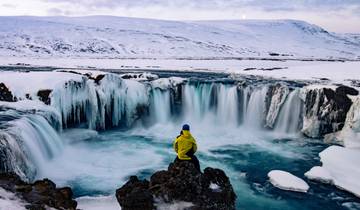
7 days
7 Day – Iceland Ring Road & Snæfellsnes Peninsula Small-Group Tour
- ✓ Comprehensive Iceland tour
- ✓ Expert local guides included
- ✓ All accommodation arranged
- ✓ Transportation provided
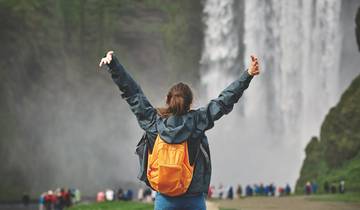
7 days
7-Day Small Group Journey Around Iceland with Premium Hotels
- ✓ Comprehensive Iceland tour
- ✓ Expert local guides included
- ✓ All accommodation arranged
- ✓ Transportation provided
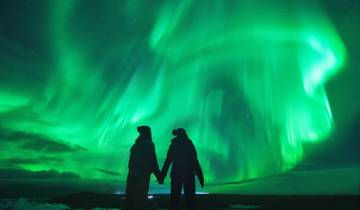
5 days
5-Day Small Group Northern Lights Hunt & Glacier Lagoon Tour
- ✓ Comprehensive Iceland tour
- ✓ Expert local guides included
- ✓ All accommodation arranged
- ✓ Transportation provided
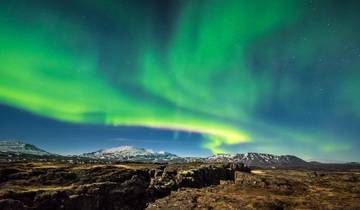
5 days
5 Days Land of Northern Lights
- ✓ Comprehensive Iceland tour
- ✓ Expert local guides included
- ✓ All accommodation arranged
- ✓ Transportation provided
Multi-day tour packages powered by TourRadar. Prices and availability subject to change.
Introduction: Swimming Between Continents in Earth’s Clearest Water
Silfra fissure occupies an extraordinary position in both geology and adventure tourism, offering experiences impossible to replicate elsewhere on Earth. The concept of swimming between continental tectonic plates sounds like theoretical geology made accessible, yet Silfra delivers precisely this phenomenon in tangible, visceral form. The fissure cuts through Þingvellir National Park in southwestern Iceland, marking the visible boundary where the North American and Eurasian plates separate at approximately 2 centimeters annually. This continental drift creates a widening crack that fills with glacial meltwater filtered through volcanic rock for decades, producing water clarity that scientific measurements confirm approaches the maximum physical limits of water transparency.
The geological significance extends beyond simple novelty. Silfra represents one of the few locations worldwide where the Mid-Atlantic Ridge – the underwater mountain chain running down the Atlantic Ocean’s center – emerges above sea level due to Iceland’s position atop a mantle plume hotspot. The combination of tectonic spreading and volcanic activity creates the landscape that makes Iceland exist at all. Silfra’s formation occurred during a major earthquake in 1789 when plate movement created the initial crack that subsequent events widened into the current fissure. The ongoing drift means Silfra’s width increases measurably each year, though the change remains imperceptible during individual human lifetimes.
The water clarity constitutes Silfra’s most remarkable characteristic beyond its geological drama. Visibility measurements regularly exceed 100 meters horizontally and vertically, allowing snorkelers to perceive depths and distances impossible in conventional aquatic environments including tropical seas or freshwater lakes. The source water originates at Langjökull, Iceland’s second-largest glacier, located approximately 50 kilometers distant. Glacial meltwater percolates underground through porous volcanic basalt for 30-100 years depending on flow paths, during which time the rock’s interconnected pore structure filters out virtually all particles, minerals, and organic matter. The water emerging at Silfra achieves purity levels comparable to distilled water while maintaining drinkability and containing trace minerals from the volcanic rock.
The snorkeling experience emphasizes tranquility and observation rather than physical challenge or marine life encounters. Unlike tropical snorkeling focused on coral reefs and colorful fish, Silfra offers geological drama, spatial perception, and meditative floating through landscapes that feel more lunar than marine. The water contains minimal fish life since the glacial temperature and nutrient-poor composition discourage most species. Bright green “troll hair” algae provides the primary color beyond the blue water and brown-gray volcanic rock, creating an otherworldly aesthetic distinct from conventional underwater environments. The silence beneath the surface combines with the extreme clarity to produce what many participants describe as flying or floating through air rather than swimming through water.
Understanding Silfra requires recognizing its protected status within Þingvellir National Park, a UNESCO World Heritage Site valued for both geological and cultural historical significance. The park served as Iceland’s parliamentary meeting site from 930 AD through 1798, making it the location where the world’s oldest continuous parliament convened. The combination of geological wonder and cultural heritage means Silfra operates under strict environmental regulations limiting daily visitor numbers, requiring mandatory guided tours, and prohibiting behaviors that could damage formations or reduce water quality. These protections ensure the site’s preservation while allowing controlled access that balances conservation with tourism.
Silfra Geology and Water Source
Silfra’s geological formation reflects Iceland’s unique position straddling the Mid-Atlantic Ridge where the North American and Eurasian tectonic plates separate. The island exists because volcanic activity along this spreading zone creates enough magma to build landmass above sea level, whereas most of the Mid-Atlantic Ridge remains underwater as an oceanic mountain range. The plates diverge at approximately 2 centimeters annually in a process called seafloor spreading, with new volcanic material filling the gap created by separation. This ongoing process means Iceland continuously expands while experiencing frequent volcanic eruptions and earthquake activity.
The specific fissure at Silfra formed during a major earthquake in 1789 when tectonic forces created a crack in the existing basalt formations. Subsequent seismic events widened the initial crack into the current fissure structure with its distinctive narrow sections and wider chambers. The geological timeline means Silfra is relatively young by geological standards – merely 235 years old compared to the millions of years typical for major geological features. The youth combined with ongoing tectonic activity means the fissure continues evolving, with measurements showing measurable widening each year though the rate remains slow enough that individual visitors cannot perceive changes.
The fissure’s structure creates four distinct sections recognizable during snorkeling. Big Crack represents the narrowest portion where the continental plates approach within meters of each other, creating a confined space where extended arms could theoretically touch both continents simultaneously if touching were permitted. Silfra Hall widens substantially, revealing the full spectrum of water colors and allowing clearer views of the depths below and distances ahead. Silfra Cathedral reaches maximum depths near 23 meters in some locations, creating the sensation of flying over an underwater canyon. Silfra Lagoon provides a shallow, wider ending where the fissure opens toward Þingvallavatn lake. Each section offers distinct visual and spatial characteristics that combine into a complete geological narrative.
The water source determines Silfra’s remarkable clarity and constant cold temperature. Langjökull glacier, Iceland’s second-largest ice cap located approximately 50 kilometers northeast of Þingvellir, provides the source water through glacial melting. The meltwater enters the ground at the glacier’s edges and begins a slow underground journey through Iceland’s volcanic bedrock. The basaltic lava that comprises much of Iceland’s subsurface contains interconnected pores and channels created when molten lava cooled and solidified with trapped gases creating void spaces. These pores function as a natural filtering system as water percolates through over decades.
The filtration timeline ranges from 30 to 100 years depending on the specific underground pathway the water follows from Langjökull to Silfra. During this extended underground residence, the volcanic rock removes particles through physical filtration as water squeezes through progressively smaller pores. Chemical processes dissolve some minerals while precipitating others, though the net effect leaves the water remarkably pure with minimal dissolved content. Biological activity remains nearly absent in the underground environment, preventing organic contamination. The result is water that emerges at Silfra with clarity exceeding most bottled drinking water while remaining safe to drink directly from the fissure.
The constant temperature reflects the underground flow’s insulation from seasonal variations. Glacial meltwater begins near freezing, and the underground journey maintains cool temperatures since the surrounding rock remains relatively constant temperature year-round at depths below surface influence. The water emerges at Silfra between 2-4°C regardless of season, creating year-round consistency impossible in surface water bodies. This stability allows snorkeling operations to function throughout the year without seasonal closures, though air temperature and weather conditions affect the surface experience significantly even when underwater conditions remain constant.
Physical Requirements and Medical Restrictions for Silfra Snorkeling
Silfra snorkeling imposes specific physical requirements and medical restrictions designed to ensure participant safety in the challenging environment of near-freezing water and drysuit constraints. Understanding these prerequisites before booking prevents disappointment and potential safety issues during the tour.
Age Requirements for Silfra Participants
The minimum age for Silfra snorkeling is 12 years, though some tour operators set the threshold at 14 years depending on their safety protocols. Children under 18 must be accompanied by a parent or legal guardian who also participates in the snorkeling tour, ensuring adult supervision throughout the experience. The age minimum reflects not just physical capability but also the maturity needed to follow safety instructions, remain calm in cold water, and handle the psychological challenge of breathing through a snorkel while wearing a constraining drysuit. Exceptions for younger children occasionally occur if they meet height and weight requirements and demonstrate exceptional swimming ability, though operators evaluate these cases individually rather than guaranteeing acceptance.
The upper age limit takes a different approach, with participants aged 60-69 years requiring a doctor’s medical certificate approving their participation. The certificate must be signed by a physician familiar with the participant’s health status and the specific demands of cold water snorkeling in drysuits. Participants aged 70 and above face stricter restrictions with most operators declining participation regardless of health status, though policies vary by company. The age-related requirements recognize that cold water exposure, drysuit pressure, and physical exertion create cardiovascular stress that increases risk for older participants, particularly those with undiagnosed conditions.
Height and Weight Restrictions
Drysuit sizing determines the strict height and weight parameters for Silfra participation. Participants must fall within the height range of 150-200 centimeters (5’0″-6’7″) and weight range of 45-120 kilograms (99-265 pounds). These limits reflect the available drysuit inventory that operators maintain, with suits manufactured in standardized sizes that cannot accommodate individuals outside these parameters. The restrictions exist for safety rather than arbitrary discrimination – improperly fitting drysuits leak water, fail to provide adequate thermal protection, and create mobility issues that endanger participants.
Height and weight work together in determining proper fit, with operators using both measurements to select appropriate suit sizes. A person at minimum height but maximum weight, or vice versa, may fall outside safe fitting parameters even if each measurement individually remains within range. The drysuit’s neck seal provides the most critical fit point, as excessive looseness allows water infiltration while excessive tightness creates discomfort and potential breathing restriction. Wrist seals function similarly, requiring precise sizing to maintain waterproof integrity without cutting off circulation. Participants who arrive for tours outside stated parameters face refusal without refund, making honest self-assessment essential during booking.
Swimming Ability and Fitness Requirements
Participants must be able to swim confidently and complete 500 meters of swimming plus 600 meters of walking as baseline fitness indicators. The swimming requirement does not demand speed or particular stroke proficiency, but rather comfort moving through water without panic and ability to maintain forward progress using fins. The walking distance accounts for the approach from parking to the entry point carrying drysuit equipment, which adds weight and creates awkward mobility. These requirements screen for general fitness level adequate to handle the physical demands without excessive fatigue or stress.
The snorkeling route itself involves minimal physical exertion compared to conventional swimming, as the drysuit’s natural buoyancy keeps participants floating effortlessly and the current assists during the first half of the route. However, the second half may require swimming against slight current, and participants need enough stamina to complete the 30-45 minute duration without exhaustion. Claustrophobia presents a significant consideration given the drysuit’s tight neck seal and the enclosed feeling some people experience when wearing the full equipment. Individuals with claustrophobia should honestly assess their tolerance before booking, as mid-tour panic creates serious safety concerns.
Medical Conditions and Health Declarations
All participants must complete and sign a medical statement before snorkeling, declaring their health status and acknowledging risks associated with cold water exposure and drysuit use. Certain medical conditions result in automatic exclusion without exception, including current or previous heart disease, heart surgery, or heart attack; lung disease or breathing difficulties; epilepsy or seizure disorders; diabetes; and pregnancy. These absolute contraindications reflect conditions where cold water shock, physical exertion, or drysuit constraints could trigger life-threatening events.
Additional medical conditions require physician approval before participation. These include asthma, high blood pressure, ear or sinus problems, previous shoulder dislocation, recent surgeries within the past year, and current medications affecting consciousness or physical performance. Participants with these conditions must obtain written medical clearance on the operator’s medical form, signed by a physician who understands the specific demands of Silfra snorkeling. The clearance requirement ensures that medical professionals evaluate risk rather than leaving the decision to tour operators or participants themselves.
Pregnant women face absolute prohibition from Silfra snorkeling regardless of pregnancy stage or health status. The cold water exposure, drysuit pressure, physical exertion, and potential for falls or accidents create unacceptable risks to fetal development and maternal health. This restriction applies even in early pregnancy before physical changes become apparent, making honest disclosure essential. Participants who conceal pregnancy and later experience complications face both medical risks and legal liability issues.
Substance Use and Medication Restrictions
Participants must be sober and free from alcohol or recreational drugs for at least 12 hours before snorkeling. Alcohol affects judgment, reaction time, body temperature regulation, and cardiovascular function, all of which create serious risks in cold water environments. Operators reserve the right to refuse participation to anyone appearing intoxicated or impaired, with no refund provided for refused participants. Prescription medications require evaluation on individual basis, with some medications causing drowsiness, dizziness, or cardiovascular effects incompatible with safe participation.
Silfra Snorkeling Tour Costs and Pricing Structure
Silfra snorkeling tours cost ISK 21,000-28,000 ($150-$200) per person depending on tour options and operator selections. The pricing reflects equipment costs, guide expertise, park permits, and operational expenses in Iceland’s high-cost economy. Understanding the cost components and available options helps travelers select tours matching their budgets and preferences.
Standard “meet on location” tours at the lower price point of approximately ISK 21,000-25,000 ($150-$175) require participants to drive themselves to Þingvellir National Park’s P5 parking area designated for Silfra activities. These tours include drysuit rental, thermal undersuit, hood, gloves, mask, snorkel, fins, guided snorkeling through all four fissure sections, Silfra entry permit, safety briefing, equipment instruction, and post-snorkel hot chocolate and cookies. The cost excludes transportation, parking fees at Þingvellir, and personal clothing layers worn under the provided thermal undersuit. Many operators also provide underwater photography as tour inclusion, though some charge separately for this service.
Tours including Reykjavik pickup and drop-off increase costs to approximately ISK 26,000-28,000 ($185-$200) per person. The additional fee covers round-trip transportation from central Reykjavik accommodations to Silfra, typically requiring 45-60 minutes each direction depending on traffic conditions. Pickup service operates on a scheduled route rather than door-to-door, with participants meeting at designated locations throughout the city. The transportation option suits travelers without rental vehicles or those preferring not to drive unfamiliar roads in potentially challenging Icelandic weather.
Combination tours bundling Silfra snorkeling with Golden Circle sightseeing reach ISK 45,000-55,000 ($315-$385) per person for full-day experiences visiting Gullfoss waterfall, Geysir geothermal area, and other attractions alongside the snorkeling component. These extended tours provide efficient itineraries for travelers with limited time who want comprehensive Golden Circle coverage including Silfra rather than making separate trips. The pricing reflects the extended duration of 8-10 hours compared to snorkeling-only tours lasting 2.5-3 hours from meeting time to conclusion.
Private and semi-private tour options exist at premium pricing, allowing couples or small groups to reserve dedicated guides rather than joining larger groups. These tours cost significantly more – typically ISK 120,000-130,000 ($840-$910) for up to 6 participants – but provide flexible scheduling, personalized attention, and ability to proceed at the group’s preferred pace. The per-person cost becomes comparable to standard tours when the private booking includes 4-6 participants, making it economically viable for families or friend groups seeking enhanced experiences.
Additional costs beyond tour prices include Þingvellir National Park parking fees (approximately ISK 1,000/$7 for the day), though this permits parking in any park lot for the full day allowing post-snorkel exploration. Personal clothing layers worn under the thermal undersuit remain participant responsibility, with thermal underwear, warm socks, and contact lenses for glasses wearers representing typical additional expenses. Some operators sell photos separately when not included in base tour prices, adding ISK 3,000-5,000 ($20-$35) for digital image downloads.
Booking timing affects pricing through seasonal demand variations. Summer months from June through August see highest prices and fullest tours due to peak tourism season, with many operators requiring advance bookings weeks ahead. Winter months December through February offer more last-minute availability and occasional discounts, though weather cancellations occur more frequently. Shoulder seasons in spring and fall provide moderate pricing and booking flexibility while maintaining reasonable weather reliability. Advance booking regardless of season ensures preferred dates and times, particularly for morning tours that typically offer best light conditions and fewer crowds at the fissure.
What to Wear and Bring for Silfra Snorkeling
Proper clothing and preparation significantly affect comfort and enjoyment during Silfra snorkeling. The drysuit provides the waterproof outer layer, but participants must supply appropriate base and middle layers that work effectively within the drysuit system.
The base layer worn directly against skin should consist of long thermal underwear including both top and bottom made from wool or synthetic materials. Avoid cotton entirely, as it retains moisture, loses insulating properties when damp, and creates clammy discomfort inside the drysuit. Merino wool provides excellent temperature regulation and moisture management, while synthetic fabrics like polypropylene or polyester offer similar performance at lower cost. The base layer should fit snugly without restricting movement, as excessive looseness creates bunching inside the drysuit while excessive tightness restricts circulation and movement.
Middle layers add insulation between the base layer and the thermal undersuit provided by operators. Fleece tops and bottoms work effectively, providing warmth without excessive bulk that would prevent the drysuit from fitting properly. Wool sweaters and pants serve equally well, though synthetic fleece often proves easier to layer smoothly. The goal is adequate warmth without creating so much bulk that the drysuit becomes difficult to don or movement becomes restricted. Participants sometimes err toward excessive layering, forgetting that the drysuit traps air for insulation and the activity itself generates some body heat.
Sock selection requires two pairs – one worn during the approach and one dedicated to wearing inside the drysuit. Warm wool or synthetic socks approximately knee-high work best, providing warmth without creating pressure points inside the drysuit feet. Bring a second pair of warm, dry socks for after the snorkel, as changing into fresh socks significantly improves comfort during the return walk and drive. Avoid short ankle socks that bunch down or create gaps allowing cold suit material against skin.
Contact lenses are strongly recommended for participants who wear prescription glasses. The snorkeling mask cannot accommodate glasses, making contact lenses the only practical vision correction option. Participants without contacts face choosing between snorkeling blind or purchasing daily disposable lenses specifically for the tour. The extreme water clarity makes good vision particularly valuable at Silfra, as much of the experience involves observing distant rock formations and depths impossible to perceive clearly without vision correction.
Participants should bring complete change of clothing for after the snorkel, stored in the vehicle or changing area. Despite the drysuit’s waterproof design, small amounts of water sometimes enter through neck or wrist seals, particularly if participants move vigorously or the suit experiences minor seal failures. Having dry clothes available ensures comfort during the post-snorkel period and drive back. The changing situation at Silfra varies by operator, with some providing heated changing vans while others offer only outdoor changing behind privacy screens, making weather-appropriate outer clothing essential for the changing process itself.
Waterproof outer clothing for the approach and post-snorkel period protects against Iceland’s unpredictable weather. A waterproof jacket rated for rain and wind, warm hat, and gloves for wearing before and after snorkeling (not during – the drysuit provides different gloves) ensure comfort during the time spent outside the drysuit. The total outdoor duration can reach 2.5-3 hours for standard tours, with significant time spent preparing equipment, walking to entry points, and changing afterward, all potentially in cold, wet, or windy conditions.
Items to explicitly avoid include all jewelry, watches, rings, necklaces, earrings, and other accessories. Sharp objects can puncture or tear drysuits, resulting in water infiltration and potential hypothermia. Operators require participants to remove all jewelry before donning drysuits, with refusal to comply resulting in tour denial without refund. The drysuit neck and wrist seals also make wearing jewelry uncomfortable and potentially dangerous, as rings can prevent proper seal contact allowing water entry.
Participants should not bring valuables to Silfra unless absolutely necessary. While operators provide some storage options, the outdoor setting and lack of secure lockers mean valuable items risk theft, loss, or weather damage. Cameras and phones should remain in vehicles unless specifically designated as waterproof and compatible with cold weather use. Many operators provide underwater photography as part of tour packages, eliminating the need for personal cameras that risk damage or loss.
The Complete Silfra Snorkeling Experience: Step-by-Step Guide
Understanding the complete Silfra experience from arrival through departure helps participants prepare mentally and logistically for the adventure. The tour follows a structured sequence designed for safety, efficiency, and optimal enjoyment.
Arrival and Check-In at Silfra
Participants driving to Silfra should arrive 20-30 minutes before scheduled tour time to allow parking, walking to the meeting point, and check-in without rushing. Navigate to Þingvellir National Park’s P5 parking area using GPS coordinates 64.255825, -21.123666 or searching “Thingvellir Parking P5” in mapping applications. The parking area is specifically designated for divers and snorkelers, located approximately 5 minutes walking distance from the Silfra entry points. Parking fees of approximately ISK 1,000 ($7) apply for the day, paid via automated machines accepting credit cards.
After parking, walk along the designated path toward the company meeting areas marked with operator signage. Most tour companies maintain vans or designated meeting points in a “companies only” parking zone where guides greet participants and conduct check-in procedures. Arriving participants present booking confirmations and complete any remaining paperwork including medical statements if not submitted in advance. Guides verify that all participants meet age, height, and weight requirements before proceeding, sometimes using scales and measuring sticks to confirm compliance.
Tours with Reykjavik pickup begin 75-90 minutes before water entry time to account for the drive to Þingvellir. Pickup operates on a scheduled route collecting participants from designated downtown locations, with the van or bus making multiple stops before departing the city. Participants should wait at their designated pickup location at the specified time, as drivers cannot delay for late arrivals without affecting the entire tour schedule. The drive to Þingvellir takes 45-60 minutes depending on traffic and weather, during which guides often provide background information about Icelandic geology, Silfra’s formation, and practical details for the upcoming snorkel.
Equipment Distribution and Drysuit Fitting
Equipment distribution begins after all participants arrive and check-in completes. Guides assess each participant’s size and select appropriate drysuits from inventory, considering both height and weight to achieve proper fit at critical seal points. The thermal undersuit comes first – a thick, insulated one-piece garment worn over personal clothing layers. Participants don the undersuit which zips or velcros closed, creating the middle insulation layer between personal clothing and the drysuit itself.
The drysuit represents the crucial waterproof layer, typically manufactured by Waterproof International, O’Three, or similar specialized companies. The suit consists of heavy waterproof material with integrated boots and tight seals at neck and wrists. Guides assist participants in donning the drysuit, which requires careful technique to avoid tearing the material or damaging seals. The neck seal fits snugly against the skin, creating the waterproof barrier that some participants find uncomfortable or concerning. Guides emphasize that the tight seal prevents water entry but should not restrict breathing or cause panic – proper mental preparation helps participants adapt to the constrained feeling.
Hood and gloves complete the ensemble. The neoprene hood covers the head with an opening for the face, while thick neoprene gloves protect hands. Unlike the drysuit, the hood and gloves allow water contact, meaning participants’ heads and hands will get wet and feel cold during the snorkel. This design balance accepts wetness at extremities while maintaining dry insulation for the body core. Guides warn participants to expect the cold sensation on faces and hands, explaining that numbness typically develops within minutes and becomes less noticeable as the snorkel progresses.
Mask, snorkel, and fin fitting occurs after the drysuit, hood, and gloves. Guides help participants select properly fitting masks that seal around faces without leaking, adjust straps for secure but comfortable fit, and demonstrate anti-fog techniques. The snorkel attaches to the mask, with guides explaining proper breathing techniques and what to do if water enters the snorkel tube. Fins should fit snugly over the drysuit boots without causing pain or circulation restriction. Some participants require multiple fin sizes before achieving proper fit, as the integrated boots add bulk compared to bare feet.
The complete equipment process typically requires 45-60 minutes from initial drysuit selection through final equipment checks. Guides verify each participant’s equipment before proceeding, looking for proper seal positioning, appropriate suit inflation levels, secure mask straps, and correctly fitting fins. Participants feel awkward and bulky in the complete getup, with mobility significantly restricted compared to normal movement. Guides reassure participants that the awkwardness diminishes once entering the water where buoyancy relieves the weight and bulk.
Safety Briefing and Entry Preparation
Safety briefings occur after equipment fitting, either in the changing area or during the walk to the entry point. Guides cover essential information including entry and exit procedures, communication hand signals, what to expect during each fissure section, how to breathe properly through the snorkel, response protocols if the mask leaks or the snorkel floods, and emergency procedures if participants need assistance. The briefing emphasizes that snorkeling at Silfra involves calm floating rather than vigorous swimming, with the current assisting during the first half and only gentle swimming required during the second half.
Guides explain the prohibition against touching any surfaces including rock walls, the fissure bottom, or aquatic vegetation. This rule protects both the environment and participant safety, as touching rock surfaces can damage fragile formations and algae while also creating suit puncture risks from sharp edges. Participants receive instruction about maintaining proper spacing between snorkelers – close enough for guide visibility but far enough to avoid accidental kicking with fins. The guide-to-participant ratio typically remains 1:6, allowing close supervision and individual assistance when needed.
The walk from changing area to entry point covers approximately 400-600 meters depending on operator locations, requiring 5-10 minutes while wearing the full drysuit ensemble. The walk’s purpose includes moving to the entry platform but also allows participants to test equipment, identify any comfort issues requiring adjustment, and begin psychological adaptation to the gear’s constrained feeling. Guides monitor participants during the walk, watching for signs of overheating, equipment problems, or excessive distress that might indicate someone is not ready to proceed.
Water Entry and Initial Adjustment
Entry into Silfra occurs from a metal platform or stairs designed specifically for drysuit snorkelers and divers. Participants enter one at a time under guide supervision, using the platform railings for stability while descending into the water. The initial water contact typically provokes sharp gasps as cold water touches faces through the mask opening. The 2-4°C temperature shocks the system momentarily, though the drysuit keeps the body dry and insulated. Guides remind participants to breathe slowly and regularly through the snorkel, resisting the impulse to panic or hyperventilate in response to the cold shock.
After entry, participants float at the surface near the platform while the guide ensures everyone enters safely and assembles the group. The drysuit’s trapped air makes sinking nearly impossible, creating effortless floating without treading water. Participants adjust to breathing through the snorkel – a breathing pattern that feels unnatural initially but becomes second nature within minutes. The first few minutes involve the most significant psychological adjustment as participants adapt to the cold sensation on exposed skin, the snorkel breathing pattern, and the overall strangeness of the situation.
Guides check that all participants achieve stable floating positions with faces down, snorkels functioning properly, and no signs of panic or equipment failure. Any issues get addressed immediately while still close to the entry platform where remediation or exit remain simple. Once the group settles, the guide leads them away from the entry area toward the first fissure section, establishing the pace and formation that will continue throughout the route.
Navigating the Four Silfra Sections
Big Crack (Silfra Crack) comprises the first section and narrowest portion of the route. The continental plates approach within meters of each other, creating a confined channel where walls rise on both sides. The sensation of floating between continents becomes visceral here as the North American plate occupies one side and the Eurasian plate the other, with the gap representing the literal continental boundary. The depth remains moderate in this section, allowing clear views of the bottom while emphasizing the vertical walls’ proximity. Participants often report Big Crack as the most dramatic section psychologically due to the clear continental division.
Silfra Hall follows as the fissure widens substantially. The broadened space allows the water’s full color spectrum to become apparent, with vibrant blues dominating and occasional patches of bright green “troll hair” algae adding color contrast. The increased width provides clearer sightlines in all directions, allowing participants to perceive the extreme visibility as distant rock formations and depths remain sharply focused. The hall’s dimensions create a more open, less confined feeling compared to Big Crack, though the increased depth becomes apparent as the bottom recedes farther below.
Silfra Cathedral represents the deepest section, with bottom depths reaching 23 meters in some locations. The cathedral designation reflects the dramatic vertical space and the light filtering down through the clear water creating an almost ecclesiastical atmosphere. Participants float on the surface but can perceive the depth clearly below, creating the flying sensation many describe when discussing Silfra. The large boulders and glacial silt visible far below appear close due to the clarity, though the actual distances surprise participants when guides explain the measurements.
Silfra Lagoon concludes the route in a shallower, wider area where the fissure opens toward Þingvallavatn lake. The lagoon provides gentler conditions and serves as the exit area where participants make the transition from snorkeling to standing and exiting the water. The visibility remains exceptional, and the increased light in the shallower water creates different color effects compared to the deeper sections. The current dissipates in the lagoon, making exit procedures calm and controlled.
The complete route through all four sections requires 30-45 minutes of water time depending on group pace, individual swimming speeds, photography stops, and guide preferences. Most guides maintain a relaxed pace allowing participants to fully appreciate each section’s unique characteristics rather than rushing through to complete the route quickly. Guides monitor participants continuously, watching for signs of cold stress, equipment problems, or fatigue requiring intervention or assistance.
Exit, Equipment Removal, and Post-Snorkel Procedures
Exiting occurs via another metal platform or stairs in the Silfra Lagoon area. Participants climb out one at a time, removing fins either in the water or immediately after reaching the platform depending on guide instructions. The exit creates a reversal of the entry shock as participants transition from water immersion to air exposure, sometimes feeling colder initially when emerging despite being dry inside the drysuit. Guides assist participants as needed, particularly those experiencing stiffness or cold sensitivity affecting mobility.
After all participants exit safely, the group walks 400-600 meters back to the changing area. This walk can feel longer than the approach as the cold water experience, physical exertion, and psychological relief create fatigue. Participants often experience facial numbness and cold hands during the walk as the wet hood and gloves lose what little warmth they provided in the water. The walk serves important purposes beyond simply returning to the starting point – it allows participants to safely warm up gradually rather than making abrupt transitions from cold to warm that can create physiological stress.
Equipment removal occurs in the changing area, with participants peeling off the drysuit, thermal undersuit, and wet hood and gloves. Some operators provide heated changing vans where participants can change in warm, enclosed spaces. Others rely on outdoor changing areas with privacy screens or tents. The changing process reveals whether any water entered the drysuit through seal leaks or suit damage – most participants remain completely dry underneath, though small amounts of water around the neck or wrists occur occasionally without creating significant problems.
Operators typically provide hot chocolate and cookies after equipment return, creating a social recovery period where participants discuss their experiences, warm their hands on hot cups, and allow their body temperatures to normalize. The hot beverage and sugar provide psychological comfort and practical calories to support recovery from cold exposure. This post-snorkel period lasts 15-30 minutes depending on weather, operator schedules, and participant preferences.
Photo distribution procedures vary by operator. Companies providing complimentary photography usually upload images to online galleries within 24-48 hours, sending participants access links by email. Some operators deliver photos immediately via memory cards or phone transfers. The photos typically include both underwater images taken by guides during the snorkel and surface shots of participants in their drysuits before or after the experience. Photo quality varies based on guide photography skills, water conditions, and camera equipment, though most participants value the images as documentation regardless of artistic merit.
Seasonal Considerations and Year-Round Snorkeling
Silfra operates year-round due to constant water temperature and visibility unaffected by seasons. The underwater experience remains essentially identical whether snorkeling in January or July, as the 2-4°C water and 100+ meter visibility persist throughout the annual cycle. However, surface conditions, accessibility, weather, and overall visitor experience vary significantly by season, making timing choices important for comfort and enjoyment beyond the actual in-water period.
Summer snorkeling from June through August provides the most comfortable surface conditions, with air temperatures reaching 10-15°C (50-59°F) on average and occasional warm days climbing higher. The extended daylight hours – including the midnight sun period – allow flexible tour scheduling and eliminate darkness concerns. Warmer air temperatures make the equipment donning and removal processes less miserable, as standing outdoors in drysuits or changing clothes occurs in relatively mild rather than harsh conditions. The summer season sees highest tourism volumes, meaning tours book weeks in advance and the fissure experiences maximum daily visitor traffic.
The summer crowds create both positives and negatives. More people means more tour departures with flexible timing options and greater operator competition potentially affecting prices. However, the increased traffic means less solitude and more waiting times as groups queue for entry platforms and changing facilities. The Þingvellir National Park itself becomes crowded with tourists visiting Golden Circle attractions beyond Silfra, affecting the overall tranquility of the experience even if the underwater portion remains relatively isolated from surface crowds.
Winter snorkeling from December through February offers dramatically different surface experiences despite identical underwater conditions. Air temperatures regularly fall below freezing, with averages around 0°C (32°F) and cold snaps dropping substantially lower. The extreme cold makes equipment changes challenging and uncomfortable, requiring excellent cold-weather gear and mental toughness to handle the exposure. The limited daylight hours – as few as 4-5 hours around the winter solstice – restrict tour scheduling to midday periods and eliminate late afternoon or evening options.
Winter advantages include significantly reduced crowds as fewer tourists visit Iceland during the dark, cold months. Tours often operate with smaller groups and last-minute availability becomes common unlike summer’s advance booking requirements. The snow-covered landscape creates striking aesthetics where pristine white surroundings contrast with the dark water and rock formations. Northern lights possibilities exist during winter darkness, though viewing from Silfra itself remains unlikely due to the midday tour timing needed for adequate light.
The psychological challenge intensifies during winter, as the combination of dark, cold air and frigid water requires greater mental resilience than summer’s relatively mild conditions. Winter suits participants who value solitude, dramatic landscapes, and the adventure of challenging conditions over comfort and convenience. The actual snorkeling remains identical to summer once participants enter the water, though the approach and exit procedures test cold tolerance significantly.
Spring snorkeling during April and May presents transitional conditions with increasing daylight hours, warming air temperatures, and decreasing tourist volumes compared to peak summer. Snow may linger in shaded areas while sunny locations warm noticeably, creating variable conditions depending on specific days. The shoulder season pricing sometimes offers modest savings compared to summer rates, and tour availability remains good without requiring extreme advance booking. Spring weather can be particularly unpredictable, with rapid changes from calm to stormy affecting tour operations.
Autumn snorkeling from September through November mirrors spring’s transitional character with decreasing daylight, cooling temperatures, and declining tourist numbers. The autumn colors in surrounding vegetation create attractive landscape aesthetics, though the limited vegetation near the fissure itself means this remains subtle rather than dramatic. Northern lights season begins in September as darkness returns after the midnight sun period, though again the midday tour timing means aurora viewing opportunities remain limited. Autumn weather tends toward wind and rain, requiring appropriate gear and flexibility regarding potential tour cancellations.
Weather cancellations can occur any season but increase during winter and shoulder periods when storms, high winds, or dangerous conditions create safety concerns. Operators cancel tours when conditions exceed safe operating parameters, providing alternative date options or full refunds per their policies. The constant water temperature means cancellations result from surface conditions – wind preventing safe platform use, storms creating dangerous driving conditions, or visibility reduction from heavy precipitation – rather than water temperature or clarity issues.
Photography at Silfra: Capturing the Underwater Experience
Photography at Silfra presents unique opportunities and challenges created by the exceptional water clarity, limited light conditions, and restricted equipment options in the cold water environment. Understanding the photographic considerations helps participants maximize image quality whether relying on guide-provided photos or attempting personal documentation.
Most tour operators include underwater photography as standard service or available add-on, with guides using waterproof action cameras to document the snorkel. These guide-taken photos provide the primary visual documentation for most participants, as bringing personal cameras creates equipment, safety, and waterproofing complications. The guide photos typically capture wide-angle views showing multiple participants floating through fissure sections, detail shots of rock formations and water clarity, and surface images of participants in drysuits before or after the snorkel.
Image quality in guide-provided photos varies based on guide photography skills, camera equipment, and specific conditions during each tour. Some guides demonstrate excellent composition and timing, producing images that effectively convey Silfra’s scale and beauty. Others treat photography as obligatory service rather than artistic endeavor, resulting in adequate documentation without exceptional visual impact. The automatic camera settings typically used in action cameras often struggle with Silfra’s contrast conditions – bright areas where light penetrates clearly versus dark shadows in deep sections or under overhangs – sometimes producing images with blown highlights or blocked shadows.
Participants bringing personal cameras face significant challenges in the Silfra environment. The cameras must be truly waterproof rated to significant depths rather than merely water-resistant, as the frigid temperature and potential for extended immersion exceed the survival limits of water-resistant phones or cameras. Action cameras like GoPro models work well when properly housed and operated, though the drysuit gloves make button operation difficult and the cold affects battery life unpredictably. Attaching the camera securely while maintaining freedom of movement requires appropriate mounting systems that don’t interfere with snorkeling or risk dropping expensive equipment into the fissure.
The lighting conditions in Silfra favor photography in some ways while challenging it in others. The water’s exceptional clarity eliminates the suspended particle backscatter that plagues underwater photography in conventional environments, allowing clean images without the white specks from illuminated particles common in ocean photography. However, the deep fissure sections and overhead rock formations create dark conditions where adequate light becomes limiting. Midday tours benefit from maximum overhead sun penetration, while morning or late afternoon timing reduces light angles and intensity.
Wide-angle lenses capture Silfra’s scale and dramatic rock formations most effectively, showing the relationship between snorkelers and the surrounding geology that creates the experience’s power. Ultra-wide focal lengths around 10-16mm equivalent create the most impressive compositions, though such lenses require large camera systems incompatible with simple action cameras. The extreme clarity allows telephoto shooting across distances impossible in normal water, creating opportunities to photograph distant rock formations or other snorkelers with unusual sharpness. However, the drysuit constraints and group movement patterns limit the positioning and timing control needed for sophisticated telephoto work.
Color rendition in Silfra tends toward blues and cyans due to the glacial water’s optical properties and the basalt rock’s dark grays and browns. The bright green “troll hair” algae provides the primary color accent, appearing as vivid green patches against the blue water and dark rock. Post-processing allows color enhancement and white balance adjustment, though the natural palette remains relatively monochromatic compared to tropical reef photography’s rainbow colors. The aesthetic appeals to those appreciating subtle earth tones and minimalist compositions rather than vibrant color explosions.
Video documentation works well for capturing the continuous motion and changing perspectives during the snorkel route, providing more complete documentation than still images alone. However, video files create large data loads and require more sophisticated editing to produce watchable results from raw footage. The combination of some still images and video clips provides comprehensive documentation allowing both single-moment captures and flowing movement through the fissure sections.
Comparing Silfra to Other Snorkeling Destinations
Silfra occupies a unique position in global snorkeling destinations, offering experiences fundamentally different from tropical reef snorkeling or other freshwater sites. Understanding these differences helps travelers evaluate whether Silfra matches their interests and expectations compared to conventional snorkeling alternatives.
The most obvious distinction involves temperature, as Silfra’s 2-4°C water contrasts sharply with tropical snorkeling’s 24-28°C conditions. The temperature difference creates entirely different equipment requirements, with tropical destinations allowing simple swimsuits or wetsuits versus Silfra’s mandatory drysuits. The cold also eliminates the casual, relaxed character of tropical snorkeling where participants can spend hours in the water without discomfort. Silfra’s 30-45 minute duration reflects the practical limits of cold exposure even with drysuit protection, versus tropical sites where fatigue or sunburn typically limit duration rather than cold.
Marine life differences prove equally stark. Tropical reef snorkeling emphasizes fish diversity, colorful coral formations, sea turtles, rays, and other biological spectacles. Silfra offers virtually no animal life beyond occasional fish that wander in from Þingvallavatn lake before quickly retreating from the cold. The minimal biological activity reflects the glacial water’s nutrient-poor character and extreme temperature that few species tolerate. Visitors seeking fish interactions, coral beauty, or wildlife encounters find Silfra disappointing from biological perspectives.
However, Silfra’s geological drama surpasses any tropical reef in terms of tectonic significance and spatial scale. No tropical location allows snorkeling between continental plates or provides the visceral sensation of floating within Earth’s fundamental geological processes. The rock formations, continental boundaries, and overall geological narrative create educational and conceptual experiences impossible at biological snorkeling sites. The visibility also exceeds tropical reefs by factors of 3-5 times, as even the clearest tropical water rarely exceeds 30-40 meters visibility while Silfra routinely provides 100+ meters.
Comparing Silfra to other freshwater snorkeling sites reveals similar distinctiveness. Florida’s freshwater springs offer clear water and comfortable temperatures but lack geological drama and the continental plate phenomenon. Cenotes in Mexico provide unique cave snorkeling with stalactites and light shafts but operate at tropical temperatures with different aesthetic and geological character. Alpine lakes in Europe offer cold water snorkeling in mountain settings but cannot match Silfra’s clarity or geological significance. No freshwater snorkeling site worldwide duplicates the combination of extreme clarity, tectonic plate positioning, and glacial water that defines Silfra.
The experience emphasis differs fundamentally between Silfra and conventional snorkeling. Tropical destinations emphasize leisurely enjoyment, biological observation, and relaxed floating over extended periods. Silfra emphasizes geological education, meditative floating in surreal clarity, and the challenge of cold water adventure. Tropical snorkeling suits families, casual recreationists, and those seeking colorful beauty. Silfra appeals to geology enthusiasts, adventurers accepting cold and difficulty for unique experiences, and travelers prioritizing singular phenomena over comfortable ease.
Photography opportunities show both advantages and limitations compared to tropical alternatives. Silfra’s clarity eliminates backscatter and allows sharp distant views impossible in particle-rich ocean water. However, the limited color palette and minimal wildlife reduce visual diversity compared to tropical reefs’ explosion of colors, shapes, and movements. The blue-gray aesthetic appeals to minimalist sensibilities but cannot compete with tropical vibrance for sheer visual impact.
Accessibility considerations favor tropical destinations for most travelers. Warm-water snorkeling requires minimal equipment, training, or physical capability, making it accessible to young children, elderly participants, and those with physical limitations. Silfra’s age restrictions, size requirements, medical limitations, and physical demands exclude many potential participants who could easily handle tropical snorkeling. The higher cost and specialized nature mean Silfra remains a deliberate destination choice rather than the spontaneous beach activity tropical snorkeling often represents.
Silfra Safety Considerations and Emergency Procedures
Silfra snorkeling maintains strong safety records through comprehensive guide training, equipment quality, environmental protection rules, and conservative operational practices. Understanding the safety framework and potential risks helps participants make informed decisions and behave appropriately during tours.
Guide qualifications provide the foundation for safe operations. All Silfra guides maintain PADI Divemaster or Instructor certifications, demonstrating advanced diving knowledge and training capacity. Many also hold specific cold water diving certifications and first aid qualifications through Emergency First Response or similar programs. The certification requirements ensure guides understand hypothermia recognition and treatment, drysuit emergency procedures, and water rescue techniques specific to the Silfra environment. The guide-to-participant ratio typically remains 1:6, allowing close supervision impossible with larger groups.
Equipment quality and maintenance receive continuous attention from reputable operators. Drysuits undergo regular inspection for seal integrity, material wear, and waterproof zipper function, with damaged suits removed from service until repaired. Masks, snorkels, and fins receive similar inspection protocols ensuring no participant receives equipment likely to fail during use. The thermal undersuits get cleaned between uses and inspected for zipper function and material integrity. Equipment redundancy means operators maintain backup drysuits and gear allowing quick substitutions if issues arise during participant fitting.
Environmental hazards at Silfra remain minimal compared to ocean snorkeling with its currents, waves, and marine life risks. The fissure’s enclosed character eliminates ocean currents and waves, while the minimal fish life means no jellyfish, sharks, or other potentially dangerous animals. The primary environmental risks involve cold water shock and hypothermia if drysuits fail, sharp rock edges that could puncture suits or cut exposed skin, and the psychological stress of cold exposure and enclosed spaces potentially triggering panic in susceptible individuals.
Cold water shock occurs when sudden cold exposure triggers involuntary gasping and hyperventilation, potentially causing drowning if the person’s face is underwater during the response. Silfra entry procedures minimize this risk by conducting controlled entries from platforms while guides monitor participant responses. The face-down floating position used during snorkeling means participants breathe through snorkels with faces partially submerged, though the breathing tube remains above water preventing aspiration. Guides watch for hyperventilation signs and intervene immediately if participants show distress.
Hypothermia risk exists if drysuits leak significantly or participants spend excessive time in the water without adequate insulation. The drysuit system normally provides excellent thermal protection keeping participants comfortable throughout the 30-45 minute snorkel duration. However, major seal failures or suit tears could allow rapid water infiltration creating dangerous cold exposure. Guides monitor participants for hypothermia signs including shivering, confusion, loss of coordination, and reduced responsiveness, though such severe symptoms rarely occur during the short snorkel duration even with minor leaks.
Claustrophobia and panic represent psychological rather than physical risks but create serious safety concerns nonetheless. The drysuit’s tight neck seal, hood coverage, and snorkel breathing combine to create constrained sensations that trigger panic responses in susceptible individuals. Panic in the water leads to thrashing, hyperventilation, potential aspiration if the snorkel floods, and exhaustion. Guides receive training in recognizing and managing panic responses, with protocols for calming participants or facilitating rapid exit if panic becomes unmanageable. The platform proximity during initial water entry allows quick exit if panic develops immediately upon entering.
Emergency procedures address potential incidents ranging from minor discomfort to serious medical events. For equipment problems including mask leaks, snorkel flooding, or minor drysuit leaks, guides provide immediate assistance adjusting equipment or helping participants to the exit if the problem cannot be resolved in the water. For more serious issues including suspected hypothermia, panic attacks, or injury, guides have protocols for rapid water exit, emergency warming procedures, and communication with emergency services if needed. First aid equipment including warming blankets, medical supplies, and communication devices remains available at the tour operation base.
Weather-related cancellations prevent many potential safety issues by eliminating tours during dangerous conditions. Operators monitor weather forecasts and current conditions, canceling tours when wind, precipitation, or temperature exceed safe parameters. The conservative approach prioritizes participant safety over revenue generation, though the cancelation policies vary regarding whether participants receive refunds or alternative date options. Participants traveling to Iceland specifically for Silfra snorkeling should build schedule flexibility allowing for weather cancellations and rescheduling.
Diving at Silfra: Alternative to Snorkeling
Scuba diving at Silfra provides deeper exploration and extended bottom time compared to surface snorkeling, though it requires diving certification and more extensive equipment. Understanding the diving option helps travelers decide whether the additional complexity justifies the enhanced access to Silfra’s depths.
Diving requires Open Water certification as the minimum qualification, plus either Drysuit certification or a logbook documenting at least 10 logged drysuit dives within the preceding two years. The drysuit requirement reflects the specialized skills needed for buoyancy control and emergency procedures in drysuits versus wetsuits, as the two systems function fundamentally differently. Divers must be minimum age 18 for Silfra diving compared to age 12 for snorkeling, reflecting the greater complexity and risks associated with scuba equipment and deeper penetration.
The diving experience allows descents to the Cathedral section’s full 23-meter depth and extended exploration of features inaccessible to surface snorkelers. Divers can approach the bottom more closely, examine rock formations in detail, and spend up to 40-45 minutes underwater versus snorkelers’ 30-45 minutes at the surface. The additional depth and freedom of movement provide more comprehensive geological observation and photography opportunities, though the core visual experience – the extreme clarity and continental plate positioning – remains similar to snorkeling.
Equipment requirements expand significantly for diving compared to snorkeling. Divers must bring their own regulators, buoyancy compensators (BCDs), dive computers, and other personal gear, though drysuits can be rented from operators. The equipment transport, setup, and checkout procedures extend pre-dive preparation time compared to snorkeling’s simpler equipment distribution. Diving also demands greater physical fitness and swimming capability than snorkeling, as divers must manage heavier equipment and maintain buoyancy control throughout the dive.
Cost increases proportionally to the expanded equipment and supervision requirements. Silfra diving tours cost approximately ISK 30,000-35,000 ($210-$245) for standard dives, rising to ISK 45,000+ ($315+) for diving combined with Golden Circle tours. The higher prices reflect the specialized guides needed (requiring Divemaster or Instructor certification versus snorkel guide training), equipment complexity, longer duration, and liability concerns associated with deeper diving.
The decision between snorkeling and diving depends on certification status, budget, time availability, and desired experience depth. Certified divers comfortable in drysuits should seriously consider diving for the more complete Silfra experience. Non-certified participants or those without drysuit training should snorkel, as the certification and training timeline needed for diving makes it impractical for most Iceland visitors. The snorkeling experience captures most of Silfra’s essential character – the clarity, geological wonder, and continental plate phenomenon remain equally powerful from the surface, making diving an enhancement rather than necessary upgrade for most participants.
Environmental Protection and Sustainable Tourism at Silfra
Silfra’s location within Þingvellir National Park subjects it to comprehensive environmental protection regulations designed to preserve the fissure’s unique characteristics while allowing controlled tourism access. Understanding these protections and supporting sustainable practices helps ensure Silfra remains pristine for future generations.
The prohibition against touching any surfaces represents the most visible protection rule, preventing cumulative damage from thousands of annual visitors. Rock formations, while appearing solid and durable, can suffer gradual degradation from repeated contact. The algae provides ecological value despite its minimal visual presence, and touching disrupts the limited biological communities that exist in the extreme environment. The oils, lotions, and contaminants on human skin transfer to surfaces during contact, potentially affecting water quality and biological health. Guides enforce the no-touch rule strictly, with violations potentially resulting in tour termination and park fines.
Daily visitor limits control the total number of people entering Silfra, preventing overcrowding that could exceed the environment’s carrying capacity. The limits vary by season and operator allocations, with park authorities issuing permits to approved tour companies rather than allowing unrestricted access. This system ensures adequate spacing between groups, prevents bottlenecks at entry and exit points, and maintains experience quality by limiting crowds. The permit system also allows the park to monitor which operators maintain acceptable environmental standards and revoke access for companies demonstrating poor practices.
Water quality monitoring occurs regularly to detect any pollution or degradation from tourism activities or external sources. The pristine clarity depends on the water’s purity, making contamination prevention essential for maintaining the visibility that defines Silfra’s appeal. Sunscreen, body lotions, cosmetics, and other chemical products can affect water quality if present in sufficient concentrations, creating challenges given the number of participants entering annually. Operators encourage participants to minimize product use before snorkeling and to shower when possible before tours, though enforcement remains imperfect.
Equipment standards prevent environmental damage from improper gear. All drysuits must maintain waterproof integrity to prevent lubricants or other suit treatments from entering the water. Fins must use materials and designs that minimize bottom disturbance if participants accidentally contact surfaces. Weights and other equipment require secure attachment preventing loss into the fissure where retrieval becomes difficult and presence creates visual pollution. Operators using substandard or poorly maintained equipment risk permit revocation.
The prohibition against solo or independent snorkeling ensures guide supervision and environmental rule compliance. Attempting to enter Silfra without joining an authorized tour violates park regulations and creates safety risks while bypassing environmental protections. The mandatory guide system allows enforcement of no-touch rules, group size limits, and proper entry/exit procedures that freelance visitors might ignore. Guards patrol the area monitoring for unauthorized access attempts.
Waste management receives attention given the remote location and lack of conventional facilities. Operators must pack out all waste including equipment packaging, food wrappers, and human waste from portable toilets. The pristine landscape surrounding Silfra would degrade quickly if littering occurred, making zero-waste policies essential. Participants contribute by avoiding bringing unnecessary packaging and ensuring any personal trash gets properly disposed.
The broader Þingvellir National Park context means Silfra tourism affects areas beyond the immediate fissure. Vehicle traffic to the P5 parking area, foot traffic between parking and entry points, and general tourist presence throughout the park create cumulative impacts on vegetation, wildlife, and landscape character. Visitors can minimize these impacts by staying on designated paths, respecting signage and barriers, minimizing noise, and treating the entire park with conservation mindfulness rather than focusing protections only on the underwater portion.
Climate change poses long-term threats to Silfra’s character through effects on Langjökull glacier. The glacier’s recession could eventually affect water flow rates and filtration timelines, potentially impacting the clarity that makes Silfra exceptional. Rising global temperatures might also affect the fragile ecosystems within Þingvellir, though the specific consequences remain uncertain. These distant threats underscore the importance of current conservation efforts and sustainable tourism practices that maximize Silfra’s chances of surviving environmental changes beyond human control.
Frequently Asked Questions About Silfra Snorkeling
How long does a Silfra snorkeling tour take in total?
Complete Silfra snorkeling tours require 2.5-3 hours from arrival at the meeting point through departure if meeting on location at Þingvellir. Tours including Reykjavik pickup and drop-off extend to 5-6 hours total accounting for 45-60 minutes each direction of driving time. The actual time in the water snorkeling ranges 30-45 minutes depending on group pace, with the remaining time consumed by equipment fitting (45-60 minutes), safety briefings (10-15 minutes), walking to entry point (5-10 minutes), post-snorkel walk back (5-10 minutes), equipment removal (15-20 minutes), and recovery period with hot chocolate (15-30 minutes). Participants should allocate the full tour duration plus additional time for driving if self-driving to Þingvellir from Reykjavik.
Can non-swimmers participate in Silfra snorkeling?
No, participants must be able to swim confidently and complete 500 meters of swimming as a baseline requirement. The drysuit provides buoyancy making sinking nearly impossible, but participants still need swimming capability to propel themselves through the water using fins, maintain proper body positioning, and avoid panic in the aquatic environment. The route’s second half requires swimming against slight current, impossible for non-swimmers regardless of buoyancy aids. Participants who overstate swimming abilities risk serious safety issues when their limitations become apparent in the cold water, potentially endangering themselves and requiring guide intervention that affects the entire group. Honest self-assessment about swimming capability proves essential during booking.
What happens if my drysuit leaks during the snorkel?
Minor drysuit leaks allowing small water amounts around neck or wrist seals occur occasionally and do not create emergencies, as the suit’s primary insulation comes from trapped air rather than complete dryness. Small leaks may cause discomfort from cold water against skin but rarely affect overall thermal protection during the relatively short 30-45 minute snorkel. Guides can sometimes adjust seals to reduce leakage if participants mention issues early. Major leaks from torn suit material or complete seal failures create serious concerns requiring immediate exit to prevent hypothermia, though such failures remain rare with properly maintained equipment. Participants experiencing significant water entry should signal guides immediately using hand signals learned during safety briefings rather than attempting to complete the snorkel while increasingly cold.
Is Silfra snorkeling safe for people who are claustrophobic?
Claustrophobia presents significant challenges at Silfra due to the drysuit’s tight neck seal, hood coverage over the head, and snorkel breathing pattern creating constrained sensations that can trigger claustrophobic responses. Individuals with severe claustrophobia should carefully consider whether they can tolerate these conditions before booking, as panic attacks in the water create serious safety issues. Mild claustrophobia sometimes proves manageable through mental preparation, breathing exercises, and gradual adaptation during equipment fitting and water entry. The open water environment of the fissure itself helps compared to enclosed cave snorkeling, though the equipment constraints remain regardless of surroundings. Claustrophobic individuals concerned about their tolerance should discuss concerns with operators before booking and consider starting with short test periods in drysuits before committing to the full tour.
Can I drink the water in Silfra?
Yes, Silfra water is safe to drink and many guides encourage participants to taste the water during snorkeling as part of the experience. The glacial meltwater filtered through volcanic rock for decades achieves exceptional purity approaching distilled water quality while retaining trace minerals from the basalt. The water contains no pollutants, harmful bacteria, or chemical contaminants, making it arguably the purest water most participants will ever taste. The drinking experience emphasizes Silfra’s unique character – swimming in water pure enough to drink directly creates visceral appreciation for the filtration process and environmental protection that maintains such quality. Participants drink simply by lowering the snorkel mouthpiece and allowing water to enter their mouths, though the 2-4°C temperature makes extended drinking uncomfortable.
What is the best time of day for Silfra snorkeling?
Morning tours between 09:00-11:00 generally provide optimal conditions combining adequate natural light, fewer crowds at the entry platforms, and calmer weather before afternoon winds develop. The morning sun angle creates excellent light penetration into the fissure’s deeper sections, illuminating the Cathedral area more effectively than early morning or late afternoon low-angle light. Morning tours also allow participants to complete snorkeling early in the day, leaving afternoon hours for other Golden Circle attractions or Reykjavik activities. However, individual preferences vary – some participants prefer afternoon tours after lunch allowing morning sleeping and leisurely preparation. Winter’s limited daylight hours restrict tours to midday periods regardless of preference, as adequate natural light becomes the limiting factor during short winter days.
Are there fish or marine life in Silfra?
Silfra contains minimal fish life and virtually no other aquatic animals beyond occasional visitors from Þingvallavatn lake who quickly retreat from the glacial water. The 2-4°C temperature, nutrient-poor glacial water, and extreme clarity create conditions hostile to most species. Arctic char, brown trout, and salmon that inhabit Þingvallavatn sometimes wander into Silfra’s lagoon section but avoid the colder fissure depths. The primary visible life consists of bright green “troll hair” algae (a type of filamentous algae) that grows on rock surfaces in patches providing the main color accent beyond blue water and gray rock. Participants seeking marine life encounters, colorful fish, or biological diversity will find Silfra disappointing, as the appeal lies in geology, clarity, and the continental plate phenomenon rather than biological spectacle.
How far in advance should I book Silfra snorkeling?
Summer tours from June through August require booking 2-4 weeks in advance to secure preferred dates and times, as the peak tourism season creates high demand and limited daily spaces. Popular morning tours fill earliest, sometimes requiring 4-6 weeks advance notice during July and August peak periods. Winter tours from December through February offer more flexibility with last-minute availability common, as fewer tourists visit Iceland during the cold, dark months. Shoulder seasons in April-May and September-November provide moderate booking timelines, with 1-2 weeks advance reservation generally sufficient though not guaranteed. Participants with inflexible travel dates or specific timing requirements should book as early as possible regardless of season, while those with schedule flexibility can sometimes find last-minute availability particularly during winter or shoulder periods. The booking timeline also allows proper preparation including purchasing appropriate base layers, arranging contact lenses if needed, and reviewing medical requirements.
Can I do Silfra snorkeling if I am pregnant?
No, pregnant women face absolute prohibition from Silfra snorkeling regardless of pregnancy stage, trimester, or health status. The cold water exposure creates risks to fetal development through maternal hypothermia and stress responses. The drysuit’s tight seals and compression create pressure that could affect blood flow and fetal well-being. The physical exertion, potential for falls during entry and exit, and overall stress of the experience create unacceptable risks to pregnancy health. Tour operators require participants to declare pregnancy status and will deny participation to pregnant women even if they attempt to conceal the condition. The prohibition applies from conception through delivery, making honest disclosure essential. Women uncertain about potential pregnancy should conduct testing before travel rather than risking participation while unknowingly pregnant.
What if I wear glasses and cannot use contact lenses?
Participants requiring vision correction face challenges if unable or unwilling to wear contact lenses, as the snorkeling mask cannot accommodate glasses and prescription masks remain generally unavailable for Silfra tours. Some individuals who usually wear glasses discover they can manage adequately without correction during snorkeling, particularly if their prescription primarily corrects for distance vision that remains functional without glasses in the enclosed fissure environment. However, the extreme clarity and long visibility distances make good vision particularly valuable at Silfra, as much of the experience involves observing distant rock formations and depths that blur or disappear without proper correction. Participants should prioritize obtaining daily disposable contact lenses specifically for the tour if possible, even if they typically avoid contacts. Those unable to use contacts should discuss limitations with tour operators before booking to set appropriate expectations about the diminished visual experience they will likely encounter.