
Sloth Watching Tour La Fortuna 2026: Where to See Wildlife
Key Takeaways
- Dedicated sloth watching tours cost $35-65 per person in 2026, while general wildlife tours including sloth spotting range $45-85 depending on duration and operator
- Morning tours (7:00-10:00 AM) provide 80-90% sloth encounter success rates when sloths are most active feeding and moving between trees
- Best locations include Mistico Arenal Hanging Bridges, Ecocentro Danaus, and Arenal Observatory Lodge trails with resident sloth populations and expert naturalist guides
- Two-toed sloths (Choloepus hoffmanni) and three-toed sloths (Bradypus variegatus) both inhabit La Fortuna region with slightly different habitat preferences and behaviors
- Combination wildlife tours bundling sloths, birds, monkeys, and frogs into comprehensive nature experiences offer better value than sloth-only specialized tours
- Peak season (December-April) requires 2-3 days advance booking while green season offers same-day availability and occasionally reduced rates
Planning Your Sloth Watching Experience in 2026
La Fortuna’s diverse rainforest ecosystems provide ideal habitat for both two-toed and three-toed sloth species, making the region one of Costa Rica’s most reliable destinations for sloth encounters in natural settings. The area’s protected forests, nature reserves, and wildlife corridors support healthy sloth populations observable year-round through guided wildlife tours and self-guided nature walks. Understanding sloth behavior patterns, habitat preferences, and optimal viewing times significantly increases encounter success rates.
The 2026 wildlife tourism season brings enhanced observation infrastructure including improved trail systems, upgraded viewing platforms, and professional naturalist guides trained in wildlife tracking and interpretation. Operators utilize spotting scopes and telephoto equipment for close observation without disturbing animals, following strict ethical guidelines protecting wildlife welfare. Tours emphasize education about sloth ecology, conservation challenges, and rainforest ecosystems while providing memorable wildlife viewing experiences.
Sloths are arboreal mammals spending 90-95% of their lives in tree canopies feeding on leaves, sleeping, and moving slowly between branches. Their cryptic coloration and minimal movement make them challenging to spot without trained guide assistance. Naturalist guides recognize sloth presence through subtle indicators including feeding damage patterns on cecropia trees, claw marks on branches, and characteristic postures in canopy foliage. Professional guides average 70-90% sloth encounter success rates compared to 15-30% for unguided visitors.
Wildlife viewing ethics require maintaining minimum 10-meter distances from sloths, avoiding flash photography that disturbs animals, and limiting observation time to 10-15 minutes before moving on to prevent stress. Reputable operators enforce these standards protecting both wildlife welfare and ensuring sustainable tourism practices. Tour quality directly correlates with guide expertise, with experienced naturalists providing rich ecological context enhancing both educational value and viewing success.
People Also Ask About La Fortuna Sloth Tours 2026
How much do sloth watching tours cost in La Fortuna in 2026?
Sloth watching tours in La Fortuna cost $35-65 per person in 2026 for dedicated 2-3 hour sloth-focused experiences. Check operator websites for current official rates as pricing may vary. General wildlife tours including sloth spotting along with birds, monkeys, frogs, and other fauna range $45-85 for 3-4 hour comprehensive nature walks. Premium private tours with expert naturalist guides cost $95-125 per person for personalized wildlife tracking and photography assistance.
Pricing includes professional naturalist guide services, spotting scope or binocular use, transportation from La Fortuna hotels for most operators, and sometimes refreshments or snacks. Photography assistance and wildlife interpretation enhance educational value justifying tour costs compared to self-guided attempts. Family rates and group discounts reduce per-person expenses by 10-15% for parties of four or more. Children ages 5-12 receive 20-30% discounts from most operators.
What’s the best time to see sloths in 2026?
Early morning hours 7:00-10:00 AM provide optimal sloth viewing opportunities in 2026 when these animals are most active feeding and moving between trees after nighttime rest periods. Sloths exhibit crepuscular behavior patterns with peak activity during dawn and dusk transitions, though they can be observed throughout daylight hours. Morning tours encounter sloths in 80-90% of outings compared to 60-70% success rates for afternoon sessions when sloths enter extended rest periods.
Dry season (December-April) offers slightly better visibility conditions with less foliage obscuring canopy views, while green season (May-November) provides lusher vegetation and more active wildlife overall. Both two-toed and three-toed species remain observable year-round as they don’t migrate or hibernate. Weather conditions matter less than time of day for sloth encounters, as these animals remain in trees during rain and rarely descend except for weekly bathroom trips to forest floor.
What’s the difference between two-toed and three-toed sloths?
La Fortuna region hosts both sloth species with distinct characteristics and behaviors. Three-toed sloths (Bradypus variegatus) are smaller, lighter colored, and exclusively feed on tree leaves with specialized digestive systems processing toxic compounds. They have three claws on front limbs, distinctive facial markings resembling smiles, and can turn heads 270 degrees. Three-toed sloths are diurnal (active during day) making them easier to spot during morning tours.
Two-toed sloths (Choloepus hoffmanni) are larger, darker colored, and have more varied diets including fruits, flowers, and occasionally small insects in addition to leaves. They possess two claws on front limbs, more agile climbing abilities, and primarily nocturnal habits though sometimes observed during daytime rest periods. Two-toed sloths move faster than three-toed cousins and exhibit more defensive behaviors when threatened, though both species are generally docile.
Can you see sloths without a tour guide in 2026?
Independent sloth spotting is possible at public nature reserves and hanging bridge parks where these animals are resident, though success rates drop to 15-30% without trained guide assistance. Self-guided visitors at Mistico Arenal Hanging Bridges, La Fortuna Waterfall Trail, or Arenal Observatory Lodge paths occasionally encounter sloths through patient observation and careful canopy scanning. Entry fees range $26-32 for unguided access to these facilities.
Hiring professional guides dramatically increases encounter probability to 70-90% as naturalists know current sloth locations, recognize subtle presence indicators, and understand behavior patterns enabling efficient wildlife tracking. Guides provide spotting scopes magnifying distant animals into clear view and share ecological information enriching the experience beyond mere observation. First-time wildlife watchers benefit significantly from guided tours, while experienced tropical naturalists may successfully locate sloths independently given adequate time and patience.
Extended multi-day tours – 5+ days
Featured Costa Rica Multi-Day Tour Packages
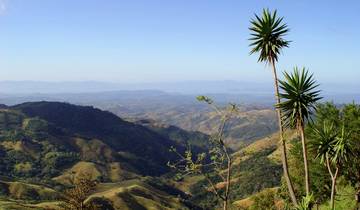
10 days
Essential Costa Rica – Package with Manuel Antonio National Park
- ✓ Comprehensive Costa Rica tour
- ✓ Expert local guides included
- ✓ All accommodation arranged
- ✓ Transportation provided
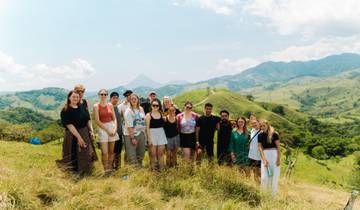
10 days
Costa Rica Adventure
- ✓ Comprehensive Costa Rica tour
- ✓ Expert local guides included
- ✓ All accommodation arranged
- ✓ Transportation provided
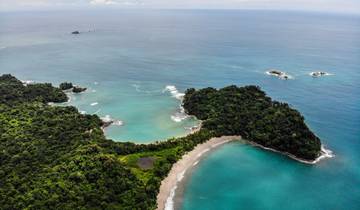
9 days
Costa Rica Quest
- ✓ Comprehensive Costa Rica tour
- ✓ Expert local guides included
- ✓ All accommodation arranged
- ✓ Transportation provided
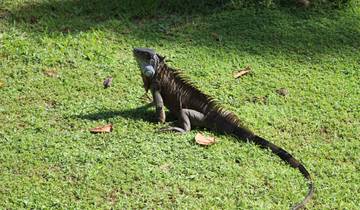
10 days
Essential Costa Rica – Package with Guanacaste
- ✓ Comprehensive Costa Rica tour
- ✓ Expert local guides included
- ✓ All accommodation arranged
- ✓ Transportation provided
Multi-day tour packages powered by TourRadar. Prices and availability subject to change.
Essential Planning Information 2026
Current Costs and Tour Options
Sloth watching tour costs in La Fortuna for 2026 follow a tiered structure based on tour duration, guide expertise, and included services. Basic 2-hour sloth-focused walks cost $35-45 per person covering essential wildlife spotting with standard naturalist guides. Mid-range 3-hour comprehensive wildlife tours including sloths, birds, monkeys, and frogs range $50-65 with experienced bilingual guides and quality optical equipment. Premium 4-hour private tours with master naturalist guides cost $95-125 per person providing personalized attention and photography assistance. Check operator websites for current official rates as pricing varies seasonally.
Combination packages bundling sloth watching with other activities provide better value than standalone wildlife tours. Popular combinations include:
- Sloth Tour + Hanging Bridges: $60-75 (saves $15-20 vs separate booking)
- Wildlife Walk + La Fortuna Waterfall: $65-80 (saves $18-25)
- Sloth Watching + Night Frog Tour: $70-85 (saves $20-28)
- Full Nature Day (Morning Sloths + Afternoon Bird Tour): $85-105 (saves $25-35)
- Wildlife Photography Package (Sloths + Birds with photo guide): $110-140 (saves $30-40)
Additional costs include entry fees to private reserves where tours operate, ranging $15-28 per person at facilities like Mistico Hanging Bridges or Ecocentro Danaus if not included in tour price. Some operators bundle entry fees within tour costs while others charge separately, requiring confirmation during booking. Transportation from La Fortuna hotels is included in most tour packages, though properties beyond 5 miles from town may incur $8-12 per person transfer supplements.
Photography equipment rental adds $15-25 for quality telephoto lenses if operators provide this service. Professional photography guides who assist with camera settings and wildlife composition techniques command premium rates $95-125 for specialized photo tours. Binocular rental costs $5-8 if not included in tour pricing, though most operators provide these complimentary. Gratuities for excellent guide service range 10-15% of tour cost, distributed at tour conclusion.
Transportation and Logistics
Most sloth watching tour operators provide complimentary hotel pickup and return service for properties located within La Fortuna town center and surrounding areas within 4 miles. Pickup occurs 15-30 minutes before tour start time depending on hotel distance from tour location. Morning tours typically begin pickups 6:30-7:15 AM for 7:00-7:30 AM tour starts, while afternoon sessions pickup 12:30-1:15 PM for 1:00-1:30 PM departures.
Tour facilities are located 10-35 minutes from La Fortuna town depending on operator. Mistico Arenal Hanging Bridges sits closest at 10-15 minutes, Ecocentro Danaus requires 15-20 minutes, and Arenal Observatory Lodge trails involve 30-35 minute drives through rural countryside. Transportation uses comfortable air-conditioned vans or minibuses accommodating 6-12 participants per departure.
Independent travelers can reach major wildlife viewing sites via taxi from La Fortuna costing $15-30 each way depending on distance. Rental car drivers find ample parking at all facilities at no additional charge. Public buses don’t provide practical access to most wildlife reserves as they operate infrequently on rural routes and don’t stop at reserve entrances. Self-driving visitors should confirm specific facility locations and road conditions before departure, as some access roads are unpaved requiring careful navigation.
Tour duration including transportation ranges 2.5-4.5 hours total with 2-3 hours devoted to actual wildlife observation and 30-90 minutes for round-trip travel. Half-day tours conclude before lunch allowing afternoon free for other activities or relaxation. Full-day wildlife experiences combining morning and afternoon sessions with lunch break extend to 6-8 hours total, suitable for dedicated nature enthusiasts wanting comprehensive exposure to La Fortuna’s biodiversity.
Best Sloth Watching Locations in 2026
Mistico Arenal Hanging Bridges Park
Mistico Arenal Hanging Bridges operates one of La Fortuna’s premier wildlife observation facilities with 3 kilometers of well-maintained trails traversing rainforest floor and canopy levels via 16 bridges including 6 suspension bridges elevated 5-60 meters above ground. The trail system provides excellent sloth habitat accessing cecropia tree groves and mature rainforest canopy preferred by both sloth species. Resident sloth populations inhabit the park area with 4-6 individuals regularly observed by guides familiar with their home ranges and movement patterns.
Guided wildlife tours at Mistico cost $60-70 per person including park entry fee, naturalist guide, and 2.5-3 hour comprehensive nature walk covering sloths, birds, monkeys, and other fauna. Self-guided entry costs $26 for independent trail exploration with complimentary trail map and wildlife checklist. Morning tours departing 7:30 AM achieve highest sloth encounter rates 85-90%, while afternoon sessions maintain 65-75% success. The park operates daily 7:30 AM – 4:00 PM with last entry at 3:00 PM.
The elevated bridge system provides unique perspectives viewing sloths at canopy level rather than looking up from forest floor, enabling better photography opportunities and behavioral observation. Six suspension bridges spanning ravines and valleys create thrilling walkways gently swaying as visitors cross, adding adventure elements to wildlife viewing experience. Bridge heights range 5-60 meters with safety railings and weight capacity ratings ensuring secure passage for all visitors.
Additional wildlife observable at Mistico includes howler monkeys, white-faced capuchin monkeys, toucans, parrots, hummingbirds, butterflies, and poison dart frogs. Guides carry spotting scopes magnifying distant animals into detailed view and provide ecological interpretation enhancing educational value. The park maintains excellent facilities including clean restrooms, gift shop, and covered rest areas with benches. Location just 10 minutes from La Fortuna makes it convenient for visitors with limited time.
Ecocentro Danaus
Ecocentro Danaus operates as a biological reserve and wildlife rescue center emphasizing conservation education and sustainable ecotourism on 12 hectares of secondary rainforest and wetland habitats. The facility maintains extensive trail systems through diverse ecosystems supporting healthy wildlife populations including resident sloths, caimans, turtles, frogs, butterflies, and over 300 bird species. Sloth watching tours focus on wild populations in natural forest settings rather than captive or rehabilitated animals.
Guided sloth and wildlife tours cost $50-60 per person for 2.5 hour experiences with expert naturalist guides specializing in behavioral ecology and wildlife tracking. Self-guided entry costs $18 providing trail access, butterfly garden visit, and wildlife observation opportunities at individual pace. Morning tours at 8:00 AM maximize sloth encounter probability 80-85% when animals feed actively in cecropia trees near wetland edges. The center operates daily 8:00 AM – 4:00 PM year-round.
Ecocentro Danaus supports both sloth species with three-toed sloths more commonly observed in lowland forest sections while two-toed populations inhabit taller canopy zones. Guides know current sloth locations and activity patterns enabling efficient wildlife tracking. The reserve’s wetland areas attract diverse birdlife including herons, kingfishers, and jacanas, complementing sloth observations with comprehensive birding opportunities. Frog ponds host multiple species including poison dart frogs and red-eyed tree frogs.
The facility includes butterfly house with 30+ species in screened enclosures, medicinal plant garden demonstrating traditional Costa Rican botanical uses, and interpretive center explaining local ecology and conservation initiatives. Night tours departing 5:30 PM provide opportunities observing nocturnal wildlife including caimans, sleeping birds, and occasionally two-toed sloths during their active periods. Revenue supports habitat restoration, environmental education programs, and wildlife rescue operations making visits contribute to conservation efforts.
Arenal Observatory Lodge Trails
Arenal Observatory Lodge operates on former volcanic research station grounds with extensive private trail network covering 350 hectares of primary and secondary rainforest on Arenal Volcano’s southern slopes. The property’s 11 kilometers of well-marked trails traverse diverse elevation zones and habitat types supporting abundant wildlife including regular sloth populations. Trail systems range from easy 1-kilometer loops to challenging 4-kilometer climbs through steep terrain to volcanic viewpoints.
Lodge guests access trails complimentary, while day visitors pay $8 entry fee for independent hiking or can book guided wildlife tours $45-55 per person with naturalist guides identifying sloths, birds, monkeys, and other fauna. Guided sloth watching tours depart 7:00 AM for 2-3 hour comprehensive nature walks achieving 75-85% sloth encounter success. The lodge location’s distance from La Fortuna (30-35 minute drive) reduces tourist pressure creating quieter wildlife viewing conditions compared to busier reserves.
Primary rainforest sections contain mature cecropia stands highly attractive to three-toed sloths preferring these fast-growing pioneer species as primary food source. Two-toed sloths inhabit mixed forest zones with greater tree diversity supporting their varied dietary preferences. Trail elevation changes from 550-850 meters create microclimates and habitat zones supporting different wildlife assemblages. Higher elevation paths provide spectacular Arenal Volcano views when weather cooperates.
The lodge maintains observation platform at waterfall site where wildlife congregates including bathing birds, drinking mammals, and feeding butterflies. Trails pass through regenerating forest demonstrating succession processes following historical disturbances. Wildlife observation complements geological interest in volcanic landscape features including historic lava flows, fumaroles, and volcanic soil formations. Property restaurant and bar serve meals for day visitors wanting to extend stays enjoying remote rainforest setting.
Understanding Sloth Behavior and Biology 2026
Sloth Ecology and Natural History
Sloths represent unique evolutionary adaptations to arboreal leaf-eating lifestyles in tropical rainforests. Their remarkably slow metabolic rates (40-45% of expected for their body size) enable survival on nutrient-poor leaf diets providing minimal calories. This energy conservation strategy manifests in slow deliberate movements, extended rest periods 15-20 hours daily, and low body temperatures 86-93°F compared to typical mammalian 98-100°F ranges.
Three-toed sloths exclusively consume leaves from 30-40 tree species with specialized multi-chambered stomachs hosting symbiotic bacteria breaking down cellulose and neutralizing plant toxins. Digestion takes 30-50 days converting leaves into usable nutrients, explaining why sloths descend to forest floor only once weekly to defecate, losing 30% of body weight during these vulnerable ground trips. Two-toed sloths have more generalist diets including fruits and flowers alongside leaves, enabling faster metabolism and more active behaviors.
Sloth fur hosts complex ecosystems including algae providing green camouflage in tree canopies, fungi, beetles, and moths. This symbiotic community benefits sloths through enhanced concealment from predators while providing moths breeding habitat and algae nutrients from sloth waste products. Long coarse guard hairs overlay dense underfur providing insulation and water-shedding during heavy rains. Sloths groom infrequently allowing algae colonization developing their characteristic greenish tinge.
Natural predators include harpy eagles hunting from above, jaguars and ocelots attacking during rare ground descents, and large snakes like boa constrictors. Slow movement and cryptic coloration provide primary defense through avoiding detection rather than escape. When discovered, sloths can deliver powerful slashing strikes with their long claws (4-10 cm length) capable of inflicting serious wounds on attackers. Conservation status varies with three-toed sloths listed as Least Concern while some two-toed populations face vulnerability from habitat loss.
Sloth Watching Techniques and Ethics
Successful sloth spotting requires understanding visual search patterns and behavioral cues indicating presence in canopy. Experienced observers systematically scan cecropia trees first as these are primary three-toed sloth food sources, looking for rounded masses in branch forks or unusual foliage arrangements. Two-toed sloths frequent more diverse tree species requiring broader canopy searches. Movement catches attention more readily than stationary animals, so observing over 5-10 minute periods increases detection probability.
Binoculars with 8×42 or 10×42 magnification provide optimal combination of field of view, magnification power, and light gathering for tropical forest conditions. Spotting scopes at 20-60x magnification allow detailed behavioral observation and photography once sloths are located. Most tour operators provide these optical aids as standard equipment. Morning light angles from 7:00-9:00 AM create better canopy visibility compared to harsh midday overhead sun or dim late afternoon conditions.
Ethical wildlife viewing requires maintaining minimum 10-meter distances preventing disturbance to natural behaviors. Approaching too closely causes stress visible in increased movement, defensive postures, or abandonment of current locations. Flash photography startles animals and should never be used. Observation periods should limit to 10-15 minutes before moving on allowing animals to resume normal activities. Feeding wildlife is strictly prohibited as it alters natural behaviors, creates human food associations, and can harm digestive systems adapted to specific diets.
Noise discipline enhances wildlife encounters as loud talking, music, or phone sounds alert animals to human presence triggering avoidance behaviors. Quiet communication, minimal movement, and patient observation yield best results. Guides enforce these standards protecting both visitor experience quality and wildlife welfare. Visitors should follow guide instructions regarding positioning, photo opportunities, and movement timing to maximize group success while minimizing animal impact.
Seasonal Considerations for 2026 Sloth Tours
Dry Season Wildlife Viewing (December-April)
Dry season provides optimal wildlife viewing conditions with reduced rainfall, clearer skies, and better trail accessibility compared to rainy months. December through April experiences minimal precipitation accumulation (100-150mm monthly) concentrated in brief afternoon showers. Morning hours remain predominantly dry enabling comfortable 2-3 hour forest walks without rain interruptions. Sloth observation success rates peak during dry season as reduced cloud cover improves canopy visibility and lighting conditions for photography.
Deciduous trees lose some foliage during dry months creating more open canopy structure and improved sightlines to wildlife in upper branches. This vegetation thinning particularly benefits sloth spotting as less leaf coverage obscures animals in distant trees. However, sloths themselves experience no seasonal activity changes as they remain in evergreen rainforest sections with continuous food availability year-round. Peak tourist season brings larger tour groups and busier trails at popular reserves, though professional guides maintain quality experiences through timing strategies and alternative route selections.
Dry season temperatures average 78-88°F during daytime with moderate humidity 60-75% creating comfortable hiking conditions. Morning departures encounter coolest temperatures 68-75°F before midday heat intensifies. Afternoon tours experience warmer 85-92°F conditions which some visitors find less comfortable during physical activity. Water consumption requirements increase during dry season compared to rainy months, with guides emphasizing proper hydration carrying 1-2 liters per person for multi-hour tours.
Advance booking becomes critical during peak months (January-March) when tour operators experience highest demand. Reserving 2-3 days ahead ensures preferred tour times and dates, particularly for morning departures that book earliest. Walk-up availability exists but limits choices to less popular afternoon slots or next-day scheduling. Group tours reach capacity 8-12 participants creating fuller experiences compared to intimate small groups more common during low season.
Green Season Wildlife Viewing (May-November)
Green season delivers enhanced rainforest biodiversity with lush vegetation, active wildlife breeding, and dramatic waterfall flows creating vibrant tropical environments. May through November receives 200-400mm monthly rainfall primarily during afternoon hours 1:00-5:00 PM. Morning tours (7:00-10:00 AM) avoid most precipitation enabling dry comfortable wildlife walks 70-80% of outings. Afternoon tours encounter rain more frequently requiring acceptance of wet conditions or flexible rescheduling options.
Dense green season foliage provides richer photographic backgrounds and more dramatic rainforest aesthetics, though thicker canopy coverage can obscure distant sloths requiring more intensive searching. Increased fruit and flower availability attracts diverse wildlife beyond sloths including numerous bird species, butterflies, and mammals creating more comprehensive nature experiences. Sloths maintain consistent activity patterns year-round unaffected by seasonal rainfall variations, remaining observable through all months.
Green season advantages include fewer tourists on trails creating quieter conditions for wildlife observation, more personalized attention from guides working with smaller groups, and occasional promotional pricing from operators seeking to maintain tour frequency during lower demand periods. Discounts of 10-15% appear sporadically, particularly during September-October shoulder months experiencing heaviest rainfall and lowest visitation. Flexible travelers willing to work around afternoon weather patterns find excellent value and quality experiences.
Temperature and humidity remain relatively constant compared to dry season with daytime highs 75-85°F and 80-95% humidity creating muggy tropical conditions. Morning freshness provides most comfortable touring environment before heat and humidity intensify. Rain showers cool afternoon temperatures creating refreshing conditions when combined with proper rain gear. Most operators provide ponchos or rain jackets during wet periods, and brief delays under covered areas allow storms to pass before continuing tours.
Money-Saving Strategies for 2026 Sloth Tours
Booking Methods and Timing
Direct booking through operator websites eliminates third-party commissions saving 15-25% compared to hotel concierge or tour agency arrangements. Online reservation systems provide instant confirmation with secure payment processing and lowest available rates. Email and WhatsApp communications with operators enable direct negotiation especially for group bookings or multi-day packages, occasionally yielding discounts beyond published rates.
Last-minute booking during green season (May-November) sometimes produces walk-up discounts when operators have unfilled spots, though availability is unpredictable. Contacting operators 1-2 days before desired dates asking about same-day promotions or cancellation slots works occasionally but risks missing preferred times. Early booking 1-2 weeks ahead during any season guarantees choices while sometimes qualifying for advance purchase discounts 5-10% at select operators.
Package combinations bundling sloth tours with other activities save 15-20% compared to separate bookings. Multi-day passes combining morning wildlife walk with afternoon waterfall visit or evening frog tour provide comprehensive nature experiences at reduced total costs. Couples or families booking multiple participants simultaneously receive group discounts 10-15% per person when reserved as single transaction rather than individual bookings.
Strategic Tour Selection
Self-guided entry to nature reserves ($18-32) provides economical wildlife observation for patient visitors comfortable with independent exploration, though sloth encounter rates drop to 15-30% without professional guide assistance. Budget-conscious travelers willing to invest 3-4 hours scanning canopies can locate sloths through persistent effort, particularly at Mistico Hanging Bridges or Arenal Observatory Lodge with substantial trail networks and resident populations.
Basic 2-hour sloth-focused tours at $35-45 deliver authentic wildlife encounters at lower cost than comprehensive 3-4 hour multi-species experiences $50-85. Travelers prioritizing sloth observation over extensive birding or herptile viewing find targeted tours sufficient without requiring extended durations. Morning tour timing matters more than tour length for sloth success, so shorter morning walks often outperform longer afternoon sessions.
Standard group tours accommodate 6-12 participants sharing guide costs resulting in lower per-person rates compared to private tours $95-125. Social travelers comfortable with group dynamics and variable participant interests find group tours provide adequate experiences and opportunities for interaction with fellow nature enthusiasts. Private tours suit serious photographers or birders requiring flexible pacing and specific positioning for wildlife observation and photography.
Equipment and Additional Cost Management
Bringing personal binoculars eliminates rental fees $5-8 and provides familiar equipment with known optical quality. Compact 8×25 or 8×32 binoculars suffice for sloth observation while minimizing pack weight during forest walks. Most budget travel binoculars $50-150 provide adequate performance for casual wildlife viewing, though premium models $300-800 deliver superior optics benefiting serious birders and photographers.
Personal water bottles, snacks, and sun protection reduce convenience purchases at tour facilities where marked-up prices exceed local rates by 30-50%. Bringing 1-2 liters water per person, energy bars or fruit, sunscreen, and insect repellent covers essential needs without facility purchases. Reusable items eliminate waste aligning with ecotourism values while controlling costs.
Skipping professional photography services and using smartphone cameras or personal equipment eliminates photo package costs $25-45. Modern smartphones capture sufficient quality for social media sharing and travel memories, particularly when combined with telephoto lens attachments $30-60 extending smartphone capabilities for wildlife photography. Serious photographers should bring DSLR or mirrorless cameras with 200-400mm telephoto lenses for optimal sloth imagery.
Sample 2026 Sloth Watching Itineraries
Half-Day Morning Sloth Discovery
This concentrated morning schedule maximizes sloth encounter probability while leaving afternoons free for other La Fortuna activities. The itinerary suits travelers with limited time wanting quality wildlife experiences without full-day commitments.
6:45 AM – Hotel pickup by tour operator van. Brief introductions to guide and fellow participants during 15-20 minute drive to Mistico Arenal Hanging Bridges park facility.
7:15 AM – Arrival at park entrance. Quick bathroom stop and final equipment check before trail entry. Guide distributes binoculars to participants not bringing personal optics and provides brief overview of expected wildlife and trail route.
7:30 AM – Begin guided nature walk entering primary rainforest section. Guide scans canopy for wildlife while explaining sloth ecology, behavior patterns, and identification characteristics. First cecropia tree inspection occurs within 10 minutes of trail start.
7:50 AM – First sloth sighting! Three-toed sloth feeding in cecropia tree 15 meters above trail. Group observes through binoculars and spotting scope for 12-15 minutes while guide explains digestive adaptations, movement patterns, and ecological significance. Photo opportunities with guidance on camera settings for canopy subjects.
8:15 AM – Continue along trail crossing first suspension bridge elevated 20 meters above ravine. Pause mid-span for volcano viewpoint and discussion of rainforest structure and diversity. Guide identifies bird calls including montezuma oropendola and chestnut-mandibled toucan.
8:45 AM – Second sloth observation! Two-toed sloth resting in strangler fig tree displaying characteristic head-down sleeping posture. Guide explains differences between sloth species and their divergent evolutionary histories. Comparison photos showing morphological distinctions between two-toed and three-toed forms.
9:15 AM – Progress through elevated bridge section with panoramic canopy views. Wildlife diversity peaks during this hour with monkey troops, butterflies, and hummingbirds active. Guide maintains focus on sloth habitats while opportunistically highlighting additional fauna encountered.
9:45 AM – Trail completion returning to entrance facility. Brief discussion of conservation challenges facing sloths including habitat loss, road mortality, and climate change impacts. Questions and answers period with guide sharing additional natural history insights.
10:00 AM – Return transport to La Fortuna hotels, arriving 10:20-10:30 AM with remainder of day free for additional activities, relaxation, or lunch.
Cost Breakdown: Guided tour $60 including park entry, professional photos $30 (optional), guide gratuity $8, bottled water $2. Total: $70-100 per person depending on optional purchases.
Full-Day Wildlife Immersion Experience
This comprehensive wildlife day combines sloth watching with extensive birding, herptile observation, and rainforest exploration creating memorable multi-taxon nature experiences. The schedule suits dedicated naturalists and wildlife photography enthusiasts wanting maximum exposure to La Fortuna’s biodiversity.
6:30 AM – Early hotel pickup for prime birding and sloth activity windows. Drive time 20-25 minutes to Arenal Observatory Lodge trail system with guide providing activity overview during transport.
7:00 AM – Trail entry beginning with lowland forest section rich in fruiting trees attracting birds and mammals. Guide scans for wildlife while identifying bird species by call and visual characteristics. Sloth search commences targeting cecropia groves in valley bottom areas.
7:30 AM – First sloth encounter with three-toed individual feeding actively on cecropia leaves. Extended observation period documenting feeding behavior, leaf selection, and slow deliberate movements characteristic of species. Guide sets spotting scope for detailed viewing and assists with photography compositions.
8:15 AM – Continue upslope through transitional forest zones with changing tree species composition and bird assemblages. Second sloth sighting occurs in mixed canopy with two-toed sloth in resting posture. Comparison between species in different behavioral states provides educational contrasts.
9:00 AM – Reach elevated trail section with volcano viewpoint. Break for snacks, hydration, and landscape photography. Guide discusses geological history of Arenal Volcano and its influence on local ecology and vegetation patterns.
9:30 AM – Return descent through alternate trail route providing different habitat exposure. Bird diversity peaks during mid-morning hours with trogons, motmots, and woodcreepers active. Butterfly aggregations at sunny forest gaps create additional photo opportunities.
10:45 AM – Complete morning trail session returning to lodge facilities. Bathroom break and early lunch service at lodge restaurant. Traditional Costa Rican meal with rice, beans, protein, salad, and fresh fruit juice included in tour package.
12:00 PM – Post-lunch relaxation period with optional hammock time or observation deck wildlife watching while digesting before afternoon activities.
1:00 PM – Transfer to Ecocentro Danaus for afternoon wildlife diversity focus including frogs, caimans, and additional sloth populations. Drive time 25 minutes returning toward La Fortuna direction.
1:30 PM – Guided walk through Ecocentro wetland trails with emphasis on amphibian diversity and aquatic wildlife. Observation of poison dart frogs, red-eyed tree frogs, and caimans in pond systems. Guide discusses tropical ecology, food web dynamics, and conservation initiatives.
2:45 PM – Third and fourth sloth sightings in riparian forest zones where both species occur. Behavioral observations showing different activity levels between morning and afternoon periods demonstrate daily rhythms and energy budgets.
3:30 PM – Butterfly house visit observing 30+ species in flight including morphos, owl butterflies, and glasswings. Educational interpretation of butterfly ecology, plant-insect relationships, and metamorphosis cycles.
4:15 PM – Tour conclusion with final wildlife discussion and guide recommendations for additional La Fortuna nature activities. Photo review session with participants sharing images and guide providing species identifications for uncertain sightings.
4:30 PM – Return transport to La Fortuna hotels arriving 4:45-5:00 PM. Evening free for dinner and recovery from comprehensive wildlife day.
Cost Breakdown: Full-day guided tour $95, lunch included, entrance fees included, professional photos $35 (optional), guide gratuity $12-15, snacks/drinks $5. Total day cost: $112-150 per person (excluding accommodation).
Budget Sloth Adventure Day
This economical itinerary provides authentic sloth encounters and rainforest exploration while minimizing expenses through self-guided approaches and strategic facility selection. Perfect for budget travelers wanting quality wildlife experiences without premium tour costs.
7:00 AM – Taxi from La Fortuna to Mistico Arenal Hanging Bridges. Fare $20-25 shared between 2-3 travelers reduces per-person cost to $8-12. Alternatively, rental car provides flexibility for 15-minute self-drive to park.
7:30 AM – Purchase self-guided entry ticket $26 providing trail access with map and wildlife checklist. Begin independent forest walk systematically scanning cecropia trees and canopy for sloth presence. Personal binoculars essential for independent wildlife detection.
8:00 AM – Patient canopy observation from hanging bridges provides elevated viewpoints improving sloth detection probability. Spending 10-15 minutes at each bridge location scanning surrounding trees with binoculars methodically covers territory. Look for rounded masses in branch forks, unusual foliage arrangements, or subtle movements.
9:15 AM – Self-guided success! Three-toed sloth located feeding in cecropia grove visible from suspension bridge viewpoint. Extended observation period 20-30 minutes documenting behavior and capturing photos with smartphone and personal camera equipment. Without guide time pressure, individual pacing allows satisfying wildlife encounters.
10:00 AM – Continue trail loop encountering additional wildlife including howler monkeys, tropical birds, and butterflies. Self-guided pace enables photography focus and quiet observation without group dynamics or schedule constraints.
11:00 AM – Complete full trail circuit covering 3 kilometers over 3.5 hours. Exit park and arrange return taxi $20-25 or drive rental car back to La Fortuna town.
11:45 AM – Lunch at local soda restaurant featuring Costa Rican casado meal $6-8. Authentic cuisine at budget prices compared to tourist-oriented establishments $12-18 per plate.
1:00 PM – Free afternoon for La Fortuna Waterfall visit (entry $18) providing additional wildlife observation opportunities along trail descent to cascade. Swimming in natural pool and rainforest immersion without guide costs extends nature experiences economically.
4:00 PM – Return to hotel via taxi $8-10 or walk 15-20 minutes if staying in town center. Free hot springs at Rio Chollin provide afternoon relaxation option at no additional cost.
6:00 PM – Dinner at local restaurant with Costa Rican specialties. Main course $8-12 plus beverage $2-4 maintains budget-conscious approach while sampling authentic cuisine.
Cost Breakdown: Park entry $26, taxis $30-35 (round-trip shared), lunch $7, waterfall entry $18, dinner $10, snacks/water $5. Total day cost: $96-101 per person (excluding accommodation). This budget approach saves $40-60 compared to guided full-day packages while providing self-paced wildlife immersion and rainforest exploration.
Booking and Reservations for 2026 Sloth Tours
Direct Operator Booking Procedures
Online booking through operator websites provides the most efficient reservation method with instant confirmation and secure payment processing. Major tour companies including Mistico Hanging Bridges, Ecocentro Danaus, and Arenal Observatory Lodge maintain professional booking platforms displaying real-time availability calendars. Systems accept major credit cards and PayPal with deposit payments 25-50% securing reservations or full payment options processing immediately.
Booking forms require participant names, ages for appropriate group placement, hotel name for pickup coordination, and contact information for confirmation communications. Email confirmations include tour details, pickup time windows, recommended items to bring, and 24-hour cancellation contact numbers. Most operators send reminder emails 24-48 hours before tour dates confirming pickup times and providing guide contact information.
Email reservations work well for travelers preferring direct communication or having specific questions about tour content, accessibility, or custom arrangements. Operators respond to inquiries within 4-24 hours depending on season and inquiry volume. This method accommodates special requests including dietary restrictions if tours include meals, private tour pricing, or coordination with other activity schedules for complex itineraries.
WhatsApp booking has gained popularity with many operators maintaining business numbers for rapid communication. This messaging platform suits last-minute bookings, quick availability checks, or coordination of pickup logistics. Response times average 1-6 hours during business hours with some operators offering extended availability during peak season. WhatsApp enables photo sharing for facility questions and real-time problem solving.
Cancellation Policies and Weather Considerations
Standard cancellation policies allow full refunds for cancellations made 24-48 hours before scheduled tour times depending on operator. Late cancellations within 24 hours incur 50-100% penalties as operators cannot fill spots on short notice. No-shows receive no refunds. Medical emergencies with physician documentation may qualify for penalty exemptions at operator discretion.
Weather-related cancellations rarely occur for sloth watching tours as activities continue during light to moderate rain. Wildlife observation in rainforest settings accepts typical tropical precipitation patterns as normal conditions. Heavy thunderstorms may cause brief delays seeking shelter until lightning passes, extending tour duration 15-30 minutes but rarely requiring complete cancellation. Operator-initiated cancellations due to extreme weather result in full refunds or free rescheduling with no penalties.
Participant-initiated cancellations due to rain preferences don’t qualify for refunds as tours operate normally during wet conditions. Travelers concerned about weather should book during dry season (December-April) when precipitation probability drops significantly. Trip cancellation insurance covering adventure activities ($8-15 per day) provides refund protection for health issues, family emergencies, or travel disruptions preventing tour participation.
Rescheduling requests made 48+ hours in advance accommodate most travelers experiencing itinerary changes. Operators work with guests to find alternative dates within the same visit period when availability permits. Multi-day stays in La Fortuna provide flexibility for activity timing adjustments if initial tour dates encounter unfavorable weather or personal schedule conflicts.
Planning Your 2026 Sloth Watching Visit
What to Bring and Wear
Appropriate clothing enhances comfort during 2-3 hour forest walks through humid tropical environments. Lightweight long pants protect against insects, thorny vegetation, and sun exposure while allowing movement and ventilation. Quick-dry synthetic fabrics outperform cotton which stays wet and heavy in humid conditions. Long-sleeve shirts provide additional insect protection and sun coverage though short sleeves work for travelers comfortable with more skin exposure.
Closed-toe hiking shoes or trail runners with good traction are essential for forest paths that can be muddy, slippery, or uneven. Waterproof or water-resistant footwear helps during green season when trails may have wet sections. Avoid sandals, flip-flops, or open-toe shoes inadequate for forest terrain. Well-broken-in footwear prevents blisters during multi-kilometer trail walks.
Rain protection including lightweight rain jacket or poncho is recommended year-round as brief showers can occur any month. Compact packable rain gear stows easily in small backpack without adding significant weight. Umbrella works for stationary observation but proves cumbersome during active hiking. Most operators provide ponchos if needed though bringing personal gear ensures proper fit and comfort.
Essential items include insect repellent containing DEET or picaridin, sunscreen for exposed skin, personal water bottle (1-2 liters), small snacks for energy maintenance, and binoculars if owning personal optics. Camera equipment, spare batteries, and memory cards allow wildlife photography though smartphones capture adequate quality for most travelers. Small daypack carries personal items leaving hands free for binocular use and navigation assistance.
Photography Equipment and Techniques
Wildlife photography in rainforest canopy presents technical challenges including low light conditions, long subject distances, and obscuring vegetation. Telephoto lenses 200-400mm focal length provide necessary magnification reaching distant sloths in tall trees. Zoom lenses offer flexibility adapting to varying subject distances and compositions. Prime lenses deliver superior image quality though fixed focal length limits compositional options.
Camera settings for sloth photography require balancing exposure, shutter speed, and ISO to freeze subject movement while managing available light. Shutter speeds 1/250-1/500 second prevent motion blur from camera shake or slight sloth movements. Aperture f/5.6-f/8 provides adequate depth of field keeping subject in focus while creating pleasing background blur. ISO 800-1600 compensates for shaded canopy conditions though higher values introduce noise degrading image quality.
Tripods or monopods stabilize long telephoto lenses reducing camera shake and enabling sharper images. Carbon fiber models minimize weight during forest hikes. Image stabilization features in modern lenses and cameras partly compensate for hand-held shooting though support remains advantageous for best results. Practice wildlife tracking techniques anticipating sloth movements and maintaining focus as subjects shift positions.
Smartphone photography captures adequate quality for social media and travel memories using built-in cameras or add-on telephoto lens attachments. Digital zoom reduces quality significantly so physical proximity or optical zoom produces better results. Multiple exposures increase success probability as some images will have better focus, lighting, or composition than others. Post-processing using phone apps or computer software enhances final image quality through exposure adjustment, cropping, and color correction.
Wildlife Ethics and Conservation Awareness
Responsible wildlife tourism requires prioritizing animal welfare over photographic or observational goals. Maintaining minimum 10-meter distances prevents disturbance to natural behaviors and reduces stress to animals. Approaching too closely causes sloths to expend precious energy moving away from threats, disrupting their carefully balanced energy budgets adapted to minimal caloric intake from leaf diets. Close approach also increases fall risk if startled animals lose grip on branches.
Flash photography never is permitted during wildlife tours as bright sudden lights startle animals, disrupt natural behavior patterns, and can damage light-sensitive eyes adapted to shaded forest conditions. Natural light photography captures authentic scenes without harming subjects. Patience and proper camera settings enable quality images under available light conditions without resorting to flash supplementation.
Observation time limits of 10-15 minutes per sloth encounter allow animals to resume normal activities including feeding, resting, and moving between trees. Extended observation by multiple tour groups throughout days creates cumulative disturbance affecting welfare even when individual interactions seem benign. Following guide instructions about movement, positioning, and departure timing helps minimize collective impact.
Conservation awareness extends beyond individual tour interactions to supporting habitat protection, sustainable tourism practices, and environmental education. Choosing operators with demonstrated conservation commitments ensures tour revenue contributes to positive outcomes for wildlife and ecosystems. Learning about threats facing sloths including habitat loss, road mortality, and climate change impacts enables informed advocacy and conservation support after returning home.
2026 Updates and Current Information
New Wildlife Viewing Infrastructure
Several La Fortuna nature reserves have enhanced trail systems and observation platforms for 2026 season improving accessibility and viewing quality. Mistico Hanging Bridges completed safety upgrades on suspension bridges with reinforced cables and expanded weight capacities accommodating larger tour groups. New viewing platform installed at primary sloth observation point provides stable photography location with improved sightlines to frequently used trees.
Ecocentro Danaus expanded boardwalk systems through wetland areas creating all-weather access to prime wildlife habitats. These elevated walkways prevent trail erosion, reduce ground-level disturbance, and provide better observation angles for aquatic species and canopy fauna. Interpretive signage along trails now includes QR codes linking to digital species identification guides and educational content accessible via smartphones.
Arenal Observatory Lodge renovated trail markers and wayfinding systems improving navigation for self-guided visitors. New trail maps include topographic information, distance markers, estimated hiking times, and wildlife observation hot spots based on historical sighting data. These enhancements enable more successful independent wildlife viewing for budget travelers exploring without professional guides.
Conservation and Research Initiatives
La Fortuna region participates in national sloth monitoring programs tracking population trends, health metrics, and habitat use patterns. Data collected through systematic surveys informs conservation management decisions and identifies priority areas for habitat protection. Several tour operators contribute sighting records to scientific databases helping researchers understand sloth distribution and movement ecology.
Wildlife corridor projects connect fragmented forest patches enabling sloth movement between protected areas. These biological corridors reduce road mortality risk and maintain genetic connectivity between isolated populations. Funding from ecotourism revenue supports corridor establishment through land purchase, reforestation, and property owner agreements maintaining wildlife passage routes.
Environmental education programs for local schools incorporate sloth ecology and conservation into curricula building community awareness and support for protection efforts. Student groups participate in monitoring activities, habitat restoration projects, and conservation awareness campaigns. These initiatives create long-term cultural shifts toward sustainable resource management and wildlife protection values.
Emerging Tourism Trends
Photography-focused tours specifically designed for wildlife photographers have expanded offerings including extended observation times, tripod support, and expert guidance on camera settings and compositions. These specialized tours cost premium rates $110-150 but deliver superior photography opportunities compared to standard wildlife walks optimized for broader audiences. Participants should bring serious camera equipment to maximize value from photography-specific guiding.
Night sloth watching tours target two-toed species more active during nocturnal periods. These evening departures 6:00-8:30 PM use specialized lighting techniques allowing wildlife observation without disturbing animals. Night tours combine sloth searching with frog observation, sleeping birds, and nocturnal mammals creating diverse wildlife experiences. Availability remains limited compared to morning tours but expanding as demand grows.
Virtual reality and augmented reality educational components are being piloted at select reserves providing interactive learning experiences about sloth biology and rainforest ecology. These technology integrations particularly engage younger visitors while communicating conservation messages. Implementation remains early-stage but represents growing trend toward digitally-enhanced nature tourism combining physical and virtual elements.
Frequently Asked Questions
Are sloth watching tours suitable for young children?
Sloth watching tours welcome children age 5+ who can walk 2-3 kilometers on forest trails and maintain quiet behavior necessary for wildlife observation. Younger children may struggle with attention span requirements and hiking distances though some families successfully include children age 3-4 with patience and realistic expectations. Operators recommend assessing individual child’s hiking ability, interest in nature, and behavioral control before booking. Many tours provide reduced rates 20-30% for children ages 5-12 recognizing family tourism importance while managing economic accessibility.
Can you touch or hold sloths during tours?
No reputable wildlife tour permits touching, holding, or direct physical contact with wild sloths. These interactions cause significant stress to animals, disrupt natural behaviors, and can transmit diseases in both directions between humans and wildlife. Facilities offering sloth holding experiences typically keep animals in captive conditions incompatible with ethical wildlife tourism. Responsible operators maintain strict observation-only protocols prioritizing animal welfare over entertainment value. Physical contact also poses safety risks as sloths possess powerful claws capable of inflicting serious defensive wounds if feeling threatened.
What other wildlife can I see on sloth tours?
Comprehensive wildlife tours in La Fortuna region encounter diverse fauna including three monkey species (howler, white-faced capuchin, spider), over 400 bird species (toucans, parrots, tanagers, hummingbirds), numerous frog species (poison dart, red-eyed tree, glass frogs), butterflies, snakes, lizards, coatis, agoutis, and occasionally larger mammals like white-nosed coati or tayras. Bird diversity peaks during morning hours when species are most vocally and visually active. Seasonal variations affect wildlife presence with breeding seasons bringing heightened activity and visibility for certain species while others reduce activity during nesting periods.
Is sloth watching possible during rainy weather?
Yes, sloth watching continues during light to moderate rainfall as animals remain in trees and maintain their activity patterns regardless of precipitation. Rain can actually improve wildlife viewing by reducing background noise and creating comfortable conditions for extended forest walks. Heavy downpours may cause brief delays seeking shelter under dense canopy or covered areas until intensity decreases. Proper rain gear keeps visitors comfortable during wet conditions. Sloths themselves are largely unaffected by rain due to water-shedding fur and preference for tree canopy shelter. Some photographers find overcast rainy conditions produce better lighting without harsh shadows.
How fit do you need to be for sloth watching tours?
Basic fitness suffices for most sloth watching tours requiring ability to walk 2-3 kilometers over 2-3 hours on trails with moderate elevation changes, stairs, and possibly slippery sections. No advanced athletic capability needed though participants should be comfortable with sustained walking at easy to moderate pace. More challenging trails at locations like Arenal Observatory Lodge involve steeper climbs and longer distances requiring moderate cardiovascular fitness. Operators can recommend appropriate tours matching individual fitness levels and mobility constraints. Walking poles assist with balance on uneven terrain for those wanting additional stability support.
Do all tours guarantee sloth sightings?
No tour can absolutely guarantee wild animal sightings as wildlife moves freely and behavior cannot be controlled. However, professional guides working known territories with resident sloth populations achieve 75-90% encounter success rates during optimal morning time windows. Success probability drops to 60-70% for afternoon tours and 15-30% for unguided visitors. Operators may offer partial refunds or free return tours if no sloths are encountered on guided experiences, though policies vary between companies. Booking morning departures with experienced operators in prime habitat areas maximizes sighting likelihood while accepting that occasional tours may not encounter sloths despite best efforts.
Can you do sloth watching on your own without a guide?
Independent sloth watching is possible at nature reserves and parks allowing self-guided entry including Mistico Hanging Bridges ($26 entry), Arenal Observatory Lodge ($8 entry), and public trails near La Fortuna Waterfall. Success rates drop significantly to 15-30% without professional guide assistance as locating cryptically colored slow-moving animals in dense canopy requires expertise most visitors lack. Budget travelers willing to invest 3-4 hours patient observation can successfully find sloths through systematic searching, particularly targeting cecropia trees where three-toed sloths concentrate. Bringing quality binoculars essential for independent wildlife detection in upper canopy zones.
Are sloth populations threatened or endangered?
Three-toed sloth populations currently maintain Least Concern conservation status with healthy numbers across their Central and South American range. Two-toed sloths face more variable status depending on specific species and geographic populations, with some subspecies experiencing population declines from habitat loss. Primary threats include deforestation eliminating rainforest habitat, road mortality as animals descend to ground for bathroom needs, illegal pet trade capture, and climate change affecting forest ecosystems. Ecotourism revenue supports conservation through funding protected areas, wildlife corridors, and community awareness programs. Choosing ethical operators following responsible viewing guidelines ensures tourism contributes positively to sloth conservation rather than creating additional pressures.
When do baby sloths appear and can you see them?
Sloth breeding occurs year-round without distinct seasonal patterns, meaning baby sloths (single offspring per pregnancy) can be observed during any month. Mothers carry infants clinging to chest fur for 6-9 months before young gradually gain independence. Encountering mothers with babies represents special sighting opportunity providing insights into maternal behavior and offspring development. Young sloths are visible riding on mothers from birth, making detection probability similar to adults once located. Guides recognize mothers through subtle behavioral cues and body positioning indicating infant presence even when babies are obscured by maternal fur or positioning.
What’s the best camera for photographing sloths?
DSLR or mirrorless cameras with 200-400mm telephoto zoom lenses provide optimal equipment for sloth photography capturing distant subjects in tree canopies with adequate magnification and image quality. Entry-level camera systems costing $800-1500 deliver satisfactory results for enthusiast photographers. Professional gear $3000-8000 offers superior image quality, faster autofocus, and better low-light performance beneficial in shaded rainforest conditions. Smartphone cameras work for casual documentation though limited zoom capabilities restrict composition options. Action cameras like GoPro unsuitable for distant wildlife photography due to wide-angle lens designs. Budget telephoto bridge cameras $400-700 provide compromise solution for travelers wanting better wildlife capability than smartphones without investing in interchangeable lens systems.