Singapore with Kids 2026: Complete Family Guide
Key Takeaways
- Singapore ranks as one of Asia’s most family-friendly destinations with world-class attractions, excellent safety standards, and comprehensive child-friendly infrastructure throughout the city-state
- Family attractions cost SGD 25-45 per adult in 2026, with children’s tickets at SGD 18-35, while multi-attraction passes offer significant savings for families planning multiple visits
- The MRT system provides stroller-friendly access to all major family attractions, with stations featuring elevators, wide gates, and dedicated family facilities at SGD 1.40-2.50 per ride
- Budget-conscious families can experience Singapore for SGD 180-250 per day, mid-range families SGD 300-450, while luxury family experiences range SGD 550-800 per day
- Book Gardens by the Bay, Universal Studios, and Night Safari tickets 2-3 weeks ahead in 2026 to secure best rates and avoid disappointment during peak travel seasons
- The dry season from February to April 2026 offers optimal weather for outdoor family activities, while July-August provides excellent value with school holiday programs and special events
Planning Your Singapore Family Trip in 2026
Singapore transforms family travel into an extraordinary experience where cutting-edge attractions meet impeccable infrastructure and comprehensive safety standards. The city-state’s compact size allows families to explore world-class museums, thrilling theme parks, innovative gardens, and cultural neighborhoods without spending hours in transit. Children encounter interactive science exhibits, walk among free-flying butterflies, ride Southeast Asia’s most advanced rides, and experience nocturnal wildlife encounters—all within a meticulously maintained urban environment designed for family comfort.
The 2026 travel landscape brings enhanced family experiences across Singapore’s attraction portfolio. Universal Studios Singapore debuts expanded children’s zones with new interactive shows and character experiences, while Gardens by the Bay introduces family-focused conservation programs and augmented reality nature trails. The newly renovated Singapore Zoo features immersive habitats designed specifically for young visitors, with accessible viewing platforms and interactive feeding experiences that engage children of all ages. River Wonders and Night Safari continue upgrading family facilities, adding nursing rooms, dedicated play areas, and enhanced stroller accessibility throughout their expansive grounds.
Family planning for Singapore requires strategic timing around weather patterns, crowd levels, and attraction programming. The February-April window delivers consistent sunshine and lower humidity, perfect for outdoor activities at gardens, zoos, and beaches. July-August brings school holiday excitement with special programming across attractions, though slightly higher prices reflect peak season demand. September-November offers the sweet spot of moderate weather, reduced crowds, and shoulder season pricing—ideal for families seeking value without sacrificing experience quality. December brings festive celebrations and spectacular light displays, though accommodation costs peak and attractions see maximum crowds.
Budget structuring determines experience quality and activity range. Entry-level family budgets of SGD 180-250 per day unlock authentic Singaporean experiences through hawker center meals, MRT transportation, select attractions, and budget accommodation. Mid-range budgets of SGD 300-450 daily add air-conditioned restaurants, taxi convenience, premium attractions with fast passes, and comfortable hotels with family rooms. Luxury budgets exceeding SGD 550 daily provide private transfers, signature dining experiences, VIP attraction access, resort hotels with kids’ clubs, and specialized family concierge services that handle all logistics.
People Also Ask About Singapore with Kids 2026
What is the best age to visit Singapore with kids?
Singapore accommodates all ages excellently, though children aged 4-12 extract maximum value from the destination’s family attractions. Younger children (4-7) thrive at interactive exhibits in the Science Centre, gentle rides at Universal Studios’ Madagascar zone, and animal encounters at Singapore Zoo’s Rainforest Kidzworld. Older children (8-12) appreciate the advanced rides at Universal Studios, challenging exhibits at ArtScience Museum, and educational programs at Night Safari and River Wonders. Teenagers engage with Singapore’s urban culture, shopping districts, adventure activities, and culinary scene.
Families with toddlers (1-3 years) find Singapore exceptionally manageable thanks to widespread nursing facilities, stroller-friendly infrastructure, and abundant indoor play spaces. Every MRT station provides elevator access, shopping malls feature dedicated parent rooms, and most attractions offer complimentary stroller parking. The city’s cleanliness, safety, and convenience make it ideal for first-time travelers with young children. However, Singapore’s humid climate and walking-intensive nature mean afternoon rest periods become essential for maintaining toddler comfort and family harmony throughout busy sightseeing days.
How much does a family trip to Singapore cost in 2026?
A family of four (two adults, two children aged 5-12) visiting Singapore for five days requires SGD 1,200-2,500 depending on accommodation and activity choices. Budget-conscious families spending SGD 180-250 daily total SGD 900-1,250 for the trip, choosing hostels or budget hotels, eating primarily at hawker centers, using MRT transportation exclusively, and selecting 2-3 major attractions. This approach delivers authentic Singaporean experiences without premium conveniences. Check booking platforms for current accommodation rates as prices vary seasonally.
Mid-range family budgets of SGD 300-450 daily (SGD 1,500-2,250 total) unlock comfortable three-star hotels, regular restaurant dining, occasional taxi rides, premium attractions with fast passes, and shopping flexibility. This tier provides the optimal balance of comfort and value for most families. Luxury budgets exceeding SGD 550 daily (SGD 2,750+ total) access five-star resorts, signature dining, private transportation, VIP attraction experiences, and comprehensive concierge services. The premium tier eliminates planning stress and maximizes time efficiency through exclusive access and personalized service.
Is Singapore safe for families with young children in 2026?
Singapore maintains its position as one of the world’s safest destinations for family travel, with comprehensive child safety infrastructure throughout the city-state. Public transportation features priority seating for families, dedicated family facilities in every MRT station, and extensive elevator networks that eliminate stroller navigation challenges. Attractions implement rigorous safety standards, with ride height restrictions clearly marked, comprehensive staff training, and immediate medical response capabilities. The city’s cleanliness extends to playgrounds, parks, and public facilities, reducing common health concerns that affect young travelers in other destinations.
Healthcare access provides additional peace of mind for families traveling with children. World-class hospitals operate 24/7 emergency departments, numerous clinics serve tourists throughout tourist districts, and pharmacies stock international medication brands. Most hotels maintain relationships with pediatric clinics for after-hours consultations. Travel insurance with medical coverage costs SGD 40-80 for a family of four for one week, providing financial protection against unexpected illness or injury. Singapore’s English proficiency means medical communication presents no language barriers for English-speaking families.
What are the best family attractions in Singapore for 2026?
Universal Studios Singapore dominates family entertainment with themed zones spanning Ancient Egypt, Far Far Away, Madagascar, and Jurassic Park. The park operates 26 rides and attractions, with 18 suitable for children under 120cm height. Adult tickets cost SGD 81 in 2026, children (4-12 years) SGD 61 (check Universal Studios Singapore official website for current rates). Fast passes at SGD 50-70 per person eliminate 60-90 minute wait times during peak periods. The park opens 10 AM daily, with extended 9 PM closing during weekends and holidays. Arrive at opening for maximum ride access before afternoon crowds peak.
Gardens by the Bay combines nature education with spectacular design across its Flower Dome, Cloud Forest, and outdoor gardens. Adult admission costs SGD 39 for both conservatories, children (3-12) SGD 24. The Children’s Garden provides free water play areas, tree houses, and adventure trails—essential afternoon activities when conservatory tickets aren’t purchased. The OCBC Skyway elevated walkway costs an additional SGD 12 adults, SGD 8 children, offering stunning garden views and excellent photography opportunities. Evening Garden Rhapsody light shows occur nightly at 7:45 PM and 8:45 PM with no admission charge, creating magical family memories without additional cost.
Extended multi-day tours – 5+ days
Featured Singapore Multi-Day Tour Packages
7 days
7 Days in Singapore Including Chinatown & Little India with Bumboat
- ✓ Comprehensive Singapore tour
- ✓ Expert local guides included
- ✓ All accommodation arranged
- ✓ Transportation provided
7 days
7 Days in Singapore: A Journey Through Greenery and Glamour
- ✓ Comprehensive Singapore tour
- ✓ Expert local guides included
- ✓ All accommodation arranged
- ✓ Transportation provided
7 days
7 Days in Singapore: City Sights, Culture & Nightlife
- ✓ Comprehensive Singapore tour
- ✓ Expert local guides included
- ✓ All accommodation arranged
- ✓ Transportation provided

7 days
Singapore Expedition
- ✓ Booking needs min. 2 travelers
Multi-day tour packages powered by TourRadar. Prices and availability subject to change.
Essential Planning Information for 2026
Entry Requirements and Documentation
Singapore implements the Electronic Arrival Card (SG Arrival Card) system for all visitors arriving in 2026. Submit the digital form 3 days before arrival through the official Immigration & Checkpoints Authority website or mobile app. The free process takes 10-15 minutes, requiring passport details, accommodation address, and contact information. Children need individual submissions linked to parent accounts. Most Western passport holders receive 90-day visa-free entry, though confirming specific country requirements prevents arrival complications. Print confirmation emails despite digital processing, as backup documentation proves valuable when dealing with accommodation check-ins.
Health and Vaccination Requirements
Singapore requires no mandatory vaccinations for travelers from most countries in 2026, though routine immunizations should be current. The Ministry of Health recommends Hepatitis A, Typhoid, and routine vaccines for children traveling to Southeast Asia. Dengue fever occurs year-round, making insect repellent essential for outdoor activities, parks, and gardens. Apply DEET-based repellents (30-50% concentration) every 4-6 hours, particularly during dawn and dusk when mosquito activity peaks. Singapore pharmacies stock international brands, though bringing familiar products from home ensures immediate protection upon arrival.
Currency and Payment Methods
The Singapore Dollar (SGD) operates as official currency, with credit cards accepted at hotels, restaurants, and major attractions. However, hawker centers, small shops, and local markets operate on cash basis. Exchange SGD 200-300 immediately upon arrival at Changi Airport for initial transportation and hawker center meals. Airport exchange rates match city center rates within 1-2%, eliminating the need to search for better deals downtown. ATMs throughout the city dispense SGD with standard international fees of SGD 5-8 per transaction. Inform your bank of Singapore travel dates to prevent fraud alerts that block card usage.
Climate and Packing Essentials
Singapore’s tropical climate maintains 24-32°C temperatures year-round with high humidity. Pack lightweight, breathable clothing in cotton or moisture-wicking fabrics for maximum comfort. Children require 2-3 outfit changes daily, as sweat and water play create laundry demands. Bring sun protection including wide-brimmed hats, sunglasses, and SPF 50+ sunscreen. Rain showers occur daily regardless of season, making compact umbrellas or light rain jackets essential carry items. Most indoor attractions maintain aggressive air conditioning, so layers prevent children from becoming cold during extended indoor time.
Communication and Internet Access
Tourist SIM cards cost SGD 15-30 at Changi Airport, providing 100GB data and unlimited local calls for 7-30 days. Purchase immediately upon arrival for maps, translation, and booking apps throughout the trip. Alternatively, pocket WiFi devices rent for SGD 8-12 daily, supporting multiple devices for families sharing internet access. Free WiFi operates at MRT stations, shopping malls, and most attractions, though connection quality varies. Download offline maps and pre-book tickets using hotel WiFi to reduce data dependency during daily exploration.
Best Time to Visit Singapore with Kids in 2026
February-April 2026: Optimal Weather Season
The dry season delivers Singapore’s best weather conditions for family activities, with minimal rainfall and slightly lower humidity levels. Daily temperatures range 25-31°C with 6-8 hours of sunshine, perfect for outdoor attractions like Gardens by the Bay, Singapore Zoo, and Sentosa beaches. Rain showers occur 8-12 days monthly, usually as brief afternoon storms lasting 30-60 minutes. Chinese New Year celebrations in late January/early February bring spectacular decorations throughout Chinatown, traditional performances, and special family programming at cultural attractions. Book accommodation 2-3 months ahead, as this season attracts peak family demand.
March and April offer spring break timing for North American families, though prices reflect increased demand during this window. Universal Studios implements extended hours (9 AM-9 PM) on most days, maximizing ride access. Gardens by the Bay features spring flower displays in the Flower Dome, while Night Safari launches special nighttime programs highlighting nocturnal behaviors. Crowds at major attractions peak during weekends and school holiday periods, making weekday visits essential for shorter wait times. Fast passes become particularly valuable during this season, reducing queue times by 60-80% at popular rides and exhibits.
July-August 2026: Summer Holiday Season
Singapore’s Great Summer Sale runs throughout July-August, delivering 30-70% discounts on shopping while attractions offer special school holiday programming. Universal Studios presents character meet-and-greets, extended parades, and seasonal shows designed for summer visitors. Science Centre Singapore operates special workshops, hands-on experiments, and demonstration shows during this period. Sentosa beaches see maximum activity with water sports, beach games, and evening entertainment programs. Accommodation prices increase 20-40% above shoulder season rates, while advance booking 3-4 months ahead secures better rates and hotel selection.
Expect brief afternoon rain showers 15-20 days monthly, though morning weather remains generally clear for early attraction visits. The Southwest Monsoon brings increased cloud cover and higher humidity, making indoor attractions particularly appealing during midday hours. ArtScience Museum, National Gallery Singapore, and Changi Experience Studio provide extensive indoor exploration opportunities. Evening activities become the highlight of summer visits, with Gardens by the Bay’s light shows, Marina Bay light projections, and Night Safari experiences offering cooler conditions and spectacular visual entertainment.
September-November 2026: Value Season
Shoulder season delivers optimal value for budget-conscious families, with accommodation prices 25-40% below peak season rates while weather remains acceptable for most activities. September brings the Grand Prix period (mid-month), creating excitement throughout the city with race viewing areas, automotive exhibits, and special events. However, this week sees 50-80% price increases for accommodation near Marina Bay, making early October and November better value windows. Crowds at family attractions drop significantly compared to school holiday periods, reducing wait times and creating more relaxed visit experiences.
Rain frequency increases during the inter-monsoon period, with 12-18 rainy days monthly featuring afternoon thunderstorms. Morning activities work best, finishing major outdoor attractions by 2 PM before typical storm timing. The increased rain creates lush conditions at Singapore Botanic Gardens, Singapore Zoo, and River Wonders, where covered walkways and viewing areas maintain visit quality despite weather variations. Attractions maintain standard operating hours (10 AM-6 PM typically), though some outdoor exhibits close temporarily during heavy rain for safety reasons. Flexible planning accommodates weather changes without disrupting overall trip quality.
December 2026: Festive Season
Christmas and New Year celebrations transform Singapore into a spectacular family destination, with Orchard Road’s massive light displays, shopping mall decorations, and special holiday programming at attractions. Gardens by the Bay presents extended Christmas Wonderland with carnival rides, European market stalls, snow play areas, and nightly light shows. Universal Studios operates special holiday shows, character appearances in festive costumes, and extended park hours until 10 PM most evenings. Sentosa features beach parties, fireworks displays, and year-end countdown events that create unforgettable family memories.
Accommodation costs peak at 80-100% above low season rates, particularly during the Christmas week (December 20-27) and New Year period (December 28-January 2). Book 4-6 months ahead for any chance at reasonable rates or preferred hotel locations. Attractions see maximum crowds with 90-120 minute waits common at popular Universal Studios rides. Purchase fast passes (SGD 50-70) to maintain reasonable touring pace, or arrive at park opening (9 AM) to complete major attractions before midday crowds arrive. Despite premium pricing and crowds, the festive atmosphere creates magical experiences that justify the seasonal premium for many families.
Top Family Attractions in Singapore for 2026
Universal Studios Singapore: Theme Park Adventure
Southeast Asia’s premier theme park delivers Hollywood excitement across seven themed zones spanning 20 hectares of Sentosa Island. The park operates 26 rides and attractions, with height requirements ranging from 92cm to 125cm for various experiences. Adult tickets cost SGD 81 in 2026, children (4-12) SGD 61 (check official website for current rates). Annual passes at SGD 308 adults, SGD 228 children offer excellent value for families making multiple visits during extended Singapore stays. Fast passes range SGD 50-70 depending on season and day of week, providing priority access to 10 major attractions including Transformers, Battlestar Galactica, and Jurassic Park Rapids Adventure.
Strategy determines ride completion success. Arrive 30 minutes before official 10 AM opening, as gates actually open at 9:45 AM for ticket holders. Head immediately to Battlestar Galactica dueling coasters (far back of park) to complete both tracks before queues exceed 60 minutes. Then work forward through Ancient Egypt and Lost World zones, saving Far Far Away and Madagascar areas for afternoon when young children tire of intense experiences. The Madagascar Crate Adventure boat ride provides excellent midday cooling, while Sesame Street Spaghetti Space Chase offers indoor air-conditioned entertainment during peak heat hours.
Gardens by the Bay: Nature and Innovation
Singapore’s signature attraction combines horticultural excellence with architectural innovation across 101 hectares of reclaimed Marina Bay land. The twin conservatories (Flower Dome and Cloud Forest) cost SGD 39 adults, SGD 24 children for combined admission. The Flower Dome recreates Mediterranean and semi-arid environments, housing olive trees, baobabs, and seasonal floral displays that change eight times annually. The Cloud Forest features Singapore’s tallest indoor waterfall (35 meters), misty mountain environments, and the Crystal Mountain walking trail that educates children about tropical montane ecosystems and climate change impacts.
Free outdoor gardens provide extensive exploration opportunities without conservatory admission. The Children’s Garden (ages 12 and under) features water play areas, tree houses, adventure trails, and a rainbow garden—perfect for afternoon activities when children need active play rather than educational touring. The OCBC Skyway elevated walkway costs SGD 12 adults, SGD 8 children, connecting the Supertree structures at 22 meters height. Evening Garden Rhapsody light shows (7:45 PM and 8:45 PM nightly) project music-synchronized lights onto the Supertrees, creating free spectacular entertainment visible from multiple garden viewpoints. Bring picnic mats for lawn seating during shows.
Singapore Zoo: Wildlife Encounter Excellence
The world-renowned open-concept zoo houses 2,800 animals representing 300 species across 28 hectares of tropical forest. Adult admission costs SGD 42 in 2026, children (3-12) SGD 28. Multi-park passes combining Zoo, Night Safari, and River Wonders cost SGD 95 adults, SGD 65 children, offering 30% savings versus individual tickets. The zoo opens 8:30 AM daily, with morning timing providing optimal animal activity before Singapore’s midday heat reduces wildlife movement. Arrive at opening to witness elephant feeding (9:30 AM) and orangutan presentation (10:30 AM), the zoo’s signature educational demonstrations.
Rainforest Kidzworld serves as Southeast Asia’s first wildlife-themed water play area, featuring splash zones, animal interactions, and adventure playgrounds designed for ages 2-12. Located in the zoo’s center, it provides essential afternoon refreshment when children tire of walking and wildlife viewing. The Frozen Tundra exhibit houses polar bears, wolverines, and arctic foxes in climate-controlled environments, offering cool respite during hot afternoons. Budget 4-5 hours for comprehensive zoo exploration, though families with young children often extend visits to 6 hours by incorporating extended Kidzworld play sessions and multiple meal breaks at the zoo’s restaurants and cafes.
Night Safari: After-Dark Wildlife Adventure
The world’s first nocturnal wildlife park showcases 900 animals across 40 species in natural nighttime environments. Adult tickets cost SGD 55, children (3-12) SGD 38. The park opens 7:15 PM daily, with the optimal arrival window at 6:45 PM for dinner at the entrance plaza before crowds build. The tram tour (included in admission) provides 40-minute overviews of seven geographical zones, with English commentary explaining nocturnal animal behaviors. Tram queues reach 60-90 minutes during peak hours (8-9 PM), making early arrival or late visits (after 9 PM) essential for manageable wait times.
Four walking trails complement the tram experience, totaling 2.8 kilometers of elevated boardwalks through different ecosystems. The Fishing Cat Trail (15 minutes) showcases Southeast Asian species, while the East Lodge Trail (25 minutes) features Himalayan environments. Children manage these trails easily, as lighting, handrails, and gentle slopes maintain safety and accessibility. The Creatures of the Night show (7:30 PM, 8:30 PM, 9:30 PM performances) demonstrates natural animal behaviors through free-flying owls, civet demonstrations, and otter presentations. Arrive 20 minutes early for front-row seating, as the 1,000-seat amphitheater fills quickly before each show.
Sentosa Island: Beach and Entertainment Hub
Singapore’s premier island resort combines beaches, attractions, hotels, and entertainment across 500 hectares connected to the mainland by MRT, cable car, and causeway. Sentosa admission costs SGD 1-4 depending on entry method, with MRT providing the most economical access. The island houses Universal Studios, S.E.A. Aquarium (SGD 41 adults, SGD 30 children), Adventure Cove Waterpark (SGD 38 adults, SGD 28 children), and three beaches with free access. Budget full days for Sentosa visits, as traveling between attractions, beaches, and facilities consumes significant time despite the island’s compact nature.
Siloso Beach offers the best family facilities, with protected swimming areas, playground equipment, beach volleyball courts, and numerous restaurants and cafes. Palawan Beach features a suspension bridge to a small islet claimed as “Asia’s southernmost continental point,” creating photo opportunities children enjoy. The beach also operates a pirate ship playground and shallow lagoon swimming area perfect for young children. Tanjong Beach attracts fewer families, skewing toward adult beach clubs and bars. Free beach activities include swimming, sand play, and beachcombing, while paid options encompass kayaking (SGD 20/hour), stand-up paddleboarding (SGD 25/hour), and beach bike rentals (SGD 15/hour).
Science Centre Singapore: Interactive Learning
Singapore’s flagship science museum operates 1,000 interactive exhibits across 14 galleries spanning physics, space science, genetics, and environmental sciences. Adult admission costs SGD 16, children (3-12) SGD 10, with combination tickets including the Omni-Theatre (IMAX) at SGD 26 adults, SGD 18 children. The center opens 10 AM-6 PM daily, with weekday mornings offering the quietest touring conditions. Weekend crowds peak 11 AM-3 PM, when families with young children dominate the hands-on exhibits and popular installations like the Fire Gallery and Ecogarden.
The KidsSTOP (ages 18 months-8 years) operates as a separate facility adjacent to the main center, featuring construction zones, water play areas, imagination studios, and a toddler town. Additional admission costs SGD 12 per child plus one adult, though the focused programming justifies the expense for families with appropriate-age children. Daily science shows, demonstrations, and workshops operate on hourly schedules, with performances ranging from liquid nitrogen experiments to electric demonstrations. The Omni-Theatre screens 45-minute educational films on nature, space, and science topics, providing excellent afternoon air-conditioned breaks for tired families.
ArtScience Museum: Creative Exploration
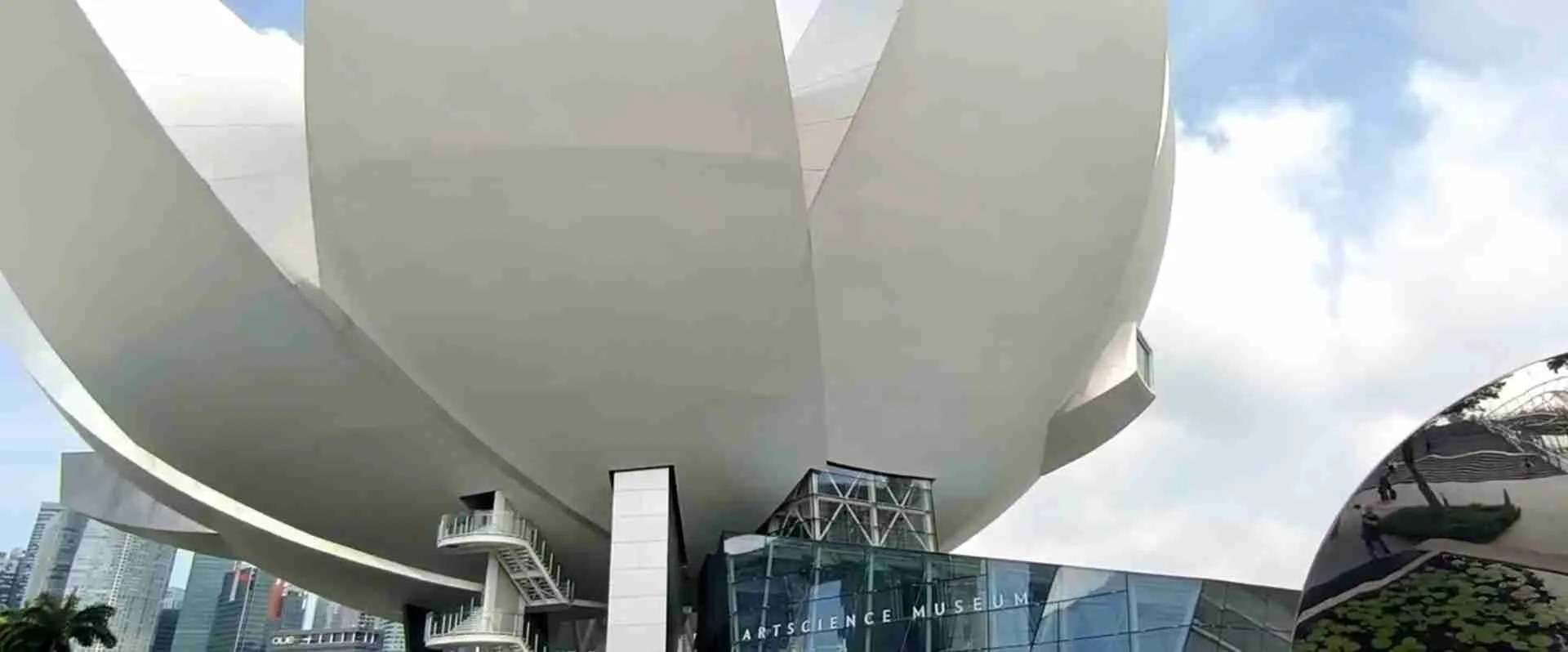
The iconic lotus-inspired building at Marina Bay Sands houses rotating exhibitions combining art, science, technology, and culture. Exhibition-specific pricing ranges SGD 17-28 adults, SGD 12-19 children, with Future World (permanent digital art installation) as the museum’s signature family experience. The interactive digital exhibits respond to touch, allowing children to color animals that come alive on walls, create virtual aquariums, and slide down digital waterfalls projected onto surfaces. The museum opens 10 AM-7 PM daily, with weekday afternoons (2-5 PM) providing optimal touring conditions without weekend family crowds.
The TeamLab Future World installation divides into four themed zones: Nature, Town, Park, and Space, each featuring 2-4 major interactive artworks. Children ages 4-10 engage most actively with the exhibits, though teenagers appreciate the sophisticated technology and artistic execution. Budget 90-120 minutes for comprehensive exploration, as children typically want to revisit favorite installations multiple times. The museum’s location within Marina Bay Sands connects to shopping, dining, and the Skypark Observation Deck (SGD 26 adults, SGD 20 children), creating full-day activity opportunities with convenient indoor connections between attractions.
Sample Family Itineraries for 2026
3-Day Singapore Family Introduction (Ages 5-12)
Day 1: Universal Studios and Sentosa
Start with 8:30 AM arrival at HarbourFront MRT station for 9 AM Sentosa Express departure to Waterfront Station (SGD 4 return per person). Arrive Universal Studios at 9:40 AM for priority access to major attractions. Complete Battlestar Galactica, Transformers, Jurassic Park, and Mummy rides before 1 PM using strategic routing and early crowds. Lunch at Malaysian Food Street (SGD 15-25 per person) inside the park offers authentic hawker experience without leaving the venue.
Continue afternoon with gentler attractions: Madagascar Crate Adventure, Sesame Street rides, and Far Far Away zone experiences suited for younger children or tired families. Exit park at 4 PM to beat closing crowds and take Sentosa Express to Beach Station. Spend 4:30-6:30 PM at Palawan Beach for swimming, playground activities, and sunset viewing. Dinner at beach-front restaurants (SGD 20-35 per person) before returning to mainland on evening MRT. Universal Studios tickets SGD 81 adults, SGD 61 children, lunch SGD 15-25 per person, dinner SGD 20-35 per person, MRT/Sentosa Express SGD 8 per person. Total day cost: SGD 125-165 per person (excluding accommodation).
Day 2: Zoo Morning and Gardens Afternoon
Depart hotel 7:30 AM for MRT journey to Singapore Zoo, arriving at 8:30 AM opening. Purchase zoo tickets (SGD 42 adults, SGD 28 children) and immediately proceed to orangutan enclosure for 10:30 AM feeding presentation. Follow with Frozen Tundra, Fragile Forest walkthrough, and elephant show (11:30 AM). Lunch at Ah Meng Kopitiam food court (SGD 12-18 per person) provides hawker-style pricing within zoo grounds without sacrificing time for external meals.
Continue afternoon with Rainforest Kidzworld water play until 2:30 PM, allowing children active play and cooling off. Complete remaining zoo sections (primates, reptiles, Australian zone) before 4 PM exit. Take MRT to Bayfront Station for Gardens by the Bay conservatories. Purchase combined tickets (SGD 39 adults, SGD 24 children) for Flower Dome and Cloud Forest, exploring both until 6:30 PM. Free outdoor garden exploration and Children’s Garden play from 6:30-7:30 PM. Watch 7:45 PM Garden Rhapsody light show before dinner at Satay by the Bay (SGD 15-25 per person). Zoo tickets SGD 42 adults, SGD 28 children, Gardens tickets SGD 39 adults, SGD 24 children, meals SGD 27-43 total per person, MRT SGD 6 per person. Total day cost: SGD 114-141 per person (excluding accommodation).
Day 3: Culture and Science
Begin 9 AM at Chinatown MRT for cultural neighborhood exploration. Visit Buddha Tooth Relic Temple (free admission) for architecture and cultural education, then walk through Chinatown Street Market for shopping and street food sampling. Late morning taxi ride (SGD 20-25 total) to Science Centre Singapore, arriving before noon crowds. Purchase tickets with Omni-Theatre (SGD 26 adults, SGD 18 children) for full center access.
Explore main galleries 12-2:30 PM, lunch at center’s café (SGD 12-18 per person), then afternoon KidsSTOP session if children under 8 (additional SGD 12 per child). Watch 3 PM Omni-Theatre show before 4:30 PM departure. Evening at Marina Bay: visit Marina Bay Sands observation deck (SGD 26 adults, SGD 20 children) for sunset city views, then walk to Merlion for photos. Dinner at hawker center in Lau Pa Sat (SGD 12-18 per person). Science Centre tickets SGD 26 adults, SGD 18 children, observation deck SGD 26 adults, SGD 20 children, meals SGD 24-36 total per person, taxi SGD 5-6 per person, MRT SGD 4 per person. Total day cost: SGD 85-110 per person (excluding accommodation).
5-Day Comprehensive Family Experience (Ages 6-14)
Day 1-2: Sentosa Island Immersion
Book Sentosa hotel for immersive island experience. Day 1 focuses on Universal Studios with early arrival strategy and fast passes (SGD 50-70 additional) for maximum ride access. Complete all major attractions before 3 PM, then afternoon at Adventure Cove Waterpark (SGD 38 adults, SGD 28 children) for water slides, wave pool, and snorkeling. Evening at Siloso Beach for sunset, dinner, and beach activities.
Day 2 combines S.E.A. Aquarium morning (SGD 41 adults, SGD 30 children) followed by Fort Siloso historical exploration (SGD 8 adults, SGD 5 children) and afternoon beach time. Evening Skyline Luge Sentosa (SGD 22-32 per ride) offers thrilling downhill karting with spectacular sunset views. Day 1 costs: Universal Studios tickets SGD 81 adults, SGD 61 children, fast passes SGD 50-70 per person, Adventure Cove SGD 38 adults, SGD 28 children, meals SGD 50-70 per person, Sentosa admission SGD 4. Total: SGD 223-293 per person (excluding accommodation). Day 2 costs: S.E.A. Aquarium SGD 41 adults, SGD 30 children, Fort Siloso SGD 8 adults, SGD 5 children, Luge SGD 22-32 per person, meals SGD 50-70 per person. Total: SGD 121-167 per person (excluding accommodation).
Day 3: Wildlife Triple Experience
Early departure for Singapore Zoo (8:30 AM arrival) with multi-park pass (SGD 95 adults, SGD 65 children including Zoo, River Wonders, Night Safari). Complete zoo tour 8:30 AM-1 PM with all animal shows. Lunch at zoo (SGD 15-22 per person), then afternoon at adjacent River Wonders (1:30-4:30 PM) featuring giant pandas, manatees, and Amazon flooded forest. Return to hotel for 5-7 PM rest period before Night Safari (7:15 PM arrival). Complete tram tour and walking trails, watch Creatures show, dinner at Night Safari food court (SGD 15-22 per person). Multi-park pass SGD 95 adults, SGD 65 children, meals SGD 30-44 total per person, MRT SGD 6 per person. Total day cost: SGD 131-155 per person (excluding accommodation).
Day 4: Urban Exploration and Culture
Morning bicycle rental (SGD 15-20 per person) for East Coast Park coastal cycling (2-3 hours). Seaside lunch at East Coast Lagoon Food Village (SGD 12-18 per person). Afternoon at ArtScience Museum Future World (SGD 22 adults, SGD 17 children) for interactive digital art. Late afternoon Marina Bay exploration: Esplanade performance center, waterfront promenade, Marina Bay Sands fountain show (free). Dinner at Lau Pa Sat hawker center (SGD 12-18 per person) followed by Singapore Flyer observation wheel (SGD 37 adults, SGD 30 children) for nighttime city views. Bike rental SGD 15-20, ArtScience Museum SGD 22 adults, SGD 17 children, Singapore Flyer SGD 37 adults, SGD 30 children, meals SGD 24-36 total per person, MRT SGD 6 per person. Total day cost: SGD 104-129 per person (excluding accommodation).
Day 5: Science and Shopping
Morning Science Centre Singapore with KidsSTOP addition for younger children (SGD 26-38 adults, SGD 18-30 children depending on exhibits). Mid-morning transfer to Orchard Road for shopping district exploration at ION Orchard and Takashimaya. Lunch at Food Republic food court (SGD 12-18 per person). Afternoon at Singapore Botanic Gardens (free admission) featuring National Orchid Garden (SGD 5 adults, children free). Evening return to Marina Bay for final Gardens by the Bay visit if desired, or farewell dinner at Clarke Quay riverside (SGD 25-40 per person). Science Centre tickets SGD 26-38 adults, SGD 18-30 children, Orchid Garden SGD 5 adults, meals SGD 37-58 total per person, MRT SGD 6 per person. Total day cost: SGD 68-129 per person (excluding accommodation).
Accommodation Strategies for Families in 2026
Budget Family Hotels (SGD 80-150 per night)
Hotel 81 chain operates 15+ properties throughout Singapore, offering basic double rooms at SGD 80-120 nightly. Family rooms (sleeping four) cost SGD 100-150, providing the most economical accommodation for families prioritizing attraction spending over hotel amenities. Properties near Geylang, Chinatown, and Bugis offer MRT access within 5-10 minute walks, connecting families to all major sites. Rooms feature air conditioning, WiFi, and en-suite bathrooms, though square footage remains limited. No breakfast included, though surrounding hawker centers and coffee shops provide affordable meal options SGD 5-10 per person.
Fragrance Hotel operates similar budget properties with slightly larger rooms at SGD 110-160 for family rooms. The chain’s hotels cluster near major MRT stations in Balestier, Lavender, and Joo Chiat areas. Rooms include basic breakfast (toast, eggs, coffee), saving morning meal expenses. The properties maintain higher cleanliness standards than most budget options, though design remains purely functional. Location selection determines convenience, with properties near Lavender and Bugis MRT stations offering optimal access to both city attractions and Sentosa via direct MRT connections.
Mid-Range Family Hotels (SGD 180-300 per night)
Park Hotel chain delivers consistent mid-range quality across multiple locations, with family rooms at SGD 200-280. The Farrer Park property provides 25-square-meter family rooms, rooftop pool, and location steps from Farrer Park MRT. The Clarke Quay property offers riverside location, larger 30-square-meter rooms, and walk-to-everywhere convenience despite premium pricing at SGD 250-300. All properties include breakfast buffets, children’s pools, and family-friendly amenities like cribs, high chairs, and connecting room options.
Village Hotel chains (Bugis, Katong) offer exceptional value at SGD 180-250, featuring authentic Singaporean hospitality and larger room sizes (28-32 square meters). The Bugis property sits above Bugis MRT station, providing unmatched convenience for family travel. Breakfast includes both Western and Asian options, children under 12 dine free with adults, and the rooftop pool operates until 10 PM. The Katong property offers beach proximity and Peranakan cultural neighborhood exploration, though requiring 15-minute taxi rides to reach central attractions.
Luxury Family Resorts (SGD 400-800 per night)
Marina Bay Sands transforms family travel into spectacular experiences, with premium rooms starting SGD 450-600 and family suites SGD 700-1,000. The 57th-floor Skypark infinity pool provides iconic Singapore experiences, while the property connects to shopping, dining, and attractions via covered walkways. The three-tower complex houses 80+ restaurants, multiple pools, a Canal Shoppes mall, ArtScience Museum access, and gardens—creating a self-contained entertainment district that minimizes transportation needs.
Shangri-La Rasa Sentosa Resort & Spa delivers dedicated beach resort experiences at SGD 400-650 for family rooms. The property sits directly on Siloso Beach, offering immediate beach access without crowds of public beach areas. Kids’ club programming provides supervised activities, multiple pools serve different age groups, and the property operates restaurants, cafes, and room service that accommodate children’s schedules and preferences. Universal Studios sits 10 minutes away via complimentary shuttle, while the resort’s isolation from urban Singapore creates true vacation resort atmosphere many families seek.
Capella Singapore on Sentosa delivers ultra-luxury at SGD 800-1,500 for family accommodations, featuring private villas, butler service, and comprehensive concierge that handles all booking and logistics. The 30-acre property provides resort experience within Singapore’s urban environment, offering nature immersion, multiple pools, spa services, and dining experiences. Families seeking Singapore’s absolute premium experience find comprehensive services that eliminate travel stress and maximize time efficiency through VIP access, private transportation, and personalized planning.
Serviced Apartments (SGD 150-350 per night)
Somerset Liang Court, Somerset Orchard, and Ascott Orchard provide one and two-bedroom apartments with full kitchens at SGD 180-280 nightly. The accommodations offer 45-65 square meters of space—double or triple standard hotel room sizes—with separate living areas, dining spaces, and kitchen facilities that reduce meal costs significantly. In-unit washing machines eliminate laundry expenses and packing demands, particularly valuable for families with young children generating clothing changes.
Kitchen facilities enable breakfast preparation (saving SGD 15-25 per person daily), snack storage, and picnic packing for day trips. Singapore’s supermarkets (FairPrice, Cold Storage) stock international brands, with groceries costing 30-50% less than restaurant meals. A family of four saves SGD 50-100 daily through apartment accommodation versus hotels with all restaurant meals. Weekly rates reduce nightly costs by 15-20%, making apartments optimal for stays exceeding five nights. Properties include pools, gyms, and children’s play areas, providing evening entertainment without additional costs.
Transportation Guide for Families in 2026
MRT System: Primary Family Transport
Singapore’s MRT (Mass Rapid Transit) provides comprehensive coverage throughout the city-state, with stations serving all major attractions except Singapore Zoo, Night Safari, and Science Centre (requiring bus connections). Single-journey tickets cost SGD 1.40-2.50 depending on distance, though NETS FlashPay cards or Singapore Tourist Pass cards offer better value. Tourist Pass costs SGD 12 (1-day unlimited), SGD 20 (2-day), or SGD 30 (3-day), including SGD 10 refundable deposit. Families completing 5+ journeys daily extract value from unlimited passes, though those mixing transport modes find per-journey cards more economical.
Every station provides elevator access from street to platform level, with wide fare gates accommodating strollers without folding. Priority seating exists in all trains, though crowding during peak hours (7-9 AM, 5-7 PM weekdays) challenges stroller navigation. Travel during off-peak hours (10 AM-4 PM, after 8 PM) provides comfortable conditions for families with young children. The MRT operates 5:30 AM-midnight daily, with 3-8 minute frequencies on main lines. Download the MyTransport app for real-time service information, route planning, and journey time estimates.
Bus Network: Connections and Coverage
Singapore’s extensive bus network complements MRT service, reaching areas without rail access including Singapore Zoo, Night Safari, East Coast Park, and numerous neighborhood destinations. Single-journey fares cost SGD 1.20-2.20, with NETS FlashPay cards providing 10-20% discounts versus cash fares. Bus stops feature digital displays showing arrival times and route information, though Google Maps provides superior journey planning including walk time, transfers, and total travel duration.
Several routes serve family travelers particularly well. Bus 138 connects Ang Mo Kio MRT to Singapore Zoo, Night Safari, and River Wonders, operating every 10-15 minutes with 25-minute journey times. Bus 335 runs from Little India MRT to Science Centre Singapore every 8-12 minutes. East Coast Park requires bus 401 from Bedok MRT station. Children under 90cm height travel free, children 90cm-120cm cost SGD 0.60-1.10 per journey, and children above 120cm pay adult fares. Buses accept both NETS FlashPay and credit card tap payments.
Taxis and Ride-Sharing: Convenience Options
Singapore’s taxi fleet provides convenient door-to-door transportation, particularly valuable when traveling with tired children, carrying shopping bags, or moving between attractions without convenient MRT connections. Metered fares start at SGD 3.90-4.20 depending on operator, with distance charges at SGD 0.25-0.30 per 300-400 meters. Typical journey costs: Orchard Road to Marina Bay SGD 8-12, Hotel area to Universal Studios SGD 20-30, City center to Singapore Zoo SGD 25-35. Peak hour surcharges (25% Monday-Friday 6-9:30 AM, midnight-6 AM 50% surcharge) increase costs considerably.
Grab (ride-sharing app) offers similar pricing to taxis, with price transparency before booking and cashless convenience via credit card payment. The JustGrab option dispatches nearest available vehicle (taxi or private car), while GrabFamily specifically sends six-seat vehicles accommodating larger families or stroller storage requirements. Download the app before Singapore arrival, register credit card, and add SGD 20-30 credit for initial rides. Queue times average 3-8 minutes depending on location and time, versus immediate taxi availability at hotel stands and major attractions.
Walking: Neighborhood Exploration
Singapore’s comprehensive covered walkway system enables comfortable walking throughout central areas despite tropical climate. The Marina Bay area connects Gardens by the Bay, Marina Bay Sands, Esplanade, and Merlion via continuous covered/air-conditioned walkways totaling 3+ kilometers. Orchard Road’s 2.2-kilometer shopping belt provides completely sheltered walking between hotels, malls, and restaurants. However, Singapore’s heat and humidity challenge young children beyond 20-30 minute walks, making strategic MRT use essential for longer distances.
Stroller-friendly infrastructure includes widespread ramps, curb cuts, and elevator access in all modern buildings. However, older neighborhoods like Chinatown feature narrower sidewalks, uneven pavement, and steps that challenge stroller navigation. Lightweight umbrella strollers prove more practical than full-size travel systems for Singapore’s conditions. Alternatively, baby carriers reduce navigation challenges while freeing hands for older children, shopping bags, and personal items during extended walking tours.
Dining Strategies for Families in 2026
Hawker Centers: Budget Dining Excellence
Singapore’s hawker centers provide the ultimate family dining value, offering authentic local cuisine at SGD 3-8 per person per meal. These open-air or semi-covered food courts house 30-100 individual stalls selling noodles, rice dishes, satay, Indian food, Chinese specialties, and desserts. Lau Pa Sat, Maxwell Food Centre, Tekka Centre, and Tiong Bahru Market rank among the most family-friendly centers, featuring cleaner facilities, better seating, and stalls accustomed to tourist preferences.
Hawker center navigation requires strategy. Arrive slightly before peak hours (11:30 AM lunch, 6 PM dinner) to secure table seating before crowds build. One adult claims a table while another orders from multiple stalls, as seats disappear quickly during meal periods. Children generally accept familiar options like chicken rice (SGD 3.50-5), noodle soups (SGD 4-6), and satay skewers (SGD 0.80-1.20 each). Many stalls provide mild/non-spicy options on request, though communication sometimes requires pointing at desired ingredients. Payment operates on cash basis at most stalls, though some centers now accept NETS cards.
Food Courts: Air-Conditioned Comfort
Mall food courts provide hawker-style dining in air-conditioned environments at slightly higher prices (SGD 5-12 per person). Food Republic, Food Junction, and Kopitiam chains operate locations throughout Orchard Road malls, Marina Bay shopping centers, and suburban developments. The facilities offer cleaner conditions, Western options (pasta, sandwiches, pizza), and high chairs for young children. Quality ranges from excellent to mediocre depending on specific locations, with Vivocity Food Republic and ION Food Opera ranking among the best family-friendly options.
Food courts enable varied family dining where different members choose preferred cuisines from 30+ stalls. Children resistant to Asian flavors find familiar options while adventurous family members sample local specialties. Ordering efficiency improves with stored-value cards purchased at customer service counters, eliminating individual stall payment queues. However, these cards often contain minimum SGD 20 balances that may not fully consume during single visits. Cash payment at individual stalls provides better control of spending for families making limited food court visits.
Casual Restaurants: Mid-Range Family Dining
Chain restaurants throughout Singapore offer predictable quality, English menus, and child-friendly environments at SGD 15-30 per person. Paradise Dynasty (Chinese, especially xiaolongbao), Din Tai Fung (Taiwanese dumplings), Pepper Lunch (Japanese hot plate meals), and Toast Box (local breakfast sets) provide authentic Asian dining without hawker center navigation challenges. Western chains including McDonald’s, KFC, Pizza Hut, and Subway operate throughout Singapore, though prices exceed Western levels at SGD 8-12 per person for fast food meals.
Japanese conveyor belt sushi restaurants (Sushi Tei, Genki Sushi) engage children while delivering quality meals at SGD 20-35 per person. The moving plates fascinate young diners, while color-coded pricing enables cost control by selecting appropriate plate colors. Korean BBQ restaurants charge SGD 25-45 per person for all-you-can-eat options, though supervising children around tabletop grills requires attention. Indian restaurants (Komala’s, Muthu’s Curry) offer exceptional value at SGD 12-20 per person, with familiar options like butter chicken, naan, and biryani that most children accept.
Special Dining Experiences
Singapore’s signature dining experiences justify splurges for families seeking memorable meals. Jumbo Seafood’s chili crab (SGD 60-90 per crab, feeds 2-3) represents Singapore’s most famous dish, served in locations at Clarke Quay, Riverside, and East Coast with family-friendly outdoor seating. The messy eating style delights children while delivering authentic Singaporean culinary experience. Book ahead for Clarke Quay location during dinner hours, as tourist demand creates 60-90 minute waits for walk-ins.
Hotel buffets provide excellent value at SGD 45-80 per adult, children often at 50% discount. The format allows picky eaters to find acceptable options while adventurous family members sample multiple cuisines without ordering risk. Marina Bay Sands (RISE restaurant), Shangri-La, and Grand Park City Hall operate popular buffets with extensive selections including Western, Asian, and international dishes. Reservation becomes essential for weekend dinner buffets, while weekday lunch buffets offer walk-in availability and slightly lower pricing.
Budget Planning for 2026 Family Visits
Budget Family Experience (SGD 180-250 per day)
Budget-conscious families achieve authentic Singapore experiences through strategic choices and value optimization. Accommodation at Hotel 81 or Fragrance Hotel properties costs SGD 100-150 nightly for family rooms sleeping four. All meals at hawker centers cost SGD 10-15 per person daily (breakfast SGD 3-5, lunch SGD 3-5, dinner SGD 4-5). MRT-only transportation costs SGD 4-8 per person daily. Limit paid attractions to one major site daily at SGD 15-45 per person, supplementing with free activities including Botanic Gardens, beach time, neighborhood walks, and Gardens by the Bay outdoor areas.
A budget family of four (two adults, two children 6-10) spending 5 days in Singapore costs SGD 4,000-5,500 total. Accommodation SGD 500-750 (5 nights), meals SGD 600-900 (SGD 30-45 daily per family), transportation SGD 200-300 (MRT only), attractions SGD 500-800 (2-3 paid attractions plus free activities), miscellaneous SGD 200-300. This tier eliminates luxury conveniences but delivers complete Singapore experiences through smart timing, free activities, and authentic local dining. Budget families maximize value by visiting during shoulder seasons (September-November), booking accommodation 2-3 months ahead, and prioritizing high-value attractions versus quantity of paid sites.
Mid-Range Family Experience (SGD 300-450 per day)
Mid-range budgets unlock comfortable accommodations, reliable restaurants, convenient transportation, and premium attractions without financial stress. Hotel accommodation at Park Hotel or Village Hotel chains costs SGD 200-280 nightly for family rooms including breakfast. Breakfast included, lunch at food courts SGD 12-18 per person, dinner at casual restaurants SGD 20-30 per person totals SGD 32-48 daily per person for meals. Mixed transportation using MRT plus occasional taxis costs SGD 12-20 per person daily. Two paid attractions daily with occasional fast passes cost SGD 60-100 per person daily.
A mid-range family of four spending 5 days requires SGD 6,500-9,500 total. Accommodation SGD 1,000-1,400 (5 nights), meals SGD 1,600-2,400 (breakfast included, 2 meals daily out), transportation SGD 480-800, attractions SGD 2,400-4,000 (multiple paid sites, some fast passes), miscellaneous SGD 500-800. This budget enables most families to complete comprehensive Singapore touring without constant cost concerns. Mid-range families achieve optimal value by advance booking attractions online (10-15% savings), purchasing multi-park passes when visiting multiple affiliated sites, and mixing hawker centers with restaurant dining rather than restaurants exclusively.
Luxury Family Experience (SGD 550-800 per day)
Luxury budgets eliminate planning stress, time wasted waiting, and accommodation compromises while accessing Singapore’s premium experiences. Five-star accommodation at Marina Bay Sands, Shangri-La, or Capella costs SGD 450-1,000 nightly for family rooms. All restaurant dining averages SGD 50-80 per person daily across breakfast, lunch, and dinner. Private car service or unlimited taxi budget costs SGD 60-100 daily per family. Premium attractions with VIP experiences, fast passes, and guided tours cost SGD 120-180 per person daily.
A luxury family of four spending 5 days requires SGD 12,000-18,000 total. Accommodation SGD 2,250-5,000 (5 nights premium hotels), meals SGD 4,000-6,400 (all restaurant dining, some signature experiences), transportation SGD 600-1,000 (private car daily, airport transfers), attractions SGD 4,800-7,200 (VIP access, fast passes, premium tours), miscellaneous SGD 1,000-1,500. This tier provides butler services, personalized planning, eliminated wait times, and exclusive experiences unavailable to general tourists. Luxury families maximize value through hotel concierge services that provide insider access, private tour operators offering customized programming, and advance booking of signature dining experiences.
Money-Saving Strategies for 2026
Advance Booking Benefits
Booking attractions 2-4 weeks ahead delivers 10-20% savings versus gate prices. Official attraction websites offer the best online rates, with multi-park passes providing additional 25-30% savings when visiting affiliated sites. Universal Studios Singapore tickets booked online cost SGD 76 versus SGD 81 at gates. Singapore Zoo, Night Safari, and River Wonders combination tickets save SGD 30-40 per family versus individual site purchases. Book accommodation 2-3 months ahead for 15-25% savings versus last-minute rates, with particularly significant differences during peak seasons (Chinese New Year, school holidays, December festive period).
Attraction Pass Programs
Singapore Attractions Pass bundles multiple sites at packaged rates, though careful calculation determines actual savings. The pass covers 20+ attractions with options for 3-choice (SGD 89), 4-choice (SGD 109), or 5-choice (SGD 139) combinations. However, selecting the highest-value attractions and comparing against online booking often reveals minimal savings. The pass works best when visiting mid-tier attractions (Singapore Flyer, ArtScience Museum, cable car) that lack significant online discounts. Families visiting only top attractions (Universal Studios, Zoo, Night Safari) generally save more through direct multi-park passes or online booking versus generic attraction passes.
Free Activity Maximization
Singapore offers remarkable free experiences that match paid attractions for family entertainment value. Gardens by the Bay outdoor gardens provide 2-3 hours of exploration, water play at Children’s Garden, and evening light shows without admission costs. Singapore Botanic Gardens (UNESCO World Heritage site) features heritage trees, swan lake, ginger garden, and free concert series. The National Gallery Singapore offers free admission for children under 6 and permanent collection access for all on Fridays 6-9 PM. Beaches at Sentosa (after SGD 1-4 island admission) provide full-day activities including swimming, sand play, and playgrounds. Clarke Quay riverside, Marina Bay waterfront, and Chinatown/Little India neighborhoods offer free walking exploration with cultural immersion.
Meal Cost Control
Hawker center dining versus restaurant meals saves SGD 40-60 per family daily. Breakfast at hawker centers costs SGD 3-5 per person versus SGD 15-25 for hotel breakfast (saving SGD 60-100 per family over 5 days). Snacks and water bottles from supermarkets (FairPrice, 7-Eleven) cost 40-60% less than attraction kiosks and hotel minibars. Serviced apartment accommodation with kitchen facilities enables breakfast preparation, picnic packing, and snack storage that reduces meal costs by SGD 30-50 daily. These daily savings accumulate to SGD 200-400 over typical 5-day stays, often covering an additional major attraction or quality hotel upgrade.
Practical Travel Tips for 2026
Health and Safety Essentials
Singapore’s strict cleanliness standards maintain exceptional public health conditions, with safe drinking water throughout the city-state, low disease transmission rates, and world-class medical facilities. However, basic precautions enhance family comfort and health. Apply sunscreen (SPF 50+) every 2 hours during outdoor activities, as tropical latitude creates intense UV exposure even with cloud cover. Insect repellent with 30-50% DEET prevents dengue-carrying mosquito bites, particularly important in gardens, parks, and nature areas. Carry hand sanitizer for situations between hand-washing opportunities, though public restrooms throughout Singapore maintain high cleanliness standards with soap and paper towels.
Pack basic first-aid supplies including adhesive bandages, antihistamine (for insect bites), anti-diarrheal medication, and children’s pain reliever. Singapore pharmacies (Guardian, Watsons) stock international brands, though familiar products from home eliminate confusion about appropriate dosages and formulations. The city-state prohibits chewing gum, e-cigarettes, and vaping devices with significant fines for violations. Jaywalking, littering, and eating/drinking on MRT trains also incur fines, though enforcement focuses on education versus punishment for tourists committing minor infractions.
Technology and Connectivity
Download essential apps before Singapore arrival for seamless navigation and booking. Google Maps provides superior route planning versus native Apple Maps, including MRT/bus integration, walk times, and real-time service updates. Grab app enables ride-sharing with cashless payment and English interface. Gardens by the Bay, Science Centre, and other major attractions offer dedicated apps with maps, showtimes, and interactive features. WhatsApp provides free international communication using data connections, essential for maintaining contact with family members who separate during attraction visits or shopping expeditions.
Universal adapter plugs accommodate Singapore’s Type G outlets (three-prong British-style). However, most hotels provide USB charging ports and universal adapters in rooms. Bring power banks for phones and tablets, as constant map usage, photography, and app access drain batteries quickly in tropical heat. Singapore’s ubiquitous WiFi (malls, MRT, attractions) reduces data requirements, though tourist SIM cards provide backup connectivity when public WiFi proves unreliable. Cloud photo storage (Google Photos, iCloud) enables automatic backup of family photos without consuming device storage space during trips.
Cultural Awareness and Etiquette
Singapore’s multicultural society blends Chinese, Malay, Indian, and Western influences, creating unique cultural dynamics families should understand. Mosques and Hindu temples require modest dress (covering knees and shoulders) and shoe removal before entry. Many restaurants and homes practice shoe removal, with designated storage racks indicating this custom. Right-hand usage for greeting, eating, and exchanging money demonstrates cultural respect in Muslim and Hindu contexts. However, English prevalence and cultural tolerance mean minor etiquette breaches by tourists receive understanding responses rather than offense.
Public behavior standards exceed most Western norms, with quiet conversation expected on MRT trains, patient queue waiting, and minimal physical contact in crowds. Children’s reasonable noise levels receive tolerance, though loud tantrums or disruptive behavior draws disapproval. The cultural emphasis on respect for elders means priority seating should be offered to seniors, and children should demonstrate polite behavior in public spaces. These cultural norms create the safe, orderly environment that makes Singapore exceptionally family-friendly, with most residents displaying remarkable patience and helpfulness toward tourists navigating unfamiliar customs.
Emergency Contacts and Resources
Singapore’s emergency number 995 connects to ambulance and fire services, while 999 reaches police. English operates as the primary language for all emergency services. KK Women’s and Children’s Hospital (100 Bukit Timah Road) operates Singapore’s premier pediatric emergency department, providing 24/7 care specifically for children. The hospital accepts international insurance, though cash or credit card payment provides faster service with insurance reimbursement claimed after return home. Consultation fees range SGD 150-300 for emergency department visits.
The Singapore Tourism Board operates a 24-hour Tourist Line (+65 6736-2000) for non-emergency assistance, information, and complaint resolution. The service provides English, Chinese, and limited Japanese/Korean language support. Most hotels offer concierge assistance for booking, directions, and problem-solving, often more efficient than self-navigation of unfamiliar systems. The U.S. Embassy (27 Napier Road, +65 6476-9100) and other diplomatic missions provide citizen services during business hours, though emergency situations should first contact local police or medical services before involving embassies.
Booking and Planning Resources for 2026
Official Attraction Websites
Book directly through official websites for best rates and guaranteed authenticity. Universal Studios Singapore (rwsentosa.com/universal-studios-singapore) offers online tickets at SGD 76 versus SGD 81 gate prices. Wildlife Reserves Singapore (mandai.com) handles Singapore Zoo, Night Safari, River Wonders, and Bird Paradise with combination tickets providing optimal value. Gardens by the Bay (gardensbythebay.com.sg) sells conservatory tickets with online discounts and timed-entry convenience. Science Centre Singapore (science.edu.sg) combines center admission with Omni-Theatre tickets at package pricing. These official sources guarantee admission without third-party reliability concerns, though sometimes third-party sites offer comparable or better pricing during promotional periods.
Third-Party Booking Platforms
Klook and GetYourGuide operate as reliable third-party platforms often matching or beating official website prices. Both platforms offer customer service in multiple languages, flexible cancellation policies, and occasional promotional discounts reaching 15-20% off regular rates. The platforms bundle tickets with transportation packages, creating convenient solutions for attractions like Singapore Zoo that require bus connections. However, compare prices carefully against official sources, as “discounts” sometimes reflect higher base prices rather than genuine savings. Read cancellation terms thoroughly, as non-refundable tickets eliminate flexibility when travel plans change.
Accommodation Booking Strategy
Compare prices across Booking.com, Agoda, and hotel direct websites, as the lowest rate varies by property and timing. Booking.com and Agoda offer similar pricing (owned by same parent company) with Genius/VIP loyalty programs providing 10-15% discounts for frequent users. However, hotel direct booking sometimes matches these rates while providing better cancellation terms, free breakfast, or resort credits. Call hotels directly after finding online rates, requesting price matching plus additional benefits. This approach particularly works for independent hotels and smaller chains willing to negotiate versus rigid global chains adhering to corporate pricing policies.
Transportation Planning
The Changi Airport website (changiairport.com) provides comprehensive arrival information, including MRT station access, taxi queue locations, and bus route maps. The MRT operates from Changi to city center in 30-40 minutes at SGD 2-2.50 per person, versus taxis at SGD 20-30 total for the family depending on destination. Book airport transfers through Grab or hotel concierge for guaranteed pickup during late-night arrivals when public transportation may prove challenging with tired children and luggage. The MyTransport Singapore app downloads essential for MRT/bus journey planning throughout the visit.
Frequently Asked Questions
What age children enjoy Singapore most?
Children aged 5-12 extract maximum value from Singapore’s family attractions, possessing sufficient independence for attraction participation while maintaining enthusiasm for themed experiences, animal encounters, and interactive exhibits. Younger children (2-4) enjoy elements like water play, beach activities, and animal viewing, though many rides and exhibits exceed their interest level or physical capabilities. Teenagers appreciate Singapore’s urban culture, shopping, adventure activities, and culinary experiences, though may resist heavily children-oriented attractions their younger siblings enjoy. Multi-age family trips work well given Singapore’s diverse offerings, though activity selection requires compromise between different developmental interests.
Can we manage Singapore without speaking Chinese or Malay?
English operates as Singapore’s primary business and tourism language, with near-universal English proficiency at hotels, restaurants, attractions, and shops. MRT signage, attraction information, restaurant menus, and government services operate in English. Hawker centers sometimes feature vendors with limited English, though pointing at desired items or photos enables successful ordering. Taxi drivers generally speak functional English, while Grab drivers with limited English rely on app-based destination communication. Overall, English-speaking families navigate Singapore more easily than virtually any other Asian destination, with language barriers minimal to nonexistent throughout typical tourist experiences.
What items should we bring from home versus buying in Singapore?
Bring from home: prescription medications, sunscreen (cheaper in home countries), familiar children’s snacks for fussy eaters, power banks, and any specialized children’s items with strong brand preferences. Buy in Singapore: umbrellas (everywhere at SGD 3-8), bottled water (cheaper than home), toiletries at local prices, and replacement clothing if needed. Singapore’s comprehensive retail infrastructure stocks international brands, though familiar children’s items (specific diaper brands, formula, favorite snacks) may cost 20-50% more than home prices. Medication availability and brand familiarity justify bringing adequate supplies rather than searching for equivalent products in unfamiliar pharmacies.
How much cash should we carry daily?
Carry SGD 100-150 per family daily for hawker centers, small shops, taxi tips, and situations where cards aren’t accepted. Major attractions, restaurants, hotels, and shopping malls accept credit cards universally, reducing cash requirements significantly. However, hawker centers, local markets, some coffee shops, and bus rides require cash payment. ATM withdrawal costs SGD 5-8 per transaction plus home bank foreign transaction fees, making larger withdrawals (SGD 300-500) more economical than multiple small withdrawals. Inform credit card companies of Singapore travel dates to prevent fraud alerts that block card usage during trips.
Can we drink tap water in Singapore?
Singapore’s tap water meets WHO international safety standards, with direct drinking safe throughout the city-state including hotels, restaurants, and public facilities. However, most families prefer bottled water for taste preference and convenience during day trips. Supermarkets sell 1.5L bottles at SGD 1-2, while hawker centers and attractions charge SGD 2-3. Hotels provide complimentary bottled water daily, which families can collect for daily touring. Ice in restaurants and food stalls uses potable water, posing no health risk. Brushing teeth with tap water, washing fruit, and using ice cubes present no health concerns in Singapore’s meticulously maintained water system.
What happens if a child gets sick during the trip?
Singapore’s world-class healthcare system provides immediate access to pediatric care through hospital emergency departments, urgent care clinics, and hotel doctor services. KK Women’s and Children’s Hospital operates Singapore’s premier pediatric emergency department with 24/7 access. Consultation costs SGD 150-300 for emergency visits, with common medications (antibiotics, pain relievers) costing SGD 20-50. Most international travel insurance covers medical expenses, though payment at service time followed by reimbursement claims represents the standard process. Hotels arrange doctor visits to rooms for minor issues at SGD 150-250 consultation fees, providing convenience when children cannot travel to clinics.
Are there baby changing facilities throughout Singapore?
Singapore provides exceptional baby changing infrastructure, with facilities in every MRT station, shopping mall, major attraction, and most restaurants. Dedicated nursing rooms operate at attractions, malls, and many MRT stations, offering private spaces with comfortable seating, changing tables, and sometimes bottle-warming stations. Hotels provide cribs, high chairs, and other baby equipment on request (confirm during booking). Most attractions offer stroller rentals (SGD 10-15 daily), though bringing compact strollers from home provides better comfort and familiarity for extended daily use. The comprehensive infrastructure makes Singapore exceptionally manageable for families with babies and toddlers.
What if weather disrupts our planned activities?
Singapore’s tropical climate brings brief afternoon rain showers regardless of season, requiring flexible planning. Build itineraries alternating outdoor and indoor attractions, allowing weather-based day resequencing without canceling activities entirely. Major attractions (Universal Studios, Gardens conservatories, ArtScience Museum, Science Centre) operate rain or shine, though outdoor exhibits close during heavy rain for safety. Keep backup indoor options available: shopping malls with entertainment (Vivocity, Jewel Changi), indoor attractions (Science Centre, ArtScience Museum), and extended time at partially indoor venues (Gardens by the Bay conservatories). Most rain showers last 30-90 minutes, making temporary shelter at covered areas followed by resumed touring the typical response rather than complete day cancellations.
How far ahead should we book attractions and accommodation?
Book accommodation 2-3 months ahead for optimal selection and pricing, extending to 4-6 months for peak periods (Chinese New Year, July-August school holidays, December). Attractions accept bookings weeks or months ahead, though 2-4 weeks provides sufficient lead time for most sites while allowing some schedule flexibility. Universal Studios, Night Safari, and popular restaurant reservations warrant 3-4 week advance booking during peak seasons. Gardens by the Bay, Science Centre, and ArtScience Museum accept walk-in visitors most periods, though online booking provides 10-15% discounts worth the advance planning. Singapore Zoo implements timed entry during peak periods, making advance booking essential for preferred morning arrival times.
What’s the best way to handle children’s different interests and ages?
Split family groups strategically when children’s interests diverge significantly. One parent tours Universal Studios’ thrill rides with older children while the other explores Madagascar/Sesame Street zones with younger siblings. Alternatively, schedule rest periods at hotels or apartments when younger children nap, allowing older children special activities (Singapore Flyer, shopping, teen-focused experiences). Mixed-age attraction days work well at Singapore Zoo (interests all ages), Science Centre (different gallery options), and beaches (varied activity levels possible). Schedule compromise days where everyone participates in family-friendly activities, alternating with days prioritizing specific age groups for maximum engagement across different developmental stages.