Sicily Food Guide: Culinary Traditions & Regional Specialties
Sicily’s cuisine represents one of the Mediterranean’s most complex and flavorful culinary traditions, shaped by thousands of years of Greek, Arab, Norman, Spanish, and Italian influence. From the saffron-infused arancini of Palermo to the chocolate of Modica and the pistachios of Bronte, the island’s food culture reflects its position as a crossroads of civilizations and its extraordinarily fertile volcanic soil.
Key Takeaways: Sicily Food & Cuisine
- Arab-Influenced Foundation: Sicilian cuisine uniquely combines Arab ingredients like saffron, raisins, pine nuts, and citrus with Mediterranean vegetables and seafood, creating sweet-savory flavor profiles found nowhere else in Italy
- Hyperlocal Specialties: Each province and town maintains distinct culinary traditions—Trapani’s couscous differs fundamentally from Catania’s pasta alla Norma, while Ragusa’s chocolate production follows entirely different methods than Modica’s
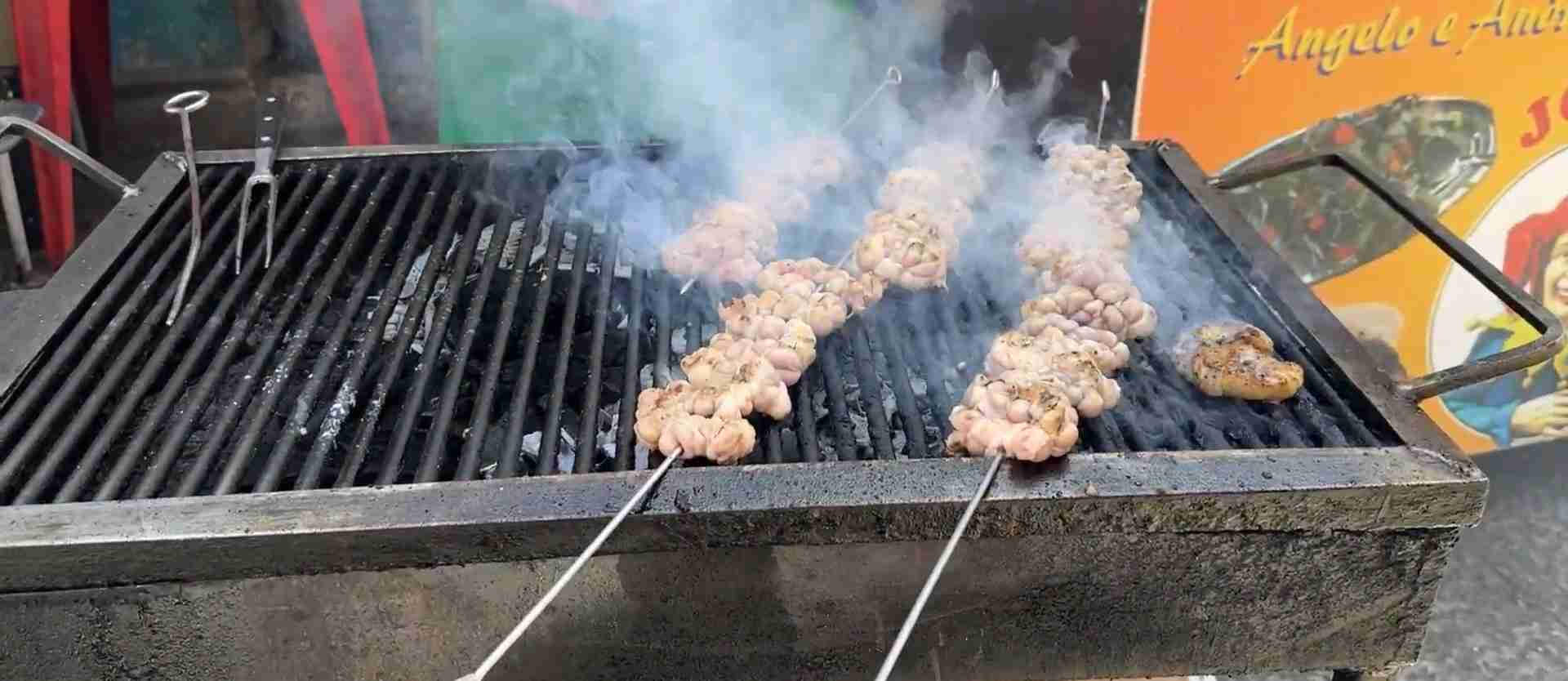
- Street Food Capital: Palermo ranks among the world’s great street food cities, with markets like Ballarò and Vucciria offering everything from panelle (chickpea fritters) to pani câ meusa (spleen sandwiches) unchanged for centuries
- Volcanic Terroir: Mount Etna’s volcanic soil produces ingredients with unparalleled intensity—DOP Bronte pistachios, blood oranges, and wines possess flavors impossible to replicate elsewhere
- Dessert Heritage: Sicilian pastry-making reached its zenith in monastery kitchens, where nuns created cassata, cannoli, and marzipan fruits that remain essential to religious festivals and family celebrations
- Seafood Dominance: Three coastlines provide extraordinary variety—swordfish from the Strait of Messina, red prawns from Mazara del Vallo, tuna from the Egadi Islands, and sardines prepared in countless regional variations
People Also Ask About Sicily Food
What Makes Sicilian Cuisine Different from Italian Cuisine?
Sicilian cuisine diverges fundamentally from mainland Italian cooking through its Arab heritage, which introduced ingredients and techniques foreign to the rest of Italy. While northern Italian cuisine emphasizes butter, cream, and meat-based sauces, Sicilian cooking features sweet-savory combinations (agrodolce), extensive use of dried fruits, nuts, and spices, and reliance on vegetables as primary ingredients rather than accompaniments. The pasta shapes, flavor profiles, and cooking methods reflect centuries of isolation from mainland culinary evolution, preserving medieval Arab-Norman traditions that disappeared elsewhere. Sicilian recipes often include saffron, raisins, pine nuts, cinnamon, and citrus in combinations that would be unthinkable in Roman or Tuscan cooking, creating a cuisine closer to North African and Middle Eastern traditions than to continental Italian food.
What Are the Most Famous Traditional Sicilian Dishes?
Arancini (or arancine in Palermo) stands as Sicily’s most iconic dish—fried rice balls filled with ragù, peas, and mozzarella in the east, or butter and ham in the west, their shape and filling varying by province. Pasta alla Norma from Catania combines fried eggplant, tomato sauce, ricotta salata, and basil in homage to Bellini’s opera. Caponata presents sweet-and-sour eggplant with celery, capers, and tomatoes, though every family maintains secret variations. Pasta con le sarde blends fresh sardines, wild fennel, pine nuts, raisins, and saffron in quintessential Arab-Sicilian fusion. Cannoli—fried pastry tubes filled with sweetened ricotta, candied fruit, and chocolate chips—originated in Palermo’s convents. Swordfish features in countless preparations, particularly involtini (rolls) stuffed with breadcrumbs, capers, and tomatoes. Couscous appears in Trapani and the western coast, prepared with fish broth in a North African tradition unique in Italy.
Why Is Sicilian Street Food So Important?
Street food in Sicily represents living culinary history, preserving recipes and techniques unchanged since medieval times when Arab merchants established the island’s market culture. Palermo’s street food scene descended directly from 9th-century souks, with vendors occupying the same markets for generations, preparing foods using methods documented in Arab-era manuscripts. The democratic nature of street food—affordable, accessible, eaten standing in markets—maintains social traditions that transcend class boundaries, where lawyers and laborers queue together for panelle or stigghiola. Each city developed distinct street specialties reflecting local ingredients and immigrant communities: Palermo’s pani câ meusa (spleen sandwiches) came from Jewish butchers, Catania’s cartocciata evolved from Spanish influence, while Messina’s pidone reflects Greek heritage. Street food vendors serve as cultural custodians, passing recipes orally through families, ensuring techniques survive industrialization and globalization.
What Sicilian Ingredients Have Protected Status?
Sicilian ingredients with DOP (Protected Designation of Origin) or IGP (Protected Geographical Indication) status include Bronte pistachios, which grow exclusively on volcanic slopes around Mount Etna and harvest only in odd-numbered years. Red oranges from Catania (Arancia Rossa di Sicilia) encompass three varieties—Tarocco, Moro, and Sanguinello—whose deep crimson flesh results from volcanic soil and temperature fluctuations. Ragusano cheese, aged in blocks for 12-18 months, comes from Modicana cattle raised in southeastern provinces. Valle del Belìce olive oil from Trapani province uses native Nocellara del Belìce olives. Modica chocolate maintains Aztec cold-processing methods brought by Spanish colonizers, producing grainy, low-temperature chocolate found nowhere else in Europe. Pantelleria capers, smaller and more flavorful than commercial varieties, grow wild on the volcanic island. Nero d’Avola grapes produce Sicily’s flagship red wine, while Cerasuolo di Vittoria represents the island’s only DOCG wine designation.
Extended multi-day tours – 5+ days
Featured Sicily Multi-Day Tour Packages
8 days
8 days Small Group Sicily Food & Wine Tour (max 8 Guests)
- ✓ Comprehensive Sicily tour
- ✓ Expert local guides included
- ✓ All accommodation arranged
- ✓ Transportation provided
10 days
New Tour of Sicily from Palermo 10 Days
- ✓ Comprehensive Sicily tour
- ✓ Expert local guides included
- ✓ All accommodation arranged
- ✓ Transportation provided
8 days
Splendor of Sicily 8 Days Tour – from Catania
- ✓ Comprehensive Sicily tour
- ✓ Expert local guides included
- ✓ All accommodation arranged
- ✓ Transportation provided
10 days
Journey of Charming Sicily – 10 Days
- ✓ Comprehensive Sicily tour
- ✓ Expert local guides included
- ✓ All accommodation arranged
- ✓ Transportation provided
Multi-day tour packages powered by TourRadar. Prices and availability subject to change.
Introduction: Understanding Sicilian Food Culture
Sicily’s culinary identity formed through a collision of civilizations unmatched anywhere in the Mediterranean. When Arab forces conquered the island in the 9th century, they encountered Greek agricultural systems established 2,000 years earlier and transformed them through irrigation innovations that made Sicily the medieval world’s garden. Arab agronomists introduced citrus groves, sugar cane, rice cultivation, and spice trade routes, while establishing the souk market culture that persists in Palermo’s historic center. Norman rulers absorbed rather than replaced this Arab foundation, adding northern European techniques to Middle Eastern ingredients. Spanish dominance brought New World products—tomatoes, cacao, peppers—that Sicilians integrated into existing Arab-Norman recipes, creating hybrid dishes like caponata that balance sweet raisins, savory eggplant, and acidic vinegar in perfect agrodolce harmony.
Geography intensified these cultural influences. Three distinct coastlines—Tyrrhenian, Ionian, and Mediterranean—provided different seafood species and fishing traditions, while Mount Etna’s volcanic soil produced vegetables, fruits, and nuts with concentrated flavors impossible to replicate on the mainland. Interior mountain villages maintained shepherding traditions and cheese-making methods dating to Greek colonization, while coastal cities absorbed successive waves of traders bringing spices, techniques, and ingredients. This combination of fertile land, strategic maritime position, and cultural isolation allowed uniquely Sicilian recipes to develop and persist even as mainland Italian cuisine evolved in different directions.
Understanding Sicilian food requires recognizing that “Italian” represents a relatively recent political concept, imposed on islands and regions that maintained separate identities for millennia. When Italy unified in 1861, Sicily possessed culinary traditions closer to Tunis than to Turin, with recipes recorded in Arabic manuscripts, market systems modeled on North African souks, and flavor profiles emphasizing spices and sweet-savory combinations foreign to northern Italian cooking. Modern Sicilian cuisine preserves this distinct heritage while incorporating contemporary techniques—a restaurant in Catania might serve traditional pasta alla Norma alongside innovative interpretations using Bronte pistachio pesto and Pachino tomato reductions, demonstrating how ancient foundations support creative evolution.
The island’s food culture extends beyond restaurants into daily rituals that govern social life. Morning begins with granita and brioche, a breakfast combination unknown elsewhere in Italy. Markets function as community centers where housewives inspect vegetables with the expertise of professional chefs, rejecting produce that fails to meet exacting standards. Street food vendors occupy family positions passed through generations, their recipes and techniques constituting oral history preserved through practice rather than written documentation. Religious festivals organize the calendar, each celebration demanding specific foods prepared according to centuries-old traditions—cassata for Easter, cuccìa for Santa Lucia, frutta martorana for All Saints’ Day.
The Arab-Norman Foundation of Sicilian Cuisine
Arab rule transformed Sicily from a Greek-influenced grain producer into the medieval world’s most sophisticated agricultural economy. Between 827 and 1091 CE, Arab agronomists revolutionized the island’s food production through irrigation systems that allowed summer cultivation of vegetables previously impossible in Mediterranean climates. They introduced rice, which became the foundation for arancini and other preparations. Sugar cane cultivation enabled the development of Sicily’s famous dessert traditions, as Arab confectioners created the precursors to marzipan, candied fruits, and sugar-based pastries. Citrus groves planted during this period produced the lemons, oranges, and bitter oranges that characterize Sicilian cooking, while new spices—saffron, cinnamon, nutmeg, cloves—entered recipes that remain unchanged today.
The agrodolce (sweet-and-sour) principle central to Sicilian cuisine derives directly from Arab cooking traditions. Dishes combine honey or dried fruits with vinegar or citrus, creating complex flavor profiles that balance sweetness against acidity. Caponata exemplifies this approach: eggplant fried until creamy, combined with celery, tomatoes, olives, capers, raisins, and pine nuts, finished with vinegar and sugar that creates multilayered flavors impossible to achieve through single-note seasoning. This technique appears across Sicilian cooking—sarde a beccafico stuffs sardines with breadcrumbs, raisins, and pine nuts, creating sweet-savory contrasts unknown in mainland Italian fish preparations. Even meat dishes reflect Arab influence: farsumagru (stuffed beef roll) includes hard-boiled eggs, sausage, cheese, and breadcrumbs in combinations suggesting Middle Eastern kibbeh or Turkish dolma more than Italian brasato.
Norman conquest in 1091 preserved rather than eliminated Arab culinary traditions. Norman rulers recognized the economic value of existing agricultural systems and maintained Arab irrigation networks, agricultural techniques, and even administrative structures. The Norman court at Palermo became Europe’s most cosmopolitan, where Arab chefs worked alongside Greek, Jewish, and Norman cooks, cross-pollinating techniques and ingredients. This fusion produced dishes that remain uniquely Sicilian: pasta con le sarde combines fresh sardines (Mediterranean) with wild fennel (Greek), raisins and pine nuts (Arab), and saffron (Arab/Norman trade networks) in a sauce that represents Sicily’s multicultural heritage in a single plate.
The linguistic evidence reveals these deep Arab roots. Sicilian dialect contains hundreds of Arabic food terms: cassata derives from qas’at (the bowl), cubbaita (sesame brittle) from qubbayt, zibibbo (raisin variety) from zabīb. Market terminology, cooking techniques, and ingredient names preserve Arabic origins, demonstrating how completely Arab food culture integrated into Sicilian identity. Even dishes with Italian names often conceal Arab foundations—pasta alla Norma’s combination of fried eggplant, tomato, and ricotta salata reflects Arab vegetable-frying techniques and dairy preservation methods rather than mainland Italian cooking traditions.
Regional Variations Across the Island
Western Sicily, centered on Palermo and Trapani, maintains the strongest Arab culinary influence. Palermo’s street food culture descends directly from medieval souks, with vendors preparing panelle (chickpea fritters), crocchè (potato croquettes), sfincione (Sicilian pizza), and pani câ meusa (spleen sandwiches) using recipes documented in Arab-era texts. The city’s markets—Ballarò, Vucciria, Il Capo—function as they have for over a thousand years, with vendors calling out in a rhythmic Arabic-influenced dialect unchanged for generations. Trapani’s cuisine shows even stronger North African connections: couscous prepared with fish broth represents a tradition shared with Tunisia, while the province’s pesto alla trapanese (raw tomatoes, almonds, garlic, basil) resembles Maghrebi almond-based sauces more than Genovese basil pesto.
Eastern Sicily, dominated by Catania and Syracuse, developed distinct culinary traditions reflecting Greek heritage and proximity to Calabria. Pasta alla Norma originated in Catania, where fertile plains around Mount Etna produce eggplants and tomatoes of exceptional quality. The dish combines fried eggplant with tomato sauce, salted ricotta, and basil—simple ingredients prepared to highlight vegetable quality rather than complex spicing. Catania’s street food emphasizes meat: cartocciata (rice paper cones filled with fried meat and vegetables) and cipollina (onion-stuffed pastries) reflect Spanish influence rather than Arab traditions. Syracuse maintains ancient Greek fish preparations, particularly tuna and swordfish dishes that emphasize grilling and simple seasoning over elaborate sauces.
Southeastern Sicily—Ragusa, Modica, and the Hyblaean plateau—preserves the island’s most conservative culinary traditions. Geographic isolation allowed recipes to survive unchanged for centuries. Modica’s chocolate production follows Aztec cold-processing methods introduced by Spanish rulers, creating grainy, low-temperature chocolate found nowhere else in Europe. The technique prevents cocoa butter from melting, preserving sugar crystals that create distinctive texture and allow flavor additions (cinnamon, vanilla, chili) to remain distinct rather than blending smoothly. Ragusa’s cuisine centers on Ragusano cheese, produced from Modicana cattle milk and aged in blocks for 12-18 months until developing sharp, complex flavors. Local pasta shapes like lolli and cavati accompany ragù made with pork, beef, and the region’s exceptional tomatoes.
The Aeolian Islands and Messina province developed maritime traditions distinct from the rest of Sicily. Proximity to Calabria influenced Messina’s cuisine—swordfish preparation methods, the use of bergamot citrus, and pasta shapes like maccheroni resemble Calabrian cooking more than Palermo’s Arab-influenced cuisine. The Aeolian Islands, despite limited agriculture, created sophisticated fish dishes: spaghetti con i ricci (sea urchin pasta) uses ingredients available year-round, while capperi di Salina (capers from Salina island) achieve protected status for their intense flavor. Lipari developed desserts based on almond paste and dried fruits that survived the islands’ isolation, recipes unchanged since Greek colonization.
Pasta and Primi Piatti Traditions
Sicilian pasta shapes differ fundamentally from mainland varieties, reflecting the island’s wheat production history and Arab influence. Busiate from Trapani takes its spiral form from being wrapped around busa (a thin reed), creating hollow spirals perfect for catching pesto alla trapanese. Lolli, found primarily in Ragusa province, resembles thick hollow straws and pairs with pork ragù. Cavati, shaped by dragging dough across a ridged board, creates grooves that hold sauce. These shapes developed to match specific regional sauces—their textures, shapes, and cooking properties designed for particular preparations rather than serving as interchangeable vehicles for any sauce.
Pasta alla Norma represents eastern Sicily’s answer to Arab-influenced western dishes, using local ingredients prepared simply. The dish originated in Catania during the 19th century, named for Bellini’s opera as the ultimate compliment—”una vera Norma” (truly a Norma) meant something perfect. Eggplants are sliced, salted to remove bitterness, then fried until creamy and golden. Tomato sauce, made from Pachino or San Marzano tomatoes, provides acidic contrast. Ricotta salata (aged, salted ricotta) adds salty complexity, while fresh basil contributes aromatics. The dish’s genius lies in component preparation—each element cooked separately to optimal texture before combining, creating layers of flavor rather than homogeneous sauce.
Pasta con le sarde showcases Sicily’s multicultural heritage in a single preparation. Fresh sardines are cleaned, filleted, and sautéed with wild fennel fronds gathered from roadsides (cultivated fennel produces inferior flavor). Pine nuts and raisins add Arab sweet-savory notes, while saffron colors the dish golden and contributes earthy complexity. Some versions include toasted breadcrumbs as a “poor man’s cheese,” a tradition dating to periods when cheese was unaffordable. The sauce coats bucatini or perciatelli, thick hollow pastas that allow sauce to flow through their centers. Regional variations exist—Palermo adds anchovies, Trapani uses fresh fennel bulbs, Messina includes tomatoes—but the fundamental Arab-Sicilian fusion remains constant.
Pasta con i ricci (sea urchin pasta) represents coastal Sicily’s approach to seafood pasta: minimal ingredients prepared to showcase primary flavors. Sea urchins are split, their orange roe extracted and combined with olive oil, garlic, and sometimes a splash of white wine. This sauce dresses spaghetti or linguine, creating an intensely oceanic dish that tastes of the sea without overwhelming sweetness or fishiness. The best versions use urchins harvested the same morning, their roe so fresh it requires no cooking—simply warming through pasta water heat. Black pepper and parsley provide the only seasonings, anything else considered an insult to the urchin’s natural flavor.
Pasta alla trapanese reverses typical pesto logic. Instead of Genovese basil and pine nuts, Trapani’s version uses raw tomatoes, almonds, garlic, and basil pounded in a mortar until smooth but still textured. This sauce dresses busiate pasta, the tomatoes’ acidity cutting through almond richness. The dish reflects Arab almond-based sauces and North African raw vegetable preparations more than Italian pesto traditions. Some versions add ricotta for creaminess, while others include chili for heat, but the essential elements remain tomatoes, almonds, and basil—a combination unique to western Sicily’s cultural crossroads.
Sicilian Street Food Culture
Palermo’s street food scene represents living culinary archaeology, with vendors preparing dishes unchanged since medieval Arab rule. The city’s historic markets—Ballarò, Vucciria, Il Capo, Borgo Vecchio—function as they have for over a millennium, their layout, vendor positions, and even calling styles descended from 9th-century souks. Street food vendors occupy hereditary positions, some families working the same corner for ten generations, passing recipes orally from parent to child. This oral tradition preserves techniques that survive nowhere else: the exact spleen-to-lung ratio in pani câ meusa, the potato-to-flour proportion in crocchè, the frying oil temperature for perfect panelle.
Panelle, chickpea fritters sliced thin and fried until crispy-edged but creamy-centered, originated as Arab street food over a thousand years ago. Vendors prepare batter from chickpea flour, water, salt, and parsley, spreading it thin on marble slabs to cool, then cutting rectangles that fry in seconds. Served in sesame rolls (mafalda) with lemon juice, panelle function as fast food, lunch, or snack depending on time of day. The best panellari maintain oil temperature precisely—too hot produces burnt exteriors and raw centers, too cool results in greasy, heavy fritters. Traditional vendors fry only to order, ensuring maximum crispness, and refuse to prepare panelle hours in advance despite tourist demand for constant availability.
Pani câ meusa (spleen sandwich) represents Palermo’s most challenging street food for outsiders but remains beloved by locals. Veal spleen and lung are boiled, then chopped and fried in lard until crispy. This meat fills soft sesame rolls, served either schetu (plain, with lemon juice and salt) or maritatu (married, with fresh ricotta and aged caciocavallo cheese). The dish originated in Jewish butcher shops—Jewish dietary laws prohibited selling certain organ meats to the community, so butchers sold them to Christian customers as street food. After Jewish expulsion in 1492, Christian vendors continued the tradition, maintaining preparation methods for over five centuries. Modern meusari (spleen sandwich vendors) work from specialized carts, their cauldrons of bubbling lard and chopped organs a sensory experience that divides visitors into devoted fans and horrified observers.
Arancini (or arancine in Palermo, where the name’s gender sparks fierce debate) stand as Sicily’s most exported street food. Rice is cooked in meat broth, mixed with saffron until golden, then formed around ragù, peas, and mozzarella fillings. The balls are breaded and deep-fried until crispy, creating portable meals that stay hot for hours. Eastern Sicily produces cone-shaped arancini, claiming the shape honors Mount Etna, while western Sicily insists on round forms that resemble oranges (arancia). Fillings vary regionally: Catania adds meat ragù, Palermo prefers butter and ham, Ragusa includes sausage, Messina uses sword fish. Each city maintains that its version represents the authentic original, a debate that generates more passion than political elections.
Sfincione, Palermo’s answer to pizza, predates Neapolitan pizza by centuries. A thick, spongy dough is topped with tomato sauce, onions, anchovies, breadcrumbs, and caciocavallo cheese, then baked until the bottom crisps while the interior remains soft and airy. Unlike Neapolitan pizza’s thin crust and minimal toppings, sfincione emphasizes bread quality and topping balance—the breadcrumbs absorb tomato moisture, preventing sogginess, while anchovies and cheese provide salty complexity. Traditional sfincione vendors sell by weight, cutting squares from large sheet pans. The best versions come from bakeries that prepare sfincione as part of their regular bread production, using the same sourdough starters they maintain for Sicilian bread.
Seafood Traditions and Coastal Cuisine
Sicilian seafood cuisine reflects three distinct coastlines and thousands of years of fishing traditions. The Strait of Messina produces swordfish of exceptional quality—the narrow passage concentrates fish during migration seasons, and traditional fishing methods using small boats and harpoons ensure sustainable catches and superior meat quality. Swordfish appears in countless preparations: involtini (rolls stuffed with breadcrumbs, capers, pine nuts, raisins, and cheese), grilled steaks seasoned simply with olive oil and lemon, or in pasta sauces combining tomatoes, eggplant, and mint. The belly meat, considered the finest part, is reserved for special occasions and commands premium prices in markets.
Mazara del Vallo’s red prawn fishery supplies restaurants across Europe, but locals insist the best preparations appear in home kitchens and simple trattorias. These deep-water prawns (Gambero Rosso di Mazara del Vallo) possess sweet, delicate flesh that requires minimal cooking. The most common preparation involves sautéing in garlic, olive oil, and white wine, serving over pasta or with grilled bread. Raw preparations showcase the prawns’ quality—carpaccio dressed with lemon, olive oil, and sea salt allows the natural sweetness to dominate. Traditional fishermen families guard recipes for prawn stews combining tomatoes, almonds, and local white wine in agrodolce balance.
Tuna fishing in the Egadi Islands (Favignana, Levanzo, Marettimo) follows methods dating to Phoenician times. The mattanza—traditional tuna harvest conducted in May and June—once employed hundreds of men working in coordinated songs as they raised nets and harpooned migrating bluefin tuna. Commercial fishing restrictions have reduced mattanza’s scale, but family tonnare (tuna processing facilities) still preserve tuna using ancient methods. Bottarga (pressed, dried tuna roe) from Favignana commands prices equivalent to fine caviar, its concentrated umami flavor grated over pasta or sliced thin with olive oil and lemon. Tuna ventresca (belly), the fattiest and most prized cut, is cured, canned, or served fresh grilled. Even tuna heart, liver, and stomach find uses in traditional recipes that waste nothing.
Sardines, the Mediterranean’s most abundant fish, receive sophisticated treatment in Sicilian cuisine. Sarde a beccafico stuffs sardines with breadcrumbs, pine nuts, raisins, orange zest, and bay leaves, rolled and baked until the filling forms a savory-sweet crust. The name derives from beccafico birds (garden warblers) that fed on figs, becoming plump and delicious—stuffed sardines supposedly resembled these prized game birds. Pasta con le sarde combines sardines with wild fennel in Sicily’s most iconic seafood pasta. Simple grilled sardines, when perfectly fresh, need only olive oil, lemon, and coarse salt—a preparation that highlights rather than masks the fish’s natural flavor.
Sea urchins (ricci di mare) from Sicily’s rocky coastlines produce roe of exceptional sweetness and intensity. Harvested from November through April, when roe reaches peak development, sea urchins are split and eaten raw directly from the shell or used in pasta sauces. The best urchins come from waters around the Aeolian Islands, Syracuse, and Trapani, where clean Mediterranean currents and rocky sea bottoms provide ideal conditions. Urchin roe possesses an intensely oceanic flavor—sweet, briny, slightly metallic—that divides diners into passionate devotees and determined avoiders. Traditional fishermen extract roe using techniques passed through generations, knowing precisely which urchins contain the most roe and when seasonal quality peaks.
Sicilian Meat Traditions and Inland Cuisine
Interior Sicily’s meat traditions reflect shepherding cultures dating to Greek colonization and later Arab agricultural systems. Lamb and goat predominate, raised on wild herbs and grasses that impart distinctive flavors to the meat. Agnello al forno (roasted lamb) appears at Easter celebrations, the meat seasoned simply with rosemary, garlic, and olive oil, roasted until the exterior crisps while the interior remains tender and juicy. Castrato (castrated male goat or sheep) produces meat with more intense flavor and firmer texture than lamb, prepared in stews with potatoes, onions, and tomatoes that cook for hours until the meat falls off the bone.
Farsumagru represents Sicily’s most elaborate meat preparation, demonstrating Spanish influence on the island’s cuisine. A thick beef steak is butterflied, pounded thin, then filled with hard-boiled eggs, sausage, salami, cheese, and breadcrumbs, rolled tightly and tied. This roulade braises in tomato sauce for several hours, the filling’s flavors melding while the beef becomes fork-tender. When sliced, the spiral of colorful filling creates an impressive presentation. The name derives from French farce-maigre (lean filling), though the Sicilian version contains nothing lean—the dish represents Sunday meal extravagance, requiring hours of preparation and premium ingredients.
Sausages vary by region, each town maintaining distinct seasoning blends and preparation methods. Salsiccia di Palazzolo uses pork shoulder and belly with fennel seeds, black pepper, and white wine, stuffed into natural casings and dried for several weeks. These sausages develop complex flavors during aging, the fennel contributing anise notes that complement rather than overwhelm the pork. Messina-area sausages include pecorino cheese, creating a sharp, salty product best grilled and served with bread. Mountain villages produce ventricina, a spreadable salami combining pork, chili peppers, and fennel, preserved in jars with olive oil to prevent oxidation.
Rabbit (coniglio) appears frequently in Sicilian cooking, particularly in interior regions where the animals feed on wild herbs. Coniglio all’agrodolce exemplifies Sicily’s Arab culinary heritage: rabbit pieces are browned, then braised with vinegar, sugar, tomatoes, olives, and capers, creating sweet-sour complexity. The long cooking time breaks down the meat’s natural toughness, producing tender pieces in richly flavored sauce. Rabbit also appears grilled, roasted with potatoes, or in pasta sauces, each preparation emphasizing different aspects of the meat’s delicate flavor.
Horsemeat consumption, controversial elsewhere in Europe, remains traditional in eastern Sicily, particularly around Catania. The meat appears raw as carpaccio, grilled as steaks, or in ragù sauces. Proponents argue horsemeat’s leanness and distinct flavor justify its consumption, while opponents cite cultural taboos. Regardless of broader debates, horsemeat butchers (carnezzieri) maintain thriving businesses in Catania province, their shops displaying cuts and preparations found nowhere else in Italy. The tradition dates to periods of poverty when horse provided affordable protein, but modern consumers choose it for flavor rather than economics.
Vegetable Dishes and Agricultural Heritage
Eggplant dominates Sicilian vegetable cookery, appearing in dozens of preparations that showcase Arab frying techniques and agrodolce flavor balancing. Caponata represents the most famous preparation: eggplant cubes are salted to remove bitterness, then fried until creamy and golden. Separately, celery, onions, and tomatoes cook until soft, combined with olives, capers, raisins, pine nuts, vinegar, and sugar to create sweet-sour complexity. The eggplant joins this mixture, absorbing flavors while maintaining texture. Every Sicilian family maintains secret caponata variations—some add bell peppers, others include almonds or cocoa powder, while coastal versions incorporate anchovies or octopus. The dish improves over days as flavors meld, making caponata ideal for preparation ahead of large gatherings.
Parmigiana di melanzane, despite its name suggesting Parmesan origins, represents thoroughly Sicilian cooking. Eggplants are sliced, salted, fried, then layered with tomato sauce, basil, and cheese (traditionally caciocavallo or ricotta salata rather than Parmigiano), baked until bubbling. The Sicilian version includes hard-boiled eggs between layers, a Middle Eastern touch absent from Campanian or Calabrian variations. Some recipes incorporate fried zucchini or potatoes, while others add ground meat in ragù. The essential element remains eggplant fried to perfect creaminess, its mild flavor providing a vehicle for robust tomato sauce and salty cheese.
Carciofi (artichokes) thrive in Sicily’s climate, particularly around the town of Cerda, which produces prized varieties from December through May. Preparation methods emphasize the vegetable’s delicate flavor: whole artichokes are stuffed with breadcrumbs, garlic, parsley, and pecorino, braised in olive oil and white wine until tender. Alternatively, artichokes are cleaned to their hearts, sliced thin, and fried, creating crispy chips that showcase nutty, slightly sweet flavors. Jewish-Sicilian tradition contributed carciofi alla giudia—artichokes flattened, double-fried until crispy as petals—though this preparation appears more commonly in Rome than Sicily today.
Fava beans (maccu) form the basis for one of Sicily’s oldest documented dishes, appearing in Greek and Roman texts. Fresh favas are boiled with wild fennel fronds, olive oil, and onions until they break down into a thick purée, served with bread or over pasta. This ancient peasant food demonstrates how simple ingredients, properly prepared, create satisfying meals. Dried favas extend the season, requiring overnight soaking before cooking. Some regions prepare maccu with chickpeas or lentils, while others add tomatoes—a New World addition to an ancient preparation. The dish’s survival for over 2,500 years testifies to its fundamental appeal and nutritional value.
Zucchini appear in countless preparations, from simple sautés with garlic and mint to complex stuffed versions filled with meat, breadcrumbs, and cheese. Zucchini blossoms, available only briefly each season, are stuffed with ricotta and herbs, battered, and fried, creating delicate appetizers that disappear the moment they reach the table. Zucchini also appears in frittatas, pasta sauces, and even desserts—some traditional recipes use zucchini in sweet preparations similar to zucchini bread, though these remain less common than vegetable-based savory dishes.
Cheese and Dairy Traditions
Ricotta in Sicily bears little resemblance to the bland, wet products sold in supermarkets elsewhere. Made fresh daily from sheep’s milk whey, Sicilian ricotta possesses creamy texture and slightly sweet flavor that makes it edible with just a drizzle of honey. Ricotta salata, aged and salted, becomes firm enough to grate over pasta, providing sharp, salty contrast to rich sauces. Ricotta infornata takes fresh ricotta, bakes it until browned and caramelized, creating a firm cheese suitable for slicing. Each preparation serves different culinary purposes: fresh ricotta fills cannoli, salata tops pasta alla Norma, infornata appears on antipasto platters.
Ragusano DOP, produced in southeastern Sicily from Modicana cattle milk, represents the island’s premier aged cheese. The cheese forms in blocks (rather than wheels), tied with cord and suspended from ceiling beams to age for 12-18 months. During aging, the exterior develops a hard, brownish rind while the interior becomes increasingly sharp and complex. Young Ragusano (4-6 months) melts beautifully, making it ideal for pasta and baked dishes. Aged Ragusano (12+ months) develops crystalline texture and intense flavors suitable for grating or eating in chunks with bread and wine. The Modicana cattle breed, descended from animals introduced by ancient Greek colonists, produces milk with higher fat and protein content than commercial breeds, contributing to Ragusano’s distinctive character.
Caciocavallo, another aged cheese common throughout Sicily, takes its name from the practice of hanging paired cheese forms over wooden beams like saddlebags (cacio a cavallo). The cheese stretches during production, creating a pasta filata texture similar to mozzarella but firmer and more flavorful. Fresh caciocavallo (2-4 months) melts smoothly, while aged versions (6+ months) become sharp and suitable for grating. Some producers age caciocavallo for years, developing hard, intensely flavored cheese comparable to aged Parmigiano-Reggiano. The cheese appears in countless Sicilian dishes, from melted over grilled vegetables to grated over pasta or simply sliced and eaten with bread.
Pecorino siciliano, made from sheep’s milk, ranges from fresh and mild to aged and sharp. The cheese production follows ancient methods: raw milk is heated, cultures and rennet added, curds cut and pressed into forms, then aged in cool caves or temperature-controlled rooms. Peppercorns, saffron, or chili sometimes flavor pecorino, creating variations that pair with different foods. Fresh pecorino appears in salads or as antipasto, while aged versions grate over pasta or accompany honey and nuts as dessert. Some producers maintain pecorino aging for 18-24 months, developing rock-hard cheeses with crystalline texture and extraordinarily concentrated flavors.
Tuma, a fresh cheese made from whole milk rather than whey, appears throughout Sicily in both sheep and cow’s milk versions. The name derives from Latin tumore (to swell), referring to the cheese’s production process. Tuma can be eaten fresh, after just a few days of aging, when it possesses mild, milky flavor and soft texture. Some producers age tuma for several weeks, creating firmer cheese suitable for grilling or frying. Piacentinu ennese, a saffron-colored sheep’s milk cheese from Enna province, represents a tuma variation flavored with saffron and black peppercorns, protected by DOP status recognizing its unique character and traditional production methods.
Sicilian Desserts and Pastry Traditions
Cannoli stand as Sicily’s most internationally recognized dessert, though authentic versions bear little resemblance to the pre-filled, soggy tubes sold in chain bakeries. Traditional cannoli shells are fried fresh daily from dough containing lard, sugar, and wine, creating crispy tubes that shatter at first bite. The ricotta filling uses fresh sheep’s milk ricotta, drained overnight to remove excess moisture, sweetened with sugar and combined with candied citrus peel, chocolate chips, and sometimes pistachios. Critically, cannoli are filled to order—shells filled in advance absorb moisture from ricotta, losing their essential crispness. The best pasticcerie refuse to pre-fill cannoli regardless of customer demand, maintaining standards even when tourists complain about waiting.
Cassata siciliana represents baroque pastry-making at its most elaborate. A dome-shaped cake begins with layers of sponge cake soaked in liqueur, spread with sweetened ricotta mixed with chocolate chips and candied fruit, covered in marzipan, then iced with royal icing and decorated with more candied fruit. The dessert originated in Palermo’s monastery kitchens, where nuns developed increasingly ornate versions to celebrate Easter. Modern cassata ranges from simple home versions to architectural marvels decorated with sugar flowers, fruit, and even figurines. The combination of textures—soft cake, creamy ricotta, chewy marzipan, crisp icing—creates complexity rivaling the island’s multicultural history.
Frutta martorana (marzipan fruits) showcase the sculptural artistry of Sicilian pastry chefs. Almond paste, sugar, and glucose are kneaded smooth, shaped into realistic fruits, vegetables, and even fish or meat cuts, then painted with food coloring to create edible trompe-l’oeil. The tradition originated at Palermo’s Martorana convent in the 12th century, when nuns created marzipan fruits to replace real fruit that had been harvested from their garden before an archbishop’s visit. Today, frutta martorana appear particularly during the Feast of the Dead (November 2), when Sicilian children traditionally receive gifts of marzipan rather than toys. The best examples achieve such realism that customers must touch them to confirm they’re not actual produce.
Modica chocolate follows Aztec cold-processing methods brought by Spanish colonizers in the 16th century, creating grainy chocolate unlike anything produced elsewhere in Europe. Cacao beans are ground into paste, mixed with sugar at temperatures below 45°C (113°F), which prevents cocoa butter from melting and keeps sugar crystals intact. This produces chocolate with distinctive granular texture and pronounced cacao flavor, as the cold process preserves more of the bean’s original characteristics. Traditional flavors include vanilla, cinnamon, and chili, though modern chocolatiers experiment with salt, orange, coffee, and even Modica’s local carob. The technique makes Modica chocolate unsuitable for tempering or molding—it’s always sold in blocks or bars, meant for eating rather than cooking.
Granita, Sicily’s contribution to frozen desserts, achieves a texture between sorbet and shaved ice through constant stirring during freezing. Traditional flavors include lemon, almond, coffee, and mulberry, though modern variations incorporate everything from pistachio to jasmine. The best granita possesses fine, uniform ice crystals that melt smoothly on the tongue rather than crunching like snow cone ice. Sicilians eat granita for breakfast, served with warm brioche that’s torn and dipped into the icy mixture—a combination that sounds odd but provides perfect temperature and texture contrast. Each region maintains preferred flavors: Messina favors coffee granita, Catania prefers almond, while Palermo offers dozens of fruit-based options.
Sicilian pastry chefs (pasticceri) undergo years of apprenticeship learning techniques that combine Arab, Norman, and Spanish influences. Easter brings pupa cu l’ova (doll-shaped cookies holding hard-boiled eggs), symbolic of resurrection and fertility. Christmas demands buccellati (fig-filled cookies shaped into rings or wreaths), cuccìa (wheat berry pudding for Santa Lucia’s feast), and mustazzoli (spiced cookies containing ancient aromatics). Each religious festival requires specific desserts prepared according to traditions dating back centuries, their recipes passed orally through families rather than written in cookbooks. This oral transmission ensures regional variations persist—a cassata from Palermo differs from one made in Messina, each city claiming authentic tradition while rejecting others as innovations.
Wine, Oil, and Agricultural Products
Sicilian winemaking dates to Greek colonization in 8th century BCE, when colonists recognized the island’s potential for viticulture. Mount Etna’s volcanic slopes produce wines of exceptional minerality and complexity—Etna Rosso from Nerello Mascalese grapes achieves elegance comparable to Burgundy, while Etna Bianco from Carricante offers crystalline acidity and citrus notes. The phylloxera epidemic that devastated European vineyards in the late 19th century left some Etna vineyards intact, preserving ungrafted vines over 100 years old. These ancient vines, growing in volcanic soil at high altitudes, produce wines with distinctive character impossible to replicate elsewhere.
Nero d’Avola, Sicily’s flagship red grape, thrives in the island’s hot, dry climate, producing full-bodied wines with dark fruit flavors and firm tannins. The grape’s name refers to Avola town in southeastern Sicily, though Nero d’Avola now grows throughout the island. Modern winemakers craft everything from approachable everyday wines to complex, age-worthy bottles that rival premium Tuscan or Piedmontese reds. The grape’s tolerance for heat and drought makes it increasingly important as climate change affects traditional European wine regions—Nero d’Avola may represent the future of Mediterranean viticulture as temperatures rise.
Marsala, Sicily’s most famous fortified wine, originated when English merchant John Woodhouse recognized the wine’s stability and aging potential in the late 18th century. Marsala production involves fortifying white wine with grape spirit, then aging in wooden barrels using a solera system similar to sherry production. Dry Marsala (vergine or superiore) appears in savory cooking—chicken marsala, veal marsala, and reductions served with fish. Sweet Marsala flavors zabaglione and appears in dessert sauces. Industrial Marsala production nearly destroyed the wine’s reputation, but recent quality-focused producers have revived traditional methods, creating complex wines suitable for sipping rather than cooking.
Olive oil production in Sicily encompasses several DOP-protected regions, each producing oils with distinct characteristics. Valle del Belìce DOP oil, from Trapani province, uses native Nocellara del Belìce olives that produce fruity, slightly sweet oil with low acidity. Monti Iblei DOP oil from southeastern Sicily combines Tonda Iblea olives with other local varieties, creating peppery oil with herbaceous notes. Monte Etna DOP oil benefits from volcanic soil and high-altitude growing conditions, producing intensely flavored oil with remarkable stability. Traditional producers harvest olives by hand, press within hours of picking, and bottle unfiltered oil that retains maximum flavor and nutritional value.
Pistachios from Bronte, growing on volcanic slopes around Mount Etna, achieve DOP protection recognizing their extraordinary quality. The trees, planted in black lava rock fields, bear fruit only in alternate years, making genuine Bronte pistachios expensive and sought-after. The nuts possess intense green color and concentrated flavor that surpasses commercial pistachios—a single Bronte pistachio contains more flavor than five generic nuts. Harvest occurs only in odd-numbered years (2025, 2027), when workers hand-collect nuts from trees growing in terrain so rough that machinery cannot access the groves. Bronte pistachios appear in granita, ice cream, pesto, desserts, and simply roasted as snacks.
Citrus production dominates Sicilian agriculture, with the island supplying much of Europe’s lemons and oranges. Red oranges from Catania (Arancia Rossa di Sicilia IGP) develop their distinctive crimson flesh through volcanic soil and temperature fluctuations between day and night. Three varieties—Tarocco, Moro, and Sanguinello—offer varying sweetness, acidity, and color intensity. Lemons from Syracuse and the Amalfi Coast produce juice and zest for countless recipes, while bergamot from Reggio Calabria (just across the Strait of Messina) provides essential oil for Earl Grey tea and traditional Sicilian desserts. Cedro (citron), one of the original citrus species, grows in limited areas and appears primarily in candied form or for religious purposes during the Jewish festival of Sukkot.
Markets, Food Shopping, and Culinary Rituals
Palermo’s historic markets—Ballarò, Vucciria, Il Capo, and Borgo Vecchio—function as they have for over a thousand years, their organization, vendor specializations, and even calling styles descended from Arab-era souks. Morning visits reveal the markets at peak activity: fishmongers display catches so fresh they’re still moving, vegetable vendors arrange produce in geometric patterns that constitute edible art, and meat sellers offer every conceivable cut alongside organ meats that would horrify northern European customers. Vendors call out in rhythmic Sicilian dialect, advertising products in a sing-song style (l’abbannìata) that constitutes oral heritage preserved through generations. Experienced shoppers arrive early, inspect produce with professional expertise, and maintain relationships with specific vendors who reserve the best products for loyal customers.
Syracuse’s Ortigia market, held on the island connected to the mainland by bridge, specializes in seafood and citrus. Vendors sell whatever boats brought in that morning—some days offer abundance, other days limited selection, reflecting fishing’s unpredictability. Whole swordfish, their sword-like bills intact, lie alongside red prawns, cuttlefish, octopus, sea bream, and sardines. Knowledgeable buyers press fish to test firmness, examine eyes for cloudiness indicating age, and sniff for any hint of ammonia suggesting spoilage. The best vendors gut and fillet fish to order, their knife skills honed through decades of practice, producing boneless fillets with zero waste.
Catania’s Pescheria, located near the city center, operates mornings from Monday through Saturday, transforming from fish market to social gathering place. The market’s location near the port ensures maximum freshness—some fish move directly from boat to vendor stall within hours of being caught. Volcanic rock provides natural drainage and cooling, helping preserve quality in Sicily’s heat. Vendors arrange displays that prioritize visual impact—silver sardines form waves, red prawns create color gradients, while prized fish like swordfish and tuna occupy positions of honor. Prices remain negotiable for large purchases, with vendors offering discounts to customers buying multiple items or becoming regulars.
Vegetable and fruit vendors (fruttavendoli) maintain standards that would intimidate professional chefs. Tomatoes must exhibit perfect color, firm texture, and ideal ripeness—underripe or overripe produce gets rejected immediately. Eggplants are inspected for weight (heavy specimens contain fewer seeds), skin quality, and color uniformity. Peppers must snap cleanly when bent, indicating freshness and thick flesh. Experienced vendors know which farms produce superior products and maintain relationships with growers who reserve best harvests for their stalls. This quality obsession ensures that even simple preparations like tomato salad achieve extraordinary flavor—superior ingredients require minimal intervention.
Food shopping in Sicily follows daily rather than weekly patterns. Bread, purchased fresh each morning from neighborhood bakeries, becomes stale by evening—a characteristic of authentic Sicilian bread made without preservatives. Fish, bought the same day it’s cooked, ensures maximum freshness. Vegetables come from morning market visits, selected for that day’s menu rather than planned days in advance. This daily shopping rhythm dictates meal planning—menus are determined by market availability rather than preset recipes. When artichokes appear, carciofi preparations dominate menus; when swordfish runs begin, involtini appears on every table. This seasonal, availability-driven approach ensures ingredients receive preparation at peak quality.
Where to Experience Authentic Sicilian Cuisine
Traditional trattorias and osterias provide the most authentic Sicilian dining experiences, though identifying genuine establishments requires knowledge that separates tourist traps from family-run treasures. Authentic places rarely advertise, maintain minimal signage, and often lack English menus—these apparent drawbacks actually indicate quality, as restaurants catering to locals rather than tourists focus resources on food rather than marketing. Menus change daily based on market availability, written on chalkboards rather than printed laminated cards. Servers may not speak English fluently but can describe dishes with passion and detail, explaining preparation methods, ingredient sources, and family recipe histories.
Palermo’s trattorias in neighborhoods beyond the tourist center—Borgo Vecchio, Kalsa, Ballarò—serve food indistinguishable from home cooking. These establishments operate from family homes, with grandmothers cooking in visible kitchens while grandchildren deliver plates. Menus feature whatever the cook purchased that morning: pasta con le sarde when wild fennel arrives at markets, caponata during eggplant season, involtini when swordfish appears at the Vucciria. Portions reflect Sicilian generosity—primi piatti arrive in quantities sufficient for two, while mains include contorni (side dishes) automatically rather than charging separately. Wine comes in unmarked carafes, usually local table wine sold by the liter rather than bottle.
Catania’s restaurants around the fish market specialize in seafood preparations showcasing the morning’s catch. Simple grilling dominates—swordfish, tuna, sardines, and sea bream receive olive oil, lemon, and salt before cooking over charcoal or wood fire. The best establishments cook fish to order rather than holding pre-cooked portions, ensuring optimal texture and temperature. Antipasti di mare (seafood appetizers) might include raw prawns, marinated anchovies, octopus salad, and cuttlefish in tomato sauce—a progression that demonstrates the kitchen’s range before mains arrive. Pasta with sea urchin appears when urchin season runs (November-April), prepared simply to showcase the roe’s intense flavor.
Agriturismo properties throughout interior Sicily offer farm-to-table dining that predates the concept’s modern popularity by centuries. These working farms serve meals prepared entirely from estate products: vegetables from their gardens, cheese from their flocks, meat from animals raised on the property, wine from their vineyards, and oil from their olive groves. Multi-course meals might include eight or ten dishes, each showcasing seasonal ingredients at peak quality. The experience provides insight into rural Sicilian food culture, where meals constitute social events lasting hours, courses paced to allow conversation and digestion between plates. Some agriturismo require reservations days in advance, as cooks prepare specific menus based on expected guests rather than maintaining standing menus.
Rosticcerie and tavole calde (hot tables) provide quick, affordable alternatives to sit-down dining while maintaining quality standards. These establishments prepare foods for takeaway or quick consumption: arancini, cartocciata, calzones, pizza slices, and pasta dishes sold by weight. The best rosticcerie fry arancini to order rather than holding pre-cooked portions under heat lamps, ensuring crispy exteriors and hot centers. Tavole calde offer complete meals—pasta with various sauces, roasted meats, vegetable sides—displayed in steam tables where customers point to desired items. This fast-food Sicilian style maintains ingredient quality while reducing service formality, creating accessible options for travelers wanting authentic food without restaurant time commitments.
Seasonal Food Calendar and Festival Traditions
January through March brings citrus harvest season, when blood oranges, lemons, and tangerines reach peak sweetness and market stalls overflow with pyramids of colorful fruit. Carnival (February) demands traditional sweets: cassatelle (fried pastry tubes filled with ricotta), pignolata (honey-dipped pastry balls), and iris (fried dough filled with ricotta or custard). Artichoke season begins, with whole artichokes appearing in markets from December through May. Easter preparations dominate March and April, with families preparing pupa cu l’ova (egg-containing cookies), cassata siciliana, and lamb dishes that center Easter Sunday meals.
Late spring (April-June) marks asparagus and fava bean seasons, with both vegetables appearing in simple preparations that highlight their delicate flavors. Swordfish runs begin in the Strait of Messina, triggering an explosion of involtini, grilled steaks, and pasta preparations in eastern Sicily. Tuna mattanza (traditional harvest) occurs in May and June around the Egadi Islands, though fishing restrictions have reduced catches to fractions of historical levels. Strawberries from the Ribera region flood markets briefly in May, their intense flavor making them suitable for eating fresh rather than cooking. The festival of Santa Rosalia in Palermo (July 15) brings sfincione, street food vendors, and massive consumption of watermelon.
Summer heat reduces cooking ambitions, with families favoring cold preparations and simply grilled meats. Peaches, apricots, melons, and figs dominate fruit markets. Eggplant season peaks in July and August, when caponata preparation becomes daily ritual in many households. Ferragosto (August 15) celebrations feature grilled swordfish and seafood platters eaten outdoors in extended family gatherings. Prickly pear harvest begins in August, the fruit sold from roadside stands throughout Sicily—vendors demonstrate peeling techniques that avoid the numerous tiny spines covering the skin.
Autumn grape harvest (September-October) fills the air with fermenting wine aromas as producers press grapes and begin new vintages. Mushroom foraging begins after first rains, with porcini, gallinacci, and other varieties appearing in markets and on restaurant menus. The Feast of the Dead (November 2) brings frutta martorana, decorated marzipan fruits that children receive as gifts from deceased relatives (according to Sicilian tradition, the dead return briefly to leave presents for well-behaved children). Olive harvest runs October through December, with families pressing oil that flavors the coming year’s cooking.
Winter brings Santa Lucia’s feast (December 13), when Sicilians abstain from wheat-based products and eat cuccìa—boiled wheat berries served sweet with ricotta cream or savory in soup. Christmas Eve features fish-focused meals: baccalà (salt cod), capitone (eel), and seafood salads appear alongside pasta with sardines or sea urchin. Castagnaccio (chestnut flour cake) emerges during chestnut season. New Year’s Eve meals feature lentils (symbolizing coins and prosperity) alongside cotechino (pork sausage) in traditions shared across Italy. Winter citrus reaches peak sweetness, with blood oranges, lemons, and grapefruit providing vitamin C through Sicily’s mild winters.
Contemporary Sicilian Cuisine and Innovation
Modern Sicilian chefs balance respect for traditional recipes with contemporary techniques and presentations. Restaurants in Palermo, Catania, and smaller towns reinterpret classic dishes using molecular gastronomy, sous-vide cooking, and plating styles influenced by international fine dining. A deconstructed arancino might present saffron risotto as a crispy cake topped with ragù espuma and fried mozzarella sphere. Pasta alla Norma receives modern treatment with eggplant purée, compressed tomato, and ricotta salata foam. These innovations attract younger Sicilians who appreciate technical skill while maintaining connections to traditional flavors and ingredients.
The farm-to-table movement, while new elsewhere, represents Sicily’s traditional approach—most ingredients traveling minimal distances from production to kitchen. Contemporary chefs emphasize this locality, naming specific farms, fishermen, and artisans who supply their ingredients. A menu might credit specific cheeses to named shepherds, bread to particular bakers using heritage grains, and seafood to individual fishing boats. This transparency serves dual purposes: educating diners about supply chains while supporting small producers who maintain traditional methods threatened by industrial agriculture.
Ancient grain cultivation has experienced revival, with farmers planting heritage wheat varieties nearly extinct after the Green Revolution’s introduction of high-yield modern strains. Varietals like Timilia, Russello, and Perciasacchi produce flavorful flour ideal for traditional bread and pasta, though yields remain far lower than commercial wheat. Bakers and pasta makers increasingly use these heritage grains, accepting higher costs and lower consistency in exchange for superior flavor and connection to Sicilian agricultural history. Stone-milling preserves grain’s nutritional value and flavor compounds destroyed by industrial roller milling, creating artisanal products that command premium prices while supporting sustainable agriculture.
Wine tourism has transformed areas around Mount Etna and southeastern Sicily, with wineries offering tastings, tours, and meals that pair local wines with regional cuisine. These experiences educate visitors about Sicily’s viticultural heritage while providing revenue supporting small producers. Some wineries maintain historic cellars and equipment as museums, demonstrating traditional winemaking methods alongside modern stainless steel tanks and temperature-controlled fermentation. The growth of wine tourism creates economic alternatives to mass agriculture, encouraging young Sicilians to continue family farming traditions rather than abandoning rural areas for urban employment.
Street food evolution continues through young vendors experimenting with traditional forms while maintaining core techniques. Arancini fillings now include ingredients like pistachio cream, smoked provola, and even Nutella (controversial among traditionalists). Panelle sandwiches incorporate unexpected elements like sun-dried tomatoes or arugula while maintaining the essential chickpea fritter component. These innovations generate fierce debate—purists condemn any deviation from traditional recipes, while progressives argue that cuisine must evolve to remain relevant to new generations. The tension between preservation and innovation drives Sicilian food culture forward, ensuring traditions survive through adaptation rather than museumification.
Sicilian Food Culture and Social Traditions
Meals in Sicily function as social rituals that structure daily life and mark important transitions. Sunday lunch remains sacred, bringing extended families together for multi-course meals lasting three to four hours. Grandparents, parents, children, cousins, aunts, and uncles gather around tables laden with antipasti, primi piatti, secondi with contorni, salads, fruit, desserts, coffee, and digestivi. The meal’s purpose extends beyond nutrition—families discuss the week’s events, settle disputes, announce engagements, and maintain bonds that define Sicilian social structure.
Religious festivals organize the annual calendar, each celebration demanding specific foods prepared according to traditions dating back centuries. The relationship between sacred observance and culinary tradition runs so deep that certain foods exist exclusively for specific festivals—cassata appears only around Easter, cuccìa only for Santa Lucia, frutta martorana primarily for the Feast of the Dead. These associations preserve recipes that might otherwise disappear, as each festival’s approach triggers renewed preparation of traditional foods that connect modern Sicilians to ancestors who prepared identical dishes centuries ago.
Coffee culture in Sicily differs from both mainland Italian and international patterns. Espresso dominates, consumed standing at bars in quick gulps rather than sipped slowly. Cappuccino remains strictly morning beverage—ordering cappuccino after lunch or dinner marks someone as foreign as speaking with a northern accent. Summer brings granita di caffè con panna (coffee granita with whipped cream), served with warm brioche for breakfast. This combination—icy coffee, sweet cream, buttery bread—provides morning sustenance in heat when hot coffee seems unbearable. Some bars specialize exclusively in granita, offering dozens of flavors and maintaining proprietary recipes that constitute trade secrets.
Bread holds symbolic importance extending beyond nutrition. Wasting bread constitutes near-sacrilege, with stale bread transformed into breadcrumbs, used in cooking, or fed to animals rather than discarded. The phrase “è pane” (it’s bread) means something is essential, reliable, fundamental. Traditional Sicilian bread—pane nero (black bread) made from whole grain flour, sesame-crusted loaves, and durum wheat varieties—requires daily purchase from local bakers who maintain sourdough starters decades or centuries old. Some families maintain bread-baking traditions at home, though professional bakers increasingly dominate as wood-fired ovens disappear from private homes.
Hospitality customs demand offering food and drink to any visitor, refusing which insults the host. A brief visit triggers offers of coffee, cookies, and fruit at minimum—longer visits bring out cheese, salumi, wine, and eventually complete meals if the visit extends. Guests who refuse food or drink suggest either that the offered items lack quality or that the host’s hospitality is insufficient. These customs create social bonds through shared consumption, transforming simple eating into affirmation of relationships and community membership.
Frequently Asked Questions
What Should I Know About Eating Street Food Safely in Sicily?
Street food safety in Sicily generally exceeds standards at formal restaurants in many countries, as vendors maintain family reputations built over generations and face immediate consequences for quality failures. Look for stalls with high turnover—long lines indicate both popularity and freshness, as foods sell quickly rather than sitting for hours. Observe preparation—vendors should fry foods to order, maintain clean work surfaces, and handle money separately from food. Trust sensory indicators: food should smell fresh, look appetizing, and arrive hot when appropriate. Avoid vendors whose oils smell rancid or whose working areas appear dirty. Most established vendors have operated for decades without incident, their survival dependent on maintaining quality and safety standards.
Can Vegetarians and Vegans Find Options in Traditional Sicilian Cuisine?
Traditional Sicilian cuisine offers abundant vegetarian options, as Arab influence and historical poverty created countless meatless dishes that remain menu staples. Caponata, pasta alla Norma, parmigiana, pasta con i broccoli (pasta with broccoli, raisins, pine nuts, and saffron), and numerous vegetable preparations provide satisfying meals without requesting modifications. Vegan options require more navigation, as cheese and eggs appear frequently, but dishes like pasta with tomato and garlic, caponata, grilled vegetables, and certain legume preparations contain no animal products. Communicate dietary restrictions clearly—”sono vegetariano/a” (I’m vegetarian) or “sono vegano/a” (I’m vegan)—and most restaurants will accommodate requests or suggest appropriate menu items.
How Do Sicilian Dining Customs Differ from Mainland Italy?
Sicilian dining maintains more relaxed attitudes toward meal timing and structure than northern Italy. Restaurants serve later—dinner often begins after 9 PM in summer—and meals extend longer, as rushing through courses suggests disrespect for food and company. Breakfast differs fundamentally: Sicilians favor granita and brioche rather than cornetto and cappuccino, with savory breakfast options like arancini considered completely normal. Coffee culture maintains stricter rules—cappuccino remains morning-only, and espresso should be consumed standing at the bar rather than seated at tables. Portions exceed mainland standards, with primi piatti often sufficient as complete meals. Sharing dishes is common and encouraged, unlike in some northern regions where individual courses are expected.
What’s the Difference Between Arancini and Arancine?
The arancini/arancine debate represents one of Sicily’s most passionate culinary controversies, dividing the island geographically and culturally. Eastern Sicily (Catania, Syracuse, Messina) uses “arancini” (masculine plural) and shapes them as cones, claiming the form honors Mount Etna. Western Sicily (Palermo, Trapani, Agrigento) insists on “arancine” (feminine plural) and creates round forms resembling oranges (arancia, a feminine noun in Italian). Both sides cite historical precedent, linguistic logic, and tradition to support their positions. Visitors should adopt local terminology—use arancini in Catania, arancine in Palermo—to avoid sparking debates that can turn surprisingly heated. The content and preparation remain essentially identical regardless of name or shape.
When Is the Best Season to Visit Sicily for Food Experiences?
Late spring (April-June) offers optimal combination of weather, ingredient availability, and festival experiences. Artichokes, fava beans, asparagus, and early tomatoes reach markets, while swordfish season begins in the Strait of Messina. Temperatures remain comfortable for market visits and outdoor dining without summer’s oppressive heat. Autumn (September-November) provides excellent alternatives, with grape harvest, olive pressing, mushroom season, and cooling temperatures that make heavy dishes appealing again. Winter offers citrus at peak sweetness and traditional Christmas/New Year dishes, though some tourist-oriented restaurants reduce hours or close. Summer heat diminishes cooking ambition, with families favoring simple grilled foods, though produce quality peaks and religious festivals bring special preparations.
How Can I Identify High-Quality Olive Oil and Other Products to Purchase?
Authentic extra virgin olive oil should taste peppery and slightly bitter, causing a catch in your throat when swallowed—this indicates high polyphenol content and recent pressing. Color varies from deep green to golden, depending on olive variety and harvest timing, and does not reliably indicate quality. Purchase oil in dark bottles or tins that protect against light damage, check harvest dates (current or previous year only), and buy from producers willing to let you taste before purchasing. DOP or IGP certifications guarantee geographic origin and production standards. Avoid oils lacking harvest dates, stored in clear bottles, or priced suspiciously low—quality olive oil costs significantly more than industrial products. The same principles apply to other products: aged cheeses should have production dates visible, wines should indicate vintage years, and preserved foods should list specific ingredient sources.
What Sicilian Ingredients Can I Bring Home for Cooking?
Dried pasta made from heritage Sicilian grains (Timilia, Russello), canned or jarred capers from Pantelleria or Salina, dried oregano from the Hyblaean mountains, and jarred tuna ventresca from traditional tonnare travel well and maintain quality. Modica chocolate, vacuum-sealed cheeses like Ragusano or pecorino, and bottled olive oil (packed carefully to prevent breakage) extend Sicily’s flavors beyond the trip. Check customs regulations regarding agricultural products—some countries prohibit or restrict importing cheese, cured meats, or fresh produce. Pistachio products from Bronte (if purchasing during odd-numbered harvest years) include pistachios, pistachio cream, and pistachio flour. Avoid purchasing saffron from tourist shops unless you can verify authenticity—much “Sicilian” saffron actually comes from Iran or Spain at markup prices.
How Much Should I Expect to Pay for Meals in Sicily?
Street food provides the most economical option: panelle sandwiches, arancini, and other market foods cost a few euros each, with complete street food meals running well under ten euros per person. Casual trattorias and osterias charge moderate prices—primi piatti averaging eight to fifteen euros, secondi ten to twenty euros, with complete meals including wine around 25-40 euros per person. Mid-range restaurants in tourist areas command higher prices (50-80 euros per person with wine), while high-end establishments featuring contemporary cuisine or Michelin-starred chefs cost 100+ euros per person. Agriturismi often offer excellent value—fixed-price multi-course meals with wine for 30-50 euros—though advance reservations may be required. Markets and rosticcerie allow self-catering at minimal cost, with exceptional produce, cheese, bread, and prepared foods available for picnic-style meals.
What Food-Related Customs Should I Know Before Dining in Sicily?
Never request parmesan or other cheese for seafood pasta—this combination violates Sicilian (and broader Italian) culinary principles, suggesting you doubt the dish’s flavor sufficiency. Cappuccino remains strictly morning beverage; ordering it after lunch or dinner identifies you as foreign. Bread comes automatically but isn’t intended for eating alone—use it to fare la scarpetta (make the little shoe), wiping sauce from plates after finishing pasta or secondi. Don’t expect split checks—Italian restaurants traditionally present single bills, though attitudes are slowly changing in tourist areas. Tipping remains less common and smaller than American standards—rounding up or leaving a few euros for exceptional service suffices. Avoid rushing meals; Sicilian dining is intended as leisurely social experience rather than efficient fuel consumption. If invited to someone’s home, bring wine, pastries, or flowers, and prepare for hospitality that insists you eat far more than you planned.
Are There Regional Sicilian Foods That Rarely Appear in Restaurants?
Many traditional preparations remain primarily home cooking, rarely appearing on restaurant menus despite their importance in Sicilian food culture. Maccu (fava bean purée), cucuzzata (squash preserve), ficatu (liver and onions), and various organ meat preparations seldom appear in tourist-oriented restaurants but remain common in homes. Certain festival-specific foods exist only during appropriate celebrations—cuccìa for Santa Lucia, specific Easter sweets, particular Christmas dishes. Wild greens (erbe selvatiche) collected from countryside and prepared simply appear more commonly in rural homes than urban restaurants. Some families maintain recipes never shared publicly, considering them proprietary heritage passed only to family members. To experience these lesser-known dishes, seek invitations to Sicilian homes, attend local festivals, or visit family-run agriturismo properties where traditional home cooking is served rather than restaurant-adapted versions of Sicilian cuisine.