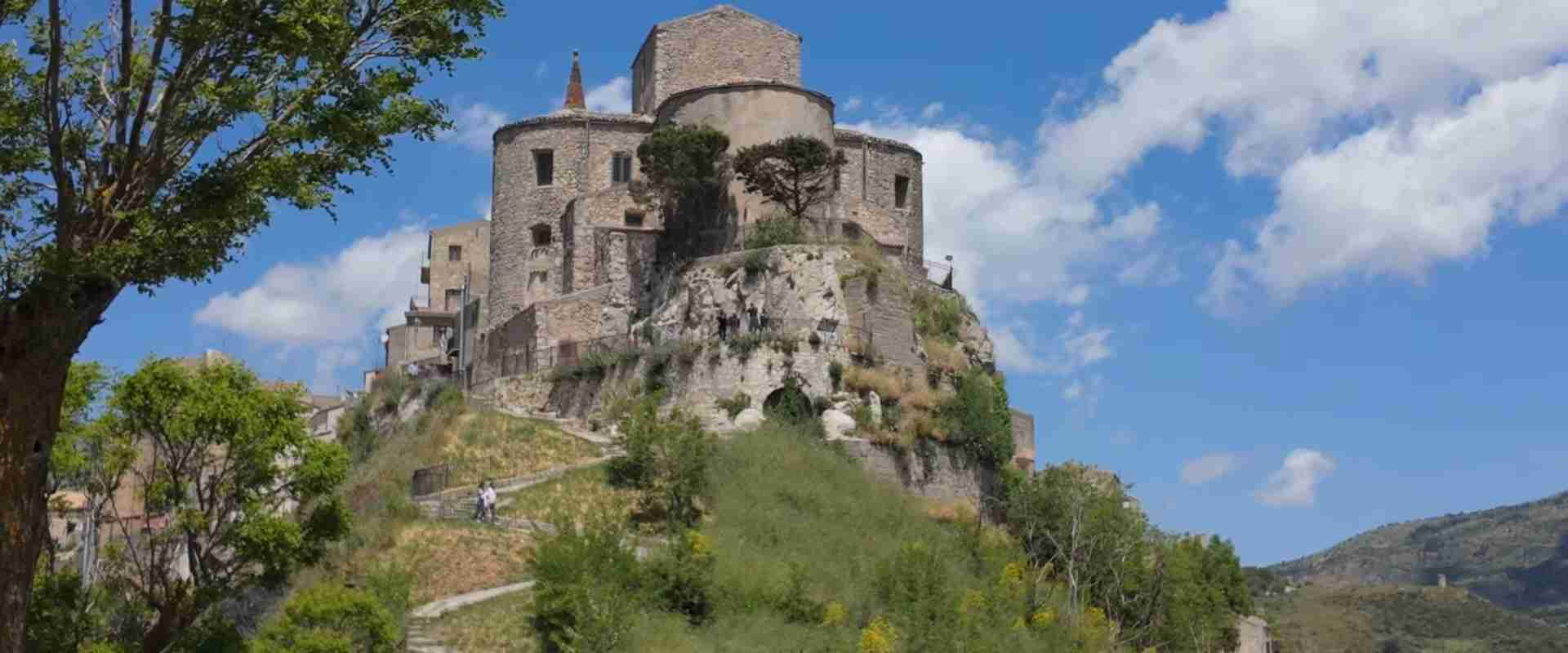
Sicily at a Human Scale: A Slow-Travel Itinerary Through the Madonie and Nebrodi Mountains
Sicily’s interior mountains offer an antidote to coastal tourism, where medieval stone villages cling to ridgelines, shepherds still move flocks through ancient transhumance routes, and time operates at walking pace. The Madonie and Nebrodi massifs preserve a Sicily that resists Instagram but rewards presence, where genuine encounters replace curated experiences and depth supersedes checklist completion.
Key Takeaways
- Geography of Escape: The Madonie and Nebrodi mountains form Sicily’s green interior, where altitude creates Alpine microclimates, chestnut forests replace scrubland, and medieval villages preserve craft traditions and dialect variations unknown on the coast
- Slow-Travel Framework: This itinerary prioritizes lingering over landmarks, suggesting week-long immersion in 3-4 villages rather than rushed daily drives, allowing rhythms of local life to shape your days rather than forcing Sicily into tourist schedules
- Authentic Food Culture: Mountain trattorias serve cucina povera elevated to art—wild mushroom pasta, sheep’s milk ricotta made that morning, pork from semi-wild Nebrodi black pigs, chestnuts prepared dozen ways—with menus that change based on what arrived from foragers and farmers
- Walking as Method: Hundreds of kilometers of marked trails connect villages through beech forests, past Byzantine hermitages, along ridgeline panoramas stretching from Etna to the Aeolian Islands, transforming travel into embodied geography rather than windshield tourism
- Cultural Preservation: These communities maintain mosaicist workshops, hand-weave carpets using medieval looms, celebrate obscure saints with multi-day festivals, and speak Sicilian dialects so localized that linguists study them—offering windows into continuity rather than reconstruction
- Logistical Reality: This journey requires rental car for village access, modest Italian language for deeper encounters, tolerance for irregular schedules, and acceptance that some days the best activity is watching afternoon light move across valley walls from a piazza bench
People Also Ask About Slow Travel in Sicily’s Mountains
What makes the Madonie and Nebrodi different from coastal Sicily?
The Madonie and Nebrodi mountains create an entirely distinct Sicily through altitude, isolation, and economic history. Where coastal regions built wealth from trade and fishing, these interior ranges developed around agro-pastoral economies—shepherding, chestnut cultivation, small-scale grain farming—that preserved feudal settlement patterns well into the twentieth century. Medieval villages remain intact not as reconstructed tourist attractions but as living communities where stone houses built 600 years ago still shelter families, where fountain squares serve as social infrastructure, and where economic life still orbits around seasonal agriculture. The altitude produces microclimates unknown on the coast: beech and oak forests replace Mediterranean scrub, winter snowfall blankets higher elevations, spring wildflower meadows rival Alpine displays, and summer temperatures stay comfortable when coastal cities swelter. Cultural isolation preserved linguistic variations, craft traditions, religious festivals, and culinary practices that homogenized elsewhere, making these mountains a repository of Sicilian diversity rather than unified regional identity.
How long should I spend in the Madonie and Nebrodi to practice slow travel meaningfully?
Meaningful slow travel in these mountains requires minimum one week, ideally two, with most time spent deeply in 3-4 villages rather than sampling many superficially. A rushed 2-3 day visit creates conventional tourism with mountain backdrop—you see medieval streets and eat local food but never penetrate surface to understand how these communities function, what tensions shape contemporary life, how tradition adapts rather than fossilizes. Spending 4-5 days in a single village allows patterns to emerge: you recognize faces, shopkeepers remember your order, you time your piazza visits to coincide with afternoon passeggiata, you learn which trattoria makes the best version of which dish, you stumble into impromptu festivals and funeral processions and heated political debates at the bar. This depth transforms travel from consumption to participation, from observing to inhabiting, from cataloging sights to understanding place. The slow-travel framework prioritizes fewer locations experienced thoroughly over many locations sampled briefly, trusting that depth of engagement produces more valuable understanding than breadth of coverage.
Can I experience authentic mountain Sicily without speaking Italian?
You can experience these mountains without Italian, but language barriers constrain the depth of encounter significantly. English penetration is minimal outside tourist-facing businesses, which themselves are sparse in these interior villages. Many older residents speak only Sicilian dialect, and even younger Italians use regional vocabulary and grammatical structures that differ from textbook Italian. However, linguistic limitation need not prevent authentic experience if you approach encounters with humility, effort, and non-verbal communication skills. Learn essential food vocabulary to navigate market stalls and trattoria menus, master basic courtesy phrases to signal respect, carry translation tools for deeper conversations, and recognize that gesture, facial expression, and shared context communicate much even when words fail. Many of the most authentic experiences—walking mountain trails, sitting in village squares observing daily rhythms, photographing craftspeople at work, tasting cheeses at small producers—require minimal language. The key is shifting from expectation of verbal explanation to acceptance of direct sensory experience, allowing place to reveal itself through observation, texture, and presence rather than exclusively through narrative and guided interpretation.
What distinguishes mountain Sicilian cuisine from coastal versions?
Mountain Sicilian cuisine diverges from coastal traditions through geography, economy, and cultural isolation. Where coastal cooking centers on seafood, citrus, almonds, and Arab-influenced sweets, mountain food culture builds from agro-pastoral foundations: sheep and pig rather than fish, chestnuts and mushrooms rather than citrus, dairy-rich dishes reflecting shepherding economy. Cucina povera—peasant cooking—reaches its most refined expression here, transforming humble ingredients through technique, tradition, and seasonal precision into dishes of surprising sophistication. Wild mushroom varieties unavailable on the coast appear in pasta sauces, risottos, and preserved preparations. The Nebrodi black pig, semi-wild breed that forages across mountain forests, produces salumi and fresh pork with flavor profiles entirely distinct from commercial breeds. Sheep’s milk ricotta made morning of consumption, still warm from the cheesemaker, transforms simple pasta into revelatory dish. Chestnuts appear in soups, porridges, flour for pasta and bread, roasted as street food, candied as sweets. These aren’t museum-piece recipes preserved for tourists but living culinary traditions that continue because they remain embedded in local economies, seasonal cycles, and family transmission of knowledge.
Extended multi-day tours – 5+ days
Featured Sicily Multi-Day Tour Packages
3 days
Sicily 3-Day Discovery Tour
- ✓ Comprehensive Sicily experience
- ✓ Expert local guides included
- ✓ All accommodation included
- ✓ Transportation provided
5 days
Sicily 5-Day Highlights Experience
- ✓ Comprehensive Sicily experience
- ✓ Expert local guides included
- ✓ All accommodation included
- ✓ Transportation provided
7 days
Sicily 7-Day Cultural Journey
- ✓ Comprehensive Sicily experience
- ✓ Expert local guides included
- ✓ All accommodation included
- ✓ Transportation provided
10 days
Sicily 10-Day Complete Adventure
- ✓ Comprehensive Sicily experience
- ✓ Expert local guides included
- ✓ All accommodation included
- ✓ Transportation provided
Multi-day tour packages powered by TourRadar. Prices and availability subject to change.
Introduction: Reclaiming Sicilian Travel from the Itinerary
Sicily suffers from its own popularity. Coastal circuits between Palermo, Agrigento, Syracuse, and Taormina have calcified into fixed routes that millions traverse annually, their days structured by opening hours, reservation times, and ferry schedules. The experience becomes mechanical: photograph Greek temple, eat obligatory arancini, check cathedral off list, drive to next destination. This industrialized tourism produces exhaustion masquerading as satisfaction, where accumulation of sights substitutes for understanding of place, where intensity of scheduling prevents depth of engagement. You return with camera full and comprehension empty.
The Madonie and Nebrodi mountains offer escape not merely from crowds but from this entire paradigm of travel. These interior ranges remain largely unknown to international visitors, appearing on few guidebook maps, generating minimal social media content, offering nothing that qualifies as “unmissable sight.” Their value lies precisely in absence: absence of tour buses, absence of tchotchke shops, absence of restaurant menus in six languages, absence of pressure to photograph everything. This absence creates space—psychological space to move slowly, temporal space to linger without guilt, social space to observe rather than perform.
The villages scattered across these mountains—Castelbuono, Petralia Soprana, Petralia Sottana, Polizzi Generosa, San Marco d’Alunzio, Troina, Mistretta—present medieval townscapes not reconstructed for tourism but maintained through continuous habitation. Stone houses lean against each other along narrow lanes. Fountain squares function as genuine social infrastructure. Workshops produce hand-woven textiles, mosaics, woodwork not as demonstration craft but as economic activity. Elderly residents sit on doorsteps in afternoon sun speaking Sicilian dialects linguists travel to study. This is not heritage theme park but living community, its medievalism not performance but continuity.
Slow travel through these mountains means abandoning conventional itinerary structure. Instead of rushing to “see everything,” you settle into one or two villages for extended stays, allowing their rhythms to shape your days. Morning market becomes ritual rather than photo opportunity. The same trattoria three nights running reveals how menu shifts with what arrived that day from foragers, farmers, cheesemakers. Walking the network of trails connecting villages transforms geography from map abstraction into embodied knowledge—you understand why this settlement perches on that ridgeline, why that valley supports chestnuts, why winter isolation shaped these communities. Time moves differently at walking pace.
This approach requires tolerance for uncertainty and irregular schedules. Not everything opens when guidebooks claim. Some businesses close without explanation. Festivals happen on dates that shift annually. The best food comes from unmarked establishments locals recommend. Conversations happen spontaneously or not at all. This unpredictability frustrates travelers who need control, but it’s precisely what allows genuine discovery. The best experiences resist scheduling: stumbling into village festival celebrating obscure saint, watching craftsperson demonstrate centuries-old technique, receiving invitation to family meal, finding shepherd willing to let you walk with his flock for afternoon.
The Madonie and Nebrodi also offer physical restoration. Their forests, meadows, and mountain air provide counterpoint to Sicily’s summer intensity. Temperatures drop noticeably with altitude—when Palermo swelters at 35°C, mountain villages sit comfortably at 25°C. Walking becomes pleasure rather than ordeal. The landscape itself shifts: Mediterranean scrubland gives way to deciduous forest, Alpine wildflowers blanket spring meadows, autumn colors rival New England displays. This is Sicily that doesn’t conform to Mediterranean stereotype, Sicily that experiences four distinct seasons, Sicily where snow sometimes falls.
What follows is not prescriptive itinerary but suggestive framework—a constellation of villages, experiences, walks, and encounters that might shape week or two in these mountains. The sequence matters less than the approach: slow, observant, open to digression, willing to abandon plans when something more interesting appears. Think of this not as route to follow but as invitation to a different mode of travel, one that prioritizes depth over breadth, presence over productivity, understanding over accumulation.
Understanding Madonie and Nebrodi: Geography as Character
The Madonie and Nebrodi form two distinct mountain massifs running parallel to Sicily’s northern coast, creating interior highlands that shaped settlement patterns, economic development, and cultural evolution for millennia. The Madonie, compact range centered on Pizzo Carbonara peak reaching 1979 meters, occupies territory roughly between Cefalù on the coast and the town of Nicosia inland. The Nebrodi, longer and lower range stretching from roughly Capo d’Orlando to the slopes of Mount Etna, reaches 1847 meters at Monte Soro. Together these ranges form Sicily’s green spine, their forests and pastures creating landscapes that contradict Mediterranean stereotypes.
Geology explains the divergence from coastal Sicily. Limestone and dolomite formations create karst landscapes with sinkholes, caves, and dramatic rock formations. Springs emerge from these porous rocks, providing reliable water that supported settlement in regions otherwise challenged by Sicily’s summer droughts. This hydrology allowed diverse agriculture: grain on valley floors, chestnuts on middle slopes, pasture on high plateaus. Economic activity followed altitude, creating vertical specialization unknown in coastal regions dependent on single crops.
The altitude produces microclimates that shift dramatically across short distances. Coastal slopes facing north receive more precipitation, supporting dense forests of oak, ash, and beech. Leeward slopes remain drier, covered with Mediterranean maquis. Valley positions create frost pockets while ridgeline villages bask in sun. These variations meant neighboring villages developed different agricultural specializations, craft traditions, and even dialect variations, producing mosaic of local identities rather than unified mountain culture.
Historical isolation reinforced geographic separation. Until twentieth-century road construction, these mountains formed barrier rather than destination. Travel between coast and interior required full day by mule. Winter snows cut villages off for weeks or months. Economic activity remained local: shepherds moved flocks between seasonal pastures, chestnut harvest sustained communities through winter, small-scale grain farming fed villages rather than export markets. This isolation preserved traditions that disappeared elsewhere while simultaneously stunting economic development, creating double-edged legacy of cultural richness and persistent poverty.
Medieval settlement patterns remain legible today. Villages cluster on defensible ridgelines and hilltops, their stone houses pressed together behind remnant walls. Central squares—often with fountain that supplied entire community—function as social and economic heart. Churches disproportionate to population size testify to historical wealth from feudal estates. Norman castles crown highest points, their strategic positioning revealing how military considerations shaped urban form. Walking through these villages means encountering medieval geography not as reconstruction but as living infrastructure, streets and buildings that continue serving purposes for which they were designed centuries ago.
The Madonie received National Park designation in 1989, creating protected zone covering 40,000 hectares including 15 municipalities. This designation brought conservation funding while constraining development, preserving landscapes and traditional land use while limiting economic opportunities. The result is double-edged: forests and biodiversity thrive under protection, walking trails receive maintenance and marking, environmental quality attracts selective tourism. But agricultural constraints push younger generation toward cities, threatening demographic vitality of villages the park ostensibly protects. The Nebrodi Regional Natural Park, established 1993 and covering 86,000 hectares across three provinces, faces similar tensions between conservation and economic vitality.
Flora diversity distinguishes these mountains from coastal Sicily. The Madonie host 1800 plant species, including 150 endemic to Sicily and several found nowhere else on Earth. Ancient holly trees, some over 300 years old, form forests of botanical significance. Nebrodi oak and beech forests create canopy ecology supporting mushroom varieties prized by foragers and chefs. Spring wildflower displays attract botanists from across Europe. This biodiversity isn’t merely abstract environmental value—it shapes local economy through mushroom foraging, truffle hunting, honey production, and increasingly, ecotourism focused on botanical observation.
Fauna includes species rare elsewhere in Sicily. Wild boar populations thrive in forest undergrowth. The Nebrodi black pig, semi-wild breed that forages freely rather than being penned, produces pork and salumi with distinctive flavor profiles commanding premium prices. Birds include species more typical of Apennine mountains than Mediterranean islands. This wildlife shapes agricultural practices—shepherds still guard flocks against predators, foragers compete with boar for mushrooms—maintaining relationships between human and natural systems that disappeared from more developed regions.
Contemporary reality combines continuity with change. Traditional agriculture persists but barely: shepherding continues because European subsidies make it economically viable, chestnut groves receive harvest because cooperatives process and market the crop, grain farming survives in pockets where mechanization is possible. Depopulation threatens smaller villages—some borghi now house more cats than residents. Yet other villages experience modest revival as retirees return, as remote workers discover affordable housing with good internet, as slow-food tourism creates market for traditional products. The mountains exist in state of flux, their future uncertain but their past remarkably persistent.
The Slow-Travel Philosophy: Against the Itinerary
Slow travel represents philosophical rejection of tourism industry’s core assumption: that value derives from quantity of sights consumed. Conventional travel operating system runs on accumulation—more destinations, more experiences, more photographs, more stamps in passport. This produces anxiety-driven movement where staying longer feels like waste, where depth of engagement loses to fear of missing something elsewhere. You return exhausted, satisfied you “did” Sicily but uncertain what Sicily actually is beyond series of photographs.
Slow travel inverts these priorities. It trusts that understanding one village deeply produces more valuable knowledge than superficial contact with ten. It recognizes that genuine cultural encounter requires time to move beyond tourist-local transaction into something approaching peer interaction. It accepts boredom as necessary precondition for discovery—only when nothing demands your attention do you notice what actually surrounds you. It values repetition over novelty, returning to same places repeatedly until patterns emerge, until you recognize subtle variations, until familiarity allows appreciation impossible on first encounter.
In practice this means aggressive limitation of ambition. Rather than attempting to see Madonie and Nebrodi and coast and interior in ten-day trip, you choose three or four villages and genuinely inhabit them. You rent apartment for week rather than booking different hotel nightly. You shop at same market stall repeatedly until vendor remembers your preferences. You return to same trattoria enough times that staff transition from tourist-appropriate friendliness to something approaching recognition. You walk same trails in different light, different weather, different seasons if possible. This repetition creates depth impossible through breadth.
The approach requires psychological adjustment. FOMO—fear of missing out—is real and powerful. Knowing that spectacular village exists three valleys over creates pull to go see it, to add it to collection. Slow travel demands resisting this pull, trusting that deeper engagement with proximate reality produces richer experience than superficial sampling of distant attraction. This is harder than it sounds. We’re trained to maximize coverage, to optimize, to extract maximum value from limited vacation time. Choosing to spend entire day in single village walking aimlessly, sitting in square, observing, feels wasteful until you discover what this approach reveals.
Practical implementation starts with transportation choice. Rental car provides necessary mobility between villages while allowing spontaneous digression—you spot interesting trail, you follow it. But resist using car to maximize daily coverage. Pick village as temporary base, make day trips from there, return to same accommodations nightly rather than constant hotel changes. This creates home base that becomes familiar, allowing comparison and contrast when you visit other locations. You understand what distinguishes Polizzi Generosa from Petralia Soprana because you know Petralia Soprana intimately rather than remembering it as blur between other destinations.
Accommodation choice matters. Agriturismi—working farms offering rooms and meals—provide immersion in agricultural reality. You wake to animal sounds, eat food produced on property, observe seasonal work, engage with family managing operation. Some historic building conversions offer architectural experience—sleeping in medieval monastery or Norman tower adds layer of historical engagement. Small hotels in village centers put you in middle of daily life rather than isolated in resort. Avoid chains and resorts entirely; their convenience comes at cost of cultural insulation.
Daily rhythm should emerge organically rather than being imposed. Wake naturally rather than to alarm. Discover when local market happens and let that anchor your morning. Notice when shops close for afternoon siesta and adapt your schedule accordingly. Observe when locals emerge for passeggiata—evening stroll—and join them. Eat dinner when restaurants actually serve locals rather than accommodating tourist schedules. This alignment with local rhythm transforms you from observer to marginal participant, creating opportunities for encounter that rigid itinerary prevents.
Language barrier requires acknowledgment. Most mountain villages have minimal English penetration. Menus appear only in Italian, often only in Sicilian dialect. Shopkeepers may speak only Sicilian. This linguistic challenge is feature not bug—it ensures these villages remain genuine rather than tourist-adapted. But it requires preparation. Learn basic Italian food vocabulary so you understand what you’re eating. Master courtesy phrases—buongiorno, grazie, permesso—that signal respect rather than expectation that locals accommodate your limitations. Carry translation tools but use them judiciously, recognizing that some experiences transcend verbal explanation.
Photography requires discipline. The impulse to document everything prevents presence. When every moment becomes photo opportunity, you experience trip through camera screen rather than directly. Try this: photograph architectural elements, landscapes, documentation that serves memory. But resist photographing people without permission, food beyond single dish, every village street. Give yourself permission to experience things without capturing them. The goal is memory in consciousness rather than memory in device. You’ll remember conversations, textures, smells, emotional tones that photographs fail to convey anyway.
Allow space for serendipity. The best experiences resist planning: you’re invited to family meal, you stumble into village festival, you’re offered ride on tractor to see shepherd’s hut, you’re shown workshop where craftsperson demonstrates medieval technique. These moments happen when you’re receptive rather than scheduled, when you have margin in day to accept unexpected invitations, when you’re visible in public spaces rather than hidden in rental car. This requires faith that unplanned time produces value rather than constituting waste.
The slow-travel philosophy extends beyond Sicily. It’s portable approach applicable anywhere, based on recognition that depth of engagement produces understanding that breadth of coverage cannot match. But it requires unlearning behaviors that tourism industry cultivates: the need to see everything, the fear of missing highlights, the equation of movement with progress, the measurement of trip success by quantity of sites visited. Slow travel measures success differently: by quality of encounter, depth of understanding, degree of presence, and perhaps most importantly, by cultivation of patience to let place reveal itself on its own terms rather than demanding it conform to your schedule.
Suggested Itinerary Framework: A Week in Stone Villages
What follows is suggested framework for week in the Madonie and Nebrodi mountains, not prescriptive itinerary demanding rigid adherence but flexible structure allowing adaptation based on what you discover, what appeals, what weather permits. The sequence builds from accessible to more remote, from partially tourist-aware to thoroughly authentic, from easier to navigate to more linguistically and logistically challenging. Adapt freely.
Days 1-3: Castelbuono and the Madonie Heart
Begin in Castelbuono, the most accessible and accommodating base for mountain immersion. Located 70 kilometers east of Palermo in the Madonie foothills, Castelbuono offers medieval architecture, robust food culture, and sufficient tourism infrastructure to ease transition from coast to mountains without overwhelming authentic character. The fourteenth-century castello dominates the town, its massive walls and towers visible from surrounding valleys. Stone houses cascade down slopes from castle to valley floor, creating layers of terraces, stairs, and winding lanes that reward aimless wandering.
Spend first day acclimating. Walk the town’s perimeter, tracing the path where defensive walls once ran. Explore the castle’s museum, which houses contemporary art installations within medieval rooms—the juxtaposition of modern art against ancient stone creates dialogue about continuity and change. Visit Chiesa Madre, the main church facing castle across the piazza, its baroque interior concealing medieval foundations. Climb to Chiesa di San Francesco for panoramic views across valleys toward coast. End day at one of several excellent trattorias specializing in mushroom-based dishes—Castelbuono’s surrounding forests produce porcini, ovoli, and gallinacci that appear in pasta, risotto, and preserved preparations.
Second day, drive or walk to Gibilmanna sanctuary, perched on mountain above town. The road climbs through dense chestnut forest before emerging at sanctuary complex visited by pilgrims for centuries. The baroque church contains revered Madonna statue, but the real appeal is the setting—terraces with views extending to Aeolian Islands on clear days, mountain paths leading into Madonie high country, afternoon light that turns limestone peaks gold. Return via Piano Battaglia if weather permits, high plateau used as ski area in rare snowy winters but accessible for walking most of year. The plateau’s karst landscape of sinkholes and rock formations creates otherworldly geography unlike anywhere else in Sicily.
Third day venture to Petralia Soprana and Petralia Sottana, paired villages occupying adjacent peaks 20 kilometers south of Castelbuono. Petralia Soprana, perched at 1147 meters, claims title as Sicily’s highest municipality. Its medieval core remains largely intact: Chiesa Madre contains fourteenth-century polyptych by Pietro Ruzzolone, stone houses press against narrow lanes, tiny piazzas open unexpectedly. The village edges offer sweeping views across interior valleys toward Mount Etna, the volcano’s profile dominating eastern horizon. Lunch at modest trattoria where menu consists of whatever arrived that morning—wild fennel pasta, ricotta still warm from production, lamb from flocks visible on surrounding slopes.
Petralia Sottana, slightly lower and marginally larger, offers similar medieval atmosphere with addition of several churches worth visiting: Chiesa Madre preserves sixteenth-century wooden choir stalls and Gagini family sculptures, while Chiesa della Santissima Trinità contains remarkable wooden ceiling. The village also hosts excellent ceramic workshops where artists produce contemporary work using traditional techniques. Watch artisans at work, observe how medieval craft adapts to modern market, perhaps commission piece that becomes tangible memory of mountains.
Days 4-5: Polizzi Generosa and Mountain Trails
Move base to Polizzi Generosa, perhaps the most dramatically situated of Madonie villages. The town crowns limestone outcrop rising abruptly from valley floor, its position creating natural fortress that protected inhabitants for millennia. Park outside historic center and walk in—cars navigate narrow lanes with difficulty. The approach on foot reveals how town grew organically from topography: houses built directly into and atop limestone, streets following contours, sudden views opening through gaps between buildings.
Chiesa Madre occupies highest point, its campanile visible for kilometers. The interior contains exceptional artworks including Polyptych of the Trinity by an unknown fifteenth-century master and wooden crucifix attributed to Fra’ Umile da Petralia. But the real treasure is climbing campanile for 360-degree panorama: Madonie peaks to south, Nebrodi range to east, valleys extending to coast in north, the entire theater of interior Sicily visible. Late afternoon light recommended—watch shadows lengthen across valleys, villages lighting up as sun sets.
Polizzi Generosa also anchors extensive trail network. Day hike possibilities include route to Piano Battaglia through beech forest, circuit to Quacella spring through wildflower meadows, longer trek toward Pizzo Carbonara for those wanting serious elevation gain. Trail marking has improved substantially—many routes now follow CAI standard red-white blazes—but carrying topographic map remains prudent. These walks transform abstract geography into embodied understanding: you comprehend why villages cluster on ridges, why chestnuts dominate certain slopes, why water sources determined settlement locations. Walking reveals logic of landscape.
Food culture in Polizzi warrants attention. The town maintains Slow Food presidium for specific sheep’s milk cheese called Provola delle Madonie, protected traditional product available from producers around town. Seek out bakers producing sfoglio, local pastry variation stuffed with tuma cheese and anchovies or ricotta and chocolate. Several small alimentari (groceries) stock local products: wild honey varieties, sun-dried tomatoes in oil, mushrooms preserved in brine, jams from mountain fruit. Assemble picnic from these elements and carry it to viewpoint or trail lunch spot.
Days 6-7: Into the Nebrodi – San Marco d’Alunzio and Troina
The Nebrodi mountains lie east, requiring hour’s drive across interior valleys. The landscape shifts: Madonie’s dramatic limestone gives way to softer profiles, forests grow denser, villages feel more isolated. San Marco d’Alunzio, first stop, occupies strategic position above coastal plain, its history legible through architectural layers. Greek settlement gave way to Roman, then Byzantine, then Arab, then Norman—each civilization leaving traces. Twenty-two churches in village of fewer than 2000 residents testify to medieval wealth now vanished.
The castello ruins crown summit, reached by steep climb through old town. Norman construction atop Byzantine foundations atop Roman remains creates archaeological layer cake. The climb rewards effort: views extend along coast to Aeolian Islands, inland across Nebrodi forests, down to village’s red-tiled roofs cascading down slope. Chiesa Madre below contains remarkable baroque interior with elaborate stucco work, while Temple of Hercules ruins mark Greek presence.
San Marco d’Alunzio preserves red marble quarrying tradition dating to Roman era. The distinctive stone—rosso San Marco—appears in churches across Sicily and beyond. Small workshops still work the marble, though extraction has ceased. Visit remaining artisans to observe how stone is cut, polished, transformed into decorative objects and architectural elements. This isn’t heritage demonstration but living craft, albeit one sustained more by tourism demand than traditional market.
Troina, 40 kilometers farther east, represents the Nebrodi’s remote heart. At 1121 meters elevation, it’s Sicily’s highest provincial capital, perched on mountain with views toward Etna. The town saw significant medieval importance—Norman count Roger established early capital here during Sicilian conquest—but centuries of decline left it architecturally intact and economically marginal. The centro storico preserves medieval street plan: narrow lanes, covered passages, sudden piazzas, houses built directly into rock. Walking these lanes feels like moving through living medieval town rather than reconstructed heritage site.
Chiesa Madre occupies commanding position overlooking valleys. The interior, relatively modest, contains painted wooden ceiling and baroque altars, but the appeal lies in setting rather than artwork. The adjacent piazza functions as genuine social space—elderly residents congregating in morning sun, children playing soccer in afternoon, evening passeggiata circulating around fountain. Sit, observe, let the rhythm of village life unfold around you. This is slow travel’s core practice: being present without agenda, allowing encounter rather than forcing it.
Troina serves as base for exploring higher Nebrodi. Lago Ancipa, artificial reservoir surrounded by forests, offers walking circuits with minimal elevation gain. Monte San Fratello, village to north, produces distinctive breed of horse and maintains unique Greek-derived dialect. Cesarò, mining town toward Etna’s northern slopes, provides access to high-altitude trails through beech forest. These villages see virtually no international tourists—you may be only non-Italian in entire community—creating immersion that more accessible locations cannot match.
Village Deep Dives: Six Communities Worth Extended Time
Castelbuono: Gateway to Mountain Authenticity
Castelbuono straddles line between tourist destination and authentic community, making it ideal introduction to mountain Sicily. The castle that gives the town its name—”good castle”—rises from the medieval center, its fourteenth-century walls enclosing later additions including baroque chapel housing reliquary skull of Saint Anne, patron saint. The castle now functions as museum and cultural center, hosting contemporary art exhibitions that create interesting tension between modern work and medieval setting. Climbing the castle’s ramparts provides orientation: valleys extending to coast, mountains rising inland, the town’s concentric rings of development visible below.
The centro storico rewards wandering without agenda. Via Confalonieri, main street, preserves medieval proportions—two people can barely pass between buildings. Side lanes twist unpredictably, opening into pocket piazzas where fountains once supplied entire neighborhoods. Stone houses lean against each other, their exteriors weathered but interiors often renovated to contemporary comfort. Several churches deserve attention: Chiesa Madre facing castle across Piazza Margherita, Chiesa di San Francesco with its cloister and panoramic terrace, Chiesa delle Anime Sante del Purgatorio with baroque interior.
Food culture distinguishes Castelbuono from similar-sized villages. The town sits at confluence of three ecosystems—coastal plain below, chestnut forests mid-slope, high peaks above—giving access to exceptional ingredient diversity. Autumn brings wild mushrooms: porcini, ovoli, gallinacci, pioppini. Surrounding forests support honey production—eucalyptus, chestnut, wildflower varieties. Chestnuts themselves appear in dozens of preparations: roasted as street food, ground into flour for pasta and bread, pureed for desserts. The Nebrodi black pig, though named for neighboring range, produces pork available at butchers and transformed into salumi at several small producers.
Several trattorias merit repeated visits. Nangalarruni, named for local dialect term, specializes in traditional dishes prepared without tourist compromise: pasta with wild fennel and sardines, rabbit with olives, pork braised with mountain herbs. Prices remain remarkably low by tourist standards—full meal with wine falls around €25-30 per person. Romitaggio, just outside town toward Gibilmanna, offers rustic setting and menu based entirely on what forest and garden provide that day. Reservations essential at both—call ahead or ask your accommodation to arrange.
The town maintains robust market culture. Wednesday morning brings farmers, foragers, and producers from surrounding territory selling direct: vegetables from kitchen gardens, ricotta made that morning, honey from backyard hives, mushrooms gathered dawn that day. This isn’t tourist market but genuine provisioning venue where locals shop, making it excellent observation point for food culture. Notice what’s in season, how ingredients get selected and discussed, what constitutes normal quantities—you’ll gain insight into daily life impossible from restaurant dining alone.
Several cultural institutions merit attention. Museo Francesco Minà Palumbo, natural history museum housed in former monastery, displays regional flora and fauna collections assembled by nineteenth-century naturalist. The collection appears dated by contemporary museum standards, but its very antiquity creates charm—glass cases, handwritten labels, taxidermied specimens arranged with Victorian sensibility. The museum also maintains botanical garden with endemic Madonie species. Libreria del Castello, bookstore within castle complex, stocks regional authors and produces occasional cultural events—readings, presentations, small concerts.
Castelbuono works well as base for exploring wider Madonie. Day trip circuits include: Cefalù on coast for Norman cathedral and beach (40 minutes), Isnello for astronomical observatory and dark-sky stargazing (20 minutes), Collesano for ceramics workshops (25 minutes), Geraci Siculo for castle ruins and extreme medieval atmosphere (30 minutes). Each destination offers half-day to full-day engagement before returning to familiar Castelbuono accommodations, creating stability while allowing exploration.
Petralia Soprana: Living at Altitude
Petralia Soprana’s claim as Sicily’s highest municipality—official elevation 1147 meters—manifests in climate, vegetation, and cultural identity. Residents describe their village as “different Sicily,” and they’re correct: temperature drops noticeably from surrounding valleys, winter brings occasional snow, summer remains comfortable when coast swelters, vegetation includes species more typical of Apennine mountains than Mediterranean islands. This altitude creates physical environment that shaped agricultural practices, architectural adaptations, and psychological orientation toward interior rather than coast.
The medieval core arranges itself around twin poles: Chiesa Madre at one end, Chiesa dei Santi Apostoli Pietro e Paolo at other, with network of lanes connecting them. Chiesa Madre dates to fourteenth century with later baroque modifications, its interior preserving wooden crucifix attributed to Fra’ Umile da Petralia and altarpiece by Pietro Ruzzolone. The polyptych by Ruzzolone—depicting Madonna and Child surrounded by saints—represents high point of fifteenth-century Sicilian painting, its gold-leaf background and precise figuration revealing Flemish influence filtering through southern Italy. Church of Saints Peter and Paul, smaller but architecturally significant, contains marble work by Gagini family who dominated Sicilian Renaissance sculpture.
Stone houses throughout village display architectural adaptation to altitude. Walls run thicker than coastal equivalents, small windows minimize heat loss, some houses incorporate stables on ground floor—animal heat warming living quarters above. Roofs angle steeply to shed snow. Many houses preserve external stairs leading to second-floor entries, creating covered ground-level spaces for storage and work. These aren’t design affectations but practical responses to environmental conditions, making architecture legible expression of climate.
Petralia Soprana maintains artisanal traditions that disappeared from more developed areas. Several weavers still produce textiles using vertical looms unchanged since medieval period, their wool carpets and blankets following geometric patterns passed through generations. These aren’t museum demonstrations but functioning businesses, albeit ones sustained by selective tourism demand rather than mass market. Visit workshops, watch weavers at work, understand how hand production differs from industrial equivalents, perhaps commission piece that captures mountain craftsmanship.
Chestnut culture dominates autumn. Forests surrounding village produce abundant harvest, the nuts supporting multiple preparation methods: roasted and sold as street food, boiled and preserved in brine, ground into flour for pasta and polenta, pureed for desserts, candied as marrons glacés. Local pasta called chiancareddi—thick noodles made from chestnut and wheat flour—appears on trattoria menus from September through December. The dish pairs with mushroom sauce or simple butter and cheese, the chestnut flour’s subtle sweetness creating complexity impossible with wheat alone.
The village hosts modest but genuine festivals throughout year. Festa del SS. Crocifisso in early May brings procession carrying medieval crucifix through streets, bands from surrounding villages, fireworks at sunset. Festa di San Giuseppe in March centers on elaborate altar constructions decorated with breads shaped into symbolic forms—fish, crosses, saints—which get blessed then distributed to poor. These aren’t tourist performances but religious observances embedded in community identity, though visitors attending with respect are welcome. Check dates before planning visit as they shift annually.
Hiking from Petralia Soprana accesses high Madonie trails. Multiple routes lead toward Piano Battaglia and Pizzo Carbonara, ranging from gentle forest walks to serious alpine-style climbs. Trail to Carbonara’s summit (1979 meters) requires 5-6 hours round-trip with significant elevation gain, but rewards effort with panoramas extending across entire northern Sicily. Less ambitious walkers can follow lower trails through beech forest to mountain springs—Quacella spring offers short pleasant walk with minimal elevation change. Carry topographic map as trail marking remains inconsistent in places.
Polizzi Generosa: Drama and Isolation
Polizzi Generosa’s name derives from Latin “Polis” (city) and “Generosa” (generous, though etymology remains debated), but contemporary character comes from topography: the town crowns isolated limestone outcrop rising abruptly from valley, creating natural fortress that shaped military, economic, and psychological history. The approach from any direction creates drama—suddenly this substantial town appears atop rock, seemingly growing from stone itself, defying gravity and logic. Medieval residents chose this position for defensive advantage, accepting difficulty of daily life for security it provided.
Modern access requires abandoning car outside centro storico and walking in—lanes were designed for mules not automobiles. This approach on foot reveals town’s organic relationship to topography. Houses follow rock contours, some built directly atop limestone cliffs, others incorporating natural caves as ground floors. Streets switch back repeatedly climbing toward summit, creating vertical organization where upper and lower town maintain distinct characters. Multiple piazzas break the ascent, each with fountain that once supplied specific neighborhood. The entire urban form reads as adaptation to extreme topography rather than imposing geometric order.
Chiesa Madre occupies highest point, its position making campanile visible landmark for kilometers. The church interior contains exceptional artworks disproportionate to village size: Polyptych of the Trinity by anonymous fifteenth-century master, wooden crucifix by Fra’ Umile da Petralia, marble sculptures by Domenico Gagini and workshop. The polyptych deserves extended attention—its five panels depicting Trinity, saints, and narrative scenes demonstrate sophistication equal to better-known Sicilian Renaissance works. The unknown artist’s identity frustrates scholars but shouldn’t diminish appreciation for technical accomplishment and visual intelligence.
Climbing campanile adds another dimension—literally. The tower’s height combined with village’s elevation creates panorama encompassing massive territory: Madonie peaks spreading south, Nebrodi range visible east, valleys extending to coast northward, smaller villages dotting surrounding ridges. Late afternoon produces optimal light, the setting sun gilding limestone peaks while valleys fill with shadow. Sunset timing varies seasonally—check locally and time ascent accordingly. The campanile closes irregularly, so confirm access before planning visit around it.
Polizzi Generosa maintains stronger craft tradition than most similar villages. Ceramic production continues in several workshops, artisans creating both traditional forms—plates, pitchers, decorative tiles—and contemporary pieces adapting historical techniques to modern aesthetics. Watch artists at work, observe how pieces get thrown, glazed, fired, understand labor intensity that determines pricing. Textile production survives in small scale: one weaver maintains vertical loom producing carpets and blankets using medieval patterns, her workshop tucked into ground floor of house on Via Garibaldi. These aren’t heritage demonstrations but actual economic activity, sustained by combination of local demand and selective tourism.
Food culture reflects geographic isolation. Until twentieth century road improvements, Polizzi operated as semi-autonomous economic unit, developing food traditions based on what surrounding territory produced rather than importing from elsewhere. This produced distinctive preparations: pasta with fava bean sauce, bread made from ancient grain varieties, cheeses from sheep herded on surrounding slopes. Contemporary trattorias maintain these traditions because they remain embedded in local preference rather than being reconstructed for tourists. Seek out U Bagghiu or Trattoria Pizzeria da Salvatore for meals prepared without tourist compromise.
The village anchors extensive trail network. Piano Battaglia lies 12 kilometers south via mountain road, but multiple trails cut cross-country through beech forest and across limestone karst. Shorter walks include circuit to Quacella spring (2-3 hours) through wildflower meadows, route to San Guglielmo hermitage (1 hour) perched on cliff face, longer trek toward Pizzo Antenna (4-5 hours) for high-altitude panoramas. Trail marking has improved with CAI standard blazes on major routes, but carrying topographic map and basic navigation skills remains prudent. These walks transform abstract geography into embodied experience—you understand viscerally why villages developed where they did, how topography shaped land use, why certain slopes support chestnuts while others remain barren rock.
San Marco d’Alunzio: Nebrodi’s Layered History
San Marco d’Alunzio occupies strategic position above coastal plain where Nebrodi mountains meet sea, this geography making it valuable to successive civilizations who each left architectural traces. The result is unusual concentration of historical layers visible within small village: Greek foundations beneath Roman walls beneath Byzantine modifications beneath Arab restructuring beneath Norman reconstruction. Walking village streets means moving through two millennia of Mediterranean history compressed into single square kilometer.
The castello ruins crown summit, reached by steep climb through old town. Norman construction incorporated Byzantine fortifications built atop Roman walls utilizing Greek-cut stone—archaeological layer cake legible in remaining walls. The climb rewards effort with panoramic views: Aeolian Islands floating offshore, coastal plain extending west toward Cefalù, interior valleys climbing into Nebrodi forests, the village’s red roofs cascading down slope below. Late afternoon light recommended, the setting sun illuminating islands while valleys fade into shadow. The castello remains undeveloped—no entrance fee, no visitor center, no safety rails—making exploration feel like discovery rather than managed experience.
Twenty-two churches serve population of fewer than 2000, this disproportion testifying to medieval wealth from agriculture, marble quarrying, and strategic positioning. Several merit attention: Chiesa Madre contains elaborate baroque interior with stucco work rivaling anything in Palermo, its excess feeling surreal in village this remote. Chiesa di San Teodoro preserves Byzantine origins visible in structure despite baroque additions. Chiesa dell’Aracoeli, dramatically positioned on cliff edge, offers views extending to Etna. Most churches close except during mass times—ask locally about access or attend Sunday service to experience interiors.
The village maintains connection to red marble quarrying tradition dating to Roman era. Rosso San Marco marble—distinctive for its deep red color with white veining—was extracted from nearby quarries and shipped across Mediterranean for use in temples, churches, palaces. Commercial extraction ceased mid-twentieth century, but several workshops still process the stone, creating decorative objects, architectural elements, small sculptures. Visit remaining artisans to observe stone cutting, polishing, carving—the work remains physically demanding, each piece requiring hours of labor that determines high pricing. This isn’t heritage demonstration but actual craft sustained by specialized demand.
Temple of Hercules ruins occupy periphery of village, Greek foundation from fourth century BCE partially excavated and consolidated. The temple served Greek settlement called Aluntium, predecessor to current village. Roman conquest led to settlement expansion and transformation, later decline causing partial abandonment. What remains—foundation walls, column drums, scattered capitals—requires imagination to reconstruct but demonstrates settlement continuity spanning 2400 years. Small on-site museum displays artifacts recovered from excavations, pottery and coins documenting commercial connections across Mediterranean.
San Marco d’Alunzio works well as base for exploring northern Nebrodi. Day trips include: Capo d’Orlando on coast for beach and Byzantine tower (20 minutes), Sant’Agata di Militello for Nebrodi park headquarters and trail information (15 minutes), Longi for cheese producers and mountain scenery (45 minutes), Tortorici for metal-working traditions and mountain position (40 minutes). Each destination offers half-day engagement, allowing return to San Marco accommodations for evening. The village itself sustains 2-3 days exploration without exhausting possibilities.
Troina: Remote Nebrodi Heart
Troina occupies isolated position deep in Nebrodi interior at 1121 meters elevation, making it Sicily’s highest provincial capital and one of its most remote communities. This geographic isolation shaped distinctive identity—the village looks toward Etna rather than coast, its economy historically oriented to interior agriculture rather than maritime trade, its cultural connections running through mountains rather than across sea. Visiting requires commitment: roads wind through valleys and over ridges, distances that appear short on maps consume substantial time, public transportation remains minimal. This remoteness preserves authenticity that more accessible locations lost.
Norman count Roger chose Troina as base during Sicilian conquest in eleventh century, briefly making it capital before establishing more permanently in Palermo. This period brought castle construction, religious foundation, urban expansion that marked Troina’s zenith. Centuries of decline followed as economic importance shifted to coast, leaving medieval urban form intact because population and economy couldn’t sustain redevelopment. The centro storico that results preserves medieval street plan: narrow lanes optimized for defense rather than traffic, houses built directly into rock, sudden piazzas opening as social spaces, the entire urban form reading as organic growth rather than planned development.
Chiesa Madre occupies commanding position overlooking valleys toward Etna. The baroque facade, disproportionately grand for village this size, creates approach drama. Interior combines baroque altars with painted wooden ceiling and medieval elements visible in structure. The adjacent piazza functions as genuine social infrastructure—morning coffee culture, afternoon elderly residents gathering in sun, evening passeggiata circulating around fountain. Sit, observe, let village rhythm unfold without agenda. Notice who greets whom, what gets discussed, how public space facilitates social maintenance. This observation constitutes slow travel’s core practice: presence without program, allowing encounter rather than forcing it.
Several additional churches merit exploration if access permits. Chiesa di San Nicola preserves Norman foundations with later modifications. Chiesa di San Silvestro, outside main settlement, occupies position with exceptional Etna views. Chiesa del Purgatorio contains baroque interior and eighteenth-century wooden sculptures. Most churches close except during mass—attend Sunday service for interior access and cultural experience, the liturgy providing window into religious practice that remains embedded in community identity despite secularization elsewhere.
The local archaeological museum displays artifacts recovered from surrounding territory, documenting settlement from prehistory through Byzantine period. The collection won’t impress visitors accustomed to major institutions, but modest scale creates intimacy impossible in larger museums. Pottery, tools, coins, and architectural fragments illustrate material culture across millennia, each object anchored to specific site in surrounding landscape. This geographic specificity transforms abstract history into tangible connection to territory.
Troina serves as base for exploring high Nebrodi. Lago Ancipa, artificial reservoir 15 kilometers east, offers walking circuits through beech forest with minimal elevation gain, the lake’s position at 1200 meters creating Alpine atmosphere. Monte Soro (1847 meters), highest Nebrodi peak, rises to southeast, accessible via mountain roads then hiking trails requiring 3-4 hours. Cesarò, mining town toward Etna, provides access to higher trails and spectacular volcano views. These destinations see virtually no international tourists—you may be only non-Italian for kilometers—creating immersion that more accessible locations cannot match.
Food culture reflects geographic isolation and agricultural economy. Mountain trattorias serve dishes based on sheep, pork, chestnuts, mushrooms, dairy—the products of surrounding territory rather than imports from coast or plains. Pasta with mushroom sauce appears with seasonal variation: porcini in autumn, gallinacci in spring, preserved varieties in winter. Lamb and pork preparations use entire animal including organs, nothing wasted. Cheeses from sheep herded on surrounding slopes arrive fresh daily. Bread gets made from local grain. This isn’t farm-to-table concept but economic reality—ingredients travel minimal distance because they originate locally, freshness becomes default rather than marketing claim.
Mistretta: Weaving Tradition and Contemporary Life
Mistretta occupies transitional position between Madonie and Nebrodi, perched at 950 meters where two ranges meet. This geographic position created historical importance as mountain crossing point, commercial connections running through village between interior and coast. Contemporary Mistretta maintains balance between authentic community life and selective tourism infrastructure, making it accessible yet genuine. The medieval core preserves architectural integrity while modern settlement spreads downslope, creating useful separation between historical preservation and contemporary function.
The castello ruins crown highest point, Norman construction atop earlier foundations typical of strategic mountain positions. The remaining walls frame panoramic views extending across valleys toward both mountain ranges, the position’s military logic immediately apparent. Below, the historic district arranges itself concentrically around castle, stone houses following contours, narrow lanes switching back repeatedly. Several piazzas break the urban density, their fountains once supplying specific neighborhoods now serving as social spaces. Chiesa Madre occupies prominent position, its baroque interior containing wooden altars and paintings from Sicilian school.
Mistretta distinguishes itself through maintained craft traditions, particularly textile production. Several weavers continue producing carpets and blankets using vertical looms unchanged since medieval period, their work following geometric patterns transmitted through generations. These aren’t heritage demonstrations but functioning businesses, artisans creating products for use rather than merely tourist souvenirs. Visit workshops to observe weaving process: wool preparation, dying using natural materials, thread preparation, actual weaving rhythm. Understanding labor intensity—single carpet requires weeks of work—clarifies pricing that initially seems high but represents fair compensation for skilled manual production.
The village also maintains woodworking tradition, several artisans producing furniture, architectural elements, and decorative objects using techniques predating industrial production. Master craftspeople still cut joinery by hand, carve decorative elements, finish surfaces with natural oils rather than synthetic lacquers. Some workshops accept commissions for custom pieces, others maintain inventory of chairs, tables, cabinets made using traditional forms. This represents genuine craft economy rather than tourist attraction—locals purchase furniture here, architects commission architectural elements, discriminating buyers seek pieces made without industrial compromise.
Mistretta hosts significant festivals maintaining genuine community participation rather than performing for tourists. Festa dei Giganti in September features massive papier-mâché figures paraded through streets, their construction involving entire community. The festival combines pre-Christian agricultural celebration with Christian overlay, creating syncretistic event that scholars study while residents simply maintain. Festa di San Sebastiano in January brings procession carrying saint’s statue, bands, fireworks, substantial feasting. Attending requires timing visit to festival dates—check annually as they shift—but rewards with immersion in community celebration rather than staged performance.
Food culture reflects mountain agriculture: sheep and pork dominating protein sources, chestnuts appearing in multiple preparations, mushrooms providing seasonal luxury, dairy products from mountain pastures. Local specialty includes cudduruni, large stuffed bread similar to calzone but with distinctive filling of tomatoes, onions, anchovies, cheese. Several bakeries produce traditional breads using ancient grain varieties and wood-fired ovens, their products displaying crust and interior texture impossible from industrial production. Seek out Panificio Antico Forno for bread that justifies reputation, or visit on baking day to understand wood-firing process.
Mistretta works well as base for exploring central mountains. Day trips include: Geraci Siculo for extreme medieval atmosphere and castle ruins (35 minutes), Gangi for Norman architecture and hilltop position (40 minutes), Sperlinga for cave dwellings and castle (30 minutes), Nicosia for multiple churches and baroque architecture (45 minutes). Each destination sustains half-day to full-day exploration, returning to Mistretta accommodations for evening. The village itself merits 2-3 days to explore properly, understand craft traditions, participate in daily rhythms, access surrounding trails.
Walking the Mountains: Trails as Embodied Geography
Hundreds of kilometers of marked trails cross the Madonie and Nebrodi, transforming abstract topographic maps into embodied geographical understanding. These paths range from gentle valley circuits to demanding ridge traverses, from well-maintained and clearly blazed routes to fainter tracks requiring navigation skills, from half-hour strolls to multi-day expeditions. Walking these trails creates comprehension impossible from car travel—you understand viscerally why villages cluster on ridges, how water sources determined settlement, why certain slopes support forests while others remain barren, how altitude creates microclimates supporting distinct ecosystems within kilometers.
Trail Categories and Difficulty Assessment
Trail difficulty in these mountains correlates primarily with elevation gain rather than technical challenge. Most paths follow mule tracks, shepherd routes, or military roads, their grades generally manageable for hikers with basic fitness. Few routes require scrambling or technical skills. However, substantial elevation changes create aerobic demand—gaining 600 meters elevation over 4 kilometers tests cardiovascular capacity even on well-graded path. Italian trail difficulty ratings follow CAI (Club Alpino Italiano) standard: T = turistico (tourist, easy, minimal elevation), E = escursionistico (hiking, moderate elevation and length), EE = escursionisti esperti (experienced hikers, substantial elevation or length), EEA = escursionisti esperti con attrezzatura (expert with equipment, technical sections). Most Madonie and Nebrodi trails rate T or E, with some EE sections.
Trail marking has improved substantially over past decade but remains inconsistent compared to Alpine standards. Major routes display red-white paint blazes following CAI convention, supplemented by wooden trail posts at intersections. Less-traveled paths may show only occasional blazes, with substantial sections unmarked. This variability makes topographic map and basic navigation skills essential for anything beyond major trails. Smartphone GPS with downloaded maps provides valuable backup, though signal coverage remains spotty in valleys and higher elevations. Traditional compass and paper map remain most reliable navigation tools.
Signature Routes Worth Planning Around
Piano Battaglia to Pizzo Carbonara represents the Madonie’s signature summit hike. The trailhead at Piano Battaglia (1600 meters) provides high starting elevation, reducing vertical gain required to reach Carbonara’s summit at 1979 meters. The route follows broad ridge through Alpine meadows before climbing final rocky pyramid to summit, the exposure creating dramatic drop-offs but not requiring technical climbing. Clear days provide panoramas extending across entire northern Sicily from Palermo to Etna, with Aeolian Islands floating offshore. Round trip requires 5-6 hours with 600 meters elevation gain, rating EE. Seasonal timing matters—snow lingers on north faces into May, summer heat makes midday ascent uncomfortable, autumn colors create spectacular display, winter conditions require winter mountaineering skills and equipment.
The Madonie Traverse connects Piano Battaglia to Petralia Sottana via multi-day trek crossing the range’s heart. Day one climbs to Carbonara then descends to Rifugio Marini, mountain hut providing basic accommodation. Day two continues across high ridges to Piano Sempria then drops to Petralia Sottana. Total distance approximately 25 kilometers with 1200 meters cumulative elevation gain. This route requires advance hut reservation, self-sufficiency for meals, navigation skills, and weather contingency planning. It rewards effort with immersion in mountain landscape impossible on day hikes, Alpine camping experience in Mediterranean context, and arrival in Petralia Sottana on foot creating satisfying sense of journey completion.
Quacella Circuit from Petralia Soprana offers more accessible introduction to high Madonie. The trail departs village climbing through chestnut forest before emerging into wildflower meadows surrounding Quacella spring, then returns via different route. Total distance 8 kilometers with 400 meters elevation gain, rating E, requiring 3-4 hours at moderate pace. Spring timing (May-June) provides optimal wildflower display—the meadows explode with poppies, irises, orchids, and dozens of other species. The circuit can be extended by continuing to Piano Battaglia, adding 4 kilometers and 400 meters elevation for full-day hike.
Monte Soro ascent explores Nebrodi’s highest peak at 1847 meters. The most accessible approach starts from Portella Femmina Morta (1524 meters), reached via mountain road from either Cesarò or Randazzo. The trail climbs through beech forest to treeline, then crosses rocky slopes to summit, the route straightforward but demanding aerobic capacity. Summit panorama extends from Etna to Aeolian Islands with entire Nebrodi range visible. Round trip requires 3-4 hours with 350 meters elevation gain, rating E. Alternative approach from Troina side adds distance and elevation but traverses more dramatic terrain.
Valle dell’Inferno (Hell Valley) circuit near Troina follows dramatic gorge through beech forest, the route tracing stream course with frequent cascades. The valley’s name derives from extreme summer heat concentration rather than difficulty—the enclosed topography creates microclimate noticeably warmer than surrounding areas. Trail follows valley floor before climbing out via switchbacks to return loop, total distance 6 kilometers with 250 meters elevation gain, rating E, requiring 2-3 hours. Optimal timing is spring when snowmelt creates substantial water flow, or autumn when beech leaves turn gold against limestone cliffs.
Practical Trail Considerations
Water sources along trails remain unreliable. Mountain springs marked on older maps may run dry, particularly late summer. Carry minimum 2 liters per person for half-day hikes, 3 liters for full day, more in hot weather. Refilling opportunities exist at village fountains and staffed rifugi but cannot be assumed between these points. Water purification capability provides backup—springs and streams generally run clean but agricultural activity exists throughout mountains creating potential contamination risk.
Weather changes rapidly with altitude. Conditions at trailhead may bear no resemblance to conditions 500 meters higher or on exposed ridges. Morning clouds often obscure peaks then burn off by midday, but afternoon thunderstorms can develop quickly particularly summer months. Carry windproof layer regardless of valley conditions—ridgeline wind chill can drop apparent temperature 10°C below sheltered areas. Rain gear essential beyond summer months, useful even then for unexpected showers. Lightning danger is real on exposed ridges during thunderstorms—descend immediately if storms develop.
Trail seasons vary by elevation and aspect. Lower trails (below 1000 meters) remain accessible year-round except occasional snow events. Mid-elevation routes (1000-1500 meters) become problematic November through April when snow and ice create hazards. High routes (above 1500 meters) typically require May through October window, with June through September offering most reliable conditions. Wildflower timing peaks May through June. Autumn colors develop October through November depending on elevation. Mushroom foraging season runs September through November after autumn rains begin. Winter mountaineering is possible but requires specialized skills, equipment, and avalanche awareness.
Wildlife encounters remain unlikely to dangerous. Wild boar inhabit forests throughout both ranges but generally avoid humans. Vipers exist but bites remain extremely rare—watch where you place hands when scrambling over rocks. Dogs sometimes guard shepherd huts and flocks—maintain distance and don’t approach without shepherd present. The most serious wildlife hazard is actually livestock guardian dogs, particularly if you inadvertently walk through flock territory. Give sheep and their guardians wide berth.
Hunting season complicates autumn hiking. Different zones have different schedules, but generally September through January sees active hunting, particularly Sundays and Thursdays. Hunters target wild boar, rabbit, and birds. Wearing bright orange or red clothing increases visibility. Some trails may be posted closed on hunting days—respect these closures as they exist for your safety. Weekday hiking often avoids hunting pressure, as does choosing trails in park core zones where hunting is restricted.
Mountain Huts and Overnight Infrastructure
The Madonie maintain several rifugi providing overnight accommodation for multi-day treks. Rifugio Marini near Piano Battaglia offers basic dormitory bunks and simple meals, requiring reservation through park service. Rifugio Crispi below Carbonara provides emergency shelter but no services. Several private agriturismo operations near trailheads offer rooms and meals—these provide more comfortable alternative to mountain huts with tradeoff of less remote positioning. The Nebrodi have fewer formal rifugi, with overnight trekking requiring either camping or connecting villages via trail system.
Camping regulations remain ambiguous. Official park rules prohibit camping within protected zones, but enforcement appears minimal and wild camping above treeline is tolerated by rangers. Practical advice: camp discreetly away from trails and leave no trace. Bivouac camping (arriving late, leaving early, minimal impact) generally goes unquestioned. Fires prohibited throughout mountains due to wildfire risk—carry stove for cooking. Water sources at altitude remain limited, making camp selection dependent on spring locations known locally.
Food Culture: Mountain Cucina Povera as High Art
Mountain Sicilian food culture diverges fundamentally from coastal traditions through geography, agricultural economy, and historical isolation. Where coastal cooking centers on seafood, citrus, almonds, and Arab-influenced sweets, mountain food builds from agro-pastoral foundations: sheep and pig rather than fish, chestnuts and mushrooms rather than citrus, dairy richness reflecting shepherding economy. The result is cucina povera—peasant cooking—elevated through technique, seasonal precision, and ingredient quality into cuisine of surprising sophistication. Understanding this food culture requires moving beyond restaurant meals to grasp the entire supply chain: how ingredients get produced, how seasons determine availability, how traditional preparations reflect preservation necessities transformed into culinary art.
Fundamental Ingredients and Their Sources
Sheep’s milk and its derivatives form foundation of mountain dairy culture. Small flocks graze across slopes too steep for other agriculture, their milk transformed into ricotta, tuma, provola, pecorino in varying ages and preparations. The best ricotta arrives at market still warm from morning production, its texture and flavor entirely distinct from industrial versions—sweet, creamy, almost fluffy, with no trace of acidic bite. This fresh ricotta appears in both savory preparations (pasta, vegetable stuffings, bread fillings) and sweet applications (pastries, cassata, cannoli). Tuma—young cheese sold within days of production—has mild flavor perfect for grilling or eating fresh. Aged pecorino develops sharp complexity, its hard texture suitable for grating over pasta or eating with honey and bread.
The Nebrodi black pig represents unique breed adapted to mountain foraging. These semi-wild animals roam forest eating chestnuts, acorns, roots, creating pork with distinctive flavor profile commanding premium prices. The breed nearly vanished mid-twentieth century when industrial pork production made traditional raising economically unviable, but Slow Food recognition and protected designation revived interest. Contemporary producers maintain small herds using extensive methods—pigs forage freely rather than being penned, breeding happens naturally, slaughter occurs at older age than commercial breeds. The resulting pork and salumi—prosciutto, salsiccia, capocollo, pancetta—show darker color, firmer texture, more complex flavor than industrial equivalents.
Chestnuts sustained mountain communities for centuries, providing carbohydrate staple when grain remained scarce. Ancient groves still produce substantial harvest, the nuts appearing in dozens of preparations reflecting this historical importance. Fresh roasted chestnuts become street food in autumn—vendors set up portable roasters emitting smoke and sweet aroma that permeates village streets. Boiled chestnuts preserved in brine last through winter, their texture and mild flavor complementing pork dishes. Chestnut flour gets mixed with wheat to produce pasta, bread, polenta, its subtle sweetness and distinctive texture creating regional signature. Chestnut purée becomes base for desserts, candied chestnuts (marrons glacés) represent luxury preparation, even chestnut honey comes from bees working chestnut flowers.
Wild mushroom foraging provides both subsistence activity and commercial opportunity. Autumn rains trigger fruiting of multiple species—porcini (Boletus edulis), ovoli (Amanita caesarea), gallinacci (Cantharellus cibarius), pioppini (Agrocybe aegerita)—each variety appearing in specific habitat at specific timing requiring local knowledge to harvest successfully. Foragers guard prime locations jealously, passing knowledge through families rather than publicizing finds. Fresh mushrooms command high prices at market and restaurants—porcini can reach €30-40 per kilogram—making successful foraging economically significant. Preserved mushrooms (dried, in oil, pickled) extend season through winter, their concentrated flavors adding depth to braises, sauces, risottos.
Ancient grain varieties persist where modern intensive agriculture proved impossible. Russello, Timilia, Margherita—wheat varieties cultivated in Sicily for centuries before displacement by modern hybrids—grow on mountain plots too small or steep for mechanized farming. These heritage grains produce flour with different protein structure, stronger flavor, and superior nutritional profile compared to commodity wheat. Mills grinding these grains stone-grind rather than roller-mill, preserving germ and creating flour with distinctive texture. Bread and pasta made from heritage grain flour show deeper color, nuttier flavor, different gluten network creating chewier texture. This isn’t romantic heritage preservation but economically viable niche market serving discriminating buyers willing to pay premium for superior product.
Signature Dishes and Where to Find Them
Pasta con funghi—pasta with mushroom sauce—represents mountain cooking’s signature dish, appearing on every trattoria menu with quality variation spanning enormous range. Exceptional versions start with fresh porcini or gallinacci sautéed with garlic and wild fennel, deglazed with white wine, finished with parsley and sheep’s milk ricotta. The pasta—often maccheroni, rigatoni, or pappardelle—gets tossed with sauce rather than topped, ensuring even distribution. Mediocre versions use preserved mushrooms or even imported frozen fungi, producing acceptable but unremarkable result. Quality determination requires asking what mushrooms are in season and whether they’re fresh—if waiter can’t answer, the dish likely uses preserved product.
Maccu di fave transforms dried fava beans into creamy soup through long cooking that breaks beans down into thick purée. Traditional preparation requires hours of simmering with wild fennel, onion, olive oil, finishing with toasted bread and raw onion garnish. The dish exemplifies cucina povera philosophy—humble ingredient (dried fava beans that kept indefinitely) transformed through technique (long cooking breaking down cell walls) into something satisfying and nutritious. Contemporary versions sometimes add pasta for more substantial dish, creating pasta e maccu variation. Best examples maintain proper thick consistency and fennel flavor balance—too thin becomes simple bean soup, too thick becomes paste rather than soup.
Salsiccia con finocchietto—sausage with wild fennel—showcases mountain pork quality. Fresh sausage gets coiled and grilled or pan-fried, the fennel seeds and wild fennel greens mixed into ground pork creating distinctive flavor. Nebrodi black pig sausage represents premium version, its darker meat and complex flavor justifying higher price. Serve with bread for soaking up rendered fat and juices, perhaps grilled vegetables as accompaniment. Simple preparation allows pork quality to determine dish success—exceptional sausage needs nothing beyond proper cooking, mediocre meat remains mediocre regardless of preparation.
Pasta con ricotta e noci—pasta with ricotta and walnuts—demonstrates how two ingredients create satisfying dish when both are exceptional. Fresh sheep’s milk ricotta gets thinned with pasta cooking water to create sauce coating pasta, toasted walnuts add texture and richness, sometimes touch of cinnamon or black pepper provides complexity. The dish succeeds or fails based entirely on ricotta quality—superb fresh ricotta produces revelatory result, industrial ricotta creates forgettable meal. This makes the dish excellent quality test: order it to assess ingredient sourcing, if ricotta disappoints, try different trattoria.
Capretto al forno—roasted kid—appears as special occasion dish, particularly Easter and other festivals. Young goat gets roasted whole or in large pieces with potatoes, onions, wine, mountain herbs, the long cooking producing tender meat and concentrated pan juices. The dish requires advance order as most trattorias don’t prepare it routinely—call ahead or ask your accommodation to arrange. Quality depends on goat sourcing (local pasture-raised versus commercial) and cooking technique (slow roasting versus high heat that toughens meat).
Practical Guidance for Food Exploration
Restaurant selection matters enormously. The best mountain trattorias don’t advertise, maintain minimal web presence, and may not appear in guidebooks. They serve locals who judge food quality mercilessly, making tourist-friendly amenities unnecessary. Look for these indicators: handwritten menus changing daily based on ingredient availability, modest interior without decoration, local dialect spoken at other tables, limited hours (typically lunch only or dinner only, not both), resistance to tourist expectations (no menu translations, no modifications, cash only). Ask your accommodation host for recommendations—they know which establishments maintain quality.
Menu interpretation requires basic Italian food vocabulary or willingness to ask for explanation. Many traditional dishes have no English equivalent, making translation problematic. Servers in authentic trattorias may not speak English but generally show patience explaining dishes if you demonstrate genuine interest. Translation apps help but produce comically wrong results for dialect terms and regional specialties. Pointing at other diners’ plates works surprisingly well—”Voglio quello” (I want that) combined with pointing eliminates ambiguity.
Portion sizes reflect Italian meal structure expectations. Antipasti (appetizers) and primi (first courses—pasta, risotto, soup) constitute substantial portions meant as separate courses, not shared appetizers. Ordering antipasto plus primo plus secondo (second course—meat, fish) plus contorno (vegetable side) plus dessert produces excessive food unless sharing. Standard approach: antipasto and primo, or primo and secondo, rarely both antipasto and secondo. This confuses visitors accustomed to entrée-centric meals where everything else is supporting element. Trust Italian meal structure—primo alone often suffices, particularly generous pasta portions mountain trattorias serve.
Seasonal timing determines what’s actually good versus merely available. Mushroom season runs September through November after autumn rains begin—ordering mushroom pasta in March means preserved product, possibly imported. Wild asparagus appears April through May, chestnuts September through February (fresh autumn, preserved winter), spring greens March through May, fresh ricotta year-round but quality peaks spring when sheep give birth and milk production increases. Don’t order out-of-season items expecting fresh preparation—if porcini appear on menu in June, they’re preserved or frozen, not fresh-foraged.
Markets, Producers, and Self-Catering
Weekly markets provide direct access to producers and seasonal ingredients impossible in restaurants. Most villages maintain market day—typically Wednesday or Saturday—when farmers, foragers, cheesemakers, and small producers sell directly from trucks and stalls. Arrive early (markets typically run 7 AM to 1 PM) for best selection. Cash essential as card payment remains rare. Bring your own bags as produce gets handed loose rather than pre-packaged. Prices generally not posted—ask “Quanto costa?” (How much?) before filling your bag. Expect to buy quantity rather than single items—cheese by weight (minimum etto/100 grams), vegetables by kilo, bread by loaf.
Engaging with market vendors requires modified approach compared to supermarket shopping. Vendors select produce for you rather than allowing customer handling—point to what you want, they’ll bag it. This prevents damage to delicate items and maintains vendor control over quality. Requesting specific items may get refusal if vendor judges them not yet ripe or past prime. This paternalism frustrates customers accustomed to selecting exactly what they want, but it also ensures you receive produce at optimal ripeness. Trust vendor judgment or shop elsewhere.
Small cheese producers scattered through mountains welcome visitors purchasing directly. These operations typically lack retail storefront—you buy from production facility, often someone’s garage or barn converted to cheese-making space. Call ahead or ask locally for directions as addresses may not appear in GPS. Expect to sample before purchasing, vendors eager to explain production methods and cheese varieties. Cash only, quantities sold by weight, minimum purchase usually one cheese round or substantial wedge. The experience provides window into small-scale food production impossible in commercial settings.
Self-catering possibilities depend on accommodation type. Agriturismi often provide dinner included in room rate, making kitchen access unnecessary. Apartments with kitchens allow market shopping and cooking, creating control over meals and potential cost savings versus restaurants. This works well for travelers with dietary restrictions, families wanting flexible timing, or anyone who enjoys cooking as part of travel experience. Basic ingredients—olive oil, salt, pepper, pasta—may require purchasing full-size quantities rather than small amounts, making short stays less economical. Markets and alimentari (small groceries) provide ingredients, though selection limited compared to urban supermarkets.
Practical Considerations: Logistics of Slow Travel
Transportation: Getting There and Getting Around
Reaching the Madonie and Nebrodi requires personal vehicle for practical purposes. Public transportation exists but operates on limited schedules serving local residents rather than tourist convenience. Regional trains connect Palermo to Cefalù on coast, buses run from Cefalù to some mountain villages, but frequency remains low and schedules align with commuter patterns rather than visitor needs. Some villages have no public transportation whatsoever. Attempting this journey via public transit transforms it into logistical challenge overshadowing actual destination experience.
Rental car provides necessary flexibility and independence. Book from Palermo or Catania airport rather than small local agencies that may not offer one-way drop-off or have limited vehicle selection. Automatic transmission costs premium but spares clutch stress on mountain grades and hairpin switchbacks. Full insurance coverage essential given narrow village lanes and limited parking creating minor damage risk. GPS navigation helps but carry paper maps as backup—mountain valleys create signal loss and tourist GPS sometimes suggests roads impassable to normal vehicles.
Driving mountain roads requires adjusted expectations and techniques. Routes wind along ridges and through valleys with constant curves, steep grades, narrow passages. Average speeds rarely exceed 40 kph despite higher posted limits—distances that appear short on maps consume substantial time. Switchbacks and hairpins demand attention particularly in larger vehicles. Shoulders often don’t exist, creating concern where two vehicles must pass. Patience essential—don’t rush, pull over to let faster traffic pass, accept that journey time matters less than safe arrival. Most routes offer spectacular scenery making slower pace advantageous anyway.
Parking in historic village centers often prohibited or physically impossible. Designated parking areas typically exist at village periphery—look for “P” signs or follow “parcheggio” indicators. These lots may be unpaved, unlit, and lack obvious attendants, but they’re generally safe. Walk into village center from parking area—the distances remain manageable and walking reveals village layout better than driving through anyway. Some villages maintain resident-only zones enforced by cameras—respect these restrictions to avoid substantial fines.
Accommodation: Where to Sleep in the Mountains
Accommodation options range from working farms to historic building conversions to small hotels in village centers, each type offering different advantages. Agriturismi—farms offering rooms and meals to guests—provide immersion in agricultural reality. You wake to animal sounds, meals feature farm products, daily rhythms align with agricultural work cycles. Quality varies enormously from rustic spare to comfortable modern, inspection of photos and reviews essential before booking. Many agriturismi require dinner be taken on property (sometimes included in room rate, sometimes additional charge), limiting restaurant exploration but ensuring home-cooked meal featuring farm products.
Historic building conversions transform palazzi, monasteries, towers, and noble residences into lodging preserving architectural character while adding modern amenities. These properties offer architectural experience—sleeping in barrel-vaulted medieval room or Renaissance palazzo apartment adds historical dimension to stay. Quality depends heavily on renovation sensitivity: best conversions maintain architectural integrity while inserting plumbing and climate control discreetly, worst gut interiors and create generic hotel rooms behind historic facades. Reviews and photos help distinguish these extremes.
Small hotels in village centers—often family-run operations of 6-12 rooms—provide immersion in daily village life. You’re steps from piazza, restaurants, morning market, evening passeggiata. Room sizes tend small by international standards, soundproofing may be minimal, modern amenities variable. The tradeoff is location and human interaction: owners typically live on-property and provide local knowledge, breakfast may be homemade rather than buffet, you become recognized face rather than anonymous guest. Book directly rather than through aggregators when possible—owners often offer better rates for direct bookings.
Vacation rentals—entire apartments or houses—suit longer stays, families, or travelers wanting kitchen facilities and separate living space. Platforms like Airbnb and VRBO list properties throughout mountains, though quality and accuracy vary. Read reviews carefully focusing on location accuracy (some listings claim village center while actually in countryside), cleanliness, owner responsiveness. Understand that village apartments may lack amenities like washing machines, dishwashers, or modern kitchens—Italian housing stock, particularly in small mountain villages, often preserves original configurations with minimal modernization.
Advance booking necessity depends on season and village size. Summer months (July-August) see increased Italian domestic tourism making advance reservation prudent. Spring and autumn have lighter demand allowing more spontaneity. Winter (November-March) brings minimal tourism and some properties close entirely—verify availability before assuming options exist. Popular villages like Castelbuono and Polizzi Generosa have more accommodation options and higher occupancy than remote villages like Troina where choices remain limited even with advance booking.
When to Visit: Seasonal Considerations
Spring (April-June) offers optimal conditions: moderate temperatures, wildflower-covered meadows, agricultural activity resuming after winter dormancy, longer daylight hours, minimal tourism crowds. May and early June peak for wildflowers—mountain meadows explode with color impossible to photograph adequately. Chestnut trees leaf out, beech forests develop full canopy, snow melts from high peaks opening trails previously impassable. Drawbacks include occasional rainy periods, lingering mud on trails, and some high-altitude routes remaining snow-covered into May.
Summer (July-August) brings warmest weather and longest days but also crowds and heat. Even at mountain elevations, midday temperatures can reach 30°C on exposed slopes and village streets. Italian families vacation August entire month, filling accommodation and restaurants with domestic tourists. Advantages include guaranteed trail access, extended daylight for long hikes, festival season bringing village celebrations, fresh produce abundance at markets. Disadvantages include heat stress during midday hours, crowded popular destinations, higher accommodation prices, need for early morning or evening activity timing to avoid heat.
Autumn (September-November) rivals spring for optimal conditions: comfortable temperatures, spectacular foliage color, mushroom foraging season, grape and olive harvest, reduced crowds after August exodus. September and October offer generally stable weather before November brings autumn storms. Daylight shortens requiring earlier activity starts, but afternoon light creates exceptional photography conditions. This season showcases mountain food culture at peak—fresh porcini, chestnut harvest, olive pressing, wine making. Trail conditions remain good until November when first snows close high routes.
Winter (December-March) sees minimal tourism but offers unique experience for travelers accepting limitations. Snow covers high peaks, some villages become temporarily isolated during storms, many businesses close or reduce hours, accommodation options shrink. However, those who visit experience authentic community life without tourist overlay, excellent food as winter cooking reaches full expression, potential snow conditions for winter mountaineering, and complete solitude on trails. Village festivals around Christmas and Carnival maintain traditions without tourist audience. This season suits travelers prioritizing cultural immersion over outdoor activities.
Language and Cultural Navigation
English proficiency remains minimal throughout mountain villages. Younger residents may have school English, older generation typically knows only Italian and regional dialect. Tourist-facing businesses (hotels, some restaurants) in larger villages like Castelbuono have basic English, smaller villages and authentic trattorias operate in Italian only. This linguistic reality shapes practical experience significantly.
Basic Italian preparation helps immensely: food vocabulary allows menu navigation and market shopping, courtesy phrases (buongiorno, grazie, scusi, permesso) signal respect and goodwill, numbers enable price discussion. Translation apps provide backup for complex communication but don’t replace human interaction—over-reliance on devices creates barrier when screens come between faces. Learn phrases by heart rather than constantly reading from phone.
Sicilian dialect complicates standard Italian comprehension. Many locals speak Sicilian as primary language, using Italian as secondary language for communicating with outsiders. Sicilian isn’t merely accented Italian but distinct language with different vocabulary, grammar, and phonology. You may study Italian then arrive finding local speech largely incomprehensible. Don’t be discouraged—most Sicilians can switch to more standard Italian when addressing obvious outsiders, though vocabulary and accent remain regional. Context and gesture communicate much even when words fail.
Cultural expectations around interaction require navigation. Italians generally maintain closer conversational distance than northern Europeans or North Americans expect, making physical space negotiation continuous. Direct eye contact signals engagement rather than aggression. Volume and animation in conversation don’t indicate anger—Italians debate energetically on topics that might produce conflict in other cultures. Interruption is conversational participation rather than rudeness. These differences can create discomfort initially but acclimatization comes with exposure.
Appropriate dress matters in religious contexts and certain social situations. Shorts and sleeveless shirts may prevent church entry—women should carry shawl to cover shoulders, men should have trousers rather than shorts for visiting churches. Evening passeggiata sees locals dressed presentably though casually—appearing in hiking clothes or athletic wear marks you immediately as outsider. This doesn’t mean formal dress, just clean casual clothing rather than technical outdoor gear. Dressing appropriately signals respect and facilitates social integration.
Connectivity and Digital Life
Cellular coverage varies significantly by location and carrier. Village centers generally have adequate 4G signal, countryside and mountain trails often lack coverage entirely. TIM and Vodafone maintain broadest rural coverage, smaller carriers may have gaps. Purchase Italian SIM card at airport or major city for reliable data access—international roaming proves expensive and coverage may be worse than local carriers. Data-only plans provide sufficient capacity for navigation, translation, and communication without need for expensive voice minutes.
WiFi availability depends on accommodation type and management. Hotels and established agriturismi generally provide WiFi, though speeds may be slow by urban standards. Vacation rentals vary—some have excellent fiber connections, others struggle with ancient ADSL. Mobile hotspots work when cellular signal exists but prove useless in coverage gaps. Plan for limited connectivity rather than assuming constant access—download maps, guidebooks, translation data offline before heading to remote villages.
Embracing occasional disconnection creates opportunity. Without constant notification interruption, presence in immediate surroundings increases. Conversations become face-to-face rather than mediated through screens. Observation replaces documentation. Boredom—essential precondition for discovery—becomes possible again. Digital detox wasn’t original intention but becomes welcome side effect when coverage lapses prevent choice. Consider leaving devices behind occasionally—what you miss in documentation you gain in experience.
Cultural Encounters: Observing and Participating
The most valuable experiences in mountain villages resist planning and can’t be purchased. They emerge from presence, patience, and openness to encounter. Stumbling into village festival celebrating obscure saint, receiving invitation to family meal, watching craftsperson demonstrate centuries-old technique, being shown shepherd’s hut and offered fresh ricotta, joining impromptu soccer game in piazza—these moments happen when you’re visible in public spaces rather than hidden in rental car, when you have margin in schedule to accept unexpected invitations, when you project approachability rather than tourist purposefulness.
Piazza Culture and Daily Rhythms
Village piazzas function as social infrastructure essential to community life. These aren’t merely empty spaces between buildings but carefully designed public rooms facilitating encounter, observation, and social maintenance. Understanding piazza culture requires patience to observe without agenda, recognizing that most activity appears mundane—nothing dramatic happens—yet this quotidian interaction constitutes community glue often absent from societies lacking equivalent public spaces.
Morning piazza activity centers on coffee and newspaper. Elderly men gather at bar for espresso and conversation, their banter establishing day’s social temperature. Market days bring farmers and producers setting up stalls, housewives shopping, children darting between vendors. The fountain where women once did laundry now serves as social anchor, benches surrounding it occupied by grandmothers keeping watch. This morning activity follows similar script daily, its repetition creating comfort and continuity rather than boredom.
Afternoon brings siesta quiet. Shops close, streets empty, village appears abandoned between roughly 1 PM and 4 PM. This isn’t laziness but practical adaptation to heat and meal structure—lunch at home around 1:30 PM, rest period while digesting, return to activity later. Visitors attempting afternoon sightseeing find everything closed, interpreting this as backward inefficiency rather than sensible scheduling. Embrace the pattern instead: leisurely lunch, afternoon rest or light reading, emerge when village reanimates late afternoon.
Evening passeggiata constitutes most theatrical piazza moment. Around 6-7 PM (later in summer), villagers emerge dressed presentably to stroll circuits around piazza and adjacent streets. This isn’t exercise—pace is leisurely—but social display and maintenance. Families walk together, couples stroll arm in arm, teenagers cluster in groups eyeing each other, elderly residents observe from benches. Greetings get exchanged, gossip circulates, social bonds get renewed. The passeggiata lasts roughly an hour before participants disperse for dinner, having completed daily social reconnaissance.
Participating requires understanding implicit rules. Simply being present—sitting on bench, drinking coffee at bar table, walking slowly around piazza—marks you as observant rather than ignorant tourist rushing through. Eye contact and subtle nod acknowledge regulars. Small children may approach with curiosity—adults typically don’t initiate contact with strangers but don’t reject friendly overtures either. Attending repeatedly at same time makes your face familiar, creating possibility of recognition and eventual conversation. This social integration happens gradually or not at all, but presence creates opportunity.
Festival Participation
Village festivals—festa in Italian, usually celebrating patron saint or religious feast day—provide window into community identity and collective celebration. These aren’t tourist performances but genuine observances residents attend regardless of visitor presence. Major festas last multiple days combining religious ceremonies, processions, band music, fireworks, street food, and festa feeling difficult to describe but unmistakable when experienced. Attending requires timing visit to festival dates which vary village by village and shift annually—check locally or search “festa [village name] 2025” for current year schedule.
Religious procession forms festival centerpiece. Saint statue gets carried from church through village streets, residents following in worship or simply participation. The procession route may cover several kilometers, stops at significant locations for prayers and music. Men take turns carrying statue—considered honor but also physical challenge given weight and duration. Brass bands from hosting village and neighboring communities provide musical accompaniment, their repertoire mixing sacred hymns with popular tunes. The procession’s solemnity varies—some maintain reverent atmosphere, others feel more carnival than worship.
Fireworks display represents significant festival investment, village pride demanding impressive show. Italian pyrotechnic artistry exceeds most international equivalents—complex set pieces, synchronized sequences, creative effects. The display typically happens final festival night, drawing crowds from surrounding villages. Finding viewing position requires arriving early as best spots fill quickly. Locals know optimal locations—asking “Dove è il posto migliore per i fuochi?” (Where’s the best place for fireworks?) yields recommendations superior to tourist guessing.
Street food stalls appear throughout festival, vendors selling traditional items: roasted chestnuts (autumn festivals), porchetta (roasted pork) sandwiches, arancini (rice balls), cannoli, torrone (nougat), zeppole (fried dough), plus contemporary additions like cotton candy and corn on cob. These stalls create festive atmosphere and provide eating opportunities when restaurants fill beyond capacity. Quality varies—porchetta vendor slicing from whole roasted pig produces superior product to precooked meat warmer. Follow locals rather than convenience for better choices.
Appropriate visitor behavior requires awareness and respect. Festivals are community events you’re witnessing rather than entertainment produced for your benefit. Photograph discretely rather than pushing forward to capture closeups. Don’t impede procession flow or block participant path. Dress appropriately—no shorts or sleeveless shirts for religious portions. If invited to participate, accept graciously. If unclear whether participation is welcome, observe instead. Your presence as outsider gets noticed regardless—behaving respectfully makes that notice positive rather than negative.
Workshop Visits and Craft Observation
Several mountain villages maintain craft traditions—weaving, ceramics, woodworking, mosaic—practiced in small workshops rather than preserved in museums. These workshops generally welcome visitors observing work, particularly when genuine interest gets demonstrated rather than casual browsing. Artisans understand that explaining their craft to appreciative audience provides marketing value even when immediate purchase doesn’t occur. However, expectations and etiquette require navigation to avoid offense.
Arrival without appointment proves acceptable for shops maintaining regular hours, but advance contact via phone or email increases reception quality. Artisan can plan demonstration timing rather than being interrupted mid-task, perhaps arrange for English speaker if available, certainly appreciate courtesy of advanced notice. Request visit through your accommodation host if language barrier prevents direct contact—many hosts maintain relationships with local artisans and facilitate connections.
Demonstrated interest in craft process rather than merely purchasing product elevates interaction. Ask questions about technique, materials, historical continuity, how they learned their craft, challenges maintaining tradition. Most artisans enjoy discussing their work with engaged audience, their passion evident when explaining detail invisible to casual observer. This conversation transforms transaction into cultural exchange—you gain understanding of craft ecosystem, they receive validation that their work matters beyond commerce.
Photography requires explicit permission. Some artisans welcome documentation of their work as marketing material, others dislike cameras for various reasons (privacy, belief that images steal some essence, concerns about design copying). Always ask “Posso fare foto?” (Can I take photos?) before raising camera. If answer is no, respect that boundary without argument. If granted permission, avoid excessive shooting—few tasteful shots suffice to document visit, endless clicking creates discomfort.
Purchasing supports craft continuation materially. Quality handwork commands appropriate pricing—carpet requiring two weeks labor costs hundreds of euros, ceramic plate made using medieval techniques isn’t comparable to industrial product. If genuinely impressed by work and budget permits, buying piece tangibly supports artisan. If budget constrains, saying so honestly prevents awkwardness: “È bellissimo ma non posso permettermelo” (It’s beautiful but I can’t afford it). Most artisans understand economic reality and appreciate honest appreciation over false interest.
Farmer and Producer Connections
Small-scale food producers—cheesemakers, olive oil pressers, honey producers, wine makers—generally welcome visitors purchasing directly. These operations often lack formal retail presence, selling from production facility at farm or residence. Visiting provides window into food production realities impossible in commercial settings while allowing direct purchase at advantageous pricing compared to retail intermediaries.
Finding producers requires local knowledge as most don’t advertise widely. Ask accommodation hosts, market vendors, restaurant owners for recommendations. Inquire about visits in advance—small operations may not accommodate drop-ins, particularly during busy production periods. Your host often facilitates initial contact overcoming language barriers and vouching for you as serious purchaser rather than casual tourist.
Visit timing matters significantly. Cheesemakers work morning hours when milk arrives fresh—afternoon visits see cleanup rather than production. Olive pressing happens November through December, other months mills sit idle. Honey harvest occurs summer and autumn depending on flower type. Asking about production schedule before scheduling visit ensures observing actual work rather than merely seeing empty facility.
Sampling before purchasing is expected protocol. Producers offer tastes of multiple products explaining differences—fresh versus aged cheese, different honey flower sources, olive oils from various olive varieties. This sampling serves education and quality demonstration as much as sales tactic. Tasting allows informed purchasing decisions and appreciation for quality distinctions justifying price differences.
Minimum purchase quantities reflect practical economics of small-scale production. Cheese typically sells by weight with minimum of etto (100 grams), oil by bottle, honey by jar. Purchasing single small item may seem inappropriate when producer invested time hosting visit—buying quantity showing genuine interest rather than token purchase demonstrates respect for their hospitality. Cash payment expected as card processing infrastructure often doesn’t exist at small operations.
Frequently Asked Questions
Is rental car absolutely necessary for visiting the Madonie and Nebrodi mountains?
Rental car provides essential mobility for practical mountain exploration, though technically not absolute requirement. Public transportation exists but operates on limited schedules serving local residents’ commuter patterns rather than tourist convenience. Buses connect some villages to coastal cities, but frequencies remain low—often single morning departure and afternoon return—making day trips logistically difficult. Many villages have no public transportation access whatsoever. Travelers attempting this journey via public transit spend disproportionate time managing schedules, waiting for connections, and accepting severe limitations on where they can visit and how long they can stay. The slow-travel philosophy this itinerary advocates requires ability to linger in villages, take spontaneous detours, access trailheads, visit producers, and move between locations on your schedule rather than bus timetables. Rental car transforms logistical challenge into manageable journey where transportation remains transparent infrastructure rather than constant planning constraint. The investment—roughly €200-400 per week depending on vehicle type and season—proves worthwhile for mobility and independence gained.
How much Italian language is necessary to experience these mountains authentically?
Authentic mountain experience remains accessible with minimal Italian, though language capability significantly affects depth of encounter. Villages throughout Madonie and Nebrodi have negligible English penetration—younger residents may have school English, older generation speaks only Italian and regional Sicilian dialect. Tourist-facing businesses in larger villages like Castelbuono maintain basic English for reservation and payment, but conversation beyond functional transactions requires Italian. Smaller villages and authentic trattorias operate entirely in Italian and dialect. However, many profoundly authentic experiences require minimal verbal communication: walking trails, observing village life from piazza benches, watching craftspeople work, tasting cheese at producers, shopping at markets, attending festivals. Essential food vocabulary allows menu navigation and market shopping, courtesy phrases signal respect and goodwill, translation apps provide backup for complex needs. The key is approaching linguistic limitation with humility rather than expectation that locals accommodate your English. Many travelers report that attempting Italian, however broken, creates warmer reception than immediately defaulting to translation apps. Genuine cultural encounters happen when both parties work across language gap through gesture, context, facial expression, and patience. Fluency increases access to verbal explanation and deeper conversation, but presence, observation, and non-verbal engagement reveal much about place and culture regardless of language capability.
What are realistic daily costs for budget-conscious travelers in these mountain villages?
Budget-conscious travelers can experience mountain Sicily for substantially less than coastal tourism centers, though costs vary by accommodation choices and dining patterns. Hostel options barely exist in mountain villages, making budget accommodation either basic agriturismi or vacation rentals shared among multiple travelers. Basic agriturismo with breakfast runs €50-70 per person nightly sharing double room, dropping to €35-50 per person in shoulder seasons. Vacation apartment rental for week might cost €350-600 total, translating to €50-85 per night for couple, less with additional occupants dividing cost. Meals at authentic trattorias range €12-18 for substantial primo or secondo plus contorno, full meal with wine approximately €20-30 per person. Breakfast coffee and pastry costs €3-5, picnic lunch from market ingredients €8-12. Transportation costs include rental car (€30-60 daily depending on vehicle type and season, lower for weekly rates) plus fuel (mountain driving averages 8-12 liters per 100 kilometers). Total daily costs for budget approach: approximately €70-100 per person including shared accommodation, mixture of restaurant meals and self-prepared food, shared transportation costs, and modest activity spending for museum entries and occasional paid experiences. This compares extremely favorably to coastal centers like Taormina or Cefalù where equivalent budget runs €120-180 daily. The mountain villages offer exceptional value because tourism infrastructure remains underdeveloped, authentic trattorias serve locals rather than tourists commanding premium prices, and accommodation hasn’t been captured entirely by commercial hospitality industry.
When is the absolute best time to visit for optimal weather and fewer crowds?
Late May through early June and September through mid-October represent optimal visitation windows balancing weather conditions, seasonal beauty, tourist crowds, and cultural activity. Late spring sees wildflower peak—mountain meadows explode with color—comfortable temperatures for hiking, agricultural activity resuming with visible farming and shepherding, lengthening daylight hours, and minimal tourism before July-August rush. Early autumn offers spectacular foliage color, mushroom foraging season creating exceptional food opportunities, grape and olive harvest providing agricultural context, comfortable temperatures after summer heat subsides, and dramatically reduced crowds after August domestic tourism ends. Both periods provide generally stable weather before spring storms or autumn rains arrive, though occasional precipitation remains possible any time. These shoulder seasons also offer better accommodation availability and rates compared to peak summer, more authentic village atmosphere with fewer tourists diluting local culture, and fuller engagement from restaurant staff and accommodation hosts who aren’t overwhelmed by peak-season volume. The tradeoff is slightly less predictable weather and occasional closures as some businesses maintain reduced shoulder-season hours. However, for travelers prioritizing cultural immersion over guaranteed beach weather, these periods deliver far superior experience to peak summer when Italian families flood mountains seeking altitude relief from coastal heat.
Are these mountains safe for solo travelers, particularly solo women?
Mountain Sicily presents low safety risk for solo travelers including women, with crime rates substantially below urban areas and cultural norms emphasizing hospitality toward strangers. Villages maintain strong social cohesion where strangers get noticed—not threateningly but as subject of curiosity and often protective attention. Walking alone through village streets or along mountain trails generates minimal concern, though standard precautions remain sensible: inform accommodation host of hiking plans and expected return time, carry charged phone with emergency numbers despite spotty coverage, avoid isolated areas after dark not from danger but from practical navigation difficulty. Solo women may receive more social attention than solo men—curious questions about traveling alone, protective advice from older women, occasional attempts at conversation from younger men—but this rarely crosses into harassment. Cultural differences around personal space and acceptable conversation topics exist: Italian men may pay compliments considered inappropriate in northern European or North American context, but clear disinterest signals typically get respected. The primary challenge solo travelers face is linguistic rather than security: navigating Italian-only environments, managing logistics without partner consultation, and occasional isolation in villages where social structures assume couple or family travel. Accommodation hosts generally provide additional attention to solo travelers, assistance with restaurant reservations, and sometimes introductions to other guests, recognizing that solo travel benefits from facilitated social connection. Mountain villages throughout Madonie and Nebrodi prove welcoming environments where solo travel logistics remain manageable and genuine encounters become possible through very visibility as interesting anomaly worth engaging.
Can vegetarians and vegans find adequate food options in mountain villages?
Vegetarian travelers encounter reasonable though not abundant options throughout mountain villages, while strict vegans face more substantial challenges. Traditional mountain cuisine centers on meat and dairy as core protein sources—sheep’s milk ricotta, aged pecorino, pork from Nebrodi black pig, lamb preparations—making animal products central rather than incidental. However, Italian cuisine traditionally includes substantial meatless options: pasta with vegetable sauces, minestrone and other vegetable soups, grilled vegetables, bean preparations, salads, pizza and focaccia. Many classic Sicilian pasta dishes naturally avoid meat: pasta alla Norma (eggplant, tomato, ricotta salata), pasta with wild fennel, pasta with fava beans, various mushroom preparations. The challenge lies less in fundamental absence of vegetarian food than in communicating dietary requirements to establishments unaccustomed to the concept. “Sono vegetariano/vegetariana” (I’m vegetarian) establishes baseline, though verification that dishes actually avoid meat requires checking—Italian cooking often incorporates guanciale, pancetta, or sausage in dishes appearing vegetarian. Vegans face more significant constraints as dairy products pervade even meatless preparations: ricotta in pasta fillings, pecorino grated over dishes, butter in baked goods. Eliminating all animal products reduces options substantially, particularly in traditional trattorias resistant to menu modifications. Self-catering becomes important strategy: markets provide excellent vegetables, legumes, pasta, olive oil, bread, allowing preparation of meals meeting dietary requirements without constant restaurant negotiation. Communicating vegan requirements requires more extensive Italian capability or written explanation: “Non mangio carne, pesce, latticini, uova, miele” (I don’t eat meat, fish, dairy, eggs, honey). Advance communication with accommodation and restaurants improves outcomes, allowing kitchens to prepare appropriate options rather than improvising when you arrive.
How physically demanding are the walking trails, and what fitness level is required?
Trail difficulty varies enormously from gentle valley circuits requiring minimal fitness to demanding ridge traverses testing experienced hikers. Most paths follow historical routes—mule tracks, shepherd trails, military roads—whose grades generally avoid technical climbing while still involving substantial elevation changes. A typical half-day hike might gain 400-600 meters elevation over 3-5 kilometers, creating sustained uphill that challenges cardiovascular system without requiring technical skills. Longer day hikes can involve 800-1200 meters elevation gain, transforming pleasant morning walk into serious physical effort by afternoon. The primary fitness requirement is cardiovascular capacity for sustained uphill at altitude, not technical climbing ability. Travelers who regularly walk for exercise and occasionally hike should manage moderate trails without difficulty. Completely sedentary visitors may struggle even with easier routes given sustained elevation gain at altitude where thinner air increases effort. Trail surfaces vary from well-maintained dirt paths to rocky sections requiring careful foot placement, but scrambling or exposure remains rare except highest routes to major summits. The most challenging aspect is often duration rather than difficulty—remote mountain villages may require 4-6 hour commitment to reach and return, testing endurance more than technical skill. Start with shorter routes to assess personal capability before committing to longer trails. Trail marking and infrastructure has improved substantially, making navigation easier, but carrying topographic map and having basic orientation skills remains prudent for routes beyond major tourist trails. The mountains reward preparation: appropriate footwear with ankle support, layered clothing for changing conditions, adequate water and food, realistic assessment of fitness level matched to trail ambition. Many rewarding experiences require minimal fitness—village exploration involves walking but not hiking, shorter trails provide immersion in mountain landscape without demanding full-day commitment, cultural encounters happen independent of physical capability.
What should I pack differently for mountain Sicily compared to coastal destinations?
Mountain Sicily requires substantially different packing approach than coastal tourism, with emphasis on layers, walking capability, and cultural appropriateness over beach gear and resort casual. Temperature variation with altitude and time of day demands layering system: mornings at 1000+ meters elevation can start chilly even summer, midday sun on exposed slopes creates heat, evening cool returns quickly after sunset. Pack base layer (synthetic or merino, not cotton which stays wet), insulating mid-layer (fleece or light down), windproof outer shell regardless of season—ridge winds can drop apparent temperature dramatically. Rain gear essential spring and autumn, advisable even summer for sudden afternoon thunderstorms. Footwear matters enormously: proper hiking boots with ankle support for serious trails, comfortable walking shoes for village exploration, not sandals or casual sneakers attempting to serve both purposes. Broken-in boots prevent blisters during multi-hour mountain walks. Sun protection includes hat, sunglasses, sunscreen—altitude increases UV exposure substantially. Daypack for trail supplies: minimum 2-liter water capacity, snacks, first aid basics, map, phone/GPS, headlamp for unexpected delays. Modest clothing for village contexts and church visits: trousers or knee-length skirts rather than shorts, shirts covering shoulders, light shawl for women entering churches. This doesn’t mean formal dress, just presentable casual appropriate for conservative rural communities. Leave resort casual and beachwear for coast—mountain villages operate different social codes. Bring minimal electronics and embrace occasional disconnection when coverage lapses. Carry some cash as card acceptance remains inconsistent, particularly at small producers, markets, and authentic trattorias. Pack light overall as medieval village accommodations often involve stairs without elevators, narrow lanes preventing car access, and frequent moves between villages. The key difference from coastal packing: functionality over fashion, layers over single temperatures, walking capability over beach equipment, cultural sensitivity over resort casual.
How do I responsibly photograph people and places without being intrusive tourist?
Responsible photography in mountain villages requires balancing documentation desire against resident privacy and dignity, recognizing distinction between public architecture and private lives. Buildings, landscapes, street scenes, and architectural details generally present no ethical concerns—photograph freely though respecting any posted restrictions in churches or museums. People require dramatically different approach based on consent, context, and power dynamics. Never photograph individuals without clear permission, particularly in situations where subjects lack agency to refuse (working, in their homes, during vulnerable moments). The tourist-subject power imbalance means even asking permission creates pressure to comply, making genuine consent questionable. Ask yourself: would I want foreign tourist photographing me doing ordinary tasks? If answer is no, don’t photograph others in those circumstances. For documentation legitimately requiring people images, ask explicitly: “Posso fare una foto?” (Can I take photo?) while gesturing toward camera and subject. Many residents decline or indicate displeasure—respect that boundary immediately without argument or attempting surreptitious shot. Some agree graciously, others perform for camera creating artificial moment, occasionally someone suggests better composition or setting. This negotiation constitutes interaction requiring social intelligence and cultural sensitivity impossible through long lens from distance. Children present particular ethical concerns: never photograph minors without parent present and agreeing, recognize that children worldwide suffer exploitation through tourist photography, understand that cute child image serving your social media constitutes using that child without compensation or consideration of their dignity. Festival and public events occupy grey zone—photographing crowds and general activity seems acceptable, isolating individuals and closeups requires same permission as private contexts. The best approach: prioritize presence over documentation, photograph sparingly and meaningfully rather than constantly, ask permission when people are primary subjects, accept refusals gracefully, recognize that experiencing moment directly creates memory photographs cannot capture anyway. Many travelers report that reducing photography improves trip quality: freed from constant documentation impulse, they observe more carefully, engage more fully, remember experiences through consciousness rather than device storage.
What happens if I need medical care or have emergency in remote mountain village?
Medical infrastructure in mountain villages remains basic compared to urban centers, though serious emergencies receive appropriate response through Italian emergency services system. Small villages typically maintain guardia medica (medical guard)—basic clinic staffed by general practitioner providing urgent care during limited hours, typically evening and weekends. Non-urgent issues go to doctor’s office requiring appointment. Pharmacies in larger villages dispense medications and provide basic health advice, pharmacists well-trained to address minor issues. Serious medical emergencies get handled through 118 emergency number—Italian equivalent of 911—which dispatches ambulance to your location then transports to nearest hospital with appropriate capabilities. Response time in remote areas obviously exceeds urban averages given distance and mountain roads, potentially 30-60 minutes to reach remote villages. Helicopter evacuation exists for true emergencies where ground transport proves inadequate, though this triggers significant cost unless covered by insurance. Travel insurance with medical coverage and evacuation provision becomes essential given potential costs and transportation complexities. European Health Insurance Card provides EU citizens access to public healthcare at local rates, but visitors from outside EU should verify insurance covers Italian medical care. Basic Italian medical vocabulary helps communicate symptoms: “Mi fa male” (it hurts me) plus body part, “Ho bisogno di medico” (I need doctor), “È urgente” (it’s urgent). Accommodation hosts typically assist with medical situations, calling doctors, arranging transport, translating symptoms and instructions. Prescription medications should be brought from home in original containers with doctor’s letter explaining medical necessity—Italian pharmacists cannot dispense prescription medications without Italian prescription. Bring basic first aid supplies for minor issues: pain relievers, anti-diarrheal, antihistamine, bandages, blister treatment, any personal medications in quantity exceeding trip duration. The medical risk in mountain villages remains low—most “emergencies” are actually minor issues like digestive upset from rich food, blisters from excessive walking, or minor injuries from stumbling on cobblestones. True medical emergencies receive competent response, though sophisticated specialty care requires transport to coastal cities with major hospitals.