
Seward Travel Guide 2026: Ultimate Planning Resource
Seward sits at the head of Resurrection Bay on Alaska’s Kenai Peninsula, offering unparalleled access to Kenai Fjords National Park, abundant marine wildlife, and dramatic coastal scenery just 127 miles south of Anchorage. This comprehensive guide provides current pricing, practical logistics, and insider strategies for planning your 2026 visit to one of Alaska’s most accessible wilderness gateways.
Key Takeaways
- Gateway Location: Seward serves as the primary departure point for Kenai Fjords National Park cruises, with the Alaska Railroad providing scenic four-hour rail connections from Anchorage at $133 one-way and major cruise lines using Seward as a turnaround port.
- Seasonal Planning 2026: Peak season runs mid-May through mid-September when all attractions operate fully, wildlife viewing peaks in June-August, and shoulder season (May and September) offers 20-40% lower accommodation costs with reduced crowds but similar wildlife opportunities.
- Budget Framework 2026: Daily costs range $180-280 for budget travelers (hostel accommodations, shorter cruises, self-guided activities), $300-450 for mid-range visitors (standard hotels, full-day cruises, guided tours), and $500-750+ for luxury experiences (premium lodging, private charters, helicopter tours).
- Must-Do Activities: Kenai Fjords glacier and wildlife cruises represent Seward’s signature experience with 4-hour options at $149 and full 8.5-hour Northwestern Fjord tours at $309, while the Alaska SeaLife Center ($30 admission) provides guaranteed marine wildlife viewing regardless of weather conditions.
- Walkable Town Design: Downtown Seward, the Small Boat Harbor, and Alaska SeaLife Center sit within a one-mile waterfront corridor with free seasonal shuttle service, making car-free visits entirely feasible for cruise passengers and rail travelers arriving at the centrally located depot.
- Wildlife Viewing Windows 2026: Humpback whales arrive mid-May and remain through September, orcas concentrate in waters outside Seward mid-May through mid-June, sea otters and harbor seals appear year-round, and puffins nest on coastal cliffs May through August.
People Also Ask About Seward 2026
How Much Does a Kenai Fjords Cruise Cost in 2026?
Kenai Fjords cruises from Seward range $149-309 in 2026 depending on duration and destination. The 4-hour Kenai Fjords Wildlife Cruise costs $149 for adults and $74.50 for children, exploring Resurrection Bay’s protected waters with whale and wildlife viewing. The 6-hour Kenai Fjords National Park Tour costs $239 adults ($119.50 children), visiting one tidewater glacier with complimentary deli lunch included. The 7.5-hour tour visiting two glaciers costs $269 adults ($134.50 children). The premium 8.5-hour Northwestern Fjord tour, traveling to the park’s most remote reaches with three active tidewater glaciers, costs $309 for adults and those 12+ (not recommended for younger children). All cruises include narration by experienced captains, and 6+ hour tours include complimentary lunch. Major operators Major Marine Tours and Kenai Fjords Tours both offer these standard pricing tiers with departures May through September 2026.
What is the Best Way to Get from Anchorage to Seward in 2026?
The Alaska Railroad’s Coastal Classic Train provides the most scenic transportation from Anchorage to Seward, departing Anchorage at 6:45 AM and arriving Seward at 11:15 AM with fares starting at $133 one-way in Adventure Class. This four-hour journey travels 114 miles along Turnagain Arm’s rugged coastline, through remote backcountry wilderness inaccessible by road, past Spencer Glacier and Bartlett Glacier, and alongside turquoise Kenai Lake before arriving at Seward’s waterfront depot. Upgrade to GoldStar Dome service includes meals, upper-level dome seating with panoramic windows, and outdoor viewing platforms. The train returns to Anchorage at 6:00 PM, allowing same-day round trips. Alternatively, driving the Seward Highway takes 2.5-3 hours covering 127 miles through equally spectacular scenery with flexibility to stop at viewpoints, though the train offers perspectives unavailable from the highway and eliminates parking challenges in downtown Seward.
How Many Days Should I Spend in Seward in 2026?
Most visitors allocate 2-3 days for Seward to experience the destination’s primary attractions without rushing. Day one typically focuses on a Kenai Fjords National Park cruise (4-8.5 hours depending on tour selection), day two explores Exit Glacier via the easily accessible nature trails or more challenging Harding Icefield Trail, visits the Alaska SeaLife Center, and allows time for downtown exploration. A third day enables additional activities like sea kayaking in Resurrection Bay, fishing charters targeting salmon and halibut, hiking the Mount Marathon Trail, or taking a helicopter glacier landing tour. Single-day visits remain feasible via same-day Alaska Railroad round trips from Anchorage, though this limits activities to one major tour (typically a 4-6 hour cruise) plus brief downtown exploration. Cruise ship passengers docking in Seward typically have 8-10 hours in port, sufficient for one comprehensive shore excursion. Extended stays of 4+ days allow exploration of more distant destinations like Fox Island, Bear Glacier, or multi-day fishing expeditions.
Is Seward Worth Visiting in 2026?
Seward represents one of Alaska’s most accessible wilderness destinations with exceptional value for wildlife viewing, glacier access, and outdoor activities concentrated in a compact, walkable setting. The town’s position at the gateway to Kenai Fjords National Park provides opportunities to see humpback whales, orcas, sea otters, harbor seals, puffins, and calving tidewater glaciers on tours ranging $149-309 that depart directly from the downtown harbor. Exit Glacier, one of Alaska’s most accessible glaciers, sits just 12 miles from town with paved trails requiring no special equipment or guides. The Alaska SeaLife Center ($30) guarantees close encounters with Alaska’s marine wildlife regardless of weather conditions that might impact boat tours. Seward’s compact downtown eliminates transportation hassles common in sprawling Alaska destinations, and the Alaska Railroad connection ($133 from Anchorage) removes vehicle rental requirements entirely. The concentration of activities, guaranteed wildlife viewing opportunities, and logistical simplicity make Seward particularly valuable for first-time Alaska visitors or those with limited time seeking maximum wildlife and glacier experiences.
Extended multi-day tours – 5+ days
Featured Seward Multi-Day Tour Packages
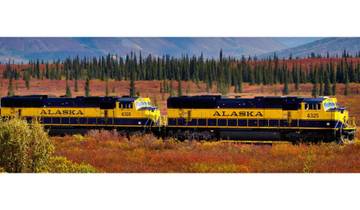
6 days
6-Day Best of Grand Alaska Highlights Tour
- ✓ Comprehensive Seward tour
- ✓ Expert local guides included
- ✓ All accommodation arranged
- ✓ Transportation provided
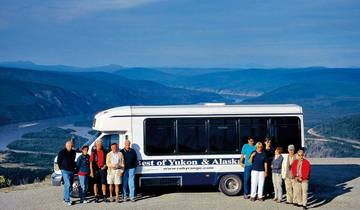
7 days
Coast Mountains of the North
- ✓ Comprehensive Seward tour
- ✓ Expert local guides included
- ✓ All accommodation arranged
- ✓ Transportation provided
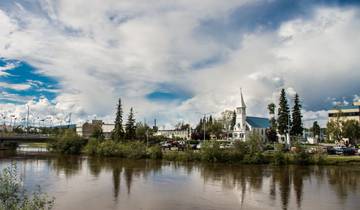
7 days
USA – Alaska Summer Fairbanks to Seward
- ✓ Booking needs min. 2 travelers
7 days
Coast Mountains of the North – 7 days
- ✓ Comprehensive Seward tour
- ✓ Expert local guides included
- ✓ All accommodation arranged
- ✓ Transportation provided
Multi-day tour packages powered by TourRadar. Prices and availability subject to change.
Introduction to Seward Alaska
Seward occupies a dramatic setting where the Kenai Mountains plunge directly into Resurrection Bay, creating the protected deep-water harbor that has defined the community since its 1903 founding. The town of approximately 2,500 permanent residents swells to populations exceeding 40,000 during peak summer events like the July 4th Mount Marathon Race, one of Alaska’s oldest footraces drawing competitors who sprint up and down the 3,022-foot peak in under an hour. This remarkable mountain-to-sea landscape positions Seward at mile zero of the Seward Highway, terminus of the Alaska Railroad’s Coastal Classic route, and primary gateway for Kenai Fjords National Park exploration.
Seward’s strategic location stems from its ice-free harbor, unusual along Alaska’s southern coast where many ports experience winter freezing. This geographic advantage attracted the Alaska Central Railway in the early 1900s, establishing Seward as a crucial supply route into Alaska’s interior. The 1964 Good Friday earthquake devastated the original townsite with massive underwater landslides and tsunamis, forcing reconstruction on more stable ground and creating the modern waterfront layout visitors navigate today. The rebuilt harbor developed into Alaska’s premier sportfishing destination and launching point for glacier cruises as tourism gradually supplemented the traditional fishing and railroad economies.
Modern Seward functions as both a working fishing community and tourism hub, maintaining authentic character despite hosting major cruise ships and thousands of seasonal visitors. Commercial fishing boats share harbor space with tour vessels, local restaurants serve alongside visitor-oriented establishments, and residents participate in community traditions like the Mount Marathon Race and Silver Salmon Derby that continue regardless of tourist presence. This authentic atmosphere distinguishes Seward from purely tourism-dependent Alaska ports.
The town’s compact geography concentrates virtually all visitor services and attractions within a one-mile waterfront corridor. The Alaska Railroad depot sits at the northern end near the Kenai Fjords National Park Visitor Center, downtown businesses line Fourth Avenue parallel to the bay, the Small Boat Harbor anchors the central waterfront, and the Alaska SeaLife Center marks the southern boundary. This walkable design eliminates transportation requirements for most activities, allowing cruise passengers and rail travelers to explore independently without vehicle rentals.
Kenai Fjords National Park, Seward’s primary attraction, protects 669,984 acres of coastal fjords, tidewater glaciers, and the massive Harding Icefield from which approximately 40 glaciers flow. The park receives over 350,000 visitors annually, with the vast majority accessing it via boat tours departing Seward’s harbor or road access to Exit Glacier. Only Exit Glacier remains accessible by land—the park’s remaining glaciers, wildlife colonies, and dramatic fjord landscapes require boat, kayak, or aircraft access, making Seward the essential gateway for experiencing this spectacular protected landscape.
Seward’s tourism season concentrates intensely between mid-May and mid-September when weather conditions, wildlife migrations, and daylight hours align optimally. Summer brings 18-19 hours of daylight by late June, mild temperatures averaging 50-65°F, and peak wildlife activity as humpback whales, orcas, sea otters, seals, and nesting seabirds populate the surrounding waters. Winter transforms Seward into a quiet fishing community with dramatically reduced services but opportunities for aurora viewing, winter wildlife observation, and uncrowded exploration for hardy travelers willing to accept limited tour options and restaurant closures.
Understanding Seward’s Climate and Seasons 2026
Seward experiences a maritime climate with cool summers, mild winters, and substantial precipitation year-round averaging 67 inches annually. This coastal weather pattern differs significantly from interior Alaska, with temperatures rarely exceeding 70°F even in July and winter lows typically staying above 20°F. The surrounding mountains trap weather systems moving off the Gulf of Alaska, creating localized precipitation patterns that can drench Seward while neighboring communities 30 miles inland enjoy sunshine.
Peak summer season from June through August delivers the warmest temperatures averaging 50-65°F with daily highs occasionally reaching 70-75°F during rare high-pressure systems. Expect partly cloudy to overcast conditions most days with intermittent rain showers requiring layered waterproof clothing. Precipitation falls as drizzle or light rain rather than heavy downpours, and weather systems typically pass quickly with conditions changing hour to hour. Pack rain jackets, waterproof pants, warm layers, and clothing suitable for 45-70°F temperature ranges. Evenings cool considerably, with temperatures dropping into the 40s even in midsummer.
Shoulder season months of May and September offer compelling alternatives to peak summer crowds with only marginally different weather conditions. May temperatures average 40-55°F with increasing daylight reaching 18+ hours by month’s end. Wildlife viewing actually intensifies in May as orcas concentrate in waters outside Seward hunting spring salmon runs, and early-season whale watching often produces exceptional sightings. September maintains temperatures around 45-55°F with autumn colors beginning to appear on mountainsides and visitor numbers dropping dramatically after Labor Day weekend. Both months see similar precipitation to summer but face higher chances of temporary tour cancellations due to rougher seas.
Fall and winter from October through April see dramatic reductions in tourism services as most tour operators close for the season. Temperatures range 20-45°F with increasing snow at higher elevations, though the town itself experiences more rain than snow due to maritime influences. Daylight shrinks to just 6 hours by winter solstice, creating excellent conditions for aurora viewing but limiting daytime activity windows. The Alaska Railroad reduces service to winter schedules, many restaurants close, and glacier cruises suspend operations entirely. However, winter visitors find near-empty trails, discounted accommodations, and opportunities to experience Seward as a working fishing community rather than tourism destination.
Planning Your Visit to Seward 2026
Successful Seward planning begins with understanding how seasonal patterns, weather contingencies, and booking timelines affect activity availability and pricing. The compressed peak season creates capacity constraints requiring advance reservations, while shoulder season offers flexibility with potential weather trade-offs.
Book major activities 2-4 months before arrival for peak season visits (June-August). Popular Kenai Fjords cruises, particularly the 8.5-hour Northwestern Fjord tour, frequently sell out weeks ahead during July and early August. The Alaska Railroad’s GoldStar Dome service between Anchorage and Seward reaches capacity early, though Adventure Class usually maintains availability. Accommodations near the waterfront become scarce and expensive during major events like the July 4th Mount Marathon Race when hotel rates spike 50-100% and rooms book six months ahead. Later-season visits (late August, September) allow more spontaneous planning with last-minute bookings often available at standard rates.
Weather contingency planning matters significantly given Seward’s maritime climate. Glacier cruises operate in rain but may cancel or modify routes during high seas with southwest winds. Tour operators typically make cancellation decisions 2-4 hours before departure, issuing full refunds or allowing rebooking for weather-cancelled tours. Build flexibility into multi-day itineraries by scheduling your highest-priority cruise early in your stay, allowing rebooking opportunities if weather forces cancellation. The Alaska SeaLife Center and downtown activities provide weather-independent backup options when conditions prevent boat tours.
Daily planning should account for Seward’s activity timing patterns. Most Kenai Fjords cruises depart between 7:30 AM and 12:30 PM, returning in early to late afternoon depending on tour length. The Alaska Railroad arrives from Anchorage at 11:15 AM and departs Seward at 6:00 PM, creating a six-hour window for activities. Exit Glacier Nature Center operates 9:00 AM – 5:00 PM daily in summer with last entry one hour before closing. The Alaska SeaLife Center opens 9:00 AM (exact hours vary seasonally), allowing early morning visits before afternoon cruises or late afternoon visits after cruise returns. Downtown restaurants typically serve dinner until 9:00-10:00 PM in summer, accommodating visitors returning from full-day tours.
Transportation within Seward rarely requires a vehicle during peak season. The free seasonal shuttle operates 30-minute loops connecting the Alaska Railroad depot, downtown hotels, Small Boat Harbor, and Alaska SeaLife Center from late May through September. Most hotels and tour operators provide complimentary pickup service from the depot or cruise ship dock. Walking distances cover downtown to SeaLife Center in 15-20 minutes along the waterfront trail. Rent a vehicle only if planning independent Exit Glacier visits or exploration of destinations beyond town, though shuttle services and tour packages typically include Exit Glacier transportation.
Getting to Seward in 2026
Seward’s accessibility from Anchorage via both scenic highway and railroad makes reaching this coastal gateway straightforward regardless of transportation preferences. The 127-mile journey provides spectacular scenery through mountain passes, along coastal waters, and past multiple glaciers using either method.
The Alaska Railroad’s Coastal Classic Train represents the premier transportation option, eliminating driving stress while delivering National Geographic-ranked scenery. The northbound departure leaves Anchorage at 6:45 AM, arriving Seward at 11:15 AM. Adventure Class service starts at $133 one-way for adults (children 2-11 half price, under 2 free) with comfortable forward-facing seats, large picture windows, access to shared dome observation car, and onboard dining car service available for purchase. GoldStar Dome service includes upper-level dome seating with 360-degree views, complimentary breakfast (northbound) or dinner (southbound), two alcoholic beverages, and outdoor viewing platforms. The southbound evening departure leaves Seward at 6:00 PM, arriving Anchorage at 10:15 PM, allowing same-day round trips for visitors staying in Anchorage who want a full day in Seward.
The train route follows Turnagain Arm’s coastline for 50 miles where passengers often spot beluga whales hunting salmon on incoming tides and Dall sheep on steep mountainsides. Beyond the ski resort community of Girdwood, tracks veer into backcountry wilderness inaccessible by road, passing Spencer Glacier Whistle Stop, arcing along Bartlett Glacier for spectacular photo opportunities, crossing 1,063-foot Grandview Pass through alpine meadows, and descending along turquoise Kenai Lake before arriving at Seward’s waterfront depot. Onboard tour guides provide narration throughout, and conductors slow for wildlife sightings allowing photography.
Check in at Anchorage depot (411 West 1st Avenue) one hour before departure with government-issued photo ID. The Alaska Railroad allows two checked bags plus one carry-on with airline-style dimension and weight restrictions, charging $20 per item for oversized or excess baggage. Seward depot (410 Port Avenue) sits one block from the Small Boat Harbor’s north end, walkable to most downtown hotels and tour departure points. Hotel shuttles and tour company pickup vehicles typically meet arriving trains.
Driving the Seward Highway takes 2.5-3 hours under normal conditions, offering flexibility for stops at viewpoints, wildlife observation areas, and roadside attractions. The highway departs Anchorage heading south on the Glenn Highway before splitting onto the Seward Highway at the town of Potter. The first 50 miles along Turnagain Arm qualify as a National Scenic Byway, with designated pullouts for viewing bore tides (extreme tidal surges creating surfable waves), Dall sheep, and dramatic mountain vistas. The highway passes the Alaska Wildlife Conservation Center near Portage, climbs through Turnagain Pass, and descends along Kenai Lake before reaching Seward.
Rental vehicles from Anchorage cost $60-120 daily depending on vehicle class and booking timing. Gas stations in Girdwood and Cooper Landing (the only services between Anchorage and Seward) charge premium prices reflecting remote locations. Watch for wildlife crossing the highway, particularly moose during dawn and dusk hours. Winter driving requires winter tires or chains with significantly slower travel times due to snow and ice.
Major cruise lines including Princess, Holland America, Norwegian, and Celebrity use Seward as a turnaround port for 7-14 day Alaska cruises. Cruise passengers arriving or departing Seward typically receive motorcoach transportation between Anchorage airport and the Seward cruise terminal as part of cruise packages, eliminating independent transportation requirements. The cruise ship dock sits at the north end of town near the Alaska Railroad depot, within walking distance of downtown attractions for passengers with several hours before or after cruising.
Accommodation Options in Seward 2026
Seward’s accommodation landscape ranges from waterfront hotels commanding premium rates to budget motels and unique Alaskan properties like yurts and waterfront cabins. Location matters less in Seward’s compact layout than in sprawling Alaska cities—even properties outside the immediate downtown core rarely sit more than one mile from major attractions.
Downtown waterfront hotels deliver premium experiences with bay views, immediate harbor access, and walking proximity to restaurants and tour departures. Harbor 360 Hotel occupies the Small Boat Harbor, offering rooms with direct harbor views and an in-building office for Major Marine Tours cruises that board from the dock directly behind the hotel. Rates run $180-260 nightly in peak season with indoor pool, hot tub, fitness center, and restaurant. The Best Western Plus Edgewater Hotel provides similar waterfront positioning at the south end of downtown near the Alaska SeaLife Center, with rates $170-240 including complimentary breakfast, fitness center, and bay-view rooms. These properties command premium pricing but eliminate all transportation needs and provide immediate access to harbor activities.
Mid-range hotels concentrated downtown offer comfort and convenience at moderate prices. Hotel Seward, a renovated historic property, charges $130-180 nightly for modern rooms in a 1916 National Register building. The hotel provides complimentary shuttle service to tour departures and the Alaska Railroad depot. Gateway Hotel at the harbor entrance features newly renovated rooms at $140-200 nightly with free breakfast and shuttle service. Breeze Inn maintains rates around $125-155 for standard hotel rooms with pool access, suitable for budget-conscious travelers prioritizing price over waterfront views.
Unique accommodations provide distinctive Alaskan experiences beyond standard hotel stays. Seward Windsong Lodge sits three miles from downtown in the Exit Glacier valley alongside Resurrection River, offering secluded forest setting with complimentary shuttle service to downtown and harbor. Rates run $170-230 nightly including access to the lodge’s Resurrection Roadhouse restaurant overlooking alpine scenery. The property includes a $19 per room amenity fee covering shuttle service and various activities. Miller’s Landing, 2.5 miles south of town on Resurrection Bay, provides waterfront camping cabins ($80-120), beachfront boutique rooms ($140-180), and tent sites ($35-45) with kayak rentals, fishing charters, and water taxi services operated by fourth-generation Alaskan homesteaders.
Budget options include hostels, camping, and cabin rentals for cost-conscious travelers. Moby Dick Hostel in downtown offers dormitory beds around $40-50 per person and private rooms $90-110, though availability remains limited requiring advance booking. The city-operated Waterfront Park Campground provides tent and RV sites $20-35 nightly with remarkable harbor views but minimal privacy as sites essentially function as a parking lot with hookups. Forest Service campgrounds near Exit Glacier charge $15-20 for more traditional wooded sites but require vehicles for access.
Seasonal pricing patterns create significant rate variations. Peak summer rates (June-August) run 40-60% higher than shoulder season (May, September). The July 4th weekend surrounding the Mount Marathon Race sees rates spike 50-100% above normal summer pricing with many properties requiring 2-3 night minimum stays. Late August and September offer the best value with summer-level services and wildlife viewing opportunities at 20-30% discounts compared to July rates. Properties typically close October through April or operate at substantially reduced rates $80-120 nightly during the quiet season when most tours suspend operations.
Book accommodations 2-4 months ahead for July and early August visits, particularly for waterfront properties and unique lodges with limited room inventory. Later summer dates (late August, September) allow more spontaneous booking with availability often remaining 2-4 weeks before arrival. Compare booking directly with properties versus third-party sites—many Seward hotels offer lowest rates and better cancellation policies for direct bookings, and direct contact allows requesting specific room locations or views.
Kenai Fjords National Park Cruises 2026
Kenai Fjords National Park cruises represent Seward’s signature activity, providing access to calving tidewater glaciers, abundant marine wildlife, and dramatic coastal scenery impossible to experience from land. The park’s 669,984 acres protect a landscape where massive glaciers flow directly into the sea, creating the active ice faces and wildlife-rich waters that define the fjords experience.
Tour selection depends primarily on time availability and budget. The 4-hour Kenai Fjords Wildlife Cruise ($149 adults, $74.50 children) explores Resurrection Bay’s protected waters without entering the national park proper, focusing on wildlife viewing with frequent whale, otter, seal, and seabird sightings. This shorter option works well for cruise ship passengers with limited port time, families with young children who struggle on longer tours, or visitors combining the cruise with other same-day activities. The tour typically departs 10:00 AM, 12:30 PM, or 2:00 PM with multiple departure times providing scheduling flexibility.
The 6-hour Kenai Fjords National Park Tour ($239 adults, $119.50 children) represents the most popular option, balancing comprehensive park access with reasonable time commitment. The tour ventures into the national park to visit one active tidewater glacier (typically Aialik Glacier or Holgate Glacier depending on ice and weather conditions), allowing extended viewing time as the captain positions the vessel to observe calving events where chunks of ice crash into the sea. The tour includes complimentary deli lunch with sandwich, chips, and cookie. Wildlife viewing covers humpback whales, orcas (primarily May-June), Steller sea lions at haul-out sites, sea otters, harbor seals, puffins, and various seabird species. Departures run 8:00 AM or 11:30 AM depending on the season.
The 7.5-hour tour ($269 adults, $134.50 children) extends the six-hour experience to visit two active tidewater glaciers rather than one, providing more comprehensive glacier viewing and additional time in remote park waters. This mid-length option suits photographers wanting extended shooting opportunities and visitors seeking more immersive park exploration without committing to the full-day tour. Departures typically run 9:30 AM, returning mid-afternoon.
The 8.5-hour Northwestern Fjord Tour ($309 adults and 12+, not recommended under 12) ventures to the park’s most remote and spectacular destination, traveling 75 miles from Seward to Northwestern Fjord where three active tidewater glaciers (Northwestern, Northeastern, and Surprise Glaciers) flow into a dramatic fjord surrounded by sheer rock walls. This extended tour provides the most comprehensive wildlife viewing opportunities as the route covers more park territory, visits bird rookeries with thousands of nesting puffins and other seabirds, and approaches Steller sea lion haul-outs where hundreds of these massive pinnipeds congregate. The tour departs 8:30 AM and returns around 5:00 PM, including complimentary deli lunch. Recommended for serious wildlife photographers, dedicated naturalists, and visitors prioritizing comprehensive park exploration over other Seward activities.
Major Marine Tours and Kenai Fjords Tours operate the primary cruise services, both maintaining excellent safety records, knowledgeable naturalist guides, and stable catamaran vessels with indoor heated cabins and outdoor viewing decks. Major Marine Tours owns Harbor 360 Hotel, offering package deals combining accommodations and cruises. Kenai Fjords Tours operates Fox Island, providing unique cruise-and-kayak combination tours where passengers cruise to Fox Island, kayak the protected waters around the island, then cruise back to Seward ($275 adults). Both companies offer 10% discounts for advance online bookings.
Smaller operators provide alternative experiences. Seward Ocean Excursions runs 3.5-hour and 6-hour tours on vessels carrying 22-30 passengers maximum, creating more intimate experiences than the larger 100+ passenger catamarans. Private charter options from operators like Alaska Dream Charters and Happy Puffin Tours allow customized itineraries for groups willing to pay premium rates, ideal for photographers seeking specific wildlife or locations.
Wildlife viewing success rates vary by season and species. Humpback whales appear with 90%+ reliability June through August as they feed on abundant baitfish in park waters. Orcas concentrate outside Seward mid-May through mid-June during salmon runs, with sighting rates around 60-70% during this window but dropping below 20% later in summer. Sea otters, harbor seals, and Steller sea lions appear on virtually every tour year-round. Puffins nest on coastal cliffs May through August, with peak viewing June-July. Bear sightings from boats remain uncommon as coastal bears stay inland from shorelines—land-based Exit Glacier visits provide better bear observation opportunities.
Dress in layers with waterproof outer shell regardless of departure weather. Conditions on the water run 10-15°F cooler than in town, and wind chill on outdoor decks feels significantly colder. Pack warm hat, gloves, and waterproof pants even in July. Motion sickness affects some passengers, particularly on longer tours venturing into open ocean swells—take medication 30-60 minutes before departure if susceptible. Bring binoculars for distant wildlife viewing, though tour vessels typically approach wildlife closely when safe to do so. Camera equipment should include polarizing filter to reduce water glare and telephoto lens for wildlife photography.
Alaska SeaLife Center Experience 2026
The Alaska SeaLife Center functions as Alaska’s only public aquarium and only permanent marine mammal rehabilitation facility, combining education, research, and wildlife rescue in a waterfront facility at Seward’s southern boundary. Unlike weather-dependent boat tours, the SeaLife Center guarantees close encounters with Alaska’s marine wildlife regardless of conditions, making it the essential backup activity when high seas cancel cruises or a weather-independent complement to outdoor adventures.
Admission costs approximately $30 for adults with slightly lower rates for advance online purchase (check official website for current rates as pricing varies by date and entry time). Children under 13 receive reduced rates, and children under 2 enter free. Operating hours vary seasonally, typically opening 9:00 AM or 10:00 AM daily in summer with last entry one hour before closing. Timed entry reservations manage capacity during peak hours (11:00 AM – 2:00 PM), particularly when multiple cruise ships dock simultaneously—book advance tickets online to guarantee entry at preferred times.
The facility’s signature exhibits include the two-story Steller sea lion and harbor seal habitats providing both above-water and underwater viewing perspectives. The underwater galleries showcase these animals’ remarkable grace and speed, dramatically different from their awkward land movements. One particularly photogenic bull sea lion has become a visitor favorite, seemingly aware of his star status as he poses near viewing windows. The sea lion feeding demonstrations, scheduled multiple times daily, provide insights into the animals’ intelligence and training methods used for medical care.
The seabird aviary houses Alaska’s iconic puffins—both horned and tufted species—in North America’s deepest diving bird tank. The exhibit allows observation of puffins’ underwater flight as they literally fly through water using wings as flippers, reaching remarkable speeds while chasing fish. Surface viewing shows their comical land behavior and distinctive colorful beaks, while underwater windows reveal their hunting prowess. The aviary also includes other Alaskan seabirds like common murres and pigeon guillemots.
The Rocky Coast Discovery Pools offer hands-on interaction with Alaska marine invertebrates. Touch tanks contain sea stars, sea urchins, sea cucumbers, and other tide pool creatures under guidance from education staff who explain proper handling techniques and fascinating biological adaptations. This interactive element particularly engages children, though adults find the tactile experience equally compelling. The new expanded Rocky Coast exhibit includes six main pools and three smaller feature tanks showcasing the diversity of Alaska’s nearshore ecosystems.
The Wildlife Response program, though not a public exhibit, represents the center’s most important function. Stranded, abandoned, or injured seals, sea otters, and seabirds receive critical care from veterinarians and marine biologists with goals of rehabilitation and release back to native habitats. Educational displays explain the rescue process, current patients (without disturbing animals in treatment), and conservation challenges facing Alaska marine wildlife. The center’s research programs studying Steller sea lion population declines, ocean acidification impacts, and other critical issues receive funding partially through admission fees.
Plan 2-3 hours for a comprehensive visit, though the compact layout allows abbreviated 60-90 minute tours for time-constrained visitors. Arrive around 4:00 PM to avoid peak crowds and catch afternoon feeding demonstrations. The center’s waterfront location at 301 Railway Avenue sits at the terminus of Third Avenue (Seward Highway mile zero), accessible via 15-20 minute walk from downtown hotels along the waterfront trail. Free street parking available nearby, and the seasonal shuttle includes SeaLife Center stops.
The Haul Out Café inside the facility serves coffee, Sea Lion Lattes, snacks, and light lunch items, though prices reflect captive-audience markup. The gift shop offers Alaska-themed books, clothing, and artwork with proceeds supporting the center’s research and rescue operations. Photography for personal use is permitted throughout exhibits without flash, allowing excellent opportunities for marine wildlife images impossible to capture from boats.
Exit Glacier and Hiking Options 2026
Exit Glacier provides Alaska’s most accessible glacier viewing, located just 12 miles from Seward via paved Exit Glacier Road with maintained trails requiring no special equipment, guides, or physical fitness beyond basic walking ability. The glacier’s accessibility makes it essential for visitors unable to afford glacier cruises or seeking land-based glacier experiences complementing boat tours.
The Exit Glacier Nature Center operates 9:00 AM – 5:00 PM daily May through September, serving as the trailhead for all maintained paths. Free shuttle services from downtown Seward to Exit Glacier run multiple times daily in summer, eliminating vehicle requirements. Alternatively, rent a vehicle for independent exploration allowing flexible timing and stops at pullouts along Exit Glacier Road where salmon spawn in summer and moose frequently browse.
The one-mile Glacier Loop Trail provides fully accessible paved path to glacier viewpoints suitable for wheelchairs, strollers, and visitors with mobility limitations. The trail features interpretive signs marking glacier positions from different decades, dramatically illustrating climate change impacts as the ice face has retreated over one mile since the 1800s. Multiple viewing platforms offer photography angles of the glacier’s blue ice face, meltwater streams, and surrounding mountains. Allow 30-45 minutes for a leisurely loop.
The Edge of the Glacier Trail extends beyond the paved loop for closer approach to the ice face, though barriers prevent direct ice contact for safety reasons. This additional 0.5-mile extension climbs slightly steeper terrain on maintained gravel path, reaching viewpoints where the glacier’s scale and color intensity become more apparent. The trail ends approximately 400 feet from the current ice terminus—close enough to hear occasional cracks and groans as the glacier moves and occasional chunks of ice calve from the face. Round trip requires 1-1.5 hours.
The Harding Icefield Trail represents one of Alaska’s premier day hikes, climbing 3,000 feet over four miles (one way) from Exit Glacier to panoramic views across the massive 700-square-mile Harding Icefield. This challenging trail requires 6-8 hours round trip with good fitness, proper footwear, and preparation for rapidly changing weather conditions. The lower two miles travel through cottonwood and willow forest before breaking into alpine terrain above tree line. The final two miles cross exposed rocky slopes with stunning views of Exit Glacier below and multiple glaciers flowing from the icefield. The trail ends at an overlook where the vast white expanse of the Harding Icefield extends to horizons in multiple directions—one of Alaska’s most spectacular viewpoints.
Weather on the Harding Icefield Trail changes rapidly and dramatically. Conditions at the Nature Center may be sunny and 60°F while the upper trail experiences fog, rain, and temperatures in the 30s. Pack layers including warm jacket, rain gear, hat, and gloves regardless of start conditions. Bring substantial food and water as no services exist beyond the Nature Center. Bears frequent the area—make noise while hiking and carry bear spray. Snow typically persists on upper portions of trail through June and returns by mid-September, requiring careful footing on snow-covered sections.
Alternative trails include the Tonsina Creek Trail accessing Caines Head State Recreation Area, a World War II coastal defense installation reachable only during low tide or by boat. The trail follows Resurrection Bay shoreline south from Lowell Point (three miles south of downtown Seward), requiring tide table consultation and 4.5-mile hike to reach the historic fort. The Lost Lake Trail, starting 16 miles north of Seward on the Seward Highway, climbs to a turquoise alpine lake with stunning views, connecting to the Primrose Trail for a challenging 16-mile point-to-point traverse.
The Mount Marathon Trail, site of the famous July 4th race, climbs the 3,022-foot peak in just 1.5 miles, creating one of Alaska’s steepest maintained trails. The lower portion travels through forest, the middle section climbs steep scree slopes, and the upper mountain reveals increasingly spectacular bay views. Most recreational hikers turn around at various points before the summit, as the upper sections require scrambling over loose rock requiring careful footing. The race course descends a different, even steeper route unsuitable for recreational use. Plan 3-5 hours for a summit attempt.
Additional Activities and Tours in Seward 2026
Beyond the primary attractions of glacier cruises, the SeaLife Center, and Exit Glacier, Seward offers diverse activities ranging from fishing charters and kayaking to flightseeing and dog sledding experiences. These secondary options allow extended stay visitors to craft multi-day itineraries or provide alternatives when primary activities sell out or weather conditions prevent boat tours.
Sea kayaking in Resurrection Bay provides a peaceful complement to motorized glacier cruises, allowing quiet wildlife observation and access to protected coves and beaches. Half-day guided tours typically explore three miles of coastline near Seward or around Fox Island, suitable for beginners with no prior paddling experience. Guides provide instruction, safety equipment, and interpretation of coastal ecology. Tours cost $100-150 per person for half-day options and $200-275 for full-day excursions including kayaking combined with cruise transportation. Multi-day kayaking expeditions into more remote Kenai Fjords National Park waters cost $500-900 per person for 2-3 day camping trips requiring higher fitness and paddling skills.
Sportfishing charters target salmon and halibut in Resurrection Bay and Gulf of Alaska waters. Half-day trips (4-6 hours) run $175-250 per person targeting rockfish and near-shore salmon. Full-day trips (8-10 hours) venture into deeper Gulf waters for halibut and king salmon at $300-400 per person. Charters include all equipment, bait, and fish cleaning, though fishing licenses ($35-55 for non-residents depending on duration) require separate purchase. Summer runs include king salmon (May-June), sockeye salmon (July-August), silver salmon (August-September), and halibut year-round. Book fishing charters well ahead as boats fill quickly during peak summer months.
Helicopter tours provide aerial perspectives impossible from boats or trails. Glacier landing tours fly over Kenai Fjords National Park, land on a glacier for 30-45 minutes of guided ice walking, and return via scenic coastal routes. Tours cost $400-550 per person for 60-90 minute flights including glacier landing. Extended tours combine flightseeing with dog sledding on glaciers ($600-750), visiting sled dog kennels located on permanent snow fields where mushers train teams year-round. These combination tours provide quintessential Alaska experiences—glacier flying, dog sledding, and dramatic mountain scenery—compressed into 2-3 hours.
The Seward Museum downtown documents local history from indigenous Alutiiq peoples through Russian and American periods, the 1964 earthquake, and modern fishing and tourism economies. Admission costs $5 for adults with hours typically 10:00 AM – 5:00 PM daily in summer. The compact collection includes earthquake photos, historic fishing equipment, and Iditarod Trail history. Plan 30-45 minutes for a visit, suitable as a rainy day activity or educational complement to outdoor adventures.
IdidaRide Sled Dog Tours operate year-round from kennels near Seward, providing demonstrations of dog mushing techniques, puppy interaction, and insight into Alaska sled dog culture from longtime mushing families. Tours cost $100-150 per person for 90-minute programs including short sled dog rides (on wheeled carts in summer). The experience emphasizes education about mushing lifestyle rather than extended sledding, making it appropriate for families with children fascinated by the dozens of energetic sled dogs.
Zipline tours at Stony Creek operate through forest canopy on seven ziplines spanning a total of 1.25 miles with platforms built among old-growth spruce trees. The course requires 2.5-3 hours and costs approximately $150 per person, suitable for ages 10+ weighing 70-250 pounds. The tour combines adventure activity with forest ecology interpretation, though the primary appeal remains the thrilling zipline rides reaching speeds up to 45 mph.
Dining and Food Scene in Seward 2026
Seward’s dining landscape reflects its dual character as working fishing port and tourism destination, offering fresh seafood restaurants alongside casual cafes, brewpubs, and breakfast spots serving both locals and visitors. The compact downtown concentrates most restaurants within easy walking distance of hotels and the harbor.
Chinooks Waterfront Restaurant occupies a prime harbor location serving upscale seafood dinners featuring locally caught halibut, salmon, and king crab. Entrees run $30-50 with excellent views of the Small Boat Harbor and mountains. Reservations recommended for dinner during peak season. Ray’s Waterfront specializes in fresh fish and chips ($16-24), halibut tacos, and seafood platters in a more casual atmosphere with harbor views. The restaurant’s fish comes directly from boats docking at the harbor, ensuring maximum freshness.
The Cookery focuses on locally sourced ingredients crafting creative dishes beyond standard Alaska seafood fare, though excellent fish dishes remain menu highlights. Entrees cost $25-40, with attentive service and thoughtful wine list. The small space fills quickly—arrive early or make reservations. Zudy’s Cafe serves breakfast and lunch featuring halibut omelets, reindeer sausage hash, and homemade baked goods at $12-18 per entree. The cafe draws locals and early-rising cruise passengers, opening 6:30 AM daily.
Seward Brewing Company provides casual pub atmosphere serving craft beers brewed on-site alongside burgers, sandwiches, and pizzas at $14-22. The brewery’s Alaska-themed beers include Resurrection Ale and Exit Glacier Blonde, with flights available for sampling multiple varieties. Seward Alehouse operates as the town’s classic bar serving simple menu of burgers and sandwiches ($12-16) alongside full bar and local beer selections in dive bar atmosphere popular with fishing crews and locals.
The Salmon Bake presents Alaska-style dining serving grilled salmon, halibut, and ribs in casual atmosphere at $18-28 per plate. The restaurant sits slightly outside downtown, requiring short drive or shuttle but offering reliable quality and portions sized for hungry outdoor adventurers. Apollo Restaurant serves Greek and Mediterranean cuisine alongside Alaska seafood at $16-26, providing welcome variety from seafood-heavy alternatives.
Budget dining options include the Subway, Safeway grocery store deli (both near the Alaska Railroad depot), and several coffee shops serving pastries and sandwiches at $8-12. The grocery store allows stocking cabin kitchenettes or preparing picnic lunches for boat tours and hikes, substantially reducing food costs compared to restaurant dining. Many visitors staying multiple days balance upscale dinners at seafood restaurants with casual lunches and grocery-sourced breakfasts.
Dinner reservations become essential at popular restaurants during peak July and early August when cruise ships dock and town reaches maximum capacity. Restaurants typically seat walk-ins for lunch more readily than dinner. Many establishments close or reduce hours October through April when tourism drops—call ahead for off-season visits.
Budget Planning for Seward 2026
Seward costs align with Alaska’s generally expensive pricing, though the concentration of activities and walkable layout help control transportation and logistical expenses that inflate costs in more sprawling destinations. Daily expenses vary substantially based on accommodation choices, tour selections, and dining preferences.
Budget travelers staying in hostels or camping, choosing shorter tours, and preparing some meals from groceries spend $180-280 daily per person. Accommodations in hostel dormitories run $40-50 per night, camping $20-35, or budget motels $125-155 for private rooms. The 4-hour Kenai Fjords Wildlife Cruise at $149 provides glacier and wildlife viewing at the most affordable price point, though it doesn’t enter the national park. Exit Glacier access via free shuttle costs nothing beyond transportation, and hiking requires no fees. Breakfast and lunch from grocery store deli and coffee shops run $15-25 combined, with one restaurant dinner at a casual spot costing $16-24. The Alaska SeaLife Center at $30 provides guaranteed wildlife viewing. Transportation via Alaska Railroad from Anchorage adds $133 one-way or $266 round trip, though budget travelers might choose to bus or rideshare to Seward for $50-80.
Mid-range travelers staying in standard hotels, choosing full-day cruises, and dining primarily in restaurants spend $300-450 daily. Hotel accommodations run $130-180 nightly at properties like Hotel Seward or Gateway Hotel. The 6-hour Kenai Fjords National Park cruise at $239 represents the most popular tour option, visiting one tidewater glacier with complimentary lunch. Additional activities like a sea kayaking half-day tour ($100-150) or fishing charter ($175-250 for half-day) supplement the cruise experience. Restaurant dining for three meals costs $45-75 daily with breakfast at cafes ($12-18), casual lunch ($14-22), and moderate dinner ($25-40). The Alaska SeaLife Center ($30) and potential Exit Glacier visit (free beyond shuttle) complete the activity roster. Alaska Railroad transportation adds $133 one-way.
Luxury travelers staying at premium waterfront hotels, booking longer private tours, and dining at upscale restaurants spend $500-750+ daily. Waterfront hotels like Harbor 360 Hotel or Best Western Plus Edgewater run $180-260 nightly. The 8.5-hour Northwestern Fjord cruise ($309) or private charter fishing ($300-400) provide premium tour experiences. Helicopter glacier landing tours ($400-550) or combination helicopter-dog sled experiences ($600-750) add distinctive activities. Restaurant dining at higher-end establishments like Chinooks costs $60-90 daily for three meals. Multiple activities like SeaLife Center ($30), kayaking ($150-275), and Exit Glacier helicopter flightseeing create $800-1,200 daily activity costs.
Sample three-day Seward itinerary costs for mid-range traveler (all costs per person): Accommodations at Hotel Seward $130 × 3 nights = $390, meals at $60 × 3 days = $180, 6-hour Kenai Fjords cruise $239, Alaska SeaLife Center $30, half-day kayaking $125, Exit Glacier shuttle and hiking $0, Alaska Railroad round trip $266. Total: approximately $1,230 per person for three days including round-trip rail transportation from Anchorage.
Cost-saving strategies include visiting late August or September when hotel rates drop 20-30% but wildlife viewing and weather remain similar to peak summer, booking tours and train tickets 2-4 months ahead for early-bird discounts (some operators offer 10% off advance online bookings), preparing breakfast and lunch from grocery stores while splurging on one nice seafood dinner daily, choosing the 6-hour cruise over longer options to balance comprehensive experience with cost, and traveling mid-week when hotels occasionally offer lower rates than weekends.
Budget increases occur during the July 4th Mount Marathon Race weekend when hotel rates spike 50-100% above normal summer pricing and restaurants raise prices for the influx of race spectators. Cruise ship days (typically 2-4 ships weekly in peak summer) create restaurant crowding and tour capacity constraints but don’t substantially affect pricing. Fuel surcharges occasionally apply to boat tours during periods of extreme fuel price volatility.
Practical Tips for Visiting Seward 2026
Cell phone coverage in Seward operates on GCI, Alaska Communications, and major national carriers (AT&T, Verizon, T-Mobile), though service quality drops significantly outside town. Expect reliable coverage downtown, at the harbor, and along Exit Glacier Road, but little to no service in Kenai Fjords National Park during boat tours or on backcountry trails. Download offline maps before arrival if relying on smartphone navigation.
ATMs operate at Seward branches of Wells Fargo and Alaska USA Federal Credit Union on Fourth Avenue downtown. Many tour operators and restaurants accept credit cards, though small vendors at the harbor or farmers market may require cash. No foreign currency exchange services exist in Seward—exchange currency in Anchorage before arrival if visiting from outside the United States.
Medical services are limited to Seward’s Providence Medical Center (417 First Avenue) providing urgent care and basic emergency services Monday-Friday 8:00 AM – 5:00 PM with on-call services after hours and weekends. Serious medical emergencies may require air ambulance transport to Anchorage. Travel insurance covering emergency medical evacuation provides valuable protection given Seward’s remote location and Alaska’s expensive medical costs.
Grocery shopping at Safeway (1907 Seward Highway near the railroad depot) or smaller shops downtown allows stocking cabin kitchens and preparing picnic lunches. The store maintains standard hours 6:00 AM – 11:00 PM daily with full selection of basics, though prices run 20-30% higher than Lower 48 equivalents reflecting Alaska shipping costs. No Walmart or major discount stores operate in Seward—stock up on supplies in Anchorage if driving.
Laundry facilities operate at Suds ‘N Duds (141 Fourth Avenue) charging $4-6 per wash/dry cycle, essential for extended stays or cruise passengers needing clean clothes before or after voyages. The laundromat opens early morning to late evening daily in summer with reduced winter hours.
Drinking water from taps throughout Seward meets safe standards—no need to purchase bottled water though it’s available at grocery stores. Tap water tastes clean without chlorine or mineral flavors common in some Alaska communities. Public restrooms exist at the Alaska Railroad depot, Kenai Fjords National Park Visitor Center, and Alaska SeaLife Center, though downtown shops restrict facilities to customers.
Bears frequent areas around Seward, particularly near Exit Glacier and on hiking trails. Carry bear spray ($40-60 for rental or purchase at outdoor shops in Seward), make noise while hiking, and store food properly at campsites. The National Park Service and Alaska Department of Fish and Game provide bear safety information at visitor centers. Actual bear encounters remain relatively rare on popular trails near town, but preparation and awareness prevent dangerous situations.
Mosquitoes and biting flies peak June through July in wooded areas and near Exit Glacier but remain minimal in town due to coastal breezes. Insect repellent with DEET provides effective protection for hiking. Mosquito head nets offer additional protection on trails for those particularly sensitive to bites. Coastal areas exposed to winds rarely experience significant mosquito problems.
Parking downtown remains free but limited during peak hours when cruise ships dock. The Alaska Railroad depot provides free parking for train passengers, though vehicles left overnight may face restrictions during peak season. Hotels typically include free parking for guests. Exit Glacier parking areas occasionally fill on sunny summer weekends—arrive before 10:00 AM or after 3:00 PM for guaranteed spaces.
Daylight hours vary dramatically by season. Summer solstice (June 20-21) delivers approximately 19 hours of daylight with twilight extending several hours beyond sunset, creating near-24-hour daylight. This allows evening activities and late dinners in full daylight—restaurants serve until 9:00-10:00 PM when the sun barely sets. Winter solstice (December 21-22) shrinks daylight to just six hours, concentrating activities into limited windows.
Photography Tips for Seward 2026
Seward provides exceptional photography opportunities ranging from calving glaciers and breaching whales to dramatic mountain landscapes and intimate wildlife portraits at the SeaLife Center. Success requires preparation for challenging lighting conditions, dynamic movement, and weather protection for equipment.
Camera equipment for boat tours should prioritize telephoto capabilities for distant wildlife. A 70-200mm or 100-400mm zoom lens covers most situations, allowing framing of whales, sea lions, and glaciers from typical viewing distances. Faster shutter speeds (1/500 second or faster) freeze whale breaches and bird flight, requiring higher ISO settings (800-1600) under Alaska’s often overcast skies. Bring polarizing filter to reduce water glare and enhance blue glacier ice colors. Weather-seal camera gear or use rain covers as salt spray and rain threaten electronics on boat decks.
Glacier photography benefits from underexposing slightly (-0.3 to -0.7 stops) to prevent blue ice from washing out to white in bright conditions. Position yourself to capture scale by including tour vessels, kayakers, or birds near glacier faces. Patience during extended glacier viewing allows capturing calving events when chunks of ice crash into the sea, though these dramatic moments remain unpredictable—keep camera ready throughout glacier approaches.
Wildlife photography requires understanding animal behavior and positioning. Whales typically surface 3-5 times before deeper dives, with flukes (tail fins) appearing on final dive—anticipate this pattern and pre-focus on likely surfacing locations. Sea otters floating on their backs provide charming photo opportunities but move constantly—use continuous autofocus modes. Puffins on water or in flight require fast shutter speeds (1/1000+ second) and burst shooting modes to catch wing positions.
The Alaska SeaLife Center’s underwater viewing windows allow dramatic marine wildlife photography impossible in the wild. Harbor seals and sea lions swimming past glass provide frame-filling portraits with beautiful blue water backgrounds. Turn off flash (prohibited in exhibits and ineffective through glass), use high ISO (1600-3200), and shoot straight into glass to minimize reflections. Clean glass with provided cloths before shooting. The seabird exhibit’s underwater viewing allows capturing puffins flying through water with wings spread, a unique and challenging photographic subject.
Exit Glacier photography varies by trail choice. The paved Glacier Loop Trail provides conventional glacier landscapes with interpretive signs marking historical ice positions—use wide-angle lens (16-35mm) to capture glacier face and surrounding mountains. The Harding Icefield Trail’s upper sections deliver spectacular panoramas of the vast white icefield with multiple glaciers flowing into valleys—arrive early morning for best light and clearer conditions before afternoon clouds typically develop.
Landscape photography around Seward finds subjects along the waterfront trail connecting downtown to the SeaLife Center, with Small Boat Harbor providing foreground interest against mountain backgrounds. Sunset (10:00-11:00 PM in midsummer) creates dramatic lighting on mountains surrounding Resurrection Bay, though long summer twilight means peak colors may occur hours after actual sunset. Sunrise occurs 5:00-6:00 AM but produces less dramatic lighting due to eastern mountains blocking low-angle sun.
Drone photography faces National Park Service restrictions prohibiting drone flights within Kenai Fjords National Park boundaries and Alaska Railroad property. Downtown Seward and harbor areas allow drone operations following FAA rules, though inform property owners before flying near businesses. Exit Glacier area prohibits drones entirely. High winds along the coast challenge drone stability—check conditions before flying.
Family Travel in Seward 2026
Seward accommodates family travel well with activities suitable for various ages, though very young children (under 5) may struggle with longer boat tours and extensive hiking. The compact town layout eliminates complex transportation logistics that stress parents in sprawling destinations.
Tour selection matters significantly for family enjoyment. The 4-hour Kenai Fjords Wildlife Cruise ($149 adults, $74.50 children) provides age-appropriate duration for most school-age children, maintaining engagement through wildlife viewing without the fatigue of 6-8 hour tours. Major operators allow children under 2 to ride free as lap children, though dedicated seats provide more comfort. Bring snacks, activities for potential slow wildlife periods, and layers as children feel cold more acutely than adults on boats. Seasickness affects some children—consult pediatricians about appropriate anti-nausea medication and test on shorter boat rides before committing to long tours.
The Alaska SeaLife Center ranks as Seward’s most reliably engaging family activity, combining animal encounters with interactive touch pools where children handle sea stars and sea urchins. The two-story harbor seal and sea lion exhibits captivate kids as animals swim past underwater viewing windows at eye level. Feeding demonstrations scheduled throughout the day add excitement, and the relatively compact facility prevents the exhausting walking distances common in large aquariums. Plan 2-3 hours, allowing children to revisit favorite exhibits rather than rushing through. The SeaLife Center provides weather-independent entertainment when rain or rough seas cancel outdoor plans.
Exit Glacier’s accessibility works well for families with the paved one-mile Glacier Loop Trail manageable for strollers and young walkers. Children find the interpretive signs marking glacier retreat fascinating when framed as detective work discovering how much the ice has shrunk. The Nature Center provides Junior Ranger program materials encouraging educational engagement. Families with older children (ages 10+) capable of more challenging hiking can attempt lower portions of the Harding Icefield Trail, turning back based on energy levels rather than committing to the full eight-hour summit push.
Kayaking tours designated family-friendly typically explore protected waters near Seward or Fox Island on half-day trips suitable for children ages 6-8+ depending on tour operator minimums. These gentler tours avoid the physical demands and extended duration of backcountry expeditions while still providing paddling experience and beach exploration. Some operators provide tandem kayaks allowing adults to paddle with younger children.
Accommodation selection impacts family experience significantly. Hotels with suites or adjoining rooms (Harbor 360 Hotel, Breeze Inn) provide more comfortable sleeping arrangements than standard double-queen rooms when traveling with children. Properties with pools offer evening entertainment after full activity days. Vacation rental cabins with kitchens allow preparing familiar meals for picky eaters and saving money compared to restaurant dining for entire families three times daily.
Dining with children works better at casual spots like Seward Brewing Company, The Salmon Bake, and Ray’s Waterfront where kids’ menus, relaxed atmospheres, and reasonable prices accommodate family groups. Upscale restaurants like Chinooks welcome well-behaved children but suit special occasion dinners rather than daily family meals. Many restaurants provide coloring materials and quick service for families.
Rainy day backup plans matter given Seward’s maritime climate. The Alaska SeaLife Center, Seward Museum, and library provide indoor options. Some hotels include game rooms or common areas where children can play. The SeaLife Center’s Haul Out Café and various downtown coffee shops offer comfortable spaces for waiting out passing showers common in Seward’s weather patterns.
Solo Travel in Seward 2026
Seward functions exceptionally well for solo travelers, combining safety, ease of navigation, and numerous opportunities to join group tours and meet other travelers. The town’s small size and concentrated attractions eliminate the transportation and logistics challenges that complicate solo travel in larger destinations.
Solo accommodation options include hostel dormitories at Moby Dick Hostel ($40-50 per night) providing opportunities to meet other budget travelers, though availability remains limited requiring advance booking. Standard hotel rooms sleeping one person cost the same as double occupancy ($130-180 nightly), making Seward relatively expensive for solo travelers compared to destinations offering single-occupancy rate reductions. Shared lodging like Miller’s Landing cabins allows splitting costs with other travelers if comfortable with communal arrangements.
Tour participation as a solo traveler works seamlessly on group glacier cruises, fishing charters, and kayaking tours where individuals routinely join multi-person excursions. Conversation naturally develops during 4-8 hour boat tours, and many solo travelers find Kenai Fjords cruises social experiences meeting fellow Alaska visitors from diverse locations. Tour operators never charge single supplements for joining group tours, keeping costs identical to paired travelers.
Safety concerns remain minimal in Seward’s low-crime environment, though standard precautions apply. Downtown areas, harbor, and popular trails experience continuous foot traffic during daylight summer hours. Solo hikers should inform others of plans when tackling backcountry trails like the Harding Icefield route and carry bear spray. Evening hours (which remain daylight well past 10:00 PM in summer) see active downtown restaurant and bar scenes with pedestrians throughout the waterfront corridor.
Meeting other travelers occurs organically at hostels, on tour boats, in restaurants, and at popular spots like the Alaska SeaLife Center and Exit Glacier. Many solo visitors connect with others for shared activities like hiking or dining, particularly at backpacker-oriented accommodations. The town’s concentration of Alaska-bound tourists creates common ground for conversations and spontaneous activity partnerships.
Dining solo works comfortably at bar seating in restaurants like Seward Brewing Company and cafes with counter service like Zudy’s. Many restaurants accommodate solo diners without awkwardness, and the prevalence of tourists means single diners appear common rather than unusual. Grocery store deli offerings allow picnic lunches on benches along the waterfront, eliminating solo dining discomfort entirely.
Transportation independence matters less in Seward than destinations requiring vehicles. Walking covers downtown-to-SeaLife Center easily, free shuttles reach Exit Glacier and connect major points, and tour operators provide pickup service. Solo travelers arriving via Alaska Railroad face no rental car requirements or navigation challenges.
Frequently Asked Questions About Seward 2026
What is Seward Alaska Known For?
Seward serves as the primary gateway to Kenai Fjords National Park, providing boat tour access to calving tidewater glaciers, abundant marine wildlife including humpback whales and orcas, and dramatic coastal fjord landscapes. The town hosts Alaska’s only public aquarium and marine mammal rehabilitation center, the Alaska SeaLife Center, guaranteeing close wildlife encounters regardless of weather conditions. Seward’s historic Fourth of July Mount Marathon Race, dating to 1915, draws thousands of spectators watching competitors sprint up and down the 3,022-foot peak in under an hour. The community also functions as a major turnaround port for Alaska cruise lines and terminus of the scenic Alaska Railroad Coastal Classic route from Anchorage.
How Far is Seward from Anchorage?
Seward sits 127 miles south of Anchorage via the Seward Highway, requiring 2.5-3 hours driving time under normal conditions. The Alaska Railroad’s Coastal Classic Train covers the same distance in approximately 4.5 hours, departing Anchorage at 6:45 AM and arriving Seward at 11:15 AM. The longer train duration reflects multiple stops, slower speeds allowing wildlife viewing, and a route through backcountry wilderness inaccessible by road. Both highway and railroad routes provide spectacular mountain, glacier, and coastal scenery, with the train offering unique perspectives unavailable from the road while the highway allows flexibility for stops at viewpoints and attractions.
Can You See the Northern Lights in Seward?
Aurora borealis (northern lights) appear in Seward’s night skies primarily September through April when darkness returns after summer’s near-continuous daylight. Seward’s coastal location at 60°N latitude sits slightly south of the auroral oval’s typical center, meaning displays appear less frequently than in Fairbanks or interior Alaska locations. However, strong geomagnetic storms produce visible auroras in Seward several times monthly during dark winter months. Optimal viewing requires clear skies, minimal light pollution (easily achieved by walking to beach areas south of town), and aurora activity forecasts available through University of Alaska Geophysical Institute. Summer visitors (May-August) cannot see auroras due to continuous daylight eliminating the darkness required for aurora visibility.
What Wildlife Can You See in Seward?
Seward provides exceptional marine wildlife viewing opportunities during Kenai Fjords cruises and from shore. Humpback whales appear reliably June through August feeding in park waters, with sighting rates exceeding 90% on full-day tours. Orcas (killer whales) concentrate outside Seward mid-May through mid-June during salmon runs, with 60-70% sighting rates during this peak window. Sea otters, harbor seals, and Steller sea lions appear year-round with near-guaranteed sightings on boat tours. Dall’s porpoises often bow-ride tour vessels, creating exciting close encounters. Seabirds including puffins (May-August), common murres, pigeon guillemots, and various gull species nest on coastal cliffs and islands. Black bears occasionally appear along shorelines though sightings from boats remain uncommon—Exit Glacier trails provide better bear viewing opportunities. Moose browse roadsides along Exit Glacier Road and the Seward Highway. Mountain goats inhabit steep mountainsides visible from boats. Bald eagles perch throughout the harbor and along coastlines year-round.
Is Seward Worth Visiting Without a Cruise?
Independent visitors arriving by car or Alaska Railroad experience Seward equally well or better than cruise passengers whose port time limitations compress activities into condensed schedules. Cruise passengers typically receive 8-10 hours in Seward before ships depart, sufficient for one major tour (usually a 4-6 hour glacier cruise) plus brief downtown exploration but precluding multi-day itineraries exploring Exit Glacier, extended kayaking, fishing charters, or leisurely town discovery. Independent travelers staying 2-3 nights explore more comprehensively, experience evening hours when cruise ships have departed and town reverts to quieter character, and avoid the crowds overwhelming popular restaurants and attractions during peak cruise ship days. The Alaska Railroad connection from Anchorage ($133 one-way) provides non-cruise access without vehicle requirements, and Seward’s walkable design eliminates transportation challenges independent travelers face in sprawling Alaska destinations requiring rental cars.
What Should I Pack for Seward in Summer?
Layered clothing suitable for 40-70°F temperature ranges forms the foundation of Seward summer packing. Bring waterproof rain jacket and pants for protection against frequent showers and boat spray on glacier cruises. Warm fleece or insulated jacket provides essential insulation for boat tours where temperatures drop 10-15°F below land temperatures due to wind chill on moving vessels. Pack long pants (avoid jeans which stay wet and cold), moisture-wicking base layers, warm hat covering ears, and waterproof gloves even in July when boat decks feel cold during extended glacier viewing. Sturdy waterproof hiking boots with good traction handle Exit Glacier trails and wet boat decks. Sunglasses and sunscreen protect against strong UV reflection off water and glaciers. Bring binoculars for distant wildlife viewing and camera with telephoto lens for boat tours. Small backpack carries layers as weather changes throughout days. Avoid cotton clothing which loses insulation when wet—synthetic or wool materials perform better in Alaska’s damp maritime climate.
Do I Need a Car in Seward?
Seward’s compact layout eliminates car requirements for visitors staying downtown and participating in organized tours. The waterfront corridor from Alaska Railroad depot through downtown to the Alaska SeaLife Center spans one mile, easily walkable in 15-20 minutes. Free seasonal shuttle service connects major points including depot, hotels, harbor, and SeaLife Center. Most tour operators provide complimentary pickup from hotels and the depot. Exit Glacier access via tour company shuttles or dedicated public shuttles eliminates driving requirements. Cruise passengers and Alaska Railroad arrivals function entirely without vehicles. Rent a car only for independent Exit Glacier visits allowing flexible timing and stops along Exit Glacier Road, exploration of more distant destinations like Hope or Cooper Landing, or freedom to stop at wildlife viewing pullouts along the Seward Highway. Parking downtown remains free but limited during cruise ship days. Consider that rental costs ($60-120 daily) plus parking hassles may not justify the flexibility gained given excellent tour transportation and shuttle services.
When is the Best Time to See Whales in Seward?
Humpback whale viewing peaks June through August when these massive mammals concentrate in Resurrection Bay and Kenai Fjords National Park waters feeding on abundant baitfish. Sighting rates exceed 90% on full-day tours during these months, with July typically producing the most consistent encounters. Orcas (killer whales) follow different patterns, concentrating outside Seward mid-May through mid-June when they hunt spring salmon runs. Orca sighting rates reach 60-70% during this specific window but drop below 20% later in summer as pods disperse to other feeding areas. Gray whales appear primarily in May during their annual 10,000-mile migration to Arctic feeding grounds, with dedicated early-season tours targeting these passing migrants. Tour operators adjust routes based on recent sighting reports, maximizing encounter probabilities. While no tour guarantees whale sightings due to wild animals’ unpredictable movements, summer months June-August provide the highest probability for humpback encounters on standard Kenai Fjords cruises.
How Long Does the Alaska Railroad Take from Anchorage to Seward?
The Alaska Railroad’s Coastal Classic Train requires approximately 4.5 hours for the 114-mile journey from Anchorage to Seward, departing Anchorage depot at 6:45 AM and arriving Seward depot at 11:15 AM. The southbound return trip departing Seward at 6:00 PM reaches Anchorage at 10:15 PM, taking 4 hours 15 minutes. Journey times exceed highway driving (2.5-3 hours) due to multiple station stops in Girdwood and Portage, slower speeds allowing safe wildlife and glacier viewing, and routing through wilderness areas where tracks follow terrain rather than engineered highway grades. The extended time serves as feature rather than drawback—passengers experience scenery impossible to see from the Seward Highway, enjoy narration from onboard guides, and safely photograph landscapes without driving responsibilities. The morning northbound departure timing allows same-day visitors to arrive Seward mid-morning, participate in afternoon activities or shorter tours, and return to Anchorage by late evening.
What is There to Do in Seward Besides Glacier Cruises?
Seward offers diverse activities beyond its signature glacier cruises. The Alaska SeaLife Center ($30 admission) provides guaranteed close encounters with Alaska marine wildlife including harbor seals, Steller sea lions, puffins, and various fish species in underwater viewing habitats. Exit Glacier, 12 miles from town, allows walking to within 400 feet of an active glacier face on paved accessible trails, or challenging hiking on the Harding Icefield Trail climbing 3,000 feet to panoramic icefield views. Sea kayaking tours explore protected Resurrection Bay waters and islands on half-day or full-day guided expeditions ($100-275). Fishing charters target salmon and halibut on half-day or full-day trips ($175-400 depending on duration and target species). Hiking options include the challenging Mount Marathon Trail climbing to stunning bay overlooks, or coastal trails to historic World War II fortifications at Caines Head. Helicopter tours combine glacier landing experiences with dog sledding on permanent snow fields ($400-750). Downtown exploration reveals local art galleries, the Seward Museum documenting community history, and waterfront trail perfect for evening strolls when cruise ships depart and town quiets.