
Sensoji Temple Crowd-Free: Insider Tips Guide 2026
Experiencing Sensō-ji Temple without overwhelming crowds requires insider knowledge and strategic planning that goes far beyond basic timing advice. With over 30 million annual visitors converging on Tokyo’s oldest temple, discovering peaceful moments requires understanding local patterns, secret routes, and advanced crowd avoidance techniques developed by photographers, cultural researchers, and longtime Tokyo residents.
🔑 Key Takeaways
- Strategic timing: Visit before 8:00 AM or after 7:00 PM for 80-90% fewer crowds and authentic spiritual atmosphere
- Alternative routes: Secret entrances and lesser-known pathways bypass main tourist flows through Nakamise street
- Seasonal strategies: January-February and rainy days offer dramatically reduced crowds with enhanced cultural authenticity
- Local insider knowledge: Advanced crowd prediction techniques and real-time crowd monitoring maximize peaceful experiences
- Hidden temple areas: Discover secret gardens, auxiliary shrines, and quiet contemplation spots unknown to most tourists
- Professional strategies: Photography and cultural experience techniques used by locals and professional guides
This comprehensive insider guide reveals professional-level strategies for experiencing authentic temple atmosphere while avoiding the tourist masses that can overwhelm this sacred 1,400-year-old Buddhist sanctuary. From hidden entrances to secret timing windows, discover how to unlock peaceful temple experiences that connect you to centuries of spiritual tradition.
Advanced Timing Strategies: Beyond Basic Hours
The Golden Hour Theory: Pre-Dawn Temple Access
Professional photographers and spiritual practitioners know that Sensō-ji’s most profound experiences occur in the pre-dawn hours when ancient Buddhist practices continue undisturbed by tourism pressures.
Ultimate Crowd-Free Windows:
5:30-6:30 AM (Temple Opening Period):
- Temple grounds accessible 24/7 but main buildings open at 6:00 AM
- Witness authentic morning Buddhist ceremonies and monk activities
- Participate in genuine purification rituals with local practitioners
- Capture photography without tourists in any frame
- Experience the temple’s spiritual energy before commercial activities begin
- Observe traditional morning preparation rituals by temple staff
11:00 PM-5:00 AM (Night Owl Strategy):
- Temple grounds remain open for contemplation and photography
- Evening illumination continues until 23:00 for dramatic photography
- Complete solitude for meditation and spiritual reflection
- Security presence ensures safety during late-night visits
- Unique perspective on temple architecture under moonlight
- Connection to centuries of nighttime spiritual practice
Micro-Timing: The 15-Minute Windows
Experienced temple visitors know that crowd levels fluctuate in predictable 15-30 minute cycles throughout the day, creating brief windows of relative tranquility even during peak periods.
Micro-Window Opportunities:
- 10:45-11:15 AM: Brief lull between early arrivals and lunch crowds
- 1:15-1:45 PM: Temporary reduction as people seek lunch
- 3:15-3:45 PM: Mid-afternoon energy dip creates calmer periods
- 5:45-6:15 PM: Transition period as day visitors depart
- 8:15-8:45 PM: Evening crowd reduction before late diners
Weather-Based Crowd Prediction
Understanding how weather conditions affect crowd patterns enables strategic planning for optimal temple experiences.
Weather-Crowd Correlation:
Light Rain (Optimal Conditions):
- 60-70% crowd reduction while temple operations continue normally
- Enhanced atmospheric photography with rain reflections
- More intimate cultural experiences with dedicated visitors
- Traditional architecture gains mystical quality in gentle rain
- Local worshippers continue practices, providing authentic observations
Overcast Conditions:
- 30-40% fewer visitors compared to sunny days
- Excellent photography lighting without harsh shadows
- Cooler temperatures during summer months
- More comfortable conditions for extended temple exploration
- Enhanced colors in traditional architecture and gardens
Extended multi-day tours – 5+ days
Featured Tokyo Multi-Day Tour Packages
3 days
Tokyo 3-Day Discovery Tour
- ✓ Comprehensive Tokyo experience
- ✓ Expert local guides included
- ✓ All accommodation included
- ✓ Transportation provided

5 days
Tokyo 5-Day Highlights Experience
- ✓ Comprehensive Tokyo experience
- ✓ Expert local guides included
- ✓ All accommodation included
- ✓ Transportation provided
7 days
Tokyo 7-Day Cultural Journey
- ✓ Comprehensive Tokyo experience
- ✓ Expert local guides included
- ✓ All accommodation included
- ✓ Transportation provided
10 days
Tokyo 10-Day Complete Adventure
- ✓ Comprehensive Tokyo experience
- ✓ Expert local guides included
- ✓ All accommodation included
- ✓ Transportation provided
Multi-day tour packages powered by TourRadar. Prices and availability subject to change.
Secret Routes and Alternative Approaches
The Locals’ Entrance Strategy
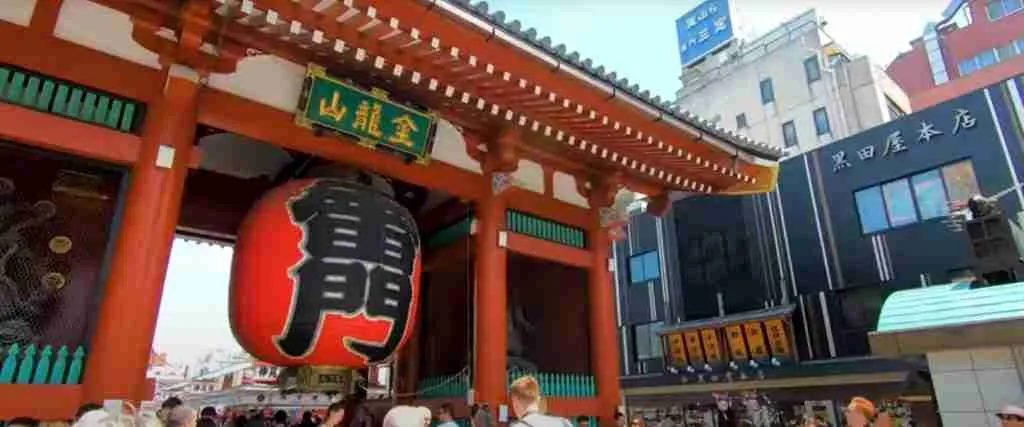
Tokyo residents rarely use the main Kaminarimon entrance, instead accessing the temple through lesser-known routes that bypass tourist congestion entirely.
Insider Route Options:
Asakusa Shrine Side Approach:
- Enter through the eastern side via Asakusa Shrine
- Bypass Nakamise shopping street crowds completely
- Start with quieter shrine area before moving to main temple
- Access traditional Japanese garden areas unknown to most tourists
- Connect with local worshippers using traditional approach routes
- Experience temple complex from spiritual rather than commercial perspective
Western Perimeter Access:
- Approach from Denbo-in Garden area
- Use residential neighborhood pathways
- Enter temple grounds through secondary gates
- Discover quiet contemplation areas and auxiliary buildings
- Avoid main pedestrian flows and tour group routes
- Access traditional tea houses and local cultural facilities
Underground Strategy:
- Use underground shopping areas to approach temple vicinity
- Emerge closer to temple through less obvious exits
- Avoid street-level crowd congestion and tour group formations
- Access climate-controlled routes during extreme weather
- Connect directly to temple area without Nakamise street navigation
The Professional Photography Routes
Professional photographers who regularly work at Sensō-ji have developed specific routes that optimize both crowd avoidance and photographic opportunities.
Pro Photographer Pathways:
- Circumnavigation route: Complete temple perimeter before entering central areas
- Elevation strategy: Use elevated viewpoints from surrounding buildings
- Reflection hunting: Position near water features and polished surfaces
- Architecture focus: Access building details from less crowded angles
- Golden ratio positioning: Use mathematical composition principles for optimal shots
- Local interaction points: Identify authentic cultural interaction opportunities
Hidden Temple Areas and Secret Spots
The Undiscovered Temple Gardens
Beyond the main temple complex lie peaceful gardens and contemplation areas that most visitors never discover, providing serene spaces for reflection and cultural appreciation.
Secret Garden Locations:
Denbo-in Garden (Seasonal Access):
- Traditional Japanese garden associated with temple complex
- Limited public access during specific seasonal periods
- Authentic landscape design showcasing traditional aesthetics
- Peaceful walking paths away from temple crowds
- Historical significance connecting to temple’s cultural heritage
- Photography opportunities with traditional garden elements
Auxiliary Shrine Areas:
- Smaller shrines within temple complex offering quiet reflection
- Traditional architecture without tourist congestion
- Authentic worship practices by local community members
- Cultural education opportunities through observation
- Peaceful spaces for meditation and contemplation
- Connection to broader Japanese spiritual practices
Elevated Perspective Points
Strategic elevated positions provide unique temple views while avoiding ground-level crowds and offering exceptional photography opportunities.
Elevated Viewing Strategies:
Asakusa Culture Tourist Information Center:
- Free 8th-floor observation deck overlooking entire temple complex
- Air-conditioned comfort during extreme weather conditions
- Panoramic photography opportunities without crowd interference
- Educational displays providing cultural context
- Rest facilities and information services
- Perfect for observing crowd patterns and timing optimal descent
Surrounding Building Observations:
- Public spaces in nearby buildings offering temple views
- Restaurant and café terraces with temple perspectives
- Hotel lobby areas with elevated viewing opportunities
- Shopping complex observation areas
- Bridge and overpass vantage points
- Parking structure rooftops with temple vistas
Seasonal Crowd Avoidance Mastery
The Winter Advantage: January-February Strategy
Winter months provide the most dramatic crowd reduction while offering unique cultural experiences and optimal conditions for authentic temple engagement.
Winter Crowd-Free Benefits:
- Smallest annual crowds: 70-80% reduction compared to peak seasons
- Authentic spiritual atmosphere: Local practitioners dominate over tourists
- New Year cultural experiences: Witness genuine Japanese traditional celebrations
- Clear photography conditions: Winter air provides exceptional visibility
- Traditional heating culture: Experience historical warming methods and hot beverages
- Contemplative environment: Cold weather encourages mindful, purposeful visits
Rainy Season Opportunities (June-July)
Japan’s rainy season, typically avoided by tourists, creates exceptional opportunities for crowd-free temple experiences with enhanced atmospheric beauty.
Rainy Season Advantages:
- Significant tourist reduction due to weather concerns
- Enhanced temple architecture beauty with rain reflections
- Traditional rain culture experiences (umbrellas, traditional rain gear)
- Intimate cultural interactions with weather-hardy visitors
- Unique photography opportunities with rain effects
- Authentic seasonal experience connecting to Japanese cultural cycles
Festival Avoidance vs. Participation Strategy
Major festivals create both the largest crowds and most authentic cultural experiences, requiring strategic decision-making based on cultural priorities.
Festival Strategy Options:
Complete Avoidance Strategy:
- Schedule visits during weeks preceding or following major festivals
- Experience festival preparation activities without crowd chaos
- Observe traditional setup and cultural preparation processes
- Enjoy festival decorations without overwhelming tourist presence
- Connect with local community members involved in festival organization
Strategic Festival Participation:
- Arrive 2-3 hours before festival events begin
- Position in strategic locations before crowds arrive
- Focus on festival periphery rather than central events
- Document cultural preparation and behind-scenes activities
- Connect with festival participants and community organizers
- Experience authentic cultural celebration despite crowd challenges
Advanced Crowd Monitoring Techniques
Real-Time Crowd Intelligence
Technology and local knowledge combine to provide real-time crowd monitoring that enables dynamic visit planning and optimal timing adjustments.
Crowd Monitoring Tools:
Digital Monitoring Systems:
- Live webcam feeds showing current temple crowd levels
- Social media monitoring for real-time visitor reports
- Google Maps traffic data indicating crowd density
- Weather correlation analysis for crowd prediction
- Transportation data showing visitor arrival patterns
- Event calendar analysis for crowd spike prediction
Local Intelligence Networks:
- Hotel concierge real-time crowd reports
- Local resident social networks and community updates
- Professional guide insider information sharing
- Temple staff informal crowd level communications
- Photography community crowd sharing networks
- Cultural organization coordination and updates
Predictive Crowd Analysis
Understanding crowd patterns enables accurate prediction of optimal visiting windows and strategic planning for peaceful temple experiences.
Crowd Pattern Recognition:
- Weekly patterns: Monday-Thursday significantly less crowded than weekends
- Monthly cycles: Beginning and end of months show different crowd behaviors
- Seasonal transitions: Period between major seasons offer optimal conditions
- Holiday correlations: Japanese holiday patterns affect crowd formation
- International factors: Global events and travel patterns influence visitor numbers
- Weather predictions: Forecast analysis enables strategic planning
Local Interaction and Cultural Immersion
Connecting with Authentic Practitioners
Avoiding crowds often leads to deeper connections with genuine spiritual practitioners and local community members who provide authentic cultural insights unavailable during peak tourist periods.
Authentic Cultural Connections:
Morning Practitioner Community:
- Join early morning Buddhist meditation and prayer practices
- Observe authentic spiritual rituals without tourist interference
- Learn traditional prayer techniques from experienced practitioners
- Understand contemporary Buddhist practice in urban Japanese context
- Develop respectful relationships with temple community members
- Gain insights into spiritual significance beyond tourist presentations
Local Elderly Community:
- Elderly visitors often provide historical perspective and cultural knowledge
- Respectful interaction yields insights into temple’s role in community life
- Traditional practices and customs explained by longtime practitioners
- Personal stories connecting temple history to individual experiences
- Cultural exchange opportunities unavailable during crowded periods
- Authentic language practice and cultural communication
Staff and Volunteer Interactions
During quieter periods, temple staff and volunteers have time for meaningful cultural education and authentic interaction with genuinely interested visitors.
Staff Interaction Opportunities:
- Temple maintenance staff: Insights into traditional building preservation
- Cultural volunteers: Educational opportunities about temple history and practices
- Security personnel: Safety information and local area knowledge
- Vendor families: Traditional commercial practices and family business heritage
- Guide professionals: Advanced cultural education and insider knowledge
- Photography assistants: Technical and cultural photography guidance
Professional Photography in Crowd-Free Conditions
The Photographer’s Advantage
Crowd-free conditions enable professional-quality photography that captures the temple’s spiritual essence and architectural beauty without tourist distractions.
Optimal Photography Conditions:
Architecture Photography:
- Clean compositions without people obscuring traditional architecture
- Long exposure possibilities for dramatic lighting effects
- Detailed documentation of traditional construction techniques
- Symmetrical compositions highlighting Buddhist architectural principles
- Multiple angle exploration without crowd navigation constraints
- Professional equipment setup without spatial limitations
Cultural Documentation:
- Authentic spiritual practices captured without tourist interference
- Traditional activities documented in their natural context
- Local practitioner portraits with genuine cultural significance
- Environmental portraits showing temple’s role in community life
- Historical preservation documentation for cultural research
- Artistic interpretation of spiritual and cultural themes
Advanced Photography Techniques
Crowd-free conditions enable advanced photography techniques that require time, space, and uninterrupted focus for optimal artistic results.
Professional Technique Applications:
- HDR bracketing: Multiple exposure captures for extreme dynamic range
- Focus stacking: Sharp detail throughout architectural elements
- Light painting: Creative illumination highlighting specific features
- Time-lapse sequences: Documenting natural light changes and spiritual activities
- Panoramic stitching: Comprehensive documentation without crowd interference
- Macro detail work: Close-up documentation of traditional craftsmanship
Spiritual and Meditative Experiences
Authentic Meditation Opportunities
Crowd-free periods enable genuine meditation and spiritual practice that connects visitors to the temple’s 1,400-year tradition of Buddhist contemplation and enlightenment.
Meditation Practice Opportunities:
Silent Contemplation Areas:
- Quiet spaces for personal reflection without tourist distractions
- Traditional meditation postures practiced in authentic settings
- Connection to centuries of spiritual practice in same locations
- Natural soundscape of temple bells, chanting, and traditional atmosphere
- Peaceful observation of Buddhist architectural symbolism
- Integration of traditional incense and aromatherapy elements
Participatory Spiritual Practices:
- Join authentic morning prayer sessions with local practitioners
- Learn traditional Buddhist meditation techniques from experienced guides
- Participate in incense ceremonies with proper cultural understanding
- Observe and respectfully join traditional ritual practices
- Develop understanding of Buddhist philosophy through direct experience
- Connect spiritual practice to daily life through temple community example
Cultural Immersion Through Spiritual Practice
Authentic spiritual experiences provide deeper cultural understanding that transcends typical tourist interactions and creates lasting personal transformation.
Spiritual Cultural Education:
- Buddhist philosophy: Practical application of compassion and mindfulness principles
- Japanese spirituality: Understanding integration of Buddhism with daily Japanese life
- Historical continuity: Connecting personal practice to 1,400 years of tradition
- Community integration: Observing spiritual practice’s role in community cohesion
- Personal transformation: Authentic spiritual experiences creating lasting impact
- Cultural appreciation: Deep respect for Japanese spiritual traditions and wisdom
Practical Crowd-Free Implementation
Strategic Visit Planning
Successful crowd-free temple experiences require careful advance planning and flexible execution based on real-time conditions and optimal timing windows.
Pre-Visit Planning Checklist:
- Weather monitoring: Track forecasts for optimal crowd-avoidance conditions
- Event calendar review: Identify potential crowd-generating events and festivals
- Transportation timing: Plan arrival/departure avoiding rush hour complications
- Equipment preparation: Camera gear, comfortable clothing, weather protection
- Cultural preparation: Study appropriate behavior and cultural customs
- Backup planning: Alternative activities if crowd conditions become problematic
Dynamic Adaptation Strategies
Real-time adaptation enables optimal temple experiences by responding to changing conditions and unexpected crowd developments.
Adaptive Strategy Implementation:
- Arrival assessment: Evaluate crowd conditions and adjust plans accordingly
- Route flexibility: Switch between alternative approaches based on current conditions
- Timing adjustments: Extend or shorten visits based on crowd dynamics
- Activity prioritization: Focus on most important experiences during optimal windows
- Emergency alternatives: Nearby cultural sites for immediate relocation if needed
- Return planning: Schedule follow-up visits for incomplete experiences
Advanced Local Knowledge Integration
Neighborhood Integration Strategy
Understanding the broader Asakusa neighborhood enables crowd avoidance while providing authentic cultural experiences that complement temple visits.
Neighborhood Cultural Integration:
- Residential area exploration: Traditional Tokyo neighborhoods surrounding temple
- Local business interaction: Family-owned shops and restaurants serving community
- Community center activities: Local events and cultural programs
- Traditional craft workshops: Artisan studios and cultural preservation activities
- Local transportation patterns: Understanding how residents navigate the area
- Seasonal community events: Neighborhood celebrations and traditional observances
Cultural Insider Networks
Developing connections with cultural insiders provides ongoing access to crowd-free experiences and authentic cultural education opportunities.
Insider Network Development:
- Photography communities: Local photographers sharing optimal timing and location information
- Cultural researchers: Academic and professional connections studying temple traditions
- Spiritual practice groups: Buddhist meditation and study communities
- Historical societies: Organizations preserving and studying temple heritage
- Volunteer organizations: Groups supporting temple maintenance and cultural education
- International resident communities: Long-term foreign residents with local expertise
Mastering crowd-free experiences at Sensō-ji Temple reveals the profound spiritual and cultural depth that has sustained this sacred site for 1,400 years of continuous Buddhist practice. Beyond simply avoiding tourists, these insider strategies provide access to authentic Japanese spiritual culture and meaningful cultural connections that transform visits from mere sightseeing into genuine cultural immersion.
The techniques revealed in this guide represent years of accumulated wisdom from photographers, spiritual practitioners, cultural researchers, and longtime Tokyo residents who understand that Sensō-ji’s true treasures emerge when approached with patience, respect, and insider knowledge. Implementing these strategies ensures that your temple experience connects to the authentic spiritual energy that has drawn pilgrims and seekers to this sacred space across nearly fourteen centuries.
Remember that crowd-free temple experiences require not just strategic planning but also cultural sensitivity and respect for the spiritual practices that continue daily at this living Buddhist sanctuary. Approach with humble appreciation for the opportunity to witness authentic Japanese spiritual culture in its natural environment, and you’ll discover why Sensō-ji Temple remains one of the world’s most profound spiritual destinations.
📋 Frequently Asked Questions
Q: What’s the absolute best time to visit Sensō-ji Temple without any crowds?
A: 5:30-6:30 AM offers completely crowd-free access with authentic Buddhist morning practices. Late evening (after 8 PM) also provides solitude with illuminated temple beauty.
Q: How can I avoid the Nakamise shopping street crowds entirely?
A: Use the Asakusa Shrine side approach or western perimeter routes that bypass Nakamise completely while still accessing the main temple complex.
Q: Are there secret areas of Sensō-ji Temple that tourists don’t know about?
A: Yes! Auxiliary shrine areas, seasonal garden access, and elevated viewing points in nearby buildings provide peaceful spaces away from main tourist flows.
Q: How do weather conditions affect crowd levels at the temple?
A: Light rain reduces crowds by 60-70% while overcast conditions decrease visitors by 30-40%. Rainy season (June-July) offers excellent crowd-free opportunities.
Q: What’s the best strategy for festival periods if I want to avoid crowds?
A: Visit during festival preparation weeks (before events) or arrive 2-3 hours early to experience setup without overwhelming crowds.
Q: How can I monitor real-time crowd levels before visiting?
A: Use live webcams, social media monitoring, Google Maps traffic data, and local resident networks for real-time crowd intelligence.
Q: Which months offer the most dramatic crowd reduction?
A: January-February provides 70-80% fewer visitors with authentic winter cultural experiences. Early March also offers excellent crowd-free conditions.
Q: Can I have authentic cultural experiences during crowd-free periods?
A: Absolutely! Crowd-free times often provide deeper cultural connections with local practitioners, temple staff, and authentic spiritual activities.
Q: What equipment should I bring for optimal crowd-free photography?
A: Tripod for long exposures, multiple lenses for varied compositions, weather protection, and portable lighting for creative photography techniques.
Q: How do I respectfully participate in morning Buddhist practices?
A: Observe quietly first, follow local practitioners’ behavior, dress modestly, maintain silence during prayers, and ask permission before participating directly.