
Seattle Museums & Galleries 2026: Complete Cultural Guide
Seattle’s cultural landscape spans world-class art museums, interactive science centers, and specialized collections celebrating aviation, pop culture, Asian Pacific American heritage, and Nordic traditions. From the free-admission Frye Art Museum to Frank Gehry’s architectural masterpiece housing MoPOP, the city offers museum experiences for every interest and budget across neighborhoods from downtown to South Lake Union to Capitol Hill.
Key Takeaways
- Free Museum Access 2026: Frye Art Museum remains free daily, while Seattle Art Museum, Museum of Flight, and MOHAI offer free admission every first Thursday. Seattle Public Library cardholders can reserve free passes for two adults and youth at participating museums including SAM, Museum of Flight, MoPOP, and Wing Luke Museum.
- Major Museum Admission Costs 2026: Budget $22-35 per adult for premier institutions. Museum of Flight costs $29, MoPOP admission runs $28, Seattle Art Museum charges $20-30 depending on advance booking, and Chihuly Garden & Glass starts at $35. Combination tickets and CityPASS options save up to 47% when visiting multiple attractions.
- Cultural Touring Daily Budget 2026: A full day exploring Seattle museums costs $45-75 per person covering two to three museums, transit, and lunch. Premium experiences with special exhibitions and combination tickets range $90-140 per person daily.
- Neighborhood Cultural Clusters 2026: Seattle Center houses MoPOP, Chihuly Garden & Glass, and Pacific Science Center within walking distance. South Lake Union features MOHAI and Center for Wooden Boats. Downtown hosts Seattle Art Museum and Asian Art Museum. Capitol Hill offers Frye Art Museum and Henry Art Gallery.
- Best Visiting Times 2026: Weekday mornings between 10 AM and noon offer smallest crowds. First Thursdays from October through March provide free admission to major museums with manageable attendance. Summer weekends June through August bring peak visitors but extended hours at many institutions.
- Discount Programs 2026: Museums for All provides $3 admission for SNAP benefit recipients at Museum of Flight, MoPOP, SAM, Wing Luke Museum, and National Nordic Museum. Washington state residents receive 15% discount at MoPOP year-round. TeenTix offers $5 admission for teenagers at SAM and other partner institutions.
People Also Ask About Seattle Museums & Galleries 2026
What are the best free museums in Seattle in 2026?
The Frye Art Museum offers free admission every day, featuring 19th and 20th century European and American art plus contemporary exhibitions in its First Hill location. Olympic Sculpture Park, part of the Seattle Art Museum system, provides free outdoor access to modern and contemporary sculptures along the waterfront. The Center for Wooden Boats in South Lake Union offers free museum access with hands-on boat building demonstrations. Klondike Gold Rush National Historical Park in Pioneer Square presents free exhibits on Seattle’s 1897 gold rush history. Additional free access opportunities occur every first Thursday when Museum of Flight opens free from 5-9 PM, Seattle Art Museum and Asian Art Museum offer free admission all day, and MOHAI provides free entry.
How much does it cost to visit Seattle’s top museums for a day in 2026?
Visiting two major museums costs $50-65 per person including admission only. A full cultural day visiting three institutions runs $75-95 per person for admissions, while adding transit and meals brings total daily costs to $90-140 per person. Single premium museums like MoPOP or Chihuly Garden & Glass cost $28-35 each, while mid-tier museums including Museum of Flight, MOHAI, and SAM range $22-30 per adult. Free museums and first Thursday programs reduce costs substantially, allowing visitors to experience three to four quality museums for under $25 per person including only transit costs.
Which Seattle museums are best for families with children in 2026?
Pacific Science Center offers interactive exhibits on dinosaurs, butterflies, and hands-on STEM activities with admission $19 for youth and $22 for adults. Museum of Flight provides walk-through access to actual aircraft including Air Force One and a Concorde with admission $21 for youth ages 5-17. Seattle Children’s Museum features dedicated spaces for creative play and learning for children under 10 with admission around $15. MoPOP engages older children and teens with pop culture, music, and science fiction exhibits at $28 adult admission. Museum of History & Industry presents Seattle history through interactive displays appealing to ages 8 and up. Seattle Public Library museum passes grant free admission for two adults and two youth to most major family-friendly institutions.
What’s included with Seattle CityPASS in 2026?
Seattle CityPASS provides admission to five attractions for one price, saving up to 47% compared to individual ticket purchases. The pass includes Space Needle, Seattle Aquarium, and choice of three additional attractions from Museum of Pop Culture, Woodland Park Zoo, Chihuly Garden & Glass, Pacific Science Center, Argosy Cruises Harbor Tour, and Museum of Flight. Museums included in CityPASS allow visits in any order over nine consecutive days from first use. Advance reservations required at most attractions through the CityPASS mobile ticket system. Current CityPASS pricing provides better value than purchasing three or more individual museum admissions, particularly for families visiting Space Needle plus cultural institutions.
Extended multi-day tours – 5+ days
Featured Seattle Multi-Day Tour Packages

3 days
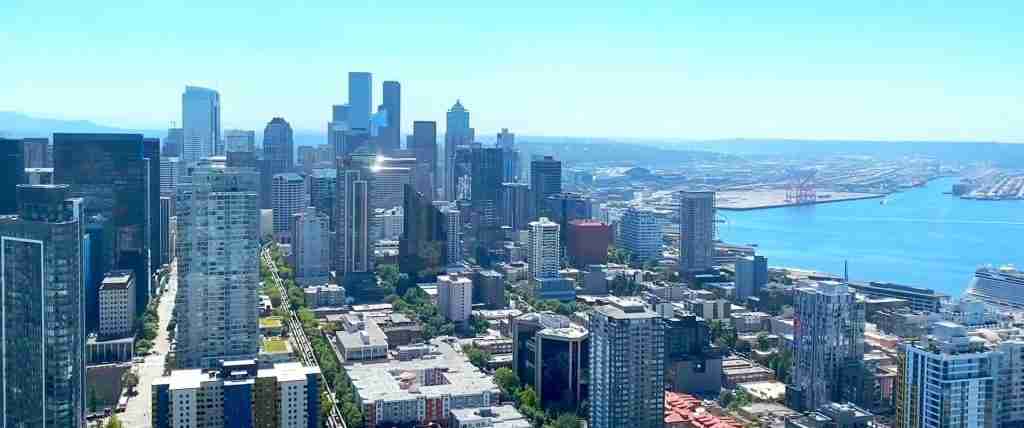
Seattle 3-Day Discovery Tour
- ✓ Comprehensive Seattle experience
- ✓ Expert local guides included
- ✓ All accommodation included
- ✓ Transportation provided
5 days
Seattle 5-Day Highlights Experience
- ✓ Comprehensive Seattle experience
- ✓ Expert local guides included
- ✓ All accommodation included
- ✓ Transportation provided
7 days
Seattle 7-Day Cultural Journey
- ✓ Comprehensive Seattle experience
- ✓ Expert local guides included
- ✓ All accommodation included
- ✓ Transportation provided
10 days
Seattle 10-Day Complete Adventure
- ✓ Comprehensive Seattle experience
- ✓ Expert local guides included
- ✓ All accommodation included
- ✓ Transportation provided
Multi-day tour packages powered by TourRadar. Prices and availability subject to change.
Introduction
Seattle’s museum landscape reflects the city’s identity as a Pacific Northwest cultural hub bridging technology innovation, maritime heritage, global art traditions, and pop culture creativity. The concentration of world-class institutions within compact urban geography allows visitors to explore aviation history at Museum of Flight in the morning, experience blown glass artistry at Chihuly Garden in the afternoon, and dive into music and sci-fi culture at MoPOP by evening, all using efficient light rail and bus connections.
The city’s museum ecosystem serves diverse interests across 30+ institutions ranging from intimate neighborhood galleries to expansive centers commanding international recognition. Free-admission options including Frye Art Museum and Olympic Sculpture Park democratize cultural access, while premium experiences at MoPOP and Chihuly Garden deliver immersive environments justifying higher ticket costs. First Thursday free admission programs at major museums create monthly opportunities for comprehensive cultural exploration without admission barriers.
Museums cluster in defined neighborhoods facilitating efficient visit planning. Seattle Center’s campus concentrates family-friendly science and pop culture institutions with shared parking and transit access. South Lake Union’s waterfront museums focus on Pacific Northwest history and innovation. Downtown and Capitol Hill neighborhoods host fine art museums spanning classical European collections to cutting-edge contemporary works. Understanding these geographic and thematic groupings optimizes itinerary construction for visitors with limited time or specific cultural interests.
The 2026 cultural calendar builds on Seattle’s established museum infrastructure with rotating exhibitions at major institutions, expanded hours during peak tourism season May through September, and enhanced digital programming complementing in-person visits. Museums continue adapting pricing structures balancing revenue requirements with accessibility commitments, resulting in tiered admission systems, resident discounts, and comprehensive community access programs serving low-income families and SNAP benefit recipients.
Seattle Art Museum System 2026: Downtown SAM, Asian Art Museum & Olympic Sculpture Park
The Seattle Art Museum operates three distinct locations providing comprehensive art experiences from ancient Mediterranean artifacts to contemporary outdoor sculptures. The downtown SAM building at 1st Avenue and Union Street houses the primary collection across multiple gallery floors. The Asian Art Museum in Volunteer Park presents specialized Asian collections in a 1933 Art Deco building. Olympic Sculpture Park along the Elliott Bay waterfront offers free outdoor access to monumental contemporary works with Sound and mountain views.
Downtown SAM admission costs $20-30 for adults in 2026, with discounted rates for seniors, students, and youth. Check the official site for current rates as pricing may vary. Purchasing tickets online at least 24 hours in advance saves $3 compared to same-day walk-up pricing. Special exhibitions carry additional fees of $5-15 beyond general admission. Children 14 and under enter free. The museum opens daily except certain holidays, with extended hours until 8 PM on first Thursdays when admission becomes free to everyone.
The permanent collection spans 25,000 objects across African, Ancient Mediterranean, European, American, contemporary, and Native American categories. Pacific Northwest tribal art occupies dedicated galleries showcasing transformation masks, bentwood boxes, and contemporary Native works. European galleries feature Renaissance through modern paintings including works by Caravaggio, Rubens, and Monet. Contemporary galleries rotate exhibitions highlighting international contemporary artists with emphasis on underrepresented voices.
Asian Art Museum in Capitol Hill’s Volunteer Park operates on suggested admission basis, allowing visitors to pay what they wish when purchasing at the door. Online purchasers pay standard SAM admission. The collection emphasizes Chinese, Japanese, Korean, and Southeast Asian ceramics, paintings, sculpture, and decorative arts across 13 galleries. The 1933 building by Carl Gould features Art Deco architecture and commanding park and city views from upper galleries.
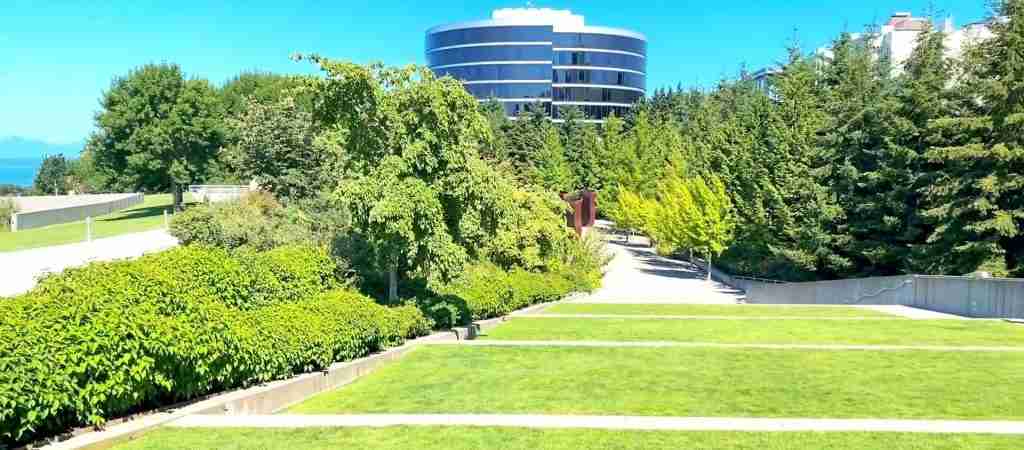
Olympic Sculpture Park provides free admission daily to 9-acre waterfront green space featuring permanent installations by Alexander Calder, Richard Serra, Louise Bourgeois, and other contemporary sculptors. The Z-shaped park descends from Western Avenue to the waterfront through distinct landscape zones. Admission never requires tickets or reservations. The park operates sunrise to sunset with no closing days. Guided tours occur seasonally focusing on specific works or artists.
Seattle Art Museum membership costs $100 annually for individual level, providing unlimited free admission to all three locations, guest passes, and exclusive exhibition previews. Family memberships at $150 cover two adults and children under 18. Memberships pay for themselves after five visits to ticketed SAM downtown locations, making them cost-effective for local residents or extended-stay visitors.
Museum of Pop Culture (MoPOP) 2026: Music, Sci-Fi & Gaming
Frank Gehry’s undulating metal-clad building at Seattle Center houses Museum of Pop Culture, dedicated to contemporary popular culture through music, science fiction, horror, video games, and fashion. The 140,000-square-foot museum presents 80,000 artifacts across permanent and rotating exhibitions with interactive elements encouraging hands-on engagement. MoPOP occupies prime location at Seattle Center’s north end adjacent to Space Needle and monorail station.
General admission costs $28 for adults in 2026. Washington state residents receive 15% discount year-round upon presenting valid ID at ticketing. Youth ages 5-17 pay reduced rates, while children under 5 enter free. Special exhibitions like Keith Haring retrospectives carry additional $7 surcharge paid on-site beyond general admission. Advance online booking recommended for preferred entry times, particularly summer weekends and holiday periods. Museum hours run 10 AM to 5 PM daily with occasional extended evening hours for special programming.
Permanent exhibitions explore Seattle music history through extensive Nirvana and Jimi Hendrix collections featuring hand-written lyrics, personal instruments, and stage costumes. The Guitar Gallery displays vintage and rare instruments with audio stations demonstrating different playing styles and sounds. Science Fiction and Fantasy Hall of Fame celebrates genre creators through immersive installations and original manuscripts. Indie Game Revolution presents playable vintage and contemporary video games with developer interviews explaining creative processes.
Interactive Sound Lab allows visitors to experiment with guitars, drums, keyboards, and DJ equipment in soundproof rooms without musical training required. Participatory stations throughout galleries invite touching artifacts, recording sound effects, and manipulating digital exhibits. The museum intentionally designs experiences for active engagement rather than passive observation, distinguishing it from traditional fine art institutions.
Live glassblowing demonstrations occur daily at 11 AM in the Collections building lobby, providing 15-20 minute presentations on technique and artistry. Gallery talks highlighting specific exhibitions run several times daily, included with admission. Special events including album release parties, film screenings, and artist conversations occur evenings and weekends with separate ticketing beyond museum admission.
MoPOP participates in multiple discount programs including Museums for All offering $3 admission for SNAP benefit recipients, TeenTix providing $5 tickets for teenagers, and Seattle Public Library museum passes granting free admission for two adults and two youth ages 5-17 when reserved online. CityPASS includes MoPOP as optional attraction providing admission as part of multi-attraction package saving overall costs for visitors exploring multiple Seattle Center locations.
Museum of Flight 2026: Aviation & Space Exploration
The world’s largest independent aerospace museum occupies 23 acres in south Seattle near Boeing Field, featuring 175+ aircraft and spacecraft across multiple buildings and outdoor display areas. The collection spans aviation history from Wright Brothers replicas through modern commercial jets, military aircraft, and space exploration hardware. Location adjacent to active Boeing Field runways provides regular views of contemporary aircraft operations alongside historical displays.
Adult admission costs $29, youth ages 5-17 pay $21, and seniors 65+ enter for $25 in 2026. Children 4 and under receive free admission. Active military and families qualify for free entry through Blue Star Museums program from Armed Forces Day through Labor Day. First Thursday of every month offers free admission 5-9 PM to all visitors with no advance reservation required. Seattle Public Library and King County Library cardholders can reserve free passes for two adults and two youth online, subject to availability.
The Great Gallery houses historic aircraft suspended from ceiling and displayed on floor including 1909 Curtiss Model D Pusher, World War I fighters, and Boeing’s 1916 B&W seaplane. Aviation Pavilion contains walk-through aircraft including Air Force One used by Presidents Eisenhower through Johnson, supersonic Concorde, Boeing 787 Dreamliner, and 747 prototype. Visitors board aircraft, explore cabins, and view cockpits on self-guided routes through interior spaces.
Space Gallery presents full-scale Space Shuttle Trainer used for astronaut preparation, Apollo command modules, lunar rovers, and extensive satellite and rocket hardware. Specialized tours of Shuttle Trainer crew compartment available as premium add-on experience. Personal Courage Wing focuses on military aviation through two world wars with extensive fighter and bomber collections plus documented pilot stories. The Red Barn original Boeing manufacturing facility contains company founding exhibits and early aircraft construction displays.
Aviation Pavilion aircraft access operates 11 AM to 4 PM within general museum hours 10 AM to 5 PM daily. Closed Thanksgiving and Christmas. Free parking included with admission in dedicated lots surrounding museum buildings. Location 15 minutes south of downtown Seattle via car, accessible by Metro buses 124 and 164 from downtown transit tunnel.
Guided tours run hourly covering evolution of flight through permanent galleries, lasting approximately one hour with knowledgeable volunteer docents. Tours included with general admission without additional fees. Flight simulators offer premium experiences at additional cost allowing visitors to pilot fighter jets and commercial aircraft in motion-platform simulators. Weekend family workshops provide hands-on aerospace activities included with admission Saturdays and Sundays.
Chihuly Garden & Glass 2026: Contemporary Art Experience
Dale Chihuly’s only long-term exhibition dedicated to his work occupies purpose-built galleries, garden, and glasshouse at Seattle Center adjacent to Space Needle. The exhibition opened 2012 and presents comprehensive survey of Chihuly’s career through signature series including Seaforms, Ikebana, Persians, and Chandeliers across eight interior galleries plus outdoor garden installations. The 40-foot glass and steel Glasshouse centerpiece shelters 100-foot suspended sculpture in vibrant reds, oranges, and yellows.
Admission starts at $35 for adults and $30 for children ages 5-12 in 2026, with pricing varying by day and season. Combination tickets with Space Needle available for approximately $69, saving money compared to purchasing separately. Seattle CityPASS includes Chihuly Garden & Glass as one of five attraction options. Advanced online booking recommended as exhibitions can reach capacity during peak visiting hours. Entry includes access to all galleries, garden, and glasshouse plus complimentary audio tour available via smartphone.
Eight interior galleries present distinct Chihuly series in climate-controlled spaces with theatrical lighting emphasizing color and form. The Mille Fiori installation covers 1,400-square-foot ceiling with garden-inspired glass flowers, vegetables, and stems. Seaforms gallery displays organic shapes inspired by Pacific Northwest tide pools and marine life. Persian Ceiling combines 1,400 individual pieces in undulating overhead installation inspired by Middle Eastern architecture and patterns.
Outdoor garden integrates glass sculptures with living plants across multiple zones, creating dialogue between Chihuly’s work and natural landscape. Seasonal plantings complement permanent glass installations, making garden appearance change throughout year. Icicle Tower reaches 30 feet tall with translucent blue elements. Sun sculpture centers circular garden bed with radiating yellow and orange glass suggesting solar energy. The garden remains vibrant year-round though spring blooms and fall foliage create particularly photogenic backdrops.
Live glassblowing demonstrations begin at 11 AM daily in Collections building lobby adjacent to main gallery entrance, included with admission. Local artists demonstrate gathering molten glass from furnaces, shaping forms, and explaining techniques. Demonstrations last approximately 15-20 minutes. Gallery talks occur several times daily, providing 10-minute focused presentations on specific installations or Chihuly’s creative process.
The Bar restaurant within exhibition offers full lunch and dinner menus featuring Pacific Northwest cuisine in dining room surrounded by glass installations. Reservations recommended for meals. The Bookstore sells Chihuly books, exhibition catalogs, and glass art pieces from other Pacific Northwest artists. Average visit duration runs 1-2 hours depending on pace and interest in audio tour content and live demonstrations.
Museum of History & Industry (MOHAI) 2026: Pacific Northwest Heritage
MOHAI presents Seattle and Puget Sound regional history from indigenous presence through contemporary technology innovation in waterfront location at Lake Union Park. The 1942 Naval Reserve Armory building renovated for museum use provides 60,000 square feet of exhibition space across main floor and mezzanine galleries. The collection exceeds 4 million objects with approximately 2% displayed at any time through rotating exhibitions.
Adult admission costs $22 in 2026, seniors 65+ pay $18, students and military $17, while children under 15 accompanied by adult enter free. First Thursday of every month provides free admission all day. Seattle Public Library museum passes grant free entry for two adults when reserved online and presented at admission desk. Museum operates Tuesday through Sunday 10 AM to 5 PM with extended hours until 8 PM first Thursdays.
Permanent exhibits explore Seattle founding, maritime commerce, timber industry, Klondike Gold Rush impacts, Boeing aviation development, and Microsoft-Amazon technology era. True Northwest gallery presents indigenous cultures, exploration, and settlement through artifacts, photographs, and oral histories. Center for Innovation highlights Seattle’s role in developing technologies from airplane manufacturing through software and internet services, featuring original Boeing B-1 seaplane from 1919.
Maritime Seattle exhibition displays working periscope offering 360-degree views of Lake Union and city skyline, tugboat wheelhouse, and extensive ship models documenting port development. Bezos Center for Innovation presents rotating exhibits on technological advancement and entrepreneurship with interactive elements allowing visitors to engage with innovation processes. Outdoor deck provides waterfront access and views across Lake Union to downtown skyline and Cascade Mountains.
The museum campus includes Center for Wooden Boats providing free access to maritime heritage exhibits and boat building demonstrations in historic structures along Lake Union shore. Combined visits to MOHAI and Center for Wooden Boats create comprehensive maritime and technology heritage experience. Numerous restaurants and cafes line Westlake Avenue across from museum, facilitating lunch breaks during extended cultural explorations.
Special exhibitions change quarterly, presenting deeper investigations of specific Seattle history topics, regional industries, or cultural movements. Past exhibitions covered Seattle music scenes, World’s Fair legacies, Japanese American incarceration, and women’s suffrage. Lecture series and public programs complement exhibitions with evening presentations by authors, historians, and community leaders. MOHAI membership provides unlimited free admission, guest passes, and event invitations starting at $75 individual level.
Specialized & Cultural Museums 2026: Wing Luke, Nordic, Burke & More
Seattle’s specialized museums serve distinct cultural communities and subject interests, providing depth beyond major institutions’ broad collections. These museums occupy neighborhood locations throughout city, each offering unique perspectives on Pacific Northwest cultural heritage and global connections.
Wing Luke Museum of the Asian Pacific American Experience in Chinatown-International District presents comprehensive exploration of Asian Pacific American history through immersive exhibits, preserved historic spaces, and community-generated narratives. Admission costs approximately $10 for adults with discounted rates for students, seniors, and children. The museum uniquely preserves actual apartments and businesses from neighborhood’s past, allowing visitors to experience historical living and working conditions. Regular community tours walk through surrounding neighborhood explaining settlement patterns, cultural institutions, and contemporary issues. Special exhibitions rotate quarterly focusing on specific Asian Pacific communities, artists, or historical events. Museum participates in Museums for All and library pass programs providing reduced-cost and free admission options.
National Nordic Museum in Ballard’s historic Scandinavian community celebrates Finnish, Swedish, Norwegian, Danish, and Icelandic heritage through permanent and rotating exhibitions. Adult admission runs $10-15 with family rates available. Core galleries trace Nordic migration to Pacific Northwest, traditional crafts, contemporary Nordic design, and Arctic exploration. The museum’s contemporary building opened 2018, providing expanded space for collections including traditional costumes, household items, maritime equipment, and immigrant documents. Regular programs include Nordic language classes, craft workshops including traditional weaving and woodworking, and cultural festivals celebrating specific national traditions.
Burke Museum of Natural History & Culture on University of Washington campus presents natural science collections, Pacific cultures, and paleontology through research-museum model allowing visitors to observe working laboratories. Adult admission approximately $14 with UW students entering free. Dinosaur exhibits feature specimens from Western states including complete skeletons and fossil preparation labs where researchers work behind glass partitions visible to museum visitors. Pacific Voices galleries present extensive Northwest Coast indigenous art and artifacts with community-curated narratives centering indigenous perspectives. The museum building opened 2019 with transparent design bringing collections storage and research areas into public view.
Northwest African American Museum (NAAM) in Central District explores African American culture, history, and contributions to Pacific Northwest development. Admission approximately $5 for adults. Permanent exhibition “NAAM Home” recreates historical African American living spaces and cultural practices. The museum occupies renovated 1909 Colman School building, preserving architectural heritage while serving contemporary cultural mission. Regular programming includes lectures, performances, film screenings, and community conversations addressing historical and current issues affecting African American communities.
Frye Art Museum on First Hill maintains permanent free admission supporting founding mission of accessible art education. The museum presents 19th and 20th century European and American paintings from founding collection alongside rotating contemporary exhibitions examining social issues and underrepresented artistic voices. The 1952 building features intimate gallery spaces and Reflecting Pond sculpture garden. Museum cafe provides coffee and light fare. Regular programs include artist talks, gallery tours, and family activities all free with museum admission.
Henry Art Gallery at University of Washington campus focuses on contemporary art with emphasis on new media, photography, and installation art. Free admission first Thursdays and all Sundays. Adult tickets other days approximately $10. The museum occupies historic 1927 building expanded in 1997 to include contemporary gallery spaces. Rotating exhibitions feature emerging and established contemporary artists exploring technology, social justice, and experimental practices. University community receives priority access to educational programs and workshops.
Science & Discovery Museums 2026: Pacific Science Center & Beyond
Pacific Science Center anchors Seattle Center’s educational institution cluster, providing hands-on science experiences across six interconnected buildings designed for 1962 World’s Fair. The center emphasizes interactive learning through permanent exhibits on tropical butterflies, dinosaurs, tidepool ecosystems, and physics demonstrations. Adult admission costs approximately $22 with reduced rates for children and seniors. IMAX theater and planetarium shows available at additional cost beyond general admission or bundled in combination tickets saving money on multiple experiences.
Permanent exhibitions include Tropical Butterfly House maintaining live butterfly habitat where visitors walk among free-flying species from Central and South America. Dinosaurs: A Journey Through Time presents fossils and reconstructions explaining paleontology and evolution. Tinker Tank encourages building and engineering experiments with provided materials and tools. Insect Village displays living colonies of bees, ants, and other insects with magnified viewing areas. Saltwater Tide Pools allow touching sea stars, anemones, and other marine invertebrates under staff supervision.
Science demonstrations occur throughout day in public areas, covering topics from liquid nitrogen freezing to physics of motion using audience participation. Planetarium shows present astronomy programs on full-dome screen with surround sound. IMAX theater screens nature documentaries and educational films on five-story screen. Combination tickets bundling general admission, planetarium, and IMAX typically save $5-10 compared to purchasing separately.
Pacific Science Center participates in Museums for All program offering $3 admission for SNAP benefit recipients and family members. Seattle Public Library museum passes provide free admission for two adults and six youth when reserved online. Field trip programs serve school groups with curriculum-aligned workshops and guided experiences. Summer camps for children ages 5-13 explore specific science themes through week-long programs.
Seattle Children’s Museum shares building with Pacific Science Center, focusing on early childhood learning through imaginative play environments. Admission approximately $15 covers access to neighborhood-themed play areas, art studio, and infant/toddler spaces. Museum designed for children 10 and under with parent participation encouraged. Combination visits to Children’s Museum and Pacific Science Center create full-day family outings with varied activities serving different age groups.
Planning Your Seattle Museum Day 2026: Costs & Logistics
Efficient museum visiting requires understanding admission costs, transit connections, and timing strategies maximizing experiences while managing budgets. Seattle’s concentrated museum geography allows visiting multiple institutions using public transit, though some locations require longer travel times from downtown core. Strategic planning balances popular attractions with lesser-known institutions, weekday visits with weekend availability, and free admission opportunities with premium experiences.
A moderate museum day visiting two major institutions costs $50-65 per person for admissions only. Adding Seattle transit via ORCA day pass at $8, lunch at Seattle Center or nearby cafe for $18-25, and coffee break for $6 brings total to $80-100 per person. Premium days combining three museums including Chihuly or MoPOP with meals and transportation run $115-140 per person. Budget-conscious visitors using free museums and library passes spend $25-40 per person covering only transit and food.
First Thursday strategies provide maximum cultural access at minimum cost. Visitors can start at Museum of Flight free admission 5-9 PM, though arriving at 5 PM sharp recommended as parking fills quickly. Earlier in day, visit free Frye Art Museum 10 AM to 5 PM Tuesday through Sunday, Olympic Sculpture Park anytime during daylight hours, and Center for Wooden Boats on Lake Union. This creates zero-admission museum day with costs limited to $8 transit pass and $20-30 meals, allowing three to five quality cultural experiences totaling $30-40 per person.
Seattle Public Library museum pass system requires advance planning as popular museums like Museum of Flight and MoPOP book weeks ahead during summer. Passes become available online daily at 12 PM for dates one month forward. Library cardholders can reserve one pass per calendar month based on visit date. The system displays current availability when browsing museums, allowing flexibility in choosing less-popular institutions with immediate availability versus waiting for preferred museums. Passes must be printed or shown on mobile device with matching photo ID at museum admission desk.
Geographic clustering optimizes visit efficiency. Seattle Center grouping combines MoPOP, Chihuly Garden, Pacific Science Center, and Seattle Children’s Museum within 5-minute walk. South Lake Union cluster includes MOHAI and Center for Wooden Boats connected by waterfront path. Downtown core holds Seattle Art Museum and Klondike Gold Rush National Historical Park minutes apart. Capitol Hill concentrates Asian Art Museum, Frye Art Museum, and Northwest African American Museum within light rail station walking distance. Visiting two to three museums in single cluster minimizes transit time and walking distances.
Transit connections from downtown hotels to major museums use Link Light Rail and bus routes. Museum of Flight requires bus 124 from downtown transit tunnel or light rail to Columbia City station plus bus 106, totaling 35-45 minutes. Seattle Center museums sit one stop north on monorail from Westlake Center or 15-minute walk from downtown core. MOHAI accessible via streetcar from Pioneer Square or Westlake or 25-minute walk from downtown hotels. Burke Museum and Henry Art Gallery on University of Washington campus connect via light rail to U District station plus 10-minute walk.
Money-Saving Strategies 2026: Passes, Free Days & Community Programs
Seattle’s comprehensive museum discount ecosystem provides multiple pathways to reduced-cost cultural access through combination tickets, community programs, and strategic timing. Understanding available programs and qualifying requirements allows visitors to experience world-class museums at fraction of standard admission costs.
Seattle CityPASS delivers greatest value for visitors planning Space Needle plus two to three museums. The pass costs less than three individual full-price admissions while providing five attraction entries. CityPASS users save approximately 47% compared to purchasing tickets separately at door. The pass remains valid nine consecutive days from first use, allowing flexibility in scheduling visits around weather and other activities. Mobile ticketing through CityPASS app eliminates physical tickets and provides real-time entry code generation. Advance reservations still required at individual attractions through CityPASS system, particularly for Space Needle and popular museums during peak season.
Museums for All national program provides $3 admission tickets for up to four family members when presenting EBT card or other qualifying assistance documentation. Seattle participants include Museum of Flight, Museum of Pop Culture, National Nordic Museum, Seattle Art Museum, Wing Luke Museum, Pacific Science Center, and Seattle Children’s Museum. Tickets must be purchased in person at museum admission desks, not available for advance online purchase. The program aims to reduce financial barriers for families receiving food assistance while maintaining museum revenue through nominal admission charges.
Bank of America Museums on Us program grants free general admission first full weekend of every month to cardholders presenting valid Bank of America or Merrill Lynch credit or debit card plus photo ID. Seattle participants include Seattle Art Museum, Wing Luke Museum, and Northwest African American Museum. One cardholder admits entire family group. The program operates year-round including holidays. Verification and participation details subject to change, requiring confirmation at museum websites before visiting.
TeenTix provides $5 admission to teenagers ages 13-19 at participating Seattle cultural organizations including Seattle Art Museum, Seattle Repertory Theatre, and numerous music and theater venues. The program serves King County residents currently enrolled in school or homeschooled. TeenTix pass costs $10 annually and admits holder to hundreds of performances and exhibitions across region. Museum admission requires presenting TeenTix card at box office or admission desk day of visit, subject to availability.
Washington state resident discounts apply year-round at select institutions. Museum of Pop Culture offers 15% reduction on general admission when presenting valid Washington ID at ticketing. Some museums extend resident programs seasonally or during slower periods to encourage local visitation. Verifying current resident programs at target museums before visiting ensures maximum savings.
Free museum days beyond first Thursday programs occur at specific institutions throughout year. Museum of Flight offers free admission to active military and families Armed Forces Day through Labor Day via Blue Star Museums program. MOHAI provides free entry on designated community access days announced via email newsletter and social media. Individual museums schedule special free days for neighborhood festivals, exhibition openings, and anniversary celebrations. Following target museum social media accounts and subscribing to email newsletters provides advance notice of upcoming free access opportunities.
Seasonal Considerations 2026: Weather, Crowds & Special Exhibitions
Museum visiting experiences vary significantly by season due to weather patterns, tourist volumes, and special exhibition schedules. Understanding seasonal dynamics helps visitors optimize timing for specific museums, manage expectations around crowds, and align visits with preferred exhibitions or programs.
Summer months June through August bring peak tourist volumes to major museums, particularly Seattle Center institutions including MoPOP and Chihuly Garden & Glass. Weekend crowds create 30-60 minute entry waits at popular museums despite advance tickets. Weekday mornings 10 AM to noon offer smallest crowds even during summer peak. Many museums extend hours during summer, with some operating until 8 or 9 PM on select days allowing evening visits avoiding midday crowds. Outdoor museum components including Olympic Sculpture Park and Chihuly Garden shine in summer with longest daylight hours and best weather for strolling grounds.
Fall shoulder season September through November provides excellent museum visiting conditions with significantly reduced crowds compared to summer while weather remains mild through October. Special exhibitions often launch in fall, bringing fresh content to major museums. First Thursday free admission programs experience manageable attendance September through November, allowing comfortable visits to Museum of Flight, SAM, and MOHAI without summer crush. Fall colors in outdoor museum gardens including Chihuly and Asian Art Museum peak late October through mid-November.
Winter months December through February bring smallest crowds to museums outside holiday weeks. Museums offer refuge from Seattle’s rainy season with indoor cultural experiences while outdoor activities face weather limitations. Holiday weeks around Christmas and New Year’s see temporary visitor increases, though lower than summer peaks. Many museums schedule annual exhibitions to debut in winter, providing fresh content during slower tourism period. First Thursday free programs January through March offer most comfortable crowd levels for popular museums.
Spring season March through May delivers moderate crowds with increasing volumes as weather improves approaching summer. Cherry blossom season in early April brings visitors to University of Washington campus, increasing attendance at nearby Burke Museum and Henry Art Gallery. Many museums schedule major exhibition openings for spring, attracting both tourists and local audiences. Outdoor museum spaces including Olympic Sculpture Park and MOHAI waterfront deck become increasingly pleasant as temperatures rise and rain frequency decreases through May.
Special exhibitions rotate throughout year at major museums, with blockbuster shows typically debuting spring or fall for maximum attendance impact. Seattle Art Museum announces exhibition schedules 6-12 months in advance, allowing visitors to plan around specific shows of interest. MoPOP rotates approximately three major exhibitions annually covering music, science fiction, or popular culture themes. Burke Museum and Henry Art Gallery change exhibitions quarterly, providing fresh contemporary art and natural science content for repeat visitors. Exhibition-focused planning requires monitoring individual museum websites and signing up for email newsletters announcing upcoming shows.
Family-Friendly Museum Strategies 2026: Ages, Accessibility & Activities
Seattle museums serve family audiences with varying age-appropriate content, hands-on activities, and accessibility features. Strategic planning around children’s ages, interests, and attention spans maximizes enjoyment while managing realistic expectations for museum visit durations and educational outcomes.
Pacific Science Center and Seattle Children’s Museum provide most comprehensive experiences for children under 10, with interactive exhibits designed specifically for hands-on exploration rather than passive viewing. Pacific Science Center’s Tinker Tank, butterfly house, and tide pools engage elementary-age children for 2-3 hours. Seattle Children’s Museum’s neighborhood play areas, art studio, and global village installations occupy preschool through early elementary ages. Both museums encourage parent participation in activities, creating family bonding opportunities through shared discovery.
Museum of Flight appeals to children ages 6 and up interested in planes, space, and technology. Walking through actual aircraft including Air Force One, Concorde, and commercial jets provides tangible experiences beyond looking at displays. The museum’s scale can overwhelm younger children, so focusing on Aviation Pavilion’s walk-through planes creates manageable 90-minute visits for families with elementary-age kids. Older children and teenagers engage with military aviation exhibits and space exploration hardware, supporting longer 3-4 hour visits.
Museum of Pop Culture attracts tweens and teenagers through music, gaming, and science fiction content. The Sound Lab allows hands-on instrument experimentation without musical training, engaging reluctant museum visitors. Fantasy and sci-fi exhibits appeal to middle and high school ages familiar with franchises and creators represented. Parents often find MoPOP less engaging than children, making it excellent choice for teenager-led family outings where youth interests drive museum selection.
Seattle Art Museum and Asian Art Museum serve older elementary through high school ages through family guides available at admission desks. SAM’s global art collections expose children to diverse cultures and artistic traditions. Scavenger hunt guides turn gallery visits into active searches for specific artworks, maintaining engagement for younger visitors. Family programs on select weekends include hands-on art-making workshops connected to exhibition themes. The museums’ compact gallery layouts support 60-90 minute family visits without overwhelming attention spans.
Accessibility features at major museums include wheelchair access to all galleries, elevators serving multi-floor buildings, accessible restrooms, and lowered drinking fountains. Museum of Flight provides wheelchairs at no charge on first-come basis for visitors with mobility limitations. Most museums offer sensory-friendly hours or programs for children with autism or sensory processing needs, typically scheduled monthly on specific mornings with reduced lighting and sound. ASL interpreters available at select programs with advance request. Service animals welcome at all museums.
Museum dining options range from full-service restaurants to grab-and-go cafes supporting different family needs. Chihuly Garden & Glass houses The Bar restaurant offering lunch and dinner with reservations recommended. Pacific Science Center and Museum of Flight operate cafeterias serving hot meals, sandwiches, and snacks at moderate prices. Most museums allow outside food in designated eating areas, providing cost-saving option for families preferring packed lunches. Numerous nearby restaurants around Seattle Center and South Lake Union support extended museum days with varied dining breaks.
Solo & Small Group Museum Experiences 2026: Quieter Explorations
Solo museum visitors and small friend groups pursue different engagement patterns than families with children, focusing on in-depth exhibition exploration, special programs, and contemplative experiences. Seattle museums accommodate these visitors through audio guides, specialized tours, evening programs, and cafe spaces supporting extended solo time with art and artifacts.
Frye Art Museum provides ideal solo visiting environment with free admission, intimate gallery spaces, and contemplative atmosphere encouraging slow viewing. The museum’s size supports 60-90 minute complete circuit viewing all exhibitions without rushing. Comfortable seating throughout galleries allows extended time with individual artworks. The Reflecting Pond sculpture garden offers quiet outdoor space for meditation between gallery visits. Museum cafe serves high-quality coffee and pastries supporting leisurely solo afternoon visits combining art viewing with reading or journaling.
Seattle Art Museum downtown location attracts solo art enthusiasts through comprehensive global collections and regular rotation of special exhibitions. Complimentary audio guides accessible via personal smartphones provide in-depth information on highlighted works, enhancing self-guided experiences. The museum’s multiple floors and extensive collections support 2-3 hour visits focusing on specific cultural regions or artistic movements. Third floor contemporary galleries and special exhibition spaces change frequently, rewarding repeat visitors with fresh content. Museum membership at $100 annually pays for itself after five visits, appealing to local solo visitors building regular museum routines.
Museum of History & Industry offers solo history enthusiasts deep dives into Pacific Northwest development through extensive permanent exhibits and quarterly changing special exhibitions. The waterfront location and outdoor deck provide contemplative spaces between gallery visits. Working periscope encourages playful solo interaction while offering 360-degree city views. The museum’s research library serves serious history researchers and curious visitors alike, providing original documents and photographs beyond exhibition materials.
Henry Art Gallery and Burke Museum on University of Washington campus appeal to intellectually curious solo visitors through contemporary art, natural history, and research-museum models. Both museums encourage close examination of objects and ideas rather than passive entertainment. Academic programming including artist lectures, gallery talks, and symposia attracts engaged audiences interested in deeper understanding beyond casual visiting. Museums’ locations on campus create combined visits with university bookstores, arboretum walks, and student district dining.
Evening museum programs including MoPOP concerts, SAM gallery talks, and MOHAI speaker series provide social environments for solo visitors connecting with others sharing cultural interests. First Thursday extended hours combine free admission with after-work social atmosphere as young professionals and cultural enthusiasts explore museums. Some museums operate bars or cafes during evening events, creating informal gathering spaces within cultural settings.
Small groups of two to four friends optimize museum experiences through shared observations, split decisions on which galleries to prioritize, and comfortable pacing without large group logistics. Library museum passes typically admit two adults plus youth, perfectly serving couples or pairs of friends. Small groups navigate museums more flexibly than large parties, spontaneously adjusting itineraries based on interests and energy. Museum cafes and nearby restaurants accommodate small groups easily without reservations, supporting lunch breaks during extended cultural days.
Photography & Social Media 2026: Policies, Best Spots & Etiquette
Photography policies vary significantly across Seattle museums, from full permission without flash to complete prohibition in certain galleries. Understanding institutional policies and practicing considerate photography etiquette ensures compliance while capturing memories of cultural experiences.
Museum of Pop Culture encourages photography throughout all galleries for personal use, making it extremely social media-friendly. The Sound Lab, Nirvana exhibit, and sci-fi installations provide highly photogenic backdrops. Natural lighting in many galleries supports quality smartphone photography without flash. Video recording permitted for personal use, though commercial photography requires advance permission. The museum’s visually dynamic exhibits and Instagram-worthy installations attract visitors specifically for photo opportunities.
Chihuly Garden & Glass photography permitted throughout galleries, garden, and glasshouse without flash or tripods. The installation’s theatrical lighting creates dramatic photo opportunities particularly in Glasshouse and nighttime garden visits. Smartphone photography captures vibrant colors effectively, though professional cameras with manual settings achieve better results managing high-contrast lighting. The garden’s seasonal plantings provide changing backdrops for glass sculptures, rewarding multiple visits across different times of year. Chihuly Nights evening hours after dark create entirely different photographic atmosphere with illuminated sculptures.
Seattle Art Museum permits photography without flash in permanent collection galleries but prohibits photography entirely in special exhibitions. Signage at exhibition entrances clearly indicates photography policies. Museum guards enforce policies, requesting photo deletion if captured in prohibited areas. The policy protects borrowed artworks from other institutions while allowing visitors to photograph SAM’s permanent holdings. Olympic Sculpture Park permits unlimited photography of outdoor sculptures without restrictions.
Museum of Flight allows photography throughout all galleries and aircraft for personal use. Interior aircraft photography can prove challenging due to confined spaces and mixed lighting, requiring patience and multiple attempts for quality shots. The Aviation Pavilion’s large aircraft create impressive scale photography opportunities. Photographing through aircraft windows captures Boeing Field activity including takeoffs and landings. Commercial photography and video production require advance permission and fees.
Museum photography etiquette protects other visitors’ experiences and preserves institutional assets. Avoid blocking gallery access while composing shots, step aside from high-traffic viewing areas, and limit time occupying optimal viewing positions. Never use flash even when permitted, as sudden bright lights disturb other visitors and can damage light-sensitive artworks over time. Tripods and selfie sticks prohibited at most museums to prevent tripping hazards and gallery crowding. Keep voices low when photographing, as extensive photography sessions can create noise disturbing contemplative museum atmosphere.
Social media sharing of museum content serves institutions’ marketing while expressing individual experiences. Tagging museums in posts increases their social media visibility and helps them understand visitor interests. Many museums feature visitor photos on official accounts, providing recognition to photographers. Geotagging posts helps friends discover cultural experiences. However, avoid posting misleading information about hours, prices, or policies, as outdated social media posts create confusion for future visitors planning trips based on shared content.
Museum Dining & Amenities 2026: Breaks, Storage & Visitor Services
Museum amenities including dining options, coat check, lockers, and visitor services significantly impact overall experience quality, particularly during extended visits or while managing belongings. Understanding available services helps visitors plan comfortable museum days without unnecessary interruptions or security concerns.
Most major museums operate cafes or restaurants serving lunch and light fare. Chihuly Garden & Glass houses The Bar offering full lunch and dinner menus featuring Pacific Northwest ingredients in dining room surrounded by glass installations. Reservations recommended for meals particularly during peak lunch hours 12-2 PM and dinner service. Museum of Flight cafe serves hot meals, sandwiches, salads, and snacks cafeteria-style with reasonable prices and outdoor seating overlooking Boeing Field when weather permits. Pacific Science Center food court provides pizza, sandwiches, and coffee with numerous tables accommodating family groups.
Museums generally prohibit outside food in galleries but provide designated eating areas for packed lunches. Museum of Flight allows picnicking in outdoor plaza between main building and Aviation Pavilion. MOHAI permits food on outdoor waterfront deck overlooking Lake Union. Bringing own food saves significant money compared to museum dining, particularly for families. Nearby neighborhoods around Seattle Center and South Lake Union offer numerous restaurants within 5-10 minute walk from museums, supporting meal breaks during extended cultural days.
Coat check services operate at larger museums during rainy winter months, providing free or nominal-fee storage for wet outerwear. Seattle Art Museum downtown location offers complimentary coat check during rainy season, preventing wet coats from dripping on gallery floors. Museum of Pop Culture provides bag check area for items too large to carry through narrow exhibition spaces. Museums without formal coat check typically provide hooks or racks in public areas, though unattended belongings risk loss or theft.
Locker availability varies by institution with limited facilities at most museums. Museum of Flight provides free lockers in main gallery building for storing bags and coats during visits. Pacific Science Center offers coin-operated lockers. Many museums recommend bringing minimum belongings to avoid security screening delays and gallery crowding with large bags. Most institutions prohibit backpacks larger than standard school size in galleries, requiring bag check or locker storage.
Restroom facilities meet ADA accessibility standards at all major museums with accessible stalls, lowered sinks, and changing tables. High-traffic museums including MoPOP and Museum of Flight maintain multiple restroom locations throughout buildings, minimizing walking distances during visits. Restrooms in historic buildings like Asian Art Museum and Henry Art Gallery may have fewer facilities, creating longer waits during busy periods.
Gift shops operate at most museums near exits, offering exhibition catalogs, books, educational toys, and locally made crafts. Museum of Pop Culture shop stocks extensive music merchandise, sci-fi collectibles, and Seattle music scene items. Chihuly Bookstore features glass art books, exhibition posters, and small glass pieces from Pacific Northwest artists. Museum shops provide members with 10-15% discounts on purchases, making membership valuable for visitors planning substantial shop spending. Many museum shops welcome non-museum visitors during public hours, allowing shopping without admission.
Visitor information desks at museum entrances provide maps, program schedules, accessibility information, and general assistance. Staff answer questions about exhibitions, bathroom locations, dining options, and nearby attractions. Many museums offer free gallery maps in multiple languages supporting international visitors. Mobile apps at some institutions provide digital maps, audio guides, and real-time program schedules accessible throughout visit.
Museum Transportation 2026: Getting There & Parking Options
Transportation strategies for Seattle museum visits balance convenience, cost, and environmental impact through public transit, rideshare, personal vehicles, and walking. Understanding location-specific access options helps visitors choose optimal transportation methods for different museum clusters and individual institutions.
Link Light Rail serves University of Washington campus museums via U District station, requiring 10-minute walk to Burke Museum and Henry Art Gallery. Downtown core museums including Seattle Art Museum connect via Westlake or University Street stations within 5-minute walk. Future light rail extensions will improve access to additional museum neighborhoods. Single rides cost $3, while day passes at $8 provide unlimited trips supporting multi-museum itineraries. ORCA cards purchased at station vending machines store fares and work across light rail, buses, and streetcar.
Seattle Center museums including MoPOP, Chihuly Garden, and Pacific Science Center connect to downtown via Seattle Center Monorail from Westlake Center. Monorail single rides cost $3 with 2-minute travel time covering 1-mile route. Walking from downtown hotels to Seattle Center takes 15-20 minutes through Belltown neighborhood, providing pleasant urban stroll in good weather. Metro buses 1, 2, 3, 4, 13, and others serve Seattle Center from various downtown locations.
Museum of Flight in south Seattle requires bus connections from downtown, with Route 124 providing most direct service from downtown transit tunnel. Travel time runs 35-45 minutes depending on traffic. Alternatively, light rail to Columbia City station connects with bus 106 serving museum, though total travel time increases compared to direct bus. Many visitors choose rideshare for Museum of Flight due to challenging public transit connections, with Uber or Lyft rides costing $18-25 each way from downtown.
MOHAI and Center for Wooden Boats in South Lake Union accessible via South Lake Union Streetcar from downtown stations at Westlake or Convention Place. Streetcar operates every 10-15 minutes, taking 12 minutes from Westlake to museum stop. Walking from downtown hotels ranges 20-30 minutes depending on exact locations. Numerous bus routes serve South Lake Union including Routes 40, 62, and 70.
Personal vehicle parking at museums varies from free included parking to expensive downtown garages. Museum of Flight provides free parking in large lots surrounding campus, making it accessible choice for visitors driving. Chihuly Garden & Glass offers parking at Space Needle garage with validation providing discounted rates approximately $20 for 3 hours. Seattle Art Museum directs visitors to Republic Garage at 2nd Avenue and Union Street with museum validation reducing rates. MOHAI lacks dedicated parking but nearby South Lake Union public lots charge hourly rates $4-8.
Street parking near museums ranges from metered to residential permit zones. Capitol Hill museums including Frye and Asian Art Museum surrounded by residential streets with 2-hour time limits, requiring meter payment or parking app. Downtown museums operate in heavily metered zones charging $4-6 per hour with strict enforcement. University District near Burke Museum offers limited street parking with university permit requirements on many blocks.
Bicycle access works well for Seattle Center and South Lake Union museum clusters with bike racks available at most institutions. Burke Gilman Trail serves University of Washington campus museums providing car-free cycling route from north Seattle neighborhoods. Downtown hills challenge casual cyclists but protected bike lanes on 2nd Avenue improve safety. Most museums lack indoor bike parking, exposing bikes to weather and theft risk requiring quality locks.
Rideshare pickup and drop-off designated at most museums with clearly marked zones. Museum of Flight’s remote south Seattle location makes rideshare practical choice balancing cost against transit complexity. Seattle Center museums cluster reduces rideshare costs for visitors hitting multiple institutions before returning downtown. Splitting rideshare fares among small groups often costs less than multiple transit passes plus time savings.
Combining Museums with Seattle Attractions 2026: Multi-Day Itineraries
Museums integrate into comprehensive Seattle itineraries alongside other major attractions including Space Needle, Pike Place Market, waterfront activities, and neighborhood exploration. Strategic planning creates balanced experiences mixing cultural institutions with outdoor sights, culinary experiences, and entertainment while managing realistic daily pacing.
Classic first-day Seattle itinerary combines Pike Place Market morning visit with afternoon Seattle Art Museum exploration and evening waterfront dining. Start at Pike Place Market 9 AM when vendors open, browse produce stalls and specialty food shops, watch fish throwing demonstration at Pike Place Fish, and grab coffee at original Starbucks. Walk 10 minutes downhill to Seattle Art Museum, spending 2 hours exploring permanent collections and current special exhibition. Descend to waterfront via Harbor Steps, explore Seattle Aquarium if time permits, and dine at waterfront restaurant with Elliott Bay sunset views. Total walking distance approximately 2 miles with gentle downhill grades.
Seattle Center full-day itinerary dedicates entire day to campus institutions. Begin at Museum of Pop Culture when doors open 10 AM, spend 2-3 hours exploring music and pop culture exhibits. Short walk to Chihuly Garden & Glass for 90-minute tour through glass installations and garden. Lunch at The Bar restaurant within Chihuly or nearby Seattle Center food vendors. Afternoon visit to Pacific Science Center for hands-on science experiences or Space Needle for observation deck views. Dinner at Queen Anne neighborhood restaurants within 10-minute walk from Seattle Center. This clustering strategy minimizes transit time while providing diverse cultural experiences within compact area.
Aviation and maritime heritage day focuses on south Seattle and Lake Union waterfront museums. Start at Museum of Flight 10 AM when opening, allowing 3-4 hours exploring aircraft and space exhibits. Lunch at museum cafe or nearby Georgetown neighborhood restaurants. Afternoon transit to MOHAI in South Lake Union, spending 2 hours examining Pacific Northwest history. Walk along Lake Union waterfront to Center for Wooden Boats for maritime heritage exhibits and boat demonstrations. Dinner in South Lake Union neighborhood with numerous restaurants serving diverse cuisines. Total day involves significant transit time but provides comprehensive aviation and maritime heritage experience.
University District cultural day combines campus museums with neighborhood exploration. Begin at Burke Museum 10 AM opening, exploring natural history and Pacific cultures for 90 minutes. Walk 5 minutes to Henry Art Gallery for contemporary art exhibitions. Lunch on University Avenue (“The Ave”) with numerous international restaurants. Afternoon stroll through Washington Park Arboretum or University of Washington campus including Suzzallo Library and Red Square. Evening return to U District for dinner and independent bookstore browsing. This itinerary emphasizes walking and creates relaxed cultural day without extensive transit.
Budget-conscious cultural itinerary maximizes free museums and first Thursday opportunities. Visit Frye Art Museum morning, Olympic Sculpture Park midday walk, Center for Wooden Boats afternoon. If timing aligns with first Thursday, add evening visits to Museum of Flight 5-9 PM and Seattle Art Museum extended hours. Pack lunch and snacks reducing food costs. Use ORCA day pass $8 for unlimited transit. Total daily costs under $40 per person including all transit and some meal expenses while experiencing five quality museums.
Frequently Asked Questions About Seattle Museums 2026
What Seattle museums should I visit if I only have one day?
Prioritize two major institutions based on personal interests. Art enthusiasts should visit Seattle Art Museum downtown for comprehensive global art collections, then walk to Olympic Sculpture Park for outdoor contemporary works. Pop culture and music fans choose Museum of Pop Culture paired with Chihuly Garden & Glass, both at Seattle Center within 5-minute walk. Aviation and space enthusiasts spend full day at Museum of Flight exploring 175+ aircraft and extensive space exhibits. Families with children under 10 combine Pacific Science Center with Seattle Children’s Museum, both at Seattle Center. All these pairings create satisfying cultural days without excessive rushing or transit complexity.
Can I visit multiple Seattle museums using public library passes in one day?
Seattle Public Library museum passes grant admission to one museum per pass, and library cardholders can reserve only one pass per calendar month based on visit date not reservation date. This limitation prevents using library system for multiple same-day museums. However, combining one library pass museum with first Thursday free museums or always-free institutions like Frye Art Museum and Olympic Sculpture Park creates multi-museum days. Families with multiple library cards in household could theoretically reserve passes to different museums for same visit date, though program intends one pass per family monthly.
Which Seattle museums offer the best value for admission price?
Museum of Flight provides exceptional value at $29 adult admission for access to 175+ aircraft, walk-through historic planes including Air Force One and Concorde, extensive space exhibits, and typically 3-4 hour visit duration. The museum’s scale and interactive experiences justify premium admission. Museum of History & Industry at $22 delivers strong value through comprehensive Pacific Northwest history exhibits, waterfront location with outdoor deck, and working periscope offering city views beyond typical museum experience. Seattle CityPASS provides best overall value for visitors planning multiple attractions, saving approximately 47% compared to individual tickets while including five premium experiences.
Are Seattle museums accessible for visitors with disabilities?
All major Seattle museums comply with ADA accessibility requirements providing wheelchair access throughout galleries, accessible restrooms, elevators serving multi-floor buildings, and designated parking when available. Museum of Flight offers complimentary wheelchairs on first-come basis for visitors with mobility limitations. Most museums provide sensory-friendly hours or programs for visitors with autism or sensory processing needs, typically scheduled monthly mornings with reduced lighting and sound. ASL interpretation available at select programs with advance request. Service animals welcome at all institutions. Museum websites publish detailed accessibility information including specific accommodations, and visitor services desks provide in-person assistance addressing individual accessibility needs.
What time of year is best for visiting Seattle museums?
Fall months September through November offer ideal museum visiting conditions with significantly reduced crowds compared to summer peak while weather remains mild. Special exhibitions often launch in fall bringing fresh content to major museums. Winter December through February provides smallest crowds outside holiday weeks, making it excellent time for contemplative museum visits, though outdoor museum gardens less appealing in rainy weather. First Thursday free admission programs January through March experience most manageable crowd levels at popular museums. Spring March through May delivers moderate crowds and major exhibition openings. Summer June through August brings peak crowds but extended hours and vibrant outdoor museum gardens, requiring early arrival or evening visits avoiding midday congestion.
Do Seattle museums allow food and drinks inside?
Museums generally prohibit food and drinks in galleries to protect artworks and artifacts from spills and pests, though water bottles in sealed containers typically allowed. Most major museums provide designated eating areas outside galleries where visitors can consume packed lunches without leaving building. Museum of Flight permits picnicking in outdoor plaza between buildings. MOHAI allows food on outdoor waterfront deck. Museums operating cafes or restaurants allow dining in those dedicated spaces. Some museums restrict outside food entirely, requiring visitors to use museum dining facilities or leave campus for meals. Checking specific museum policies before visiting helps visitors plan accordingly, particularly families preferring cost-saving packed lunches.
How long should I plan to spend at each major Seattle museum?
Museum of Flight requires 3-4 hours for comprehensive visit covering all galleries and walk-through aircraft, though aviation enthusiasts easily spend 5+ hours. Museum of Pop Culture typically occupies 2-3 hours exploring permanent exhibits and current special exhibitions. Seattle Art Museum downtown warrants 2-3 hours for permanent collections plus special exhibition if available. Chihuly Garden & Glass averages 1-2 hours for self-paced tour including garden and glasshouse. MOHAI needs 2-3 hours covering Pacific Northwest history exhibits and outdoor deck. Smaller specialized museums including Frye Art Museum, Wing Luke Museum, and Henry Art Gallery generally require 60-90 minutes for thorough visits. Planning buffers beyond minimum times accommodates deeper engagement with particularly interesting exhibitions and prevents rushed experiences.
Can I bring a backpack or large bag into Seattle museums?
Museum policies on bags vary with most major institutions prohibiting backpacks larger than standard school size in galleries, requiring coat check or locker storage. Security concerns and gallery crowding drive these restrictions. Museum of Flight provides free lockers for storing bags and coats during visits. Seattle Art Museum operates bag check accepting larger items. Many museums recommend bringing minimal belongings to avoid security screening delays and gallery navigation challenges with bulky bags. Small purses and daypacks typically allowed without restriction. Camera bags and equipment may require special permission or restrictions depending on institutional policies. Verifying specific museum bag policies before visiting prevents unpleasant surprises at security checkpoints.
Do Seattle museums validate parking or offer parking discounts?
Museum of Flight includes free parking in surrounding lots, providing most convenient parking situation among major museums. Chihuly Garden & Glass offers parking validation at Space Needle garage reducing rates to approximately $20 for 3 hours. Seattle Art Museum provides validation for Republic Garage at 2nd and Union with discounted rates compared to standard hourly parking. MOHAI lacks dedicated parking but nearby South Lake Union public lots charge $4-8 hourly without museum discounts. Museums generally post parking information prominently on websites including validation details, garage locations, and cost estimates. Downtown museums in heavily metered areas create expensive parking situations making public transit, rideshare, or walking more economical options for many visitors.
Which Seattle museums are best for rainy day activities?
All Seattle museums function excellently as rainy day alternatives to outdoor activities, though some stand out for extensive indoor space and engaging content. Museum of Flight’s massive indoor galleries housing dozens of aircraft plus space exhibits provide hours of climate-controlled exploration. Museum of Pop Culture’s interactive Sound Lab and comprehensive pop culture exhibits appeal to diverse ages regardless of weather. Pacific Science Center’s hands-on exhibits, IMAX theater, and planetarium shows create full-day indoor entertainment particularly valuable for families with children. Seattle Art Museum downtown location integrates easily into rainy day itineraries combining with Pike Place Market and covered shopping. Museums with significant outdoor components including Chihuly Garden and Olympic Sculpture Park offer diminished experiences in heavy rain, making them better choices for dry weather visits.