
Scotland Best Tours & Walking Routes 2026: Secret Spots & Lesser-Known Treasures
Scotland reveals its most captivating landscapes beyond the well-trodden paths, where ancient glens meet hidden waterfalls and remote coastal trails offer solitude alongside breathtaking vistas. This comprehensive planning guide unlocks Scotland’s secret walking routes and lesser-known tour experiences for 2026, combining free exploration opportunities with expertly guided adventures that reach places conventional tourism overlooks.
Key Takeaways
- Budget Exploration 2026: Scotland’s hidden trails cost £18-50 per person daily through self-guided walks, free city tours (tip £5-15), and public transport access to remote trailheads — proving extraordinary experiences don’t require expensive tours.
- Mid-Range Adventure 2026: Combine free exploration with paid experiences at £65-180 per person daily, accessing specialist day tours (£30-80), guided waterfall hikes, and coastal routes while maintaining budget flexibility.
- Premium Guided Experiences 2026: Multi-day wilderness packages cost £180-400 per person daily with accommodation, meals, expert guides, and access to Britain’s most remote landscapes including Knoydart Peninsula and Cape Wrath Trail.
- Secret Trail Network: Lesser-known routes like the Cateran Trail (64 miles), Speyside Way (65 miles), and Kintyre Way (100 miles) offer Scotland’s trademark beauty without West Highland Way crowds — many accessible year-round with proper preparation.
- Free Urban Discovery 2026: Edinburgh and Glasgow offer multiple daily free walking tours (10am, 11am, 1pm starts) covering Old Town, Harry Potter sites, ghost tours, and architectural heritage — perfect introduction before venturing to hidden gems.
- Seasonal Sweet Spots 2026: April-May and September-October deliver ideal conditions for lesser-known trails with fewer tourists, stable weather, and spring wildflowers or autumn colors enhancing already spectacular scenery.
People Also Ask About Scotland Walking Tours 2026
How much do Scotland walking tours cost in 2026?
Scotland walking tours in 2026 range from free self-guided exploration to £400 per person daily for premium guided packages. Budget travelers spend £18-50 daily using free city tours, self-guided trails, and public transport. Mid-range day tours cost £30-80, while comprehensive multi-day guided experiences with accommodation range £180-400 per person daily. Free walking tours operate on gratuity basis with typical tips of £5-15 per person.
What are the best lesser-known walking trails in Scotland for 2026?
Scotland’s top secret trails for 2026 include the Cateran Trail (64 miles through Perthshire), Cape Wrath Trail’s Cluanie to Morvich section, Kintyre Way (100 miles of coastal drama), Speyside Way (65 miles past distilleries), Fife Coastal Path, Glen Etive lower glen, Trotternish Ridge on Skye, and Fisherfield Forest wilderness. These routes offer West Highland Way quality without the crowds, with most accessible April through October and suitable for various fitness levels.
Are Scotland’s hidden trails safe for solo travelers in 2026?
Scotland’s lesser-known trails welcome solo travelers in 2026 with proper preparation including detailed maps, weather monitoring, informing someone of your route, carrying emergency supplies, and respecting the Scottish Outdoor Access Code. Many hidden routes like the Cateran Trail and Speyside Way follow well-marked paths through inhabited areas. Remote wilderness routes like Cape Wrath Trail and Fisherfield Forest require advanced navigation skills and are best attempted with experience or by joining small group tours designed for solo participants.
When is the best time to walk Scotland’s secret trails in 2026?
The best months for Scotland’s hidden trails in 2026 are April-May and September-October, offering stable weather, fewer midges, spectacular seasonal colors, and significantly fewer tourists than summer peaks. Spring brings wildflower displays along coastal paths and greening glens, while autumn delivers dramatic foliage and crisp visibility. Summer (June-August) provides longest daylight and warmest temperatures but attracts peak crowds even on lesser-known routes. Winter walking (November-March) suits experienced hikers seeking solitude but requires winter skills and shorter daylight planning.
Extended multi-day tours – 5+ days
Featured Scotland Multi-Day Tour Packages
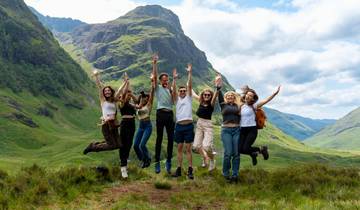
5 days
5 Day Ultimate Highland Adventure
- ✓ Comprehensive Scotland tour
- ✓ Expert local guides included
- ✓ All accommodation arranged
- ✓ Transportation provided
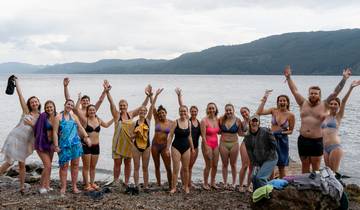
3 days
3 Day Loch Ness & Skye Magic
- ✓ Comprehensive Scotland tour
- ✓ Expert local guides included
- ✓ All accommodation arranged
- ✓ Transportation provided

5 days
Highland Fling
- ✓ Comprehensive Scotland tour
- ✓ Expert local guides included
- ✓ All accommodation arranged
- ✓ Transportation provided

5 days
Isle of Skye, Loch Ness & Inverness
- ✓ Booking needs min. 2 travelers
Multi-day tour packages powered by TourRadar. Prices and availability subject to change.
Introduction: Scotland’s Hidden Walking Paradise Beyond Tourist Trails
Scotland’s walking reputation rests on iconic routes — the West Highland Way drawing 80,000 hikers annually, the Great Glen Way’s Loch Ness shoreline, and Skye’s Old Man of Storr attracting photographers worldwide. Yet Scotland’s true treasures hide in plain sight: the Cateran Trail’s circular route through Perthshire where cattle thieves once roamed, the Cape Wrath Trail’s untouched wilderness accessible only to the determined, and the Kintyre Peninsula’s 100-mile coastline where Atlantic waves crash against ancient cliffs. These lesser-known routes deliver Scotland’s signature drama without the queues, offering authentic encounters with landscapes unchanged for centuries.
Planning Scotland’s hidden trails for 2026 requires different thinking than mainstream tourism. Free walking tours introduce Edinburgh and Glasgow’s character before countryside adventures begin. Self-guided exploration along marked but undervisited trails costs almost nothing beyond transport and supplies. Small group tours unlock remote locations inaccessible to conventional buses while maintaining intimate experiences. The key lies in understanding which experiences justify investment and which Scotland freely shares with those willing to venture beyond guidebook favorites.
Scotland’s right-to-roam philosophy grants walkers unprecedented access to private land, transforming the entire country into an interconnected trail network. This ancient tradition means hidden gems remain genuinely accessible rather than exclusive — no permits required, no entry fees, just respect for the Scottish Outdoor Access Code and willingness to explore. From Cairnpapple Hill’s 5,500-year-old ceremonial ground minutes from Edinburgh to the Morven Hills’ quiet moorland in Cairngorms National Park, Scotland’s secret spots await discovery by those who look beyond the obvious.
This guide reveals Scotland’s hidden walking treasures through practical 2026 planning information: where lesser-known trails begin, how to access remote trailheads without private transport, which free and paid tours unveil secrets locals cherish, what budget each experience tier requires, and when to walk for optimal conditions. Whether seeking solitary wilderness immersion or guided exploration with expert storytelling, Scotland’s secret spots deliver experiences that stay with you long after boots return to the rack.
Free Walking Tours Edinburgh 2026: Hidden Closes and Harry Potter Secrets
Edinburgh’s free walking tours in 2026 operate multiple daily departures (10am, 11am, and 1pm standard start times) from the Royal Mile, offering expertly guided introduction to Scotland’s capital without upfront cost. These gratuity-based tours last approximately 2 hours and cover Old Town’s hidden closes, St. Giles’ Cathedral, Grassmarket’s execution history, Greyfriars Kirkyard (inspiration for Harry Potter locations), and Victoria Street’s colorful architecture that JK Rowling transformed into Diagon Alley. Tour guides work independently, relying on participant tips that typically range £5-15 per person based on satisfaction — a pricing model that ensures quality delivery since guides’ income depends directly on their performance.
The Edinburgh free tour circuit includes multiple operators offering complementary perspectives. City Explorers Edinburgh runs the highest-rated general history tour departing from Copper Still bar at 154 High Street, covering royal history, architectural evolution, and cultural significance while weaving in restaurant recommendations and practical orientation. SANDEMANs FREE Tour Edinburgh operates in both English and Spanish, emphasizing storytelling and entertainment alongside historical accuracy. Bobby’s Tours Edinburgh features a unique angle — walks led by local guides accompanied by Rowie, a dog presented as descendant of famous Greyfriars Bobby, adding charm that particularly appeals to families.
Specialized free tours target specific interests beyond general history. Ghost tours departing evening hours explore Edinburgh’s reputation as one of Europe’s most haunted cities, visiting Greyfriars Kirkyard after dark, recounting tales of the MacKenzie Poltergeist, and explaining body-snatching history connected to the city’s medical school. Harry Potter tours trace JK Rowling’s writing locations including the Elephant House Café, identify real gravestone names she borrowed for characters (Tom Riddell, McGonagall, Moodie), and visit Victoria Street where Diagon Alley’s colorful shops found inspiration. New Town and Dean Village tours showcase Georgian architecture and hidden river walkways that even Edinburgh residents often miss.
Free tour etiquette for 2026 requires understanding these remain professional services despite no upfront fee. Booking reservations helps guides plan group sizes, though walk-ups often accommodate. Arrive 10 minutes before departure for check-in. Groups exceeding 12 people should book private tours rather than overwhelming free tour capacity. Cash or card tips work equally — most guides now accept contactless payment. Tour quality justifies £10-20 per adult tip for excellent guides who deliver 2 hours of engaging content, insider knowledge, and practical advice that shapes your entire Edinburgh stay.
The strategic value of free tours extends beyond their direct content. Guides share current restaurant recommendations, identify areas to avoid after dark, explain public transport efficiently, and answer questions about day trips from Edinburgh to Scotland’s hidden regions. This local intelligence proves invaluable when planning walks to lesser-known locations like Cairnpapple Hill (30 minutes west), Water of Leith Walkway (peaceful green corridor through the city), or Pentland Hills (Edinburgh’s overlooked mountain backdrop). Free tours transform from simple sightseeing into comprehensive orientation that enables confident independent exploration afterward.
Glasgow Free Walking Tours 2026: Architectural Gems and West End Secrets
Glasgow’s free walking tour network in 2026 matches Edinburgh’s variety while showcasing Scotland’s largest city’s distinctive character — Victorian architecture, industrial heritage transformed into cultural venues, Art Nouveau masterpieces, and West End neighborhoods where locals actually live. Tours typically run 2-2.5 hours covering George Square’s city chambers, Glasgow Cathedral’s medieval grandeur, the Necropolis hilltop cemetery with panoramic views, Merchant City’s regenerated warehouses, and Charles Rennie Mackintosh’s architectural legacy that defined Glasgow Style. The gratuity model operates identically to Edinburgh with £5-15 typical tips per person.
We Are Scotland operates Glasgow’s premier Spanish and English free tours from George Square, emphasizing the city’s transformation from industrial powerhouse to cultural capital. Guides navigate Glasgow’s grid street system while explaining sectarian history, shipbuilding heritage, tobacco lords’ wealth, and modern regeneration projects. The tour route deliberately includes working-class neighborhoods and immigrant communities alongside architectural highlights, presenting Glasgow’s authentic character rather than sanitized tourist version. This honest approach resonates particularly with travelers seeking understanding beyond superficial sightseeing.
Glasgow’s West End deserves separate exploration beyond standard free tours through self-guided walking. The University of Glasgow’s Gothic campus rivals Oxford and Cambridge architecturally, with free museum admission and hilltop views across the city. Kelvingrove Park and River Kelvin walkways create peaceful green corridors through the neighborhood. Ashton Lane’s cobblestone alley houses independent cinemas, pubs, and restaurants frequented by students and locals rather than tourists. Byres Road’s independent shops and cafés reveal Glasgow life away from chain stores. Walking the West End costs nothing yet provides insight into Scottish urban culture that tour buses never reach.
Glasgow’s position as gateway to Scotland’s western Highlands and islands makes these free tours strategically valuable for planning hidden gem adventures. Tour guides field questions about Loch Lomond access (30 minutes by train), Isle of Arran ferries (1 hour to Ardrossan), and Kintyre Peninsula routes. The city’s comprehensive public transport network connects to trailheads for lesser-known walks that Edinburgh-based tourists miss entirely. Understanding Glasgow first — its layout, transport options, and local recommendations — enables efficient departure for Trossachs National Park, Southern Uplands trails, and Ayrshire coastal paths that remain genuinely off the beaten track.
Self-Guided Lesser-Known Trails 2026: Free Exploration Beyond the Crowds
Scotland’s self-guided trail network in 2026 offers world-class walking experiences without tour fees, guide dependencies, or rigid schedules. The Cateran Trail exemplifies this accessibility — a 64-mile circular route through Perthshire and Angus beginning at Blairgowrie, following paths once used by cattle thieves (Caterans), traversing rolling farmland, ancient forests, and tranquil glens with panoramic Grampian Mountain views. The circular nature allows flexible start points and distance customization. Accommodation exists in charming villages along the route. Waymarking remains clear enough for confident navigation without specialized skills. Total cost equals accommodation (£30-75 nightly in B&Bs) plus food, with the trail itself completely free.
The Speyside Way delivers 65 miles of Scotland’s gentlest terrain following the River Spey from Aviemore to Buckie on the Moray Firth, passing world-famous whisky distilleries including Glenlivet and Macallan. This trail combines natural beauty with cultural immersion — riverside paths through pine forests, distillery tours (typically £12-25 with tastings), and Speyside wildlife including ospreys fishing the river. The route’s accessibility makes it ideal for walkers new to multi-day trails, with villages every 10-15 miles providing accommodation and supplies. Spring and autumn offer optimal conditions with distilleries operating tours year-round except Christmas week.
Coastal trails reveal Scotland’s maritime character beyond inland mountain fame. The Kintyre Way stretches 100 miles from Tarbert to Machrihanish along a dramatic peninsula jutting into the Atlantic, offering views of Arran, the Mull of Kintyre, and rugged western coastline. This route remains genuinely quiet even in July-August, passing remote beaches, ancient hillforts, and fishing villages where Gaelic remains spoken daily. The Fife Coastal Path connects the Firth of Forth to the Firth of Tay across 117 miles of diverse shoreline — sandy beaches, clifftop walks, harbor towns like St Andrews, and Anstruther’s famous fish and chips. Both paths cost nothing to walk, with accommodation ranging from camping to coastal B&Bs.
Hidden glen walks require no long-distance commitment while delivering quintessential Highland scenery. Glen Etive’s lower glen follows the River Etive through dense forests past striking waterfalls, remaining largely unexplored despite proximity to popular Glencoe. The glen road provides trailhead access with parking, and day walks range from 2-hour strolls to 6-hour circuits. Glen Affric in the Highlands showcases Scotland’s surviving Caledonian pine forest around a shimmering loch with mountain backdrop — the circuit walk takes 4-6 hours through terrain often called Scotland’s most beautiful glen. These locations cost absolutely nothing beyond transport to reach them.
The Falls of Glomach demonstrate Scotland’s hidden natural wonders accessible only by committed walking. Among Britain’s tallest waterfalls at 113 meters, the falls require a steady climb through glens where sheep graze quietly, with the sound of rushing water growing louder with each step. The 9-mile round trip from the nearest road takes most walkers 5-6 hours, ensuring the falls remain visited primarily by those genuinely interested rather than casual sightseers. No entrance fee, no visitor center, no crowds — just spectacular natural beauty and the satisfaction of reaching something few people see. This exemplifies Scotland’s hidden trail philosophy: freely accessible, moderately challenging, utterly rewarding.
Wilderness Routes 2026: Remote Trails for Experienced Walkers
Scotland’s true wilderness routes in 2026 demand advanced navigation skills, physical fitness, and self-sufficiency while rewarding walkers with Britain’s most pristine landscapes. The Cape Wrath Trail from Fort William to Cape Wrath covers approximately 230 miles (exact distance varies by chosen route) through the Northwest Highlands, crossing Scotland’s most remote terrain with no official waymarking and days between resupply points. The Cluanie to Morvich section ranks among Scotland’s most spectacular stretches — mountain passes, river crossings, and viewpoints across Loch Cluanie that see perhaps a few dozen walkers weekly even in summer.
Fisherfield Forest in the Northwest Highlands truly earns its “Great Wilderness” designation as one of Britain’s largest roadless areas. Access requires either a long walk in or boat crossing to reach trailheads, and mobile phone signal disappears for days. The forest contains multiple Munros (peaks exceeding 3,000 feet) including An Teallach, considered one of Scotland’s finest mountains with dramatic ridge walking and exposed scrambling sections. Multi-day backpacking trips here require complete self-sufficiency — tent, stove, food, navigation equipment, and emergency protocols. Weather changes rapidly and dramatically, turning pleasant morning walks into challenging survival situations without warning.
The Knoydart Peninsula represents Britain’s last true wilderness — accessible only by boat or by walking 15 miles from the nearest road. This isolation preserves landscapes and wildlife that vanished elsewhere: golden eagles soaring overhead, red deer in herds, Atlantic seals on remote beaches, and mountain scenery undiminished by development. The peninsula supports one village (Inverie) reachable only by sea, where Britain’s most remote pub serves hikers who’ve earned their beer. Day walks from Inverie explore coastal paths and mountain ascents, while through-hikers traverse the peninsula as part of Cape Wrath Trail. The ferry from Mallaig costs £15-20 return, making Knoydart one of Scotland’s most expensive destinations despite its wilderness character.
Skye’s Trotternish Ridge offers wilderness walking accessible as a day hike rather than multi-day expedition. This ridge walk traverses the island’s unique geological formations — dramatic cliffs, pinnacles, and deep gorges formed by ancient landslips. Most tourists visit Old Man of Storr or the Quiraing as short walks, but the full ridge traverse (approximately 20 miles) remains relatively quiet. The route demands confidence with exposure, rocky terrain, and navigation in mist (common on Skye). Weather windows matter critically — attempting this walk in poor visibility or high winds transforms adventure into misadventure. Spring and autumn offer optimal conditions with fewer midges than summer.
Cairngorms National Park’s Morven Hills provide gentler wilderness accessible to wider fitness levels. These hills offer vast open moorland with panoramic mountain views but without the technical challenges of higher peaks. The relatively straightforward hiking makes Morven ideal for walkers seeking solitude and big sky country without exposure risk. Wildlife encounters increase in quieter areas — ptarmigan in summer plumage, mountain hares, and if extremely fortunate, golden eagles. The park’s size (largest in UK) means even popular areas contain empty corners, and Morven represents one of several overlooked regions where day-long walks encounter perhaps a handful of other walkers.
Small Group Guided Tours 2026: Hidden Access with Expert Knowledge
Small group walking tours in 2026 unlock Scotland’s hidden gems inaccessible to independent travelers without private vehicles while providing expert guides who share stories conventional tourism misses. Walk Wild Scotland specializes in 8-person maximum groups exploring Scottish Highlands and islands through cultural immersion and wilderness connection. Their Southern Highlands tour spends 6 days in Loch Lomond and Trossachs National Park combining easy trails, boat trips experiencing mountain views from water, and West Highland Way sections — delivering iconic scenery without crowds. Tours include accommodation in B&Bs and small hotels, daily breakfasts, expert guide services, and luggage transfers between locations. Prices typically range £180-260 per person daily depending on season and accommodation standard.
The Small Isles south of Skye represent perfect small group territory — accessible only by ferry from Mallaig, comprising the islands of Rum, Eigg, Muck, Canna and Sanday. Walk Wild Scotland’s Sail + Hike tour visits these islands by boat, exploring early Christian monuments on Eigg, hearing Viking and clan histories, and experiencing thriving island communities that welcome visitors without being overrun by tourism. The Small Isles deliver Scotland’s island culture authentically rather than performing for tourists, with hiking opportunities ranging from coastal walks to challenging mountain ascents. Small group sizes respect island capacity while enabling genuine interaction with local residents.
Wilderness Scotland operates Scotland’s broadest walking tour selection from budget-friendly to luxury expeditions. Their guided tours prioritize trails less traveled — choosing routes that are beautiful, interesting, and quieter than famous counterparts. A typical 8-day walking tour costs £1,800-2,400 per person including accommodation in 3-4 star hotels and Highland lodges, all meals, expert guide services, and internal transport. This averages £225-300 per person daily, representing mid-to-premium pricing that delivers genuine value through accommodation quality, comprehensive meal inclusion, and access to locations requiring local knowledge to reach independently.
Specialized tours target niche interests beyond general hiking. Women-only walking tours create supportive environments for solo female travelers while exploring rugged Highland terrain. Whisky-focused tours combine Speyside Way walking with distillery visits and tasting sessions. Wildlife tours time walks with seal pupping season, puffin breeding colonies, or golden eagle territories. Photography tours schedule outings for optimal light and guide participants to photogenic locations locals cherish. These specialized tours typically cost £200-350 per person daily but deliver experiences impossible to replicate independently — expert guides who know exactly where wildlife appears, when light hits specific locations, and how to access private land closed to general public.
The value proposition of small group tours rests not primarily on cost savings — independent travel costs less — but on access and depth. Guides driving minibuses reach trailheads without scheduled bus service. Local knowledge identifies the waterfall hidden behind obvious viewpoint. Stories about clan battles, Jacobite rebellions, and Highland Clearances transform landscapes from scenic backdrops into places where history actually happened. Fellow travelers sharing experiences create immediate community for solo adventurers. These intangibles justify premium pricing for travelers seeking Scotland’s hidden gems paired with interpretation that brings them alive.
Day Tour Options 2026: Affordable Access to Secret Locations
Day tours from Edinburgh and Glasgow in 2026 provide efficient hidden gem access without multi-day tour commitment or private vehicle requirements. Rabbie’s small group tours (16 passengers maximum) depart Edinburgh daily for destinations including Loch Lomond hidden corners, Trossachs National Park’s quiet glens, and Isle of Skye’s lesser-known coastal paths. Tours cost £30-80 per person depending on destination distance and inclusions, operating year-round with seasonal schedule adjustments. The small group size enables access to single-track roads and narrow Highland passes where full-size coaches cannot venture, reaching viewpoints and trailheads that remain genuinely quiet.
Half-day tours from Edinburgh target nearby hidden gems overlooked in favor of famous destinations. The Birks of Aberfeldy waterfall walk made famous by Robert Burns’ poem combines tumbling waterfalls, leafy paths, and picture-perfect bridges in a 2-hour circuit. Tours include transport from Edinburgh (1-hour drive), guided walk with historical context, and return journey for approximately £45 per person. Stirling Castle tours sometimes include the nearby Wallace Monument and walk below the castle’s dramatic rock face — providing impressive views from unusual angles while learning about William Wallace and Scottish independence struggles. These half-day options suit travelers with limited time who still want countryside experiences beyond Edinburgh’s urban center.
Loch Lomond day tours in 2026 specifically target the loch’s northern reaches rather than overcrowded southern shore day-tripper areas. Tours departing Glasgow reach villages like Luss and Tarbet before continuing north to Arrochar and Inveruglas where mountains drop directly into deep water. Walking portions explore forest trails with loch views, abandoned settlements telling Highland Clearances stories, and elevated viewpoints across Scotland’s largest loch by surface area. The full-day experience costs £55-75 per person including transport, guided walks, and free time for lunch in traditional pubs. This pricing undercuts independent travel requiring train tickets plus local bus connections.
Isle of Arran day trips from Glasgow represent Scotland’s secret island — often called “Scotland in miniature” for its diverse landscapes compressed into one accessible island. The ferry from Ardrossan (1-hour train from Glasgow) reaches Brodick in 55 minutes, where tours explore coastal paths, Goatfell mountain (Arran’s highest peak at 874 meters), standing stones at Machrie Moor, and Lochranza Castle. Full-day tours including Glasgow transport, ferry, and guided exploration cost £70-95 per person. Independent travelers can reach Arran for approximately £15 return ferry plus train costs, but guided tours provide context and efficiency that justifies the premium for time-limited visitors.
Waterfall tours target Scotland’s hidden cascade network beyond famous falls like Falls of Falloch. The Loup of Fintry near Glasgow thunders 27 meters into a gorge reached by short woodland walk, remaining unknown to most tourists despite proximity to Scotland’s largest city. The Grey Mare’s Tail in Borders region drops 60 meters through dramatic landscape that inspired Sir Walter Scott. Both locations work as half-day excursions from Edinburgh or Glasgow, with guided tours costing £45-65 per person including transport and naturalist guide explaining the geology, ecology, and local legends associated with each waterfall. These tours prove particularly valuable April-June when spring snowmelt creates maximum water flow.
Multi-Day Guided Walking Holidays 2026: Complete Immersive Experiences
Multi-day guided walking holidays in 2026 deliver Scotland’s hidden gems through comprehensive packages eliminating planning stress while maximizing exploration time. Absolute Escapes operates self-guided and guided walking holidays shaped by genuine local knowledge and decades of expertise, with hand-picked accommodation, baggage transfers between stops, expertly designed routes, and round-the-clock support. Their 7-day Great Glen Way coast-to-coast walk from Inverness to Gairlochy follows Loch Ness and includes boat portions, costs £895-1,095 per person including accommodation and luggage transfers (approximately £128-156 daily), with each day’s walk tailored to manageable distances while comfortable barge accommodation awaits nightly.
West Highland Way guided tours dominate Scotland’s multi-day market but operators increasingly offer variations accessing quieter sections. An 8-day tour walking Loch Lomond to Ben Nevis (the standard route’s most scenic portion) costs £1,400-1,800 per person including accommodation, most meals, guide services, and luggage transfers — averaging £175-225 per person daily. Extended versions with shorter daily distances accommodate walkers seeking more relaxed pacing, typically adding 2-3 days and £300-450 to overall cost. These variations target mature travelers or those combining walking with significant cultural immersion rather than pushing maximum daily distances.
The Hebrides walking and sailing adventure represents premium experiences commanding £300-400 per person daily. These tours combine small boat coastal exploration with hiking on remote islands including the Small Isles, Outer Hebrides, and Skye’s hidden corners accessible only by sea. Accommodation splits between boat (when sailing between islands) and island lodges, with all meals included and naturalist guides explaining wildlife, geology, and Gaelic culture. The 8-day Hebrides expedition costs £2,400-3,200 per person — expensive but delivering experiences literally impossible to replicate independently without private boat charter.
Women-only walking tours create supportive small group environments for solo female travelers nervous about joining mixed groups or walking remote areas alone. Walk Wild Scotland’s women-only Highland walking tour explores Skye’s majestic volcanic landscapes, remote coastal areas, and dramatic mountain scenery over 8 days with female guide accompaniment. Tours cost £180-240 per person daily including accommodation, most meals, guide services, and transport. The single supplement (solo travelers paying for private rooms rather than sharing) typically adds 20-30% to base cost, though some tours offer guaranteed shares where solo travelers match with another solo traveler to split accommodation costs.
Luxury walking holidays command premium pricing but deliver exceptional experiences justifying costs for travelers prioritizing comfort. Five-star hotel accommodation, gourmet meals, private guides, and exclusive access characterize this tier. A luxury 6-day Highland walking tour staying at properties like the Royal Highland Hotel in Inverness costs £2,100-2,800 per person (approximately £350-467 daily). This includes all meals at fine dining restaurants, premium whisky tastings, private guide services, and Mercedes minibus transport. Luxury tours maximize comfort while minimizing effort — baggage moved separately, flexible daily schedules accommodating slower paces, and routes chosen for scenery rather than challenge.
Island Walking Routes 2026: Secret Shores and Remote Communities
Scotland’s islands hold the country’s greatest hidden gems — landscapes where tourism remains minimal despite extraordinary beauty. The Isle of Mull’s Ross of Mull peninsula at the island’s western tip features white sand beaches, ancient abbey at Iona (reached by short ferry), and coastal paths where walkers encounter more seals than people. The walk from Fionnphort to Iona explores machair (unique Scottish coastal grassland), tidal zones, and views across to islands disappearing into Atlantic haze. Mull requires ferry from Oban (£7 return per passenger, £35-50 for cars) but rewards the journey with space and silence increasingly rare in Scotland.
The Small Isles (Rum, Eigg, Muck, Canna) represent Scotland’s most accessible genuine island wilderness. Eigg combines manageable size (walking coast-to-coast takes 3-4 hours) with dramatic geology — the 393-meter Sgurr of Eigg dominating the island’s skyline like a natural fortress. The island’s community-owned status since 1997 creates welcoming atmosphere for visitors while maintaining authentic island life. Accommodation exists in small guesthouses and self-catering cottages, with The Lageorna cafe/restaurant serving meals using island-raised lamb and vegetables. Ferry from Mallaig costs £13 return per passenger with CalMac, operating 4-5 times weekly year-round.
Harris and Lewis in the Outer Hebrides deliver Scotland’s most dramatic coastal walking along white sand beaches backed by turquoise water rivaling Caribbean beauty — except the water temperature remains Arctic. The Hebridean Way long-distance trail traverses 156 miles from Vatersay to Lewis, but shorter sections work perfectly as day walks or 3-4 day explorations. Luskentyre Beach on Harris exemplifies the islands’ spectacular coastal landscape with vast sand flats reflecting sky colors, dune systems, and views across to Taransay island. The walk from Luskentyre to Seilebost covers approximately 3 miles of coastal path with optional beach extensions, remaining quiet even in summer when mainland Scotland crowds.
Orkney’s islands north of Scottish mainland preserve Neolithic sites rivaling Stonehenge while receiving fraction of the visitors. The Heart of Neolithic Orkney UNESCO World Heritage Site includes Skara Brae (5,000-year-old village), Ring of Brodgar stone circle, and Maeshowe chambered cairn. Walking tours from Kirkwall explore these sites plus dramatic coastal cliffs, seabird colonies, and Viking heritage. Orkney’s relatively flat terrain and compact island grouping make it ideal for walkers nervous about Highland mountain exposure. Ferry from Scrabster (north coast mainland) or flights from Edinburgh/Glasgow provide access, with ferries operating year-round and costing £17-25 per passenger return.
The Isle of Arran represents accessible island walking with mainland convenience — just 1-hour ferry from Ardrossan near Glasgow. Arran’s northern mountains challenge experienced hillwalkers (Goatfell summit at 874 meters requires 4-5 hours return), while southern coastal paths suit gentle ambling. The island’s 56-mile coastal road creates circular touring route by bicycle or car, with numerous trailheads accessing inland glens, waterfalls, and mountain approaches. The Machrie Moor standing stones sit inland from the coast, reached by 2-mile walk across open moorland — atmospheric Bronze Age monument seeing perhaps 20 visitors daily despite its significance. Ferry frequency (hourly in summer, every 2 hours winter) enables day trips, though overnight stays reveal island character after day-trippers depart.
Coastal Paths 2026: Secret Shorelines and Hidden Beaches
Scotland’s coastal paths in 2026 reveal dramatic shorelines where Atlantic storms sculpt landscapes and hidden beaches remain genuinely empty even summer weekends. The Berwickshire Coastal Path crosses the Scottish-English border along spectacular scenery including St Abbs Head, an extinct volcano and national nature reserve with clifftop paths above nesting seabird colonies. The 30-mile path from Cockburnspath to Berwick-upon-Tweed passes fishing villages, smugglers’ coves, and geological formations spanning 425 million years. Easily accessible from Edinburgh (1-hour train to Dunbar then connecting bus), this remains one of UK’s most overlooked coastal walks despite its quality.
Fife Coastal Path connects Edinburgh’s northern suburbs to St Andrews across 117 miles showcasing Scotland’s east coast character — golf courses, fishing villages, medieval harbors, and sandy beaches interspersed with rocky headlands. The section from Anstruther to St Andrews (approximately 10 miles) works perfectly as day walk combining Fife’s famous fish and chips in Anstruther, coastal scenery, and arrival in golf’s spiritual home. The path splits coastal and inland options in places, with coastal routes delivering maximum drama but inland alternatives offering historical sites including Kellie Castle and Cambo Estate gardens. The entire path costs nothing to walk, with towns every 5-10 miles providing accommodation from budget B&Bs to luxury hotels.
Sutherland’s north coast delivers Scotland’s most remote shoreline walking along dramatic cliffs, pristine beaches, and seas more turquoise than Mediterranean. The stretch from Durness east to Tongue includes Smoo Cave (accessed by easy walk from parking), incredible cliff scenery, and beaches where footprints remain yours alone for hours. This coastline forms part of the North Coast 500 driving route but few drivers actually walk the coastal paths preferring to photograph from car parks. Spring and autumn deliver optimal conditions with dramatic light, migrating birds, and absence of summer midges. Accommodation concentrates in Durness and Tongue with 30-40 miles between villages requiring camping or B&B booking ahead.
Kintyre Peninsula’s western shore faces Atlantic swells producing some of Scotland’s finest coastal walking. The section from Tayinloan to Machrihanish covers approximately 25 miles through remote territory where single-track roads occasionally approach the coast but mainly inland valleys carry sparse traffic. Beaches at Westport, Machrihanish, and numerous unnamed coves deliver pure white sand, turquoise water, and views to Islay, Jura, and Ireland. The walking season extends March through October with winter storms creating dangerous conditions on exposed sections. Midges peak July-August but coastal breezes often provide relief. Budget accommodation exists in Carradale and Campbeltown with wild camping permitted under Scottish Outdoor Access Code.
Moray Firth coast northeast Scotland combines coastal walking with exceptional wildlife watching — this coastline holds Britain’s largest population of bottlenose dolphins, with harbor seals, grey seals, and occasional orcas appearing offshore. The walk from Lossiemouth to Burghead spans approximately 7 miles along sandy beaches and low cliffs with high probability of dolphin sightings. May through September delivers peak viewing conditions with longest daylight and most active marine mammals. The coastal path connects to Speyside Way’s terminus at Buckie, creating circular routing options. This coastline remains virtually unknown to international visitors despite its accessibility (1-hour drive from Inverness) and remarkable wildlife encounters that happen regularly rather than rarely.
Mountain Routes 2026: Hidden Peaks Beyond the Munro Lists
Scotland’s mountain walking extends far beyond the famous Munros (peaks over 3,000 feet) into lesser-known ranges delivering equivalent drama without summit crowds. The Torridon mountains in northwest Highlands include Beinn Alligin, described by mountaineers as one of Scotland’s finest ridges despite receiving fraction of Ben Nevis traffic. The horseshoe ridge walk involves exposed scrambling sections (the “Horns of Alligin”) demanding confidence with heights but rewards with sweeping views across Torridon to Skye. The 6-8 hour circuit suits experienced mountain walkers comfortable with sustained exposure and rocky terrain. Access from Torridon village where limited accommodation (book ahead) and parking exist at Coire Mhic Nobuill trailhead.
The Southern Uplands Way stretches 212 miles from Portpatrick on the Irish Sea to Cockburnspath on the North Sea, crossing rolling hills and quiet countryside that most tourists ignore while rushing to Highland destinations. This longest of Scotland’s official Great Trails passes through forests, moorland, and pastoral landscapes where sheep outnumber people 100:1. The section through Galloway Forest Park offers particularly fine walking combining woodland trails, lochside paths, and elevated viewpoints across southwest Scotland. The trail’s gentle gradients make it accessible to wider fitness levels than Highland mountain routes, though 212 miles demands significant commitment. Budget accommodation exists in villages along the route with wild camping permitted on appropriate terrain.
The Cairngorm plateau represents Britain’s Arctic environment — sub-arctic conditions exist year-round at elevation with weather changing from pleasant to dangerous in minutes. Winter conditions persist into May with snow patches lasting all summer some years. The plateau’s accessibility via Cairngorm Mountain railway creates dangerous temptation for unprepared walkers who ride up (approximately £16 return) then attempt plateau walks without proper equipment or skills. Deaths occur regularly when visitors underestimate conditions. However, properly equipped and experienced mountain walkers find extraordinary landscapes here — vast open plateau resembling Arctic tundra, ptarmigan and mountain hares, and on clear days views across much of Scotland. This demanding environment requires winter skills even summer months.
The Arrochar Alps around Loch Long northwest of Glasgow deliver serious mountain walking within 1-hour drive of Scotland’s largest city. Ben Narnain, The Cobbler (Ben Arthur), and Beinn Ime form a natural horseshoe circuit combining steep ascents, ridge walking, and scrambling sections (particularly The Cobbler’s summit block). The proximity to Glasgow means weekends see moderate crowds but weekdays remain quiet. The routes demand fitness and head for heights, with some scrambling requiring use of hands. Winter conditions October-April add significant challenge with ice, snow, and avalanche risk requiring winter mountaineering skills. Success delivery Loch area panoramas and satisfaction from completing one of southern Scotland’s finest mountain days.
The Grey Corries northeast of Fort William offer remote mountain ridge walking despite their proximity to Ben Nevis. This east-west ridge includes four Munros connected by narrow crest with steep drops both sides. The traverse requires long day (8-10 hours) covering approximately 14 miles with 1,600 meters total ascent. Navigation challenges in mist, exposure throughout the ridge, and distance from escape routes demand experience and fitness. These factors keep the ridge relatively quiet even when nearby Ben Nevis resembles a motorway. The effort rewards with one of Scotland’s finest mountain expeditions — flowing ridge walking, panoramic views, and genuine sense of remoteness despite road access at both ends.
Forest and Woodland Trails 2026: Hidden Green Corridors
Scotland’s ancient Caledonian pine forests survive in scattered fragments where 9,000 years ago vast woodlands covered the Highlands. Glen Affric preserves Scotland’s finest surviving Caledonian pinewoods around Loch Affric, with day walks and multi-day backpacking options exploring this remnant ecosystem. The trees themselves command attention — gnarled Scots pines 300+ years old, their survival proving resilience against logging, grazing, and climate. The understory supports biodiversity disappeared from most Scotland including red squirrels, pine martens, crossbills, and distinctive plant communities. The circular walk around Loch Affric covers approximately 10 miles through this ancient forest with mountain backdrop.
The Birks of Aberfeldy in Perthshire immortalized by Robert Burns combines woodland walking with tumbling waterfalls along the Moness Burn. The 2.5-mile circular walk climbs through deciduous woodland (the “birks” or birch trees) past series of waterfalls to elevated viewpoint then descends opposite side of the gorge. Wooden bridges cross the burn at several points creating varied perspectives on the cascading water. Spring brings bluebells carpeting the forest floor while autumn delivers spectacular color. The proximity to Aberfeldy town (5 minutes walk) makes this ideal afternoon outing combined with town visit, though the trail quality justifies journey from Edinburgh (1.5 hours drive) or Glasgow (2 hours).
The Queen Elizabeth Forest Park north of Glasgow encompasses Loch Lomond’s eastern shore and Trossachs National Park’s southern section with extensive forest trail network. The Waterfall Trail near Aberfoyle provides gentle 1.5-mile loop through commercial forestry and semi-natural woodland to viewpoints over impressive falls. The longer Forest Drive (7 miles, tolled road £4 per car) accesses multiple trailheads for walks ranging from 30 minutes to full-day hikes. The forest’s proximity to Glasgow (45 minutes) makes it heavily used weekends but weekday walks encounter minimal traffic. Mountain biking trails share the forest creating some trail conflicts, though walking-only paths exist.
The Great Wood of Caledon in Glen Strathfarrar represents one of Scotland’s most pristine ancient forests despite sitting just 15 miles from Inverness. Access requires passing locked gate at glen entrance, with estate controlling access via keyholders or by walking (approximately 4 miles to main forest). This access limitation preserves the forest’s character by preventing casual tourists while remaining accessible to committed walkers. The forest supports rare species including Scottish wildcats (Britain’s most endangered mammal), pine martens, and ancient tree lichens surviving only in cleanest air. The walking combines forest trails with options ascending mountains framing the glen for those seeking elevation.
The Caledonian Trail on Loch Ness eastern shore provides forest walking combined with loch views and historical sites. The 28-mile trail from Inverness to Fort Augustus follows General Wade’s military road built after 1715 Jacobite Rising, now converted to walking path through predominantly woodland. The section from Whitebridge to Fort Augustus (approximately 11 miles) offers the finest scenery with forest trails giving way to elevated moorland with Loch Ness spread below. Wild camping opportunities exist along the route (respecting landowner access agreements) and accommodation in Fort Augustus enables multi-day exploration. The path sees moderate use summer months but remains genuinely quiet compared to Loch Ness western shore traffic.
Urban Hidden Gems 2026: Secret Walks Within Cities
Edinburgh’s Water of Leith Walkway represents Scotland’s finest urban hidden trail — 12.5 miles following the Water of Leith river through green corridors from Balerno to Leith docks, creating peaceful escape from city traffic. The walkway passes through Dean Village (picturesque former milling community), under the Dean Bridge, along paths lined with wildflowers attracting insects and birds, and eventually reaches the Scottish National Gallery of Modern Art. Sections use converted railway lines creating flat, easy walking suitable for all fitness levels. The walkway remains unknown to most Edinburgh visitors despite being accessible from city center in 10 minutes walk, proving even tourist-saturated cities harbor quiet spaces.
Glasgow’s Kelvin Walkway follows the River Kelvin from Kelvingrove Park through city’s West End into countryside beyond urban edge. The 9-mile path combines urban greenspace, university grounds, Victorian engineering works, and eventually rural landscapes within Greater Glasgow boundaries. The section from Kelvingrove to Kirklee (approximately 3 miles) offers particularly fine urban walking with wooded riverbanks, stone bridges, and views of Glasgow University’s Gothic tower. The path connects to Clyde Walkway and Forth and Clyde Canal creating extensive traffic-free walking network through and beyond Glasgow.
Edinburgh’s Pentland Hills Regional Park sits immediately southwest of city center yet remains overlooked by tourists favoring Arthur’s Seat (Edinburgh’s iconic volcanic hill in Holyrood Park). The Pentlands offer more challenging terrain with proper mountain character despite proximity to urban areas. Walks from Flotterstone visitor center include gentle reservoir loops (1-2 hours) and full mountain days ascending multiple summits (6-8 hours). The hills provide training ground for locals preparing for Highland adventures, with technical challenges minimal but distances and elevation creating genuine workouts. Clear days deliver views across Edinburgh to Fife, west to Glasgow, and south to English border hills.
Stirling Castle’s ancient town below its dramatic volcanic crag holds Scotland’s best-preserved medieval streetscape yet sees fraction of Edinburgh’s tourist numbers. The walk around Stirling Castle rock base provides impressive views from unusual angles while exploring old town wynds (narrow alleys), cemetery walks, and riverside paths along the River Forth. The complete circuit covers approximately 3 miles combining history, architecture, and natural beauty. The Back Walk specifically (built 1720s) creates elevated promenade around cliff base with Victorian improvements adding ornamental features. This walk costs nothing, requires no booking, and delivers experiences tourists paying £16 for Edinburgh Castle admission never see.
Dundee’s waterfront regeneration transformed former industrial docklands into walking and cultural space anchored by V&A Dundee museum. The waterfront walk extends from Tay Rail Bridge viewing platform eastward past V&A Dundee, RRS Discovery (Scott’s Antarctic ship), through restored dock areas, eventually connecting to coastal paths toward Broughty Ferry. The complete walk covers approximately 4 miles with optional extensions. Dundee’s tourist profile remains low despite Scotland’s fourth-largest city status and dramatic setting on Tay estuary. This under-tourism creates authentic urban experience where locals outnumber visitors and cafes serve Scottish customers rather than performing for cameras.
Planning Logistics 2026: Transport and Access to Hidden Trailheads
Accessing Scotland’s hidden trails in 2026 requires understanding public transport capabilities and limitations. Train services reach major hubs (Edinburgh, Glasgow, Inverness, Fort William, Oban) reliably with frequent daily departures and advance booking discounts. ScotRail’s “Off-Peak Day Return” tickets enable day trips from Edinburgh or Glasgow to trail access points like Stirling, Perth, or Pitlochry for £15-25 return. However, rail service to genuinely remote areas remains limited or nonexistent, with last trains departing smaller stations mid-afternoon preventing full-day hikes unless overnight accommodation arranged.
Bus services fill some gaps where trains don’t reach, particularly Citylink coaches connecting major destinations and rural bus routes serving smaller communities. The West Highland Line extension by bus reaches Uig on Skye, Ullapool for northwest access, and Durness on north coast. Rural bus frequencies vary dramatically — some routes operate daily year-round while others run summer-only or just 2-3 days weekly. Planning multi-day walks using only public transport requires meticulous timetable checking since missing last bus means unexpected overnight in remote location. Scottish Citylink advance tickets offer 30-50% discounts on walk-up fares when booked online minimum 24 hours ahead.
Postbus services represent Scotland’s secret public transport network — Royal Mail vans carrying passengers alongside mail delivery to remote communities. These minibuses reach locations no conventional bus serves, operating fixed routes and schedules but with passenger capacity limited to 4-8 people. The postbus from Lochgilphead to Tayvallich serves Kintyre Peninsula’s quieter eastern shore. The service from Achiltibuie connects remote northwest settlements. Fares remain modest (typically £3-8 for journeys under 20 miles) but services operate just Monday-Saturday and advance booking essential. Information sources include local tourist offices and Royal Mail postbus timetables, though online information remains patchy.
Shared taxis and community transport schemes operate in some regions where conventional public transport proves uneconomic. These demand-responsive services require advance booking (typically 24 hours minimum) but reach trailheads public buses miss. Argyll and Bute operates such schemes connecting islands and peninsulas. Highland Council supports similar services in remote areas. Costs vary but generally remain reasonable (£5-15 for journeys under 15 miles). These services prioritize local residents but welcome visitors when capacity exists, creating authentic local interaction while solving transport challenges.
Car hire enables maximum flexibility for hidden trail access, with rental costs ranging £35-70 daily depending on vehicle size and season. Automatic transmission vehicles cost premium £5-10 daily over manual transmission. Insurance adds £15-25 daily unless personal coverage already adequate. Fuel costs approximately £1.50-1.70 per liter (£6.80-7.70 per gallon) with Highland fuel stations charging premium 10-15p per liter over urban prices. Single-track roads with passing places dominate remote areas requiring defensive driving and yielding to faster vehicles. Parking at popular trailheads can saturate summer weekends but hidden gem trailheads described in this guide rarely face capacity issues.
Accommodation Options 2026: Where to Stay Near Secret Trails
Scotland’s accommodation spectrum in 2026 ranges from free wild camping to luxury hotels, with options near hidden trails skewing toward budget and mid-range rather than luxury. Wild camping under Scottish Outdoor Access Code permits tent camping on most uncultivated land providing campers leave no trace, camp away from buildings and roads, stay only 2-3 nights in one place, and respect any specific local byelaws. This extraordinary freedom enables multi-day trail walking without accommodation costs or booking requirements. However, wild camping demands proper equipment, Leave No Trace ethics, and awareness that Scotland’s weather can turn serious any season.
Camping and caravan sites near trailheads provide facilities without wild camping’s exposure to weather. Sites range from basic forestry clearings with chemical toilets (£5-10 per person nightly) to equipped sites with hot showers, laundry, and electrical hookups (£15-25 per person in high-quality sites). Loch Lomond and Trossachs National Park contains numerous sites from which day walks access both popular and hidden routes. Pitching late afternoon and departing early morning maximizes trail time while minimizing site costs. Booking ahead for July-August prevents disappointment though capacity usually exists at quieter locations even peak season.
Hostels deliver Scotland’s best budget accommodation value with private rooms increasingly supplementing traditional dormitories. Scottish Youth Hostels Association operates network of approximately 60 hostels in locations ranging from urban centers to remote mountains, with modern facilities including private family rooms, self-catering kitchens, and common spaces. Dormitory beds cost £18-28 per person nightly while private rooms range £50-80 for two people sharing. Independent hostels often provide more character and flexibility than SYHA properties, with prices similar. Hostels near hidden trails include Glen Affric Youth Hostel (Glen Affric access), Glenmore Lodge (Cairngorms), and numerous Skye hostels accessing island’s quiet corners.
B&Bs represent Scottish accommodation tradition with family-run properties offering personal service, local knowledge, and hearty breakfasts fueling day-long walks. Rates range £40-75 per person nightly in double rooms, with single supplement adding £10-20 for solo travelers occupying double rooms. Quality varies dramatically from basic rooms with shared bathroom to boutique properties rivaling hotels for comfort and design. B&B proprietors often possess detailed trail knowledge, weather interpretation skills, and willingness to arrange packed lunches or transport to/from trailheads. Booking direct by phone sometimes secures better rates than online booking platforms charging hosts 15-20% commission.
Bothies operated by Mountain Bothies Association provide free shelter in remote locations for walkers and climbers. These unlocked stone cottages range from barely-standing ruins to well-maintained refuges with sleeping platforms, tables, and fireplaces. No booking system exists — arrival finds either empty bothy or shared space with other users following unwritten etiquette. Bothies enable multi-day routes through truly remote terrain without carrying tent weight. However, users must carry sleeping bag, mat, cooking equipment, and Leave No Trace principles multiply in importance given bothy fragility. Popular bothies like Corrour in Cairngorms can overflow summer weekends while remote bothies see perhaps one visitor weekly even summer. The MBA website provides locations and current condition reports.
Safety and Preparation 2026: Essential Knowledge for Hidden Routes
Scotland’s hidden trails demand higher preparation standards than popular routes where other walkers provide informal safety net through numbers. Mountain rescue teams respond to emergencies but locating casualties in remote terrain takes hours minimum, turning minor injuries into serious situations. The foundation of safe walking starts with the Scottish Outdoor Access Code understanding: rights of access come with responsibilities including respecting privacy, protecting environment, and taking personal responsibility for own safety. This framework means nobody checks qualifications before trails — walkers self-assess capabilities honestly.
Navigation skills prove critical on lesser-known routes where waymarking disappears and paths fade. Paper maps (Ordnance Survey 1:25000 scale ideal) and compass represent non-negotiable equipment even when using GPS apps. Phone batteries die, signals disappear, and GPS loses satellite lock in deep glens — situations where map and compass enable safe navigation home. The ability to take bearings, measure distances, interpret contour lines, and relate map to ground becomes not optional skill but survival requirement. Numerous navigation courses operate throughout Scotland, with 1-day workshops costing £80-120 providing skills foundation for safe independent walking.
Weather preparedness separates confident walkers from casualties waiting rescue. Scotland’s weather changes rapidly with conditions deteriorating dramatically as elevation increases. The Cairngorm plateau experiences sub-arctic conditions year-round where temperatures plunge 10-15°C below valley floors, winds exceed 100mph multiple times yearly, and visibility drops to meters in minutes. Layered clothing systems (base layer, insulation, waterproof shell), extra warm layer, hat and gloves even summer, emergency shelter, and headtorch enable safe retreat when conditions deteriorate. The Scottish mountain saying “There’s no such thing as bad weather, only inappropriate clothing” holds truth — proper equipment transforms miserable days into manageable adventures.
Emergency preparedness includes fully charged phone, emergency contact information (text to 999 where call signal fails), basic first aid kit, emergency food beyond day’s planned supplies, and whistle for attracting attention if lost or injured. Mountain rescue teams recommend registering with OS Locate app enabling precise grid reference sharing with emergency services. The What3Words system covers Scotland with 3-meter squares each assigned unique three-word address, simplifying location communication. Leaving detailed route plans with someone responsible ensures rescue teams know search areas if walker fails to return as planned. Solo walkers face additional risks — injury leaving unable to summon help remains very real danger in remote locations.
The principle of “plan B readiness” means carrying capacity to retreat safely if conditions deteriorate. Many accidents occur when walkers continue despite worsening weather, deteriorating visibility, or exceeding planned time, believing themselves committed to original plan. Scottish walking wisdom says turning back shows better judgment than persisting dangerously. Hidden routes often lack escape options — once committed to full traverse, retreating means retracing entire route rather than descending nearest valley. Understanding this before starting prevents poor decisions when tired, cold, or behind schedule. The mountains will wait — returning safely matters more than reaching arbitrary destination.
Seasonal Considerations 2026: When to Walk Hidden Trails
Scotland’s walking seasons in 2026 divide into distinct periods each offering different experiences and challenges. Spring (March-May) delivers lengthening days, greening landscapes, and spring flowers carpeting woodland floors and coastal machair. Temperatures remain cool (8-15°C typically) requiring layers but avoiding summer heat during climbs. Midges haven’t emerged yet, making spring ideal for low-lying routes and glen walks. However, mountain routes retain winter conditions well into May with snow, ice, and avalanche risk persisting on north-facing aspects. Spring represents optimal season for Southern Uplands, coastal paths, and lower elevation forest walks while Highland mountain routes require winter skills through April minimum.
Summer (June-August) provides warmest temperatures (15-20°C valleys, cooler at elevation), longest daylight (until 10pm mid-summer in northern Scotland), and most stable weather patterns. These advantages come with significant downsides: midges plague low-lying areas particularly evenings and overcast days, making glen walks and forest trails miserable without midge nets and repellent. Tourist numbers peak throughout July-August even on lesser-known routes, compromising the solitude these trails normally deliver. Accommodation prices peak and availability tightens, requiring advance booking. However, summer enables ambitious long-distance walks and wild camping trips when winter’s severity makes multi-day expeditions impractical for most walkers.
Autumn (September-October) ranks as many experienced walkers’ preferred season — stable weather often extending Indian summer into September, spectacular fall colors transforming forests and hillsides, midges dying off after first frosts, and dramatically reduced tourist numbers creating genuine solitude. Temperatures range 10-15°C making walking comfortable without overheating during climbs. Daylight shortens noticeably — mid-October sees sunset around 6pm requiring headtorches for walks extending into evening. First winter storms arrive typically late October, with high mountain routes seeing snow by month’s end. Autumn delivers optimal conditions for virtually all Scotland’s hidden trails from coastal paths to high mountains.
Winter (November-February) transforms Scotland into genuinely challenging environment requiring specialized skills and equipment for mountain walking. Daylight hours contract to 7-8 hours mid-winter with daylight not reaching high corries before 9am and fading by 4pm. Temperatures hover near freezing at sea level with significant wind chill, while mountains experience full Arctic conditions. Snow and ice cover paths requiring crampons and ice axe skills. Avalanche risk necessitates formal avalanche awareness training before attempting winter mountain routes. However, winter rewards skilled walkers with empty trails, dramatic snow-covered landscapes, and clarity of light impossible other seasons. Low-level routes including coastal paths, forest walks, and glen trails remain accessible throughout winter providing proper clothing and realistic expectations about daylight hours.
The shoulder seasons (March-April and October-November) offer sweet spots balancing reasonable weather against minimal crowds and lower accommodation costs. March can surprise with beautiful high-pressure systems or remind visitors that winter continues through Easter. November storms test waterproof integrity but deliver dramatic coastal walking experiences. These transitional months suit experienced walkers comfortable with changeable conditions and able to adjust plans based on forecasts. Budget travelers benefit from off-season accommodation rates dropping 30-50% below summer peaks while trails return to genuine quiet after summer’s temporary animation.
Equipment and Gear 2026: What to Bring for Hidden Trails
Scotland’s weather reputation as unpredictable means equipment choices significantly impact walking enjoyment and safety. The clothing foundation uses layering systems adaptable to changing conditions rather than single garments for fixed weather. Base layers (merino wool or synthetic) wick moisture away from skin preventing clammy discomfort during climbs. Mid-layers (fleece or lightweight synthetic jacket) provide insulation when stopped or when temperatures drop. Shell layer (waterproof jacket and trousers) protects against rain and wind that arrive suddenly in Scotland. This three-layer system enables adding or removing layers responding to exertion level and weather changes, maintaining comfort throughout day-long walks.
Footwear choices balance ankle support, waterproofing, and comfort across varied Scottish terrain. Full leather walking boots provide maximum ankle support and durability suitable for rocky mountain routes and multi-day backpacking. Modern lightweight boots compromise some support for reduced weight, suiting day walks and well-maintained paths. Trail running shoes work for fit walkers on good paths in dry conditions but provide minimal ankle protection and limited waterproofing. Gaiters prevent water entering boot tops when crossing streams or walking through wet vegetation. Breaking in new boots before multi-day walks prevents blisters ruining experiences — wear new boots around town for week minimum before committing to full-day mountain walks.
Navigation equipment requirements depend on route difficulty and walker experience. Paper maps (Ordnance Survey 1:25000 Explorer series covers Scotland with excellent detail) and traditional compass enable navigation when phone batteries die or GPS signals fail. Map cases protect paper maps from Scotland’s frequent rain. Smartphone apps including OS Maps, ViewRanger, and Komoot provide GPS tracking and offline map storage but shouldn’t replace traditional navigation skills and backup paper maps. GPS devices like Garmin handhelds offer longer battery life than phones and better satellite reception in valleys, though cost significantly more than phone apps.
Safety equipment saves lives when weather deteriorates or injuries occur. Emergency shelter (lightweight bivi bag or group shelter) provides wind and rain protection if forced to stop unexpectedly. Headtorch with spare batteries enables safe return if walk takes longer than planned — summer evening light can deceive about time remaining. First aid kit addresses minor injuries (plasters, antiseptic, pain relief, blister treatment) and basic knowledge of their use. Whistle attracts attention far more effectively than shouting when injured or lost. Fully charged phone plus portable battery pack maintains communication capability throughout long days.
Food and water requirements exceed most walkers’ initial estimates, particularly when underestimating exertion levels on Scotland’s steep terrain. Carrying 1.5-2 liters water per person for full-day walks prevents dehydration, with water purification tablets or filter enabling safe refilling from Highland streams. High-energy snacks (nuts, dried fruit, chocolate, energy bars) maintain blood sugar during sustained effort. Packed lunch for full-day walks costs £5-8 if purchased from town bakeries or supermarkets versus £8-12 from tourist-focused cafes. Emergency food beyond planned supplies provides safety margin if walk takes longer than expected — extra chocolate bar or cereal bar weighs minimal but proves valuable if finishing walk in darkness hours after planned return.
Photography Opportunities 2026: Capturing Hidden Scotland
Scotland’s hidden trails deliver photography opportunities rivaling famous locations without competing with dozens of photographers fighting for the same viewpoint. The golden hours (first hour after sunrise and last hour before sunset) transform landscapes with warm light impossible to replicate midday, but Scotland’s northern latitude means summer golden hours arrive very early (5am sunrise mid-summer) and very late (10pm sunset), requiring commitment to extreme schedules. Autumn and winter push sunrise and sunset to more civilized hours while delivering more dramatic light quality as sun angles lower throughout the day.
The Trotternish Ridge on Skye provides Scotland’s most dramatic geological photography with the Old Man of Storr and Quiraing attracting crowds, but the full ridge traverse includes equally spectacular formations seeing few photographers. The Needle, the Prison, and various pinnacles along the ridge create foreground interest against Skye’s western seaboard backdrop. Mist rolling through the landslip formations occurs frequently, creating atmospheric conditions impossible to predict but magical when encountered. The ridge’s elevation (300-600 meters) means cloud base often sits exactly at photography level, with formations appearing and disappearing as mist shifts.
Waterfall photography benefits from Scotland’s frequent rain creating maximum flow, though this same rain presents challenges protecting camera equipment. The Grey Mare’s Tail in Borders drops 60 meters through dramatic landscape photographed from multiple viewpoints along approach path. Long exposure techniques (2-30 seconds using neutral density filters) blur water flow creating dreamy effect while maintaining sharp surroundings. Polarizing filters reduce glare from wet rocks and enhance rainbow visibility in waterfall spray. The lesser-known Falls of Glomach receive perhaps 20 visitors daily versus hundreds at Eas Fors on Mull, allowing patient photography without tourists walking through shots.
Coastal photography captures Scotland’s maritime character with dramatic cliffs, pristine beaches, and turbulent seas. St Abbs Head on Berwickshire coast provides nesting seabird colonies against red sandstone cliffs and deep blue North Sea. Long exposure photography transforms crashing waves into mist against rocks, requiring tripod, cable release, and 10-stop neutral density filter for daytime long exposures. Sunset photography works particularly well on west-facing coasts (Kintyre Peninsula, Sutherland north coast) where sun sets over Atlantic creating reflections on wet sand and dramatic color in clouds. Tide timing matters critically — low tide reveals rock pools and beach features while high tide delivers dramatic wave action.
Wildlife photography requires patience and respect for animals, with Scotland’s species ranging from red deer (relatively easy to photograph) to golden eagles (extremely challenging). Red deer rutting season (September-October) provides spectacular behavior photography with stags roaring and fighting, though requires maintaining safe distance (100+ meters minimum) and long telephoto lens (300mm minimum, 500-600mm ideal). Seabird colonies including puffins on Isle of May or Handa Island enable close approach (3-5 meters) during nesting season (May-July) with shorter telephoto lenses (70-200mm) sufficient. Photographing wildlife on hidden trails requires extra caution to minimize disturbance since these populations haven’t habituated to human presence like species near popular locations.
Cultural Immersion 2026: Highland Heritage Along Hidden Routes
Scotland’s hidden trails wind through landscapes where history saturates every glen and mountain. The Highland Clearances forcibly removed tens of thousands of people between 1750-1860, visible today through abandoned settlements dotting remote hillsides. Walking through Strathnaver in Sutherland reveals stone foundations of cleared villages where families lived for centuries before eviction to make way for sheep farming. These ruins tell tragic story of cultural destruction — Gaelic language spoken for millennium declining to fewer than 60,000 speakers today. Understanding this history transforms walks through “empty” Highlands into recognition that emptiness itself constitutes historical evidence.
Jacobite history permeates Highland trails where Bonnie Prince Charlie’s 1745 Rising attempted to restore Stuart monarchy. The Cateran Trail crosses territory where clan warfare and cattle raiding defined life until 17th century, with medieval towerhouses dotting the landscape. The West Highland Way passes near Rannoch Moor where Jacobite armies maneuvered before Culloden. Clansmen’s hiding places, battle sites, and escape routes exist throughout Highlands though often unmarked except by local guides or historical research. Walking these landscapes while understanding their historical layers enriches experiences beyond simple scenic appreciation.
Traditional Highland life balanced seasonal agriculture with communal systems disappeared during Clearances but still visible through landscape features. The “lazy beds” (raised planting beds) visible as parallel ridges in many glens show where potatoes grew before famine and eviction. Stone dykes dividing hillsides marked grazing boundaries between townships. Shieling sites (summer grazing shelters) in high mountain passes show where communities moved livestock seasonally, maintaining social structures through shared work. These features often pass unnoticed by walkers focused on destination, yet they tell stories of sophisticated land management developed over centuries then destroyed within decades.
Gaelic language survives most strongly in Western Isles but place names throughout Scotland preserve linguistic heritage. Understanding basic Gaelic geographical terms enriches navigation and cultural appreciation: “Ben” (mountain), “Glen” (valley), “Loch” (lake), “Strath” (broad valley), “Corrie” (mountain hollow), “Sgurr” (rocky peak). The Gaelic names describe landscape features directly — “Beinn Eighe” means “File Mountain” describing its saw-tooth ridge, “Glen Affric” translates as “Dappled Glen” referencing light through trees. Learning to pronounce Gaelic names correctly honors cultural heritage while building connections with locals who appreciate efforts to engage with their language.
Contemporary Highland culture continues evolving rather than existing as museum piece. Small communities maintain Gaelic traditions including ceilidhis (social dances), traditional music sessions in pubs, and Highland Games celebrating athletic and cultural heritage. Walking through inhabited landscapes rather than treating them as empty wilderness means recognizing that people live here year-round, raising families, working land, maintaining communities. Stopping in village shops, pubs, or cafes creates cultural exchanges and economic contributions that help sustain these communities against rural depopulation. The hidden trails worth discovering include not just scenic routes but living cultures preserving identities despite historical trauma and ongoing challenges.
Food and Drink 2026: Fueling Hidden Trail Adventures
Scotland’s culinary scene in 2026 extends far beyond stereotypical haggis (though traditional dishes deserve experiencing) into thriving local food culture utilizing Highland ingredients. Walkers exploring hidden trails discover village bakeries producing fresh morning rolls and pastries, farmhouse cheese producers selling directly from creameries, and butcher shops preparing game from local estates. These establishments often close by 5pm and many shut Sundays, requiring planning ahead rather than assuming urban convenience hours.
Packed lunches for trail days balance nutrition, weight, and waste reduction. Supermarkets in towns offer sandwich meal deals (sandwich, crisps, drink, fruit) costing £3-5, though quality varies significantly between chains. Local bakeries create superior sandwiches with better bread and more generous fillings for £4-7, often using local meats and cheeses. Bringing reusable containers enables buying individual items from bakeries, cheese shops, and butchers, creating custom lunches while eliminating plastic waste. Energy-dense foods (nuts, dried fruit, chocolate, flapjacks) provide sustained energy during long climbs without requiring refrigeration or careful packing.
The “Munro baggers” breakfast tradition involves hearty morning meals before mountain days, with Scottish breakfast including bacon, sausage, eggs, black pudding, haggis, mushrooms, tomato, and toast. B&Bs pride themselves on breakfast quality, often featuring local ingredients and generous portions that fuel full-day walks. Porridge with honey represents traditional Highland breakfast — warming, filling, and providing slow-release energy ideal for sustained walking. Vegetarian and vegan options increasingly available though rural establishments may require advance notice to prepare suitable alternatives.
Highland pubs and hotels in remote locations serve hearty dinners emphasizing local ingredients including venison, Highland beef, seafood from nearby coasts, and vegetables from market gardens. Cullen skink (smoked haddock soup), venison stew, fish and chips, and traditional “pie and mash” deliver substantial calories needed after day-long walks. Prices range £12-20 for pub mains, £18-30 in hotel restaurants, with portions generally generous. Booking dinner tables ahead prevents disappointment in small villages where restaurants accommodate limited covers nightly.
Whisky distillery visits combine cultural experience with trail planning since many distilleries sit along walking routes. The Speyside Way passes numerous distilleries including Glenlivet (tours £12-45 depending on level), Macallan (£25-120), and Glenfiddich (£20-45). Island distilleries on Islay, Skye, and Orkney offer different character whiskies reflecting local water and peat characteristics. Responsible walking means either abstaining from tastings until after walking finished, arranging designated driver, or building rest days into itineraries specifically for distillery visits. The combination of walking and whisky creates quintessentially Scottish experience when approached responsibly.
Sustainable Walking 2026: Protecting Scotland’s Hidden Treasures
Scotland’s hidden trails remain hidden partly through limited visitor numbers, creating responsibility among those who do visit to minimize impact ensuring these places survive for future generations. The Scottish Outdoor Access Code provides framework: respect others’ privacy and livelihoods, care for the environment, and take responsibility for own actions. These principles apply universally but become critical in fragile environments and small communities where irresponsible behavior causes disproportionate damage.
Leave No Trace principles guide minimum impact camping and walking. Pack out all rubbish including organic waste like orange peels that take months decomposing in Highland climate. Use stoves rather than campfires except where designated fire pits exist, since Highland vegetation recovers slowly from fire damage. Bury human waste in small holes 6 inches deep, 200 feet from water sources. Use biodegradable soap sparingly and away from streams. Camp on durable surfaces (grass, gravel, rock) rather than fragile vegetation, moving camp after 2-3 nights to prevent damage. Wild camping freedom depends on responsible behavior — irresponsible camping leads to access restrictions damaging everyone.
Erosion prevention starts with walking single-file on established paths rather than spreading across hillsides creating multiple parallel tracks. Cutting switchbacks on steep paths accelerates erosion exponentially versus following designed path gradient. Walking through muddy sections rather than around edges prevents path widening — boots wash clean but vegetation trampled at path edges dies. During wet conditions, consider deferring walks on vulnerable peaty paths where boot prints create channels for water flow worsening erosion. These individual choices collectively determine whether paths remain sustainable or degrade into ugly scars requiring expensive repair work.
Wildlife disturbance minimization requires awareness of breeding seasons and sensitive areas. Ground-nesting birds including plovers and grouse nest April-July, vulnerable to walkers and dogs straying from paths. Red deer hinds calve in June with newborn calves hiding in vegetation — keeping dogs on leads prevents disturbing hidden calves triggering fatal panic responses. Seabird colonies should never be approached during nesting season since human presence causes adults to abandon nests leaving eggs or chicks vulnerable to predators. Photography telephoto lenses exist precisely to capture wildlife images without approaching close enough to disturb natural behavior.
Supporting local communities economically ensures rural areas remain viable for permanent residents rather than becoming weekend playgrounds emptied during working weeks. Buying supplies in village shops rather than stocking up in cities before arrival channels money into communities whose economies struggle. Eating in local pubs and restaurants rather than self-catering every meal creates employment and sustains social spaces. Choosing local accommodation providers over international booking platforms maximizes money retained locally. Respecting private property and agricultural operations demonstrates that access rights come with responsibilities rather than entitlement mentality that poisons relationships between residents and visitors.
Budget Management 2026: Costs and Money-Saving Strategies
Walking Scotland’s hidden trails in 2026 accommodates dramatic budget ranges from shoestring backpackers to luxury seekers, with most costs concentrated in accommodation, transport, and meals rather than trail access itself. Budget travelers spending £18-50 per person daily achieve this through wild camping or hostel accommodation (£0-25), self-catering meals (£10-18 daily), public transport (£5-15 daily), and free trails. This requires carrying camping equipment or accepting hostel dormitory sleeping, shopping in supermarkets rather than eating restaurant meals, and limiting transport to essential connections rather than hiring cars.
Mid-range walkers at £65-180 per person daily access greater comfort without excessive spending through B&B accommodation (£40-75 per person), mixing self-catered breakfasts and packed lunches with pub dinners (£30-50 daily meals), and combining public transport with occasional guided day tours. This budget enables comfortable beds, daily hot showers, hearty breakfasts, and flexibility to join guided tours accessing locations difficult to reach independently. The mid-range band represents sweet spot for most walkers — sufficient comfort to enjoy experiences without luxury pricing excluding interesting options.
Premium walkers spending £180-400+ per person daily access multi-day guided packages including accommodation, meals, guide services, and transport. This eliminates planning stress, provides expert interpretation, and reaches remote locations through small group tours. Luxury accommodation upgrades, private guides, and exclusive experiences push costs toward upper end of range. This spending level suits travelers prioritizing convenience, comprehensive experiences, and professional support over budget economy.
Money-saving strategies reduce costs across budget tiers. Traveling shoulder seasons (April-May, September-October) delivers accommodation rates 30-50% below summer peaks while maintaining reasonable weather. Booking direct with accommodation providers rather than through commission-charging platforms often secures 10-15% discounts. Using ScotRail advance purchase tickets saves 30-50% versus walk-up fares. Shopping at Lidl or Aldi supermarkets rather than tourist-focused shops reduces food costs significantly. Carrying reusable water bottles and filling from Highland streams eliminates buying bottled water. These strategies accumulate — saving £5-10 on accommodation, £3-5 on food, £5-8 on transport compounds to £50-100 weekly savings enabling extended trips or upgraded experiences.
Free experiences include urban walking tours (tip-based with £5-15 typical), museum visits (most Scottish museums have free entry), coastal paths, forest trails, glen walks, and city parks. Edinburgh’s National Museum of Scotland, Glasgow’s Kelvingrove Museum, and numerous smaller museums throughout Scotland charge no admission. Combining free city exploration with paid countryside experiences creates balanced budgets maximizing experiences while controlling costs. The mindset shift recognizes that Scotland’s greatest treasures — landscapes, trails, coastlines, mountains — cost nothing beyond accessing them.
Frequently Asked Questions About Scotland Walking 2026
Do I need a guide for Scotland’s lesser-known trails?
Experienced walkers with strong navigation skills, physical fitness, and appropriate equipment can safely explore most lesser-known Scottish trails independently. Well-marked routes including the Cateran Trail, Speyside Way, and Fife Coastal Path require basic map reading but no advanced mountaineering skills. However, wilderness routes like Cape Wrath Trail, Fisherfield Forest, and remote island trails benefit significantly from guide experience — guides know weather patterns, identify safe routes through pathless terrain, interpret landscapes, and provide emergency backup if conditions deteriorate. Solo travelers new to Scottish conditions should consider joining small group tours initially, building confidence and local knowledge before attempting independent adventures. Guides cost £150-300 for private day experiences or are included in multi-day tour packages costing £180-400 per person daily.
What are Scotland’s midge seasons and how do I avoid them?
Scottish midges (tiny biting flies) emerge May through September with peak intensity July-August, particularly in western Highlands, low-lying glens, and areas near standing water. Midges are most active during overcast, calm, humid conditions especially dawn and dusk, becoming dormant in bright sun, strong wind, or rain. Avoiding midges completely means walking April-May or September-October when populations remain low. During summer, planning routes for exposed ridges, coastal areas with sea breezes, and higher elevations minimizes encounters. Midge nets worn over heads provide physical barrier when populations swarm. DEET-based repellents offer moderate protection though require frequent reapplication. Smidge and Avon Skin-So-Soft receive strong recommendations from Scottish walkers. Accepting midges as part of Highland experience rather than deal-breaker enables accessing Scotland’s treasures when conditions are otherwise optimal.
Can I drink water from Scottish streams and lochs?
Highland streams and lochs far from habitation generally provide safe drinking water, though risk of waterborne pathogens including giardia exists anywhere sheep or deer graze. Water quality decreases significantly near farmland, habitation, or popular walking routes where human or livestock waste contamination becomes likely. The safest approach uses water purification — either chemical tablets (chlorine dioxide or iodine), UV purification devices, or pump/squeeze filters removing bacteria and protozoa. Fast-flowing streams above 500 meters elevation away from grazing animals represent lowest-risk natural water sources. Lochs and slow-moving streams carry higher contamination risk. Boiling water for 1 minute kills all pathogens though requires carrying stove and fuel. Many experienced walkers drink Highland stream water untreated for decades without illness, but individual risk tolerance varies and consequences of giardia infection mid-trail trip range from uncomfortable to trip-ending.
What mobile phone coverage exists on Scotland’s hidden trails?
Mobile phone coverage throughout Scotland’s remote areas remains patchy despite network improvements. Major population centers, main roads, and popular tourist routes generally receive adequate signal strength from multiple providers. However, deep glens, mountain corries, and remote peninsulas experience zero coverage from any provider. EE and Vodafone typically provide strongest Highland coverage, with Three and O2 significantly more limited in remote areas. Signal often returns on high ground even when valley floors remain disconnected, making ridge walking and summit ascents opportune moments to send location updates or check forecasts. The unreliability of mobile coverage reinforces importance of proper preparation, paper map backup, and informing someone of planned route and expected return time rather than depending on ability to call for help mid-route. Emergency text messages to 999 work in some areas where voice calls fail due to lower bandwidth requirements.
Are Scotland’s hidden trails suitable for children and families?
Scotland’s trail network includes numerous hidden gems suitable for families with children of various ages, though selecting appropriate routes requires realistic assessment of children’s fitness, attention spans, and weather tolerance. Shorter forest trails like Birks of Aberfeldy (2.5-mile loop with waterfalls maintaining interest), coastal paths with beach access enabling play breaks, and low-level glen walks suit families with young children (ages 5-10). Teenagers with moderate fitness handle longer routes including portions of Speyside Way, Southern Uplands Way sections, and gentler island trails. Mountain routes, exposed ridges, and long wilderness treks generally prove inappropriate for children under 12 unless the family already maintains active outdoor lifestyle. Scottish weather’s unpredictability requires carrying extra warm and waterproof clothing for children who cool faster than adults. Many family-friendly trails remain genuinely quiet — the Pentland Hills near Edinburgh deliver quality walking 30 minutes from city center without tourist crowds. Planning shorter distances than adult-only trips allows frequent rest stops, snack breaks, and flexibility to turn back without disappointment if weather deteriorates or energy fades.
How do I plan multi-day walks using only public transport?
Planning multi-day Scottish walks using public transport requires meticulous timetable research since rural bus frequencies vary dramatically from daily to twice-weekly service. Start by identifying accommodation locations along chosen route with public transport access — towns including Pitlochry, Aviemore, Fort William, Oban, and Inverness serve as hubs with reliable daily transport. Scottish Citylink operates intercity coaches while local bus operators (Stagecoach, First Bus, numerous small independents) fill shorter routes. The Traveline Scotland website aggregates all public transport timetables enabling comprehensive journey planning. Book accommodation before finalizing transport since room availability often determines stopping points. Purchase advance ScotRail tickets (30-50% cheaper than walk-up fares) and book Citylink coaches ahead for guaranteed seats. Carry timetable printouts or screenshots since mobile coverage fails in remote areas where you’ll need schedule information most. Plan conservatively allowing buffer time for delayed connections rather than tight transfers requiring everything running perfectly. Consider postbus services for reaching trailheads conventional buses miss. The constraint of public transport schedules actually benefits some walkers by imposing sensible stopping points and eliminating decision fatigue about when/where to end each day.
What’s the best way to meet other walkers on Scotland’s hidden trails?
Meeting fellow walkers on lesser-known trails requires more proactive approach than famous routes where encounters happen automatically through sheer numbers. Joining small group guided tours (8-16 participants typically) creates instant community of like-minded walkers, particularly valuable for solo travelers seeking shared experiences without commitment to traveling together entire trip. Hostels naturally facilitate social connection through shared common spaces, kitchens, and informal trail information exchange between guests. The Scottish Youth Hostels Association properties particularly attract walkers, with evening conversations often leading to next-day walking partnerships or trail recommendations. Online hiking forums and Facebook groups dedicated to Scottish walking enable pre-trip connection — posting itinerary and dates sometimes finds others walking similar routes interested in joining portions together. Trail-specific Facebook groups exist for routes including West Highland Way, Cape Wrath Trail, and Skye Trail where hikers share real-time location updates and arrange meetups. Being friendly and approachable when encountering others on trails creates opportunities — a simple “Where are you headed today?” often leads to trail swapping stories, route recommendations, or hiking together for sections. Solo travelers should remember that time alone represents legitimate goal too — Scotland’s hidden trails deliver solitude many walkers specifically seek after finding popular routes too social.
Do Scotland’s trails remain accessible during winter months?
Scotland’s trails remain technically accessible year-round under Scottish Outdoor Access Code, but winter conditions (November-March) transform many routes from straightforward walks into serious mountaineering challenges requiring specialized skills and equipment. Low-level trails including coastal paths, forest walks, and glen routes remain walkable throughout winter providing walkers dress appropriately for cold, wet conditions and accept dramatically shortened daylight hours (7-8 hours mid-winter with high-latitude Scotland experiencing very late sunrise and early sunset). Mountain routes above 500 meters typically encounter snow and ice conditions requiring crampons, ice axe, and ability to use them competently — attempting winter mountain walking without these skills risks serious injury or death. Avalanche danger exists throughout Scottish mountains December-April whenever snow lies on slopes above 500 meters, with avalanche awareness training essential before winter mountain ventures. The winter rewards for properly prepared walkers include empty trails, stunning snow-covered landscapes, exceptional light quality, and satisfaction from completing routes most people won’t attempt. However, the majority of walkers should restrict winter walking to low-level routes or join guided winter skills courses before attempting independent winter mountain days. Many lesser-known trails actually become more accessible winter months when frozen ground prevents boot-sucking peat bog conditions affecting summer walking.
What wildlife might I encounter on Scotland’s hidden trails?
Scotland’s wildlife ranges from commonly encountered species to rare sightings requiring luck and patience. Red deer appear regularly throughout Highlands and islands, particularly morning and evening when herds emerge from forest cover to graze open hillsides. Maintaining 100-meter minimum distance prevents disturbing animals and avoids danger during autumn rut when stags become aggressive. Red squirrels survive in Highland forests including Glen Affric and Cairngorms National Park, distinguished from invasive grey squirrels by smaller size, ear tufts, and reddish fur. Mountain hares turn white winter months as camouflage against snow, remaining brown-grey summer. Highland cattle with long horns and shaggy coats appear photogenic but remain semi-wild animals requiring respectful distance. Seals — both common (harbour) seals and grey seals — haul out on beaches and rocks around Scotland’s coastline, particularly west coast and islands. Puffins nest on several Scottish islands including Isle of May, Handa Island, and St Kilda during May-July breeding season, their comical appearance and approachability making them popular with photographers. Golden eagles soar above remote Highland glens, though spotting these rare raptors requires patience and luck — approximately 500 pairs survive in Scotland. Otters inhabit Scottish coastlines and rivers but their crepuscular (dawn/dusk active) habits and wariness make sightings uncommon despite healthy populations. The midges and ticks represent Scotland’s least welcome wildlife — ticks can transmit Lyme disease requiring careful checking after walks through heather and bracken, with prompt removal preventing infection.
How does Scotland’s “right to roam” access code actually work?
Scotland’s Land Reform Act 2003 created statutory right of responsible access to most Scottish land and inland water, representing one of world’s most progressive access laws. This means walkers can legally walk, wild camp, and cross most uncultivated land without landowner permission or designated pathways, unlike England where access remains limited to specific footpaths and designated access land. The rights come with responsibilities detailed in Scottish Outdoor Access Code: respect others’ privacy (stay away from buildings unless using designated access), protect environment (leave no trace, prevent erosion, take litter home), take responsibility for own safety (don’t blame landowners if you get injured), and follow guidance from landowners when provided. Exclusions include gardens, buildings, crops under cultivation, fields with livestock at sensitive times (lambing, calving), land used for sporting events, and construction sites. Deer stalking season (August-October for stags, typically deferred Sundays) creates temporary access complications in some areas where landowners request walkers avoid certain routes during shooting days — these requests aren’t legally binding but respecting them maintains positive landowner-walker relationships. The access rights include wild camping, but only if done responsibly: lightweight tent pitched late and removed early, no more than 2-3 nights in one place, no fires except in designated areas, all waste carried out. This extraordinary access privilege depends entirely on responsible use — abuse leads to restrictions damaging everyone. When in doubt about whether access applies, the principle remains: if you’re being responsible and respectful, you’re probably within your rights, but check official guidance for specific situations.