
Schönbrunn Palace Travel Guide 2026: Ultimate Planning Resource
This comprehensive guide addresses every practical aspect of planning your Schönbrunn Palace visit in 2026, from ticket selection and advance booking strategies to transportation options, timing recommendations, budget planning, and itinerary integration. The information reflects current 2026 conditions while providing frameworks for adapting to personal circumstances, travel styles, and specific interests. Whether you’re a first-time Vienna visitor seeking essential palace experiences or a returning traveler exploring deeper aspects of Habsburg heritage, this guide provides the practical foundation for successful, enjoyable, and memorable Schönbrunn Palace experiences.
Key Takeaways
- Schönbrunn Palace tickets range €18.50-32 for the Grand Tour in 2026, with the Imperial Tour at €22 providing the best balance of value and comprehensive room access
- Early morning entry at 8:30-9:00 AM offers the best experience with minimal crowds and optimal photography lighting before tour groups arrive after 10:00 AM
- The Vienna Pass provides unlimited access to Schönbrunn and 70+ attractions, paying for itself with just three major sites and offering skip-the-line benefits
- Advance online booking secures timed entry slots and saves 10% compared to on-site ticket purchases, essential during peak summer months when daily visitor numbers exceed 10,000
- Budget-conscious visitors can explore the palace gardens, Gloriette viewpoint, and exterior grounds entirely free, creating memorable experiences without palace interior admission
- Multi-day Vienna itineraries position Schönbrunn as half-day destination combined with nearby attractions, optimizing transportation and time efficiency
Introduction: Planning Your 2026 Schönbrunn Palace Experience
Schönbrunn Palace stands as Vienna’s most visited tourist attraction and one of Europe’s finest baroque architectural ensembles, welcoming over 3 million visitors annually to experience the imperial splendor of Habsburg dynasty residences. This UNESCO World Heritage Site encompasses 1,441 rooms within the main palace, 160 acres of formal gardens, the Gloriette monument crowning the hill behind the palace, and numerous additional attractions including the world’s oldest continuously operating zoo. Planning a successful 2026 visit requires strategic decisions about ticket options, timing, transportation, and itinerary integration to maximize your experience while managing the logistical challenges of one of Central Europe’s most popular heritage destinations.
The palace’s location in Vienna’s 13th district, approximately 5 kilometers southwest of the city center, positions it within easy reach via efficient public transportation while maintaining a sense of remove from urban intensity. The U4 subway line provides direct access to Schönbrunn station, with the palace entrance visible immediately upon exiting. Multiple bus and tram lines offer alternative routes, creating flexibility for visitors approaching from different parts of Vienna or integrating Schönbrunn into broader sightseeing itineraries. This transportation convenience makes half-day visits entirely feasible, though the site’s extensive offerings reward full-day engagement for visitors seeking comprehensive experiences.
The 2026 visiting season brings Vienna’s typical pattern of dramatic seasonal variations, with summer months attracting peak crowds but offering longest daylight hours and warmest weather for garden exploration. Spring and autumn provide excellent conditions with moderate temperatures, beautiful garden displays, and smaller crowds making palace interior visits more enjoyable. Winter months see reduced visitor numbers and atmospheric Christmas market operations, though shorter daylight limits exploration time. Understanding these seasonal patterns helps optimize your 2026 visit timing according to priorities balancing weather preferences, crowd tolerance, and specific interests in different palace attractions.
People Also Ask About Schönbrunn Palace 2026
How much does it cost to visit Schönbrunn Palace in 2026?
Schönbrunn Palace offers tiered ticket options with varying room access in 2026. The Imperial Tour costs €22 for adults, covering 22 state rooms including the most significant imperial apartments. The Grand Tour costs €28, providing access to 40 rooms with additional private apartments and servant quarters. The Classic Pass bundling the Grand Tour with gardens attractions costs €32, while the Gold Pass at €45 includes the Imperial Tour plus all additional attractions. Check schoenbrunn.at for current official rates as pricing may vary. Children under 6 enter free, while youth (6-18) and students receive discounted rates. Audio guides are included in all palace tour tickets, providing detailed commentary in multiple languages enhancing the self-guided experience.
What is the best time to visit Schönbrunn Palace in 2026?
Early morning entry at 8:30-9:00 AM provides the best palace experience in 2026, with minimal crowds allowing relaxed viewing of state rooms and optimal photography conditions before tour groups arrive after 10:00 AM. The palace opens at 8:30 AM from April through October and 9:00 AM during winter months. Late afternoon entry after 3:00 PM offers another strategy for avoiding peak crowds, though limited remaining daylight restricts garden exploration. Seasonally, April-May and September-October provide ideal conditions combining pleasant weather, beautiful gardens, and moderate visitor numbers. Summer months June-August see peak crowds but offer longest daylight for comprehensive site exploration. Winter visits feature atmospheric Christmas markets from November through December, though reduced daylight hours limit exploration time.
Do you need advance tickets for Schönbrunn Palace in 2026?
Advance online booking is strongly recommended for 2026 Schönbrunn Palace visits, securing timed entry slots that guarantee admission during your preferred timeframe. Summer peak season sees daily visitor numbers exceeding 10,000, with on-site ticket purchases facing potential delays and limited time slot availability. Online tickets cost 10% less than on-site purchases, providing financial incentive beyond convenience benefits. The timed entry system spreads visitors throughout operating hours, managing crowd levels within the palace while ensuring you can enter at your reserved time regardless of on-site queues. Book tickets 2-4 weeks ahead for summer visits, 1-2 weeks for shoulder seasons, and 3-5 days for winter periods when demand remains strong but slightly more flexible.
How long does it take to tour Schönbrunn Palace in 2026?
The Imperial Tour requires 60-75 minutes for the self-guided palace interior experience, while the Grand Tour extends to 90-110 minutes covering additional rooms. Comprehensive visits including the gardens, Gloriette, and maze require 3-4 hours total. Full-day experiences incorporating the zoo, additional museums, and leisurely garden exploration extend to 5-7 hours. Most visitors allocate half-day (4-5 hours) combining palace interior tour with garden highlights and Gloriette ascent. The palace audio guide provides detailed room commentary you can explore at your own pace, allowing flexibility in tour duration. Garden exploration time varies significantly based on interests, with casual walks requiring 45-60 minutes while comprehensive botanical appreciation extends to 2-3 hours.
Extended multi-day tours – 5+ days
Featured Vienna Multi-Day Tour Packages
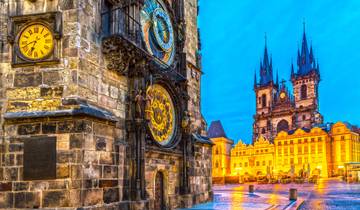
7 days
A Piece of Europe GO
- ✓ Comprehensive Vienna tour
- ✓ Expert local guides included
- ✓ All accommodation arranged
- ✓ Transportation provided
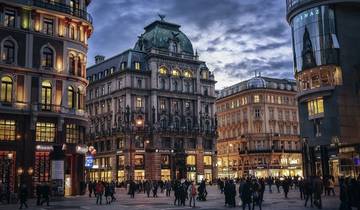
6 days
6 Day Vienna, Salzburg, Budapest, Bratislava, and the Danube Valley
- ✓ Comprehensive Vienna tour
- ✓ Expert local guides included
- ✓ All accommodation arranged
- ✓ Transportation provided
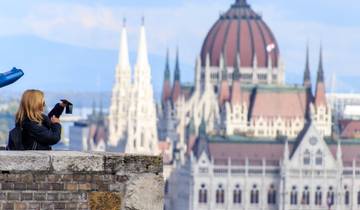
4 days
Budapest & Vienna
- ✓ Comprehensive Vienna tour
- ✓ Expert local guides included
- ✓ All accommodation arranged
- ✓ Transportation provided
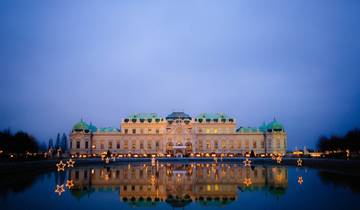
7 days
Private Tour: 3 Countries in One Week: Prague – Vienna – Budapest
- ✓ Comprehensive Vienna tour
- ✓ Expert local guides included
- ✓ All accommodation arranged
- ✓ Transportation provided
Multi-day tour packages powered by TourRadar. Prices and availability subject to change.
Essential Planning Information 2026
Understanding Ticket Options and Pricing 2026
Schönbrunn Palace’s ticket structure offers multiple options addressing different visitor interests and budget considerations in 2026. The Imperial Tour at €22 provides access to 22 state rooms representing the palace’s most significant spaces, including the Great Gallery where the Congress of Vienna dances occurred, the Hall of Mirrors where young Mozart performed for Empress Maria Theresa, and the ornate imperial apartments demonstrating Habsburg court life. This option suits visitors seeking essential palace experiences within limited timeframes or budgets, delivering impressive baroque interiors and historical significance without the extended commitment of more comprehensive tours.
The Grand Tour at €28 expands access to 40 rooms, adding private apartments, servants’ quarters, and additional state rooms that provide deeper insights into imperial family life and palace operations. The extra rooms reveal more intimate aspects of Habsburg daily existence, showing contrast between public ceremonial spaces and private domestic areas. The extended tour adds 20-30 minutes to visit duration while providing substantially more comprehensive understanding of palace architecture, decorative arts, and court culture. Visitors with genuine interest in Habsburg history and baroque architecture find the incremental €6 cost worthwhile for the enriched experience and additional rooms’ artistic and historical significance.
The Classic Pass at €32 bundles the Grand Tour with gardens attractions including the Privy Garden, Orangery Garden, maze, and Gloriette. This package provides 15-20% savings compared to purchasing components separately, making it economical choice for visitors planning comprehensive site exploration. The gardens attractions offer excellent value, with the Gloriette viewpoint providing spectacular panoramas across Vienna, the maze creating entertaining garden experience, and the Privy Garden demonstrating formal baroque landscape design. The Classic Pass suits visitors allocating half-day or full-day timeframes to Schönbrunn, enabling thorough exploration without multiple ticket transactions.
The Gold Pass at €45 combines the Imperial Tour with all additional attractions including zoo, Palm House, Desert House, and Wagenburg (Imperial Carriage Museum). This comprehensive option targets visitors planning full-day experiences and those with particular interest in the zoo, which ranks among Europe’s finest with important conservation programs and naturalistic habitats. The package saves approximately 25-30% compared to individual attraction purchases, though the time commitment for comprehensive coverage extends to 6-8 hours making it suitable primarily for visitors dedicating entire days to Schönbrunn or those making multiple visits during extended Vienna stays.
Vienna Pass and City Card Strategies 2026
The Vienna Pass provides unlimited access to 70+ Vienna attractions including Schönbrunn Palace, Hofburg Palace, Belvedere Palace, and numerous museums, operating on consecutive day basis with options for 1, 2, 3, or 6 day passes. The pass costs €84 for 1 day, €114 for 2 days, €134 for 3 days, and €164 for 6 days in 2026. The pass pays for itself with just three major attractions, making it economically advantageous for visitors pursuing intensive sightseeing schedules. The Vienna Pass includes skip-the-line access at major sites, providing time-saving benefits during summer peak season when attraction queues extend 30-60 minutes at popular destinations.
Calculating Vienna Pass value requires honest assessment of intended attraction visits and pace preferences. Visitors planning to visit Schönbrunn Palace (€28 Grand Tour equivalent), Hofburg Palace (€15), Belvedere Palace (€16-22 depending on collections), and 2-3 museums (€12-15 each) within one day justify the 1-day pass cost while gaining skip-the-line benefits and flexibility to add spontaneous visits without additional cost concerns. More relaxed travelers visiting fewer attractions daily or preferring extended time at individual sites may find individual tickets more economical, though missing the convenience factor and skip-the-line benefits the pass provides.
The Vienna City Card offers alternative approach focusing on public transportation benefits with attraction discounts rather than unlimited admission. The card costs approximately €17-35 depending on duration (24-72 hours), including unlimited public transport and 5-15% discounts at participating attractions, restaurants, and shops. This option suits budget-conscious travelers prioritizing transportation savings and modest attraction discounts over comprehensive unlimited admission, or those planning selective sightseeing mixed with neighborhood exploration, dining experiences, and non-tourist activities where attraction passes provide limited value.
Advance Booking Process and Strategies 2026
Online booking through schoenbrunn.at provides most straightforward advance ticket purchase, offering complete tour options, clear pricing, and secure payment processing. The booking system displays available time slots for your selected date, with 15-30 minute interval options throughout operating hours. Select your preferred entry time based on other itinerary commitments and crowd avoidance preferences, with early morning (8:30-9:30 AM) and late afternoon (after 3:00 PM) providing least crowded experiences. The system accommodates group bookings, special rate tickets for students and seniors, and combination packages streamlining the purchase process.
The confirmation email contains QR code tickets compatible with mobile display, eliminating printed ticket requirements while providing backup email reference if phone battery or technical issues arise. Arrive at the palace entrance 10-15 minutes before your time slot, allowing margin for transportation delays or orientation needs while avoiding excessive early arrival that provides no practical benefit. The entrance staff scan your QR code, provide audio guide equipment, and direct you to the appropriate starting point for your selected tour option. The entire entry process takes 3-5 minutes during normal operations, extending slightly during peak afternoon periods when multiple groups arrive simultaneously.
Booking timing considerations vary seasonally, with summer months (June-August) requiring 2-4 weeks advance purchase to secure preferred time slots, particularly for early morning entries that offer optimal crowd conditions. Shoulder seasons (April-May, September-October) allow 1-2 weeks advance booking with reasonable time slot availability, while winter months maintain flexibility with 3-5 days notice typically sufficient except during Christmas market period (late November through December) when advance booking returns to 2-3 week recommendations. Vienna Pass holders don’t require Schönbrunn reservations, using the pass for direct entry though potentially facing brief queues during peak periods when timed ticket holders receive priority processing.
Best Time to Visit Schönbrunn Palace 2026
Seasonal Considerations for 2026 Planning
Spring months (April-May) provide excellent Schönbrunn visiting conditions in 2026, combining moderate temperatures averaging 15-20°C, blooming gardens creating spectacular color displays, and manageable crowd levels before summer peak season intensity. The palace gardens undergo spring transformation with flowering bulbs, blossoming trees, and fresh green growth creating photogenic landscapes and pleasant outdoor exploration conditions. Tourist numbers increase progressively through April and May but remain substantially below June-August peaks, allowing more relaxed palace interior viewing and shorter attraction queues. Spring weather variability requires flexible clothing suitable for occasional cool days or brief rain showers, though generally favorable conditions support extensive outdoor activities.
Summer season (June-August) brings peak visitor numbers exceeding 10,000 daily, creating crowded palace interiors and extended queues at popular attractions without advance reservations. The trade-off involves longest daylight hours enabling comprehensive site exploration, warmest temperatures supporting extended garden time, and full operational schedules for all attractions including summer concerts and special programming. The baroque gardens reach full maturity with lush vegetation, maintaining meticulous formal layouts and providing shaded walking paths offering relief from afternoon heat. Summer visit success depends heavily on strategic timing (early morning or late afternoon entry), advance ticket purchase securing time slots, and realistic expectations about crowd density in the popular state rooms.
Autumn months (September-October) rival spring as optimal Schönbrunn visiting periods, with comfortable temperatures, beautiful garden colors as foliage turns golden and red, and reduced tourist numbers as summer crowds disperse. The palace interior viewing becomes significantly more enjoyable with fewer visitors competing for views in popular rooms, while garden exploration proceeds at relaxed pace with atmospheric autumn light creating excellent photography conditions. September maintains fairly stable weather patterns with moderate precipitation risk, while October introduces increasing variability and earlier sunset times requiring earlier visit starts to complete comprehensive exploration before darkness. The shoulder season pricing at some Vienna hotels provides additional incentive for autumn visits, with accommodation costs declining 15-25% compared to summer peaks.
Winter season (November-March) offers the most intimate Schönbrunn experiences with minimal crowds making palace interior tours particularly enjoyable, though reduced daylight hours limit site exploration time. The Christmas market period (late November through December) creates special atmospheric appeal with traditional market stalls, festive decorations, and seasonal programming transforming the palace forecourt. The palace grounds take on austere beauty with bare trees, potential snow cover, and crisp winter light creating different aesthetic character from lush summer conditions. Winter visits require warm clothing for outdoor areas and flexibility regarding weather disruptions, though the palace interior’s climate control maintains comfortable viewing conditions regardless of external temperatures. The reduced tourist pressure and atmospheric winter character appeal to visitors prioritizing authentic experiences over perfect weather or full garden displays.
Daily Timing Strategies for 2026 Visits
Early morning entry at 8:30 AM (summer) or 9:00 AM (winter) provides optimal palace experiences with minimal crowds allowing unhurried viewing of state rooms and excellent photography conditions before tour groups arrive after 10:00 AM. The morning light entering through palace windows illuminates baroque interiors beautifully, enhancing gilded details and ceiling frescoes while creating atmospheric effects impossible during flat midday lighting. Early arrival enables efficient progression through popular rooms before bottlenecks develop, with the audio guide providing detailed commentary you can fully absorb without background noise interference from large crowds. Garden exploration following palace tour completion occurs during mid-morning hours with favorable lighting and moderate temperatures, setting ideal conditions for Gloriette ascent and photographic documentation.
Midday visits (11:00 AM-2:00 PM) face peak crowd conditions within the palace interior, with popular rooms often congested and wait times developing at narrow passages between state rooms. The lighting conditions during midday hours flatten architectural details and create harsh contrasts in photography, though the gardens receive pleasant lighting for outdoor exploration and the Gloriette terrace provides excellent panoramic views. Midday entry suits visitors with inflexible schedules or those prioritizing garden experiences over palace interior focus, though early morning or late afternoon alternatives provide superior overall experiences when timing flexibility exists.
Late afternoon entry after 3:00 PM offers second-best timing option for crowd avoidance, with tourist numbers declining as day-trippers depart and tour groups complete their schedules. The descending sun creates warm light in west-facing palace rooms and garden areas, producing atmospheric effects enhancing aesthetic appreciation and photography. The primary limitation involves reduced remaining daylight for comprehensive garden exploration, with winter months providing only 1-2 hours before darkness while summer extends to 3-4 hours. Late afternoon entry works well for visitors completing morning activities elsewhere in Vienna or those prioritizing palace interior focus over extensive garden exploration, accepting limited outdoor time in exchange for superior interior viewing conditions.
Transportation Options to Schönbrunn Palace 2026
Public Transportation Routes and Strategies 2026
The U4 subway line provides the most direct public transportation access to Schönbrunn Palace, with Schönbrunn station located immediately adjacent to the palace entrance. The U4 connects to Vienna’s broader subway network at multiple interchange stations including Karlsplatz, Schwedenplatz, and Landstrasse, enabling efficient travel from anywhere in central Vienna. Trains run every 5-7 minutes during daytime hours, with journey times from central locations averaging 15-20 minutes. Exit the U4 at Schönbrunn station using the Schönbrunner Schlossstrasse exit, which places you directly facing the palace entrance approximately 100 meters away. The straightforward route and frequent service make the U4 the default choice for most visitors, combining speed, reliability, and simplicity.
Tram line 10 offers scenic alternative transportation, traveling through residential neighborhoods with visual interest exceeding subway tunnel routes. The tram stops at Schloss Schönbrunn station directly at the palace entrance, with service frequency of 7-10 minutes during peak hours. The tram route connects to central Vienna transfer points including the main railway station and operates from approximately 5:00 AM to midnight. The slightly longer journey time compared to the U4 (typically 20-25 minutes from central areas) is offset by above-ground views and the pleasant character of surface transportation. Tram travel suits visitors preferring to observe Vienna neighborhoods while traveling and those uncomfortable with subway environments.
Bus routes 10A and 51A provide additional options connecting various Vienna neighborhoods to Schönbrunn, with particular utility for visitors staying in areas less convenient to U4 access. The buses stop directly at the palace entrance with journey times varying based on starting location and traffic conditions, typically ranging 20-35 minutes from central areas. Bus service operates with 15-20 minute frequencies during daytime hours, requiring slightly more schedule attention than the more frequent U4 subway service. The buses work well as components of multi-destination itineraries visiting attractions not on subway lines, or for return journeys when exploring different route options provides variety and neighborhood viewing opportunities.
Vienna Public Transport Tickets 2026
Vienna public transportation operates on unified ticketing covering subways, trams, and buses within the city zone. Single tickets cost €2.40, valid for one journey including transfers within the network but not return trips. Day passes cost €8, providing unlimited travel within 24 hours from validation and paying for themselves with four journeys. Multi-day options include 24-hour (€8), 48-hour (€14.10), and 72-hour (€17.10) passes offering unlimited travel and convenience of not purchasing individual tickets for each journey. The Vienna City Card bundles transportation passes with attraction discounts, while the Vienna Pass focuses on attraction admission without integrated transportation.
Ticket validation before boarding first vehicle prevents fines from inspection enforcement, with validation machines on platforms and aboard vehicles clearly marked. Vienna operates largely honor-system transportation with periodic inspections enforcing fare compliance, imposing substantial fines (€105) for invalid tickets or fare evasion. The straightforward ticketing and reliable enforcement create system that works efficiently when users follow simple rules while funding high-quality service supporting the extensive transportation network tourists and residents rely upon.
Taxi and Ride-Share Options 2026
Taxi service from central Vienna to Schönbrunn Palace costs approximately €15-25 depending on starting location and traffic conditions, with journey times averaging 15-25 minutes. Official Vienna taxis use meters calculating fares based on distance and time, with supplemental charges for luggage and airport trips. Taxis can be hailed on streets, called by phone, or picked up at designated stands throughout the city. The convenience of door-to-door service and flexibility for groups or families with young children justifies the higher cost compared to public transportation for some situations, particularly early morning or late evening when public transport frequencies reduce.
Ride-share services including Uber and Bolt operate in Vienna with pricing typically 10-20% below traditional taxis, though surge pricing during peak demand periods can elevate costs above taxi rates. The apps provide price estimates before booking, allowing cost comparison and informed decisions. Ride-share pickup requires designated zones at some locations including railway stations, with street pickup more flexible in residential and commercial areas. The service appeals to visitors familiar with app-based transportation and those seeking price transparency before committing to journeys.
Accommodation Strategies Near Schönbrunn 2026
Staying Near Schönbrunn Palace 2026
Hotels in the immediate Schönbrunn vicinity (13th and 14th districts) range €80-180 per night for mid-range properties, offering walking access to the palace while maintaining residential neighborhood character with lower prices than central Vienna locations. Properties like Austria Trend Hotel Schloss Schönbrunn, occupying former palace guest quarters, provide premium heritage accommodation at €150-220 per night with palace views and immediate access. The neighborhood features restaurants, cafes, and shops serving local residents, creating authentic Vienna atmosphere distinct from tourist-oriented central areas. The trade-off involves 15-20 minute subway rides to central sightseeing areas, acceptable for visitors prioritizing Schönbrunn access and budget considerations over immediate central location.
The Schönbrunn area supports walking exploration of residential Vienna, with the palace park providing morning jogging routes and evening strolls in pleasant surroundings. The neighborhood’s supermarkets enable self-catering options reducing meal costs, while the authentic local character creates opportunities to observe daily Viennese life beyond tourist areas. Evening returns to the hotel after central Vienna activities prove straightforward via reliable U4 subway service, with late trains operating past midnight accommodating varied schedules. The location suits visitors seeking balanced experiences combining major tourist attractions with authentic neighborhood immersion, or those prioritizing accommodation budget savings over maximum central convenience.
Central Vienna Accommodation with Schönbrunn Access 2026
Central Vienna districts (1st through 9th) host the majority of tourist accommodation, ranging from budget hostels at €25-40 per bed to luxury five-star hotels exceeding €300 per night. Mid-range hotels in the €120-200 range provide comfortable bases with walking access to major attractions, excellent restaurant and shopping options, and convenient public transportation to Schönbrunn Palace via direct U4 subway service. The Naschmarkt area offers vibrant atmosphere with food market, restaurants, and nightlife while maintaining excellent transport connections via U4 Kettenbrückengasse station. The Museums Quarter and nearby 7th district combine cultural attractions, trendy cafes, and boutique hotels creating appealing home bases for culture-focused visitors.
Inner city (1st district) accommodation provides walking access to Hofburg Palace, St. Stephen’s Cathedral, and historic center attractions while maintaining excellent public transport connections to Schönbrunn and outer attractions. Prices reflect premium central locations, with budget options limited and mid-range hotels commanding €150-250 per night. The convenience of walking to evening restaurants and entertainment after full sightseeing days justifies the premium for some visitors, while others prefer more economical accommodations in outer districts allocating saved funds to experiences rather than hotel overhead. The U4 subway from central locations reaches Schönbrunn in 15-20 minutes, making the palace easily accessible for half-day visits regardless of accommodation location.
Money-Saving Strategies for 2026 Schönbrunn Visits
Budget-Conscious Ticket Approaches 2026
The Imperial Tour at €22 provides the most economical palace interior access while covering the most significant state rooms including the Great Gallery, Hall of Mirrors, and main imperial apartments. Visitors with limited budgets or time constraints find this option delivers impressive baroque interiors and essential historical spaces without the extended commitment of more comprehensive tours. The €6 savings compared to the Grand Tour can be allocated to other Vienna experiences, or multiple Imperial Tours can fit within budgets excluding the pricier options. The Imperial Tour combined with free garden exploration creates satisfying Schönbrunn experience totaling €22 plus transportation, representing excellent value for budget-conscious visitors.
Free access to palace gardens, including the main formal gardens, allows substantial Schönbrunn experience without admission costs. The gardens stretch across 160 acres with baroque formal layouts, decorative fountains, sculptures, and dramatic viewpoints creating impressive environments entirely accessible without payment. Walking through gardens to view the palace exterior, exploring the Neptune Fountain and parterre gardens, and ascending part way toward the Gloriette for elevated views enables memorable experiences costing nothing beyond transportation. Budget travelers or those returning to Vienna can enjoy Schönbrunn’s grounds and exterior architecture without repeat palace interior visits, appreciating the site’s landscape design and monumental scale at no cost.
Student and senior discounts reduce ticket prices 15-20% from standard adult rates, with valid identification required for verification. Families benefit from child rates (50% reduction for ages 6-18) and free admission for children under 6, making Schönbrunn relatively affordable for family visits compared to many European heritage sites. Groups of 10+ qualify for modest discounts on advance bookings, benefiting friend groups or families traveling together who can coordinate schedules and preferences.
Vienna Pass Value Optimization 2026
Maximizing Vienna Pass value requires intensive sightseeing scheduling visiting multiple major attractions within the pass duration. A well-planned 2-day pass costing €114 might include: Day 1 – Schönbrunn Grand Tour (€28 value), Hofburg Palace (€15), Imperial Furniture Collection (€12), and Kunsthistorisches Museum (€18); Day 2 – Belvedere Palace (€18), MAK Museum (€14), and Albertina (€18), totaling €123 in admission value while gaining skip-the-line benefits and spontaneous visit flexibility. This intensive approach suits energetic travelers comfortable with full days of museum and palace touring, accepting fatigue in exchange for comprehensive sightseeing and economic efficiency.
Alternative pass strategies focus on high-value attractions plus spontaneous additions, purchasing 1-day passes (€84) for single intensive sightseeing days visiting Schönbrunn, Hofburg, and one major museum (totaling €60-65 admission value) while gaining skip-the-line time savings worth 30-60 minutes per attraction during summer peak season. The convenience factor of not managing multiple tickets and the psychological freedom to enter attractions spontaneously without cost calculations provide intangible benefits beyond pure financial equations, enhancing travel experiences by reducing transaction friction and decision fatigue.
Meal Planning and Restaurant Strategies 2026
The Schönbrunn palace grounds include multiple dining options ranging from basic cafes to upscale restaurants, with prices reflecting captive audience premium positioning. Budget meals at palace cafes cost €12-18 for sandwiches and drinks, while restaurant lunches range €18-30 per person. Alternative strategies involve bringing packed lunches from supermarkets (€5-8 per person) and picnicking in designated garden areas, allocating food budget savings to other experiences. The Schönbrunn neighborhood surrounding the palace offers authentic Viennese restaurants at moderate prices (€15-25 per person for lunch, €20-35 for dinner), providing better value and local atmosphere than tourist-oriented palace facilities.
Vienna’s supermarket chains including Billa, Spar, and Hofer (Aldi) offer excellent value for breakfast supplies, snacks, and picnic components, with central locations and branches throughout residential neighborhoods. Morning pastries from traditional Viennese bakeries cost €2-4, providing authentic local experiences at fraction of hotel breakfast costs (typically €15-25 per person). Water bottles, fruit, and snacks from supermarkets enable all-day energy without expensive impulse purchases at tourist locations, with savings accumulating to €20-40 per person over multi-day Vienna stays.
Sample Itineraries for 2026 Schönbrunn Visits
Half-Day Morning Itinerary 2026
8:30 AM – Arrive at Schönbrunn via U4 subway, enter palace for Imperial Tour with early morning time slot. The minimal crowds enable relaxed viewing of 22 state rooms including the Great Gallery, Hall of Mirrors, and imperial apartments, with audio guide providing detailed historical context. Photography conditions prove excellent with morning light entering through palace windows. 10:00 AM – Complete palace interior tour, begin garden exploration walking through main parterre gardens toward Neptune Fountain. The formal baroque landscaping demonstrates 18th-century design principles while providing impressive views back toward the palace facade. 10:30 AM – Ascend toward Gloriette monument, choosing between walking path (20 minutes) or tourist train (€8 round trip, 10 minutes). The climb provides progressive views across gardens and Vienna, with the Gloriette terrace offering panoramic perspectives worthy of extended photography time.
11:15 AM – Explore Gloriette interior cafe and viewing terrace (€4.50 admission to upper terrace), enjoying coffee break with spectacular views. The architectural monument’s neoclassical design creates impressive setting while its historical role as imperial breakfast pavilion adds cultural context. 12:00 PM – Descend to palace area via alternate garden paths, completing circular route with different perspectives and garden sections. The maze and hedge gardens create entertaining detours adding 15-20 minutes if time permits. 12:30 PM – Depart Schönbrunn returning to central Vienna via U4 subway for afternoon activities elsewhere. Morning itinerary costs: Palace Imperial Tour €22, Gloriette terrace €4.50, coffee €4-6, transportation €2.40 (single ticket). Total: €32.90-34.90 per person.
Full-Day Comprehensive Experience 2026
8:30 AM – Arrive for Grand Tour entry with early time slot, experiencing 40 palace rooms including private apartments and servant areas providing comprehensive imperial residence understanding. The extended tour requires 90-110 minutes progressing at comfortable pace with audio guide commentary. 10:30 AM – Begin garden exploration with Privy Garden visit (included in Classic Pass, otherwise €4.50), examining baroque formal design details and decorative elements in more intimate setting than main gardens. 11:15 AM – Walk to Orangery and Palm House (€7 combined admission), exploring tropical and Mediterranean plant collections in historic greenhouse architecture. The peaceful atmosphere contrasts with busy palace interiors while demonstrating Habsburg horticultural interests.
12:15 PM – Lunch at neighborhood restaurant outside palace grounds (€18-25 per person), enjoying authentic Viennese cuisine at moderate prices with local atmosphere. The brief walk outside the palace precinct provides neighborhood perspective and meal cost savings compared to palace restaurants. 1:30 PM – Visit Wagenburg Imperial Carriage Museum (€10 admission), examining elaborate ceremonial vehicles, sledges, and transport equipment documenting Habsburg dynasty’s mobile splendor. The collection includes Empress Elisabeth’s carriage and coronation coaches, creating fascinating material culture documentation of court ceremony. 2:45 PM – Explore Schönbrunn Zoo (€26 admission or included in Gold Pass), spending 2-3 hours visiting the world’s oldest continuously operating zoological garden with impressive modern enclosures and conservation programs. The zoo’s integration into palace grounds creates unique historical zoo experience distinct from purpose-built modern facilities.
5:30 PM – Ascend to Gloriette via walking path, arriving for sunset viewing conditions creating dramatic light across Vienna cityscape. The evening atmosphere attracts fewer tourists than midday periods, enabling relaxed enjoyment of views and architectural setting. 6:30 PM – Return to palace entrance via gardens, completing comprehensive exploration. Depart via U4 subway. Full-day itinerary costs: Grand Tour €28, Privy Garden €4.50, Palm House €7, lunch €20, Wagenburg €10, Zoo €26, Gloriette €4.50, snacks/drinks €8, transportation €8 (day pass). Total: €116 per person.
Multi-Day Vienna Integration 2026
Day 1 Morning: Hofburg Palace complex exploring imperial apartments and museums, allocating 3-4 hours. Afternoon: Vienna city center walking tour including St. Stephen’s Cathedral, Graben shopping street, and historical landmarks. Day 2 Morning: Schönbrunn Palace Grand Tour and gardens, following comprehensive morning itinerary. Afternoon: Belvedere Palace visiting upper and lower palace art collections with Austrian art focus including Klimt masterpieces. Day 3 Morning: Kunsthistorisches Museum exploring world-class fine arts collection requiring 3-4 hours for comprehensive visit. Afternoon: Museums Quarter contemporary art and architecture exploration or Naschmarkt food market and neighborhood wandering.
This three-day structure balances palace heritage, fine arts, and contemporary culture while distributing intensive indoor museum time across multiple days preventing fatigue. The itinerary employs morning hours for major attractions when crowds are manageable and energy levels high, reserving afternoons for more flexible activities adapting to energy levels and weather conditions. Transportation flows logically with cluster approaches minimizing subway rides, while meal planning between attractions allows authentic Viennese dining discoveries beyond tourist zones. The schedule accommodates adjustment for personal pace preferences, weather disruptions, or spontaneous discoveries, maintaining structure while allowing flexibility.
Booking and Reservations for 2026 Visits
Official Booking Channels 2026
The official Schönbrunn Palace website (schoenbrunn.at) provides the primary booking channel offering complete ticket options, clear pricing, secure payment processing, and instant confirmation. The English-language interface enables straightforward navigation with detailed descriptions of different tour options, attraction combinations, and special programs. The online booking system displays available time slots for your selected date with 15-30 minute intervals throughout operating hours. The site accepts major credit cards and processes transactions securely, sending confirmation emails containing QR code tickets compatible with mobile display eliminating printed ticket requirements.
Third-party booking platforms including GetYourGuide, Viator, and Tiqets offer Schönbrunn tickets, often bundled with other Vienna attractions or guided tour options. These platforms provide customer reviews, flexible cancellation policies, and sometimes modest discounts, though prices generally match or slightly exceed official site costs once booking fees are included. The platforms serve visitors preferring consolidated booking across multiple destinations or seeking guided tour options combining Schönbrunn with other Vienna highlights. Review booking terms carefully, as some third-party options impose stricter cancellation policies or charge premium prices for standard products available more economically through direct channels.
Vienna Pass Purchase and Activation 2026
Vienna Pass purchases occur online through viennapass.com with digital delivery via mobile app or physical pickup at Vienna tourist information offices. The pass operates on consecutive day basis starting from first use, requiring strategic activation timing to maximize value. Optimal activation occurs early morning of your first intensive sightseeing day, visiting multiple included attractions throughout the operating hours to maximize admission value and skip-the-line benefits. The mobile app displays your active pass and provides attraction information, maps, and usage tracking showing remaining validity period.
At Schönbrunn Palace, Vienna Pass holders present the digital pass at designated entrance lanes, bypassing standard ticket queues though occasionally facing brief waits during peak periods when timed ticket holders receive priority. The pass provides flexibility to visit Schönbrunn spontaneously without advance reservation commitments, valuable for travelers preferring unstructured itineraries or those uncertain about Vienna weather conditions affecting specific day planning. The trade-off involves potential brief waits versus guaranteed timed entry with advance purchased tickets, a reasonable compromise given the pass’s multi-attraction value and overall convenience benefits.
Group Bookings and Special Arrangements 2026
Groups of 10 or more qualify for modest discounts (approximately 10-15%) on advance bookings, with dedicated group entrance procedures streamlining entry for larger parties. Group reservations require advance coordination specifying group size, preferred date and time, language requirements for guided tours if desired, and special needs for accessibility accommodations. The palace group booking department responds to email inquiries within 1-2 business days, providing quotes and reservation procedures customized to specific requirements.
School groups receive discounted educational programming including specialized tours addressing curriculum topics, workshop activities connecting to Habsburg history and baroque culture, and materials supporting pre- and post-visit classroom integration. Educational bookings require extended advance notice (6-8 weeks recommended) to secure preferred dates during busy school excursion seasons in spring and autumn. The educational programs balance entertainment and learning, creating engaging experiences for young visitors while delivering substantive historical and cultural content.
Navigating Schönbrunn Palace 2026
Palace Interior Layout and Flow 2026
The palace interior tour follows predetermined routes ensuring visitors experience rooms in logical sequence while managing crowd flow through the historic spaces. The Imperial Tour enters through the ground floor, ascending to the main state rooms via baroque staircases before proceeding through the 22-room sequence. The route includes the Great Gallery’s spectacular ballroom, the Hall of Mirrors where young Mozart performed, and the imperial family’s private apartments decorated with baroque and rococo furnishings, paintings, and decorative arts. The audio guide provides 5-8 minutes of commentary per room, with visitors controlling pace according to interest levels and allowing flexibility for extended viewing of particularly appealing spaces.
The Grand Tour extends the route through additional private apartments, servant areas, and working spaces revealing operational aspects of palace life beyond ceremonial public rooms. The supplementary rooms demonstrate the hierarchy of palace spaces from magnificent state rooms to modest servants’ quarters, illustrating the complex social structures of imperial court life. The longer route adds 20-30 minutes to tour duration while providing substantially deeper understanding of Habsburg daily existence and palace architecture. Both tours conclude via gift shop areas with themed merchandise, books, and souvenirs, though purchases are optional and exit routes allow bypassing retail areas if desired.
Gardens and Grounds Navigation 2026
The palace gardens extend symmetrically from the main palace, with the central axis climbing gradually toward the Gloriette monument crowning the hill 500 meters behind the building. The main parterre gardens immediately behind the palace feature baroque formal layouts with geometric flowerbeds, gravel paths, and decorative sculptures creating impressive designed landscape. The Neptune Fountain marks the midpoint along the central axis, with its elaborate sculptural program depicting the sea god and attendant figures in dramatic composition. The fountain area provides excellent viewpoint back toward the palace, capturing the architectural ensemble framed by formal gardens.
Ascending paths continue toward the Gloriette, with the tourist train (€8 round trip) offering alternative to walking for visitors with mobility limitations or those preferring to conserve energy. The walk requires 20 minutes on gentle grade, with numerous benches providing rest spots and viewpoints creating photo opportunities. The Gloriette’s upper terrace (€4.50 admission) provides panoramic views across the gardens to the palace and Vienna beyond, with clear days revealing the Vienna Woods and distant Alps. The monument’s cafe serves beverages and light snacks at premium prices reflecting captive audience positioning, though the views justify brief stops for refreshment and perspective.
The maze, Privy Garden, and various sculptural elements occupy side areas accessible via branch paths from the main axis. The maze (€4.50 admission) entertains visitors, particularly families with children, seeking interactive garden experiences beyond contemplative walking. The Privy Garden demonstrates intimate baroque garden design at smaller scale than the grand parterre gardens, with access included in the Classic Pass or available as separate admission. The extensive grounds reward exploration, with different sections revealing varied design approaches, plant collections, and historical garden structures creating diverse environments within the unified baroque framework.
Photography Guidelines for 2026 Visitors
Palace Interior Photography Policies 2026
Photography inside the palace is strictly prohibited, with enforcement by palace staff monitoring the tour routes and requesting visitors put away cameras and phones. The policy protects artwork from flash damage and copyright issues related to furnishings and decorations, while maintaining appropriate atmosphere in the historical spaces. The audio guide provides detailed room descriptions and historical context compensating somewhat for inability to capture personal photo documentation, though many visitors find the photography restriction frustrating when encountering particularly impressive baroque interiors.
The policy reflects standard practice at many European palace museums protecting collections while managing visitor behavior that photography often encourages, including extended stationary viewing blocking circulation routes and flash photography despite prohibitions. Postcards, books, and professional photography reproductions available in palace shops provide high-quality images of interior spaces for those seeking visual records, though obviously lacking the personal documentation value of individually captured photographs. Visitors should respect the photography policies despite disappointment, understanding the conservation and management rationales while focusing attention on direct visual engagement with the baroque artistic environment.
Gardens and Exterior Photography Opportunities 2026
Gardens and palace exteriors permit unlimited photography, creating extensive opportunities for architectural documentation, landscape photography, and personal travel records. The palace’s golden yellow facade photographs beautifully from various vantage points within the formal gardens, with the Neptune Fountain providing midpoint perspective and the Gloriette terrace offering elevated overviews. Morning light illuminates the main palace facade optimally, while late afternoon creates warm tones on the building and dramatic shadows emphasizing architectural details. The formal garden layouts, fountains, and sculptural elements provide foreground interest for architectural compositions, creating layered images demonstrating the integrated palace and garden ensemble.
The Gloriette monument photographs impressively from below, with its neoclassical colonnade creating striking silhouette against sky while its elevated position provides panoramic photography capturing Vienna’s urban landscape and palace gardens in single comprehensive frames. The terrace viewpoint at sunset offers particularly dramatic lighting conditions with warm colors across the cityscape and gardens, though sharing the prime location with other photographers seeking similar compositions. Various vantage points throughout the extensive grounds enable discovering unique perspectives and compositions beyond the standard views, rewarding exploration and photographic experimentation.
Accessibility and Special Needs Accommodations 2026
Mobility Access and Wheelchair Facilities 2026
Schönbrunn Palace provides wheelchair accessibility throughout much of the site, with ramps, elevators, and adapted routes enabling visitors with mobility limitations to experience the state rooms and main garden areas. The palace interior tour includes elevator access to the main floor state rooms, with the Imperial Tour fully accessible and the Grand Tour requiring some circulation adjustments accommodating wheelchair routes through alternate passages. Palace staff assist with access arrangements, coordinating elevator use and providing route guidance ensuring optimal experiences within physical constraints of the historic building.
The palace gardens’ main paths feature firm surfaces suitable for wheelchair use and strollers, though some areas employ gravel surfaces requiring greater effort for manual wheelchair propulsion or creating challenging conditions for narrow stroller wheels. The central axis from palace to Gloriette employs mostly paved paths with gentle grades, though the full distance and gradual climbing challenge some users requiring assistance or motorized wheelchairs. The tourist train provides alternative accessible transportation to the Gloriette area, accommodating wheelchairs and eliminating the walk for visitors with limited mobility or stamina. Accessible restroom facilities exist at multiple locations throughout the palace and gardens, meeting international standards for space and equipment.
Services for Visitors with Visual or Hearing Impairments 2026
Audio guide devices include assistive listening compatible with hearing aids, enabling visitors with hearing impairments to access the detailed room commentary describing artwork, architecture, and historical context. The audio guide script provides descriptive content suitable for visitors with visual impairments, though tactile elements within the palace remain limited given conservation requirements for the historic furnishings and decorative arts. Advance notice to palace administration enables arrangements for specialized guided tours accommodating specific needs, including sign language interpretation or descriptive tours emphasizing verbal description of visual elements.
Service dogs are permitted throughout the palace and gardens, with staff providing entrance accommodation and assistance as needed. The palace website offers accessibility information detailing available services and facilities, enabling advance planning for visitors with special needs. Contacting the palace accessibility coordinator before visiting ensures optimal arrangements and prevents potential disappointment from encountering unexpected limitations during the visit.
Additional Schönbrunn Attractions for 2026
Schönbrunn Zoo and Conservation Programs 2026
The Tiergarten Schönbrunn, founded in 1752, operates as the world’s oldest continuously operating zoological garden, combining historical significance with modern conservation science and naturalistic exhibit design. The zoo houses over 700 species including giant pandas, their breeding program achieving international recognition and attracting substantial visitor interest. The exhibits balance accessibility for visitor viewing with habitat complexity supporting animal welfare, employing moats, glass barriers, and landscape design creating immersive experiences while maintaining safety and conservation standards.
Admission costs €26 for adults in 2026, with reduced rates for children (€13) and families benefiting from combination tickets. The Gold Pass includes zoo admission, providing value for visitors allocating full days to comprehensive Schönbrunn exploration. The zoo requires 2-3 hours for reasonable coverage of main exhibits and highlights, extending to 4-5 hours for comprehensive visits including feeding demonstrations, keeper talks, and educational programming. The integration into palace grounds creates unique historical zoo experience, with baroque architectural elements and formal landscape design framing animal exhibits in ways impossible at purpose-built modern facilities.
Wagenburg Imperial Carriage Museum 2026
The Wagenburg presents extraordinary collection of imperial vehicles, sledges, and ceremonial carriages documenting Habsburg dynasty transportation across centuries. The collection includes elaborate coronation coaches covered in gilding and painted panels, Empress Elisabeth’s personal carriages, children’s vehicles, and funeral hearses, creating comprehensive material culture documentation of court mobility and ceremonial traditions. The vehicles demonstrate the highest craftsmanship in metalwork, woodcarving, painting, and textile arts, with some carriages requiring years of skilled labor for their construction and decoration.
Museum admission costs €10 for adults, with the Gold Pass including access. The compact museum requires 45-60 minutes for comprehensive viewing, making it manageable addition to palace and garden visits without overwhelming schedule commitments. The collection appeals particularly to visitors interested in decorative arts, material culture, and social history aspects of court life beyond the palace architecture and fine arts focus of the state rooms. The vehicles’ exceptional artistic quality and historical significance justify the modest admission investment for visitors seeking comprehensive Habsburg cultural understanding.
Local Context and Neighborhood Exploration 2026
The Schönbrunn Neighborhood Character 2026
The residential areas surrounding Schönbrunn Palace (13th and 14th districts) maintain authentic Viennese character with local shops, cafes, restaurants, and services catering to neighborhood residents rather than tourist trade. The streets feature elegant apartment buildings from the late 19th and early 20th centuries, creating pleasant architectural environment distinct from both historic Inner City and modern peripheral districts. The neighborhood atmosphere provides opportunities to observe daily Viennese life—locals shopping at markets, students commuting to nearby schools, families enjoying parks—creating authentic urban experiences beyond tourist-oriented areas.
The Mariahilfer Strasse shopping district extends west from central Vienna toward Schönbrunn, offering extensive retail options from international chains to local boutiques, department stores, and specialty shops. The pedestrianized shopping street creates pleasant strolling environment with cafes, restaurants, and entertainment options attracting both residents and visitors. The commercial district provides practical resources for travelers requiring pharmacy products, replacement luggage items, or shopping for Austrian products and souvenirs, while also demonstrating Vienna’s contemporary commercial character beyond historical tourist attractions.
Dining and Cafe Culture Near Schönbrunn 2026
Traditional Viennese cafes and restaurants throughout the Schönbrunn neighborhood offer authentic dining experiences at moderate prices compared to tourist-oriented establishments in central areas. The neighborhood supports various ethnic restaurants reflecting Vienna’s diverse population, creating opportunities to experience Turkish, Persian, Italian, and Asian cuisines beyond traditional Austrian offerings. Wine taverns (Heurigen) in nearby districts serve local wines with simple but authentic food, creating convivial atmosphere and cultural experiences connecting to Vienna’s wine-growing traditions.
The Naschmarkt, Vienna’s premier food market located approximately 3 kilometers east of Schönbrunn, offers extraordinary variety of fresh produce, international ingredients, prepared foods, and restaurant stalls creating vibrant culinary destination. The market operates Monday through Saturday, with Saturday flea market extensions adding antiques, vintage items, and collectibles to the food offerings. The market makes excellent lunch destination combining food market exploration with authentic dining at reasonable prices, accessible via U4 subway creating easy connections to Schönbrunn visits.
Weather and Seasonal Considerations for 2026
Vienna Climate Patterns and Visit Planning 2026
Vienna experiences four distinct seasons with considerable temperature and precipitation variation affecting visit experiences and requiring appropriate preparation. Summer months (June-August) average 20-25°C with occasional heat waves pushing temperatures above 30°C, requiring sun protection, hydration planning, and heat management strategies for extended outdoor sightseeing. Summer brings moderate precipitation risk with occasional thunderstorms, though rain typically arrives as brief intense showers rather than prolonged dreary conditions. The long daylight hours extend to nearly 16 hours at summer solstice, enabling comprehensive sightseeing and evening activities extending well past dinner time.
Spring and autumn shoulder seasons feature moderate temperatures averaging 10-20°C with greater day-to-day variability requiring layered clothing suitable for morning cool and afternoon warmth. These transitional seasons bring higher precipitation frequency compared to summer, with April, May, September, and October averaging 8-12 rainy days per month. The weather variability requires flexible planning and appropriate outerwear, though the generally favorable conditions support extensive outdoor activities when precipitation holds off. The shoulder seasons’ moderate temperatures prove ideal for intensive sightseeing involving substantial walking, avoiding the heat exhaustion risks of summer peak conditions while maintaining comfortable exploration capabilities.
Winter months (December-February) average 0-5°C with occasional cold snaps bringing temperatures well below freezing and potential snowfall creating atmospheric conditions though requiring warm clothing and disrupting some outdoor activities. The Christmas market period transforms the palace forecourt with traditional market stalls, festive decorations, and seasonal programming creating special appeal despite cold conditions. Winter daylight extends only 8-9 hours at solstice, limiting exploration time and requiring early start schedules for comprehensive visits. The reduced tourist crowds and atmospheric winter character appeal to visitors prioritizing authentic experiences over perfect weather, accepting cold temperatures in exchange for intimate palace viewing and distinctive seasonal atmosphere.
Current Events and Temporary Programs 2026
Special Exhibitions and Cultural Programming 2026
Schönbrunn Palace hosts temporary exhibitions throughout the year, focusing on Habsburg history, baroque art, and themes related to Austrian cultural heritage. These special exhibitions occupy dedicated gallery spaces within the palace complex, requiring separate admission or included in comprehensive ticket packages. The exhibitions change periodically, with durations ranging from 3-6 months enabling multiple programming cycles annually. Check the palace website before visiting to identify current exhibitions and determine if themes align with your interests justifying additional time allocation and potential supplemental admission costs.
Summer concert series operates in the palace gardens and Orangery, featuring classical music performances in historically appropriate settings connecting to Habsburg court cultural traditions. The concerts attract both tourists and Vienna residents, creating cultural events beyond standard daytime sightseeing activities. Concert tickets sell separately from palace admission, with prices varying based on venue, program, and seating categories. The events offer opportunities to experience Schönbrunn during evening hours with different atmospheric character from daytime visits, though requiring advance booking and independent transportation arrangements for late evening returns to accommodations.
Christmas Markets and Winter Programming 2026
The Schönbrunn Christmas Market, operating late November through December, transforms the palace forecourt with traditional wooden stalls selling crafts, ornaments, seasonal foods, and mulled wine. The market creates festive atmosphere with decorations, lights, and seasonal music, attracting both tourists and Vienna residents celebrating Christmas traditions. Admission to the market area is free, with individual purchases at stalls reflecting quality craft goods and premium seasonal refreshments. The market operates daily during its season, with evening hours extending into late evening and creating particularly atmospheric conditions with illuminated stalls and palace backdrop.
The winter season brings special programming including New Year concerts, ice skating opportunities on temporary rinks, and themed tours exploring winter holiday traditions in Habsburg court culture. These seasonal offerings create distinctive winter visit reasons, positioning Schönbrunn beyond purely summer garden experiences and demonstrating the palace complex’s year-round cultural programming. Winter visitors should check the palace calendar for specific programming during intended visit dates, as schedules vary and some events require separate tickets or advance reservations.
Frequently Asked Questions
Can you visit Schönbrunn Palace gardens for free in 2026?
The main palace gardens are freely accessible without admission charges, allowing extensive exploration of baroque formal landscapes, pathways, fountains, and sculptures surrounding the palace. The free access includes the central axis from the palace to the Neptune Fountain and general garden areas, providing substantial Schönbrunn experience costing nothing beyond transportation. Specific garden attractions including the Privy Garden, maze, Gloriette upper terrace, and Palm House require separate admission, though the impressive free portions enable memorable visits for budget-conscious travelers or those focusing on landscape and exterior architecture rather than palace interiors.
How crowded is Schönbrunn Palace in summer 2026?
Summer months (June-August) bring peak visitor numbers exceeding 10,000 daily, creating crowded palace interior conditions and extended queues at popular attractions without advance reservations. The most popular state rooms experience congestion during midday peak hours (11:00 AM-2:00 PM), with narrow passages between rooms creating bottlenecks and limiting comfortable viewing space. Early morning entry at opening time (8:30 AM) or late afternoon slots after 3:00 PM provide significantly less crowded experiences, with strategic timing reducing crowd impact substantially. Advance online booking with timed entry secures admission during preferred timeframes, while the Vienna Pass enables skip-the-line access at most attractions though not eliminating crowds within the palace spaces themselves.
What is the Schönbrunn Palace Grand Tour in 2026?
The Grand Tour provides access to 40 palace rooms including the Imperial Tour’s 22 state rooms plus additional private apartments, servants’ quarters, and working spaces revealing operational aspects of imperial residence beyond ceremonial public areas. The extended route requires 90-110 minutes for comprehensive exploration with audio guide commentary, compared to 60-75 minutes for the shorter Imperial Tour. The Grand Tour costs €28, representing €6 premium over the €22 Imperial Tour, with the additional rooms providing substantially deeper understanding of Habsburg daily life and palace social hierarchy. Visitors with genuine interest in baroque architecture, decorative arts, and imperial history generally find the incremental cost worthwhile, while those seeking efficient essential experiences find the Imperial Tour sufficient for impressive palace interior exposure.
Is Schönbrunn Palace worth visiting in winter 2026?
Winter visits offer the most intimate Schönbrunn experiences with minimal crowds making palace interior viewing particularly enjoyable, though reduced daylight hours limit comprehensive site exploration. The Christmas market period (late November-December) creates special atmospheric appeal with festive decorations and traditional market activities, while January-March winter months offer austere beauty and authentic experiences without tourist crowds. The palace interior maintains comfortable viewing conditions year-round through climate control, making baroque state rooms equally impressive regardless of external weather. Winter visits suit travelers prioritizing crowd avoidance and authentic atmosphere over perfect weather and full garden displays, accepting cold temperatures and limited daylight in exchange for superior palace interior experiences and distinctive seasonal character.
Can you use Vienna Pass at Schönbrunn Palace in 2026?
The Vienna Pass provides unlimited admission to Schönbrunn Palace along with 70+ additional Vienna attractions, including both palace interior tours and various garden attractions. Pass holders present their digital pass at the designated entrance lane, gaining admission without purchasing separate tickets. The pass doesn’t require advance Schönbrunn reservations, enabling spontaneous visits though potentially facing brief waits during peak periods when timed ticket holders receive priority processing. The Vienna Pass costs €84 for 1 day, €114 for 2 days, €134 for 3 days, with value justified when visiting multiple major attractions over consecutive days. The pass includes skip-the-line benefits at most sites, providing time savings during summer when standard queues extend 30-60 minutes at popular destinations.
Where should you stay to visit Schönbrunn Palace in 2026?
Accommodation strategies balance proximity to Schönbrunn versus central Vienna location benefits, with most visitors preferring central districts (1st-9th) for walking access to multiple attractions while maintaining excellent U4 subway connections to Schönbrunn. Central locations enable 15-20 minute subway rides reaching the palace, making half-day visits entirely practical from city center hotels. Hotels immediately surrounding Schönbrunn (13th-14th districts) offer walking access to the palace and lower costs (€80-180 per night mid-range) compared to central areas, though requiring subway commutes to other Vienna attractions. The residential neighborhood character provides authentic atmosphere and local dining options, appealing to visitors seeking balanced experiences beyond tourist-oriented central areas or those prioritizing accommodation budget over maximum central convenience.
What restaurants are near Schönbrunn Palace in 2026?
The palace grounds include multiple dining facilities ranging from basic cafes to upscale restaurants, with prices reflecting tourist location premiums. Palace cafes serve sandwiches and drinks for €12-18, while restaurants offer lunches at €18-30 per person. The surrounding Schönbrunn neighborhood features authentic Viennese restaurants at moderate prices (€15-25 lunch, €20-35 dinner), providing better value and local atmosphere than palace facilities. Traditional Austrian cuisine, wine taverns, ethnic restaurants, and cafes throughout the 13th and 14th districts create diverse dining options within 10-15 minutes walking from the palace. Budget-conscious visitors bring picnic supplies from supermarkets (€5-8 per person), dining in designated garden areas while allocating food budget savings to other experiences.
How do you get from Vienna airport to Schönbrunn Palace in 2026?
The City Airport Train (CAT) provides fastest airport connection, reaching Wien Mitte station in 16 minutes for €12, then transferring to U4 subway toward Hütteldorf with Schönbrunn stop reached in 25 additional minutes. The S7 suburban train offers economical alternative at €4.40, reaching central Vienna stations in 25 minutes with U4 subway connections to Schönbrunn. Total journey time averages 50-70 minutes depending on connection timing. Direct taxi service costs €45-65 for the approximately 25-kilometer journey taking 30-45 minutes depending on traffic. Private transfer services pre-booked online cost €40-55, providing price certainty and door-to-door convenience for travelers with substantial luggage or groups sharing costs. The airport to Schönbrunn journey via public transportation proves straightforward with clear signage and frequent service, making independent travel entirely feasible for first-time visitors.
What is the difference between Imperial and Grand Tour at Schönbrunn in 2026?
The Imperial Tour (€22) covers 22 state rooms including the most significant ceremonial spaces—Great Gallery, Hall of Mirrors, and main imperial apartments—requiring 60-75 minutes with audio guide. The Grand Tour (€28) extends to 40 rooms, adding private apartments, servants’ quarters, and working spaces revealing operational palace aspects beyond public ceremonial areas. The additional 18 rooms require 20-30 minutes extra time while providing substantially deeper understanding of Habsburg court life, palace social hierarchy, and daily existence beyond the elaborate state rooms. The €6 cost difference represents modest premium for significantly expanded access, with most visitors genuinely interested in Habsburg history and baroque architecture finding the Grand Tour worthwhile. First-time visitors or those with limited time find the Imperial Tour sufficient for impressive palace exposure, while returning visitors or dedicated history enthusiasts benefit from the Grand Tour’s comprehensive coverage.
Can you bring food into Schönbrunn Palace gardens in 2026?
Food and beverages are permitted in designated garden areas, enabling picnic dining as budget-conscious alternative to palace restaurants. The extensive grounds provide numerous benches, open lawn areas, and shaded spots suitable for casual picnic meals, with supermarket supplies purchased before arrival costing €5-8 per person compared to €12-30 for palace food facilities. Visitors should pack out all trash, respecting the heritage site while enjoying the gardens’ landscape beauty. Food and drink are prohibited within the palace interior during tours, with bag checks potentially screening for prohibited items. The garden picnic option creates pleasant meal experiences while allocating food budget savings toward other Vienna experiences, appealing particularly to families and budget travelers seeking cost control without sacrificing visit quality.