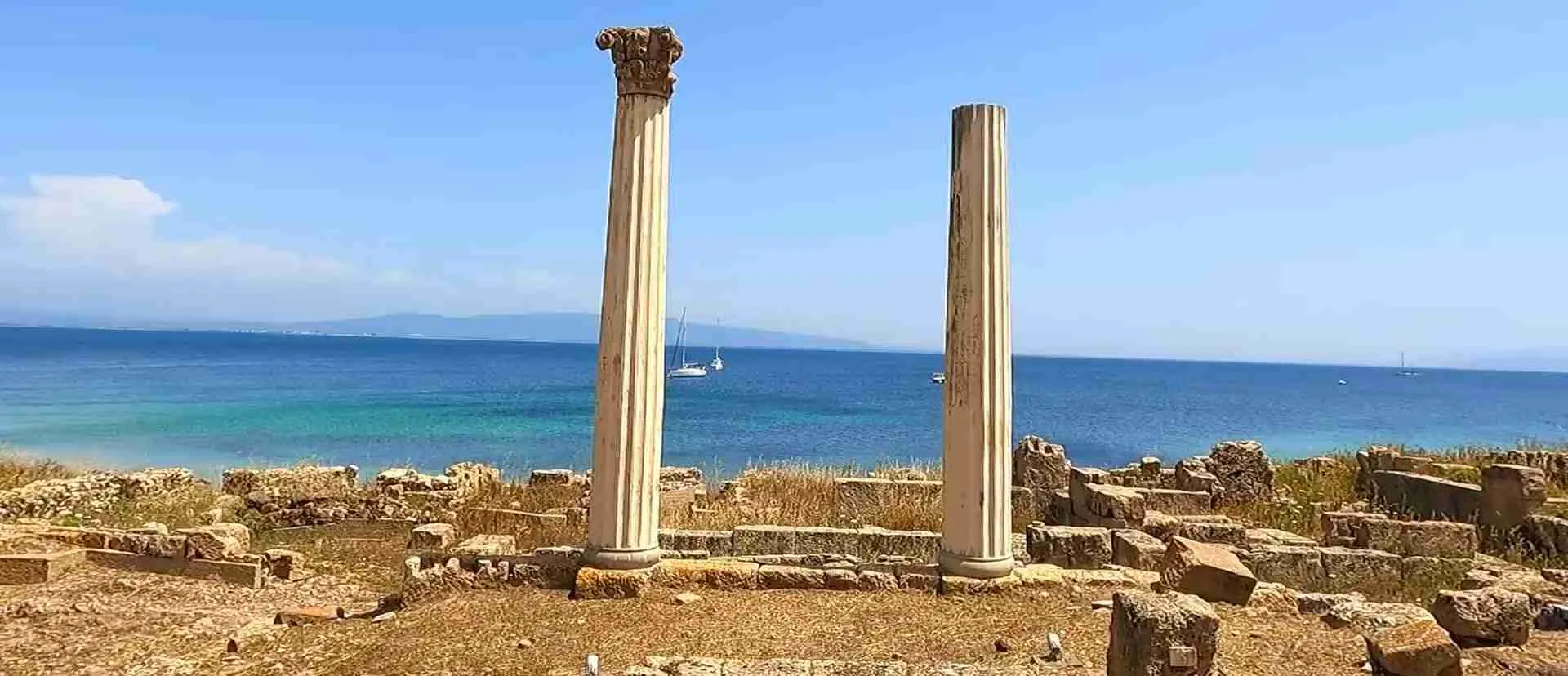
Sardinia Travel Guide 2026: Complete Planning Resource
Sardinia rewards careful planning with turquoise waters rivaling the Caribbean, ancient archaeological wonders predating Rome by millennia, mountain villages preserving 3,000-year-old traditions, and culinary experiences rooted in pastoral heritage that shaped the Mediterranean diet. This comprehensive guide balances beach paradise expectations with cultural depth, practical ferry logistics with accommodation strategies, and budget realities with luxury possibilities across Italy’s second-largest island.
Key Takeaways for Your Sardinia Trip 2026
- Two UNESCO World Heritage Sites showcase prehistoric civilization: Su Nuraxi di Barumini’s Bronze Age nuraghe towers (since 1997) and the newly inscribed Domus de Janas prehistoric tombs (July 2025) provide archaeological depth beyond beach tourism.
- Ferry costs €50-150 per person one-way from mainland Italy: Routes from Civitavecchia, Livorno, and Genoa to Olbia, Cagliari, or Porto Torres require advance booking, especially June-September when prices surge and availability vanishes.
- Car rental essential for exploring beyond resorts: Sardinia’s 400km length, limited public transportation, and scattered coastal gems demand vehicle access—budget €250-500 weekly for compact cars, more for SUVs navigating mountain roads.
- Coastal hotel prices spike 300% summer vs winter: €80-150 April/October hotels become €250-450 July/August in beach destinations—shoulder season (May, June, September) balances weather, prices, and crowd levels optimally.
- North and south coasts serve different traveler profiles: Costa Smeralda (northeast) offers luxury resorts and yacht culture, while southern beaches near Cagliari and western Oristano coast provide authentic Sardinian character without premium pricing.
- Agriturismo accommodation reveals authentic Sardinia: €60-100 per night farm stays in interior mountains deliver traditional meals, pastoral landscapes, and cultural immersion impossible at beach resorts charging triple for standard hotel rooms.
People Also Ask About Sardinia 2026
What is the best time to visit Sardinia in 2026?
May, June, and September provide optimal Sardinia visiting conditions in 2026, combining excellent beach weather (22-28°C), moderate accommodation prices, and manageable crowds. May offers wildflower-covered landscapes and water temperatures reaching 20°C—comfortable for swimming while avoiding peak-season congestion. June maintains perfect conditions before July-August heat and tourist crush. September delivers peak water temperatures (24-25°C), harvest-season food culture, and discounted accommodation as families return home from summer holidays. April and October suit cultural travelers prioritizing archaeological sites and mountain villages over beach time, with hotel rates 50-60% below summer peaks.
How many days do you need in Sardinia in 2026?
Seven to ten days allows adequate Sardinia exploration without excessive rushing in 2026. One week enables visiting one primary coast (northeast Costa Smeralda OR southern Cagliari region OR western Oristano), one UNESCO archaeological site (Su Nuraxi or Domus de Janas), and 2-3 mountain villages in the Gennargentu interior. Ten days permits multi-region exploration—combining northern luxury beaches with southern cultural sites and western wilderness areas. Weekend trips (3-4 days) work only for single-destination beach holidays. Two weeks allows comprehensive island coverage including remote Ogliastra coast, Barbagia mountain culture, and La Maddalena archipelago day trips.
Is Sardinia expensive to visit in 2026?
Sardinia costs vary dramatically by region, season, and accommodation type in 2026. Costa Smeralda (Porto Cervo area) ranks among Mediterranean’s most expensive destinations with €300-800 daily budgets standard during July-August. Southern and western Sardinia costs 50-70% less—€100-200 daily budgets cover mid-range hotels, restaurant meals, and car rental. Winter visits (November-March) reduce coastal accommodation 60-70% though many beach hotels close entirely. Agriturismo farm stays (€60-100 nightly including breakfast and dinner) provide exceptional value compared to €200-400 coastal hotels. Ferry costs (€50-150 per person) represent significant upfront expense unavoidable for mainland arrivals.
Do you need a car in Sardinia in 2026?
Car rental proves essential for meaningful Sardinia exploration beyond single-resort stays in 2026. Public buses connect major cities (Cagliari, Olbia, Alghero) but run infrequently to beaches, archaeological sites, and mountain villages that define authentic Sardinian experiences. Coastal roads SS125 (eastern Ogliastra) and SS131 (western route) showcase landscapes impossible to access via public transport. Weekly car rental costs €250-500 for compact vehicles, €400-700 for SUVs handling mountain roads and beach tracks. Ferry companies charge €45-100 each way for vehicle transport—renting in Sardinia often proves cheaper than shipping mainland cars unless visiting multiple months.
Extended multi-day tours – 5+ days
Featured Sardinia Multi-Day Tour Packages

3 days
Sardinia 3-Day Discovery Tour
- ✓ Comprehensive Sardinia experience
- ✓ Expert local guides included
- ✓ All accommodation included
- ✓ Transportation provided

5 days
Sardinia 5-Day Highlights Experience
- ✓ Comprehensive Sardinia experience
- ✓ Expert local guides included
- ✓ All accommodation included
- ✓ Transportation provided

7 days
Sardinia 7-Day Cultural Journey
- ✓ Comprehensive Sardinia experience
- ✓ Expert local guides included
- ✓ All accommodation included
- ✓ Transportation provided

10 days
Sardinia 10-Day Complete Adventure
- ✓ Comprehensive Sardinia experience
- ✓ Expert local guides included
- ✓ All accommodation included
- ✓ Transportation provided
Multi-day tour packages powered by TourRadar. Prices and availability subject to change.
Introduction: Understanding Sardinia’s Geography and Character 2026
Sardinia occupies 24,000 square kilometers in the Mediterranean—roughly the size of Vermont or Sicily—positioned 200 kilometers west of mainland Italy’s Tyrrhenian coast and 12 kilometers south of French Corsica across the Strait of Bonifacio. The island’s autonomous political status within Italy preserves distinct cultural identity, Sardinian language (closely related to Catalan rather than Italian), and traditions predating Roman conquest by millennia. This geographic and cultural separation creates travel experiences fundamentally different from mainland Italian tourism—fewer Renaissance masterpieces and Baroque churches, more Bronze Age archaeology and pastoral mountain culture.
The island divides into four distinct regions serving different traveler interests and budget levels. The northeast Gallura coastline, anchored by Olbia airport and Costa Smeralda’s luxury resort zone, combines white-sand beaches with granite rock formations and exclusive yacht harbors developed in the 1960s by the Aga Khan as Mediterranean playground for international wealth. The northwest corner surrounding Alghero and Sassari preserves Catalan linguistic influence from 400 years of Aragonese rule, with medieval architecture, coastal fortifications, and dramatic limestone cliffs at Capo Caccia hosting endangered griffon vultures.
Central Sardinia rises through the Gennargentu mountain range peaking at 1,834 meters (Punta La Marmora), creating rugged terrain barely touched by mass tourism where pastoral shepherding communities maintain traditions including the distinctive Tenore polyphonic singing recognized by UNESCO as Intangible Cultural Heritage. Villages like Orgosolo, Mamoiada, and Oliena preserve Bronze Age festivals, traditional costume wearing, and culinary practices including casu marzu (maggot-infested pecorino cheese considered a delicacy despite EU health regulations technically prohibiting its sale).
The southern region centered on capital Cagliari blends urban sophistication, Phoenician-Roman archaeological sites, and accessible beaches lacking northern price premiums. The Costa del Sud and Costa Rei areas southeast of Cagliari deliver turquoise waters and white sand rivaling Costa Smeralda at 60% lower accommodation costs, while the southwestern Sulcis-Iglesiente region preserves mining heritage, wild beaches, and offshore islands (San Pietro, Sant’Antioco) maintaining unique dialects and tuna fishing traditions.
Sardinia’s population of 1.6 million concentrates in coastal cities—Cagliari (155,000), Sassari (120,000), Olbia (60,000)—leaving vast interior regions with population densities below 10 people per square kilometer. This demographic pattern creates tourist experiences ranging from crowded July-August beach resorts hosting 50,000 visitors to empty mountain roads where travelers encounter more sheep than humans. Understanding these regional differences enables strategic planning that matches budget, interests, and season to appropriate destinations.
The island’s archaeological heritage predates most European civilizations through the enigmatic Nuragic culture (1800-238 BCE) that constructed 7,000+ stone tower fortresses called nuraghi across the landscape. Su Nuraxi di Barumini, inscribed as UNESCO World Heritage Site in 1997, represents the most sophisticated example with multiple towers, defensive walls, and surrounding village demonstrating Bronze Age architectural sophistication. The newly inscribed Domus de Janas (July 2025 UNESCO recognition) comprises 3,500+ prehistoric rock-cut tombs decorated with symbolic carvings revealing Neolithic funeral practices from 3400-2700 BCE—older than Egypt’s pyramids and contemporary with Stonehenge construction.
Climate patterns divide the year into distinct tourism seasons. Mediterranean conditions deliver dry, hot summers (June-September averaging 28-32°C) with minimal rainfall, making beach tourism predictable but crowded and expensive. April-May and September-October provide ideal conditions—water temperatures 19-24°C, air temperatures 22-28°C, accommodation prices 40-60% below peak season, and wildflower landscapes or harvest festivals adding cultural depth. Winter (November-March) brings occasional rain, cool temperatures (10-16°C), and hotel closures in beach areas, though mountain snow enables limited skiing and off-season rates drop 60-70%.
Sardinia’s isolation created unique ecosystems including endemic species found nowhere else: the Sardinian deer, mouflon wild sheep, and over 200 plant species. Marine environments support dolphin populations, sea turtle nesting beaches, and Mediterranean monk seals in remote caves. National parks including Asinara Island, Gennargentu mountains, and La Maddalena archipelago protect these environments while enabling sustainable tourism through regulated hiking, snorkeling, and wildlife observation replacing extractive industries that dominated Sardinia’s economy through the 1980s.
Getting to Sardinia 2026: Ferry Routes and Flight Options
Reaching Sardinia requires either ferry crossings from mainland Italy, Corsica, France, or Spain, or flights to one of three commercial airports. Ferry travel dominates Italian visitors bringing vehicles for road-trip flexibility, while international tourists typically fly directly to beach destinations then rent cars locally.
Ferry routes from mainland Italy operate year-round with increased summer frequency. Civitavecchia (Rome’s port) to Olbia or Cagliari provides the shortest crossings at 6-8 hours overnight, with foot passenger tickets starting €36-55 and vehicle transport adding €45-100 depending on car size and season. Grimaldi Lines, Tirrenia, and Moby operate this route with 1-3 daily departures. Livorno to Olbia crosses in 8-9 hours with similar pricing (€50-150 per person, €45-120 vehicle), operated by Moby and Grimaldi Lines with 3-5 daily sailings during summer, reduced to 1-2 winter departures.
Genoa to Olbia or Porto Torres offers northern Italy’s primary connection, requiring 10-13 hours overnight with pricing from €75-150 per person plus €75-150 vehicle charges. Grandi Navi Veloci and Moby maintain this route with 2-4 weekly summer sailings. Piombino to Olbia operates May-September only with faster 5-6 hour daytime crossings at €60-100 per person, ideal for Tuscany-based travelers seeking quick beach access without overnight ferry experience.
International ferry connections include Nice or Toulon (France) to Porto Torres operated by Corsica Ferries, requiring 12-20 hours with pricing from €120-250 per person reflecting longer distances and international service premiums. Barcelona to Porto Torres via Grimaldi Lines takes 14 hours at €150-280 per person, attracting Spanish tourists and providing alternative routing for travelers combining Catalunya and Sardinia itineraries. Corsica to Sardinia ferries (Bonifacio to Santa Teresa di Gallura) cross in just 50 minutes at €60-100 per person, enabling easy day trips between islands.
Cabin accommodations on overnight ferries range from €30 (four-berth shared cabin) to €150 (deluxe private cabin with shower), with reclining airline-style seats available €15-25 for budget-conscious travelers willing to sleep upright. Ferry companies operate modern vessels with restaurants, bars, shops, and children’s play areas—overnight crossings function as floating hotels reducing Sardinia accommodation costs by one night while maximizing vacation days through travel-while-sleeping efficiency.
Booking timing dramatically affects ferry costs. Early booking (3-6 months advance for July-August travel) secures lowest published fares and guarantees space during peak season when popular routes sell out completely. Last-minute bookings (within 2 weeks) face 50-100% price premiums and limited availability. Sardinian resident discounts (30-40% reductions) apply to those with official residency documentation, while children under 4 travel free and ages 4-12 receive 50% discounts on most operators.
Flight options serve three airports across Sardinia. Olbia Costa Smeralda Airport (OLB) in the northeast receives the most summer traffic with direct flights from London, Paris, Frankfurt, Munich, and major Italian cities. Cagliari Elmas Airport (CAG) in the south provides year-round service including winter routes when northern hotels close seasonally. Alghero Fertilia Airport (AHO) in the northwest serves primarily Italian domestic routes plus summer charter flights from UK and Germany.
Flight costs fluctuate wildly by season and advance booking. Summer flights (July-August) from major European cities run €150-400 roundtrip when booked 3-6 months advance, doubling to €300-800 for last-minute June bookings. Shoulder season (May-June, September) sees €80-200 roundtrip fares, while winter routes (November-March) drop to €50-150 from Italian cities though international service reduces dramatically. Budget carriers including Ryanair, EasyJet, and Volotea operate most routes, with Alitalia/ITA providing full-service options at 30-50% premium pricing.
The ferry-versus-flight decision depends on vehicle needs and group size. Solo travelers or couples visiting single destinations (Costa Smeralda resorts, Cagliari city breaks) typically fly then use taxis, buses, or short-term car rentals. Families bringing extensive luggage or planning multi-region road trips favor ferries enabling vehicle transport and cost-spreading across multiple passengers—four people plus car costs €250-400 total via overnight ferry versus €600-1,600 for four flight tickets plus €350 weekly car rental.
Best Regions and Destinations in Sardinia 2026
Sardinia’s regional diversity enables travelers to match destinations with interests, budgets, and seasonal timing rather than attempting comprehensive island coverage that sacrifices depth for exhausting breadth.
Costa Smeralda and Northeast Gallura deliver postcard-perfect turquoise waters, exclusive beach clubs, and luxury resort infrastructure along 55 kilometers between Olbia and Palau. Porto Cervo serves as epicenter—a purpose-built resort town created in 1962 by Prince Karim Aga Khan combining yacht marina, designer boutiques, Michelin-starred restaurants, and architecture regulations ensuring visual harmony through traditional Sardinian building styles executed in luxury materials. Cala di Volpe beach provides the region’s most photographed shoreline with shallow aquamarine water and white granite formations, though summer crowds (July-August) pack beaches requiring early-morning arrival for prime positioning.
La Maddalena archipelago north of Palau comprises seven main islands and 55 islets protecting pristine marine environments through national park status. The main town of La Maddalena on the namesake island connects to mainland via frequent 20-minute ferries (€6 roundtrip foot passengers, €15-25 with small vehicles). Caprera island, connected to La Maddalena by causeway, preserves Garibaldi’s final residence as museum and offers hiking trails through Mediterranean scrub to empty beaches. Boat tours (€40-80 per person) visit Budelli’s famous Pink Beach (Spiaggia Rosa) where swimming is prohibited to protect rare pink-hued sand created by microscopic shell fragments.
San Teodoro and Budoni southeast of Olbia provide Costa Smeralda’s natural beauty without luxury pricing or exclusive atmosphere. Long white-sand beaches including La Cinta (5 kilometers) and Baia Sant’Anna offer public access, family-friendly shallow water, and kite-surfing conditions attracting younger crowds. Accommodation runs €80-180 per night for three-star hotels versus €300-600 in Porto Cervo area—the 40-minute drive from premium beaches proves worthwhile for budget-conscious travelers.
Alghero and Northwest Sardinia blends Catalan heritage, medieval architecture, and dramatic coastal geography. The walled old town preserves Gothic churches, Spanish-language signage, and evening passeggiata culture along cobblestone streets facing sunset across the Mediterranean. Capo Caccia limestone cliffs 25 kilometers west rise 168 meters above the sea, accessible via 654-step Escala del Cabirol staircase descending to Neptune’s Grotto (Grotta di Nettuno)—spectacular stalactite cave formations extending 2,500 meters into the cliff with guided tours (€13, April-October) departing hourly.
Stintino village northwest of Alghero guards access to La Pelosa beach—consistently ranked among Italy’s most beautiful with Caribbean-clear shallow water, fine white sand, and medieval watchtower backdrop. Summer restrictions (July-August) limit daily visitors to 1,500 requiring €3.50 advance booking, implemented 2019 to prevent environmental degradation from 10,000+ daily arrivals overwhelming fragile dune ecosystems. Spring and autumn permit unrestricted access with marginally cooler water (19-22°C versus 24-25°C peak summer) and vastly superior beach experience without sardine-packed crowds.
Cagliari and Southern Sardinia combines urban culture, archaeological depth, and beach access within compact geography. The capital city delivers Roman amphitheater ruins, National Archaeological Museum showcasing Nuragic bronzes and artifacts, and Castello medieval quarter with cathedral, defensive towers, and panoramic bastions overlooking Gulf of Angels. Poetto beach extends 8 kilometers along the city’s eastern edge providing Mediterranean’s finest urban beach—reachable by city bus (€1.30) and lined with beach clubs, restaurants, and evening nightlife creating Italian seaside culture without resort isolation.
Villasimius and Costa Rei southeast of Cagliari offer premium beach experiences at 40-50% below Costa Smeralda pricing. Villasimius’ Spiaggia di Simius and Porto Giunco beaches feature powder-fine sand and translucent water within protected marine area supporting abundant fish populations visible while snorkeling. Costa Rei’s 10-kilometer beach accommodates crowds through sheer scale while maintaining visual appeal—hotels and apartments (€100-220 nightly) provide self-catering options reducing dining costs versus all-inclusive resorts.
Chia and Southwestern beaches near Pula deliver empty shorelines, Spanish watchtowers, and archaeological sites (ancient Nora) integrated with contemporary beach tourism. Dune systems behind beaches support endangered plant species and pink flamingo nesting sites in brackish lagoons—environmental protections limit development creating authentic Mediterranean coastal character increasingly rare along over-built European shorelines. Accommodation concentrates in small hotels and vacation rentals (€80-180 nightly) with dining at family-run restaurants serving traditional Sardinian fare rather than international resort buffets.
Barbagia Mountain Interior reveals Sardinia’s pastoral soul through villages preserving Nuragic-era traditions, Bronze Age archaeological sites, and landscapes seemingly unchanged for millennia. Orgosolo, notorious for past banditry and separatist politics, now channels rebellious energy into 150+ murals covering building facades with political commentary and folk art. Mamoiada maintains ancient Mamuthones carnival tradition where costumed figures wearing carved wooden masks and sheep bells perform ritualized parades during January-February festivals predating Christian calendar.
Gennargentu National Park protects central Sardinia’s highest peaks, endemic wildlife, and hiking infrastructure accessing remote valleys and shepherd’s huts (pinnetos) offering rustic accommodation. Monte Tiscali conceals Nuragic village ruins inside collapsed limestone cave—a 3-hour roundtrip hike from Su Gologone spring rewards with archaeological wonder and panoramic views across Supramonte massif. September-October brings mushroom foraging season when locals harvest porcini in chestnut forests and traditional festivals celebrate harvest abundance through roasted meats, red Cannonau wine, and all-night folk dancing.
Ogliastra Eastern Coast combines vertical limestone cliffs, isolated coves, and traditional mountain villages cascading down slopes toward the Mediterranean. The SS125 coastal road between Arbatax and Dorgali ranks among Mediterranean’s most spectacular drives—winding through tunnels, hugging cliffsides 300 meters above the sea, and revealing hidden beaches accessible only via steep footpaths. Cala Goloritzé, reached by 90-minute trail descent, showcases natural limestone arch and pebble beach protected as UNESCO monument requiring €6 daily access fee limiting visitors to sustainable numbers.
UNESCO World Heritage Sites in Sardinia 2026
Sardinia preserves two UNESCO World Heritage Sites showcasing prehistoric civilizations that flourished thousands of years before Roman arrival, providing archaeological depth that distinguishes the island from pure beach-tourism destinations.
Su Nuraxi di Barumini, inscribed 1997 as UNESCO World Heritage Site, represents the Nuragic culture’s most sophisticated architectural achievement. Located in central Sardinia’s Marmilla region 60 kilometers north of Cagliari, the complex centers on a massive stone tower (18 meters tall originally, 14.5 meters currently preserved) constructed around 1500 BCE using megalithic basalt blocks weighing up to 900 kilograms assembled without mortar through precise dry-stone technique. Four additional towers added 12th-11th centuries BCE surround the central keep within defensive ramparts, creating fortress complex demonstrating Bronze Age engineering sophistication.
The surrounding village of 200+ circular stone huts arranged in seven concentric districts reveals Nuragic urban planning principles and social organization through differential house sizes suggesting hierarchical society with elite residences nearest the fortress and common dwellings at periphery. Excavations recovered pottery, bronze tools, weapons, and domestic items documenting continuous habitation 16th century BCE through Roman period (3rd century CE), with occasional use extending to 7th century CE. The site’s exceptional preservation resulted from deliberate collapse around 9th century BCE followed by village construction atop ruins, ironically protecting lower levels from later disturbance.
Archaeologist Giovanni Lilliu conducted systematic excavations 1950-1957, revealing the complex’s full extent and establishing Su Nuraxi as Nuragic culture’s type-site defining the civilization’s characteristics. The UNESCO inscription recognized the nuraghe’s “outstanding universal value” representing a unique architectural typology without Mediterranean parallels—over 7,000 nuraghi across Sardinia demonstrate cultural unity while maintaining individual variations in design and function from simple single towers to complex multi-tower fortresses.
Visiting Su Nuraxi requires joining guided tours (€10 adults, €5 ages 11-14, free under 11) departing every 30-40 minutes April-October 9 AM-7 PM, reduced winter schedule November-March 9:30 AM-4 PM. Tours last 45-60 minutes covering the central fortress, village remains, and interpretation of Nuragic society through archaeological evidence. The adjacent visitor center houses small museum displaying artifacts, reconstructions, and audiovisual presentations contextualizing the site within broader Nuragic civilization. Accessibility limitations include uneven stone pathways, stairs, and lack of shade—visitors with mobility challenges should consult staff about modified tour routing.
Su Nuraxi sits 60 kilometers north of Cagliari along SS131 highway—rental car access proves most convenient though public buses from Cagliari require connections through Sanluri (€6-8, 90 minutes). The nearby village of Barumini (1 kilometer) offers limited accommodation (2-3 small hotels €60-90 per night) and restaurants serving traditional Sardinian cuisine including porceddu (roast suckling pig) and malloreddus pasta with sausage ragù. Most visitors incorporate Su Nuraxi into day trips from Cagliari or overnight stays in larger towns like Oristano (45 kilometers west) combining archaeological tourism with beach access.
Funerary Tradition in the Prehistory of Sardinia—the Domus de Janas, achieved UNESCO World Heritage inscription in July 2025, represents the most recent addition to Sardinia’s protected heritage. This serial property comprises 3,500+ prehistoric rock-cut tombs scattered across the island, with 33 representative sites officially included in the UNESCO designation. Created between 3400-2700 BCE during Neolithic and Chalcolithic periods, these “fairy houses” (domus de janas translates from Sardinian) represent the western Mediterranean’s most extensive and sophisticated hypogean funerary architecture.
The tombs feature complex internal layouts mimicking domestic architecture—multiple rooms connected by corridors, carved pillars supporting ceilings, false doors, and symbolic decorations including spirals, horns, and geometric patterns representing spiritual beliefs about death and afterlife. Some elaborate examples contain 10+ interconnected chambers spanning 100+ square meters carved entirely from living rock using stone tools, demonstrating Neolithic technical capabilities and cultural investment in honoring deceased ancestors. The decorative motifs—bull horns (symbol of male fertility and strength), spirals (possibly representing life cycles), and red ochre pigments (associated with blood and life force)—reveal sophisticated symbolic systems predating written language by millennia.
The UNESCO inscription recognized the domus de janas as “exceptional testimony to cultural tradition of a human community” demonstrating evolution of prehistoric Sardinian society from egalitarian to hierarchical social structures visible through tomb differentiation. Simple single-chamber tombs for common burials contrast with elaborate multi-room necropolises for elite families, revealing social stratification developing 5,000+ years ago concurrent with agricultural intensification and permanent settlement patterns replacing nomadic hunter-gatherer lifestyles.
Visiting the domus de janas requires accessing scattered locations across Sardinia since the UNESCO designation comprises serial property rather than single site. The most accessible and impressive examples include Sant’Andrea Priu near Bonorva (18 carved tombs in tuff rock including one with 11 rooms spanning 250 square meters), Anghelu Ruju near Alghero (38 tombs in necropolis setting with extensive decorative motifs), and the domus at Montessu near Villaperuccio in southern Sardinia (40+ tombs carved into sandstone cliff).
Sant’Andrea Priu operates as managed archaeological site with visitor center, guided tours (€5, April-October daily 9 AM-sunset, winter weekends only), and interpretive signage explaining tomb functions and Neolithic burial practices. The largest tomb, later converted to Christian church (Byzantine period), retains both prehistoric carvings and medieval frescoes demonstrating 4,000+ year continuity of spiritual significance. Anghelu Ruju near Alghero airport (10 kilometers) offers similar guided access (€5, summer daily 9 AM-7 PM, winter reduced schedule) with museum displays of grave goods including pottery, stone tools, and bronze ornaments recovered from burials.
Many domus de janas remain unmanaged archaeological sites accessible freely but requiring local knowledge to locate—topo maps, GPS coordinates from archaeological websites, and inquiry at local tourist offices enable determined visitors to discover remote tombs rarely seen by tourists. These off-track discoveries deliver authentic archaeological experiences and dramatic landscapes but demand self-sufficiency, appropriate footwear for rough terrain, and flashlights for interior exploration. Responsible visiting principles apply—do not touch carvings, leave no trash, and respect these 5,000-year-old monuments as sacred heritage sites rather than playground photo opportunities.
Combining both UNESCO sites in single trip requires strategic planning since locations span the island. A Cagliari base enables Su Nuraxi day trips (60 kilometers north, 1 hour drive) and Montessu domus visits (75 kilometers southwest, 90 minutes). Alghero positioning suits northwest exploration including Anghelu Ruju domus and potential connections to Sant’Andrea Priu (80 kilometers east). Comprehensive archaeological tourism benefits from 2-3 day dedicated circuit staying in central Sardinia (Oristano, Nuoro) enabling efficient access to both UNESCO sites plus additional nuraghi and archaeological museums without excessive driving.
Best Beaches in Sardinia 2026
Sardinia’s 1,850 kilometers of coastline encompass over 200 distinct beaches ranging from international-celebrity yacht stops to empty coves requiring hiking access, with quality consistently rivaling Caribbean destinations through crystal-clear water, fine white or pink sand, and protected marine environments supporting abundant fish populations visible while snorkeling.
Cala Goloritzé on Ogliastra’s eastern coast earned UNESCO monument status (1993) protecting its exceptional limestone arch, pebble beach, and turquoise water from development pressures. Access requires 90-minute trail descent from Altopiano del Golgo (€6 daily access fee, parking €5) or boat tours from Cala Gonone (€35-50 per person including lunch and swimming stops at multiple coves). The beach’s isolation and access limitations create authentic wilderness experience—no facilities, no beach clubs, no restaurants, just dramatic natural beauty and swimming in 24°C summer water clarity extending 20+ meters visibility for snorkeling observations of damselfish, wrasse, and occasional barracuda.
La Pelosa near Stintino challenges Sardinia’s most beautiful beach title through shallow aquamarine water, powder-fine white sand, and medieval Torre della Pelosa watchtower providing postcard-perfect backdrop. Summer restrictions (implemented 2019) limit daily visitors to 1,500 requiring €3.50 advance booking through official website preventing environmental degradation from overcrowding that degraded beach quality 2015-2018 when 10,000+ daily arrivals trampled dune vegetation and polluted waters. May-June and September access remains unrestricted with marginally cooler water (20-22°C versus 24-25°C July-August) compensated by uncrowded conditions enabling actual enjoyment versus elbow-to-elbow beach mat positioning.
Spiaggia di Tuerredda near Chia delivers Costa Smeralda aesthetics at accessible southern location 45 kilometers southwest of Cagliari. The shallow bay with granite rock formations, white sand, and transparent turquoise water provides family-friendly swimming, cliff jumping from granite outcrops, and snorkeling around rocks supporting octopus, sea urchins, and colorful fish populations. Paid parking (€8-12 daily) and beach umbrella rental (€15-25) create commercial infrastructure without overwhelming natural character—weekday visits outside July-August enable peaceful beach days while summer weekends attract Cagliari day-trippers packing the shoreline.
Cala Brandinchi (also called Tahiti) near San Teodoro offers 700-meter white-sand crescent with shallow water extending 50+ meters from shore perfect for children and non-swimmers. Pine forest backdrop provides shade, picnic areas, and marked trails connecting to adjacent smaller coves when main beach reaches capacity. Summer crowds (July-August) require early arrival (8-9 AM) for parking and prime beach positioning, while shoulder season (May-June, September) delivers superior experiences with warm-enough water (20-24°C) and fraction of visitors.
Cala Mariolu on Golfo di Orosei earned its name (seal cove) from historical monk seal populations now regionally extinct but potentially returning as conservation efforts expand protected marine areas. The pebble beach’s famous “cold water holes”—underwater freshwater springs creating temperature differentials—provide unique swimming sensations alongside exceptional snorkeling over rocky seabed at 10-25 meters depth hosting rainbow wrasse, damselfish, and occasional moray eels in crevices. Boat access only from Cala Gonone (€35-50 per person multi-beach tours) preserves wilderness character while enabling comfortable day trips for visitors lacking hiking stamina required at Cala Goloritzé.
Spiaggia Rosa (Pink Beach) on Budelli island within La Maddalena archipelago achieved fame through distinctive pink-hued sand created by microscopic red shell fragments (Miniacina miniacea) mixed with white quartz creating pastel appearance. Swimming was prohibited 1998 protecting fragile ecosystem from sand theft and trampling—visitors view from boats (€40-80 per person day tours from Palau or La Maddalena) circling the beach but not landing. The restriction preserves pink coloration that faded when unlimited access allowed visitors collecting sand as souvenirs, demonstrating sustainable tourism principles prioritizing long-term preservation over short-term visitor satisfaction.
Is Arutas near Oristano showcases unique quartz-pebble beach where wave action rounded quartzes into rice-grain-sized white, pink, and pale-green gemstones covering the shoreline. The beach extends 2+ kilometers with free public access, minimal development, and consistent waves attracting surfers alongside families appreciating shallow entry and sandy seabed. Western exposure creates spectacular sunsets over Mediterranean horizon—evening beach walks reveal why locals favor this authentic working-class beach over manicured resort shorelines charging premium prices for equivalent natural beauty.
Cala Domestica near Buggerru preserves mining heritage through abandoned tunnels, ore-loading structures, and historical narrow-gauge railway converging at wild beach flanked by 100-meter limestone cliffs. The small sandy cove (100 meters wide) delivers turquoise water sheltered from prevailing winds, while nearby hiking trails access clifftop viewpoints and cave systems. Free parking and minimal facilities create authentic atmosphere attracting adventurous travelers comfortable without beach club services—bring food, water, and shade equipment for all-day visits.
Costa Verde’s 50-kilometer southwestern coastline between Torre dei Corsari and Piscinas delivers Morocco-scale sand dunes rising 60+ meters above Mediterranean—the largest coastal dune system in Europe resembling Saharan landscapes. Piscinas beach combines these dramatic dunes with 7-kilometer sandy shoreline accessible via unpaved road (4WD recommended though passable by sedan with care). Mining ruins, wild horses grazing coastal grasses, and complete absence of development create end-of-the-world atmosphere rarely experienced along Mediterranean coasts. Strong currents and waves require swimming caution—this wilderness beach suits explorers and landscape photographers over families with young children.
Beach selection strategies depend on priorities and season. July-August beach tourism demands either early-morning arrival (7-8 AM) at popular locations securing parking and positioning before crowds, or strategic selection of remote beaches (Cala Domestica, Costa Verde) where access limitations deter mass tourism. May-June and September shoulder seasons enable relaxed beach experiences with 80% reduction in visitors, 20-24°C water temperatures (versus 24-26°C peak summer), and 40-60% lower accommodation costs justifying slight water temperature compromise. April and October suit only determined swimmers comfortable with 18-20°C water but deliver empty beaches and dramatic landscapes enhanced by spring wildflowers or autumn storms.
Where to Stay in Sardinia 2026
Accommodation selection determines budget outcomes more than any other travel expense given 300% summer price differentials between seasons, 200% variations between coastal regions, and 150% differences between resort hotels and agriturismo farm stays.
Costa Smeralda luxury resorts anchor the top end with €300-800 per night standard summer rates at properties including Hotel Cala di Volpe (iconic 1960s Aga Khan development, €500-1,200), Hotel Romazzino (€400-900), and Cervo Hotel Porto Cervo (€350-750). These establishments deliver five-star service, private beaches, Michelin-starred dining, and international celebrity guests justifying premium pricing through exclusivity and architectural aesthetics. Budget alternatives don’t exist within immediate Costa Smeralda—visitors seeking proximity without financial hemorrhaging should consider San Teodoro or Budoni accommodations (€100-220 per night) 40 kilometers south providing similar beaches at one-third the cost.
Mid-range coastal hotels (€100-250 per night summer, €60-120 shoulder season) concentrate in established beach towns: Alghero, Villasimius, Costa Rei, Orosei, and Santa Teresa di Gallura. These three-star and four-star properties provide comfortable rooms, breakfast buffets, beach proximity (5-15 minutes walk), and parking without luxury resort amenities or premium locations. Hotel Calabona in Alghero (€120-180 summer) offers rocky-beach access 3 kilometers from old town with bus connections and restaurant. Hotel Rei Palace in Costa Rei (€150-220 summer) provides family rooms, pool, and 300-meter walk to 10-kilometer beach.
Agriturismo farm stays deliver Sardinia’s best value-quality ratio at €60-100 per night including breakfast and often dinner (traditional Sardinian feast with roast meats, homemade pasta, and farm wines). These working farms in mountain interiors and coastal rural areas preserve pastoral traditions, offer cooking classes, hiking access, and authentic cultural experiences impossible at beach resorts. Agriturismo Sa Mandra near Alghero (€80 per night including dinner) serves estate-produced pecorino cheese, lamb, and vegetables at communal tables facilitating guest interaction. Su Barraccu near Orosei (€70 per night half-board) occupies traditional stone farmhouse with mountain views and trails to beaches 15 kilometers away.
Vacation rental apartments and villas (€500-2,000 per week) suit families or groups amortizing costs across multiple people while enabling self-catering that reduces dining expenses. Villasimius area offers modern apartments (€800-1,400 weekly) sleeping 4-6 people with kitchens, terraces, and beach proximity—family of four pays €28-50 per person nightly versus €100-200 per person at equivalent hotels. Costa Rei villas with pools (€1,500-3,000 weekly) accommodate 6-10 people providing luxury at fraction of resort hotel costs when divided among extended families or friend groups.
Cagliari city hotels (€80-180 per night) enable urban base combining beach access (Poetto 8 kilometers, reachable by €1.30 bus), archaeological tourism (National Museum, Roman Amphitheater), and restaurant variety impossible at single-purpose beach resorts. Hotel Regina Margherita (€100-150) occupies renovated historic building in Castello medieval quarter with breakfast terrace overlooking Gulf of Angels. T Hotel Cagliari (€120-180) provides modern four-star comfort near marina with rooftop pool and city views.
Budget accommodation options include camping (€15-35 per night for two people plus tent), hostels in cities (€25-45 dormitory beds, €60-90 private rooms), and basic hotels (€50-80 per night). Camping Tavolara near Olbia (€25-35 nightly) offers beach access, restaurant, and bungalow upgrades (€60-100) for non-campers seeking budget positioning. Hostel Marina in Cagliari (€30 dormitory, €70 private double) provides city base for cultural tourism and day trips.
Seasonal pricing patterns create dramatic cost variations justifying shoulder-season travel for budget-conscious visitors. July-August rates peak 200-300% above April-May and September-October pricing—€250 summer hotels drop to €100-120 May/September and €80-100 April/October. Many beach hotels close November-March when coastal tourism evaporates, though city hotels in Cagliari, Alghero, and Olbia maintain year-round operation at 50-60% discounts versus summer peaks (€150 summer becomes €80-100 winter).
Booking timing affects availability more than pricing given Sardinia’s popularity with Italian domestic tourists reserving August accommodations in February-March and international travelers booking summer stays 4-6 months advance. Last-minute summer availability (within 4 weeks) proves nearly impossible at desirable beach locations while shoulder season permits flexible 2-4 week advance booking. Winter bookings (November-March) can occur mere days before arrival given minimal demand and hotel enthusiasm for any business during off-peak months.
Regional accommodation strategies vary by traveler type. Beach-focused families benefit from single-resort bases (Villasimius, Costa Rei, San Teodoro) minimizing car use and establishing daily routines. Road-tripping couples or friends should book 2-3 night stays in different regions (north coast 3 nights, east coast 2 nights, south coast 2 nights, interior mountains 2 nights) experiencing island diversity without exhausting daily drives. Cultural tourists prioritize Cagliari, Alghero, and interior locations (Nuoro, Oristano) enabling archaeological site access, museum visits, and traditional village exploration with occasional beach days rather than beach-centric itineraries with cursory culture.
Food and Dining in Sardinia 2026
Sardinian cuisine diverges from mainland Italian food culture through pastoral heritage, Arab-Catalan influences, and ingredient quality deriving from isolated island agriculture preserving traditional crop varieties and livestock breeds extinct elsewhere in Europe.
Pecorino cheese forms Sardinian culinary bedrock through the island’s 3 million sheep—outnumbering human population nearly 2:1—producing milk for Pecorino Romano (aged 8-12 months for sharp, salty flavor grating over pasta), Pecorino Sardo (milder, creamier, aged 2-4 months), and fiore sardo (smoked mountain cheese aged 3-6 months). Casu marzu takes pecorino to controversial extremes through deliberate introduction of cheese flies whose larvae digest fats creating soft, pungent paste locals consider delicacy and EU health regulations technically prohibit selling though traditional production continues via under-table transactions. Adventurous eaters sample casu marzu at rural festivals or by request at interior restaurants—the experience challenges comfort zones through squirming maggots still active in the cheese when consumed.
Porceddu (roast suckling pig) represents celebratory centerpiece at festivals, family gatherings, and agriturismo dinners. The 4-6 week old pig roasts whole over myrtle-wood fire imparting aromatic smoke while rendering fat creates crispy skin and tender meat. Traditional preparation involves skewering the pig vertically on wooden spit, slow-roasting 4-5 hours while rotating manually, and seasoning only with salt—myrtle and juniper smoke provide all flavoring required. Restaurants charge €18-28 per person for porceddu served with roast potatoes and salad, while agriturismo dinner service (€25-35 fixed price) includes porceddu alongside antipasti, pasta course, vegetables, and dessert creating feast atmosphere.
Pasta specialties include culurgiones (oversized ravioli filled with potato, pecorino, and mint traditional to Ogliastra region), fregula (pearl-shaped semolina pasta toasted golden serving in seafood stew or with tomato-sausage ragù), lorighittas (braided ring pasta from Morgongiori village), and malloreddus (small ridged gnocchi-style pasta in saffron-tomato sauce with sausage). Hand-shaped culurgiones demonstrate technical skill through distinctive wheat-ear crimping requiring years to master—restaurants advertise “culurgiones della nonna” (grandmother’s culurgiones) signaling authentic preparation versus machine-formed imitations.
Seafood cuisine along the coast emphasizes lobster (aragosta), sea urchins (ricci di mare), bottarga (mullet roe dried and shaved over pasta), and burrida (catshark stew with walnuts and vinegar typical to northwest). Lobster alla catalana (Catalan-style lobster salad with tomatoes and onions) reflects Alghero’s Spanish heritage, costing €45-70 per person depending on market lobster pricing. Sea urchins harvested December-April sell at fish markets €15-25 per kilogram (6-8 urchins) or appear in pasta dishes (spaghetti ai ricci) at coastal restaurants (€18-25). Bottarga di muggine grades from economy (€80-120 per kilogram) to premium artisanal production (€200-300 per kilogram)—the dried roe shaves over spaghetti or serves sliced as antipasto with olive oil.
Cannonau red wine (known elsewhere as Grenache) dominates Sardinian wine production through robust, high-alcohol (14-16%) reds pairing with roast meats and aged cheeses. The Ogliastra region’s Cannonau wines allegedly contribute to local longevity (the area contains Italy’s highest centenarian concentration) though causation remains scientifically unproven. Vermentino white wine from Gallura DOCG designation produces crisp, mineral-driven whites (€8-15 restaurant pricing, €5-8 retail) suiting seafood and summer heat. Carignano del Sulcis from southwestern vineyards creates structured reds (€10-18 restaurant pricing) reflecting volcanic soils and coastal winds concentrating flavors.
Pane carasau (flatbread also called carta da musica for crackling thin texture resembling music paper) serves as daily bread preserving for months without refrigeration—critical for shepherds spending weeks in mountain pastures. The twice-baked crispy sheets eat plain, brushed with olive oil and salt, or layered in pane frattau (carasau softened in broth, layered with tomato sauce, poached egg, and pecorino creating lasagna-adjacent dish). Bakeries sell pane carasau €3-5 per kilogram with variations including pane guttiau (brushed with oil and salt before final baking) and thick versions (spianata) for sandwiches.
Seadas (or sebadas) dessert comprises pasta dough filled with fresh pecorino, deep-fried until golden, then drizzled with warm honey creating sweet-savory combination unique to Sardinian pastry tradition. The dish’s origin remains debated—some claim Arab influence through honey-fried pastries, others argue indigenous Nuragic-era roots. Restaurants serve seadas as finale (€6-8) while pastry shops sell individual portions (€3-4) for takeaway. Amaretti cookies, candelaus (almond pastries), and pardulas (ricotta-filled tarts) round out Sardinian dessert repertoire alongside torrone nougat produced in Tonara village.
Restaurant pricing varies dramatically by location and category. Simple trattorias in interior villages or working-class coastal towns serve complete meals (antipasti, primo pasta, secondo meat course, side vegetables, dessert, wine, coffee) €25-35 per person. Mid-range coastal restaurants charge €35-55 for similar service with better wine selections and seafood options. Luxury establishments in Costa Smeralda or Alghero’s old town run €60-100+ per person before wine. Agriturismo fixed-price dinners (€25-35) deliver best value through generous portions, traditional preparation, and communal dining atmosphere.
Food shopping at local markets enables budget-conscious self-catering while providing cultural experience. Cagliari’s San Benedetto market (largest covered market in Italy) sells fresh produce, cheese, meats, and seafood at prices 50-70% below restaurant costs—pecorino €12-18 per kilogram (versus €25-35 restaurant serving), fresh pasta €6-8 per kilogram, seasonal vegetables €2-5 per kilogram. Alghero’s morning market near Porta Terra sells local produce, bread, and occasional illicit casu marzu transactions. Interior village markets (check local schedules—typically weekly on fixed days) offer farm-direct sales including estate olive oil, honey, and fresh ricotta.
Food festivals proliferate May-October celebrating specific ingredients or traditional dishes. Sagra delle Seadas in Dorgali (August) dedicates entire festival to the dessert with vendors competing for best preparation. Autumn Launeddas (triple-pipe traditional instrument) Festival in Villaputzu combines music with roast pork, malloreddus pasta, and Cannonau wine in outdoor celebration. Chestnut festivals in mountain villages (October-November) feature roasted chestnuts, chestnut flour cakes, and porceddu. These festivals charge minimal entry (€5-10) including food tastings and entertainment—authentic cultural experiences emphasizing community participation over tourist revenue.
Budget Planning for Sardinia 2026
Sardinia trip costs vary 400% between budget, mid-range, and luxury approaches, with additional 300% seasonal fluctuations creating expense scenarios ranging from €40 daily (off-season camping with self-catering) to €500+ daily (summer Costa Smeralda hotels with restaurant dining).
Ferry costs represent unavoidable upfront expense for mainland arrivals. Civitavecchia-Olbia overnight ferry runs €36-150 per person depending on season, booking timing, and cabin selection. Vehicle transport adds €45-150 based on car size. A couple with small car pays €120-450 total one-way (€72-300 roundtrip), amortized across trip duration—seven-day visit adds €34-86 per day for ferry costs, one-week €17-43 daily, two weeks €12-30 daily. Flight alternatives cost €80-400 roundtrip per person from major European cities but require €250-500 weekly car rental, roughly equalizing total transportation costs while ferry enables bringing extensive luggage and provisions reducing Sardinian shopping needs.
Accommodation costs determine overall budget tier. July-August beach hotels run €150-450 per night (€75-225 per person double occupancy), while May-June and September rates drop to €100-250 (€50-125 per person). April and October slash prices further to €80-150 (€40-75 per person), and November-March off-season plummets to €60-100 (€30-50 per person) in operating properties. Agriturismo farm stays maintain more stable year-round pricing €60-100 per night including half-board (breakfast and dinner), effectively reducing accommodation costs to €30-50 per person after accounting for included meals worth €20-30 daily at restaurants.
Food expenses vary by dining strategy. Self-catering from markets and supermarkets costs €15-25 per person daily covering breakfast, lunch, and dinner with wine. Restaurant dining runs €35-55 per person daily for lunch and dinner at mid-range establishments (breakfast at café €5-8). Combination approach—market breakfast and picnic lunch, restaurant dinner—averages €25-35 daily. Agriturismo half-board reduces this further by including substantial breakfasts and multi-course dinners, leaving only light lunches requiring budget (€10-15 daily for snacks, gelato, beach bar purchases).
Car rental represents necessary expense for meaningful exploration. Compact cars rent €250-500 weekly during summer (€36-70 daily), economy models €180-350 weekly (€26-50 daily). Fuel costs add €60-100 weekly for 500-700 kilometer typical driving (Sardinia stretches 400 kilometers north-south requiring substantial distance covering diverse regions). Insurance €10-15 daily (€70-105 weekly) proves essential given narrow mountain roads and aggressive Italian driving culture—comprehensive coverage with zero deductible costs €15-20 daily (€105-140 weekly) but prevents catastrophic expenses from scrapes or accidents.
Beach and activity costs range from free (most beaches charge nothing) to €20-50 for boat tours, archaeological site entries (Su Nuraxi €10, Domus de Janas sites €5), and equipment rental (beach umbrellas €10-15 daily, snorkeling gear €8-12). Budget €10-30 daily for these incidental costs depending on activity level—beach-relaxation days cost €10-15 (parking, umbrella, gelato), while boat-tour or archaeological-tourism days run €25-50.
Complete budget calculations for one-week Sardinia trip (two people, May or September shoulder season, mid-range comfort):
Transportation: Ferry roundtrip with car €250-450 total (€36-64 per person per day amortized), OR flights €320-800 total plus car rental €300-400 weekly equals €620-1,200 total (€88-171 per person daily amortized)
Accommodation: €700-1,400 total for seven nights mid-range hotels (€50-100 per person nightly), OR €420-700 agriturismo with half-board
Food: €350-490 total (€25-35 per person daily) restaurant combination approach, OR €105-210 self-catering (€15-30 per person daily), OR €140-210 agriturismo supplemental costs (€10-15 per person daily for lunches and snacks with breakfast/dinner included)
Activities and incidentals: €140-350 total (€10-25 per person daily)
Total one-week costs (two people, mid-range, shoulder season): €1,540-2,690 (€110-192 per person daily) using ferry and mid-range hotels, dropping to €1,055-1,810 (€75-129 per person daily) with agriturismo accommodation and self-catering lunches.
Budget seven-day Sardinia trip (two people, camping and self-catering, shoulder season): Ferry €250 total, camping €150-245 (€15-35 nightly for two people plus tent), self-catering food €210-350 (€15-25 per person daily), activities €140-280 (€10-20 per person daily). Total: €750-1,125 (€54-80 per person daily).
Luxury one-week trip (two people, summer high season): Flights and car rental €1,400-1,800, luxury coastal resort €2,800-4,900 (seven nights €400-700 per night), restaurant dining €700-1,050 (€50-75 per person daily), activities and boat tours €350-700. Total: €5,250-8,450 (€375-603 per person daily).
Money-saving strategies include shoulder-season travel (May, June, September) reducing accommodation 40-60% while maintaining excellent weather; agriturismo farm stays delivering 30-40% savings versus equivalent comfort hotels while including meals; self-catering lunches from market shopping saving €15-25 daily per person; free beach access avoiding paid beach clubs (€15-35 daily for umbrella and chair rentals); and advance ferry booking (3-6 months) securing lowest published fares versus last-minute premiums.
Peak-season (July-August) versus shoulder-season (May-September) cost comparison for identical one-week trip reveals 60-80% total expense difference: July beach hotel €2,800 becomes €1,200 May, July ferry €450 becomes €250 May, July car rental €500 becomes €300 May—combined savings of €2,000 for identical itinerary justifying flexible travel dates for budget-conscious planning.
Essential Travel Tips for Sardinia 2026
Sardinia’s island geography, limited public infrastructure, and seasonal tourism patterns create unique practical considerations distinguishing travel logistics from mainland Italian destinations.
Car rental proves nearly mandatory for exploring beyond single-resort stays. Compact vehicles suffice for paved coastal roads and highway SS131 connecting north and south, though upgrading to SUV or crossover enables accessing unpaved beach tracks (Costa Verde, certain Ogliastra coves) and mountain roads (Supramonte, Gennargentu) where clearance and 4WD traction provide safety margins. Manual transmission remains standard in European rental fleets with automatic upgrades costing €10-15 daily premium—reserve automatics well in advance as availability is limited. International driving permits technically required for non-EU visitors though rarely requested—carry anyway alongside home license to avoid complications.
GPS navigation requires offline maps download or reliable data plan. Cellular coverage varies dramatically—excellent in cities and coastal tourist zones, spotty in mountain interiors where valleys block signals. Download Google Maps or Maps.me offline coverage before departing for remote areas. Paper maps from tourist offices or bookstores supplement digital navigation when technology fails. Road signage quality varies—major routes well-marked, minor roads and beaches often lack clear indications requiring local inquiry or GPS precision.
Parking strategies vary by location. Coastal summer destinations charge €5-15 daily for beach parking (cash only at most locations—carry €20-50 in small bills and coins). Free parking exists but requires early arrival (7-8 AM) before spaces fill. Blue-line parking in cities requires payment at automated machines (€1-2 per hour, 8 AM-8 PM enforcement). White-line parking indicates free zones though availability is limited. Yellow-line parking reserves spaces for residents—avoid parking in these zones as fines (€50-100) arrive via rental companies billing credit cards months post-trip.
Language considerations: Italian dominates with Sardinian language (actually four distinct dialects—Campidanese, Logudorese, Nuorese, Sassarese) spoken in traditional communities. English proficiency varies—good in tourist zones (Costa Smeralda, Alghero, major hotels), minimal in interior villages and local restaurants. Basic Italian phrases enable market shopping, restaurant ordering, and local interaction even when fluent conversation proves impossible. Food vocabulary particularly important—knowing pecorino from parmigiano, porceddu from porchetta, and fregula from fregola prevents ordering mistakes and demonstrates cultural respect.
Beach equipment and supplies require planning. Most beaches lack facilities—bring umbrellas, beach mats, snorkeling gear, water, and food rather than assuming on-site availability. Supermarkets sell beach umbrellas (€15-30), beach mats (€5-10), and snorkel sets (€15-25) cheaper than tourist shops near beaches (50-100% markups). Sardinia’s intense summer sun (UV index 9-11 July-August) demands high-SPF sunscreen, hats, and afternoon shade breaks preventing burns and heat exhaustion. Jellyfish occasionally appear in warm months—ask locals before swimming and carry vinegar or commercial jellyfish spray treating stings if contacted.
Water availability varies by beach. Developed beaches provide seasonal showers and drinking fountains (May-September only), while remote coves offer nothing—bring 2-3 liters per person for all-day beach visits. Tap water is safe across Sardinia though bottled water (€0.50-1 per 1.5-liter bottle at supermarkets) remains cultural norm. Dehydration risk increases dramatically during beach days—monitor urine color and increase water intake before thirst signals dehydration.
Wildlife considerations include wild boar (especially interior regions—exercise caution driving dawn/dusk when animals cross roads), sheep flocks (shepherds move animals along roads creating temporary traffic obstacles requiring patience), and rare Mediterranean monk seals (protected species occasionally spotted in remote caves—observe from distance without disturbing). Marine hazards include sea urchins covering rocky seabeds (water shoes prevent painful spines puncturing feet), occasional jellyfish swarms (inquire locally before swimming), and strong currents at specific beaches (Piscinas, western exposure locations subject to Mistral winds).
Shopping and business hours follow Italian patterns with afternoon closures (1-4 PM) common outside tourist zones. Supermarkets maintain 8 AM-8 PM schedules with Sunday closures or reduced hours. Banks operate Monday-Friday 8:30 AM-1:30 PM with afternoon reopening 3-4 PM (check locally for variations). Restaurants serve lunch 12:30-2:30 PM, dinner 7:30-10 PM with kitchens closing promptly—arrive within service windows or face limited menus or refusal. Museums and archaeological sites close Mondays (Su Nuraxi operates daily except December 25-January 1).
ATM availability decreases outside cities and major towns—withdraw sufficient cash in Cagliari, Olbia, or Alghero before touring remote areas. Many small restaurants, markets, and beaches accept cash only. Credit cards work at hotels, larger restaurants, and gas stations but carry €100-200 cash for contingencies. Exchange rates through bank ATMs beat airport currency exchange or hotels—use ATMs with major bank branding (Banco di Sardegna, UniCredit, Intesa Sanpaolo) to minimize fees.
Healthcare services include hospitals in major cities (Cagliari, Sassari, Olbia, Nuoro) and clinics in smaller towns providing emergency care. EU citizens with European Health Insurance Card receive treatment under reciprocal agreements. Non-EU visitors require travel insurance covering medical evacuation—serious injuries or illnesses may require mainland transfer via air ambulance (€10,000-30,000 costs without insurance). Pharmacies (farmacia, marked by green cross) sell over-the-counter medications and provide basic medical advice—many pharmacists speak English in tourist areas. Emergency number 112 reaches police, ambulance, and fire services.
Environmental responsibility principles matter given fragile ecosystems. Don’t remove sand, shells, or rocks from beaches (€500-3,000 fines for beach theft enforced at airports through luggage screening). Don’t disturb wildlife or nesting sites (sea turtles, seabirds). Use marked trails avoiding protected dune vegetation. Dispose trash properly—littering fines (€100-500) and environmental damage from careless visitors threaten beach access restrictions. Sardinia’s beauty depends on visitor respect for conservation regulations protecting resources for future generations.
Sardinia with Kids and Families 2026
Sardinia accommodates family travel through shallow beaches, agriturismo farm experiences, and archaeological sites engaging children’s imagination, though planning considerations include seasonal timing, accommodation selection, and activity pacing preventing exhaustion.
Beach selection for families prioritizes shallow water, gentle entry, amenities, and calm conditions. Cala Brandinchi near San Teodoro extends shallow water 50+ meters from shore enabling children to walk and play safely. La Pelosa near Stintino provides similar conditions with fine sand, transparent water, and watchtower creating picturesque setting. Spiaggia del Riso in Villasimius offers protected cove with minimal waves and shallow seabed ideal for toddlers and non-swimmers. These family beaches get crowded July-August requiring early arrival (8 AM) for positioning and parking—shoulder season visits (June, September) deliver superior experiences with warm-enough water and fraction of crowds.
Agriturismo farm stays create family-friendly accommodation combining children’s fascination with animals, outdoor space for running without disturbing neighbors, and traditional meals appealing to adventurous young eaters. Properties including Agriturismo Sa Mandra (Alghero) and Su Barraccu (Orosei) welcome families with farm tours showing sheep milking, cheese production, and traditional bread baking. Children participate in feeding animals, collecting eggs, and making fresh pasta under guidance creating educational experiences impossible at beach resorts. Communal dinner service facilitates family interaction with other guests and local culture.
Archaeological sites engage children through exploration, climbing (where permitted), and imagination-building stories about Bronze Age warriors, prehistoric tomb builders, and ancient civilizations. Su Nuraxi di Barumini’s massive stone towers inspire castle comparisons and medieval fantasy games. Domus de Janas rock-cut tombs called “fairy houses” in Sardinian connect to children’s fairy-tale knowledge creating narrative entry to prehistoric archaeology. Nuraghe Losa near Abbasanta permits climbing upper levels and walking ramparts—physical activity combined with historical context maintains child interest better than museum-style passive observation.
La Maddalena archipelago boat tours provide adventure combining ferry rides, beach stops, swimming, and wildlife spotting (dolphins occasionally appear during crossings). Full-day tours (€40-80 per person, children €20-40) visit multiple islands with lunch included and swimming stops at protected coves. The variety prevents boredom while boat travel itself entertains children through novelty and motion. Bring snorkel gear enabling underwater exploration at swim stops—fish populations in protected marine area provide natural aquarium observations.
Accommodation considerations for families include room configuration, self-catering facilities, and location. Apartments and vacation rentals (€500-1,400 weekly) provide separate bedrooms, kitchens enabling flexible meal timing and budget control, and washer-dryers managing children’s laundry. Coastal hotels with family rooms (€150-300 nightly) offer convenience but limit space and flexibility. Agriturismo properties deliver best value through spacious accommodations, included meals, and farm activities at €60-100 nightly for family rooms sleeping 4-5 people including breakfast and usually dinner.
Dining with children requires flexibility and tolerance for Italian meal timing. Lunch service 12:30-2:30 PM and dinner 7:30-10 PM align poorly with young children’s schedules—plan early dinners (arriving 7:30 PM, not 9 PM Italian norm) requesting service before kitchen overwhelms. Self-catering enables feeding children at appropriate times without restaurant constraints. Sardinian cuisine includes child-friendly options: plain pasta with tomato sauce (pomodoro) or butter and cheese (burro e formaggio), grilled meats, and pizza (though Sardinia isn’t pizza culture—quality varies).
Transportation considerations include car seats (required by law for children under 150cm height), which rental companies provide for €5-8 daily supplement—reserve in advance as availability is limited. Compact cars prove insufficient for families of 4+ with luggage—upgrade to station wagons or minivans accommodating gear, beach equipment, and groceries. Journey timing around children’s nap schedules reduces car-seat protests on longer drives between regions.
Beach safety requires constant supervision in water despite shallow conditions—currents, waves, and depth changes occur unpredictably. Water shoes prevent sea urchin injuries on rocky seabeds. Shade coverage through umbrella rental (€10-15 daily) or pop-up tent provides sun protection during peak UV hours (11 AM-4 PM). Hydration monitoring prevents heat exhaustion—bring 2-3 liters per child for all-day beach visits.
Activity pacing prevents exhaustion and meltdowns. Alternate active days (beach, boat tours, hiking) with rest days (pool time at accommodation, short morning beach visits, afternoon downtime). Don’t attempt seeing entire island in one week—select one primary region enabling day trips without excessive driving (2-3 hours daily maximum for children’s tolerance). Build flexibility into itineraries accommodating sick days, mood swings, or unexpected weather rather than rigid schedules creating stress.
Seasonal timing for family travel balances weather, crowds, and school calendars. June before schools release provides excellent conditions with fewer crowds and warm-enough water (22-24°C). September after schools resume delivers peak water temperatures (24-25°C) and reduced crowds but requires flexible school arrangements. July-August brings maximum crowds, heat (32°C+), and premium pricing but aligns with standard school holidays—early August (before August 15 Ferragosto Italian holiday) proves less crowded than late August when Italian families concentrate vacations.
Frequently Asked Questions About Sardinia 2026
What is the best month to visit Sardinia in 2026?
June and September provide optimal Sardinia visiting conditions in 2026, balancing excellent weather, moderate prices, and manageable crowds. June delivers wildflower landscapes, 22-26°C temperatures, and water warming to 20-23°C—comfortable for swimming while avoiding July-August peak-season congestion and pricing. September maintains warm conditions (24-28°C), peak water temperatures (24-26°C), and harvest-season food culture as families depart after August holidays, creating uncrowded beaches and 30-50% accommodation discounts versus July-August rates. May suits travelers prioritizing budget savings and nature over beach perfection, while October works for cultural tourism and hiking when water temperatures (20-22°C) deter swimming but archaeological sites and mountain villages reveal authentic character without tourist overlay.
How expensive is Sardinia compared to mainland Italy in 2026?
Sardinia costs 20-60% more than mainland Italy during summer (July-August) due to island logistics, limited accommodation supply, and premium beach tourism, while off-season pricing (November-March) roughly equals or undercuts mainland costs. Ferry transportation (€50-150 per person) represents unavoidable extra expense versus driving to mainland destinations. Coastal accommodation runs €150-450 per night summer versus €80-180 in mainland beach towns like Cinque Terre or Amalfi Coast, though shoulder-season Sardinia (€100-220) competes favorably with mainland alternatives. Interior Sardinia (mountain villages, agriturismo farm stays) costs 30-40% less than coastal areas at €60-100 per night including meals, undercutting mainland agriturismo pricing through abundant agricultural production and lower land values. Restaurant meal costs roughly match mainland Italy (€25-55 per person), while groceries run 10-20% higher reflecting island import costs.
Is Sardinia better than Sicily for beaches in 2026?
Sardinia delivers superior beach quality, water clarity, and coastal wilderness compared to Sicily in 2026, though Sicily offers richer archaeological heritage, active volcanoes, and baroque architecture absent from Sardinia. Sardinia’s turquoise Caribbean-clear water, white-sand beaches (Cala Goloritzé, La Pelosa, Spiaggia Rosa), and protected marine environments outperform Sicily’s darker volcanic-sand beaches and more developed coastlines. Water visibility in Sardinia reaches 20-30 meters enabling exceptional snorkeling versus Sicily’s 10-15 meter visibility. However, Sicily costs 20-40% less for equivalent accommodation quality, offers greater cultural diversity (Greek temples, Norman cathedrals, Arab-Norman architecture), and provides easier access via more flight routes and ferry connections. Choose Sardinia for beach-focused luxury relaxation; choose Sicily for balanced beach-culture tourism at lower costs.
Do I need to speak Italian in Sardinia in 2026?
Basic Italian proves extremely helpful in Sardinia during 2026 though English suffices in major tourist areas (Costa Smeralda, Alghero old town, larger hotels). English proficiency reaches 60-70% in luxury resort zones where international tourism dominates, drops to 30-40% in mid-range coastal hotels and restaurants, and nearly disappears in interior mountain villages and local markets where Sardinian language supplements Italian. Learning essential Italian food vocabulary (menu items, cooking methods, dietary restrictions) transforms dining from pointing to engaging with servers who appreciate effort. Basic phrases (greetings, numbers, directions) enable market shopping, parking payment, and local interaction even without fluent conversation. Download Google Translate app with Italian language pack enabling offline use when cellular service fails in remote areas.
Can you visit Sardinia without a car in 2026?
Single-resort beach holidays in Sardinia function adequately without cars in 2026 using taxis and hotel shuttles, while meaningful island exploration visiting multiple beaches, archaeological sites, and mountain villages requires rental vehicles due to limited public transportation. Buses connect major cities (Cagliari, Olbia, Alghero, Sassari) with 3-6 daily departures and €5-12 tickets, but service to beaches, small villages, and archaeological sites runs infrequently (1-2 daily) or non-existent requiring 2-3 bus connections over 4-5 hours reaching destinations 60 minutes by car. Cagliari-based cultural tourists manage without cars visiting city beaches via local bus (€1.30), accessing Su Nuraxi via tourist bus tours (€35-50), and exploring capital’s museums, archaeological sites, and restaurants on foot. Costa Smeralda resort guests relying on hotel beach clubs, on-property restaurants, and Porto Cervo shopping need cars only for off-property excursions.
What should I pack for Sardinia in 2026?
Pack beach essentials (high-SPF waterproof sunscreen, sun hat, quality sunglasses, reef-safe sun protection), comfortable walking shoes for archaeological sites and villages, one smart-casual dinner outfit for upscale restaurants, and layers for temperature variations between hot beaches and cool mountain evenings. Water shoes prevent sea urchin injuries on rocky seabeds increasingly common as climate change affects coastal ecosystems. Lightweight long-sleeve shirts and pants provide sun protection alternatives to continuous sunscreen application. Car emergency kit (flashlight, basic first aid, water bottles) proves essential for remote area driving where cell service fails and assistance requires hours. Snorkel gear (mask, snorkel, fins) enables underwater exploration at fraction of rental costs (€8-12 daily) when visiting 4+ beach days. Reusable water bottles (2+ liters capacity) reduce plastic consumption and save money versus buying bottled water (€1-2) at beaches and tourist areas.
When is Sardinia too hot to visit in 2026?
Late July and August bring excessive heat (32-38°C) making Sardinia uncomfortable for outdoor activities between 11 AM-5 PM when UV index peaks at 9-11 in 2026. August heat combines with maximum tourist crowds, premium pricing, and occasional scirocco (hot African wind) episodes pushing temperatures above 40°C and creating oppressive conditions unsuitable for hiking, archaeological site visits, or extensive beach time without heat exhaustion risk. Early July maintains heat (28-32°C) while avoiding worst August extremes and Ferragosto (August 15) holiday concentration when Italian domestic tourists overwhelm coastal infrastructure. Air-conditioned accommodation, morning-only beach visits (7-11 AM), afternoon siestas, and evening activities enable managing July heat, while August visitors should consider northern mountains (Gennargentu) where elevations provide 5-8°C cooling versus coastal plains.
What is the prettiest part of Sardinia in 2026?
Northeastern Gallura coastline between Palau and San Teodoro delivers Sardinia’s most conventionally beautiful landscapes in 2026 through granite rock formations, turquoise bays, Mediterranean scrub, and white-sand beaches creating Caribbean aesthetic. La Maddalena archipelago’s island-dotted seascapes, Costa Smeralda’s exclusive beach clubs against natural beauty, and Capo Testa’s wind-sculpted granite outcrops provide Instagram-worthy settings dominating Sardinia tourism marketing. However, Ogliastra’s eastern coast (Gulf of Orosei) rivals northeastern beauty through 40-kilometer stretch of limestone cliffs, isolated coves (Cala Goloritzé, Cala Mariolu), and vertical geography creating dramatic Mediterranean landscapes. Southwestern Costa Verde’s 60-meter sand dunes and Morocco-scale desert meeting the sea offer different aesthetic entirely. Beauty preference depends on individual taste—turquoise-water enthusiasts favor northeast Gallura, adventure seekers prefer Ogliastra’s wilderness, and solitude-seekers discover southwestern remoteness.
Is Sardinia safe for solo female travelers in 2026?
Sardinia ranks among Mediterranean’s safest destinations for solo female travelers in 2026 with low violent crime rates, respectful local culture, and tourist infrastructure supporting independent exploration. Coastal resort areas and major cities (Cagliari, Alghero, Olbia) provide secure environments with active nightlife, well-lit streets, and fellow tourists creating safety through numbers. Interior mountain villages maintain traditional conservative culture treating visitors with courtesy while occasional curiosity about solo travelers reflects cultural unfamiliarity rather than threat. Standard precautions apply: avoid isolated beaches at dusk, don’t leave valuables visible in parked cars, maintain awareness in crowded festivals or nightlife areas. Agriturismo farm stays create natural social networks through communal dining where solo travelers meet families and couples, reducing isolation while experiencing authentic culture. Renting cars enables independent beach access and archaeological site visits impossible via limited public transport, though sharing rental costs and driving duties through traveler-matching apps or accommodation message boards provides economic and safety benefits.
What vaccinations do you need for Sardinia in 2026?
No vaccinations are required for Sardinia visits in 2026 beyond routine immunizations (MMR, tetanus, seasonal flu) recommended for all international travel. Sardinia’s Mediterranean climate and modern healthcare infrastructure create minimal disease risk compared to tropical destinations requiring yellow fever, typhoid, or malaria prophylaxis. Tick-borne encephalitis vaccination merits consideration for extensive hiking in forested interior mountains (Gennargentu, Supramonte) during spring-summer months (April-September) when tick activity peaks, though risk remains low and most visitors never encounter ticks. Standard travel health precautions include comprehensive travel insurance covering medical evacuation (€10,000-30,000 costs for serious injuries requiring mainland transfer), prescription medication supply exceeding trip duration by 3-5 days for delays, and sun protection preventing burns that account for majority of traveler health issues in beach destinations.