
Santorini Travel Guide 2026: Ultimate Planning Resource
Santorini transforms travel dreams into reality with its iconic whitewashed villages perched on dramatic volcanic cliffs overlooking the brilliant Aegean Sea. Planning your 2026 visit requires understanding current costs, seasonal patterns, accommodation strategies, and transportation logistics that significantly impact both budget and experience. This comprehensive guide provides verified pricing, practical strategies, and insider knowledge to help you navigate one of Greece’s most spectacular—and yes, expensive—islands with confidence and clarity.
Key Takeaways for Santorini 2026
- Budget Reality: Daily costs range €65-€1,400 per person depending on accommodation location, dining choices, and season, with caldera-view properties commanding 200-300% premiums over beach-side alternatives in Kamari and Perissa
- Transportation Strategy: Ferry from Athens costs €48-€186 (5-8 hours) while flights run €50-€130 (45 minutes), with high-speed ferries offering the best balance at €89-€109 for 5-hour crossings
- Accommodation Timing: Book 3-4 months ahead for June-August peak season when caldera hotels in Oia and Imerovigli start at €250-€450 nightly, or visit April-May and September-October for 40-50% lower rates
- Hidden Costs: Factor in Climate Crisis Resilience Fee (€1.50-€10 per night by hotel star rating), cable car luggage fees (€10 per bag), and caldera-view restaurant premiums (30-40% higher than inland venues)
- Smart Savings: Stay on the eastern side in Kamari or Perissa (€120-€250 vs €250-€1,500), use KTEL buses (€2-€2.50 per trip), eat at inland tavernas (€15-€25 per meal vs €40-€70 with caldera views), and rent ATVs for multi-day flexibility (€30-€45 daily)
- Essential Planning: Arrive 60-90 minutes early at Athinios Port during summer (heavy congestion), pre-book private transfers (€40-€60 beats unreliable taxi queues), and reserve restaurants with sunset views weeks in advance during high season
People Also Ask About Santorini 2026
How Much Does a Trip to Santorini Cost in 2026?
A week in Santorini costs €500-€2,500 per person in 2026 depending on accommodation tier, dining choices, and seasonal timing. Budget travelers staying in Kamari or Perissa hostels (€23-€50 nightly), eating at inland tavernas (€15-€25 per meal), and using public buses (€2-€2.50 per trip) spend approximately €65-€90 daily. Mid-range visitors booking boutique hotels in Fira (€235 average), dining at mix of casual and view restaurants (€30-€50 per meal), and renting ATVs (€40 daily) budget €180-€300 daily. Luxury travelers choosing caldera-view cave suites in Oia (€600-€1,500+ nightly), dining at premium sunset restaurants (€70-€120 per person), and taking private tours spend €600-€1,400+ daily. Peak season (June-August) adds 40-60% to accommodation costs compared to shoulder months (April-May, September-October).
What is the Best Way to Get From Athens to Santorini in 2026?
Flying Athens to Santorini delivers the fastest option at 45-60 minutes flight time for €50-€130 with airlines including Aegean, Sky Express, and Ryanair, ideal for trips under 4 days when ferry time (5-8 hours) consumes too much vacation. Ferries from Piraeus Port cost €48-€186 depending on vessel type, with high-speed SeaJets covering the route in 4.5-5.5 hours for €89-€109 and conventional Blue Star ferries taking 7.5-8 hours for €57-€70. Choose ferries for scenic Aegean views, ability to bring vehicles, lower carbon footprint, and budget savings when time permits. Piraeus handles 95% of Santorini ferry traffic with 5-8 daily departures in summer, while Rafina Port offers faster airport access (30 minutes by KTEL bus vs 60 minutes to Piraeus). Book ferry tickets 2-3 months ahead for summer travel to guarantee availability, though early booking typically secures seats rather than price discounts.
Is Santorini Worth Visiting in 2026 Despite High Costs?
Santorini justifies its premium pricing for travelers seeking iconic Mediterranean scenery, world-class sunsets, distinctive volcanic geology, and sophisticated hospitality that few destinations worldwide deliver at this scale. The caldera’s dramatic 300-meter cliffs supporting pristine whitewashed villages create instantly recognizable vistas that exceed photographic expectations, while the island’s compact 76-square-kilometer size allows comprehensive exploration in 3-5 days. Santorini particularly suits couples celebrating special occasions, photography enthusiasts, wine lovers (volcanic soil produces distinctive Assyrtiko), architecture admirers, and first-time Greece visitors wanting the classic Cycladic experience. The island disappoints budget backpackers expecting Thailand-level pricing, beach lovers seeking extensive sandy shores (most beaches are black volcanic pebble), and travelers craving undiscovered authenticity over polished tourism infrastructure. Strategic planning—visiting shoulder season, staying outside Oia/Imerovigli, dining inland, using public transport—delivers magical Santorini experiences at 40-50% lower costs than peak luxury spending.
Where Should I Stay in Santorini in 2026 for Best Value?
Kamari and Perissa on Santorini’s eastern coast deliver the best accommodation value in 2026, offering €120-€250 nightly mid-range hotels versus €250-€450 for comparable quality on the caldera side, with easy beach access, abundant dining options, and direct bus connections to Fira (€1.80, 15 minutes). These beach towns trade sunset views for sunrise perspectives, black-sand swimming beaches, flatter terrain ideal for walking, and authentic tavernas charging €15-€25 per meal rather than €40-€70 for caldera-view restaurants. Fira (capital) provides middle-ground positioning at €180-€350 for quality hotels, offering caldera access, central bus hub location, vibrant nightlife, and 25-minute bus rides to Oia for sunset viewing (€2.20). Karterados village sits 10 minutes walking from Fira with traditional character and €100-€200 nightly rates. Only splurge on Oia or Imerovigli caldera accommodations (€250-€1,500+) if direct sunset views from private terraces justify the 200-300% premium and define your Santorini experience, as these areas offer limited dining diversity and require bus/taxi trips for beach access and broader island exploration.
Extended multi-day tours – 5+ days
Featured Santorini Multi-Day Tour Packages
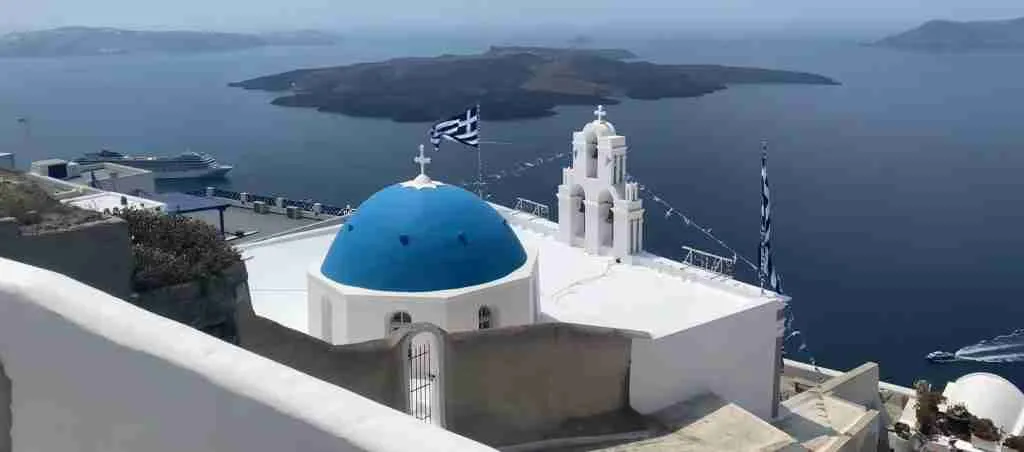
3 days
Santorini 3-Day Discovery Tour
- ✓ Comprehensive Santorini experience
- ✓ Expert local guides included
- ✓ All accommodation included
- ✓ Transportation provided

5 days
Santorini 5-Day Highlights Experience
- ✓ Comprehensive Santorini experience
- ✓ Expert local guides included
- ✓ All accommodation included
- ✓ Transportation provided
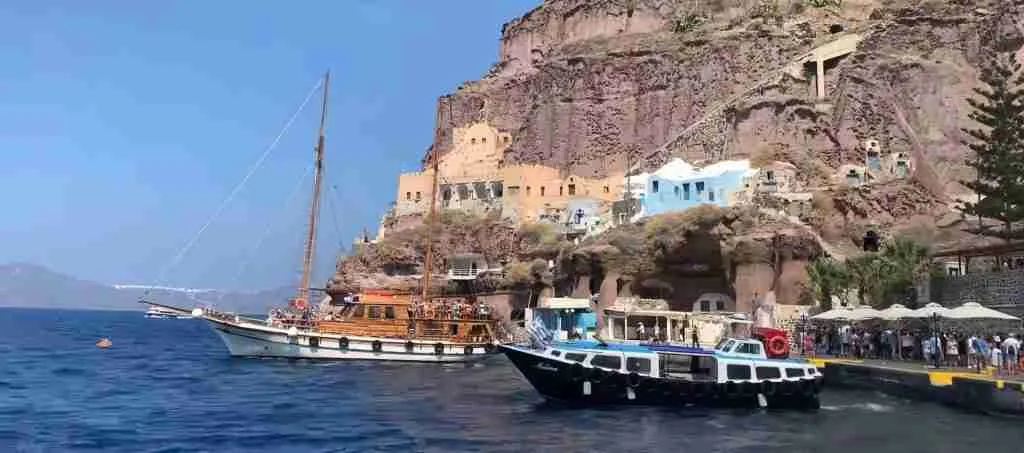
7 days
Santorini 7-Day Cultural Journey
- ✓ Comprehensive Santorini experience
- ✓ Expert local guides included
- ✓ All accommodation included
- ✓ Transportation provided

10 days
Santorini 10-Day Complete Adventure
- ✓ Comprehensive Santorini experience
- ✓ Expert local guides included
- ✓ All accommodation included
- ✓ Transportation provided
Multi-day tour packages powered by TourRadar. Prices and availability subject to change.
Introduction to Planning Your Santorini Journey 2026
Santorini rises from the Aegean Sea as one of Earth’s most photographed destinations, its crescent shape the dramatic remnant of a massive volcanic eruption around 1600 BCE that some scholars link to the Atlantis legend. Today, approximately 15,000 permanent residents share their 76-square-kilometer island with over 2 million annual visitors drawn by sunsets framed through blue-domed churches, cave hotels carved into volcanic cliffs, and views across the flooded caldera to the still-active Nea Kameni volcano. Yet this spectacular beauty comes with equally spectacular prices that can shock unprepared travelers encountering €12 cocktails, €400 nightly hotel rooms, and €80 dinners as standard rather than splurges.
Planning Santorini effectively for 2026 requires understanding three fundamental realities that govern both costs and experiences. First, location determines everything—accommodation, dining, and entertainment on the western caldera edge (Fira, Firostefani, Imerovigli, Oia) command 200-400% premiums over the eastern beach side (Kamari, Perissa, Monolithos), yet 90% of Instagram imagery focuses solely on these expensive western villages creating unrealistic expectations. Second, seasonal timing profoundly impacts both pricing and crowds, with June-August peak season bringing suffocating tourist density, maximum accommodation rates, and restaurant reservations required days ahead, while April-May and September-October shoulder months deliver 40-50% cost savings, pleasant weather, and dramatically reduced crowds. Third, Santorini’s small size—just 18 kilometers north to south—makes every location accessible within 30-45 minutes by bus or rental vehicle, meaning budget accommodations in Perissa don’t prevent sunset viewing in Oia or wine tasting in Megalochori.
The 2026 travel landscape shows continued post-pandemic tourism growth with demand approaching 2019 peak levels, driving accommodation prices up 15-25% compared to 2024-2025 while infrastructure improvements lag behind visitor numbers. Ferry companies have added capacity on the Athens-Santorini route with 5-8 daily departures in summer, yet Athinios Port remains congested during afternoon arrival windows when multiple ferries dock simultaneously. Budget accommodation options have decreased as property owners convert traditional hotels to luxury boutiques targeting Instagram-era aesthetics, pushing budget travelers toward Kamari and Perissa or forcing earlier booking windows to secure reasonable rates.
This comprehensive planning guide addresses the practical realities of visiting Santorini in 2026 with verified current pricing across accommodation, transportation, dining, and activities. You’ll discover exactly what different budget levels actually buy, which money-saving strategies deliver real value versus diminish experiences, how transportation logistics actually work rather than how they theoretically should, and which tourist traps to avoid while identifying genuine must-see attractions. Whether you’re planning a romantic getaway, family vacation, photography expedition, or wine-focused cultural journey, the following sections provide the detailed cost breakdowns, timing strategies, and insider knowledge to transform Santorini’s challenging logistics and premium pricing into a smoothly executed, memorable travel experience that aligns your budget with your expectations.
Understanding Santorini in 2026: Geography, Climate, and Tourism Patterns
Santorini’s distinctive crescent shape and dramatic topography fundamentally shape how visitors experience the island and where costs concentrate. The western caldera edge rises 300 meters above sea level in sheer cliffs formed by the volcanic explosion, creating the iconic cliff-top setting for Fira, Firostefani, Imerovigli, and Oia where sunset views command premium prices. The eastern side slopes gently to black-sand beaches at Kamari, Perissa, and Perivolos, offering swimming access, flatter terrain, and significantly lower accommodation costs. The island’s southern tip holds the archaeological site of Akrotiri (the ancient Minoan city preserved under volcanic ash) and the island’s airport, while the interior contains traditional villages including Pyrgos, Megalochori, and Emporio along with numerous wineries producing distinctive volcanic-soil wines.
Climate patterns in 2026 follow typical Mediterranean cycles with hot, dry summers and mild, occasionally rainy winters. April temperatures range 15-21°C with occasional April showers marking the tail end of winter precipitation, making this an excellent shoulder-season choice with blooming wildflowers and minimal crowds. May delivers 18-25°C with reliable sunshine, warm enough for swimming and ideal for hiking the Fira-Oia caldera trail before summer heat intensifies. June-August peak season brings 25-30°C temperatures, intense sun requiring sunscreen and shade strategies, hot accommodation prices, and massive tourist crowds that can see 5-6 cruise ships disgorging 15,000 day-trippers into Fira and Oia simultaneously. September maintains summer warmth at 22-28°C with gradually decreasing crowds and accommodation availability improving, while October (18-24°C) offers perhaps the best balance of pleasant weather, thin crowds, reasonable prices, and full operational hours before winter closures begin in November.
Tourism patterns show distinct high and shoulder seasons affecting both pricing and experience quality. Peak season (late June through August) delivers maximum costs, minimum availability, restaurant reservations essential days ahead, sunset viewing spots crowded 90 minutes before sunset, and beaches packed with umbrellas and loungers. Shoulder seasons (April-May and September-October) cut accommodation costs 40-50%, eliminate most reservation pressures, provide elbow room at sunset spots, yet maintain full restaurant and attraction operations. Low season (November-March) sees many hotels, restaurants, and tour operators close entirely, ferry schedules reduce to 1-2 daily options, and weather becomes unpredictable with rain and wind, though rates drop to annual minimums for properties remaining open. The ideal timing balance typically falls in May or late September when weather reliability, operational hours, crowd levels, and pricing align most favorably.
Best Time to Visit Santorini 2026: Seasonal Analysis and Strategic Timing
Selecting your travel dates for Santorini in 2026 represents the single most impactful decision affecting costs, crowds, weather reliability, and overall experience quality. Each season delivers distinct advantages and compromises that align differently with various traveler priorities and constraints.
April 2026 (Early Shoulder Season) brings spring awakening as hotels and restaurants reopen after winter closures, wildflowers bloom across hillsides, and temperatures climb to 15-21°C. Accommodation rates remain at annual lows with quality mid-range hotels in Fira available for €100-€180 versus €250-€400 in summer, while flights and ferries from Athens cost 25-35% less than peak season. Tourist crowds remain minimal with sunset viewing spots nearly empty and restaurant reservations unnecessary except Easter weekend. Swimming proves marginal with sea temperatures around 16-17°C and some beaches still setting up summer facilities. Occasional spring showers occur 4-6 days monthly, making waterproof layers advisable. This month suits budget-conscious travelers, photography enthusiasts seeking dramatic spring light, and couples wanting intimate experiences without summer masses.
May 2026 (Prime Shoulder Season) emerges as many experts’ favorite month, delivering 18-25°C temperatures, 10-11 hours daily sunshine, warming seas (18-19°C making swimming pleasant for most), blooming bougainvillea adding vivid color, and hotel/restaurant full operations. Accommodation costs sit 30-40% below July-August peaks while availability remains excellent, ferries run frequent schedules, and tourist numbers stay manageable. The Fira-Oia hiking trail offers ideal conditions before summer heat becomes oppressive. Wine tourism peaks as vineyards prepare for harvest with tasting room availability guaranteed. Only significant drawback involves some beach facilities still completing setup early in the month.
June 2026 (Early Peak Season) marks summer’s official arrival with 22-28°C temperatures, zero rain probability, sea temperatures reaching 21-22°C (ideal swimming), and full tourist infrastructure operating. Crowds build steadily through the month with the final week approaching August-level density, particularly on weekends. Accommodation rates jump 50-70% above shoulder season with popular properties requiring 3-4 month advance booking. Sunset viewing areas in Oia begin crowding heavily, restaurant reservations become advisable 2-3 days ahead, and beach loungers fill by mid-morning. Ferry and flight availability remains good early month but tightens toward month’s end. This timing suits travelers constrained to early summer dates seeking guaranteed weather without absolute peak pricing.
July-August 2026 (Peak Season) delivers Santorini’s most challenging conditions despite perfect weather with 25-30°C temperatures and zero rain. Tourist density reaches suffocating levels with 10,000-15,000 daily cruise ship arrivals in Fira creating pedestrian gridlock in narrow streets, sunset viewing in Oia requiring arrival 90+ minutes early to secure good spots, popular restaurants fully booked days ahead, beaches packed solid with paid loungers, and authentic Greek atmosphere buried under commercial tourism machinery. Accommodation costs peak at €250-€450 for mid-range caldera properties and €600-€1,500+ for luxury cave suites, requiring 4-6 month advance booking. Ferry and flight prices rise 40-60% above shoulder months with sellouts common on weekends. Only choose these months if schedule constraints allow no flexibility, traveling with school-age children, or specifically desiring peak social energy and guaranteed 30°C beach weather despite crowds and costs.
September 2026 (Late Shoulder Season) provides arguably optimal timing with 22-28°C maintained through mid-month, sea temperatures at annual warmest (23-24°C), crowds thinning dramatically after September 15 as schools resume across Europe, accommodation rates dropping 30-40% from August peaks, and sunset spots regaining civilized viewing space. Full restaurant and attraction operations continue while reservation pressures ease significantly. Ferry and flight availability improves with pricing retreating toward shoulder levels. Later September sees gradual temperature decline to 18-22°C by month’s end with first autumn rains possible final week. This month combines summer weather quality with shoulder-season pricing and crowd levels, making it ideal for flexible travelers seeking maximum value.
October 2026 (Late Shoulder Season) extends pleasant conditions through mid-month with 18-24°C temperatures, 8-9 hours sunshine daily, sea temperatures remaining swimmable at 20-21°C, and accommodation bargains emerging as low-season approaches. Tourist numbers drop to annual lows with intimate experiences easily achieved and spontaneous restaurant seating common. Some establishments begin closing for winter renovation in late October, ferry schedules reduce slightly, and rain probability increases to 5-7 days monthly. Book accommodations carefully to avoid properties closing early or offering reduced services. This month attracts budget travelers, couples seeking privacy, and locals who consider October Santorini’s hidden treasure month.
November-March 2026 (Low Season) sees 30-50% of hotels, restaurants, and tour operators close entirely, ferry schedules reduced to 1-2 daily options, weather turning unpredictable with rain, wind, and 12-18°C temperatures making swimming impractical. Accommodation rates drop to annual minimums (€60-€120 for properties remaining open) but choices narrow severely. Avoid unless specifically seeking winter solitude, working remotely for extended periods, or combining Santorini with broader Greek itineraries when weather proves irrelevant.
Getting to Santorini 2026: Ferry and Flight Options From Athens
Reaching Santorini from Athens in 2026 involves choosing between flying (45-60 minutes, €50-€130) or ferry travel (5-11 hours, €48-€186 depending on vessel type), with decision factors including available time, budget constraints, travel experience preferences, and environmental considerations. Both options offer reliable service with multiple daily departures during peak season, though booking strategies and arrival logistics differ significantly.
Flying Athens to Santorini 2026
Aegean Airlines, Sky Express, and Ryanair operate 8-12 daily flights from Athens International Airport (ATH) to Santorini Airport (JTR) between April and October, reducing to 4-6 daily in winter months. Flight duration runs 45-60 minutes with pricing ranging €50-€130 for economy class depending on booking timing, airline, and seasonal demand. Aegean Airlines (Greece’s flagship carrier) offers most departures with best reliability but highest base fares (€80-€130 typical), while Ryanair provides budget options (€50-€90) with stricter baggage restrictions and less flexible change policies. Sky Express sits middle ground with €60-€100 fares and regional Greek route network.
Book flights 2-3 months ahead for summer travel to secure lower fares and preferred times, as prices increase 40-60% for last-minute bookings. Morning departures (06:00-09:00) typically cost €10-€20 less than midday or evening flights due to business traveler demand. Factor checked baggage fees (€20-€35 per bag with Ryanair, included with Aegean higher fare classes) when comparing total costs. Flying makes sense for trips under 4 days when 5-8 hours ferry time consumes excessive vacation hours, travelers prone to seasickness, or those prioritizing arrival energy over journey experience.
Santorini Airport sits 6 kilometers southeast of Fira with taxi transfers costing €25-€35 to Fira (15 minutes), €35-€45 to Oia (25 minutes), and €15-€20 to Kamari/Perissa (10 minutes). KTEL buses connect airport to Fira hourly for €2.50 but require navigating luggage on crowded buses. Pre-book private transfers (€30-€40 for Fira, €40-€50 for Oia) through services like Welcome Pickups for driver meeting you at arrivals with name sign, avoiding taxi queues and price negotiations.
Ferry Athens to Santorini 2026: Routes and Vessel Types
Piraeus Port in Athens serves as primary ferry terminal for Santorini with 5-8 daily departures during April-October peak season, reducing to 1-2 daily November-March. Rafina Port (30 kilometers east of Athens, closer to airport) offers 2-4 daily summer departures with faster airport access but fewer total options. Ferry operators include Blue Star Ferries (conventional vessels), SeaJets (high-speed catamarans), and Cyclades Fast Ferries (mid-speed vessels), each offering different price-speed-comfort balances.
High-speed ferries operated by SeaJets complete the Athens-Santorini route in 4.5-5.5 hours for €89-€109 economy seating, €120-€140 business class, and €135-€186 for cabin accommodations. These catamarans provide air-conditioned interiors, assigned seating, cafe/bar service, and fastest travel times, though rough seas can cause uncomfortable motion and occasional cancellations. Popular vessels include WorldChampion Jet and Champion Jet 2 with modern facilities and reliable schedules.
Conventional ferries operated by Blue Star complete the journey in 7.5-8 hours for €57-€70 economy deck, €75-€95 for airline-style seating, and €120-€160 for cabin berths. Blue Star Naxos, Blue Star Patmos, and Blue Star Delos offer more stable rides in rough seas, spacious open decks for Aegean views and photography, more affordable pricing, and relaxed boarding procedures. These vessels appeal to budget travelers, those enjoying sea voyages as part of the experience, travelers bringing vehicles (€180-€260 for cars), and anyone prone to seasickness who values stability over speed.
Mid-speed ferries by Cyclades Fast Ferries bridge the gap at 10-11 hours duration for €48-€75, offering economy pricing with somewhat faster times than conventional vessels though less schedule frequency and older vessel conditions.
Ferry Booking and Port Logistics 2026
Book ferry tickets through Ferryhopper.com (most reliable booking platform with no hidden fees, real-time tracking, and e-ticket delivery) 2-3 months ahead for July-August travel when popular departures sell out. Early booking secures seats and preferred vessel types rather than price discounts, as ferry fares remain relatively stable year-round. Tickets arrive via email as e-tickets requiring smartphone access or printed copy for boarding.
Piraeus Port location: 20 kilometers south of Athens center, accessible via Metro Line 1 (green line) to Piraeus station (60 minutes from central Athens, €1.40), taxi (€25-€35 from city center, 30-45 minutes depending traffic), or Airport Bus X96 (€6 adults, 60-90 minutes). Santorini ferries depart from Gates E6, E7, E8, and E10—confirm exact gate on ticket and arrive 60-90 minutes before departure during summer when port crowds intensify. Cafes, luggage storage, and ATMs available near ferry gates.
Rafina Port location: 30 kilometers east of Athens, 35 kilometers from Athens Airport, accessible via KTEL bus from airport (€3, 30 minutes, hourly service) or taxi (€40-€50 from airport). This port offers smaller scale, less congestion, and faster airport access, ideal for travelers arriving Athens by air and immediately connecting to ferry. Fewer total departures and vessel options compared to Piraeus.
Santorini arrival occurs at Athinios Port on the western coast, 8 kilometers south of Fira. Port congestion during summer afternoon arrivals when 3-4 ferries dock simultaneously creates chaotic scenes with hundreds of passengers competing for limited buses and taxis. Pre-book private transfer (€40-€60 for Fira/Kamari/Perissa, €70-€90 for Oia) for driver meeting you at port exit with name sign, eliminating stress and delays. KTEL buses wait for all ferry arrivals (€2-€2.50 to Fira, 15-20 minutes) but expect crowding, luggage challenges, and potential waits if bus fills before your position in queue. Taxis in limited supply (approximately 40 island-wide) creating 30-60 minute queues at peak arrival times—never rely on catching taxi at port without advance booking (+30 22860 22555).
Accommodation Costs and Strategies 2026
Santorini accommodation costs in 2026 span extraordinary range from €23 hostel dormitories to €2,500+ luxury cave suites, with location, view access, season, and booking timing determining where your budget falls within this spectrum. Understanding the stark price differences between caldera-view and beach-side properties, recognizing which amenities justify premiums versus constitute tourism markup, and timing reservations strategically separate savvy travelers from those overpaying for equivalent experiences.
Budget Accommodation in Santorini (€23-€80 Per Night)
Budget accommodation concentrates in Kamari, Perissa, and Karterados village where hostel dormitories cost €23-€50 per bed, basic guesthouses run €40-€70 for private doubles, and simple studios with kitchenettes range €60-€80 nightly. Properties in this tier typically offer air conditioning, private or shared bathrooms, WiFi, and locations within 5-10 minutes walking of beaches (Kamari/Perissa) or bus stations (Karterados). Fira Backpackers Place in Fira delivers budget accommodation (€30-€55 dormitories) with surprising quality including small pool, clean facilities, and 5-minute walk to central bus station, though street noise impacts light sleepers. Villa Agas in family-oriented area offers budget pricing (€40-€65) with pool facilities and authentic neighborhood setting.
Budget travelers achieve best value staying Perissa or Kamari where €50-€80 secures clean, well-located doubles versus €120-€180 for equivalent quality in Fira. Both beach towns provide extensive taverna choices at €15-€25 per meal, direct bus connections to Fira every 15-30 minutes in summer (€1.80, 15 minutes), swimming beach access, and relaxed atmosphere free from caldera-side tourist intensity. Trade sunset views for sunrise perspectives, accept 25-30 minute bus rides to Oia for sunset, and gain authentic Greek town feel with local bakeries, supermarkets, and family-run businesses.
Mid-Range Accommodation in Santorini (€120-€350 Per Night)
Mid-range properties deliver comfortable, well-appointed rooms with modern amenities, often including small pools, breakfast service, and strategic locations balancing convenience and value. In Kamari and Perissa, €120-€180 secures quality 3-4 star hotels with sea views, pool facilities, and beachfront or near-beach positions. Fira mid-range hotels in €180-€280 range offer central location, some with partial caldera views, walking distance to restaurants and nightlife, and access to cliff-edge walking paths. Properties like Anteliz Suites in Fira average €235 nightly for boutique design, caldera proximity, and contemporary Cycladic architecture.
The €250-€350 range in Firostefani or Imerovigli (quieter caldera villages between Fira and Oia) begins accessing actual caldera views, cave-style architecture, and small private terraces, though not yet achieving the full luxury experience. This tier represents sweet spot for travelers wanting caldera access without luxury pricing, accepting smaller rooms and limited amenities compared to €500+ properties.
Mid-range accommodation strategy: Book Kamari/Perissa for maximum value when sunset views don’t define your experience, prioritizing beach access, dining variety, and budget allocation toward activities over accommodation. Choose Fira for central positioning, nightlife access, and balance between caldera proximity and pricing. Reserve Firostefani or Imerovigli for quieter caldera experience at prices slightly below Oia, accepting smaller properties and fewer immediate dining options.
Luxury Accommodation in Santorini (€600-€2,500+ Per Night)
Luxury caldera-view properties in Oia and Imerovigli deliver the iconic Santorini experience featured in countless Instagram posts: cave suites carved into volcanic cliffs, private infinity pools or plunge pools overlooking the caldera, sunset views from private terraces, sophisticated design blending traditional architecture with contemporary luxury, personalized service, and premium positioning. Properties in €600-€1,100 range offer well-appointed cave suites with pools and views but limited additional services. The €1,100-€1,500 tier adds concierge services, on-site restaurants, spa facilities, and more exclusive positioning.
Canaves Oia Suites represents caldera luxury benchmark with refined contemporary design, private plunge pools, impeccable service, and sunset terrace views starting €1,200-€1,800 nightly in peak season. Grace Hotel Santorini in Imerovigli delivers minimalist luxury from €1,100-€1,500 with infinity pool, Michelin-level restaurant, and serene adult-only atmosphere. Private villas in Oia command €2,000-€2,500+ for 2-3 bedroom properties with multiple pools, full kitchens, and dedicated concierge service, justifiable only for groups of 4-6 splitting costs or special-occasion splurges.
Luxury accommodation considerations: Caldera-view properties concentrate scenic spectacle into your hotel rather than exploring wider island, potentially limiting authentic cultural experiences. Many luxury guests never venture beyond Oia-Fira corridor, missing inland villages, southern beaches, and local tavernas. €1,500 for 2 nights in luxury cave suite (€3,000 total) alternatively funds 10 nights quality mid-range accommodation plus rental car, wine tours, sailing excursion, and premium dining experiences. Luxury makes sense for honeymoons, milestone celebrations, or travelers for whom the hotel defines the destination rather than facilitates exploration.
Booking Strategies and Timing for 2026
Book Santorini accommodation 3-4 months ahead for June-August peak season when popular properties sell out and remaining options command premium pricing. Quality mid-range hotels in Fira, Imerovigli, and Oia requiring specific dates in July-August benefit from 4-month advance booking, while Kamari and Perissa properties with greater supply accommodate 2-3 month booking windows. Shoulder season (April-May, September-October) allows 1-2 month advance booking with good selection and pricing, though popular boutique properties still reward early reservation.
Use Booking.com for widest selection, transparent pricing, and flexible cancellation policies (many properties offer free cancellation up to 7-14 days before arrival). Cross-reference Airbnb for apartment rentals and traditional houses, particularly valuable for groups of 4+ where 2-bedroom apartments (€150-€300 nightly) beat equivalent hotel rooms. Hotels.com and Expedia occasionally offer loyalty discounts but provide similar inventory to Booking.com. Always book direct with property after finding via booking platforms to inquire about direct-booking discounts (5-10% savings common), complimentary upgrades, or welcome amenities, though verify cancellation terms match platform bookings.
Climate Crisis Resilience Fee adds €1.50-€10 per room per night in 2026 based on hotel star rating (1-star: €1.50, 2-star: €3, 3-star: €4.50, 4-star: €7, 5-star: €10), collected at checkout and appearing separate from room rate in final bill. Factor this fee into budget calculations as it applies to all accommodation types.
Transportation Within Santorini 2026
Getting around Santorini’s 18-kilometer length and 12-kilometer width involves navigating an island where public buses provide budget connectivity, rental vehicles offer flexibility and exploration freedom, taxis exist in severely limited supply, and terrain featuring steep cliffs, narrow streets, and limited parking creates logistical challenges regardless of transportation choice. Your selection between KTEL buses (€2-€2.50 per trip), rental cars (€30-€50 daily), ATVs (€30-€45 daily), scooters (€20-€30 daily), or taxis (€4 starting fee plus €1 per kilometer) fundamentally shapes both costs and daily scheduling flexibility.
KTEL Public Bus System 2026
KTEL operates Santorini’s public bus network with Fira serving as central hub where all routes originate and terminate, meaning travel between any two non-Fira locations requires two buses and two tickets. Routes connect Fira to Oia (€2.20, 20 minutes, every 15-20 minutes in summer), Kamari (€1.80, 15 minutes, every 15-20 minutes), Perissa (€2.40, 20-25 minutes, every 20-30 minutes), Akrotiri (€2.50, 30 minutes, every 30-60 minutes), airport (€2.50, 15 minutes, hourly), and Athinios Port (€2.50, 20 minutes, timed for ferry arrivals/departures). Night buses operate midnight-07:00 at reduced frequency for €2.50-€3.10.
Buy tickets in cash (euros only) directly on bus from conductor who collects fares as you board at main stations or comes to seats after departure at smaller stops. No credit cards accepted, no advance booking possible, no bus pass options exist. Conductors provide small bills change but carrying exact change (€2-€3 coins) expedites boarding. Buses display destination and route number clearly, with posted schedules at main stations (though summer frequency means simply waiting at Fira station for your route typically involves 10-20 minute maximum wait).
KTEL buses work excellently for budget travelers, solo travelers without rental license, and anyone making targeted trips Fira-to-Oia for sunset, Fira-to-beach, or accommodation-to-airport. System limitations include inability to reach interior villages (Pyrgos, Megalochori, Emporio) efficiently, no service to many wineries and viewpoints, crowding during peak summer with potential standing-room-only conditions, and luggage challenges when traveling airport/port routes with large bags. The requirement to return to Fira between any two non-Fira destinations doubles trip time—traveling Oia to Akrotiri requires bus to Fira (20 minutes, €2.20), wait at Fira station (10-30 minutes), bus to Akrotiri (30 minutes, €2.50), total 60-80 minutes and €4.70 for a route requiring 25 minutes by rental vehicle.
Rental Cars in Santorini 2026
Rental cars provide optimal transportation flexibility in Santorini for 2+ travelers sharing costs, allowing spontaneous schedule changes, easy access to interior villages and wineries, luggage accommodation, and freedom from bus timetables. Daily rates range €30-€50 for economy vehicles (Hyundai i10, Fiat Panda, Toyota Aygo) to €60-€90 for mid-size sedans and €80-€120 for SUVs, with prices increasing 20-30% during July-August peak demand. Book through aggregators like RentalCars.com or Discover Cars comparing local agencies (often better rates and service) versus international chains (Hertz, Avis, Budget with higher prices but wider airport presence).
Popular local agencies including Cars 4 Rent in Fira, Blue Island Rental, and Santorini Rent a Car offer competitive pricing, free airport/port delivery, 24-hour roadside assistance, and personal service from family-operated businesses. Insurance typically includes CDW (Collision Damage Waiver) reducing damage liability to €500-€800 excess, with optional SCDW (Super CDW) for €8-€12 daily reducing excess to €100-€200 or zero. International driving license not required for EU citizens (national license sufficient), while non-EU drivers should verify specific requirements.
Driving in Santorini challenges include narrow streets in Oia and Fira with tight corners requiring careful navigation, steep hills testing manual transmission skills (request automatic for €5-€10 daily premium if uncomfortable with hills), limited parking in popular areas requiring early arrival or distant parking with walking, and summer traffic congestion during 11:00-14:00 and 17:00-20:00 peak restaurant hours. Parking strategies: arrive Oia before 10:00 or after 20:00 for available spaces, use paid parking lots in Fira (€2-€3 hourly), park at hotel and walk/bus to crowded areas, or visit popular sites early morning before day-tripper surge.
Fuel costs approximately €2.10-€2.30 per liter with island-wide total driving rarely exceeding 100 kilometers weekly (one tank €60-€70 covers typical vacation). Rental cars make financial sense for 2+ people making 4+ journeys daily, as four daily bus trips (€8-€10 per person = €16-€20 for couple) versus €40 daily car rental plus fuel breaks even, while offering far superior flexibility.
ATV and Scooter Rentals 2026
ATVs (quad bikes) represent popular tourist choice in Santorini despite safety concerns, offering open-air island exploration, easy parking, and perceived adventure appeal. Rental costs €30-€45 daily for standard ATVs, €40-€60 for premium models, from agencies including Freedom Rentals (Karterados, 5 minutes from Fira), Fresh Rent, and Get Santorini Quad Rental. Rates include helmet, third-party insurance, unlimited mileage, and often free delivery to accommodation for 3+ day rentals. Scooters run €20-€30 daily offering budget alternative with better fuel economy and easier handling, though limited to paved roads versus ATVs handling rough beach access roads.
ATV considerations: Greek roads record high accident rates with ATVs particularly dangerous due to narrow tires, high center of gravity, and rider inexperience. Serious injuries and fatalities occur annually involving tourist ATV riders unfamiliar with vehicles, underestimating steep hills, or riding without proper safety gear. Insurance coverage may exclude ATV accidents or require substantial excess payments. ATVs make sense for experienced riders comfortable with risks, couples wanting romantic open-air touring, and travelers making short distances to beaches or viewpoints, but represent poor choice for inexperienced riders, families with children, or anyone uncomfortable with motorcycle-style balance demands.
Taxi Services and Private Transfers 2026
Santorini operates approximately 40 licensed taxis island-wide, creating chronic supply shortage during peak season when demand overwhelms available vehicles. Official taxis charge fixed rates: Fira-Airport €25-€35 (15 minutes), Fira-Oia €35-€45 (20 minutes), Fira-Kamari €25-€30 (15 minutes), Fira-Perissa €30-€35 (20 minutes), with rates increasing 20-30% for nighttime service (midnight-05:00). Book taxis advance through central dispatch (+30 22860 22555) rather than expecting to hail on street or find at taxi stand during busy periods—summer afternoon waits at Athinios Port can reach 60-90 minutes due to limited vehicles serving arriving ferries.
Private transfer services including Welcome Pickups, Santorini Private Transfers, and hotel-arranged transfers cost €40-€60 for airport/port to Fira or beach areas, €70-€90 for Oia, providing driver meeting arrivals with name sign, assistance with luggage, and guaranteed service eliminating taxi availability stress. Pre-book private transfers for airport/port arrivals and departures to avoid uncertainty, using taxis opportunistically when available for spontaneous trips but never counting on taxi availability as primary transportation strategy.
Food and Dining Expenses 2026
Dining costs in Santorini range more dramatically than perhaps any other Greek island, with location, view access, and tourism positioning creating 200-400% price variations for similar food quality. Understanding where costs concentrate, which dining categories deliver authentic value, and how location selection impacts daily food budgets separates €30-€40 daily dining costs from €100-€150 expenses for comparable cuisine and portions.
Budget Dining in Santorini (€15-€25 Per Meal)
Budget dining in Santorini centers on gyros shops, bakeries, supermarket supplies, and traditional tavernas in Kamari, Perissa, and inland villages. Gyros (meat wrapped in pita with vegetables, tzatziki sauce) costs €3-€4 at shops including Lucky’s Souvlakis and Yogi Gyros in Fira, Falafeland for grab-and-go options, and numerous Kamari/Perissa establishments. A gyros plate (open-face version with fries, salad, double meat) runs €7-€10 providing substantial portions sufficient for hearty appetites.
Bakeries offer morning solutions with coffee-and-pastry combinations €4-€6, spanakopita (spinach pie) €3-€4, and pizza slices €3-€5, ideal for breakfast or quick lunches. Supermarkets in Fira, Kamari, and Perissa sell picnic supplies: fresh bread €1-€2, local cheese €3-€5 per 200g, tomatoes and vegetables €1-€3 per kilo, bottled water €0.50-€1 for 1.5 liters. Assembling beach picnics or simple apartment meals cuts costs dramatically while providing authentic market shopping experiences.
Traditional tavernas in Perissa, Kamari, and inland villages charge €15-€25 per person for complete meals including appetizer, main course, and house wine or beer. God’s Garden, Poseidon, Lava, and Volcano in Perissa deliver honest Greek taverna cooking at fair prices with generous portions. Galini taverna in Monolithos serves fresh fish, moussaka, stuffed grape leaves, and traditional dishes €12-€20 per meal. These establishments provide authentic local atmosphere, family-run hospitality, and food quality matching or exceeding expensive caldera-view restaurants at 40-60% lower costs.
Budget dining strategy: Start days with bakery coffee and pastry (€5), lunch on gyros or supermarket picnics (€5-€8), dinner at tavernas in Kamari/Perissa or inland villages (€15-€22), occasional splurge caldera-view dinner (€40-€70). This pattern delivers €25-€35 daily food costs per person with satisfying variety and authentic experiences.
Mid-Range Dining in Santorini (€25-€50 Per Meal)
Mid-range restaurants throughout Fira, Kamari, Perissa, and interior villages offer elevated Greek cuisine, fresh seafood, international options, and comfortable settings without caldera-view premiums. Expect €10-€18 appetizers (Greek salad €10-€12, fava bean puree €8-€10, grilled octopus €14-€18), €18-€32 main courses (moussaka €16-€20, fresh fish €20-€32 by weight, lamb chops €18-€24, pasta dishes €14-€18), and €4-€7 house wine or €5-€8 local beer. Complete meal with appetizer, main, drink, and dessert totals €30-€45 per person.
Lithos Restaurant demonstrates mid-range value with fresh meat never frozen (rotating quickly in summer), tasty pork remaining moist and tender, reasonable pricing offering €12-€18 main courses alongside €25-€35 premium options, and authentic Greek hospitality. Restaurants slightly inland from main Fira caldera walkway (parallel streets 50-100 meters back) provide similar food quality at 20-30% lower prices simply by losing sunset views.
Mid-range dining delivers excellent food quality, comfortable ambiance, and fair pricing for travelers wanting elevated cuisine beyond basic tavernas without paying caldera-view premiums. Wine selection expands to include quality Santorini labels (Assyrtiko, Vinsanto) at €20-€35 per bottle versus €5-€8 house options.
Premium and Caldera-View Dining (€40-€120+ Per Meal)
Caldera-view restaurants in Oia, Imerovigli, and Fira’s cliff-edge positions command €40-€70 per person for dinner without sunset reservations, rising to €70-€120 for prime sunset-time tables at premium establishments. Food quality varies dramatically—some venues deliver exceptional cuisine justifying premium pricing through Michelin-level preparations, local ingredient sourcing, and sophisticated wine programs, while others serve mediocre food relying entirely on view access to justify inflated prices.
Caldera restaurants charging €25-€40 for main courses, €12-€18 for appetizers, and €12-€18 for house wine glasses create €60-€90 per person dinner costs before wine bottles (€40-€80 for quality Santorini labels). Sunset dinner reservations require booking 3-7 days ahead during peak season, with restaurants enforcing arrival time windows (18:30-19:30 typical for 20:00-20:30 sunset viewing) and sometimes minimum spending requirements (€50-€80 per person).
Premium dining evaluation: Santo Wines terrace offers spectacular caldera views with wine tasting flights (€15-€25 for 4 wines) and light plates (€12-€18), avoiding full restaurant prices while accessing sunset perspectives. Purchasing wine at supermarkets (quality Assyrtiko €8-€15 per bottle versus €40 restaurant markup) for hotel consumption substitutes expensive wine-bar experiences. Consider one splurge sunset dinner for the experience, but recognize €120 for two people with moderate wine alternatively funds three excellent mid-range taverna dinners with superior food quality and authentic atmosphere.
Specialty Foods and Santorini Wine 2026
Santorini’s volcanic soil produces distinctive agricultural products worthy of tasting including white eggplant (sweeter, less bitter than standard), fava beans (dried yellow split peas creating creamy puree), cherry tomatoes (intense concentrated flavor), and capers. Local specialties appear on most menus: fava me kreммýdi (fava puree with caramelized onions, €8-€12), tomatokeftedes (fried tomato balls, €8-€10), and dishes featuring local seafood.
Santorini wine, particularly Assyrtiko white wine and Vinsanto dessert wine, deserves attention for quality and uniqueness driven by volcanic terroir, traditional basket-vine training protecting grapes from wind, and indigenous varietals found nowhere else. Estate Argyros, Gaia Wines, Santo Wines, and Domaine Sigalas produce exceptional bottles available €15-€35 at wineries versus €40-€80 in restaurants. Winery visits with tastings cost €15-€30 per person for 4-6 wines, providing education, views, and direct purchasing at producer prices. Wine-focused travelers should allocate €50-€80 for winery visits and bottle purchases, experiencing Santorini’s premier agricultural product at source rather than paying restaurant markups.
Attraction and Activity Costs 2026
Santorini’s attractions span free caldera viewpoints and hiking trails to paid archaeological sites, organized tours, and water activities, with strategic selection balancing experiences across zero-cost nature access and premium guided experiences ranging €20-€150 per person.
Free and Low-Cost Activities
Fira to Oia hiking trail represents Santorini’s premier free activity, covering 10 kilometers along caldera cliffs with spectacular views, passing through Firostefani and Imerovigli, requiring 2.5-4 hours depending on pace and photo stops. Start early morning (07:00-08:00) before heat intensifies, carry 2 liters water per person, wear sturdy shoes for uneven volcanic paths, and time finish for Oia sunset if desired. This trail delivers views costing hundreds of euros nightly at caldera hotels, absolutely free with only personal effort required.
Sunset viewing from Oia castle ruins or Imerovigli’s Skaros Rock costs nothing beyond bus fare (€2.20 from Fira), though requires arriving 60-90 minutes early during peak season for good positions as crowds build substantially. Alternative sunset spots in Akrotiri’s lighthouse area, Santo Wines terrace (free viewing with wine purchase €5-€8 per glass), or simply Fira’s caldera walkway provide equally spectacular sunsets with far fewer crowds.
Beach access remains free at Kamari, Perissa, Perivolos, Monolithos, and Red Beach, though sunbed and umbrella rental runs €8-€12 per set daily at organized sections. Many beach tavernas waive sunbed fees (€40-€50 value for full-day use) with food or drink purchase (€15-€25 per person), making beach days with lunch essentially free beyond meal costs. Swimming, beach walking, and coastal exploration provide zero-cost leisure time.
Village wandering in Pyrgos (highest village with fortress monastery), Megalochori (traditional architecture, minimal tourism), and Emporio (medieval castle ruins, authentic cafes) costs nothing while offering cultural immersion and photography opportunities without Oia’s crowds and commercial atmosphere.
Paid Attractions and Entry Fees
Akrotiri Archaeological Site showcases remarkably preserved Minoan Bronze Age city buried by volcanic eruption circa 1600 BCE, offering frescoes, multi-story buildings, advanced plumbing systems, and insights into pre-eruption civilization. Entry costs €12 adults, €6 seniors/students, free under 18, open 08:00-20:00 April-October, 08:00-15:00 November-March. Allow 60-90 minutes for thorough exploration with excellent English signage explaining discoveries. This site ranks among Greece’s most important archaeological locations and justifies entry fee through preservation quality and historical significance.
Ancient Thera occupies dramatic mountaintop location above Kamari and Perissa, containing Hellenistic, Roman, and Byzantine ruins with spectacular coastal views. Entry free, accessible via steep hiking trail from Perissa (45-60 minutes, challenging) or rough road requiring 4WD vehicle or taxi from Kamari. Visit early morning or late afternoon avoiding midday heat on exposed hilltop. Budget 90-120 minutes for ruins exploration and view appreciation.
Santorini caldera boat trips range €40-€150 per person for half-day excursions including volcanic island visits, hot springs swimming, and sunset viewing. Economy group tours on larger sailing boats cost €40-€60 covering volcano hike (€2.50 entrance separate), Thirassia island stop, hot springs swim, and return sailing. Premium catamaran cruises with smaller groups, gourmet meals, and open bars run €100-€150 per person for 5-6 hour excursions. These trips deliver unique caldera perspectives, volcanic island access otherwise requiring separate ferry bookings, and open-water sailing experiences, justifying costs for travelers wanting comprehensive caldera exploration beyond land-based viewpoints.
Wine Tours and Tastings 2026
Winery visits provide accessible introduction to Santorini’s distinctive volcanic viticulture with tours and tastings €15-€30 per person for 4-6 wines, typically including estate tours, vineyard walks, and production explanations. Santo Wines offers spectacular caldera views with tasting flights €15-€25, Domaine Sigalas (included in Wine & Spirits magazine Top 100 Wineries worldwide) provides serious wine education €20-€30, and Estate Argyros showcases traditional basket-vine techniques €18-€25. Most wineries welcome walk-in visitors April-October 10:00-18:00 though reservations recommended for peak summer afternoons.
Organized wine tours with transportation, guide, and multiple winery visits cost €65-€95 per person for half-day experiences covering 3-4 estates. These packages work well for non-drivers, wine novices wanting educational context, and efficient coverage of dispersed inland winery locations.
Daily Budget Breakdowns 2026
Understanding realistic daily costs in Santorini requires examining complete budget scenarios across accommodation, food, transportation, and activities for budget-conscious, mid-range, and luxury travel styles. The following breakdowns reflect typical spending patterns using prices from authoritative sections above.
Budget Daily Costs Santorini 2026 (€65-€90 Per Person)
Budget travelers staying Kamari or Perissa hostels and guesthouses, eating primarily at gyros shops and tavernas, using public buses exclusively, and accessing free attractions achieve €65-€90 daily spending. Accommodation €23-€50 (hostel dormitory or shared guesthouse room, detailed in Accommodation Costs section), breakfast €5 (bakery coffee and pastry), lunch €6-€8 (gyros or supermarket picnic), dinner €15-€22 (traditional taverna meal with house wine, covered in Food and Dining Expenses section), transportation €4-€8 (2-4 bus trips at €2-€2.50 each, referenced in Transportation section), activities €0-€10 (free hiking and beaches, occasional paid entry). Total daily cost €65-€90 per person excluding accommodation, or €88-€140 including accommodation.
Budget strategy emphasizes Kamari/Perissa base for €30-€40 lower accommodation costs versus Fira, morning bakery starts, gyros lunches, traditional taverna dinners avoiding caldera restaurants, KTEL buses for all transportation, free Fira-Oia hiking trail, beach days with no sunbed rentals, and limiting paid attractions to 1-2 entries weekly.
Mid-Range Daily Costs Santorini 2026 (€180-€300 Per Person)
Mid-range travelers booking Fira or Firostefani hotels, dining mix of tavernas and restaurants, renting vehicles or using taxis strategically, and including several paid activities budget €180-€300 daily. Accommodation €180-€280 (mid-range Fira hotel or eastern beach-area quality property, from Accommodation section), breakfast €8-€12 (hotel breakfast or cafe), lunch €15-€25 (restaurant meal or upgraded taverna), dinner €30-€50 (mid-range restaurant, detailed in Food and Dining section), transportation €20-€30 (rental car €40 split between two people plus fuel, or taxi trips, covered in Transportation section), activities €20-€40 (winery visit, boat tour contribution, archaeological site entry). Total daily cost €180-€300 per person excluding accommodation, or €360-€580 including accommodation.
Mid-range strategy balances Fira location providing caldera access with central positioning, rental car or ATV providing exploration freedom, mix of budget tavernas and mid-range restaurants, one caldera-view dinner weekly as splurge, organized activities including wine tours or boat excursions, and accommodation comfort without luxury pricing.
Luxury Daily Costs Santorini 2026 (€600-€1,400+ Per Person)
Luxury travelers occupying caldera-view cave suites, dining at premium restaurants, using private transfers and tours, and accessing exclusive experiences spend €600-€1,400+ daily. Accommodation €600-€1,500 (luxury caldera suite with private pool, from Accommodation section), breakfast €15-€25 (hotel breakfast or premium cafe), lunch €40-€70 (caldera-view restaurant), dinner €70-€120 (premium sunset restaurant with wine, detailed in Food and Dining section), transportation €50-€100 (private transfers, rental car with premium vehicle, or taxi exclusivity), activities €100-€200 (private catamaran charter, helicopter tour, premium wine experiences). Total daily cost €600-€1,400+ per person excluding accommodation, or €1,200-€2,900+ including accommodation.
Luxury strategy emphasizes Oia or Imerovigli caldera suite defining experience, private sunset terraces eliminating public viewing crowd navigation, premium dining at top restaurants, private tours avoiding group schedules, and exclusive activities like helicopter flights or private yacht charters creating VIP island experiences.
Sample 3-Day Itinerary Santorini 2026
This mid-range three-day itinerary balances major attractions, authentic experiences, budget management, and realistic timing for first-time visitors, with daily costs referencing authoritative sections while providing complete standalone planning guidance.
Day 1: Arrival and Fira Exploration
Morning arrival Santorini via ferry or flight (transportation costs detailed in Getting to Santorini section), pre-booked private transfer to Fira accommodation (€40-€60, covered in Transportation section). Check into mid-range Fira hotel (€180-€280 nightly from Accommodation section), settle luggage, brief rest. Late morning walk Fira’s caldera edge pathways photographing views, blue-domed churches, and cliff architecture (free activity). Lunch at inland Fira taverna avoiding caldera-edge premium pricing (€15-€22, following Food and Dining section budget strategies), Greek salad, moussaka, house wine.
Afternoon rental car pickup from Fira agency (€40 daily for economy vehicle, detailed in Transportation section) or bus to Kamari Beach (€1.80, 15 minutes, from Transportation section bus routes). Kamari beach swimming and relaxation (free), sunbed rental €10 if desired or free beach towel use. Late afternoon return Fira, evening caldera walk watching sunset from free public viewpoints. Dinner at mid-range Fira restaurant with partial caldera views (€30-€45 per person, from Food and Dining mid-range category). Accommodation €180-€280, meals €48-€70, transport €40-€60, activities €0. Total Day 1: €268-€410 excluding accommodation, €448-€690 including accommodation.
Day 2: Oia, Villages, and Wine Country
Early breakfast at Fira bakery (€5-€6, budget dining strategy from Food and Dining section). Morning drive to Oia (15 minutes, free parking before 10:00 arrivals) or bus (€2.20, 20 minutes, detailed in Transportation section). Explore Oia’s marble pathways, castle ruins, art galleries, and caldera viewpoints (free, 2-3 hours allowing photography and cafe stops). Mid-morning coffee at Oia cafe with caldera views (€5-€8).
Midday drive inland to Pyrgos village (10 minutes from Oia, accessible only by rental vehicle), explore medieval fortress, traditional architecture, authentic cafes (free activity). Lunch at Pyrgos taverna offering local atmosphere without tourist pricing (€15-€20, budget-to-mid-range dining from Food and Dining section). Afternoon winery visits: Estate Argyros for traditional basket-vine techniques (€18-€25 tasting, detailed in Attraction and Activity Costs section), then Santo Wines for spectacular caldera views and wine flights (€15-€25 from Activities section). Purchase bottles for hotel consumption (€15-€30, wine discussion in Food and Dining Specialty Foods section).
Return Fira early evening, sunset viewing from hotel terrace or public caldera spots (free). Dinner at traditional taverna in Kamari or Perissa if willing to drive (€15-€22 following budget dining strategies), or mid-range Fira restaurant (€30-€40). Accommodation €180-€280, meals €45-€74, transport €0 (using rental car from Day 1), wine tastings and purchases €48-€80. Total Day 2: €93-€154 excluding accommodation, €273-€434 including accommodation.
Day 3: Beaches, Archaeology, and Departure
Breakfast at hotel or Fira bakery (€5-€10). Morning drive to Akrotiri Archaeological Site (20 minutes south from Fira, requires rental car), explore remarkably preserved Minoan city (€12 entry per person from Attraction Costs section, 60-90 minutes). Continue to Red Beach near Akrotiri for unique red volcanic cliff scenery and swimming (free access, 30-minute visit including short hike from parking).
Drive to Perissa Beach (10 minutes from Red Beach) for final swimming and beach relaxation (free, sunbed €10 optional). Lunch at Perissa beachfront taverna (€15-€25 per person, budget-mid-range dining from Food section). Early afternoon return Fira, rental car return to agency, organize luggage. Optional afternoon visit Ancient Thera if time permits before departure (free entry, covered in Attraction Costs section, requires 45-minute steep hike or €30 taxi from Kamari).
Late afternoon private transfer to airport or ferry port (€40-€60, from Transportation section), departing Santorini with comprehensive island experience balancing major attractions, authentic villages, beaches, archaeological sites, wine culture, and diverse dining across budget categories. Accommodation €180-€280, meals €35-€60, entry fees €12-€24, transport €40-€60. Total Day 3: €87-€144 excluding accommodation, €267-€424 including accommodation.
Three-Day Total Costs: €448-€708 per person excluding accommodation (€149-€236 daily average), or €988-€1,548 including accommodation (€329-€516 daily average). This mid-range itinerary demonstrates realistic Santorini costs balancing quality experiences, authentic culture, major attractions, and budget consciousness without extreme luxury or severe penny-pinching.
Money-Saving Strategies for Santorini 2026
Strategic cost management in Santorini involves location choices, timing decisions, dining selections, and transportation optimization that together reduce expenses 40-60% compared to conventional tourist approaches while maintaining excellent experiences.
Accommodation Cost Reduction
Book Kamari or Perissa for €120-€250 mid-range hotels versus €250-€450 equivalent quality on caldera, saving €130-€200 nightly (detailed in Accommodation Costs section). Choose April-May or September-October shoulder season for 40-50% accommodation discounts versus June-August, transforming €280 Fira hotels into €140-€180 properties. Consider Airbnb apartments for groups of 4+ where 2-bedroom units (€150-€300 nightly) beat equivalent hotel rooms while adding kitchen facilities enabling grocery shopping and meal preparation cutting food costs 50-70%.
Dining Cost Optimization
Eat gyros and bakery items for breakfast and lunch (€3-€8 per meal, from Food and Dining budget category), reserving sit-down restaurant experiences for dinners at inland tavernas (€15-€25 versus €40-€70 caldera restaurants, covered in Food section). Purchase wine at supermarkets (quality Assyrtiko €8-€15 per bottle) rather than restaurants (€40-€80 markup), drinking on hotel terraces or sunset viewpoints. Limit caldera-view dining to one special dinner per visit, recognizing €120 for two people alternatively funds four excellent traditional taverna meals with superior food quality.
Seek restaurants on parallel streets 50-100 meters inland from Fira’s caldera edge where identical food quality costs 20-30% less simply losing sunset views. Look for beach tavernas waiving sunbed fees (€40-€50 value) with meal purchase (€15-€25), effectively providing free beach lounging. Time main meals strategically: breakfast bakery (€5), substantial late lunch at taverna (€15-€22 with leftovers), light dinner or snacks avoiding second full restaurant meal.
Transportation Savings
Use KTEL buses exclusively (€2-€2.50 per trip, detailed in Transportation section) rather than taxis (€25-€45 typical trips, from Transportation Taxi section), saving €20-€40 daily for travelers making 3-4 daily movements. For 2+ people making 4+ trips daily, rental car (€40 daily plus €10 fuel, covered in Transportation Rental Cars section) beats bus costs (€8-€10 per person daily = €16-€20 for couple) while adding flexibility justifying slight premium.
Book private transfers for airport/port arrivals and departures (€40-€60, from Transportation section) but use buses for all other island transportation, avoiding taxi dependency. Rent vehicles for 2-3 days mid-trip covering wineries, beaches, and villages requiring car access, using buses for Fira-Oia and Fira-beach runs where bus service works excellently.
Activity Cost Management
Prioritize free activities including Fira-Oia hiking trail (premier island experience, zero cost), sunset viewing from public viewpoints, beach access, and village exploration over paid tours (€40-€150, from Attraction Costs section). Select 1-2 paid attractions strategically: Akrotiri Archaeological Site (€12, justifies cost through unique preservation, covered in Attractions section) and one winery visit (€15-€25 from Activities section wine discussion) providing education and local product access.
Skip organized boat tours (€40-€150 from Attractions section) unless specifically prioritizing volcanic island access, substituting free caldera views from land-based hiking trail and sunset spots. Avoid helicopter tours, private yacht charters, and premium experiences delivering Instagram moments at €200-€500+ per person when equivalent perspectives available through hiking and public viewpoints.
Essential Planning Tips 2026
Advance Reservations and Booking Timeline
Book Santorini accommodation 3-4 months ahead for June-August peak season (detailed in Accommodation Booking Strategies section), 1-2 months for shoulder season. Reserve ferry tickets 2-3 months ahead for July-August weekend departures (covered in Ferry Booking section). Sunset restaurants requiring caldera-view tables need 3-7 days advance reservations during peak season. Rental cars, especially in high season, benefit from 2-4 week advance booking through aggregator sites.
Cash and Payment Logistics
Carry cash (euros) for KTEL buses (cash only, no cards accepted, detailed in Transportation KTEL section), small tavernas, beach sunbed rentals, and backup payment when cards decline. ATMs available in Fira, Oia, Kamari, and Perissa dispense €20-€50 denominations. Most hotels, restaurants, and rental agencies accept credit cards though 2-3% surcharges sometimes apply. Notify card companies of Greece travel dates avoiding fraud blocks.
Luggage and Arrival Strategies
Pack light recognizing steep stairs, uneven paths, and limited elevator access in caldera villages. Athinios Port cable car charges €10 per bag for luggage transport (referenced in Money-Saving Strategies hidden costs discussion). Pre-book private transfers (€40-€60, from Transportation section) for airport/port arrivals eliminating taxi uncertainty and managing luggage efficiently. Hotels typically accommodate early check-in luggage storage when rooms aren’t ready.
Safety and Health Considerations
Santorini sun intensity requires high-SPF sunscreen, hats, and afternoon shade strategies, particularly June-August when temperatures reach 28-30°C. Steep caldera stairs and hiking trails demand sturdy footwear, not flip-flops or fashion sandals. Tap water considered non-potable—purchase bottled water €0.50-€1 for 1.5 liters at supermarkets. Travel insurance covering medical emergencies, trip cancellation, and lost luggage recommended given premium costs and ferry/flight dependencies.
Sustainable Tourism Practices
Santorini’s tourism success creates environmental strain including water scarcity (island ships water from mainland), waste management challenges, and overtourism pressure on Oia and Fira infrastructure. Support sustainability by staying longer (5-7 days) rather than quick 2-day visits maximizing ferry/flight carbon per experience day, shopping at local markets and traditional businesses, respecting archaeological sites and natural areas, using refillable water bottles rather than buying disposable plastic, and visiting shoulder season reducing peak-period infrastructure stress.
Frequently Asked Questions About Santorini 2026
How Many Days Should I Spend in Santorini?
Three to five days provides ideal duration for comprehensive Santorini experiences in 2026 without rushing or exhausting available attractions. Three days covers essential experiences: Fira exploration and sunset viewing, Oia village with photography, one beach day at Kamari or Perissa, Akrotiri archaeological site, and one winery visit, following the Sample 3-Day Itinerary structure. Four to five days adds deeper exploration of interior villages (Pyrgos, Megalochori, Emporio), multiple beach experiences, additional wineries, boat excursion to volcanic islands, Ancient Thera visit, and relaxed pacing without daily packed schedules. Less than three days feels rushed given ferry/flight time investment reaching the island. More than five days suits photographers seeking specific light conditions, wine enthusiasts exploring comprehensive tasting programs, couples on honeymoons prioritizing relaxation over sightseeing, or travelers using Santorini as base for day trips to nearby Cycladic islands.
Can I Visit Santorini on a Tight Budget?
Budget travel in Santorini proves challenging but achievable through strategic choices detailed in Daily Budget Breakdowns section, spending €65-€90 daily per person excluding accommodation or €88-€140 including budget accommodation. Essential strategies include staying Kamari or Perissa hostels and guesthouses (€23-€50 nightly from Accommodation Budget section), eating gyros and taverna meals avoiding caldera restaurants (€15-€25 daily food costs from Food and Dining Budget category), using KTEL buses exclusively (€4-€8 daily transportation from Transportation KTEL section), focusing on free activities including Fira-Oia hiking trail and beach access, and limiting paid attractions to Akrotiri site (€12 from Attraction Costs section). Shoulder season timing (April-May, September-October covered in Best Time to Visit section) cuts accommodation costs 40-50% compared to summer while maintaining excellent weather. Budget travelers should recognize Santorini ranks among Greece’s most expensive islands—comparable experiences in Naxos, Paros, or Milos cost 30-50% less, making those alternatives preferable for extremely tight budgets while Santorini suits travelers accepting premium pricing for iconic scenery.
Do I Need to Rent a Car in Santorini?
Car rental provides significant advantages in Santorini for 2+ travelers making comprehensive island exploration, though KTEL buses adequately serve travelers focusing on Fira-Oia-beaches circuit as detailed in Transportation section comparisons. Rent cars when planning to visit multiple interior villages (Pyrgos, Megalochori, Emporio), tour several wineries in one day (wineries lack bus service, covered in Wine Tours section), access beaches beyond Kamari and Perissa, or travel with mobility limitations or young children making bus travel challenging. Rental costs (€30-€50 daily from Transportation Rental Cars section) split between two people competes favorably with taxi expenses (€25-€45 per trip from Transportation Taxis section) while providing schedule flexibility. Skip car rental when staying exclusively in Fira with Oia sunset trips and single beach destination, traveling solo where per-person rental costs exceed bus expenses, uncomfortable driving narrow roads and steep hills, or prioritizing environmental impact over convenience. Alternative: rent car for 2-3 days mid-trip covering wine country and beaches, using buses for Fira-Oia and major tourist corridor movements where bus service works excellently.
Is Santorini Suitable for Families With Children?
Santorini accommodates families with children aged 8+ comfortably but presents challenges for families with toddlers and young children due to steep stairs, cliff-edge walkways without barriers, limited sandy beaches, sophisticated restaurant atmosphere, and premium pricing making budget family travel difficult. Family-friendly aspects include: safe swimming at Kamari and Perissa black-sand beaches with gentle entry, KTEL buses providing economical transportation (children under 4 free, covered in Transportation section), archaeological sites offering educational experiences, and family rooms or apartments available across accommodation categories. Challenging aspects: caldera villages feature steep staircases (200-300 steps Fira to old port), narrow walkways with cliff drops unsuitable for strollers, most beaches feature pebbles rather than sand, limited dedicated children’s attractions or activities, and restaurant culture emphasizing adult dining over family-friendly casual atmosphere. Best family strategies: stay Kamari or Perissa for beach access and flatter terrain, book apartments with kitchens allowing meal flexibility, rent car avoiding bus challenges with children, visit shoulder season (April-May, September-October from Best Time section) reducing crowds and costs, and set realistic expectations that Santorini serves primarily adult romantic getaway destination rather than dedicated family resort island.
What Should I Pack for Santorini?
Essential Santorini packing for 2026 includes: sturdy walking shoes with good traction for caldera hiking trail and village cobblestones, not just flip-flops or sandals; high-SPF sunscreen and after-sun lotion for intense Mediterranean sun; wide-brimmed hat and sunglasses providing eye and face protection; lightweight layers for evening breezes despite warm days; modest clothing covering shoulders and knees for monastery and church visits; swimsuit and beach towel for swimming at Kamari, Perissa, or boat excursions; refillable water bottle reducing plastic waste and costs (bottled water €0.50-€1 from Money-Saving Strategies section); European plug adapter (Type C and F two-pin) for electronics charging; waterproof phone case protecting devices near water; small day backpack for hiking trail water, snacks, and camera equipment; basic first aid including blister treatments given extensive walking; and copies of accommodation confirmations, ferry tickets, and insurance documents. Summer packing (June-August): prioritize sun protection, swimwear, evening mosquito repellent. Shoulder season (April-May, September-October): add light jacket for evening temperature drops to 15-18°C. Winter visits: pack layers, rain gear, and warm clothing for 12-18°C temperatures and wind.
How Do I Avoid Tourist Traps in Santorini?
Avoiding Santorini tourist traps requires recognizing overpriced mediocrity disguised by location premiums and Instagram appeal. Red flags include: restaurants with menu photos and aggressive hosts soliciting customers on caldera walkway (quality venues don’t need aggressive marketing), caldera-view restaurants charging €40-€70 per person while serving frozen ingredients and microwaved dishes (view premium doesn’t guarantee food quality from Food and Dining Premium section), jewelry stores, art galleries, and souvenir shops in Oia and Fira offering imported items labeled “handmade Greek” at inflated prices, organized tours promising “authentic experiences” while herding groups through commercial venues paying kickbacks, and sunset cruises overselling capacity resulting in crowded uncomfortable experiences. Smart alternatives: eat at tavernas in Kamari, Perissa, or inland villages where locals dine (€15-€25 per meal from Food section Budget Dining category), purchase wine directly from wineries (€15-€35 bottles versus €40-€80 restaurant markup covered in Wine Tours section), shop at local supermarkets and bakeries experiencing authentic Greek commerce, use public KTEL buses rather than overpriced “hop-on-hop-off” tourist buses (€2-€2.50 versus €20-€30 from Transportation section), and prioritize free activities including hiking trails, village exploration, and public viewpoints over paid tours where nature and history remain accessible without commercial mediation.
What is the Best Area to Stay in Santorini for First-Time Visitors?
Fira represents optimal base location for first-time Santorini visitors in 2026, balancing caldera access, central transportation hub, accommodation variety across budget ranges, vibrant nightlife, restaurant diversity, and walking distance to major attractions as detailed in Accommodation Costs and Strategies section. Fira advantages: serves as KTEL bus system hub providing direct connections to Oia, Kamari, Perissa, airport, and port without transfers (covered in Transportation KTEL section); offers accommodation €100-€450 nightly spanning budget guesthouses to luxury caldera suites (from Accommodation section price ranges); provides extensive dining from €15 tavernas to €70 premium restaurants (Food and Dining section categories); features caldera walking path connecting to Firostefani and Imerovigli; and concentrates shopping, services, ATMs, rental agencies within compact walkable area. Fira compromises: steeper accommodation costs than Kamari/Perissa beaches (€180-€280 versus €120-€180 for equivalent quality from Accommodation section), night noise in central areas from bars and clubs, steeper pricing on average across dining and services versus beach towns. Alternative first-timer base: Kamari for budget-conscious travelers prioritizing beach access and cost savings (detailed in Where to Stay question in People Also Ask section), accepting 20-minute bus rides to Fira and 40-minute trips to Oia. Avoid Oia for first-time base despite romantic appeal—limited accommodation diversity, highest island prices, crowds overwhelming experience, and peripheral location requiring transportation to reach beaches, Fira, and other attractions.
Can I Do a Day Trip to Santorini From Athens?
Day trips to Santorini from Athens prove technically possible but logistically challenging and experientially unsatisfying, requiring 45-minute flight each direction (€50-€130 from Getting to Santorini Flight section) plus airport transit time totaling 4-5 hours travel for 5-6 hours island time, or 5-hour minimum high-speed ferry each direction (€89-€109 from Ferry section) consuming 10+ hours travel leaving essentially zero meaningful island exploration. Flight-based day trips arriving Santorini 09:00-10:00 and departing 17:00-18:00 provide 7-8 hours for rapid Fira exploration, taxi to Oia (€35-€45 from Transportation Taxis section, 25 minutes), brief Oia photography, and return—missing beaches, wineries, archaeological sites, hiking trails, relaxed dining, and sunset viewing while spending €100-€200 transportation plus €50-€80 taxis and meals for extremely superficial experience. Ferry day trips prove impossible given 5-8 hour each-direction travel times consuming entire day. Better alternatives: allocate minimum 2-3 full days for Santorini justifying travel time and costs, or substitute single-day Delphi, Hydra, or Aegina trips from Athens providing meaningful experiences within day-trip timeframes. Santorini deserves overnight stays experiencing sunset, evening atmosphere, morning light, and comprehensive island exploration impossible in rushed day-trip schedules.
What Are the Best Restaurants in Santorini?
Top Santorini restaurants in 2026 span budget tavernas delivering authentic Greek cuisine to premium establishments offering sophisticated dining, with quality distributed across price categories rather than concentrated in expensive caldera-view venues. Budget-to-mid-range excellence (€15-€30 per person from Food and Dining section categories): God’s Garden in Perissa serves traditional taverna dishes with generous portions, honest pricing, and family hospitality; Ntomatini in Perissa offers elevated Greek cooking beyond standard taverna fare; Lithos Restaurant provides fresh meat, tasty preparations, and fair pricing with traditional atmosphere; Galini taverna in Monolithos delivers authentic waterfront dining with fresh fish and local specialties. Mid-range quality (€30-€50 per person): restaurants on parallel streets inland from Fira’s caldera edge offer excellent food quality minus view premiums; various Kamari and Perissa establishments provide creative Greek cuisine, fresh seafood, and comfortable settings at reasonable prices. Premium dining: Santo Wines terrace combines spectacular caldera views with quality wine flights €15-€25 and light plates avoiding full restaurant premiums (covered in Wine Tours section); select caldera restaurants in Oia and Imerovigli justify €70-€120 per person costs through exceptional cuisine rather than solely view access, though many caldera venues serve mediocre food relying entirely on location. Best restaurant strategy: eat authentic tavernas for most meals, splurge one premium caldera dinner for atmosphere and views, seek inland locations avoiding tourist corridor markup, ask locals for current recommendations as quality varies year-to-year with chef changes.
Is Santorini Overrated or Worth the Hype?
Santorini delivers on its scenic promises with caldera views, whitewashed villages, and sunset spectacles genuinely matching or exceeding photographic representations, making it objectively spectacular rather than overrated from pure aesthetics perspective. The “overrated” criticism emerges from disconnect between expectations and reality across three dimensions. First, cost expectations: many travelers underestimate premium pricing (€250-€1,500 nightly luxury accommodations from Accommodation Luxury section, €40-€120 caldera dining from Food Premium section) relative to equivalent Greek islands offering similar beaches, villages, and culture at 40-60% lower costs. Second, crowd management: peak season (June-August covered in Best Time section) brings suffocating tourist density with 10,000+ daily cruise arrivals creating gridlock in Fira and Oia, sunset viewing requiring 90-minute early arrival, and authentic Greek culture buried under commercial tourism machinery. Third, Instagram versus reality: social media creates expectations of private romantic experiences when reality involves sharing viewpoints with hundreds of selfie-stick wielding tourists and navigating overcrowded narrow streets. Santorini deserves visit for its genuine geological drama, distinctive volcanic landscapes, quality wine culture, and unparalleled sunset aesthetics, but manages expectations by: visiting shoulder season (April-May, September-October from Best Time section) for 50% fewer crowds and 40% lower costs; allocating 4-5 days experiencing full island beyond Instagram hotspots; staying eastern beach areas for authentic Greek town feel versus pure tourism centers; and recognizing Santorini represents luxury destination requiring premium budget or significant compromises, not budget backpacker paradise.