Santiago Travel Guide 2026: Complete City Guide
Key Takeaways for Your 2026 Santiago Visit
- Santiago offers exceptional value with daily budgets ranging from $60-150 depending on travel style
- The best time to visit in 2026 spans October through April with optimal weather and accessibility
- Providencia and Las Condes neighborhoods provide the safest and most convenient base for visitors
- The metro system makes city exploration efficient at just $0.80-1.00 per ride using the BIP! card
- Day trips to Cajón del Maipo, wine valleys, and Valparaíso expand your Santiago experience significantly
- Book Cerro San Cristóbal funicular and popular wine tours 2-3 days in advance during peak season
Introduction to Santiago 2026
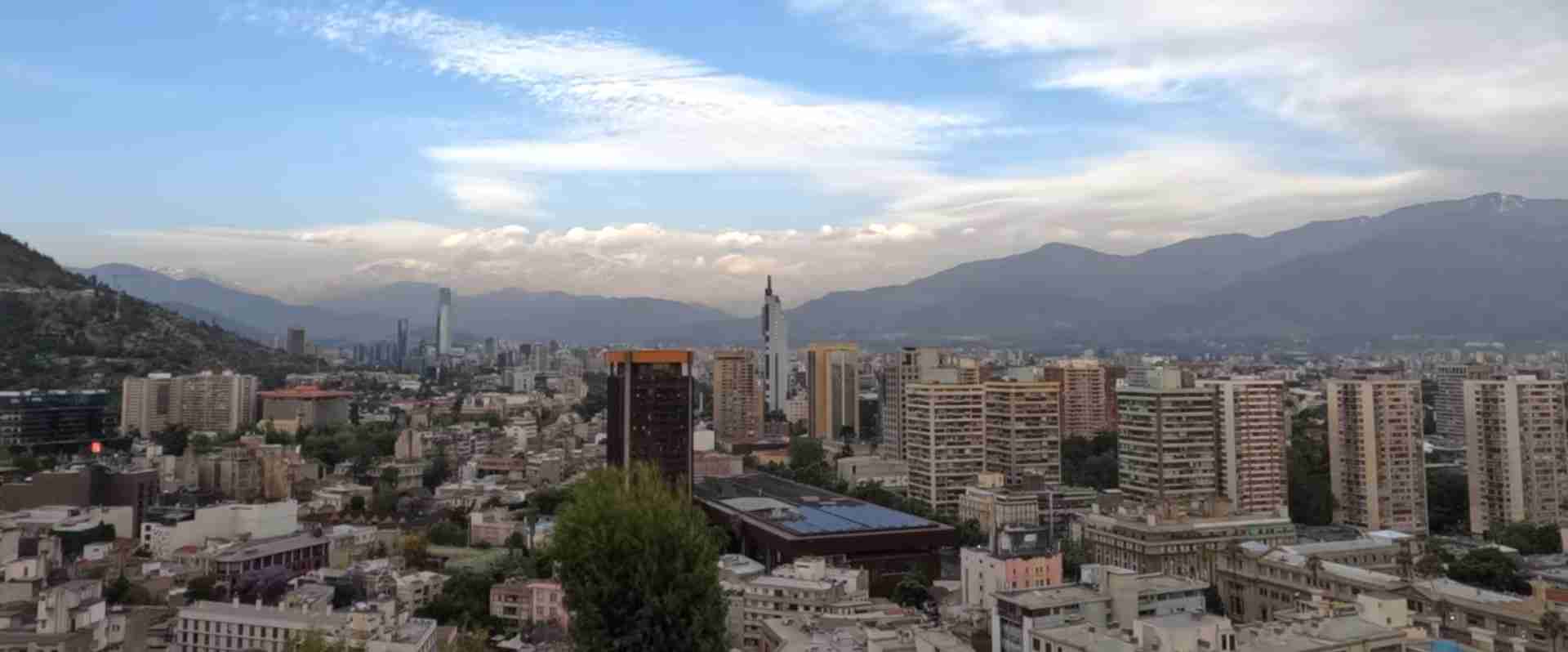
Santiago de Chile stands as one of South America’s most dynamic and accessible capital cities, offering 2026 visitors a compelling blend of modern sophistication and traditional Chilean culture. Nestled in the Central Valley with the snow-capped Andes Mountains creating a dramatic eastern backdrop, Santiago serves as the political, cultural, and economic heart of Chile. The city’s 7 million metropolitan residents inhabit diverse neighborhoods ranging from the historic colonial center to gleaming financial districts, each contributing unique character to this sprawling urban landscape.
For 2026 travelers, Santiago represents an ideal gateway to Chile’s remarkable diversity. Within a single day, you can explore pre-Columbian art at world-class museums, sample fresh seafood at the famous Mercado Central, ascend Cerro San Cristóbal for panoramic city views, and toast the sunset with wines from nearby valleys. The city’s geographic position makes it equally convenient for venturing north to the Atacama Desert, south to Patagonia, or west to the Pacific coast and the colorful port city of Valparaíso.
The Chilean capital has undergone significant transformation in recent years, with improved infrastructure, expanded metro lines, and revitalized neighborhoods making independent exploration more rewarding than ever. English proficiency continues to improve in tourist-facing businesses, though learning basic Spanish phrases enhances interactions with locals who appreciate the effort. Safety standards in central neighborhoods compare favorably with major European cities, though standard urban awareness remains essential.
People Also Ask About Santiago 2026
How many days do you need in Santiago in 2026?
Three to four days provides ideal time to experience Santiago’s highlights in 2026. This allows one day for the historic center and markets, one day for Cerro San Cristóbal and Bellavista neighborhood exploration, and one to two days for day trips to wine valleys or Cajón del Maipo. Visitors with limited time can see core attractions in two full days, while those planning extensive day trips should budget five to seven days using Santiago as their base.
Is Santiago Chile expensive to visit in 2026?
Santiago offers moderate costs compared to other major South American capitals in 2026. Budget travelers spend $50-70 per day including hostel accommodation, local food, and public transport. Mid-range visitors budget $100-150 daily for comfortable hotels, restaurant meals, and guided tours. Luxury travelers encounter costs of $250-400 daily for premium hotels, fine dining, and private experiences. Overall, Santiago costs less than Buenos Aires and comparable to Lima for similar standards (check current exchange rates as prices fluctuate).
What is the best neighborhood to stay in Santiago in 2026?
Providencia ranks as the top choice for most 2026 visitors, offering safety, excellent restaurants, and easy metro access to all major attractions. Las Condes appeals to luxury travelers seeking upscale hotels and proximity to fine dining. Lastarria suits boutique hotel seekers wanting walkable access to museums and cafés. Bellavista works for nightlife-focused visitors comfortable with edgier urban environments. Santiago Centro provides budget options near historic sites but requires extra vigilance, particularly after dark.
When is the best time to visit Santiago in 2026?
October through April delivers the best conditions for Santiago visits in 2026. The Southern Hemisphere spring (October-November) brings mild temperatures and blooming parks. Summer (December-February) offers warm, dry weather ideal for outdoor activities, though this coincides with peak tourism and higher prices. Autumn (March-April) provides pleasant temperatures, harvest festivals, and moderate crowds. Winter (June-August) suits budget travelers and ski enthusiasts, with Valle Nevado just 90 minutes away.
Extended multi-day tours – 5+ days
Featured Central Chile Multi-Day Tour Packages
3 days
Central Chile 3-Day Discovery Tour
- ✓ Comprehensive Central Chile experience
- ✓ Expert local guides included
- ✓ All accommodation included
- ✓ Transportation provided
5 days
Central Chile 5-Day Highlights Experience
- ✓ Comprehensive Central Chile experience
- ✓ Expert local guides included
- ✓ All accommodation included
- ✓ Transportation provided
7 days
Central Chile 7-Day Cultural Journey
- ✓ Comprehensive Central Chile experience
- ✓ Expert local guides included
- ✓ All accommodation included
- ✓ Transportation provided

10 days
Central Chile 10-Day Complete Adventure
- ✓ Comprehensive Central Chile experience
- ✓ Expert local guides included
- ✓ All accommodation included
- ✓ Transportation provided
Multi-day tour packages powered by TourRadar. Prices and availability subject to change.
Essential Planning Information for Santiago 2026
Visa Requirements and Entry for 2026
Citizens of the United States, Canada, European Union countries, Australia, and most other Western nations enter Chile visa-free for tourism stays up to 90 days in 2026. Upon arrival at Arturo Merino Benítez International Airport (SCL), immigration officers issue a Tourist Card (Tarjeta de Turismo) that must be retained for departure. The reciprocity fee previously charged to US, Canadian, and Australian citizens was eliminated, simplifying entry procedures.
Passport validity must extend at least six months beyond your intended departure date. Immigration officers may request proof of onward travel and accommodation reservations, though enforcement varies. The airport immigration process averages 20-45 minutes during busy periods, with automated e-gates available for eligible passport holders.
Currency and Payment Methods in 2026
The Chilean Peso (CLP) serves as local currency, with exchange rates fluctuating around 900-1,000 CLP per US dollar (verify current rates before travel). ATMs throughout Santiago dispense pesos with reasonable fees, typically 3,000-5,000 CLP per transaction from international cards. Credit cards gain acceptance at most hotels, restaurants, and shops in tourist areas, though small vendors and markets often require cash.
Foreign tourists qualify for VAT exemption (19%) on accommodations when paying with foreign credit cards or US dollars at participating hotels. Request this discount explicitly when booking or checking in, as not all properties automatically apply it. Currency exchange offices (casas de cambio) offer competitive rates in the centro and major shopping areas.
Health and Safety Considerations for 2026
Santiago requires no special vaccinations for entry in 2026. Tap water meets potable standards throughout the city, though travelers with sensitive stomachs may prefer bottled water initially. Air quality occasionally deteriorates during winter months (June-August) when thermal inversions trap pollution, affecting visitors with respiratory sensitivities.
Safety in Santiago compares favorably with most major cities when standard precautions apply. Petty theft and pickpocketing occur in crowded areas, particularly Mercado Central, metro stations, and around Plaza de Armas. Avoid displaying expensive electronics or jewelry openly, keep valuables in front pockets or secure bags, and remain aware of your surroundings. Post-2019 social unrest has subsided, though occasional protests may affect access to Plaza Italia and surrounding areas.
Best Neighborhoods to Explore in Santiago 2026
Providencia: The Ideal Base for 2026 Visitors
Providencia emerges as Santiago’s most visitor-friendly neighborhood in 2026, combining residential charm with excellent tourist infrastructure. Tree-lined streets connect boutique hotels, diverse restaurants, and convenient metro stations, creating an ideal exploration base. The neighborhood’s safety record exceeds most central areas, allowing comfortable evening strolls and outdoor dining.
Key attractions within Providencia include the Pedro de Valdivia entrance to Cerro San Cristóbal, where the teleférico (cable car) begins its journey to the summit. The Costanera Center, South America’s tallest building, offers observation deck access at Sky Costanera for panoramic city views. Parque Bicentenario provides green space along the Mapocho River, popular with joggers, cyclists, and families.
Accommodation in Providencia ranges from budget hostels at $15-25 per night to mid-range hotels at $80-150 and luxury properties at $200-350 (check booking platforms for current rates). The neighborhood’s restaurant scene spans casual cafés, international cuisine, and upscale Chilean dining, with average meal costs of $15-35 per person.
Bellavista and Barrio Italia: Creative Districts in 2026
Bellavista pulses with artistic energy as Santiago’s bohemian heart, stretching along the base of Cerro San Cristóbal. Street art murals color building facades, craft shops sell local artisan work, and restaurants fill with locals and visitors seeking authentic experiences. La Chascona, one of Pablo Neruda’s three Chilean homes, anchors the neighborhood’s cultural significance with tours running daily from 10 AM to 6 PM at 8,000 CLP admission (check official website for current rates).
Patio Bellavista centralizes dining and nightlife options in a pedestrian-friendly complex of restaurants, bars, and boutiques. The area transforms after dark, with venues ranging from sophisticated wine bars to energetic dance clubs operating until 4 AM on weekends. Exercise increased awareness during evening visits, as the neighborhood’s popularity attracts petty criminals alongside legitimate revelers.
Barrio Italia has emerged as Santiago’s design and antique district, with converted warehouses housing vintage furniture dealers, independent designers, and specialty coffee roasters. Saturday and Sunday attract the largest crowds to browse shops and enjoy brunch at neighborhood cafés. The metro journey from Providencia takes 10 minutes to Santa Isabel station.
Santiago Centro: Historic Heart in 2026
The centro histórico preserves Santiago’s colonial heritage around Plaza de Armas, the city’s founding square established in 1541. The Metropolitan Cathedral dominates the plaza’s western edge, while the Central Post Office and National History Museum complete the ensemble of significant architecture. Government buildings including La Moneda presidential palace occupy nearby blocks, with free tours available when booked in advance through official channels.
Paseo Ahumada pedestrian street connects Plaza de Armas to Alameda, Santiago’s main thoroughfare, passing department stores, street performers, and casual eateries. The street buzzes with activity during business hours but quiets significantly after dark when the neighborhood requires extra vigilance. Most visitors explore the centro during daylight, returning to Providencia or Las Condes for evening activities.
Top Attractions and Activities in Santiago 2026
Cerro San Cristóbal Experience in 2026
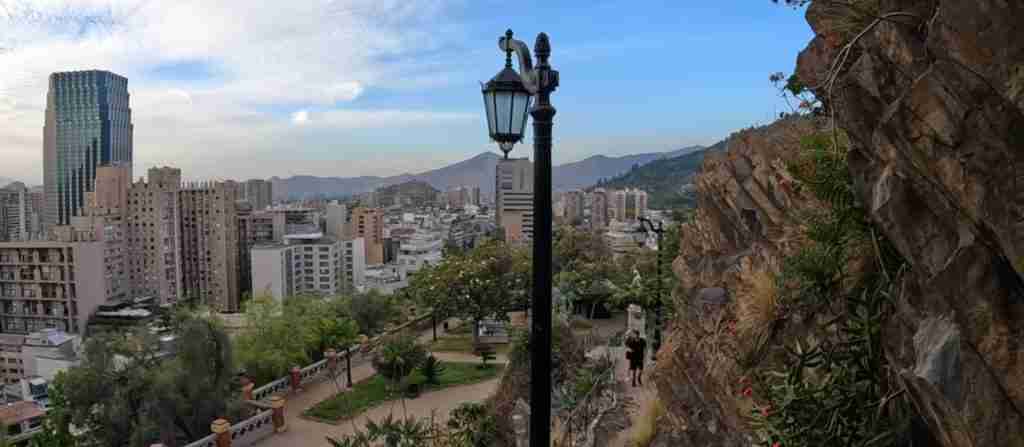
Cerro San Cristóbal dominates Santiago’s skyline at 880 meters elevation, offering the city’s finest panoramic viewpoints within the 722-hectare Parque Metropolitano. The summit features a 14-meter statue of the Virgin Mary visible throughout the city, alongside terraced viewing platforms, snack vendors, and a small chapel where Pope John Paul II celebrated Mass in 1984.
Access options suit various preferences and fitness levels in 2026. The historic funicular railway departs from Pío Nono station in Bellavista, ascending 500 meters in approximately 5 minutes with stops at the zoo and summit. Round-trip funicular tickets cost 5,850 CLP on weekends and holidays, 4,500 CLP on weekdays for adults (check official website for current rates). The teleférico cable car system connects the Pedro de Valdivia entrance to the summit via intermediate stations, with round-trip tickets at approximately 4,380 CLP on weekends.
Hikers reach the summit in 60-90 minutes via well-marked trails departing from either entrance. The climb rewards effort with changing perspectives of the city below and the Andes beyond. Early morning ascents avoid both crowds and afternoon heat, with air quality best following rainfall or windy conditions that clear atmospheric pollution.
Museum District Highlights for 2026
Santiago’s museum landscape ranks among South America’s finest, with several institutions offering free admission or minimal fees. The Museo Chileno de Arte Precolombino showcases extraordinary pre-Columbian ceramics, textiles, and metalwork from cultures spanning the Americas, housed in the elegant former Royal Customs House. Admission runs approximately 7,000 CLP for adults, with free entry on the first Sunday of each month (verify current admission policies).
The Museo de la Memoria y los Derechos Humanos provides essential context for Chile’s recent history, documenting the 1973-1990 military dictatorship through photographs, testimonials, and artifacts. The powerful exhibits require 2-3 hours to absorb properly. Admission is free, with audio guides available in English for 2,000 CLP. The museum opens Tuesday through Sunday, 10 AM to 6 PM.
The Museo Nacional de Bellas Artes occupies a stunning neoclassical building in Parque Forestal, displaying Chilean and international fine art across two floors. The Palacio de Bellas Artes building itself merits attention for its grand architecture modeled on the Petit Palais in Paris. Free admission makes this an essential stop for art enthusiasts.
Market Experiences in Santiago 2026
Mercado Central stands as Santiago’s most iconic food destination, an ornate 19th-century iron structure housing seafood vendors and restaurants under its cathedral-like canopy. National Geographic ranked it among the world’s top 10 food markets for the quality and variety of Chilean seafood on display. Outer stalls offer better value than central restaurants, with generous plates of congrio (conger eel), reineta, or mixed seafood running 12,000-20,000 CLP.
La Vega Central across the Mapocho River provides the authentic local market experience, sprawling across multiple buildings with produce, meats, cheeses, and prepared food stalls. Prices at La Vega run 30-50% below supermarket rates, attracting Santiago residents for weekly shopping. The atmosphere bustles with energy and occasional chaos, requiring attention to belongings while navigating crowded aisles. Fresh fruit juices cost 1,500-3,000 CLP, complete meals 4,000-8,000 CLP at the market’s simple restaurants.
Day Trips from Santiago in 2026
Wine Valley Excursions in 2026
Chile’s wine country surrounds Santiago, with the Maipo and Casablanca valleys accessible for half-day or full-day tours. The Maipo Valley southeast of the city specializes in Cabernet Sauvignon and Carmenère grown in the shadow of the Andes. Famous estates including Concha y Toro, Santa Rita, and Undurraga offer tours and tastings ranging from basic experiences at $26-35 to premium tastings at $50-80 per person.
The Casablanca Valley northwest of Santiago produces acclaimed white wines, particularly Sauvignon Blanc and Chardonnay, in its cooler coastal climate. Combined tours often pair Casablanca wineries with visits to Valparaíso, maximizing the day’s itinerary. Full-day wine tours from Santiago range from $80-150 per person including transport, guide, tastings, and often lunch (check tour operators for current pricing).
Cajón del Maipo Adventures in 2026
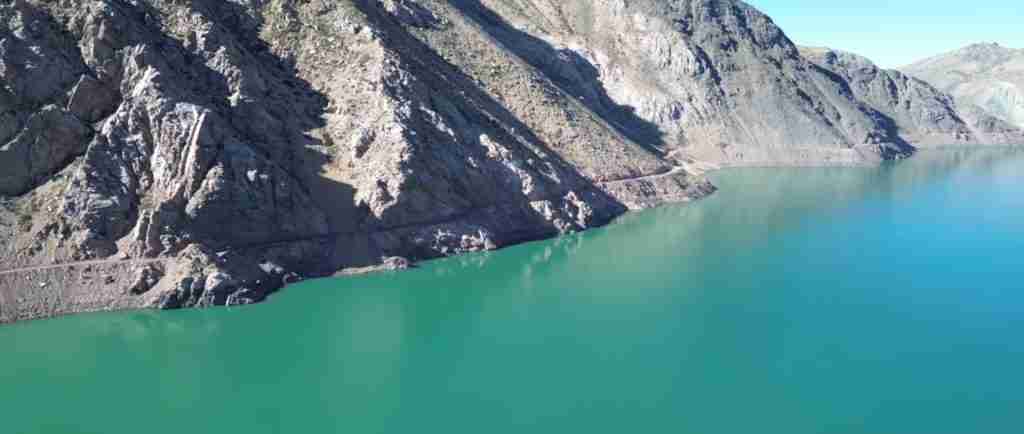
The Cajón del Maipo canyon southeast of Santiago channels the Maipo River through dramatic Andean scenery accessible within 90 minutes from the city center. The Embalse El Yeso reservoir crowns day-trip itineraries, its turquoise waters reflecting surrounding snow-capped peaks at 2,500 meters elevation. Full-day tours to El Yeso cost $40-75 per person, typically including transport, guide, and picnic lunch (verify current tour rates).
Beyond the reservoir, Cajón del Maipo offers hot springs at Termas de Colina, hiking in Monumento Natural El Morado, and adventure activities including rafting, horseback riding, and zip-lining. Independent visitors can reach San José de Maipo town by bus from Metro Bellavista de La Florida, though the rough road to El Yeso strongly favors guided tours with experienced drivers.
Valparaíso and Viña del Mar in 2026
The UNESCO World Heritage port city of Valparaíso ranks among Chile’s most visually striking destinations, its hillsides draped with colorful houses, funiculars, and street art murals. Full-day tours from Santiago combine Valparaíso exploration with visits to the adjacent beach resort of Viña del Mar and often include Casablanca Valley wine tasting, pricing $60-120 per person depending on inclusions.
Independent travelers reach Valparaíso in approximately 90 minutes via comfortable buses departing from Terminal Alameda or Terminal Pajaritos. One-way fares run 5,000-10,000 CLP depending on service class. The cities warrant overnight stays for those with time, as Valparaíso’s magic intensifies after day-trippers depart and sunset light paints the hills.
Transportation Guide for Santiago 2026
Metro System Navigation in 2026
Santiago’s metro network ranks among Latin America’s most efficient, spanning seven lines and 136 stations across the metropolitan area. Clean trains arrive every 2-5 minutes during peak hours, 5-10 minutes off-peak, operating from approximately 5:30 AM to 11 PM on weekdays with slightly later weekend service. The system connects all major tourist areas including the centro, Providencia, Las Condes, and Bellavista.
The BIP! card functions as the essential payment method for metro and buses, available at any metro station for approximately 1,550 CLP including a small initial balance. Recharge the card at station kiosks or convenience stores throughout the city. Single metro rides cost 800-920 CLP depending on time of day, with free transfers to buses within two hours of your initial tap.
Taxi and Rideshare Options in 2026
Official taxis display yellow roofs and orange-on-black license plates, with meters calculating fares from a base rate of approximately 300 CLP plus distance charges. Tipping is not expected but rounding up is appreciated. Uber and other rideshare services operate throughout Santiago, often pricing competitively with taxis while offering fare transparency and cashless payment.
From Arturo Merino Benítez Airport to central Santiago, official taxi services charge fixed rates of approximately 25,000-35,000 CLP to Providencia/Las Condes. Rideshare apps typically show 15,000-25,000 CLP for the same journey depending on traffic and demand. The TurBus airport shuttle offers budget transportation to Los Héroes metro station for approximately 2,500 CLP, running every 10-15 minutes throughout the day.
Where to Stay in Santiago 2026
Budget Accommodation Options in 2026
Hostels in Providencia and Bellavista offer dormitory beds from $12-20 per night, private rooms from $35-50. Popular properties provide breakfast, communal kitchens, and social atmospheres conducive to meeting fellow travelers. Book in advance during peak season (December-February) when demand from South American summer tourists fills affordable options.
Mid-Range Hotels for 2026
Three and four-star hotels throughout Providencia and Las Condes price between $80-150 per night for comfortable rooms with modern amenities, breakfast, and often rooftop pools or fitness centers. Aparthotels suit longer stays with kitchen facilities enabling cost savings on meals. Check booking platforms for current rates and VAT exemption eligibility.
Luxury Properties in Santiago 2026
Five-star hotels cluster in Las Condes and Vitacura, commanding rates of $200-400 nightly for premium accommodations, executive lounges, spa facilities, and concierge services. The W Santiago, Ritz-Carlton, and Mandarin Oriental represent international luxury standards, while boutique properties in Lastarria offer intimate luxury with local character.
Dining and Nightlife in Santiago 2026
Chilean Cuisine Essentials in 2026
Santiago’s food scene spans traditional Chilean preparations to innovative contemporary cuisine, with options for every budget. Must-try dishes include pastel de choclo (corn and meat casserole), cazuela (hearty soup with meat, corn, and potatoes), empanadas de pino (meat-filled pastries), and curanto (traditional southern stew). Seafood from Chile’s extensive coastline features prominently, with congrio, reineta, and locos (abalone) among local specialties.
Casual restaurants serving traditional cuisine price meals at 8,000-15,000 CLP, while upscale establishments charge 25,000-50,000 CLP for multi-course experiences. The lunch set menu (menú del día) offers exceptional value at many restaurants, providing two to three courses for 6,000-12,000 CLP.
Wine and Pisco Culture in 2026
Chile’s wine excellence extends throughout Santiago’s restaurants and dedicated wine bars. Carmenère, the country’s signature red grape, deserves sampling alongside premium Cabernet Sauvignon, Pinot Noir, and crisp Sauvignon Blanc. Wine bars in Bellavista and Lastarria pour quality glasses from 4,000-12,000 CLP, bottles from 15,000 CLP in restaurants.
Pisco, the grape-based spirit shared with Peru, stars in the pisco sour cocktail found at every establishment serving drinks. The traditional preparation combines pisco with lime juice, simple syrup, and egg white, creating a frothy, citrusy refreshment perfect for Santiago’s warm evenings. Quality pisco sours cost 4,000-8,000 CLP at most venues.
Sample 2026 Santiago Itineraries
Three-Day Santiago Itinerary for 2026
Day 1: Historic Center and Markets
Begin at Plaza de Armas for cathedral and museum visits, walk Paseo Ahumada to La Moneda palace, explore Mercado Central for seafood lunch, cross to La Vega for produce market immersion, and end at Barrio Lastarria for dinner and evening stroll. Metro $2, lunch $15-20, dinner $20-30. Total day cost: $37-52 per person (excluding accommodation).
Day 2: Cerro San Cristóbal and Bellavista
Morning hike or funicular to Cerro San Cristóbal summit, descend via teleférico to Providencia entrance, lunch in Bellavista, afternoon at La Chascona museum, evening Patio Bellavista dining and drinks. Funicular/teleférico $6-8, museum $9, lunch $15, dinner and drinks $30-40. Total day cost: $60-72 per person (excluding accommodation).
Day 3: Wine Valley Day Trip
Full-day guided tour to Maipo or Casablanca Valley including multiple winery visits, tastings, and lunch. Tour price $80-120 all-inclusive. Evening return to Santiago for final dinner at a recommended restaurant, $25-35. Total day cost: $105-155 per person (excluding accommodation).
One-Week Santiago Base Itinerary for 2026
Extend the three-day itinerary with additional day trips to Cajón del Maipo and Embalse El Yeso (Day 4), Valparaíso and Viña del Mar (Day 5), and at your own pace exploration of neighborhoods like Barrio Italia and Ñuñoa (Day 6). Reserve the final day for museum visits missed earlier, shopping for Chilean crafts and wines, and a farewell dinner at a top-rated restaurant.
Money-Saving Tips for Santiago 2026
Free museum admission on first Sundays significantly reduces cultural exploration costs. Walking between central attractions eliminates transport expenses while revealing neighborhood character. The almuerzo or menú del día lunch special delivers restaurant quality at fraction of dinner prices. Purchasing wine at supermarkets or direct from vineyards costs far less than restaurant markups. Cooking occasional meals using La Vega market ingredients stretches budgets further.
The BIP! card’s free bus transfers within two hours of metro entry maximizes transport value. Booking accommodations with breakfast included eliminates morning meal expenses. Visiting Cerro San Cristóbal by hiking trail rather than funicular saves admission costs while providing exercise. Off-season travel (May-September excluding July) reduces both accommodation rates and day trip costs.
Frequently Asked Questions About Santiago 2026
Is Santiago safe for tourists in 2026?
Santiago maintains reasonable safety for tourists exercising standard urban awareness. Stick to established tourist areas, avoid displaying valuables, use ATMs inside banks or malls, and remain vigilant in crowded markets and transit. Violent crime against tourists remains rare when basic precautions apply.
Do I need to speak Spanish in Santiago?
English proficiency in tourist-facing businesses continues improving, though basic Spanish enhances interactions significantly. Hotel staff, tour guides, and upscale restaurant servers communicate in English. Market vendors, taxi drivers, and local restaurants may require translation apps or phrase books.
What should I pack for Santiago in 2026?
Pack layers regardless of season, as Santiago temperatures swing between warm afternoons and cool evenings. Comfortable walking shoes prove essential for cobblestone streets and hillside exploration. Sunscreen and sunglasses protect against strong Chilean sun. Modest clothing suits cathedral and museum visits.
Can I drink tap water in Santiago?
Yes, Santiago’s tap water meets international potability standards. Sensitive stomachs may prefer bottled water initially while adjusting to local mineral content.
How far in advance should I book tours in Santiago?
Popular day trips to wine valleys and Cajón del Maipo book 2-3 days ahead during peak season (December-February). Last-minute availability exists during shoulder and low seasons. Hotel reservations warrant 2-4 weeks advance booking for preferred properties.
What is the tipping culture in Santiago?
Restaurant tips of 10% are customary when service charge isn’t included. Tipping taxi drivers is not expected but appreciated. Tour guides receive 5,000-15,000 CLP depending on tour length and quality. Hotel porters expect 1,000-2,000 CLP per bag.
Is Santiago worth visiting in 2026?
Absolutely. Santiago combines accessible urban exploration with spectacular day-trip possibilities, offering excellent value compared to other major capitals. The city serves as an ideal introduction to Chilean culture, cuisine, and wine while providing launching points for further adventures throughout this remarkable country.
What makes Santiago different from other South American capitals?
Santiago’s Andean backdrop, efficient infrastructure, wine country proximity, and relative safety distinguish it within the continent. The city balances modern development with preserved historic character, creating an approachable destination for visitors of all experience levels.