
Santa Elena vs Monteverde 2026: Which Cloud Forest Reserve?
This comprehensive comparison analyzes costs, wildlife opportunities, trail characteristics, crowd dynamics, and booking strategies to help travelers select the optimal cloud forest reserve for their 2026 Costa Rica adventure. Understanding the practical and philosophical differences between Santa Elena and Monteverde enables informed decisions that align with personal travel values, budget constraints, and desired wilderness experiences.
Key Takeaways
- Cost Difference: Santa Elena Reserve costs $18 per adult versus Monteverde’s $25 in 2026, offering 28% savings for budget travelers
- Crowd Control: Santa Elena receives 60-70% fewer visitors than Monteverde, providing more intimate wildlife encounters and peaceful trails
- Community Impact: Santa Elena is community-owned with proceeds funding local schools, while Monteverde operates as a private biological research reserve
- Trail Experience: Monteverde offers 13 kilometers of trails versus Santa Elena’s 12 kilometers, both providing exceptional biodiversity and canopy views
- Wildlife Spotting: Both reserves host identical species including resplendent quetzals, howler monkeys, and over 400 bird species, with Santa Elena’s lower crowds improving encounter quality
- Booking Strategy: Neither reserve requires advance reservations in 2026, but morning visits (7-9 AM) maximize wildlife activity regardless of choice
Choosing Between Santa Elena and Monteverde Cloud Forests in 2026
The Monteverde cloud forest region hosts two world-class biological reserves within 6 kilometers of each other, creating one of Costa Rica’s most challenging travel decisions. Santa Elena Cloud Forest Reserve and Monteverde Cloud Forest Biological Reserve protect nearly identical ecosystems at similar elevations (1,400-1,800 meters), yet offer dramatically different visitor experiences in 2026. The choice between these reserves depends on budget priorities, crowd tolerance, conservation values, and desired trail characteristics rather than biodiversity differences.
Both reserves protect pristine montane cloud forest characterized by perpetual mist, moss-draped trees, and extraordinary wildlife density. The Monteverde Cloud Forest Biological Reserve spans 10,500 hectares and attracts 70,000-80,000 annual visitors, establishing itself as Costa Rica’s most famous cloud forest destination since its 1972 founding by Quaker settlers. Santa Elena Cloud Forest Reserve covers 310 hectares with 15,000-20,000 annual visitors, operating as a community-managed conservation project that channels tourism revenue directly into local education.
The fundamental distinction between these reserves centers on visitor philosophy rather than ecological value. Monteverde emphasizes scientific research and environmental education through extensive infrastructure including suspension bridges, interpretive centers, and guided research programs. Santa Elena prioritizes low-impact tourism and community benefit through minimal development and local management. Both approaches produce exceptional wildlife encounters, pristine trail systems, and unforgettable cloud forest experiences for 2026 visitors.
People Also Ask About Santa Elena vs Monteverde 2026
Which cloud forest is better: Santa Elena or Monteverde in 2026?
Neither reserve is objectively “better” as both protect identical cloud forest ecosystems with equivalent biodiversity. Santa Elena excels for budget travelers seeking solitude and community-focused tourism, costing $18 versus Monteverde’s $25 with 60-70% fewer crowds. Monteverde suits travelers prioritizing extensive infrastructure, suspension bridges, and scientific research programs. Wildlife encounters occur equally in both reserves, with Santa Elena’s lower visitor numbers often improving animal sighting quality during peak 2026 season.
How much does it cost to visit Santa Elena vs Monteverde in 2026?
Santa Elena Reserve charges $18 per adult, $9 per student (with ID), and $9 per child in 2026. Monteverde Reserve costs $25 per adult, $12 per student, and $12 per child. Check official websites for current rates as pricing may vary. Optional guide services cost $20-25 per person at Santa Elena and $35-45 per person at Monteverde. Transportation from Monteverde town costs $8-12 round-trip to Santa Elena via public bus or $30-40 for private taxi versus $6-10 round-trip to Monteverde Reserve.
Can you see quetzals at both Santa Elena and Monteverde in 2026?
Both reserves host resident populations of resplendent quetzals year-round, with peak sighting opportunities during March-May breeding season in 2026. Quetzal encounter rates remain statistically identical between reserves at 30-40% probability during optimal morning hours (6-9 AM). Santa Elena’s lower crowd levels reduce trail noise that disturbs quetzals, while Monteverde’s extensive trail network provides more diverse habitat coverage. Early morning visits maximize quetzal sighting success regardless of reserve choice.
Which reserve is less crowded in 2026?
Santa Elena receives 60-70% fewer visitors than Monteverde throughout 2026, with typical daily attendance of 40-60 people versus Monteverde’s 200-250 people during high season (December-April). Peak morning hours (8-10 AM) see 15-20 concurrent trail users at Santa Elena compared to 80-100 at Monteverde. Both reserves limit daily visitors, but Santa Elena’s community management philosophy maintains intentionally low capacity for enhanced wilderness experience and wildlife protection.
Extended multi-day tours – 5+ days
Featured Costa Rica Multi-Day Tour Packages

3 days
Costa Rica 3-Day Discovery Tour
- ✓ Comprehensive Costa Rica experience
- ✓ Expert local guides included
- ✓ All accommodation included
- ✓ Transportation provided
5 days
Costa Rica 5-Day Highlights Experience
- ✓ Comprehensive Costa Rica experience
- ✓ Expert local guides included
- ✓ All accommodation included
- ✓ Transportation provided
7 days
Costa Rica 7-Day Cultural Journey
- ✓ Comprehensive Costa Rica experience
- ✓ Expert local guides included
- ✓ All accommodation included
- ✓ Transportation provided
10 days
Costa Rica 10-Day Complete Adventure
- ✓ Comprehensive Costa Rica experience
- ✓ Expert local guides included
- ✓ All accommodation included
- ✓ Transportation provided
Multi-day tour packages powered by TourRadar. Prices and availability subject to change.
Essential Comparison Information 2026
Reserve Size and Management Structure
Monteverde Cloud Forest Biological Reserve encompasses 10,500 hectares managed by the Tropical Science Center, a private non-profit research organization operating since 1972. The reserve functions as an active biological research station hosting international scientists, student groups, and conservation programs alongside public tourism. Infrastructure includes visitor center, research facilities, interpretive exhibits, gift shop, restaurant, and extensive trail maintenance systems supporting both tourism and scientific operations.
Santa Elena Cloud Forest Reserve protects 310 hectares owned and operated by the Santa Elena community through a cooperative management model established in 1992. Tourism revenue funds six local schools, environmental education programs, and community development projects in the Monteverde region. The reserve operates with minimal infrastructure including small visitor center, basic facilities, and locally-employed guides who share conservation knowledge and community history with visitors.
Location and Access from Monteverde Town
Monteverde Reserve sits 6 kilometers southeast of Monteverde/Santa Elena town center, accessible via paved road requiring 15-20 minute drive or 1.5-2 hour scenic hike. Public bus service operates 4-6 daily departures starting 6:15 AM from downtown Monteverde, costing $3 one-way with return buses at scheduled intervals through 4 PM. Private taxis charge $15-20 one-way or $30-40 round-trip with arranged pickup times.
Santa Elena Reserve lies 6 kilometers northeast of town via partially paved mountain road requiring 20-25 minute drive. Public bus service runs 2-3 daily departures at 6:30 AM, 10:30 AM, and 1:30 PM, costing $4 one-way with return buses coordinated to reserve closing times. Private taxis cost $20-25 one-way or $40-50 round-trip. Many visitors combine taxi transport with other travelers to split costs, reducing individual expenses to $10-15 round-trip per person.
Operating Hours and Visitor Capacity
Monteverde Reserve opens 7 AM-4 PM daily throughout 2026, with last entry at 3 PM allowing minimum one-hour trail time before closing. The reserve implements strict capacity limits of 250-300 visitors per day during high season (December-April) and 150-200 daily visitors during green season (May-November). Morning hours (7-10 AM) see highest visitor concentration, while afternoon periods (2-4 PM) offer reduced crowds with different wildlife activity patterns.
Santa Elena Reserve operates 7 AM-4 PM daily with last entry at 2 PM providing extended trail time for afternoon visitors. Daily capacity limits maintain 60-80 maximum visitors during peak season and 40-60 during green season, creating intimate wilderness experience regardless of visit timing. The reserve closes one day monthly for trail maintenance and conservation work, with closure dates published online and at visitor centers one month ahead.
Santa Elena Cloud Forest Reserve 2026: Detailed Analysis
Trail System and Hiking Options
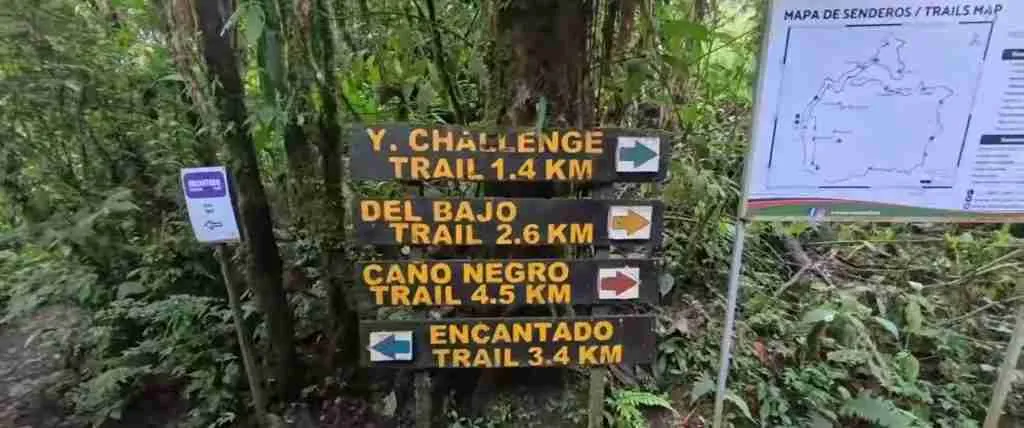
Santa Elena maintains 12 kilometers of well-marked trails ranging from easy 1-kilometer loops to challenging 4-kilometer mountain ridge hikes. The Youth Challenge Trail ascends 200 meters elevation to panoramic viewpoint platform overlooking Arenal Volcano (on clear mornings), requiring 2-3 hours round-trip with moderate-challenging difficulty. Caño Negro Trail follows creek corridor through primary forest featuring giant strangler figs, bromeliads, and optimal bird watching opportunities in 1.5-2 hours at easy-moderate pace.
Encantado Trail creates popular 2.5-kilometer loop through diverse cloud forest zones including riverside sections, canopy areas, and understory habitats. The trail connects to observation tower providing 360-degree forest views and opportunities for canopy-level wildlife spotting including monkeys, sloths, and toucanets. Trail surfaces feature packed earth with wooden boardwalks through wetland sections, maintaining good condition year-round despite heavy rainfall averaging 3,000mm annually.
Wildlife and Biodiversity Highlights
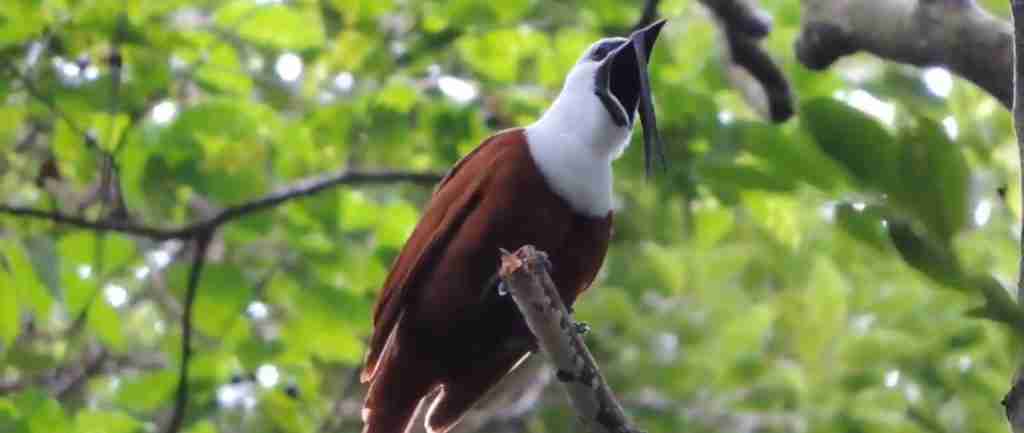
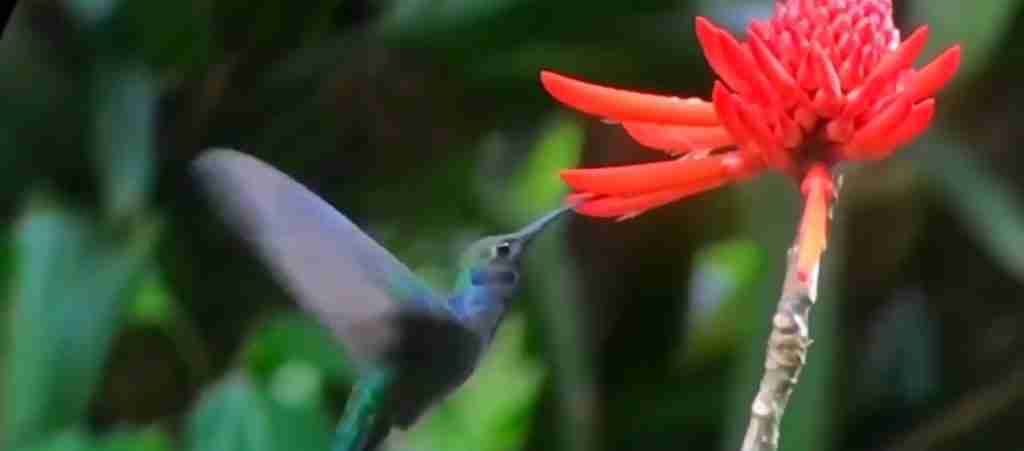
Santa Elena protects over 400 bird species including resplendent quetzals, three-wattled bellbirds, emerald toucanets, violet sabrewings (hummingbird), and black guans. Mammal populations include howler monkeys, capuchin monkeys, two-toed sloths, three-toed sloths, coatis, agoutis, and occasional mountain tapir sightings. The reserve hosts 120+ orchid species, diverse ferns, mosses, and epiphytes characteristic of montane cloud forest ecosystems.
Lower visitor numbers and reduced trail noise significantly improve wildlife encounter quality throughout 2026. Animals demonstrate less human habituation compared to Monteverde, creating more natural behavior patterns and authentic wilderness experiences. Early morning visits (7-9 AM) maximize bird activity during peak feeding periods, while afternoon hours (2-4 PM) favor mammal movement as forest moisture increases and temperature cools.
Visitor Services and Amenities
The reserve provides essential services including small visitor center, restrooms, drinking water, and covered lunch area for packed meals. No restaurant or food service operates on-site, requiring visitors to bring snacks and water from Monteverde town. Basic rain ponchos and rubber boots rent for $3-5 per item, with walking sticks available free of charge. The gift shop sells local handicrafts, conservation-themed souvenirs, and field guides supporting community education programs.
Guided tours operate in Spanish and English with locally-trained naturalist guides employed from surrounding communities. Standard 2-3 hour guided hikes cost $20-25 per person including reserve entrance, while specialized bird watching tours cost $35-45 per person with binocular provision. Self-guided visitors receive trail map and basic orientation at entrance, with clearly marked trails requiring no guide for navigation safety.
Monteverde Cloud Forest Reserve 2026: Detailed Analysis
Trail Network and Infrastructure
Monteverde features 13 kilometers of interconnected trails ranging from wheelchair-accessible boardwalks to challenging backcountry routes requiring 4-5 hours hiking time. El Triángulo Trail forms the most popular 2-kilometer loop through primary cloud forest featuring suspension bridge, strangler fig exhibit, and interpretive stations explaining ecosystem dynamics. Pantanoso Trail extends 1.6 kilometers through swamp forest showcasing unique wetland biodiversity and excellent bird watching opportunities.
The Continental Divide Trail climbs to 1,800-meter elevation ridge separating Caribbean and Pacific watersheds, offering spectacular valley views (on clear days) and access to remote forest sections with minimal visitor traffic. Seven suspension bridges cross canyons and rivers throughout the trail system, providing unique canopy perspectives and dramatic photography opportunities. All trails feature extensive boardwalk sections, handrails, and engineering that maintains accessibility during heavy rainfall periods.
Scientific Research and Educational Programs
Monteverde operates as active biological research station hosting 30-50 international researchers annually studying topics from climate change impacts to amphibian conservation. The reserve maintains permanent research plots, weather monitoring stations, and specialized facilities supporting long-term ecological studies. Visitor center exhibits present current research findings, interactive displays on cloud forest ecology, and video presentations documenting conservation successes.
Educational programs serve school groups, university students, and interested travelers through guided research walks, night tours, and specialized workshops. The reserve library contains extensive scientific literature and field guides available for visitor consultation. Conservation education initiatives connect tourism revenue to habitat protection, endangered species programs, and sustainable development projects throughout the Monteverde region.
Wildlife Viewing Infrastructure
The reserve provides multiple observation platforms, hummingbird gardens, and strategically placed benches at known wildlife activity sites. Hummingbird gallery near visitor center hosts 15-20 species including violet sabrewing, coppery-headed emerald, and magenta-throated woodstar feeding at sugar water stations throughout daylight hours. Mammal sighting rates remain high despite visitor numbers, with coatis, agoutis, and occasionally tayras appearing along main trails during morning hours.
Monteverde hosts identical bird species to Santa Elena including quetzals, bellbirds, and toucans, with similar encounter probabilities during optimal viewing periods. The reserve’s extensive trail network provides more diverse habitat coverage including high-elevation ridge forest, lowland transition zones, and specialized microhabitats. Photography opportunities excel due to well-maintained trails, strategic viewpoints, and frequent wildlife activity near developed areas.
Cost Comparison 2026: Complete Budget Analysis
Entrance Fee Breakdown
Santa Elena Reserve entrance costs $18 per adult (13+ years), $9 per student with valid student ID, and $9 per child (4-12 years) in 2026. Costa Rican residents pay $9 per adult and $5 per child with national ID presentation. Monteverde Reserve charges $25 per adult, $12 per student, and $12 per child in 2026, with resident rates at $12 per adult and $8 per child. Check official reserve websites for current rates as pricing may vary. Children under 4 years enter free at both reserves.
The $7 per person entrance fee difference between reserves compounds significantly for families and groups. A family of four (2 adults, 2 children over 12) pays $72 at Santa Elena versus $100 at Monteverde, saving $28 (28% reduction). Groups of six adults pay $108 at Santa Elena versus $150 at Monteverde, saving $42 per group visit. Budget travelers visiting both reserves during Monteverde stay pay $43 total entrance costs versus alternative single-reserve focus.
Guided Tour Pricing
Santa Elena naturalist guides charge $20-25 per person for standard 2-3 hour wildlife tours including reserve entrance in quoted price. Bird watching specialists cost $35-45 per person for focused 3-4 hour early morning tours with binocular provision and species identification expertise. Private guide services for 1-4 people cost $80-100 total regardless of group size, creating significant per-person savings for couples and small groups.
Monteverde guided tours cost $35-45 per person for standard 2-3 hour naturalist-led hikes, not including $25 separate entrance fee totaling $60-70 per person all-inclusive cost. Specialized bird watching tours cost $55-65 per person plus entrance, totaling $80-90 per person. Private guides charge $120-150 for 1-6 people exclusive service. The price differential for guided experiences reaches $35-40 per person favoring Santa Elena for budget-conscious travelers.
Transportation Cost Comparison
Public bus service to Santa Elena costs $4 one-way ($8 round-trip) from Monteverde town center, operating 2-3 daily departures coordinated with reserve hours. Monteverde Reserve buses cost $3 one-way ($6 round-trip) with 4-6 daily departures providing more schedule flexibility. Private taxi service to Santa Elena costs $20-25 one-way or $40-50 round-trip versus $15-20 one-way ($30-40 round-trip) to Monteverde Reserve.
Shared taxi arrangements reduce individual costs substantially, with 4-person groups paying $10-12 per person round-trip to Santa Elena or $8-10 per person to Monteverde. Many hotels and hostels coordinate shared transport for guests visiting reserves, further reducing costs to $6-8 per person regardless of destination. The $2 per person transportation difference between reserves represents minimal budget impact compared to entrance and tour cost variations.
Total Visit Cost Scenarios
Budget self-guided visit to Santa Elena: entrance $18, round-trip bus $8, snacks/water $5-8. Total: $31-34 per person. Equivalent Monteverde visit: entrance $25, round-trip bus $6, snacks/water $5-8. Total: $36-39 per person. Santa Elena saves $5 per person (13% reduction) for basic self-guided experience.
Standard guided experience at Santa Elena: guided tour with entrance $25, round-trip bus $8, lunch $8-12. Total: $41-45 per person. Monteverde guided experience: tour $40 plus entrance $25, round-trip bus $6, lunch $8-12. Total: $79-83 per person. Santa Elena saves $38 per person (47% reduction) for comparable guided experience quality.
Premium photography tour at Santa Elena: private guide $80 (for group of 4 = $20 per person), entrance included, shared taxi $10 per person, refreshments $8-10. Total per person: $38-40. Monteverde photography tour: private guide $120 (for 4 = $30 per person) plus entrance $25, shared taxi $8 per person, refreshments $8-10. Total per person: $71-73. Santa Elena saves $33 per person (45% reduction) for specialized experience.
Wildlife and Biodiversity Comparison 2026
Bird Species and Sighting Probabilities
Both reserves host identical bird species diversity with 400+ documented species including flagship cloud forest endemics. Resplendent quetzals appear year-round at both locations with 30-40% sighting probability during early morning hours (6-9 AM) and peak breeding season (March-May). Three-wattled bellbirds demonstrate 20-30% encounter rates during January-July when males perform distinctive territorial calls echoing through forest canopy.
Emerald toucanets, violet sabrewings, green violet-ears, and black guans occur commonly at both reserves with 40-60% sighting rates during 2-3 hour trail visits. Rare species including bare-necked umbrellabird and black-faced solitaire appear occasionally with equal probability between locations. Santa Elena’s reduced visitor noise and traffic creates calmer environment for bird feeding and nesting activities, potentially improving encounter quality during peak tourism months (December-April, July-August).
Mammal Populations and Viewing Opportunities
Mammal diversity remains equivalent between reserves with both protecting howler monkeys, white-faced capuchin monkeys, two-toed sloths, three-toed sloths, coatis, agoutis, and occasional ocelot sightings. Howler monkey encounters occur daily at both locations with 70-80% probability as resident troops vocalize during morning and evening periods. Sloth sighting rates reach 30-50% during slow, observant trail walks as animals remain motionless in canopy feeding positions.
Monteverde’s higher visitor traffic creates habituated coati and agouti populations that approach trails and visitor areas frequently, providing reliable close-range viewing opportunities. Santa Elena mammals demonstrate more natural wariness behaviors, requiring patient observation and reduced noise for successful encounters. Both approaches offer value depending on visitor preferences for accessible wildlife photography versus authentic wilderness behavior observation.
Unique Species and Specialties
Neither reserve offers species exclusive to its boundaries as both protect continuous cloud forest habitat supporting identical biodiversity pools. Monteverde maintains slightly higher documented species counts due to decades of intensive scientific research and species inventory work by resident biologists. Santa Elena’s smaller size concentrates biodiversity in compact area, potentially increasing species encounter density during individual visits.
Both locations host spectacular orchid diversity (120+ species), extensive epiphyte communities, and unique cloud forest flora including tree ferns, bromeliads, and mosses. Monteverde provides interpretive exhibits and labeled botanical displays along main trails, while Santa Elena offers less infrastructure with emphasis on naturalist guide expertise for species identification and ecological interpretation.
Trail Systems and Hiking Experience Comparison 2026
Trail Difficulty and Terrain Characteristics
Monteverde features wider, more engineered trails with extensive boardwalk sections, handrails, and accessibility modifications suitable for visitors with limited mobility. Primary trails accommodate wheelchairs and strollers for first 500-1000 meters, while backcountry routes present moderate-challenging terrain requiring good fitness levels. Seven suspension bridges add unique architectural elements and canyon-crossing experiences not available at Santa Elena.
Santa Elena maintains narrower trails with more rustic character, minimal infrastructure, and greater emphasis on natural surface hiking. Trails present moderate difficulty with some steep sections requiring careful footing during wet conditions. The absence of suspension bridges and elaborate infrastructure creates more authentic wilderness hiking experience for visitors prioritizing natural environments over developed attractions.
Scenic Viewpoints and Photography Locations
Both reserves offer exceptional photography opportunities with different advantages. Monteverde’s suspension bridges provide unique elevated perspectives impossible to achieve at Santa Elena, creating dramatic canopy-level compositions and valley overlooks. The reserve’s observation platforms position photographers for bird feeding areas, hummingbird gardens, and strategic wildlife corridors.
Santa Elena’s observation tower delivers 360-degree panoramic views including Arenal Volcano visibility on clear mornings (approximately 30% of days during dry season). The reserve’s lower visitor traffic creates better wildlife photography conditions with fewer people disrupting animal behavior or appearing in background compositions. Both locations experience frequent cloud cover and mist, requiring early morning visits (before 9 AM) for optimal lighting and visibility.
Trail Crowding and Solitude Experience
Monteverde’s popularity creates significant trail crowding during peak hours (8 AM-12 PM) when 80-100 concurrent visitors occupy primary trail network. Groups encounter other parties every 5-10 minutes along popular routes, with suspension bridge bottlenecks creating waiting periods during busy periods. Afternoon visits (2-4 PM) and backcountry trails offer reduced crowding with more solitary hiking experiences.
Santa Elena maintains 15-20 concurrent trail users during peak hours, allowing 20-30 minute intervals between group encounters on main trails. The reserve’s lower capacity creates contemplative wilderness atmosphere throughout visit duration. Early morning departures (7-8 AM) provide near-exclusive trail access for dedicated wildlife observers and photographers seeking uninterrupted nature immersion.
Weather Patterns and Best Time to Visit 2026
Seasonal Climate Variations
Both reserves experience identical weather patterns due to 6-kilometer proximity and similar elevation ranges. Dry season (December-April) brings reduced rainfall averaging 150-250mm monthly with clearer morning skies improving wildlife visibility and volcano views. Temperatures range 13-21°C year-round with minimal variation between seasons. Morning fog lifts by 8-10 AM during dry months, creating optimal conditions for extended hiking and photography.
Green season (May-November) delivers heavy afternoon rainfall averaging 400-600mm monthly with near-daily 2-4 PM precipitation events. Morning hours (6-11 AM) remain relatively dry, allowing productive wildlife watching before weather deteriorates. Cloud cover persists throughout green season, creating atmospheric forest conditions with dramatic mist effects but reducing distant viewpoint value. Both reserves remain open and accessible during green season with excellent wildlife activity and fewer visitors.
Optimal Visit Timing for Different Goals
Wildlife photographers prioritize March-May when resplendent quetzals display peak breeding plumage and territorial behaviors. Early morning visits during this period (6-8 AM) maximize golden light opportunities and active bird feeding before cloud cover develops. December-February offers clearest weather with best Arenal Volcano visibility from Santa Elena tower, favoring landscape photographers over wildlife specialists.
Budget travelers benefit from green season visits (May-November) when both reserves see 40-50% fewer visitors and surrounding accommodations offer 25-35% rate reductions. Wildlife activity remains high during green season despite rain, with amphibian and insect diversity reaching annual peaks. Serious birders target January-March for migratory species additions and optimal dry-season access to remote trail sections.
Crowd Levels and Visitor Experience Quality 2026
Daily Visitor Statistics and Patterns
Monteverde receives 200-250 daily visitors during high season (December-April, July-August) with 150-180 visitors during shoulder months (November, May-June). Peak arrival times concentrate 60-70% of daily traffic between 8-11 AM when tour groups and independent travelers converge. The reserve’s large capacity prevents overcrowding on trail network, but popular viewpoints and suspension bridges experience congestion requiring waiting periods.
Santa Elena maintains 40-60 daily visitors during high season and 25-35 visitors during green season, creating intimate reserve experience regardless of visit timing. Morning arrivals (7-9 AM) account for 50-60% of daily traffic, but lower absolute numbers prevent crowding even during peak hours. Independent travelers and small groups dominate Santa Elena demographics versus Monteverde’s higher tour group proportion.
Impact on Wildlife Encounters
Monteverde’s visitor volume creates constant human presence along primary trails, habituating some wildlife species while deterring others. Coatis, agoutis, and certain bird species tolerate human activity and provide reliable viewing opportunities near visitor centers and popular trails. Shy species including cats, tapirs, and forest-interior birds retreat to backcountry areas requiring longer hikes and reduced traffic for encounters.
Santa Elena’s lower visitation preserves more natural wildlife behavior patterns throughout reserve. Animals demonstrate less habituation to human presence, requiring quieter approach and patient observation for successful sightings. The trade-off creates more authentic wilderness encounters versus Monteverde’s accessible wildlife viewing near developed areas. Both approaches deliver high-quality experiences depending on visitor priorities for convenience versus authenticity.
Which Cloud Forest Reserve Should You Choose in 2026?
Choose Santa Elena Reserve If You Priority:
- Budget Constraints: $18 entrance versus $25 saves 28% on admission with further savings on guided tours ($25 vs $65 total cost)
- Peaceful Atmosphere: 60-70% fewer visitors creates contemplative hiking with 20-30 minute intervals between group encounters
- Community Tourism: Direct support for local schools and education programs through community-owned conservation model
- Authentic Wilderness: Minimal infrastructure and rustic trails provide genuine cloud forest immersion without elaborate development
- Wildlife Solitude: Lower visitor numbers reduce trail noise improving natural animal behavior and encounter quality
- Arenal Views: Observation tower provides volcano sightlines impossible from Monteverde (on clear mornings 30% probability)
- Visiting Both Reserves: Lower cost and reduced crowds make Santa Elena excellent complement to Monteverde experience
Choose Monteverde Reserve If You Priority:
- Accessibility Needs: Wheelchair-accessible boardwalks and extensive handrails accommodate mobility limitations
- Infrastructure Comfort: Restaurant, interpretive center, and elaborate visitor facilities enhance convenience
- Suspension Bridges: Seven elevated bridges create unique canopy perspectives and dramatic photography opportunities
- Scientific Interest: Active research station provides educational exhibits and conservation program exposure
- Schedule Flexibility: More frequent bus service (4-6 daily) and extended hours improve visit timing options
- Habituated Wildlife: Coatis and agoutis approach trails regularly providing reliable close-range viewing
- Tour Variety: More guided tour options including night walks, bird watching specialists, and research-focused programs
Visit Both Reserves Strategy
Dedicated cloud forest enthusiasts with 2-3 days in Monteverde region benefit from visiting both reserves to experience complete spectrum of conservation approaches and trail characteristics. Recommended sequence begins with Santa Elena for peaceful introduction to cloud forest ecosystems, followed by Monteverde to appreciate infrastructure and scientific programs. Total cost for both reserves: $43 entrance fees plus $14 round-trip transportation equals $57 per person for comprehensive cloud forest experience.
Time allocation strategy dedicates 3-4 hours at each reserve allowing morning arrival (7-8 AM), 2-3 hour trail hiking, and departure before afternoon weather deterioration. Single-day double visits remain possible but rushed, requiring 5:30-6 AM departure for Santa Elena followed by afternoon transfer to Monteverde (2-3 PM arrival). Multi-day strategies space reserve visits on separate mornings, maximizing wildlife encounter opportunities and reducing fatigue.
Sample 2026 Itineraries for Cloud Forest Visits
Budget-Focused Santa Elena Day Trip
6:30 AM: Depart Monteverde town on public bus to Santa Elena Reserve ($4)
7:00 AM: Arrive Santa Elena, pay entrance ($18), begin self-guided hiking on Youth Challenge Trail
7:00-10:30 AM: Hike to observation tower, photograph Arenal Volcano views (weather permitting), bird watching along Caño Negro Trail
10:30-11:00 AM: Enjoy packed breakfast at covered rest area (brought from town, $5-8 food cost)
11:00 AM-12:30 PM: Explore Encantado Trail loop, wildlife observation, forest photography
12:30 PM: Depart on return bus to Monteverde ($4)
Total day cost: Entrance $18, round-trip bus $8, packed food $5-8. Total: $31-34 per person.
Comprehensive Guided Monteverde Experience
6:45 AM: Private guide picks up from hotel for early access advantage
7:15 AM: Arrive Monteverde Reserve, pay entrance ($25), begin specialized bird watching tour ($40 guide fee)
7:15-10:45 AM: Guided hike through primary forest, quetzal searching, suspension bridge crossings, hummingbird gallery visit
10:45-11:30 AM: Visitor center exhibits, research station overview, conservation program learning
11:30 AM-12:30 PM: Lunch at reserve restaurant ($12-18)
12:30-2:30 PM: Self-guided afternoon exploration on Pantanoso and Continental Divide Trails
2:45 PM: Return bus to Monteverde town ($3)
Total day cost: Entrance $25, guided tour $40, round-trip bus $6, lunch $12-18. Total: $83-89 per person.
Photography-Focused Both Reserves Strategy
Day 1 – Santa Elena Dawn Photography:
5:45 AM: Private taxi departure for pre-opening arrival ($20)
6:30 AM: Exclusive early access through special photography arrangement, entrance $18
6:30-9:30 AM: Photograph sunrise mist effects, Arenal Volcano dawn light, wildlife activity during golden hour
9:30-10:30 AM: Guided natural history walk with bilingual naturalist ($25 including entrance already paid)
11:00 AM: Return taxi to Monteverde ($20), lunch in town ($10-15)
Total Day 1: Entrance $18, guide $25, round-trip taxi $40, lunch $10-15. Total: $93-98 per person.
Day 2 – Monteverde Suspension Bridge Photography:
7:00 AM: Public bus to Monteverde Reserve ($3)
7:30 AM: Enter reserve during low-crowd window, pay entrance ($25)
7:30-11:30 AM: Self-guided photography focusing on suspension bridges, canopy perspectives, architectural elements
11:30 AM-12:30 PM: Lunch at reserve restaurant ($12-18)
12:30-3:00 PM: Afternoon forest photography emphasizing mist effects and moody lighting
3:30 PM: Return bus ($3)
Total Day 2: Entrance $25, round-trip bus $6, lunch $12-18. Total: $43-49 per person.
Two-Day Photography Total: $136-147 per person for comprehensive cloud forest documentation across both reserves.
Booking Strategies and Practical Tips for 2026
Reservation Requirements and Procedures
Neither Santa Elena nor Monteverde require advance reservations for individual visitors during 2026. Both reserves operate first-come, first-served entry systems with daily capacity limits rarely reaching maximum except during absolute peak periods (Christmas week, Easter week). Walk-up visitors gain admission 95% of visit days throughout the year, making spontaneous planning viable for most travelers.
Large groups (15+ people) should contact reserves 1-2 weeks ahead to ensure capacity availability and coordinate guided tour arrangements. School groups and research organizations require advance permits through direct reserve contact. Individual travelers booking guided tours through third-party operators receive guaranteed entry as tour companies maintain reserve relationships and capacity allocations.
Optimal Arrival Timing
Early morning arrivals (7-8 AM) maximize wildlife activity during peak feeding and vocalization periods. First bus departures to both reserves (6:15-6:30 AM from Monteverde town) position visitors for 7-7:30 AM trail access when animal encounters reach highest probability. Late morning arrivals (10 AM-12 PM) face increased crowds but maintain good wildlife viewing as cloud forest species remain active throughout daylight hours.
Afternoon visits (2-4 PM) offer reduced crowds at both reserves with different wildlife activity patterns. Mammals increase movement as temperatures cool and moisture increases. Bird activity declines compared to morning periods but photography opportunities improve with dramatic mist and cloud effects. Last entry times (2 PM at Santa Elena, 3 PM at Monteverde) provide 2+ hours trail time before reserve closure.
What to Bring and Prepare
Essential items for both reserves include rain jacket or poncho (afternoon rain occurs 70-80% of days), water bottle (1-2 liters per person), snacks or packed lunch, sunscreen, insect repellent, and binoculars for wildlife viewing. Rubber boots rent at both reserves ($3-5) but many visitors prefer waterproof hiking boots brought from home. Walking sticks available free at both locations assist with steep trail sections and muddy conditions.
Photography equipment should include weather protection (rain covers, sealed bags), lens cleaning cloths for moisture removal, and tripod for low-light forest conditions. Both reserves prohibit flash photography disturbing wildlife. Field guides for bird identification enhance self-guided experiences, available for purchase at visitor centers or borrowed from some hotels. Light layers accommodate temperature variations between shaded forest (13-16°C) and sunny clearings (18-21°C).
Combining Cloud Forest with Other Monteverde Activities
Monteverde region offers diverse activities complementing cloud forest reserve visits. Hanging bridges parks ($50-60 entrance) provide alternative canopy perspectives with longer suspension bridge networks than Monteverde Reserve. Ziplining operations ($45-65 per person) deliver adrenaline experiences contrasting with contemplative nature observation. Night tours ($25-35 per person) reveal nocturnal wildlife including kinkajous, armadillos, and sleeping birds.
Coffee and chocolate farm tours ($35-45 per person) combine well with morning reserve visits, operating afternoon schedules (2-4 PM) when forest weather deteriorates. Selvatura Park ($40-50 entrance) bundles hanging bridges, butterfly gardens, and hummingbird exhibits into single admission, creating full-day alternative to reserve visits. Most travelers allocate 2-4 days in Monteverde region allowing cloud forest reserve visit plus 1-2 supplementary activities without rushed scheduling.
Transportation and Accommodation Logistics 2026
Getting to Monteverde Region
San José to Monteverde requires 4-5 hours via public bus ($8-10) departing morning and afternoon from Terminal 7-10. Shared shuttle services ($55-65 per person) provide door-to-door transport from San José hotels with 3.5-4 hour transit time. Private transfers cost $160-200 for up to 4 people, offering flexibility and direct routing. Some routes travel via paved Pan-American Highway to Rio Lagarto, while alternative routes use rougher mountain roads through Sardinal saving 30-45 minutes.
La Fortuna to Monteverde connection operates via scenic lake crossing ($35-45 per person) combining boat transport across Arenal Lake with van service, requiring 3.5-4 hours total. Land-only routes ($15-20 public bus) circle Arenal Lake adding 2 additional hours but costing 60% less. Most travelers combine Arenal and Monteverde in single Costa Rica trip, making this connection heavily trafficked with daily departure options.
Accommodation Options and Locations
Santa Elena village offers budget accommodations ($25-45 per night) including hostels and simple guesthouses within walking distance of bus terminals for both reserves. Monteverde village features mid-range hotels ($80-140 per night) and luxury cloud forest lodges ($180-280 per night) with nature views and extensive grounds. Properties closer to Monteverde Reserve reduce morning transportation needs but cost 20-30% more than Santa Elena village equivalent accommodations.
Cerro Plano area between the villages provides middle-ground location accessing both reserves equally, with hotel rates $60-120 per night for mid-range comfort. Many accommodations coordinate shared transport to reserves for guests, reducing per-person taxi costs to $6-10 round-trip. Budget travelers staying in Santa Elena village sacrifice some convenience but save $40-80 per night compared to properties near Monteverde Reserve entrance.
Conservation Impact and Community Benefits
Santa Elena Community Education Model
Santa Elena Reserve operates as non-profit community initiative channeling 100% of net tourism revenue into six local schools serving 800+ students. Programs fund science education, environmental clubs, field trips to protected areas, teacher training, and infrastructure improvements. The model demonstrates successful community-based conservation where local residents directly benefit from habitat protection, creating powerful incentives for forest preservation and sustainable tourism development.
Students from funded schools serve as volunteer guides, learning naturalist skills and conservation biology through hands-on reserve work. The program produces next generation of Costa Rican environmental leaders while providing meaningful employment opportunities in rural communities with limited economic alternatives. Visitors choosing Santa Elena contribute directly to tangible educational outcomes visible in school facilities and student environmental awareness.
Monteverde Research and Conservation Programs
Monteverde Cloud Forest Reserve pioneered scientific research programs that generated fundamental understanding of cloud forest ecology, species interactions, and climate change impacts. Over 400 scientific publications originate from reserve-based research conducted during 50+ years of continuous study. The reserve hosts international scientists, graduate students, and conservation organizations, establishing Monteverde as globally recognized center for tropical ecology research.
Conservation initiatives extend beyond reserve boundaries through land acquisition programs, biological corridors, and regional planning efforts. Tourism revenue funds forest restoration, endangered species protection, and climate monitoring systems providing crucial long-term ecological data. The reserve collaborates with neighboring protected areas creating interconnected conservation landscape encompassing 30,000+ hectares of protected cloud forest habitat.
Frequently Asked Questions About Santa Elena vs Monteverde 2026
Is Santa Elena owned by the same organization as Monteverde?
No, Santa Elena Cloud Forest Reserve operates as independent community-owned cooperative managed by local residents, while Monteverde Cloud Forest Biological Reserve belongs to the private non-profit Tropical Science Center. The reserves function as separate entities with different management philosophies, though both protect similar cloud forest ecosystems and cooperate on regional conservation initiatives.
Can you walk between Santa Elena and Monteverde reserves?
No direct trail connects the two reserves as they sit 12 kilometers apart via public roads. Hiking between reserves requires road walking (unsafe due to narrow mountain roads with limited shoulders) or forest bushwhacking through private property (illegal). Visitors must return to Monteverde/Santa Elena town center between reserve visits, requiring transportation via bus or taxi.
Which reserve has better quetzal sighting chances?
Resplendent quetzal encounter probabilities remain statistically identical between Santa Elena and Monteverde at 30-40% during optimal morning hours (6-9 AM) and peak breeding season (March-May). Both reserves host resident quetzal populations using identical cloud forest habitat. Santa Elena’s lower visitor numbers may reduce trail noise disturbing quetzals, while Monteverde’s larger trail network provides more diverse habitat coverage for searching.
Do I need a guide or can I visit independently?
Both reserves allow self-guided visits with clear trail marking, maps provided at entrance, and no safety concerns requiring guide presence. Independent visitors successfully observe wildlife and enjoy trails without guide assistance. Naturalist guides significantly enhance experiences through wildlife spotting expertise, bird call identification, ecological interpretation, and access to guide-only knowledge of current animal locations and activity patterns. First-time cloud forest visitors gain substantial value from guided tours, while experienced nature travelers may prefer independent exploration.
What is the altitude difference between the reserves?
Both reserves occupy nearly identical elevation ranges: Santa Elena 1,400-1,770 meters, Monteverde 1,300-1,850 meters. The minimal altitude difference produces equivalent climate patterns, vegetation types, and species distributions. Neither reserve requires altitude acclimatization concerns for healthy visitors. Slight elevation advantage at Monteverde’s highest points provides marginally broader valley views on clear days but creates no practical difference in visitor experience.
Can you see Arenal Volcano from Monteverde Reserve?
No, Monteverde Reserve trail system does not include viewpoints with Arenal Volcano sightlines due to surrounding ridges blocking visibility. Santa Elena Reserve observation tower provides direct Arenal views on clear mornings (approximately 30% probability during dry season). The volcano visibility represents one of few tangible experience differences between reserves beyond infrastructure and visitor volume considerations.
Are the reserves open during rain?
Both reserves remain open during rainfall except extreme storm conditions creating safety hazards (occurs 2-3 times annually). Cloud forest ecosystems experience rain 200-250 days per year, making rain closure policy impractical. Trails become muddy but remain navigable with proper footwear. Wildlife activity continues during light-moderate rain with some species (amphibians, certain birds) showing increased activity. Heavy afternoon storms (common May-November) create atmospheric forest conditions but reduce trail comfort for visitors without adequate rain protection.
Which reserve is better for photography?
Photography priorities determine optimal reserve choice. Monteverde excels for suspension bridge architecture, elaborate infrastructure subjects, and habituated wildlife allowing closer approaches. Santa Elena provides volcano backdrops, fewer people in compositions, calmer wildlife behavior, and more authentic wilderness aesthetics. Low-light forest photography succeeds equally at both locations. Serious photographers benefit from visiting both reserves to capture complete range of cloud forest subjects and perspectives.
How much time should I budget for each reserve?
Minimum recommended visit duration is 3-4 hours allowing 2-3 hours active trail hiking plus time for observation, photography breaks, and visitor center exploration. Dedicated birders and wildlife photographers may spend 5-6 hours maximizing encounter opportunities through patient observation. Half-day visits (4-5 hours including transportation) suit most travelers combining reserve visit with afternoon activities. Full-day single-reserve visits appeal to serious naturalists, researchers, or travelers seeking complete immersion in cloud forest environment.
Can children visit both reserves?
Both reserves welcome children with family-friendly trails and appropriate safety infrastructure. Monteverde’s boardwalks and handrails better accommodate young children (ages 4-8) and strollers for first 500-1000 meters. Santa Elena suits families with older children (8+) comfortable with moderate hiking on natural surface trails. Neither reserve presents dangerous wildlife or terrain hazards beyond standard outdoor safety considerations (muddy conditions, trip hazards). Many families visit both reserves on separate days, allowing children to experience different conservation approaches and trail characteristics.