
San Pedro de Atacama 2026: Gateway to the Driest Desert
Key Takeaways
- San Pedro de Atacama functions as the essential base for Atacama Desert exploration, a compact oasis town of 5,000 residents serving 300,000+ annual visitors at 2,438m elevation
- Accommodation ranges from budget hostels ($15-30 nightly for dormitory beds) to mid-range hotels ($60-120 for private rooms) and luxury lodges ($200-500+ with all-inclusive packages)
- The town center measures just 2km x 1km with all essential services within walking distance: 200+ tour operators, 50+ restaurants, supermarkets, ATMs, and medical facilities clustered along Caracoles Street
- Access via Calama’s El Loa Airport (100km northwest) with shared shuttles $10-15, private transfers $60-80, or rental cars $45-80 daily enabling independent exploration of nearby sites
- Optimal visiting periods for 2026 include shoulder seasons (March-May, September-November) offering 30% lower costs, fewer crowds, and comfortable weather compared to peak winter (July-August) and summer (December-February) periods
- The town serves as departure point for all major desert attractions: Valle de la Luna (13km), El Tatio Geysers (95km), Laguna Cejar (27km), and altiplanic lagoons (130-160km) accessible only via tour operators or rental vehicles
Introduction to San Pedro de Atacama in 2026
San Pedro de Atacama represents the indispensable gateway to exploring the world’s driest desert, a small oasis town that has transformed from a remote Atacameño indigenous settlement into Chile’s premier desert tourism destination. Despite welcoming over 300,000 visitors annually, the town maintains its distinctive character through preserved adobe architecture, narrow unpaved streets, and strong indigenous cultural identity. The dramatic setting at 2,438 meters elevation, surrounded by volcanos, salt flats, and Mars-like landscapes, creates an otherworldly atmosphere that immediately signals arrival in an extraordinary environment.
The town’s compact core measures approximately 2 kilometers by 1 kilometer, with virtually all accommodation, restaurants, tour operators, and services concentrated along Caracoles Street (Calle Caracoles) and the immediate surrounding blocks. This walkability proves essential as most visitors explore the town on foot between organizing tours, dining, and souvenir shopping. The central plaza, anchored by the white adobe Iglesia San Pedro church dating to the 17th century, serves as the social heart where locals and travelers gather particularly during evening hours.
San Pedro’s transformation into a tourism hub began in the 1980s and accelerated dramatically in the 2000s as international travelers discovered the Atacama Desert’s unique attractions. Today the town offers services ranging from backpacker hostels with communal kitchens to ultra-luxury lodges featuring infinity pools overlooking salt flats, creating options for every travel style and budget. However, development has proceeded carefully with height restrictions, architectural guidelines favoring traditional adobe construction, and limitations on chain hotels that preserve the town’s distinctive aesthetic.
Understanding San Pedro de Atacama’s practical realities proves essential for successful 2026 Atacama Desert explorations. The extreme altitude affects all visitors during initial days, the arid climate demands constant hydration, the limited size creates booking competition during peak seasons, and the remote location means advance planning ensures smooth logistics. This guide provides comprehensive information for making San Pedro work as your base for extraordinary desert adventures.
People Also Ask About San Pedro de Atacama 2026
How many days should I spend in San Pedro de Atacama in 2026?
Four to five days in San Pedro de Atacama in 2026 allows comprehensive exploration of the Atacama Desert’s major attractions while providing adequate altitude acclimatization time. This duration enables visitors to experience El Tatio Geysers sunrise tours, Valle de la Luna sunset excursions, Laguna Cejar floating experiences, altiplanic lagoons day trips, and premium stargazing programs while building in rest days for altitude adjustment. Travelers with limited time can complete core experiences in three days, but this compressed schedule offers minimal acclimatization and increases altitude sickness risk at high-elevation sites (4,000-4,500m). Extended stays of six to seven days suit photography enthusiasts, astronomy lovers, and travelers preferring a slower pace with multiple rest days and repeated visits to favorite locations.
Is San Pedro de Atacama expensive in 2026?
San Pedro de Atacama costs more than most Chilean destinations due to remote location and limited competition, but remains affordable compared to similar international destinations. Budget travelers spend $50-80 daily excluding accommodation through hostel stays ($15-30 nightly), self-catered meals ($15-25 daily), and standard group tours ($35-80 per tour). Mid-range visitors budget $120-180 daily including comfortable hotels ($60-120), restaurant meals ($35-50), and quality tour operators. Luxury travelers allocate $300-600+ daily for boutique lodges ($200-500), private guides, gourmet dining, and premium experiences. Tours represent the largest expense category, with comprehensive 4-day programs costing $250-400 in tour fees alone, making package deals combining accommodation and activities often more economical than separate bookings.
What is there to do in San Pedro de Atacama town in 2026?
San Pedro de Atacama town itself offers limited attractions as the primary draw remains desert excursions, but several in-town activities provide value during rest days and acclimatization periods. The Museo Arqueológico Padre Le Paige ($5 entrance) houses one of South America’s finest pre-Columbian artifact collections with over 380,000 pieces including mummies, ceramics, and textiles from Atacameño culture. The Iglesia San Pedro church (free entry) features 17th-century construction with traditional adobe walls and carved wooden ceiling beams showcasing colonial religious architecture. The Pukará de Quitor fortress ruins (3km north, $3 entrance) offer sunset views and insight into 12th-century defensive structures.
The town’s artisan market features local crafts including alpaca wool textiles, lapis lazuli jewelry, and carved volcanic rock items, though prices often exceed similar goods elsewhere in Chile. Caracoles Street shopping includes outdoor equipment stores for last-minute gear purchases, bookshops with regional guides, and art galleries showcasing contemporary Chilean desert photography. Several spas and massage centers offer relaxation after rigorous tour days, with treatments $40-80 for hour-long sessions. The compact town explores completely in 2-3 hours of walking, making it ideal for afternoon acclimatization rather than dedicated full-day activities.
Where should I stay in San Pedro de Atacama in 2026?
Location within San Pedro de Atacama matters less than in larger cities as the entire town center measures just 2km x 1km with all hotels within 15-minute walks of restaurants and tour operators. Budget travelers prioritize hostels along or near Caracoles Street (Caracoles Hostel, Hostal Puritama, Backpackers San Pedro) for social atmosphere and central location. Mid-range visitors select hotels 1-3 blocks from the center (Hotel La Casa de Don Tomás, Hosteria San Pedro, Hotel Tulor) balancing quiet evening environments with easy access to dining and services. Luxury travelers choose lodges positioned 5-15km outside town (Alto Atacama, Awasi, Tierra Atacama) offering exclusive desert settings, comprehensive facilities, and all-inclusive programs, though requiring lodge-provided transportation for all town visits and activities.
Extended multi-day tours – 5+ days
Featured Atacama Desert Multi-Day Tour Packages
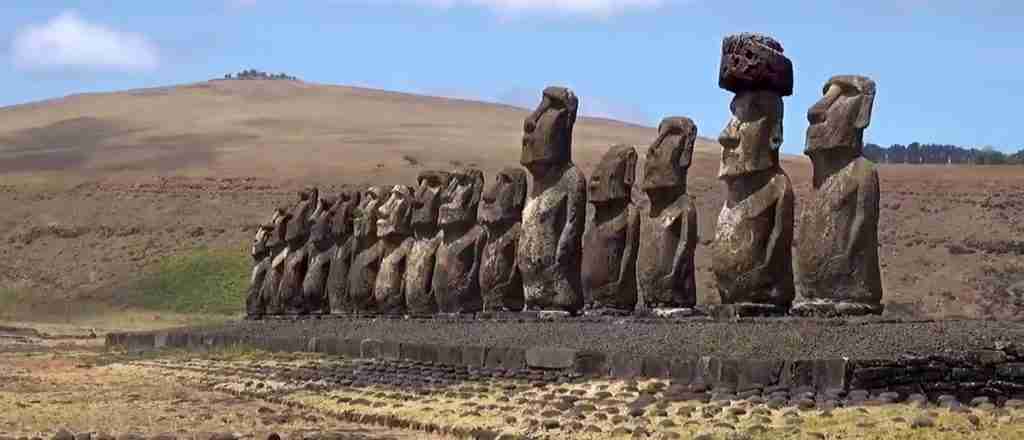
3 days
Atacama Desert 3-Day Discovery Tour
- ✓ Comprehensive Atacama Desert experience
- ✓ Expert local guides included
- ✓ All accommodation included
- ✓ Transportation provided
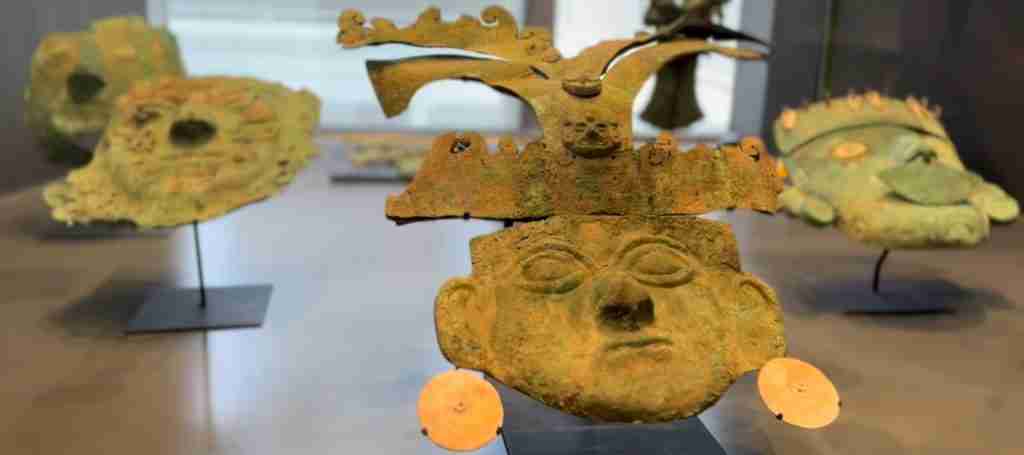
5 days
Atacama Desert 5-Day Highlights Experience
- ✓ Comprehensive Atacama Desert experience
- ✓ Expert local guides included
- ✓ All accommodation included
- ✓ Transportation provided
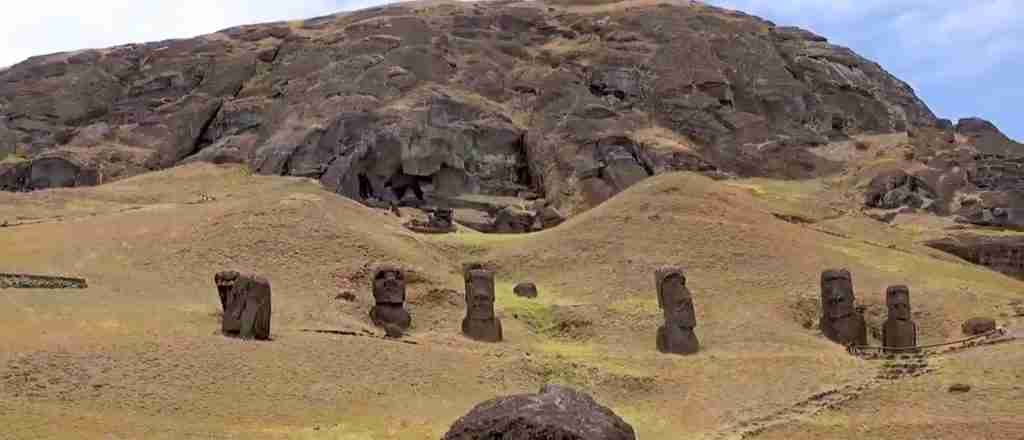
7 days
Atacama Desert 7-Day Cultural Journey
- ✓ Comprehensive Atacama Desert experience
- ✓ Expert local guides included
- ✓ All accommodation included
- ✓ Transportation provided
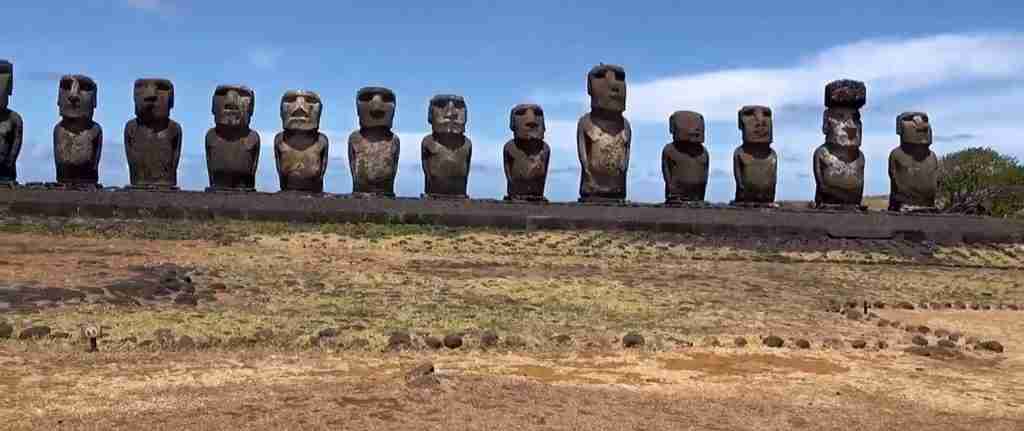
10 days
Atacama Desert 10-Day Complete Adventure
- ✓ Comprehensive Atacama Desert experience
- ✓ Expert local guides included
- ✓ All accommodation included
- ✓ Transportation provided
Multi-day tour packages powered by TourRadar. Prices and availability subject to change.
Essential Planning Information for 2026
Getting to and Around San Pedro de Atacama
Calama’s El Loa Airport (CJC) serves as the gateway to San Pedro de Atacama, located 100 kilometers northwest via paved highway requiring 1.5 hours drive time. The airport receives 6-10 daily flights from Santiago (2 hours flight time) operated by LATAM, Sky Airline, and JetSmart, with roundtrip fares ranging $150-350 depending on booking timing. Advance purchases 8-12 weeks before travel secure promotional fares $150-200, while last-minute bookings within 14 days often exceed $300. International travelers connect through Santiago’s Arturo Merino Benítez International Airport (SCL) with arrivals from North America, Europe, and other South American capitals.
Ground transportation from Calama Airport to San Pedro offers three options at varying price points and convenience levels. Shared shuttle services ($10-15 per person) operate when 6-8 passengers accumulate, providing door-to-door delivery to San Pedro accommodation in approximately 1.5-2 hours including passenger collection time. Shuttles depart the airport arrival area with representatives holding San Pedro signs, and require minimal wait times during peak afternoon flight arrival periods. Private taxi transfers ($60-80 for up to 4 passengers) offer immediate departure flexibility and direct routing without stops, completing the journey in 1.5 hours. Rental cars ($45-80 daily for compact SUVs) enable independent mobility throughout the stay, though require valid international driver’s licenses, credit cards with $1,000+ available credit for deposits, and comfort with Chilean driving conditions including unpaved roads and high-altitude routes.
Within San Pedro, walking provides the primary transportation method as the compact town layout places all essential services within 15 minutes on foot. The main thoroughfare, Caracoles Street (Calle Caracoles), runs east-west through the town center, intersecting with Toconao Street (north-south) at the central plaza. Nearly all tour operator offices, restaurants, hotels, supermarkets, and services cluster along these two streets and the immediately adjacent blocks. The unpaved roads and sandy surfaces challenge wheeled luggage transport from bus terminals to accommodation, making taxi services ($3-5 for in-town trips) useful for arrival/departure with heavy bags.
Bicycle rentals ($15-25 daily) provide alternative transportation for reaching nearby sites like Valle de la Luna (13km) and Pukará de Quitor ruins (3km), though require fitness for riding at 2,400m elevation in desert heat. The flat terrain and generally good road conditions to these closer attractions suit cycling, while distant sites (El Tatio Geysers, altiplanic lagoons) remain unreachable via bicycle due to distances exceeding 90 kilometers and altitude gains surpassing 1,000 meters.
Accommodation Options and Booking Strategies for 2026
Budget accommodation in San Pedro de Atacama ranges from basic backpacker hostels to comfortable mid-range hotels serving travelers allocating $15-120 nightly for lodging. Hostels dominate the budget category with dormitory beds in 4-8 person rooms costing $15-30 per night, featuring shared bathrooms, communal kitchens for self-catering, WiFi in common areas, and social spaces encouraging traveler interaction. Established budget options include Hostal Puritama ($18-25), Backpackers San Pedro ($15-22), Hostal Rural ($20-28), and Caracoles Hostel ($22-30), all positioned within 2-4 blocks of Caracoles Street central area. These properties attract predominantly 20-35 year-old international backpackers, creating social atmospheres ideal for finding tour companions and sharing travel tips, though noise levels and limited privacy challenge light sleepers.
Private budget rooms in hostels and basic hotels cost $35-50 nightly for double occupancy, offering en-suite bathrooms, daily towel service, and included breakfast while maintaining budget-friendly pricing. Properties like Hostal Katarpe ($40-48), Hostal Don Raul ($35-45), and Casa de Piedra ($42-52) provide this mid-budget category, suitable for couples or travelers prioritizing privacy over social hostel atmospheres. Room quality varies significantly with some properties maintaining excellent standards while others show wear from high-altitude climate conditions and heavy tourist use.
Mid-range hotels charging $60-120 nightly represent the sweet spot for many travelers, balancing comfort, location, and value. These properties feature private rooms with en-suite bathrooms, daily breakfast service, swimming pools or garden courtyards, WiFi throughout facilities, and tour booking assistance from reception staff. Notable mid-range options include Hotel La Casa de Don Tomás ($75-95), Hosteria San Pedro ($80-110), Hotel Tulor ($90-120), Altiplanico Atacama ($95-125), and Casa Don Tomas ($85-115). Architecture typically showcases traditional adobe construction with thick walls providing natural insulation against extreme temperature swings, interior courtyards creating peaceful retreats from street activity, and desert-themed decor reflecting regional aesthetics.
Luxury lodges positioned 5-15 kilometers outside San Pedro town center charge $200-500+ nightly (some properties exceed $700 during peak periods) for comprehensive resort experiences. Alto Atacama Desert Lodge ($450-700), Awasi Atacama ($550-900), Tierra Atacama Hotel & Spa ($400-650), and Explora Atacama ($500-800) include all meals, premium Chilean wines with dinner, daily guided activities with expert naturalists, spa facilities with massage and body treatments, and private transfers to/from Calama Airport in their all-inclusive rates. These properties offer 20-50 rooms maximum (some under 20 rooms for ultra-exclusive experiences), architecture integrating with desert landscapes through locally-sourced materials, infinity pools with volcano or salt flat views, and personalized itineraries based on guest fitness levels and interests.
Booking strategies for San Pedro accommodation in 2026 follow predictable seasonal patterns. Peak periods (July-August for southern hemisphere winter, December-February for summer holidays) require 2-3 month advance reservations across all categories, with luxury lodges booking solid 4-6 months ahead. Shoulder seasons (March-May, September-November) allow 2-4 week advance booking for most properties while maintaining good selection, with last-minute availability common in budget hostels. Direct booking via property websites or WhatsApp generates discounts of 10-15% compared to third-party platforms like Booking.com or Expedia, plus enables negotiation of free amenities (breakfast upgrades, late checkout, tour booking assistance) and flexible cancellation terms. Many properties offer 5-7 night packages bundling accommodation with selected tours at reduced per-night rates, providing value for travelers planning comprehensive explorations.
Tour Operators and Activity Booking for 2026
San Pedro de Atacama hosts over 200 registered tour operators ranging from established agencies with 15+ years experience to new budget providers, creating intense competition that benefits travelers through competitive pricing and service quality pressure. Selecting appropriate operators proves crucial as tour quality varies dramatically from modern vehicles with certified guides to aging vans and inexperienced staff reading scripted information.
Established operators including Cosmo Andino Expeditions, Grado 10, Desert Adventure, and Turismo Colque maintain reputations for quality through modern vehicle fleets (Toyota Hiace vans and Mercedes Sprinter buses with air conditioning), certified guides with geological and astronomical expertise, comprehensive insurance coverage, and responsive customer service. These companies charge $40-100 per person for standard tours (Valle de la Luna, Laguna Cejar, Salar de Atacama) and $50-120 for premium excursions (El Tatio Geysers, altiplanic lagoons, professional stargazing programs). The higher prices reflect investment in vehicle maintenance, guide training, safety equipment including oxygen bottles for altitude emergencies, and proper operational licensing.
Budget operators charging $25-45 for standard tours attract price-conscious travelers but often compromise on vehicle quality, group sizes (sometimes 15-20 passengers versus 8-12 with premium operators), guide expertise, and safety equipment standards. Reviews on TripAdvisor and Google provide essential quality assessment, with warning signs including habitual lateness (departures 15+ minutes behind schedule), vehicle maintenance complaints (breakdowns, lack of air conditioning), and guides offering minimal interpretation beyond basic facts. Top operators maintain ratings above 4.5/5 stars across 200+ reviews, demonstrate responsiveness to customer complaints, and provide evidence of guide credentials and insurance coverage upon request.
Tour booking in 2026 follows two primary approaches: advance online booking via operator websites or in-person booking upon San Pedro arrival. Advance booking 2-4 weeks ahead secures preferred departure times, guarantees availability during peak seasons (July-August, December-February), and allows thorough research of operator reputations through review platforms. However, in-person booking offers flexibility for weather-dependent activities (stargazing requires clear skies, altiplanic lagoon tours close during rain), enables price comparison shopping across multiple operators, and provides opportunity to inspect vehicles and meet guides before committing. Most travelers adopt hybrid approaches: booking popular time-sensitive tours like El Tatio Geysers (4:00-4:30 AM departures) and premium stargazing programs advance, while booking flexible tours like Valle de la Luna and Laguna Cejar upon arrival for best weather windows.
Dining and Restaurant Guide for 2026
Restaurant Options and Price Ranges
San Pedro de Atacama dining in 2026 spans budget-friendly local spots to upscale establishments serving gourmet Chilean and international cuisine. Budget meals at basic Chilean restaurants and food stalls cost $8-15 for hearty portions of empanadas, completos (Chilean hot dogs), cazuela (traditional stew), and fresh fruit juices. Restaurants like Adobe, Café Barros, and Baltinache offer mid-range dining ($15-25 per person for mains) with menus featuring grilled llama, quinoa salads, pastel de choclo (corn pie), and Chilean wine selections. Upscale restaurants including La Estaka, Blanco, and Adobe Restaurante charge $25-40 for mains, presenting refined preparations of regional ingredients, extensive Chilean wine lists, and contemporary plating appealing to international palates.
Caracoles Street concentrates the majority of dining options within the 400-meter stretch between the plaza and the eastern end of the commercial center. This pedestrian-friendly zone allows easy restaurant browsing with menus displayed outside and typically 10-15 dining options visible from any vantage point. Competition keeps quality high and prices reasonable compared to similarly touristy destinations, though costs exceed non-tourist Chilean cities like Santiago or Valparaíso by 30-50% due to remote location and transportation expenses for imported goods.
Cuisine Specialties and Local Dishes
Atacama regional cuisine reflects indigenous Atacameño heritage combined with Chilean staples, creating distinctive dishes worth trying during San Pedro stays. Grilled llama meat appears on most mid-range and upscale menus, offering lean, slightly gamey protein comparable to venison, typically served with quinoa, roasted vegetables, and Andean corn (larger kernels than standard varieties). Prices range $18-28 for llama entrees, providing authentic regional protein beyond typical beef or chicken. However, some travelers find llama texture challenging, and vegetarian/vegan alternatives prove limited at traditional Chilean restaurants.
Quinoa features prominently in Atacama cuisine, appearing in soups, salads, and side dishes, celebrating this ancient Andean grain cultivated in the region for millennia. Restaurants prepare quinoa salads with local vegetables ($12-18), quinoa soup with llama or chicken ($10-15), and quinoa-based desserts. The high-quality local quinoa offers superior texture and flavor compared to imported commercial varieties, making these preparations worthwhile for visitors seeking authentic regional ingredients.
Chilean wines receive prominence on San Pedro restaurant lists, with bottles from Maipo, Colchagua, and Casablanca valleys priced $18-40 for good to excellent selections ($30-60 in international markets). The altitude affects alcohol tolerance significantly, with wine producing stronger effects at 2,400m elevation compared to sea level. Many restaurants offer wine-by-the-glass programs ($6-12 per glass) allowing sampling without committing to full bottles, ideal for altitude-affected travelers limiting alcohol intake during acclimatization periods.
Self-Catering and Supermarket Options
Self-catering proves practical in San Pedro for travelers staying in hostels with communal kitchens or hotels with in-room refrigerators, generating significant savings on food costs. Two primary supermarkets serve the town: SuperAtacama and Mercado del Desierto, both located on or near Caracoles Street offering groceries, fresh produce, meats, dairy products, bread, and basic cooking supplies. Prices exceed Santiago levels by 20-30% due to transportation costs from coastal cities and limited competition, but remain far below restaurant pricing.
Budget travelers preparing their own breakfasts spend $3-5 daily on bread, jam, eggs, fruit, and coffee/tea versus $8-12 for restaurant breakfasts. Lunch sandwich preparations cost $4-6 in ingredients compared to $12-18 restaurant meals, while simple dinners of pasta, rice dishes, or salads run $6-10 versus $18-28 restaurant entrees. The combination of self-catered breakfasts and lunches with one restaurant dinner daily reduces food costs from $35-50 to $20-30, saving $15-20 daily or $60-100 over a four-day stay.
Fresh produce quality varies at San Pedro supermarkets as most items travel from coastal agricultural regions 1,000+ kilometers away. Root vegetables, onions, garlic, and hearty greens remain reliable, while delicate fruits and leafy vegetables often show transportation wear. Bread quality proves consistently good with local bakeries (panaderías) producing fresh daily supplies of pan amasado (Chilean country bread) and empanadas available at supermarkets and dedicated bakeries for $1-2 each. These make excellent breakfast options or packed tour lunches requiring minimal preparation.
Best Time to Visit San Pedro de Atacama in 2026
Shoulder Season Advantages: March-May and September-November
Shoulder seasons offer optimal value and comfort for San Pedro de Atacama visits in 2026, with March-May and September-November periods providing excellent weather, reduced crowds, and significantly lower costs compared to peak winter and summer months. These periods feature daytime temperatures 20-28°C (comfortable for desert exploration), nighttime temperatures 5-12°C (cool but manageable with appropriate clothing), minimal precipitation (typical for this hyper-arid region), and clear skies maintaining excellent stargazing conditions.
March through May autumn shoulder season brings specific advantages including post-summer-peak availability of accommodation (bookable 2-3 weeks ahead versus 2-3 months for peak periods), tour operator flexibility for departure times and small group requests, 30-40% lower accommodation costs compared to July-August peak, and optimal Milky Way viewing as the galactic core reaches peak visibility angles during March-April. The autumn period suits travelers prioritizing budget optimization, photographers seeking fewer crowds at iconic viewpoints like Valle de la Luna and altiplanic lagoons, and visitors uncomfortable with extreme cold during winter sunrise tours.
September through November spring shoulder season provides similar advantages with subtle variations: weather stabilizes after winter with consistent clear days, wildflower blooms occur in rare years following unusual winter precipitation (unpredictable but spectacular when occurring), daylight hours extend enabling longer photography windows, and operators begin introducing summer programs with extended tour schedules. The spring period attracts fewer visitors than autumn as most travelers target winter stargazing or summer holidays, creating even better availability and occasionally promotional pricing from operators competing for shoulder-season bookings.
Peak Season Considerations: July-August and December-February
Peak seasons in San Pedro de Atacama bring both advantages and challenges requiring careful consideration for 2026 planning. July-August southern hemisphere winter represents the primary peak period attracting astronomy enthusiasts, Chilean domestic tourists on winter school holidays, and international travelers targeting optimal stargazing conditions. Winter advantages include consistently clear nights ideal for astronomical observation, longest nights of the year enabling extended viewing sessions, comfortable daytime temperatures 15-22°C for desert tours, and peak season atmosphere in town with full restaurant and activity schedules.
However, winter brings significant challenges: pre-dawn tours to El Tatio Geysers face temperatures -10°C to -5°C requiring extensive cold weather gear, nighttime stargazing sessions at 4:00 AM for optimal viewing occur at 0°C to -5°C, high-altitude excursions to altiplanic lagoons (4,200-4,500m) experience extreme cold with wind chill factors, and accommodation costs peak 50-70% above shoulder season rates. Winter also requires 2-3 month advance booking for all accommodation categories and popular tour time slots, particularly new moon periods for stargazing. The season suits cold-tolerant travelers prioritizing astronomical experiences and comfortable with premium pricing.
December-February summer peak season coincides with Chilean and South American school holidays, creating intense accommodation competition and maximum pricing across all categories. Summer advantages include warm nighttime temperatures (5-15°C) ideal for comfortable stargazing without extreme cold-weather gear, extended daylight hours for photography (sunset around 8:30-9:00 PM), and summer holiday atmosphere in town with cultural events and increased restaurant/bar activity. However, summer introduces “Bolivian winter” weather patterns bringing occasional afternoon thunderstorms to high-altitude areas above 4,000m, resulting in 20-30% tour cancellation rates for altiplanic lagoon and Piedras Rojas excursions during January. Summer suits travelers prioritizing warm weather comfort and social holiday atmospheres while accepting higher costs and occasional weather-related tour disruptions.
Practical Information for 2026
Banking, Money, and ATMs
San Pedro de Atacama banking facilities include BancoEstado, Santander, and Banco de Chile ATMs clustered along Caracoles Street near the central plaza, accepting international cards with Visa, Mastercard, and Cirrus networks. ATM transaction fees average $4-6 per withdrawal (charged by Chilean banks plus potential home bank international fees), making large withdrawals ($200-400 CLP equivalent to minimize per-transaction costs) more economical than frequent small withdrawals. Machines dispense Chilean pesos in denominations of 1,000, 2,000, 5,000, 10,000, and 20,000 peso notes, with daily withdrawal limits typically 200,000-400,000 pesos ($220-440 USD at typical 2026 exchange rates of 850-950 CLP per USD).
ATM availability becomes problematic during peak weekends and holidays when machines run out of cash due to high tourist demand and limited armored car restocking schedules in this remote location. Travelers arriving Friday through Sunday during July-August or December-February peak seasons often find empty ATMs, making Thursday withdrawals prudent. Backup plans should include bringing USD cash for exchange at hotels and tour operators (typically offering rates 5-10% below official exchange rates but providing emergency liquidity) or carrying multiple ATM cards from different networks.
Credit cards work at established hotels, mid-range and upscale restaurants, and major tour operators, though many small businesses, budget accommodations, and local markets require cash payment. Visa and Mastercard acceptance remains widespread, while American Express and Discover acceptance proves limited. Some businesses add 3-5% surcharges for credit card payments, making cash the preferred method for cost-conscious travelers. Carrying $200-300 USD or equivalent 170,000-280,000 CLP ensures payment capability throughout a typical 4-5 day stay while avoiding excessive ATM fees or exchange rate losses.
Health Facilities and Medical Services
Medical facilities in San Pedro de Atacama consist of the Centro de Salud Familiar (CESFAM) municipal health center providing basic emergency care, altitude sickness treatment, minor injury stabilization, and general practitioner consultations. The center operates during regular business hours (Monday-Friday 8:00 AM-5:00 PM) with limited weekend and evening emergency coverage, staffed by Chilean physicians, nurses, and paramedics. Services prove adequate for common tourist medical needs including altitude sickness medication, minor injuries, gastrointestinal issues, and prescription refills for common medications.
Serious medical conditions requiring advanced care, surgical intervention, or intensive care necessitate evacuation to Calama Hospital (100km away, 1.5 hours by ambulance) or medical air transport to Antofagasta or Santiago for critical conditions. This reality makes comprehensive travel insurance with medical evacuation coverage ($100,000-250,000 minimum coverage) essential for all Atacama travelers, as air ambulance costs from San Pedro to Santiago exceed $25,000-50,000 for uninsured patients. Travel insurance also covers tour cancellations due to altitude sickness (common reason for itinerary changes) and emergency repatriation to home countries if required.
Pharmacies (farmacias) in San Pedro stock common over-the-counter medications including altitude sickness treatments (Soroche pills, coca extract tablets), pain relievers, anti-diarrheal medications, sunscreen, and first aid supplies. Prescription medications require valid prescriptions from licensed physicians, though pharmacists occasionally provide common antibiotics and medications for straightforward conditions like respiratory infections or urinary tract infections. Travelers requiring specialized prescription medications should bring adequate supplies for entire stays plus 3-5 day buffer in case of itinerary extensions, as equivalent medications may be unavailable in this remote location.
Internet, WiFi, and Communication
Internet and WiFi availability in San Pedro de Atacama remains inconsistent despite the town’s tourism importance, with connection speeds limiting video streaming and large file uploads though adequate for email, messaging, and web browsing. Most hotels and hostels provide WiFi in common areas and rooms with speeds ranging from 5-20 Mbps (budget properties) to 20-50 Mbps (mid-range and luxury establishments), though connections degrade significantly during peak evening hours (7:00-11:00 PM) when all guests access simultaneously. Restaurants and cafes along Caracoles Street typically offer free WiFi to customers, creating alternatives when accommodation connections prove inadequate.
Mobile phone coverage in San Pedro functions reliably with Chilean carriers Entel, Movistar, and Claro providing 4G LTE service throughout the town and immediately surrounding areas. However, signal drops completely at most desert attractions including El Tatio Geysers, Valle de la Luna, and altiplanic lagoons, requiring pre-download of offline maps and tour confirmations before departing on excursions. International travelers should purchase local SIM cards ($10-15 with 5-10GB data allowances) from carrier shops in Calama airport or San Pedro rather than using international roaming, as roaming charges from US and European carriers often exceed $10-15 daily.
Satellite phone and communication services remain unnecessary for standard tourism activities as tour operators carry emergency communication equipment and all major sites receive at least emergency rescue helicopter access within 2-4 hours if needed. However, travelers planning independent camping or multi-day expeditions to extremely remote areas like the Argentina-Chile border zone should consider satellite devices like Garmin inReach ($300-400 purchase or $30-60 monthly rental) providing emergency SOS capability and basic text messaging.
Sample 2026 San Pedro de Atacama Itineraries
Budget 3-Day San Pedro Experience
Day 1: Arrival and Town Orientation
Afternoon arrival Calama, shared shuttle to San Pedro $12, check into budget hostel (dormitory bed) $20. Late afternoon exploring town center on foot (free), visiting Iglesia San Pedro church and artisan market browsing. Sunset walk to nearby Mirador de Kari viewpoint for volcano panoramas (free). Dinner at budget Chilean restaurant $10-12, supermarket provisions shopping for breakfast/lunch supplies $15, early bedtime preparing for next morning’s pre-dawn departure. Day cost: $57-59 per person (excluding accommodation $20).
Day 2: El Tatio Geysers and Valle de la Luna
4:00 AM pickup for El Tatio Geysers budget group tour $55, includes transportation, breakfast box, and natural hot springs bathing. Return San Pedro noon, afternoon rest and altitude acclimatization. Evening Valle de la Luna sunset tour with budget operator $40, witnessing otherworldly landscapes and salt formation sunset. Self-prepared hostel dinner from provisions $8. Day cost: $103 per person (excluding accommodation $20).
Day 3: Laguna Cejar and Departure
Morning half-day Laguna Cejar and Salar de Atacama tour $55, including floating experience in hyper-saline lagoon and flamingo viewing at Laguna Chaxa. Return 1:00 PM, late lunch from provisions $6, shared shuttle to Calama airport $12, afternoon flight departure. Day cost: $73 per person (excluding accommodation).
Total Budget: Tours $150, meals $37-41, local transport $24, provisions $15, accommodation $60 (3 nights). Total: $286-290 per person for 3 days/2 nights excluding flights, demonstrating core Atacama experiences on backpacker budget.
Mid-Range 5-Day Comprehensive Program
Day 1: Arrival and Acclimatization
Morning Santiago-Calama flight, private transfer to San Pedro $75 (split between 2 passengers = $37.50 each), check into mid-range hotel $90 per night (double room = $45 per person). Afternoon gentle exploration of town, visiting Museo Arqueológico Padre Le Paige $5. Sunset at Mirador de Kari (free). Dinner at Adobe restaurant $22-28. Day cost: $64.50-70.50 per person (excluding accommodation $45).
Day 2: El Tatio Geysers Premium Experience
3:45 AM departure for small-group El Tatio Geysers tour (maximum 8 passengers) $70, includes breakfast, hot springs access, and Machuca village visit. Return 1:00 PM, afternoon spa massage at hotel $50. Evening dinner at La Estaka featuring regional specialties $30-35. Day cost: $150-155 per person (excluding accommodation $45).
Day 3: Altiplanic Lagoons Full-Day
Full-day tour to Miscanti-Miñiques lagoons and Piedras Rojas $85, departing 7:00 AM, returning 6:00 PM. Box lunch included. Evening relaxation at hotel pool, light dinner from local restaurant $15-18. Day cost: $100-103 per person (excluding accommodation $45).
Day 4: Valle de la Luna and Premium Stargazing
Morning visit to Pukará de Quitor ruins $3, exploring 12th-century fortress. Lunch at Baltinache restaurant $18-22. Afternoon Valle de la Luna sunset tour with quality operator $45. Evening premium stargazing at SPACE observatory $120, including telescope viewing and expert astronomer guidance. Late snack $8-10. Day cost: $194-200 per person (excluding accommodation $45).
Day 5: Salar de Atacama and Departure
Morning half-day tour to Laguna Cejar, Ojos del Salar, and Laguna Tebinquinche $60, floating experience and flamingo photography. Return 2:00 PM, lunch in town $18-22, private transfer to Calama $75 (split = $37.50), evening flight. Day cost: $115.50-119.50 per person (excluding accommodation).
Total Mid-Range: Tours $380, meals $119-145, local transport $75, entrance fees $8, spa treatment $50, stargazing $120, accommodation $225 (5 nights double). Total: $977-1,003 per person for 5 days/4 nights excluding flights.
FAQ: San Pedro de Atacama 2026
Is San Pedro de Atacama safe for tourists?
San Pedro de Atacama maintains excellent safety for tourists with minimal violent crime, making it one of Chile’s safest destinations. Petty theft including pickpocketing and bag-snatching occurs occasionally in crowded areas like the artisan market and main plaza, particularly during peak seasons when tourist numbers increase. Standard precautions including keeping valuables in hotel safes, avoiding displaying expensive cameras/jewelry unnecessarily, and maintaining awareness in crowds effectively prevent most issues. The primary safety concerns involve altitude sickness at high-elevation sites and sun exposure rather than criminal activity. Solo female travelers report comfortable experiences in San Pedro, with harassment rates far below many international tourist destinations.
Do I need to book accommodation in advance for San Pedro?
Advance booking requirements for San Pedro accommodation depend entirely on travel timing and property category. Peak seasons (July-August, December-February) require 2-3 month advance reservations for all categories, with luxury lodges booking 4-6 months ahead and even budget hostels filling during peak Chilean holiday weeks. Shoulder seasons (March-May, September-November) allow 2-4 week advance booking while maintaining good selection, though booking 7-14 days ahead proves safer for securing preferred properties. Last-minute arrivals without reservations during shoulder periods typically find budget hostel availability but risk limited mid-range hotel options and higher walk-in rates. The safest approach books accommodation 4-8 weeks ahead regardless of season, securing preferred properties at best rates while allowing itinerary flexibility through cancellable reservations.
What language is spoken in San Pedro de Atacama?
Spanish serves as the primary language in San Pedro de Atacama, with Chilean Spanish dialect featuring distinctive pronunciation, vocabulary, and rapid speech patterns that challenge even intermediate Spanish speakers. However, English proficiency among tourism industry workers (hotel receptionists, tour guides, restaurant servers) remains remarkably high compared to most Chilean destinations, as international tourism drives the local economy. Tour operators typically offer guides speaking English, Spanish, French, and occasionally German or Portuguese, with premium operators guaranteeing English-speaking guides upon request. Budget travelers with minimal Spanish skills navigate San Pedro successfully through English-language tour bookings and restaurant menus, though basic Spanish phrases improve interaction with local residents and enhance cultural understanding.
Are there ATMs in San Pedro de Atacama?
San Pedro de Atacama hosts multiple ATMs from major Chilean banks (BancoEstado, Santander, Banco de Chile) located along Caracoles Street near the central plaza. These machines accept international cards with Visa, Mastercard, and Cirrus networks, dispensing Chilean pesos with transaction fees averaging $4-6. However, ATMs frequently run out of cash during peak weekend periods (Friday-Sunday) and holiday weeks when tourist demand exceeds restocking schedules. Travelers should withdraw cash Thursday or early Friday, carry backup ATM cards from different networks, and bring emergency USD cash ($200-300) as fallback options. Credit cards work at established hotels, restaurants, and tour operators but many small businesses require cash, making ATM access essential for typical 4-5 day stays requiring $200-400 spending money.
Can I see the stars from San Pedro town?
Stars remain visible from San Pedro de Atacama town center, but light pollution from street lamps, hotel lighting, and restaurant illumination significantly degrades viewing quality compared to professional stargazing tour locations positioned 20-30km from town. The town sits in one of Earth’s premier astronomical zones due to high altitude, extreme aridity, and minimal regional light pollution, but local lighting prevents optimal observation of faint deep-sky objects, Milky Way details, and subtle celestial phenomena. Organized stargazing tours transport participants to completely dark sites with zero artificial light, providing superior viewing conditions plus access to telescopes, laser pointers for constellation identification, and expert astronomical interpretation. Budget-conscious travelers can walk 2-3km outside town for significantly improved views though without telescope access or expert guidance.
What is altitude sickness and how does it affect San Pedro visits?
Altitude sickness (acute mountain sickness) results from reduced oxygen availability at high elevations, affecting 30-50% of San Pedro visitors during initial 24-48 hours at the town’s 2,438m elevation. Symptoms include headaches, nausea, fatigue, dizziness, and sleep disturbances appearing 6-24 hours after arrival. The condition worsens at higher-altitude tour destinations: El Tatio Geysers at 4,320m and altiplanic lagoons at 4,200-4,500m present genuine challenges as oxygen availability drops to 55-60% of sea-level concentrations. Acclimatization strategies include spending full 48 hours in San Pedro before attempting high-altitude excursions, consuming minimum 4-5 liters water daily, drinking coca tea 3-4 times daily, avoiding alcohol initially, and taking prescription medications like acetazolamide (Diamox) when recommended by physicians. Most visitors experience only mild symptoms resolving within 24-48 hours, though 5-10% require tour cancellations or itinerary modifications.
Are there grocery stores in San Pedro?
San Pedro de Atacama features two primary supermarkets (SuperAtacama and Mercado del Desierto) plus several smaller convenience stores, providing adequate grocery shopping for self-catering travelers. These stores stock basic provisions including bread, eggs, dairy products, fresh produce, meats, pasta, rice, canned goods, snacks, beverages, and basic cooking supplies. Prices exceed Santiago levels by 20-30% due to transportation costs from coastal agricultural regions, but remain far below restaurant pricing, making self-catering economical for budget travelers. Fresh produce quality varies as most items travel 1,000+ kilometers, with root vegetables, onions, and hearty greens remaining reliable while delicate fruits and leafy vegetables often show transportation wear. Operating hours typically span 8:00 AM-10:00 PM daily including weekends, with reduced hours on Sundays.
Is tap water safe to drink in San Pedro?
Tap water in San Pedro de Atacama receives treatment meeting Chilean standards, but high mineral content causes digestive sensitivities in many visitors during initial days. Most travelers use bottled water for drinking ($1-2 per 1.5L bottle at supermarkets) while using tap water for tooth brushing and showering without issues. The extreme aridity and altitude increase hydration needs to 4-5 liters daily, making bottled water purchases add $8-12 to weekly expenses for adequate consumption. Many accommodations provide filtered water dispensers or complimentary water bottles in rooms, reducing bottled water costs. Tour operators don’t always provide adequate water during full-day excursions, making purchased bottles essential for trips to altiplanic lagoons requiring 12-14 hours with limited facilities. Reusable water bottles prove practical for refilling from accommodation filtered water sources while reducing plastic waste.
What should I pack for San Pedro de Atacama?
Packing for San Pedro de Atacama requires layered clothing for extreme temperature variations: 30-40°C differences between midday heat (25-30°C) and nighttime cold (-5°C to 5°C). Essential clothing includes lightweight long pants and long-sleeve shirts for sun protection, warm fleece or down jacket for early morning tours, comfortable hiking boots for volcanic terrain, wide-brimmed hat and UV400 sunglasses for solar radiation defense, and thermal layers for winter visits (June-August). Technical equipment needs include reusable water bottles (4+ liter daily capacity), headlamp for pre-dawn geysers tours, camera with extra batteries (cold drains power rapidly), SPF 50+ sunscreen, and lip balm for extreme dryness. Medical preparation should include altitude sickness medication (acetazolamide if prescribed), personal prescriptions, blister treatment, and digestive remedies. Most tours provide transportation but comfortable seating for 2-4 hour drives benefits from personal cushions for sensitive travelers.
Can I visit San Pedro de Atacama with kids?
San Pedro de Atacama accommodates family visits though altitude and tour lengths present specific challenges for young children. The 2,438m elevation affects children similarly to adults with altitude sickness symptoms appearing in 30-50% of young visitors, requiring 48-hour acclimatization before high-elevation tours. Tour lengths pose practical challenges: El Tatio Geysers requires 4:00-4:30 AM departures with 7-8 hour total durations, altiplanic lagoons extend 12-14 hours, while half-day Valle de la Luna and Laguna Cejar tours (4-5 hours) suit children better. Many tour operators set minimum age requirements (6-8 years) for strenuous high-altitude excursions and decline responsibility for very young children. Family-friendly accommodation includes hotels with swimming pools, larger room configurations, and in-room amenities, though luxury lodges often maintain adult-oriented atmospheres with minimum age policies. Families with children 8+ years find San Pedro manageable with careful tour selection and acclimatization priority.