
San Miguel de Allende Travel Guide 2026: UNESCO Colonial City
Key Takeaways
- San Miguel de Allende admission is free, but guided tours cost $35-75 USD in 2026 depending on type and duration
- Peak season runs November through April with hotel rates $180-350 per night; summer offers 30-40% savings at $120-210
- Direct flights to Querétaro Airport (1 hour away) or León Airport (1.5 hours) provide easiest access in 2026
- Walking the compact historic center covers most attractions within 1-2 kilometers from the central Jardín plaza
- Book accommodations 2-3 months ahead for high season; culinary tours and art workshops sell out 4-6 weeks in advance
- Daily budget ranges $85-280 per person for mid-range travelers including meals, activities, and local transportation
Introduction to San Miguel de Allende 2026
San Miguel de Allende stands as Mexico’s most enchanting colonial city, where baroque architecture meets contemporary art galleries, cobblestone streets wind past centuries-old churches, and rooftop terraces offer sunset views over a UNESCO World Heritage landscape. This comprehensive 2026 travel guide provides everything you need to plan your visit to this cultural jewel in central Mexico’s Bajío region, where Spanish colonial heritage blends seamlessly with vibrant modern creativity.
The city earned UNESCO World Heritage designation in 2008 for its exceptional baroque and neoclassical architecture, its role in Mexico’s independence movement, and its unique cultural landscape that preserves authentic colonial urbanism. With year-round spring-like weather, world-class restaurants, internationally renowned art schools, and a thriving expatriate community, San Miguel attracts sophisticated travelers seeking cultural immersion beyond typical beach destinations.
This guide covers all practical aspects of visiting San Miguel de Allende in 2026, from transportation logistics and accommodation strategies to detailed cost breakdowns and seasonal timing recommendations. Whether you’re planning a romantic weekend, an art-focused week, or an extended cultural retreat, you’ll find actionable advice for maximizing your UNESCO colonial experience.
People Also Ask About San Miguel de Allende 2026
How much does it cost to visit San Miguel de Allende in 2026?
Daily costs in San Miguel de Allende range $85-280 per person depending on travel style. Budget travelers spend $85-140 daily staying in hostels or budget hotels at $35-60, eating street food and casual restaurants for $25-40, and focusing on free walking tours and self-guided exploration. Mid-range visitors budget $140-210 daily with boutique hotels at $90-150, quality restaurants for $45-70, and guided tours or art workshops at $35-75. Luxury travelers allocate $210-280+ daily for high-end colonial hotels at $180-350, fine dining experiences at $80-120, and private cultural tours or cooking classes at $100-200. Check current rates on booking platforms as prices vary by season and advance purchase timing.
What is the best time to visit San Miguel de Allende in 2026?
November through February offers ideal weather with clear skies, comfortable temperatures of 70-78°F during the day, and cool evenings perfect for exploring colonial streets without extreme heat. This peak season brings higher accommodation costs but excellent cultural programming including Christmas celebrations, New Year festivities, and the celebrated Día de los Muertos (November 1-2). March and April remain pleasant at 75-85°F with blooming jacaranda trees creating purple canopies over cobblestone streets, though Easter week brings Mexican holiday crowds. May through October constitutes low season with afternoon rain showers, temperatures of 75-82°F, significant hotel discounts of 30-40%, fewer tourists, and authentic local atmosphere as the city returns to its residential character.
Do you need a car in San Miguel de Allende in 2026?
A car is unnecessary for exploring San Miguel de Allende’s compact historic center, which measures approximately 1.5 kilometers across and is entirely walkable within 20-30 minutes from the central Jardín to most major attractions. Local taxis cost $4-8 for trips within the city, while Uber operates reliably with fares of $3-6 for similar distances. However, renting a car becomes valuable for day trips to nearby attractions like Guanajuato (90 minutes), Querétaro (60 minutes), or local hot springs and wineries, with rental costs of $35-55 per day including insurance. Parking in the historic center is limited and challenging on narrow colonial streets, making walking or taxis more practical for in-town movement.
Is San Miguel de Allende safe for tourists in 2026?
San Miguel de Allende maintains excellent safety standards compared to other Mexican destinations, with a large expatriate community, visible police presence in tourist areas, and low crime rates for violent offenses. The city focuses heavily on tourism and preserves a secure environment for its international visitors and residents. Standard urban precautions apply: avoid displaying expensive jewelry or electronics, use registered taxis or Uber rather than street taxis at night, stay in well-lit areas after dark, and keep valuables secure in hotel safes. Petty theft like pickpocketing occurs occasionally in crowded markets or during festivals, so maintain awareness of bags and phones in busy areas. The U.S. State Department currently rates Guanajuato state (which includes San Miguel) at Level 2 advisory, recommending increased caution but not restricting travel to this specific city.
Extended multi-day tours – 5+ days
Featured San Miguel De Allende Multi-Day Tour Packages
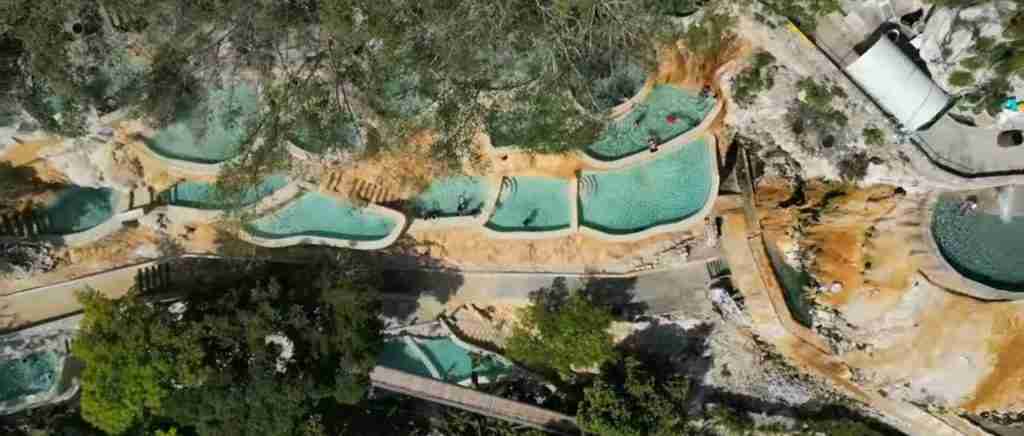
3 days
San Miguel De Allende 3-Day Discovery Tour
- ✓ Comprehensive San Miguel De Allende experience
- ✓ Expert local guides included
- ✓ All accommodation included
- ✓ Transportation provided
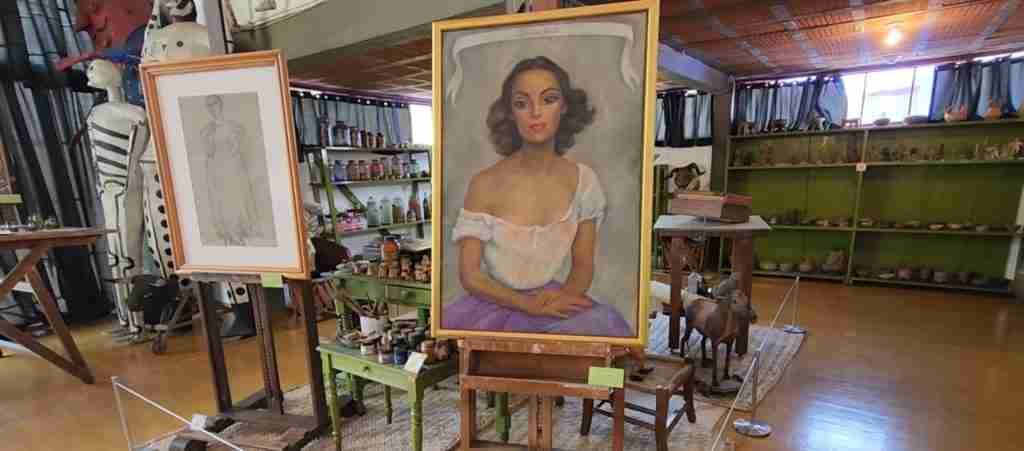
5 days
San Miguel De Allende 5-Day Highlights Experience
- ✓ Comprehensive San Miguel De Allende experience
- ✓ Expert local guides included
- ✓ All accommodation included
- ✓ Transportation provided

7 days
San Miguel De Allende 7-Day Cultural Journey
- ✓ Comprehensive San Miguel De Allende experience
- ✓ Expert local guides included
- ✓ All accommodation included
- ✓ Transportation provided
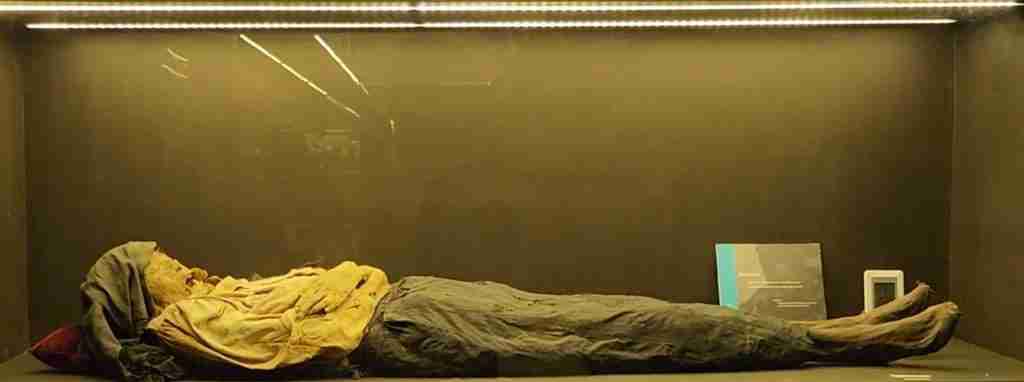
10 days
San Miguel De Allende 10-Day Complete Adventure
- ✓ Comprehensive San Miguel De Allende experience
- ✓ Expert local guides included
- ✓ All accommodation included
- ✓ Transportation provided
Multi-day tour packages powered by TourRadar. Prices and availability subject to change.
Essential Planning Information 2026
Understanding San Miguel de Allende Costs 2026
San Miguel de Allende operates on a dual pricing structure where locals pay substantially less than tourists for many services, though posted prices for attractions and tours remain standard. Guided walking tours cost $35-50 for 2-3 hour experiences in 2026, cooking classes range $85-150 for half-day sessions, and art workshops at institutions like Instituto Allende charge $45-95 for single classes (check specific schools for current official rates as pricing may vary). Entry to most churches and public spaces remains free, though donations of $2-5 are appreciated at historic churches like La Parroquia.
Accommodation represents the largest expense, with colonial hotels and boutique properties charging $90-350 per night in high season (November-April), dropping to $60-210 in low season (May-October). Dining costs vary dramatically by venue choice: street tacos cost $1-2 each, casual restaurants charge $12-25 for complete meals, mid-range establishments run $25-45 per person, and upscale dining experiences reach $50-120 per person before drinks. Alcohol adds significantly to restaurant bills, with margaritas costing $6-12, Mexican wines $30-60 per bottle, and craft cocktails $10-18 in trendy bars.
Local transportation within the historic center rarely exceeds $8 by taxi, making it affordable to supplement walking with occasional rides. Day trips to surrounding attractions like the Sanctuary of Atotonilco ($5 entry), Cañada de la Virgen archaeological site ($15 entry), or nearby hot springs ($12-25 entry) add $30-60 in total costs including transportation and admission. Art galleries throughout the city offer free admission, while museum entry costs $3-8 at venues like the Casa de Allende historical museum.
Currency and Payment Methods 2026
The Mexican Peso (MXN) serves as local currency, with exchange rates fluctuating around 17-18 pesos per U.S. dollar in 2026. ATMs throughout the historic center dispense pesos at competitive exchange rates, though they charge withdrawal fees of $4-7 per transaction from international cards. Notify your bank before travel to Mexico to avoid card freezes from fraud protection systems, and carry at least two different debit or credit cards in case one faces technical issues.
Credit cards enjoy wide acceptance at hotels, established restaurants, tour operators, and shops in tourist areas, with Visa and Mastercard working nearly universally. However, many smaller establishments, street food vendors, local markets, and family-run businesses operate cash-only, making it essential to carry pesos for these transactions. High-end restaurants and hotels often add 3-5% surcharges for credit card payments, effectively negating the benefits of card usage.
Exchange currency at banks or established casas de cambio rather than airport exchange counters, which offer rates 5-8% worse than standard market rates. Bringing some U.S. dollars as backup provides security, as dollars exchange easily throughout the city, though paying directly in dollars typically results in unfavorable exchange rates from merchants who round to their advantage.
Best Time to Visit San Miguel de Allende 2026
Seasonal Analysis for 2026
Peak season spans November through April, offering the most reliable weather with minimal rainfall, comfortable daytime temperatures of 70-78°F, and cool evenings that require light jackets or sweaters. November brings the spectacular Día de los Muertos celebrations (November 1-2, 2026) when the city transforms with elaborate altars, marigold decorations, cemetery visits, and cultural events honoring departed loved ones. December through January features Christmas and New Year festivities with posadas (traditional processions), nativity scenes, and fireworks, though accommodation prices reach annual peaks of $250-400 for luxury properties.
February and March provide excellent weather without major holiday premiums, making them ideal for value-conscious travelers who want peak-season conditions at 15-20% lower costs than December-January. The city hosts numerous art openings, gallery walks, and cultural events during these months as the large expatriate community remains in residence. April brings warming temperatures of 78-85°F and blooming jacaranda trees that create stunning purple canopies over colonial streets, though Easter week (Semana Santa) in early to mid-April attracts domestic Mexican tourists and elevates prices temporarily.
Low season runs May through October, characterized by afternoon rain showers that cool temperatures and create dramatic skies, hotel rates dropping 30-40% to $60-210 per night, and fewer international tourists allowing more authentic local interactions. Morning hours remain sunny and perfect for sightseeing, with rain typically arriving between 3-6 PM and clearing by evening. July and August bring the highest rainfall but also the greenest landscapes, while September and October offer improving weather as rains diminish and high season approaches. Travelers who don’t mind occasional afternoon showers find exceptional value during these months.
Weather Patterns and Crowd Predictions 2026
San Miguel de Allende sits at 6,200 feet elevation in central Mexico’s highlands, creating spring-like weather year-round with cool evenings and moderate daytime temperatures. Winter months (November-February) bring the driest conditions with less than 1 inch of monthly rainfall, clear blue skies, and temperatures ranging from 45-55°F at night to 70-78°F during the day. Mornings feel crisp and perfect for coffee on sun-warmed terraces, while evenings require sweaters or light jackets for comfortable outdoor dining.
The rainy season spans June through September, with afternoon thunderstorms arriving reliably between 3-6 PM and lasting 1-3 hours before clearing to reveal spectacular sunsets. Monthly rainfall reaches 3-5 inches during peak wet months (July-August), though mornings remain sunny and ideal for touring, making it possible to plan activities around the predictable afternoon rain pattern. Temperature variations stay minimal throughout the year, with summer highs of 75-85°F offering comfortable conditions even during the wettest months.
Crowd levels peak during three specific periods: Día de los Muertos week (late October through early November), Christmas and New Year (December 20-January 6), and Semana Santa (Easter week in April). These periods require booking accommodations 3-4 months in advance and accepting premium pricing. February through early March sees strong visitor numbers without the extreme peaks of holiday periods, offering the best balance of good weather and manageable crowds. May through October brings the lightest tourist traffic, with some restaurants and galleries reducing hours or closing temporarily, though major attractions and hotels maintain full operations.
Accommodation Strategies 2026
Budget Accommodation Options
Hostels in San Miguel de Allende cost $20-35 per night for dormitory beds, with private rooms ranging $45-75, offering social atmospheres, communal kitchens, and often spectacular rooftop terraces with colonial city views. Notable options include Hostel Inn and Nomada Hostel, both located within 5-10 minute walks of the central Jardín plaza. Budget hotels and guesthouses charge $60-95 per night for simple but clean rooms with private bathrooms, hot water, and basic amenities, though colonial architectural features may be minimal.
Airbnb apartments provide excellent value for longer stays or groups, with studio apartments renting for $55-85 per night and two-bedroom units costing $95-140 per night, often including kitchens that reduce dining expenses. Location matters significantly for budget properties, with those in the historic center commanding 20-30% premiums over equivalent properties 10-15 minutes walk from the Jardín. Low season (May-October) brings discounts of 30-40% to budget properties, making it possible to find acceptable accommodations for $35-60 per night.
Many budget properties include breakfast in their rates, a valuable savings of $8-15 per person that makes up for slightly higher base prices compared to accommodations without meals. Book directly with properties when possible, as commission-free reservations sometimes yield 10-15% discounts or room upgrades not available through booking platforms.
Mid-Range and Luxury Options
Mid-range boutique hotels occupy beautifully restored colonial buildings, charging $120-210 per night for rooms with authentic architectural details like beamed ceilings, tiled courtyards, and fountain-centered patios. These properties typically include breakfast, afternoon coffee or tea service, and often rooftop terraces or small pools. Notable examples include Casa Schuck Boutique Hotel, Hotel Hacienda el Santuario, and Dos Casas Hotel & Spa, all offering superior locations within the historic center and personalized service.
Luxury colonial hotels represent San Miguel’s most distinctive accommodation category, with room rates of $250-450 per night buying access to meticulously restored historic mansions featuring original murals, antique furnishings, acclaimed restaurants, and full-service spas. Properties like Rosewood San Miguel de Allende, Hotel Matilda, and Belmond Casa de Sierra Nevada set standards for colonial luxury, with some suites exceeding $600-900 per night during peak periods. These hotels include concierge services, in-house art collections, cooking classes, and cultural programming that justifies premium pricing for discerning travelers.
Booking windows affect pricing significantly: reserving 2-3 months ahead for high season (November-April) provides the best selection and allows comparison shopping across properties. Last-minute bookings (within 2 weeks) occasionally yield deals as hotels discount unsold inventory, though this strategy risks limited availability during peak periods. Package deals combining accommodations with airport transfers, spa treatments, or cooking classes sometimes offer 15-20% savings compared to booking components separately.
Transportation Guide 2026
Getting to San Miguel de Allende 2026
Querétaro International Airport (QRO) sits 65 kilometers (40 miles) from San Miguel de Allende, approximately 60-75 minutes by car, and serves as the closest air gateway with direct flights from major U.S. cities including Houston, Dallas, and Los Angeles. Airport shuttle services cost $35-45 per person for shared rides departing when vehicles fill (typically every 60-90 minutes), while private transfers run $90-120 for groups up to 4 passengers with departure flexibility and door-to-door service to your specific hotel.
León/Bajío International Airport (BJX) offers alternative access 100 kilometers (62 miles) away, approximately 90 minutes by car, with more extensive flight options including connections through Mexico City and additional U.S. gateway cities. Shuttle services from León cost $40-50 per person for shared transport, while private transfers run $110-140 for groups. Both airports maintain reliable shuttle schedules, though confirming reservations 24-48 hours before travel ensures space during busy periods.
Mexico City International Airport (MEX) serves as the most connected gateway with flights from virtually every major international city, sitting 280 kilometers (174 miles) from San Miguel de Allende. First-class ETN bus service operates direct routes from Mexico City’s Terminal Poniente (western bus station) to San Miguel, departing every 60-90 minutes and costing $25-35 per person for the 3.5-4 hour journey in reclining seats with onboard bathrooms. Private car transfers from Mexico City cost $200-280 for up to 4 passengers, worthwhile for groups or travelers with significant luggage.
Local Transportation Within San Miguel 2026
Walking serves as the primary transportation method in San Miguel de Allende’s compact historic center, with most attractions, restaurants, and galleries clustered within 1-2 kilometers of the central Jardín plaza. Cobblestone streets and steep hills characterize the colonial layout, making comfortable walking shoes essential, as do occasional uneven sidewalks and broken pavement requiring careful footing. The city’s elevation at 6,200 feet means some visitors experience mild shortness of breath during uphill walks in the first day or two before acclimation.
Taxis provide convenient point-to-point transportation for $4-8 within the historic center, with rides to outlying neighborhoods or attractions costing $8-15. Licensed taxis display official identification and meters, though many drivers quote flat fares for common routes instead of using meters. Uber operates reliably throughout San Miguel with fare estimates of $3-6 for most in-town trips, offering the security of predetermined pricing and cashless payment through the app.
Local buses cost $0.50 per ride but follow routes designed for residential areas rather than tourist attractions, making them impractical for most visitors despite rock-bottom pricing. Bicycle rentals run $15-25 per day at shops near the Jardín, offering an appealing way to explore beyond the immediate historic center, though steep hills and cobblestone surfaces make cycling challenging in some areas. Many hotels provide bicycles free to guests, worth confirming when booking.
Money-Saving Strategies 2026
Advance Planning Benefits 2026
Booking accommodations 2-3 months ahead for high season travel (November-April) yields savings of 15-25% compared to last-minute reservations, as hotels offer early-bird rates to secure advance commitments. Package deals bundling rooms with airport transfers, cooking classes, or spa treatments provide additional 10-20% discounts compared to booking components separately. Many boutique hotels offer free night promotions for extended stays, typically providing the 4th or 7th night free on stays of that length, effectively reducing per-night costs by 14-25%.
Flight booking windows follow standard patterns with optimal prices appearing 6-10 weeks before departure for domestic U.S. flights to Querétaro or León airports. Flexible travel dates save $50-150 per person by avoiding weekend departures and arrivals, as Tuesday through Thursday flights consistently price 20-35% below Friday through Monday options. Connecting through Mexico City rather than booking direct flights to Querétaro sometimes reduces airfare by $100-200 per person, though this requires factoring in ground transportation costs from Mexico City to San Miguel of $25-35 by bus.
Advance reservations for popular experiences like cooking classes, art workshops, and small-group tours ensure availability while sometimes offering early-booking discounts of 10-15%. Walking tours booked online in advance cost the same as walk-up reservations but guarantee space during peak periods when groups fill. Purchasing Mexican Pesos before arrival through online currency exchange services occasionally beats local ATM rates by 2-3%, worthwhile for larger currency amounts of $1,000+.
Seasonal Optimization Tips 2026
Low season travel during May through October delivers the most dramatic cost savings, with hotel rates dropping 30-40% compared to peak winter months and some properties offering additional discounts for direct bookings. Afternoon rain showers during these months follow predictable patterns, allowing tourists to plan morning sightseeing, midday museum visits or lunch breaks, and evening activities around the 3-6 PM rain window. The city maintains full restaurant and attraction operations during low season, though some galleries reduce hours to afternoons only.
Shoulder season periods (late February-March and late October-early November) offer compromise positions with weather nearly as good as peak season but costs 15-20% lower and crowds significantly reduced. Avoiding specific peak dates like Día de los Muertos weekend (November 1-2), Christmas week (December 20-January 2), and Semana Santa (Easter week in April) cuts accommodation costs by 25-40% while maintaining excellent weather and cultural programming.
Free activities maximize value year-round: exploring churches like La Parroquia and Templo de San Francisco costs nothing beyond suggested donations, gallery walks on Tuesday evenings showcase contemporary art at no charge, and the weekly organic market (Sundays 10 AM-2 PM) in Parque Juárez provides free entertainment and sampling opportunities. Self-guided architectural walking following free routes outlined in tourist office maps saves $35-50 per person compared to guided tours while allowing flexible pacing and extended photography stops.
Sample 2026 Itineraries
Three-Day Cultural Immersion 2026
Day 1: Colonial Architecture and Historic Center
Begin at La Parroquia de San Miguel Arcángel at 8 AM when morning light illuminates the neo-Gothic pink facade, spending 45-60 minutes exploring the interior baroque altarpieces and climbing the bell tower for panoramic city views ($3 suggested donation). Walk to Casa de Allende historical museum opening at 9 AM ($5 entry) for comprehensive exhibits on Mexican independence and Ignacio Allende’s role, dedicating 60-90 minutes to permanent and temporary exhibitions. Cross the Jardín plaza to Café del Jardín for breakfast of chilaquiles and café de olla ($12-18), observing local life in the city’s social heart.
Afternoon exploration includes the Templo de San Francisco ($2 suggested donation), featuring an ornate churrigueresque facade and gilded baroque interior, followed by wandering narrow streets like Calle Aldama and Calle Relox where colonial architecture remains remarkably intact. Visit Fábrica La Aurora, a former textile factory converted into contemporary art galleries and studios, 2 kilometers from the center ($8 taxi ride or 25-minute walk). Spend 2-3 hours browsing galleries showcasing Mexican contemporary art, with free admission to most exhibition spaces. Return to the center for sunset from Parque Juárez terrace, then dinner at Aperi ($35-50) for modern Mexican cuisine in a colonial courtyard setting. Day cost: Museum entry $5, breakfast $12-18, taxi $8, dinner $35-50, drinks $15-25. Total day cost: $75-106 per person (excluding accommodation).
Day 2: Art Workshops and Cultural Activities 2026
Join a 4-hour traditional cooking class ($95-125 including market tour, instruction, and lunch) beginning at 9 AM with market visits to select fresh ingredients, then hands-on preparation of moles, salsas, and handmade tortillas at instructor’s colonial kitchen. Classes conclude with shared lunch of prepared dishes and recipe packets for recreating meals at home. Afternoon offers options: take a 2-hour papercraft workshop at local studio ($35-45) learning traditional papel picado (perforated paper) techniques, or visit Instituto Allende ($5 grounds access) to tour galleries and colonial courtyards of this renowned art school founded in 1950.
Evening begins with Tuesday gallery walk (free, 5-8 PM on select Tuesdays) when art spaces extend hours and offer wine or refreshments, or attend live music at Mama Mia rooftop bar (no cover, drinks $8-15) featuring jazz, bossa nova, or Mexican trova. Dinner at La Parada ($18-28) offers elevated street food in a casual atmosphere, or Jacinto 1930 ($45-65) provides fine dining in an intimate colonial setting. Day cost: Cooking class $95-125 (includes lunch), papercraft workshop $35-45, Instituto grounds $5, drinks $15-25, dinner $18-65. Total day cost: $168-265 per person (excluding accommodation).
Day 3: Day Trip to Atotonilco and Regional Exploration 2026
Depart 9 AM by taxi ($25-30 for round-trip including wait time) or local bus ($2 per person each way) to Sanctuary of Atotonilco, 15 kilometers north of San Miguel. This UNESCO World Heritage chapel, built between 1740-1776, features extraordinary baroque frescoes covering every interior surface, earning its nickname “Sistine Chapel of Mexico.” Entry costs $5 with self-guided exploration taking 60-90 minutes, or hire local guide for detailed explanations of iconography and history ($20-30). The sanctuary holds special significance as the site where Father Hidalgo took the Virgin of Guadalupe banner that became the independence movement symbol.
Return to San Miguel for lunch at Hecho en Mexico ($20-35) showcasing regional specialties from across Mexico’s states, then afternoon at Cañada de la Virgen archaeological site (reservations required, $50-70 for guided tour including transportation) exploring pre-Hispanic pyramids built between 540-600 CE. The 2-hour tour includes walks through desert landscape to pyramid complexes aligned with astronomical events, offering perspectives on Mexico’s indigenous heritage predating Spanish colonization. Alternative afternoon: visit La Gruta hot springs ($20 entry) 30 minutes from the city for natural thermal pools and lunch at their restaurant. Day cost: Taxi to Atotonilco $25-30, sanctuary entry $5, guide $20-30, lunch $20-35, Cañada tour $50-70. Total day cost: $120-170 per person (excluding accommodation).
Weekend Romantic Getaway 2026
Day 1: Arrival and Evening Exploration
Arrive via private airport transfer from Querétaro ($90-120 for couple) in early afternoon, checking into boutique hotel with rooftop terrace and city views. Spend late afternoon relaxing and acclimating to altitude before 6 PM stroll to Jardín plaza for sunset, when golden light illuminates La Parroquia’s towers and locals gather for evening socializing. Book 7:30 PM dinner reservation at Moxi ($65-90 per person) or The Restaurant ($80-120 per person) for elevated Mexican cuisine with wine pairings, reserving window tables overlooking illuminated colonial streets. Evening ends with artisanal mezcal tasting at La Azotea rooftop bar ($12-18 per cocktail) under stars with panoramic city views. Day cost: Airport transfer $90-120 (split), dinner $130-240 (couple), drinks $30-45 (couple). Total day cost: $250-405 per couple (excluding accommodation).
Day 2: Spa, Culture, and Fine Dining 2026
Begin with couples’ spa treatment ($180-280 for 90-minute services) at hotel spa or Escondido Place day spa, featuring indigenous-inspired treatments using local herbs and volcanic stones. Late morning stroll to organic Sunday market in Parque Juárez (10 AM-2 PM) for local products, artisan foods, and live music, picking up picnic supplies for lunch. Afternoon private art gallery tour ($120-150 for couple, 2 hours) with local expert visiting contemporary galleries and artist studios not open to general public, providing insider access and purchase opportunities.
Evening begins with sunset cocktails at Luna Rooftop Tapas Bar ($12-18 per drink) before 8 PM reservation at Zumo ($55-85 per person) for farm-to-table dining in romantic courtyard setting, or Aperi ($35-50 per person) for innovative small plates with mezcal pairings. Post-dinner gelato from Mimo’s ($3-6 per cup) makes perfect finish while strolling illuminated streets back to hotel. Day cost: Spa $180-280 (couple), market snacks $15-25, gallery tour $120-150 (couple), dinner $70-170 (couple), drinks/cocktails $35-50 (couple), gelato $6-12 (couple). Total day cost: $426-687 per couple (excluding accommodation).
Booking and Reservations 2026
Official Booking Channels 2026
Most San Miguel attractions require no advance reservations, as churches and public spaces operate on walk-in basis with free or donation-based entry. However, three experiences demand advance booking: Cañada de la Virgen archaeological site limits daily visitors and requires reservations 1-7 days ahead through approved tour operators or the official website, cooking classes at popular schools sell out 2-4 weeks ahead during high season and require deposit payments, and art workshops at Instituto Allende or private studios book 1-3 weeks ahead for popular courses.
Hotel reservations through official property websites sometimes yield 10-15% discounts compared to online travel agencies, as properties avoid commission fees and can pass savings to direct bookers. Boutique hotels often respond to direct email inquiries with personalized rate quotes and upgrade options not available through automated booking systems. However, larger booking platforms provide consumer protections, flexible cancellation policies, and loyalty program benefits that direct bookings may not match.
Restaurant reservations become essential during high season (November-April) for upscale dining venues, particularly on weekends when both tourists and local expatriates fill popular establishments. Making reservations 2-7 days ahead ensures preferred seating times, while walk-ins risk 30-60 minute waits or inability to dine at peak 7:30-9:30 PM hours. Casual and mid-range restaurants accept walk-ins most evenings, though weekend dinner times merit calling ahead or arriving early at 6:30-7 PM.
Tour Operator Recommendations 2026
Cultural walking tours with San Miguel Tours or Pie Experiences cost $35-50 per person for 2.5-3 hour small group explorations of architecture, history, and local culture, departing daily at 10 AM and 3 PM from the Jardín. These English-language tours provide excellent orientation on first or second days in the city, covering colonial history, independence movement significance, and practical tips for navigating the destination. Private custom tours run $150-250 for groups up to 6 people with personalized itineraries focusing on specific interests like photography, architecture, or art studios.
Food tours through Eat Like a Local or San Miguel Food Tours ($75-95 per person for 3-4 hours) visit 6-8 establishments ranging from street taco stands to traditional markets to contemporary restaurants, providing tastes equivalent to full meal while explaining regional Mexican cuisine and culinary history. Morning tours (10 AM start) work best on empty stomachs, while evening tours (5 PM start) transition into dinner. Weekend departures fill fastest, requiring 1-2 week advance reservations during high season.
Day trip operators including Mex’Plorers and Senderos & Aventuras organize excursions to surrounding attractions like hot springs ($65-85 including transportation and entry), wine country tours ($95-125 with tastings at 3-4 wineries), and Guanajuato city tours ($85-110 for full-day exploration of the nearby UNESCO colonial city). These tours pick up from hotels at 9-10 AM and return by 5-6 PM, providing air-conditioned transportation, English-speaking guides, and structured itineraries that maximize efficiency for travelers without rental cars.
Planning Your 2026 Visit
Pre-Departure Preparation
Visa requirements for U.S., Canadian, and European passport holders allow tourism visits of up to 180 days without pre-approved visas, with entry stamps issued at Mexican immigration upon arrival. Ensure passports maintain 6 months validity beyond travel dates to avoid entry complications. Mexican immigration officials issue tourist cards (FMM forms) on international flights or at border crossings, which must be retained and presented upon departure to avoid fines.
Travel insurance covering medical emergencies, trip cancellation, and evacuation provides valuable protection, particularly given U.S. health insurance typically excludes coverage in Mexico. Policies cost $45-95 per person for week-long trips, covering emergency medical care, trip interruption, and lost baggage. Mexico’s private healthcare system delivers excellent care at costs substantially below U.S. rates, making emergency medical situations manageable even without insurance, though coverage provides peace of mind.
Packing for San Miguel de Allende prioritizes layers for variable temperatures: mornings and evenings can drop to 45-55°F in winter months (November-February) requiring sweaters or light jackets, while afternoons warm to 70-78°F allowing t-shirts and light clothing. Comfortable walking shoes with good traction handle cobblestone streets and steep hills, while dressier options suit upscale restaurants and evening activities. High elevation creates intense sun exposure, making sunscreen and hats essential even on cool days. The colonial city maintains conservative dress norms, with knee-length shorts, modest tops, and covered shoulders appreciated in churches and traditional restaurants.
First 24 Hours Strategy
Arriving in San Miguel de Allende, collect pesos from ATMs near the Jardín plaza or inside the central HSBC or Banamex bank branches, which offer better exchange rates than street cambios or hotel front desks. Purchase a local SIM card from Telcel or AT&T stores ($15-25 for 3-7 days data) or activate international roaming if your carrier offers affordable Mexico coverage. Most hotels and restaurants provide WiFi, making data plans optional for travelers comfortable with WiFi-only connectivity.
Orient yourself through a self-guided walking loop of the historic center: start at La Parroquia in the Jardín, walk west on Calle San Francisco to view the San Francisco church and cultural center, continue to Parque Juárez for overview terraces, then loop back through Mercado Ignacio Ramírez (crafts market) and residential streets north of the center. This 90-minute walk covers major landmarks and establishes mental maps for navigating the compact colonial core.
Book key reservations for remaining days: dinner at desired upscale restaurants (2-7 days ahead), cooking classes or art workshops (availability permitting), and any day trip tours requiring deposits. Stop at the tourist information office on the Jardín’s south side for free maps, current event listings, and recommendations on exhibitions, concerts, or special programs during your visit dates. Many staff members speak English and provide insider tips on lesser-known attractions worth exploring.
2026 Updates and Current Information
Recent Developments for 2026 Travelers
San Miguel de Allende continues infrastructure improvements addressing growth from both tourism and expatriate population increases. The historic center maintains UNESCO protection preventing major structural changes, though property renovations follow strict guidelines preserving colonial character while updating interiors with modern amenities. Several new boutique hotels opened in 2024-2025, expanding luxury accommodation options while maintaining authentic architectural restoration standards.
The Querétaro-San Miguel highway underwent improvements in 2024-2025, reducing travel time from Querétaro Airport by 10-15 minutes and improving road surface quality. Direct flight service to Querétaro Airport expanded from several U.S. cities, making air access easier than previous years when León Airport served as primary gateway. However, no commercial flights land directly in San Miguel de Allende, maintaining ground transportation requirements from regional airports.
Cultural programming expanded with new gallery spaces in Fábrica La Aurora and additional art schools offering short-term workshops for visitors. The Tuesday evening gallery walk tradition continues growing, with 20+ galleries participating regularly. Restaurant scene evolution brings increased international cuisines beyond traditional Mexican and Italian options that previously dominated, including Japanese, Middle Eastern, and contemporary fusion concepts joining the culinary landscape.
Sustainable Tourism Practices
San Miguel de Allende faces tourism sustainability challenges as international visitor numbers increase annually. Conscious travelers can minimize impact by choosing locally-owned boutique hotels over international chains, eating at restaurants sourcing ingredients from regional suppliers rather than importing products, and purchasing artwork and crafts directly from artists or their representatives rather than intermediary shops marking up prices significantly.
Water conservation matters in this semi-arid region, making efforts to minimize water usage appreciated by local infrastructure: reusing towels, taking shorter showers, and choosing hotels with water-efficient fixtures contribute meaningfully. Plastic reduction helps address waste management challenges, so carrying reusable water bottles (many hotels provide filtered water for refills), refusing plastic bags at markets, and using reusable shopping bags make positive differences.
Cultural respect preserves the UNESCO World Heritage designation that makes San Miguel special: dressing modestly in churches, asking permission before photographing local residents, learning basic Spanish phrases rather than expecting English everywhere, and participating in cultural experiences with authentic interest rather than superficial tourism all contribute to sustainable relationships between visitors and the resident community. Tipping service workers fairly (15-20% in restaurants, $2-5 for helpful hotel staff, $5-10 for tour guides) supports the local economy that depends heavily on tourism employment.
Frequently Asked Questions
How many days do you need in San Miguel de Allende?
Three to four days provides sufficient time to explore San Miguel de Allende’s historic center, take a cooking class or art workshop, enjoy the restaurant scene, and make one day trip to nearby attractions like Atotonilco or hot springs. This timeframe allows experiencing the city’s colonial architecture, galleries, and cultural atmosphere without rushing while maintaining reasonable vacation budgets. Travelers interested in deeper art immersion, Spanish language classes, or extensive regional exploration benefit from 5-7 days, particularly during cultural events like Día de los Muertos or San Miguel Writers’ Conference when special programming justifies longer visits.
What language do they speak in San Miguel de Allende?
Spanish serves as the primary language spoken by local residents, though the substantial expatriate community means English enjoys wide usage in tourist areas, hotels, upscale restaurants, and tour operations. Many servers, shopkeepers, and hotel staff in the historic center speak functional English, particularly those working directly with international visitors. However, venturing beyond main tourist zones, shopping at local markets, or dining at neighborhood restaurants requires basic Spanish skills or willingness to communicate through gestures and translation apps. Learning essential phrases like greetings, numbers, and courtesy expressions enhances experiences and receives warm appreciation from locals who respect visitors’ efforts to engage with Mexican culture.
Can you drink tap water in San Miguel de Allende?
Tap water in San Miguel de Allende is not recommended for drinking by visitors, though locals and long-term residents sometimes consume it after building tolerance to local bacteria and minerals. Hotels, restaurants, and local households use purified water (agua purificada) for drinking and cooking, with 5-gallon jugs delivered regularly to homes and businesses. Most hotels provide complimentary purified water in guest rooms or have refill stations in common areas. Restaurants serve purified water and ice made from purified sources, making drinks and foods prepared with water safe for consumption. Purchase bottled water ($1-2 for 1.5 liters) at any convenience store or supermarket for drinking, tooth brushing, and rinsing fruits.
Is San Miguel de Allende expensive compared to other Mexican destinations?
San Miguel de Allende ranks among Mexico’s more expensive destinations, particularly for accommodations and dining in the historic center, with daily costs comparable to U.S. mid-size cities rather than typical Mexican beach resort pricing. The large expatriate community and sophisticated international tourism create demand supporting higher prices than destinations like Oaxaca or Puebla. However, budget options exist for travelers willing to stay in hostels ($20-35 per night), eat street food and casual restaurants ($15-30 daily), and focus on free activities like church visits and gallery walks. Mid-range travelers spend amounts similar to domestic U.S. travel, while luxury visitors find excellent value compared to equivalent experiences in the United States or Europe, paying $200-400 for colonial mansion hotels that would cost $500-800 in major U.S. cities.
What should I buy in San Miguel de Allende?
San Miguel de Allende offers exceptional shopping for handcrafted Mexican folk art, contemporary artwork by local artists, textiles including wool rugs and embroidered clothing, and pewter decorative items and tableware. Galleries throughout Fábrica La Aurora and the historic center sell paintings, sculptures, and photography at prices substantially below what equivalent artwork commands in New York or Los Angeles galleries, making San Miguel an appealing destination for art collectors. Mercado de Artesanías (crafts market) adjacent to the Jardín provides one-stop shopping for textiles, pottery, silver jewelry, and leather goods at negotiable prices where vendors expect haggling (start at 60-70% of asking price). Antique shops along Calle Zacateros sell colonial-era furniture, religious artifacts, and decorative objects, though export restrictions apply to genuinely old pieces. Paper goods including traditional papel picado, handmade journals, and fine art prints make lightweight, packable souvenirs capturing San Miguel’s artistic character.
Do I need travel insurance for San Miguel de Allende?
Travel insurance provides valuable protection for San Miguel de Allende trips, covering trip cancellation if illness or emergencies prevent travel, medical care if health issues arise during the visit, and emergency evacuation if serious medical situations require transportation to U.S. facilities. Standard U.S. health insurance policies typically exclude coverage in Mexico, making medical travel insurance important for protecting against unexpected healthcare costs. Mexican healthcare delivers excellent quality care at fraction of U.S. costs, with emergency room visits costing $100-300 and specialist consultations $50-150, making even uninsured medical situations manageable. However, serious conditions requiring air ambulance evacuation can exceed $20,000-50,000, justifying insurance premiums of $45-95 for week-long trips. Trip cancellation coverage protects non-refundable hotel deposits, prepaid tour costs, and flight expenses if covered circumstances force itinerary changes.
What altitude is San Miguel de Allende and will it affect me?
San Miguel de Allende sits at 6,200 feet (1,900 meters) elevation in central Mexico’s highlands, high enough that some visitors experience mild altitude effects during the first 24-48 hours after arrival. Common symptoms include slight shortness of breath during physical exertion like climbing hills or stairs, mild headaches, and fatigue, particularly for visitors arriving from sea level locations. These effects typically resolve within 1-2 days as bodies acclimate to the thinner air. Strategies for managing altitude include drinking extra water (8-10 glasses daily), limiting alcohol consumption in the first day, eating light meals, and moderating physical activity until acclimation occurs. Most visitors experience minimal or no altitude symptoms, though individuals with heart or lung conditions should consult physicians before travel to high-elevation destinations. The pleasant side effect of this elevation is year-round spring-like weather with cool evenings and moderate daytime temperatures.
Can I use Uber in San Miguel de Allende?
Uber operates reliably throughout San Miguel de Allende with good driver availability, competitive pricing of $3-6 for most in-town trips, and the security of predetermined fares shown before ride confirmation. The service provides particular value for travelers uncomfortable with Spanish-language taxi negotiations or unfamiliar with standard taxi rates. However, Uber faces occasional tensions with traditional taxi drivers who view the service as unfair competition, leading to rare instances of conflict at pick-up/drop-off points. Using Uber from hotel locations rather than busy taxi stands minimizes these uncommon situations. Traditional registered taxis remain widely available and charge reasonable fixed rates of $4-8 for most in-town destinations, posting rate boards at taxi stands near the Jardín and major hotels. Both options provide safe, affordable transportation, with choice depending on personal preference for app-based services versus traditional taxi culture.
What’s the WiFi and cell service like in San Miguel de Allende?
WiFi connectivity reaches excellent standards in San Miguel de Allende’s tourist areas, with virtually all hotels, restaurants, cafes, and many shops offering free WiFi to customers. Connection speeds support email, web browsing, and social media use, though bandwidth sometimes struggles with video calls or large file uploads during peak evening hours when many users access networks simultaneously. Hotels generally provide reliable in-room WiFi, while cafes like Café del Jardín, Lavanda, and Berlin offer comfortable spaces for working or extended internet sessions over coffee or meals. Cell phone coverage from Mexican carriers Telcel, AT&T Mexico, and Movistar blankets the city and surrounding highways with 4G LTE service, though signal strength weakens in some interior courtyards of thick-walled colonial buildings. Tourist SIM cards cost $15-25 for 3-7 days of data and work in unlocked phones, providing navigation capabilities and translation app access while exploring beyond WiFi zones. Many U.S. carriers offer affordable Mexico roaming packages, worth activating before departure if relying heavily on mobile connectivity.
Is there good healthcare in San Miguel de Allende for tourists?
San Miguel de Allende maintains high-quality private healthcare suitable for tourists facing medical situations, with several clinics staffed by English-speaking physicians trained in Mexico and often the United States. Hospital de la Fe serves as the primary private hospital offering emergency services, laboratory testing, minor surgeries, and specialist consultations at costs substantially below U.S. rates: emergency room visits run $100-300, specialist appointments cost $50-150, and prescription medications price at 30-70% of U.S. equivalents. Many physicians maintain flexible schedules accepting same-day or next-day appointments for urgent but non-emergency situations. The large expatriate community supports healthcare infrastructure accustomed to international patients, with administrative staff handling insurance documentation and communication in English. For serious conditions requiring advanced intervention, evacuation to Mexico City (4 hours by ground, 1 hour by air) or U.S. facilities represents standard protocols that travel insurance with medical evacuation coverage addresses. Pharmacies throughout the city sell many prescription medications over-the-counter that require prescriptions in the U.S., making medication access convenient though consulting local physicians before purchasing unfamiliar medicines remains advisable.